Author: Mei Ling Tan

  • Nike is world’s most valuable apparel brand, says Brand Finance Top 50

    Nike is world’s most valuable apparel brand, says Brand Finance Top 50

    Despite losing popularity with American teenagers and a drop in brand value of 41 per cent, Nike is still way out in front in the Brand Finance Top 50 list of the most valuable apparel brands in the world.

    In the list, just been release by the independent brand valuation and strategy consultancy, Nike’s main competitor Adidas was fourth behind H&M and Zara with an increase in brand value of 41 per cent.

    In the realm of luxury brands, Hermes overtook Louis Vuitton, jumping two spots from 7th to 5th from last year. Luxury brands including Cartier, Gucci, Hermes and LV had strong growth in value as more consumers in emerging markets buy into the market.

    Japan’s Uniqlo was the only Asian brand in the top 10, with Hong Kong jeweller Chow Tai Fook and China’s Anta Sports taking up the 13th and 33rd spots respectively.

    These are the top 50 most-valuable apparel brands in the world this year:

      1. Nike (brand value, US$2.8 billion)
      2. H&M ($1.8 billion)
      3. Zara ($1.7 billion)
      4. Adidas ($1.4 billion)
      5. Hermes ($11.3 billion)
      6. Louis Vuitton ($10.4 billion)
      7. Cartier ($9.8 billion)
      8. Gucci ($8.5 billion
      9. Uniqlo ($8 billion)
      10. Rolex ($6.3 billion)
      11. Coach ($6.1 billion); 12. Victoria’s Secret ($6.1 billion); 13. Chow Tai Fook ($5 billion); 14. Tiffany & Co ($4.6 billion); 15. Burberry ($4.5 billion);16. Christian Dior ($4 billion); 17. Polo Ralph Lauren ($4 billion); 18. Prada ($3.8 billion); 19. Under Armour ($3.7 billion); 20. Armani ($3.5 billion)
      12. Puma ($3.3 billion); 22. Ray-Ban ($3.2 billion); 23. Omega ($3.1 billion); 24. The North Face ($3.1 billion); 25. Pandora ($3 billion); 26. Michael Kors ($2.7 billion); 27. Tommy Hilfiger ($2.6 billion); 28. Anta ($2.6 billion); 29. Old Navy ($2.3 billion); 30. Bulgari ($2.2 billion)
      13. Bershka ($2.2 billion); 32. Calvin Klein ($2.2 billion); 33. Levi’s ($2.2 billion); 34. Primark/Penneys ($2.1 billion); 35. Moncler ($2 billion); 36. Boss ($2 billion) 37. Gap ($2 billion); 38. Ferragamo ($1.9 billion); 39. Saint Laurent ($1.8 billion); 40. Bottega Veneta ($1.8 billion)
      14. Valentino ($1.8 billion); 42. Skechers ($1.6 billion); 43. Swatch ($1.6 billion); 44. Tag Heuer ($1.5 billion); 45. Timberland ($1.4 billion); 46. Massimo Dutti ($1.3 billion); 47. Reebok ($1.3 billion); 48. Woolworths ($1.2 billion); 49. Stradivarius ($1.2 billion); 50. Pull and Bear ($1.2 billion).
  • Vera Wang Group appoints new president

    Vera Wang Group appoints new president

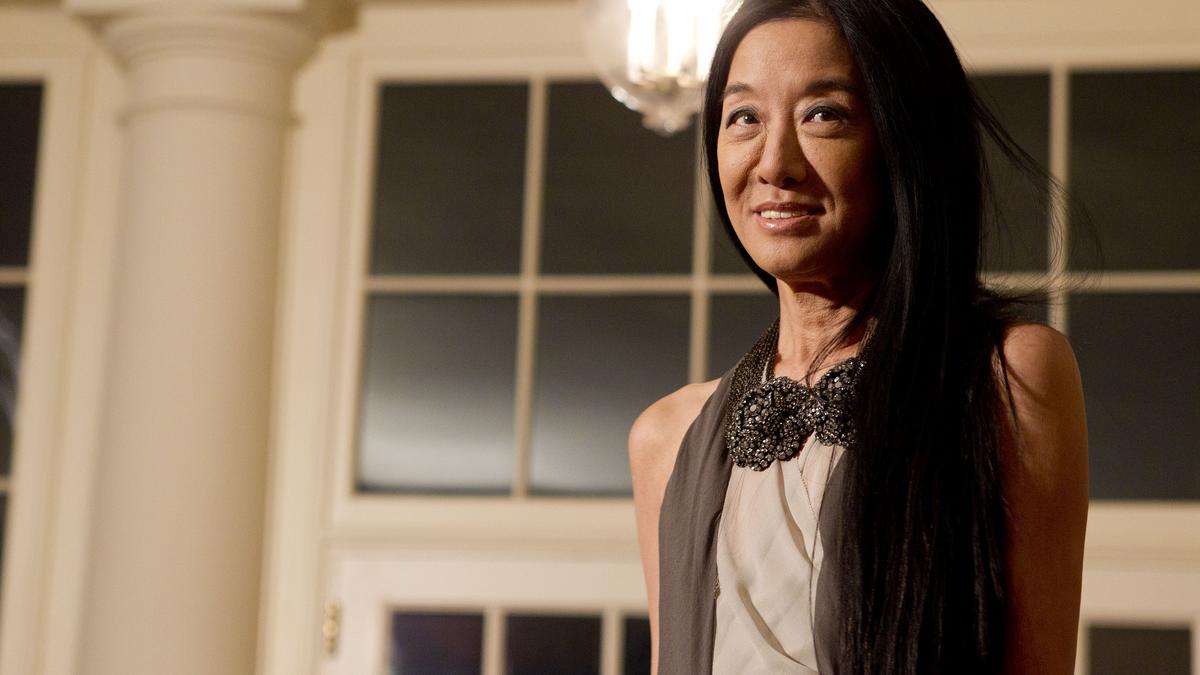
    Peggy Eskenasi has been named president of Vera Wang Group.

    A former Nine West Holdings and Kohl’s executive, Eskenasi succeeds Veronique Gabai-Pinsky, who has been at the helm since January 2016.

    An industry veteran, Eskenasi has served in multiple executive roles since debuting her career. She was executive chairwoman of Nine West Holdings, Inc. from late 2014 to mid 2016, following a stint as senior executive vice president of product development at Kohl’s Department Stores.

    For Kohl’s, which has held the license for Simply Vera Vera Wang for more than ten years, Eskenasi lead the building of a large stable of brands, made up of both Kohl’s exclusives and licenses of the company. Big names include Simply Vera Vera Wang, Jennifer Lopez, Candie’s, Rock & Republic and Juicy Couture.

    Prior to this, she was president of private brands at Saks Inc. from 1997 to 2004.

    According to WWD, Gabai-Pinsky is resigning for personal reasons.

    “Vera Wang personally thanks her for her valuable contribution to the company during her tenure and wishes her all the best,” the Wang spokeswoman said of Gabai-Pinsky.

    Neither Wang nor Eskenasi were available for comment.

    Vera Wang has dozens of flagship stores worldwide. In the Asia Pacifc region, Vera Wang stores are located in China, Japan, Taiwan, South Korea, The Philippines and Australia.

  • Vietnam’s tourism needs urgent reform to take off

    Vietnam’s tourism needs urgent reform to take off

    Vietnam’s tourism industry is booming and is fast becoming the driving force behind economic growth – but it also faces calls for reform to keep up with high standards.

    The “smoke-free” industry has witnessed spectacular success in the past few years with higher growth rate every year.

    Last year, nearly 13 million foreign visitors came to our shores, earning the country more than VNĐ500 trillion (US$22 billion). That’s up 30 per cent and 20 per cent year-on-year, respectively.

    Over the decade, the number of international visitors to Việt Nam has tripled while revenue has increased by nine times.

    Việt Nam’s tourism ranked sixth in the top 10 fastest growing tourism destinations globally and was crowned the best performer in Asia in 2017. The industry last year contributed 7.5 per cent to the nation’s GDP.

    With such impressive achievements, tourism has been identified a key economic sector by 2020. It can help boost the development of other sectors including construction, real estate, retail, education and job opportunities

    A Politburo resolution on developing tourism and seeing it evolve into a major player in Việt Nam’s economy was introduced last year.

    The nation hopes to welcome 17-20 million foreign arrivals and 82 million domestic tourists by 2020. Tourism revenue is expected to reach $35 billion, contributing 10 per cent to the country’s GDP by then, and the industry may create four million jobs, including 1.6 million direct jobs.

    Bottlenecks

    Tourism is forecast to maintain strong development in the next few years thanks to the Government’s support policies, determination of provincial authorities and dynamic development of both businesses and communities.

    However, such rapid expansion is exposing many challenges and if the industry cannot be restructured to break bottlenecks it could be beaten by overdevelopment.

    “Rapid increase in the number of visitors to Việt Nam in the short term is putting the industry under great pressure of transport infrastructure, human resource and destination management capacity,” said Nguyễn Quý Phương, director of Travel Management Department under the Việt Nam National Administration of Tourism.

    Phương said infrastructure deficiencies, particularly overloaded airports, will likely make tourists worn out due to long waiting while the lack of adequate human resource and public management capacity in destinations will affect service quality.

    In reality, airports in major cities such as Hà Nội, HCM City, Huế and Đà Nẵng, are facing the overload trouble.

    Half of the people who visited from overseas last year flew into Tân Sơn Nhất International Airport in HCM City. It was built to accommodate 25 million passengers per  year, but in 2016, 32 million came through its doors.

    According to Travel and Tourism Competitiveness Index 2017 of the World Economic Forum, Việt Nam’s tourist service infrastructure ranked 113th out of 136 economies, airport infrastructure 61st, ground traffic 71st, IT platform 80th, clean and safe environment 82nd and international openness (mainly visas) 73rd.

    “Urgent attention should be paid to upgrade of transport infrastructure, including seaports in the context of increasing demand for cruise tourism, as well as improvements in visa and immigration procedures,” Phương said.

    Vũ Thế Bình, deputy chairman of Việt Nam Tourism Association, also stressed the need to create a greater experience for visitors, highlighting the problems with visas.

    Việt Nam has granted visa waivers for visitors from 24 countries while applying electronic visa to citizens of 46 countries. However, according to Bình, these numbers are still feeble compared with Thailand which awards free-visa for tourists of 67 countries and Indonesia which waives visa for citizens of 169 countries and territories.

    “Not only that, also procedure of visa exemption applied for foreigners is quite complicated, creating inconvenience and displeasure for both foreign visitors and travel companies,” Bình was quoted as saying on the Thời báo kinh tế Việt Nam.

    Collective economic sector

    For a long time, Việt Nam’s tourism has been developed in a spontaneous manner.

    Individuality is key, and many regions hope to promote their own unique brands to showcase to the world but they mostly do so in keeping with the national strategy.

    Important things to consider include tourists’ needs, promotional campaigns, infrastructure, human resources and management.

    According to Trịnh Thị Mỹ Nghệ, vice chairman of Hà Nội City Tourism Association, tourism is not a  single industry but a collective one relating to other sectors and subjects.

    “Good infrastructure, management, safety, hygiene and friendly citizens are all surface factors to attract visitors,” Nghệ said.

    “Travel companies design and sell products to tourists and the local authorities are responsible for organisation and management of destinations.

    “Apart from visiting beautiful landscape, foreign tourists coming to Việt Nam want to learn more about Vietnamese culture, meet and experience the local living,” she said, adding that responsibility of businesses and community is to study customer demand to design attractive products.

    Tourism development also requires inter-regional coordination. Việt Nam has developed several successful regional tourism brands such as the connection of the eight Northwestern provinces and cluster of the three central provinces (Thừa Thiên-Huế, Đà Nẵng and Quảng Nam).

    The Government is also urged to improve the business environment to ensure the deep participation of private businesses and community in the national tourism development strategy.

    Việt Nam hopes for around 16 million foreign visitors, 80 million domestic arrivals and VNĐ620 trillion in total tourism revenue in 2018. These are considered achievable goals but collective efforts among management agencies, businesses, communities and professional organisations are needed to ensure sustainable development in the future.

    But as the country evolves, one thing that each and everyone can do, is welcome our visitors with the traditionally Vietnamese smile.

     

  • Benoy Designs Mixed-Use Precinct for Historic Nanjing Riverfront Site

    Benoy Designs Mixed-Use Precinct for Historic Nanjing Riverfront Site

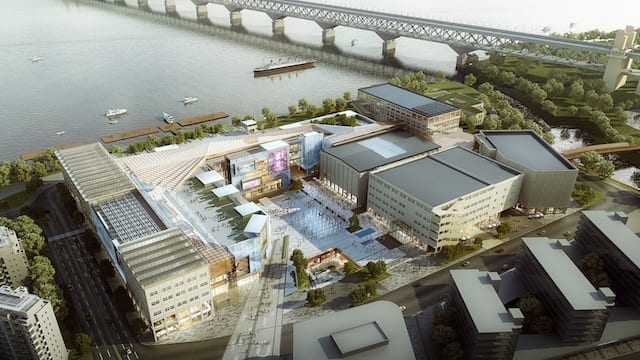
    An historic ice-storage warehouse in Nanjing will be transformed into a commercial destination by Benoy China working with developer MCC Real Estate Group.

    Part of the development of a mixed-use retail and cultural experience for the community in the Yangtze River Bridge area, the riverfront warehouse was built in 1915. “It will become one of the largest commercial developments in the area,” says Benoy China director Qin Pang.

    Retaining the original form of the historical buildings, Benoy will insert modern blocks that will form a cultural plaza at the heart of the site. A refined architectural expression on the outer streetside elevations will be offset with more playful modern cubes. Through careful placement of the new buildings, Benoy can preserve the views of the historical structures, a crucial element of the design brief.

    Construction is scheduled to start this year.


  • Popular American furniture store Ashley Furniture HomeStore opens in Singapore

    Popular American furniture store Ashley Furniture HomeStore opens in Singapore

    US retailer Ashley Furniture HomeStore has opened its first Singapore outlet, in Kallang Way.

    On the ground floor, the 7000sqft store offers items for the living room, dining room, bedroom, family spaces and home office. These include beds, clocks, sofas and vases from five lifestyle collections: Contemporary Living, New Traditions, Family Spaces, Vintage Casual and Urbanology.

    The showroom offers the entire range of King Koil mattresses, as well as made-to-order sofas and sofa beds exclusive to Singapore. It also sell three types of the Sleepace sleep-tracking device. All products are also available online.

    A second Ashley Furniture HomeStore will open in Sungei Kadut Drive next month.

    Over the next three months, Ashley will set up augmented and virtual-reality headsets to help customers better visualise how various items of furniture might fit into their homes.

    Founded in 1945 in Wisconsin, Ashley Furniture has more than 800 stores in 45 countries, including China, Indonesia and Vietnam.

  • Automated stores with no human cashiers on the rise

    Automated stores with no human cashiers on the rise

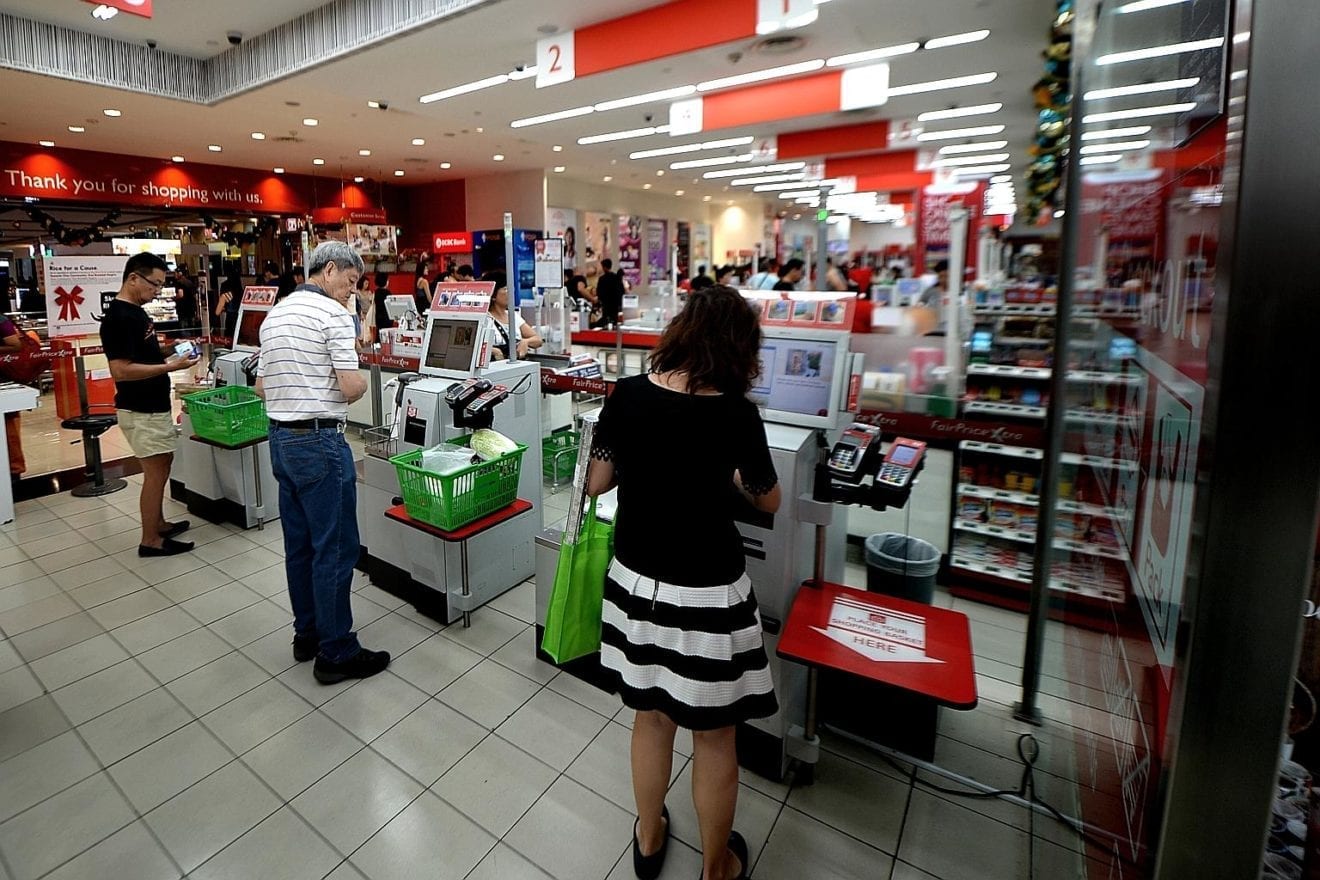
    Unmanned Stores without cashiers are on the rise, industry sources said, amid local retailers‘ efforts to find a breakthrough in the saturated market.

    Local software firm Danal Co., which operates coffee franchise dal.komm coffee, said it recently opened the country’s first cashier-less coffee shop at the country‘s main gateway, Incheon International Airport.

    The coffee shop, named Beat, is located at the newly opened second terminal and is activated by robots, the company said.

    The store is operated by smart robots that can take orders, make coffee and move cups to a pick-up location where customers can drink.

    “The company aims to add up to 100 stores by the end of this year at various locations, including banks, shopping malls, and universities,” said a company official who asked not to named.

    Unmanned convenience stores are also on the rise, since the country’s first cashier-less convenience store broke onto the retail scene in May. The local operator of 7-Eleven unveiled a shop that utilizes vein recognition technology at South Korean retail giant Lotte‘s 123-story skyscraper.

    Unlike other 24-hour shops, automated convenience stores feature self-service kiosks, where guests scan the bar codes of their items and pay.

    Emart24, an affiliate of leading discount store chain operator Shinsegae, currently operates six cashierless stores, having opened the first one last June.

    BGF Retail Co., the operator of CU, South Korea’s largest convenience store chain, said it is preparing to open an unmanned shop.

    The company currently provides mobile application called “Buy-Self,” which allows customers to search for an item, and provides a payment tool.

  • WeChat has now 1 billion monthly active users

    WeChat has now 1 billion monthly active users

    China’s popular messaging app WeChat now counts 1 billion monthly active users (MAU) worldwide, up 12% from 889 million MAU in Q4 2016, according to Tencent CEO Pony Ma.

    Ma said the platform reached the record figure during last month’s Lunar New Year Festival. However, it’s important to note that Tencent refers to MAU as user accounts, rather than individuals.

    WeChat users can create multiple accounts, and it’s common for a user to create both a personal account and a business account. For WeChat users, the app acts as a central hub of the digital world — consumers use it to perform tasks ranging from texting and calling friends, to paying bills for goods and services, to booking doctor appointments.

    WeChat’s recent user growth is likely driven by international users. Most of the recent user growth likely came from Southeast Asia, Europe, and the US, according to founder of WeChat-focused consultancy ChinaChannel Matthew Brennan.

    With WeChat nearing saturation within its domestic market, the Tencent-owned company is banking on international expansion to drive growth. Roughly 83% of all smartphone users in China use WeChat. WeChat’s penetration of smartphone users jumps up to 93% in China’s Tier 1 cities. As of August 2017, there were around 100 million international WeChat users.

    However, WeChat may hit a speed bump as it looks to expand further internationally. Although chat apps are rapidly spreading globally, many countries and regions already have one app or another that dominates. For example, WhatsApp and Facebook are the preferred chat apps for a majority of smartphone users globally, especially Android users, with a few exceptions including China, Japan, and South Korea. WeChat will face some difficulty swaying users already signed up to these apps.

  • Titijaya buys 99% stake in Ampang land owner

    Titijaya buys 99% stake in Ampang land owner

    Titijaya Land Bhd is buying a 99% stake in BJ Properties Sdn Bhd, which owns 6.8 acres of leasehold land in Ampang that it plans to develop into a RM1.5 billion gross development value project.

    In a filing with Bursa Malaysia today, the group said its purchase is in line with its growth strategy in expanding its land bank and investing in strategic property development projects in the Klang Valley.

    The land is expected to be used as mixed development with a focus on the residential component, complemented by some commercial elements.

    Titijaya’s wholly owned subsidiary Tulus Lagenda Sdn Bhd will pay up to RM9.9 million for the stake.

    Based on the audited financial statements for the financial year ended Aug 31, 2017, BJ Properties recorded a net loss of RM1.06 million and negative shareholders fund of RM3.07 million. The land in Ampang has a book value of RM103.67 million.

    Titijaya intends to fund the proposed subscription via internally generated funds and/or bank borrowings. The company’s share price closed 1.5 sen lower to close at 52.5 sen with some 331,100 shares changing hands.

  • Starbucks China pays tribute to partnerships

    Starbucks China pays tribute to partnerships

    Partners are at the heart of Starbucks’ success in its largest growing market, Starbucks China CEO Belinda Wong told the coffee company’s annual meeting in Seattle.

    “They are our core purpose of being and the reason why we are passionate about what we do,” she said more than 3000 shareholders and special guests. “Since our earliest days, we’ve been bringing to life Starbucks deeply rooted mission and values by investing in our partners.”

    Wong presented a video about the critical illness insurance for parents of Starbucks China partners, announced last year. “I wish you could have seen the reception when we announced the Starbucks critical care insurance,” she said. “There were tears of joy and almost disbelief.”

    Already, 93 percent of eligible partners have signed up and 14,000 parents have joined. “But we have higher ambitions – we want to inspire other companies,” said Wong, who has met with other companies in China to discuss the parental plan, leading to some now planning to launch similar programs.

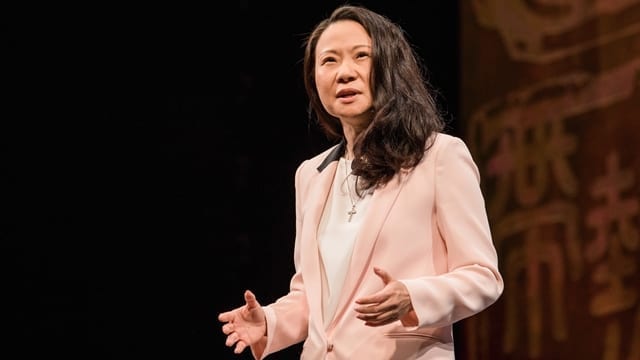
    Belinda Wong, Starbucks China CEO, speaks at the Starbucks Annual Meeting of Shareholders at McCaw Hall in Seattle on Wednesday, March 21, 2018. (John Edwards, Starbucks)

    “That commitment to family has built a phenomenal sense of pride, enthusiasm and commitment among our 45,000 partners,” said Wong.

    Starbucks now has 3200 stores across 139 cities in China and is serving 6.4 million customers a week. There is now a goal of 5000 stores by 2021.

    “We are opening a new store every 15 hours,” said Wong.

    “It makes me even more excited how we can use the scale from growth to benefit the communities we serve,” she said, citing Starbucks’ $20 million commitment over the next five years to benefit social-impact programs in China.

    “Also, with Yunnan coffee, grown in China and sold at Starbucks, we are bringing China’s coffee to the world stage.”
    Starbucks’ Farmer Support Center has worked with 17,000 farmers in the Yunnan area on sustainable farming practices. “Starbucks has become the fabric of the local community,” she said. “We will continue to work with farmers to help change their lives.”

    Wong also shared a video of the Starbucks Reserve Roastery in Shanghai, which opened in December. Three more are coming online soon, including one in Tokyo.

  • Louis Vuitton points Virgil Abloh as new menswear designer

    Louis Vuitton points Virgil Abloh as new menswear designer

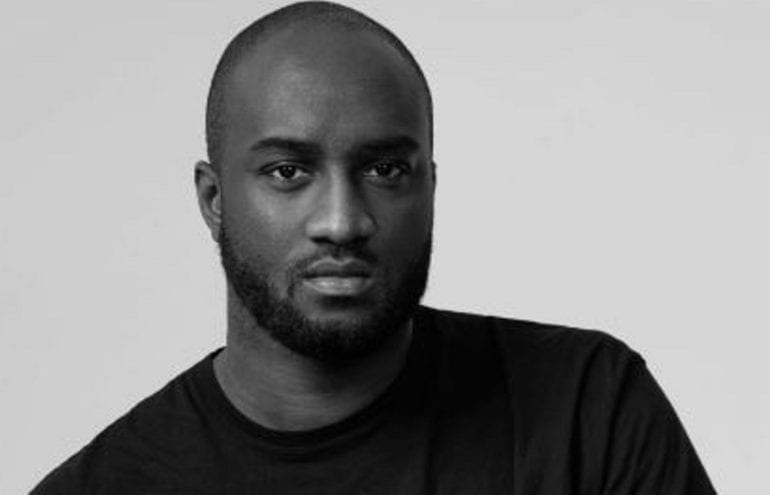
    Virgil Abloh, the founder of the haute street wear label Off-White and a longtime creative director for Kanye West, will be the next artistic director of menswear at Louis Vuitton, one of the oldest and most powerful European houses in the luxury business.

    He will be one of the few black designers at the top of a French heritage house. Olivier Rousteing is the creative director of Balmain, and Ozwald Boateng, from Britain, was the designer for Givenchy men’s wear from 2003 to 2007.

    r“I feel elated,” Mr. Abloh said via phone on Sunday, adding that he planned to relocate his family to Paris to take the job at the largest brand in the stable of LVMH Moët Hennessy Louis Vuitton, the world’s largest luxury group. “This opportunity to think through what the next chapter of design and luxury will mean at a brand that represents the pinnacle of luxury was always a goal in my wildest dreams. And to show a younger generation that there is no one way anyone in this kind of position has to look is a fantastically modern spirit in which to start.”

    The appointment, widely rumoured in recent months, is part of a shake-up on the men’s wear side of LVMH, which began in January with the departure of Kim Jones, Mr. Abloh’s predecessor at Louis Vuitton. Last week, it was announced that Mr. Jones would become the menswear designer at LVMH stablemate Christian Dior, replacing Kris van Assche.

    Mr. Abloh’s appointment is also a reflection of the increasing consumer-driven intermingling of the luxury and street wear sectors, which helped boost global sales of luxury personal goods by 5 percent last year to an estimated 263 billion euros (about $325 billion in today’s dollars), according to a recent study by the global consulting firm Bain & Company. And it is an acknowledgment on the part of the luxury industry that it must respond to contemporary culture in new ways.

    “Virgil is incredibly good at creating bridges between the classic and the zeitgeist of the moment,” said Michael Burke, chief executive of Louis Vuitton. The two men first met about 12 years ago when Mr. Abloh spent six months interning at Fendi with Kanye West, where Mr. Burke was then the chief executive.

    “I paid them $500 a month!” Mr. Burke said. “I was really impressed with how they brought a whole new vibe to the studio and were disruptive in the best way. Virgil could create a metaphor and a new vocabulary to describe something as old-school as Fendi. I have been following his career ever since.”

    Mr. Abloh, 37, a first-generation Ghanaian-American raised in Illinois, is widely considered one of fashion’s consummate purveyors of cool; a master of using irony, reference and the self-aware wink (plus celebrity, music, digital and hype), to recontextualize the familiar and give it an aura of cultural currency.

    Despite having no formal fashion education (his mother was a seamstress and taught him her trade; he studied architecture and civil engineering), Mr. Abloh founded Off-White — a reference to his belief that old barriers are breaking down — in 2013, almost a decade after he first meet Mr. West and became his creative partner. In 2015, Off-White was a finalist for the LVMH Young Designers Prize. (Mr. Abloh will be the first LVMH finalist to take on a major design role in an LVMH brand.)

    Off-White currently has 3.1 million Instagram followers (Mr. Abloh alone has 1.6 million), and Mr. Abloh received the Urban Luxe award at the British Fashion Awards last year. During the just-past women’s wear season, there was almost a riot in the Rue Cambon outside the Off-White show as fans crowded to get in.

    A champion of the cross-branded collaboration, Mr. Abloh has worked with names as varied as Nike, Jimmy Choo, Moncler and, with an upcoming project, Ikea. Most recently, he teamed up with Takashi Murakami, a frequent Vuitton collaborator, for a show at the Gagosian Gallery in London.

    “In a way, all of my output has been to make a compelling case for me to take on a role such as this,” Mr. Abloh said. “I think of it as kind of the ultimate collaboration.”

    It also presumably made a compelling case that Mr. Abloh could be the man to make Louis Vuitton men’s wear more relevant — and more visible — to the millennial generation. He will build on the foundation laid by Mr. Jones, who also gave classic men’s wear and Vuitton’s history as a luggage expert an urban edge, and recently engineered a sellout collaboration with Supreme, another street-wear success story.

    “For the last eight to 10 years we’ve been having this conversation about what’s new, and for me, that has to do with making luxury relatable across generations,” Mr. Abloh said, adding that he had been putting together an eight-page “brand manual” defining the new ethos of his Vuitton. “The first thing I am going to do is define new codes. My muse has always been what people actually wear, and I am really excited to make a luxury version of that.”

    Mr. Burke added, “Louis Vuitton was not a couture house. From the mid-19th century to the 1920s and beyond it always sought to cater to the new wealthy class, not the old aristocrats.”

    Mr. Abloh also said he would be focused on rethinking how the brand communicated with its consumers, including the release of products, the runway show and the way it interacted with the global political mood.

    Certainly, Vuitton will give him a bigger platform than he has had. Men’s wear is currently sold in only about 150 of the 450 Vuitton stores around the world, though the company plans to increase that by between 25 and 28 stores. There are also 13 free-standing men’s stores, with six more planned this year, according to Mr. Burke. Though LVMH does not break out specific brand performance, Mr. Burke said the men’s wear business had been growing in the double digits and “had a stellar 2017.”

    That places a burden of expectation on Mr. Abloh’s shoulders, especially given all the hype around his name — he was mentioned for possible top positions at Burberry and Versace. One of the criticisms most often lobbed at him (by Calvin Klein’s designer, Raf Simons, among others) is that his real genius lies in repurposing other people’s work, as opposed to creating new silhouettes of his own.

    Mr. Abloh is also not one to shy away from political statement-making, a tactic often seen as a risk for a luxury brand. Last year, during a guest appearance at the Florence men’s wear show, Pitti Uomo, Mr. Abloh eschewed the traditional runway show and instead collaborated with the artist Jenny Holzer on a piece addressing the immigrant crisis.

    “Product is only one part of the luxury narrative,” Mr. Abloh said in the phone interview. “I want to use Louis Vuitton’s history with travel to really look at different cultures around the world to help make all our humanity visible. When creativity melds together with global issues, I believe you can bring the world together. Fashion on this level can really open eyes.”

    Mr. Abloh will continue to run Off-White — “it is for the 17-year-old version of myself, whereas Vuitton is for the 37-year-old I am today,” he said — and to work with Mr. West. But he said he would cut back on his other activities, including moonlighting as a D.J. He will show his first collection for Louis Vuitton during Paris Men’s Fashion Week in June.

  • The Face Shop X Coca Cola has been launched

    The Face Shop X Coca Cola has been launched

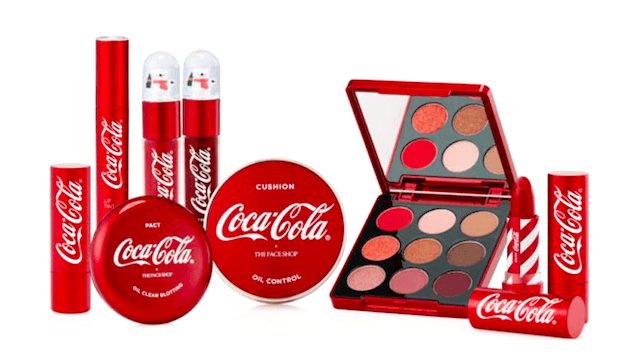
    Korean makeup brand The Face Shop has launched a range of Coca Cola cosmetics in an unusual collaboration with the US soft drink brand.

    The makeup range includes cushion compact, powder pact, five cream lip tints, five lipsticks, three gel lip tints, and an eyeshadow palette – all in Coca Cola pattern packages.

    Not only are they sold to look a little like Coke products… they even smell like Coca Cola.

    The Face Shop says the lip tints and lipsticks really do have a scent similar to “the real thing”…

    The lip tint packaging also features a cute polar bear image on the cap.

    The Coca Cola cosmetics collection by The Face Shop is sold online and at retail chains in Korea.

  • Blockchain might beat crooked contractors

    Blockchain might beat crooked contractors

    Brothers Frideric and Alexandre Prandecki’s journey to success in the home repair business started with a simple problem – their air conditioner broke in the Las Vegas heat.

    Rather than scan the local yellow pages, the brothers called in a repairman with a five-star rating through the Google for Work platform.

    “A guy comes in, big company, with his gadget and says, ‘Your AC unit is down, shot broken, you can’t even fix it, don’t repair it,” Frideric Prandecki said in an interview in Seoul. “I can give you a call, it’s $5,500 for a small unit.”

    The evaluation sounded fishy to Prandecki. He called another independent repairman named Nicu, who had a license but wasn’t well-known on the contractor listing sites. But Nicu turned out to be just the guy for the job.

    “He came to the house, he checked this, checked that and looked at the air filter, which is stupid by the way, and our air filter was dirty,” Prandecki said. “He changed the air filter and cold air started blowing.”

    The brothers realized that they had stumbled upon a business opportunity – connecting honest repairmen to customers.

    The Prandeckis’ business, Bob’s Repair, which introduces honest, skilled contractors with affordable rates to customers, grew steadily since they founded it.

    Since then, Bob’s Repair has handled over $1 million in transactions and facilitated more than 50,000 service calls.

    One of the barriers to solving the problem of overcharging customers is the nature of popular contracting platforms such as Angie’s List, Home Advisor or Google for Work. Because contractors are the main fee-paying customers of those sites, reviews posted on those platforms often can’t be trusted.

    “Home Advisor or Angie’s List will take down bad reviews if there’s a big complaint,” Prandecki said. “The only contractor that’s good is the person that pays [the most].”

    The company is adopting blockchain technology to further improve transparency for customers, who are often taken advantage of by unscrupulous contractors.

    “There’s a big issue where there’s a lot of fraud,” Prandecki said. “They’re overpaying for a simple repair or a toilet installment or an AC unit.”

    Prandecki believes the solution to this problem is blockchain. In a blockchain-based system, once a transaction is made and the review for the service is posted, the review will remain visible and can’t be removed or altered.

    “Someone said my business plan would never work because contractors won’t want anyone to know how much they’re charging,” Prandecki said. “That’s a lie.”

    Prandecki believes that successful blockchain services will combine blockchain with traditional businesses. That way, customers can directly experience the advantages of blockchain in their daily life – like when they need to call a handyman.

  • Savico Vietnam shuts down taxi company

    Savico Vietnam shuts down taxi company

    Saigon General Service Corporation (Savico) announced to the State Security Commission of Việt Nam and HCM City Stock Exchange that its taxi brand – ComfortDelgro Savico Taxi – has been closed to preserve funds and reengineer its taxi-related business plans.

    ComfortDelgro Savico Taxi was opened in 2005 as a joint venture between Savico and ComfortDelGro Corporation Limited, a Singaporean multinational land transport company.

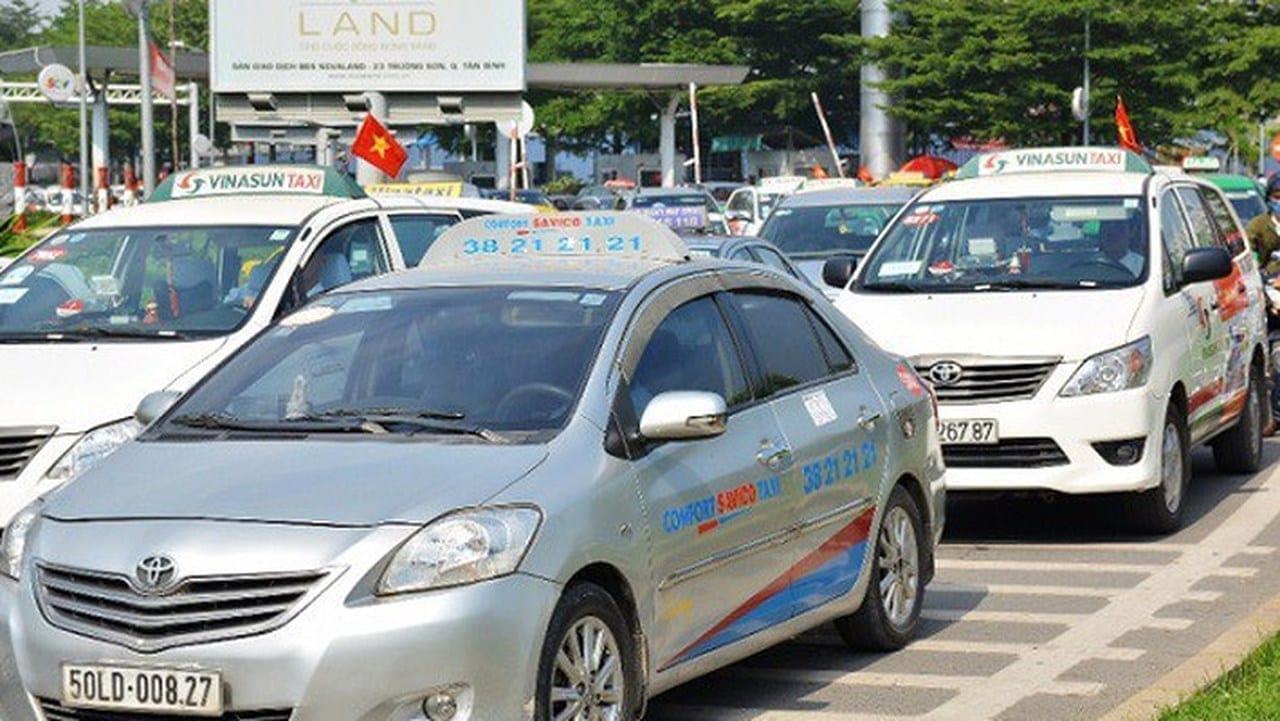
    Even though ComfortDelgro Savico Taxi has operated in HCM City for a long time, its market share has always been relatively modest, with a fleet of only around 400 cars, compared to Vinasun Taxi’s fleet of more than 6,000 cars.

    For the past few years the taxi company has incurred high costs due to constant improvement of its cars and service quality. However, tough competition from Grab and Uber has caused the company to struggle to make much profit from the investment.

    According to Savico’s 2017 report, ComfortDelgro Savico Taxi only made around VNĐ235 million (US$10,300) of profit, down from around VNĐ3.3 billion (US$145,000) in 2016 and nearly VNĐ7 billion (US$307,000) in 2015.

    On March 16, ComfortDelGro said that ComfortDelgro Savico Taxi has merged with Vinataxi (70 per cent of whose shares are owned by ComfortDelGro).

    According to statistics from the city’s Department of Transport, as of 2017, there were around 35,000 taxis in HCM City, including around 24,000 Grab and Uber taxis.

    Many of Việt Nam’s traditional taxi companies are struggling to compete with Grab and Uber.


  • Robinsons Retail to take over Rustan’s Supermarket

    Robinsons Retail to take over Rustan’s Supermarket

    Multi-format retailer Robinsons Retail Holdings is spending PHP18 billion (US$343 million) to acquire Dairy Farm’s Rustan’s Supercenters, which operates the upmarket Rustan’s department stores.

    Owned by the Gokongwei family, Robinsons Retail has more than 3500 retail outlets including supermarkets, department stores, drugstores, international fashion and beauty, and specialty coffee shops. Rustans is 100 per cent owned via a subsidiary by Hong Kong-listed retail group Dairy Farm International, which is majority owned by Jardine Matheson. It runs the food retail brands Marketplace by Rustan’s, Rustan’s Supermarket, Shopwise Hypermarket, Shopwise Express and Wellcome.

    Robinsons Retail will acquire the 100 per cent stake held by Dairy Farm subsidiary MCBV in Rustans through a share swap. The deal calls for Rustans swapping shares for primary common shares of Robinsons. Some members of the Gokongwei family also intend to sell some of their shares under the deal.

    Robinsons says it has agreed to partner with Dairy Farm to create a leading food retailer in the Philippines. The Gokongwei family will effectively own 51 per cent of the expanded capital of Robinsons Retail while Dairy Farm, through its arm MCBV, will own 18.25 per cent of the listed retail company upon the completion of the secondary sale tranche. The board of directors of Robinsons Retail and MCBV have approved the acquisitions.

    In December, Robinsons Retail acquired a 20 per cent stake in Taste Central Curators, which runs Filipino e-commerce site BeautyMNL. Robinsons Retail shelled out PHP4 billion in capital expenditure last year, higher than the PHP3.3 billion spent a year earlier, to open about 150 new stores.

  • Indonesia’s Citilink to start up to 3 new international routes in 2018

    Indonesia’s Citilink to start up to 3 new international routes in 2018

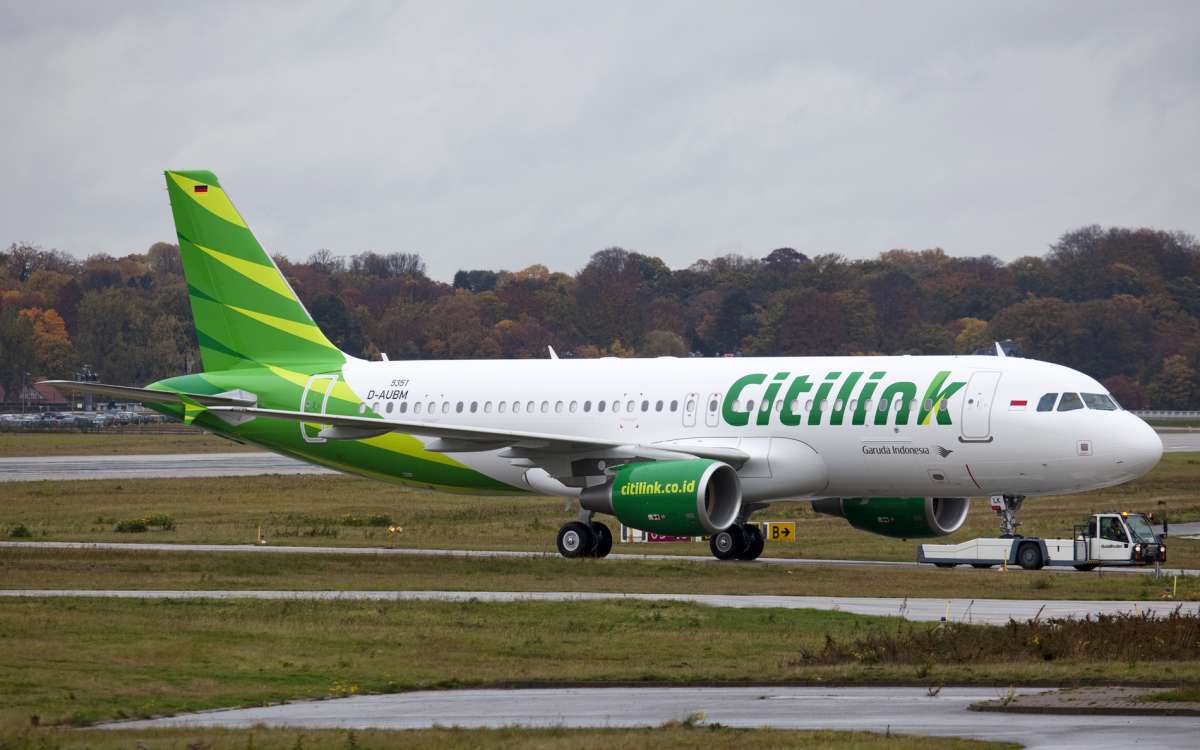
    Low-cost airline Citilink Indonesia has announced plans to serve two or three more international routes this year in addition to the Jakarta-Penang route that started operation on Sunday and the Jakarta-Dili route that has been in operation since May, last year.

    The company said it took into consideration several aspects before opening new routes, including the destination city’s gross domestic product (GDP), to assess the business prospects.

    “These [new routes] will benefit Citilink, because we can optimize the utilization of our fleet,” Citilink finance director Fransetya Hutabarat said on the Citilink flight to Penang on Sunday.

    Meanwhile, Andy Adrian Febryanto, Citilink Indonesia’s chief commercial officer, said the new routes would be within a range of four to five flying hours, a distance coverable by Airbus A320 planes.

    “We plan to expand our [route network] to a number of cities, but I cannot disclose the routes yet,” he said.

    Citilink’s inaugural flight to Penang recorded a seat occupancy rate of 97 percent, with 176 of the 180 available seats filled.

    Penang is considered an attractive destination for airlines, as it is a modern international island city that offers tourists attractions such as heritage buildings in George Town, the Gurney Drive tourist belt, Penang Hill and others.

    Planes on the route take off from Jakarta at 9:55 a.m. and from Penang at 2:50 p.m. local time. Fransetya said the firm might increase the flight frequency in the future if demand was high.

    AirAsia has served the same route for a longer time.