Author: Mei Ling Tan

  • Telstra buys MTData to bolster connected vehicle business

    Telstra buys MTData to bolster connected vehicle business

    Telstra has announced the acquisition of GPS and telematics fleet management solutions provider MTData in a bid which the incumbent says will boost its IoT offerings in the global connected vehicle market.  Financial terms of the deal were not disclosed.

    MTData was founded in 2003 and has operations in New Zealand, the US, Canada and the Middle East as well as Australia.

    According to Telstra, MTData provides GPS telematics and fleet management services that assist customers with compliance and safety, improving productivity and reducing operating costs.

    Michelle Bendschneider, executive director of Telstra Enterprise, said the acquisition will provide Telstra with the technical capability and software expertise necessary to help fast track the operator’s enterprise connected vehicle offering as part of its growing business-ready IoT ecosystem.

    “The MTData acquisition provides Telstra with advanced technology and deep domain expertise in connected vehicle solutions,” said Bendschneider.

    “This strategic acquisition will enable us to capitalize on the business ready IoT capability on our network, deliver IoT solutions to our customers in the heavy vehicle industry and supports a natural transition towards future autonomous vehicle technologies.”

    Commenting on the acquisition, Matthew Bellizia, CEO and co-founder of MTData, said, “There are strong synergies with our technology and customer focused cultures and through our integration we will provide customers with access to new and existing technologies like Telstra’s IoT offerings.”

    The acquisition by Telstra will allow MTData to provide connected vehicles, asset tracking and location insights, in the utilities, agriculture and resources industries, Bellizia said.

  • Orange Business providing managed Wi-Fi for Nespresso

    Orange Business providing managed Wi-Fi for Nespresso

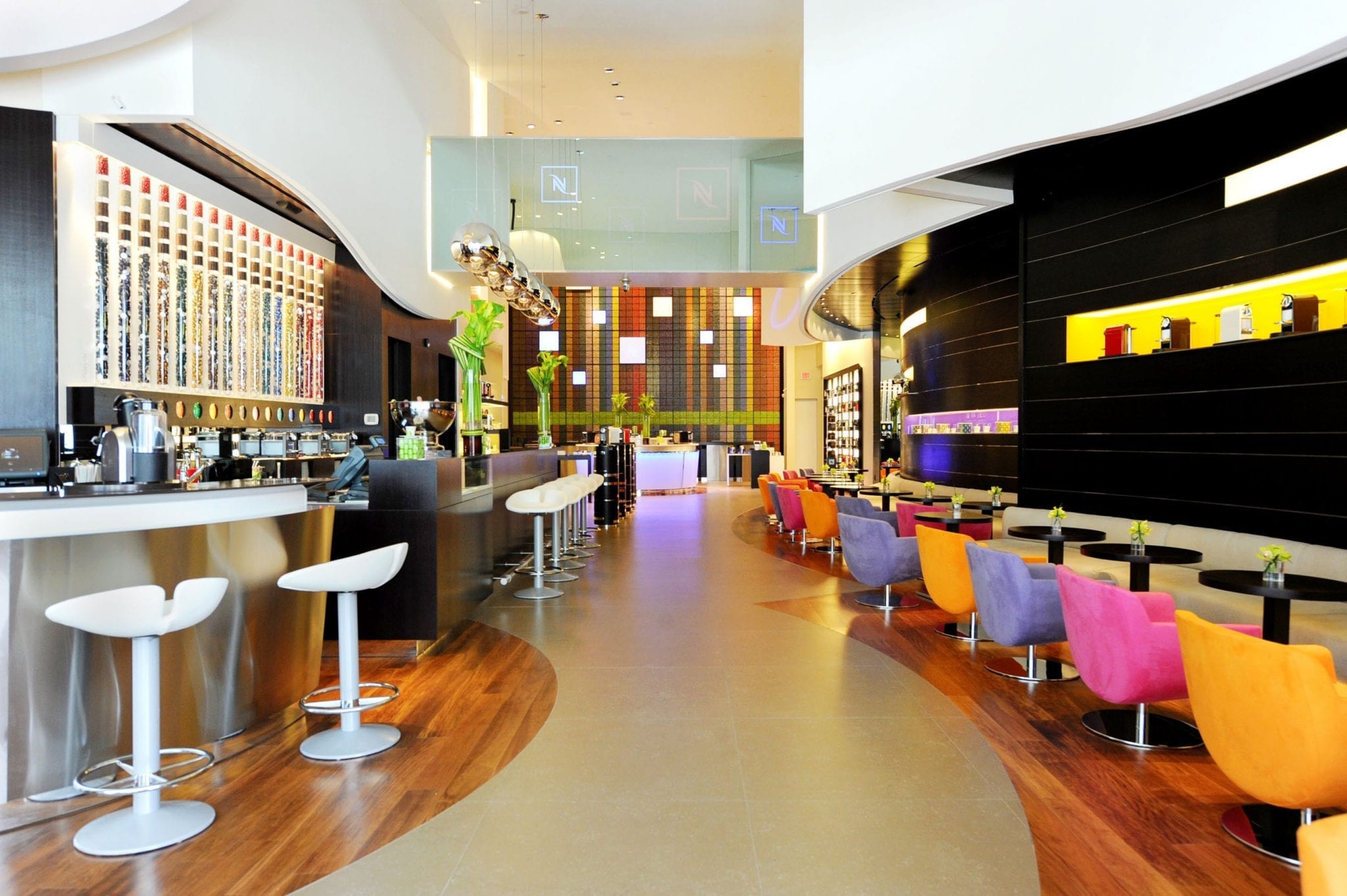
    Nespresso has selected Orange Business Services as the global supplier of its guest Wi-Fi and internet service, which will be rolled out in most of its standalone boutiques on five continents.

    Orange is delivering a secure, fully-managed guest Wi-Fi service worldwide, including the local internet connections It also provides customers with a consistent experience at all locations.

    The service will help Nespresso bridge its in-store customer experience with its digital channels.

    When customers connect to the in-store guest Wi-Fi service, they can immediately and securely browse the internet and connect to the Nespresso portal. There they can download the Nespresso app, visit Nespresso.com to access digital services, browse the latest news or get further product information.

    For guests who already have the Nespresso app, they can immediately connect to it.

    The guest Wi-Fi service gives Nespresso an opportunity to digitally engage with its customers at its boutiques. It provides support to communicate about the latest campaigns, maintaining a link with Nespresso’s connected customers.

    The guest Wi-Fi service complements the 27 Nespresso customer relationship contact centers (CRC) managed by Orange Business Services.

    “We put our customers at the center of everything we do, and offering secure internet connectivity in our boutiques is part of the experience that we create for them. Orange Business Services will help us realize this with a service that will play a role in our omnichannel services portfolio,” Nespresso global B2C head Jean-Paul Le Roux said.

  • StarHub Q3 profit falls 11%

    StarHub Q3 profit falls 11%

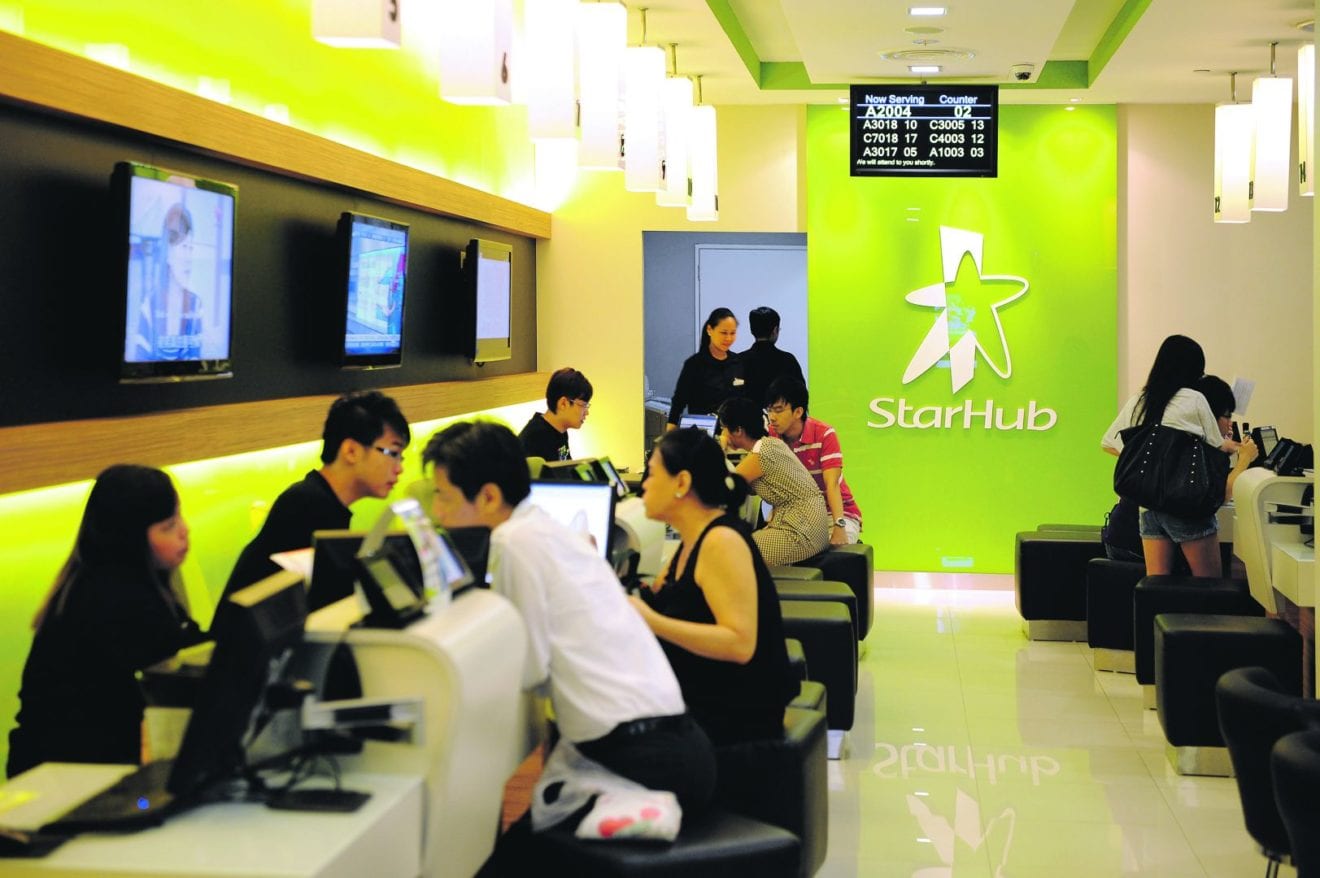
    Singapore’s StarHub has reported an 11% decline in net profit for the third quarter of 2017 to S$77 million ($56.6 million), partly as a result of lower core service revenue.

    Service revenue fell 0.7% to S$545 million, with mobile revenue down 2.3% to S$297 million, broadband revenue declining 1.5% to S$53.2 million and pay TV revenue falling 7.9% to S$85.7 million.

    Enterprise fixed line revenue by contrast increased by a healthy 11.1% to S$109.4 million, growing to account for 18.8% of total revenue (including device sales).

    This quarter, we are further seeing the fruits of our growth strategy as shown by the encouraging double-digit increase in our enterprise fixed revenue. We will continue investing in the enterprise space to drive our future growth,” StarHub CEO Tan Tong Hai commented.

    “We have recently struck Singapore’s first bank-telco strategic partnership with OCBC Bank. By harnessing our collective data insights, we can better understand customers’ needs and deliver even more relevant services to enhance their connected lifestyles.”

    For the first nine months of the year, service revenue likewise fell 1% to S$1.62 billion with net profit down 18% to S$235 million. Mobile service, broadband and pay TV revenues declined 0.8%, 1.8% and 7.7% respectively but enterprise fixed service revenue grew 5%.

    StarHub’s postpaid mobile customer base decreased by 11,000 year-on-year due to a termination of 23,000 inactive legacy data-only lines. Postpaid ARPU dipped by S$1 to S$69, while prepaid ARPU declined from S$16 to S$15.

    Broadband customers meanwhile decreased by around 1,000 to 466,000 but ARPU remained stable at S$37.

    For the full year, StarHub is projecting roughly flat revenue, but expects total capex to decrease to around 10% of total revenue.

  • RCom to stop offering 2G voice in eight circles

    RCom to stop offering 2G voice in eight circles

    Struggling Indian operator Reliance Communications will stop offering 2G voice services in eight circles from December as a cost saving measure.

    Telecoms regulator Trai has issued a direction stating that RCom plans to discontinue 2G GSM services in eight telecoms circles after the closure of the merger between RCom and Sistema Shyam Teleservices (SSTL), providing only 4G data services.

    RCom also plans to use the merger to upgrade its network from CDMA to LTE using the 800-MHz band in nine circles including Delhi.

    Trai has requested that all operator honor any porting requests from existing RCom customers and directed RCom not to deny any such requests from its own subscribers until the end of the year.

    RCom has been reconsidering its operations after failing to clinch a proposed merger with Aircel due to regulatory uncertainty and the objections of some creditors.

    The operator is grappling with debt of around 450 billion rupees ($6.95 billion) and had been hoping that the merger could help it reduce this burden.

    The RCom-SSTL share swap merger by contrast was approved last month. RCom will acquire around 2 million new customers, as well as 30 MHz of 800-MHz spectrum in eight of India’s 22 telecoms circles including Delhi.

  • Fortinet extends security fabric to IIoT

    Fortinet extends security fabric to IIoT

    Fortinet has extended its FortiGuard threat intelligence service to the industrial IoT (IIoT).

    The new FortiGuard Industrial Security Service (ISS) builds on the threat intelligence services of FortiGuard Labs by providing application control and defensive signatures specific to critical infrastructure and industrial sector organizations.

    The company is particularly targeting the utility, oil and gas, transportation, and manufacturing sectors.

    FortiGuard ISS protects the most widely-used industrial control system (ICS) and supervisory control and data acquisition (SCADA) devices and applications. The service provides vulnerability protection, visibility and granular control over ICS and SCADA systems and is backed by real-time threat intelligence updates.

    Enterprise and consumer demand has created an explosion in the number of IoT devices connecting to global networks. McKinsey estimates that 20 to 30 billion IoT devices could be connected globally by 2020, up from 10 billion to 15 billion devices in 2015. However, as devices proliferate, security risks also increase.

    Traditionally, commercial and industrial networks and their IoT devices have operated in isolation, but the mainstreaming of things like smart cities and connected homes have begun to merge these devices within local, national and global infrastructures.

    This is requiring organizations to rethink how they secure increasingly converged IT, OT and IoT networks and devices. Integrating distinct security tools into a unified Security Fabric enables organizations to collect and correlate threat intelligence in real time, identify abnormal behavior and automatically orchestrate a response anywhere across this complex IoT attack surface.

  • Toyota seeks more investments in Israeli auto tech, robotics

    Toyota seeks more investments in Israeli auto tech, robotics

    Japan’s Toyota Motor is seeking more investments in Israeli robotics and vehicle technologies after its venture arm led a $14 million investment in Intuition Robotics in July.

    The startup, which makes robots for the elderly, was the first Israeli investment for Toyota AI Ventures, a new $100 million fund investing in artificial intelligence, robotics, autonomous mobility and data and cloud computing.

    “We will see more involvement of Toyota in the Israeli market in the future,” said Jim Adler, managing director of California-based Toyota AI Ventures, which is part of the $1 billion Toyota Research Institute.

    “There’s more in the pipeline,” he told Reuters during a visit to Israel, adding that technologies dealing with perception and prediction and planning were of particular interest to Toyota.

    Perception technology enables a self-driving vehicle to understand the world around it while prediction and planning can help a car interpret situations such as whether a child at an intersection might try to cross at a red light.

    “There’s a tremendous amount of innovation happening in Israel as cars become more produced by data,” said Adler, who is in the country meeting companies whose technologies interest Toyota.

    Israel is a growing center for automotive technology. Earlier this year Intel Corp bought autonomous vehicle firm Mobileye – one of Israel’s biggest tech companies – for $15.3 billion.

    On Friday Germany’s Continental AG said it was buying Israel’s Argus Cyber Security, whose technology guards connected cars against hacking.

    Toyota AI Ventures has made five investments and expects to invest in at least 20 companies worldwide.

    Regarding its investment in Intuition Robotics – which plans to begin trials of its robots with older adults in their homes early next year – Adler said there were many common features between robotics and autonomous vehicles, which he referred to as “big robots with wheels”.

    Japan’s population is aging, with 40 percent expected to be over 65 in 20 years, he said, and there will be demand for technologies that help the elderly stay in their homes, rather than have to move to assisted-living facilities.

    “We think Toyota will have a role there,” he said.

  • TrueMove aims for 33% market share

    TrueMove aims for 33% market share

    Thai operator TrueMove aims to increase its share of the mobile market to 33% next year, as the second-ranked operator takes aim at market leader AIS.

    The operator plans to invest in data capacity and introduce innovative new services and products to meet its expansion goals, the Bangkok Post reported.

    TrueMove currently has a market share of around 29% and a revenue market share of about 26%, which compares to 44.8% and 48.6% respectively for for AIS.

    In an interview, True Corp co-president for commercial management Vichaow Rakphongphairoj expects the arrival of 5G and the IoT to increase the penetration rate for mobile numbers and SIMs from the current 140% to up to 1,000%.

    While the operator will need to expand its spectrum holdings to develop the capacity to launch new services, Vichaow told the publication it is too early to say whether TrueMove will join the planned 5G auction for 1800-MHz and 850-MHz spectrum planned for next June. The operator’s participation will depend on the final conditions for the auction and the results of the operator’s feasibility study.

    True Move currently holds the highest amount of bandwidth among Thai mobile operators with 55MHz spread out across the 850-MHz, 900-MHz, 1800-MHz and 2100-MHz bands.

  • Zong upgrades backbone network to 100G

    Zong upgrades backbone network to 100G

    China Mobile’s Pakistani subsidiary Zong has upgraded its backbone network with 100Gbps technology to accommodate demand from its growing customer base.

    The operator has expanded its backbone capacity by over 10 times compared to its previous 10Gbps backhaul network.

    Zong launched 4G services in 2014 and currently operates the country’s largest 4G network with around 10,500 cell sites nationwide. The company currently has a more than 70% share of the 4G market.

    The operator is expanding its OTN backbone network to ensure ample capacity for its 4G subscribers and to future proof the network for later core network upgrades.

    “We are extremely excited to have successfully implemented this upgrade in record time, without any outages or downtimes on our network,” Zong head of corporate affairs and strategy Maham Dard said.

    “Zong 4G is the only cellular operator that remains committed to investing in nothing less than the cutting edge, continuously employing some of the most advanced technology available. I am confident that, this enhancement to our network infrastructure will contribute greatly to quality of service and end-user experience for many years to come.”

  • Apple delivers higher profit as iPhone X launches

    Apple delivers higher profit as iPhone X launches

    Apple profits rose on the back of strong iPhone sales in the past quarter, with the U.S. tech giant on Thursday shrugging off the lofty price of its new flagship iPhone X and predicting a stellar holiday season.

    “The iPhone X orders are very strong; we couldn’t be more excited to get underway,” Apple chief executive Tim Cook said during a quarterly earnings call.

    “A few minutes ago the first sales started in Australia; several hundred people were waiting at the store in Sydney and there are similar reports across that region.”

    Cook added that Apple is working to increase iPhone X output to catch up to demand. The wait time for online orders stretched to an unprecedented six weeks shortly after Apple began taking orders last month, but it remained unclear whether demand or supply factors were the cause.

    Net profit rose 19 percent from a year ago to $10.7 billion in the fiscal fourth quarter to September 30, Apple said. Revenues were up 12 percent to $52.6 billion.

    Release of the earnings figures pushed Apple shares up more than two percent to $172.54.

    Apple sold more iPhones, iPads and Mac computers than it did in the same quarter a year earlier. Smartphones sales climbed by about a million units to 46.7 million in the three months winding up the California company’s fiscal year, according to the earnings report.

    “We’re happy to report a very strong finish to a great fiscal 2017, with record fourth quarter revenue, year-over-year growth for all our product categories, and our best quarter ever for services,” Cook said.

    “We’re looking forward to a great holiday season.”

    Apple closed out its fiscal year posting a full-year profit of $48.35 billion, up 5.8 percent, on revenues of $229 billion, a rise of 6.3 percent from the previous year.

    In the latest quarter Apple was able to reverse its fortunes in China, boosting overall sales by 12 percent in the “Greater China” region. Sales were up in other regions except for Japan, which saw an 11 percent revenue drop.

    Analyst Patrick Moorhead, of Moor Insights & Strategy, said “Apple crushed” with a strong quarterly report showing improvements in all product categories and a 34 percent jump in services revenue.

    Moorhead said concerns that iPhone sales would weaken as customers awaited the newest device were unfounded.

    “Apple managed to thread the needle on iPhone sales between the giant interest in the iPhone X and what the company had to ship, which was iPhone 7 and 8,” he said.

    Ambitious goal 

    With the iPhone X launching Friday in about 50 markets around the world, Apple is setting the ambitious goal of reinventing the smartphone as it strives to fend off fierce competition from rivals, especially in China.

    The flagship handset marks the 10th anniversary of the first iPhone release.

    The iPhone is the main profit driver for Apple, accounting for more than half its revenues, and is the cornerstone for the ecosystem of other devices and services.

    Apple upped the ante by boosting the starting price of the iPhone X to $999 for U.S. customers, a price which will be higher in other markets and with extra options.

    When asked about the high price during the earnings call, Cook pointed out that the iPhone line has models costing much less than the 10th-anniversary version.

    “We tried hard to have an iPhone that is as affordable as possible for people who want an iPhone but have a more limited budget,” Cook said.

    “This is the first time we have had three iPhones new at the top of the line at once, so see what happens. We are bullish.”

    Two iPhone 8 models were released in September.

    Cook has described the iPhone X as the future of the smartphone, packed with technology including facial recognition, cordless charging and an edge-to-edge screen made of organic light-emitting diodes used in high-end televisions.

    Analysts interviewed see signs of strong demand for iPhone X, perhaps fueled by the company’s famously devoted fans who have shunned freshly released iPhone 8 models to wait for the 10th anniversary device.
  • Fujitsu, Lenovo agree to PC merger

    Fujitsu, Lenovo agree to PC merger

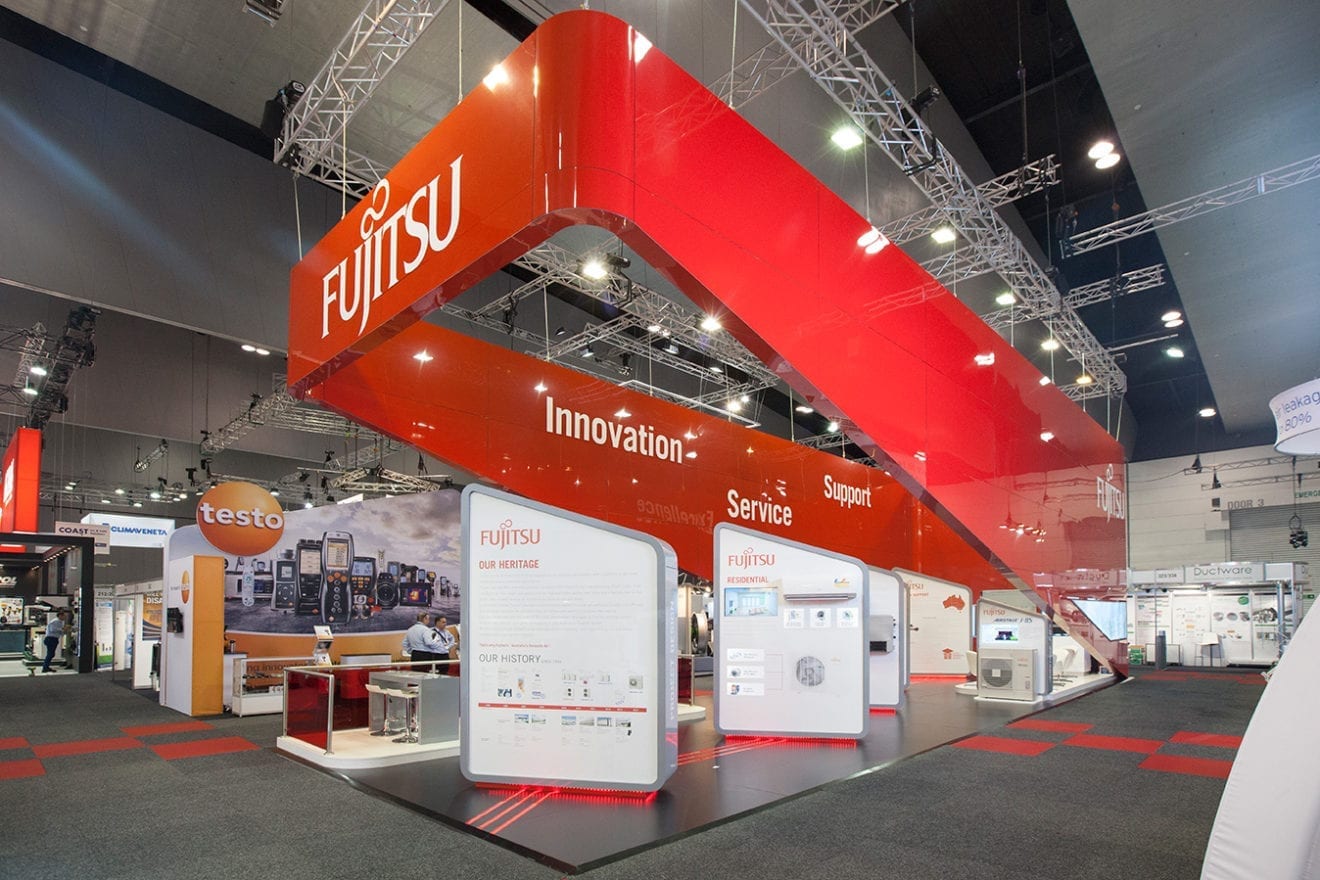
    The deal should allow Fujitsu to pour more resources into its profitable IT services operations. Japan’s Fujitsu said on Thursday it had agreed to merge its struggling PC business with Lenovo, giving the Chinese computer giant a controlling share of the business.

    Tokyo-based Fujitsu said it had “decided to formally sign a deal” with Lenovo, the world’s largest PC maker, and the government-backed Development Bank of Japan (DBJ) on a “strategic partnership” to develop and sell PCs.

    Lenovo will hold 51 percent of the shares in Fujitsu’s PC subsidiary, while the DBJ will hold five percent, Fujitsu said in a statement.

    The deal should allow Fujitsu to pour more resources into its profitable IT services operations, while also pushing ahead with a sweeping restructuring program that will see 3,200 job cuts.

    The decision came after Fujitsu said last month it was in talks with Lenovo over a potential deal, which pushed Fujitsu shares up by 7.8 percent.

    After the announcement however, Fujitsu shares were trading down 2.44 percent at 874.1 yen.

    The company had been in talks with Toshiba and Vaio to merge their once high-flying personal computer businesses, but those negotiations failed to result in a deal.

    Once-mighty Japanese firms have struggled in the face of stiff competition from lower-cost rivals overseas, including in China and South Korea.

    Earlier this year, Taiwan’s Hon Hai, better known as Foxconn, took over struggling Japanese electronics maker Sharp after it faced huge losses and mounting debts.

  • Blockchain becoming the rage at US business schools

    Blockchain becoming the rage at US business schools

    U.S. business schools are beefing up training in the software that underlies digital currency bitcoin, a technology expected to be a game changer in many industries.

    The move makes sense as more students seek careers in financial technology, or “fintech,” which has captivated leading Wall Street banks and been called “the most important technology since the internet.”

    In January, the Haas School of Business at the University of California at Berkeley will offer its first ever course in blockchain software.

    The Haas school, which is near San Francisco and Silicon Valley, will handpick 60 students from the departments of business, engineering and law and split them into groups of six to explore possible applications of the technology.

    “When people think about blockchain they think about cryptocurrencies,” said Haas school lecturer Greg LaBlanc, who sees the technology as potentially disrupting many sectors.

    “We believe it will have the biggest impact on contracting, logistics and supply chains, healthcare, public administration, assets clearing, property, transactions,” he said.

    “Pretty much every function of businesses are going to be affected by this.”

    ‘Very transformational’

    Blockchain runs by recording transactions as “blocks” that are updated in real time on a digitized ledger that can be read from anywhere and does not have a central recordkeeper.

    It was originally developed as the accounting method for bitcoin. But while that cryptocurrency remains controversial with some players in finance, bankers increasingly see exposure blockchain as a must.

    Blockchain is “something we are very optimistic about,” JPMorgan Chase chief financial officer Marianne Lake said on a conference call last month.

    Newer technologies could be “very transformational for the financial services industry and we are forward-leaning and optimistic about that,” Lake added.

    The technology, which lets users trace items back through their supply chains, also could offer a means to limit tainted food problems, or to guard against “blood diamonds” that come from a war-ravaged area.

    In finance, blockchain could be used to permit parties to check the solvency of counterparties, significantly reducing costs.

    Training students for that function and other evolving roles in finance is altering curricula at universities and shifting how students structure their programs.

    Students who wish to work in trading must learn how to code, while bankers need to understand algorithms and big data to be able to attract new clients and devise strategies for fast-changing markets.

    Traditional skills still required 

    “Anyone who is coming into the financial industry is expected to have some skills in technology,” said Stephen Daffron, a founder of Motive Partners, a private equity firm specializing in fintech investment.

    “If they don’t understand how to evaluate a company that tries to employs blockchain, then they won’t probably be a good fit for us,” said Daffron, who lectures at the Yale School of Management.

    Barbara Hewitt, senior associate director in the career services office at the University of Pennsylvania, home to the Wharton School, also noted the rising interest in new skills and technology.

    “I increasingly see students opting to explore technical minors, such as in computer science, to be well prepared for the growing use of technology in many fields,” she said.

    But if exposure to fintech has become more important to hireability, traditional skills such as accounting, mathematics and understanding of economics remain the top criteria for recruiters, the schools say.

    Companies “want people with strong technical skills, people with management skills,” said Abigail Kies, assistant dean of career development at Yale.

    At Yale, about 20 percent of 2016 graduates found jobs in finance, according to figures supplied by the university.

    Fritz Foley, a finance professor at Harvard Business School said jobs in this sector still “require strong analytical abilities, an understanding of institutional details, and good judgment.”

    “These requirements have not changed as innovations have occurred.”

  • More Tokyo snack brands in Singapore

    More Tokyo snack brands in Singapore

    Two Tokyo snack brands are setting up shop in Singapore, one opening today and the other in eight days’ time.

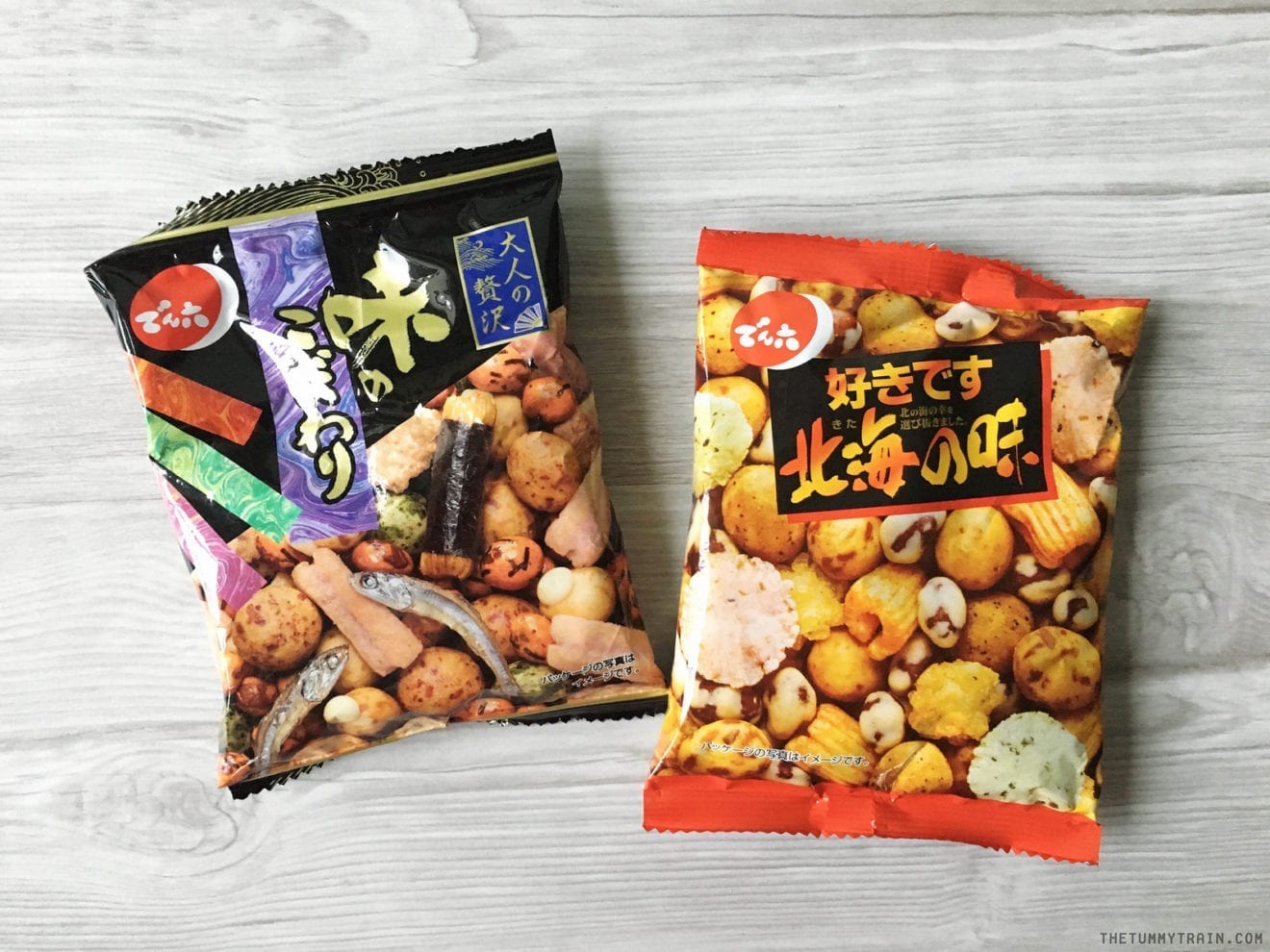
    Established in 2013, The Maple Mania is ready to roll out the red carpet at Ion Orchard. It is known for its maple butter cookies, maple baumkuchen with a caramelised top, and maple financiers.

    With its iconic cow logo, Tokyo Milk Cheese Factory will follow with an outlet at Raffles City. The six-year-old brand is known for its cheese cookies – salt and camembert, honey and gorgonzola, and porcini and gouda. It also offers milk cheesecake, a strawberry milk roll plus its own Cow Cow Ice ice cream in two flavours and a sundae option.

    During the festive season, The Maple Mania will sell cookies from Tokyo Milk Cheese Factory as well. Both are sister brands of LeTao, which was brought to Ion Orchard last year by Alvin Ng, the founder of The Rosti Farm and Once Upon a Milkshake, both at Waterway Point in Punggol.

    From Hokkaido, LeTao is known for its double fromage, a two-layer cheesecake.

  • Vetements remains secret about Hong Kong debut

    Vetements remains secret about Hong Kong debut

    High-fashion parody brand Vetements has announced on its Instagram account that it is coming to a secret location in Hong Kong on November 18.

    While the Swiss venture is known for its collaborations and product drops, it remains shrouded in an air of mystery, adding to the overall intrigue of Demna Gvasalia as a designer.

    Its Hong Kong announcement is equally enigmatic, being placed over a Google maps graphic featuring a line joining the brand’s hometown of Zurich to Hong Kong. There is no indication of whether its presence will be a pop-up, permanent store or an event.

    Vetements, founded in 2014 by Gvasalia and his brother Guram, sells limited numbers of expensively priced clothing. Demna is also creative director for Kering-owned Balenciaga.

  • GXG joins an Australian sportswear brand

    GXG joins an Australian sportswear brand

    Australian compression and high-performance sportswear brand 2XU has formed a JV with Chinese fashion retailer GXG as part of an Asia expansion plan.

    This will give it access to more than 1 billion Chinese consumers, and 2XU plans to add special apparel lines for the market. China’s gym and fitness industry has been growing at an annualised rate of 11.8 per cent since 2011 and generated nearly US$4.6 billion in revenue last year.

    Under the JV, 2XU plans to open up to 50 retail stores throughout mainland China in the next three years as well as its online and wholesale business.

    CEO Paul Higgins says the move is significant for the business, which launched in Melbourne 12 years ago. It first entered Asia in 2008 with a wholesale presence in Hong Kong and Singapore, and is now in 13 markets across Asia Pacific. It plans to increase its stores from 22 to 50 in the next 12 months, and to 100 in the next three years.

    Growth in the sportswear market in China has been driven by an upswing in sports participation rates. About 2.8 million runners last year took part in events, according to the Chinese Athletic Association – double the number in 2015. However, the number of gym attendees across 70 major cities has grown by up to 5 million every year since 2011.

    Already 2XU has been generating 51 per cent year-on-year growth in Asia Pacific in the past 12 months. The brand is available in Mainland China via concept stores in seven major cities, and has retail and wholesale channels in Hong Kong, Indonesia, Japan, Malaysia, Singapore, South Korea, Taiwan, the Philippines and Vietnam.

    Under the new JV, 2XU Performance Centres will start opening in major Chinese cities from early next year.

  • Pirata Group launches ballsy pop-up dining

    Pirata Group launches ballsy pop-up dining

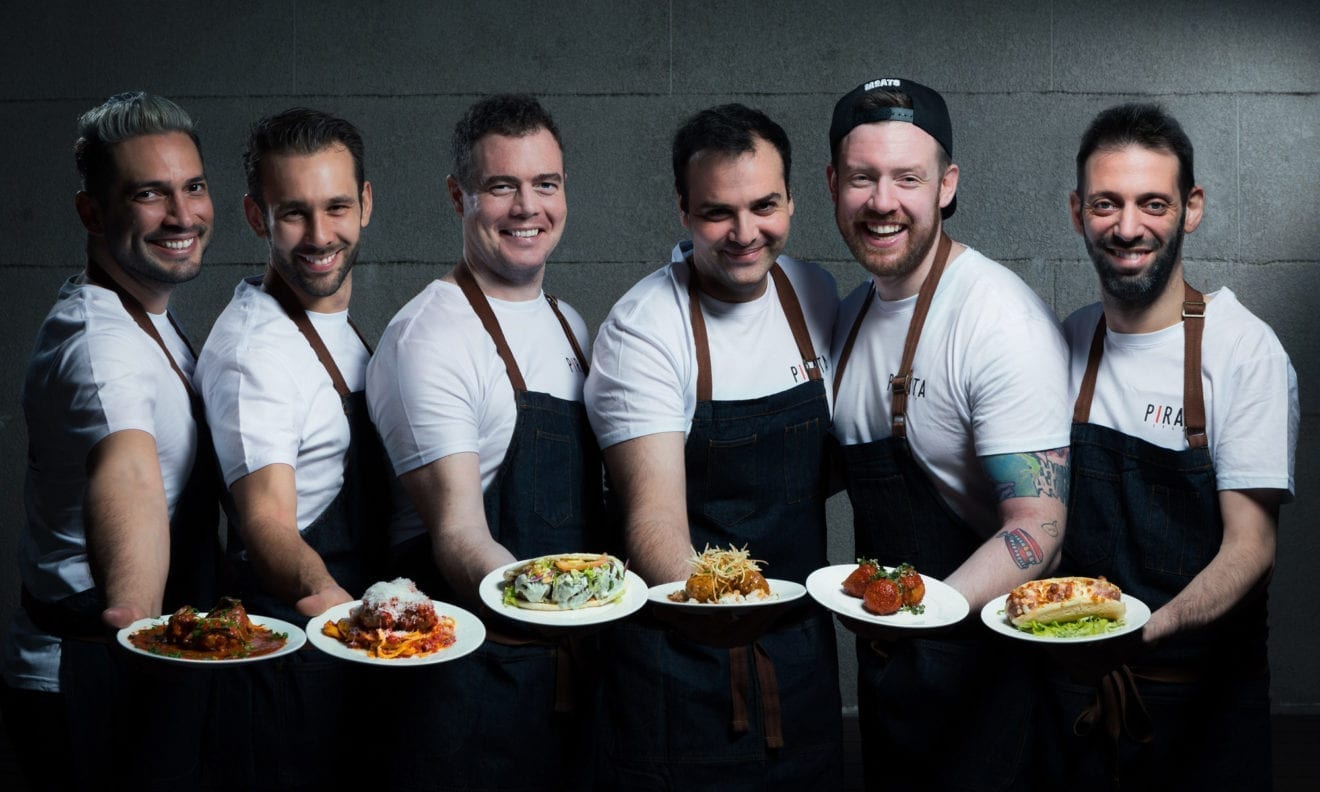
    For 100 days, Hong Kong diners are having a ball, or several, thanks to restaurant company Pirata Group. Its Balls pop-up diner on Star Street is offering a menu of quirky meat, seafood and vegetable ball creations by the group’s award-winning chefs, along with simple starters, desserts and drinks. Offering all-day casual dining and takeaways, Balls has no service charges and reservations are not necessary.

    Pirata Group co-founders Manuel Palacio and Christian Talpo say it is their most adventurous concept to date. “Why build a new concept in 30 days to stay open for just 100 days?” asks Palacio. “Because at Pirata Group, we have balls.”

    There are three sections for the Balls menu: Before Your Balls, Our Balls and All Balled Out.

    Our Balls include chef Arturo Melendez’s Bolas Latinas with Peruvian red peppers, chef Alfredo Rodriguez’s The Optimist’s Fishballs (HKD140) featuring squid and prawns on pilaf rice, chef Paddy McDermott’s Meatsballs (Meats is the group’s newest restaurant) featuring rotisserie chicken with blue cheese and jalapeno relish, chef Stefano Rossi’s Big Sub with melted fontina cheese, chef Andrea Viglione’s Ste Palle! with tagliatelle and arrabiata sauce (vegetarian option available), and the vegetarian Free Balling with falafel, hummus, mint yogurt and pita bread.

    The Ball creations are also featuring on the menus of each chef’s restaurant.

    Appetisers include Mozarella di Buffala and beef carpaccio, while the desserts are Sweet Balls (cinnamon jam doughnuts with custard sauce) or Not Balls (soft-serve ice cream).

    A special tasting menu offers two appetisers, three balls and one dessert.

    With a retro pop-themed design and bright interiors, Balls seats up to 40 diners at counters and tables, and has a terrace. The concept runs until February 8.