Author: Mei Ling Tan

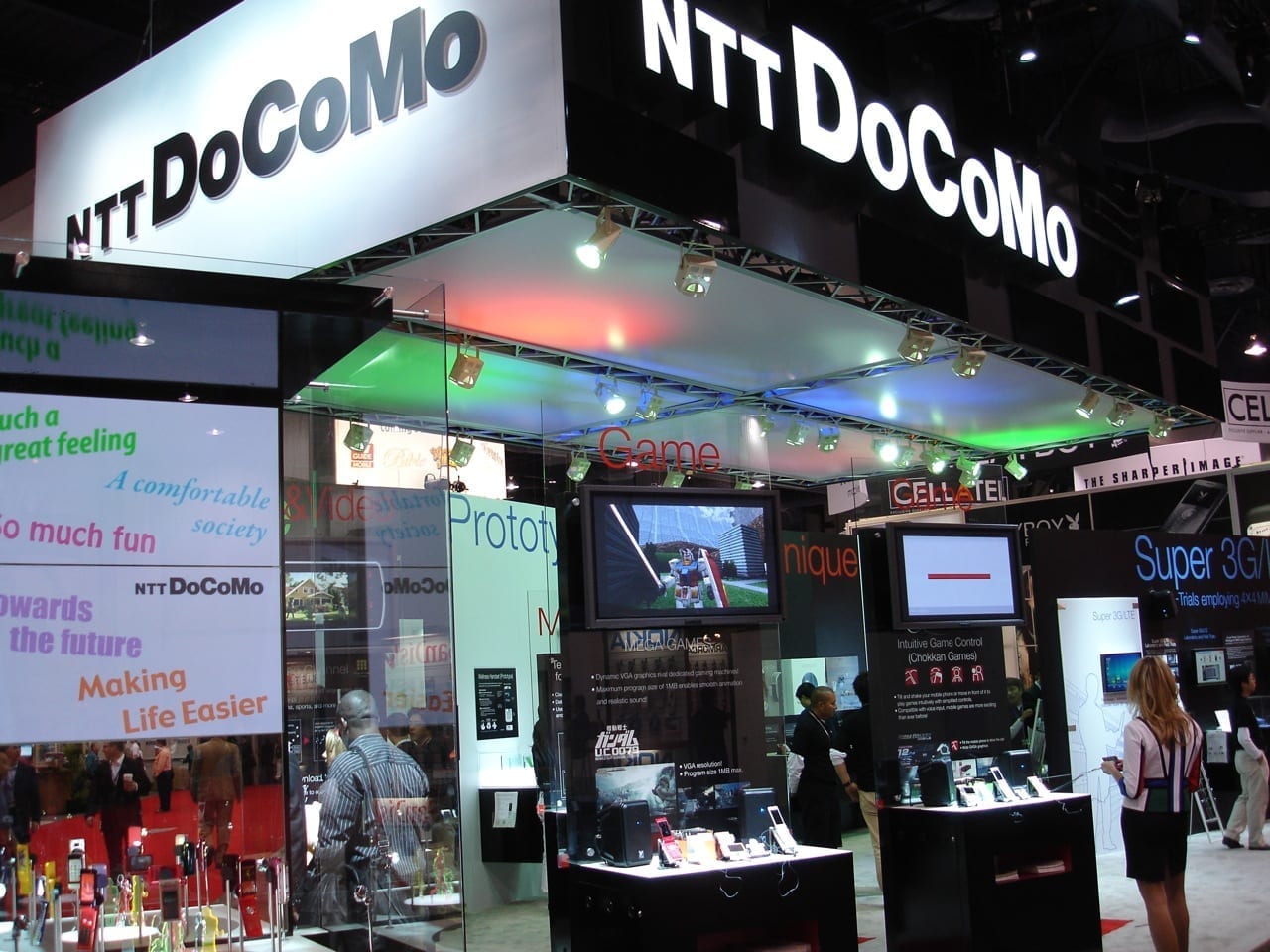
  • DoCoMo trials 4K video streaming for cars over 5G

    DoCoMo trials 4K video streaming for cars over 5G

    NTT DoCoMo joined forces with Toyota, Ericsson and Intel on a trial of 5G technologies for automobiles, achieving data speeds of up to 1Gbps in a vehicle traveling at 30km/h.

    The trial of 4K video communications was conducted along Tokyo’s Odaiba waterfront. It involved a moving vehicle mounted with an Intel GO 5G automotive platform terminal equipped with an on-board antenna head.

    The trial environment was constructed by DoCoMo using multiple Ericsson base stations and the Cloud RAN platform. Live 4K video was streamed at data speeds of up to 1Gbps downlink and 600Mbps uplink.

    Further trials will be conducted by the four companies to test the practicality of advanced services for 5G connected cars and other applications.

    The technology will also be demonstrated at the National Museum of Emerging Science and Innovation in Tokyo from November 9 to 11 as part of the DoCoMo R&D Open House 2017.

    NTT DoCoMo parent company NTT Group and Toyota have meanwhile agreed to collaborate on the research and development of an ICT platform for 5G connected cars.

  • SK Telecom Q3 revenue grows 4.7%

    SK Telecom Q3 revenue grows 4.7%

    SK Telecom has reported a 4.7% year-on-year increase in revenue for the third quarter to 4.44 trillion won ($3.99 billion), on the back of a solid performance across the operator’s core segments.

    Net profit surged 146.2% year-on-year to 793 billion won due to higher gains on the operator’s equity method investment in chipmaker subsidiary SK Hynix.

    Mobile service revenue grew 1.7% over the same period to 2.74 trillion won, driven by solid subscriber and data usage growth.

    SK Telecom’s total customer base increased by 705,000 to 30.16 million, with LTE data users accounting for 74.8% of these subscribers.

    Broadband subsidiary SK Broadband meanwhile reported a 1.2% increase in revenue to 760.2 billion won due to growth in IPTV subscription and paid content sales. High speed internet customers increased 1.1% sequentially to 5.4 million.

    Internet platform unit SK Planet posted a 5.8% improvement in revenue to 285.1 billion won, due primarily to the growth of its online commerce business, but still reported a loss of 55.2 billion won.

    Overall capex increased 5.3% year-on-year and 68.3% quarter-on-quarter to 556.7 billion won, while marketing expenses were up 10.8% year-on-year to 797.6 billion won.

    Looking ahead, SK Telecom said it continues to explore opportunities in new businesses such as AI, IoT and autonomous driving to ensure mid- and long-term growth.

  • Tonton Is Now Officially Available On AirAsia Flights via ROKKI

    Tonton Is Now Officially Available On AirAsia Flights via ROKKI

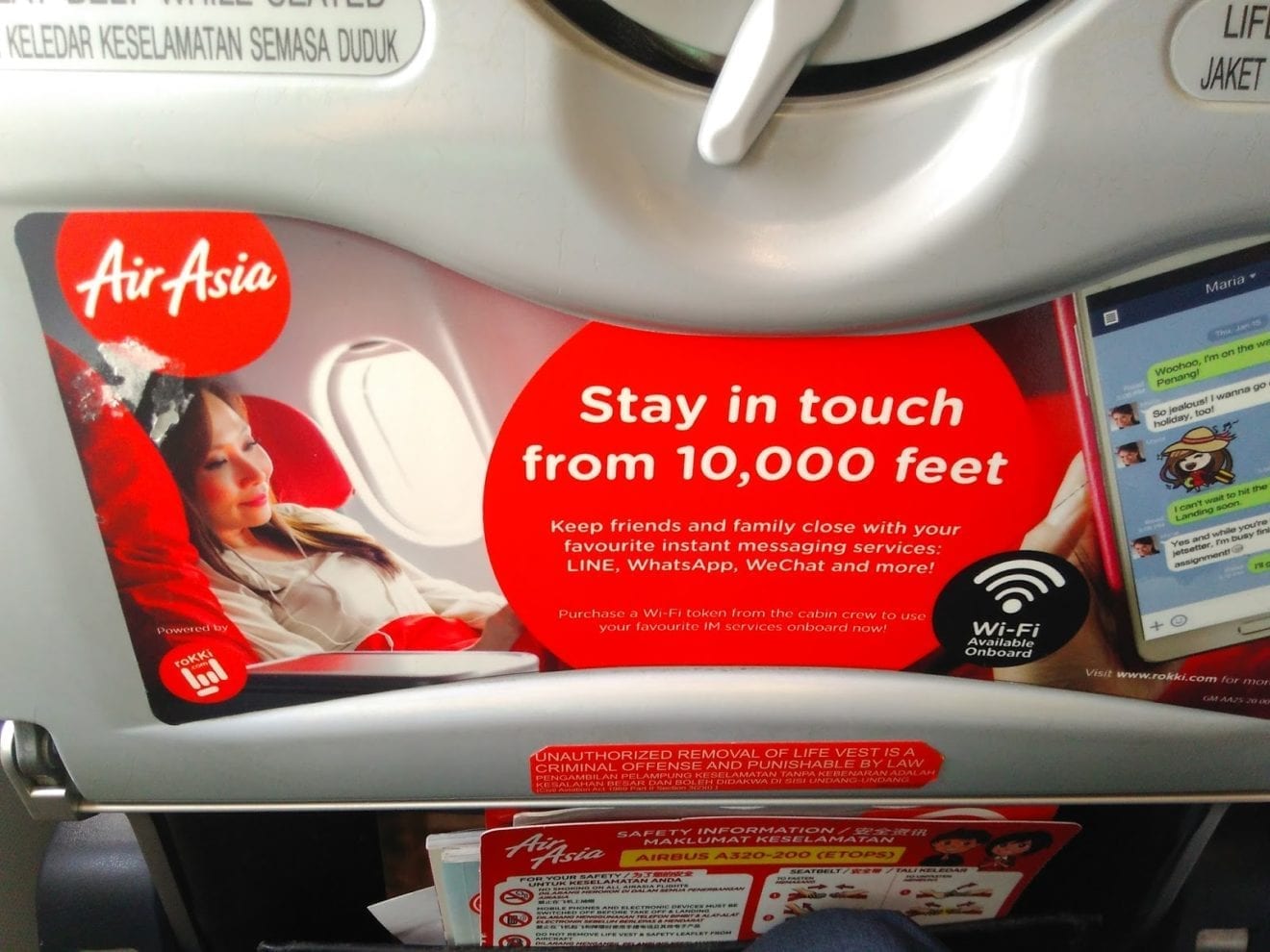
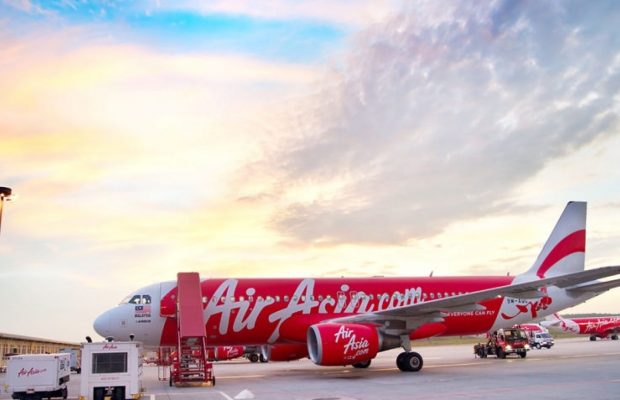
    Launched in 2014, ROKKI first appeared under the limelight as the on-board Wi-Fi service forAirAsia flights. From there, the service was further enhanced with the addition of in-flight entertainment last year – and it has just received a boost in terms of its content proposition thanks to a new partnership with the popular local streaming service, tonton, by Media Prima.

    Officially introduced today on a flight from Kuala Lumpur to Kota Kinabalu, ROKKI’s in-flight entertainment service can be utilized by smartphones and tablets through Wi-Fi. Unfortunately, the service is not able to support laptops at the moment.

    Given the nature of in-flight Wi-Fi, tonton’s content are not delivered directly into each aircraft using the service’s mobile apps or website as per norm. Based on our conversation with the General Manager of tonton, Ben Jern Loh, the content is first loaded into ROKKI’s own internal system for distribution on AirAsia flights.

    Hence, it is not surprising that users don’t get the full tonton catalog while they are in the air for the time being. Nevertheless, we were informed that the content might vary from one flight to another depending on their duration. Also, the content will be refreshed from time to time.

    In terms of content selection, it is curated by ROKKI’s team itself with assistance from tonton. Currently available for free on selected AirAsia flights, ROKKI in-flight Wi-Fi and entertainment service are activated once the aircraft reaches 10,000 feet in the air. To learn more, head on to its official website.

  • Vietjet launches Golden Day Promotions with 500,000 HKD0 ticket offers

    Vietjet launches Golden Day Promotions with 500,000 HKD0 ticket offers

    To welcome the upcoming travel and most beautiful festive season in the year, Vietjet offers 500,000 tickets priced from only HKD0 (*) with two 3-Golden Days Promotion. The sensational promotion will be available from November 8 to 10 and November 14 to 16, during the golden hours of 13:00 to 15:00 daily.

    The promotional tickets will be applied for all international routes to Hong Kong, Seoul, Busan (South Korea)/ Kaohsiung, Taipei, Taichung, Tainan (Taiwan)/ Singapore/ Bangkok, Phuket, Chiang Mai (Thailand)/ Kuala Lumpur (Malaysia)/ Yangon (Myanmar)/ Siem Reap, Phnom Penh (Cambodia) with the flight time being from December 1, 2017 to May 31, 2018. Except for the travel period for Ho Chi Minh City – Chiang Mai route which runs from December 12, and Ho Chi Minh City – Phuket route from December 15, 2017.

    The super seasonal offer follows the opening of the routes from Ho Chi Minh City to Phuket and Ho Chi Minh City to Chiang Mai (Thailand), which serve the traveling, trading demands between these well-known destinations in Vietnam and Thailand.

    Considered as the ideal traveling season for the cool and dry weather which is suitable for most entertaining activities and outdoor excursions, the travel cost for this period which is also lower than the summer vacation makes the offer even more attractive. It is also a good opportunity for tourists to combine the enjoyment of natural beauties with shopping, spiritual tourism or relaxation in the year end.

    With high-quality services, diverse ticket classes, special low-fare tickets, Vietjet offers its passengers flying experiences on new aircraft, comfy seats, delicious hot meals, beautiful and friendly flight attendants and other interesting added-on services.

  • Morozoff coming back after 14 years

    Morozoff coming back after 14 years

    Making a comeback after 14 years, Japanese confectionery and chocolatier Morozoff has opened a stand-alone boutique at Plaza Singapura.

    It sells 90 per cent of Morozoff’s full range including chocolates, cookies and packaged baked goods such as madeleines.

    Founded in Kobe in 1931, the brand had been previously available in Singapore from 1984 at the Japanese department store Daimaru at Liang Court. After Daimaru closed in 2003, Morozoff left the market as well.

    This time round, Morozoff has been brought in by Uptron, the first foray into F&B by the electronics and gaming company that distributes across South-east Asia.

    Morozoff’s return is past of a new wave of Japanese food brands setting up in Singapore, including Maple Mania and Tokyo Milk Cheese Factory. The chocolatier has more than 1000 shops and 33 cafes in Japan and is also available in China, Hong Kong and Taiwan. The Singapore shop is its 19th overseas outlet.

    Uptron plans to open about 10 Morozoff shops and cafes in Singapore over the next few years. It also wants to take the brand to other Southeast Asian countries such as Indonesia, Malaysia, Thailand and the Philippines.

    Director/COO Girish Pradeep Tewani’s link with Morozoff goes back to his childhood when his father, Uptron’s founder Pradeep Kumar Tewani would bring its products home from his business trips to Japan.

    Uptron will be looking into setting up a central kitchen when it opens its cafes so it can produce Morozoff’s signature desserts Denmark Cream Cheese Cake and Custard Pudding.

    Many Japanese people live in Singapore, says Morozoff president Shinji Yamaguchi. “We recognise that our products may be more high end, but we see potential in Singapore because of the standard of living .”

    The company’s products are flown to Singapore at least once a week.

  • Hawkr opens a new branch in Pacific Place

    Hawkr opens a new branch in Pacific Place

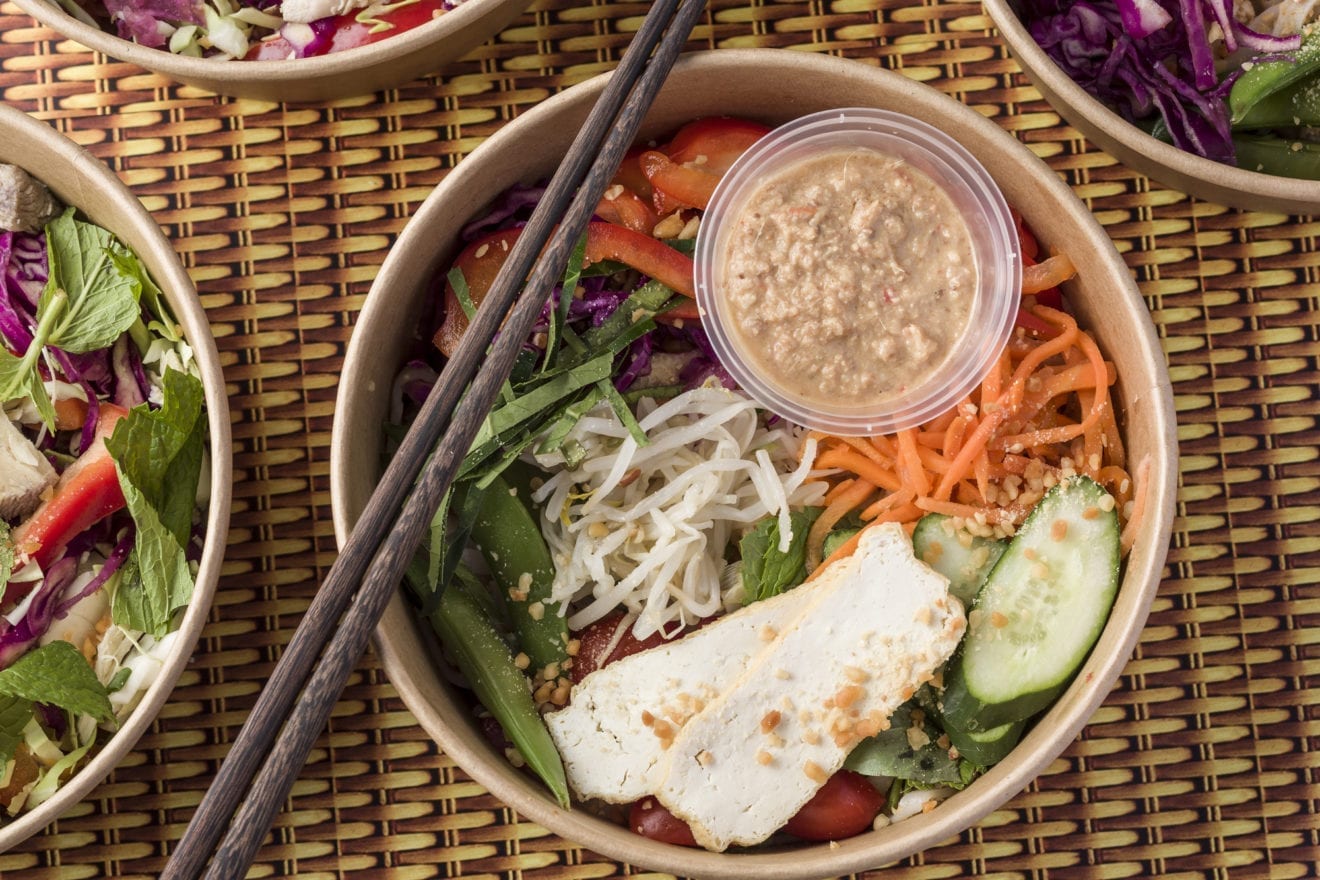
    Following its launch in Quarry Bay three months ago, “grab-and-go” eatery Hawkr has expanded to Pacific Place

    Hawkr springs from a partnership between Myanmar-based lifestyle concept Pun+Projects founder and restaurateur Ivan Pun and private-equity professional Jake Astor. Pop-up dining chef Mina Park is in charge of the menu which offers original recipes and fresh ingredients without MSG, artificial flavours or preservatives. It was inspired by Southeast Asian fare from such food destinations as Indonesia, Malaysia, Myanmar, Singapore, Thailand and Vietnam.

    The second store has an expanded menu including Burmese tealeaf, Isaan beef and Song Que salmon salads, Mamak Mee noodles and roasted pork noodle with coriander pesto,plus tealeaf eggs. Hawkr’s bespoke coffee blend is again a feature, with a resident barista.

    Like the Quarry Bay flagship, Hawkr at Pacific Place continues a design theme of neon green signs against a rattan background, and colourful wall pattern inspired by the ikats of Burma and Thailand.

    Staff aprons are hand-dyed in indigo from the Isaan region of Thailand.

    All menu items are half price after 7pm every day, and the team also plans to work with local charities to ensure any leftover food goes to those in need. Catering menus are also available for corporate events, luncheons and parties.

  • Jollibee closes 12 Hotpot Resturants in China

    Jollibee closes 12 Hotpot Resturants in China

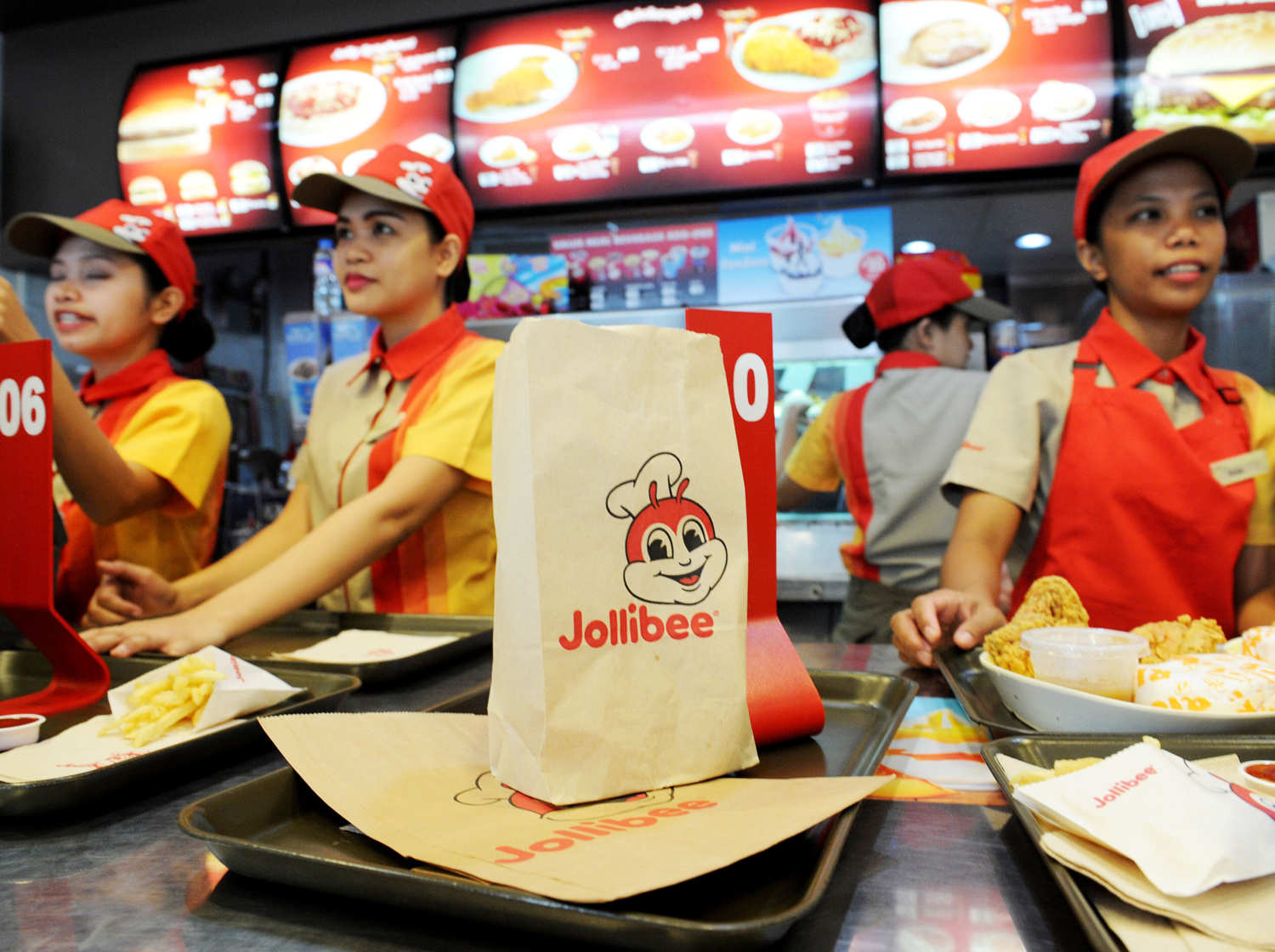
    Jollibee Foods Corp (JFC) has closed its restaurant chain 12 Hotpot in Mainland China.

    The 16 Shanghai-area stores were shut down by its subsidiary, 12 Hotpot (Shanghai) Food and Beverage Management, a 48 per cent-owned JV with WJ Investments.

    It was formed in August 2012 when JFC’s wholly owned subsidiaries Jollibee Worldwide and Golden Plate entered into an agreement with Hoppime, a subsidiary of Wowprime Corp of Taiwan and some of its key executives. The idea was to establish WJ Investments to own and run 12 Hotpot in China, Hong Kong and Macau.

    With the discontinuation of the mainland business, 12 Hotpot (Shanghai) then the JV will be liquidated.

    “JFC will focus on building its larger and fast-growing businesses in China and other parts of the world,” says the company.

    At the end of September, JFC had 3644 stores in its worldwide network. It also has a 40 per cent interest in Smashburger with 355 outlets, mostly in the US. In China its businesses include Yonghe King (305 stores), Hong Zhuang Yuan (44) and Dunkin’ Donuts (18).

    The company has also been running Happy Bee Foods Processing to supply products to its restaurants.

    In the Philippines, JFC has the largest foodservice network with 2756 restaurant, namely Jollibee (1023 outlets), Chowking (510), Mang Inasal (471), Red Ribbon (411), Greenwich (262) and Burger King (seven).

    JFC’s overseas stores include Highlands Coffee (219 including 193 in Vietnam and 26 in the Philippines), Jollibee (186 including 93 in Vietnam, five in Singapore and four in Hong Kong), Pho 24 (31 including 15 in Vietnam, 14 in Indonesia and one in Korea), and Hard Rock Cafe (8 with three each in Hong Kong and Macau, and two in Vietnam).

  • Food helps, says Starbucks boss

    Food helps, says Starbucks boss

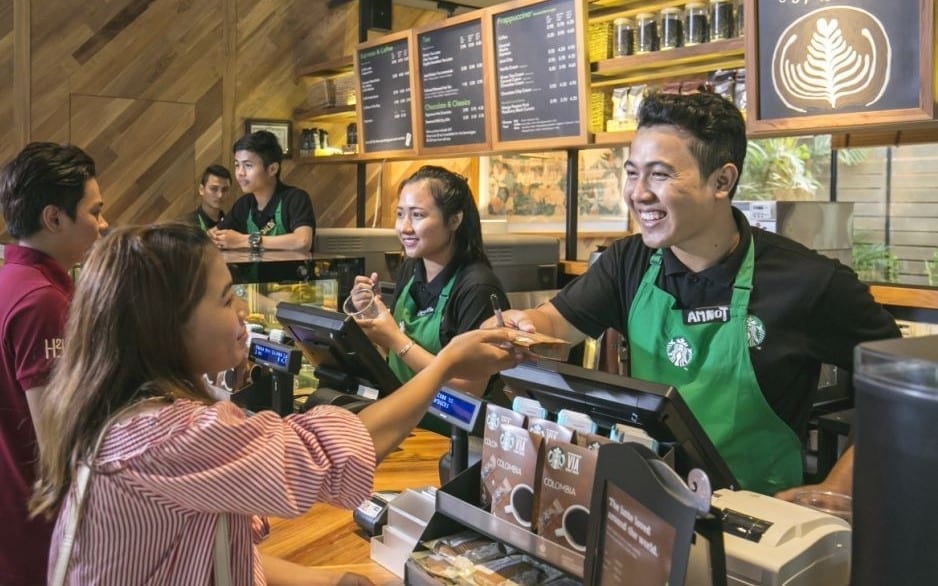
    Food and digital innovation are helping attract customers into stores, says Starbucks Corporation CEO/president Kevin Johnson.

    He was commenting on the coffee giant’s growth during its fourth quarter and fiscal year ending October 1.

    For the quarter, net revenues for the China/Asia Pacific segment grew 2 per cent to US$859.9 million. Excluding $56.9 million for an extra week last year’s fourth quarter, net revenues grew 10 per cent, primarily driven by incremental revenues from 1036 store openings over the past 12 months and a 2 per cent growth in comparable store sales. The increase was partially offset by unfavourable foreign currency translation.

    China comparative-store sales increased 8 per cent, driven by a 7 per cent increase in transactions.

    Overall four-quarter operating income grew 5 per cent to $201.7 million, while the operating margin expanded 60 points to 23.5 per cent, primarily driven by higher income from joint ventures, and partially offset by the lapping of the 53rd week in fourth quarter.

    Consolidated net revenues were steady for the quarter at $5.7 billion, excluding $412.4 million for the extra week. Consolidated net revenues grew 8 per cent.

    GAAP operating income of $1 billion declined 16.7 per cent while non-GAAP operating income grew 2.8 per cent to $1.1 billion. GAAP operating margin of 17.9 per cent declined 360 points while the non-GAAP decline was 20 per cent, down 90 points.

    The increased operating loss was primarily because of restructuring and impairment costs related to the company’s strategy to close Teavana tea retail stores and focus on the brand within Starbucks stores.

    Global comparable store sales increased 2 per cent, driven by a 2 per cent increase in average ticket and a 1 per cent increase in transactions; but up 3 per cent excluding the impact from Hurricanes Harvey and Irma. The impact from the hurricanes affected consolidated and US comparative store growth by 1 per cent as more than 1000 stores were temporarily closed.

    Revenue growth

    For the year, global comparable-store sales increased 3 per cent while consolidated net revenues grew 5 per cent to $22.4 billion. Excluding $412.4 million for the extra week in the fourth quarter last year, consolidated net revenues grew 7 per cent year-on-year.

    GAAP operating income of $4.1 billion declined 0.9 per cent compared while non-GAAP operating income grew 7.8 per cent to $4.4 billion.
    GAAP operating margin of 18.5 per cent declined 110 points, but was up 10 points to 19.7 per cent non-GAAP.

    Starbucks opened 603 stores globally, taking its total to 27,339 across 75 countries.

    Johnson says system improvements are enabling the company to drive increased throughput, particularly in its busiest stores at peak times.

    In September, the company announced it had entered into an agreement with long-time strategic partner Maxim’s Caterers in Asia to fully licence Starbucks business in Singapore, including transitioning the more than 130 company-run Starbucks stores. The partnership started in Hong Kong in 2000, and together they run more than 210 outlets across Cambodia, Hong Kong, Macau and Vietnam.

  • Apple closer as ever to trillion-dollar valuation

    Apple closer as ever to trillion-dollar valuation

    Apple has taken a step closer to becoming a trillion-dollar company after the tech giant reported a blowout third quarter and shrugged off concerns related to the iPhone X.

    Its shares rose almost four per cent in pre-market trading on Friday, on track to add nearly $US30 billion ($A42 billion) to its market capitalisation. The company is valued at $US868 billion.

    The California-based company also forecast a strong holiday quarter ahead, which will include the much-awaited iPhone X that started selling on November 3.

    “We see iPhone X unlocking pent-up iPhone upgrades, especially in China, driving more than 20 per cent iPhone unit growth and a revenue and earnings beat in 2018,” analyst Katy Huberty on Morgan Stanley said.

    Long lines had already started forming outside Apple stores in Asia as fans flocked to buy the new iPhone.

    At least five brokerages raised their price targets on the stock, with Canaccord Genuity making the most bullish move by raising its price target by $US15 to $US195.

    The median price target on the stock is $US180.

    With Canaccord’s move, five Wall Street analysts now have target prices for Apple that put its market value above $US1 trillion.

    Drexel Hamilton’s Brian White is still the most bullish among Apple analysts tracked by Thomson Reuters with a target price of $US208.

    Apple’s third-quarter results underscored the company’s ability to drive growth not just on iPhones, but across its range of products, analysts say.

    The company’s suite now includes five different iPhone models, the iPad, the Mac and the Apple Watch as well as its fast-growing services.

    Apple said it sold 46.7 million iPhones in the fourth quarter ended September 30, above analysts’ estimates of 46.4 million, according to financial data and analytics firm FactSet.

    Mac and Ipad sales were also above the estimates of most analysts.

  • Adairs continues with international expansion plans

    Adairs continues with international expansion plans

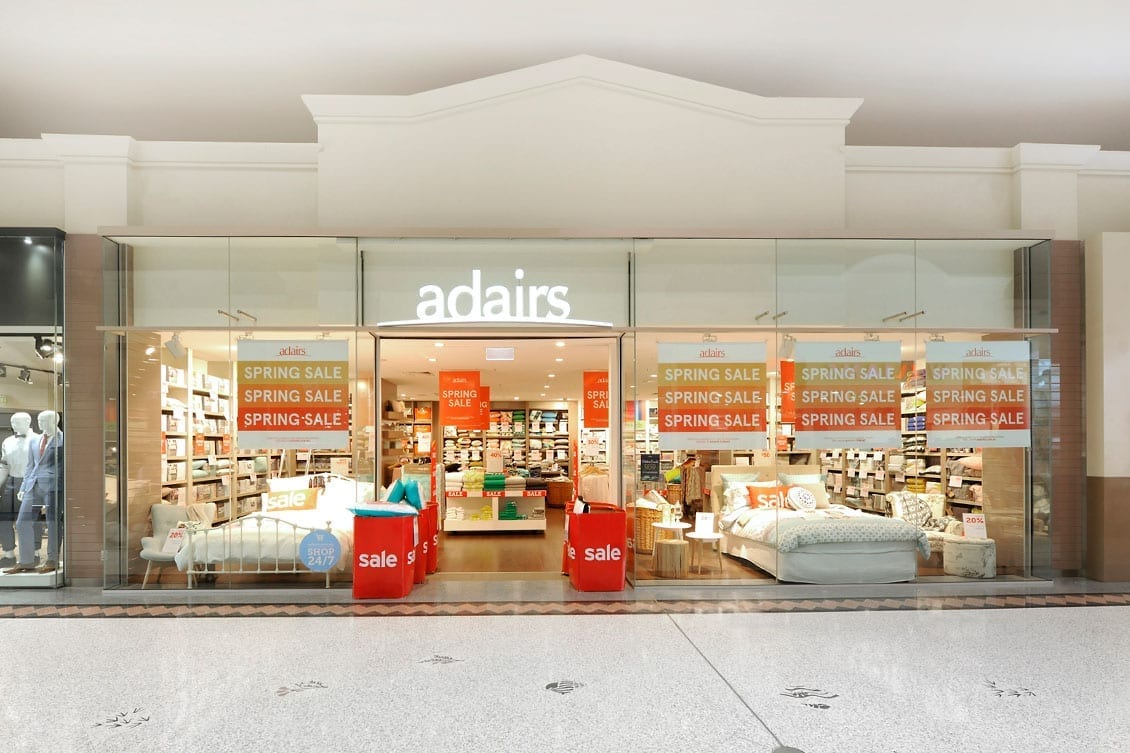
    Bedding retailer, Adairs, announced it will continue its international expansion next year and will roll out new stores in New Zealand and launch an international website.

    Mark Ronan, managing director and CEO, stated after the successful opening of their store in New Zealand, the company is looking into opening up to two additional stores in the country.

    Ronan said the company is also looking to deliver an international website in 2018.

    “Adairs has considerable opportunity to grow inside and outside of Australia and we will continue to assess these opportunities over the coming year,” he said.

    Ronan said Adairs will also continue to invest in their product team by adding resources to ensure that they “can deliver great product to customers.”

    “As I reflect on the lessons of the last 12 months, it has served to enhance my confidence that our strategy is sound, and our results will be most influenced by our successful execution of this strategy, rather than matters beyond our control,” he said. “‘Product, product and product’ refers to our product differentiation, range optimisation and merchandise planning strategy. Adairs is a product and design led business. Great product is critical to our success.”

    The company has posted a seven per cent increase in total sales for FY17, like-for-like sales, however, finished down 1.4 per cent.

    The company’s online sales continued to grow with investments in this area seeing second half sales up 41 per cent on the prior year. Despite growing total sales, Adairs’ NPAT result was well down on the prior year, with the large majority of this decline coming in the first half.

    Michael Butler, chairman of Adairs also addressed the ASIC infringement notice, denying the allegation asserting the retailer “has complied with its continuous disclosure obligations at all times.”

    “Nevertheless, your Bboard considered that it was in the best interests of Adairs to pay the penalty of $66,000 to enable the management team to focus on the operations of the business and avoid the anticipated cost and management diversion of defending this allegation,” he said.

    “Adairs is committed to keeping our shareholders fully informed.”

  • Asia drives significant L’Oreal growth

    Asia drives significant L’Oreal growth

    Asia-Pacific led global growth for beauty giant L’Oreal in the latest quarter, with sales rising 14.7 per cent on a like-for-like basis.

    The region capped off a solid quarter of L’Oreal growth, with the company reporting global sales of euro 19.5 billion, up 5.1 per cent, like-for-like on the same quarter last year.

    “In Northern Asia, China is achieving sustained growth, driven by L’Oreal Luxe, and by the strong vitality of e-commerce sales,” the company said in a statement. “Hong Kong is also growing strongly, with Chinese tourists continuing to return.”

    In Southern Asia, growth was spurred by Thailand, Malaysia and Indonesia, “thanks to the strength of our make-up brand portfolio in the consumer products division”.

    “Overall, the group outperformed the market and strengthened its position,” said chairman and CEO Jean-Paul Ago of the results for the three months to September 30.

    L’Oreal Luxe delivered a strong performance with double-digit growth, driven by the robust health of its four key brands: Lancome, Yves Saint Laurent, Giorgio Armani and Kiehl’s, and the momentum of its recent acquisition, IT Cosmetics.

    “The active cosmetics division is growing significantly, reflecting the quality of its launches and the good performance of CeraVe,” he said. “The consumer products division is reinforcing its positions in several major zones, but is still being slowed down by continuing difficulties in the American and French markets.”

    Ago described the acceleration of sales in its so-called “New Markets” as the highlight of the quarter. He referred to “strong performances” in Asia-Pacific, particularly in China, but also in Latin America and Eastern Europe.

  • Healthy jump in Hong Kong retail sales

    Healthy jump in Hong Kong retail sales

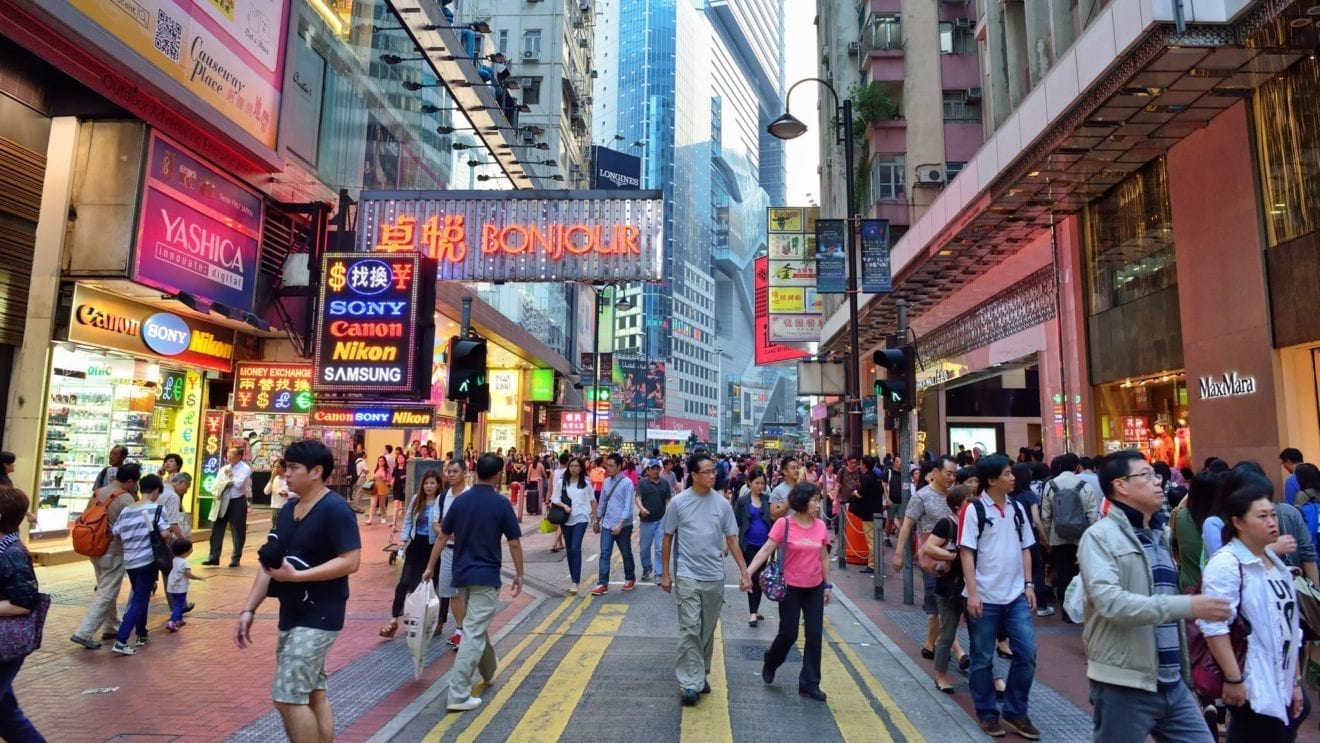
    Hong Kong retail sales rose at their fastest rate in more than 30 months in September, underlining the industry’s steady recovery.

    The Census and Statistics Department (C&SD) estimated retail sales totalled HK$35.7 billion during the month, up 5.6 per cent on the same month last year.

    That follows a revised estimate of August’s sales increase of 2.7 per cent.

    For the first nine months of 2017, retail sales are running at a more modest 0.9 per cent higher.

    Even after netting out the effect of price changes year-on-year, sales were up by 5.5 per cent, said C&SD.

    A government spokesman describe September’s improvement as “notable growth”.

    “This reflected the upbeat consumer sentiment and continued improvement in inbound tourism, as most broad types of retail outlets registered varying degrees of year-on-year rises. The performance of retail sales in the near term should continue to be bolstered by the prevailing favourable job and income situation as well as the recovery in inbound tourism,” the spokesman said.

    The recovery was driven by watches and jewellery, with sales up 14.7 per cent, cosmetics and medicines, up 12.7 per cent and department store sales up 9.4 per cent. Supermarket sales rose 2.6 per cent.

    Apparel and footwear sales lagged at just 1.7 per cent and 1.2 per cent respectively, while furniture and homewares were up 5.2 per cent and optical shops by 5 per cent.

    The only major sector to post a decline in sales was electrical goods and photographic equipment, likely to receive a boost in October and November from the launch of new Samsung models and the iPhone X.

  • The best quarter ever for Alibaba sales

    The best quarter ever for Alibaba sales

    In an “outstanding quarter” to September 30, Alibaba sales have grown 61 per cent to US$8.3 billion.

    That’s the tech and e-commerce giant’s strongest quarterly performance since its IPO and a result the company says reflects the strength of the business beyond its core activities.

    “We had an outstanding quarter,” said CEO Daniel Zhang. “Our consumer insights and technology innovation were the key drivers behind our customer value proposition across the Alibaba economy.

    “We are seeing the early results from our efforts to integrate online and offline with our New Retail strategy, and consumers have benefited from access to high quality products, improved customer experience and the tremendous convenience of shopping anytime, anywhere.”

    Maggie Wu, CFO, said the group generated about $3.4 billion in free cash flow during the quarter, “which enables us to invest in our future growth areas of core commerce, including logistics, cloud computing, digital entertainment and other innovation initiatives.”

    E-commerce remained the backbone of the business despite its rapidly growing diversification. Mobile monthly active users on China retail marketplaces reached 549 million in September, an increase of 20 million over June 2017. Annual active consumers on China retail marketplaces reached 488 million, up 22 million users from the 12 months to June 30.

    Cloud revenue grew 99 per cent year-on-year to $447 million, driven by robust growth in paying customers and an improving revenue mix of higher value-added services.

    Revenue from digital media and entertainment increased 33 per cent to $721 million and the daily average subscribers of Youku video increased by more than 180 per cent, attributed to a strategy of offering a mixture of licensed and original content.

  • Ikea Singapore starts selling online

    Ikea Singapore starts selling online

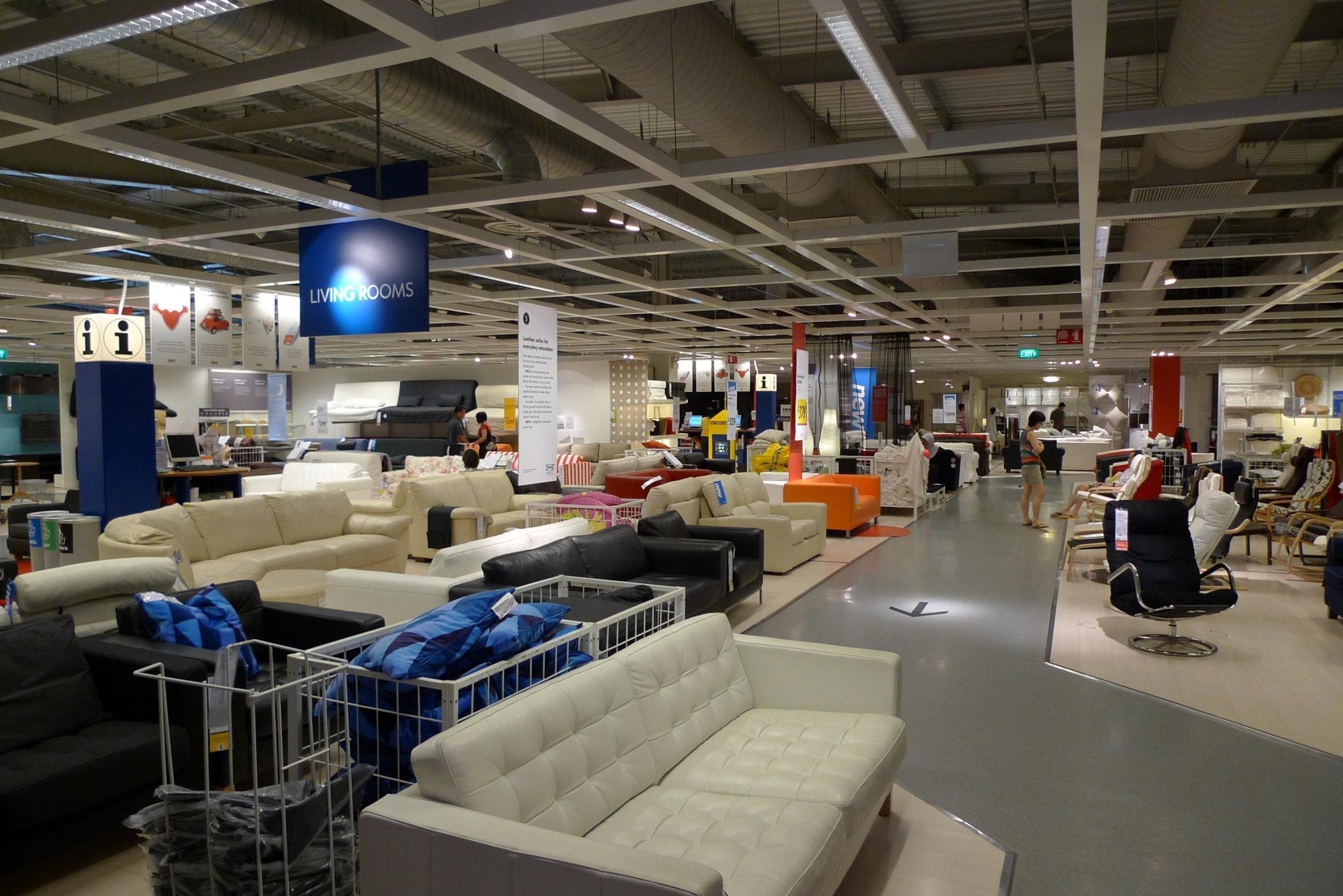
    After about two years in the making, Ikea Singapore’s online store launches today.

    Customers will no longer need to visit the Swedish furniture giant’s Tampines megastore or Alexandra Road outlet, but can buy at Ikea.sg and have the items delivered to their homes. As with the physical outlets, the online store has an inventory of about 7000 products.

    Online customers can pay via credit card or Nets. There is no minimum spend.

    Delivery charges range from $15 to $70 for bulky items. The delivery-service team members have been trained to also assemble the furniture, for an extra fee.

    Ikea Southeast Asia retail director Mike King says there have long been calls for an online store in Singapore, but the brand wanted to iron out all the kinks before launching one.

    Previously, Ikea Singapore’s website was a virtual extension of its print catalogue, showing mood shots of various rooms and offering product details.

    Mike King, Ikea Southeast Asia’s retail director, says there have long been calls for an online store in Singapore, but the brand wanted to iron out all the kinks before launching one.

    Previously, Ikea Singapore’s website was a virtual extension of its print catalogue, showing mood shots of different rooms and information about Ikea’s products. With online shopping now available, King expects greater demand for Ikea’s products but is confident there will not be a problem fulfilling orders.

    He says that during the past 12 months, Ikea has been affected by a global container problem (caused by South Korean company Hanjin Shipping going bankrupt) and port delays in Shanghai. “Those issues cause more problems rather than the added demand generated by e-commerce.”

    King says there are improvements ahead for the online store, which may include an option for customers to collect their online purchases from the two physical stores.

    An online Ikea store is also planned for Malaysia.

  • AirAsia X to get 2 planes next year, more from 2019

    AirAsia X to get 2 planes next year, more from 2019

    AirAsia X said Monday it will take delivery of two new aircraft next year, which could be deployed in North Asia and China, and its new route to India is likely to help boost passenger load factor as the long-haul unit of Malaysian budget carrier AirAsia seeks to expand network in Asia.

    AirAsia X is expected to receive up to four new aircraft a year beginning 2019 as it ramps up capacity after receiving two new planes by end of 2018, Chief Executive Benyamin Ismail said at a news conference.

    “Next year, we will introduce two new India routes in the second half, as well as new routes to Japan and China,” he said.

    His comments come after the company said earlier today that it will start flying from Kuala Lumpur four-times a week from Feb. 5 to Jaipur, a popular tourist destination in the western Indian state of Rajasthan. The airline, which now flies to only to New Delhi, also aims to expand services into second and third-tier cities in the vast South Asian country.

    The airline is targeting an 80% load factor for the new Kuala Lumpur-Jaipur flight, said Benyamin. In 2017, AirAsia X carried 340,000 passengers into India, a 34% increase from 2016, he said.

    “India is a very important market to us,” AirAsia X Group Chief Executive Kamarudin Meranun said at the same event. “We will continue to expand our services to key Indian cities including the second and third tier cities especially those that lack good connectivity.”

    The thrust to expand in India follows the carrier’s stated aim to further penetrate North Asia including lucrative routes in Japan, South Korea and China as it cuts its Australia exposure.

    AirAsia X, which operates a fleet of 30 aircraft, has been looking to rationalize its Australian operations that contributed more than a third of its revenue. However, the airline faced a market plagued by overcapacity amid stiff competition on select routes, which weighed on its last year’s earnings.

    AirAsia X Group has placed orders for 66 A330neo planes to be delivered until 2027. Together with major shareholder AirAsia, the airline group has placed a firm order for close to 600 aircraft with Airbus, making it one of the largest Airbus operators in the world.

    “The company has guided earlier that the focus (growth) area would be North Asia,” said Public Investment Bank’s analyst Nur Farah Syifaa’ Mohamad Fu’ad. “North Asia should be more profitable as compared to other routes,” she said.