Author: Mei Ling Tan

  • BMW recalling 1 million vehicles

    BMW recalling 1 million vehicles

    BMW AG said on Friday it is recalling about 1 million vehicles in North America for two separate issues involving fire risks and said it may expand the recalls to other countries.

    One recall covers 670,000 2006-2011 U.S. 3-Series vehicles to address a wiring issue for heating and air conditioning systems that may overheat and could increase the risk of a fire.

    The second recall covers 740,000 U.S. 2007-2011 vehicles with a valve heater that could rust and lead to a fire in rare cases. The recall includes some 128i vehicles, 3-Series, 5-Series and X3, X5 and Z4 vehicles.

    BMW spokesman Michael Rebstock said the recalls overlap and cover about 1 million vehicles, nearly all in the United States and about 15,000 in Canada. He said the recalls may be expanded.

    “We are examining whether it will be necessary in the future to widen this (recall) into other countries,” he said.

    BMW said both recalls followed recent meetings with the U.S. National Highway Traffic Safety Administration (NHTSA).

    In the heating and air conditioning recall, BMW told NHTSA it first got a report of an incident in 2008 involving heat- related damage to a 2006 3-Series sedan, but did not determine a root cause. The automaker continued to monitor additional field incidents in the following years.

    In 2011, BMW made a quality improvement to the blower-regulator wiring harness. No injuries were reported between 2007 and 2014, but in 2015, BMW was made aware of three incidents in which there were allegations of injuries. In early September, BMW learned of another incident involving a 2011 BMW 3 Series vehicle.

    Dealers will replace a wiring harness if necessary and potentially additional parts.

    In the valve heater issue recall, BMW first received a report in 2009 of an incident in a 2007 X5 involving heat-related damage to the engine compartment, the company told NHTSA. It received other reports and continued to review the issue and inspect returned parts, but had no reports of injuries or crashes related to the issue. Dealers will replace the valve heater.
  • Takeover bid for FamilyMart in Philippines

    Takeover bid for FamilyMart in Philippines

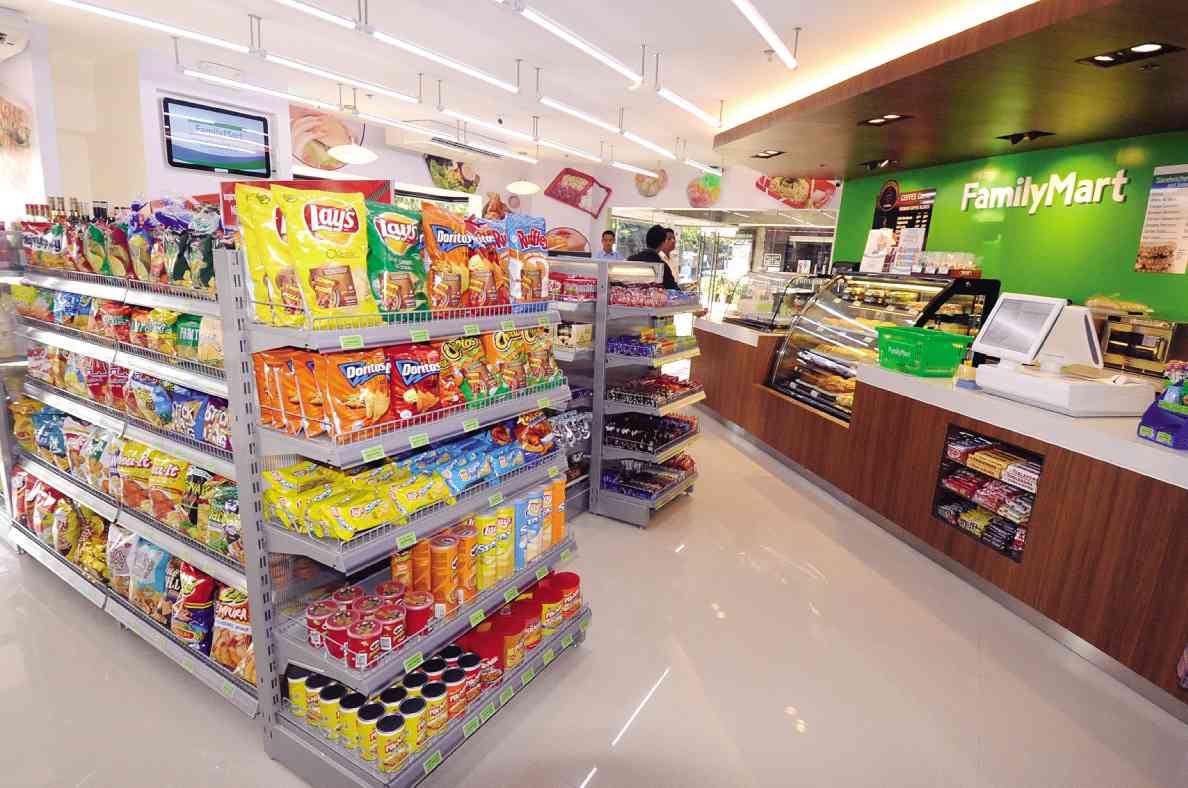
    Philippine FamilyMart (PFM) may be taken over by Phoenix Petroleum as part of diversification move.

    In a disclosure to the stock exchange, Phoenix says it has signed a memorandum of understanding with SIAL CVS Retailers and its Japanese partners for a planned 100 per cent acquisition of PFM, which runs convenience stores under the FamilyMart trademark in the Philippines. The sale is subject to the approval of the Philippine Competition Commission.

    A joint venture of Ali Capital of Ayala Land and SSI Group, SIAL owns 60 per cent of PFM while Japanese companies FamilyMart and Itochu own 37.6 and 2.4 per cent respectively.

    FamilyMart Philippines went up for auction early this month, attracting potential buyers such as businessman Jerry Liu who owns Angel’s Pizza and Figaro Coffee, businessman Lowell Yu who owns Kuya J Restaurant and Landers membership shopping.

    Phoenix Petroleum says the potential acquisition will complement its retail fuel business, with 518 stations nationwide, and marks its entry into the domestic convenience retail market. The value of the transaction has not been disclosed.

    President/CEO Dennis Uy this year finalised a deal to acquire a 177ha logistics hub, Global Gateway Logistics City, in Clark City.

    Ayala Land and SSI Group teamed up with two Japanese firms in 2012 to bring FamilyMart to the Philippines. With 67 stores in Luzon, PFM offers ready-to-eat and fast-food items, convenience products, auto-loading, bills payment and ATM services.

  • Welcia drugstore offers new instore brands

    Welcia drugstore offers new instore brands

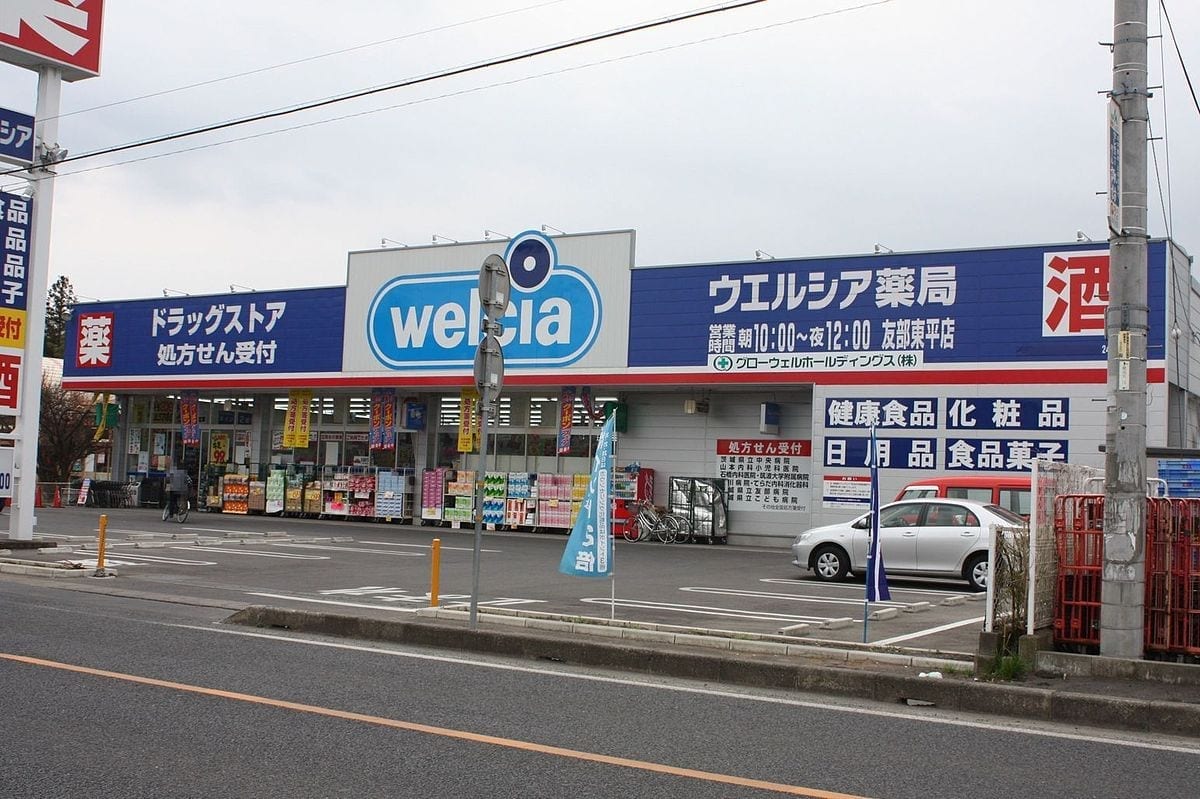
    A new Japanese drugstore, Welcia-BHG, offers brands previously not available in Singapore. It is a JV between Japanese pharmacy and drugstore chain Welcia and BHG Holdings, a department store chain that has seven outlets in Singapore.

    On level one of the BHG department store in Bugis Junction, the 2700sqft (250sqm) store has two zones, health and beauty, and offers more than 7000 products. There is also a pharmacy.

    Of the roughly 700 Japanese products offered, 100 are new to Singapore. They include Kanebo’s cult skincare line Suisai, Q&P Kowa Gold vitamins, Vantelin topical analgesics, Vegie slimming products and nailcare serum Dr Nail.

    More products will be added over time, says Welcia-BHG MD Tadahisa Matsumoto, including over-the-counter Japanese drugs.

    Japan has 1695 Welcia stores averaging 8000sqft, some of which are open 24 hours.

    Matsumoto says Singapore consumers will particularly appreciate the store’s skincare offerings formulated for Asian skin as well as sensitive skin. “Like Japan, Singapore is experiencing an ageing population, so healthcare needs are growing,” he says.

    The store also offers services such as simple health checks, skin analysis and product recommendations. The sales staff will receive regular training by experts from Japan instead of representatives from individual brands.

    Plans are also in place for a second outlet at Northpoint City mall. “We hope to have about 20 stores in Singapore in five years,” says Matsumoto, who sees Singapore as the main starting point for expanding the concept into Southeast Asia.

  • Lacoste Philippines boutique upgraded

    Lacoste Philippines boutique upgraded

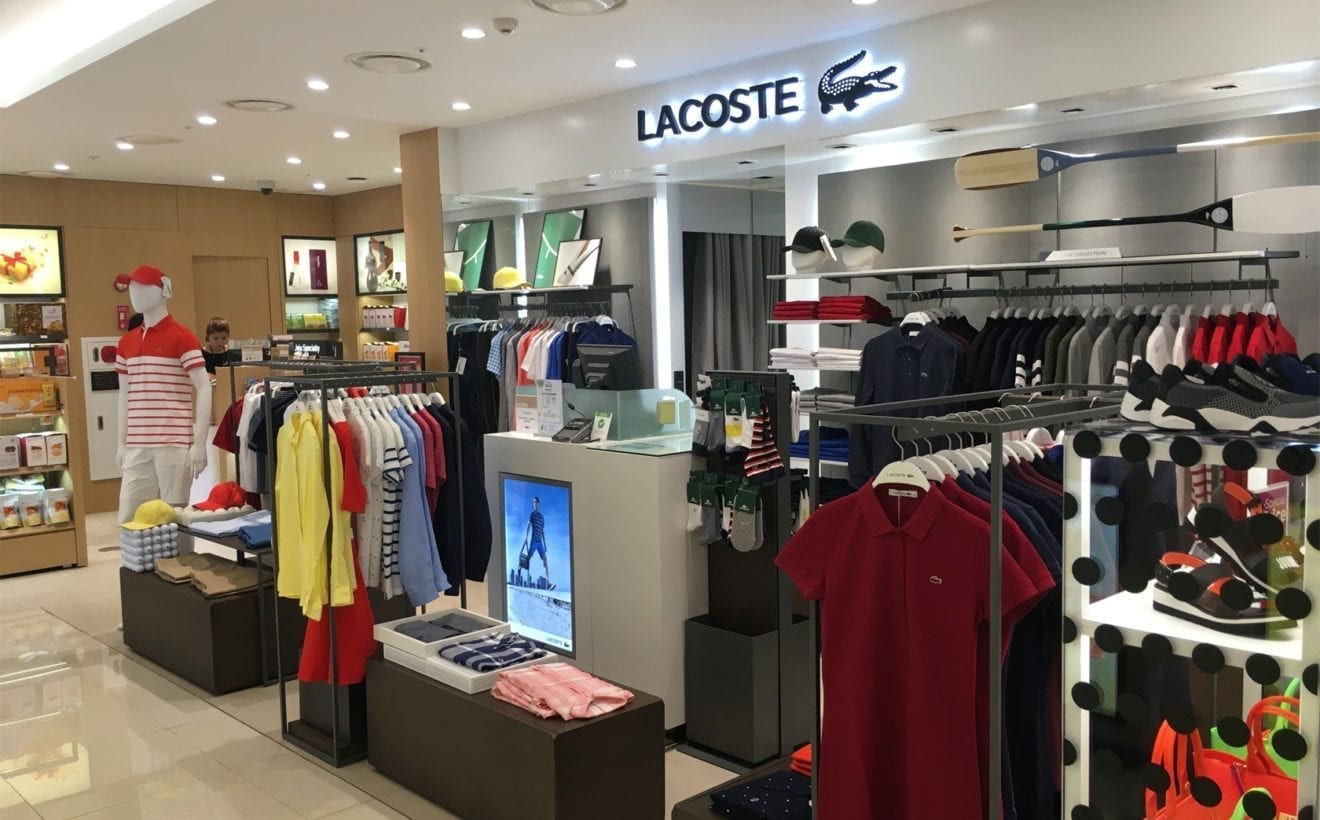
    A Lacoste boutique store in TriNoma mall, Quezon City, has been transformed to become the brand’s first “standard premium” concept store in the Philippines.

    The new concept displays items against a backdrop of dark wood, steel furniture, stone-finished walls and clean architectural lines, reports the Manila Standard.

    Occupying more than 200sqm of retail space, the store opened in 2007. It offers apparel, leather goods, fragrances, footwear, eyewear, watches and underwear.

    The brand has more than 20 stores in the Philippines, including Lacoste Accessories at Gateway Mall and Glorietta 4.

  • AirAsia partners Tourism Malaysia for travel fair

    AirAsia partners Tourism Malaysia for travel fair

    Low-cost airliner AirAsia has announced the launch of a travel fair in Hyderabad, packed with offers, being organised in association with Tourism Malaysia.

    This fair is aimed at promoting tourism between India and Malaysia and thereby contribute to the socio-economic development of both the nations.

    During the initiative, interesting deals and offers are likely to be offered at the fair where guests can avail themselves up to 20 per cent off on their flight tickets. The offer is valid on bookings made between November 3 and November 5 for travel between November 6, 2017 and April 30, 2018.

    This discount is applicable on flights from Bhubaneshwar, Bangalore, Kolkata, Cochin, Hyderabad, Chennai, Trichy, Vishakhapatnam to Kuala Lumpur.

  • NTT Com launches lowest latency Tokyo-Chicago link

    NTT Com launches lowest latency Tokyo-Chicago link

    Japan’s NTT Com has launched a new ultra-low latency connectivity service between the financial markets of Tokyo in Japan and Chicago in the United States.

    The operator said the JPX-Chicago Co-Location Direct service offers the industry’s lowest latency for connectivity between Japan Exchange Group’s (JPX) colocation centre and the Cermak data center used by Chicago’s financial market.

    A point of presence in the JPX colocation center links directly to NTT Com’s PC-1 subsea cable to support high frequency trading between the two markets.

    Customers will be able to seamlessly use cross connections in both centres to ensure trades are implemented as quickly as possible.

    NTT Com also delivers connectivity services between JPX and financial markets in Hong Kong and Singapore.

  • Malaysia Airlines moves fully to the cloud

    Malaysia Airlines moves fully to the cloud

    Tata Consultancy Services has implemented an industry-first transformation project to migrate Malaysia Airlines’ data center to a 100% hybrid cloud model.

    To better enable a competitive-edge and future readiness for the airline, TCSorchestrated the large and complex project to migrate the airline’s core mission-critical data center infrastructure and myriad applications to a hybrid-cloud model operating 80% on Microsoft Azure and 20% on a private cloud.

    The pioneering move makes Malaysia Airlines the world’s first full-service airline to completely replace its existing data centers and adopt full-scale cloud solutions for its entire range of nearly 200 applications running mission critical commercial, operations and corporate systems.

    “We set out with an ambitious goal to digitally transform core IT operations to an as-a-service model, to achieve a quantum leap in cost savings, scalability, efficiencies, agility, and other key factors,” Malaysia Airlines CIO Tan Kok Meng said.

    The cloud-centric model is achieving exemplary results, including a 51% cost reduction forecast over the a 5-year period from mid-2016; productivity improvements up to 80% for core applications; application delivery times accelerated from days to hours in some cases; enhanced security and compliance capability and reporting.

    TCS Asia Pacific president Girish Ramachandran said this industry-first transformation not just drives improved value and enhanced operational efficiencies, but equally important, it enables Malaysia Airlines to deliver a better customer experience that results from a digitally-reimagined all-cloud IT model.

    As primary service partner, TCS collaborated with Microsoft, SAP, and numerous other vendors to ensure Malaysia Airlines’ current phase of digital evolution is seamless and cost-efficient and delivered without business disruption.

    The project scope included re-platforming of legacy applications for cloud compatibility and network service provisioning for large and complex airline operations. See the cloud transformation story in a single snapshot here.

  • Alibaba’s 11.11 sale to showcase brand new Retail concepts

    Alibaba’s 11.11 sale to showcase brand new Retail concepts

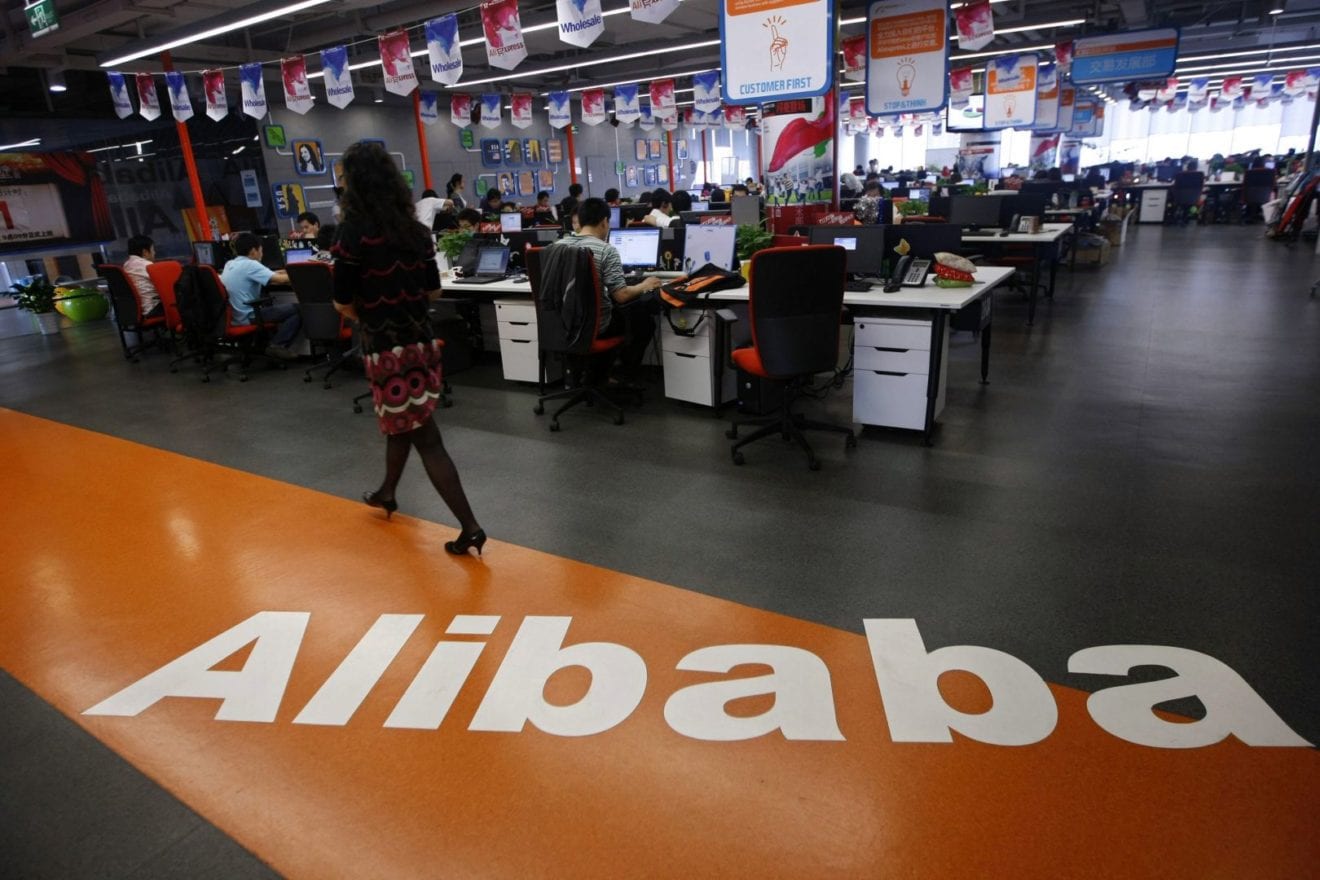
    In its sixth year, the online 11.11 Global Shopping Festival will introduce Alibaba Group’s New Retail concept which integrates online and offline shopping experiences.

    With the event bringing together consumers, retailers, logistics companies, financial institutions and online as well as offline stores and shopping centres internationally, Alibaba Group CEO Daniel Zhang says it is a “grand stage” for showcasing the New Retail initiative.

    During the festival, Alibaba will collaborate with 52 shopping malls to set up 60 New Retail-powered pop-up stores across 12 cities in China. Consumers can visit a pop-up store of a cosmetics brand, for example, to experience an augmented-reality (AR) lipstick trial.

    Nearly 100,000 stores in 31 provinces and 334 cities throughout China will also be converted into “smart stores” with a range of New Retail experiences such as facial-recognition payment and scan-and-deliver O2O shopping.

    New Retail will also be rolled out for community stores such as Rural Taobao service centres and neighbourhood convenience stores.

    In the lead-up to the November 11 event, Alibaba is running an array of promotional initiatives. The 24-hour online sale involves more than 140,000 brands and 15 million product listings globally, with more than 60,000 international brands available to Chinese consumers them across the Alibaba marketplaces, including Adidas, Bose, La Mer, L’Oreal, Mac, Mattel, Mondelez, Nike, P&G, Shiseido, Siemens, Unilever, Uniqlo, Wyeth, Zara, and more.

    Through a new Tmall initiative inaugurated in June this year, 100 Chinese brands can sell globally, with a focus on the Southeast Asian markets at the initial stage. Free shipping will be introduced to 10 countries during this year’s Festival to extend the global reach.

    This year, Alibaba will continue to leverage its media and entertainment assets to drive online consumption. Chris Tung, Alibaba Group’s chief marketing officer, says this year’s event “brings consumers around the world a step closer to realising the aspirational life where entertainment and retail become one”.

    “Regardless of their physical location, consumers will be able to participate in more experiences than ever before this year, all showing the reality of New Retail. We start today but this is a festival with nearly two weeks of celebration and so many different ways to participate.”

    Entertainment components include:

    • An AR game on Mobile Taobao App called Catch the Cat will drive online traffic to offline locations. Consumers will use their mobile device to catch the virtual Tmall Cat mascot at a number of retail partner locations to win special perks, discounts and coupons for use at online and offline stores.
    • Red envelopes of more than RMB250 million will be shared among Chinese consumers through various interactive games. One of which shoppers can invite friends to form special teams, and once their team’s purchases reach a certain amount collectively, all team members will be able to get discounts and coupons.
    • The 11.11 Countdown Gala Celebration will be held on November 10 in Shanghai’s Mercedes Benz Arena. Directed by Hollywood producer David Hill for the second year in a row, the gala will be broadcast live on three of the leading satellite TV channels Zhejiang TV, Shenzhen TV and Beijing TV, and will feature top-tier singers and movie stars who will be announced in the weeks ahead.
  • Toyota China sales likely to grow steadily but lag Japan rivals

    Toyota China sales likely to grow steadily but lag Japan rivals

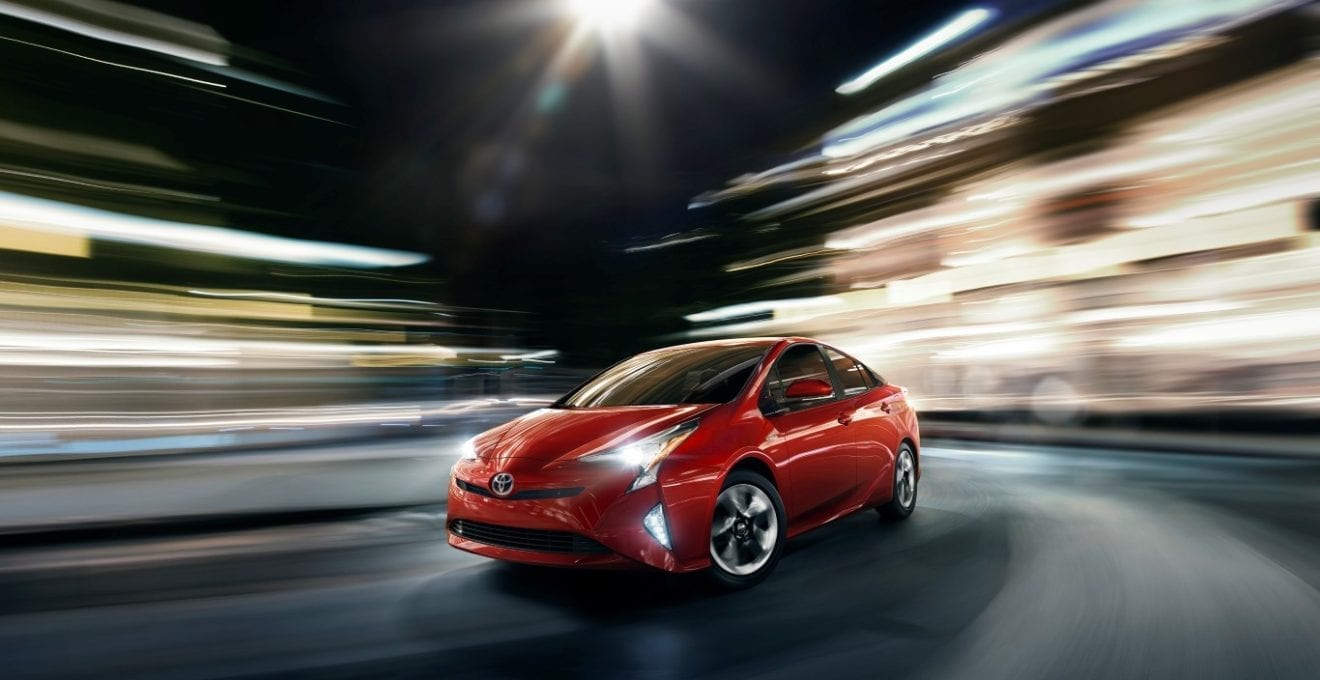
    Toyota Motor, Japan’s biggest automaker by volume, has fallen to the No. 3 spot among Japanese automakers in China, due to lack of presence in a key segment – a situation experts say will likely prevail well past the middle of 2018.

    Through October, Honda and Nissan Motor both outsold Toyota in China, the world’s biggest car market.

    Toyota’s sales in the first 10 months of this year totaled 1.07 million vehicles, compared with 1.16 million vehicles Honda sold during the same period. Nissan’s volume through October amounted to 1.17 million vehicles.

    China-market experts believe the main cause for Toyota’s relative weakness lies in the lack of smallish crossover sport-utility vehicles (SUVs) that others, most notably Honda in recent months, have leveraged to accelerate growth.

    Honda’s sales have started to grow relatively rapidly and more consistently since 2015, after two key subcompact crossover SUVs hit the market in late 2014.

    Though volume growth from these two models – the XR-V and the Vezel – have decelerated more recently, the gap was filled by the redesigned Civic car, among other models. The Civic hit the Chinese market in April last year.

    However, Yale Zhang, head of Shanghai-based consultancy Automotive Foresight, isn’t all that pessimistic about Toyota’s sales outlook.

    “Toyota’s compact sedans, especially (gasoline-electric) hybrid versions of the Corolla and the Levin, are doing well,” Zhang said. “That would give Toyota moderate growth in 2017 and next year, but the issue is the lack of presence” in one of the hottest segment in the Chinese auto market, he said.

    If Toyota had subcompact crossover SUVs like Honda’s Vezel and XR-V, “the company can generate an extra volume of 150,000 units a year at the least, which would be a pure incremental volume for Toyota since they don’t offer any product in this segment today,” Zhang said.

    Toyota marketing and advertising officials said that gap in the company’s product offerings will not be addressed by the middle of 2018.

    China-market versions of the subcompact Toyota CH-R crossover SUV will likely hit showrooms in China in a June-July time frame, they said on condition of anonymity as they are not authorized to speak with reporters. The CH-R hit showrooms in the United States in April this year.

    Toyota had no immediate and particular response to who is up and who is down in sales rankings within China. “We would like to continue to grow steadily in the Chinese market,” a Beijing-based spokesman said.

  • Coach parent to delist in Hong Kong Exchange

    Coach parent to delist in Hong Kong Exchange

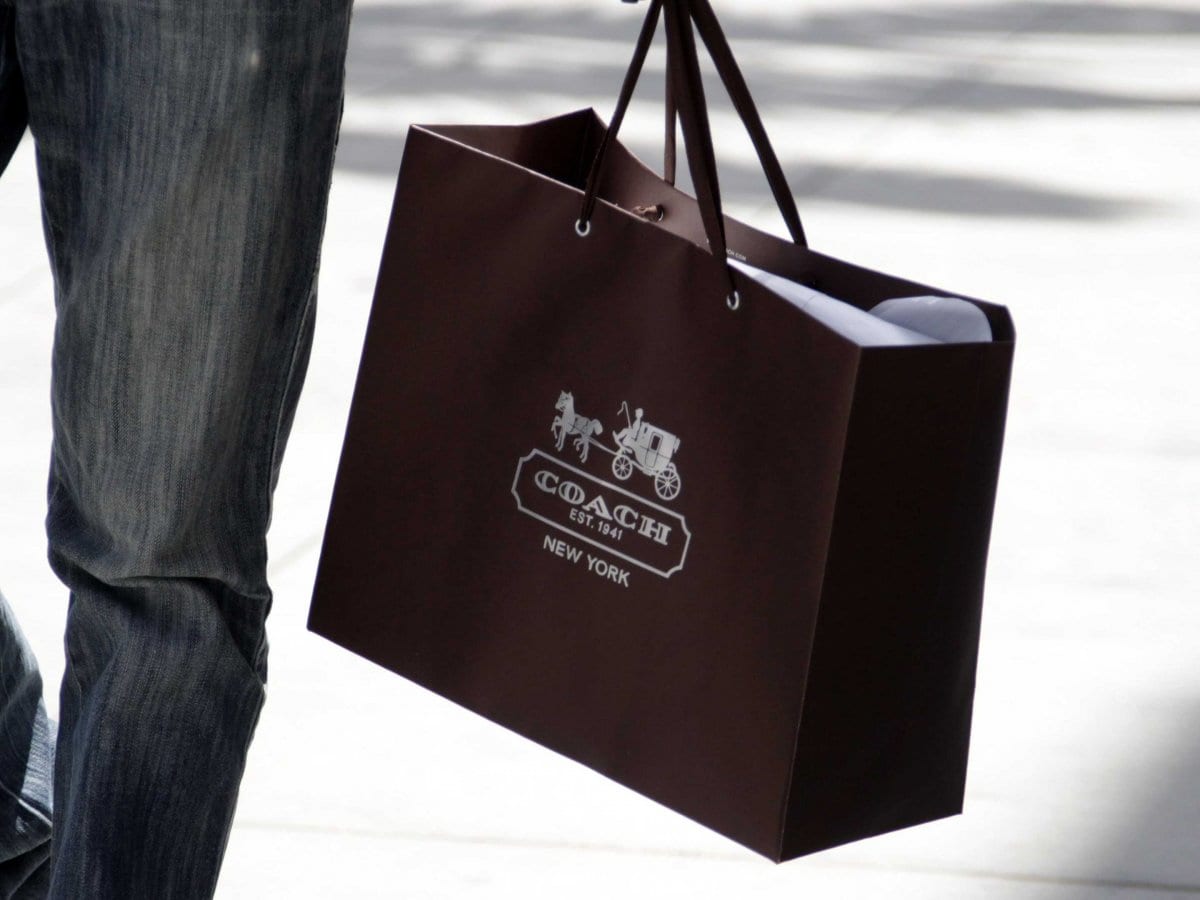
    Coach parent Tapestry says it will delist from the Hong Kong stock exchange. Tapestry this week replaced the Coach name on the exchange’s ticker. It said it was withdrawing from local listing because of low volumes in trading of its shares and that it would now focus on its primary listing in New York.

    Bloomberg reports that a lack of interest from investors in the former British colony is common to most of the companies that have a so-called secondary listing in Hong Kong, including Fast Retailing, the Japanese parent of Uniqlo and GU.

    “It is difficult to see what benefits the secondary listings in Hong Kong have brought these companies,” Robert Cleaver, a corporate lawyer at Linklaters LLP, told Bloomberg. “Trading tends to gravitate to the market where the most liquidity is, which is typically where the primary listing is.”

  • UFC Announces a New Integrated Partnership With AirAsia

    UFC Announces a New Integrated Partnership With AirAsia

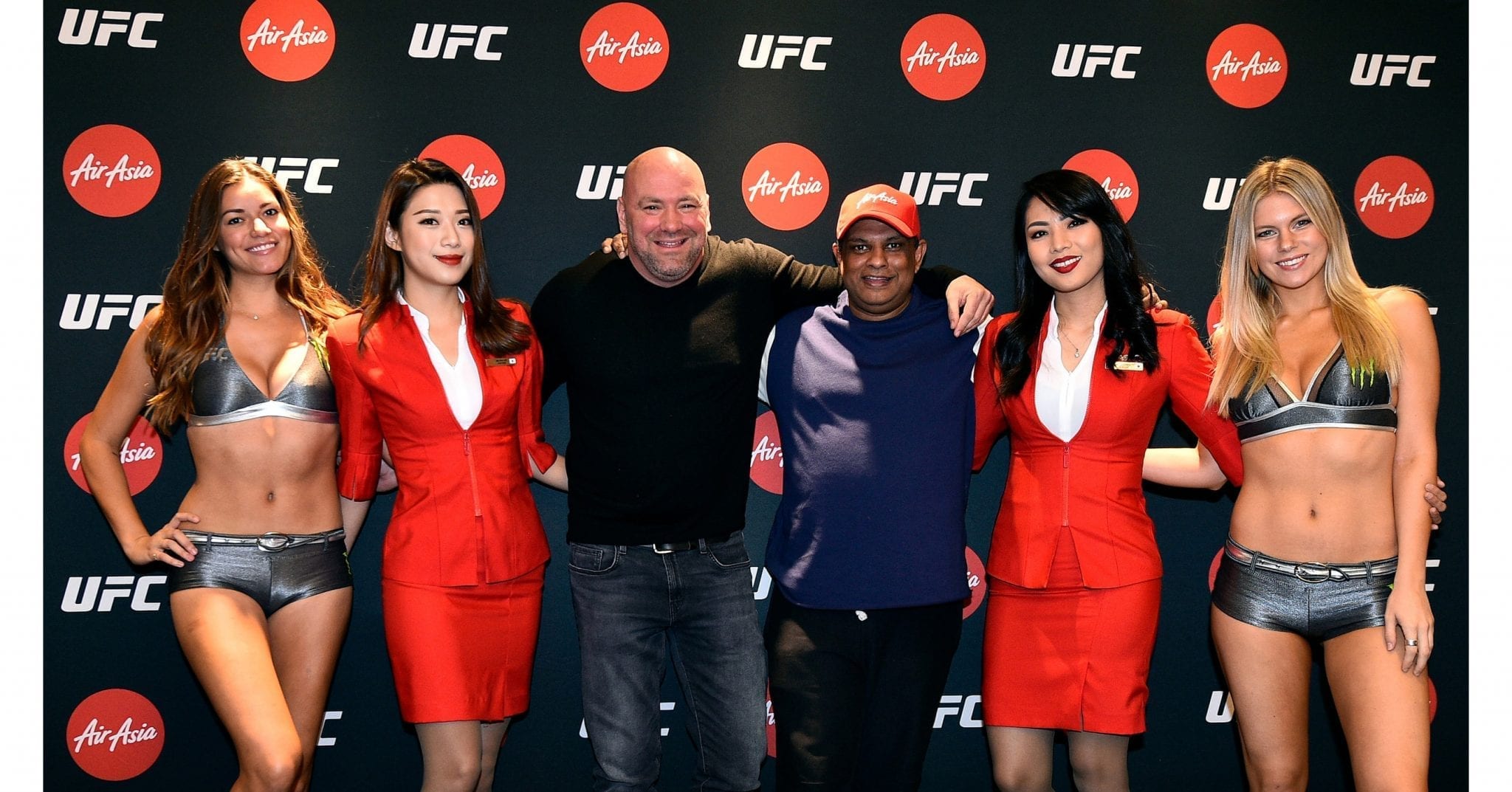
    UFC, the world’s premier mixed martial arts organization, today announced a new multi-territory partnership with AirAsia, Asia’s leading low-cost carrier, to serve as the global brand’s first-ever “Official Airline” sponsor. The partnership, which encompasses Asia and Australia, will begin on Saturday, November 4, during the highly-anticipated UFC

    “This deal is an indication of how much UFC and the sport of mixed martial arts have grown in Asia and around the world,” UFC Vice President of Asia-Pacific Kevin Chang said. “AirAsia is an innovative and fast-growing brand, we thank them for the support and we’re looking forward to creating engaging branded content for fight fans and AirAsia customers to enjoy.”

    “In many ways, UFC’s rapid rise as a global phenomenon parallels AirAsia’s,” said Tony Fernandes, Group Chief Executive Officer of AirAsia. “The UFC expanded from their first event in Denver to the rest of the US and then to Asia-Pacific and the world, while AirAsia grew from a small domestic airline into Asia’s largest low-cost carrier that now flies to the US. Opposite directions but chasing the same dream, and we are thrilled to team up with a brand that shares our drive and vision.”

    AirAsia will begin its international activations during UFC’s historic inaugural event in mainland China at UFC FIGHT NIGHT: SILVA vs. GASTELUM on Saturday, November 25 at Mercedes-Benz Arena in Shanghai. As part of this collaboration, AirAsia will obtain rights to signage and branding inside UFC’s world-famous Octagon during the event in Shanghai and select international UFC events in 2018.

    With this partnership, AirAsia will also serve as presenting sponsor of select UFC Fan Experiences throughout the region and promote a national sweepstakes campaign where two fans will win a UFC VIP Experience during an event in 2018. The airline brand will also be integrated across multiple UFC-based social and digital platforms, as well as having a presence during live-event broadcasts and on UFC.com. UFC and AirAsia will also jointly sponsor content featured on Weibo and WeChat platforms in China.

    Along with integration during international UFC events, this sponsorship will also deliver exciting co-branded content to Asian fight fans via AirAsia and UFC’s media platforms. These initiatives include monthly training sessions featuring UFC athletes and members of the UFC Performance Institute’s staff.

    UFC and AirAsia will also make history by selecting the first-ever UFC scholarship program recipient. As part of this program, one Asia-based athlete will be awarded an all-expenses paid scholarship that includes travel to the United States and training at the UFC Performance Institute in Las Vegas, Nevada.

  • Ralph Lauren Asia sales rise extremely

    Ralph Lauren Asia sales rise extremely

    Ralph Lauren Asia sales rose marginally in the second quarter as the company continued with its turnaround strategy.

    Group-wide global sales, however, fell 9 per cent to US$1.7 billion, as the troubled brand pursued initiatives aimed at increasing the quality of sales, reduced promotional activity and improved distribution. North American revenue fell 16 per cent to $877 million.

    However, on the positive side, the average unit sale across Ralph Lauren’s direct-to-consumer network was up 5 per cent year-on-year.

    Ralph Lauren Asia sales reached $217 million, up 4 per cent on a constant-currency basis, driven by strength in both retail and wholesale channels. Same-store sales rose 3 per cent driven by improved store footfall and conversion of browsers into shoppers.

    “I am pleased with the progress we are making as we continue to strengthen the foundations of our business and elevate the expression of our iconic brand,” said Ralph Lauren, executive chairman and chief creative officer. He said incoming CEO Patrice Louvet has “already proven to be an invaluable partner who is embracing our core values, bringing unique expertise and uniting and empowering our capable teams”.

    Louvet said that while there remains a lot of work to be done to restore the company to its previous level of success, he is encouraged by the early progress being made in strengthening the brand and better connecting with consumers.

    “Faint light at end of long tunnel”

    Neil Saunders, MD of GlobalData Retail, said that while the results again showed declining sales, there is “finally a faint light at the end of Ralph Lauren’s long tunnel of reinvention”. Net profit rose 215 per cent, largely due to the streamlining of the business reducing costs, favourable exchange rates and reduced product discounting, improving gross margin.

    “While the turnaround plan is delivering a bottom line improvement, the impact on the top line is less obvious,” observed Saunders.

    He also believes there is more work to do in consolidating the company’s ranges and choice.

    “The company still has too many sub-brands, capsule collections and labels. In theory, these are supposed to cater to different constituents of the market. In practice, there is no real delineation between many of the elements, and the result is a confused mass of product that is vaguely referred to as ‘Ralph Lauren.’ Trimming back here is necessary if the brand is to have any chance of cutting through in a very crowded and competitive marketplace,” he said.

    “One of the positives we take from both this and the previous set of results is that Ralph Lauren and his new CEO, Patrice Louvet, seem to be working well together. The dynamic between the two gentlemen is crucial as it will ultimately determine whether the turnaround plan succeeds or fails. As the founder and iconic head of the brand, Ralph Lauren’s input and vision are vital, but it remains important that he allows a CEO to steer the business towards more fruitful waters. After some false starts, this now seems to be happening,” Saunders concluded.

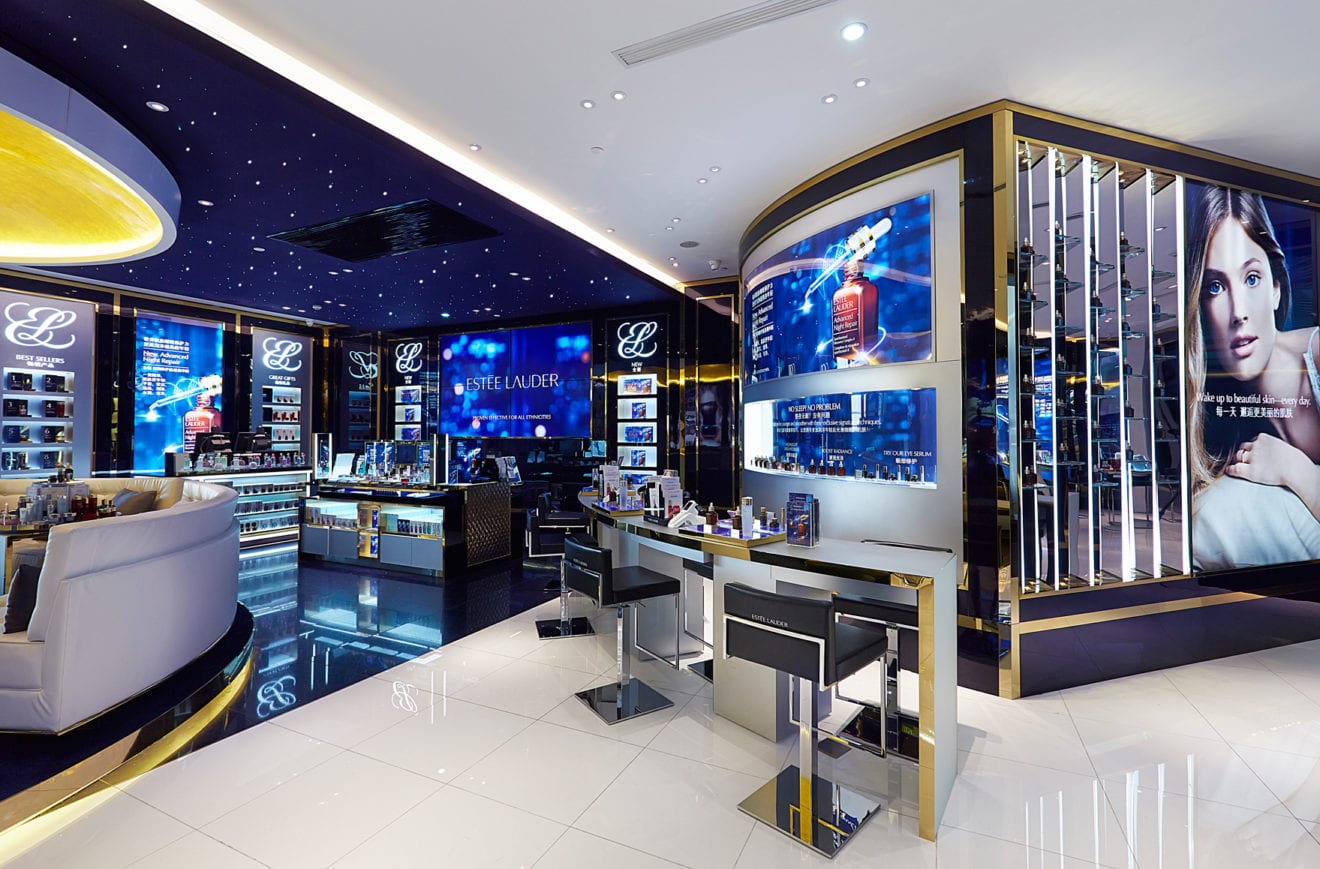
  • Asia boosts sales for Estee Lauder

    Asia boosts sales for Estee Lauder

    It says the higher sales in China reflected strong gains for every brand except designer fragrances. Estee Lauder, Mac, La Mer, Tom Ford and Jo Malone led the sales growth.

    Sales benefitted, in part, from continued demand for makeup products, an acceleration in skincare sales and targeted expansion of consumer reach.

    Hong Kong’s increased sales reflected solid domestic growth and a rise in tourism. Growth was primarily driven by Estée Lauder, La Mer and Mac.

    Operating performance was lower in Japan.

    Overall, the company achieved net sales of $3.27 billion, up 14 per cent on the same period last year.

    Incremental sales from the company’s acquisitions of Becca and Too Faced contributed about four points of reported sales growth. Net earnings rose 45 per cent to $427 million.

    “Building on the global momentum of the past fiscal year, we benefitted from continued acceleration in China, Hong Kong, travel retail and global online, strength in several developed and emerging markets in Europe, and incremental sales from Becca and Too Faced,” says president/CEO Fabrizio Freda.

    “Our online and travel-retail channels and most luxury and mid-sized brands posted double-digit sales gains.”

  • Timberland buys Icebreaker

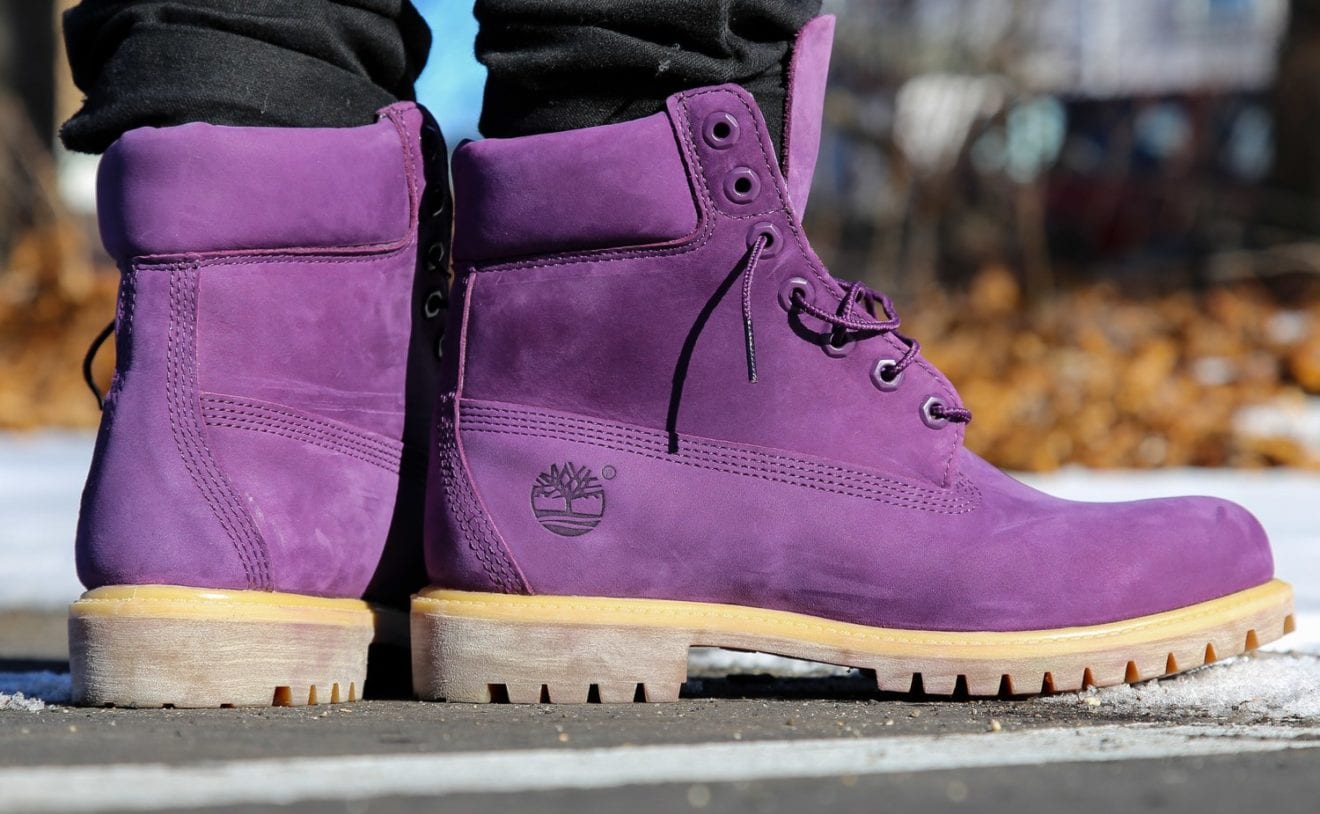
    Timberland buys Icebreaker

    US-based global fashion brand owner VF Corporation has bought New Zealand’s Icebreaker Holdings.

    Icebreaker pioneered the ethical and sustainable production of natural performance apparel for men, women and children, using Merino wool, plant-based fibres and recycled fibres.

    The brand is sold in 47 countries through wholesale, branded retail stores and online.

    The company has an annual turnover of about US$150 million, however terms of the sale were not disclosed.

    Jeremy Moon, who founded the company in 1995, says it was always his plan to build a global brand from New Zealand.

    “Our partnership with VF provides us with the largest platform in the world to tell our story, access new markets and reach new consumers at an accelerated pace. This is a once-in-a-lifetime opportunity for our global Icebreaker brand team and for our wool suppliers to introduce a whole new universe of consumers to the benefits of sustainably farmed, ethically sourced, New Zealand Merino wool,” he said in a statement announcing the deal.

    “Bringing the Icebreaker brand into the VF portfolio is a special opportunity,” added Steve Rendle, chairman, president and CEO of VF Corporation. “Its natural fiber focus is an ideal complement to our SmartWool brand, which also features Merino in its clothing and accessories. Together, the SmartWool and Icebreaker brands create an advantaged position for VF as a leader in the growing and underpenetrated natural fibre category. We will have unmatched capabilities that will strengthen our ability to create innovative and sustainable natural fiber products across our brand portfolio, especially in VF’s outdoor and workwear brands.”

    VF Corporation has a diverse portfolio of lifestyle brands, including Vans, The North Face, Timberland, Wrangler and Lee.

  • WeChat Pay Hong Kong adds QR code payment

    WeChat Pay Hong Kong adds QR code payment

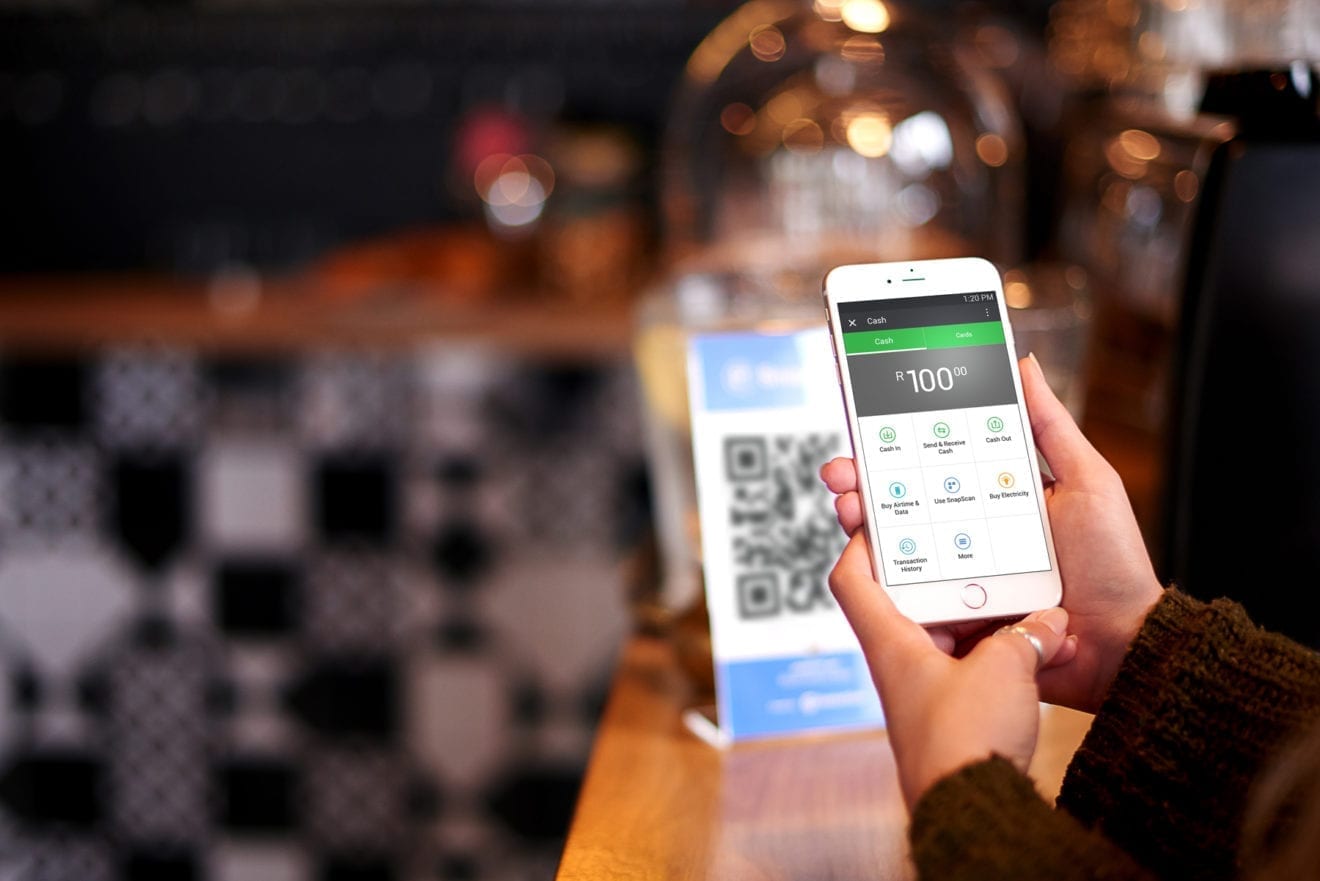
    WeChat Pay HK has introduced a series of expanded payment features to improve the mobile payment experience for local consumers.

    The expanded features include a new quick pay function targeted at merchants able to implement WeChat Pay into existing point of sales systems, such as restaurants, supermarkets and stores.

    Individuals, taxi services, family stores and business owners will meanwhile be able to take payments without having to set up costly payment terminals via the Receive Money via QR Code function.

    Finally, a new checkout system – targeted at SMEs including a simple payment system and a platform for marketing initiatives such as coupons – is expected to launch in December.

    WeChat Pay HK was granted a stored value facilities license by the HKMA last year and has since introduced features including social payment, online shopping and remittance services.

    “The usage of various kinds of Stored Value Facilities is gaining popularity in Hong Kong. We are glad to see WeChat Pay HK’s efforts in promoting mobile payment, offering consumers and businesses more payment solutions and choices throughout the city,” HKMA CFO Nelson Chow commented.

    “We are excited to launch the new WeChat Pay features in Hong Kong, embracing Hongkongers’ growing passion for mobile payment and making their daily lives easier whenever, wherever,” added Tencent general manager Norman Tam.

    “On the business front, this universal payment solution enables merchants to enhance customer engagement and loyalty via the strong WeChat ecosystem.”