Author: Mei Ling Tan

  • Under Armour sales numbers hit the wall

    Under Armour sales numbers hit the wall

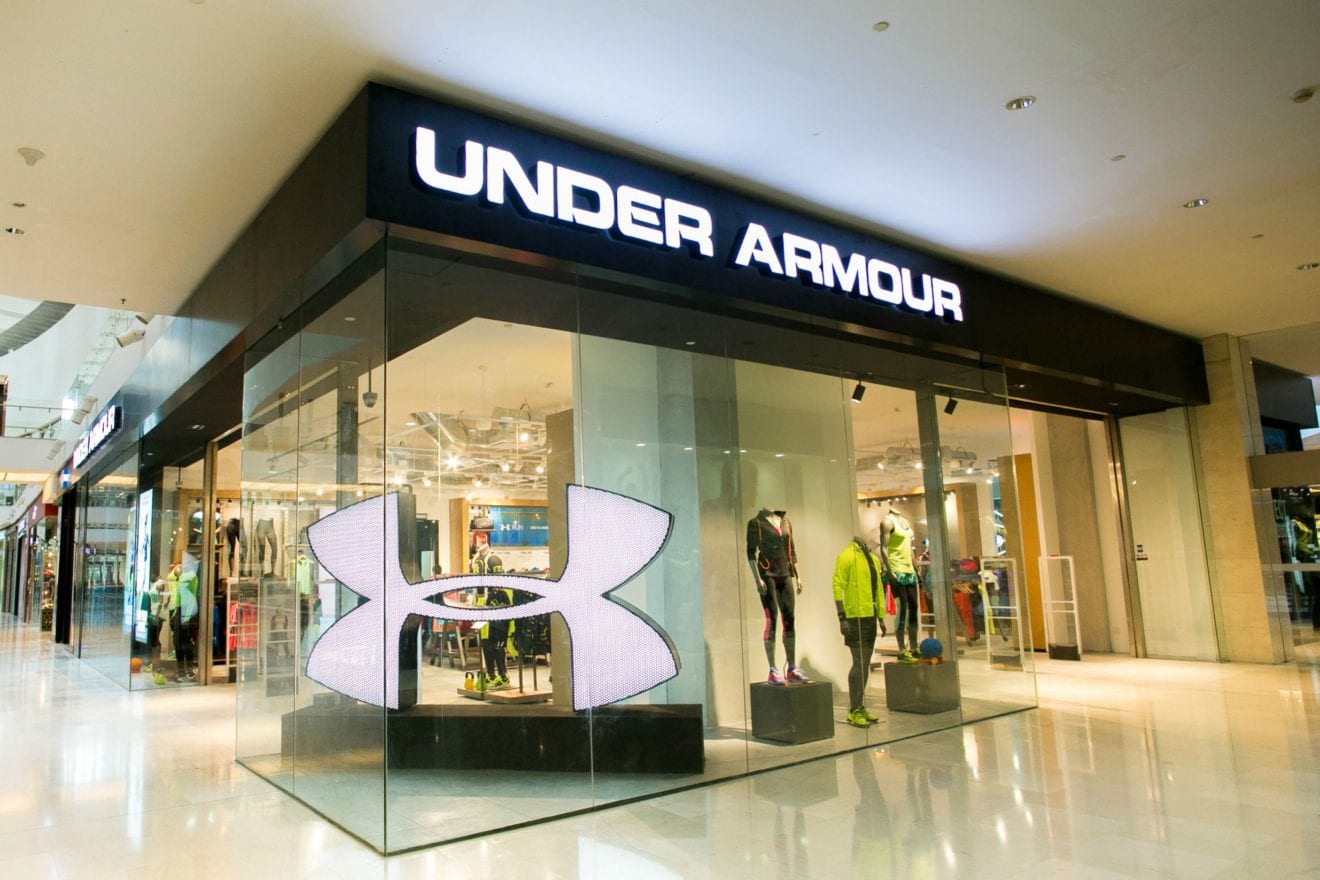
    Sportswear brand Under Armour sales have dropped by 12.1 per cent in North America, part of a worldwide trend to hit the once powerhouse brand of sports retail. In its third quarter update, Under Armour said revenue was down 5 per cent to $1.4 billion while revenue to wholesale customers declined 13 percent to $880 million and direct-to-consumer revenue was up 15 percent to $468 million.

    Profit has slumped nearly 60 per cent.

    Apparel revenue decreased 8 percent to $939 million, as growth in golf and sportstyle was more than offset by declines in outdoor, women’s training and youth. Footwear revenue was up 2 percent to $285 million, driven by strength in running and outdoor, offset by basketball and youth. Accessories revenue increased 1 percent to $123 million led by golf and men’s training, tempered by a decline in outdoor.

    “While our international business continues to deliver against our ambition of building a global brand, operational challenges and lower demand in North America resulted in third quarter revenue that was below our expectations,” said Under Armour Chairman and CEO Kevin Plank.

    “Based on these issues in our largest market, we believe it is prudent to reduce our sales and earnings outlook for the remainder of 2017.”

    “Against this difficult backdrop, our management team is working aggressively to evolve our strategy and level of execution to proactively address these challenges.

    “We understand that success in our next chapter requires managing with focused financial discipline and driving excellence into every area of our business while we amplify innovation, deliver fresh product and connect even more deeply with our consumers.”

    “The question arising from the latest set of results is: how did the one-time powerhouse of sports retail lose so much traction so quickly?”, asked Neil Saunders, managing director of GlobalData Retail, who added that with revenue growth moderating for the past couple of quarters, and with North American sales down across the first half of the year, the signs of a slowdown have been present for some time for the retailer.

    “Given the gentleness of these previous shifts, it has been easy to pin the blame on external factors such as a tapering down of demand for athleisure apparel, or the bankruptcy of leading sports retailers,” he said.

    “The third quarter numbers represent a marked deterioration from those previously modest declines.”

    “In our view, this is now about more than external factors; it demonstrates issues with the brand and its proposition. Especially so since other brands and retailers, including Lululemon, have not posted such calamitous figures.”

    “This is an abrupt about-turn for a company that, until recently, was on a mission to challenge the might of Nike and other major brands. In our view, there are several reasons for this fall from grace.”

    The first of these, said Saunders, is that Under Armour has put down very shallow roots.

    “While awareness has soared over recent years and customer numbers have risen, loyalty to the brand is not deep-rooted in the same way that it is at Lululemon and Nike. What this means is that as demand moderated, Under Armour has been quick to drop off the radar of many consumers.”

    The second reason relates to Under Armour’s focus with Saunders pointing to Lululemon and Nike possessing “a unifying purpose” to its brand.

    “As it has expanded, Under Armour appears to have lost some of its brand essence, and its proposition and purpose have become confused. Admittedly, communication in its own stores and online is better, but in third-party shops the focus is completely lost and, in some instances, Under Armour has become just another brand in a sea of brands.”

    Saunders added that a “failure to connect with women” despite attempts to increase its appeal to female shoppers – its brand remains “very masculine” and has limited appeal outside the professional sports market.

    “Under Armour is not so broken that it cannot be fixed. But the days of glory, when it would post double-digit uplifts in sales, are over,” said Saunders.


  • IoT healthcare market to hit $10b by 2024

    IoT healthcare market to hit $10b by 2024

    The global IoT healthcare market is will grow to exceed $10 billion by 2024, Global Market Insights predicts.

    Market growth is primarily driven by the implementation of advanced digital solutions across the sector. The integration of such technology in the healthcare infrastructure is expected to streamline the operations, improvise the patient interactions and enhance the efficiency of processes.

    Increasing penetration of smartphones coupled with the improved internet connectivity worldwide is expected to fuel the growth. IoT has potential to reshape the industry due to the benefits such as remote monitoring of patients and management of facility assets.

    Increasing aging populations in Japan and several other European countries such as Italy and Germany, coupled with the rising number of chronic diseases, will drive the IoT healthcare market growth over the forecast timeline.

    Technological advancements in the sector to provide accessible and inexpensive patient care solutions widens the scope for adoption of such solutions. It is gradually transforming the sector by focusing on the way devices, application as well as people interact with each other.

    However, the lack of interoperability may hamper the IoT healthcare market growth. Interoperable systems enable share and retention of data automatically, eliminating the possibility of re-entering data each time.

    Issues such as difficulty in integration of devices made by different manufacturers, their inability to operate on other operating systems, poses challenge to mass consumerization of IoT solutions.

    In order to reach mass adoption, overcoming such risks restricting boundless connections of a connected world is a primary concern to the technology providers. Other factors such as high cost of infrastructure development followed by data privacy and security issues are predicted to curb the demand.

    Rising deployment of smart sensor technology in various systems enhances the capability of IoT healthcare market devices to collect more data associated with patient’s health. The gathered data is used to enhance the patient monitoring process and analyze it to discover new treatments for various other diseases. These technological solutions therefore help bridge the gap between the physical and the digital world.

  • SKT steps up efforts to launch 5G earlier

    SKT steps up efforts to launch 5G earlier

    SK Telecom has accelerated its efforts to deploy 5G services earlier than expected with the demonstration of key 5G enabling technologies in a real-world setting.

    The operator has implemented a 5G relay repeater operating in the 28-GHz and 3.5-GHz 5G-candidate frequency bands at its Bundang office. SK Telecom has deployed a 5G trial network at this office.

    Using the in-building 5G relay repeater, SK Telecom was able to achieve speeds of up to 4Gbps.

    While 28-GHz spectrum has a higher potential capacity than lower-band spectrum radio waves in this band are more likely to move in straight lines, meaning they are blocked more sharply by obstacles and have significantly shorter radio coverage. This effect is particularly strong inside buildings where areas are divided by walls.

    The 5G repeater is aimed at improving the quality of indoor service, a key prerequisite for the development of a 5G service.

    SK Telecom has also worked with SK Telesys to develop an in-building relay repeater capable of delivering 5G radio signals over 3.5-GHz using a building’s existing mobile infrastructure. The station uses the existing antennas for 2G, 3G and LTE services, reducing the time needed to build an indoor network for 5G.

    SK Telecom has also demonstrated a 360-degree virtual reality video call using a tablet size device over the trial 5G network between SK Telecom’s Seoul headquarters and an area nearby.

    The demonstration was performed in the CBD and used expected 5G technologies including beamforming as well as network virtualization.

    “The success of 5G wireless communications in the real-world environment will give us momentum to accelerate our effort to roll out 5G service earlier than expected,” SK Telecom SVP and head of network technology R&D Park Jin-hyo said.

    “We at SK Telecom will continue to develop our capabilities to rollout 5G networks in order to offer differentiated services to our customers.”

  • Amid soaring profits, Facebook vows to curb abuse

    Amid soaring profits, Facebook vows to curb abuse

    Investors worried that the probe into Russian meddling with U.S. politics will result in changes in regulation on social networks. Facebook on Wednesday reported that profits leapt on booming revenue from online ads in the third quarter, topping investor forecasts and buoying shares already at record highs.

    The leading social network said it made a profit of $4.7 billion in the quarter that ended on September 30, a jump of 79 percent from the same period a year earlier.

    Chief executive Mark Zuckerberg used the update to address criticism of Facebook for allowing disinformation and manipulation during the 2016 U.S. presidential election, hours after the company’s top lawyer faced a grilling at a Washington congressional hearing.

    “Our community continues to grow and our business is doing well,” Zuckerberg said.

    “But none of that matters if our services are used in ways that don’t bring people closer together. We’re serious about preventing abuse on our platforms. We’re investing so much in security that it will impact our profitability. Protecting our community is more important than maximizing our profits.”

    Facebook shares that ended the day up 1.4 percent to $182.66 but retreating in after-market trades to $179.25.

    Investor enthusiasm may have been tempered by rising costs at the California-based internet giant and executives stressing the company is firmly in “investment mode” while predicting ad growth will slow.

    “They made a ton of money but the Russia investigation is clearly putting a cloud over everything for the moment,” said independent analyst Rob Enderle.

    “Sometimes it just takes a trigger event to cause a bunch of people to take their profit and go someplace else, especially if they have decided this is as good as it is going to get at Facebook for a while.”

    The analyst added that some investors might be worried that the probed into Russia meddling with US politics will result in regulation on social networks that might hurt profitability.

    Investment mode

    Expenses rose to $5.2 billion from $3.9 billion in the same quarter last year, and headcount at the company was up 47 percent to 23,165 employees.

    “We will continue to invest aggressively in the many opportunities we see ahead,” Facebook chief financial officer David Wehner said during an earnings call with analysts.

    Zuckerberg outlined investment priorities that included video content, which he described as the biggest trend at Facebook.

    The number of monthly active users at the social network continued to grow, reaching 2.07 billion, an increase of 16 percent from the same time last year.

    Advertising served up on smartphones or tablets accounted for about 88 percent of revenue taken in from marketing messages in the quarter, Facebook reported.

    The quarterly earnings report was released as Facebook and other internet titans testified this week before Congress about a Russian-led effort to spread misinformation and sow discord ahead of the 2016 U.S. election.

    New details on meddling

    Facebook told Congress on Wednesday that the apparent political meddling included use of its image-oriented messaging service Instagram.

    Facebook general counsel Colin Stretch told a hearing that Instagram posts by suspect Russian accounts were seen by some 20 million Americans last year.

    “We now discovered, in the last 48 hours, 120,000 Russian-based posts on Instagram,” Stretch told the Senate Intelligence Committee hearing.

    The latest data on Instagram is on top of the estimated 126 million Americans exposed to Facebook posts from Russian entities seeking to create divisions during the election campaign.

    “So all told, that gets you to approximately — a little less than 150 million,” Stretch said in response to questioning from Democratic Senator Mark Warner.

    Senator Dianne Feinstein of California told the hearing which included lawyers for Facebook, Google and Twitter that the companies need to do more to help combat “cyber warfare.”

    “I asked specific questions, I got vague answers, and that just won’t do,” she told the companies.

    “You have a huge problem on your hands… You’ve created these platforms, and now they are being misused, and you have to be the ones to do something about it, or we will.”

    The hearing was the second in Congress this week in which social media and internet firms have been called to explain how fake news and other disinformation was allowed to spread during the election campaign.

    “I’ve expressed how upset I am that the Russians tried to use our tools to sow mistrust,” Zuckerberg said

    “What they did is wrong and we are not going to stand for it.”

  • DoCoMo finally exits Tata Teleservices

    DoCoMo finally exits Tata Teleservices

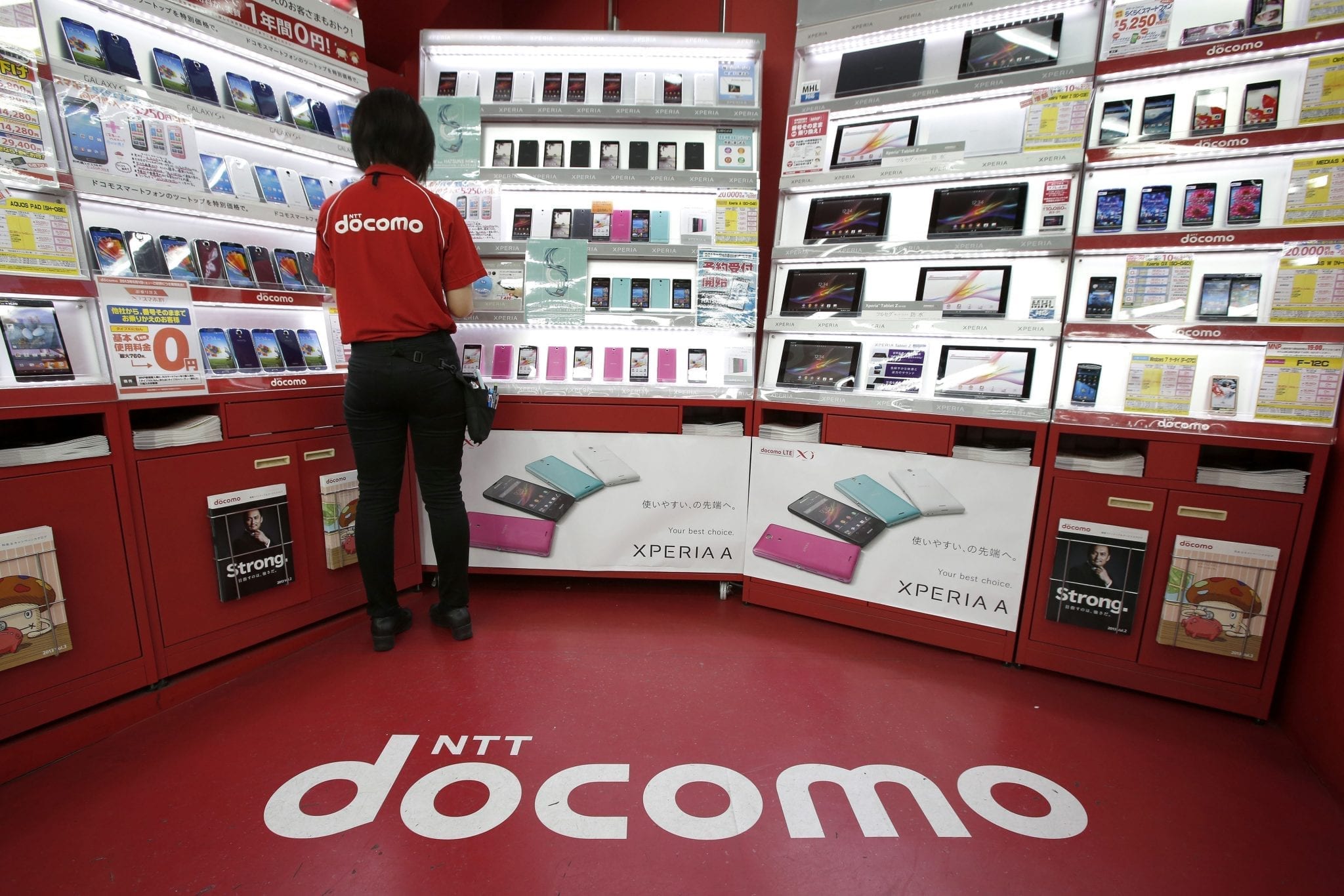
    Japan’s NTT DoCoMo has finally completed its exit from Indian joint venture Tata Teleservices, following the acquisition of Tata Teleservices’ consumer mobile business by Bharti Airtel.

    DoCoMo disclosed it has received the payment awarded by the Delhi High Court in the legal dispute with the Reserve Bank of India over DoCoMo’s planned exit from the venture. The company has received 144.9 billion yen ($1.27 billion).

    The dispute was related to DoCoMo’s original agreement when it first invested in Tata Teleservices back in 2008. The investment had the condition that DoCoMo was entitled to sell its stake in the venture at a predetermined sum if it chose to.

    DoCoMo first attempted to exercise the option in 2014 after being unsatisfied with the performance of the venture, but the RBI blocked the transaction on the grounds that it violates Indian regulations restricting the sale of shares at a price higher than market value.

    DoCoMo entered international arbitration with Tata Sons and Tata Teleservices over the dispute, and the court awarded DoCoMo with $1.17 billion in damages. But the RBI again objected to the transaction, prompting DoCoMo to file a case with the Delhi High Court.

    With the court finding in DoCoMo’s favor and Tata Group having now sold off Tata Teleservices’ consumer mobile business to Airtel, DoCoMo was finally able to collect on the settlement.

    The 144.9 billion yen payment included the original damages awarded as well as interests earned and other cots awarded. DoCoMo has now transferred all its shares in Tata Teleservices to Tata Sons and companies designated by Tata Sons.

    Due to the payout DoCoMo has adjusted its forecast for the financial year ending in March 2018 to predict net income of 740 billion yen, up from the initial forecast of 655 billion yen.

  • FedEx supports healthcare industry by providing end-to-end visibility for critical shipments

    FedEx supports healthcare industry by providing end-to-end visibility for critical shipments

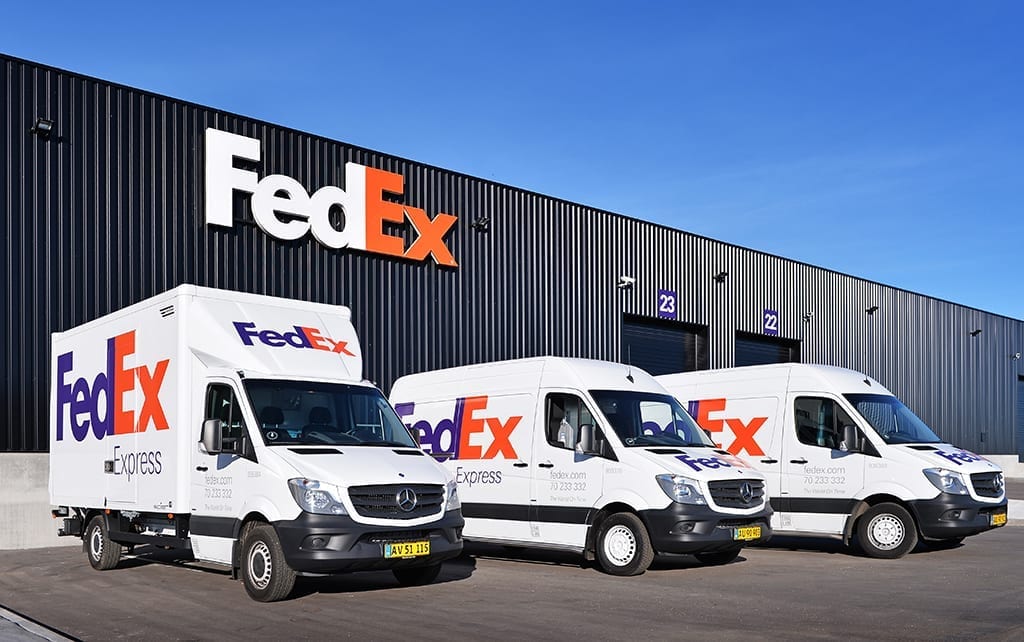
    FedEx Express has announced the expansion of its SenseAware service in Asia Pacific. The launch in South Korea will help strengthen FedEx healthcare solutions and support the rising logistics demands of the burgeoning healthcare sector in the region.

    Healthcare is one of the world’s largest industry, with a value three times greater than the banking sector, and it is still growing rapidly. Driven by the global expansion, the associated spending on healthcare logistics is expected to rise exponentially. By 2020, clinical trials logistics spending is expected to reach US$3.4 billion and cold chain logistics spending is expected to increase to US$16.7 billion. Asia Pacific, which currently represents 30 per cent of global healthcare revenues, is expected to lead the global growth in 2017 at an eight per cent rate (global projected growth rate is 4.8 per cent).

    “The immense growth of the healthcare industry is driving the demand for highly sophisticated logistics and temperature-controlled transportation across Asia Pacific,” said Karen Reddington, president, FedEx Express Asia Pacific. “FedEx is constantly looking to strengthen the range of specialized solutions for our customers. The launch of SenseAware in Korea rides on the strong growth momentum of healthcare shipments, and aims to fulfil the unique supply chain needs of our healthcare customers.”

    SenseAware will be especially valuable to customers in the healthcare sector where shipments are often environment- and time-sensitive. A multi-sensor device that is deeply integrated with a powerful web-based application, SenseAware makes it possible for customers to stay connected to their high-value shipments. The SenseAware service can monitor current location, precise temperature, relative humidity, barometric pressure readings, light exposure and shock events, and provide real-time updates to customers.

    The SenseAware service is currently available in 43 markets worldwide. In Asia Pacific, the service is available in Australia, Guam, Hong Kong, Malaysia, New Zealand, Singapore and Taiwan. The service is also available on a growing list of air and ground transportation carriers, giving more transportation options to customers in order to better fit their specific needs, while still delivering the peace of mind and quality assurance provided by SenseAware.

  • Honeywell’s enterprise tablet provides real-time connectivity, fast data capture capabilities

    Honeywell’s enterprise tablet provides real-time connectivity, fast data capture capabilities

    Honeywell’s new enterprise-ready tablet, the ScanPal™ EDA70, provides workers with real-time connectivity for business-critical applications and efficient data capture capabilities. The lightweight, rugged tablet is built on the Android 7 (Nougat) platform and is ideal for scan-intensive workflows such as customer engagement and on-demand delivery. The device keeps mobile workers always connected to crucial information to place orders, check stock, look up order status or scan items as they are removed for delivery.

    “Our customers and their mobile workers need a truly mobile office with reliable access to communication and information,” said Raj Singh, vice president and general manager of Honeywell Safety and Productivity Solutions. “We designed the EDA70 for the connected mobile worker, who needs to facilitate large file transfers, use video streaming and gain remote access to business applications quickly to manage a wide variety of tasks. The large screen allows workers to view more data, such as inventory stock or schematics, and the rugged casing protects the unit from accidental drops and falls that would damage consumer-grade tablets.”

    The ScanPal EDA70 features:

    • A fast processor;
    • 1D/2D barcode scanning;
    • A built-in camera;
    • A vivid 7-inch Corning Gorilla Glass display readable in bright light;
    • Ample battery life to power through a full shift and beyond.

    The ScanPal EDA70’s design also features a sleek exterior and modern, all-touch interface for a contemporary appearance in customer-facing applications, as well as multiple input modes to save valuable time and minimise data entry errors. Honeywell also offers a full suite of accessories for the device, including desktop charging/docking systems and battery charging base.

    Honeywell Safety and Productivity Solutions provides products, software and connected solutions that improve productivity, workplace safety and asset performance for customers across the globe.

  • Faulty Takata airbags force Mitsubishi to make car recall in Vietnam

    Faulty Takata airbags force Mitsubishi to make car recall in Vietnam

    The defective airbag inflators have been linked to 19 deaths and more than 180 injuries worldwide. Mitsubishi is recalling 2,519 of its Pajero models in Vietnam to replace potentially deadly defective airbag inflators.

    All cars imported between 2007 and 2016 should be taken to the company’s showrooms to receive free replacement inflators, it said. The service can take more than two hours.

    The cars were installed with parts from Japanese supplier Takata, which announced that there were faults with its products in April 2013.

    Takata said that propellant chemicals were mishandled and improperly stored during assembly, which supposedly caused the metal airbag inflators to burst open due to excessive pressure inside. It also blamed humid weather for making the situation worse.

    The announcement came in the wake of massive global recalls, including those made by Toyota in June and October.

    The defective inflators have touched off the largest automotive recall in U.S. history, involving 42 million vehicles. The fault has been linked to 19 deaths and more than 180 injuries worldwide, it said.

    Takata, which filed for bankruptcy protection in June, expects 125 million vehicles fitted with the faulty parts to be recalled worldwide by 2019.

  • Myer drops sales targets this year

    Myer drops sales targets this year

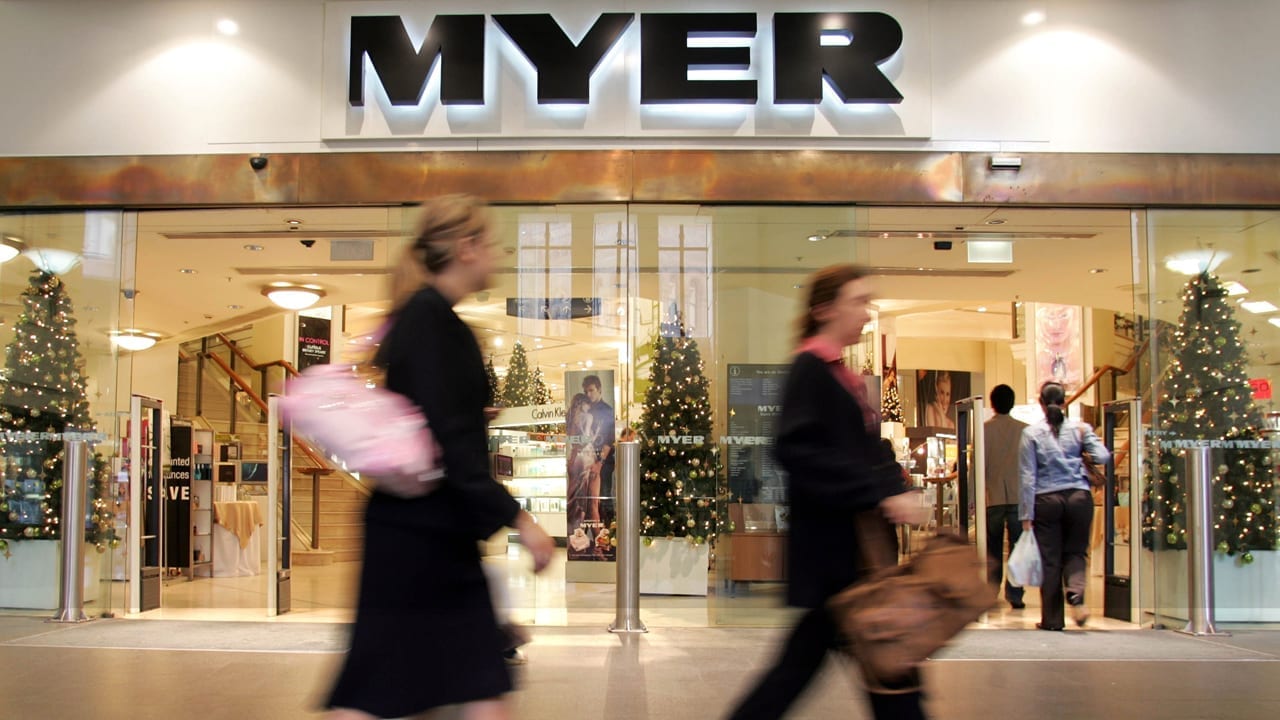
    Myer is committed to dedicated clearance floors in its department stores despite major shareholder Solomon Lew fuming that the old stock would be more at home in a Salvation Army op shop.

    Myer executive Tony Sutton told investors at Wednesday’s strategy day that the clearance floors represented a foray into the $4.6 billion “off-price” retail market.

    Sutton said off-price was about selling wanted brands at significant discounts, a strategy that has brought success to the likes of DFO and US retailer TK Maxx.

    “We see this as a new potential market for Myer and sits adjacent to Myer’s current proposition,” Sutton said.

    The commitment flies in the face of Myer’s promises earlier this year to move away from heavy discounting.

    Sutton, the executive general manager for stores, said sales for the eight Myer stores piloting the clearance floors over the past six weeks had been positive.

    Sales in the last full financial year dropped 2.3 per cent across the eight stores, but – excluding online sales – they had risen 3.7 per cent since clearance floors were introduced.

    Sutton said clearance floors had helped US department stores such as Nordstrom boost their sales.

    But Lew – the chairman of major shareholder Premier Investments – has been critical of the clearance floors, saying in September the apparel was up to three years old and belonged “in the Salvation Army”.

    Meanwhile Myer has dropped the sales targets it set as part of its much-vaunted turnaround plan after unveiling another weak set of figures to investors.

    Chief executive Richard Umbers said average sales growth above three per cent between 2016 and 2020 was no longer achievable at the department store chain because of stiff competition and weak consumer spending.

    But the chief executive said on Wednesday his co-called ‘new Myer’ turnaround plan remained sound despite a 2.8 per cent decline in first-quarter sales.

    “Two years ago when we released the New Myer strategy we did not anticipate the extent of deterioration in market conditions,” Umbers told investors at a strategy day.

    “Our ambition of three per cent sales growth seemed appropriate at the time but it doesn’t seem appropriate now.”

    Umbers acknowledged it was longer than expected to turn the business around, but said that did not mean it was wrong to focus on young shoppers, popular brands, concessions and targeted closures.

    “A tough external environment cannot be a reason to slow down or stop investment for the long term,” he said.

    Myer said it would now measure performance against sales per square metre growth, although it has roughly halved that target to “more than 10 per cent” until 2020.

    Umbers’ previous target for growth in earnings to outpace that in sales has also been scrapped.

    Umbers said the retailer was now focused on what he indicated would be a more meaningful second quarter including the spring racing and Christmas trading periods.

    Lew was quick to respond following yesterday’s strategy update and release of its quarterly results, noting Myer has “left the strategy in place despite the very clear evidence that it has failed.”

    “Premier also notes the improvement in Big W’s sales performance announced yesterday for the same period,” the company said in a statement.

    “Today’s announcements by Myer are final proof that Garry Hounsell is unelectable as chairman of Myer. Hounsell has promised to deliver more of the same failed new Myer strategy, and he will now reward the Myer management team for taking the company backwards.”

    Lew – who heads up the parent company of Smiggle and Peter Alexander – is leading a campaign to overhaul the department store retailer’s board.

    The retail veteran also commented on Myer’s turnaround strategy, in which Myer chairman-elect Hounsell had previously said was beginning to show “green shoots” of recovery.

    “I only see weeds, no green shoots,” said Lew.

  • Prudential appoints Aman Chowla as Thailand’s new CEO

    Prudential appoints Aman Chowla as Thailand’s new CEO

    Prudential Life Assurance (Thailand) Public Company Limited (PLT) has appointed Aman Chowla as Chief Executive Officer.

    Aman joined Prudential in 2011 and brings with him over 20 years of experience in financial services. He has worked in several markets across Asia including India, Singapore, Malaysia and now Thailand.

    Having held functional general Management & Transformation roles in his career, his last role was as the Chief Executive Officer of Prudential BSN Takaful BHD in Malaysia.

    “Thailand is a key market for Prudential in Asia. I am truly excited with the opportunities for growth, but more importantly to do our bit to bridge the protection gap and increase insurance penetration rates,” Aman said.

  • AirAsia Group CEO launches memoirs

    AirAsia Group CEO launches memoirs

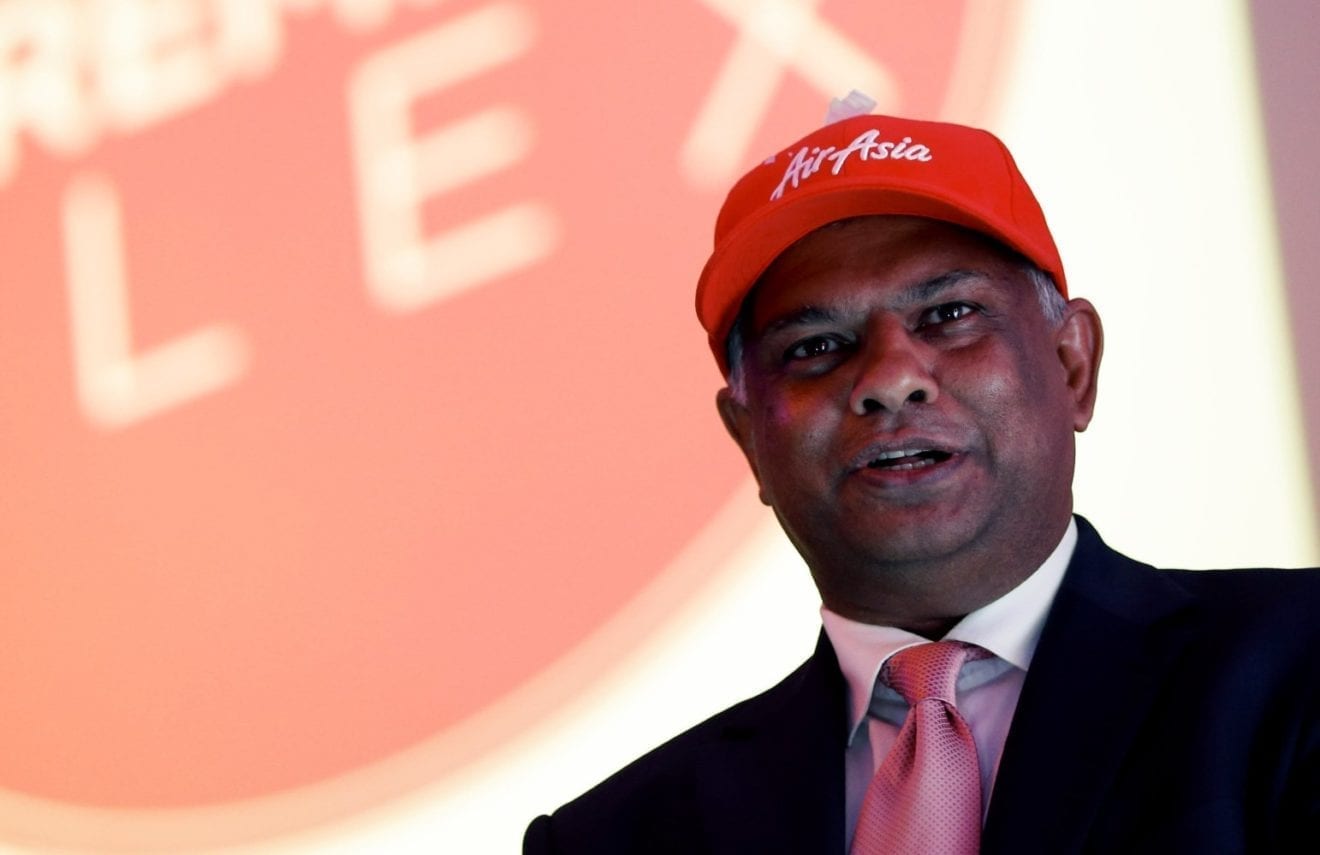
    Airasia Group chief executive officer Tan Sri Tony Fernandes launched his memoirs, Flying High, a look back at his journey from music man to airline man. The book was unveiled at a star-studded affair at Marini’s On 57 in Kuala Lumpur, in the shadow of the Petronas Twin Towers. The launch was attended by AirAsia co-founder and AirAsia Malaysia executive chairman Datuk Kamarudin Meranun, AirAsia Malaysia independent director Dato’ Fam Lee Ee, AirAsia Malaysia chief executive officer Aireen Omar, AirAsia X Malaysia chief executive officer Benyamin Ismail, AirAsia Thailand chief executive officer Tassapon Bijleveld, AirAsia Group chief executive officer for Indonesia Dendy Kurniawan, and AirAsia India chief executive officer Amar Abrol.

    AirAsia Group chief executive officer Tan Sri Tony Fernandes said, “Flying High is a story about the power of dreams.

    When I first started AirAsia with Datuk Kamarudin, everyone thought we were crazy. They said we had no business running an airline and it wouldn’t work. If we had listened to them, we would have given up before we even started and this book wouldn’t exist. “This book is proof that dreams do come true, and I hope it will encourage others to pursue their true passion. Believe the unbelievable, dream the impossible and never take no for an answer. Even if you fail, it doesn’t matter because at least you’ve tried and you can do it again, so trust in your gut feeling.

    Don’t listen to anyone else’s advice and go ahead—write your own incredible story.” Flying High recounts Tan Sri Tony Fernandes’ journey as a young boy growing in Malaysia to a homesick British boarding school student with a tuck box full of dreams, all the way to his time at Warner Music and finally as AirAsia chief—with plenty of stops along memory lane in between. Learn about what drives Tan Sri Tony Fernandes and the moments that shaped him, including a chance encounter with Virgin Group founder, Sir Richard Branson that eventually led to Fernandes’ first job out of university.

    Published as Tan Sri Tony Fernandes returns as the face of the second series of “Apprentice Asia,” the book is an inspiring personal story of an exceptional business leader who created Asia’s first budget airline and democratized air travel in Asia, building AirAsia into a multi-billion-dollar company in the process.

  • AirAsia, Singapore’s SATS form ground handling partnership

    AirAsia, Singapore’s SATS form ground handling partnership

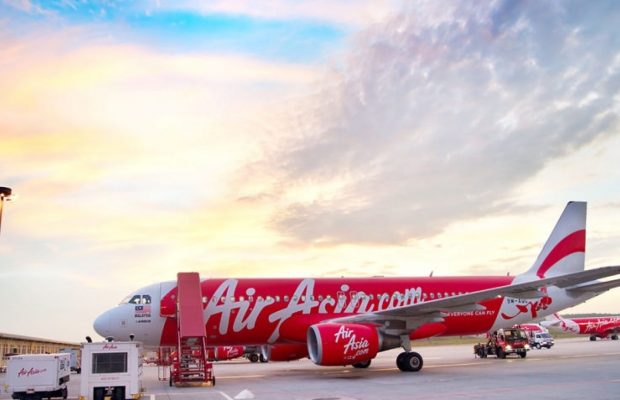
    Airasia is entering into a ground handling services joint venture with Singapore-listed ground handling and in-flight catering services provider SATS Ltd with the aim of growing the operations across the Asean region.

    This would be effected through a share swap agreement and a share sale agreement which will see AirAsia and SATS owning a 50% stake each in Ground Team Red Holdings Sdn Bhd (GTRH), the low-cost carrier told Bursa Malaysia.

    SATS is swapping an 80% equity interest in unit SATS Ground Services Pte Ltd (SGS Singapore) for an 11.4% stake in AirAsia’s unit GTRH. AirAsia will sell a further 38.6% stake in GTRH to SATS for S$119.3mil (RM370.97mil) in cash.

    At the same time with the share exchange, AirAsia will transfer 98% of Ground Team Red Sdn Bhd (GTR Malaysia) – which provides ground handling services in Malaysia – to GTRH, which (as mentioned above) will also hold 80% in SGS Singapore, which will serve SATS’ customers at Changi Airport’s new Terminal 4 (to open Tuesday).

    AirAsia will hold directly 2% in GTR Malaysia and 20% in SGS Singapore.

    According to AirAsia, it will realise a gain on disposal of RM365.7mil in the fourth quarter of this year following the sale of the GTRH stake.

    The airline also said the partnership with SATS would foster greater efficiency and cost savings to its ground handling operations.

    “This will facilitate growth of AirAsia, with SATS bringing in the necessary expertise and skills set to create a synergy which will enhance the ground handling business,” it explained.

    In a joint press statement, AirAsia and SATS said GTRH would be renamed SATS Ground Team Red Holdings Sdn Bhd.

    AirAsia and SATS, responsible for growing the ground handling business in their respective markets, would also explore expansion into Indonesia, the Philippines and Thailand in the near future, the statement said.

    AirAsia group chief executive officer Tan Sri Tony Fernandes said: “Today, we are very pleased to announce that two home-grown companies have partnered together to form a new Asean joint venture.

    “We believe this joint venture will allow AirAsia to unlock significant value and grow it as we have done with AirAsia Expedia, our aviation academy Asian Aviation Centre of Excellence and later this year, our leasing arm Asia Aviation Capital. Our assets are very valuable and slowly people are beginning to see the true value of AirAsia, as today’s announcement proves.”

    SATS, through wholly-owned subsidiary SATS Investments, also has an in-flight catering service partnership with Malaysia Airlines Bhd (MAB).

    SATS owns a 49% stake in Brahim’s SATS Investment Holdings Sdn Bhd, which in turn owns 70% in Brahim’s  SATS Food Services Sdn Bhd (BSFS). The remaining 30% equity interest in BSFS is held by MAB.

    BSFS, whose main customer is MAB, is the principal in-flight catering service provider at both Kuala Lumpur International Airport and Penang International Airport. It also provides cabin handling services covering laundry services for pillows and blankets, filling the cabin trolley with items for in-flight sales as well as providing passenger headsets, newspapers and periodicals.

  • Indonesia’s Blockchain Scene Heats Up

    Indonesia’s Blockchain Scene Heats Up

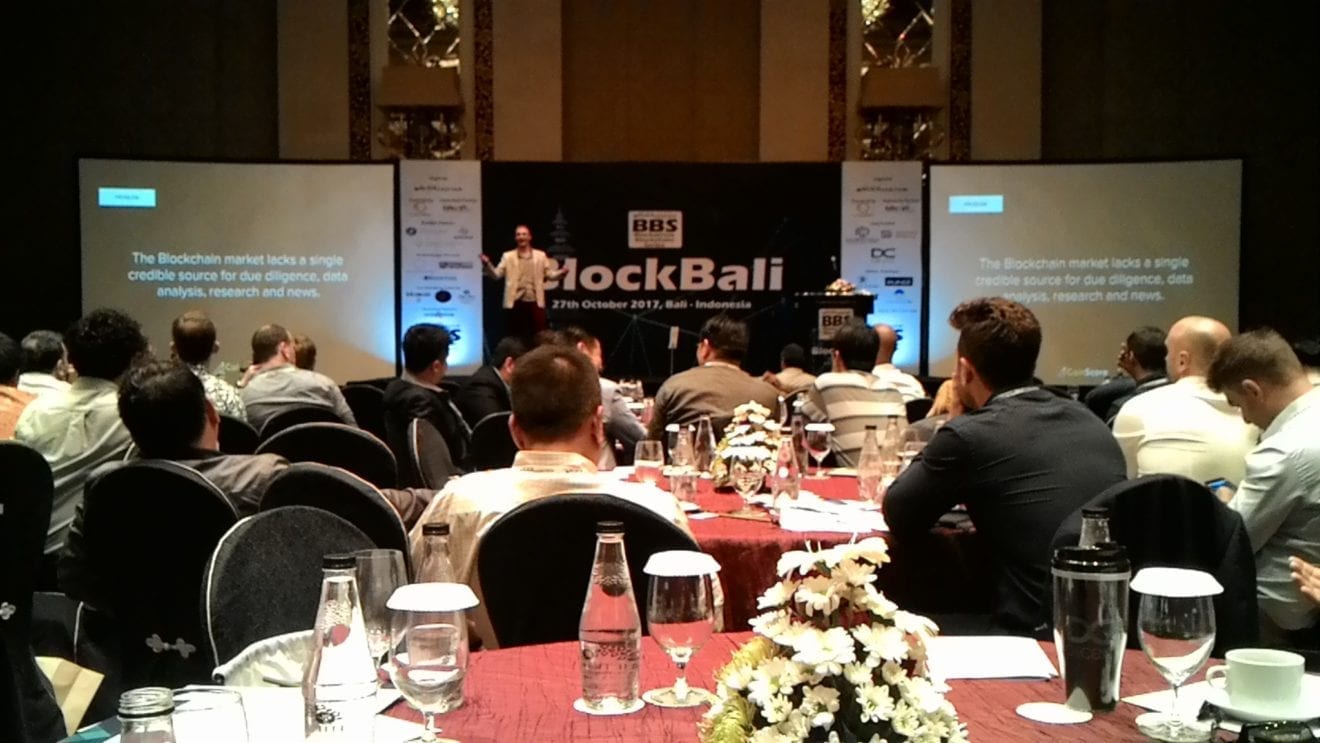
    Bali’s first-ever blockchain conference happened in the grand ballroom of The Trans Resort Bali, a five-star resort hotel a short drive from Bali’s famous tourist areas of Kuta and Seminyak. It was organized by Black Arrow Conferences, which have also organized successful blockchain conferences in Mumbai, India and Jakarta, Indonesia — together with a local organizing team comprised of Bali-based cryptocurrency afficionados.

    The event was surprisingly large for a small island. Conference sponsorship slots and attendee tickets were completely sold out, filling the room to capacity with 315 registered attendees and 33 partners, supporters and sponsoring organizations and companies from around the world.

    A mix of Indonesian and international companies were in attendance: Bitcoin Indonesia, PundiX, BlockchainZoo, Coindo, Blocktech, BBW, Cybermiles, Genesis Mining, Decent, Emurgo, Cointed, Waves, MiCai, Eximchain, Coinscore and Datum as well as representatives from the Indonesia and Bali Chamber of Commerce and Industry and the National Police Anti-Terrorism Unit Densus 88.

    Bali a Blockchain, Cryptocurrency and Historic

    As we reported here at Bitsonline previously, Indonesia has a thriving trading community and blockchain startup scene.

    Bali is a popular place for blockchain companies looking for a place to temporarily relocate for some focus time on their projects, while also enjoying the lush beauty in the hills of Bali near the town of Ubud. Companies like Consensys, Changetip, Satoshipay and personalities well-known to many in the community — such as Joel Dietz, Toni Lane Casserly and Andreas Antonopoulos — have all spent quality time here.

    Ubud is also a favorite of Sir Richard Branson, who once toyed with the idea of buying a villa not far from town. In decades past, Charlie Chaplin, Buckminster Fuller and others have come to rest and recover, and to test new ideas that they would bring back to the world.

    Blockchain Companies Work Together to Strengthen the Industry in Indonesia

    Bitcoin Indonesia, the country’s largest exchange, boasts 550,000 registered members, and is developing an international focus. Its representatives meet with regulators often, in order to keep abreast of changing opinions within the bank, which have the effect of being treated as law.

    Just last week, Bitsonline reported that the Bank of Indonesia is forbidding payments platform providers from using cryptocurrency. However any service which converts currencies from bitcoin to Indonesian rupiah — for the purpose of completing a transaction — is exactly the same thing as a purchase with a foreign credit card in Indonesia.

    This resulted in Bitcoin Indonesia closing its popular cryptocurrency payment platforms TokoBitcoin.com and Bitbayar.com.

    Companies Already Building Legal Workarounds

    However, companies are already developing legal workarounds (don’t you just love blockchain?). PundiX CEO Zac Cheah demonstrated cryptocurrency exchange POS devices which complete a bitcoin conversion — which is legal — before the customer makes and settles payment in Indonesian Rupiah.

    The heads of the Indonesian and Bali Chambers of Commerce and Industry attended, and showed their support in working with blockchain companies in Indonesia to find a regulatory solution that would allow the industry to continue to grow.

    A representative from the Densus 88 Special Forces Anti-Terrorism Unit in charge of ending terrorist financing, presented the American version of anti-money laundering and anti-terrorist financing regulations. However he admitted there was only one known case of terrorism financing using cryptocurrencies that he was aware of — without going into details.

    BlockBali Conference Will Become an Annual Event

    Bitsonline interviewed speaker Roberto Capodieci, CEO of Blockchain Zoo — which is about to open a Blockchain Center in the town of Ubud. He told us:

    “Crypto in paradise! The god’s island of Bali, home to thousands of digital nomads, and my home since 2004, is indeed the right place to hold this kind of conference. Not only is there already a large audience on the island, but it makes a great reason for international experts to participate and extend their stay for a day or two and enjoy a short tropical holiday! Furthermore, BlockBali was organized in an excellent manner, had several key people from the industry to present, and a variety of topics to keep the audience constantly attentive and interested. I really look forward to more conferences like this one.”

    Sarfraz Patel, CEO of Blackarrow Conferences, was similarly optimistic for a future conference:

    “The success of BlockBali has been outstanding. A great turnout of 300+ people from 31 countries. This being our second conference in Indonesia, we have seen a 50 percent growth in attendance and we can clearly see the Indonesian community rising up to blockchain and cryptocurrency. This definitely paves the way for much bigger and better conferences in the future.”


    credits: Bitsonline

  • Made-in-China scandal plunges top Vietnamese silk brand deeper into hot water

    Made-in-China scandal plunges top Vietnamese silk brand deeper into hot water

    Widespread public backlash. A raft of looming investigations. What’s next for the once-posh Vietnamese garment brand? Garment firm Khaisilk is poised to face a series of investigations after a made-in-China scandal triggered widespread calls for a boycott of the once-posh Vietnamese silk brand last week.

    On Monday, the Ministry of Industry and Trade said it had transferred all relevant documents to the police who are set to launch a criminal probe into Khaisilk after an inspection last week uncovered fake products made in China at one of the brand’s Hanoi outlets.

    Trade minister Tran Tuan Anh also on Monday set up a joint task force charged with launching an independent probe into the case.

    “Khaisilk’s actions have violated the law, damaging the value of Vietnamese brands and deceiving Vietnamese consumers,” Anh said at a meeting on Monday.

    The scandal came to light on October 23 when a businessman in Hanoi took to Facebook to rail against products his company had bought from the brand, saying they were actually made in China.

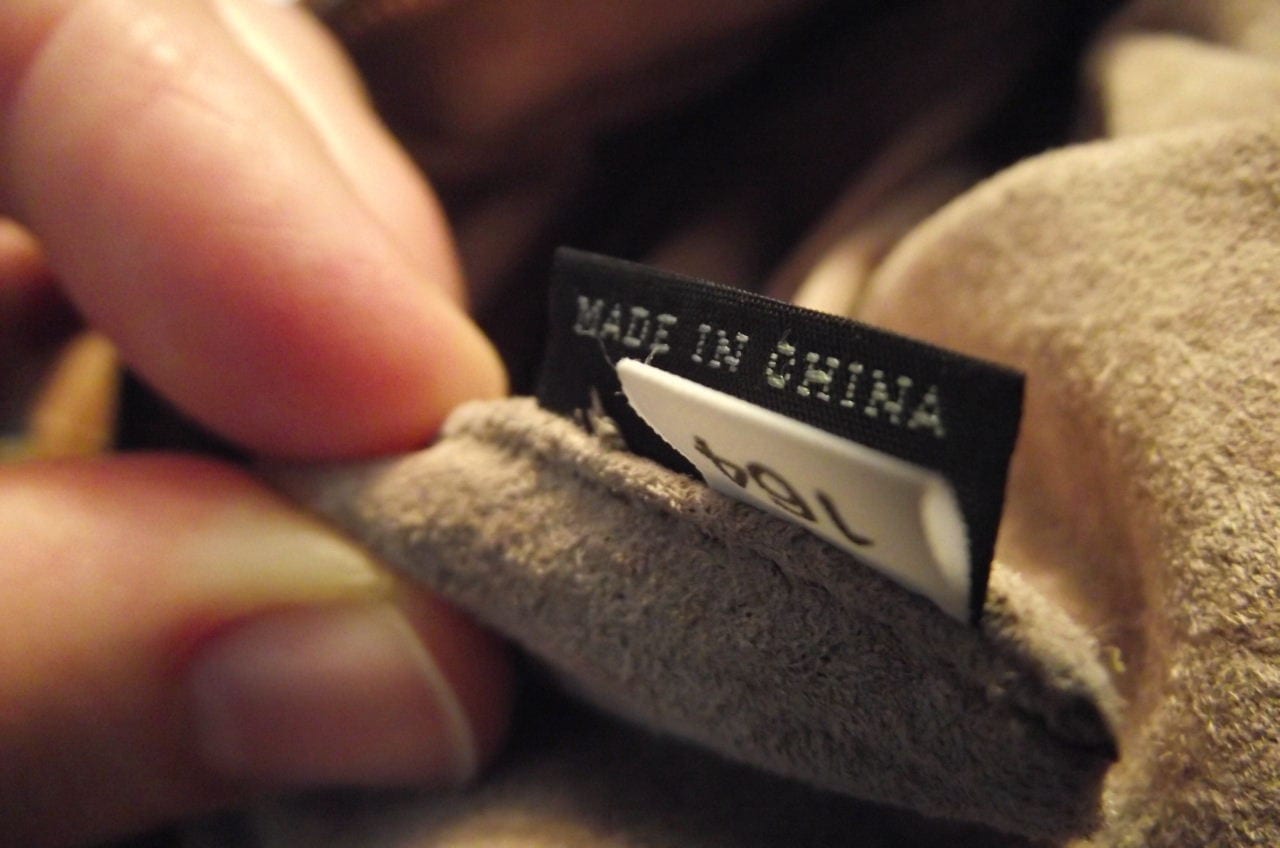
    According to the post, the company bought 60 Khaisilk-branded scarves at the Hang Gai shop in Hanoi for VND644,000 ($28) each, but one scarf had two tags: “Khaisilk Made in Vietnam” and “Made in China.”

    The company said it had checked the rest of the scarves and found signs that “Made in China” tags had been removed.

    The brand’s owner Hoang Khai later admitted that half of the silk used by Khaisilk came from China, while the rest came from Vietnamese craft villages. But he was adamant that his company always used high-quality material.

    Khai has apologized to customers and offered compensation. However, the public has started questioning whether Khaisilk had been receiving help from market watch authorities as its shops have allegedly been selling Chinese silk for years without being detected.

    Khaisilk is a renowned high-end brand with a history of over 30 years, famous for its supposedly high-quality “made in Vietnam” products.

    The scandal has triggered widespread calls to boycott its products. Vietnamese lawyers have also weighed in, saying aside from denting public confidence, Khaisilk Group, which owns the eponymous brand, could face legal action.

    Khaisilk’s outlets in both Saigon and Hanoi have been closed since Friday.

  • HSBC profits up five-fold in third quarter

    HSBC profits up five-fold in third quarter

    ‘Our pivot to Asia is driving higher returns and lending growth, particularly in Hong Kong.’

    HSBC said Monday that profits were up more than five-fold in the third quarter as its Asia business drives higher returns.

    Reported pre-tax profit jumped to $4.6 billion in the three months to the end of September, compared with $843 million over the same period in 2016.

    The Asia-focused banking giant has been on a recovery drive over the past two years to streamline the business and slash costs, and has laid off tens of thousands of staff.

    Shares were up 1.1 percent at HK$77.95 ($9.99) by lunch, shortly after the results were released.

    Chief executive Stuart Gulliver said the bank had “maintained good momentum in the third quarter”, with higher revenue across its main global businesses.

    “Our pivot to Asia is driving higher returns and lending growth, particularly in Hong Kong,” he added.