Author: Mei Ling Tan

  • Xiaomi Malaysia picks Kuala Lumpur to open its 2nd store

    Xiaomi Malaysia picks Kuala Lumpur to open its 2nd store

    Xiaomi Malaysia has opened its second retail store, offering Kuala Lumpur shoppers greater access to its Mi Ecosystem products.

    Originally the Chinese electronics company had sold its smartphones and other products exclusively online, but in its home territory has been introducing its Mi Home stores.

    At 940sqft (90sqm), its second authorised Mi Store is smaller than the debut store in Penang.  Xiaomi South Pacific head Steven Shi says the opening of a second store indicates the brand’s “great expectations” for growth in Malaysia.

    Two new smartphone models were released to coincide with the store’s opening, and Shi says Xiaomi will soon expand its Mi Ecosystem of products in Malaysia. These include IoT-ready products such as a smart rice cooker that can be pre-programmed for different recipes, a smart luggage bag than can be unlocked by phone, plus routers, TVs and drones.

    Meanwhile, Xiaomi is expanding across Southeast Asia, and has opened 15 Mi Stores and a factory in Indonesia. Xiaomi also has two Mi Stores in Singapore and one in Thailand. Its network in Malaysia is run by CG Computers.

    Its second concept phone, released with the KL store opening, was designed by Philippe Starck and features a curved ceramic back that that transitions to an aluminium frame. It will be available for pre-order on Saturday through online and offline channels including Lazada and authorised Mi Stores.

    Also showcased in the new store is the Redmi 5A Prime, the first Xiaomi phone that pairs a selfie light with a 16-megapixel front-facing camera. It has a fingerprint sensor on its back.

  • Centara appoints Deputy CEO to lead next phase of growth

    Centara appoints Deputy CEO to lead next phase of growth

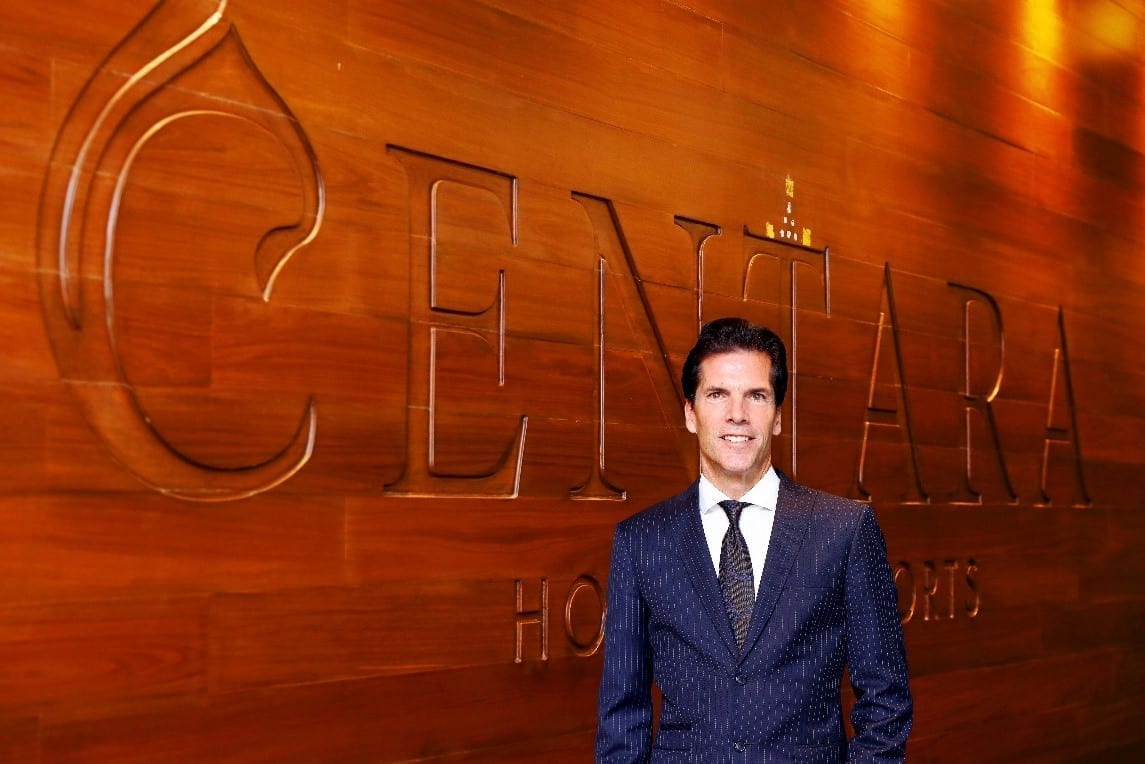
    Centara Hotels & Resorts, Thailand’s leading hotel operator, announced the appointment of Markland Blaiklock as Deputy Chief Executive Officer, effective immediately. Mr. Blaiklock will be responsible for steering the continued expansion of Centara, which aims to double both its revenues and number of properties over the next five years.

    Blaiklock returns to Centara in an expanded capacity having previously served as the company’s Chief Operating Officer in 2015. He has held senior executive positions with Le Meridien, Shangri-La, Raffles and Accor hotel groups, in Asia and North America. He is a Canadian national educated in England and France.

    Centara created the new Deputy CEO position and brought in the experienced executive to focus on the company’s ambitious growth plans over the next five years and beyond. Blaiklock will also oversee operations, human resources, sales, marketing, business development and legal services.

    Centara has been expanding outside its base in Thailand, where it operates 32 properties. The company currently has 67 properties open or under development across 13 countries in Southeast Asia, the Indian Ocean, China, the Middle East and the Caribbean. The next phase of growth will see Centara become an even more significant regional brand with properties opening in China, Cambodia, Laos, Indonesia, Qatar and the UAE.

    Centara manages a diverse brand portfolio catering to the needs of key business and leisure travel segments. Its properties range from large, upscale city hotels and convention centres, to elite island resorts and economy products. The company recently launched a new affordable hotel concept, COSI, designed for the new generation of connected lifestyle travellers. In addition to expanding COSI, Centara aims to develop new businesses where it can leverage its competitive strengths of Thai hospitality, food and spa expertise, and synergy with the Central Group.

    Blaiklock’s operational experience will also be put to work leading improvement of Centara’s technical platforms and systems, ensuring the company’s core infrastructure supports its vision for global expansion.

    “I’m delighted to be back with Centara during this dynamic period of growth for the company,” said Markland Blaiklock. “The plans are ambitious and exciting. I look forward to contributing my experience, energy, and leadership to Centara’s capable team. Together we can achieve great progress.”

    Centara’s Chief Executive Officer Thirayuth Chirativat added, “We are delighted to have Markland back with Centara. This new position is an important component in our growth plans and his proven leadership qualities will help us accomplish our goals.”

  • Victoria’s Secret unveils its Champagne Nights Fantasy Bra

    Victoria’s Secret unveils its Champagne Nights Fantasy Bra

    US lingerie company Victoria’s Secret has unveiled its 2017 Champagne Nights Fantasy Bra, designed by luxury jeweller Mouawad.

    Brazilian model Lais Ribeiro will wearing the US$2 million bra at this year’s Victoria’s Secret Fashion Show in Shanghai in three weeks’ time.

    It is the first time the Victoria’s Secret Angel will showcase the brand’s annual fantasy bra. Other supermodels who have worn Mouawad’s showpieces over the years include Lily Aldridge, Adriana Lima, Alessandra Ambrosio, Candice Swanepoel, Selita Ebanks, Gisele Bündchen, Tyra Banks, Heidi Klum and Karolina Kurkova.

    Mouawad’s latest creation features a suite of contrasting gemstones. The bra and matching belt took more than 350 hours of labour to be handset with nearly 6000 white diamonds, yellow sapphires and blue topazes, totalling more than 640 carats and all set in 18-karat yellow gold.

    Mouawad Jewelry first teamed with Victoria’s Secret in 2001, since designing 10 fantasy bras. His 2003 masterpiece, the Very Sexy Fantasy Bra, was awarded a Guinness World Record as the most expensive bra ever made.

    Founded in 1890, the Mouawad brand is led by fourth-generation co-guardians Fred, Alain and Pascal Mouawad. The family firm designs, makes and sells exclusive jewellery and timepieces.

    Victoria’s Secret is known for its fashion-inspired collections, fragrances and bodycare products as well as its lingerie, but perhaps is more famous for its runway shows and supermodels, not to mention its fantasy bras. It is owned by Limited Brands and has more than 1000 stores internationally.

  • Vietnam retail sales already faced a growth with 10 per cent

    Vietnam retail sales already faced a growth with 10 per cent

    Vietnam has seen a surge in retail sales, which topped VND 3258 trillion (US$106.9 billion) for the first 10 months of this year.

    This was year-on-year growth of 10.7 per cent, says the General Statistics Office (GSO) in releasing statistics of retail sales of consumer goods and services. Excluding inflation, the increase evens out at 9.4 per cent.

    These sales make up 74.9 per cent of the total for the sector.

    Accommodation, restaurant and catering services raked in an estimated $18 billion, accounting for 12.5 per cent of the total as well as being a 12.5 per cent improvement on the same period last year.

    Spending on travel for the 10 months reached about $1.3 billion, 15.2 per cent more than the same period a year ago, and making up 0.9 per cent of the total.

    Sales of textiles and garments rose 9.8 per cent, home appliances by 8.8 per cent, and transport services by 8.4 per cent.

    Other services totalled $16.8 billion to be 11.7 per cent of the total and 9.2 per cent up from last year.

    During the 10 months, international arrives rose by 28.1 per cent year on year to reach nearly 10.5 million, according to the Vietnam National Administration of Tourism.

  • BreadTalk Group great profit results

    BreadTalk Group great profit results

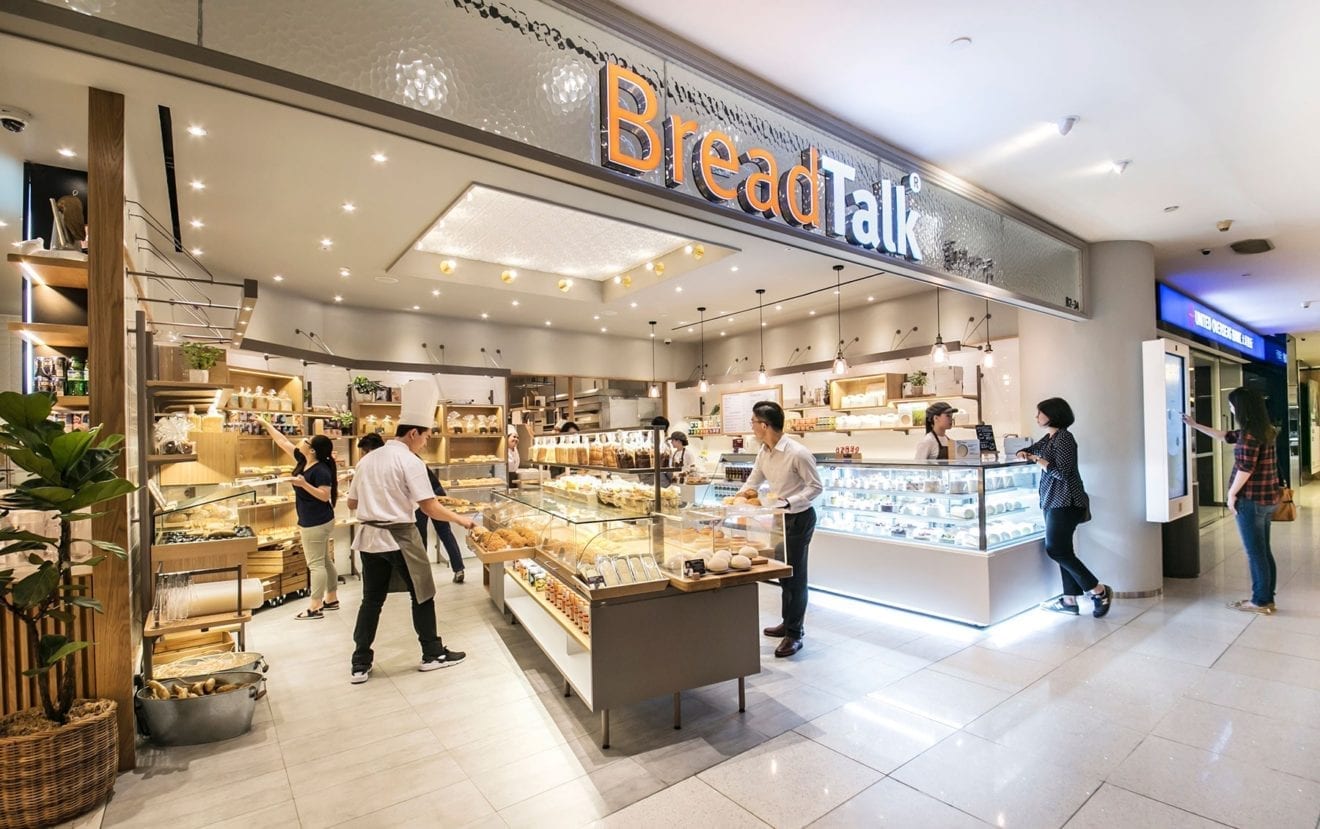
    BreadTalk Group has moved beyond merely making a crust, with breakthrough profits for its third quarter to the end of September.

    This was despite a challenging retail environment, says the F&B group which recorded a 139.5 per cent explosion in net profit to S$16.8 million (US$12.3 million) for the period. It attributes its success to an “unwavering focus” on assessing and re-organising its business portfolios while identifying new growth opportunities.

    “Our core F&B net profit increased fivefold to $12.1 million for the quarter, signifying the underlying strength of our core businesses,” says BreadTalk Group chairman Dr George Quek.

    Last month the company won the World Branding Awards for the third time.

    Meanwhile, group revenue for the first nine months of this year declined 2.6 per cent year-on-year to $449.5 million. At the same time, EBITDA rose 9.1 per cent to $64.9 million, with EBITDA margin improving to 14.4 per cent from 12.9 per cent for the same period a year ago.

    In quarter one, there was $9.3 million in net capital gain from the divestment of the group’s investment in TripleOne Somerset, as well as $8.8 million from the divestment of 112 Katong Mall.

    Robust recovery

    In line with overall group strategy, BreadTalk’s consolidated food-atrium portfolio in China and Singapore showed robust recovery. The vacancy rate across the portfolio remained at a record low of less than 2.5 per cent.

    EBITDA for the division rallied by 127 per cent to $17.7 million, with EBITDA margin improving by 9.3 points to 15.7 per cent. However, with the closure of three underperforming stores in China, total revenue declined 6.9 per cent to $112.4 million. It now has 54 outlets.

    For BreakTalk’s restaurant division, total revenue grew by a steady 2.5 per cent to $104.8 million, driven mainly by its Din Tai Fung restaurants in Singapore and Thailand. Overall EBITDA improvement 7 per cent to $22.3 million, with EBITDA margin rising by 0.8 points to 21.2 per cent.

    Weaker performance by directly run stores in Beijing, Shanghai and Singapore eroded bakery division revenue by 2.7 per cent to $223.1 million. While these stores were unchanged at 255 outlets, 15 more franchise outlets were added to reach a total of 604.

    In September, the group signed a sale-and-purchase agreement for its business with United Malayan Land. This will enable the group to take advantage of the developer’s experience in the Malaysian property market.

    EBITDA for the division declined 13.3 per cent to $18.7 million, with margin at 8.4 per cent (9.4 per cent previously).

    BreadTalk formed 4orth Division this year to identify F&B opportunities, and is led by group CEO Henry Chu. It converted five RamenPlay outlets to So Ramen by the end of September, which are now generating 8.5 per cent improvement in revenue to reach $658,000 from August to September.

    In July, the division entered into a 90-10 JV with Song Fa Holdings to introduce the Bak Kut Teh brand to China and Thailand.

  • SM Prime revenue going up

    SM Prime revenue going up

    Rental revenues from mall expansions and consistent improvement in same-mall sales have helped boost income for integrated property company SM Prime Holdings.

    For its third quarter, the company had 16 per cent year-on-year net income growth to PHP5.6 billion (US$110.5 million). This led to a 15 per cent increase in net income in the first nine months to PHP20 billion.

    Consolidated revenue was up 12 per cent to PHP64.6 billion, while overall operating income grew by 16 per cent to PHP30.1 billion.

    “Our performance in the third quarter is a testament to the buoyant overall economy that benefits the whole property market,” says SM Prime president Jeffrey Lim.

    Mall revenues for the first nine months showed 10 per cent growth to PHP38.5 billion, with the malls contributing 60 per cent of consolidated revenues. Mall rentals went up by the same percentage to PHP32.8 billion, primarily because of expansions and openings over the past two years. Same-mall sales were steady with 7 per cent growth.

    Cinema and event ticket sales eased by 3 per cent to PHP3.3 billion, whereas revenues from amusement and merchandise sales surged by 26 per cent to PHP2.4 billion.

    Consolidated mall operating income improved by 12 per cent to PHP21.3 billion, with the operating margin maintained at 55 per cent.

    SM Prime has 65 shopping malls in the Philippines and seven in China, and will open two more malls this year, SM Center Lemery in Batangas and SM Center Pulilan in Bulacan, taking its provincial property count to 44 from 38 a year ago.

  • DFS Group works together with Make-a-Wish

    DFS Group works together with Make-a-Wish

    Hong Kong-based luxury travel retailer DFS Group has launched its annual seasonal gifting campaign, Give Joy Together, which runs until the end of the year.

    Its locations around the world will offer a special gift range covering fashion, accessories, beauty and fragrance.

    Part of the group’s ongoing partnership with the Make-a-Wish charity, the campaign offers an Art of Personalisation program, offering customers the chance to buy bespoke products. This program will be held at T Galleria by DFS, City of Dreams, Macau, on Saturday for 400 shoppers.

    As a part of the Give Joy Together campaign, the program will showcase a bespoke approach to gift giving and feature British pop artist Boyarde, who will showcase her designs on bags, clothing and accessories, and also demonstrate her painting technique.

    It is the fourth consecutive year DFS Group has partnered with Make-a-Wish foundation, which takes cheer to children with critical illnesses. As well as granting 10 global wishes, is hosting a Fairytale Wish Day at T Galleria Beauty by DFS, Causeway Bay. It will involve 30 Make-a-Wish children and 20 from the Lung Kong World Federation School’s Chu Sui Lan Anglo-Chinese Kindergarten in a fairytale mission, helped by Hong Kong celebrities.

  • Longchamp Japan opens largest store in Asia

    Longchamp Japan opens largest store in Asia

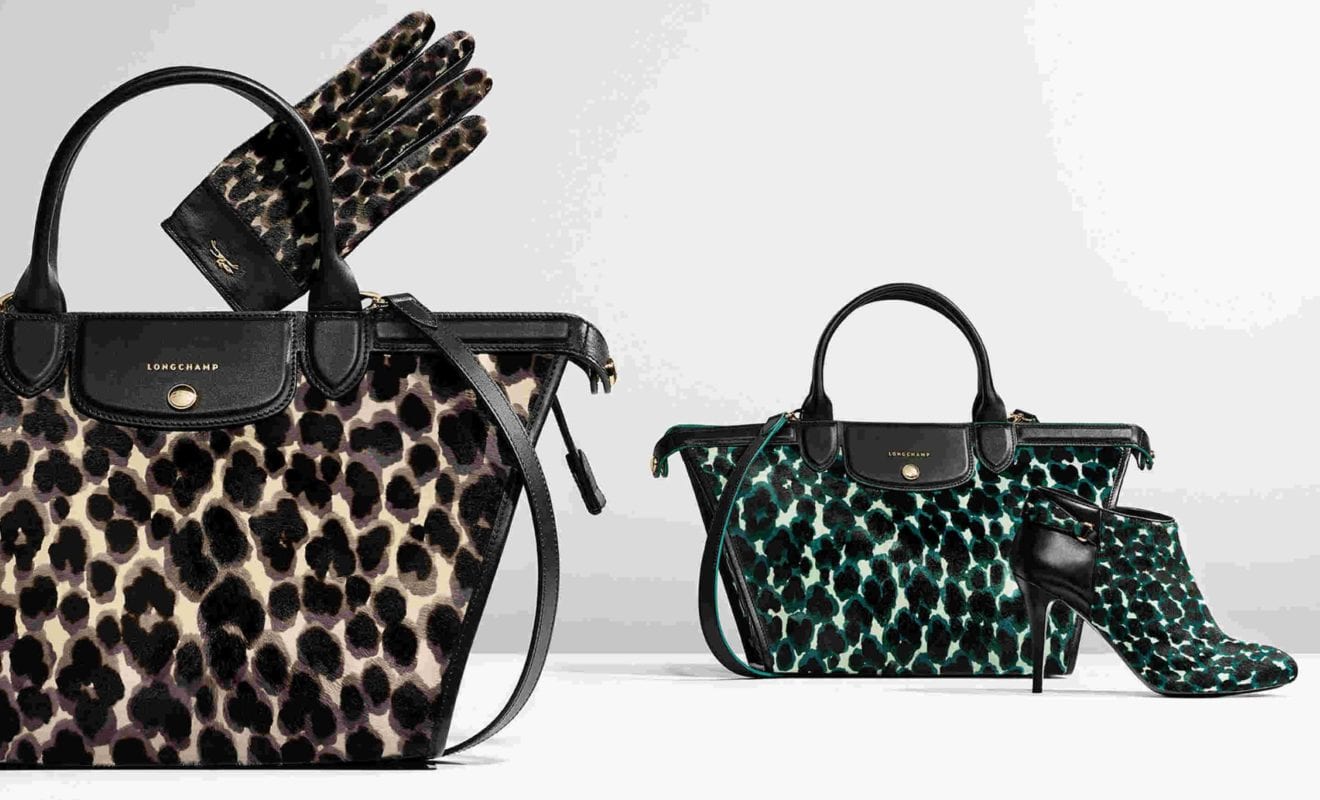
    Longchamp Japan has launched its largest store for Asia with a flagship in Tokyo’s fashion mecca Shibuya.

    French actress Audrey Tautou attended the inauguration of La Maison Omotesando, which has a 35m-high facade and offers 500sqm of retail space.

    It features all the French brand’s collections – leather goods, footwear, women’s ready-to-wear and, occupying the basement, men’s lines.

  • Morten Lundal to step down as Maxis CEO

    Morten Lundal to step down as Maxis CEO

    Morten Lundal will be stepping down from his position as chief executive officer of Maxis next year after serving the Malaysian telecoms operator for nearly five years.

    In a filing with Bursa Malaysia, Maxis said Lundal will be leaving the company when his contract expires on March 31, 2018.  No official reason was provided, and Maxis will reveal a successor in due course, the operator said.

    Lundal joined Maxis as CEO back in October 2013, bringing over 16 years of experience in the telecoms industry onboard. He was previously CEO of Digi, before joining Vodafone in various global positions within the British telecoms giant in 2008.

  • Hula is going offline for pop-up in Soho

    Hula is going offline for pop-up in Soho

    Online marketplace Hula is launching a pop-up shopping experience, The Living Room, at Kong Art Space in Soho from November 28 to December 3.

    Founded last year by Sarah Fung, Hula offers curated pre-owned designer womenswear at prices up to 95 per cent off retail. Sellers are by-invitation-only industry “insiders”.

    A graduate of Central St Martins, Fung has had more than 20 years in the fashion industry, previously designing her own lingerie and swim label in the UK (stocked at Colette, Browns Focus and Selfridges) followed by a nine-year stint at Lane Crawford in Hong Kong.

    Hula’s mission is to prolong the life of well-designed fashion pieces and help reduce textile waste. It offers 5 per cent of its profits to partnered charities ranging from environmental to human-trafficking NGOs.

    Not just an online boutique, Hula is a sustainable fashion community where members can consign items they no longer need. For its first venture offline, its pop-up is an intimate space inspired by a living room and offering pieces from such brands as Alaia, Alexander McQueen, Celine, Chanel, Dolce & Gabbana, Ellery, Givenchy, Gucci, Hermes, Prada, Saint Laurent and Stella McCartney.

    On its upper level The Living Room will initially host private appointments, but open to the public for its last two days. The ground level will feature a photography exhibition by art director and sustainable fashion advocate Gloria Yu.

    As part of the event, Hula will host a discussion panel about sustainability and style. Panelists include Carlo Imo (head of Kering Asia Pacific), Justine Lee (fashion director at Hong Kong Tatler) and Christina Dean (founder of Redress), with Bloomberg Asia anchor Angie Lau as moderator.

    Charitable giving from the six-day pop-up will go to Redress, an environmental NGO working to reduce waste in the fashion industry which has just held a clothing drive in conjunction with Miele Hong Kong.

  • Mitsubishi swings to operating profit in second quarter

    Mitsubishi swings to operating profit in second quarter

    Mitsubishi Motors said on Tuesday it swung to an operating profit for the second quarter, beating expectations as it rebounded from a mileage-cheating scandal a year earlier helped by cost cuts and favorable exchange rates.

    Healthy demand in Southeast Asia, Mitsubishi’s top market also lifted earnings with the automaker saying it was seeing strong orders for its new Xpander seven-seater multipurpose vehicles in Indonesia.

    Operating profit came in at 23.6 billion yen ($207.3 million) for the quarter, compared with a loss of 36.2 billion yen a year earlier when it was forced to stop sales of some domestic models due to the scandal.

    During the first-half, retail vehicle sales at home climbed 48 percent while those in southeast Asia rose 15 percent.

    Mitsubishi kept its forecast for operating profit to surge 14-fold to 70.0 billion yen in the year to March. That reflects the rebound from the scandal as well as expectations of further growth in Asia and cost savings from its alliance with Nissan Motor.

    The car maker has set ambitious goals for growth in Southeast Asia, China and the United States as well as for a comeback in Japan. Last month, it said it planned to boost global sales by 30 percent over three years.

    Under its new three-year strategy plan – Mitsubishi’s first since Nissan bought a controlling stake in 2016 following the scandal – the Japanese automaker will also ramp up R&D investment and capital spending.

    The company has reorganized the engineering division involved in the mileage manipulation scandal and has improved testing processes and compliance procedures.

    It expects the yen to trade around 105 yen to the U.S. dollar in the year to March.

  • StarHub launches autonomous delivery robot

    StarHub launches autonomous delivery robot

    Singapore’s StarHub has entered a partnership with ST Kinetics to supply autonomous delivery robots to local businesses.

    Under the partnership, the companies will deploy Aethon TUG robots to business environments, starting with a roll out in three hotels to streamline the laundry supply chain.

    TUG robots (pictured) were designed by ST Engineering’s land systems business Aethon. They are designed to transport materials of up to 635kg per trip.

    The robots are integrated with a customer’s Wi-Fi infrastructure, elevator and IT systems to allow it to navigate autonomously on premises, including by opening doors and riding elevators.

    TUG will be the second robotics solution introduced by StarHub for corporate customers. The operator is offering managed robotics solutions through an as a service business model, which includes round-the-clock technical support and maintenance services.

    In addition, the partnership is part of StarHub’s connected building initiative to provide IoT solutions for companies to solve environmental sustainability, productivity or safety challenges.

    “Faced with continued manpower crunch, the hospitality industry is increasingly turning to innovation and automation to drive better business outcomes,” StarHub chief of enterprise Dr Chong Yoke Sin said.

    “We are pleased to partner ST Kinetics to offer the TUG to our customers, for tasks involving heavy lifting. This can help reduce lifting hazards and boost productivity, ultimately saving costs for customers.”

  • APAC leading global online payments boom

    APAC leading global online payments boom

    Asia Pacific is at the forefront of a global trend toward increasing complexity in the online payments market, according to research from payments company Worldpay.

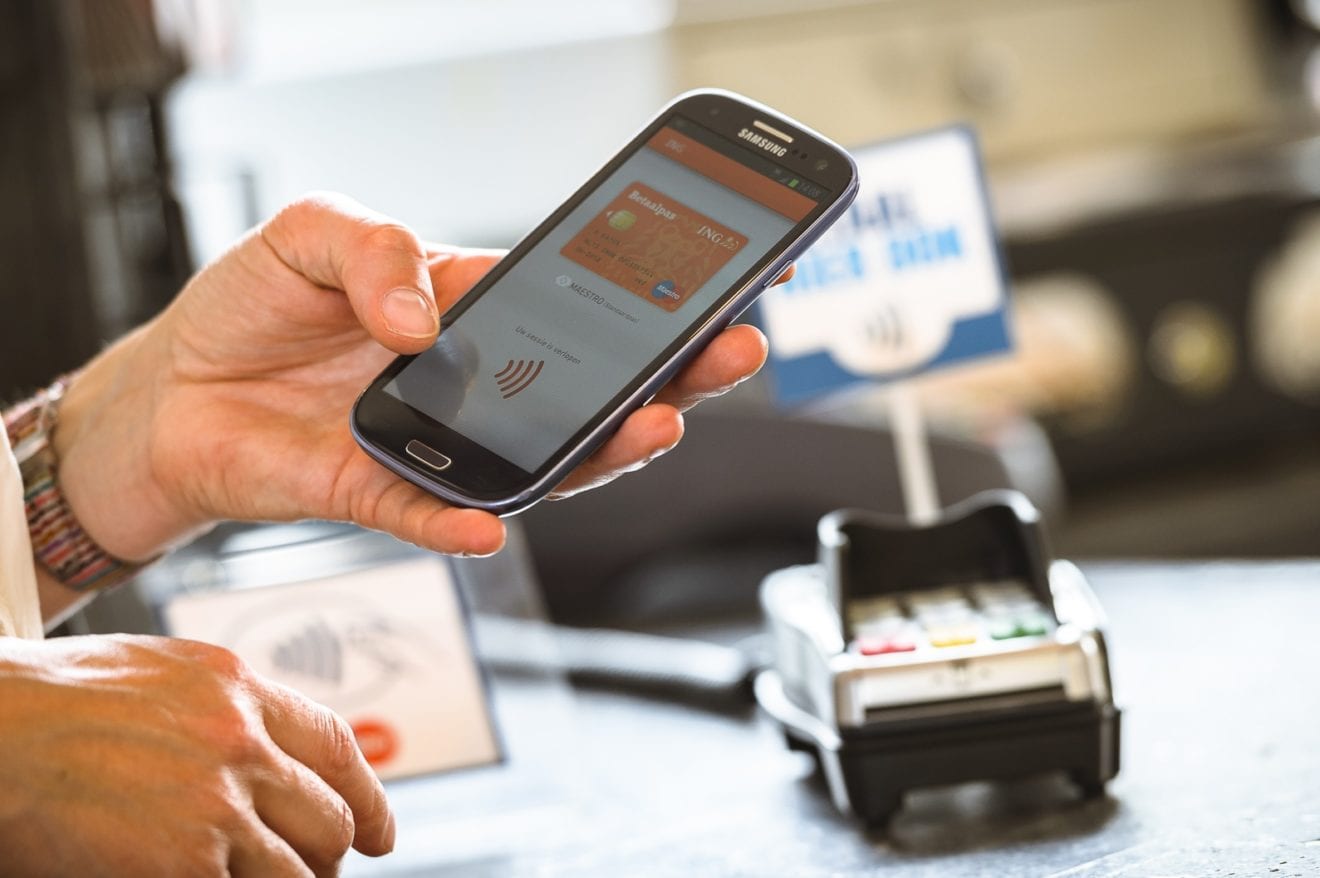
    The research found that consumers across APAC increasingly prefer to pay online via alternative payment methods such as e-wallets, bank transfers and cash on delivery. The annual Global Payments Report states that the Asia Pacific e-commerce market will grow by an average of 12% annually, and is set to be worth $2.1 trillion by 2021.

    Alternative payments are cementing their place at the heart of online shopping in this region – echoing a global trend toward fragmentation in online payments, as options like mobile wallets, pre-paid cards and bank transfers continue to steal market share from more traditional payment methods like credit and debit cards.

    The report found that in China – the world’s largest e-commerce market – most consumers prefer to pay with an e-wallet such as Alipay, Tenpay or WeChat Pay. E-wallets now account for 62% market share in China. Meanwhile credit cards are currently the second most popular payment method for online shoppers (10%), and bank transfers are set to overtake credit cards by 2021, increasing their market share to 14%.

    This growing preference for alternative payments can be seen amongst online Asian shoppers:

    • In Hong Kong, e-wallets are catching up to credit cards, and are set to make up more than a quarter of the online payments market (28%) by 2021.
    • In Singapore, while credit cards are overwhelmingly the payment method of choice in 2017 (66% market share), by 2021 both bank transfers and e-wallets are set to nearly double in share; from 11% to 21% and 13% to 21%, respectively.
    • In Australia, bank transfers are set to overtake credit cards by 2021, increasing 23.3 percentage points to become the most popular payment method, with a whopping 43% of the market.
    • In India, e-wallets (26%) and bank transfers (24%) are already the most popular payment methods, and by 2021 credit cards are expected to decline from 12% to 8% market share.

    Phil Pomford, general manager for Asia Pacific at Worldpay, commented that consumers are leading the charge in demanding more opportunities to use alternative payment methods online.

    “While there are significant variations in how consumers in different Asian markets prefer to pay, a constant is that they are shifting away from more traditional options like credit and debit cards, and instead choosing e-wallets, bank transfers and cash on delivery,” he explained.

  • Indonesia threatens to block WhatsApp messaging over obscene content

    Indonesia threatens to block WhatsApp messaging over obscene content

    Indonesian government gave Whatsapp a two-day notice to block obscene GIF images.  Indonesia on Monday vowed to block Facebook Inc’s WhatsApp Messenger within 48 hours if the service did not ensure that obscene Graphics Interchange Format (GIF) images were removed.

    WhatsApp, which is widely used in Indonesia, the world’s most populous Muslim-majority nation, said message encryption prevented it from monitoring the animated graphics files, known as GIFs, that are available on the app through third-party services.

    WhatsApp said in a statement on Monday that it asked the government instead to work with those providers, which integrate their technology into WhatsApp to allow users to enter keywords to search for GIFs.

    Indonesia’s Internet is partly censored, with access blocked to websites providing criticism of Islam, dating services and sex education, according to research published in May by Tor Project, a nonprofit maker of Web browsing tools.

    Semuel Pangerapan, a director general at Indonesia’s communications and informatics ministry, said WhatsApp would be blocked within 48 hours unless the images supplied by third parties were taken off the service.

    “Yes, true. They have to follow the rules of the host,” Pangerapan said of the proposed block.

    The ministry had sent three letters to WhatsApp over the issue, he said.

    “They have responded, but asked us to speak directly to the third party. The GIFs appeared in their apps. Why do we have to be the one speaking to the third party? They are supposed to be the ones managing it,” said Pangerapan.

    Tenor Inc, one of the third parties, said it was attempting to release a “fix.” Giphy Inc, another provider, did not respond to requests to comment.

    Jennifer Kutz, a Tenor spokesperson, said in a statement that the company is working “to address the content issues raised by the Indonesian government within the next 48 hours.”

    Kutz said the company “regularly” works with “local entities to make sure our content reflects the cultural mores and legal requirements.”

    She declined to identify the proposed fix or existing regions with content restrictions. Tenor allows integrators of its service to block potentially objectionable image results or a defined list of search terms.

    “In the case of WhatsApp, we’re taking on this responsibility,” Kutz said in an email.

    Giphy, a New York City company that also works with WhatsApp, offers its partners a feature for filtering inappropriate images.

    Indonesia’s warning did not appear to target Gboard, a keyboard app developed by Google that provides comparable GIF search results but must be installed separately from WhatsApp on most devices.

    Indonesia had 69 million monthly active Facebook users as of the first quarter of 2014, ranking the country fourth globally after the United States, India and Brazil, company data showed.

    Some reaction on Indonesian social media to the threatened block was sceptical. “While you’re at it, why don’t you block Twitter too, (and) if necessary all browsers in the Playstore, because it’s way easier to search for porn there than on WhatsApp,” wrote one Twitter user, with the handle @jnessy.

    The country’s regulators have reached settlements with several technology companies after threatening to shut them down. In August, Indonesia announced it would block Giphy’s website for showing gambling-related ads. Access soon was restored after it agreed to cooperate with regulators.

    Bans similarly were rescinded in recent years on social media websites such as Vimeo and Tumblr and the chat app Telegram, which regulators had said was “full of radicals and terrorist propaganda.”

    The Indonesian Consumers Foundation (YLKI) had urged the communications ministry to block pornographic GIF images accessible via emoticons, complaining that children could easily reach them, according to news website kompas.com. Terms of use for WhatsApp, Tenor and Giphy say users must be 13 years old.
  • AirAsia to refund travellers wrongly charged departure tax

    AirAsia to refund travellers wrongly charged departure tax

    The Territory man who raised the issue of AirAsia incorrectly charging families leaving Australia is over the moon that those wrongly charged will be getting the $60 departure tax back.

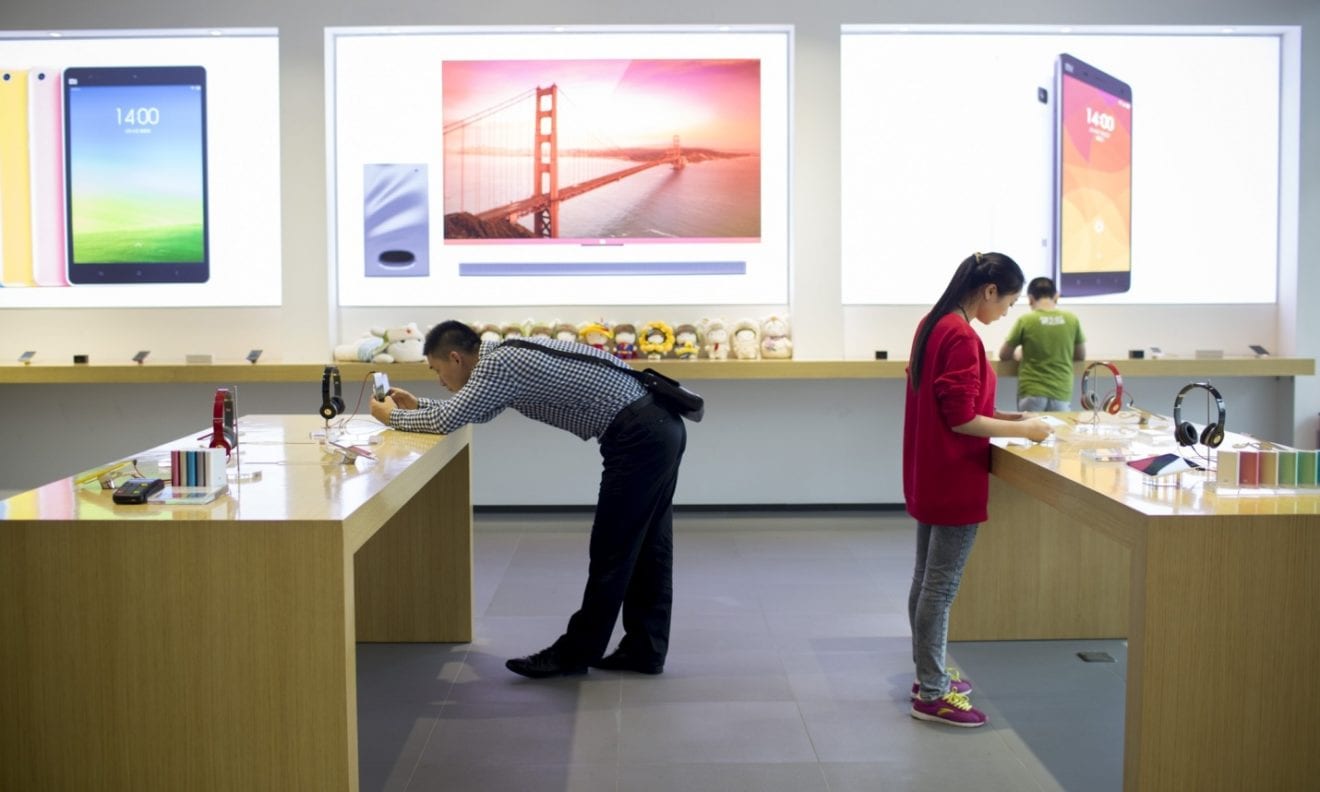
    Air Asia has identified 9700 flyers who may have been incorrectly charged the $60.

    The Australian Consumer and Competition Commission said Territorians who flew from Darwin to Bali on Air­Asia between December 2010 and September 2017, and travelled with a child under 12, were getting their $60 back.

    AirAsia is issuing at least $500,000 in refunds.

    All passengers leaving Australia are required to pay a Passenger Movement Charge of $60, however children under the age of 12 are exempt from the tax.

    The NT News was alerted to the issue of overcharging in late September by Stuart Park resident Thomas Sawyer, who came across the discrepancy when he was booking flights to Bali for a family holiday.

    At the time Mr Sawyer said he tried to contact AirAsia, only to be told to send them the details of his tickets.

    “This is amazing news … it’s really good to hear, I am so pleased,” Mr Sawyer told the NT News yesterday.

    “I’m particularly pleased because I spent 12 months trying to get people to fix this before I went to the NT News for help.

    “I went to both local federal pollies Nigel Scullion and Luke Gosling’s offices and neither cared enough to do anything about it. I went to plenty of others as well with zilch outcome.

    “I went to the NT News and AirAsia fixed the issue within hours of the story appearing.

    “I like AirAsia and I just wanted the problem fixed.”

    The ACCC is alerting affected travellers they could be entitled to a refund if they were incorrectly charged the $60 fee on their children’s tickets.

    It is understood AirAsia has also started notifying by email those passengers eligible for a refund of the incorrectly applied Passenger Movement Charge.