Author: Mei Ling Tan

  • SAP uses machine learning to optimize shop experience

    SAP uses machine learning to optimize shop experience

    SAP this week introduced new technologies ranging from facial recognition, machine learning and IoT to enable targeted marketing campaigns and help consumers optimize their shopping experience.

    Offered through SAP Hybris Marketing Cloud, the new capabilities encompass an array of solutions to help companies ensure they use the right messages to target key customers, while ensuring that customers’ data and privacy are protected.

    One notable component would be the SAP Leonardo digital innovation system which offers facial recognition technology to help retailers engage in-store shoppers. Using facial analysis, the software connects shoppers’ genders and ages to a company or store’s available inventory and stock, enabling personalized product recommendations presented on large displays.

    The SAP Hybris Customer Attribution meanwhile provides marketers with accurate measurements of marketing campaigns and activities that lead to a customer purchase. Data is collected across all touch points of the customer journey, giving insight into what’s driving customer conversions and where to reallocate activities and budget in real time.

    With a nod towards the growing influence of the Chinese social media application WeChat, SAP also announced WeChat integration for SAP Hybris to help marketers expand their global footprint to more than 889 million users across China.

    The need for ensuring customers’ data and privacy is not an unimportant capability too. According to the 2017 SAP Hybris Consumer Insights Report, SAP found that the fastest way to lose customers is to share their data without their knowledge.

    On the other hand, the survey of 20,000 shoppers worldwide found that the easiest way to keep customers happy is to be responsive; nine out of 10 customers (89%) expect an answer to their query within 24 hours.

    On the most part, brands should not shy away from seeking more information about their customers: Four out of five shoppers (80%) are willing to share some of their customer data with brands, with Colombia and India being the most inclined (92%) and with Japan being the least inclined (52%).

    Respondents from all countries, except Russia, are willing to share their e-mail addresses, but only half of Middle East-based consumers want to share their mobile phone numbers.


  • U-Freight gains further accreditation for e-commerce capabilities

    U-Freight gains further accreditation for e-commerce capabilities

    The U-Freight Group (UFL) has seen its North American E-commerce Fulfillment Centre (EFC) being named as one of the most valuable by the China Cross Border Electronic Commerce Professional Committee. Diana Peng, vice president of the Hong Kong-based freight forwarding and logistics company UFL received the award at the recent Global E-Commerce Conference held during the China International Fair for Investment and Trade in Xiamen.

    CEO, Simon Wong, commented, “U-Freight has been a pioneer in developing logistics services for the e-commerce market, which resulted in us being early-qualified by China Customs and CIQ as a licensed Cross-border E-Commerce Enterprise, as well as a Cross-border E-Commerce Logistics Service Provider. With an extremely strong e-commerce logistics set-up in China, U-Freight has committed to investing in redevelopments at a number of its warehouses around the world to better equip them to handle the logistics associated with the ever-growing global e-commerce business.”

    Wong added, “As part of that we have invested in developing enhanced facilities at our EFC in USA, which has been rewarded by our being named as one of the most valuable North America EFC by the China Cross Border Electronic Commerce Professional Committee. We have a system that can connect e-commerce/e-shop platforms with relevant customs authorities and, which delivers data transparency. This is something that is on offer at all of our facilities around the world that offer e-commerce logistics services.

    “The e-commerce industry, led by China, is a new engine of growth for the global economy, and the value of global e-commerce transactions will only rise with increasing internet penetration and recognition. China is leading the way and e-commerce trading in China reached 26.1 trillion yuan (USD3.8 trillion) in 2016. Cross-border e-commerce surpassed five trillion yuan, up 28.2 per cent, statistics from the 2016-17 Chinese E-commerce Development Report show. The report also said that by June this year, the number of online shopping customers in China reached 514 million, 10.2 per cent higher than in December 2016.”

    According to Wong, in the future, cross-border e-commerce will become a new growth point, thanks to the business environment fostered by China’s Belt and Road Initiative and structural supply side reform in the country. The coming years will also see the integration of online and offline services, as well as more intelligent and innovative online retail sales models.

    “IT technology, including cloud computing, big data, internet of things, artificial intelligence and virtual reality, will play a more important part in the whole e-commerce industry and U-Freight is positioning itself to play its part by developing e-commerce fulfilment centres that deliver cost-effective and efficient logistics services,” said Wong.

  • Dtac profit falls 8.8% in Q3

    Dtac profit falls 8.8% in Q3

    Thailand’s Dtac has reported an 8.8% year-on-year decrease in net profit for the third quarter of 2017 as a result of declining revenue and costs associated with network investment.

    The operator reported a profit for the quarter of 601 million baht ($18.1 million), from 3.7% lower revenue of 18.81 billion baht. Service revenue fell 1.5% year-on-year to 15.96 billion baht.

    Voice revenue fell 36% year-on-year to 3.52 billion baht due to ongoing voice to data substitution, while data revenue increased 19% year-on-year to 11.15 billion baht. Handset and starter kit sales meanwhile fell 6% year-on-year due to controls on handset subsidies.

    Dtac’s total customer base meanwhile fell 6.9% year-on-year to 23.1 million, with postpaid net additions reaching 134,000 while prepaid subscribers fell by 642,000.

    The operator’s bottom line was also impacted by higher network opex and depreciation costs associated with its network rollout. Total cost of services increased 3.4% year-on-year to 10.97 billion baht and network opex grew 9% over the same period to 1.69 billion baht.

    For the full year, Dtac has maintained its outlook of flat service revenues and an ebtida at least as high as in 2016. The company expects its total capex for the year to be in the range of 17 billion to 20 billion baht.

    “Market competition is expected to remain intense. Attractive handset offerings continue to be employed to attract high value customers, and prepaid handset subsidies are expected to persist although at a less aggressive level,” Dtac said in its third quarter report.

    “Data services remain a growth driver thanks to higher demand from the growth of streaming services and superior 4G experience… We aim to gain consumers’ confidence with improving data network, digital products and services, and value for money position, and become [the top] digital brand in Thailand by 2020.”

  • LG U+, Huawei validate 4G-5G dual connectivity

    LG U+, Huawei validate 4G-5G dual connectivity

    South Korea’s LG U+ has collaborated with Huawei to complete technology verification for 4G-5G dual-connectivity technology.

    The field test involved linking a 3.5-GHz base station with a 28-GHz base station to allow terminals to simultaneously connect to both, achieving a peak downlink rate of around 20Gbps.

    It involved the use of two base stations at a LG U+ 5G testbed in Seoul. The operator had already verified the technology in a laboratory environment.

    LG U+ director of 5G strategy Kim Dae Hee said dual connectivity technology will provide the foundation for 4G-5G heterogeneous networks.

    “By demonstrating ‘Dual-Connectivity’ technology, which will play a key role in multi-operation of 4G and 5G wireless base stations, we will develop various next-generation technologies to provide a 5G service.”

    LG U+ and Huawei have been collaborating on 5G development since the two companies signed a 5G collaboration agreement in July 2015. Last month, the companies completed the first phase of an urban field test of 5G over the 28-GHz band.

    The companies pledged to continue to carry out 5G technical cooperation and verification activities in advance of the planned commercial deployment of the technology in time for the 2018 Winter Olympics in PyeongChang.

  • Australia’s Retail Food Group to target China

    Australia’s Retail Food Group to target China

    Australian-headquartered food and beverage retailer Retail Food Group says it will focus on greater China for its next phase of growth.

    RFG is Australia’s largest multi-brand retail food franchise owner, developer and manager, with a network of more than 2500 outlets across 12 brands and 81 territories. RFG CEO international, Mike Gilbert, says the company plans to introduce a selection of its coffee-based retail food brands to Chinese consumers.

    “We’re excited to replicate our successful Australian operations in the Chinese market and accelerate the growth of brands like Gloria Jean’s Coffees, Donut King, Crust Gourmet Pizza Bar, Brumby’s Bakery, Michel’s Patisserie, Pizza Capers Gourmet Kitchen, Cafe2U and It’s A Grind in the region,” he said.

    The company also owns the BB’s Cafe, Esquires, The Coffee Guy franchise systems and the premium Di Bella Coffee Co brand.

    Gilbert says RFG’s international expansion model is based on recruiting master franchise partners who purchase a license to develop a certain brand system in a defined territory, and provides the company and local partners with the opportunity to forge sustainable alliances.

    A key strategy driving the group’s global growth is its hub network, which provides a platform for fast-tracking coffee and brand system expansion in international markets, whilst also more efficiently servicing the company’s existing markets.

    RFG is developing a Middle East hub next year which it believes will help it expand quickly through the MENA region, whilst enabling the group to more efficiently service and grow brands  in the Gulf.

    “We currently have hubs in Australia, New Zealand and the US, and plans for the Middle East underway, and will be looking to replicate them in Asia and Europe,” said Gilbert.

  • Vivo smartphones arrive in Hong Kong

    Vivo smartphones arrive in Hong Kong

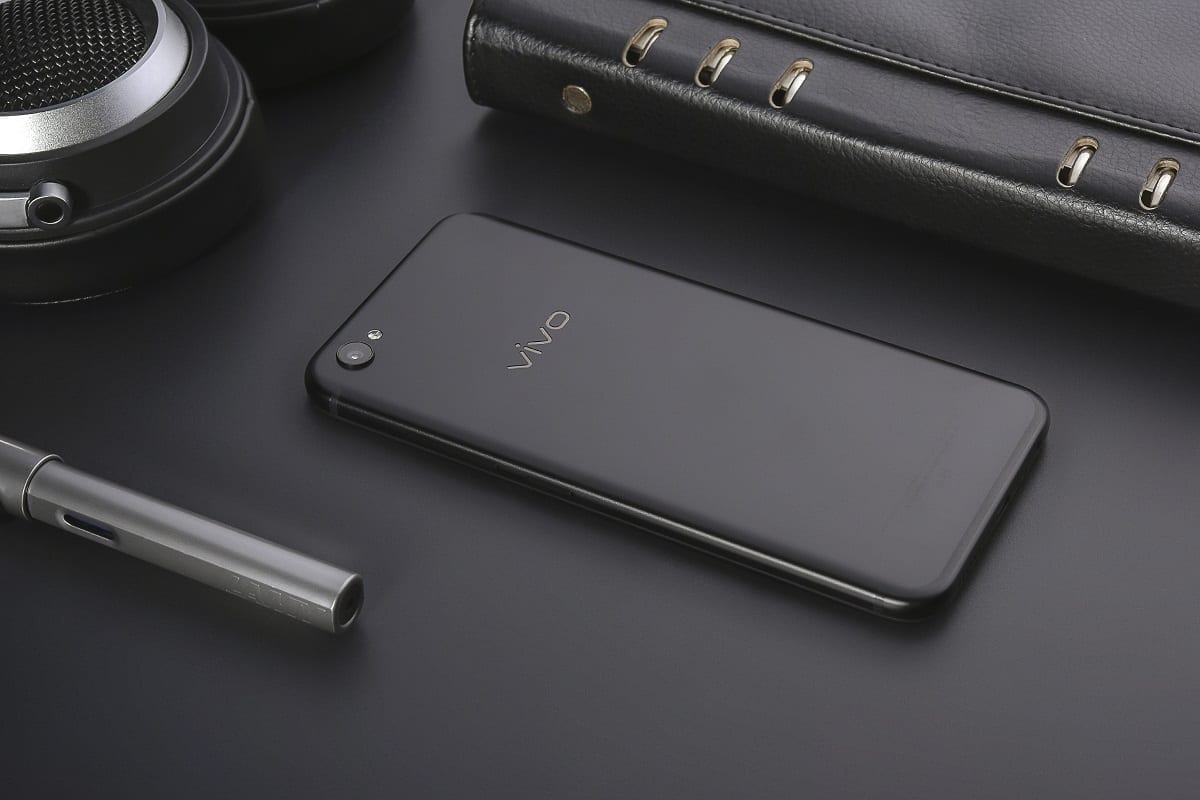
    Chinese smartphone brand Vivo has entered the Hong Kong market with the launch of its latest model, the X20.

    It will soon also take its products to Taiwan, Singapore and Russia, followed by a push into Africa early next year.

    With sharp growth in the past year, Chinese smartphone brands now hold a record 48 per cent of global share, says technology research company Counterpoint. Vivio’s V7+ is already attracting strong sales in India, Thailand, the Philippines, Myanmar, Malaysia, Indonesia, Pakistan, Cambodia and Bangladesh.

    “Since our first entry into the international markets in 2014, we have been dedicated to understanding the needs of consumers through in-depth research,” says Vivo senior VP Alex Feng.

    US research company Gartner says Vivo ranked fifth in global smartphone sales for the second quarter of this year in terms of volume, with 6.6 per cent  market share.

    Founded in 2009, Vivo is known for its innovative phone cameras and was the first brand to launch a smartphone with a dedicated Hi-Fi chip. It is the official sponsor of the 2018 FIFA World Cup.

  • Domino’s pays $42m to buy out Japan stake

    Domino’s pays $42m to buy out Japan stake

    Domino’s Pizza is taking full ownership of its Japanese joint venture by buying out partner Bain Capital’s minority stake for $42 million.

    Domino’s, which in May announced Bain’s intention to exit, on Monday said it would pay less than the $46.4 million it set aside for the deal in its full-year accounts.

    The purchase will be funded by a combination of cash and existing debt facilities, and is expected to be completed by Friday.

    Domino’s said the transaction will be earnings per share accretive in the current financial year, which started on July 3.

    The deal is the second in less than a week for Domino’s.

    Last week, the company continued its European expansion with the 32 million euro (A$48.1 million) acquisition of German chain Hallo Pizza.

    The cost of integrating the 170 stores into Domino’s Pizza Deutschland, which is majority owned by Domino’s Pizza, will bring the ASX-listed company’s net spend on the deal to between $A52.6 million and $A63.1 million.

    That transaction will only have a small positive contribution to Domino’s FY18 underlying earnings because it won’t complete until early in the 2018 calendar year.

    Earlier this month, the pizza chain said it had returned $5.4 million in underpaid wages and superannuation to its employees over the past four years under a national audit of its stores that is due to wrap up in December.

  • Sephora to open new Highpoint Shopping Centre store next month

    Sephora to open new Highpoint Shopping Centre store next month

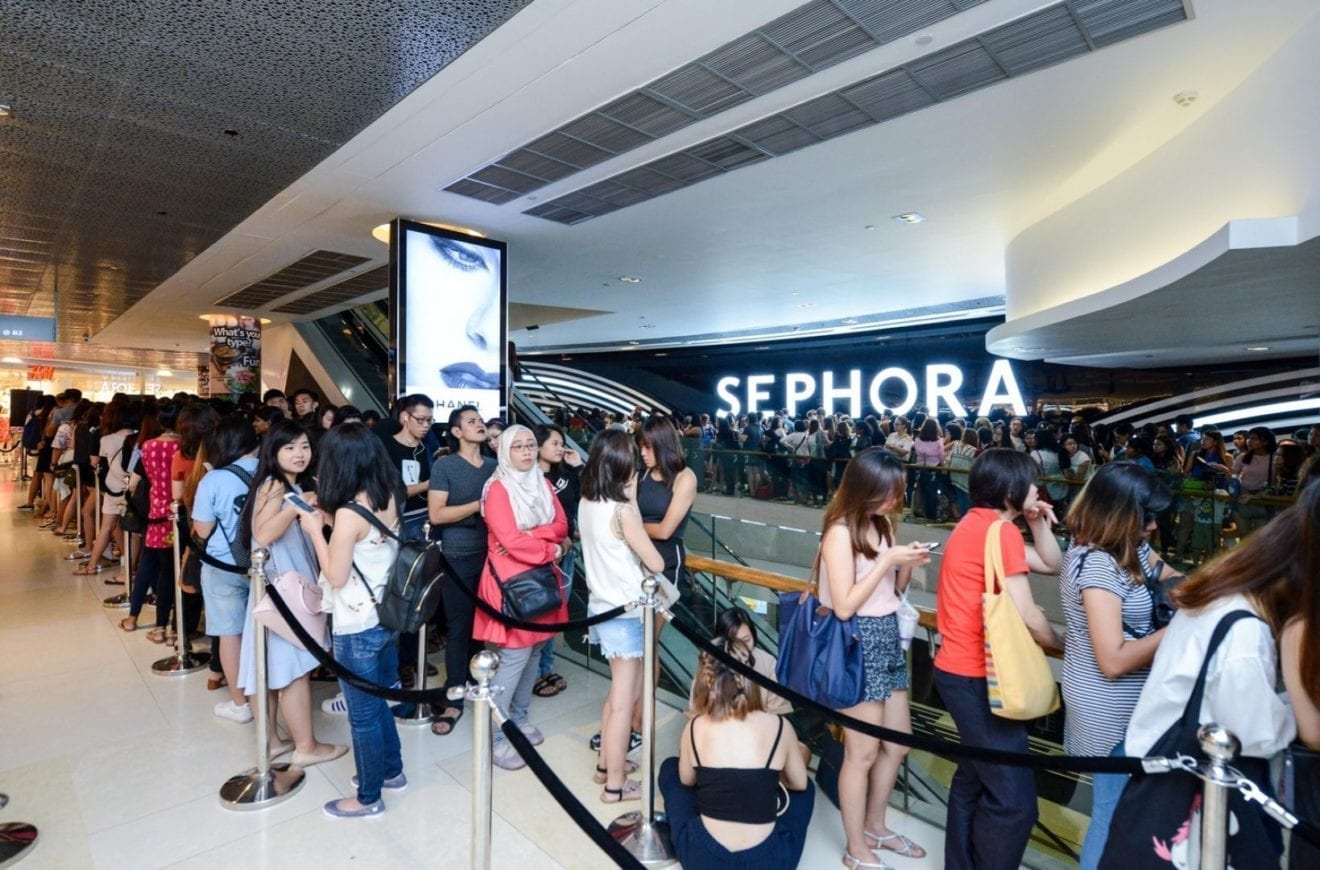
    Global beauty giant ,Sephora, is continuing its expansion in Australia as it opens its new store at Highpoint Shopping Centre on November 2.

    This will be the global retailer’s 13th Australian store and third in Victoria, (Melbourne Central and Chadstone).

    The new store will feature over 100 cosmetic brands including exclusive lines from Marc Jacobs Beauty, Givenchy, Tarte, Anastasia Beverly Hills and the new Fenty Beauty by Rihanna.

    “We can’t wait to bring another Sephora store to Victoria,” said Sephora country manager Libby Amelia.

    “The demand for more Melbourne stores has been considerable and we want to be able to meet the expectations of our local beauty aficionados. Highpoint Shopping Centre is a great fit for us and we’re looking forward to launching there next month.

    Sephora is also expanding its product offering in-store and online, with the recent launch of its new Wellness Category. The all-new Wellness Category features health and wellness brands including; KORA Organics, The Beauty Chef & WellCo.

  • Alibaba Macau trademark registrations lodged

    Alibaba Macau trademark registrations lodged

    Alibaba Group Holding has applied for new trademark registrations in Macau, according to the Official Gazette.

    Alibaba has applied for the protection of 14 sets of commercial services and products under two brandnames, Alisports and 阿里體育. Overall, Alibaba Macau is seeking commercial protection for the provision of scientific services, cloud computing and IT applications, games and toys, advertising, data processing, information, telecommunications and broadcasting, online training and education, as well juridical and legal services.

    With more than 50,000 employees, Alibaba Group provides C2C, B2C and B2B sales services via web portals. Its main businesses comprise core commerce, cloud computing, digital media and entertainment.

    In early July, the group had several applications for trademark protection approved in the city for products including media, e-payment systems, nautical instruments and file-sharing software.

    On August 4, the Macau SAR government and Alibaba co-founder/CEO Jack Ma signed a framework agreement to implement services linked to the development of Macau as a “smart city”, including medical services, transport logistics and encouraging talent to return to the city.

  • ZTE launches total pre 5G solution

    ZTE launches total pre 5G solution

    ZTE has announced the launch of what the vendor is calling a total pre5G solution designed to allow existing 4G subscribers to experience 5G-like services.

    The solution combines 5G enabling technologies and architectures including pre5G massive multiple input multiple output (MIMO) and 4×4 MIMO.

    The pre5G portfolio also includes ZTE’s Cloud ServCore, a cloud native NFV-based 5G network functions management solution and its Cloud RAN product.

    In addition, 5G-oriented service applications including high data rate services such as ultra HD and virtual reality streaming and massive IoT applications based on narrowband IoT and enhanced machine-type communications (eMTC).

    Announcing the new offering, ZTE said 4G is expected to continue to dominate the market for up to a decade even as 5G deployments get underway. As a result, 4G network evolution and 5G rollouts will continue in tandem, so pre5G configurations will likely co-exist with full 5G deployments.

    The company said its pre5G related products and solutions have so far been deployed in more than 60 networks across more than 40 countries, including China, Japan, Austria, Belgium, Spain, Singapore, Malaysia, Thailand and Indonesia.

  • GTT deploys new low latency routes

    GTT deploys new low latency routes

    Yesterday, GTT Communications announced a series of new low latency routes around the globe, and simultaneously launched a new time  synchronization service.

    The new low latency routes include Hong Kong to Tokyo, Hong Kong to Singapore, Mumbai to Singapore, New York City-Mexico City and Johannesburg to London. They bring the company’s total low-latency portfolio to more than 60 routes connecting over 130 financial exchanges.

    Meanwhile GTT’s time synchronization service aims to give financial customers a single source of time across their global trading footprints.

    This answers the question of what one gets when one combine’s Hibernia Networks’ financial business and transatlantic cable with the international network relationships that GTT acquired with the earlier deal for the Inteliquent/Tinet backbone.

    GTT’s more recent M&A moves have been in the US with the acquisition of Global Capacity and pending purchase of Transbeam. However, I wonder whether the next targets might come from overseas.

  • AirAsia announces flights from Manila to Bali, Jakarta

    AirAsia announces flights from Manila to Bali, Jakarta

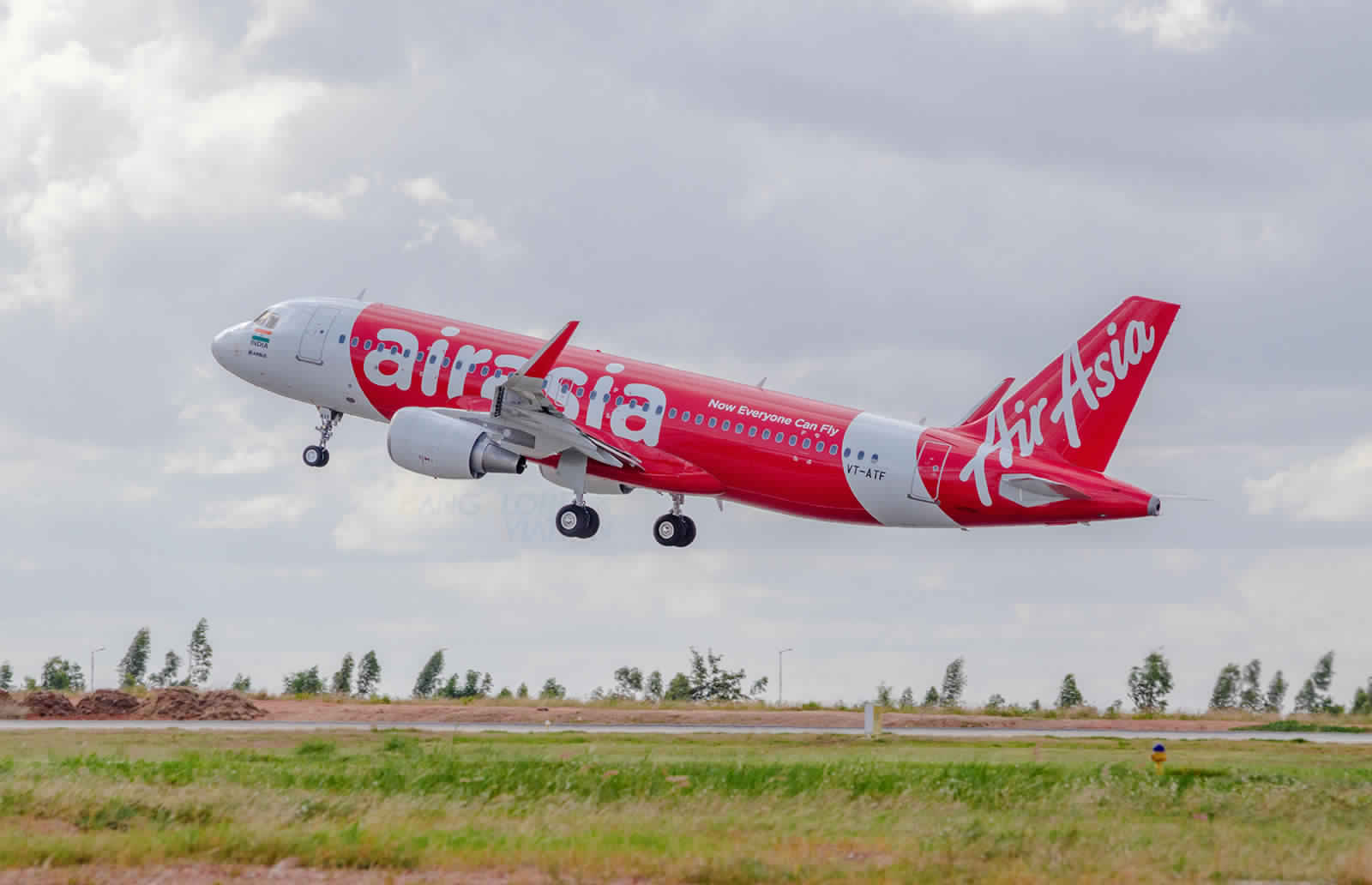
    Budget carrier AirAsia on Thursday announced it will start servicing flights from Manila to Bali and Jakarta in Indonesia starting January 2018.

    In a statement, AirAsia Philippines said it will start flying from Manila to Jakarta, Indonesia starting January 9, and to Bali, Indonesia starting January 19.

    Daily flights from Manila to Bali will have a departure time of 6:40 p.m., and an arrival time of 10:25 p.m. Flights back to the Philippines leave Bali at 11:20 p.m.

    Meanwhile, flights from Manila to Jakarta will have a departure time of 8:00 a.m, and an arrival time of 11:00 a.m. Flights back to the Philippines leave Jakarta at 11:30 a.m.

    In the same statement, AirAsia said it will also start flying to Ho Chi Minh in Vietnam starting November 17.

    Flights from Manila to Ho Chi Minh will have a departure time of 10:25 p.m. every Tuesday, Friday, and Sunday. Flights back to Manila leave Ho Chi Minh at 1:35 a.m. every Monday, Wednesday, and Saturday.

    With the new routes, AirAsia also on Thursday announced all-in promo fares available from P2,950 available until October 22, with a travel period from November 17, 2017 to April 30, 2018.

  • Tesla moves closer to deal to build cars in China

    Tesla moves closer to deal to build cars in China

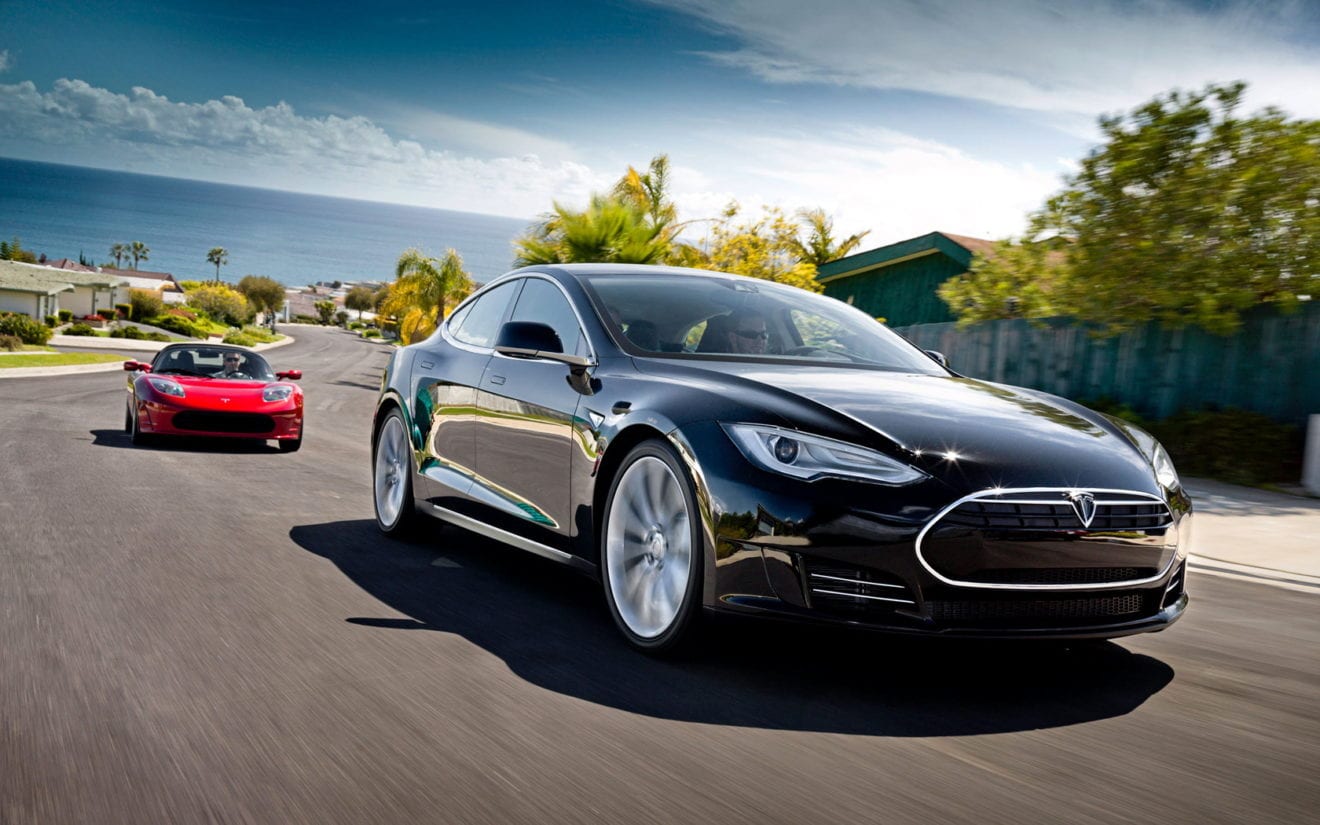
    Electric car maker Tesla Inc said on Sunday it is talking with the Shanghai municipal government to set up a factory in the region and expects to agree on a plan by the end of the year.

    China levies a 25 percent duty on sales of imported vehicles and has not allowed foreign automakers to establish wholly owned factories in the country, the world’s largest automaker. Those are problems for Tesla, which wants to expand its presence in China’s growing electric vehicle market without compromising its independence or intellectual property.

    China’s government has considered allowing foreign automakers to set up wholly owned factories in free trade zones in part to encourage more production of electric and hybrid vehicles – which the government calls “new energy vehicles” – to meet ambitious sales quotas.

    Tesla would still have to pay a 25 percent duty on cars built in a free trade zone, but it could lower its production costs.

    “Tesla is working with the Shanghai Municipal Government to explore the possibility of establishing a manufacturing facility in the region to serve the Chinese market. As we’ve said before, we expect to more clearly define our plans for production in China by the end of the year,” a Tesla spokesperson said in a statement emailed to Reuters.

    Tesla said in June it was beginning talks with Shanghai.

    The Wall Street Journal reported that Tesla and the Shanghai government have already reached a deal in that city’s free trade zone. Shanghai is China’s de facto automotive capital and a significant market for luxury vehicles of all kinds.

    Chinese internet company Tencent Holdings Ltd has a five percent stake in Tesla and is seen as a potential ally for Tesla’s efforts to enter the Chinese market.

    It was unclear if the Chinese government will conclude a deal with Tesla to coincide with U.S. President Donald Trump’s visit next month.

    Tesla Chief Executive Elon Musk has said the company eventually will need vehicle and battery manufacturing centers in Europe and Asia.

    Tesla is wrestling with production problems at its sole factory, in Fremont, California. It is trying to accelerate output of its new Model 3 sedan, but conceded earlier this month that production bottlenecks had held third-quarter production to just 260 vehicles, well short of the 1,500 previously planned.

  • Singapore malls are primed for Amazon’s click de grace

    Singapore malls are primed for Amazon’s click de grace

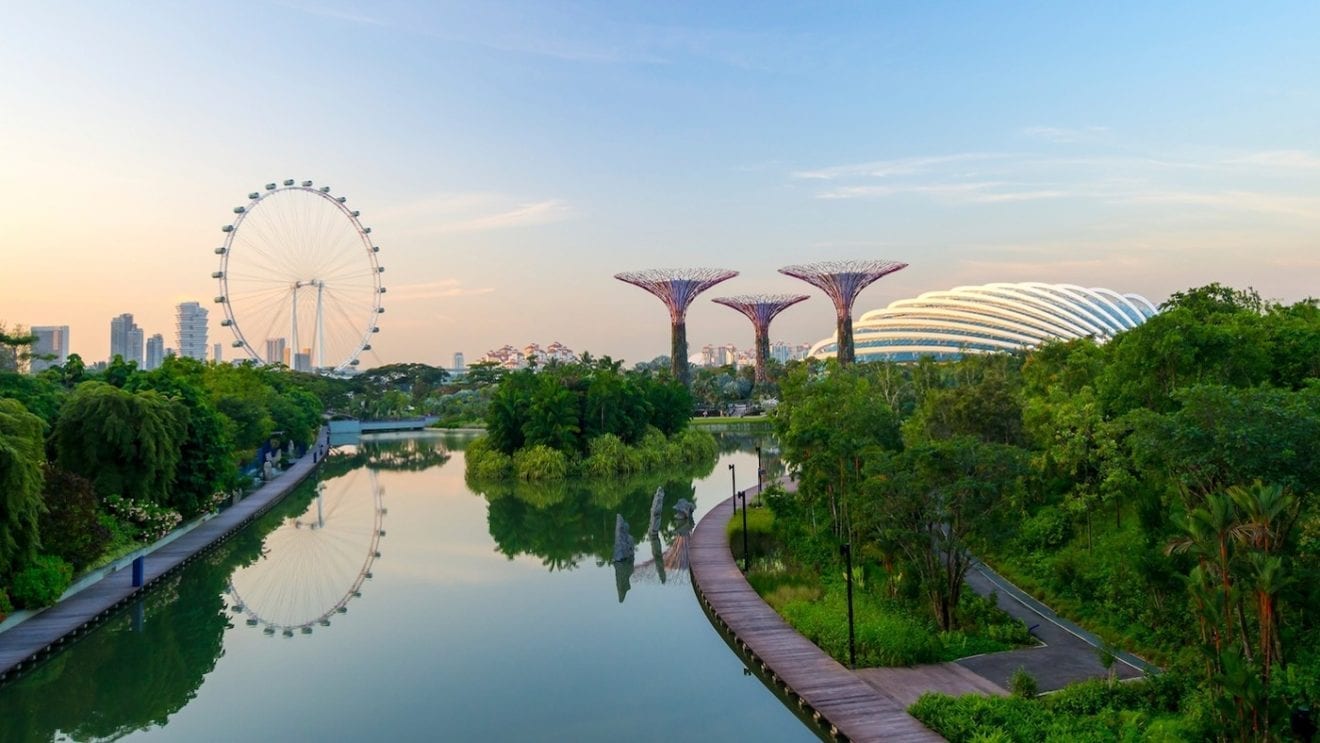
    Singapore’s malls are one click away from irrelevance, though the investment trusts that own them are carrying on as if nothing has changed. The first hint of trouble showed up in January when department store John Little shut down after a 174-year run. Then, in July, Amazon.com Inc. introduced its two-hour Prime  Now delivery service, choosing the city-state of 5.6 million people as the testing ground to fine-tune its Southeast Asia ambitions.

    The landlords don’t appear all that perturbed; at least not yet. CapitaLand Mall Trust, the island’s biggest retail real-estate investment trust, announced 2.78 Singapore cents (2 cents) in dividends last week, unchanged from a year earlier. That’s an annual yield of almost 5.5 per cent at a time when the 10-year Singapore government bond offers only 2.2 per cent. The tantalising premium is keeping investors hooked.

    Even the analyst community is discounting the threat from online shopping: There are 13 buy recommendations on the CapitaLand Mall REIT, and not a single sell, according to data compiled by Bloomberg. But look under the hood, and there are signs that not everything is hunky dory.

    While all its malls are almost fully occupied, agreements at some of the bigger properties are being struck at increasingly lower rents. Forget a suburban property like Westgate in Jurong East, which has seen 17 per cent of leases signed at rents 10.5 per cent cheaper than three years ago; even marquee names like Raffles City, a prime Singapore landmark, are settling for less:

    Singapore’s economy grew 4.6 per cent in the third quarter from a year earlier, with the government estimating full-year expansion of between 2 per cent and 3 per cent. Yet CapitaLand Malls’ tenants — from food and fashion to supermarkets and services — reported negative or mediocre sales growth in the first nine months of 2017. You can expect entertainment and electronics, the categories where tenants are still doing well, to start feeling the Amazon effect when the online service is able to iron out its early wrinkles.

    Then there’s fintech. By some estimates, the Singapore banking industry’s space requirement could shrink by 30 per cent, or 6 million square feet, over the next decade. To the extent suburban malls like to house a bank branch or two to catch footfalls, they’ll be affected. Indeed, the sharp drop in the rental reversion rate at CapitaLand’s Tampines Mall — from growth of 0.6 per cent in the first six months to a decline of 4.3 per cent in the first nine — was because of a change in tenant mix from banking to food and beverages, according to OCBC Investment Research.

    Ahead of further increases in US borrowing costs, CapitaLand Mall Trust has reduced its balance-sheet risk by selling the serviced-residence part of Funan, a 1980s-vintage mall that used to specialise in electronics and is currently undergoing a costly redevelopment. By the time Funan reopens in 2019, there may not be anybody left on the planet who still goes to a store to buy a computer or a phone. So the new address will play host to everything from a homegrown theatre company’s auditorium to a test zone for drone photography.

  • Philippines bans companies from forcing female workers to wear high heels

    Philippines bans companies from forcing female workers to wear high heels

    The Philippines has banned companies from forcing women to wear high heels – a move that’s been hailed as a landmark victory against sexism by labour unions.

    The new government order, which came into effect on Sunday, dictates that employers should implement the use of “practical and comfortable footwear” and that workers must not wear heels that are higher than an inch, unless they choose to do so.

    The move will likely be especially welcomed by retail clerks, receptionists, security guards, flight attendants and other professionals who spend a large portion of their day on their feet.

    The government’s labour department said that wearing high heels while standing for prolonged periods of time may cause sore feet and aching muscles but also “hazardous” pressure on joints.

    “It’s a form of torture. It’s a form of oppression and slavery. Imagine having to endure that pain for eight to 10 hours a day,” Alan Tanjusay, spokesman for the Associated Labor Unions told.

    “It’s also a form of sexism because culturally employers say women wearing high heels look taller and sexier and are then more attractive, more effective in selling products. They don’t know the women are suffering,” Mr Tanjusay added.

    The government also said that companies must give workers who spend a long time on their feet rest periods or seats to reduce the time they spend standing or walking.

    In July, researchers at the University of Aberdeen published a study in which they argued that more needed to be done to address the problem of women being forced to wear high heels in certain jobs.

    The academics said that certain footwear increases the chances of developing certain damaging musculoskeletal conditions.

    Earlier in the year the UK Government rejected calls for a blanket ban on enforced high heel wearing.