Author: Mei Ling Tan

  • Finastra to host payments solutions on Azure

    Finastra to host payments solutions on Azure

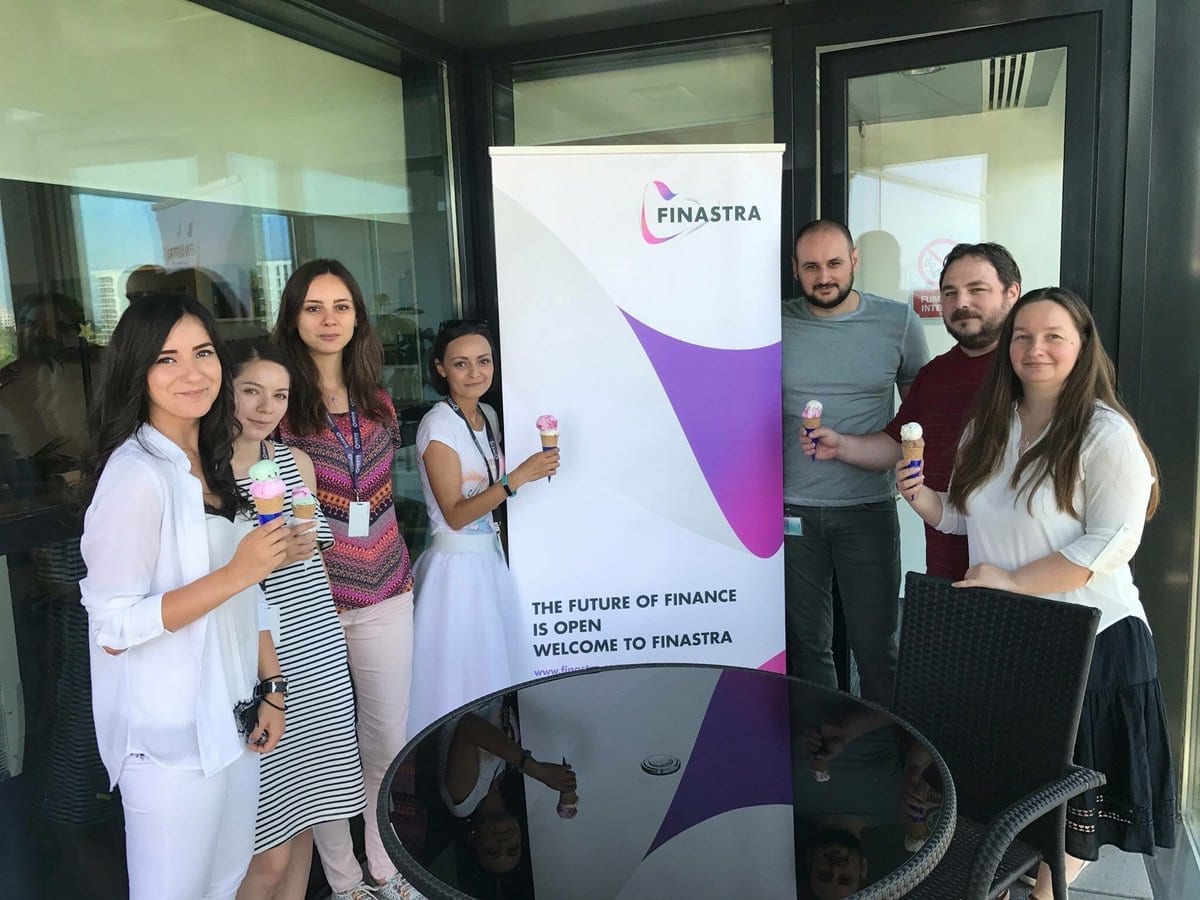
    Finastra has arranged to bring its next-generation payments solutions to the cloud over Microsoft Azure.

    The move enables Finastra to deploy value-added services to clients more efficiently. Banks will benefit from streamlined onboarding, as well as faster access to new products and upgrades.

    The move part of an ongoing broadening of its relationship with the cloud provider that started in 2016 for the US and Canadian markets.

    “This collaboration allows us to change how we deliver software to our customers and partners in a fundamental way,” Finastra CEO Nadeem Syed said.

    “It will enable us to bring new products to market faster and more frequently, with stability and with the highest levels of data security for which Microsoft is known. It also allows us to take a significant step forward in the creation of a platform for innovation and collaboration in financial services.”

    The strategic move to work with Microsoft Azure enables Finastra to optimize existing business processes and functions, while expediting development with stability and sophistication.

    Today banks are seeking ways that evolve with their needs while also fulfilling the ability to scale at a lower overall cost. The migration of payments solutions to Azure will accelerate Finastra’s ability to easily and effectively deploy value-added services onto its platforms and continue to meet customer demands.

    “Generally in the market both payment hubs and cloud have come of age – and this announcement will mean even greater benefits, with the two coming together here. Modern technology, running on modern architecture, gives not only means for greater performance at much lower running costs, but also the potential for new business models altogether, for all involved,” Celent senior analyst Gareth Lodge commented.

    Startups have at their disposal multiple options for delivering their service via infrastructure as a service (IaaS) business model.

    “As enterprises look at the spectrum of options available, careful consideration of internal IT strategy and detailed evaluation of provider portfolios will maximize the benefits delivered to the enterprise through cloud adoption,” commented Deepak Mohan, IDC’s research director for Public Cloud Infrastructure as a Service.


  • Australian car manufacturing ends as GM Holden closes plant

    Australian car manufacturing ends as GM Holden closes plant

    Australia’s near 100-year automotive industry ended on Friday as GM Holden, a unit of U.S. carmaker General, closed its plant in South Australia to move manufacturing to cheaper locations.

    The closure comes a year after Toyota and Ford similarly moved out, eliminating thousands of manufacturing jobs. It adds pressure on the government to help those made redundant find work in a battleground state ahead of a federal election in 18 months.

    “The end of Holden making cars in Australia is a very sad day for the workers and for every Australian. It is the end of an era,” Prime Minister Malcolm Turnbull told reporters at a regular briefing on Friday. “Everyone has a Holden story.”

    Turnbull has sought to soften the impact of a declining automotive industry in a state which historically determines who forms government by making South Australia a defense industry hub.

    The government plans to increase defense spending by nearly A$30 billion ($23.52 billion) by 2022, with the manufacture of a fleet of frigates, armored personnel carriers and submarines to be concentrated in South Australia.

    But John Camillo, ‎state secretary at Australian Manufacturing Workers’ Union in South Australia, said nearly 2,500 newly unemployed will need government help finding work.

    “They need to be retrained to be able to work in defense, mining, aerospace, because we are going to be building ships,” Camillo told reporters outside the GM Holden plant in Elizabeth, 26 kilometers (16.1 miles) north of state capital Adelaide.

    Camillo was joined outside the factory by hundreds of workers and car enthusiasts who had gathered to greet the last car off the production line.

    “A BEAUTY”

    Rising discretionary income and record-low interest rates have encouraged consumers to buy new cars, but many turned against the large passenger cars for which GM Holden is known.

    “Consumers want fuel-efficient small cars and sports utility vehicles (SUVs), and overseas manufacturers have been able to profit from changing tastes,” William McGregor, industry analyst at ‎IBISWorld, told.

    Monthly SUV sales hit a record in June, surpassing 40,000 cars, Bureau of Statistics data showed.

    GM Holden, whose SUV range proved unpopular with Australians, will shift production to Germany where advanced automation will help keep costs low as it revamps its lineup.

    GM Holden began auto production in 1948 with then-Prime Minister Ben Chifley driving the first car off the production line, declaring it “a beauty”.

    “I have bought four of them,” said Shane Oliver, an AMP Capital economist who described the closure as a “sad day”.

    “But it’s clear that not enough Australians’ agreed, opting for foreign-made SUVs instead.”

  • DHL launches Service Logistics final mile solution to the Life Sciences Medical Device sector

    DHL launches Service Logistics final mile solution to the Life Sciences Medical Device sector

    DHL Supply Chain has launched a new service logistics solution for the medical device sector which consolidates field inventory into single locations and uses quality management systems to provide better control and traceability of valuable products.

    This solution comes in response to a number of growing industry challenges, including greater demand from an ageing and more active population through to increasing cost pressure from healthcare providers. These factors have led to an ever-increasing need to better manage inventory, both in the field and in hospital. The final mile solution focuses on the need for companies in the medical device sector to address the compromises between cost and availability and drive efficiencies in field inventory.

    Tim Slater, CEO, DHL Supply Chain, Life Sciences said, “This solution draws on our Life Sciences expertise in managing critical lifesaving products and our global capability to organise mission critical deliveries into complex environments. It is replicable, provides high visibility of inventory both inside and outside the hospital and is fully compliant globally with the rigorous standards required. It facilitates a reduction of capital commitment for inventory through just-in-time availability to hospitals, removing the requirement for just-in-case storage of medical devices.”

    In addition to better managing consigned inventory, the solution will free up medical device sales rep resource from actively manage, check and locate stock to enable more time on interacting with customers.

    John Farrell, president, DHL Supply Chain, Service Logistics Solutions commented, “We have built our expertise through successfully deploying a similar solution in the technology sector. It is ideally suited to the medical device market, where critical products are required just-in-time. We provide full stock visibility and control through pooling of consignment stocks outside of hospitals; while providing mission critical availability of inventory on a same day basis.”

    The solution utilises an established global supply chain infrastructure that is certified to the required standards for each market. The solution is already deployed for a major global provider of medical devices in multiple countries across the world.

    In addition to better managing consigned inventory and improving sales force efficiency, it also provides a platform to standardised service and quality systems; whilst at the same time enabling product returns, customer segmentation activities such as kitting and value-added services to meet local market and customer needs.

  • PT Telkom adopts Palo Alto firewalls

    PT Telkom adopts Palo Alto firewalls

    Indonesia’s PT Telkom has moved to strengthen its security capabilities by adopting Palo Alto Networks’ next-generation firewalls.

    The operator will deploy Palo Alto’s Next Generation Security Platform for its security operations center to support its global expansion plans. Telkom aims to become one of the five largest telecoms operators in Southeast Asia.

    Telkom has replaced its legacy firewall systems with eight Palo Alto firewalls, as well as its network security management solution Panorama and its contextual threat intelligence service AutoFocus.

    Panorama provides  static rules and dynamic security updates to simplify the management of a changing threat landscape.

    “Palo Alto Networks has enabled us to take our security operations to a higher level. I now have complete visibility of threats, the team has become more skilled, and we’re better able to focus on the development of new services,” Telkom Indonesia VP of IT strategy and governance Sihmirmo Adi said.

    He said the operator expects the platform to help it save billions of rupiahs in future capex and spend significantly less time managing its network.

  • Honeywell’s new platform helps logistics providers increase worker productivity, capture critical data

    Honeywell’s new platform helps logistics providers increase worker productivity, capture critical data

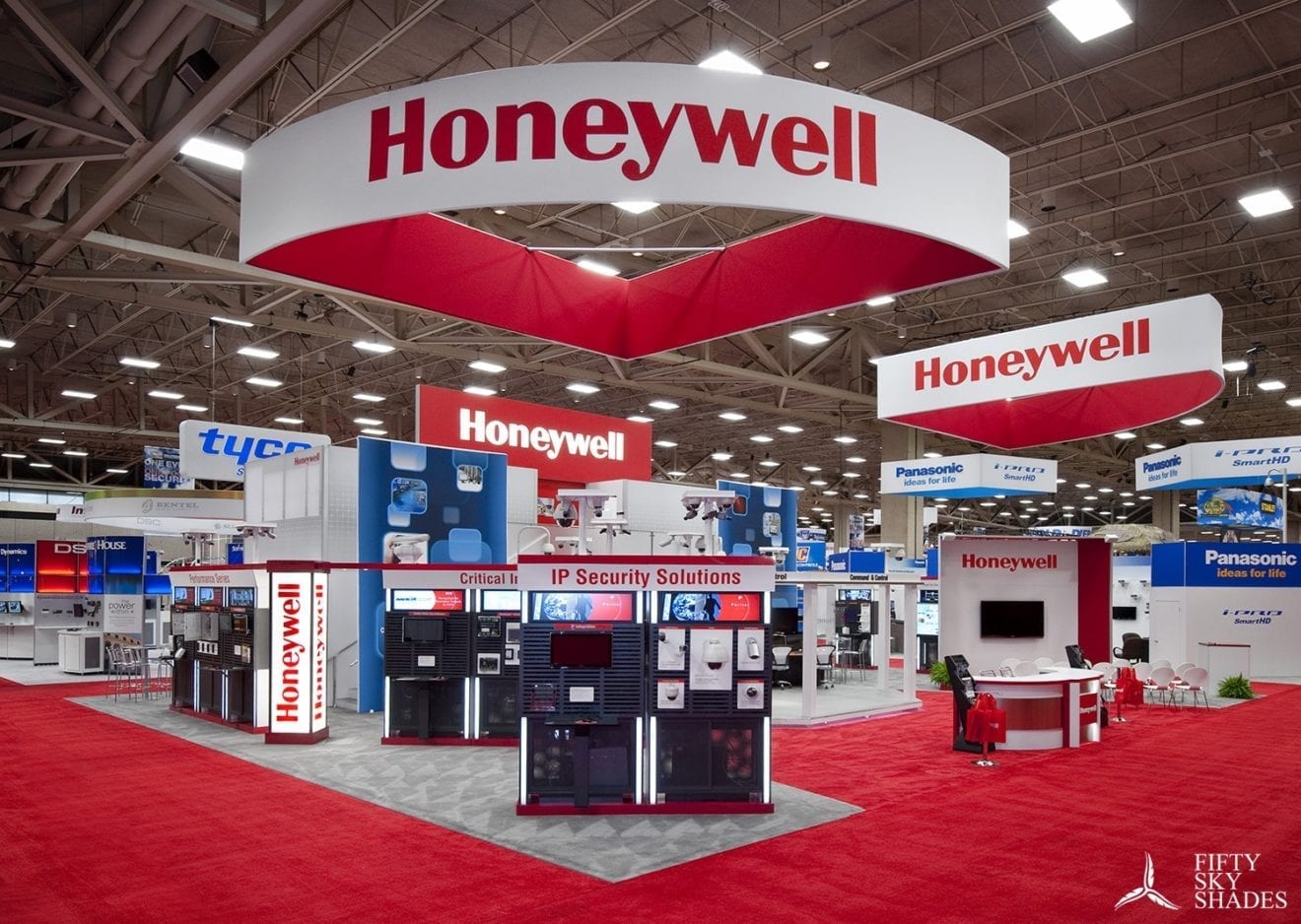
    Honeywell has announced a new hardware and software platform for the next generation of its mobile computers, which are used globally by distribution centres, transportation and logistics providers, hospitals, and retailers to increase worker productivity and capture critical data. The Mobility Edge Platform comprises common hardware architecture and a suite of tools on which Honeywell and its partners will build future mobility solutions, which include rugged handheld computers, wearable devices, voice-directed technology, tablets and vehicle-mounted computers.

    The platform is designed for Google’s Android operating system, which is increasingly becoming the standard for industrial mobile devices. It offers a long product lifecycle by supporting current and future Android versions – more than any competitive offering on the market. Additionally, the common platform provides consistency across Honeywell’s next-generation devices and makes it easier for customers to upgrade current models, manage device refreshes and quickly deploy software applications.

    Honeywell also announced the Dolphin CT60 handheld computer, the first new mobile device to run on the Mobility Edge Platform. The rugged device is designed for transportation, logistics and retail workers and offers an extended battery life, high-performance scanning and other productivity features.

    “After talking to many of our strategic customers and partners, we rethought the approach to solving the constraints they face today on mobile deployments,” said Peter Howes, president of Honeywell’s Productivity Products business. “Our customers require something more comprehensive and scalable, and that is what we are introducing with the Mobility Edge Platform.

    “Because we built the Mobility Edge Platform with an Android-first mindset, businesses will have the confidence that our devices will support future versions of the operating system without making new hardware investments,” said Howes. “Leveraging a single, unified platform will make adding new devices and testing and deploying business-critical mobile hardware and software easier and faster.”

    The Mobility Edge Platform features:

    • Support for four generations of Android – Nougat through Q;
    • A common architecture approach to allow customers to develop, test and certify an application just once for deploying to devices;
    • Productivity-optimising tools to increase data capture speed and improve the way workers communicate securely;
    • A battery runtime maximiser to allow customers to extend daily usage of the device by adjusting performance characteristics according to their specific needs;
    • Integrated functions for scanning and voice communications;
    • A rapid provisioning suite for faster, easier deployment of new devices and reduced deployment costs;
    • Enterprise lifecycle tools to optimise device uptime and help IT teams overcome obstacles with integration and inflexible technologies.
  • SKT expanding use of TANGO AI platform

    SKT expanding use of TANGO AI platform

    SK Telecom is expanding the use of its AI-assisted network operation system TANGO to all its telecommunications networks.

    The operator has already been using TANGO (the T advanced next generation operational supporting system) to help manage its fixed line network, and is now extending the application of the system to the mobile network.

    TANGO uses machine learning to automate the optimization of network operation based on network traffic information broken down by area and period.

    The system is also designed to enhance the accuracy of network management by measuring the quality of network operations delivered to customers, and incorporates virtualization capabilities to help mobile operators adopt new network capabilities including IoT and 5G.

    Last month, SK Telecom entered an agreement to provide the TANGO platform to India’s largest operator Bharti Airtel.

    “The AI-assisted network operation technology based on big data analytics will be essential in the 5G era,” SK Telecom SVP and head of network technology R&D Park Jin-hyo commented.

    “SK Telecom will continue to improve the functionality of TANGO aiming at providing the best-performing network for customers to enjoy.”

  • China Unicom 9M17 profit grows 155%

    China Unicom 9M17 profit grows 155%

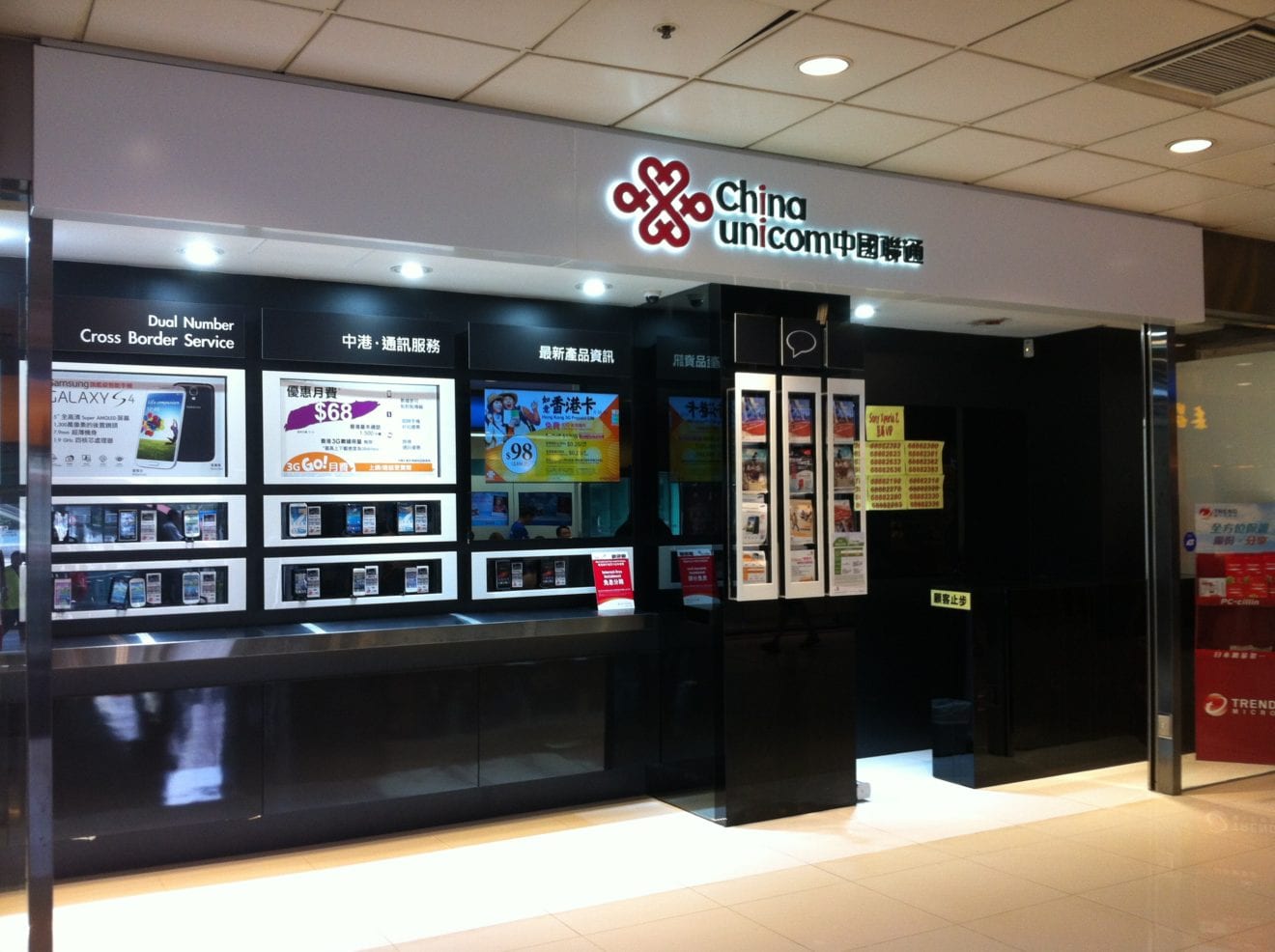
    China Unicom has announced it expects to report a strong 155% increase in net profit for the first nine months of the year, driven by robust service revenue growth and lower expenses.

    The operator’s preliminary results estimate that net profit reached 4.1 billion yuan ($618.6 million) for the period, with service revenue up 4.1% to 187.9 billion.

    China Unicom also reduced its selling and marketing expenses and handset subsidy spending as part of its new Focus Strategy.

    But the company still added over 13 million new mobile customers during the nine month period, taking its total to 277 million.

    Total 4G net additions were 55.7 million, with the operator’s total 4G customer base growing to 160 million. In September alone, Unicom gained 3.82 million new mobile customers and 7.56 million new 4G customers – a company record for both metrics.

    Despite the strong results, Unicom warned that the recent regulator-mandated abolishment of domestic long-distance and roaming fees – coupled with a cyclical increase in market competition – is expected to place increasing pressure on the company’s financial performance in the fourth quarter.

    “Going forward, the Group will actively address challenges, continue to deepen Focus Strategy and earnestly capitalise on the implementation of mixed-ownership reform to raise efficiency and returns,” China Unicom said in a statement.

  • Singapore Airlines Cargo feted at Payload Asia Awards

    Singapore Airlines Cargo feted at Payload Asia Awards

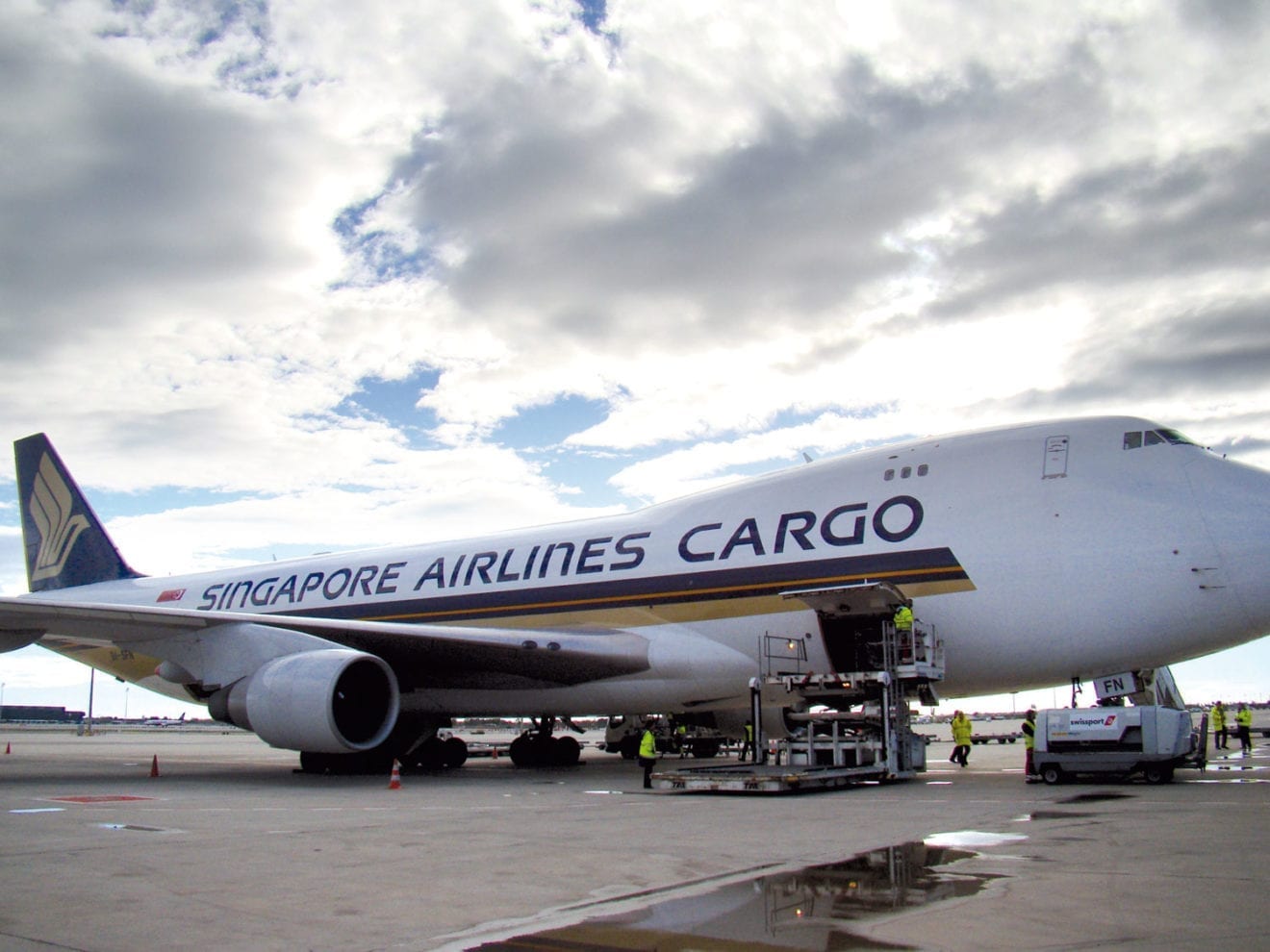
    Singapore Airlines Cargo was named Combination Carrier of the Year in the Customer Choice Awards category at the 2017 Payload Asia Gala Dinner and Awards Ceremony. The hallmark event, held at the Crowne Plaza Changi Airport on 12 October 2017, featured award categories voted by key stakeholders in the logistics business, reflecting the true voice of the industry.

    On the win, Chin Yau Seng, president of Singapore Airlines Cargo, said: “We are grateful to our customers for this vote of confidence in our service performance and efforts to stay responsive to their evolving needs. This award will serve as additional inspiration for our team to continue to seek greater heights in service excellence and product innovation.”

    Daniel Foong, regional vice president of East Asia was present at the ceremony to receive the award on behalf of the company.

  • DHL Express clinches Global Express Provider of the Year and Green Awards

    DHL Express clinches Global Express Provider of the Year and Green Awards

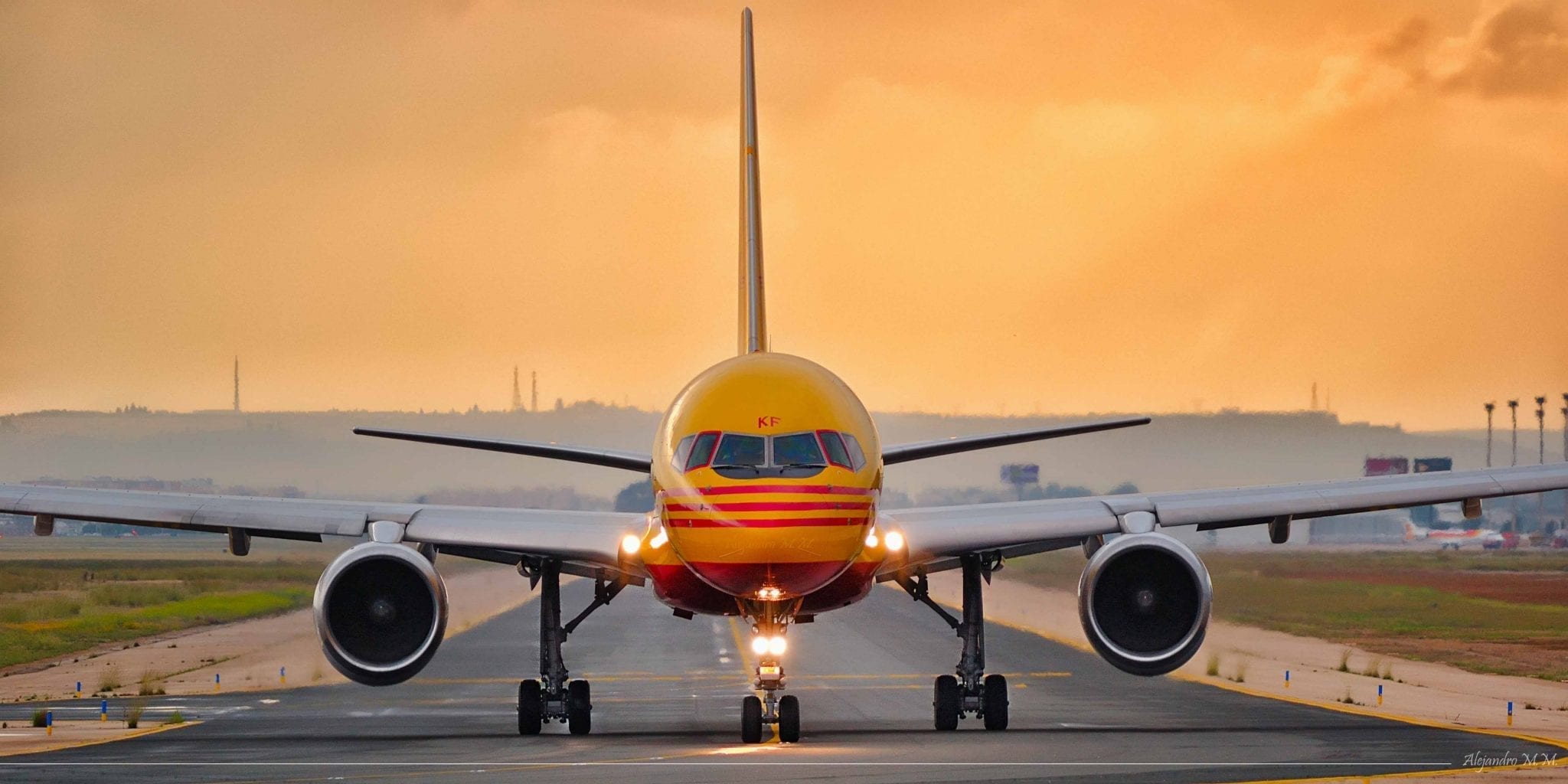
    DHL Express won the Global Express Provider of the Year (Industry Choice) and Green Award (Industry Choice) at this year’s Payload Asia Awards. The awards were presented at the gala dinner and awards ceremony held on 12 October 2017 at Crowne Plaza Changi Airport, in Singapore.

    Ken Lee, CEO, DHL Express Asia Pacific said: “Winning the ‘Global Express Provider of the Year’ award speaks volumes of the support and recognition we have earned from customers and industry experts, and we appreciate their confidence in our capabilities. With our focus on exceeding customer demands, we will continue to leverage our extensive global network, and enhance our solutions and customer service levels to meet their needs.”

    DHL Express also won the Green Award, in recognition of its environmentally sustainable business practices. In line with the company’s commitment to reduce all logistics-related emissions to net zero by 2050, DHL Express has implemented several initiatives towards this target. In addition to expanding its green fleet in Asia Pacific, DHL Express has installed 3,000 solar panels in its South Asia Hub in Singapore to supply about 20 per cent of the facility’s total energy consumption; it also opened its first Service Center in Asia Pacific, in India, fully powered by solar energy to reduce consumption of grid electricity by 30 per cent.

    “In our quest for operational excellence, we are committed to ensure that we adopt energy-efficient measures in our operations, and also help our customers and sub-contractors to reduce the impact of their business on the environment. In Asia Pacific, DHL Express has increased our CO2 efficiency by 3.5 per cent in 2016 and it’s an on-going journey to be an environmentally sustainable business,” said Ken Lee.

  • Philippines AirAsia picks Clark airport over NAIA as its main hub

    Philippines AirAsia picks Clark airport over NAIA as its main hub

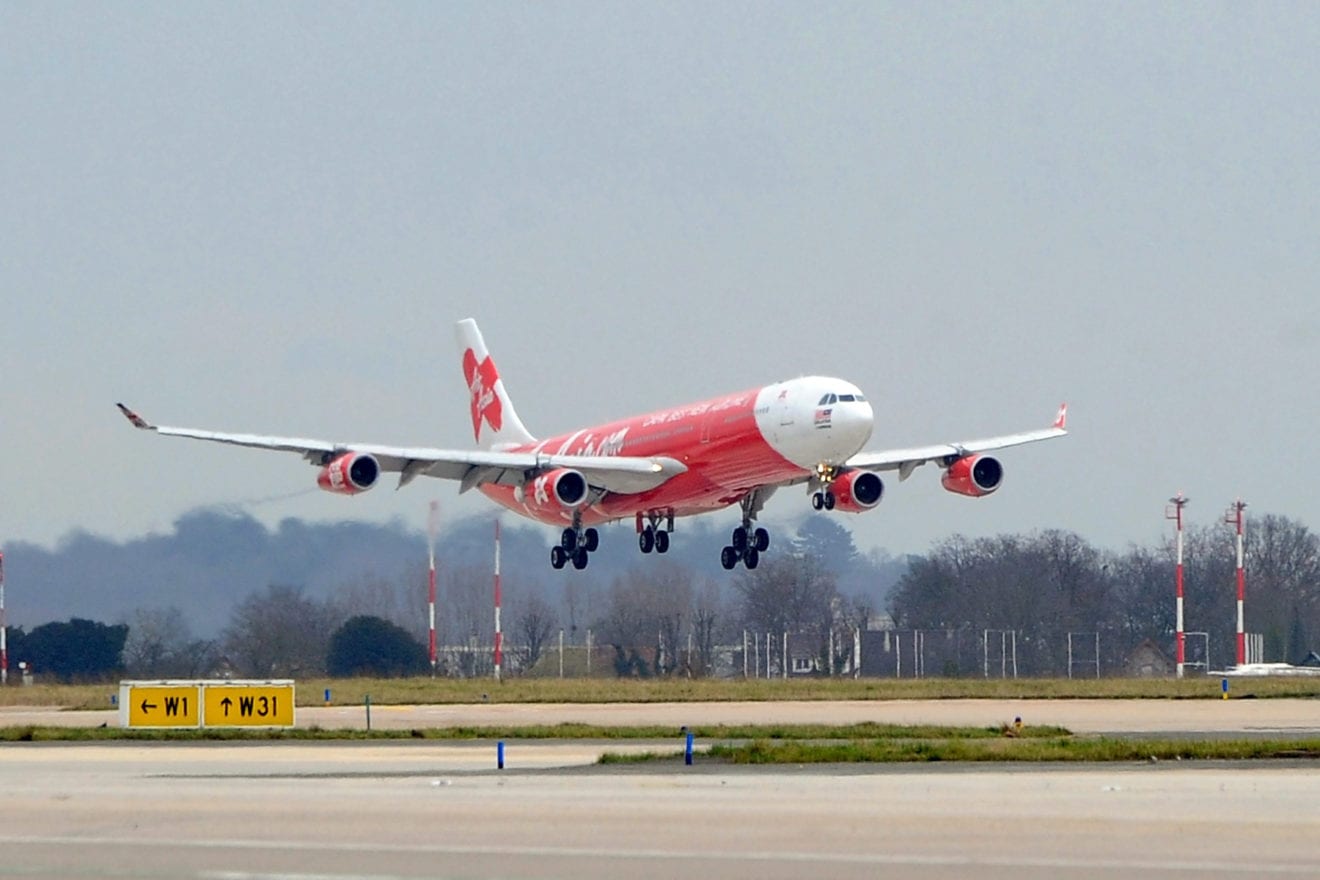
    Philippines AirAsia Incorporated targets to make the Clark International Airport its main hub for operations, as the Ninoy Aquino International Airport (NAIA) has inadequate space for the budget airline’s fleet expansion, its chief said.

    To sustain its operations, the Clark International Airport Corporation (CIAC) has waived the budget airline’s airport, landing, and takeoff fees, according to Philippines AirAsia chief executive officer Dexter Comendador.

    It was in March this year when Philippines AirAsia returned to its Clark roots. In 2013, the budget carrier had moved its operations to NAIA Terminal 4 in Manila after its then-affiliate Zest Airways Incorporated suffered heavy losses.

    “We plan to establish Clark as our main hub, because Manila is too crowded. If I have 70 planes in 10 years, I do not have a place to park in Manila,” Comendador told reporters on the sidelines of a briefing in Taguig City last week.

    The local airline is planning to increase its fleet to 17 jets this year from the current 14 to accommodate its new operations.

    70 airplanes

    In the next 3 to 5 years, Comendador said Philippines AirAsia targets to double its fleet. By 2032, it aims to have 70 planes.

    “Since we are opening Clark as a hub, we plan to fly to Korea, China, Malaysia, Singapore, Hong Kong, Macau, and Taipei,” Comendador said.

    To spur outbound traffic, the CIAC waived landing and takeoff fees as well as other airport charges for Philippines AirAsia.

    CIAC chief Alexander Cauguiran earlier said discounts on similar fees have been granted to other airlines operating at the Clark International Airport.

    Philippines AirAsia operates a fleet of 17 aircraft with domestic and international flights out of hubs in Manila, Cebu, Kalibo, and now Clark.

    It flies to Manila, Davao, Cebu, Kalibo, Tacloban, Tagbilaran, Puerto Princesa, Clark, Shanghai, Taipei, Incheon, Hong Kong, Macau, Kuala Lumpur, Kota Kinabalu, and Singapore.

  • Restaurant Brands boosted by store expansion

    Restaurant Brands boosted by store expansion

    Fast-food operator, Restaurant Brands NZ, has posted a 41 per cent lift in first-half profit after it expanded its footprint through Australia and Hawaii.

    The Auckland-based company said net profit rose to $19.1 million, or 15.5 cents per share, in the 28 weeks ending September 11, from $13.5 million, or 13.3 cents, a year earlier.

    Sales jumped 50.7 per cent to $386.1 million compared to the previous corresponding period with the bulk of the increase attributable to the Pacific Island Restaurants Inc. (PIR) acquisition in Hawaii and the full impact of the Australian operations which were acquired part way through the first half of the 2017 financial year.

    Total sales of the KFC business in Australia were A$66.7 million, up A$25.3 million (or +61.1 per cent) on last year, reflecting both increased store numbers following the acquisition of the business assets of five stores at the start of this financial year, and the full impact of the acquisition of QSR Pty Limited which only became effective part way through 1H 2017. Same store sales jumped 5.8 per cent. Store EBITDA margins of A$9.8 million (14.7 per cent of sales) are up A$2.9 million or +43.2 per cent on last year.

    First-half profit excluding non-trading items lifted 27 per cent to $20.2 million and the company said it expects full-year profit on that measure of about $40 million.

    Combined brand EBITDA was up $17.7 million to $63.0 million with $12.7 million of the increase resulting from the PIR acquisition, the Australian KFC business accounting for a further $3.4 million and the New Zealand businesses driving the remaining $1.6 million.

    Restaurant Brands holds the rights to the KFC, Pizza Hut, Starbucks Coffee and Carl’s Jr brands in New Zealand and has recently turned its focus to overseas expansion to drive future earnings growth.

    In April 2016 it expanded into KFC in Australia and in March 2017 bought the company which operates Taco Bell and Pizza Hut in Hawaii.

    “The current strategies across all geographic markets are delivering positive results,” the company said.

    In NZ, the company’s KFC stores lifted earnings before interest, tax, depreciation, amortisation and administrative expenses by 5.7 per cent to $35 million as sales advanced 8.2 per cent to $170.3 million.

    After the year-end balance date, Restaurant Brands opened a new format KFC store in Fort Street in central Auckland, which it said has “significantly outperformed expectations” and is expected to be the prototype for other central city stores.

    Its Pizza Hut stores posted an 18 per cent decline in earnings to $2 million and its margin contracted to 8.6 per cent from 11 per cent as it faced increased costs for labour and ingredients.

    Earnings at its Starbucks Coffee stores edged up 0.4 per cent to $2.2 million as sales declined 2.6 per cent to $13.4 million after two stores were closed, taking the total to 23.

    Carl’s Jr earnings jumped 58 per cent to $600,000 as sales slipped 2.8 per cent to $18.8 million.

    Directors have declared an interim dividend of NZ10.0 cents per ordinary share, up NZ0.5 cents on last year. The dividend is fully imputed and payable November 30.

  • Competing fast food chains join forces

    Competing fast food chains join forces

    Two competing fast food franchise chains are joining forces in a brand new merger.

    Ali Baba Lebanese Cuisine and Le Wrap have combined their businesses to form the Retail Systems Group (RSG).

    RSG will run a stable of 63 stores across Australia, 40 Ali Baba locations and 23 Le Wrap stores. The merger reflects the synergy between the two brands.

    Robert Marjan, Ali Baba CEO and RSG director, said “This is the merger of two unique propositions in the food court. We can both learn a lot from each other and grow stronger. It will broaden the reach of both brands and significantly bolster support to franchisees.

    “The increased numbers from the merger will increase momentum for RSG,” said Marjan.

    “Business tasks are enhanced. Negotiations with landlords and suppliers are more constructive. The franchisees have access to a combined professional team with years of experience to guide and assist them. Marketing benefits and cost savings are able to be combined.”

    Kebab franchise Ali Baba was founded in 1979. The family franchise’s success has been built on utilising traditional Arabic herbs and spices, premium ingredients and secret recipes.

    Kaan Celik started the Le Wrap business serving healthy, freshly made wraps in 2005 with the aim of creating something “modern and simple”. His hands-on approach has been a key driver of success.

    “This merger will open up more opportunities for Le Wrap. We can learn a lot from Ali Baba. Retail Systems Group will operate from a position of power,” said Celik.

    It was a question of finding the right partner to combine forces, he added.

    “This business is quite simple and it has so much potential.”

    The ability to look at each brand with an outsider’s perspective will prove invaluable for the business, he said.

    Right now the business is focused on three months of hard work and planning that will lead to refinements across the brands.

    Major growth is planned over the next couple of years, with a goal of 100 combined stores in the next 24-36 months.

    And Marjan told Inside Franchise Business this merger could be just the beginning for RSG.

    “We may have further expansion, depending on how quickly we can get up and running. It could be a successful brand that needs a bit of extra suppport, or a start up, or another major brand we can merge with. We will assess the opportunities.”

    Marjan said combining forces was one way to stay competitive in a tough food retail market.

    “It’s not the only way, but for businesses with the number of stores we have, it’s an ideal way to be stronger and give us a fighting chance.

    “Shopping centres are making it tough.”

    RSG is based at the Ali Baba premises in Ingleburn, New South Wales which includes a kitchen for research, development and trials of new products.

    Putting both businesses under one roof will provide immediate costs savings, pointed out RSG general manager Harry Malovany.

    He is expecting the new business to have greater appeal to franchise buyers, with two options with investment levels from $200,000 to $300,000.

    Malovany predicts joint location opportunities will also arise as a result of the merger.

  • Swatch Group rent coup underlines landlord challenge

    Swatch Group rent coup underlines landlord challenge

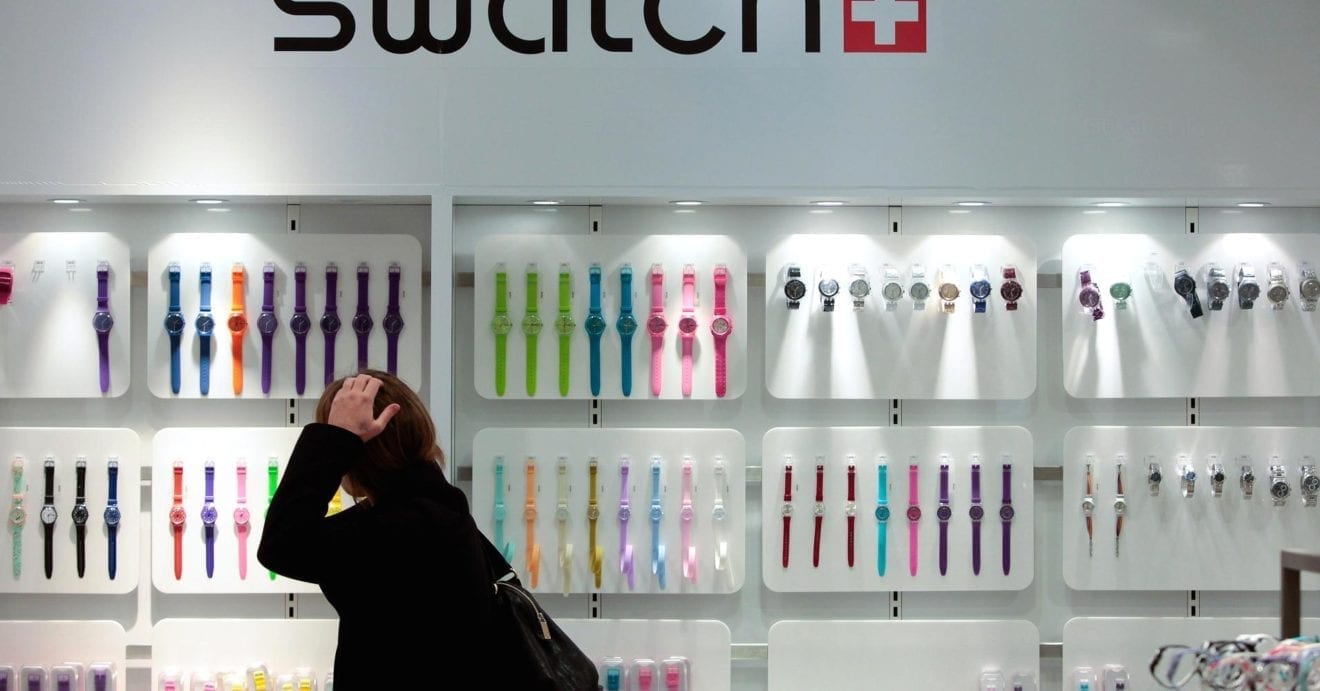
    Swatch Group has secured two prime Central stores at rental rates less than half the previous tenants were paying – evidence that retail rents in Hong Kong may not yet be levelling out as the market is being told.

    According to a report in the Hong Kong Economic Times (published in Chinese), Swatch is paying HK$1.4 million (US$179,300) per month to rent two shops covering some 4000sqft (372sqm) in the Central Building on Pedder Street.  That equates to HK$350 per square foot.

    The previous tenant was Hugo Boss, which the HKET says was paying about $3 million per month. That equates to a reduction of more than 53 per cent

    The rent stress has been brought about by the collapse of luxury watch and jewellery sales in Hong Kong over the last three years, as the Chinese government clamped down on gift-giving and cashed up mainlanders started travelling to Japan and Europe instead of Hong Kong, lured by favourable exchange rates.

    Pascal Martin, Partner, OC&C Strategy Consultants, describes the current rental environment as “a re-basing to a new reality”.

    “This year is an interesting year because it is three years after 2014, which marked the peak for Hong Kong retail rents. Rental contracts are often renewed after an initial period of three years, so we also see this year as the peak of “cut-down” in rent levels versus contracts signed in 2014.”

    While Hong Kong retail sales have started to regain ground this year, they are still well below the so-called Golden Era and many chains have trimmed back their store networks leaving retail landlords seeking new tenants from affordable luxury brands, fashion concepts and other categories. Those tenants have been attracted to high street locations by lower rents which make the locations more commercially viable.

    “Some would say that retail growth is back, but we think that it is at a level which is not comparable to what was experienced before 2014,” Martin told.

    While most major retail precincts have been affected by the trend, Central appears to be hardest hit. On Pedder Street, Abercrombie & Fitch’s former  25,600sqft flagship remains empty more than six months after the US fashion brand abandoned the HK$7 million (US$903,000) a month site, despite having to pay a reported US$16 million early termination fee.

    And in September 2015, Adidas took over a Coach store on Queen’s Road, paying 22 per cent less than Coach had.

    Mingtiandi reports that Hong Kong’s Puyi Optical is paying HK$600,000 per month to lease two basement units totalling 1285sqft in the same building as Swatch, a 60 per cent drop from the HK$1.5 million paid by the previous tenant, luxury phone brand Vertu.

    Martin says Forever 21 is another interesting example of the rental re-basing.

    “When Forever 21 set up its flagship store in 2011 in Causeway Bay, it was the golden period, where we saw approximately 30 million mainland tourists in 2011 with 20 to 30 per cent growth every year. Causeway Bay was – and is – one of the top locations for mainland tourists in terms of shopping. Therefore, the high rent Forever 21 was charged for that location was partially based on the significant growth potential in mainland tourists.

    “However, given the decrease over recent years, traffic – and therefore revenue – were not as expected and Forever 21 had to make the painful decision to close its Causeway Bay flagship store.”

    That space has been gutted in anticipation of lingerie brand Victoria’s Secret opening a flagship at the site. But work seems to have stopped, raising questions as to when the store will open. Given the current state of the site it would appear impossible the store will be trading by Christmas.

  • Alipay in-store volumes grew 700% during Golden Week

    Alipay in-store volumes grew 700% during Golden Week

    Alipay has revealed that overseas in-store payments on its platform increased 700% YoY during Golden Week 2017.

    Overall per capita spend increased by 50% to 1,301 yuan. Asia dominated the list of top-ten destinations in terms of transaction volume. The continent also observed its fastest growth in Alipay use from last year.

    In Asia, Hong Kong topped the list, followed by Thailand, Taiwan, Japan, the Republic of Korea, Macau, Malaysia, Singapore, Australia and New Zealand.

    In Singapore, transaction volumes increased by 30 times. Thailand saw six times the transaction volume of last year’s.

    In Japan, transaction volumes were 16 times that of last year’s figure, while in Hong Kong and Taiwan, volumes were 13 times the 2016 figure.

    In Australia, transaction volumes increased 20 times, while New Zealand saw a six-fold increase.

    Per-capita spending was much higher than average in destinations outside of Asia, particularly in Europe, where users spent an average of 3,150 yuan through Alipay.

    Switzerland posted the highest per-capita spend (36,298 yuan or $5,506) of any country or region, well over ten times the average for Europe as a whole.

    The U.S. and Canada (1,648 yuan) and Australia and New Zealand (1,415 yuan) were also above the global average (1,301 yuan).

    In Southeast Asia, Thailand (1,519 yuan) and Singapore (1,376 yuan) were above the global average (1,301 yuan). Malaysia (940 yuan) were below the global average as merchant types in the country varies from duty free stores to convenient stores and coffee shops.

    Per capita consumption in Singapore was 3.4 times from last year and Thailand’s was 2.4 times from last year. People are spending much more with Alipay in the region. Those born in the 1980s and 1990s accounted for 84% of all users.

  • Fiat Chrysler shares fall as it plans to curb production

    Fiat Chrysler shares fall as it plans to curb production

    Shares in Fiat Chrysler fell more than 5 percent on Thursday amid worries that problems in China were undercutting sales of flagship models such as the Maserati and Alfa Romeo sport utility vehicles.

    The shares fell after a trade publication, “Automotive News”, reported on Wednesday that FCA would temporarily cut production of the Maserati Levante SUV and the Alfa Romeo Stelvio SUV and Giulia sedan at plants in Italy, because new import rules in China were hurting sales.

    Fiat shares closed down 6 percent in Milan at 13.99 euros. The stock was also hit by weakness in the auto industry overall, after Nissan announced that it was suspending all car production in Japan.

    “The whole auto sector is under pressure today, but the market also seems to be digesting the impact the production shutdowns could have on FCA,” a trader said.

    Manufacturing of the Levante, which is essential to reviving sales at Maserati, was suspended for two weeks during October and November, unions said. The Mirafiori plant produces around 130 Levantes per day, they said.

    “This is the first time we have a shutdown at the Levante line since it came into production, so this is quite worrying,” said Federico Bellono, general secretary for the FIOM union in Fiat’s home town of Turin.

    FCA also reduced production of the Stelvio and the Giulia models, which were designed to revamp the Alfa Romeo brand, by making fewer vehicles per shift this month and halting lines on four Fridays. FCA declined to comment on the cuts.

    Deliveries of the Levante to Chinese dealerships dropped to 310 in July and just under 400 in August, compared with 1,064 in June, data from market researcher JATO Dynamics show.

    Stelvio deliveries were around 1,006 in June and 2,666 in July but fell to 227 in August. Sister model Giulia saw a similar crash in deliveries over the summer.

    The sales drop will make it difficult for FCA to reach its global goal of selling 60,000 Maseratis and 170,000 Alfas this year, said Felipe Munoz, an automotive analyst at JATO.

    Adding to the pressure were a slow sales start for Alfa Romeo in the United States, from which it had been absent for years, and growing competition for both brands in the popular premium segment.

    “The Stelvio SUV has done good so far, but it arrives ten years after the segment took off,” Munoz said.

    Levante, which helped Maserati increase sales by 90 percent in the first six months, “is perhaps the most beautiful of its segment, but it soon lagged behind its rivals in terms of technology when they were updated … The new Porsche Cayenne could be its biggest headache”, Munoz said.

    The analyst forecasts global sales this year of 130,000 to 140,000 for Alfa and 40,000 for Maserati.