Author: Mei Ling Tan

  • Cafe de Coral China closing east China stores

    Cafe de Coral China closing east China stores

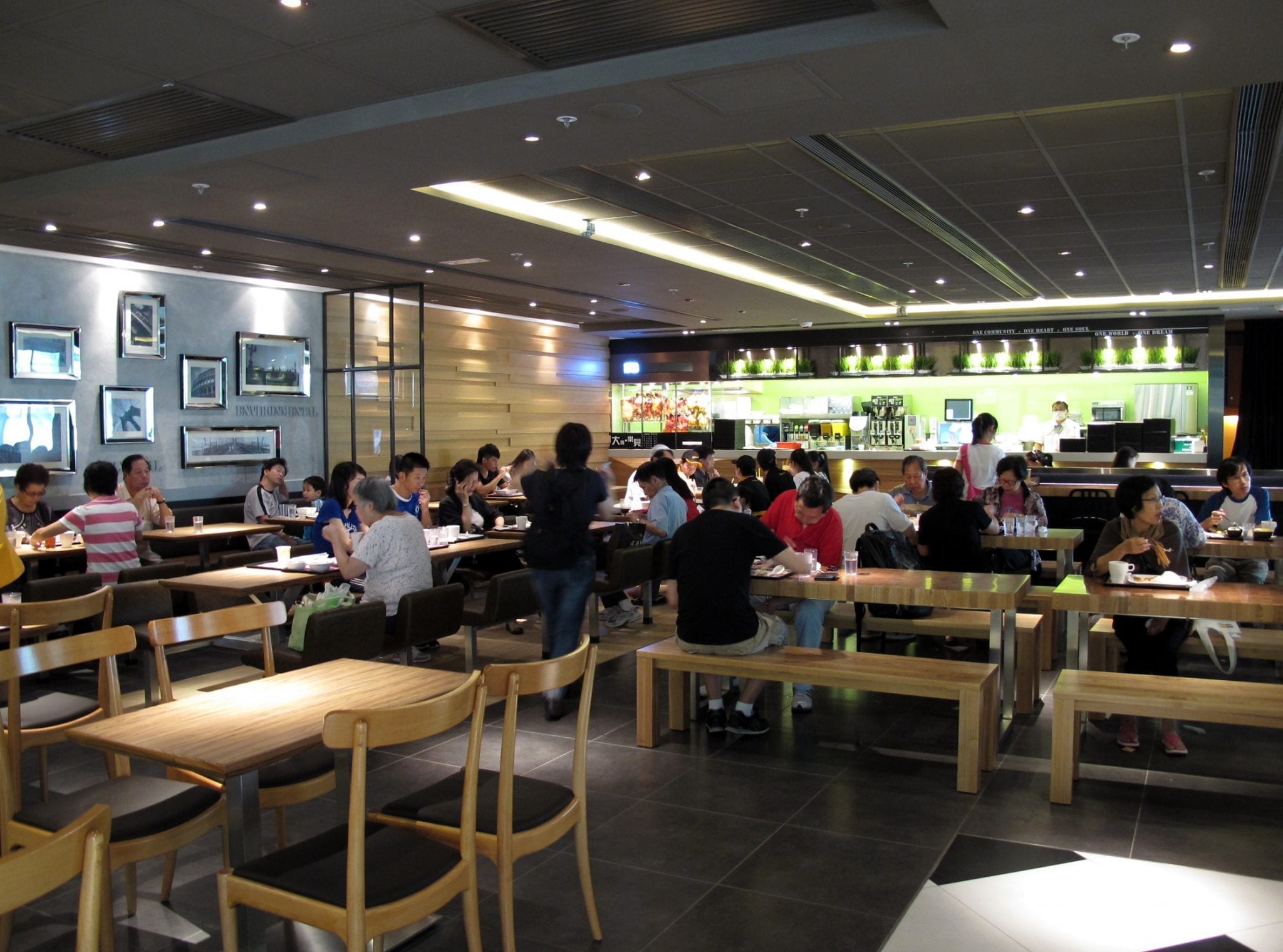
    Cafe de Coral China is closing its stores in the nation’s east to focus on the southern China market.

    With 359 restaurants in Hong Kong and 99 on the mainland, the Hong Kong fast-food chain announced on its official WeChat account that it is closing its restaurants in Nanjing, Shanghai and Wuxi this month. It advised customers to cancel their membership and obtain a refund.

    A spokesperson says the closures are temporary and a “short-term strategic adjustment” to put a focus on business in the south. “We are performing well in the southern China market, and generally in Mainland China we are achieving positive growth,” she says.

    In its annual report in March, the company said competition was likely to remain keen in Mainland China, but it was optimistic about the prospects in the country because of its “long history and strong foundation”. Mainland same-store sales growth had been satisfactory and profit margin had improved.

    The report said the company would build its brand presence in strategic locations in Southern China, increase brand penetration in second- and third-tier cities, enhance brand loyalty and win over new customers.

    Highly competitive

    Cafe de Coral works in a highly competitive segment, says OC&C Strategy Consultants partner Pascal Martin. “You can find similar dishes in street shops at very low prices in China. This is different from western fast-food chains which do not have to compete so much with low-priced local equivalents.”

    He suggests the chain might need to adjust its flavours to accommodate tastes for various regions in China, which all have different preferences.

    Martin also says the Cafe de Coral model also requires expensive space, and consumer habits are changing with the growth of online ordering and take-out. “Maybe the chain’s new strategy will take this into account more fully.”

    Another issue he raises is that the brand may not have much power in China yet. “Insufficient investment in marketing – particularly online marketing in China – and lack of brand recognition may not have achieved the level of traffic needed to run the restaurants successfully.”

    OC&C research last year into the foodservice landscape in China noted that consumers eat out almost three times a week on average, and are becoming more sophisticated amid increased awareness and openness toward international brands. Its report found that Chinese consumers actively seek out new restaurants and are receptive to new formats and concepts.

    “Moreover, food quality, a wide choice of categories and service quality came up as the three critical factors, while serving speed, convenience and pricing were rated less important.”
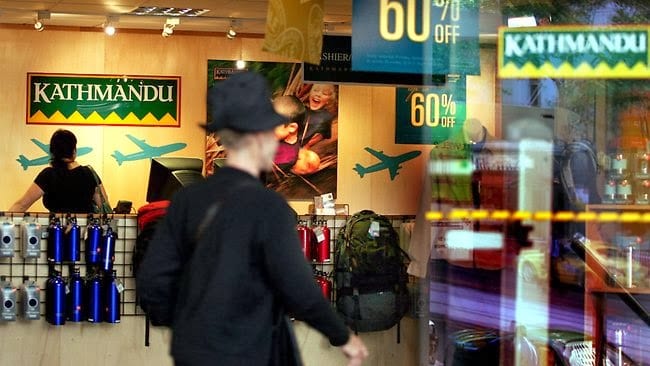

  • Kathmandu smashes sustainability targets

    Kathmandu smashes sustainability targets

    Travel and outdoor apparel retailer Kathmandu has exceeded several sustainability targets in its latest report, also calling for industry-wide change in the adoption of driving sustainable innovations.

    In 2017 alone, Kathmandu recycled 3.9 million plastic bottles into gear, a three-fold increase on 2016 and outperforming its own 2017 target by 1.4 million. It also increased its use of sustainable cotton from 59 per cent in 2016, to 74 per cent in 2017, and is on track to achieve 100 per cent sourcing of sustainable cotton within three years.

    Kathmandu said its top priority in sustainability has been aligning with the Fair Labor Association to ensure global best practice in monitoring and improving worker’s rights in the supply chain. This work was acknowledged in 2017 with a B+ rating in the Ethical Fashion Report released in April, one of the highest rankings for a New Zealand based business.

    At a manufacturing level, Kathmandu has reduced fresh water usage by 4.25 million litres in 2017 by introducing Recycolor cotton to its fabric mix. Made from cotton scraps gathered from factory floors and cutting tables, Recycolor cotton uses 70 per cent less water than traditional cotton.

    Tim Loftus, marketing manager global brand at Kathmandu told that sustainability is about driving innovation, efficiency, team member engagement and customer loyalty.

    “Certainly cost savings come from striving to become a more efficient business, but more importantly there is unprecedented value created by challenging the status quo and addressing the social, economic and environmental issues of our industry,” he said.

    Loftus said collaboration is key when it comes to trying to realising sustainability objectives.

    “The large scale challenges associated with becoming a more sustainable business are shared by all businesses across the industry,” he said.

    “Industry-wide collaboration is an unstoppable force, working together with competitors and suppliers we have a far more substantial impact. We need our industry to throw their collective support around sustainability to drive real and lasting change.”

    Kathmandu’s sustainability work now spans across all functions of the business, including managing working conditions in factories, sourcing sustainable and ethically produced materials, eliminating restricted chemicals, reducing waste, and educating our staff at all levels.

    “Sustainability is not a department in our business, it is in the DNA of our business and is central to our brand,” affirmed Loftus.

    Kathmandu has also signed a partnership agreement with Bluesign®, an independent chemical auditor which helps factories select chemicals which are safe to use, eliminate ‘black’ chemicals which are unsafe, and put in place best practice management strategies for those rated ‘silver’, or classified as usable with good management.

    In distribution, Kathmandu opened a new custom built 5 Green Star, 25,000 square metre distribution centre in Melbourne, Australia this year, which is the company’s third 5 Green Star Rated building and has been future-proofed with innovations in water use, energy and emissions.

    Kathmandu continued its ‘war on waste’ in-store by increasing its recycling rate to 72.8 per cent, and is working more closely with landlords to increase recycling of soft plastics in shopping centres.

  • Gift cards often end up in the bin, but extending their life might not help

    Gift cards often end up in the bin, but extending their life might not help

    The New South Wales Parliament is introducing legislation, creating a three year minimum expiry date on gift cards. This reform will go some ways towards solving the problem of unredeemed gift cards. But there are other issues besides short expiry dates.

    Research from the United States, which has a five year minimum expiry date, shows an extended expiry term only slightly improves the problem of unredeemed cards.

    Minimum expiry dates are just the start of necessary reforms to gift cards. Gift card terms and conditions vary widely, making it hard for consumers to understand what their rights and obligations are.

    Data shows that between 10 per cent and 27 per cent of gift cards in Australia go unredeemed.

    The use of gift cards in Australia is growing, with about A$2 billion spent and 32 million cards issued in 2014 alone.

    But complaints about gift cards are also increasing. So much so that gift cards have featured in two government inquiries in the last five years.

    The first was prompted by growing concerns regarding risks faced by gift card holders. The second arose from the failure of Dick Smith Electronics.

    Expiry dates aren’t a panacea

    Expiry dates are usually clearly identified on the gift card but some online terms and conditions do not specify the term. Enforcing a fixed term would be beneficial to consumers in this regard.

    But one government inquiry found no strong evidence that consumers would be assisted by a mandatory minimum expiry date for gift cards.

    In fact, it’s possible gift cards with shorter expiry dates have higher redemption rates. The shorter time frame forces customers to use the cards fast, meaning customers are less likely to lose or forget to use the cards.

    Furthermore, extending the expiry date increases administration issues and costs for retailers. Some stores even face difficulty in carrying liabilities from the gift cards for an extended period of time. For this reason the United States allows “dormancy fees” to be levied if cards have not been used for an extended period of time, like 12 or 15 months.

    Other issues with gift cards

    In addition to expiry dates, common problems with gift cards arise from the terms and conditions and the inability to use gift cards when the retailer becomes insolvent. This last point was particularly evident in the wake of the collapse of Dick Smith Electronics.

    Longer expiry dates will not stop consumers losing out if a retailer becomes insolvent. Gift card holders are unsecured creditors and in the event of insolvency there is very little to stop the holder from losing the value of their card.

    Redeeming a gift card quickly is the only means of minimising this risk, something a longer expiry date will not necessarily encourage.

    In the course of research I am currently undertaking, I have also found issues with a wide range of gift card terms and conditions.

    For instance, some cards allow partial redemption, but not refunds or cash reimbursements, even for small balances remaining on the card after redemption.

    Some terms and conditions specify limits on the use of the gift card. For example, the card must be used in store, but not online. Consumers unaware of these limitations may be unpleasantly surprised when their gift card is unable to be used.

    Some retailers offer replacement of lost or stolen gift cards provided proof of purchase or card identification number is available. When the holder of a gift card is not the original purchaser this may be problematic. If you do purchase a gift card as a present, you probably should either keep the receipt or pass it on to the receiver along with the gift card.

    Consumers should also be aware that many retailers include a clause reserving the right to vary terms and conditions at their discretion. So the terms and conditions that applied when you purchased or received the gift card may not be the same as when you go to redeem it.

    Regulating expiry dates is one step towards attempting to have consistency between gift cards, but could also cause more confusion if expiry dates are different in various states of Australia.

    Ultimately regulation will not replace ensuring gift card holders understand all terms and conditions of individual gift cards. Protect yourself by making sure you know what you can, and can’t, do with any gift card you have.

  • FamilyMart Taiwan deploys e-wallet

    FamilyMart Taiwan deploys e-wallet

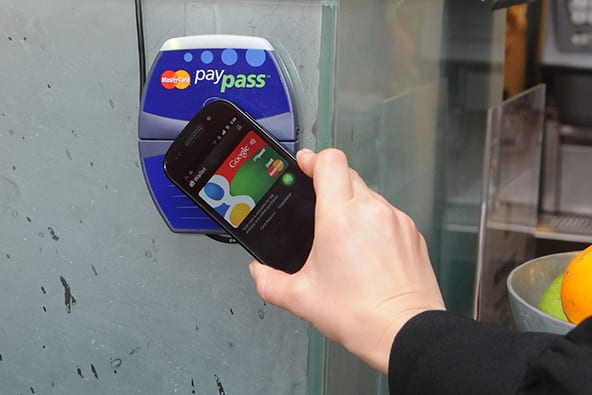
    FamilyMart Taiwan has launched an e-wallet known as “My FamiPay”.

    The application, launched in collaboration with Cathay United Bank (CUB) and Soft Space, integrates debit/prepaid/credit cards and other various stored value cards to facilitate in-store purchases and utility bill payments.

    Loyalty points can be seamlessly collected and used to redeem or make payments at the counter. Furthermore, the application accepts transactions from over 21 non-cash payment providers via barcode scanning.

    The application will also support pre- order purchases offered exclusively to FamilyMart customers.

    According to eMarketer, Taiwan is the most mobile country in the world with 73.4% of Taiwan’s population using smartphones.

    By using Soft Space’s e-wallet, CUB aims to offer tailored financial and digital services, while FamilyMart Taiwan’s members can benefit from CUB’s extensive client list.

    Soft Space also plans to offer analysis services for FamilyMart Taiwan and CUB to embark on big data analytics.

    Further plans include making the “MyFamiPay” app available to a third party payment processor that allows business owners to accept money online seamlessly.

  • Alibaba Cloud teams up with Red Hat

    Alibaba Cloud teams up with Red Hat

    Alibaba Cloud and Red Hat are joining forces to bring Red Hat’s open source solutions to Alibaba Cloud’s customers around the globe.

    Alibaba Cloud is now part of the Red Hat Certified Cloud and Service Provider program, joining a group of technology industry leaders who offer Red Hat-tested and validated solutions that extend the functionality of Red Hat’s broad portfolio of open source cloud solutions.

    The partnership extends the reach of Red Hat’s offerings across the top public clouds globally, providing a scalable destination for cloud computing and reiterating Red Hat’s commitment to providing greater choice in the cloud.

    In the coming months, Red Hat solutions will be available directly to Alibaba Cloud customers, enabling them to take advantage of the full value of Red Hat’s broad portfolio of open source cloud solutions. Alibaba Cloud intends to offer Red Hat Enterprise Linux in a pay-as-you-go model in the Alibaba Cloud Marketplace.

    Launched in 2009, the Red Hat Certified Cloud and Service Provider Program is designed to assemble the solutions cloud providers need to plan, build, manage and offer hosted cloud solutions and Red Hat technologies to customers.

    The Certified Cloud Provider designation is awarded to Red Hat partners following validation by Red Hat. Each provider meets testing and certification requirements to demonstrate that they can deliver a safe, scalable, supported and consistent environment for enterprise cloud deployments.

    In the coming months, Red Hat customers will also be able to move eligible, unused Red Hat subscriptions from their data center to Alibaba Cloud. Red Hat Cloud Access is an innovative “bring-your-own-subscription” offering that enables customers to move eligible Red Hat subscriptions from on-premise to public clouds.

  • ZTE profit grew 36.6% in 9M17

    ZTE profit grew 36.6% in 9M17

    ZTE has revealed it expects to report a solid 36.6% growth in net profit for the first nine months of 2017, with its results bolstered by growth in its carrier networks and consumer businesses.

    The Chinese vendor has published preliminary results [PDF] estimating a net profit for the nine month period of 3.9 billion yuan ($589.1 million).

    Operating revenue grew an estimated 7% over the same period to 76.58 billion yuan, while operating profit surged 455.1% to 5.28 billion yuan. Gross profit margins are expected to have been stable at 31.64%.

    The bottom line was also aided by pre-tax investment income of around 426 million yuan related to the sale of 10.1% of mobile phone subsidiary Nubia Technology, as well as 1.75 billion yuan in investment income from its remaining 49.9% stake in the venture.

    For the full year, ZTE is anticipating a net profit of between 4.3 billion and 4.8 billion. This would be a significant turnaround from the 23.57 billion yuan loss recorded in 2016, which was the result of a $892.3 million settlement agreement  with the US government.

    ZTE paid the penalty to settle an investigation over allegations that the company shipped telecoms equipment containing US components to Iran, in contravention of US trade sanctions on the nation.

  • Telkomsel wins 2.3-GHz spectrum auction

    Telkomsel wins 2.3-GHz spectrum auction

    Indonesian state-owned mobile operator Telkomsel has emerged as the winner of an auction for 30 MHz of 2.3-GHz spectrum with a bid of 1 trillion rupiah ($73.9 million).

    The company beat out four other operators, including XL Axiata and Indosat, to secure the spectrum.

    Telkomsel will need to pay an upfront fee of double its bidding price – 2 trillion rupiah – within 10 days as well as an annual license fee.

    With the acquisition of the additional spectrum Telkomsel is expected to be in a position to expand its network capacity by 30%, the report states.

    Telkomsel is Indonesia’s dominant mobile operator with 178 million subscribers and 150,000 base stations across the nation. It is the mobile subsidiary of state-owned operator PT Telkom.

    Under government regulations Telkomsel will now be unable to bid during the next spectrum auction, scheduled to commence next week.  Indosat, XL Axiata and Hutchison 3 Indonesia are expected to participate in the auction for two blocks of 2.1-GHz spectrum.

  • Why Bitcoin Traders are Moving From China to Japan; Better Regulations

    Why Bitcoin Traders are Moving From China to Japan; Better Regulations

    This article was posted on Thursday, 21:10, UTC.

    It has been less than two weeks since the nationwide ban on Chinese bitcoin exchange ban was finalized and already, bitcoin traders in the Chinese market are already moving to Japan.

    OKCoin and Huobi, two of the largest bitcoin exchanges in China that have been responsible for around 75 percent of bitcoin trades in the Chinese market, were given leeway by local financial regulators to operate until the end of October. That means, Chinese traders have at least a month to close their accounts, move their funds and search for other ways to trade bitcoin.

    But, almost immediately after leading bitcoin exchanges in China announced their plans to halt their operations in the upcoming weeks, Chinese traders migrated to neighboring markets in Asia: Japan and South Korea.

    Prior to the imposition of a nationwide ban on Chinese exchanges, the Chinese bitcoin exchange market accounted for around 10 to 13 percent of global bitcoin trades. At the time of reporting, South Korea has overtaken the Chinese market in terms of bitcoin trading volume, becoming the third largest bitcoin exchange market in the world and evolving into a powerhouse within the global cryptocurrency sector.


    Today, the Chinese bitcoin exchange market accounts for less than 5 percent of global bitcoin trades and in four weeks time, China’s bitcoin exchange market will have no trading activity at all.

    Despite the short-term impact of China’s crackdown on bitcoin exchanges, many experts including billionaire early-stage investor Tim Draper have viewed the exit of the Chinese market from the global bitcoin exchange market as a positive event, mostly because the Chinese government does not have any leverage to work with to potentially manipulate the bitcoin market or lower the value and the market cap of bitcoin.

    Essentially, the Chinese government has used the last card in the deck in imposing a nationwide ban on bitcoin trading platforms and it has finally run out of leverage against the global bitcoin market. That provides a positive precedent and future for bitcoin price development and long-term health of the bitcoin market. In months ahead, the bitcoin market will demonstrate increased stability and distribution. As Draper noted:

    “The deadwood of the Bitcoin ecosystem is leaving now. Our faith in the crypto economy will be well rewarded.”

    More importantly, it is beneficial for the long-term health of the global bitcoin market that trading volumes from China are moving to Japan and South Korea, two countries that have the most practical and efficient regulatory frameworks for both bitcoin investors and businesses. Earlier this year, the Japanese government fully eliminated double taxation on bitcoin and legalized bitcoin as a payment method. Deloitte’s annual tax report read:

    “The supply of virtual currency will be exempt from Japanese Consumption Tax (“JCT”). Currently, virtual currencies such as Bitcoin do not fall under the category of exempt sales, and as a result, the sale of virtual currencies in Japan have been treated as taxable for JCT purposes. Following the enactment of the amended Fund Settlement Law in May 2016, which newly defined “virtual currency” as a means of settlement, the sale of virtual currency as defined under the new Fund Settlement Law will be exempt from JCT. This change will apply to sales/purchase transactions performed in Japan on or after 1 July 2017.”

    Consequently, large-scale multi-billion dollar technology and financial conglomerates have emerged in the Japanese bitcoin exchange market and industry. GMO, a major Japanese technology company, has already launched a trading platform for institutional investor and established a manufacturing line to create bitcoin ASIC miners and other mining equipment.

    In the upcoming months, an increasing number of institutional investors and retail traders in Japan and South Korea will drive the price of bitcoin to all-time highs. Bitcoin trading volumes and market cap will likely be high than ever before, all due to the swift recovery of the global bitcoin market and the exit of an unstable bitcoin exchange market.

  • AirAsia flight returns to Perth after mid-air scare

    AirAsia flight returns to Perth after mid-air scare

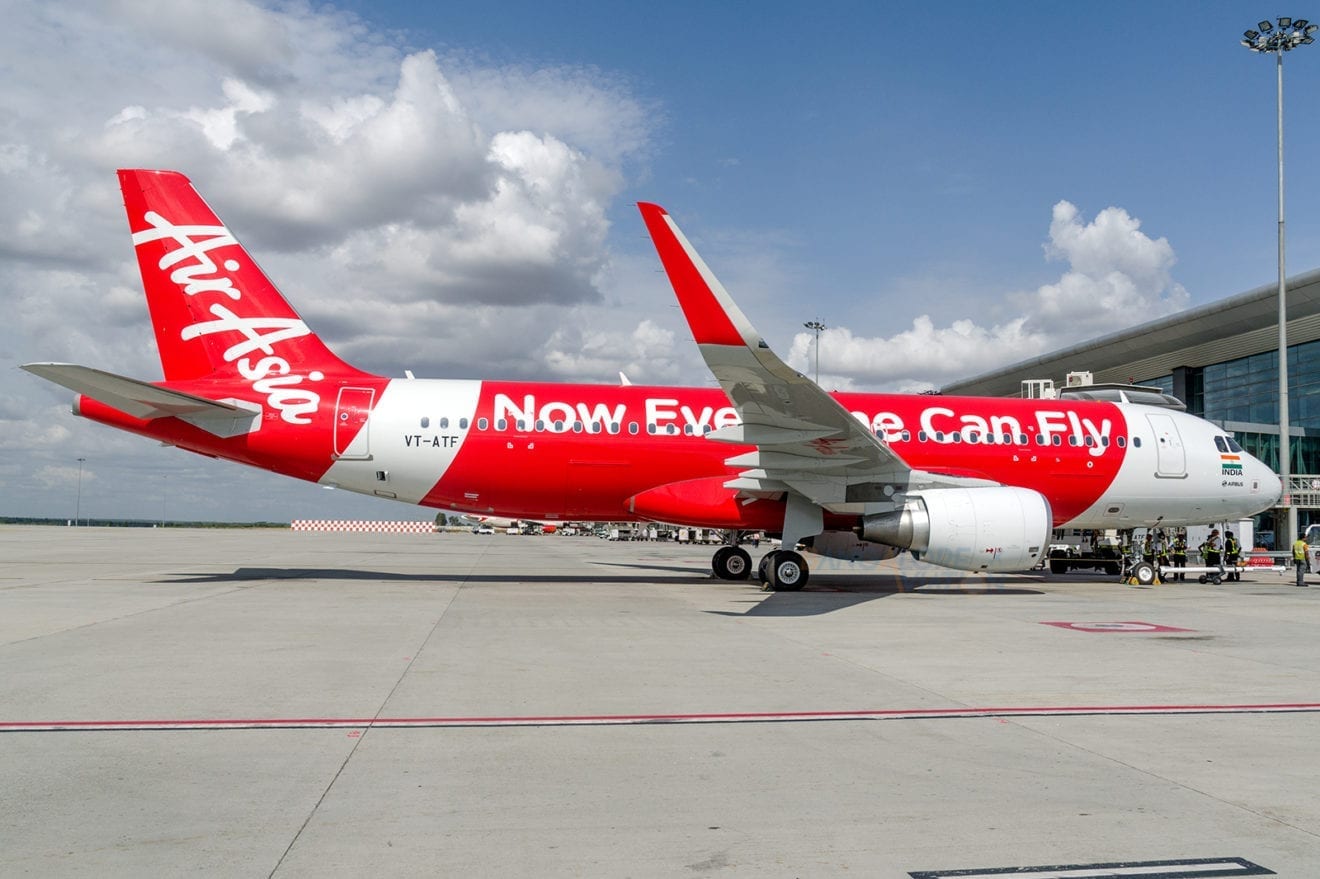
    An AirAsia Indonesia flight has been forced to turn back to Australia after pilots were alerted to a possible loss of cabin pressure, airport officials say. Flight QZ535, bound for the Indonesian island of Bali, changed course about 25 minutes after take-off on Sunday.

    The Airbus A320, carrying 151 people, landed safely at Perth Airport. AirAsia said the flight experienced a “technical issue”. Australian media said it had appeared to lose altitude.

    “We were all pretty much saying goodbye to each other. It was really upsetting,” one passenger told the local Nine network.

    A video taken on the plane, broadcast by local media, shows oxygen masks hanging from the ceiling and one person shouting “passengers get down, passengers get down”.

    Another passenger, Claire Askew, told that “panic was escalated” by airline staff who were screaming and appeared to be in tears.

    In a statement, AirAsia said it was “fully committed” to the safety of passengers. It did not elaborate on the problem.

    “AirAsia apologises to passengers for any inconvenience caused,” the statement said.

    In June, an AirAsia X flight on its way to Bali was also forced to turn back to Perth after an engine problem left it “shaking like a washing machine”.

    In December 2014, an AirAsia plane crashed into the Java Sea, killing all 162 people on board after the aircraft’s rudder control system malfunctioned during the flight.

  • Chope funding round secures $18 million

    Chope funding round secures $18 million

    Restaurant-booking app Chope has secured S$18 million from multiple investors.

    Led by venture capital firm Square Peg Capital, the investors in the funding round include Moelis Australia, NSI Ventures and SPH Ventures.

    Chope CEO Arrif Ziaudeen says the funds will be used to improve product, increase staff numbers and enhance customer support. The Singapore-based company will also “invest heavily in further innovations” while deepening its reach into its markets across Asia.

    “Chope offers a compelling service to both restaurants and diners,” says Square Peg partner Tushar Roy.

  • Royal Enfield motorcycles roar into Vietnam

    Royal Enfield motorcycles roar into Vietnam

    Royal Enfield motorcycles have landed in Vietnam with a flagship store in Ho Chi Minh City.

    The Indian company is focussing on expanding in South Asia, and Vietnam is the world’s fourth-largest two-wheeler market. Royal Enfield’s official dealer for Vietnam, Al Naboodah International (VN), has opened the store in Saigon Paragon in the city’s District 7.

    Initially three models will be available, the Bullet 500, Classic 500 and Continental GT 535. The company is focussed on expanding its mid-sized motorcycle segment (250cc to 750cc) internationally.

    “Vietnam has a large population that is young and commutes on two-wheelers,” says Royal Enfield president Rudratej Singh.

    Royal Enfield also has presence in Indonesia with two exclusive stores in Jakarta and an outlet in Bali. It has also set up the first Royal Enfield gear store outside India in Jakarta.

    There is also a store in Bangkok.

  • Lotte sells Burger King Japan to Affinity Equity

    Lotte sells Burger King Japan to Affinity Equity

    Affinity Equity Partners of Hong Kong has bought Burger King’s Japanese business from South Korea’s Lotte Group for an undisclosed sum.

    A new entity set up by Affinity, Burger King Japan Holdings, is expected to take over the roughly 100 fast-food outlets next month, reports Nikkei Asian Review.

    The US burger chain had pulled out of Japan in 2001 following poor earnings, but re-entered the market in 2007 when Lotte and Japan-based Revamp bought the franchise and ran it as Burger King Japan. Three years later the business was transferred to Lotte subsidiary Lotteria.

    Meanwhile, rival McDonald’s has maintained leadership in the market despite a slowdown and store closures in the past few years, pushing Burger King to seek a new approach.

    Affinity bought the Burger King South Korean franchise last year from VIG Partners for US$170 million. Meanwhile, Affinity is raising $5 billion for its fifth fund, which exceeds its $3.8 billion fund in 2013.

  • Matsumoto Kiyoshi finds partner for Taiwan

    Matsumoto Kiyoshi finds partner for Taiwan

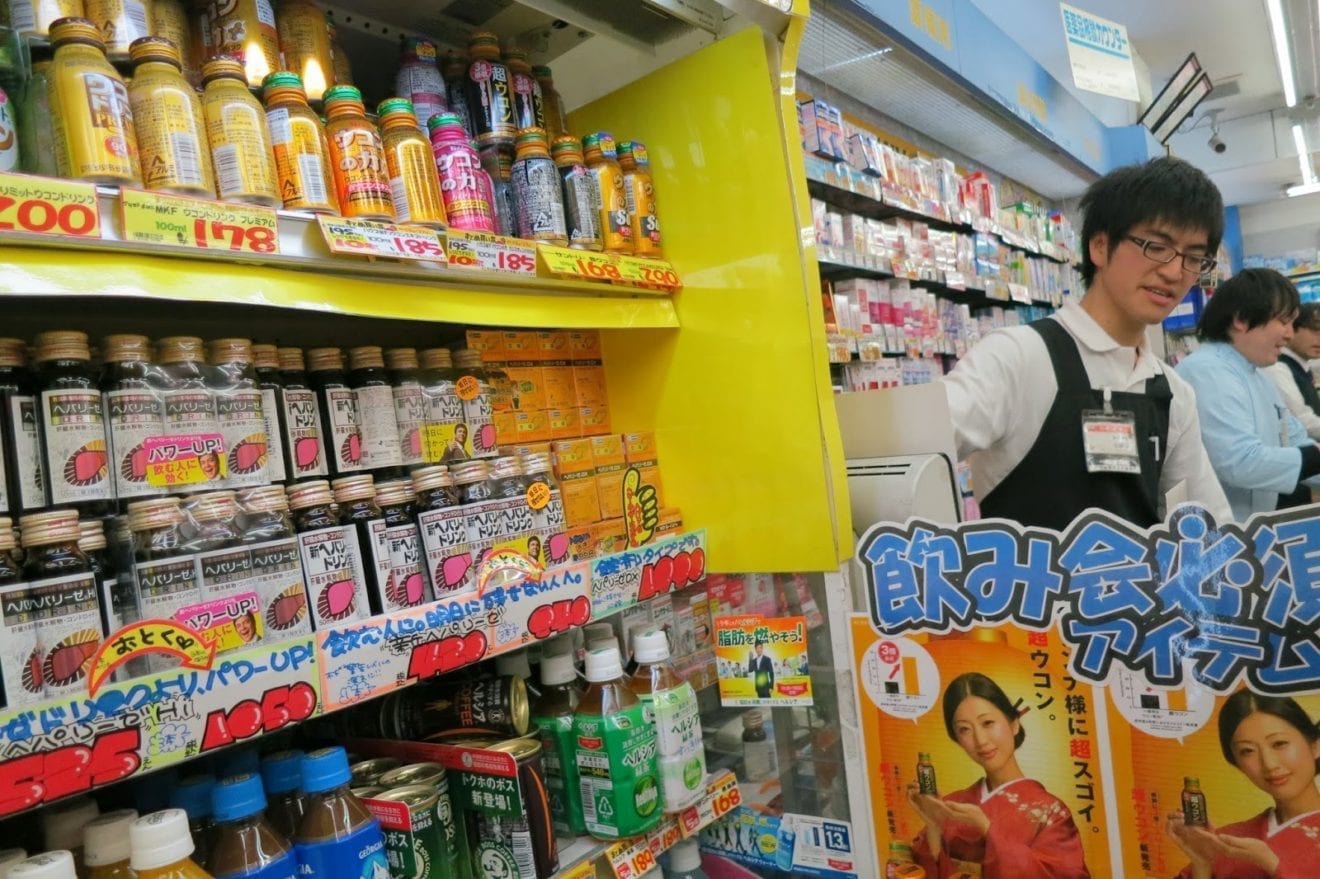
    Japanese drug and cosmetics store chain company Matsumoto Kiyoshi has taken a step toward entering the Taiwan market.

    President Kiyoo Matsumoto has signed a memorandum of understanding with Tai Lung Capital chairman Huang Chiao-chang for the two companies to co-operate on the venture.

    Matsumoto Kiyoshi opened its first overseas outlet in Thailand in 2015 and now had 12 stores there.

    Matsumoto says Taiwan will become the company’s second overseas investment destination.

    “Japan is a favourite destination for Taiwanese travellers, and many of them like shopping in the drug and cosmetics store chains there,” he says.

    Huang says Tai Lung has devoted itself for a long time to enhancing economic and cultural exchanges between the two countries. It already distributes Japanese ice cream brand Meiji in Taiwan and jointly runs a miscellaneous goods chain, Hands Tailung.

    Established in 1932, Matsumoto Kiyoshi manages more than 1500 stores around Japan.

  • Star Telecom expands retail to underserved markets

    Star Telecom expands retail to underserved markets

    Filipino tech company Star Telecom Alliance Resources, the group behind Starmobile, is expanding its retail distribution to include sari-sari stores and loading stations.

    For its initial phase, just launched, Starmobile feature phones have been made available in more than 20 sari-sari stores and loading stations in Metro Manila, Cagayan De Oro and Zamboanga. This business strategy extends the company’s sales touchpoints beyond branded stores and kiosks, multi-brand vendors, its own online shop, partner e-commerce websites, and even convenience stores.

    With more than a million sari-sari stores in neighborhoods all over the Philippines, the move will enable the company to penetrate underserved markets, especially in the provinces. It also aligns with Starmobile’s objective of democratizing technology, says sales and marketing head Gerardo Balderrama.

    Prizes are being offered for customers as part of the company’s STAR-Tagal campaign.

  • Kerry Logistics Awarded Frost & Sullivan’s Asia Pacific Regional E-Commerce Logistics Service Provider of the Year

    Kerry Logistics Awarded Frost & Sullivan’s Asia Pacific Regional E-Commerce Logistics Service Provider of the Year

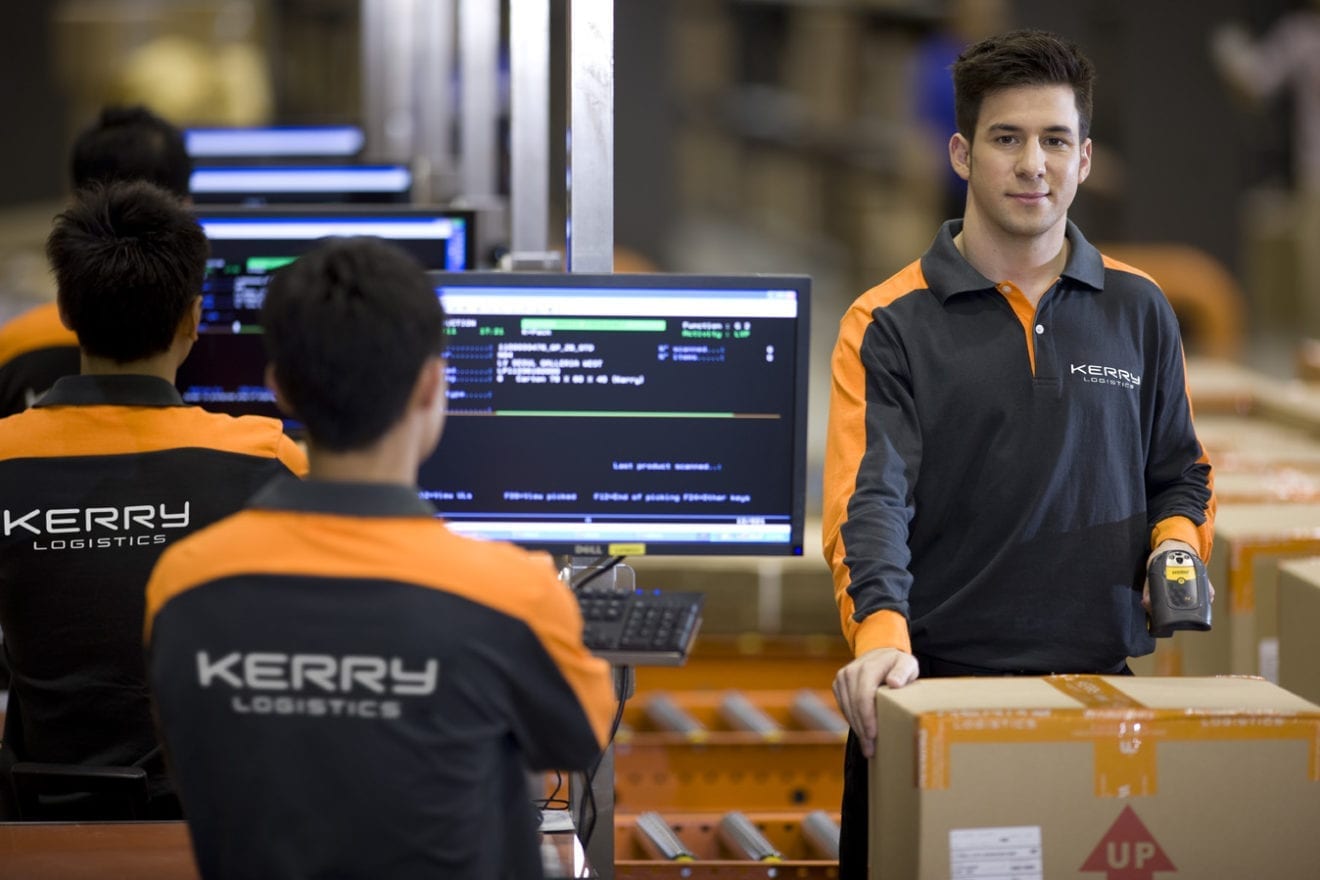
    Kerry Logistics is pleased to announce that its subsidiary, Kerry Express, has been named the Asia Pacific Regional E-Commerce Logistics Service Provider of the Year at the 2017 Frost & Sullivan Asia Pacific Best Practices Awards (‘the Awards’).

    Organised annually by global business consulting firm Frost & Sullivan, the Awards recognise best-in-class companies in the Asia Pacific for their outstanding achievements and performance in areas such as leadership, technological innovation, customer service, and strategic product development. The results were measured by industry analysts through in-depth interviews, analysis, and extensive secondary research to identify the best practices in each field. The selection of award recipients was based on a set of parameters including revenue growth, market share, leadership, and business strategy.

    “We are delighted to earn such a prestigious honour from Frost & Sullivan for our express operation,” said Alex Ng, Executive Director of Kerry Express. “We wish to thank Frost & Sullivan and the industry analysts for the recognition, and our express team for their hard work and support. The accolade is a testament to our dedication in providing reliable and cost-effective B2C/ C2C e-commerce solutions to some of the biggest e-retailers and small sellers on social media in the region. Leveraging the booming e-commerce and cross-border activities in Asia and across the globe, we will continue to focus on bringing innovative and flexible e-fulfilment solutions to our customers.”

    Kerry Logistics’ expansive express network covers Hong Kong, Taiwan, Thailand, Vietnam, Malaysia, and Cambodia. To further strengthen its service capability and coverage, Kerry Logistics formed a joint venture in 2017 Q2 with a local express operator in Indonesia to tap into the booming local express market. Singapore will be the next target for expansion.