Author: Mei Ling Tan

  • Google store visits measurement comes to Singapore

    Google store visits measurement comes to Singapore

    A study by Google and Temasek revealed that 6.7% of all retail sales is expected to be done via e-commerce channels by 2025. What is significant about this data is that offline or storefront sales will continue to dominate retail sales for a foreseeable future.

    At the same time, retailers recognize the importance of smartphone as a channel for engaging customers. According to Hootsuite-wearesocial data, there are 8.44 million mobile subscribers in a city with a population of 5.74 million. The Infocomm Media Development Authority (IMDA) pegs wireless broadband penetration at 206.7% as of June 2017.

    According to eMarketer, Google and Facebook dominate the digital advertising space accounting for over 60% of ad spending. Both have developed solutions to allow advertisers to measure conversion that happen offline.

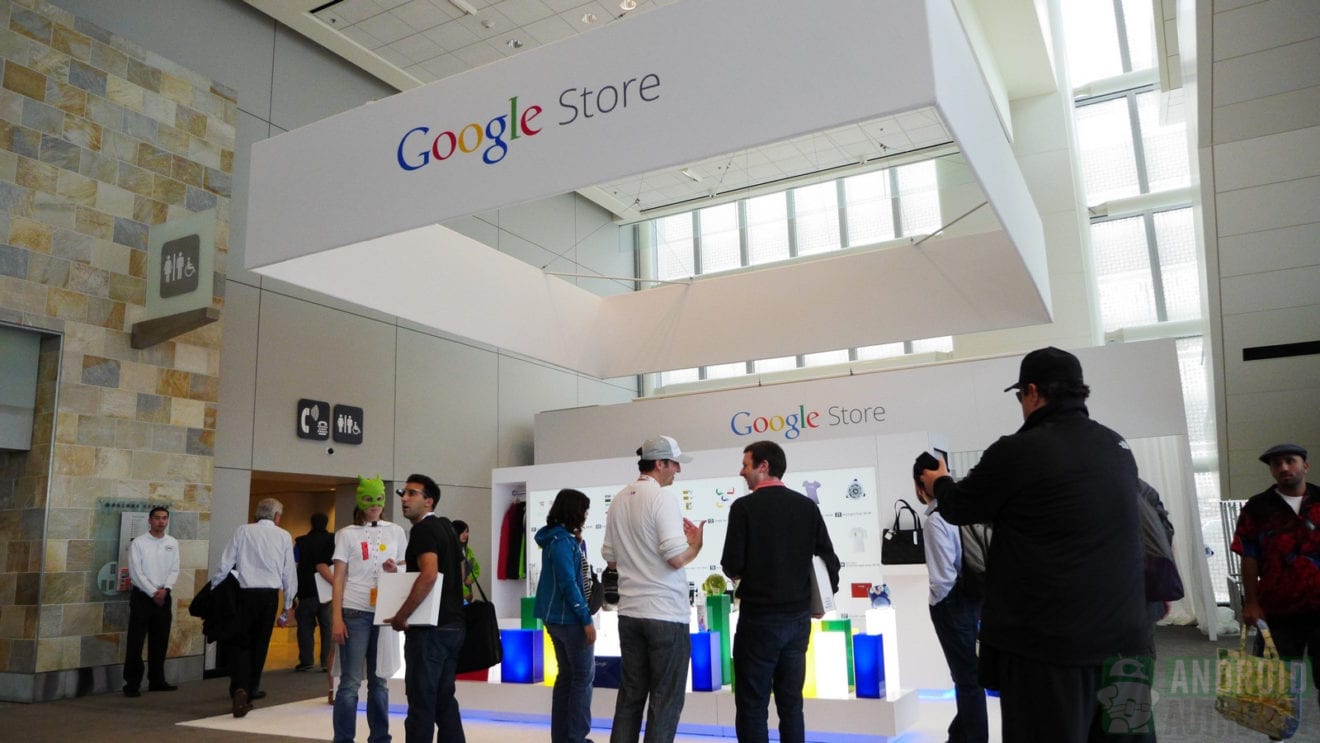
    This September, Singapore has become only the third country in Asia Pacific, after Japan and Australia, to have available Google’s store visits measurement, a technology designed to help businesses understand the offline effects of their online advertising campaigns.

    When people are trying to find a local business, they often turn to Google for help. According to Google nearly one-third of all mobile searches are related to location. To help consumers decide where to go, marketers are using innovations like location extensions and local inventory ads to promote nearby stores.

    Store visits measurement was first introduced in 2014 to give advertisers deeper insight into consumer journeys that start online and end in a physical business location. Google claims that in a span of three years advertisers around the world have measured over 5 billion store visits using AdWords.

    Google has combined its mapping and proprietary machine learning technology to help businesses measure store visits with the highest degree of precision and accuracy. Store visits are calculated based on aggregated and anonymized data from users who opt in to activate Location History.

    Store visits measurement is currently available for Search, Shopping and Display campaigns. Soon, this technology will also be available for YouTube TrueView campaigns to help retailers measure the impact of video ads on foot traffic to physical stores.

    Stephanie Davis, Country Director, Google Singapore said, ‘Bridging the gap between the online and offline worlds is a crucial step for retailers to understand the full value of their digital investments. But it’s not an easy task. Starting from today, businesses in Singapore can use Google’s industry-leading technology to accurately measure the impact of their online advertising campaigns on in-store sales.’

    In an exclusive interview with Retail Tech Innovation (see video below), Leonie Valentine, managing director, sales and operation for Google Hong Kong says there is not enough of a joined up view of how they can use analytics and data in retailers’ businesses.

    She acknowledges that retailers desire to know more about how customers are searching for products in stores, but there remains a limited organizational capability to be able to find all that data about their customers, make sense of it and interrogate it.

  • Starting coffee shops gains popularity among young people

    Starting coffee shops gains popularity among young people

    Opening a coffee shop is one of the most popular businesses being pursued by young South Koreans in recent years, data showed, in a sign of growing coffee consumption in the Northeast Asian country.

    The number of coffee shops run by people aged between 15 and 34 stood at 5,000 last year, compared to 2,000 in 2011, according to data compiled by the National Tax Service.

    The data underscores the growing popularity of coffee among South Koreans. In 2016, South Koreans drank 377 cups of coffee per person on average.

    The rate coffee consumption for South Koreans over 20, has grown by an annual rate of 7 percent since 2012, according to the Ministry of Agriculture, Food and Rural Affairs and the Korea Agro-Fisheries & Food Trade Corp.

    The size of the domestic coffee market reached 6.4 trillion won (US$5.68 billion) as of the end of 2016, up 30.6 percent from the 4.9 trillion won tallied in 2014.

    Last year, the number of businesses started by people aged between 15 and 34 came to 226,000, down 2,400 from 2011, according to data compiled by the NTS.

    Among them, the number of businesses started by young men stood at 128,000 and the rest were set up by young women.

    The data showed that the most favored business among young people was selling goods online without offline retail shops. The number of online retail shops run by young people came to 37,000 last year, up 17 percent from 2011.

  • Supreme to become the coolest streetwear brand

    Supreme to become the coolest streetwear brand

    It was 1994, when James Jebbia opened the doors to his Supreme skate store on Lafayette Street in downtown Manhattan, in its own way also an incredible NY moment.

    Without realizing it, Jebbia managed to bottle the energy of the city and the style of the streets with his skate and fashion brand.

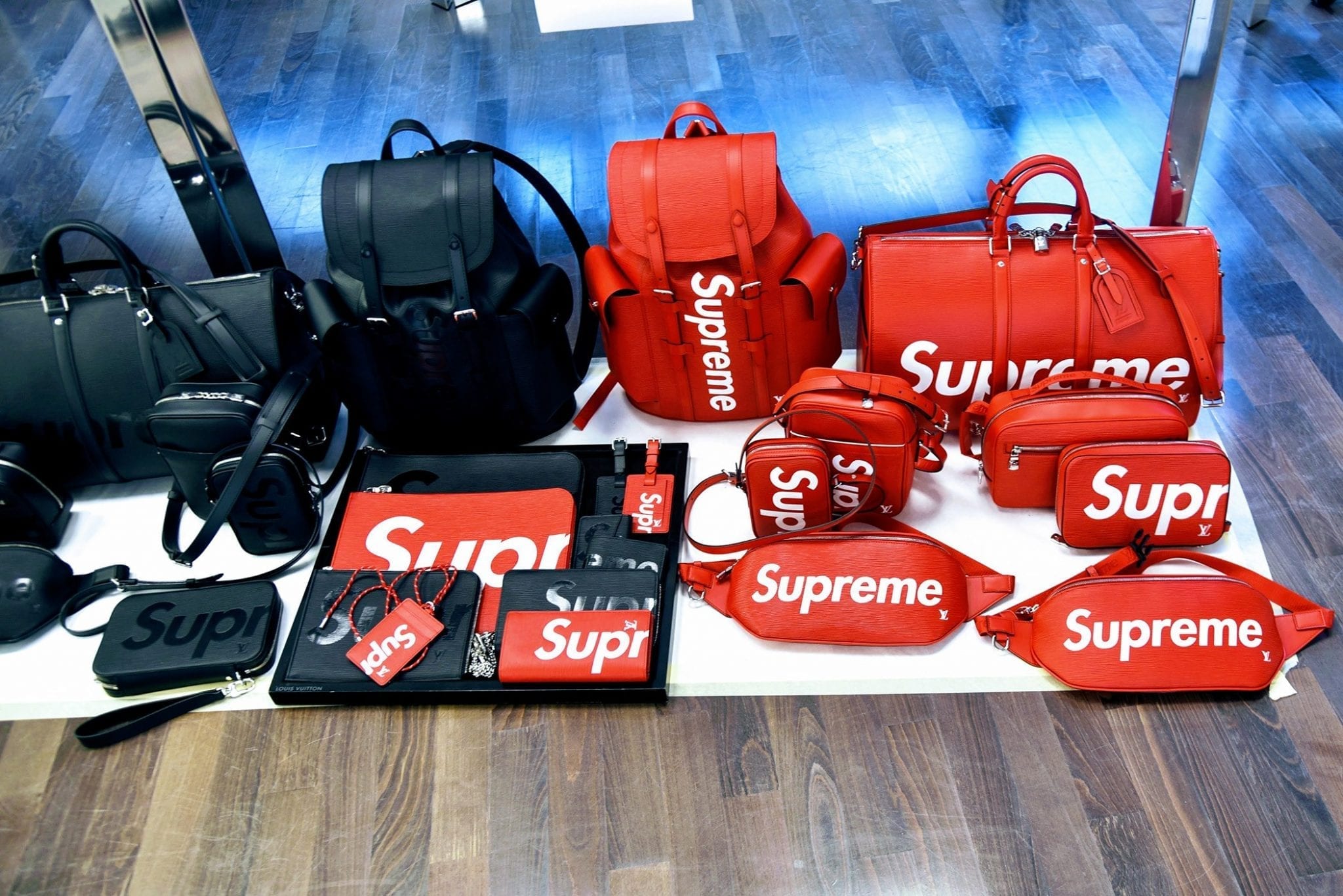
    Throughout its 18 years, Supreme has defined and refined what it means to be cool. The brand’s effortless logo – a Barbara Kruger-influenced red box surrounding a white block typeface – is an iconic emblem for a worldwide gang as recognizable as the LV Monogram or Hells Angels’ rocker for those who know.

    Jebbia’s personal style is understated, neat and crisp, today’s outfit being a grade-four buzz cut, worn with a button-down Oxford shirt and dark jeans. His accent has a transatlantic shade, yet is still resolutely British. Born in the States to a British mother and American father who worked in the US Air Force, James and his family moved to Britain when he was just 18 months old, before he gravitated back to New York aged 19.

    “I came over here with $100; it was 1983 and I just ended up staying. New York at that time was very inexpensive and it was very easy to get a job. We lived on Staten Island and you could get cheap rent. It was a good time to be in New York,” James said.

    Sitting behind his desk in the Supreme office in Soho, James’ work space is bright and airy, with KA WS artwork and a framed photo of the Godfather of Soul, James Brown, sitting on the bonnet of his silver ghost Rolls Royce with an MVP license plate hanging on the walls. On the floor in the corner sits a collection of new boot samples and a pair of legendary rapper and graffiti artist Rammellzee’s 3-D tracers pieces.

    James’ office is located above the space where he first found work in fashion: a store then known as Parachute, where he was taken under the wing of its owner, Morgan. “He was a good boss, a real mentor. Parachute was a bit futuristic, it was kind of cool; Gary Numan came in and Michael Jackson wore the leather jacket with the big epaulettes. It was a great time but I just wanted to do more,” he told GQ.

    With his girlfriend at the time, James started a market stall on Broadway and West 4th, making and selling backpacks. In 1989, he opened his first seminal store, Union, on Spring Street.

    The key stores then around the Downtown area were X-Large, Stüssy, Triple Five Soul and Union. While James was trying to stock Stüssy, a chance meeting with Shawn Stüssy led to James running the Stüssy store on Prince Street. “I wouldn’t be doing what I’m doing without what Shawn has done,” James admitted.

    Shawn Stüssy was the forefather of what would become streetwear as we now know it.

    With an eye on the skate and surf cults, Shawn created a style with Stüssy that was coveted globally not just as clothing but as a way to join Shawn’s posse, the Stüssy World Tribe. Setting up teams in NY, London, LA and Tokyo, his collaborators included the brains and brilliance of designers Paul Mittleman, Hiroshi Fujiwara and distributor Michael Kopelman. From hip-hop kids to ravers, surf dudes and grebos, they were all drawn to Shawn’s baggy denims and signature hand-written emblems.

    When Shawn moved on from Stüssy and sold his share of the business, Jebbia made the decision to launch Supreme.  Everybody who worked in the store was a skateboarder. And there were a lot of young people starting to skate and they would gravitate towards the store because of the crew who worked there, so the store became like a hangout.

    The architecture of the Supreme stores and their sales assistants have always played a crucial role in establishing the brand identity, with the staff bringing the ubiquitous, middle-finger-to-the-world attitude. The shop kids were gnarly and raw and generated an intimidating, real vibe where skate videos played all day and the freshest hip-hop mixtapes blasted -out on to the sidewalk. But such intimidation never discouraged customers from visiting.

    Gravitating to the store were a host of locals and downtown rebels. There was Justin Pierce (Casper in Kids), skateboarders including Harold Hunter and Jason Dill, artist and illustrator Gio Estevez (who was also the store manager) and Aaron Bondaroff, CEO of the anything brand, co-founder of the OHWOW art collective and model in this feature.

    There was also the art and photography crowd, such as Ari Marcopoulous, Kenneth Cappello and Terry Richardson. Ari and Terry’s photography established an identity for Supreme, their images becoming synonymous with the brand. Ari’s documentation of the mid-Nineties scene forms a collaged backdrop at Supreme’s stores in Tokyo and London, while Terry and Kenneth have shot lookbooks for the brand and fly-poster campaigns and T-shirts that have seen the legendary box-logo tee worn by Lou Reed, Kermit the Frog, The Diplomats, Raekwon, Lady Gaga, Mike Tyson and the latest with rappers Three 6 Mafia.

    The word-of-mouth excitement among guys interested in stylish clothes is – in this day and age – breath-taking to see. The customers know that each product comes in such limited quantities that once a particular item has gone that is it.

    The Supreme look is delivered between the styles continuously appropriated by the hip-hop and skate worlds: Ivy League, collegiate, military and sports­wear themes, denim, checks, plaids and stripes, alongside a classic workwear influence. The collection weighs in with a referenced knowledge that goes into fabric, cut, details and durability, making each piece often feel and look like perfectly preserved vintage.

    Over the years, Supreme has collaborated with (among many others) Levi’s, Vans, The North Face, Nike, Comme Des Gargons, Adam Kimmel, Malcolm McLaren, A Bathing Ape and W Taps on their fashion – and skateboard graphics with Damien Hirst, Jeff Koons, Takashi Murakami, Harmony Korine and most recently Jake and Dinos Chapman.

    As James expands the business with additional stores around the world, (LA, London, Nagoya, Osaka, and Fukuoka, with the third Tokyo store recently opening in Shibuya), he is quick to establish that his ambition for his company is to maintain its integrity. “If I was to stop working tomorrow, I would be like, OK. I did what I wanted to do; I did what I liked, what I really believe in, and I’m fine with that. In an ideal world, we can just remain a small but tight business that grows naturally.”

    James’ philosophy behind Supreme is straightforward: “We just want to make really great-looking clothes that are well-made, fit well that you can skate in.”

  • Jardin Sacai capsule collection for Colette

    Jardin Sacai capsule collection for Colette

    Following a showcase at Colette in Paris, Japanese fashion label Jardin Sacai has bringing a capsule collection to Asia, starting at the Colette Hong Kong flagship store in Central.

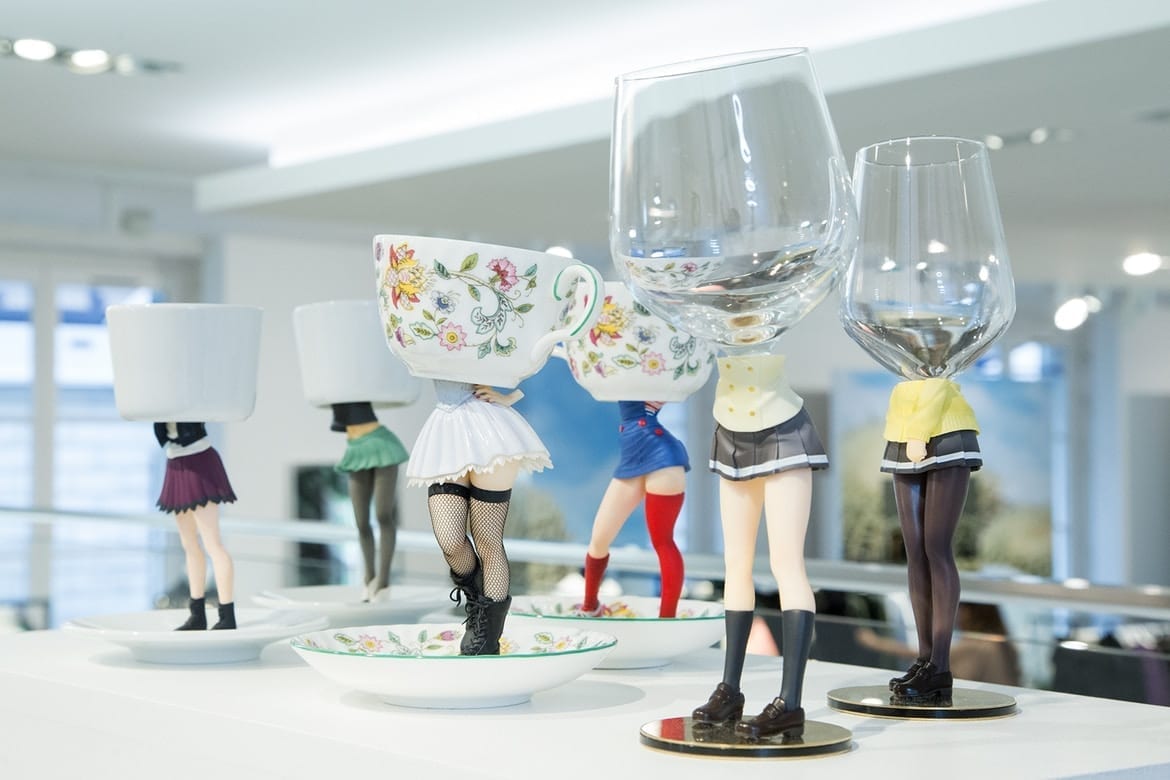
    Available until November 6, the collection features collaboration projects with niche luxury brands such as Astier de Villatte, Be@rbrick, Fragment Design, Globe-Trotter, Lacoste and Zucca.

    Label creator Chitose Abe, previously with Comme des Garcons, has previously collaborated with Nike and The North Face on exclusive capsule collections.

    “Colette was one of the first retailers to start carrying the Sacai collection when I first started my line, and has always felt like home to me,” says Abe.

    Meanwhile, Colette plans to close its flagship Paris concept store on December 20, two decades after it was founded by Colette Roussaux, who is stepping down.

  • Nestle Korea introducing Kit Kat flagship store

    Nestle Korea introducing Kit Kat flagship store

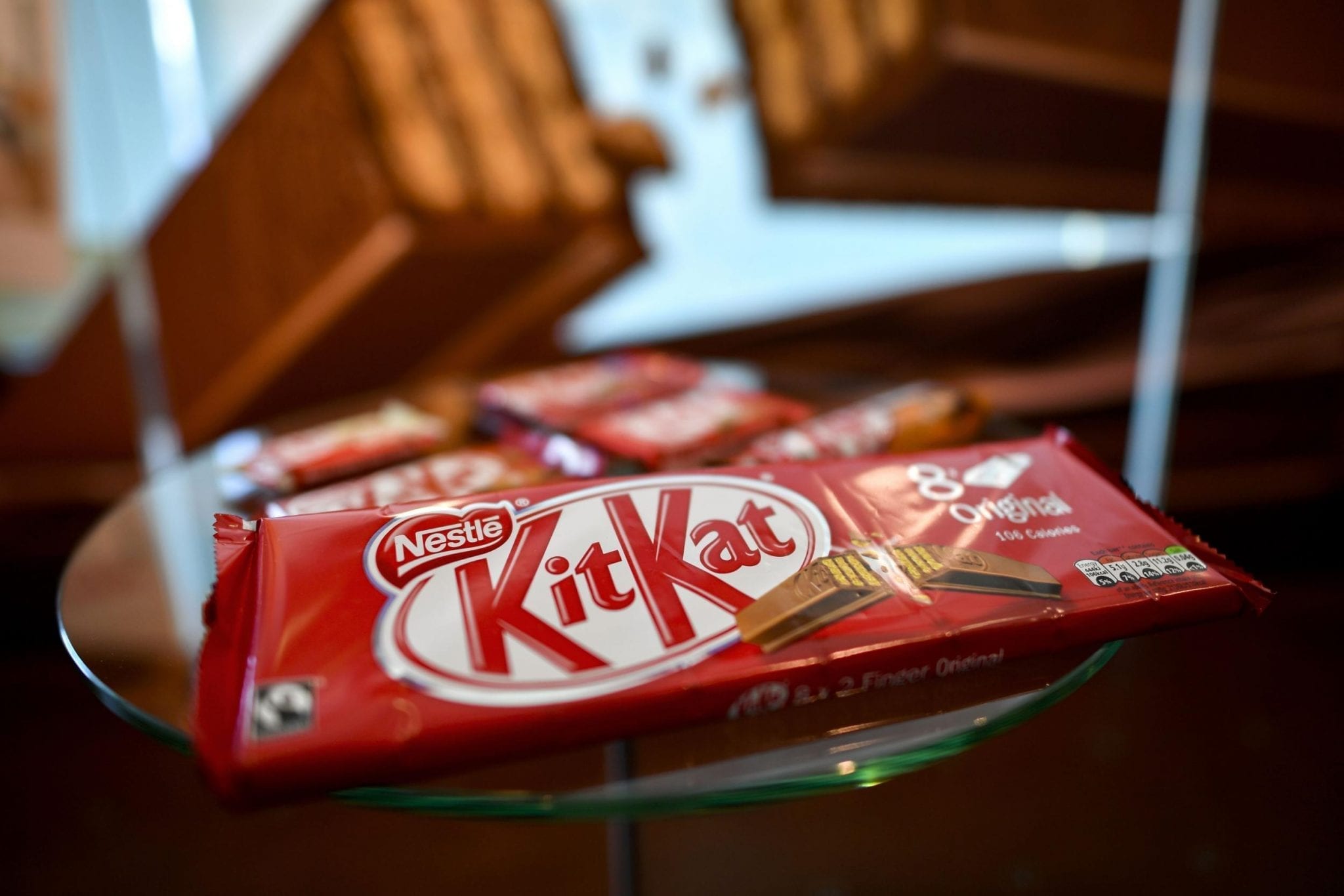
    Chocolate wafer snack Kit Kat is to have a flagship store in Seoul, being launched by Nestle Japan in co-operation with Nestle Korea.

    The Swedish snack company’s Japanese branch is known for its exclusive “chocolatory”, which offers special flavours and desserts. Flavours previously exclusive to the Tokyo store will be available at the store set to open in Shinsegae Department Store’s Gangnam location.

    Nestle Japan’s Premium Kit Kat is one of the most popular souvenirs Koreans buy when visiting Japan. The exclusive flavours, launched in co-operation with pastry chef Yasumasa Takagi, borrow from local specialties such as Kyoto’s matcha green tea and Hokkaido’s melon.

    In Korea, only the original milk and dark chocolate flavours are available. The Seoul flagship store, which opens next Thursday, will not only expand on this but also offer signature desserts.

  • Bitcoin suffers its biggest plunge in a month

    Bitcoin suffers its biggest plunge in a month

    Bitcoin’s price fell by the most in a month after US regulators signaled the cryptocurrency might come under more scrutiny. Other large cryptocurrencies, including ether and bitcoin cash, were also sharply lower.

    A primer by the Commodity Futures Trading Commission said virtual tokens used in initial coin offerings, the process of launching digital currencies, were characterized as securities, which could bring them under its regulatory scope.

    “There is no inconsistency between the SEC’s analysis and the CFTC’s determination that virtual currencies are commodities and that virtual tokens may be commodities or derivatives contracts depending on the particular facts and circumstances,” the report said.

    On 18 October 2017, at 10:21 a.m. ET, bitcoin was down by 8.5%, to $5,125 a coin.

    The volatile cryptocurrency has previously fallen on reports that China was closing local exchanges, though it quickly rebounded to nearly $6,000 a coin.

  • AirAsia to operate from Changi Airport’s new Terminal 4

    Low-cost carrier AirAsia is set to relocate its operations at Singapore’s Changi Airport from Terminal 1 to the new Terminal 4 on Nov. 7.

    Starting on that day, all AirAsia flights will depart from and land at Terminal 4. No changes will occur in the airline’s schedule at the airport.

    According to a press release issued on Thursday, passengers are advised to arrive at Terminal 4 at least three hours prior to their departure to ensure a smooth process at the new terminal. Those traveling to the airport using the MRT can make their way to the Terminal 2 arrival area and use a free 24-hour shuttle bus that runs every 10 minutes to reach Terminal 4.

    AirAsia Singapore CEO Logan Velaitham said the move was in line with the carrier’s vision to become a “digital airline.”

    “Our focus this year is to implement a Fast and Seamless Travel service,” said Velaitham.

    At Terminal 4, AirAsia is said to provide 19 check-in desks, 14 bag-drop machines, two document-screening counters and two payment counters at Line 4 and a group check-in service at Line 5.

    The newest terminal of Changi is set to open on Oct. 31.

  • Bershka SoHo pop-up covers two floors

    Bershka SoHo pop-up covers two floors

    Everything in New York always seems bigger than in real life – even the definition of a pop-up store…

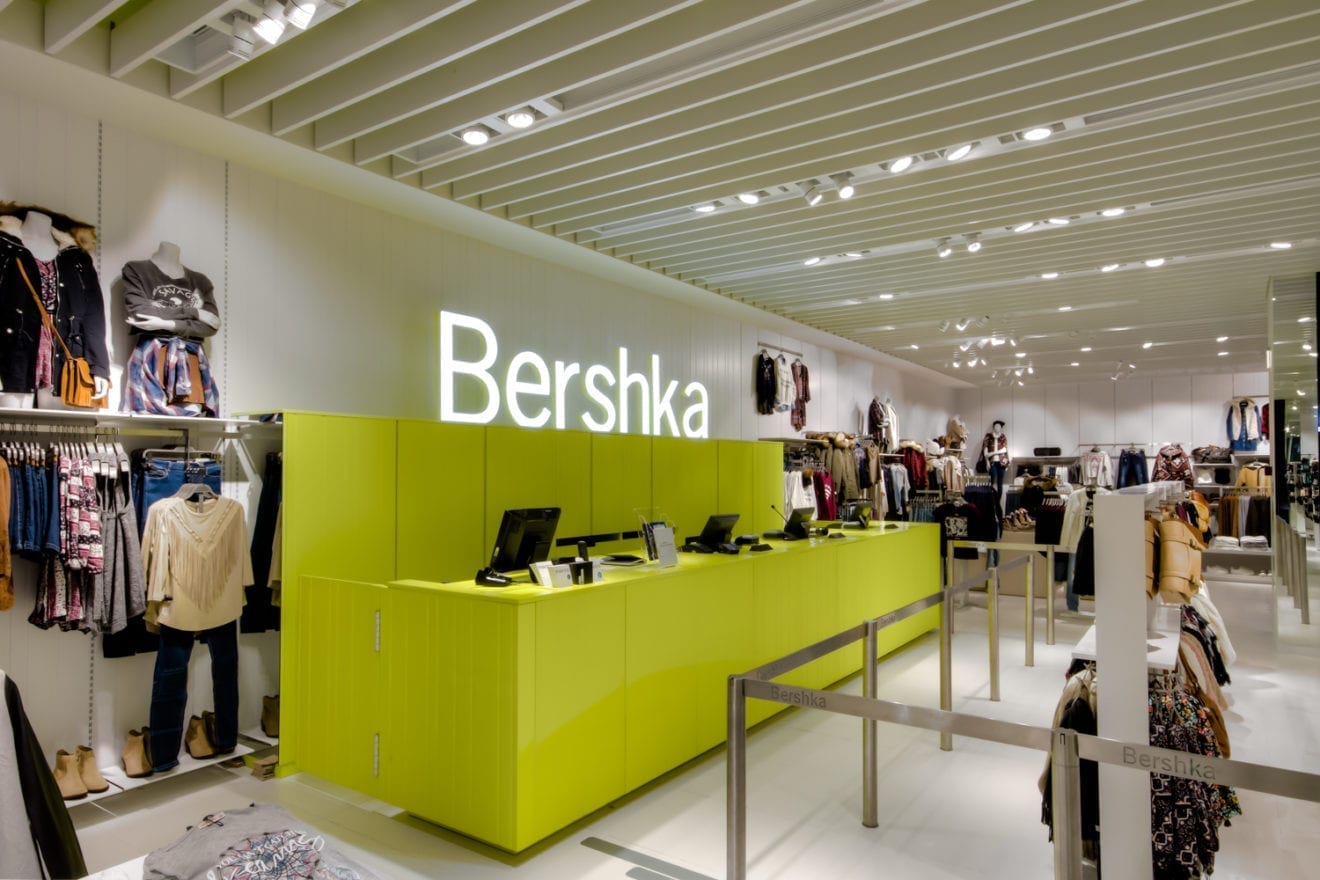
    An 8180sqft Bershka SoHo pop-up which opened its doors this week at 580 Broadway covers two stories of a previously empty retail space. The store is intended to boost the Inditex brand’s image in the US, where it launched an e-commerce platform six months ago.

    Bershka chose the heart of SoHo, one of the world’s most emblematic fashion districts, as the location, where it will trade until the end of the year, displaying all of Bershka’s FW17 collections – Bershka, Bsk and Man, as well as the sports lines, Start Moving, for young men and women.

    Features of the store include leading initiatives to be as eco-efficient as possible, guided by the Leed sustainable building criteria. Additionally, within the store, the Bershka Stage store image has guided all of the furniture and decoration designs. The layout has been similarly adapted for the store space specifically and with the US consumer in mind, offering the trendiest current looks, complete with accessories and footwear.

    Bershka Stage is the latest store design concept being rolled out internationally.

    “Inspired by the world of music concerts and what goes on behind the scenes, the Stage aesthetic epitomises Bershka’s DNA: music, fashion and youth,” the company said. “The result is an interior design that is industrial yet airy, with open ceilings that reveal the establishments’ skeletons. The structure is framed by truss scaffolding that runs around its entire perimeter and is used to hang the lighting, speakers and some of the screens that make up the whole look..

    “The Stage concept facilitates the shopping experience by means of more user-friendly and versatile furniture and fittings, making it easier to get around the store and providing a better way of displaying the brand’s garments and, by extension, each season’s new looks.”

    Bershka has 1098 stores in 75 markets across Europe, the Americas and Asia. The brand is forging ahead with an international expansion strategy that has been marked by high-profile openings in recent years in markets such as China, Japan, Taiwan and South Korea, along with flagship store openings on some of the world’s most important shopping streets, including Oxford Street, London, Via Vittorio Emanuele, Milan, Nanjing East, Shanghai, Gran Vía, Madrid, Rue Rivoli, Paris, and Shibuya, Tokyo.

  • Honestbee Thailand partners with Villa Market

    Honestbee Thailand partners with Villa Market

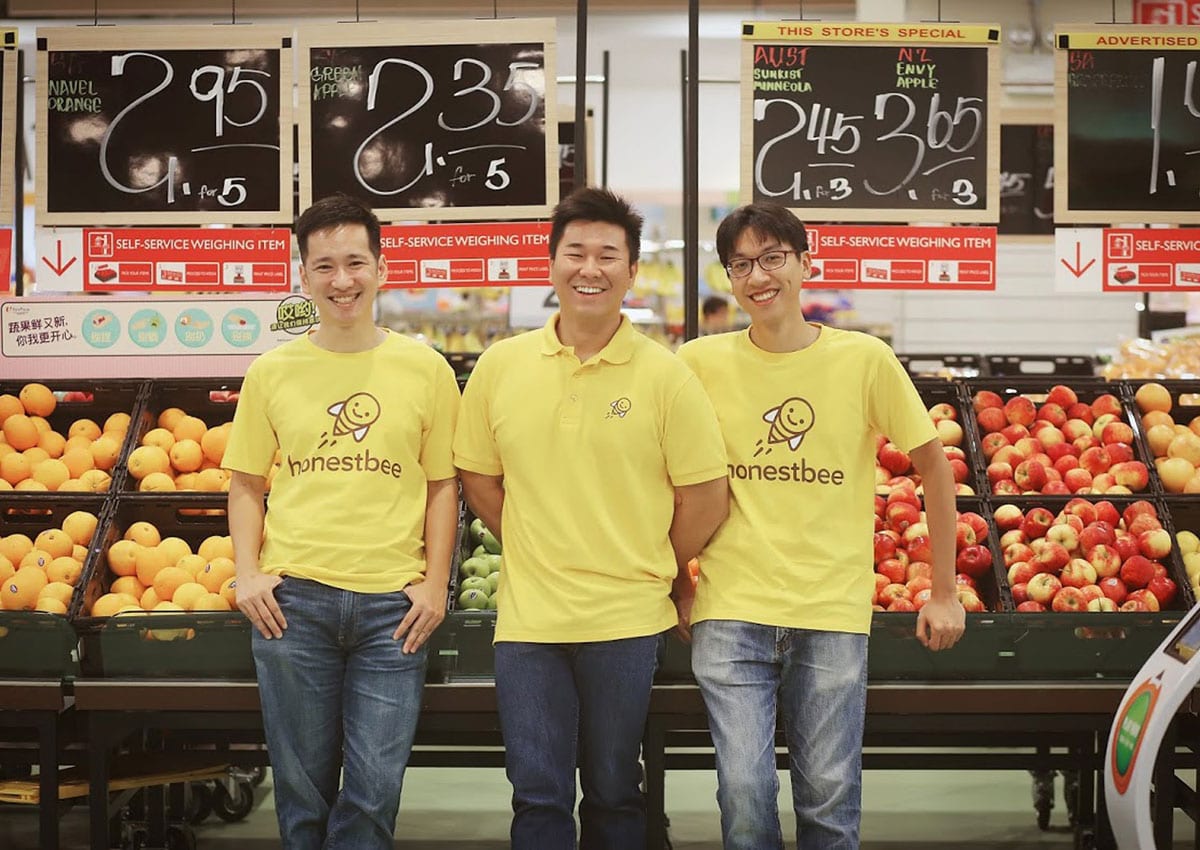
    Honestbee Thailand is partnering with supermarket chain Villa Market for home deliveries.

    Since launching in Thailand in March, the Singapore-based online concierge and delivery service says it has had “six months of great success” and is gearing up for American Thanksgiving and Halloween celebrations.

    “The one-stop shop continues to attract the trendsetters of Bangkok and extend to the outer reaches of the metropolitan area,” says Honestbee.

    In September, Honestbee partnered with CP Fresh Mart to offer a delivery service with products at cheaper prices than retail. Other outlets that have partnered with Honestbee Thailand include restaurant and bakery S&P and the Australian chain Jones the Grocer.

    As well as grocery deliveries, Honestbee has launched a curated restaurant food-delivery service in Bangkok.

    “Thailand is an e-commerce hub and the concept of on-demand online services appeals to customers, particularly busy Bangkok urbanites,” says Honestbee Thailand country manager Bounthay Khammanyvong.

    Villa Market predominantly targets expatriates, with stores in Bangkok, Phuket, Pattaya and Huahinh.

  • Richemont Group expects 80 per cent profit lift

    Richemont Group expects 80 per cent profit lift

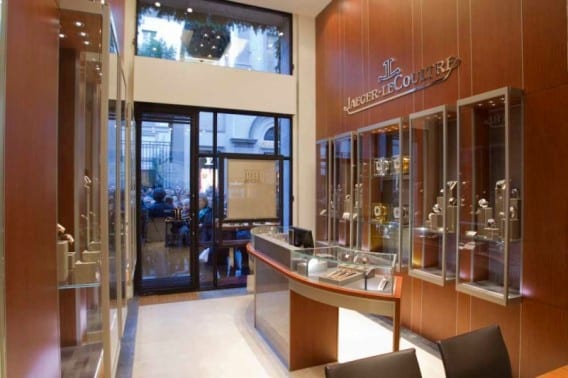
    With demand picking up for high-end watches, Swiss luxury goods company Richemont Group says it expects an 80 per cent increase in net profit for the six months to the end of September.

    After a collapse of the Hong Kong market, Richemont was forced to buy back excess inventory, cut jobs and replace most of its brand chiefs. The buyback mainly impacted the Cartier and Van Cleef & Arpels brands.

    However, trading has improved says Richemont, whose brands also include Piaget and Vacheron Constantin. Constant-currency sales rose 12 per cent in the six months, and by 10 per cent on a reported basis, compared with a year earlier.

    Operating profit is likely to rise 45 per cent, reflecting the non-recurrence of the exceptional inventory buybacks in the previous year, as well as positive currency movements, says Richemont.

  • DJI Arena about to take off in Japan

    DJI Arena about to take off in Japan

    DJI Arena by JDrone Tokyo will launch on Saturday, introducing the Chinese retailer of civilian drones and aerial imaging technology.

    It is not only a store, but also offers technical support and even a flying area in its 535sqm arena, to be managed by authorised dealer Japan Circuit in partnership with DJI Japan.

    For customers who want to test their skills, the flying area has safety nets and an adjustable circuit, while the retail space will showcase DJI’s full range of consumer, professional and enterprise products.

    “As interest around our aerial technology continues to grow, the DJI Arena concept is a new way for us to engage not just hobbyists but also those considering this technology for their work,” says DJI director of brand management and operations Moon Tae-Hyun.

    “Having the opportunity to use the remote controller and try out the technology first hand can enrich the customer experience. When people understand how it works or how easy it is to fly, they will discover what the technology can do for them.”

    As well as individual and group bookings, the DJI Arena will be available for corporate events, serve as a venue for DJI’s New Pilot Experience Program and host workshops.

    Since opening last year, DJI’s first arena, in Yongin, South Korea, has been attracting hobbyists and drone enthusiasts from around the world.

    The Tokyo arena is in Katsushika-ku, Hosoda.

  • Fendi’s Peekaboo Project arrives in Hong Kong

    Fendi’s Peekaboo Project arrives in Hong Kong

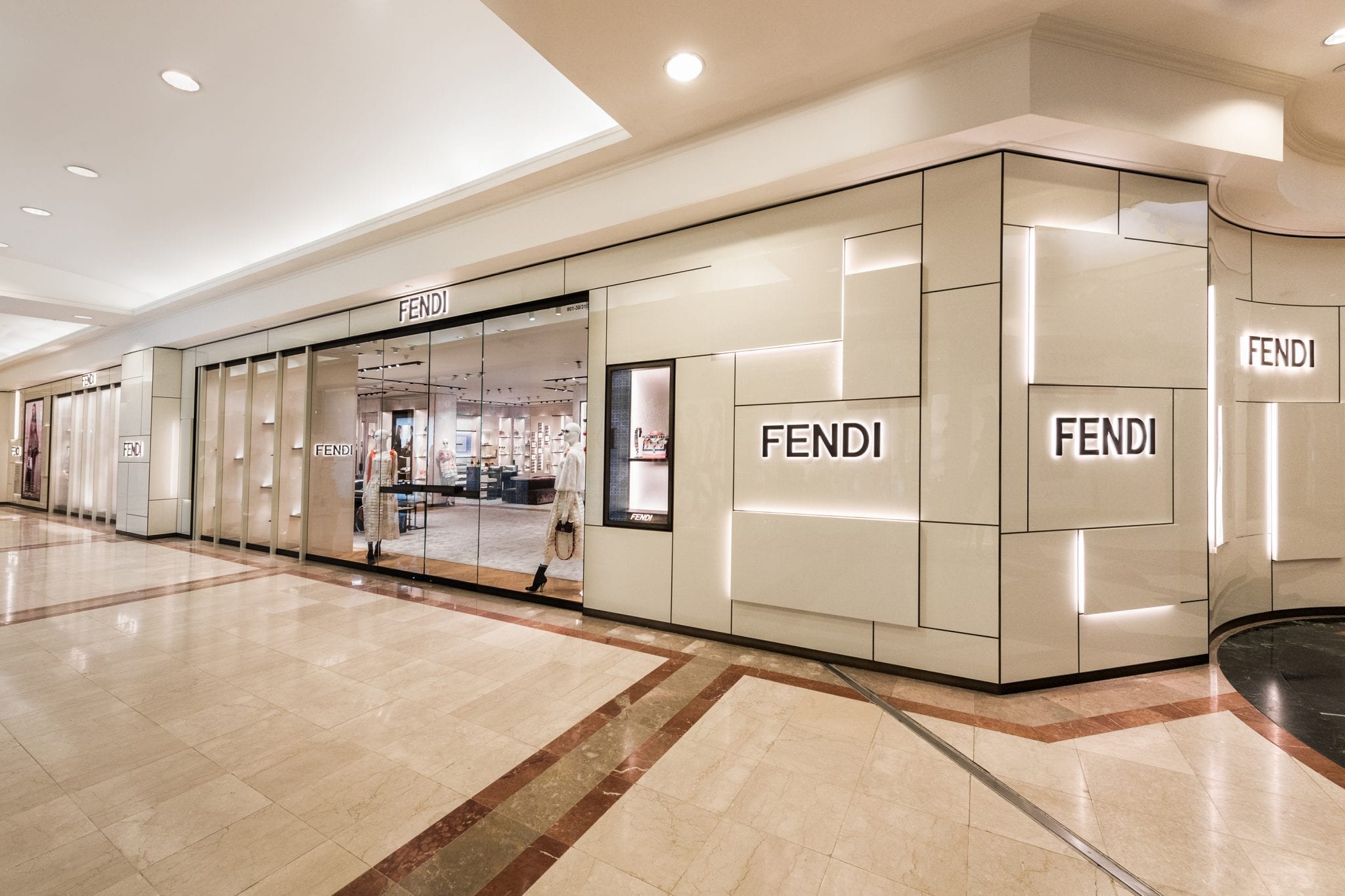
    Italian fashion house Fendi is introducing its Peekaboo Project to Hong Kong, bringing together regional celebrities in the spirit of philanthropy.

    Launched in the UK in 2014, the Peekaboo Project has already been unveiled in China, Korea and Japan. For Hong Kong, Fendi has invited Hong Kong singer/actress Joey Yung and Taiwan singer/songwriter/dancer/actress Jolin Tsai to each personalise a Peekaboo bag.

    These bags will be auctioned online, with proceeds from the sale being donated to charity organisations nominated by the two stars: the Hong Kong Cancer Fund for Yung and the Prader-Willi Syndrome Association (PWSA) for Tsai.

    Yung’s design is of a golden phoenix, embroidered on black silk with gold threads, a tribute to her mother Kam Fung (whose name directly translates to “golden phoenix”). Both sides of the bag feature gold satin, while the handle and bar feature multicoloured hand-painted exotics. Her mother’s name is engraved on a metal tag inside the bag.

    Tsai, aiming to celebrate the strength and power of contemporary women despite their delicate appearance, designed two 3D leather Venetian masks for each side of her bag, which is crafted from canvas. The lining features black leather with “No” in graffiti on one side, and “Yes”. The bag also features Fendi’s Strap You shoulder strap, adorned with multicoloured degrade beads and sequins.

    Both bags will be exhibited at The Landmark atrium for nine days from Friday, along with 10 select pieces from previous Peekaboo Projects in China, Korea, Tokyo and London. These include creations by Chinese supermodel Liu Wen, Olympic diving champion Guo Jingjing, Hong Kong actress/model/singer Angelababy and English singer Adele.

    A digital made-to-order area will be included at the exhibition, offering visitors a Peekaboo bag design experience with colour and pattern options.

    Yung and Tsai’s Peekaboo bags will be auctioned online from tomorrow until October 29.

  • Starbucks Thailand supporting regional artisans

    Starbucks Thailand supporting regional artisans

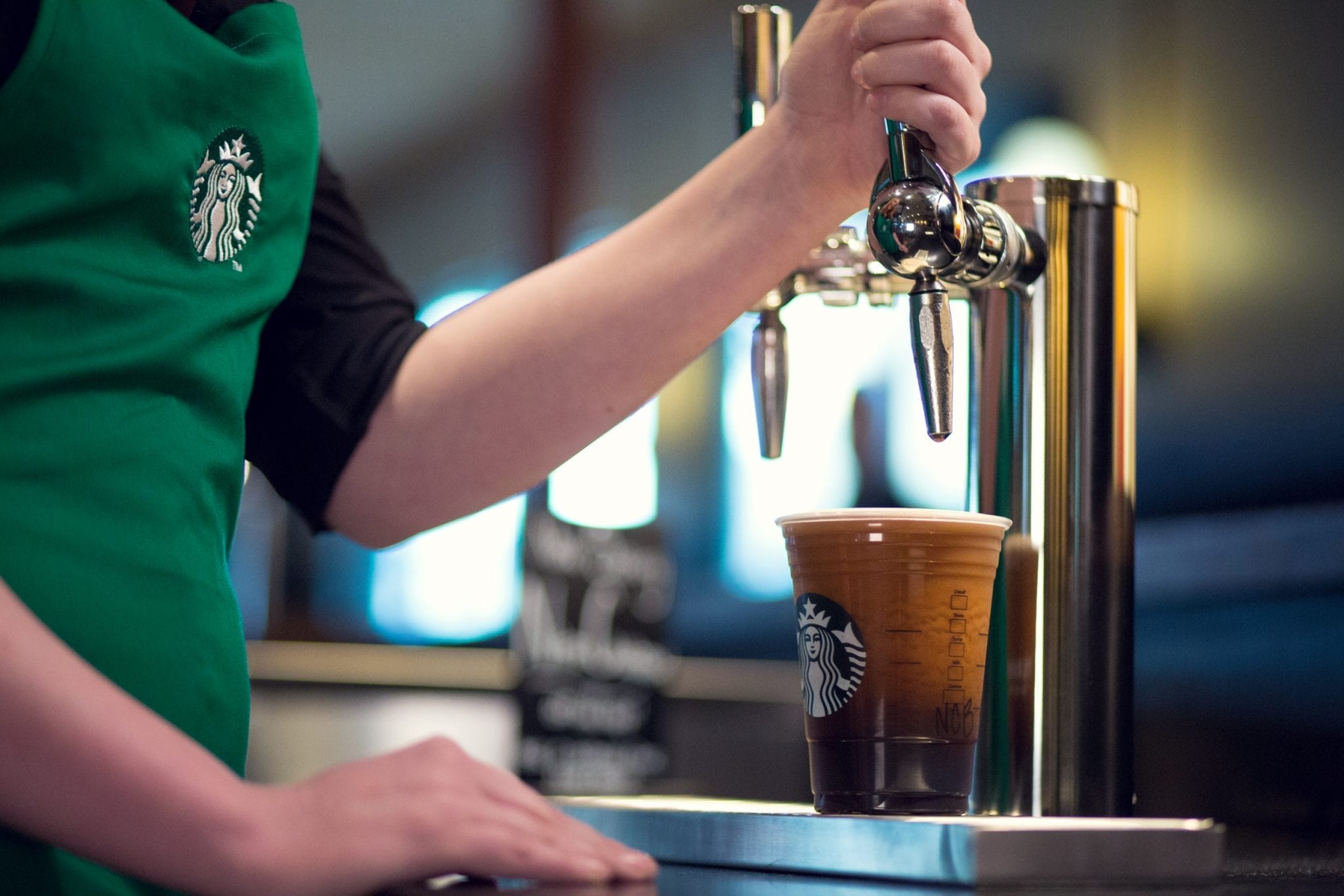
    Thai craft products are to go on sale in Starbucks Thailand outlets in a national promotion with the title “We bring crafts to life in harmony with the contemporary lifestyle”.

    In co-operation with the Support Arts and Crafts International Centre of Thailand (SACICT), the project aims to help Thai artisans take their crafts to the public. Initially there are three products – handmade bags, natural-dye cotton outfits for teddy bears, and woven trays.

    “We are grateful to be able to provide an opportunity for Thais at district level to promote their innovative arts and crafts and generate income. We are also giving a boost to Thai handicrafts by showcasing their uniqueness to Thais and foreigners,” says Starbucks Coffee Thailand MD Murray Darling. “Customers can buy these crafts through our 303 stores in Thailand.”

    The bags are produced through a collaborative program between SACICT and the Department of Corrections that trains inmates of the Central Women’s Correctional Institution as part of a project under the royal initiative of Princess Bajarakitiyabha. The project aims to provide help and support to inspire women in prison to self-develop so they can find work after release.

    The outfits for Starbucks’ teddy bears features Nong Bua Daeng handwoven material coloured through natural dyes by groups in Chaiyaphum.

    Woven trays are a folk-art product from craftsmen in Varni Southern Wickery in Phatthalung province.“We believe this collaboration with Starbucks will help generate income for these local craftspeople while also showcasing Thai handicrafts and promoting these distinctive works to the public,” says SACICT CEO Amparwon Pichalai.

  • Paul & Shark Thailand opens store in duty-free mall

    Paul & Shark Thailand opens store in duty-free mall

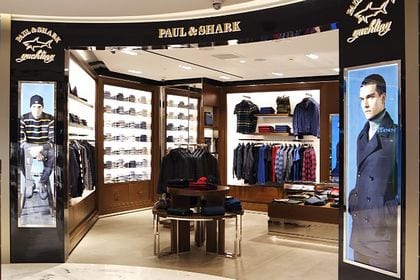
    Paul & Shark Thailand has opened a store at the Downtown Duty Free Mall in Rangnam Road, Bangkok.

    Run by King Power, the complex combines both international and local brand shopping with a hotel and theatre.

    Offering key pieces from the luxury Italian sportswear brand’s autumn/winter collection, the outlet follows the new Paul & Shark store concept characterised by high-tech steel, smoked glass and the brand’s signature blue.

    It is one of several stores the brand has opened this year, and comes in the final quarter of what the company says has been a successful year.

    It also opens in time for the Trinity Forum airport commercial revenues conference, which is being hosted at the King Power Pullman in Bangkok, “so we very much hope delegates will have the chance to see if for themselves”, says Paul & Shark worldwide travel retail director Catherine Bonelli.

  • eBay tests the world’s first ‘subconscious shopping experience’

    eBay tests the world’s first ‘subconscious shopping experience’

    Online shopping giant eBay and specialist retailer Saatchi Art have created and tested an experimental retail experience they claim is the world’s first subconscious shopping experience.

    It merges art and technology to reveal shoppers’ subconscious desires.

    For just 48 hours, the two retailers invited select guests to their personalised shopping event, The Art of Shopping. Guests were first hooked up to headsets incorporating EEG technology to monitor electrical activity in the brain. They then entered a special art gallery where the “mind-tracking” technology, supplied by MyndPlay, was able to detect when they were inspired by particular works. This information was used to create personalised shopping carts.

    An algorithm to match customers with artworks was developed by behavioural psychologists and designed to be used with the billion items being sold on eBay’s virtual marketplace.

    The eBay team launched the project after commissioning a report on the neuroscience of what motivates buyers. The report investigated the difference between two types of buyers – “shop-y-cats” who impulse buy to fit in with trends, and “inspired shoppers” who prefer to discover non-mainstream  items. It found that inspired shoppers could browse longer and had a prolonged emotional high at checkout.