Author: Mei Ling Tan

  • Revolut Unveils Ambitious Multi-Billion Expansion Plan to Revolutionize Retail Banking

    Revolut Unveils Ambitious Multi-Billion Expansion Plan to Revolutionize Retail Banking

    Revolut Embarks on Bold Expansion Journey

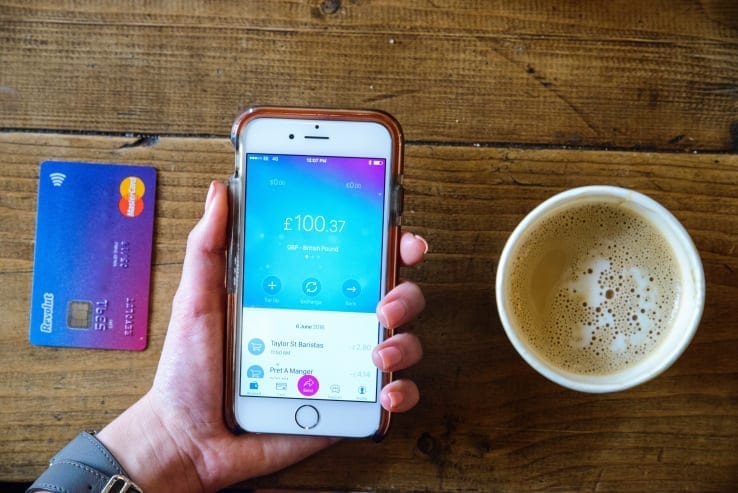
    The British fintech giant Revolut marked a significant milestone this Tuesday with the unveiling of its new global headquarters in London, paired with an ambitious growth strategy that promises to reshape the financial landscape.

    Over the next five years, the company aims to channel a remarkable 11.5 billion euros into its operations, a move set to create 10,000 new jobs worldwide. This investment includes a substantial 3.4 billion euros earmarked for the United Kingdom and an additional billion for France, signaling a strong push in key European markets.

    Europe and Latin America: A Dual Focus

    Revolut is reinforcing its foothold in Europe with a newly established hub in Paris and plans for new branches in Portugal and Belgium. This strategic expansion marks an exciting phase for the fintech, effectively connecting it to a larger audience across the continent.

    Turning its gaze to Latin America, Revolut is gearing up to operate as a bank in Mexico by early 2026, with intentions to extend its reach to Colombia and Argentina soon after. The company is also actively seeking new banking licenses in the Asia-Pacific, Middle East, and African regions. Recently, it secured approval to provide payment services in the United Arab Emirates, a noteworthy step in its global ambitions.

    Innovative Marketing and the Buzz Around Switzerland

    Beyond its financial endeavors, Revolut is making waves in the marketing arena with its newly announced collaboration with the Audi F1 Team. This partnership, which includes plans for limited edition co-branded cards, is likely to create a buzz among motorsport enthusiasts and financial fans alike — imagine driving down the track with your banking details at the speed of light!

    However, the company remains tight-lipped about its plans for the Swiss market. Despite ongoing speculation over the past few years about obtaining a banking license in Switzerland, there’s still no official confirmation from Revolut on this front.

    Questions & Answers

    What is Revolut’s total investment plan over the next five years?
    Revolut plans to invest a staggering 11.5 billion euros worldwide over the next five years.

    Which new markets is Revolut targeting in Latin America?
    In Latin America, Revolut aims to begin banking operations in Mexico by early 2026, with future expansions planned for Colombia and Argentina.

    What marketing partnership is Revolut pursuing?
    Revolut has partnered with the Audi F1 Team, planning to roll out limited edition co-branded cards as part of its marketing strategy.

  • Microsoft Appoints Chia Wee Luen as New Managing Director for Singapore’s Dynamic Market

    Microsoft Appoints Chia Wee Luen as New Managing Director for Singapore’s Dynamic Market

    In a significant move for its Singapore operations, Microsoft has appointed Chia Wee Luen as the new managing director, stepping into the role previously held by Lee Hui Li. This appointment comes at a crucial time as the tech giant aims to drive Singapore’s digital ambitions forward, especially in cloud services and artificial intelligence.

    Pioneering Singapore’s Tech Landscape

    Wee Luen will be at the forefront of Microsoft’s initiatives in Singapore, focusing on fostering innovation and inclusive transformation among customers, partners, and government entities. He brings a wealth of experience from his recent position as managing director for Asia at ServiceNow, a role that has equipped him with a deep understanding of the regional tech landscape.

    Mayank Wadhwa, Microsoft’s ASEAN president, emphasized the strategic importance of Singapore to the company’s global operations. “Under Wee Luen’s leadership, we will empower our customers to harness the full power of technology to drive meaningful impact and unlock the region’s extraordinary potential,” Wadhwa said, hinting at a promise of innovative collaborations ahead.

    A Visionary Leader with Deep Roots

    With over 20 years in enterprise technology, Wee Luen expressed his enthusiasm for the role. “I’m honoured to join Microsoft Singapore at this pivotal moment. I look forward to working with the team, our partner ecosystem, and visionary customers to capitalise on this transformative era of AI and continue shaping Singapore’s future together,” he remarked, echoing a sentiment of collective advancement.

    His impressive background began in Singapore’s public sector and unfolded through senior leadership roles at noted firms such as Red Hat, Qlik, and Oracle. Notably, Wee Luen is dedicated to community engagement, serving on the Digital & Technology Committee of the Children’s Cancer Foundation and chairing the Tech for Good Committee at the Singapore Computer Society, reinforcing his commitment to social responsibility.

    Anticipating a Bright Future

    As Microsoft embarks on this new chapter, the industry watches with keen interest. Will the savvy digital strategist manage to capture the zeitgeist of technological advancement in Singapore? Only time will tell, but if the past is any guide, his leadership could very well ignite a new era of innovation.

    Questions & Answers

    What are Chia Wee Luen’s main responsibilities as managing director of Microsoft Singapore?
    He is tasked with leading Singapore’s operations, focusing on advancing digital ambitions through cloud services and AI while fostering innovation and collaboration with customers and stakeholders.

    What was Chia Wee Luen’s role before joining Microsoft?
    Prior to his current appointment, Wee Luen served as managing director for Asia at ServiceNow, where he gained valuable experience in enterprise technology.

    How is Wee Luen involved in community initiatives?
    He participates actively in the community through his roles on the Digital & Technology Committee of the Children’s Cancer Foundation and as chair of the Tech for Good Committee at the Singapore Computer Society.

  • Vietnam Airlines to Expand Fleet with 30 New Planes in $10B Investment Plan by 2032

    Vietnam Airlines to Expand Fleet with 30 New Planes in $10B Investment Plan by 2032

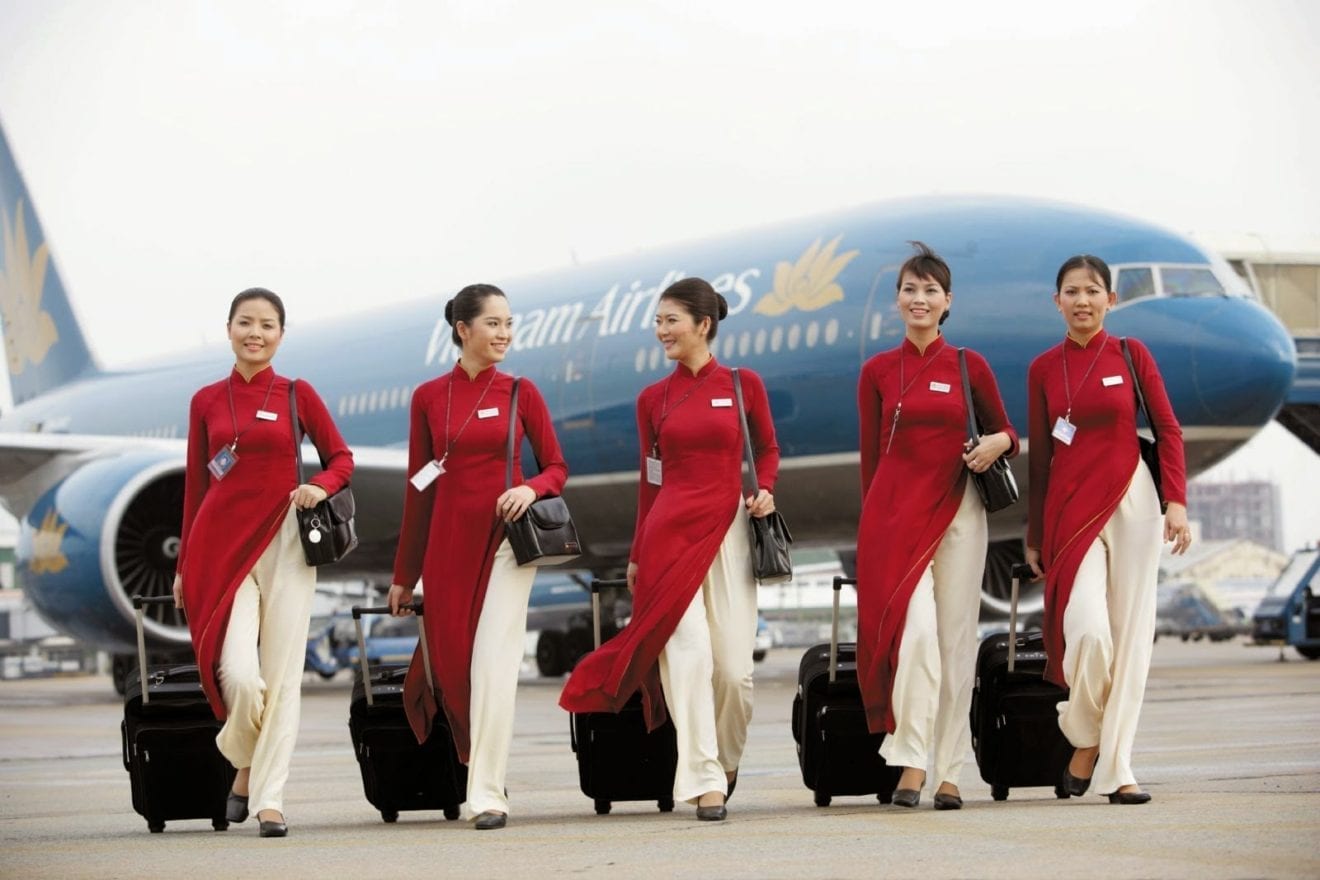
    Vietnam Airlines has launched an aggressive plan to expand its fleet, aiming to acquire or lease 30 wide-body aircraft—either Airbus A350-900 or Boeing B787-9—by the years 2028 to 2032.

    As part of this strategy, the airline recently issued a preliminary request for information from suppliers, inviting them to provide specifications regarding aircraft types, numbers, delivery schedules, and potential contract values by October 8. With a price tag expected to exceed US$10 billion for all 30 planes—not counting possible bulk discounts—this ambitious expansion underscores Vietnam Airlines’ commitment to growing its operational capabilities.

    Currently, the airline boasts a fleet of 31 wide-body aircraft, including 14 A350-900s and 17 Boeing 787s. Additionally, it operates 65 narrow-body Airbus A321s and A320s alongside six ATR-72s. However, CEO Dang Ngoc Hoa has highlighted a pressing need for at least 52 wide-body and 112 narrow-body planes by 2035 to accommodate growing demand and expand its route network.

    In April, the airline received government approval to add 50 narrow-body aircraft, a move projected to cost about VND92.8 trillion (approximately US$3.5 billion). However, Hoa noted that this addition barely scratches the surface of what is necessary for continued growth. “If manufacturers can’t deliver before 2030, we may have to consider leasing more aircraft for 2027 and 2028,” he remarked, painting a picture of urgency in the face of evolving market dynamics.

    Vietnam Airlines currently operates around 400 flights daily to 21 domestic and 29 international destinations. This year, it has successfully revived or launched 15 international routes in key markets, significantly including Italy, Russia, China, the UAE, Japan, South Korea, and India.

    Like many in the industry, however, the airline has faced challenges stemming from an aircraft shortage, exacerbated by complications with Pratt & Whitney engines on its Airbus A321s. As of mid-2025, about 15 of these A321s remain grounded, with four Airbus A350s also undergoing repairs. As the world begins to emerge from the shadow of the pandemic, one might say the sky has never been clearer for an ambitious airline aiming to soar higher.

    Questions & Answers

    What types of aircraft is Vietnam Airlines looking to acquire?
    Vietnam Airlines is considering either the Airbus A350-900 or the Boeing B787-9 for its planned acquisition of 30 wide-body aircraft.

    What is the estimated cost of expanding the fleet?
    The total cost for acquiring all 30 aircraft is expected to exceed US$10 billion, not including any potential bulk discounts.

    How many flights does Vietnam Airlines operate daily?
    The airline operates approximately 400 flights each day, connecting 21 domestic and 29 international destinations.

  • Malaysia Slashes Subsidized RON95 Fuel Price to $0.47 per Liter to Alleviate Cost of Living Concerns

    Malaysia Slashes Subsidized RON95 Fuel Price to $0.47 per Liter to Alleviate Cost of Living Concerns

    In a significant move to alleviate rising living costs, Malaysia will lower the price of the widely used RON95 fuel to RM1.99 (US$0.47) per liter, effective September 30.

    New Pricing Dynamics in Malaysia

    Prime Minister Anwar Ibrahim announced the price reduction from the previous RM2.05 per liter during a regular briefing at the Prime Minister’s Department on Monday. This adjustment reflects the government’s ongoing efforts to tweak fuel subsidies amidst the challenging economic climate.

    Targeted Subsidy Allocation

    The revised subsidized fuel price will exclusively benefit Malaysians who hold a valid driver’s license. In a move aimed at fair distribution, non-citizens will face a higher price of RM2.60 per liter at the gas pump. The government has also put a cap on fuel purchases, limiting it to 300 liters per month per person, although ride-hailing drivers may see exceptions to this rule.

    Investing in Infrastructure and Public Welfare

    Any savings generated from these subsidy alterations are intended for enhancing public infrastructure and providing assistance to those most in need, according to Anwar. This shift, initially hinted at in July, marks a significant policy evolution, though the administration opted not to pursue earlier suggestions to completely remove RON95 subsidies for wealthier segments of the population.

    A Broader Economic Strategy

    Anwar’s administration is enacting various measures to bolster national revenue and productivity. These strategies include implementing a minimum wage increase, raising electricity tariffs for heavy users, and expanding the sales and services tax. It appears Malaysia is not just applying a bandaid to fuel prices, but carefully stitching together a broader economic fabric aimed at sustaining growth.

    Questions & Answers

    What is the new price for RON95 fuel in Malaysia?
    The new price for RON95 fuel will be RM1.99 (US$0.47) per liter, effective September 30.

    Who will benefit from the subsidized fuel price?
    The subsidized price will be available only to Malaysians with a valid driver’s license, while non-citizens will pay RM2.60 per liter.

    How will the government utilize savings from the subsidy changes?
    The government plans to channel any savings from these subsidy changes into improving public infrastructure and providing aid to those in need.

  • PM Calls for Housing Market Cooldown as Apartment Prices Surge Past $3,700 per Square Meter

    PM Calls for Housing Market Cooldown as Apartment Prices Surge Past $3,700 per Square Meter

    Prime Minister Pham Minh Chinh is demanding clarity from government agencies on the soaring price of housing, which has now reached a staggering level that few can afford.

    In a recent government meeting, Chinh highlighted the overwhelming dominance of high-end properties in major urban centers, stressing the urgent need for accountability in the housing market

    He questioned whether “the real estate market is being manipulated,” emphasizing the necessity to combat practices such as “hoarding and price gouging.” Chinh’s concerns resonate deeply: with apartment prices soaring to between VND70 million and VND100 million (approximately US$2,650-3,790) per square meter, many people are left grappling with the harsh reality of unaffordable housing.

    The Prime Minister underscored the critical need for increasing supply to ensure a more balanced housing market, particularly by bolstering the availability of social housing targeted at low- and middle-income families. He characterized this initiative as a pivotal policy that “must be carried out,” pointing out that the pursuit of economic growth should not come at the cost of social equity and stability.

    “Developing the low-income housing segment could stimulate growth across other sectors of the economy,” he asserted. The Prime Minister further articulated that boosting housing supply would also indirectly facilitate the nation’s economic aspirations, projecting a growth rate of 8.3-8.5% for this year along with double-digit growth in the subsequent years.

    The urgency of these measures is reflected in the current market data. Deputy Minister of Construction Nguyen Van Sinh revealed that the average apartment price in Hanoi has reached VND80 million per square meter, marking a 5.6% increase this year. Prices for townhouses and villas are even higher, ranging from VND100 million to VND200 million. Meanwhile, in Ho Chi Minh City, apartment prices average VND89 million, with townhouse values soaring to between VND230 million and VND300 million.

    As the Prime Minister calls for action, one can’t help but wonder: will the Vietnamese housing market soon resemble a high-stakes game of Monopoly, where only the privileged few hold the keys to the best properties?

    Questions & Answers

    What specific measures is the Vietnamese government considering to address housing affordability?
    Prime Minister Pham Minh Chinh emphasizes the need to increase supply, particularly focusing on developing social housing for low- and middle-income families, to tackle the crisis of rising housing prices.

    What are the current average apartment prices in major Vietnamese cities?
    As of now, the average apartment price in Hanoi stands at VND80 million per square meter, while in Ho Chi Minh City, it is about VND89 million per square meter.

    How does Prime Minister Chinh link housing policy to economic growth?
    He points out that expanding the low-income housing segment can stimulate growth across other sectors, contributing to an economic growth projection of 8.3-8.5% this year and beyond.

  • Batik Air and Thai Lion Air’s Lion Group Set to Soar from Changi’s Terminal 4!

    Batik Air and Thai Lion Air’s Lion Group Set to Soar from Changi’s Terminal 4!

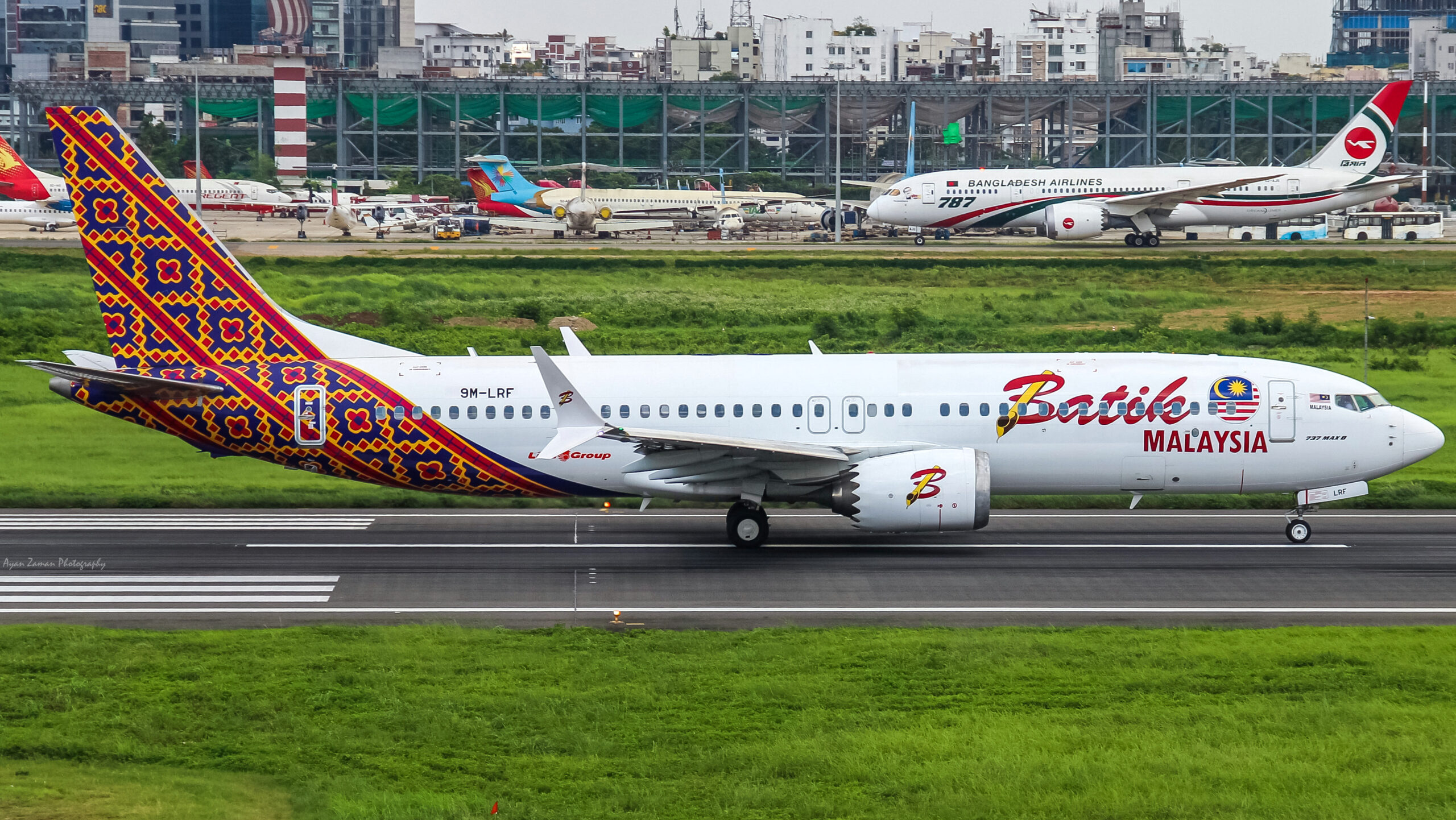
    Lion Group, the operator of Batik Air and Thai Lion Air, will relocate its operations from Terminal 3 to Terminal 4 at Singapore’s Changi Airport.

    In a strategic move aimed at enhancing passenger experience and accommodating future growth, Lion Group has announced its decision to transition its operations to Terminal 4, set to take effect in November. Following this relocation, the group is gearing up to introduce new daily flights in December to popular Malaysian destinations including Subang, Ipoh, and Penang.

    This move is tailored to meet the burgeoning air travel demand in the region. Upon completion, Terminal 4 will be home to 20 carriers, splitting its offerings between full-service airlines and low-cost operators.

    With Batik Air Indonesia, Batik Air Malaysia, and Thai Lion Air under its umbrella, Lion Group is primed to enter a competitive landscape on routes to Subang Airport. This airport is conveniently located just 24 kilometers from Kuala Lumpur’s city center, putting it in direct competition with low-cost carriers such as Scoot and Firefly.

    The Kuala Lumpur–Singapore corridor has been a hive of activity, ranked as the world’s fourth-busiest international route in 2024 and the busiest in 2023, according to flight analytics platform OAG. Not to be outdone, Lion Group currently operates 88 weekly flights connecting Singapore with various cities including Jakarta, Bali, Medan, Kuala Lumpur, and Bangkok.

    Looking ahead, Thai Lion Air plans to further broaden its horizon, with ambitions to launch flights connecting Singapore to additional Thai cities beyond Bangkok. It seems that in the realm of air travel, Lion Group is not just following the flight path, but actively charting new territories.

    Questions & Answers

    How will the relocation benefit Lion Group’s operations?
    The relocation to Terminal 4 is designed to enhance passenger experience and accommodate the anticipated growth in air travel demand, allowing Lion Group to operate more efficiently and attract more travelers.

    What new routes is Lion Group planning to introduce?
    Lion Group plans to launch new daily flights in December to Malaysia’s Subang, Ipoh, and Penang, expanding its service offerings in the region.

    How does Lion Group’s current flight schedule compare in the region?
    Currently, Lion Group operates 88 weekly services connecting Singapore to key cities such as Jakarta, Bali, Medan, Kuala Lumpur, and Bangkok, positioning itself strongly in the competitive Southeast Asian air travel market.

  • Ikea Boosts E-commerce And Introduces Localized Store Formats In Ambitious Asian Expansion

    Ikea Boosts E-commerce And Introduces Localized Store Formats In Ambitious Asian Expansion

    In a strategic shift poised to reshape its footprint in Asia, IKEA has unveiled plans to enhance its e-commerce capabilities as part of a broader effort to adapt to the evolving retail landscape. With the pandemic forcing many consumers into digital shopping, the home furnishings giant recognizes that ease of access and streamlined purchasing options are key to engaging today’s customer.

    Expanding Online Reach in Asia

    The Swedish retail powerhouse announced it will invest significantly in bolstering its online platforms across various Asian markets. This ambitious initiative aims to cater to the increasing demand for online shopping, particularly in markets like China and India, where digital adoption has surged. By enhancing its website functionality and expanding delivery services, IKEA hopes to transform the way customers interact with the brand.

    It’s clear that IKEA isn’t just jumping into the online fray; it’s doing so with a sense of urgency and innovation. Imagine, for a moment, picking out your favorite sofa from the comfort of your own couch — a scenario that feels almost too good to be true for many shoppers.

    New Store Formats and Localized Offerings

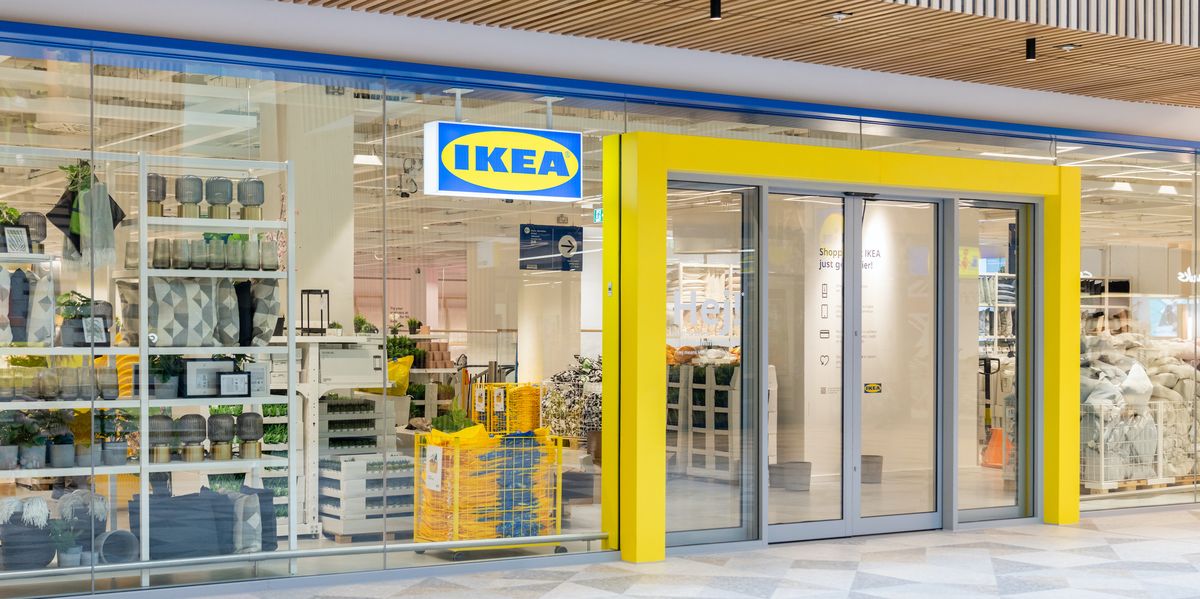
    In tandem with its digital enhancements, IKEA is also looking to reimagine its physical presence in Asia. Plans are underway to launch a series of smaller store formats designed to penetrate urban centers where traditional mega-stores might not be feasible. These new locations will not only display a curated selection of products but also serve as community hubs for design consultations and workshops, fostering a deeper connection with local consumers.

    Additionally, IKEA plans to tailor its product lineup to meet the unique tastes and preferences of Asian consumers. This regional approach is expected to resonate well with shoppers who appreciate local influences in home decor, allowing IKEA to blend its global identity with regional flair.

    Sustainability at the Forefront

    IKEA’s commitment to sustainability will continue to guide its efforts in Asia. The company aims to enhance its circular business model, striving for products that are not only stylish but also environmentally friendly. Initiatives like recycling and sustainable sourcing are on the horizon, appealing to increasingly eco-conscious consumers who want to support brands with strong environmental ethics.

    As Asia’s retail landscape evolves, IKEA’s proactive strategies underline its determination to stay ahead of the curve. The combination of enhanced online shopping experiences and localized in-store formats paints a promising picture for the brand’s future in the region, inviting shoppers to rethink where, how, and what they purchase for their homes.

    Questions & Answers

    What are IKEA’s main objectives in enhancing its e-commerce capabilities in Asia?
    IKEA aims to provide a more accessible and streamlined shopping experience, responding to the growing demand for online retail, especially in fast-developing markets like China and India.

    How will new store formats impact IKEA’s presence in urban areas?
    The introduction of smaller store formats will allow IKEA to effectively penetrate densely populated urban centers, offering a curated product selection and serving as community hubs for consumers.

    What sustainability initiatives is IKEA pursuing as part of its expansion in Asia?
    IKEA is committed to enhancing its circular business model, focusing on environmentally friendly products and initiatives like recycling and sustainable sourcing to appeal to eco-conscious consumers.

  • Indosat Joins Forces with Partners to Launch Innovative AI Application Collaboration Center

    Indosat Joins Forces with Partners to Launch Innovative AI Application Collaboration Center

    In a significant boost to Indonesia’s aspirations in the digital realm, Indosat Ooredoo Hutchison (Indosat), the Indonesia Technology Alliance (ITA), and the Tsinghua University Wuxi Research Institute of Applied Technologies have entered a Memorandum of Understanding (MoU) to establish an AI Application Cooperation Center in Indonesia. This landmark agreement, formalized at Tsinghua University and witnessed by Parulian George Andreas Silalahi, Deputy Ambassador of the Indonesian Embassy in China, signifies a pivotal step for Indonesia as it aims to take the lead in the artificial intelligence sector.

    Forging Stronger Ties in AI Innovation

    Announced at the 2025 China-ASEAN AI Ministerial Roundtable, the initiative sets the stage for enhanced cooperation between China and Indonesia in AI technologies. It’s designed to lay the foundations for a vibrant AI ecosystem within Indonesia—one that fosters innovation, cultivates top-tier talent, and bolsters the country’s influence in the digital economy.

    The newly established Application Cooperation Center will harness Tsinghua University’s technological prowess alongside ITA’s commitment to advancing Indonesia’s digital landscape. Indosat, as the country’s leading digital telecommunications provider, will leverage Indonesia’s first sovereign AI factory to bring AI implementations to crucial sectors like education, healthcare, and agriculture—essential areas for Indonesia’s long-term growth and digital inclusivity.

    AI—Catalyst for Indonesia’s Future Growth

    This collaboration couldn’t come at a more critical juncture. As Indonesia aspires to realize its Golden Indonesia 2045 vision, the role of AI emerges as a cornerstone for increasing productivity, enhancing public services, and shepherding growth through innovation. Tailoring AI solutions to the nation’s unique economic and social conditions will be paramount in elevating Indonesia’s competitiveness and ensuring broad access to its digital transformation. The collaboration may also pave the way for a strategic partnership between the National Development and Reform Commission of China and Indonesia’s Ministry of Communications and Digital Affairs, further solidifying AI capabilities in both countries.

    Nezar Patria, Vice Minister of Communications and Digital Affairs of Indonesia, underscored the importance of this collaboration, noting, “This marks an important step toward Indonesia’s new technology era. We sincerely appreciate the contributions of all parties involved. By uniting expertise and resources, we can quicken AI’s adoption in Indonesia, fueling technological advancements in the region and beyond.”

    Indosat: Bridging the Gap with AI

    Indosat’s pivotal role cannot be overstated. With an extensive mobile user base and nationwide infrastructure, the company is poised to translate intricate AI innovations into practical applications that impact millions of lives. This initiative aims to broaden access to crucial services in digital healthcare, education, and agriculture while simultaneously nurturing a new generation of local AI talent. Think of Indosat as the bridge connecting cutting-edge global research with the needs of Indonesian communities—like a digital Robin Hood, but without the cloak and bow.

    Vikram Sinha, President Director and CEO of Indosat Ooredoo Hutchison, elaborated on this vision: “AI can help bridge the resource gaps that limit equal opportunities for Indonesians, especially in healthcare, education, and agriculture. Collaborating with Tsinghua University and ITA, we aim to introduce localized, practical AI solutions, reinforcing our broader mission to empower the nation.”

    Global Knowledge Meets Local Needs

    Zhang Bo, Honorary Dean of the Institute for Artificial Intelligence at Tsinghua University, illuminated the long-standing commitment of his institution to AI research, which dates back to 1978. “Our collaboration with Indonesia will deepen exchanges between our nations in artificial intelligence,” he stated, underlining AI’s vast potential in education, healthcare, transportation, and finance to foster equity and distribute medical resources more fairly.

    The center is expected to commence operations early next year, becoming a hub for AI development tailored to Indonesian needs while bridging global expertise with local aspirations.

    Dr. Justisiari P. Kusumah, Chairman of ITA, added this perspective: “ITA is dedicated to collaborations that accelerate Indonesia’s digital transformation. This partnership exemplifies the synergy between government vision, industry capabilities, and scholarly research to drive meaningful AI applications, ensuring development is inclusive and impactful.”

    This partnership not only redefines the technological collaboration landscape between China and Indonesia but also acts as a reaffirmation of Indonesia’s commitment to fostering an inclusive and innovation-centric digital economy that benefits both its citizens and the broader Southeast Asian region.

    Questions & Answers

    How will the AI Application Cooperation Center impact Indonesia’s economy?
    The center aims to enhance productivity, improve public services, and introduce innovative AI solutions across vital sectors such as healthcare and education, ultimately strengthening Indonesia’s position in the digital economy.

    What are the key sectors that will benefit from the collaboration?
    The partnership will focus on sectors critical to Indonesia’s development, including education, healthcare, and agriculture, promoting digital inclusivity and addressing local needs.

    When is the AI Application Cooperation Center expected to be operational?
    The center is anticipated to start operations early next year, serving as a hub for developing customized AI solutions for Indonesia.

  • Link Asset Management Prepares For Ceo George Hongchoy’s Retirement With Interim Leadership Plan

    Link Asset Management Prepares For Ceo George Hongchoy’s Retirement With Interim Leadership Plan

    Hong Kong’s premier property management company, Link Asset Management, has unveiled an interim leadership plan to prepare for the imminent departure of its Group CEO, George Hongchoy.

    Leadership Transition

    George Hongchoy, who also holds the position of Executive Director, has recently declared his intent to retire at the end of this year after a long service tenure of 16 years with the company.

    In response, Link has secured John Saunders, the current Group Chief Investment Officer, for an executive director role on its board from the start of next year. Saunders will be joining forces with Kok-Siong Ng, the Executive Director and Group CFO, to form an interim leadership team. This collaborative effort will temporarily assume the responsibilities of the Group CEO.

    Steering the ship

    The company’s chair, Duncan Owen, along with a newly constituted Chairs Committee, will be responsible for providing oversight, support, and independent counsel to the executive directors. Their role will be crucial in implementing strategic decisions and key initiatives during this transitional phase.

    Owen highlighted the rationale behind this interim arrangement, stating that it will allow the retiring CEO to depart, while capitalizing on the strong and established leadership team that Link currently has. This will ensure smooth operations and continuity until a new Group CEO can assume the office.

    Questions & Answers

    Who is set to retire from Link Asset Management?
    George Hongchoy, the Group CEO and Executive Director is set to retire on December 31.

    Who will form the interim leadership team at Link?
    John Saunders, the current Group Chief Investment Officer, and Kok-Siong Ng, the Executive Director and Group CFO, will form the interim leadership team.

    What role will Duncan Owen and the Chairs Committee play during this transition?
    Duncan Owen and the newly formed Chairs Committee at Link will be providing oversight, support, and independent guidance to the executive directors in their execution of strategy and key initiatives.

  • South Korea’s Warehouse-style Pharmacies: Consumer Convenience Vs. Public Health Concerns

    South Korea’s Warehouse-style Pharmacies: Consumer Convenience Vs. Public Health Concerns

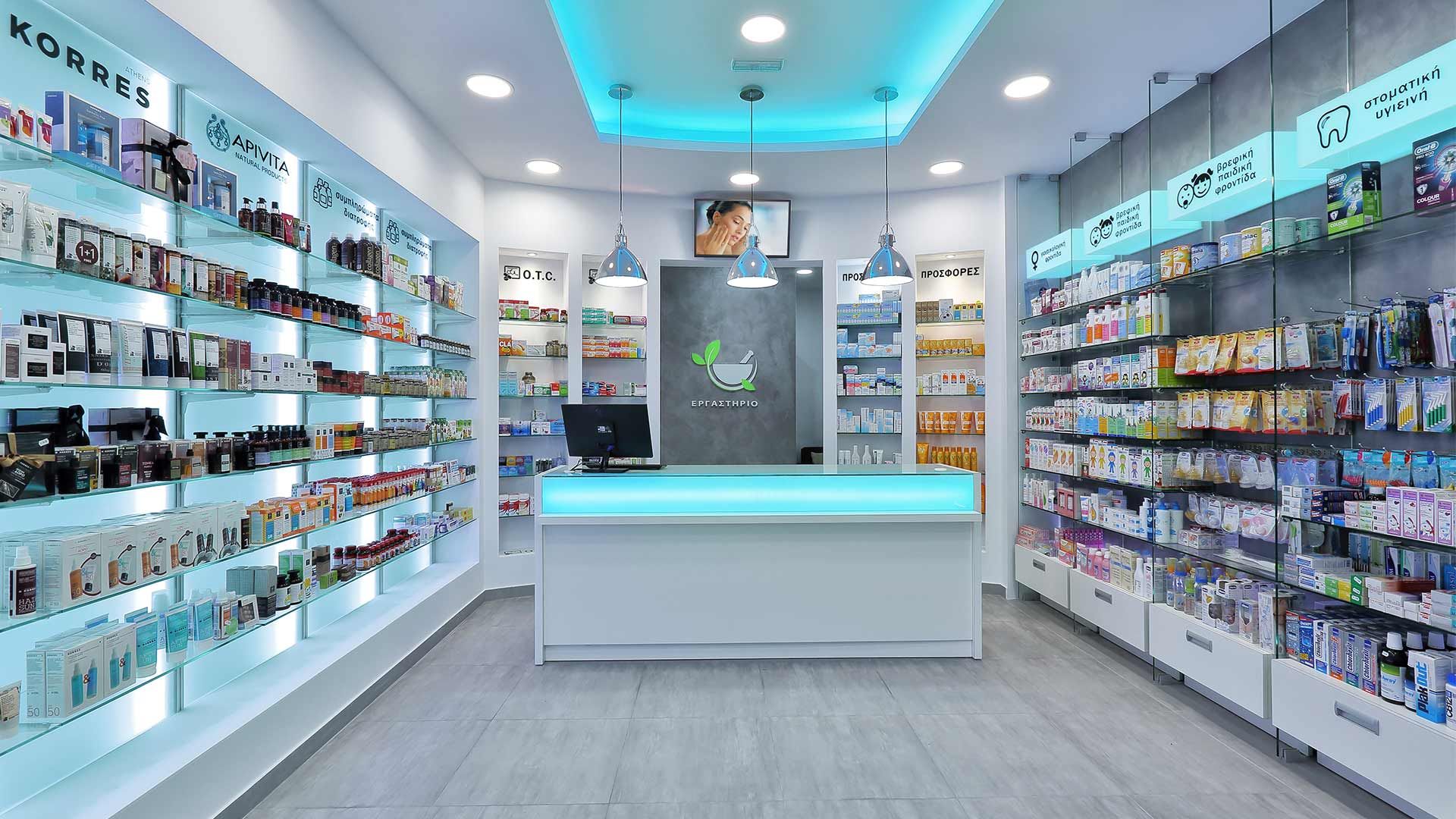
    South Korea is currently experiencing the rapid proliferation of large-scale ‘warehouse-style’ pharmacies, establishments that sell medications and wellness supplements in large quantities. This trend has sparked an intense discussion around public health and market equity.

    The Emergence of Warehouse-Style Pharmacies

    The trend of warehouse-style pharmacies was first noticed earlier this year in Seongnam, located to the south of Seoul. It has since spread to Gwangju, where two sizable pharmacies are preparing to commence operations this month. One of these pharmacies spans an area of 262 square meters, while another, yet to be launched, is expected to cover 760 square meters. Current registration guidelines allow these establishments to operate as long as they comply with legal requirements, thereby making it impossible for local governments to prevent their opening.

    Pharmacists’ Concerns

    Pharmacists’ associations have expressed serious concerns about this trend, warning about the potential risks it poses to patients and smaller community-owned pharmacies. The Gwangju Pharmaceutical Association, in particular, has issued a public statement urging a halt to the opening of new large-scale pharmacies. They emphasized that drugs are not mere consumer products but bioactive substances requiring extensive management and professional counseling.

    The Association further warned that if medicines are treated as commonplace household items in these large establishments, their misuse and abuse would inevitably increase. Such a scenario could also put more than 700 local pharmacies at risk of going under.

    Statistics support these concerns. The daily per-capita consumption of drugs in Korea has risen from 1123 in 2021 to 1432 in 2023. Over the past ten years, drug-associated fatalities have also risen by 1.7 times.

    Pharmacists also caution about the potential risks for patients with chronic illnesses who might face dangerous side effects from common analgesics or allergies caused by certain components without personalized guidance.

    Consumer Perspectives

    On the other hand, consumers see benefits in the new model. They are attracted to the cost competition and bulk display that promise more affordable medicines and increased convenience. Many shoppers, particularly those from Gwangju’s Seo district, appreciate the opportunity to have a wider variety of vitamins and supplements available under one roof.

    This debate mirrors previous conflicts around the sale of basic over-the-counter drugs at convenience stores in 2012, and the more recent surge in online sales of supplements.

    Local governments have admitted their inability to limit these openings under the current laws but have committed to rigorous monitoring. They underscored their commitment to prioritizing citizen safety by closely inspecting facilities, staffing, and adherence to regulations while working in tandem with local pharmacist groups.

    This ongoing debate underscores the growing friction between the consumer’s need for convenience and affordability and the health sector’s concerns regarding safety and societal costs.

    Questions & Answers

    What is the concern of local pharmacists about the trend of warehouse-style pharmacies?
    Local pharmacists express concern about the potential risks it may pose to both the smaller community pharmacies and patients. They worry that treating medicines as common consumer goods could lead to their misuse and abuse, jeopardizing public health.

    How has the daily per-capita consumption of drugs changed in Korea from 2021 to 2023?
    The daily per-capita consumption of drugs in Korea has increased from 1123 in 2021 to 1432 in 2023, according to the statistics.

    What is the stance of local governments on the proliferation of warehouse-style pharmacies?
    While local governments currently cannot restrict the opening of these establishments, they have pledged to maintain rigorous monitoring efforts. They aim to prioritize citizen safety by closely inspecting facilities, staffing, and regulatory compliance.

  • Carousell Enters Brick-and-mortar Retail With Luxury Handbag Store In Singapore

    Carousell Enters Brick-and-mortar Retail With Luxury Handbag Store In Singapore

    The Singapore-based e-commerce platform, Carousell, is set to launch its first physical store dedicated to second-hand luxury handbags in the city-state.

    Carousell Luxury Store Opening

    Carousell will debut a 1,400 square foot retail space, christened as Carousell Luxury, at The Centrepoint later this week. The move marks the firm’s first foray into brick-and-mortar retailing under its own brand.

    The store will offer an array of handbags and accessories from high-end labels such as Louis Vuitton, Chanel, Gucci, and Yves Saint Laurent.

    Business Model and Pricing Strategy

    Tresor Anne Tan, the director of client relations at Carousell Group, explained that the store will operate using a “net-earnings model”. In this approach, sellers agree in advance on the amount they will receive once an item is sold.

    Despite the overheads associated with running a physical store, the items will still be priced around the usual market rates. However, Carousell will retain a portion, approximately 25-30%, of the consignment price. This fee helps cover costs such as digital marketing, product photography, and other services that the platform provides.

    Questions & Answers

    What is Carousell’s new venture?
    Carousell is opening a physical retail store named Carousell Luxury, which will sell second-hand luxury handbags and accessories.

    What is the business model for Carousell Luxury?
    The store will operate on a “net-earnings model”, where sellers agree upfront on the earnings they will receive once an item is sold.

    How does Carousell cover the additional costs of running a physical store?
    Carousell will take a cut of about 25-30% from the consignment price of each item sold to cover additional costs such as digital marketing and product photography.

  • Cartier Unveils Asia’s Largest Store In Tokyo, Melding Luxury With Traditional Japanese Aesthetics

    Cartier Unveils Asia’s Largest Store In Tokyo, Melding Luxury With Traditional Japanese Aesthetics

    Cartier, the renowned luxury goods purveyor, has recently inaugurated its most expansive retail location in Asia. The store is situated in Tokyo’s posh Ginza district, a hub of high-end shopping and fashion.

    Store Design and Features

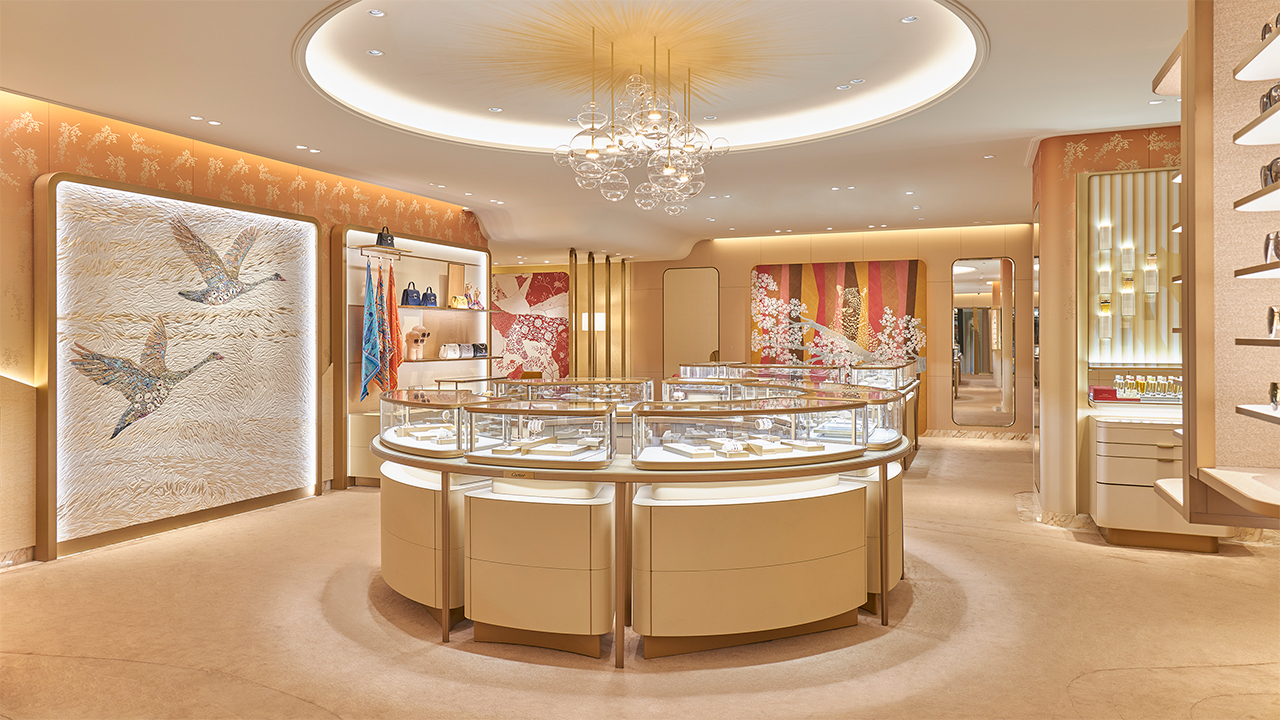
    The flagship store sprawls over four storeys of the Hulic Ginza Sukiyabashi Building. The exterior has been conceptualized and executed by the Tokyo-based Klein Dytham Architecture (KDA). The design places a strong emphasis on the traditional Japanese artistry, drawing inspiration from conventional Japanese textiles, patterns, and art forms, thereby giving a distinct, culturally representative facade to the store. The geometric fan patterns layered on the store’s exterior not only add texture but also pay a subtle homage to the country’s art and craft legacy.

    On the inside, the store follows a minimalist yet elegant aesthetic. It has stone flooring and displays a range of Cartier’s offerings, including jewelry, timepieces, accessories, gifts, and fragrances. The interior design carries the same Japan-inspired theme, featuring various art installations from local artists scattered throughout the space. The most striking feature of the store’s interior is the ceiling. Designed to resemble origami, it covers the entire space, invoking the imagery of a traditional Japanese umbrella.

    The store also houses two additional zones, each dedicated to salon and garden themes. These spaces provide customers with a place to rest and leisurely browse between shopping. The top floor of the store accommodates the ‘Residences’, private spaces intended for exclusive events and special reservations.

    Cartier’s Expansion in Asia

    This move is a testament to Cartier’s ongoing expansion efforts in the Asian market. In August, the luxury retailer opened a duplex boutique in Bangkok. The boutique’s design carefully integrates elements of Thai heritage with Cartier’s signature craftsmanship, reflecting the brand’s commitment to celebrate and incorporate local culture into their store designs.

    Questions & Answers

    What inspired the design of Cartier’s new store in Tokyo?
    The design of the new Cartier store in Tokyo is inspired by traditional Japanese fabrics, artwork, and geometric patterns.

    What does the interior of the store feature?
    The interior of the store features art installations by Japanese artists, stone flooring, and a range of Cartier products like watches, jewelry, and fragrances.

    What are the ‘Residences’ within the store?
    The ‘Residences’ are private spaces located on the top floor of the store that are intended for special event reservations and exclusive use.

  • Saizeriya Sets Sights On Doubling China Presence With Local Production Strategy By 2035

    Saizeriya Sets Sights On Doubling China Presence With Local Production Strategy By 2035

    Saizeriya, a Japanese-owned Italian restaurant chain, has unveiled an ambitious plan to double its presence in China from its current footprint to approximately 1,000 outlets by the year 2035.

    Expansion Strategies and Local Production

    In order to facilitate its expansion, Saizeriya established a subsidiary in Wuhan in July. Furthermore, they have plans to inaugurate a $30 million plant in Guangzhou next year. This new plant will produce local ingredients, including sauces, pasta, and pizza.

    The restaurant chain aims to attract “cost-conscious” consumers with its pricing strategy. As an illustration, at its Shanghai branches, Milan-style rice is priced at 15 yuan (roughly $2), and squid-ink pasta is available for 16 yuan.

    Noboru Nagaoka, the General Manager for overseas business, provided insight into the company’s performance. According to Nagaoka, the company currently generates an annual operating income of $40 million, a figure that is triple the amount earned from its operations in Japan.

    “We initially wanted to challenge the notion that Western food had to be expensive. Our goal was to demonstrate that genuine Italian meals could also be affordable,” he explained.

    Established Presence and Future Growth

    Saizeriya launched its first branch in Guangzhou in 2007, followed by a branch in Beijing in 2008. Recently, in July, the restaurant chain established a head office in Guangdong Province. This office is responsible for managing its operations in China and standardizing menu development.

    Nagaoka stated, “The Chinese market is of utmost importance to us. Our profits from this market have already surpassed those from Japan. Moreover, the potential for future growth in China is much larger.”

    To continue expanding its presence in the Chinese market, Saizeriya plans to open a minimum of 50 new stores per year. This would align its presence in China with the approximately 1050 restaurants it currently operates in Japan.

    Questions & Answers

    What is Saizeriya’s expansion plan for China?
    Saizeriya aims to double its presence in China to about 1,000 outlets by 2035.

    How does Saizeriya plan to support its expansion in China?
    The company plans to open a $30 million plant in Guangzhou to produce local ingredients. Additionally, a subsidiary has been established in Wuhan, and a head office has been set up in Guangdong Province to manage operations and standardize menu development.

    What is Saizeriya’s pricing strategy?
    Saizeriya targets “cost-conscious” diners by offering affordable prices for its dishes. For instance, at its Shanghai branches, Milan-style rice is priced at 15 yuan, and squid-ink pasta is available for 16 yuan.

  • Nike Partners With Skims For Inclusive, Innovative Women’s Sportswear Line

    Nike Partners With Skims For Inclusive, Innovative Women’s Sportswear Line

    Nike has recently joined forces with Skims to unveil a line of women’s sportswear, a move that aligns with their commitment to inclusivity and ongoing innovation.

    The NikeSkims collection, expansive in its offering, covers seven categories and 58 styles. The companies have described the collection as a “system of dress” which allows for more than 10,000 combinations to cater to women’s diverse needs.

    The collection features essential items such as bras and leggings, as well as seasonal pieces and accessories that are designed for a comfortable transition between athletic activities and casual, daily wear.

    Kim Kardashian, co-founder and chief creative officer of Skims, expressed the goal of the collaboration was to “redefine the rules of women’s activewear.” The aim is to bring together style and performance-driven designs that meet the modern woman’s demand for both. “No more compromises,” Kardashian asserted. “We’re combining high-performance innovation with sexy, style-forward design for all women who demand both.”

    In addition to its emphasis on inclusivity and innovation, the line focuses on sculpting fabrics, neutral color palettes, and versatile layering options, further enhancing the adaptability of the collection to different body types and lifestyles.

    Amy Montagne, the president of Nike, stated the collaboration falls in line with Nike’s broader strategy to pioneer innovation in women’s products. “NikeSkims is a bold evolution in how women experience sport and style. Together with Skims, we’re delivering an experience that no other brand can offer,” said Montagne.

    Questions & Answers

    What is the aim of the NikeSkims collaboration?
    The joint venture aims to redefine the rules of women’s activewear by combining performance-driven design with stylish aesthetics that cater to the diverse needs of women.

    What are some key features of the NikeSkims line?
    The line is characterized by its sculpting fabrics, neutral color palettes, and versatile layering options. It offers foundational items like bras and leggings as well as seasonal pieces and accessories.

    How does this collaboration align with Nike’s broader strategy?
    The collaboration aligns with Nike’s wider strategy to expand innovation in women’s products, offering a unique blend of sport and style that no other brand can provide.

  • Whole Foods Market Expands To Singapore With Exclusive Private-label Products

    Whole Foods Market Expands To Singapore With Exclusive Private-label Products

    Whole Foods Market, a renowned American gourmet grocery chain, has recently launched around 300 of its private-label products in Singapore.

    Exclusive Brand Offerings

    The assortment covers a wide range of products, including everyday grocery items, snacks, beverages, and pet food. This collection is derived from three of the grocer’s exclusive brands, namely 365 by Whole Foods Market, Whole Foods Market, and Whole Paws. All products are formulated according to the brand’s stringent ingredient regulations that prohibit the use of over 550 commonly used additives.

    Sonya Gafsi Oblisk, the Chief Marketing and Merchandising Officer at Amazon-owned Whole Foods Market, expressed the company’s commitment to making organic products more widely available. She also expressed her enthusiasm about exploring a new market where there is a growing demand for high-quality, sustainable grocery options.

    Partnership with Local Grocer

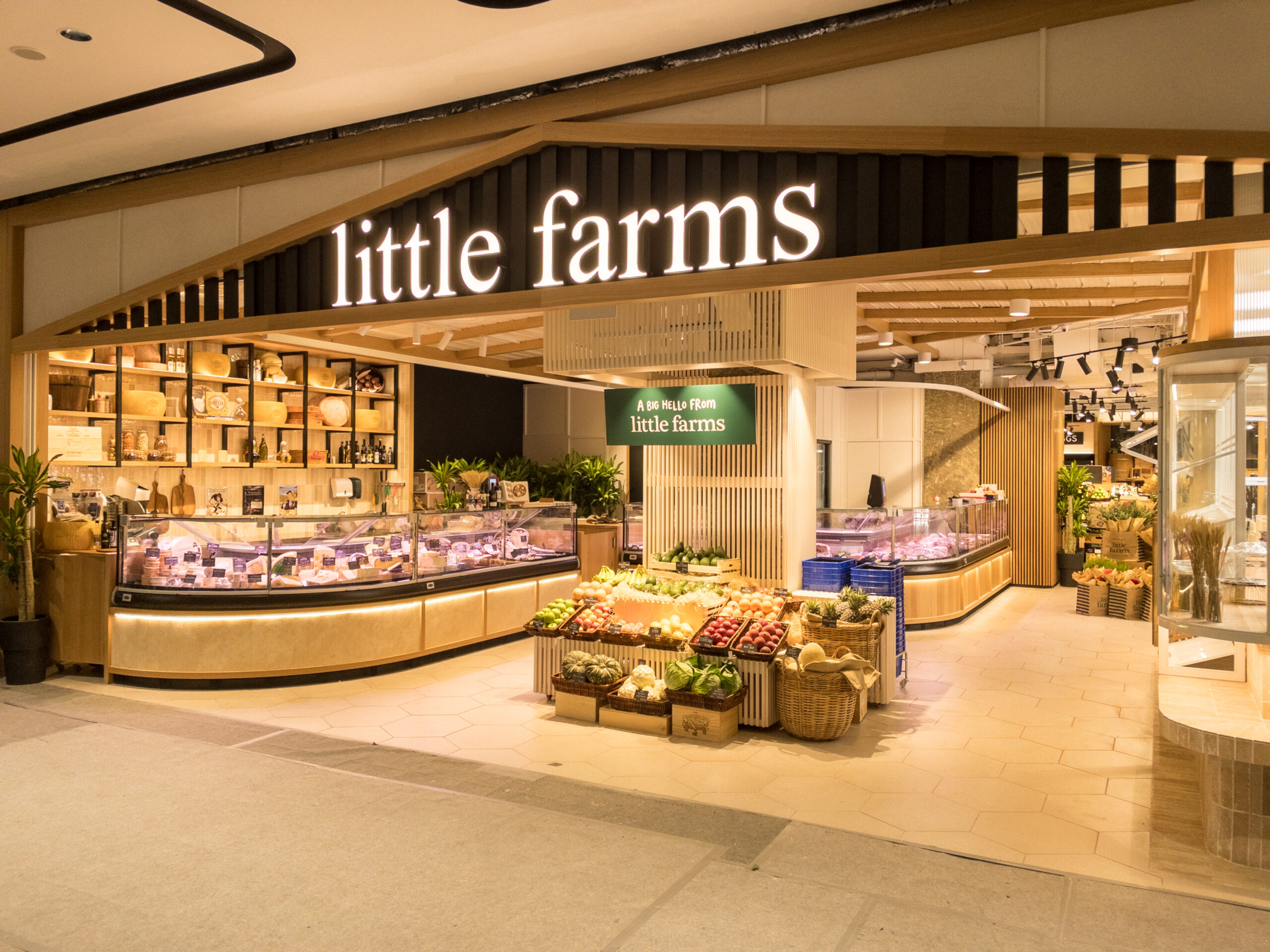
    Whole Foods Market’s products will initially be available online through the Amazon Singapore website and Amazon Fresh. The items will later be physically sold exclusively at Little Farms, a local premium grocer with eight branches across Singapore. This strategic partnership is designed to cater to the increasing number of health-conscious consumers who prefer clean-label and responsibly sourced products.

    Joe Stevens, the CEO of Little Farms, shared his company’s mutual commitment to quality ingredients, transparency, and responsible sourcing with Whole Foods Market. He also acknowledged the global standard set by Whole Foods Market for organic groceries.

    A Strategic Expansion

    The brand’s debut in Asia aligns with its broader growth strategy. This includes an international direct-to-consumer (DTC) expansion, new store formats such as the Whole Foods Market Daily Shop, and wider brand distribution through Amazon’s global platforms.

    Questions & Answers

    What are the exclusive brands of Whole Foods Market that have been launched in Singapore?
    Whole Foods Market has launched products from three of its exclusive brands in Singapore. These are 365 by Whole Foods Market, Whole Foods Market, and Whole Paws.

    Where will Whole Foods Market’s products be available in Singapore?
    Initially, the products will be available online on the Amazon Singapore website and Amazon Fresh. Later, the products will be physically sold exclusively at Little Farms, a local premium grocery chain in Singapore.

    What is the broader growth strategy of Whole Foods Market?
    The broader growth strategy of Whole Foods Market includes international direct-to-consumer expansion, the introduction of new store formats like Whole Foods Market Daily Shop, and wider brand distribution through Amazon’s global platforms.