Author: Mei Ling Tan

  • Johor Bahru Set to Dominate Malaysia’s Data Centre Capacity with 60% Share by 2030!

    Johor Bahru Set to Dominate Malaysia’s Data Centre Capacity with 60% Share by 2030!

    Capacity is expected to reach 500MW this year.

    In a development poised to reshape the digital landscape of Southeast Asia, JLL has projected that Johor Bahru will hold 60 percent of Malaysia’s total data centre capacity by the year 2030. This transformation solidifies the city’s status as a vital digital hub in the region.

    According to JLL’s recent findings, Johor has rapidly ascended to become Malaysia’s premier data centre hub, with capacity surging from just 10 MW in 2021 to an astounding 500 MW anticipated by 2025. This impressive growth can be attributed to its strategic location near key regional networks, competitive costs, and robust government backing.

    The Johor-Singapore Special Economic Zone: A Catalyst for Growth

    At the heart of this evolution lies the Johor-Singapore Special Economic Zone (JS-SEZ), a groundbreaking initiative designed to propel the data centre industry in the region. Industry giants such as Bridge DC, GDS, and OpenDC are playing pivotal roles, enriching Johor’s reputation as Southeast Asia’s largest data centre market.

    Hyperscale Demand Fuels Expansion

    Meanwhile, a significant hyperscaler has ramped up investments, acquiring land within the Nusa Cemerlang Industrial Park. With a pipeline projected at 2,570 MW, Johor is on track to potentially surpass Singapore’s data centre capacity, a formidable feat that underscores the strong market demand. Fully occupied hyperscale facilities provide a glowing testament to this demand, offering investors enticing growth opportunities with manageable risks amid the booming digital economy.

    Operational Challenges Loom on the Horizon

    However, it’s not all smooth sailing; data centres face looming challenges beyond mere regulatory compliance. An impending rise in electricity tariffs set for July 1, 2025, poses a significant threat to operational viability, especially given that power costs are a major expense for these facilities.

    A Bright Outlook for Users and Providers

    For users, hyperscale pre-commitments will likely continue steering demand. Furthermore, the rapid developments in AI are expected to influence enterprise strategies significantly, while lease rates are predicted to hold steady. On the provider side, Johor’s strategic positioning, complemented by superior cable connectivity for digital infrastructure, attracts more hyperscalers. In response to the evolving landscape, the government is shifting its approach from unchecked expansion to a more regulated approval process, ensuring adequate infrastructure support. Developers are also embracing innovative strategies, integrating alternative water sources, renewable energy options, and sustainability frameworks to navigate these changes.

    Questions & Answers

    What is the projected data centre capacity for Johor Bahru by 2030?
    Johor Bahru is expected to hold 60 percent of Malaysia’s total data centre capacity, reaching 500 MW by 2025 and maintaining that dominance through 2030.

    Which initiatives are fueling Johor’s data centre growth?
    The Johor-Singapore Special Economic Zone (JS-SEZ) is a key initiative designed to enhance the data centre landscape, attracting major companies such as Bridge DC, GDS, and OpenDC.

    What challenges might data centres face in the near future?
    Data centres may grapple with increased electricity tariffs coming into effect on July 1, 2025, which could significantly impact their operating costs.


  • Viettel Expands Customer Experience with Nokia’s Cutting-Edge BNG-CUPS Solutions

    Viettel Expands Customer Experience with Nokia’s Cutting-Edge BNG-CUPS Solutions

    Nokia is set to transform Viettel’s fixed broadband network through the implementation of its Broadband Network Gateway-Control User Plane Separation (BNG-CUPS) solution in the Hanoi Metro area. This strategic move will see Viettel replace its aging legacy system, paving the way for more efficient operations and an enhanced experience for subscribers.

    Digital Landscape and Infrastructure Growth

    Vietnam’s digital economy is on a rapid growth trajectory, driven by the meteoric rise of e-commerce, fintech innovations, and cloud technology adoption. The government’s National Digital Transformation strategy aims for the digital economy to account for a staggering 30% of GDP by 2030. To support this ambitious goal, robust digital infrastructure—including reliable broadband connectivity—becomes essential.

    Viettel’s Commitment to Network Excellence

    Nguyen Tran Quynh, Deputy Director of Technical Global Center at Viettel, expressed enthusiasm for this groundbreaking initiative: “This initiative reiterates our commitment to continuously elevate network performance to deliver a best-in-class experience for our subscribers. We are excited to collaborate with Nokia to modernize the fixed broadband network while streamlining our daily operations. The solution will also help us enhance the energy efficiency of our networks. We are confident that Nokia’s solution will enable us to further strengthen network availability and reliability.”

    Nokia’s Integral Role in Telecommunications Innovation

    Kent Wong, Vice President and Head of IP Networks for Asia Pacific at Nokia, also weighed in on this significant project: “Nokia is at the forefront of developments in IP networks and we also led the specification and implementation of the BNG-CUPS architecture standard. This is a milestone project for us as it marks the first deployment of BNG-CUPS in Vietnam. We are delighted that our BNG-CUPS solution will enable Viettel to modernize its fixed broadband network to advance towards a more reliable, energy-efficient, and high-performing network.”

    This upgrade will be powered by Nokia’s 7750 Service Router, featuring the innovative FP5 chipset, designed to offer a remarkable 75% reduction in energy consumption. Furthermore, Nokia’s Network Services Platform will provide Viettel with the tools needed to simplify operations and rapidly adapt to fluctuating demands. The CUPS architecture allows for a separation of the control plane from the user plane, facilitating greater flexibility in scaling and edge deployments. After all, if the future of broadband isn’t green and efficient, we’re probably just borrowing it!

    Questions & Answers

    What specific technologies will Viettel implement in the upgrade?
    Viettel will deploy Nokia’s Broadband Network Gateway-Control User Plane Separation (BNG-CUPS) solution, utilizing the 7750 Service Router with the FP5 chipset.

    How does this upgrade support Vietnam’s digital economy goals?
    The upgrade will enhance broadband connectivity, crucial for achieving the government’s ambition for the digital economy to constitute 30% of GDP by 2030.

    What are the energy efficiency benefits of the new solution?
    Nokia’s 7750 Service Router is designed to reduce energy consumption by 75%, contributing to a more environmentally friendly network operation.

  • LVMH’s Bernard Arnault Challenges Proposed Billionaire Tax, Sparking Controversy in France’s Wealth Debate

    LVMH’s Bernard Arnault Challenges Proposed Billionaire Tax, Sparking Controversy in France’s Wealth Debate

    In a robust defense of wealth and economic freedom, Bernard Arnault, the chairman and CEO of LVMH and France’s wealthiest individual, has vehemently criticized a proposed 2% tax targeting billionaires, labeling it a direct threat to the nation’s economic stability.

    The proposed tax aims to levy a charge on fortunes exceeding 100 million euros (around $117 million) and has garnered increasing political momentum in France. Prime Minister Sébastien Lecornu is under pressure from the Socialist Party to integrate the measure into the 2026 budget, with failing to do so possibly leading to a confidence vote that could destabilize his government.

    Arnault did not hold back in an interview asserting, “This is clearly not a technical or economic debate, but rather a clearly stated desire to destroy the French economy.” He directed his ire at the proposal’s main architect, economist Gabriel Zucman, dismissing him as “first and foremost a far-left activist” leveraging “pseudo-academic competence” to undermine the economic system he believes is essential for societal welfare.

    In a spirited rebuttal, Zucman, who teaches at France’s École Normale Supérieure and the University of California, Berkeley, defended his position. “I’ve never been an activist for any movement or party,” he stated on X, emphasizing that his research is based on empirical analysis rather than ideological bias.

    Though Zucman has been affiliated with left-leaning economic initiatives, he has consistently argued that the super-wealthy are often paying a disproportionately lower share of taxes compared to average citizens. The proposed tax, according to Zucman, seeks to bridge that widening divide.

    Public sentiment appears to sway in favor of the tax, with an Ifop poll commissioned by the Socialist Party revealing an impressive 86% approval rate among respondents. This support highlights a growing desire for equity in the tax system, indicating a potential shift in societal perspectives toward wealth distribution in France.

    Questions & Answers

    What is the proposed billionaire tax in France?
    The proposed 2% tax would apply to fortunes exceeding 100 million euros ($117 million) and is aimed at addressing perceived inequities in the tax burden among the ultra-wealthy.

    Who is Gabriel Zucman, and what is his stance on the wealthy’s tax contributions?
    Gabriel Zucman is a prominent economist advocating for the tax, arguing that the ultra-rich pay a lower tax rate relative to their wealth compared to average citizens, and he believes the proposed tax would help close this gap.

    What level of public support does the tax have?
    Recent polling indicates strong public backing for the tax, with 86% of respondents approving of the initiative, reflecting a potential shift in attitudes toward wealth distribution and tax fairness in France.

  • Bangkok Set to Unveil Over 3,200 New Hotel Keys by End of 2025, Transforming Hospitality Landscape!

    Bangkok Set to Unveil Over 3,200 New Hotel Keys by End of 2025, Transforming Hospitality Landscape!

    According to a recent report from Knight Frank, Bangkok is entering the second half of 2025 amidst a complex mix of challenges and opportunities in its tourism and hospitality sector. The initial half of the year witnessed a noticeable dip in hotel occupancy, which fell by 3.7 percentage points to 75.1%. Despite this setback, average daily rates (ADR) showed only slight improvement, reaching THB 4,260. Now, all eyes are on how the market will accommodate the 3,283 new hotel rooms anticipated to debut by the end of the year, pushing the total new supply for 2025 beyond 5,100 keys—marking the most rapid annual growth since the pandemic’s onset.

    The report highlights a particularly significant hurdle: a marked decrease in Chinese tourist arrivals, which plummeted nearly 35% year-on-year in the first half of 2025. While China remains Thailand’s leading source of international visitors by volume, this decline has been felt acutely in Bangkok’s midscale and group-tour-oriented hotels.

    Interestingly, the outbound travel trends from China present a different narrative. In the early months of the year, Vietnam welcomed 2.7 million Chinese visitors, while Japan recorded 3.13 million. This indicates that the demand for outbound tourism is still robust, but Thailand is losing some of its competitive edge. Factors contributing to this shift include safety concerns, adverse media coverage, and changing preferences among travelers.

    In response, the Thai government is implementing various domestic stimulus measures, including the Co-Pay Thai Travel subsidies, the “Half-Price Thailand Travel” campaign, and new tax incentives aimed at boosting domestic tourism, especially during the typically slower off-peak seasons.

    Looking ahead, the latter half of the year will be crucial for a market-driven recovery, closely tied to increases in airline capacity. While growth in arrivals from India (+14.6%) and Russia (+11.1%) shines as a silver lining, momentum from other ASEAN markets remains moderate and insufficient to offset declines from China and South Korea.

    As the year progresses, revenue per available room (RevPAR) growth in the second half is expected to hinge on occupancy rates during busy months like November and December, spurred by year-end festivities and MICE (Meetings, Incentives, Conventions, and Exhibitions) demand. Still, pressure on average daily rates, particularly in the mid-tier segment, will likely continue as competition intensifies with the influx of new hotel openings. Ultimately, rate performance will depend increasingly on brand reputation, distribution strategies, and choice locations.

    In contrast, the luxury sector appears set to remain stable, buoyed by consistent interest from long-haul travelers and affluent regional visitors. Although growth in rates for high-end properties is expected to be moderate—with fierce competition among top-tier hotels—Bangkok’s attractive pricing compared to regional staples like Singapore, Hong Kong, and Tokyo could continue to lure experience-seeking travelers hunting for value.

    Questions & Answers

    How is Bangkok’s tourism market evolving as we move into the second half of 2025?
    The market faces a dip in Chinese tourist arrivals, leading to a drop in hotel occupancy rates. However, new hotel openings and government initiatives aim to stimulate domestic travel amidst a challenging environment.

    What measures is the Thai government taking to boost tourism?
    The government has introduced several domestic stimulus initiatives, including travel subsidies, a “Half-Price Thailand Travel” campaign, and new tax incentives, particularly aimed at increasing tourism during low seasons.

    Which markets are showing growth potential amidst these challenges?
    Growth from India and Russia is noteworthy, with increases of 14.6% and 11.1%, respectively. However, gains from these markets are currently not enough to counterbalance the significant declines in visitors from China and South Korea.

  • Two Chinese Companies Debut Cutting-Edge Autonomous Shuttle Services in Singapore

    Two Chinese Companies Debut Cutting-Edge Autonomous Shuttle Services in Singapore

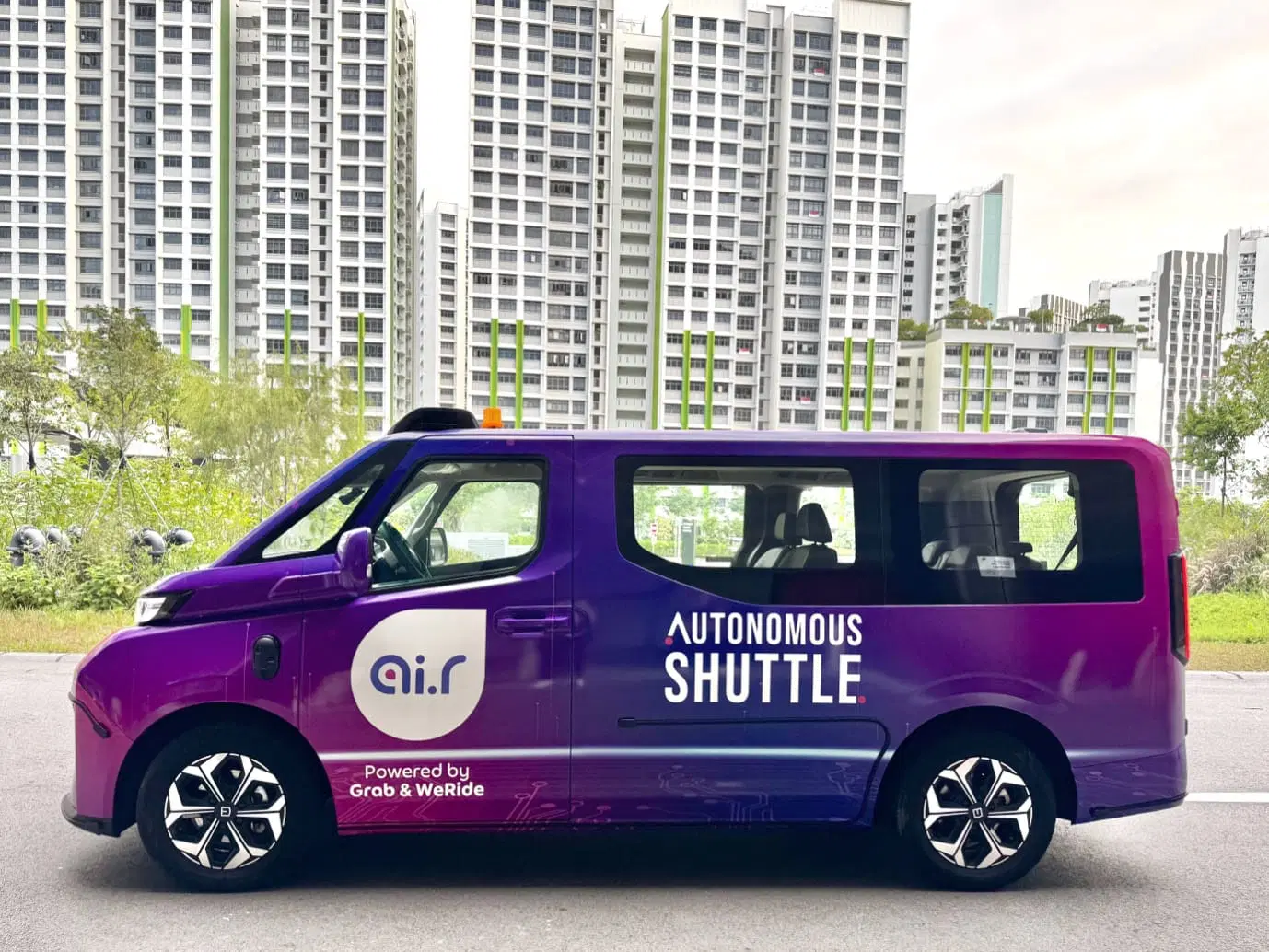
    In a significant move toward the embrace of autonomous mobility, two Chinese robotaxi companies are set to collaborate with local providers to launch shuttle services in Singapore, marking a new chapter in the city-state’s transportation landscape.

    Ride-hailing giant Grab has partnered with China’s WeRide, aiming to roll out services by early 2026. Meanwhile, Pony.ai is joining forces with Singapore’s ComfortDelGro, planning similar initiatives. The rapid developments signify Singapore’s ambition to become a focal point for autonomous driving technologies.

    Grab confirmed that it has received approval from local authorities to run two autonomous shuttle routes in the Punggol area. Passengers can expect to board WeRide’s five- and eight-seater vehicles following a thorough testing phase designed to fine-tune the service routes.

    WeRide recently secured a permit from the Shanghai municipal government, enhancing its credentials as it prepares to offer autonomous robotaxi services.

    On the other hand, Pony.ai announced its intention to offer services in Punggol with ComfortDelGro, with an ambitious plan to expand to nearby communities as soon as they clear regulatory hurdles. Singapore’s Land Transport Authority has outlined that Pony.ai and ComfortDelGro will service a 12-km (7.5-mile) route in Punggol, capturing the community’s attention with their innovative approach to transport.

    The Land Transport Authority has also recognized the robust capabilities of both WeRide and Pony.ai, noting their successful deployment of automated vehicles in various global markets.

    Currently, Pony.ai operates commercial robotaxis in four of China’s leading cities: Beijing, Shanghai, Guangzhou, and Shenzhen. The company, which has secured backing from Toyota Motor, is also looking to extend its driverless operations to South Korea and parts of Europe, fueled by a $260 million rise in funding following its Nasdaq listing last November. By year-end, Pony.ai aims to elevate its robotaxi fleet to 1,000 vehicles—talk about a drive for growth!

    The Singapore government, actively exploring autonomous technologies, is taking decisive steps in this direction, with Transport Minister Jeffrey Siow visiting Chinese autonomous driving firms in June to gather insights and bolster collaboration.

    Questions & Answers

    What companies are launching autonomous shuttle services in Singapore?
    Grab has partnered with WeRide, while Pony.ai is collaborating with ComfortDelGro to offer similar autonomous shuttle services.

    When will these services begin operations?
    Grab and WeRide plan to start their shuttle services in early 2026, whereas Pony.ai and ComfortDelGro are looking to commence within the coming months, subject to regulatory approval.

    What is the scope of Pony.ai’s operations?
    Pony.ai currently operates commercial robotaxis in major cities across China and is expanding its services globally, highlighting its ambition to grow its fleet significantly by the end of this year.

  • Singapore Man Faces Jail Time for Stealing Nearly $200 Worth of Durian Delights

    Singapore Man Faces Jail Time for Stealing Nearly $200 Worth of Durian Delights

    In a bizarre twist of fate, a 56-year-old man from Singapore found himself behind bars for five weeks after attempting to nab a luxurious fruit—an act that surely left the fruit-loving community in disbelief.

    The man, identified as Sew Swee Chai, was sentenced last Monday following his guilty plea to two counts of theft. These charges notably included stealing nine Black Gold durians valued at S$250 (approximately US$195), along with three religious amulets from the Fu Lu Shou Complex in Rochor, as reported by Channel News Asia.

    According to court documents, Sew’s midnight craving for durians led him to a closed fruit stall located at Block 276, Bukit Batok East Avenue 4, on the night of September 6, 2024. Surveillance footage captured him outside the stall, where he spent several minutes plotting his heist. In a fit of ingenuity, he attempted to disable the security cameras by unplugging them, only to unwittingly turn off the refrigerators instead. With a quick grab, he slipped the durians into a plastic bag and sauntered away.

    The following morning, an observant stall assistant quickly noticed the absence of the prized durians and immediately reviewed the CCTV footage, revealing the audacious theft. A police report ensued, leading to Sew’s identification and subsequent capture.

    But Sew’s misadventures didn’t stop there. About two weeks later, he returned to the scene of crime at Fu Lu Shou Complex, where he attempted to pocket two amulets. His sticky fingers nearly snagged a third before the shop owner caught him red-handed and alerted authorities, culminating in Sew’s arrest, as detailed by Mothership.

    During the court proceedings, prosecutors painted a picture of Sew as a repeat offender, citing prior convictions for burglary and theft noted by Shin Min Daily News. In his defense, Sew’s lawyer indicated that he suffers from major depressive disorder, claiming his client hadn’t been taking prescribed medication around the time of his heists. The defense underscored that Sew is seeking treatment and has already made reparations for stolen goods.

    Ultimately, the court handed down a sentence of nine weeks in jail, yet granted a deferment due to Sew’s need to assist his 80-year-old mother, who is battling Stage 2 breast cancer. Sew is slated to begin serving his sentence on October 13, leaving the banana (or rather, durian) kingdom abuzz with this unexpected tale of criminal folly in the pursuit of an exotic delicacy.

    Questions & Answers

    What motivated Sew Swee Chai’s theft?
    Sew’s actions were primarily driven by a late-night craving for durians, which are considered a delicacy in Singapore.

    What was the outcome of Sew’s court hearing?
    Sew was sentenced to nine weeks in jail but received a deferment to care for his ailing mother before he begins serving his time.

    How did authorities identify Sew after the theft?
    Authorities tracked Sew down after a stall assistant reviewed the CCTV footage from the night of the theft, which recorded his escapade.

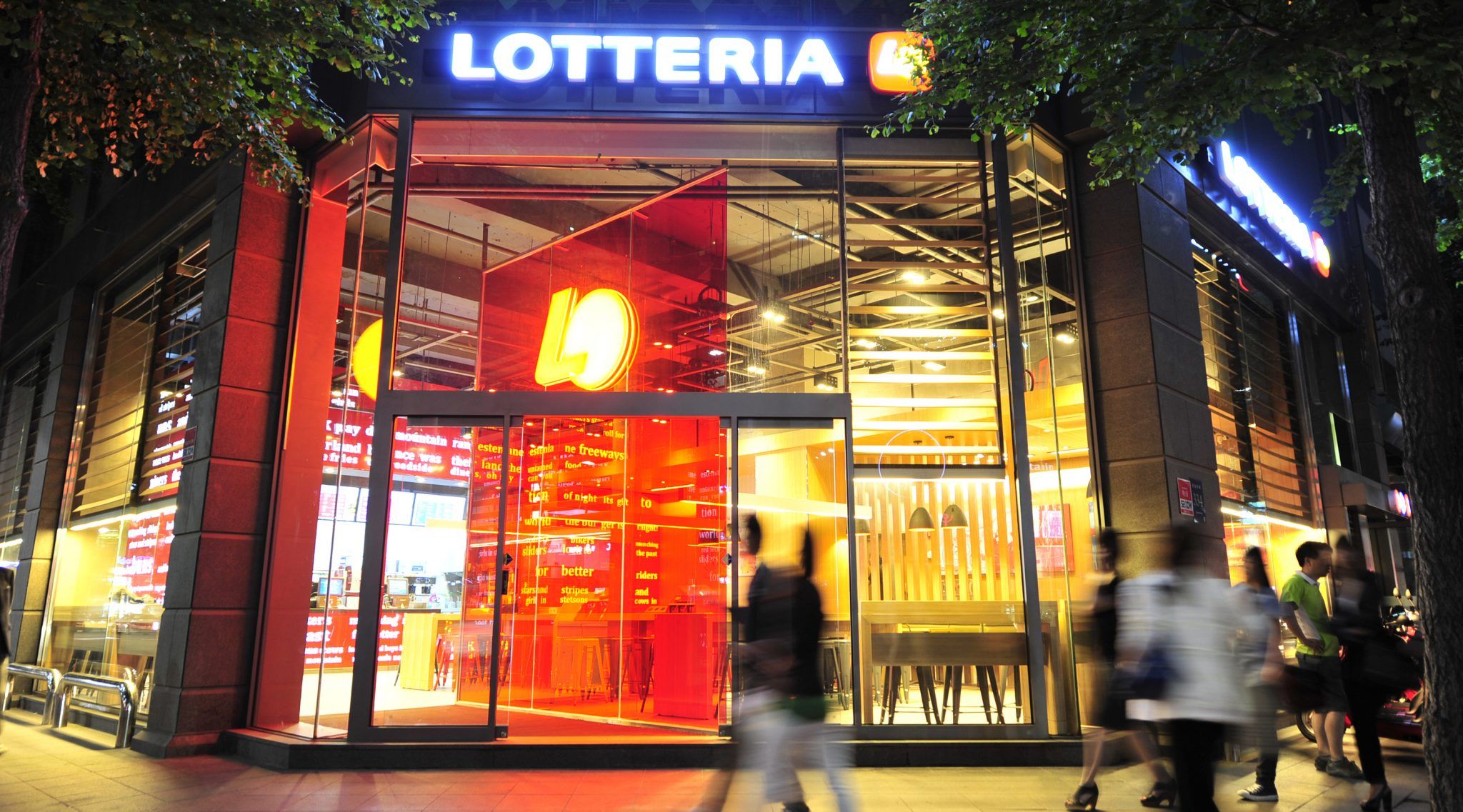
  • Lotte Group’s Bold Investment In E-commerce: Reshaping Asia’s Online Shopping Landscape

    Lotte Group’s Bold Investment In E-commerce: Reshaping Asia’s Online Shopping Landscape

    In a move that has captivated the retail landscape, Lotte Group, a titan in South Korea’s retail industry, is making waves with its latest investment in the e-commerce sector. This ambitious strategy could well reshape the dynamics of online shopping in Asia. The company recently announced a significant investment in the rapidly growing e-commerce platform, Wowma!, as part of its overarching plan to bolster its digital presence and compete with regional rivals.

    E-commerce Expansion: Lotte’s Strategic Play

    This investment in Wowma! isn’t just about numbers; it’s a bold statement of intent. As Lotte Group dives deeper into online retail, this move allows them to tap into the burgeoning demand for e-commerce in Asia. With internet penetration skyrocketing and consumer shopping habits shifting, their goal seems clear: to solidify a commanding lead in the online marketplace. Wowma!, owned by the Japanese entity ASKUL Corporation, has been swiftly gaining traction, and Lotte’s involvement is likely to enhance its capabilities and reach significantly.

    Moreover, this collaboration brings together Lotte’s extensive logistics and retail networks with Wowma!’s established e-commerce ecosystem. Imagine a world where your online orders arrive quicker than you can say “cart checkout!” It’s not a stretch to think that this partnership could redefine delivery standards.

    The Numbers Behind the Vision

    Reports indicate that Lotte Group has allocated a substantial investment of approximately 100 billion Korean won, translating to around $90 million USD. This financial influx aims to elevate Wowma!’s technological infrastructure, improve user experience, and expand product offerings. For shoppers, this could mean a wider selection and faster delivery options, an enticing prospect for those who indulge in impulse purchases online.

    Changing Consumer Behavior and Market Trends

    The ongoing pandemic has accelerated the shift toward online shopping across Asia, creating a frenzy of digital impulse-buying. Lotte Group is keenly aware of these trends and aligns its strategy to address the evolving consumer preferences. As convenience becomes king, retailers who adapt swiftly stand to reap the rewards. Lotte’s proactive investment seems to be a strategic response to an environment where consumers are increasingly drawn to brands that blend online convenience with offline experiences.

    Interestingly, this move also hints at a rising trend—partnerships between established retail giants and agile e-commerce platforms. As traditional retailers evolve, those who choose to innovate rather than merely react may very well write the future rules of retail.

    Conclusion

    In a world where every click counts, Lotte Group’s significant investment in Wowma! underscores the critical importance of e-commerce in today’s retail landscape. This partnership not only enhances their digital ambitions but may also set new expectations for speed and convenience in online shopping throughout Asia. As the alliance unfolds, consumers eagerly await the potential benefits that could come from this merging of retail powers.

    Questions & Answers

    What is the main purpose of Lotte Group’s investment in Wowma!?
    The investment aims to strengthen Lotte’s digital presence, enhance Wowma!’s capabilities, and meet the growing demand for e-commerce in Asia.

    How much has Lotte Group invested in Wowma!?
    Lotte Group has invested approximately 100 billion Korean won, or around $90 million USD, to enhance Wowma!’s infrastructure and product offerings.

    How could this investment affect consumers in Asia?
    Consumers may benefit from a wider selection of products and faster delivery options, enhancing the overall e-commerce experience as shopping habits continue to shift towards online platforms.

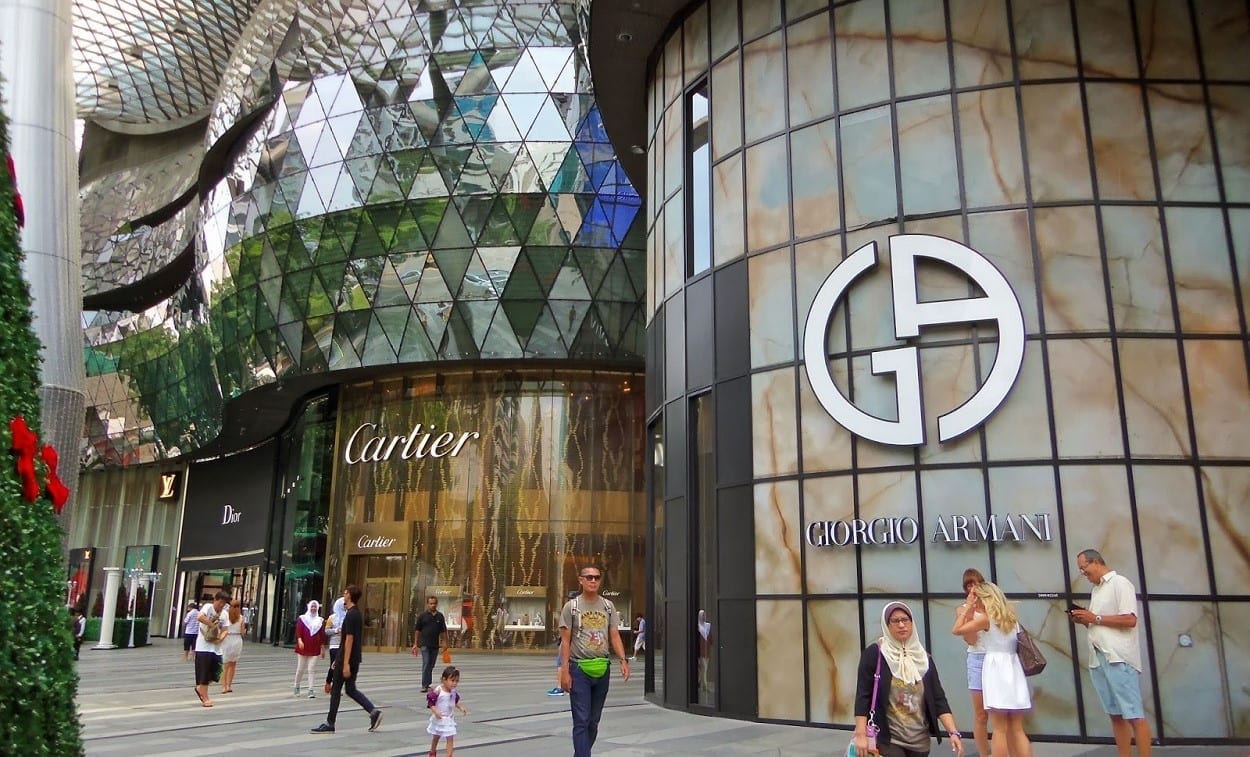
  • Dior Amplifies Luxury Retail Presence With Innovative Boutique In Bangkok’s Iconsiam

    Dior Amplifies Luxury Retail Presence With Innovative Boutique In Bangkok’s Iconsiam

    In a bold move that underscores the dynamic landscape of Asian retail, luxury fashion powerhouse Dior has announced plans to open a stunning new boutique in Bangkok’s prestigious Iconsiam shopping complex. Set to launch in early 2024, the new store will not only showcase Dior’s exquisite collections but also serve as a gathering place for fashion aficionados and tourists alike in the Thai capital.

    A New Landmark for Luxury Shopping

    Positioned on the banks of the Chao Phraya River, Iconsiam is already a hub of luxury and culture, drawing both locals and international visitors with its impressive range of high-end brands and artistic installations. Dior’s upcoming boutique will feature a design that harmonizes seamlessly with the complex’s contemporary architecture while paying homage to traditional Thai craftsmanship, reinforcing the brand’s commitment to cultural appreciation.

    Dior’s Personal Touch in Bangkok

    This new store is expected to provide a personalized shopping experience, complete with exclusive collections tailored for the Asian market. The boutique’s layout will invite customers to explore Dior’s iconic lines, ranging from haute couture to the latest handbags and accessories, all while enjoying a luxurious atmosphere that promises to seduce the senses. As an exciting twist, rumor has it that the opening could feature a surprise performance by a renowned artist, turning retail into a theatrical experience.

    Embracing the Asian Retail Renaissance

    Dior’s Bangkok foray is part of a broader strategy to deepen its roots in Asia, a region where luxury spending continues to flourish. Data indicates that Asian consumers are increasingly becoming the frontrunners in global luxury consumption, driven by an appetite for both brand heritage and modern innovation. With this move, Dior not only aims to capture a larger share of the market but also to provide a platform for cultural dialogue, showcasing how fashion can bridge borders.

    As the retail landscape continues to evolve, brands like Dior are embracing opportunities to not just sell, but also engage with their audience in meaningful ways. The buzz surrounding the store’s launch is palpable, and with it comes the promise of elevating Bangkok as a key player on the global luxury map.

    Questions & Answers

    What makes Iconsiam a prime location for the new Dior boutique?
    Iconsiam is positioned along the Chao Phraya River and is known for its luxurious ambiance, attracting both local shoppers and international tourists, making it an ideal site for high-end brands like Dior.

    What can customers expect from Dior’s new boutique in Bangkok?
    Customers can look forward to exclusive collections designed specifically for the Asian market, alongside a personalized shopping experience that merges luxury with cultural elements of Thailand.

    How does Dior’s expansion in Asia reflect broader retail trends?
    Dior’s expansion in Asia capitalizes on the region’s booming luxury market, where consumers increasingly desire both traditional brand heritage and innovative experiences, positioning themselves as key players in the global luxury scene.

  • September Sees Fruit and Vegetable Exports Soar to Record $1.3 Billion!

    September Sees Fruit and Vegetable Exports Soar to Record $1.3 Billion!

    In a vibrant turn of events, the Vietnam Fruit and Vegetable Association revealed that total exports for the first nine months of 2023 reached an impressive $6.1 billion, reflecting an 8.3% increase year-on-year. September was notably significant, as it was the first month this year to witness a resurgence in growth after a series of declines—a welcome development for the industry.

    Chinese Demand Fuels Growth

    The driving force behind this rebound is predominantly China, which absorbs about 60% of Vietnam’s fruit and vegetable exports. In September alone, shipments to this lucrative market soared to nearly $800 million. Dang Phuc Nguyen, the association’s general secretary, attributed part of this surge to the increased purchasing power spurred by Vietnam’s National Day and the Mid-Autumn Festival, when durian, a favored mooncake filling, sees a spike in demand. “Compared to other exporting countries, Vietnam’s durian prices are currently the lowest and most competitive, matching Chinese consumers’ preference for value,” Nguyen noted with optimism.

    The Durian Boom

    Looking ahead, Nguyen indicated that October is likely to be the pinnacle of the durian boom, as the season’s peak begins to taper off, while off-season supplies could continue into November and December. “Most competitors will be nearly out of stock during this time, giving Vietnamese produce a distinct competitive advantage,” he explained. Beyond durian, various other fruits are expected to thrive as winter sets in, a period when harvests become challenging in many other regions. Thanks to Vietnam’s favorable climate and its efficient transport links—road, rail, and seaport—shipping costs and transit times remain manageable.

    Record Exports on the Horizon

    With growing demand from China and a steady recovery in markets like the U.S., South Korea, and Japan, Vietnam’s fruit and vegetable sector seems poised for continued success. Experts predict that full-year export turnover could reach an astounding $8 billion, marking yet another year of record-setting performance.

    Questions & Answers

    What factors contributed to the growth in Vietnam’s fruit and vegetable exports in 2023?
    The growth was primarily driven by strong demand from China, which accounts for a significant portion of exports, alongside a resurgence of purchasing power due to significant local holidays.

    How did the Mid-Autumn Festival impact durian sales in Vietnam?
    The festival saw a notable increase in demand for durian, traditionally used in mooncake fillings, contributing to a surge in exports during September.

    What competitive advantages does Vietnam have in the fruit and vegetable export market?
    Vietnam benefits from lower durian prices compared to other exporting countries and has a favorable climate along with efficient transport links to China, which reduces costs and transit times.

  • Equinix Expands Its Presence in India with New IBX Data Center Launch in Chennai

    Equinix Expands Its Presence in India with New IBX Data Center Launch in Chennai

    Equinix has made a significant stride in India’s burgeoning digital landscape with the opening of its first International Business Exchange (IBX) data centre in Chennai. Here, on a nearly six-acre site in Siruseri, the newly inaugurated facility—designated as CN1—will be seamlessly interconnected with Equinix’s existing campus in Mumbai, which comprises three IBX data centres.

    Driving Digital Transformation and Resilience

    This expansion is poised to bolster business digitisation, enhance resilience, and support artificial intelligence (AI) development across the region. With phase one of CN1 already operational, the facility will initially deliver 800 cabinets, backed by a hefty $69 million investment. Ultimately, the four-storey site is designed to accommodate 4,250 cabinets, showcasing Equinix’s commitment to meeting the demands of a high-density, compute-intensive economy.

    Engineering Excellence and Future-Ready Facilities

    Engineered with a fault-tolerant architecture that promises an astonishing 99.999 percent uptime, CN1 is also crafted to integrate liquid cooling systems, preparing it for the high demands of today’s technology. This is not just another data centre; it’s where your nearest algorithm might just feel at home.

    Connecting Businesses with Cloud Opportunities

    Equinix aims to enhance its interconnection services through offerings such as Equinix Fabric and Fabric Cloud Router. These services enable enterprises to construct robust hybrid multicloud infrastructures. Notably, customers in Chennai will enjoy low-latency access to major cloud service providers, including AWS, Google Cloud, Microsoft Azure, and Oracle Cloud, all of which are conveniently hosted at the Mumbai campus.

    Strategically Located for Future Growth

    Conveniently situated just 28 km from the Central Business District and close to anticipated submarine cable landing sites, the Chennai facility positions itself as a strategic hub for digital connectivity. With over 300 companies already hosted in India, including several network service providers and five internet exchanges, Equinix continues to solidify its leadership in the data centre sector. Globally, the company operates more than 270 data centres across 77 markets in 36 countries, boasting over 60 sites throughout the Asia-Pacific region.

    Questions & Answers

    What is the significance of Equinix’s new data centre in Chennai?
    The new IBX data centre represents a major investment in India’s digital infrastructure, aiming to enhance business digitisation, build resilience, and foster AI development in the region.

    How does equinix facilitate access to cloud services for businesses in Chennai?
    The data centre provides low-latency access to cloud service providers such as AWS, Google Cloud, and Microsoft Azure, ensuring businesses can effectively leverage hybrid multicloud infrastructures.

    What unique features does the CN1 facility offer?
    Equipped with fault-tolerant architecture and readiness for liquid cooling, CN1 promises an impressive 99.999 percent uptime, making it well-suited for the demands of high-density computing.

  • VinFast VF 5 Dominates Market, Outselling Rivals Fourfold in City Car Segment

    VinFast VF 5 Dominates Market, Outselling Rivals Fourfold in City Car Segment

    Vietnamese electric automaker VinFast’s VF 5 exemplifies a remarkable shift in the automotive landscape, dominating the A+ crossover utility vehicle segment with over 27,000 units sold. The VF 5 emerged as the uncontested leader in the A+ crossover utility vehicle category, an area increasingly characterized by low-cost city cars. During this same period, traditional competitors such as the Kia Sonet, Toyota Raize, and Hyundai Venue experienced steep sales declines, each facing a double-digit percentage drop. In total, these gasoline models collectively managed to sell only 6,700 units, with the Sonet down 26% year-on-year, the Raize declining by 15%, and the Venue plunging by a staggering 41%.

    A Shift in Consumer Preferences

    Interestingly, the overall demand for gasoline vehicles in this segment has tumbled by around 26% in the past eight months. In August alone, the VF 5 boasted sales exceeding 2,700 units, surpassing the total eight-month sales figures for both the Raize and Venue. It seems the allure of electric mobility is casting a strong shadow over traditional auto offerings, showing that consumers are more than ready to embrace change.

    Popularity Fuels VinFast’s Growth

    The VF 5’s appeal can be attributed to its practical design and low operating costs, which resonate well with both individual buyers and service operators alike. Its pricing positions it in the mid-range of the segment, yet it remains competitive due to supportive government initiatives, such as waiving registration fees for electric vehicles. This combination of factors has undoubtedly propelled its market success.

    The Landscape Ahead

    While the Raize is currently the only model in its segment being imported from Indonesia, others, including the Kia and Hyundai offerings, are assembled domestically. The upcoming arrival of the Suzuki Fronx in October—also imported from Indonesia and available with either a gasoline or mild-hybrid engine—promises to shake things up further. This model employs a small electric motor and battery to complement the traditional internal combustion engine, potentially adding another layer of competition to an already dynamic market.

    Questions & Answers

    What factors contribute to the VF 5’s impressive sales performance?
    The VF 5’s success can largely be attributed to its practical design, low operating costs, and favorable government policies, including waived registration fees for electric vehicles.

    How does the VF 5 compare to its gasoline-powered competitors?
    The VF 5’s sales have outpaced its gasoline rivals significantly, achieving over 27,000 units sold compared to a meager 6,700 for combined competitors such as the Kia Sonet, Toyota Raize, and Hyundai Venue.

    What can we expect from the automotive market in the coming months?
    The introduction of new models like the Suzuki Fronx, along with ongoing shifts in consumer preference towards electric vehicles, suggests a rapidly changing automotive landscape ahead.

  • FairPrice Unveils Innovative AI Trolleys and Smart Checkouts in Punggol’s ‘Store of Tomorrow’

    FairPrice Unveils Innovative AI Trolleys and Smart Checkouts in Punggol’s ‘Store of Tomorrow’

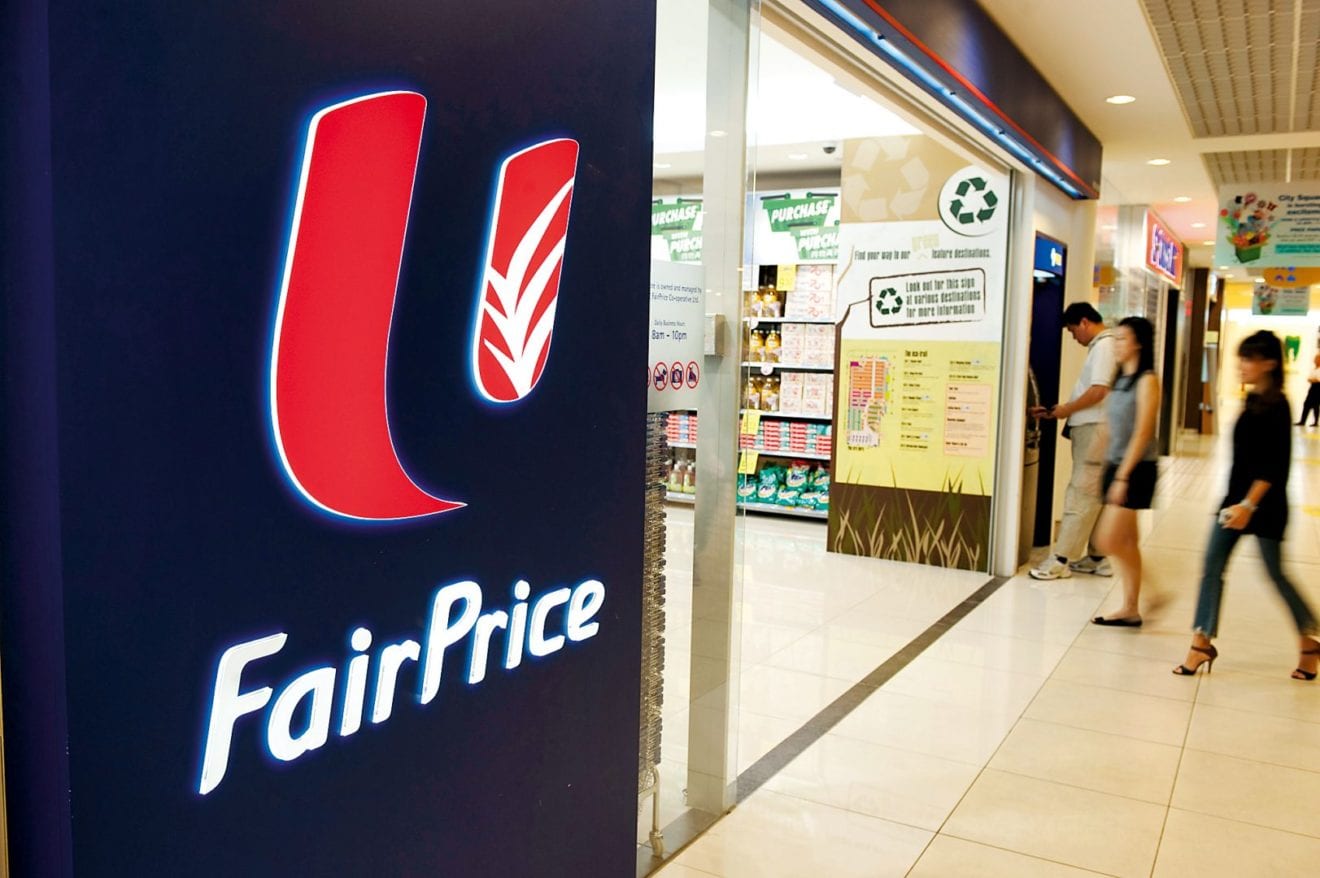
    Shoppers in Singapore can now navigate grocery aisles with the help of artificial intelligence, courtesy of FairPrice Group’s innovative ‘Store of Tomorrow’ in Punggol. This flagship outlet is not just a grocery store; it’s a glimpse into the future of retail, where smart technology redefines the shopping experience.

    AI Trolleys: Your Personal Shopping Assistant

    Equipped with tablets and eight cameras, the smart trolleys in the store provide real-time navigation assistance, guiding customers directly to items with in-store mapping. Electronic shelf labels light up to emphasize products, ensuring that nothing goes unnoticed. As shoppers roam the aisles, they are presented with location-based offers—like having a personal shopper whispering sweet deals in your ear.

    Seamless Checkout for a Stress-Free Experience

    The checkout process is equally groundbreaking. By utilizing automatic systems, FairPrice eliminates the dread of long queues, allowing customers to simply walk out with their items. This smooth process mirrors the store’s technological ethos—efficiency meets innovation at every corner.

    Vision AI: Keeping Shelves Stocked and Customers Happy

    Inventory woes are a thing of the past. The implementation of Vision AI not only monitors stock levels but also alerts managers about low inventory, triggering timely replenishment. Meanwhile, the “Grocer Genie” dashboard provides staff with real-time updates on various operational factors, ensuring they are always prepared for the ever-changing demands of the market.

    A Commitment to Growth and Affordability

    Since its launch, the store has demonstrated impressive results, with the average shopping basket expanding from S$25 to S$45. To support this transformation, FairPrice has invested in a training program aimed at fostering a “Growth Mindset” among its employees, the average age of whom is 54. “It’s about embracing failure and learning from it. It’s about not being fearful of change,” said Chawla, emphasizing the company’s commitment to adapting amidst evolving retail landscapes.

    Despite these advancements, FairPrice remains true to its roots, anchored by a mission established 50 years ago during Singapore’s oil crisis: making daily essentials accessible and affordable to all. As the retail landscape continues to shift, the ‘Store of Tomorrow’ stands as a testament to how technology can enhance the customer experience while staying attuned to core values.

    Questions & Answers

    What innovations can customers expect at FairPrice’s ‘Store of Tomorrow’?
    Customers will find AI-powered trolleys that offer navigation assistance, smart checkout processes that eliminate queues, and dynamic offers based on their location within the store.

    How has FairPrice managed to boost average basket sizes?
    Since the store’s launch, FairPrice has focused on technology integration and a commitment to staff training, resulting in the average shopping basket increasing from S$25 to S$45.

    What is the significance of FairPrice’s approach to workforce training?
    The “Growth Mindset” program aims to empower employees, particularly those with an average age of 54, to embrace change and learning, aligning their personal growth with the evolving demands of the retail sector.

  • Haud CEO Shares Insights On Navigating Telecom Challenges, Boosting Revenue And Trust

    Haud CEO Shares Insights On Navigating Telecom Challenges, Boosting Revenue And Trust

    Mobile operators worldwide face an escalating array of threats, from grey routes and SIM box fraud to artificially inflated traffic (AIT) and sophisticated scams. Each of these challenges erodes revenue and customer trust, provoking a call for innovation amid a rapidly evolving digital landscape. Now more than ever, the telecom industry must ensure seamless authentication while preparing for emerging technologies like network APIs and silent network authentication (SNA).

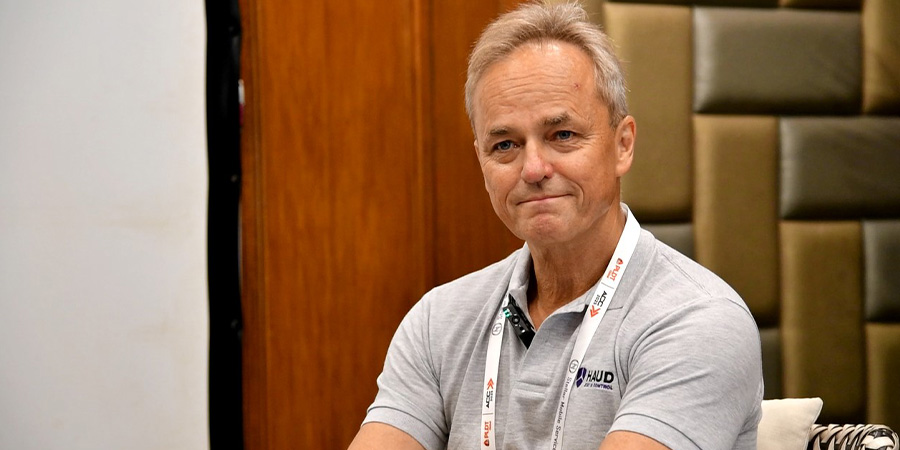
    Amid these challenges, Kristian Järnefelt, CEO of HAUD, shared insights during ACC 2025 about how telecoms can navigate today’s complex ecosystem and the role HAUD is poised to play in this transformation.

    Harnessing Strengths While Embracing Innovation

    HAUD has solidified its reputation in the A2P SMS landscape by excelling in the detection and prevention of grey routes, SIM boxes, and other unauthorized traffic mechanisms. “Our expertise enables mobile operators to monetize A2P SMS effectively,” Järnefelt stated, encapsulating HAUD’s core mission.

    The company is also expanding its offerings, focusing on cybersecurity by blocking malicious URLs and thwarting smishing attempts within SMS. Despite the rise of encrypted channels like WhatsApp and RCS, Järnefelt emphasized that SMS remains the most secure A2P channel due to operators’ ability to filter and sanitize incoming traffic. Ironically, it’s the encryption that allows fraudsters to slip under the radar, making their nefarious content undetectable and ensuring the scams reach their victims.

    As network APIs and silent network authentication gain traction, HAUD aims to help operators leverage the strengths of both SMS and SNA. While SMS continues to be the go-to method for one-time passwords (OTPs), SNA’s rise creates a dynamic synergy that presents multiple monetization opportunities for operators ready to embrace both methods.

    Building Trust in Digital Communications

    As digital identity becomes paramount, Järnefelt believes HAUD can forge a path to greater trust in digital communications. SMS OTP has served as a foundational tool for two-factor authentication (2FA), but building trust also requires a commitment to secure channels. “It’s all about clean pipes,” he stresses, advocating for rigorous content filtering to eliminate scams that compromise user confidence.

    Against a backdrop of rising scams and inflated traffic, driven by unrealistic A2P SMS exclusivity deals, Järnefelt argues operators must regain control. “Our monetization platform enables them to reclaim their pricing strategies and A2P approach,” he remarked, pinpointing how sustainable pricing aligns with trust in the A2P ecosystem.

    Network APIs like SNA not only streamline authentication but also ensure that messages reach their intended recipients accurately—an increasing necessity as the digital landscape evolves. HAUD is actively positioning itself to bridge the gap between A2P SMS and network APIs, advancing a unified framework for authentication platforms.

    Forging New Partnerships for the Future

    Looking to the horizon, HAUD’s recent collaborations in Asia, particularly in the Philippines with CTG and DITO, mark pivotal steps toward enhancing digital communication. Recent participation in BATIC in Indonesia showcased HAUD’s long-standing partnership with the Telkom Group. “We’re excited to announce more MNO partnerships soon, aiming to capitalize on opportunities that make messaging and authentication as ubiquitous as SMS,” he noted.

    Charting a Course for Secure Communications

    HAUD envisions a future where A2P SMS messaging remains efficient and secure, providing robust revenue streams for mobile network operators (MNOs) that are the backbone of digital communication. Järnefelt stated, “We are committed to creating a seamless authentication experience that integrates A2P SMS and API into a unified ecosystem.”

    However, he acknowledged the current limitations faced by MNOs in offering comprehensive coverage for solutions like SNA, requiring enterprises to collaborate with multiple operators for full-service authentication. “Imagine SMS being delivered only to networks using the same SMSC as the sender; it sounds absurd yet reflects today’s reality,” Järnefelt explained. Recognizing this gap, HAUD is dedicated to enabling MNOs to seize control over this opportunity instead of ceding it to CPaaS vendors and third-party services.

    Questions & Answers

    How does HAUD help mobile operators combat traffic fraud?
    HAUD specializes in detecting and blocking grey routes, SIM boxes, and other unauthorized traffic mechanisms, allowing operators to effectively monetize their A2P SMS services.

    What role does SMS play in the realm of digital security?
    SMS remains a trusted channel for two-factor authentication (2FA) and is critical in maintaining secure digital communications, especially in an era of increased cyber threats.

    What future partnerships is HAUD pursuing in Asia?
    HAUD is actively expanding its collaborations within the region, having recently engaged with firms like CTG and DITO in the Philippines and establishing a long-term partnership with the Telkom Group in Indonesia.

  • Vietjet Celebrates Mid-Autumn with Fares from SGD86 on Singapore–Vietnam Routes

    Vietjet Celebrates Mid-Autumn with Fares from SGD86 on Singapore–Vietnam Routes

    Vietjet is marking the Mid-Autumn Festival with hundreds of thousands of Eco tickets starting from just SGD86/one-way (inclusive of taxes and fees) on all Singapore-Vietnam routes. Special promotional fares are also available across the airline’s extensive domestic and international network. This is the perfect opportunity for Singapore travellers to plan their Vietnam getaways and fly direct to Phu Quoc, Da Nang, Hanoi and Ho Chi Minh City. and other famous destinations.

    The promotion runs from 01:00 on 24 September to 00:00 on 27 September 2025 (GMT+8), for travel between 20 October 2025 and 27 May 2026 (blackout dates may apply depending on routes).

    Vietjet is also expanding its Singapore services. Starting 23 December 2025, the Singapore–Phu Quoc route will operate seven round trips weekly, while the Singapore–Da Nang route will increase to two daily return flights from 21 November 2025. Together with Hanoi and Ho Chi Minh City, Vietjet will offer 49 weekly round trips between Singapore and Vietnam—providing greater flexibility and convenience for both leisure and business travellers.

    Passengers can also enjoy festive surprises onboard, including lantern giveaways, special inflight performances, and limited-edition Vietjet mooncakes available on these selected festive flights and at Sky Shop.

    Vietjet also continues to delight travellers year-round with offers, including up to 20% off Business and SkyBoss tickets every 2nd and 20th of the month, plus “double-day” deals.

    Celebrate the season with loved ones and explore Mid-Autumn traditions worldwide – from lantern parades in Hanoi’s Old Quarter to Chuseok in Korea or Japan’s romantic Tsukimi. With Vietjet, every journey is enriched by modern aircraft, warm service, Vietnamese favourites like Pho and Banh Mi, and memorable cultural touches at 10,000m.

  • Asia’s Retail Revolution: Navigating Technological Innovation And Sustainability In 2023

    Asia’s Retail Revolution: Navigating Technological Innovation And Sustainability In 2023

    The world of retail in Asia is buzzing with renewed energy as major brands tap into innovative strategies to engage consumers in a rapidly evolving market. Notably, the expansion of digital channels has become a game-changer, with retailers seeking to create immersive shopping experiences that captivate customers both online and in-store.

    A Transformative Retail Landscape

    As we navigate through 2023, the retail sector is witnessing a technological renaissance. E-commerce giants are not just competing; they are setting new standards for customer experiences, integrating artificial intelligence and data analytics to offer personalized shopping journeys. This shift isn’t merely a response to changing consumer habits; it’s an essential strategy for survival in an increasingly competitive arena.

    For instance, the rise of omnichannel retailing has allowed brands to connect with consumers across numerous platforms seamlessly. With consumers frequently juggling between online shopping and physical store visits, retailers that bridge these two channels effectively are striking gold. They are not just selling products; they are crafting experiences that resonate with the cultural and social values of their clientele, making shopping feel like less of a chore and more of an adventure.

    Innovation Leads the Way

    In a world where attention spans are fleeting, retailers are leveraging technology to entice customers in unexpected ways. One standout example is a popular cosmetics brand that recently launched augmented reality (AR) features allowing customers to “try on” products virtually before making a purchase. This tech-savvy approach not only enhances engagement but has also led to a notable increase in conversion rates. It seems the future of retail is less about gazing at photographs and more about experiencing products in real-time, proving that imagination can indeed fuel commerce.

    Moreover, sustainability has emerged as a priority across the retail sector. Brands are adopting eco-friendly practices, from sourcing materials responsibly to implementing transparent supply chains. This commitment not only attracts environmentally conscious consumers but also cultivates deeper brand loyalty amidst consumers increasingly seeking to invest in ethical purchases. In a surprising twist, by prioritizing sustainability, retailers are finding that customers are more than willing to pay a premium, proving that going green can be incredibly lucrative.

    The Rise of Experiential Retail

    As the retail landscape evolves, experiential shopping is taking center stage. Traditional shopping models are being reshaped as brands create unique, engaging environments designed to forge emotional connections. Many retailers are now home to cafés, art installations, and interactive displays, inviting customers to linger longer and explore more. One electronics chain recently unveiled a concept store that offers live demonstrations of the latest gadgets in a stylish, lounge-like atmosphere. This fusion of retail and experience encourages consumers to immerse themselves fully, leading to increased foot traffic and, ultimately, sales.

    Consumers today crave authenticity and connection, and brands that recognize this are reaping the rewards. Social media platforms serve as powerful amplification tools, allowing shoppers to share their experiences with larger audiences. User-generated content is thriving, transforming consumers into brand ambassadors and creating a buzz that traditional advertising can only dream of achieving.

    Conclusion

    As retailers in Asia continue to innovate and adapt, the convergence of technology, sustainability, and experiential shopping is crafting a vibrant market landscape. With consumers seeking more than just products, there is a compelling story unfolding — one where retail is not merely transactional, but a dynamic interaction between brands and their ever-evolving audience.

    Questions & Answers

    What are some key trends shaping retail in Asia in 2023?
    Omnichannel retailing, the integration of innovative technology like augmented reality, and a strong focus on sustainability are leading key trends this year. Brands are transforming how they connect with consumers to enhance engagement through immersive experiences.

    How is technology impacting consumer shopping habits?
    Technology has significantly shifted shopping habits, allowing consumers to enjoy personalized, interactive experiences. Innovations like virtual try-ons and live demonstrations are enhancing customer engagement, leading to higher conversion rates.

    What role does sustainability play in today’s retail market?
    Sustainability is increasingly becoming a priority for retailers, as consumers favor eco-friendly practices and products. This not only attracts conscientious shoppers but also fosters deep brand loyalty, proving that green initiatives can deliver solid financial returns.