Author: Mei Ling Tan

  • Melodie Nye Takes Helm At Mars’ Pet Nutrition Division In Australia, New Zealand

    Melodie Nye Takes Helm At Mars’ Pet Nutrition Division In Australia, New Zealand

    Melodie Nye has been newly appointed as the managing director and general manager for the Pet Nutrition division of Mars in Australia and New Zealand (ANZ). She will be succeeding Craig Sargeant, who has been promoted to the position of global vice president for strategic revenue management.

    Nye has been a part of Mars for more than a decade, occupying various key marketing, innovation, and leadership roles within the company across Europe and the US. Prior to Mars, she served in executive positions at Kraft Foods and as an intelligence officer in the US Air Force. She is currently the chief growth officer for Mars Pet Nutrition Europe.

    In a statement, Nye expressed her excitement about her new role. She said, “Working with a company that prioritizes bold innovation, meaningful community impact, and a forward-looking approach to pet nutrition has been a rewarding experience. I look forward to building on this foundation and staying ahead of the curve. I aim to strengthen our role as a reliable partner to our customers and continue to fulfill the needs of pet parents across Australia and New Zealand.”

    Deri Watkins, regional president for Mars Pet Nutrition in developed Apac, expressed confidence in Nye’s abilities to fulfill her new roles. Watkins said, “Melodie is perfectly placed to strengthen our customer relationships and continue to deliver the trusted, innovative products and brands that pet owners want and expect in the future.”

    He further noted the significant opportunity in Australia and New Zealand, as they are two of the most pet-friendly countries globally, with over 60% of households owning at least one pet. Watkins said, “This passion for pets offers a great opportunity for us to continue to evolve and meet the growing expectations of pet parents. Melodie is a dynamic, purpose-driven leader who brings a fresh perspective, especially in addressing the changing needs of pet parents and the fast-paced world of pet nutrition.”

    Questions & Answers

    Who has been appointed as the new MD and GM of Mars’ Pet Nutrition division in Australia and New Zealand?
    Melodie Nye has been appointed to this role.

    What was Melodie Nye’s position before the new appointment?
    Before this appointment, Melodie Nye was the chief growth officer for Mars Pet Nutrition Europe.

    What unique opportunities does the pet market in Australia and New Zealand present?
    Australia and New Zealand are among the most pet-loving countries worldwide, with over 60% of households owning at least one pet, offering significant opportunities for pet nutrition and care companies.


  • Adrian Cheng Unveils Almad Group, Targets Digital Transformation In Diverse Sectors

    Adrian Cheng Unveils Almad Group, Targets Digital Transformation In Diverse Sectors

    Adrian Cheng, a scion of one of Hong Kong’s wealthiest families and former CEO of major developer New World Development, has unveiled a new venture focused on the digital sector and burgeoning markets. The new firm, Almad Group, was introduced on Sunday.

    Almad Group’s Focus

    Almad Group sets its sights on digital assets and industries poised for a transformation, spanning entertainment, sports, media, healthcare, commercial management, and cultural tourism. Its geographical reach is expected to include mainland China, countries within the Association of Southeast Asian Nations (ASEAN), and the Middle East.

    The company also aims to broaden the international appeal of Cheng’s cultural brand, “K11 by AC”. Its Anime IP business already shows growth in mainland China and the Middle East.

    A Clear Mission

    Speaking about the newly established group, Cheng, who serves as founder and executive chairman, stated, “Our mission is clear: To build what the next generation needs and to shape a future economy filled with possibilities.”

    Cheng, a Harvard graduate, has a history of supporting start-ups in their early stages. His portfolio includes Chinese social media platform Xiaohongshu, EV manufacturer XPeng, and Hong Kong’s microfinance platform Micro Connect.

    Departure from New World

    Last September, the 45-year-old business tycoon resigned from his position at New World. The property developer, grappling with one of the largest debt burdens in the financial city, reported a record loss of $2.6 billion US dollars. Upon his departure, Cheng also acquired New World’s retail flagship K11 brand management.

    Since then, he has gradually stepped down from all roles within the family’s businesses, including the parent company Chow Tai Fook Enterprises.

    Questions & Answers

    What is the focus of Adrian Cheng’s new firm, Almad Group?
    Almad Group aims to target digital assets and transformative industries in sectors such as entertainment, sports, media, healthcare, commercial management, and cultural tourism.

    Which markets does Almad Group intend to target?
    The company plans to expand its reach to mainland China, ASEAN countries, and the Middle East.

    What was Cheng’s role in New World Development, and why did he leave?
    Adrian Cheng served as the CEO of New World Development but resigned as the company struggled with major debt issues and reported a record loss.

  • Apple To Revolutionize Mixed Reality With Next-gen Vision Pro 2: New Chip, Enhanced Performance

    Apple To Revolutionize Mixed Reality With Next-gen Vision Pro 2: New Chip, Enhanced Performance

    Apple’s Vision Pro, rather than relying solely on one chip for power, utilizes both the M2 and the R1 chips. In a recent development, reports suggest that Apple plans to incorporate the R2 chip in the next iteration of its premium Mixed Reality (MR) headset, adding a new feature to the device’s already impressive specifications.

    Delayed Announcement

    The successor to the Vision Pro was initially anticipated to be unveiled this month, along with the iPhone 17 series. To the disappointment of many MR aficionados, this did not occur, as the event was exclusively dedicated to the launch of the newly redesigned phones. Many speculate that the delay in the headset’s announcement is due to the incorporation of the R2 chip, pushing the launch to next year.

    Towards A More Capable Headset

    The new R2 chip is said to be created using TSMC’s 2 nm process, a significant advancement from the R1 chip. Combined with the M4 processor — speculated to be part of the new headset — the Vision Pro 2 promises to deliver significantly enhanced performance. The R-series chips are designed to work in sync with the M-series processor, managing the input from the headset’s numerous sensors and cameras. This functionality made the Vision Pro a feature-packed device, a contributing factor to its steep price tag of $3,499.

    The 2 nm R2 chip is expected to process these inputs even quicker, thereby enabling the new Vision Pro to support more complex applications. However, this improvement might not be noticeable for an average user. The general performance will be significantly improved, but not necessarily in a discernible manner.

    Staying Relevant in the XR Industry

    The new Vision Pro headset is primarily intended to ensure Apple’s relevance in the Extended Reality (XR) industry. The key ambition for the company is the development of AR smart glasses, with the aim to outpace Meta in the market. Recently, the new Meta Ray-Ban Display smart glasses were unveiled. While these glasses don’t offer true AR, they mark the company’s entry into the AR market, reminding Apple to reiterate its commitment to XR devices.

    Questions & Answers

    What significant changes are expected in the successor to the Apple Vision Pro?
    The successor is expected to incorporate the R2 chip, which is a significant enhancement from the R1 chip used in the current model.

    What is the speculated release date for the successor to the Vision Pro?
    The release is projected to be delayed till next year, due to the proposed incorporation of the new R2 chip.

    Why is Apple developing the new Vision Pro headset?
    The new Vision Pro headset is primarily a measure to maintain Apple’s presence and relevance in the rapidly growing Extended Reality (XR) industry.

  • Google Phone App’s Landscape Mode: Convenient Feature Or Nuisance?

    Google Phone App’s Landscape Mode: Convenient Feature Or Nuisance?

    The Google Phone application, available on all Pixel phones as well as select Motorola and OnePlus devices, provides users with a variety of convenient features. Alongside the standard dial pad, it includes access to contacts and call history. The app also has a call screening feature, filtering out unwanted robocalls and even waiting on hold on behalf of users.

    Former Features

    You may remember that earlier Pixel home screens had a feature which allowed for screen rotation into landscape mode when the phone was held horizontally. This was first seen in Android 7.1.2 in 2017 and was enabled via Home Settings. It allowed the home screen, app drawer, and overview screen to rotate into landscape orientation. However, Google began to phase out this feature with Android 10, removing it completely by Android 12.

    Although the Pixel home screens no longer support landscape orientation, the Google Phone application still allows for it. Users can turn their phones sideways before or during a call to rotate the screen. However, this feature has been met with mixed reactions, as some users find the changing screen orientation during calls inconvenient.

    A Reddit user voiced their frustration over this issue, stating that the app has been switching to landscape mode during calls, which is inconvenient when ending a call as the button is moved to the side. They expressed their desire to turn off this feature within the app settings, rather than disabling it for the entire device.

    Screen Appearance in Landscape Mode

    When using the Google Phone app in landscape mode, the dial pad is situated on the right side of the screen, with a green call button at the bottom. To the left of the dial pad are call suggestions, and on the far left are three icons for home, keypad, and voicemail.

    When a call is initiated and the app is in landscape mode, the Wi-Fi icon at the top indicates the use of a Wi-Fi call. The name and phone number of the person being called are displayed, along with their avatar or profile icon. Four buttons for keypad, mute, speaker, and additional options are to the right of the profile icon.

    Should Google Remove This Feature?

    There is some debate over whether Google should remove the landscape feature from their phone app. Some users have reported their screen being forced into portrait mode when initiating a call, which is not the universal experience. It is suggested that Google should consider providing an option for users to disable landscape mode within the app settings to accommodate those who find it inconvenient.

    As for myself, I find the landscape mode useful on my Pixel 6 Pro and would like its continuation in future Pixel phones. What needs to be addressed is the issue of accidental screen rotation during calls.

    Iconic Phones Project

    In other news, we are excited to announce the upcoming release of our passion project, “Iconic Phones: Revolution at Your Fingertips”. This coffee table book is a must-have for any technology enthusiast, chronicling the most significant technological advancements of the 21st century.

    Questions & Answers

    What features does the Google Phone app offer?
    The Google Phone app provides a dialer, contacts, call history, call screening, robocall filtering, and a hold feature.

    Does the Google Phone app still support landscape mode during calls?
    Yes, the Google Phone app does support landscape mode during calls, but the feature has received mixed reviews.

    Will the landscape mode be removed from the Google Phone app?
    While some users have expressed their preference for this feature to be removed or given an option to disable it, no official statement from Google regarding changes to this feature has been made.

  • Black Market Dollar Declines Against Dong: What This Means for Currency Trends

    Black Market Dollar Declines Against Dong: What This Means for Currency Trends

    At unofficial exchange points, the dollar was trading 0.04% lower, valued at VND26,540. Meanwhile, the official rate set by Vietcombank remained steady at VND26,445, while the State Bank of Vietnam’s reference rate held firm at VND25,186.

    Despite this localized decline, globally the dollar rallied on Friday, continuing its rebound against most major currencies. Traders were recalibrating their expectations following the Federal Reserve’s recent interest rate cut, which hinted at a gradual approach to future easing.

    The U.S. dollar index, which measures the currency against six major counterparts, rose by 0.3% to reach 97.662. This marked a shift after it had experienced a 1% decline earlier in the week due to speculation that the Fed might expedite a series of rate cuts. Overall, the index remained largely unchanged through the week.

    The British pound, on the other hand, was struggling, dropping 0.6% to $1.3468. Concerns have arisen among investors regarding British finance minister Rachel Reeves’ ability to maintain budget controls, leading to its largest two-day slump since early April — a situation as unpredictable as a cat at a dog show.

    Questions & Answers

    How did the U.S. dollar perform against the Vietnamese dong on the black market?
    The U.S. dollar declined slightly, trading at VND26,540, which reflects a 0.04% decrease from previous rates.

    What were the official exchange rates set by Vietcombank and the State Bank of Vietnam?
    Vietcombank maintained an official rate of VND26,445, while the State Bank of Vietnam’s reference rate remained stable at VND25,186.

    What is the current trend of the U.S. dollar globally?
    Globally, the dollar strengthened against most major currencies, with the U.S. dollar index rising by 0.3% to 97.662.

  • Singapore’s Top Taxi Operator Launches $62 Cross-Border Rides to Johor, Malaysia!

    Singapore’s Top Taxi Operator Launches $62 Cross-Border Rides to Johor, Malaysia!

    In an exciting development for commuters in the region, public transport operator CDG has officially announced its new cross-border taxi service between Singapore and Johor Bahru. As detailed in a recent Facebook update, most pick-ups in Singapore will incur a fixed fare, with exceptions for those originating from Ban San Street terminal at S$60 and Changi Airport at S$120. All rides will conclude at the Larkin Sentral bus terminal in Johor Bahru, making it a critical link for daily travelers.

    Booking Made Easy

    Passengers can arrange their rides instantly or book in advance, up to 24 hours prior, by calling CDG’s hotline. This move comes as part of CDG’s reputation as Singapore’s largest taxi operator, boasting a fleet of over 8,400 vehicles. The company doesn’t just stop at taxis; it also provides bus, rail, and private hire services across 13 countries, including Malaysia and China.

    A Competitive Landscape

    With a lineup of 90 licensed cabbies ready to hit the road, CDG is stepping into a bustling market. The Johor–Singapore Causeway serves as one of the world’s busiest land crossings, with more than 350,000 people traveling daily—from Malaysians crossing over for work to Singaporeans hunting for bargains on goods and services.

    Despite the regulated framework allowing only 200 licensed taxis from each nation to provide cross-border services, reports indicate that illegal operators are creating turbulent competition for licensed drivers. Singaporean taxis must adhere to strict rules, picking up and dropping off exclusively at Larkin Sentral, while their Malaysian counterparts are confined to the Ban San Street terminal in Singapore.

    A Broader Vision for Transport

    Earlier this month, Singapore’s Land Transport Authority hinted at its ambitions to enhance the current scheme by integrating more pick-up and drop-off locations and collaborating with companies to develop app-based booking platforms. This initiative aligns seamlessly with the growing economic partnership between Singapore and Malaysia, fostered through the Johor–Singapore Special Economic Zone, which aims to draw in billions in investment while improving labor mobility.

    The anticipation doesn’t stop here; further expansions in cross-border transportation are on the horizon, including the much-anticipated Rapid Transit Link, expected to open by the end of next year. This connection is poised to ferry up to 10,000 passengers per hour in either direction, enhancing cross-border travel and trade significantly.

    Questions & Answers

    How can passengers book a ride with CDG’s new service?
    Passengers can book their rides immediately or up to 24 hours in advance via CDG’s hotline.

    What are the costs associated with pick-ups at different locations?
    The service charges a fixed fare for most pickups, with exceptions of S$60 from Ban San Street terminal and S$120 from Changi Airport.

    What future developments can commuters expect for cross-border transport?
    Future developments may include additional pick-up and drop-off points alongside the forthcoming Rapid Transit Link, projected to enhance capacity significantly.

  • Vietnam’s 35% Top Income Tax: A Look at Southeast Asia’s Steepest Rates and Its Impact on Retail

    Vietnam’s 35% Top Income Tax: A Look at Southeast Asia’s Steepest Rates and Its Impact on Retail

    In the ever-evolving landscape of taxation, Vietnam’s Ministry of Finance has stirred the pot with a proposal to overhaul the Personal Income Tax Law, aiming to streamline tax brackets from seven down to five. While maintaining the maximum marginal rate at 35%, the ministry plans to raise the income threshold for this rate from VND80 million to VND100 million per month. But wait—this cap might feel like a heavy chain for those earning in the upper-middle class.

    An International Perspective on Taxation

    According to insights from a leading British audit and consulting firm, this proposal aligns Vietnam’s tax structure with similar economies. Thailand, Indonesia, and the Philippines all impose a 35% top rate, while neighbors like China, South Korea, and Japan push the boundary even further, reaching rates up to 45%. The Ministry argues that this alignment is necessary to ensure competitiveness on the global stage.

    Health and Education Deductions on the Table

    In addition to reconfiguring the brackets, the Ministry aims to increase deductions for health and education expenses, offering some relief to taxpayers. Yet many economists have voiced concerns about the hefty 35% rate itself. KPMG Vietnam’s personal tax advisory head, Nguyen Thuy Duong, points out that Vietnam’s threshold for this rate is significantly lower than its regional counterparts, leading the upper-middle class to shoulder a tax burden typically reserved for the wealthiest in other nations.

    Calls for a Rate Reduction

    Some experts advocate for a reduced top rate, suggesting a drop from 35% to 30% to not only reflect more international norms but also to attract skilled professionals to Vietnam. This sentiment has been echoed by entities such as the Ho Chi Minh City Tax Advisors and Agents Association and the Vietnam Automobile Manufacturers Association. A lower tax rate is seen not merely as a burden alleviation strategy but as a catalyst for foreign investment and a tool to combat tax evasion.

    Support for a More Modest Cap

    Supporters of a more conservative tax strategy have proposed a cap of 25%. Phan Huu Nghi, deputy director of the Institute of Banking and Finance, argues this would resonate better with Vietnam’s economic landscape, where average incomes remain modest. “We can consider increasing the personal income tax rate once our average income reaches higher thresholds,” he notes.

    Positive Trends Amid Tax Concerns

    As of last year, Vietnam’s per capita income climbed to $4,700, while the government has set impressive growth aspirations, targeting high-income status by 2045. With a robust annual GDP growth rate of 6.5%, experts like Vu Minh Khuong from the Lee Kuan Yew School of Public Policy predict that per capita income could soar to $15,000 by 2045 and even $20,000 by 2050. Personal income tax currently stands as the government’s third-largest revenue source, generating VND189 trillion last year—a 20% increase from the previous year.

    Public Sentiment Shifts

    A recent survey by VnExpress revealed that a significant majority—73%—favor a maximum personal tax rate ranging from 20% to 25%. Conversely, only 5% supported the 35% cap, highlighting a clear desire for reform. Many analysts urge that even if the 35% rate remains intact, the income thresholds must be adjusted upwards. Nguyen Van Duoc of Trong Tin Accounting and Tax Consulting advocates for raising the threshold to VND120–150 million instead of VND100 million, arguing that such a change is essential to align with economic realities.

    As discussions continue, one thing is clear: Vietnam’s tax landscape is undergoing a significant review, and the stakes are high for both taxpayers and the economy. Will these proposed changes pave the path to a more balanced tax system, or will they perpetuate burdens that challenge economic growth? Time will tell!

    Questions & Answers

    What changes is the Vietnamese government proposing regarding personal income tax?
    The government plans to reduce the tax brackets from seven to five while maintaining the maximum marginal rate at 35% but raising the income threshold for this rate to VND100 million per month.

    Why do some analysts consider the 35% tax rate too high?
    Many analysts argue that the current 35% rate disproportionately affects the upper-middle class in Vietnam, as it applies to incomes significantly lower than what other countries use as thresholds for their highest tax rates.

    What are the public sentiments regarding personal income tax rates in Vietnam?
    A survey indicated that 73% of respondents favored a maximum tax rate between 20% and 25%, with only a small fraction supporting the 35% cap, indicating a strong desire for reform in the tax structure.

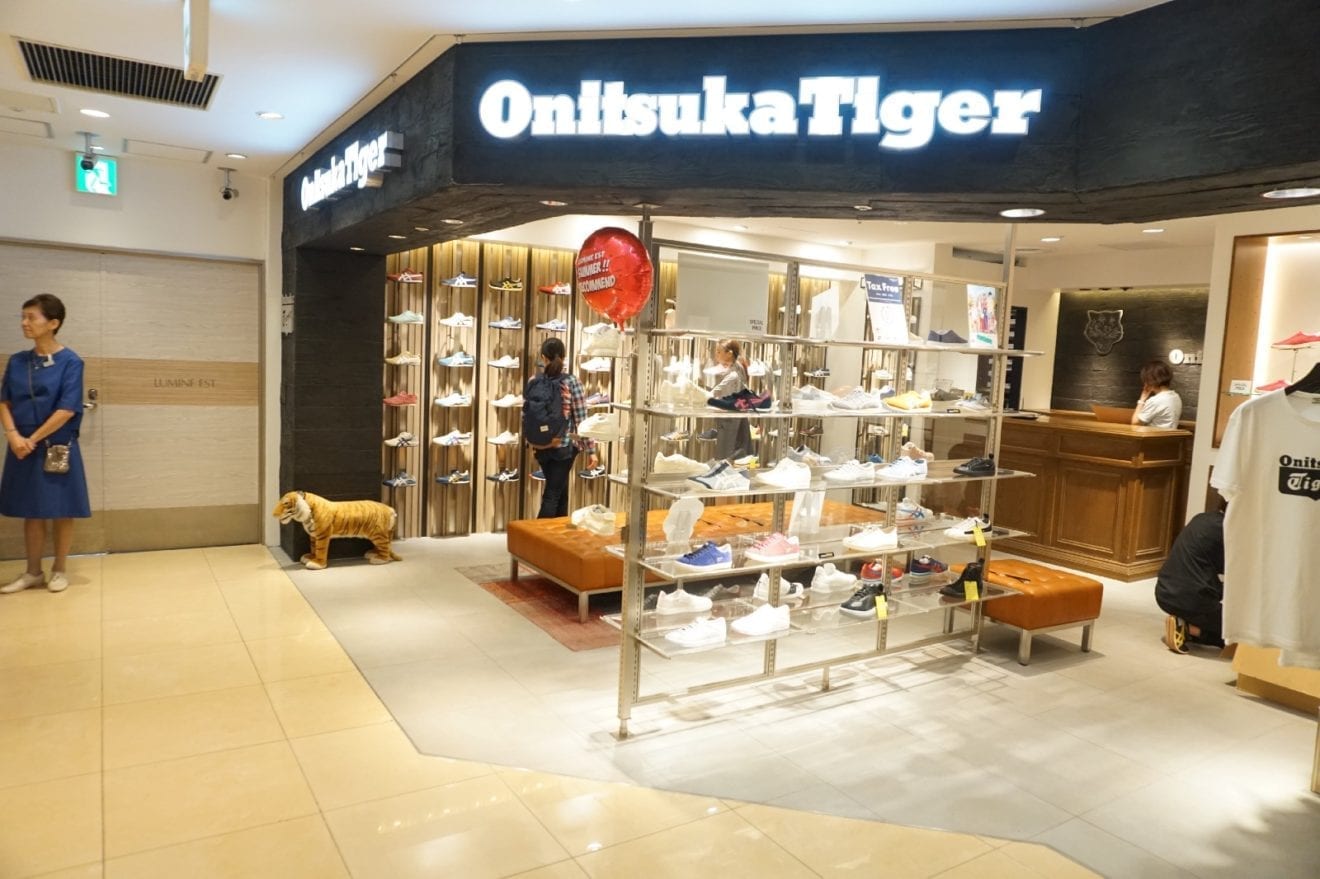
  • Onitsuka Tiger and Hoka Unveil Bold New Storefronts Across Japan’s Retail Landscape

    Onitsuka Tiger and Hoka Unveil Bold New Storefronts Across Japan’s Retail Landscape

    In Tokyo and other major Japanese cities, the race is on among outdoor and sportswear manufacturers to secure coveted street-level retail spaces. These brands are making their mark in urban environments as they tap into the growing demand for high-quality, functional clothing tailored for both adventure and urban lifestyles.

    Among the notable mentions is Goldwin, whose recent addition in Kyoto has unveiled a captivating storefront, harmonizing natural stone with modern design sensibilities. This trend isn’t just about aesthetics; it’s a strategic move for brands seeking to enhance customer engagement by providing an immersive shopping experience.

    The surge in retail activity creates a vibrant scene for urban dwellers and tourists alike. Just imagine transitioning from a busy shopping street into a tranquil outdoor oasis housed in a boutique—it’s a clever shift that not only beckons the nature enthusiast but also piques the curiosity of those merely window shopping.

    Furthermore, the lifting of pandemic restrictions has accelerated this retail renaissance. Brands are eager to reconnect with consumers through innovative storefronts that serve as both retail spaces and community hubs. With the backdrop of the post-COVID landscape, companies are reimagining how their products are presented, often incorporating elements that appeal to the senses, from textures to interactive displays.

    Today’s retail landscape is about storytelling, and outdoor and sportswear brands are crafting narratives that resonate with consumers’ lifestyles. As they embrace urbanity while celebrating the outdoors, the result is a refreshing fusion that promises to invigorate the shopping experience.

    Questions & Answers

    What motivated outdoor and sportswear brands to open more street-level stores?
    The growing demand for high-quality, functional clothing aimed at both outdoor adventures and urban lifestyles has driven these brands to secure prominent retail spaces.

    How are these new storefronts enhancing customer engagement?
    By creating immersive shopping experiences that blend modern design with their brand identities, these stores invite customers to explore product offerings in engaging and innovative settings.

    What impact has the post-pandemic environment had on retail strategies?
    With the lifting of pandemic restrictions, brands are eager to reconnect with consumers, leading to the rise of innovative retail spaces that not only serve as shops but also as hubs for community engagement.

  • Exploring the Stability of Kuala Lumpur’s Logistics Sector: Insights for 2023

    Exploring the Stability of Kuala Lumpur’s Logistics Sector: Insights for 2023

    The logistics landscape in Kuala Lumpur is poised for remarkable stability through 2025, as detailed in a recent report by JLL. This trend is largely fueled by the booming e-commerce sector and the global technology upcycle, spurred on by a surge in artificial intelligence (AI) innovations that are reshaping the demand for modern logistical spaces.

    Tax Changes and Market Adjustments

    A significant shift is on the horizon with Malaysia’s expansion of the Sales and Service Tax (SST), effective July 2025. This adjustment brings real estate leasing transactions into the tax fold, introducing an 8% taxation rate. As landlords and tenants grapple with these changes, negotiations will likely become central to finding a balance in operational costs.

    Rapid Growth in Logistics Properties

    The logistics property sector is experiencing exceptional growth, propelled by new developments that are witnessing impressive net absorption rates. High-quality facilities are attracting eye-catching tenancies from leading sports brands and consumer goods companies.

    This surge can be predominantly traced back to sectors such as Automotive, Electrical and Electronics (E&E), and third-party logistics (3PL) providers, alongside various manufacturers. Current projects are enjoying robust pre-commitment rates, signaling strong market confidence.

    Major Developments on the Horizon

    In the second quarter of 2025, notable expansions in Shah Alam and Pulau Indah added approximately 2 million square feet of Grade A warehouse space to the market, answering specialized demand from the Automotive and E&E industries. Surprisingly, vacancies remain astoundingly low, at just 2%, even amid these new deliveries. Companies are increasingly migrating towards premium quality spaces, indicating a clear preference for top-tier facilities.

    Stability Amid Potential Challenges

    Despite some anticipated challenges, such as increases in SST and electricity costs slated for July, rental rates have held steady within the market. Pulau Indah, in particular, has seen notable growth as emerging prime facilities close the gap with more established submarkets.

    Real Estate Investment Trusts (REITs) are actively expanding their portfolios through strategic acquisitions. A prime example is AmanahRaya REIT’s acquisition of a warehouse in Kuala Langat through a sale-and-leaseback arrangement, which not only secures stable income but also assures operational continuity for the tenant—a win-win in today’s fast-paced market.

    Questions & Answers

    What key factors are driving growth in the logistics sector in Kuala Lumpur?
    The logistics sector’s growth is primarily driven by the expansion of e-commerce, the Automotive and Electrical and Electronics industries, along with 3PL providers, each increasing demand for modern storage solutions.

    How will the new Sales and Service Tax affect landlords and tenants?
    The introduction of the 8% SST on real estate leasing transactions will likely prompt landlords and tenants to engage in negotiations to adapt to the new tax landscape, helping to manage the impact on operational costs.

    What does the current vacancy rate suggest about the market?
    With the vacancy rate at an impressive 2%, the logistics market shows strong demand dynamics, as companies prefer to incorporate higher-quality spaces, indicating a healthy appetite for premium logistical solutions.

  • Ant International Set to Roll Out Alipay+ in Saudi Arabia: A New Era for Digital Payments!

    Ant International Set to Roll Out Alipay+ in Saudi Arabia: A New Era for Digital Payments!

    Ant International is set to make waves in the digital payments landscape by introducing Alipay+ in Saudi Arabia, a move that is bound to revolutionize transactions within the Kingdom. Scheduled for launch in 2026, this ambitious initiative will facilitate cross-border payments between the Kingdom’s national payment network, mada, and Alipay+, promising to simplify financial exchanges for consumers and businesses alike.

    Empowering Local Merchants and SMEs

    This new partnership is particularly advantageous for local merchants and small to medium enterprises (SMEs), which will gain the ability to accept QR payments from Alipay+’s extensive lineup of international payment partners. With over 36 partnerships already established, Alipay+ connects approximately 1.7 billion user accounts to an impressive network of more than 100 million merchants across 70 markets.

    A Commitment to the Kingdom’s Digital Future

    Douglas Feagin, President of Ant International, expressed excitement about this collaboration, stating, “This agreement deepens our presence and commitment to Saudi Arabia, and we look forward to working to promote QR payments locally as we build a thriving digital future for the Kingdom.” It seems that Alipay+ is not just entering the market; it’s planning a full-on cultural and financial integration.

    A Broader Regional Strategy

    The introduction of Alipay+ is part of Ant International’s broader strategy in Saudi Arabia, which gained momentum throughout 2025. A notable highlight includes the launch of Antom, a unified merchant payment solution, which recently received a PTSP certificate, enhancing its credibility in the region.

    Beyond Saudi Arabia, Alipay+ is already integrated with several national payment schemes across Asia, including those in Singapore, Malaysia, South Korea, Cambodia, Nepal, and Sri Lanka, illustrating its expansive reach and ambition to transform how Asia transacts.

    Questions & Answers

    What year is Alipay+ set to launch in Saudi Arabia?
    Alipay+ is scheduled to launch in Saudi Arabia in 2026.

    How many international payment partners does Alipay+ currently have?
    Alipay+ boasts over 36 international payment partners, connecting 1.7 billion user accounts to more than 100 million merchants.

    What recent development has Ant International achieved in Saudi Arabia?
    Ant International’s unified merchant payment solution, Antom, recently received a PTSP certificate, enhancing its operational credibility in the Saudi market.

  • UOB Joins Forces with Hengfeng Bank and Shangao Holdings to Propel Chinese Firms’ Global Expansion

    UOB Joins Forces with Hengfeng Bank and Shangao Holdings to Propel Chinese Firms’ Global Expansion

    UOB has embarked on an exciting collaboration with Hangfeng Bank Co. Ltd. and Shangao Holdings Group Limited, marking a significant stride toward fostering green development and infrastructure. Announced on September 18, 2025, this tripartite memorandum of understanding aims to enhance financial solutions that empower Chinese businesses seeking to extend their reach overseas, particularly in areas tied to sustainable transformation.

    Empowering Cross-Border Trade and Investment

    The partnership will focus on a myriad of financial services, including cross-border trade financing, investment banking, and tailored advisory services that resonate with the goals of the Belt and Road initiative. As the global focus shifts towards sustainability, UOB’s initiative underscores a pivotal blend of finance and environmental consciousness.

    Profiles in Investment: Shangao and Hangfeng

    Shangao Holdings, a subsidiary of Shandong Hi-Speed Holdings Group, has carved a niche in industrial investments revolving around new energy and infrastructure. The company plays a crucial role in managing vital transportation assets like toll roads, bridges, and rail transit facilities. Meanwhile, Hangfeng Bank, rooted in Shandong province, is celebrated for its transaction banking prowess and cross-border capabilities—ideal complements to UOB’s expansive regional network and Shangao’s investment acumen.

    A Remarkable Signing Event

    The memorandum was officially signed at the opening ceremony of the 2025 Singapore-Shandong week held at Marina Bay Sands, a fitting venue for such an ambitious partnership. UOB’s executive director for corporate wealth management, Janice Leong, represented the bank, joined by Shen Zhenghua, general manager of Hangfeng Bank’s transaction banking department, and Li Tianzhang, chairman of Shangao Holdings Group. The trio’s signatures symbolize a commitment to not only growth but also to a greener future, proving that when money talks, it can also advocate for the planet.

    Questions & Answers

    What are the main objectives of the partnership between UOB, Hangfeng Bank, and Shangao Holdings?
    The primary goals include providing financial solutions that support Chinese enterprises expanding internationally, with a focus on sectors aligned with green transformation, such as sustainable infrastructure.

    How will the collaboration benefit businesses in China?
    This partnership will facilitate cross-border trade financing and investment banking services, thereby easing international expansion for Chinese businesses while promoting sustainable practices.

    Where was the memorandum of understanding signed?
    The MOU was signed during the opening ceremony of the 2025 Singapore-Shandong week at the prestigious Marina Bay Sands in Singapore.

  • SK Telecom and T-Map Unveil Exciting New AI Integration for Enhanced Navigation Experience!

    SK Telecom and T-Map Unveil Exciting New AI Integration for Enhanced Navigation Experience!

    In a groundbreaking move that merges artificial intelligence with everyday driving, SK Telecom and T-Map Mobility have unveiled a major update to their navigation service, T-Map, by integrating the conversational AI service known as A. This sophisticated enhancement aims to redefine the way drivers interact with their navigation system, replacing the previous NUGU-based voice guidance with A.’s more intuitive capabilities.

    Transforming Navigation Interactions

    The companies project that this transformational update will significantly improve the T-Map experience, enabling drivers to communicate in naturally flowing dialogues rather than through rigid voice commands. A. can recognize everyday language, making navigation not just a task but a conversation. For example, if a driver states, “Let’s stop at a nearby gas station and then go home,” the system seamlessly understands both the stop and the destination, offering the optimal route with a friendliness that might make you think your GPS has developed a personality!

    Furthermore, if a driver conflates a location’s name—say mistaking the Gwangtan-myeon Administrative Welfare Center for the Gwangtan-myeon Happy Welfare Center—A. not only corrects the error but also suggests the right destination. Previously, drivers would have to pick from a list of similar-sounding options, but now they can simply speak their desired location, enhancing both safety and convenience on the road.

    Personalized Search Capabilities

    Beyond standard route guidance, T-Map is now equipped to provide personalized responses based on specific requests. Drivers can search with conditions like “Find a cafe with parking” or ask, “Which restaurant is open now?” They can also explore thematic suggestions, such as “Let’s go to a restaurant with a nice atmosphere.” This contextual understanding is pivotal in creating a user-centric navigation experience.

    A. doesn’t stop there. It can supply extensive information about nearby businesses, including menus and hours, provided the data exists within T-Map. This tailored interaction extends to past preferences, meaning that if a driver asks for “the nearest kindergarten,” the system instinctively highlights favorites first, offering a warm touch to what could be a routine query. Imagine asking, “Let’s go to the nearest dentist,” and getting not only directions but also hours of operation: “Our hours are from 9:00 AM to 6:00 PM.” That’s the kind of clever assistance that makes a driver feel cared for.

    Expanding Functionalities for a Safer Drive

    The integration of A. into T-Map emphasizes reducing distractions, allowing drivers to do things like check real-time traffic, make calls, send texts, or even browse the latest tunes—all through voice commands. For full-feature use, linking an A. account with T-Map is required, but the effort pays off in convenience.

    This enhanced voice interface will first roll out on Android, with iOS support expected later. As it stands, A. has gained traction with over 10 million subscribers and more than 800,000 users embracing its newly launched beta services, Notes and Briefing, within just one month. The recent update to version 4.0 has implemented cutting-edge AI technology dubbed Agentic Workflow, allowing it to interpret user intentions more deeply and execute related tasks—a leap forward in automotive AI.

    Setting the Stage for Future Developments

    T-Map Mobility is committed to evolving its AI-powered transportation services further, continually seeking to enhance the user experience. Kim Ji-hoon, Vice President and Head of SKT’s AI Business Strategy Division, stated that the goal is to offer a natural conversation experience that aligns closely with drivers’ needs, thereby moving away from simple command-based interactions.

    Jeon Chang-geun, Chief Product Officer of T-Map Mobility, emphasized the importance of understanding user intent, stating: “With the introduction of A., we have opened up a conversational mobility AI experience that transcends the usability of existing navigation systems.” As innovations unfold, T-Map is poised to offer its users a uniquely engaging and intelligent driving companion.

    Questions & Answers

    What are the key benefits of integrating A. into T-Map?
    The integration of A. allows for more natural communication, enabling drivers to engage with the system using everyday language, enhancing convenience and safety while driving.

    How does A. improve the navigation experience for users?
    A. can understand nuanced requests, correct location names, and provide personalized recommendations based on driver history, making navigation a smoother and more user-friendly experience.

    What future enhancements can users expect from T-Map Mobility?
    T-Map Mobility plans to continue refining its AI services, with ongoing updates aimed at enhancing user experience and expanding the capabilities of the navigation system.

  • Analyst Warns: Manila’s Retail Supply Pipeline Set to Challenge Market Resilience

    Analyst Warns: Manila’s Retail Supply Pipeline Set to Challenge Market Resilience

    An estimated 177,000 square meters of new retail space is on the horizon, set to make waves in Manila’s market by the second half of 2025. As the bustling holiday season approaches, tenants are revamping their strategies and gearing up for a promising turnaround. JLL’s latest report highlights that this influx of new store openings in prime malls may counterbalance the negative absorption reported in the first half of the year.

    Market Resilience Faces a Test

    According to the report, the significant volume of new supply is likely to challenge the market’s resilience. However, it also points to a silver lining: improving consumer sentiments and lower borrowing costs are expected to facilitate a gradual absorption of new spaces. With this context, rents are projected to increase by the end of the year alongside a rise in leasing activity.

    Quarterly Trends Revealed

    In the second quarter of 2025, net absorption dipped further to -20,700 square meters, continuing a downward trend that started in the first quarter. Notably, Mandaluyong and Muntinlupa accounted for most of the move-outs, while Quezon City and Makati City saw a flurry of new store openings, reflecting a dynamic albeit challenging landscape.

    The food and beverage sector remains the powerhouse for new store openings, confirming its dominance in the retail space. Interestingly, general retail has also shown resilience, emerging as a top contender for new entries this quarter, signaling ongoing expansion even amid cautious market conditions.

    Static Supply and Rising Vacancies

    Retail supply held steady in Q2 2025 as developers opted to stagger completions to the latter half of the year. With 177,000 square meters of additional space anticipated before year-end, analysts caution that this new supply could further inflate vacancy rates, which already crept up to 7.5%—an increase of 33.9 basis points quarter-on-quarter—mainly attributed to slower store openings.

    Mixed Signals in Financial Metrics

    While retail rents saw a slight uptick of 0.5%, reaching PHP 1,759 per square meter per month, operators are maintaining stable asking prices to keep demand alive. On the investment front, capital values are modestly appreciating at PHP 239,532 per square meter, indicating a careful approach among investors. However, the central bank’s recent interest rate cut to 5.5% is anticipated to boost investor confidence and expedite pending deals as financing becomes more accessible.

    In a retail landscape that seems to be a game of chess, strategists are positioning themselves for the next big play. Who knows? The unexpected twists and turns ahead could make for an exhilarating game as 2025 unfolds.

    Questions & Answers

    What are the key expectations for Manila’s retail market in H2 2025?
    Analysts anticipate a surge of new store openings, totaling 177,000 square meters, which could improve market conditions despite a challenging first half, as consumers become more confident.

    Which areas are experiencing the most retail movement?
    Mandaluyong and Muntinlupa have seen significant move-outs, while Quezon City and Makati City are witnessing a rise in new store openings.

    How are rental rates trending in the current market?
    Rental rates are showing stability with a slight increase of 0.5% in Q2 2025, while operators maintain stable asking prices to foster demand amidst growing vacancies.

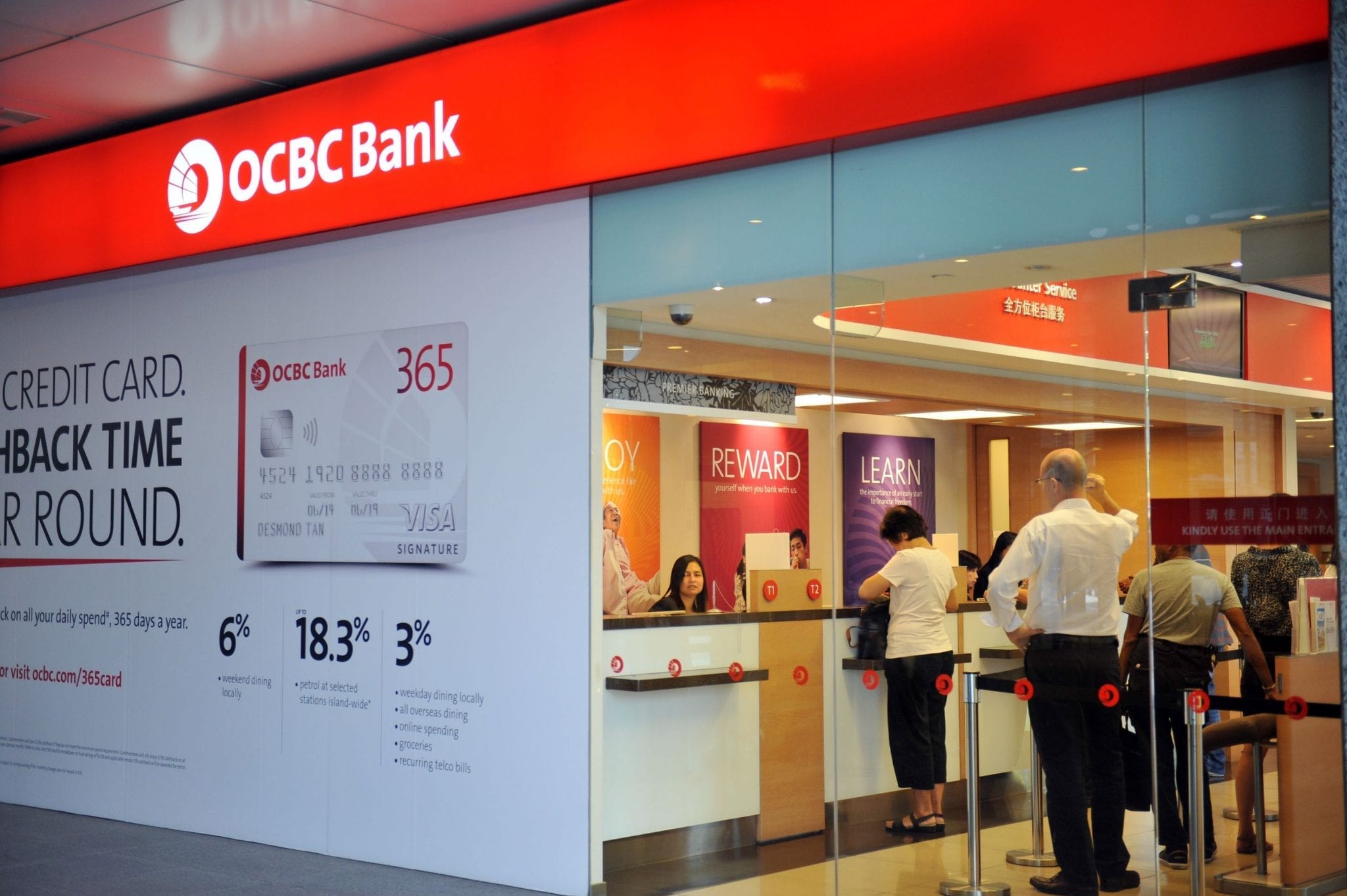
  • OCBC Commits to Empower 10,000 Women Entrepreneurs with Social Loans by 2030

    OCBC Commits to Empower 10,000 Women Entrepreneurs with Social Loans by 2030

    In a bold move to empower female entrepreneurship across Southeast Asia, OCBC Bank has set its sights on a big goal: to provide social loans to 10,000 women entrepreneurs by 2030. This initiative, aimed at small and medium enterprises (SMEs), spans Singapore, Malaysia, Hong Kong, and Indonesia, marking a significant commitment to fostering economic growth among women-owned businesses.

    Achievements So Far

    As of June 2025, OCBC has made impressive strides, supporting over 2,000 women-owned SMEs with social loan commitments nearing $600 million. This support is part of a larger vision to increase financial accessibility for women entrepreneurs, who often face unique challenges in securing funding.

    Tailored Programs for Women Entrepreneurs

    OCBC’s initiatives include the OCBC Women Unlimited Programme, which was launched in Singapore in April 2024 and introduced in Malaysia in August 2025. In Indonesia, the initiative takes the form of the Women Warriors Programme, which has been operational since 2020. These programs don’t just provide capital; they aim to cultivate an ecosystem where women entrepreneurs can thrive.

    Understanding the Challenges

    The data paints a compelling picture: one in three of OCBC’s SME customers across Singapore, Malaysia, Indonesia, and Hong Kong are women. However, it also highlights a stark reality — women-owned SMEs in Singapore report approximately 30% lower sales turnover growth in their first three years compared to their male counterparts. Fortunately, those who secure financing through OCBC’s initiatives have shown the capacity to close this gap, demonstrating the transformative power of financial support.

    The Road Ahead

    With ambitious plans to extend its reach and enhance the financial landscape for women entrepreneurs, OCBC is not just banking on numbers; it’s betting on the untapped potential of women-led businesses in Asia. In a future where every woman entrepreneur can dream big, OCBC aspires to be the catalyst that turns those dreams into reality.

    Questions & Answers

    How many women-owned SMEs has OCBC supported so far?
    OCBC has supported over 2,000 women-owned SMEs across Southeast Asia as of June 2025.

    What kind of financial assistance does OCBC offer to women entrepreneurs?
    OCBC provides social loans of up to S$100,000 for women-owned SMEs within their first two years of incorporation, with waived processing fees for these loans.

    How do sales turnovers compare for women-owned SMEs versus male-owned ones?
    Women-owned SMEs in Singapore typically experience about 30% lower sales turnover growth in their first three years compared to male-owned SMEs, however, those that secure financing can bridge this gap.

  • Jakarta’s Data Centre Market Sees Robust Growth: What’s Driving the Expansion?

    Jakarta’s Data Centre Market Sees Robust Growth: What’s Driving the Expansion?

    The Greater Jakarta data center market is witnessing significant expansion, with colocation inventory skyrocketing from 150 MW in 2021 to over 400 MW by the first half of 2025, according to a new report from JLL. This growth reflects the joint efforts of both established players and newcomers, including Equinix, which has launched its inaugural data center in Jakarta through a partnership with PT Astra International. Other notable entrants are Digital Realty Bersama and Digital Hyperspace, alongside ongoing expansions from DCI Indonesia.

    In this dynamic landscape, STT Telemedia Global Data Centres has not only topped out its second data center but has also broken ground on a third facility. This ambitious project forms part of a larger campus aimed at delivering an impressive 90 MW of power capacity.

    While eastern Greater Jakarta has long been the favored locale for hyperscalers, a notable shift in interest is occurring towards Jakarta’s CBD, where the majority of new construction projects are currently underway. Illustrating this trend further, LG Sinar Mas Joint Venture recently commenced construction on an AI-Optimized Data Centre in Jakarta, with expectations for it to be operational by 2026.

    Occupancy rates in existing colocation facilities hover around 70-80%, largely fueled by demand from cloud service providers, financial institutions, e-commerce giants, and over-the-top (OTT) platforms like gaming, streaming, and social media. While the specific demand for AI applications remains modest, the expanding landscape of cloud services and Indonesia’s ongoing digital transformation could catalyze future AI adoption across various sectors.

    Looking Ahead: Strategic Insights for Users and Providers

    As the digital economy flourishes alongside a burgeoning middle class, users can expect an accelerated uptake of cloud services. Financial institutions must brace for evolving data sovereignty regulations and compliance requirements, while e-commerce platforms will require enhanced capacities for managing increased transaction volumes and leveraging analytics.

    On the provider side, navigating infrastructure challenges will necessitate innovative solutions to ensure reliable power and connectivity. As activities in Jakarta’s CBD ramp up, strategic location selection will become paramount for providers. Additionally, as environmental regulations tighten, incorporating sustainability features into facilities will be crucial for competitive differentiation.

    Questions & Answers

    What factors are driving the expansion of colocation inventory in Greater Jakarta?
    The growth is primarily fueled by the increasing demand from cloud service providers, financial institutions, and e-commerce companies, which are all looking to expand their digital capabilities.

    How is the shift in location preference impacting the data center market?
    While eastern Greater Jakarta has traditionally been preferred, a growing interest in Jakarta’s CBD is influencing investment decisions, leading to more under-construction projects in this area.

    What future trends could shape the data center landscape in Indonesia?
    The ongoing digital transformation and increasing adoption of cloud services are likely to drive future growth, while sustainability considerations and regulatory compliance will play crucial roles in how the market evolves.