Author: Mei Ling Tan

  • Renault-Nissan to set up new China JV with Dongfeng Motor for electric cars

    Renault-Nissan to set up new China JV with Dongfeng Motor for electric cars

    Nissan Motor and its alliance partner Renault are setting up a new joint venture in China with Dongfeng Motor Group to design and build electric cars, joining a list of global automakers aiming to make such vehicles in China.

    The automakers are attempting to tap into a boom for such cleaner “new energy” vehicles in the world’s biggest auto market and gearing up to meet its anticipated stringent plug-in car quotas.

    Ford Motor Co announced earlier this month it was exploring setting up a joint venture with car maker Anhui Zotye Automobile Co to build electric vehicles in China under a new brand.

    Tesla, Daimler AG and General Motors have already announced plans for making electric vehicles in China, which wants electric and plug-in hybrid cars to make up at least a fifth of the country’s auto sales by 2025.

    The new joint venture, called eGT New Energy Automotive Co, will be owned 25 percent each by Nissan and Renault with Dongfeng owning 50 percent, Nissan and Renault said in a statement on Tuesday.

    They said eGT will design a new electric vehicle on a subcompact crossover SUV platform of the Renault-Nissan alliance.

    “The establishment of the new joint venture with Dongfeng confirms our common commitment to develop competitive electric vehicles for the Chinese market,” Carlos Ghosn, chairman and chief executive officer of the Renault-Nissan alliance, said in the statement.

    The statement did not give details of financial commitments of the joint venture partners or say by when the vehicles will be launched. Dongfeng already partners Nissan in China.

    Both Nissan and Renault already market electric cars. Nissan’s Leaf compact hatchback has become the world’s top-selling electric car since its launch in 2010, while Renault began selling its Zoe model in 2012.

    The game changer for global automakers, many of whom until recently have resisted an industry shift to heavily electrified vehicles, is China – an auto market with strong potential for growth where stringent policies favoring cleaner energy cars are being aggressively pursued.

    Under China’s latest proposals, electric vehicle sales quotas, which are expected to take effect as early as 2018, are due to require 8 percent of automakers’ sales to be battery electric or plug-in hybrid vehicles by next year, rising to 10 percent in 2019 and 12 percent in 2020.


  • China’s JD.com Eyes Indonesia with Investment of Go-Jek

    China’s JD.com Eyes Indonesia with Investment of Go-Jek

    The move by China-based tech firms into Southeast Asia continues apace. But the ranks of Alibaba and Tencent, so far the most aggressive to expand into the region, are now being joined by Alibaba’s largest ecommerce rival in China, JD.com.

    Over the weekend, JD.com confirmed that it had invested in Indonesia-based ride-hailing service Go-Jek after news outlet The Information reported the development last week. According to Reuters, JD.com’s investment in the firm is around $100 million, and will be part of a funding round of about $1 billion.

    Go-Jek got its start in 2010 as an on-demand transportation platform for motorbikes, a common way for urbanites in Indonesia to navigate streets choked with traffic. However, Go-Jek’s portfolio of services has been broadly expanded since then to include grocery delivery, courier services, home cleaning, massages and even online ticketing.

    Go-Jek appears to be mimicking the success messaging platform WeChat has seen in China, by gaining a user base for one service—online ride-hailing—and then branching out. Go-Jek is also smartly pushing its users to pay for its expanding suite of services using its own digital payment service, Go-Pay.

    JD.com was once largely overshadowed by China’s ecommerce giant, Alibaba. But that has changed as the company’s model of using a business-to-consumer (B2C) ecommerce model—a contrast to Alibaba’s popular consumer-to-consumer (C2C) marketplace Taobao—has found success among a growing middle class in China that’s moving upmarket in the quality of goods it wants to purchase.

    According to data from iResearch Consulting Group, JD.com was responsible for 24.7% of retail ecommerce sales share in China in 2016, behind only Alibaba’s B2C platform Tmall.

    But JD.com is also clearly eyeing the potential in emerging markets like Indonesia. eMarketer estimates there will be 36.2 million digital buyers in the country this year, when retail ecommerce sales will total $8.21 billion. However, the ranks of buyers will swell to nearly 74 million by 2021, when $18.07 billion will be spent on retail ecommerce.

    JD.com is set on making sure it doesn’t get left behind in the market through its Go-Jek investment. In return, Go-Jek is likely to gain from JD.com’s expertise in managing the nuts and bolts of the ecommerce business, including shipping logistics and inventory management, should it decide to expand its efforts in that sector.

    Meanwhile, Go-Jek is given some more cash to fend off rivals Uber and Grab, a similarly Southeast Asia-focused ride-hailing app based in Singapore. Go-Jek can use all the money it can get its hands on; Grab, which operates in 65 cities in seven markets across Southeast Asia, closed a funding round worth $2.5 billion in late July from investors that include Japan-based telecom SoftBank Group and China-based ride-hailing giant Didi Chuxing.

  • BluJay Solutions raises US$500mn financing to drive growth

    BluJay Solutions raises US$500mn financing to drive growth

    BluJay Solutions, a provider of supply chain software and services powered by the world’s first Global Trade Network, has raised a significant new financing facility from TPG Specialty Lending and BlueBay Asset Management’s Private Debt Group. The capital will bolster BluJay’s continued expansion of its market-leading Global Trade Network and help accelerate growth. In addition, the facility allows for US$200 million of additional capital to finance acquisitions as BluJay continues to expand its market-leading software solutions.

    “Our Global Trade Network has been widely accepted by companies around the globe,” said Doug Braun, BluJay Solutions CEO. “They understand the power and vision of bringing thousands of supply chain participants into a single network and workflow. We are winning more deals because our Global Trade Network is resonating, and this new financing will allow us to accelerate our expansion plans.”

  • KBank buys 10% stake in Bank Maspion Indonesia

    KBank buys 10% stake in Bank Maspion Indonesia

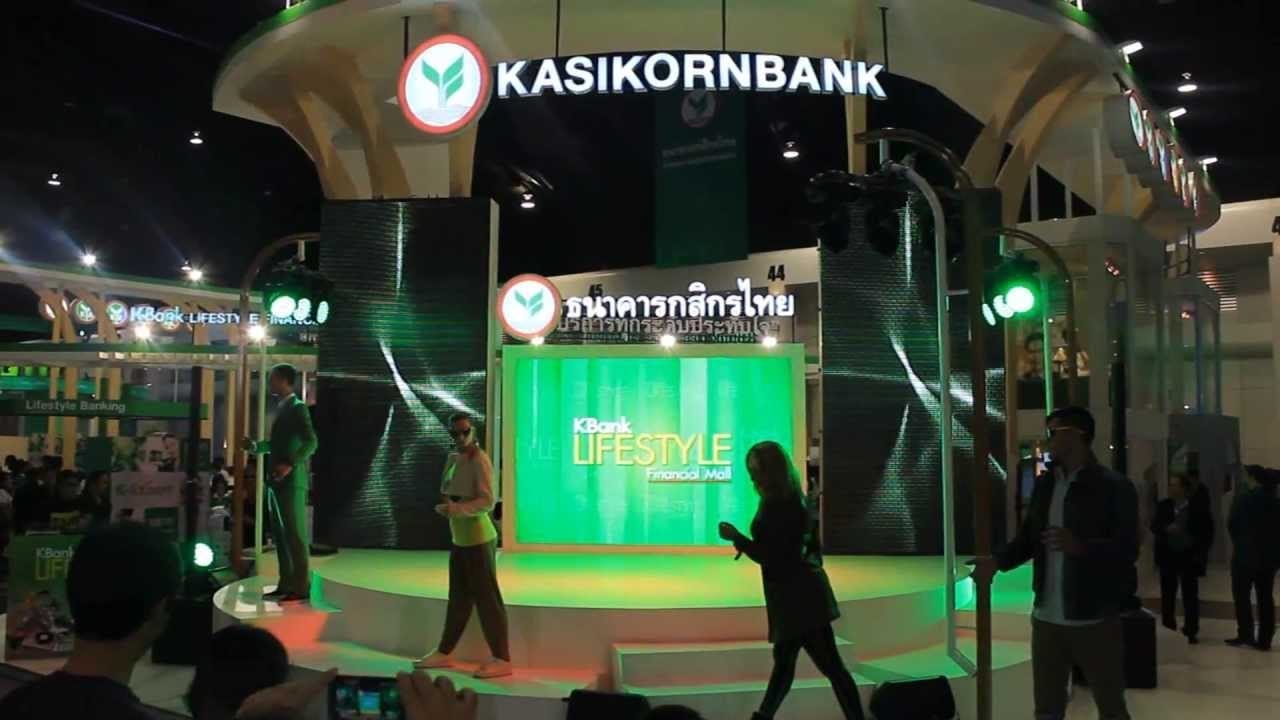
    Kasikornbank has taken a 9.99% stake in Bank Maspion Indonesia for US$20 million to help strengthen its regional presence, the bank said on Monday.

    The price paid was 615 rupiah (S$0.06) per share, nearly 62% premium to the stock’s closing price on Friday. The shares traded over 2% higher on Monday.

    “Bank Maspion is the best partner for Kbank to establish a presence in the Indonesian market,” KBank president Predee Daochai said in a statement, noting its activity in logistics and property development.

    The move would increase KBank’s presence in Southeast Asia, China, Japan and South Korea, which it considers a crucial market for Thai businesses, according to a company statement.

    KBank already has a partnership with Indonesia’s top lender, Bank Central Asia.

    Bank Maspion would benefit from KBank’s expertise in digital banking and SME banking operations, said president director and CEO of Maspion Group in a statement.

    Indonesia’s banking sector limits foreign ownership of a financial institution to 40%.

  • Pertamina boosts production with new technology

    Pertamina boosts production with new technology

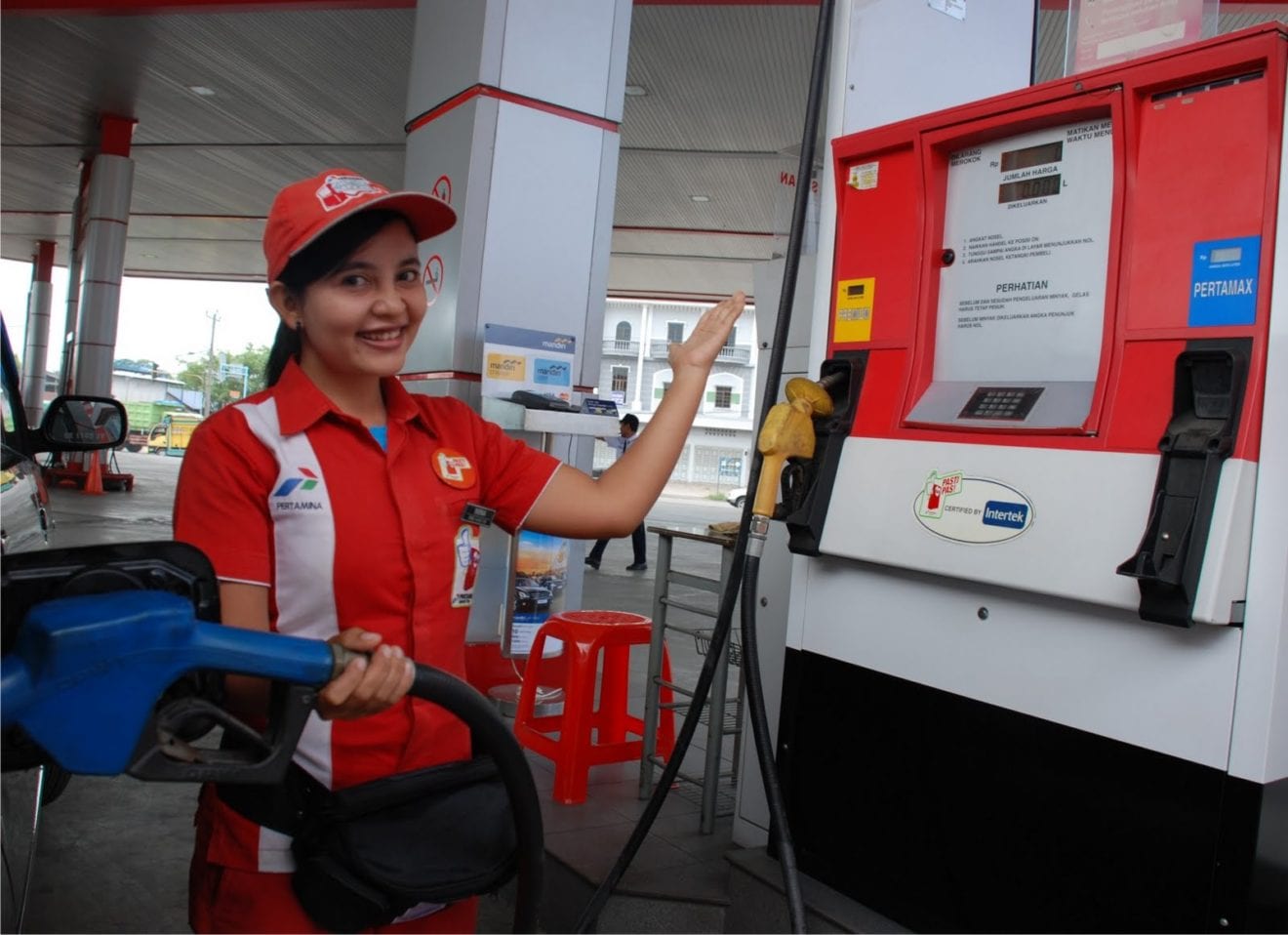
    State-owned oil company Pertamina EP (a subsidiary of Pertamina) is using the underbalance drilling new technology to boost its oil and gas production.

    The technology is being used as a new strategy and innovation to exploit production at the Jatibarang old oil field, which is being cultivated since 1972.

    The Jatibarang field includes both onshore and offshore fields, Jatibarang Oil Field Manager Herman Rachmadi said in Jatigarang, Friday.

    He revealed that the Jatibarang field was divided into nine structures, namely the Sindang, the Karangbaru, the Randegan, the Cemara, the Tugu Barat, the Gantar, the Waled Utara, the Kandanghaur and the X-ray structure for the offshore field.

    At the Jatibarang structure, the drilling work is done using the underbalance drilling technology. “The depth target of wells with this technology is 2,000 meters and will be done for a period of two months,” he affirmed.

    The other strategy and programs used in the Jatibarang field to increase oil and gas production is the repair program, fracturing, well maintenance, conversion lifting and stimulation.

    This year, Jatibarang is handling the maintenance of 30 wells, 59 intervention wells and 26 workover wells.

    PT Pertamina EP is also carrying out stimulation programs in wells that experience sedimentation and an increase in the water content.

    Currently, the average production of Jatibarang is 5,500 BOPD. The structure which significantly contributes to the production is the X-ray structure with a production of 2,100 BOPD, and the Jatibarang structure with a production of 1,000 BOPD.

  • Bank operations smooth despite ATM problem

    Bank operations smooth despite ATM problem

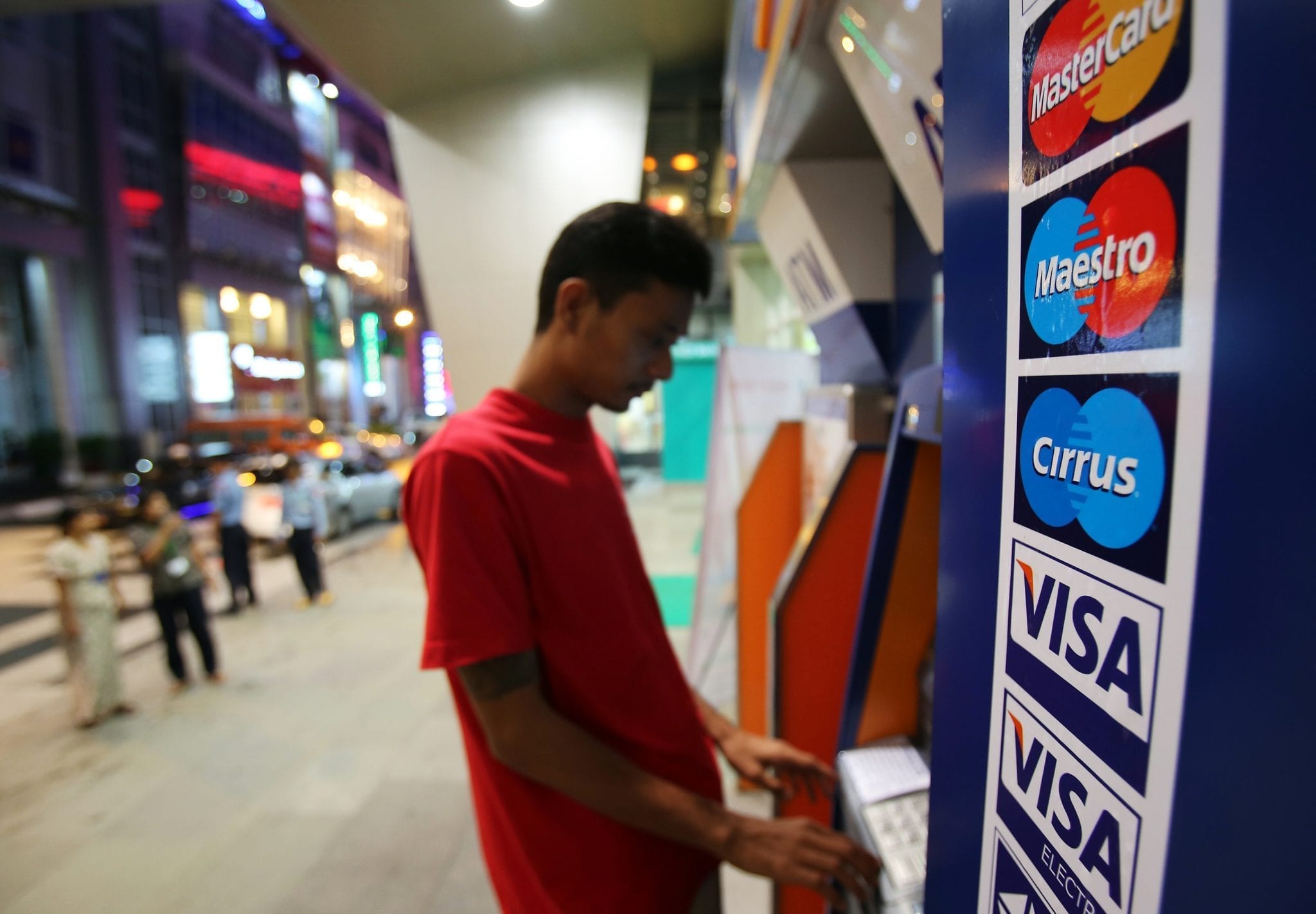
    Senior deputy governor of Indonesias central bank Mirza Adityaswara assured here on Sunday that banking operations in the country remained smooth despite troubles at automatic teller machines since Friday afternoon due to a Telkom-1 satellie problem.

    “We as payment authorities assured that operations of banks have remained smooth and ATMs that have troubles will immediately have their channel shifted,” he said at a training event for journalists.

    He said Bank Indnesia as the countrys central bank has received reports from banks affected by the Telkom-satellite anomaly adding that not all ATMs have been affected.

    “Not all ATMs have troubles but only some of them because not all banks use VSAT network,” he said.

    Mirza said PT Telekomunikadi Indonesia Tbk. has already taken efforts to overcome the problem, adding that service of payment system remained as usual.

    “Telkom certainly has taken maximum efforts to shift the channel to the new satellite,” he said.

    He said Bank Indonesia kept monitoring the developmemt of the restoration and coordinating with banks and other agencies concerned with regard to the problem.

    To anticipate cash demand of the public he said Bank Indonesia continued supporting banks with cash supply.

    “There is no cash supply problem,” he assured.

    The executive director of the communication department of Bank Indonesia, Agusman, said that the banks that had trouble with their ATMs have been working jointly with PT Telkom to restore the situation.

    The restoration is done by moving the satellite connection that was affected to Telkom 3S satellite or others, he explained.

    Agusman said Bank Indonesia as payment system authorities and rupiah currency management is prepared to support banks to serve public fund transfers.

    “The Bank Indonesia Real Time Gross

    Settlement (BI-RTGS), the Bank Indonesia National Clearing System (SKNBI) and Bank Indonesia Scripless Sevurities Settiement Systen (BI-SSSS) still operate normally,” he said.

  • Auto industry calls for luxury tax cut on sedans

    Auto industry calls for luxury tax cut on sedans

    The Indonesian Automotive Manufacturers Association (Gaikindo) chairman Jongkie Sugiarto said on Tuesday that the association had long lobbied the Finance Ministry to reduce the luxury tax on sedans.

    He said the cut in luxury tax for sedans from 30 to 10 percent, a similar rate for multi-purpose vehicles, would encourage producers to manufacture more sedans, not only for the domestic market but also for export.

    “Because of cheaper taxes, Indonesia has now become the king of MPVs, but our exports are just 200,000 units per year, from a total production of 1.3 million,” Jongkie said during a discussion on the automotive industry organized by the Indonesian Business Data Center (PDBI) in Jakarta on Tuesday.

    “Thailand produces 2 million units of vehicles per year, but it exports 1.2 million because they produce everything from sedans and pickups to MPVs. The Thai government also does not discriminate in the taxes on the automotive products.”

    He said Gaikindo had already hired experts at University of Indonesia’s Institute for Economic and Social Research (LPEM UI) to carry out independent research on the issue and the result was that a luxury-tax cut on sedans would increase sales by 17 percent.

    This year, Gaikindo’s efforts received support from Industry Minister Airlangga Hartarto, but it was still struggling to convince the Finance Ministry.

    “We have lobbied for so long [the Finance Ministry], but it has not moved,” Jongkie said, adding that the association had proposed the tax cut since 2011. (bbn)

  • AirAsia Seeks Back-Door Listing on Indonesia Stock Exchange

    AirAsia Seeks Back-Door Listing on Indonesia Stock Exchange

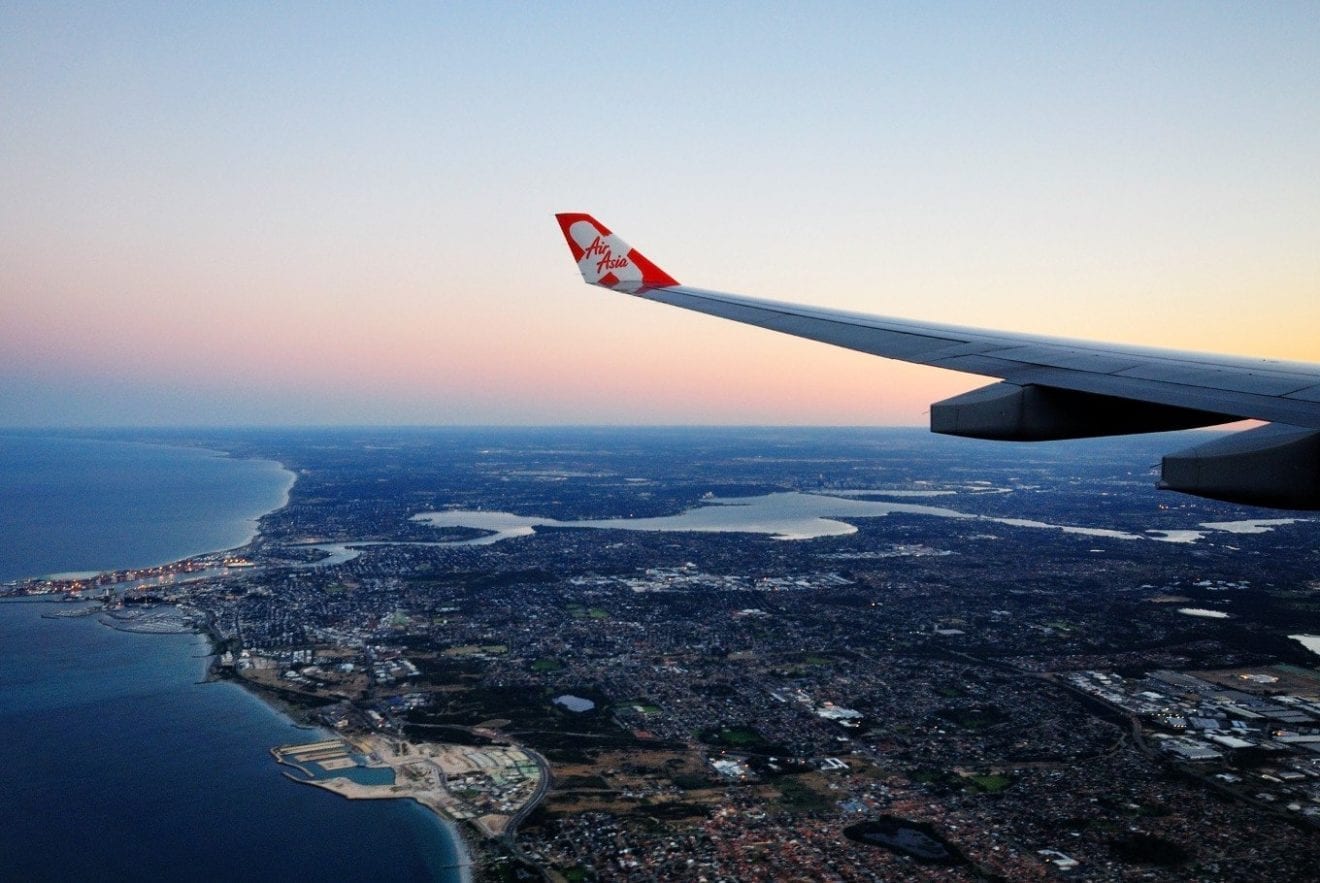
    The deal, which is expected to be completed in the fourth quarter of 2017, implies RMPP will become the new holding company of Indonesia AirAsia.

    Currently, AirAsia Bhd controls a 49 percent stake in Indonesia AirAsia as foreign ownership in Indonesian airlines is capped at a maximum of 49 percent. The remaining shares in Indonesia AirAsia are controlled by Fersindo Nusaperkasa. The debt-and-share-swap deal implies Fersindo Nusaperkasa also obtains a stake in RMPP. After completion of the deal AirAsia and Fersindo Nusaperkasa will own up to 48 percent and 49.96 percent, respectively, in RMPP.

    Several weeks ago Tony Fernandes, Chief Executive of the Airasia Group, still confirmed the Malaysian group’s plans to conduct an initial public offering (IPO) for its Indonesia AirAsia unit on the Indonesia Stock Exchange before the end of 2017. Therefore, the news about the back-door listing was a surprise.

    Previously, Indonesia AirAsia had already expressed its desire for an IPO in 2016 as it seeks fresh funds for further business expansion (specifically for the purchase of new airplanes and opening of new flight routes). However, domestic and global uncertainty made the airline decide to postpone the corporate move.

  • Cebu Pacific to launch flights from Zamboanga to Sandakan, Malaysia

    Cebu Pacific to launch flights from Zamboanga to Sandakan, Malaysia

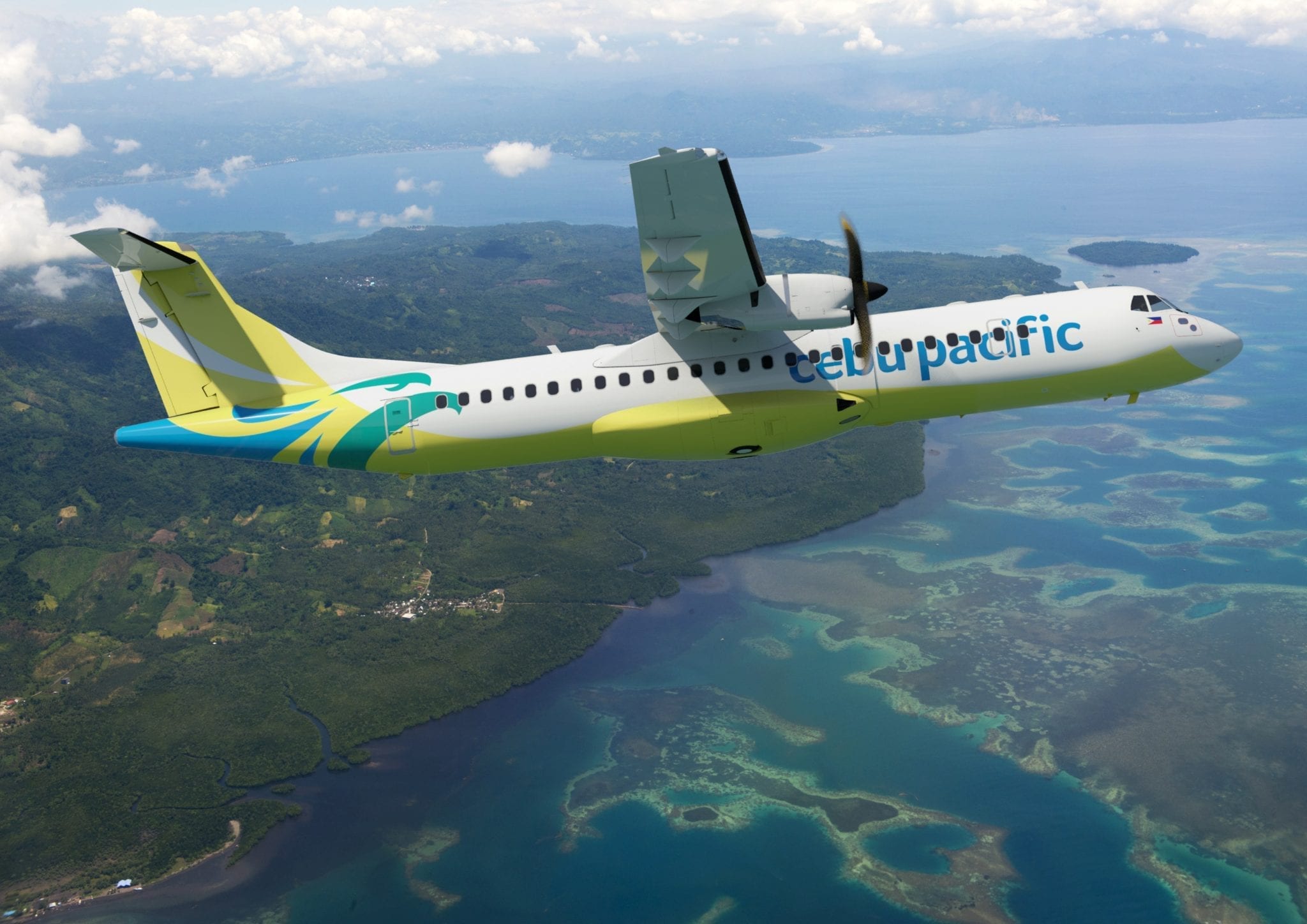
    Gokongwei-led Cebu Pacific announced the bolstering of its domestic and regional connections with 4 new routes beginning October this year.

    In a statement on Wednesday, August 16, the budget carrier announced that its wholly-owned subsidiary Cebgo will start its first international route out of Zamboanga City with flights 4 times a week to Sandakan, Malaysia.

    This route, beginning October 29, will have flights on Tuesdays, Thursdays, Saturdays, and Sundays.

    “Now, the previous 14-hour travel by sea is cut down to just a 40-minute airplane ride,” said Cebgo president and chief executive officer Alexander Lao.

    Trade and Industry Assistant Secretary Art Boncato Jr also noted that the new route “would offer better service to the traveling public and open greater opportunities for trade, investment, and tourism with Western Mindanao as a growing regional gateway to the Philippines.”

    The airline noted that Cebgo would be the only Philippine carrier with direct flights between the country and Sandakan.

    There is an introductory sale for the flight – P1,299 per ticket until August 21 – with the promo travel period from October 29 to December 31 this year.

    New domestic routes

    Along with the international route, Cebu Pacific announced a new thrice weekly Kalibo-Clark flight on Mondays, Wednesdays, and Fridays, starting October 30.

    The flight will link Boracay in Western Visayas to Northern Luzon and Central Luzon via the Clark International Airport.

    The return Clark-Kalibo flight, meanwhile, will begin on October 31 and will be available Tuesdays, Thursdays, and Saturdays.

    Cebgo will also start new routes from Cagayan de Oro City (Laguindingan Airport) to Boracay (Caticlan) and Dumaguete City thrice a week beginning on October 20.

    To mark the start of the new domestic routes, Cebu Pacific announced an introductory, all-in seat sale of P599 until August 18, or while seats are available. The promo travel period is from October 20, 2017 to March 15, 2018.

  • Vietnam Airlines and Garuda agree partnership

    Vietnam Airlines and Garuda agree partnership

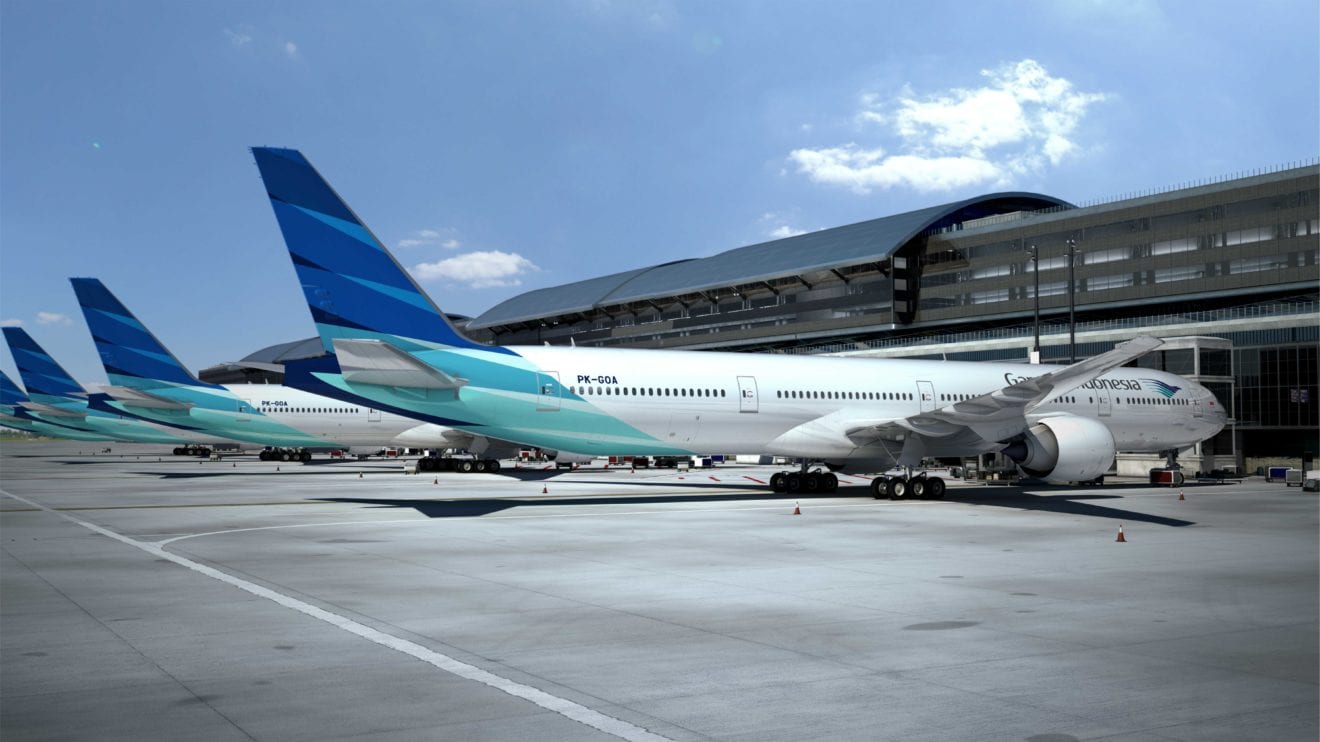
    Asian carriers Vietnam Airlines and Garuda Indonesia have agreed to an extended partnership including more codeshares and working together on MRO (maintenance, repair and operations) operations.

    The CEOs of the two Skyteam members signed a memorandum of understanding (MOU) to work more closely together during an event in Indonesia.

    As part of the deal, the carriers will extend their existing codeshare agreement on to additional routes including Hanoi-Ho Chi Minh City, Hanoi/Ho Chi Minh City-Singapore, Singapore-Jakarta/Bali and Jakarta-Bali.

    Pahala Mansury, CEO of Garuda Indonesia said: “We are pleased to announce this partnership with Vietnam Airlines which extends our network even further within the south-east Asia.

    “Vietnam is an important market for Indonesia and through this partnership we can offer increased travel options for the increasing number of passengers travelling between the two countries.”

    Vietnam Airlines CEO Duong Tri Thanh added: “This MOU takes our co-operation further in the direction of a solid and mutually beneficial partnership, helping both airlines achieve the vast potential of the market.”

  • Autosports Group announecs acquisition of BMW Melbourne

    Autosports Group announecs acquisition of BMW Melbourne

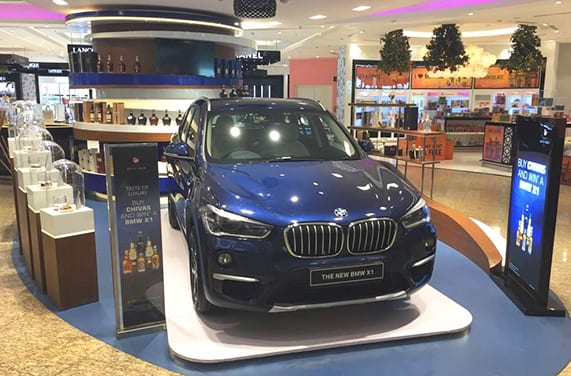
    Autosports Group Ltd acquisition of Bmw Melbourne.

    Expects to pay for the bmw melbourne businesses a consideration of approximately $22 million.

    Unit enters agreement with bmw melbourne to buy businesses such as bmw melbourne ,mini garage melbourne ,south bank motor cycles and bmw body shop.

  • DB Schenker & SB Global Logistics joining forces to serve New Zealand customers

    DB Schenker & SB Global Logistics joining forces to serve New Zealand customers

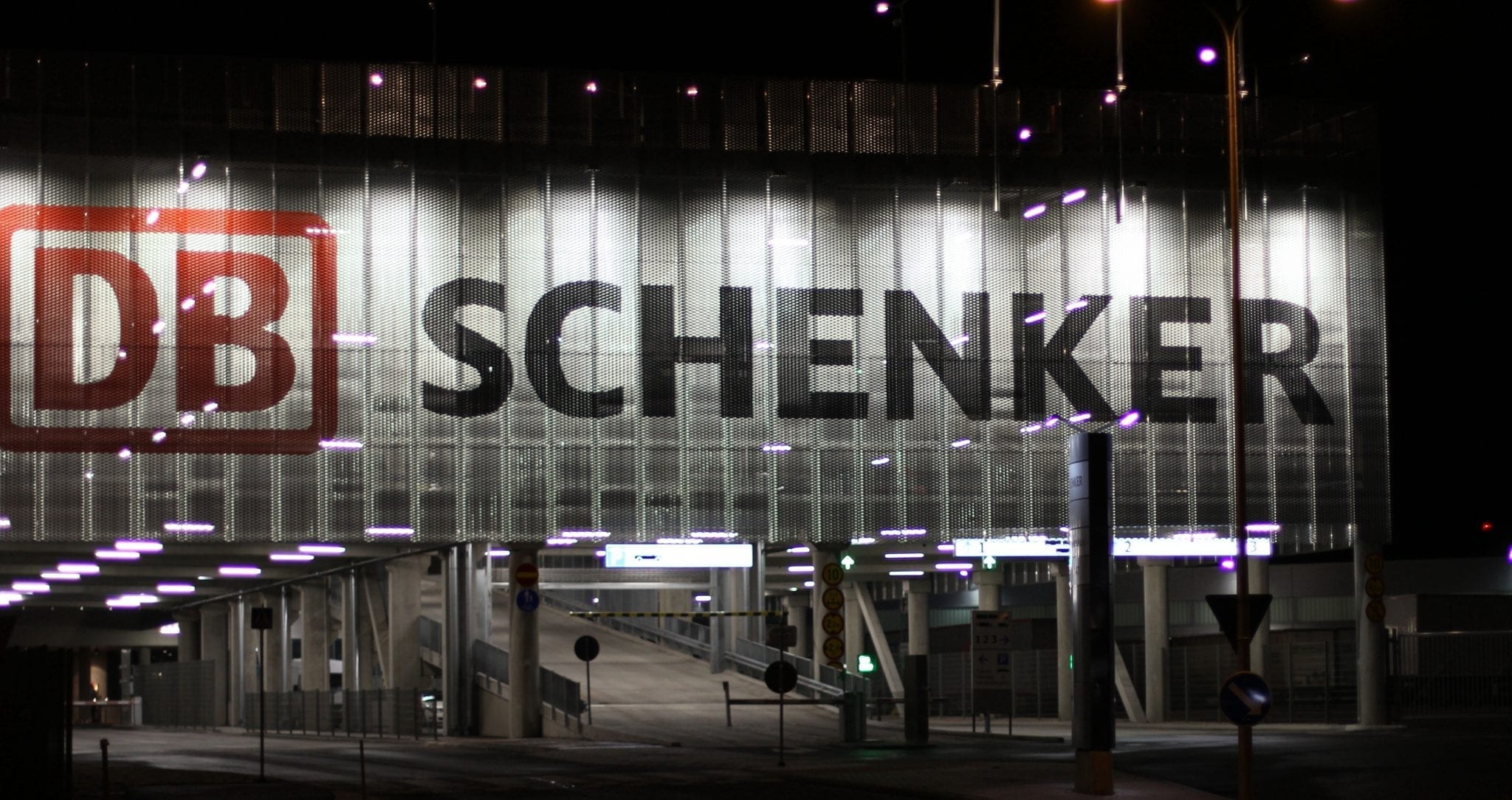
    After being an integral part of SB Global Logistics’ business for more than two decades, DB Schenker and SB Global Logistics have entered into a definitive agreement under which DB Schenker will acquire SB Global Logistics from 24th September 2017. 

    Mark Harrison, Director of New Zealand, DB Schenker AU/NZ commented, “DB Schenker NZ has enjoyed a 20 year relationship with SB Logistics, from which we have seen both companies grow together off the back of mutual respect and confidence in service. This relationship has endured through many challenging global climates, always showing resilience and trust in achieving the foundations of our agreement.  The backbone of this relationship has led us to today where we begin our process of merging the two organisations with absolute confidence given our extensive knowledge of how each work.”

    With this acquisition, DB Schenker NZ will extend their presence into the South Island, strengthening their offering to customers and becoming a truly national operation. DB Schenker’s global network, now servicing both the North & South Islands, will be supplemented by SB Logistics’ local strengths adding an additional 50+ staff to the New Zealand operation along with a state of the art facility in Christchurch which opened in 2014.

    This purchase has been well thought out with due consideration to the future of SB Global Logistics business, staff and customers”, said Stephen Bateman, Director, SB Global Logistics. “SB Global Logistics Christchurch has grown over the past 27 years to become a well-respected and trusted organisation. This is a credit to a team of people who have shown tremendous dedication and resilience, and always striving to achieve a high level of service”.

    The operations of SB Global Logistics Christchurch will continue ‘business as usual’ under new owners, DB Schenker, ensuring that customer requirements continue to be met. SB Global Logistics’ management team, will remain in the business and ensure a smooth transition.

  • After 20 years, Pacsafe goes it alone

    After 20 years, Pacsafe goes it alone

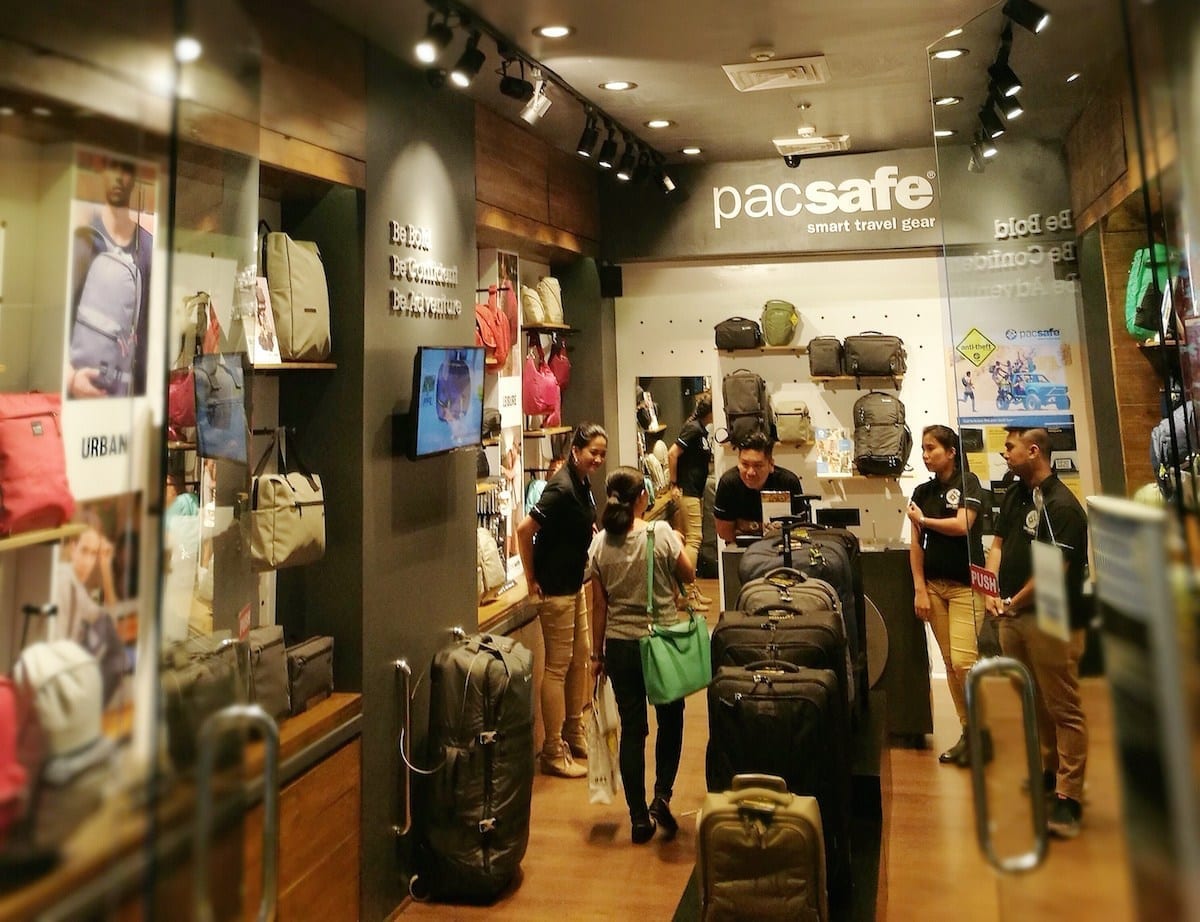
    Hong Kong’s first stand-alone Pacsafe shop has opened at Shun Tak Centre in Sheung Wan.

    Starting almost 20 years ago with one product, the company has expanded its range of travel gear featuring proprietary anti-theft features.

    Products include Carrysafe straps, Pacsafe RFID-safe pockets to safeguard credit cards from being scanned, the new Roobar locking system, Snap & Lock bag mechanisms to deter thieves, Turn & Lock security hooks, and the company’s original product, Exomesh to protect backpacks.

    “There is now soaring demand for smart and secure travel gear that can navigate the streets of Hong Kong and the globe,” says Pacsafe MD/co-founder Magnus McGlashan.

    To mark its opening, the store is offering a 15 per cent discount to customers until the end of next month.

  • Hardy Hardy Singapore opening flagship in Ion Orchard

    Hardy Hardy Singapore opening flagship in Ion Orchard

    American youth fashion brand Hardy Hardy Singapore has chosen Ion Orchard to set up its first flagship boutique in Southeast Asia.

    Hardy Hardy’s second Singapore store (the first is at Bugis+) offers 1200 sqft (111 sqm) of retail space featuring marble flooring, rose-gold and black metal railings and industrial-style walls.

    Scheduled to open on September 16, the Hardy Hardy Singapore flagship will stock the latest men’s and women’s collections as well as the brand’s limited-edition skull t-shirt embellished with Swarovski crystals, exclusive to Ion Orchard. As well as the brand’s iconic skull motif, the shirt also features the words “Hardy Hardy Singapore” across its back.

    Known for its rock-and-roll style clothing designs, the brand will host a graffiti art performance for its grand opening with appearances by its brand ambassadors Fann Wong and Lee Teng.

  • GSK Shopper Science Lab opens in Singapore

    GSK Shopper Science Lab opens in Singapore

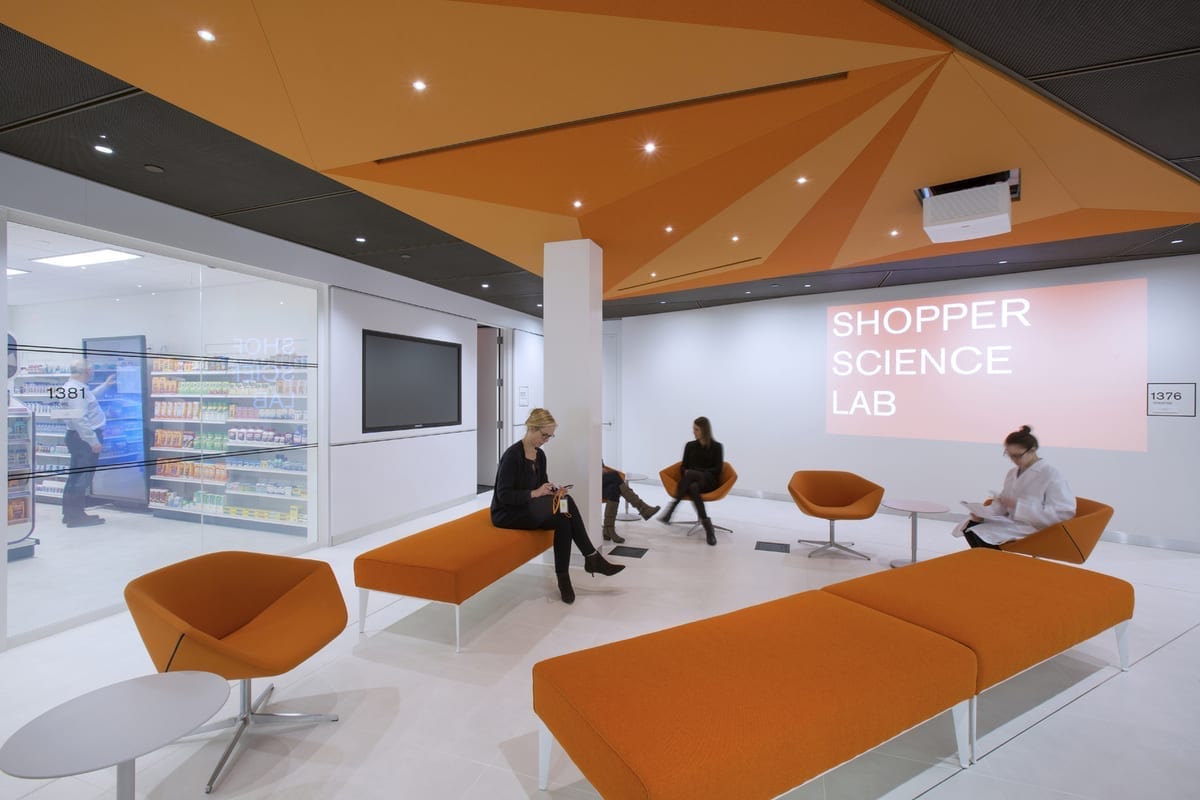
    A new GSK Shopper Science Lab opened in Singapore will help drive business growth across Asia-Pacific, the company says.

    GlaxoSmithKline (GSK) Consumer Healthcare describes the research centre as a “cutting edge facility” which will deliver unique shopper insights and collaborations with retailers.

    “The Shopper Science Lab is a world-class shopper insight facility, equipped with state-of-the-art digital technology. With virtual reality, eye-tracking, facial biometrics, and data visualisation as some of the tools employed in-house, GSK will invite its trade partners, internal business teams and researchers to use the Lab to recreate retail environments; evaluate shoppers’ responses to online and in-store initiatives; and identify winning strategies and initiatives to enhance the shopping experience,” the company said in a statement.

    “As more shoppers join the global middle class, there is an increased demand for trusted, global brands particularly in the emerging markets. The GSK Shopper Science Lab has close proximity to large emerging markets like India and China, enabling GSK and its retail partners to study diverse emerging shoppers closely, with local data collected on the ground.”

    The GSK Shopper Science Lab consists of three labs integrated seamlessly:

    • A 1215 sqft Retail Lab, an immersive retail environment that allows the re-creation of modern and traditional retail environments such as a pharmacy or supermarket, allowing GSK and its partners to quickly test and evaluate shopper responses.
    • A Digital Lab which is a collaborative space which has the ability to test stimuli such as pack designs, point-of-sale materials, brand assets, TVCs, or content across all platforms.
    • A Collaboration Room, which provides a space to convene key decision makers, enabling them to embark on virtual and fully interactive simulations that include relevant data for faster and more informed decision making.

    “Traditional market research is often time-consuming and expensive,” explained Sidharth Singh, VP of commercial excellence, GSK Consumer Healthcare Asia, Middle East and Africa. “By leveraging the latest advances in virtual reality and biometric technology, we are now able to gather insights more efficiently and effectively.”

    An example of such technology is eye-tracking glasses which can be transported to various cities to provide researchers with an indication of how shoppers shop locally. Technology such as virtual reality, tracking sensors and software that can decode the hotspots, can help analyse this highly localised data to understand shopper behaviour in diverse markets.