Author: Mei Ling Tan

  • Hook Coffee eyes overseas markets

    Hook Coffee eyes overseas markets

    Raising S$250,000 (US$180,000) in two funding rounds, Hook Coffee subscription delivery service plans to expand in three markets overseas and double its team size over the next two years.

    In the 18 months since its founding, when it clinched a Spring Ace Startups grant of $50,000, the company has gained more than 10,000 subscribers and sold more than 500,000 cups of coffee, growing by 20 per cent month on month.

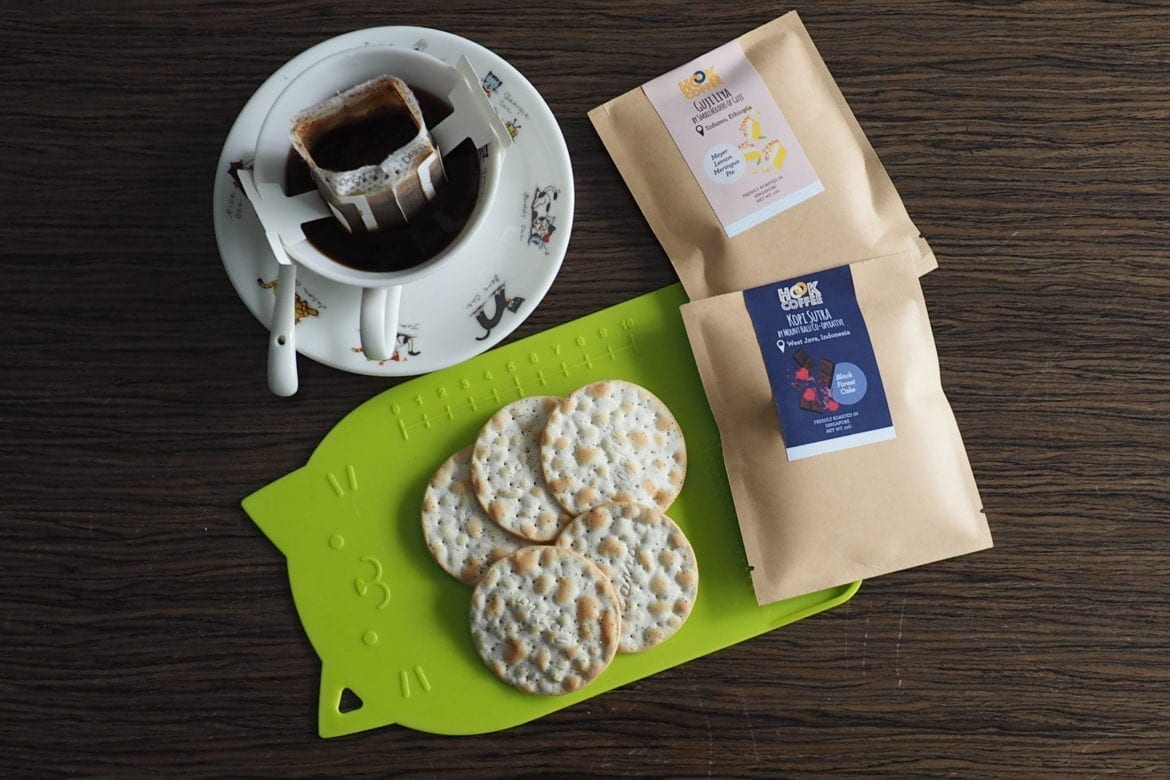
    It sources coffee beans that are sustainably grown and ethically produced, roasting them in Singapore and delivering them to customers’ mailboxes.

    Co-founders Faye Sit and Ernest Ting finished Masters degrees at the London School of Economics before earning coffee and roasting barista diplomas at the London School of Coffee

    When Sit flew to Latin America for fieldwork, she realised the impact a socially responsible startup could introduce to farming communities.

    “Specialty coffee should be about more than just better coffee, but also about bettering the lives of farmers and the environment,” she says.

  • Amazon to open new fulfilment centre in Ohio

    Amazon to open new fulfilment centre in Ohio

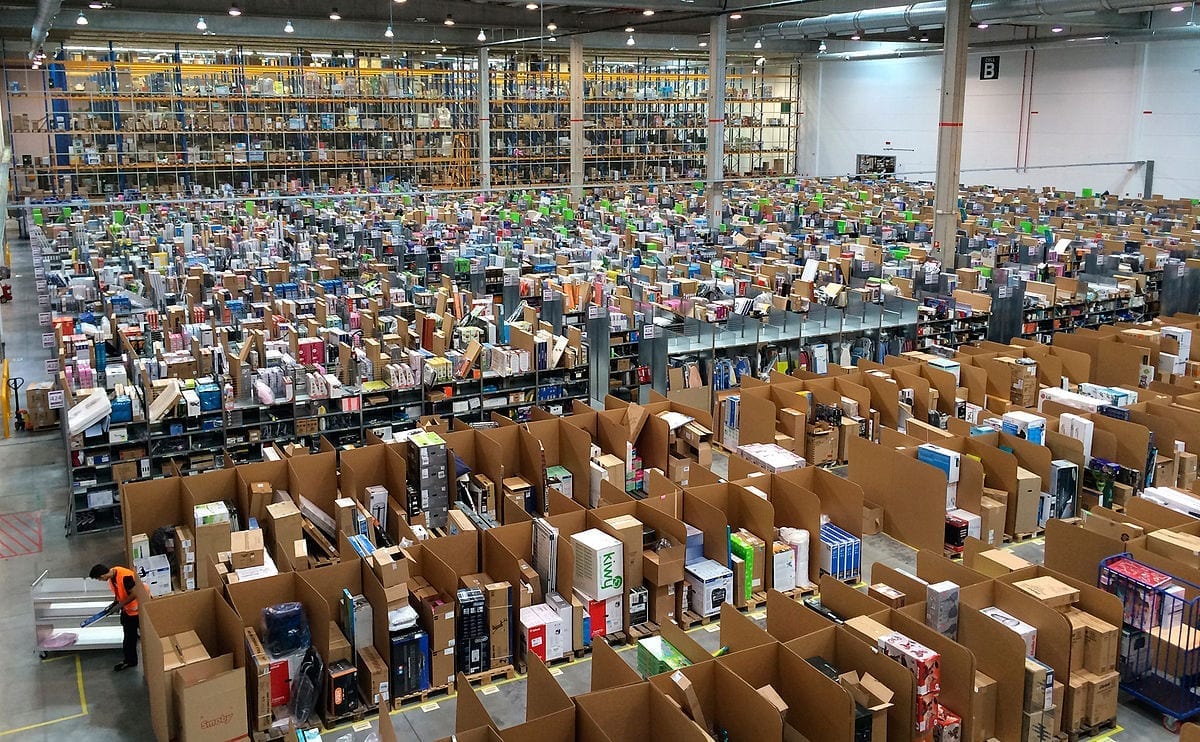
    Amazon announced plans to open a new fulfilment centre in North Randall, Ohio, which will create more than 2,000 full-time associate roles with benefits and opportunities to engage with Amazon Robotics in a highly technological workplace.

    “Our ability to expand in Ohio is the result of two things: incredible customers and an outstanding workforce in the state,” said Sanjay Shah, Amazon’s vice president of North American Customer Fulfilment. “We very much appreciate the state and local elected leaders who have supported Amazon’s arrival in North Randall and look forward to bringing more jobs and investment in the coming months.”

    Amazon currently employs more than 4,500 full-time hourly associates at its two existing Ohio fulfilment centres in Etna and Obetz.

    “Along with Team NEO and the Village of North Randall, the Cleveland Port Authority, and the Greater Cleveland Partnership, we are pleased to partner with Amazon to revitalize and bring jobs back to a property that has stood vacant for too long,” said JobsOhio president and chief investment officer John Minor. “Amazon’s investment at a site where the nation’s largest shopping mall once stood will now support digital retail jobs.”

    Amazon employees at the more than 855,000-square-foot fulfillment center will pick, pack and ship smaller customer items such as electronics, toys and books.

    “Words cannot begin to express what Amazon’s commitment to the development of its fulfillment center means for the Village of North Randall,” said Mayor David Smith. “This is a generational project that not only redefines the future of our community but the future of more than 2,000 Cuyahoga County residents who will be employed at the facility.”

    Full-time employees at Amazon receive highly-competitive pay, health insurance, disability insurance, retirement savings plans and company stock starting on day one. The company offers up to 20 weeks of paid leave and innovative benefits such as Leave Share and Ramp Back, which give new parents flexibility with their growing families. Amazon also offers hourly employees its Career Choice program which helps train employees for in-demand jobs at Amazon and other companies so they can prepare for the future and take full advantage of the nation’s innovation economy. The program pre-pays 95% of tuition for courses in in-demand, high-wage fields, regardless of whether the skills are relevant to a future career at Amazon. Over 10,000 employees have participated in Career Choice and more are signing up every day.

  • Canon Hong Kong offers consumer tracking

    Canon Hong Kong offers consumer tracking

    Consumer behaviour tracking technology linked to cloud-based video analytics for retailers is being offered by Canon Hong Kong.

    President/CEO Shunichi Morinaga says shops can increase sales revenue by using the Japanese system, which monitors consumers using real-time data analysis.

    Elements of the technology include a counter that can analyse about 1600 customers in a specified area via surveillance video and convert the data into business metrics; facial recognition to analyse age, gender and ethnicity of shoppers; and heat mapping to enable shopping-mall managers and real-estate developers to track foot traffic.

    Clients can access the data, hosted on NTT Communications’ cloud and data centre in Hong Kong, through desktops and mobile devices.

  • E-commerce leap for Gome Retail

    E-commerce leap for Gome Retail

    A 54.24 per cent leap in e-commerce sales has been recorded by Gome Retail Holdings, formerly known as Gome Electrical Appliances Holding, for its first half.

    The company’s online-offline total gross merchandise volume grew by 22.87 per cent year on year, while sales revenue rose 7.82 per cent to about RMB38 billion (US$5.7 billion).

    Sales from the comparable stores increased by about 2.34 per cent and the consolidated gross profit margin went up by 1.46 points to 17.83 per cent.

    As a result, the profit attributable to the owners of the parent eased by 1.61 per cent to about RMB122 million.

    The weighted average sales area of the group’s stores was about 5.2 million sqm, with revenue per sqm about RMB7273, up by 12.41 per cent on the first half last year.

    Sales revenue from the 1000 comparable stores was about RMB22.9 billion, up 2.34 per cent.

  • Myer expands accessory offering

    Myer expands accessory offering

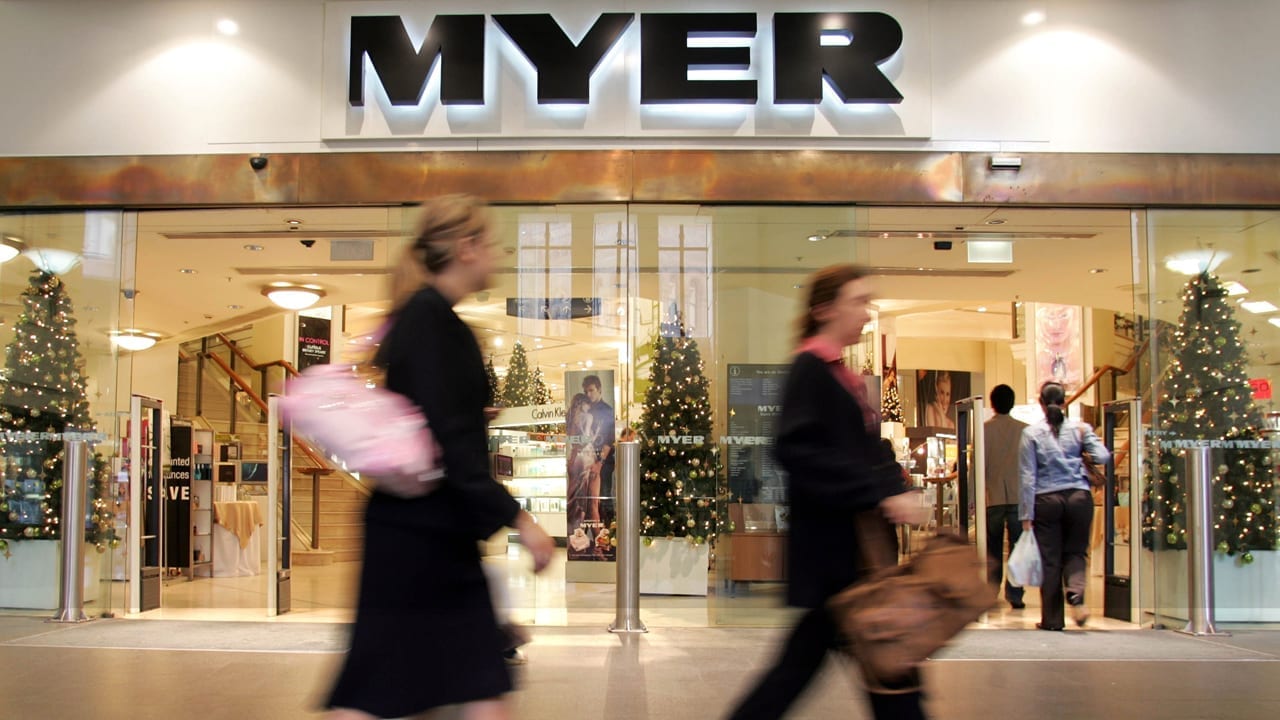
    Millers, Katies and Rivers owner Specialty Fashion has almost quadrupled its full-year loss to $8.39 million, from last year’s $2.19 million, amid subdued consumer spending.

    Revenue fell 2.1 per cent to $808.9 million for the 12 months to June 30 with comparable sales down two per cent on a year ago due to heavy discounting.

    Underlying earnings before interest, tax, depreciation and amortisation (EBITDA), excluding impairments associated with the store exit costs of City Chic USA stores, rose 6.6 per cent to $26.7 million, but comparable store sales across the group declined 2 per cent for the year ended 30 June.

    A return to positive EBITDA growth at Rivers and strengthening sales for City Chic was offset by negative growth in the Millers, Crossroads, Autograph and Katies brands, with total group sales slipping 2.1 per cent to $808.9 million.

    Gross margins improved by 0.4 per cent through the year, but CEO Gary Perlstein has signalled intensifying promotional activity in the first weeks of FY18, which is expected to continue.

    The company gave no specific guidance, but said that there have been no additional discussions with prospective group buyer Al Alifia group since it signalled that an estate bungle was preventing it from transacting the prospective acquisition in February.

    $7.4 million in exit costs and impairments were recorded in relation to a decision to close City Chic’s US stores, with strengthening presence in department stores such as Macy’s and Nordstrom “removing the necessity for City Chic standalone stores”.

    “Depite it being a difficult trading enviroment, the improved EBITDA for the year was delivered through our core continuous business improvement strategy. This strategy focussed on profitability growth across all facets of the business, underpinned with a determination to control and reduce costs of doing business wherever possible,” Perlstein told the market on Tuesday morning.

    “Our clear focus for the year was the turnaround of Rivers to a profitable brand, and we successfully achieved this. City Chic was also a standout and continues its positive trajectory both locally and internationally. Our mature brands, including Millers, Katies, Crossroads and Autograph continued their growth in online sales, however found trade challenging,” he continued.

    Online sales increased by 15 per cent to $83.7 million through the year, bringing the total proportion of digital transactions to 10.4 per cent on the back of a network wide click-and-collect rollout.

    Weakening in-store sales correlated with 79 closures through the year, offset partially by 30 openings, bringing the total portfolio to 1,044.

    Underlying cost-of-doing business decreased by $7.7 million, but increased slightly as a proportion of sales due to slowing in-store momentum.

    Perlstein said the immediate focus in FY18 will be on “rejuvenating” mature brands within the portfolio, while enhancing the group’s digital position and continuing to grow River’s profitability.

  • DHL to invest in growing regional Asian footprint

    DHL to invest in growing regional Asian footprint

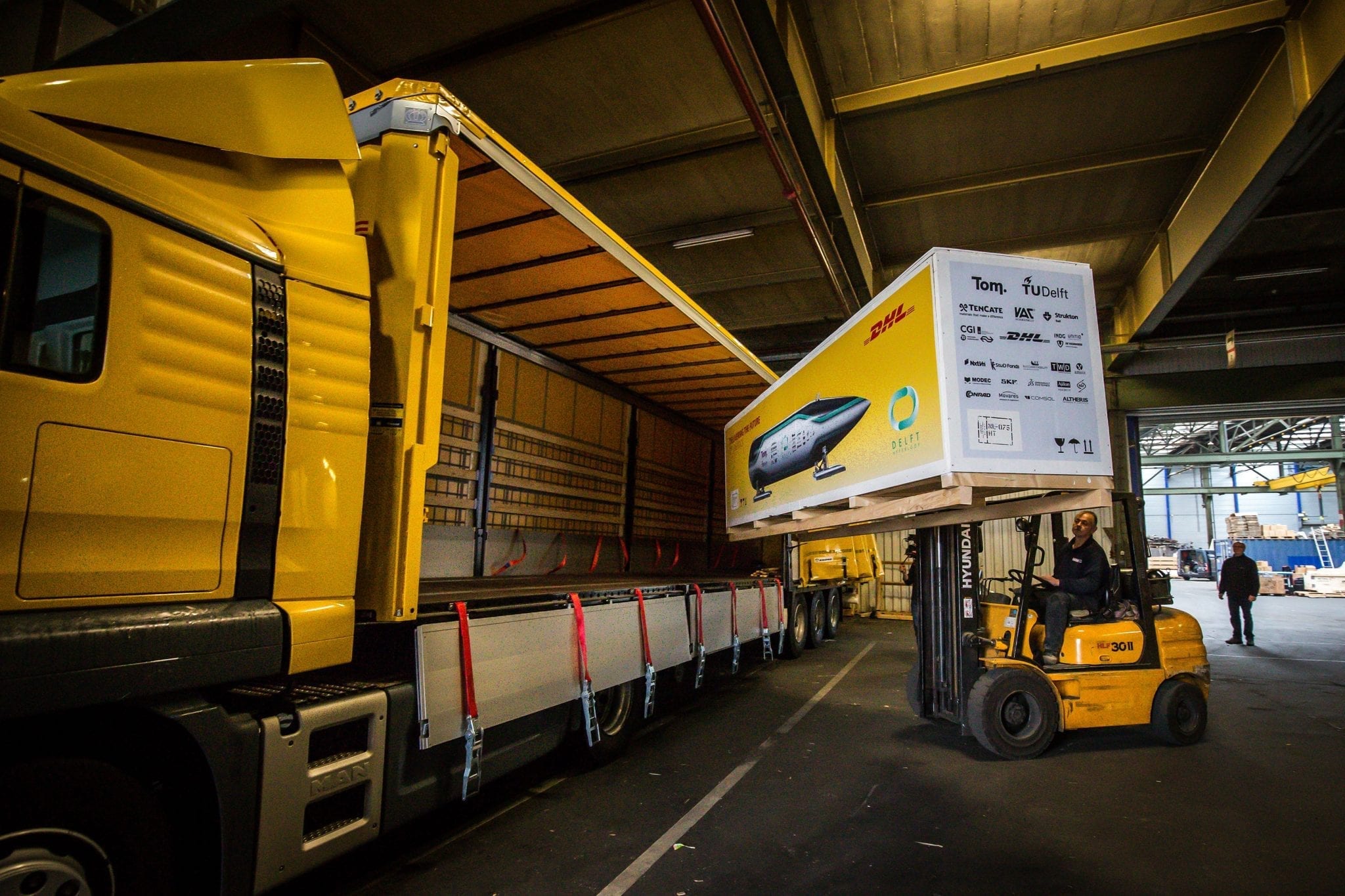
    DHL Supply Chain has announced it will invest more than EUR 70 million in growing its regional footprint in Thailand, Vietnam, Cambodia and Myanmar by 2020. The first and only logistics company to acquire an operational business license in Myanmar since last month, DHL Supply Chain already benefits from a position of market leadership in Thailand and Vietnam, and will concentrate on Cambodia next for further growth opportunities. Over the next three years, the company plans to build new facilities, expand its fleet of trucks, and invest in new technology, creating an additional 5,000 jobs in the four countries.

    “Asia-Pacific is one the most important regions for DHL Supply Chain being accountable for a significant share of our revenues in 2016. Consumer, retail and tech industries drive these developments becoming evident in increased amounts of new and extended contracts. Being already the market leader for the region it is fully natural for us to foster our commitment in the region and remaining a reliable partner,” comments John Gilbert, CEO DHL Supply Chain.

    Regional footprint in Thailand, Vietnam, Cambodia and Myanmar

    DHL’s investment will also serve the wider needs of a growing Thailand, and an economy which is expected to return to accelerated growth. Government investment in mega projects i.e. infrastructure, EEC, airport expansion plans and so forth are attractive elements for foreign investors in Thailand. According to Kasikorn Bank research [1], Thai Land Transport and warehouse market value in 2017 growth is expected to be around five to seven percent. Kevin Burrell, CEO, Thailand Cluster, DHL Supply Chain Thailand explains, “With the technology and innovation that we invest in warehouse and transport operations in Thailand, coupled with our ability to deliver integrated solutions for customers, we are striving to drive enhanced value, which in turn acts as a strong differentiator for us in the market.”

    DHL Supply Chain Thailand also recently completed a move to new premises located in Bangkok’s business area. The company already benefits from a reputation of being the Number 1 in contract logistics in Thailand and DHL’s nationwide network comprises of a combined warehouse space of approximately 650,000 sqm across more than 70 facilities, supported by 10,000 dedicated employees. Working as a beneficial extension to its crucially important human talent, DHL has also employed intelligent systems in both warehouse and transport operations such as in automation and robotics, unmanned vehicles, vision picking, transport control tower and telematics.

    Kevin adds, “DHL provides sector-specific services across the entire supply chain, encompassing warehousing management, transportation for various business types, expertise in end-to-end supply chain solutions and full management services. DHL Supply Chain provides globally standardized, cost-efficient, high-quality and innovative solutions. We are committed to supporting customers by delivering exceptional operational services and innovation across Thailand’s entire supply chain, helping the country to become the premier logistics center for Southeast Asia. We will continue to consolidate and support markets in which we lead, namely Thailand and Vietnam, and invest in markets where we aim to lead such as Myanmar and Cambodia.”

  • Indonesia’s e-commerce market set to hit $130b by 2020

    Indonesia’s e-commerce market set to hit $130b by 2020

    Indonesia has the biggest and fastest growing online retail sector in Southeast Asia, according to Research and Markets.

    In this environment, RTB House, a provider of retargeting technology for advertisers, anticipates that Indonesia’s e-commerce players will increase adoption and reliance on retargeting to improve customer engagement and conversion rates, strengthen branding, and enhance ROI on their marketing spends.

    Personalized retargeting is a mechanism by which ads are tailored to the behavior and preferences of particular internet users.

    This form of online advertising helps keep brands on top of customers’ minds at every step of the customer journey, after they visit and left certain websites before they could make a purchase.

    The online consumption market has seen an alarming increase in e-commerce cart abandonment from 60% in 2006 to 78% in 2016, according to a Baymard Institute report. Retargeting technology will allow brands to prompt higher conversion rates among these users.

    The 2017 Digital Yearbook report by Hootsuite and Wearesocial estimates that 51% of Indonesians have access to the Internet. With mobile subscription standing at 142%, there is recognition that the country represents one of the largest online marketplaces in the world flanking China and India.

    Next to investment and manufacturing, the consumption market which includes e-commerce is among the largest economic segments in Indonesia. E-commerce is expected to grow to up to $130 billion in 2020, according to Indonesia’s Information and Communications Technology Ministry.

    Indonesia’s burgeoning digital environment presents companies like RTB House a lucrative opportunity to deliver advanced retargeting solutions to a wide array of customers including e-commerce, online travel sites and classifieds.

    A report by eMarketer and Interactive Advertising Bureau Singapore (IAB Singapore) forecasted digital advertising spending in Indonesia will double up to 20.5% of the total media ad spending by 2020 due to rapid internet adoption, particularly through smartphones.

    “We expect a substantial growth in Indonesian e-commerce players’ adoption of retargeting and what will really drive this is improved ROI on their marketing spend as our technology based on deep learning, helps to profitably and effectively drive new customer acquisition and entice existing users to their online marketplace,” RTB House country director for Southeast Asia  Chandra Kuncara said.

    “Deep learning is currently the most promising subfield of artificial intelligence. We believe these new digital ways will help our customers (marketers) succeed.”

  • India consulting on next spectrum auction

    India consulting on next spectrum auction

    The Telecommunications Regulatory Authority of India (Trai) has launched a public consultation on details of the next round of spectrum auctions, including for spectrum to be used for 5G.

    The regulator is seeking views on the timing, pricing and amount of spectrum to be sold during the next auctions.

    Trai is seeking views on the valuation methodology for 5G spectrum in the 3.3-GHz to 3.6-GHz bands. According to the regulator, the government plans to auction spectrum in the range of 700-MHz to 3.6-GHz in the next auction to be held later this year.

    But with operators struggling with high debts accrued from the previous auctions and intense competition triggered by the entry of a new operator, the telecoms industry is opposing any sale of new airwaves before 2019.

    Industry body COAI is arguing that the auction should wait until the current wave of consolidation triggered by this new competition draws to a close, and until the 5G technical and regulatory standards are settled.

    The consultation also covers proposals on spectrum caps and rollout obligations for 5G spectrum, as well as views on the pricing of the 700-MHz 4G spectrum left unsold during the most recent auction.

  • Symbio launches sub-wholesale MVNO service

    Symbio launches sub-wholesale MVNO service

    Australian wholesale telecoms operator Symbio Networks has launched an innovative new sub-wholesale MVNO offering allowing the activation of new SIMs within seven seconds of order placement.

    Through an agreement with Australia’s largest mobile operator Telstra, Symbio Networks will provide a service providing 4G coverage of 95% and combined 4G and 3G coverage of 98.8% of Australia’s far-flung population.

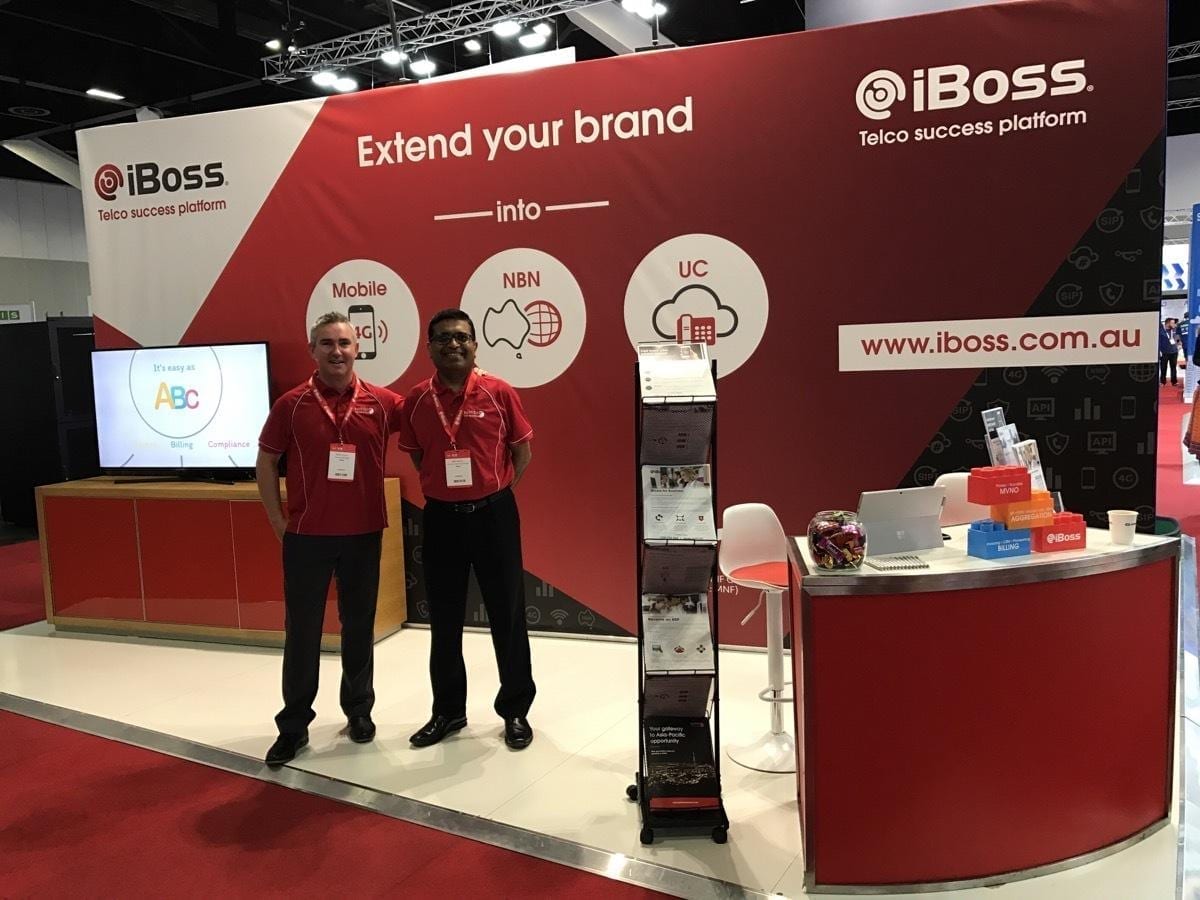
    The service will use Symbio’s iBoss platform to allow new mobile players to go to market in four weeks and activate SIMs in seconds.

    The white label service will allow customers to manage their own billing and communications with customers. Symbio also offers a conventional agency model iBoss MVNO service for customers which do not want to handle their own billing.

    Symbio said it has already signed up a number of new mobile players, including ISP Aussie Broadband.

    “Symbio and [parent company] MNF Group have a proven track record of delivering innovative, first to market solutions for our customers,” MNF Group CEO and co-founder Rene Sugo said.

    “While our agency MVNO offer has been welcomed by wholesale customers, we also found that there was a growing demand for services through a sub-wholesale model. This new MVNO offer will give our customers unprecedented control over their own consumers when it comes to billing and communication; we simply deliver the SIM card and the 4G mobile coverage.”

  • Central Group, JD.com discussing joint venture

    Central Group, JD.com discussing joint venture

    Thailand’s Central Group is discussing a possible US$500 million e-commerce joint venture with JD.com, Reuters reports.

    JD.com chief executive Richard Liu said in June that it plans to enter the Thai market this year with the idea of using it as a hub to service other countries in the region like Malaysia and Vietnam.

    The venture would help China’s second-largest e-commerce retailer expand beyond Indonesia, where it has invested in an e-commerce platform as well as travel start-up Traveloka.

    Sources say the JV will focus on e-commerce and the finance sector, but the deal is being delayed because the companies have not been able to agree on ownership terms.

    Thailand’s e-commerce market is worth $900 million and is expected to grow 29 per cent over the next decade, according to a report published last year by Google and Singapore’s Temasek Holdings. Major players include Alibaba-backed Lazada, Thailand’s CP Group unit Ascend and South Korea’s 11street.

    It estimated the e-commerce market in Southeast Asia will soar 16-fold in value to $88 billion by 2025.

    JD.com sought to invest in Indonesian online retailer Tokopedia last month, which instead raised $1.1 billion from a group of investors including Alibaba, says Reuters.

    Meanwhile, JD.com has partnered with Qihoo 360 Technology in China to broaden sales channels through its Qihoo browser, search engine and app store.

  • Central Watson refreshing brand for birthday

    Central Watson refreshing brand for birthday

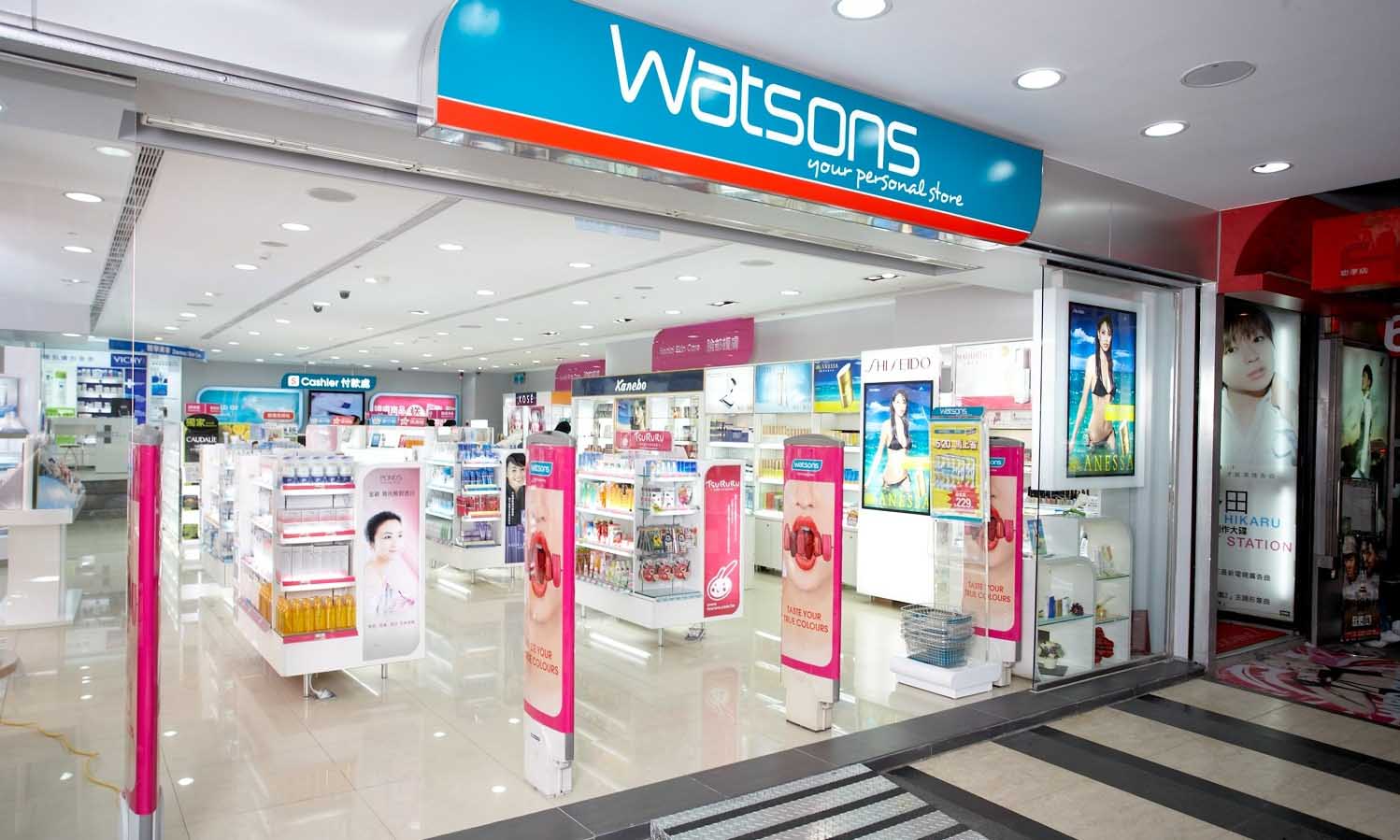
    Health-and-beauty store chain Central Watson plans to spend about THB100 million (US$3 million) this year on a “brand refreshment” as part of celebrating its 21st anniversary in Thailand.

    It aims to modernise the stores with colourful formats as well as streamline its online shopping platform.

    Part of the budget will go toward increasing digitised communication with customers, enhancing the e-commerce platform and introducing mobile apps, says MD Rod Routley.

    He says Watson customers who use multiple screens to connect with the company are starting to outnumber customers who are not digitally connected.

    Home delivery for online buyers tripled in growth last year, says Routley.

    The facelift for all formats is aimed at improving customer experience and boosting access both online and at retail outlets.

    Watson will also invest in promotion through advertising in a range of media, including out-of-home ads.
    The budget is part of the total THB500 million Watson has earmarked for business expansion this year, which is to be geared toward opening stores, developing e-commerce and investing in its own brand development.

    Central Watson has 430 stores nationwide, and the investment is expected to boost this to 467 by year-end.

  • RCG’s omnichannel strategy finds backing

    RCG’s omnichannel strategy finds backing

    RCG co-CEO’s Hilton Brett and Daniel Agostinelli have managed to inspire confidence in the market following the fall-out from their $105 million Hype DC acquisition and its subsequent $9.7 million write-down in May.

    Reporting its first full year of trading since the deal with Accent Group last year, Brett acknowledged that the purchase of the brand, which he said was an “outstanding business” at the time, was a “bad deal”.

    But shareholders forgave management, sending RCG’s share price up almost seven per cent by late Monday trading, despite Hype’s impairment leading to a 2.6 per cent decline in headline net profit.

    It appears as though Brett’s omnichannel credentials, touted at length in an investor call on Monday morning, have resonated with those concerned about how established players are bolstering the lines before Amazon lands.

    Competitor Footlocker, which has seen its market value slide over 27 per cent since reporting a 6 per cent decrease in Q2 comparable sales in the US last week, has been flagged by analysts as a loser in Amazon’s recent distribution deal with Nike, raising concerns about RCG’s future.

    Brett denied that there’s a strong comparison to be made between Footlocker and RCG-owned The Athlete’s Foot, Skechers, Platypus, or Hype DC and believes that having 40 per cent of company own-brand lines, as well as its ambition to generate 15 per cent of sales through online within two years, position the business well.

    “The rise of e-commerce and the arrival of Amazon into the Australian marketplace have been topics of considerable media interest in recent months and several retailers have made significant public statements on their readiness or otherwise to deal with the perceived threat,” Brett told shareholders.

    “RCG’s own omnichannel strategy predates the media hype and our management team has long recognised the importance of delivering true world class omnichannel experience to customers.”

    RCG is one of an increasing number of high-profile retailers backing similar strategies against Amazon, including Super Retail Group, Baby Bunting, Greencross and Woolworths.

    The company will fire on all cylinders to sure up the system in FY18, rolling out endless aisles as well as click-and-collect and click-and-dispatch, delivery fulfilled from stores, throughout its entire 430 strong network.

    Online currently represents five per cent of total sales, which means there’s substantial work to be done if RCG wants to hit its 15 per cent target without cannibalising in-store performance.

    The channel grew 79 per cent during FY17 though, driven by the opening of three new e-commerce sites and initial click-and-collect trading in Platypus and Skechers.

    Two new e-commerce sites have been launched so far in FY18, with another two to come throughout the year.

    Three-hour delivery will also become a reality under the click-and-dispatch model and will be enabled across “most major population centres” through an unnamed third-party partner.

    The reach of that delivery is also set to increase, up 36 per cent this year and set to grow from a long-term target of 120 Skechers stores (current 67) and 100 Platypus stores (current 91).

    A net 15 stores are slated to open in FY18, none of which will be Hype DC, with management of the opinion that the existing 65 stores are sufficient.

    Brett reckons Skechers and Platypus are returning the best results at the moment, but Vans, which has come into-trend with younger shoppers through its latest product line, has been growing quickly in recent months, offset somewhat by a slowing down in Adidas.

    “Adidas is still very strong, it just doesn’t have the heat that it had only twelve months ago, what we’re seeing is that Vans has just exploded, particularly in the last three months and it’s early days,” Agostinelli said.

    Hype DC is now back to positive LFL sales, having declined one per cent in FY17, on a strengthening in the last two months of the year carrying through to initial FY18 trading.

    Brett declined to provide any specific earnings around individual brands, citing intensifying competitive pressures, but did say that he was optimistic about a stabilisation of Hype’s position in its Accent Group division, with the introduction of Vans products into its stores helping things along.

    There remain concerns among analysts, however, that promotional intensity may crimp margins, which increased 2.3 per cent for Accent Group and declined 5.1 per cent in RCG’s own brand division during FY17.

    Brett said RCG has no intention of getting into the downward spiral of discounting, committing to being a “full price” retailer that will clear stock when it needs to.

    “[Competitors] have certainly done some quiet aggressive discounting over the last week in some of our [categories]…ultimately competitors have to make a decision about whether they’re going to run their business for the long-term benefits of shareholders or short-term,” he explained.
  • Portico International revenue up 17 per cent

    Portico International revenue up 17 per cent

    Half-year revenue shot up 17.9 per cent for fashion group Portico International Holdings, its interim results show.

    Its total revenue reached RMB1.05 billion (US$158.4 million), which it attributes to success with its distribution strategy in target markets, together with improved performance across its retail store network.

    Revenue for the retail segment revenue grew by 19.5 per cent to RMB971.9 million, thanks to the gradual recovery of the luxury fashion retail environment and increasing recognition of its core label Ports 1961 and the new PortsPure label.

    The retail segment’s contribution to total revenue rose from 91.1 per cent for last year’s first half to 92.4 per cent.

    Overall gross profit for Portico grew by 19.1 per cent to RMB838.6 million, while gross profit margin increased slightly to 79.7 per cent from 78.9 per cent.

    For the retail segment, gross profit was up 19 per cent to RMB812 million, attributed mainly to sales growth.

    Retail-segment gross profit margin slightly decreased from 83.9 per cent in last year’s first half to 83.5 per cent.

    New markets

    “Hard work has paid off with regard to our distribution business in newly established markets,” says Portico. “Our distribution partners in certain target markets, such as Japan and South Korea, have offered us invaluable local knowledge and connection.

    “Such cooperation has reduced our business risks by minimising our capital investments and administrative burden in locations relatively new to the group.”

    It says it is particularly pleased with its marketing exposure in South Korea where social-media platforms have acted as effective marketing tools for introducing and promoting its labels and collections.

    At the same time, there has been growing recognition for its Ports 1961 label in traditionally important fashion markets, with the womenswear collection designed by creative director Natasa Cagalj attracting attention during London Fashion Week.

    At the end of June the group had 356 retail stores in Mainland China, Hong Kong, the US and Canada, compared to 343 at the end of last year.

    For the second half, the group says it will invest in solidifying Ports 1961 as a global international fashion label while introducing PortsPure to address the growing popularity of the affordable-luxury segment.

  • OCBC Bank Launches Mobile Keyboard to Enable Cashless Payments

    OCBC Bank Launches Mobile Keyboard to Enable Cashless Payments

    OCBC Bank has launched a mobile keyboard that allows customers to make peer-to-peer payments without having to exit their current mobile applications. The OCBC Keyboard can be used within any mobile app or browser – for instance, within Facebook, Whatsapp, Instagram or Chrome – to send money instantly to anyone with a bank account in Singapore, including those who have not yet registered for PayNow. The payment rides on the OCBC Pay Anyone e-payment service and can be done using just the recipient’s mobile number.

    The OCBC Keyboard follows on the heels of OCBC Bank’s launch of e-payments integrated with Apple’s Siri and iMessage for iPhone users in 2016, enabling customers to make instant funds transfers with a voice command to Siri or within the iMessage app while engaged in a chat. With the OCBC Keyboard, the convenience of making an e-payment is extended to any app on Android devices running the Android 4.4 KitKat operating system or better. Payments are completely secure as they are authenticated with the sender’s mobile banking credentials.

    Making a payment via OCBC Keyboard

    Imagine being able to make an e-payment as easily as sending an “emoji” to a friend while chatting on Whatsapp, or while negotiating with a potential seller on the Carousell app. Users can automatically access the OCBC Keyboard on any app on their mobile phones once they have updated the OCBC Mobile Banking app to the latest version. They will need to perform a simple one-time set up to enable the OCBC Keyboard and make it the default keyboard on their phone.

    To send money, users simply tap on the OCBC Pay Anyone icon on the keyboard without exiting or switching from their current app activity.Once they select a recipient from their contact list – which is automatically synced with the keyboard – they will be guided to complete the transfer using OCBC Pay Anyone within the keyboard. Once payment is complete, the user can continue accessing the original app.

    Boosting cashless payments

    In alignment with Singapore’s Smart Nation agenda and its drive to go cashless, the OCBC Keyboard is the latest in a series of OCBC Pay Anyone e-payment services that OCBC Bank has introduced to encourage customers to embrace the move away from cash.

    The adoption of the recently launched PayNow service amongst OCBC Bank customers has been exceptionally strong, with over 200,000 signups to date. E-payments done via the OCBC Pay Anyone service have increased 35 per cent since the launch of PayNow, and one in every two PayNow transactions is via OCBC Pay Anyone.

    Mr Aditya Gupta, OCBC Bank’s Head of E-Business Singapore, said: “With OCBC Keyboard, we are embedding payments in our customers’ lives and making it completely frictionless for them to pay while they go about everyday tasks like chatting on Whatsapp, sending emails, buying items on Carousell or browsing the Internet. I’m confident that this added convenience will exponentially increase the adoption and usage of e-payments, including PayNow transfers. We will continue to push the boundaries on e-payments and move the needle in driving Singapore towards becoming cashless.”

    Evolution of OCBC Pay Anyone

    Launched in 2014, OCBC Pay Anyone was the first peer-to-peer mobile payment service offered by any bank in Singapore that enabled customers to make a payment directly into a recipient’s bank account using just a mobile number, email address or Facebook, without having to perform transaction signing using a security token or to add the recipient as a “payee”.

    In September 2016, the daily transfer limit on OCBC Pay Anyone was increased from $100 to $1,000, bringing greater convenience to customers and allowing payments for bigger-ticket items. In October 2016, OCBC Bank further enhanced OCBC Pay Anyone by enabling transactions using Apple’s Siri voice command feature and directly within iMessage.

    In May this year, OCBC Bank launched its first standalone mobile payments app – the OCBC Pay Anyone app – which now consolidates all OCBC Pay Anyone e-payment services into a one-stop shop for customers’ convenience: Peer-to-peer QR code payments via PayNow, QR code payments to NETS merchants, peer-to-peer e-payments and the integration of OCBC Pay Anyone with Apple iPhone’s Siri and iMessage.

    Enabling the OCBC Keyboard for e-payments

    The OCBC Keyboard is available to all OCBC Bank customers using Android 4.4 KitKat devices with the latest OCBC Mobile Banking app. The app can be downloaded from the Google Play Store.

    Customers can enable OCBC Keyboard by following these steps:

    • Tap ‘Pay now’ in the OCBC Mobile Banking app or ‘Send Money’ in the OCBC Pay Anyone app for a tutorial on setting up the keyboard
    • Users will be guided to turn on OCBC Keyboard in Settings and make OCBC Keyboard the default keyboard

    The OCBC Keyboard is now ready to be used as the primary keyboard.

    Making a payment using the OCBC Keyboard

    • Switch to the OCBC Keyboard if it is not the primary keyboard in use
    • Tap on the OCBC Pay Anyone icon on the keyboard to start payment
    • Select the contact you wish to pay to
    • Enter your online banking access code and PIN
    • Select the account to send money from. This step is automatically skipped if you have only one account.
    • Enter the amount to send
    • Create a six-digit passcode to be given to a non-PayNow registered recipient. If the recipient is PayNow-registered, no passcode is required. Confirm the recipient’s name and mobile number on the review screen to proceed.
    • Authenticate payment with a One-Time-Password

    You can then return seamlessly to what you were previously doing on your mobile device. PayNow-registered recipients will receive the payment directly into their bank accounts. If the recipient is not PayNow-registered, they will receive an SMS link. Share the passcode with them to collect the money.


  • Tiffany & Co beats Wall St forecast

    Tiffany & Co beats Wall St forecast

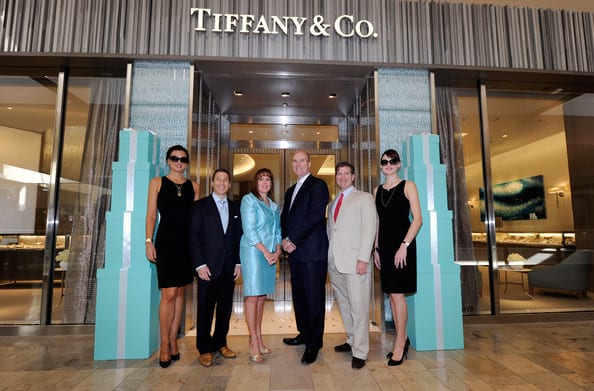
    New York-based luxury jeweller Tiffany & Co has reported improved second-quarter results, with its sales and net income both posting gains, beating Wall Street expectations.

    Tiffany’s on Thursday reported a net income of $US115 million, or 92 US cents per share, compared with $US105.7 million, or 84 US cents per share, a year ago.

    The average estimate of 10 Wall Street analysts surveyed by Zacks Investment Research was for earnings of 88 US cents per share.

    The company posted revenue growth of three per cent to US$959.7 million in the period, also exceeding Wall Street forecasts. Six analysts surveyed by Zacks expected US$933.2 million. Tiffany credited the growth to higher sales of wholesale diamonds, stronger wholesale sales in Asia-Pacific and strong e-commerce sales growth.

    However, sales in stores open at least a year, a key metric of a retailer’s health, declined two per cent during the quarter.

    Jefferies analyst Randal Konik said the results show Tiffany’s stores in the Americas are stabilising, and high-margin fashion jewellery sales are gaining momentum.

    Tiffany officials said customer traffic returned to normal levels at the chain’s flagship New York store that experienced disruption last fall because of security around President Donald Trump’s personal home and offices on the same block.

    For the full fiscal year, the retailer forecast growth in its adjusted earnings per share in the mid-single-digits-percentage with sales up in the low-single-digit percentage.

    Tiffany shares ended Thursday down US$1.17, or 1.3 per cent, at US$87.55. They have climbed 13 per cent since the beginning of the year, while the Standard & Poor’s 500 index is up 9 per cent. The stock has increased 27 per cent in the last 12 months.

    Neil Saunders, managing director of GlobalData Retail, said Tiffany’s more positive results show the early promise of progress at a company that has often struggled to remain relevant in the modern era of retail.

    “That said, there are still some areas of residual softness, especially in terms of same-store sales and particularly across the Americas,” Saunders said. “As Tiffany management recognizes, there is a lot more work to do before the company is back on the ground of firm, sustainable growth.”

    Saunders said one of the more promising areas of progress is the company’s attempts to better connect with younger consumers – a constituency with which it had lost traction. Some of this is down to improved product – with the more contemporary, fashion-focused “Return to Tiffany” collection of silver jewelry having been well received. Collections by designers like Elsa Peretti and Paloma Picasso have also stimulated interest and have added a much-needed contemporary edge to Tiffany’s product mix.

    “With improvements to the assortment, Tiffany also understands that it needs to communicate to younger shoppers to increase the resonance of the brand,” Saunders said. “Here we are encouraged by marketing campaigns, including fall advertising featuring Janelle Monáe, Zoë Kravitz, & St. Vincent (Annie Clarke). These campaigns have a much more modern feel and successfully highlight the changes that are being made on the product front.”

    According to Saunders, it will take time for the changes to percolate through to customers and to drive sales – not least because jewelry is an infrequent purchase.

    “However, we are pleased that Tiffany has made the changes in time for the important holiday season and believe the chain will reap some rewards over the final half of its fiscal year.”

    Saunders said one of the areas where they have long been critical is store design. While they are neat and well maintained, he said, many of Tiffany’s stores look old fashioned and, for the younger consumer, can be intimidating. In essence, they convey a message of old-world luxury which is increasingly at odds with what consumers want and with what many competitors are delivering.

    “The company now seems to have recognized this with the ongoing remodeling of some of its main stores,” he added.

    Saunders said the Union Square shop in San Francisco, which was redesigned earlier in the year, has been well received and is delivering results.

    “In our view, the design strikes exactly the right balance between something that feels youthful and modern but which maintains an air of exclusivity and luxury,” he said. “If this thinking can be rolled out to other stores, including non-flagship locations, we believe Tiffany can make real progress in terms of driving up same-store numbers.”

    He added for all of the advancements, there is much more to be done, and Tiffany remains a work in progress.

    “However, we believe that there is now a sense of momentum and energy at the company that was simply not there a few years ago. The new management team is responsible for this, and the recent appointment of Alessandro Bogliolo as CEO should ensure that change continues at pace.”