Author: Mei Ling Tan

  • Alipay, CCPay partner for cashless payments in Singapore

    Alipay, CCPay partner for cashless payments in Singapore

    China’s popular cashless payment platform Alipay has honed in on Singapore, announcing on Tuesday it has entered into partnership agreement with a local digital payment provider CCPay to offer cashless payment services to Singaporean retailers.

    Alipay, a subsidiary of Alibaba’s associated Ant Financial, has tapped CCPay to expand the use of the cashless payment platforms in Singapore, in a bid to give convenience to Chinese tourists here.

    The cashless payments will be first introduced to merchants around the Chinatown area, with plans for further expansion to other shopping malls in Singapore.

    “With Alipay’s scale and expertise in the field of cashless payments, this collaboration with CCPay will provide a platform for merchants to facilitate safe, fast and cashless payments for the Chinese tourists in Singapore,” Melvin Ooi, Alipay country manager at Singapore, Sri Lanka and Maldives, told local media.

    Kicking off in 2004, Alipay boasts over 520 million active users, mostly in China. It continues to expand into offline payments globally and covers more than 200,000 retail stores overseas with the support for 18 currencies.

    Most recently, Alipay entered nearby Malaysia in May, after forging its way into North America in January via its partnership with DFS Group.

    Founded in March 2017, CCPay is a Singapore’s main digital payment solutions provider for online, mobile and in-store payment.

  • FJ Benjamin’s net loss narrows to $17 million

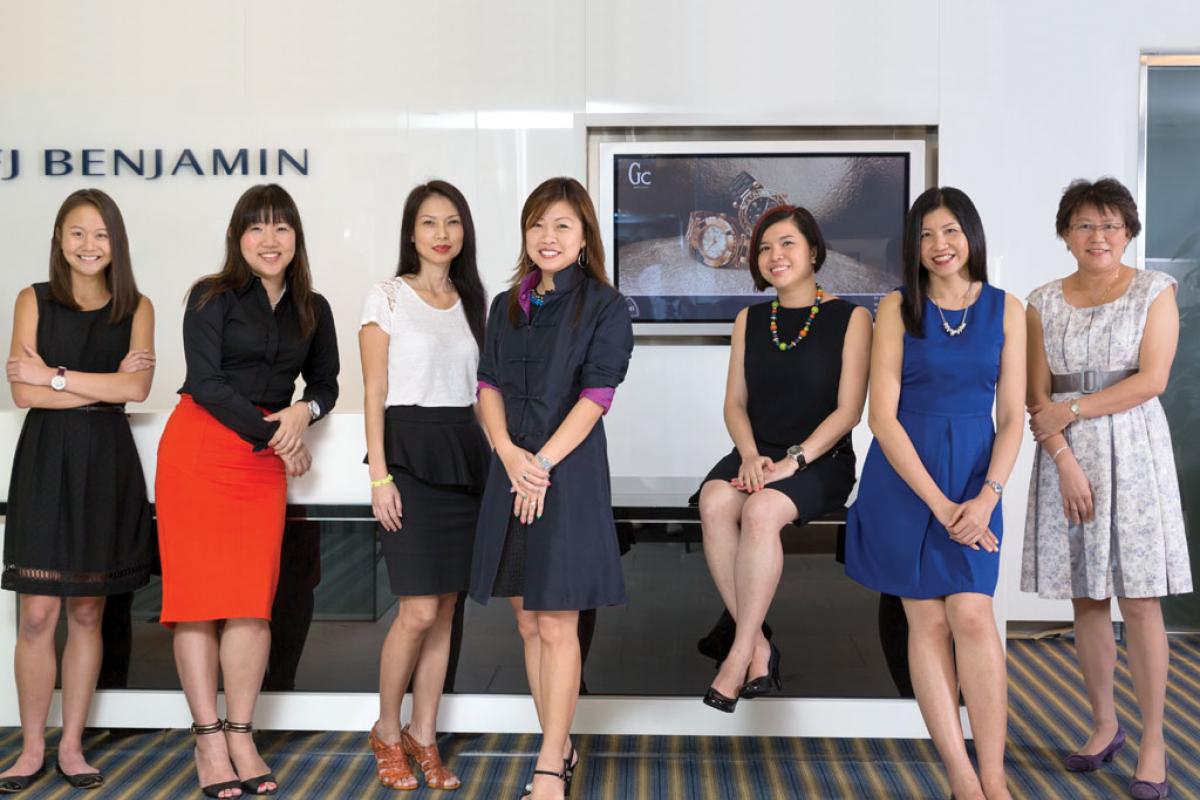
    FJ Benjamin’s net loss narrows to $17 million

    Despite a drop in revenue, Singapore luxury retailer FJ Benjamin’s net loss for its latest fiscal year has narrowed to S$17.42 million (US$12.7 million) from $22.96 million.

    Turnover slipped 18 per cent to $207.49 million mainly because of discontinued businesses and a drop in sales to an Indonesian associate. However, the gross profit margin improved to 42 per cent from 39 per cent a year ago thanks to tighter inventory management and improved sell-throughs, says the group.

    “Management expects the operating environment to remain challenging in Singapore as economic growth stays sluggish and the Singapore dollar continues to strengthen relative to regional currencies.

    “While management is conscious of the challenges and will remain vigilant on costs, we will continue to identify new business opportunities that will enhance the group’s portfolio and help the group return to profitability.”

    FJ Benjamin Holdings offers brand building and management, and develops retail and distribution networks for international luxury and lifestyle brands across Asia. It has offices in eight cities, manages more than 20 brands and has 226 stores.

    According to its website, it exclusively retails and distributes brands such as Banana Republic, Celine, Gap, Givenchy, Guess, La Senza, Loewe, Sheridan, Superdry and Tom Ford. Its retail footprint includes Southeast Asia and Hong Kong.

    It also distributes timepieces for such brands as Bell & Ross, ChronoSwiss, Frederique Constant, Guess, Nautica and Victorinox Swiss Army.

  • STI to expand 4G services to Bali

    STI to expand 4G services to Bali

    Sampoerna Telekomunikasi Indonesia (STI) has announced plans to expand its Net1 Indonesia branded LTE services to the island of Bali.

    The operator’s 450-MHz LTE service will be deployed to all areas of Bali ranging from Gilimanuk on the west to the eastern end in Gili Selang, the operator announced. STI is targeting rural areas before entering urban areas.

    “Bali is one of the provinces on Indonesia that support the nation’s economy through its tourism industry, STI CEO Larry Ridwan said.

    “Over time, the tourism industry is not only talking about traveling or merely to market travel destinations, but also to provide growth for supporting industries, especially in remote parts of Bali island. That is why we have a strong commitment to support local economy of Bali through the provision of reliable telecommunication access.”

    STI is in the process of migrating its CDMA subscribers to its 4G network and plans to complete the migration by the end of the year.

    STI is Indonesia’s only operator to have deployed in the 450-MHz band using CDMA2000 1x technology. The operator holds a nationwide license and has so far deployed coverage on the islands of Sumatra, Java, Kalimantan, Sulawesi, Bali, Nusa Tenggara Barat, and Maluku.

    As part of its 4G migration, STI recently entered a partnership with telecoms vendor PT INTI to jointly produce devices supporting the 450-MHz spectrum.

  • AirAsia plans flights from Davao to China, South Korea

    AirAsia plans flights from Davao to China, South Korea

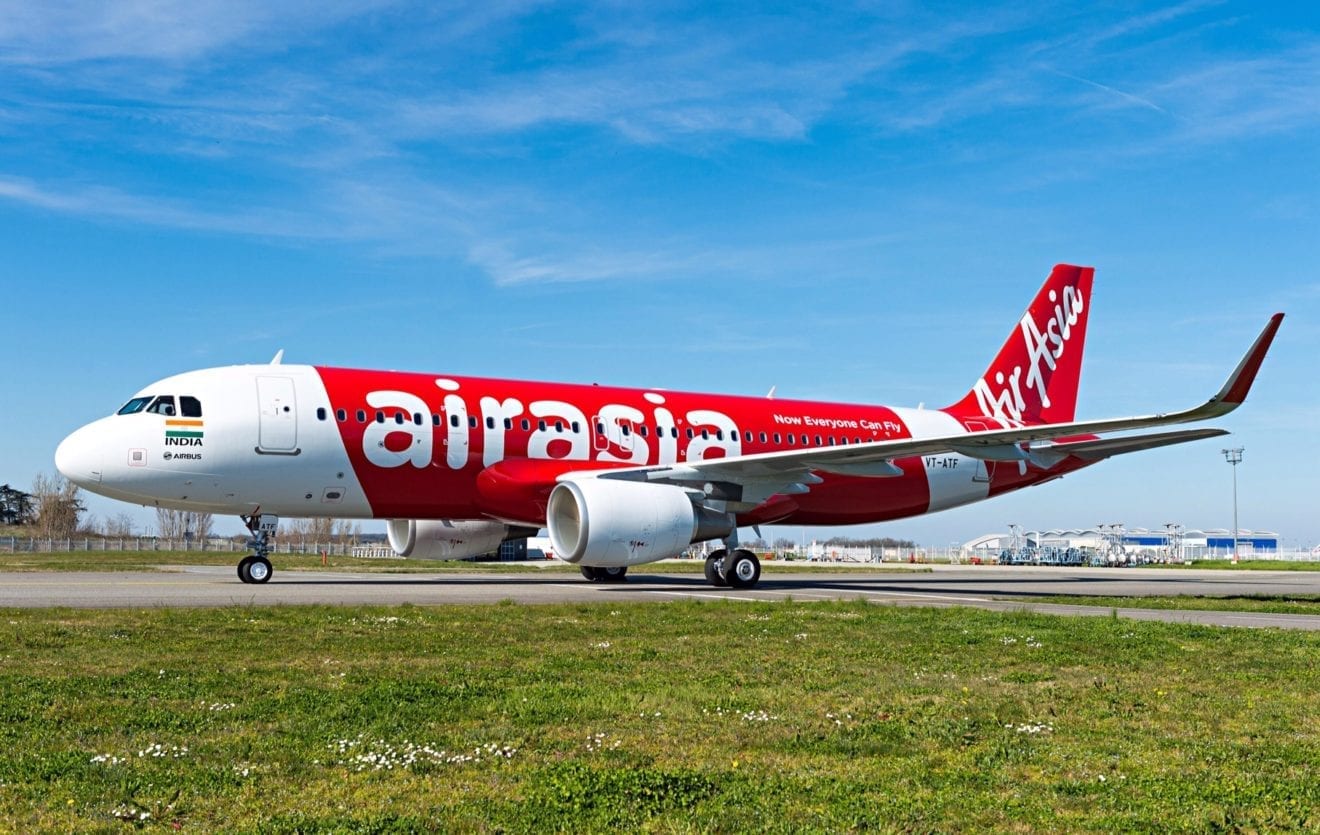
    AirAsia expressed interest in expanding its services in the Philippines to include flights from Davao City to key cities in China, Korea and Malaysia, Department of Finance says in statement.

    THe deparment had issued the statement on Monday citing results of meeting between Philippines Finance Secretary Carlos Dominguez and AirAsia Group CEO Tan Sri Tony Fernandes.

    Fernandes said on Monday the lowering or scrapping of airport or departure tax in small airports will help realize airline’s expansion plans in Philippines.

    Dominguez will look into possibility of airports selling or leasing gates to airlines at different rates depending on landing times, in lieu of imposing airport taxes.

  • Record number of Chinese models to star Victoria’s Secret show 2017

    Record number of Chinese models to star Victoria’s Secret show 2017

    The Victoria’s Secret Fashion Show this year is still months away. As the date and location are still shrouded in secrecy, 57 beauties have already been confirmed as part of the lineup, with a record number of Chinese faces announced to walk the more-diverse-than-ever runway.

    In addition to some veteran western super models, such as Adriana Lima, Candice Swanepoel, so far a total of six angels from the east, for the first time ever, is expected to shine in one of this industry’s most-watched shows, according to a full list released by Fashionista.

    The gorgeous girls who are making history for the brand are:

    Liu Wen

    This year, Liu will walk in her fifth Victoria’s Secret Fashion Show. When she first walked the VS runway, she was the only Asian model ever to do so.

    Ming Xi (Xi Mengyao)

    Ming Xi has already walked in the past four shows for Victoria’s Secret, regularly modeling during the section of the spectacular that showcases the brand’s little sister line, PINK.

    He Sui

    He Sui is no stranger to the Victoria’s Secret Fashion Show. She has walked in the show six times already, beginning in 2011. When she first stepped on the stage, she was only the second Asian model for the brand, after Liu Wen.

    Ju Xiaowen

    This year will mark Ju’s second walk on Victoria’s Secret runway. Before her cooperation with the brand, she has helped other brands break racial barriers, for example, she was the first-ever Chinese model to be the face of Marc Jacobs.

    Xie Xin

    While this will be her premiere walk on Victoria’s Secret show, she’s fronted numerous ad campaigns and walked some of the top runways.

    Estelle Chen (Chen Yu)

    Chen is a French model of Chinese descent born in Paris. The 17-year-old is the only Asian face among the 15 other newly-minted Victoria’s Secret models. This newcomer started out in 2013 but has already walked for fashion powerhouses Dior, Dolce & Gabbana, Elie Saab and Fendi.

    A more racially inclusive runway

    Victoria’s Secret has long been criticized for not featuring a more racially diverse lineup of models over the course of the fashion show’s 22-year history.

    No Asian model has walked the VS runway until 2009, according to Yahoo Style. However, the lingerie giant in recent years has been ramping up its efforts to be inclusive.

    An expanding market in China

    China’s female lingerie market is lucrative with a retail value of 25 billion US dollars in 2017. However, the market is highly fragmented with no major brands leading the way. Currently, a Guangdong-based mass market lingerie brand Cosmo Lady has just a four percent share of the market, revealed Business of Fashion.

    As a representative from Victoria’s Secret China told Jing Daily, the brand is feeling “very positive about the potential of the China market,” as they expect three stores alone, including the one planned in Beijing, are anticipated to generate 150 million US dollars in annual sales for the 7.78 billion US dollar brand.

    China is expected to equal, if not exceed the US, in sales in the long term, according to this representative.

    Efforts to woo Chinese customers

    Considering the first Victoria’s Secret model of Asian descent didn’t walk in its fashion show until 2009, and the only two and four Chinese models strutting down the catwalk in 2015 and 2016, this time the six Chinese faces could be reflective of the brand’s growing focus in the Chinese market.

    As a matter of fact, the retailer’s presence hasn’t started till 2015. Adding to the 26 concept stores in China, which are shops that sold only beauty products and accessories, the company has opened two flagship fully-stocked retail stores in Shanghai and Chengdu in 2017. As the VS China representative suggested, one more store is expected in Beijing later this year.

    The brand’s additional attempts to woo Chinese consumers are through their dragon-themed outfits throughout its annual fashion show last year.

    Although the show’s so-called Chinese elements fell flat on China’s Internet, with social media users complaining about the “appropriated Chinese culture” and the “ugly bikini outfit”, the full video of the show boasted an estimated 162 million viewership compared to last year’s 127 million on Tencent video.

    From this perspective, the Chinese cultural emblems, for example, the dragon-themed costumes, have already prevailed angel wings.

  • HSBC ‘back in growth mode’ in Singapore

    HSBC ‘back in growth mode’ in Singapore

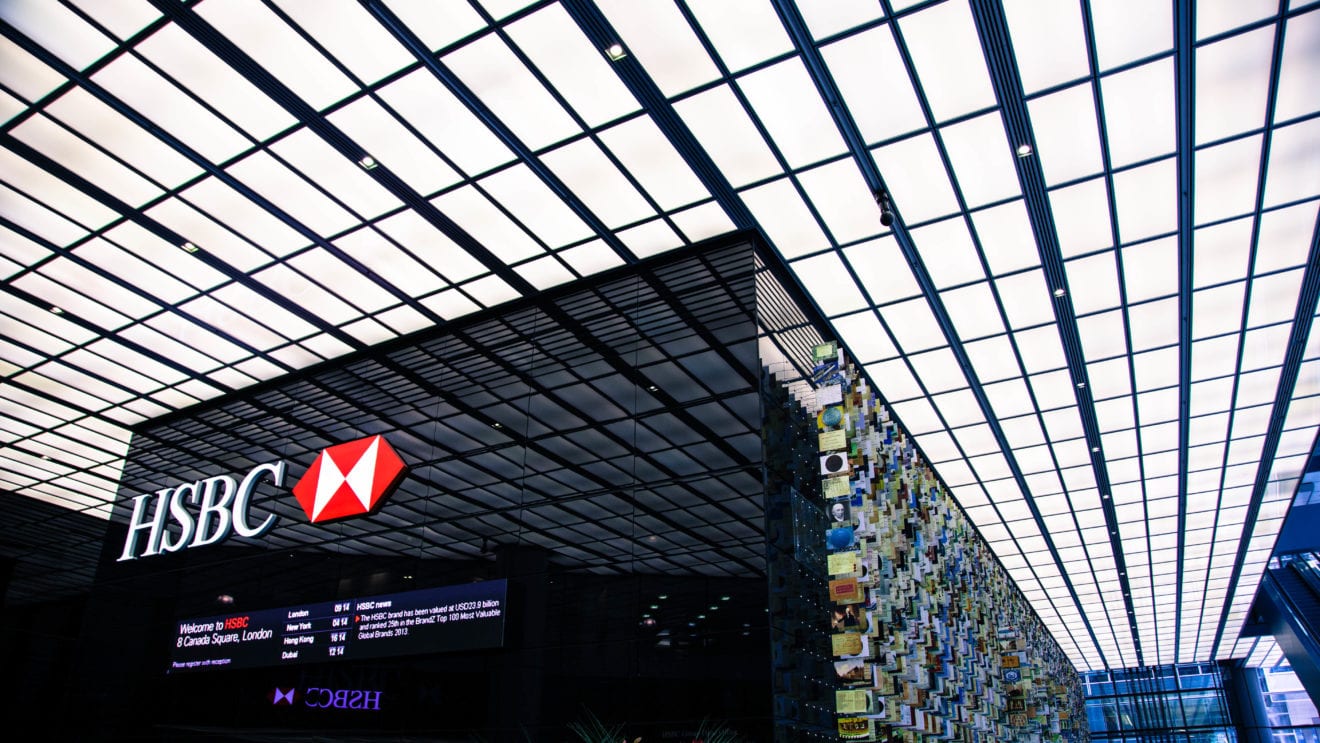
    British bank HSBC is now “back in growth mode” in Singapore after investing heavily in turning around revenue and profitability, said a top executive.

    Despite a fiercely competitive retail market, the bank has high hopes for its business here, said Mr Anurag Mathur, head of retail banking and wealth management at HSBC Bank (Singapore), who has been in the role for a year.

    He told recently: “Customers are also sophisticated (here), but that’s good as it encourages innovation and we’re often at the cutting edge in Singapore, where some of the things piloted here – and hopefully, increasingly developed here – can then be exported elsewhere in HSBC globally.”

    The bank has “spent quite a bit of time and investment in incorporating the company here”, said Mr Mathur, referring to its move last year to set up a local subsidiary for the retail and wealth business.

    “As part of that, we’ve also upgraded our core banking platforms and infrastructure, such as upgrading branches and opening new ones in the last few years, and improving our products and digital capabilities.”

    While Mr Mathur was unable to give specific numbers, recent data from the bank showed it has spent more than US$1 billion (S$1.4 billion) on its global digital investment since 2015.

    HSBC has 11 branches and about 1,000 employees under the retail banking and wealth management business here.

    Competition is particularly high here now, evident from moves by financial institutions here like DBS Bank, which acquired ANZ’s wealth management and retail banking business in five markets in Asia last October.

    Standard Chartered Bank for its part is chasing the silver dollar in Singapore with the release last month of a new offering for only those aged 55 and older, for instance.

    Customers of HSBC’s retail banking and wealth management unit are typically those with a minimum of $200,000 with the bank, be it through deposits, or investments, among other things – and that is where growth is for the bank too, said Mr Mathur.

    “In that space, we see Singapore continuing to be a growth hub. Wealth management is a key area of growth. The macro conditions are there.

    “Singaporeans obviously invest here, but people from around the world, particularly Asia, also like to invest here. According to the BCG wealth report of 2016, offshore wealth booked in Singapore is projected to grow at roughly 10 per cent annually through 2020.”

    He noted that HSBC is positioned to capture this segment because of several factors such as its international network, its “insurance and asset-management support pillars on the product side and a strong offshore base”.

    And almost a third of the mass affluent market in Singapore has an HSBC relationship – be it with a banking product or service.

    “In the last five years or so, we’ve seen our deposit balances in current and savings accounts grow at double digits, which is a strong and healthy indicator. Personal loans have grown by double digits in the last four to five years,” said Mr Mathur.

    While other bankers might say retail banking is surely a local business, HSBC looks at clients from a different point of view.

    “What our HSBC Premier customers find is that they can open accounts with us in multiple countries where they have property, investment or worked.”

    The bank has a feature dubbed “global view, global transfer” that lets clients access “all accounts on one screen”.

    Mr Mathur said this appeals to t Singapore’s expatriate population as they have banking relationships outside Singapore as well.

    He noted: “And almost all Singaporeans are international in some shape or form.

    “For instance, some reports show 95 per cent of them travel at least once a year, so they find the international offers we have on our credit cards powerful.

    “We believe Singaporeans will increasingly be international, in terms of where they study, do business, even where they invest. Our strengths are uniquely positioned to help them in that space.”

  • JD.Com In Talks For A Joint Venture In Thailand

    JD.Com In Talks For A Joint Venture In Thailand

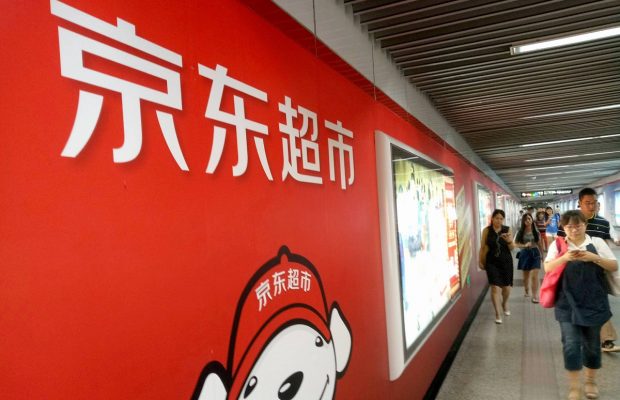
    Chinese online retailer JD.com is considering starting an e-commerce joint venture whose planned total investment would be half a billion dollars. The joint venture talks with the Central Group of Thailand would help the second biggest online retail company in China get a foothold in Southeast Asia and further diversify its business beyond its domestic market.

    Currently the only other foreign country that JD.com has a presence in is Indonesia where the Chinese online retailer runs Traveloka, a travel startup, and an e-commerce platform. A presence in Southeast Asia would also assist JD.com catch up with bigger rivals Amazon and Alibaba who already have a presence. At the moment the two are fighting for market share by introducing new services with the most recent being quick deliveries in the city state of Singapore.

    Regional hub

    According to the chief executive officer of JD.com, Richard Liu, the Chinese online retailer intends to launch in Thailand later in the year. It will use the country as a hub for servicing the region and this includes countries such as Malaysia and Vietnam.

    Besides e-commerce, JD’s joint venture in Thailand will concentrate on the financial sector. An agreement on ownership terms is holding back the conclusion of the deal. The control of Central Group is in the hands of the Chirathivat family.

    Fast-growing sector

    This will not be the first time that Central Group is eyeing e-commerce which is a fast growing sector in Thailand. Last year the firm acquired the Thai unit of Zalora, an online fashion retailer. The value of e-commerce market in Thailand is currently estimated to be $900 million and in the next decade it is projected to grow by 29%. This is as per a report published last year by Temasek and Google. Currently the major players in the Thai e-commerce sector include Lazada, an outfit backed by Alibaba; Ascend, a unit of Thailand’s CP Group and 11 Street from South Korea.

    The report prepared by Google and Temasek expects Southeast Asia’s e-commerce market to grow 16-fold by 2025 and reach a figure of $88 billion. The population of the region currently stands at about 600 million people.

    JD’s planned joint venture in Thailand comes a little more than a week after the online retailer slipped back into loss territory in the second quarter results. The retailer reported a net loss of $42.3 million despite revenues increasing by 44%.

  • Xiaomi will present its new flagship

    Xiaomi will present its new flagship

    Chinese company Xiaomi plans to unveil its new flagship Xiaomi Mi Note 3 at a special event on September 12. CEO of Xiaomi lei Jun has decided to stir interest in the upcoming event. On his page on the social network Weibo, he posted the picture taken by the camera of Mi Note 3.

    See also:  Became known the price of the flagship smartphone Xiaomi Mi6

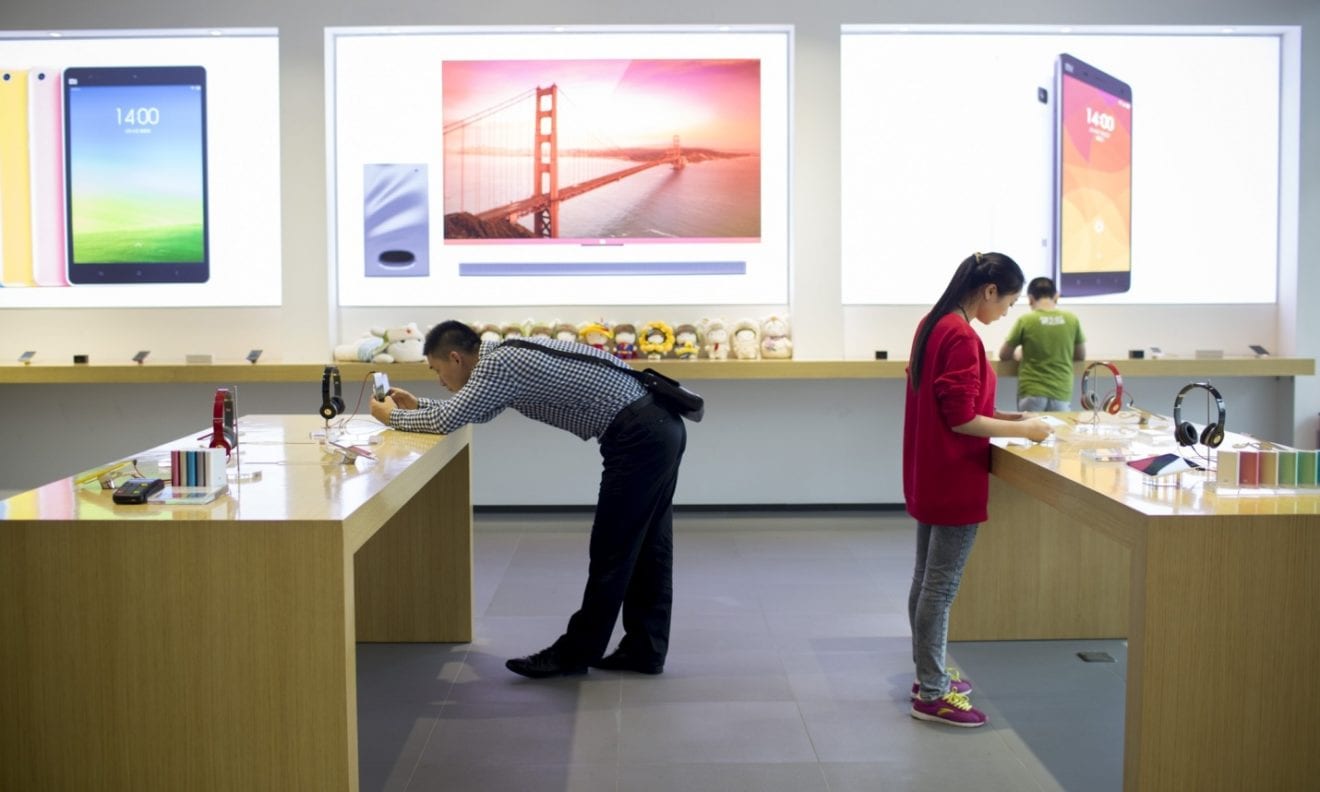
    The photo was taken at the opening of a new retail store Mi Store in Hong Kong. That the image captured by smartphone Mi Note 3 found a Chinese blogger who has studied the EXIF data of the photo.

    In speed these data were removed, but the source managed to take a screenshot. Image resolution is 12 MP, the lens aperture equal to F/1.8.

  • Level of Interests towards Galaxy Note 8 Rises in South Korea

    Level of Interests towards Galaxy Note 8 Rises in South Korea

    Samsung Electronics started marketing for ‘Galaxy Note 8’ in South Korea and the U.S. Expectations for its popularity are rising as consumers are continuously visiting cellphone stores in South Korea and the U.S.

    Release date of Galaxy Note 8 is the 15th of September. Samsung Electronics and three South Korean mobile network providers are going to start activation for consumers who preordered Galaxy Note 8 from the 15th until the 20th of September as they expect there will be many potential demands for Galaxy Note 8 due to discontinuation of Galaxy Note 7. Consumers who did not preordered Galaxy Note 8 will be able to activate it after the 21st.

    Samsung Electronics is going to release 64GB and 256GB Galaxy Note 8 models first in South Korea. It included plastic transparent case as part of components that come with a box for Galaxy Note 8 that will be released in South Korea for the first time. In case for the U.S., people have to purchase separate cases for Galaxy Note 8s. Samsung Electronics applied requests from South Korean consumers who wanted a case that does not cover design while it protects the phone from crack.

    “We started taking pre-application for Galaxy Note 8 starting from the 24th before the official preorder date, which is the 7th of September, and there have been 400 to 500 cases of pre-applications on daily average based on customers who filled out necessary documents.” said a representative for Samsung Digital Plaza in Hongdae. “This is the hottest reaction for Galaxy Note series ever.”

    “If a customer just write his or her name and contact number, he or she will be able to receive Galaxy Note 8 on the day it is released based on an order of membership by subscription.” said a representative for LG Uplus direct management store. “We are going to notify our customers by texts when price and free gifts are decided.”

    “Because selective contract discount ratio for Galaxy Note 8 is going to increase from 20% to 25% on the 15th of September, it will be more effective for consumers to wait until the 15th if it is not urgent.” said a representative for an authorized KT retail store.

    Interests towards Galaxy Note 8 are also high in the U.S. where it was launched by Samsung Electronics. Part of New York Time Square was covered with advertisements for Galaxy Note 8 while electronic stores such as Best Buys were filled with customers who were looking for Galaxy Note 8.

    Samsung Electronics is also going to release 64GB Galaxy Note 8 model in the U.S. Price of Galaxy Note 8 is going to be different based on mobile network providers and electronic stores. Verizon and Sprint, AT&T, and T-Mobile and Best Buy (Unlock phone) are going to sell Galaxy Note 8 at $960, $949.99, and $930 respectively. However actual price is going to be more than $1,000 since these amounts do not include any sales taxes.

    Samsung Electronics is going to give out wireless charger, Gear 360 (2017), or 128GB micro SD card to people who preorder Galaxy Note 8. Customers who returned their Galaxy Note 8s are going to receive $425 of discount if they purchase Galaxy Note 8. Best Buy put out ‘$150 discount’ as a benefit for people who preorder Galaxy Note 8s.

    “Customer reactions towards Galaxy Note 8 are very fast as four people preordered Galaxy Note 8s in just one hour removed from launching of Galaxy Note 8.” said a representative for a Best Buy store in Manhattan. “Most of customers who tested out Galaxy Note 8s showed most of their interests towards dual-camera’s live focus, functions of S Pen, and midnight black color.”

  • Sri Lanka instructs cellcos to register SIMs

    Sri Lanka instructs cellcos to register SIMs

    The Telecommunications Regulatory Commission of Sri Lanka (TRCSL) has instructed the nation’s operators to register their customers SIMs in order to curb fraud and crime.

    The operators have been told to register SIMs with owners’ personal details and photocopies of their National Identity Cards, the Daily Mirror reported.

    President Maithripala Sirisena had proposed the SIM registration scheme after it was observed that a large number of active SIMs have been issued without proper documentation on the identity of the customers.

    Sri Lanka will be following other APAC nations in implementing a mandatory SIM registration scheme, such as Thailand, Bangladesh and Cambodia.

    Sri Lanka’s mobile market is dominated by the big three operators Dialog Axiata, Mobitel and Etisalat. Mobitel is in the process of being separated from parent company Sri Lanka Telecom (SLT) and listed on the Colombo Stock Exchange. The government currently owns a 49.5% stake in SLT.

  • Aussie pops cork on curated online wine marketplace

    Aussie pops cork on curated online wine marketplace

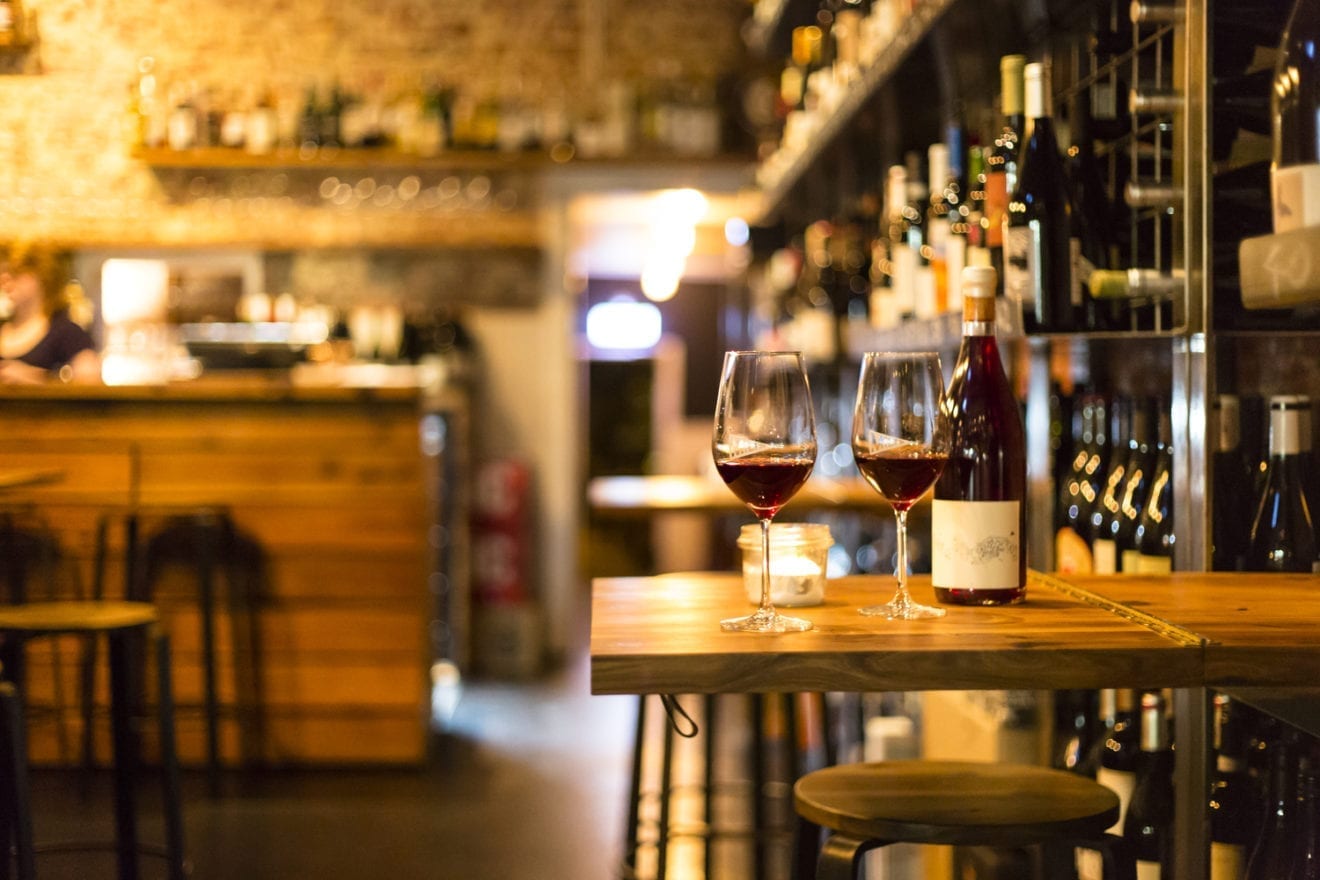
    WINERY Philippines recently launched the country’s first online global “cellar door” at the Society Lounge in Makati City early this month. Australian Chef Chris Urbano, chairman and founder of Winery Philippines, imports his own boutique wine collection from his country for select boutique restaurants in town and high-net-worth clients. He realized that Manila is an emerging market where wine drinkers are increasingly looking for distinctive high-quality, value-for-money spirits from around the world, as well as better information and convenience when purchasing wines than those from traditional wine retail stores.

    Although they are not hard to find in stores or restaurants, access to good-quality boutique wines and information regarding them are hardly accessible.

    “The best part about e-commerce is how it has turned into an emotional journey for consumers. It lets them find, know and connect with products they love through the easiest means possible,” Urbano said, when asked about the most rewarding aspect of running an online store.

    Backed by a private consortium of angel investors who share Urbano’s passion for sharing high-quality wine experiences in the Philippines, he launched the country’s first purely online and social-media community for passionate wine lovers and wine lovers-to-be.

    Of course, Manila has its fair share of wine suppliers who bring truly high-quality and even rare wines, but they are limited to a few physical stores. What Winery Philippines hopes to bring to the local market is for wine lovers to have immediate access to quality boutique wines, as well as to be introduced to the pleasures of knowing and experiencing a great bottle.

    Apart from reaching out to the growing wine community via social media, Winery Philippines also holds several events throughout the year. Every summer, the team stages a gathering for participants to sample on wine while enjoying acoustic music, street food and meeting other passionate drinkers.

    They also hold wine pairing events, where attendees are introduced to various cuisines that would pair best with specific wine varieties and blends. Through e-commerce and social media, Winery Philippines is focused on becoming the most trusted wine supplier and provider of wine education for passionate drinkers in the country.

    It is also through this medium that the company affords to sell great wine at the best prices possible, as an online store eliminates the expenses of maintaining a physical store.

    VIPs, such as Australian Ambassador Amanda Gorely, Australian Embassy’s Counselor for Development Section Kerrie Anderson, businessmen and other expats, were in attendance for the event.

  • Lovisa buoyed by expanding store network

    Lovisa buoyed by expanding store network

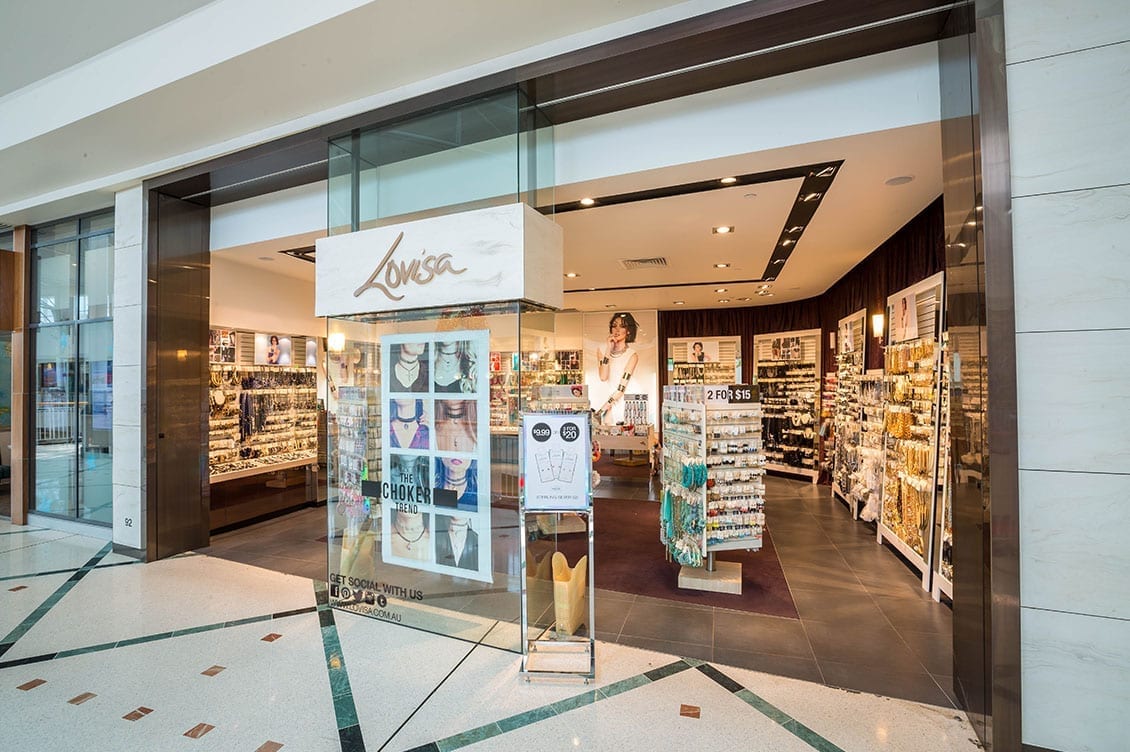
    Jewellery retailer, Lovisa, has exceeded consensus forecasts by booking double-digit revenue, earnings and profit increases, signalling a strong start to FY18 trading.

    Revenue increased by 16.5 per cent to $178.7 million for the year ended 30 June on the addition of 38 stores to the company’s network, while same-store sales increased 10.3 per cent.

    Strong top line sales drove a 68 per cent increase in earnings before interest and tax (EBIT) to $40.7 million and a 75.5 per cent increase in net profit after tax (NPAT) to $29 million.

    Momentum has continued into FY18 and is above management’s long term same-store growth target of 3 – 5 per cent for the first eight weeks of trading.

    CEO Steve Doyle declined to provide specific guidance, but said Lovisa plans to open between 20 and 30 stores in FY18 and will consider non-organic growth opportunities as it attempts to cycle strong results from the prior year.

    South Africa remained Lovisa’s fastest growing market in terms of store openings, with 14 new locations in the country, alongside a company-owned pilot in Spain and franchise launches in Vietnam and Bahrain bringing the total network of stores to 288.

    Doyle wouldn’t comment when asked whether additional investment would be made in Spain, but told investors on Thursday morning that the market fundamentals were positive for the company.

    “What we like about Spain is its fashionable,” he said. “One of the key things we look for is that fashionability, that our customer is there and she wears the kind of product that we sell – we certainly see that in Spain.”

    Doyle said planning is underway for the upcoming spring racing period, but that Australian-based events were becoming less important to the company as the proportion of offshore stores to local ones reaches 50 per cent.

    “The continued strong comparable sales growth in the second half was particularly pleasing, as we had initially anticipated some softening following the cycling of retail price increases in 2016,” Doyle said.

    “We continued to expand and optimise our store network to drive growth and performance…due diligence in other markets and opportunities to generate new country growth continues and we are optimistic about Lovisa’s global rollout plans.”

    Gross margins increased by 78.8 per cent during the year, as currency headwinds normalised, prices increased and markdowns became less frequent.

    Cost of doing business (CODB) as a percentage of sales reduced to 53 per cent, despite growth in stores on efficiencies in labour, distribution and occupancy.

    Capital expenditure came in at $8.8 million, impacted by continued international expansion, although a net cash position of $11.0 million was declared at years end.

  • Flight Centre buys two New Zealand firms

    Flight Centre buys two New Zealand firms

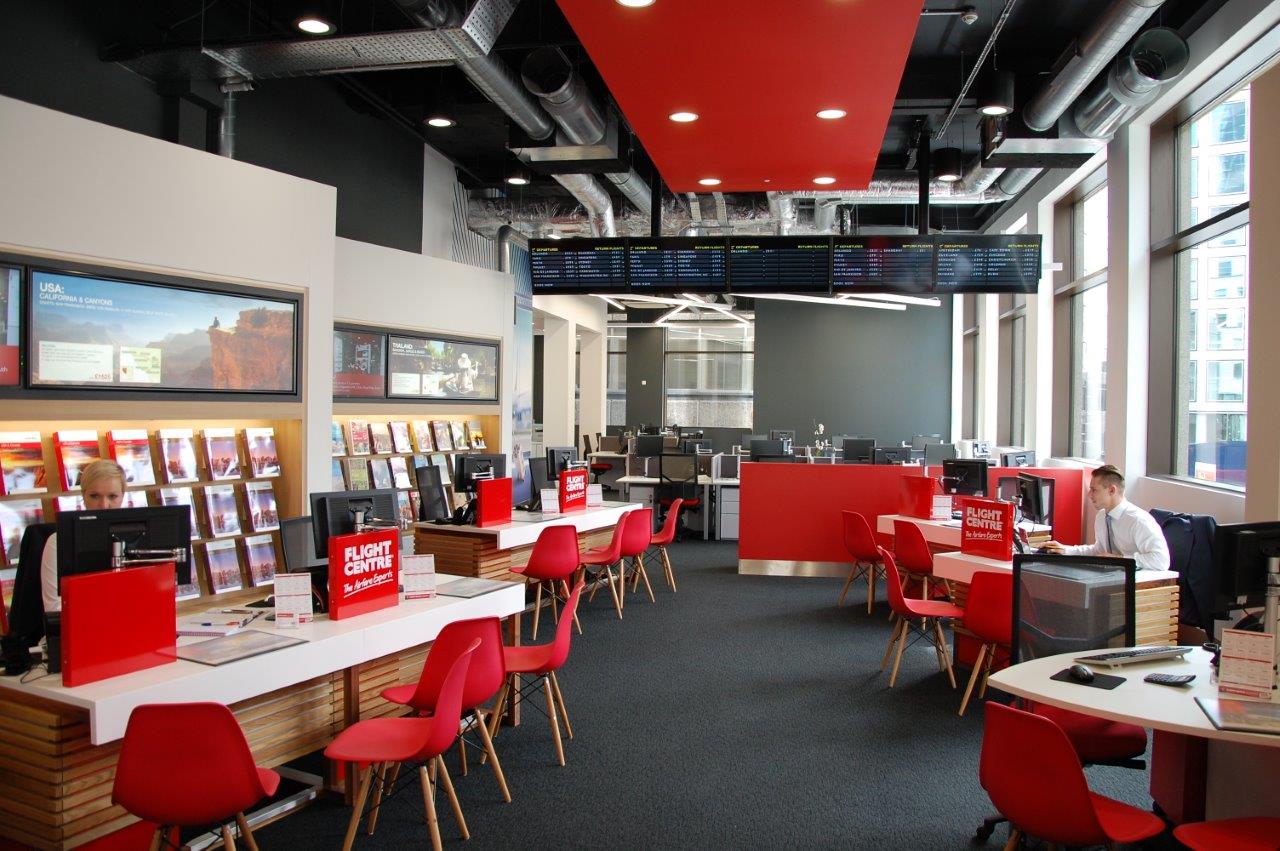
    ASX-listed Flight Centre Travel Group bought two local travel firms for a combined A$19.5 million as it seeks to expand its footprint in New Zealand, making it one of the country’s biggest travel management groups.

    In its annual earnings published to the ASX on Thursday morning, the Brisbane-based company said it has agreed to buy Travel Managers Group (TMG) for an initial A$8.37m and Executive Travel Group (ETG) for an initial A$11.17m, each with working capital adjustments to be made.

    TMG provides systems and support to a network of 180 travel brokers and operates a 22-shop franchise network including 12 TravelSmart shops and 10 other non-branded stores, while ETG is New Zealand’s biggest independent corporate travel manager.

    The Australian travel agent’s New Zealand business generated total transaction value of A$1.1 billion in the year ended June 30, 2017, up 10 per cent from a year earlier.

    Chief operating officer Melanie Waters-Ryan said the business was “successfully executing its key global strategies which include enhancing productivity in the short-term”.

    “The company has also strengthened its presence in the home-based/independent contractor sector, a rapidly growing part of the travel industry, by recently agreeing to buy established networks in both New Zealand (Travel Managers) and Australia,” she said.

    When it announced the deals at the beginning of August, Flight Centre said the purchases made New Zealand its fifth biggest business globally.

  • Zeus Street Greek opens new store at Stockland Shellharbour Shopping Centre

    Zeus Street Greek opens new store at Stockland Shellharbour Shopping Centre

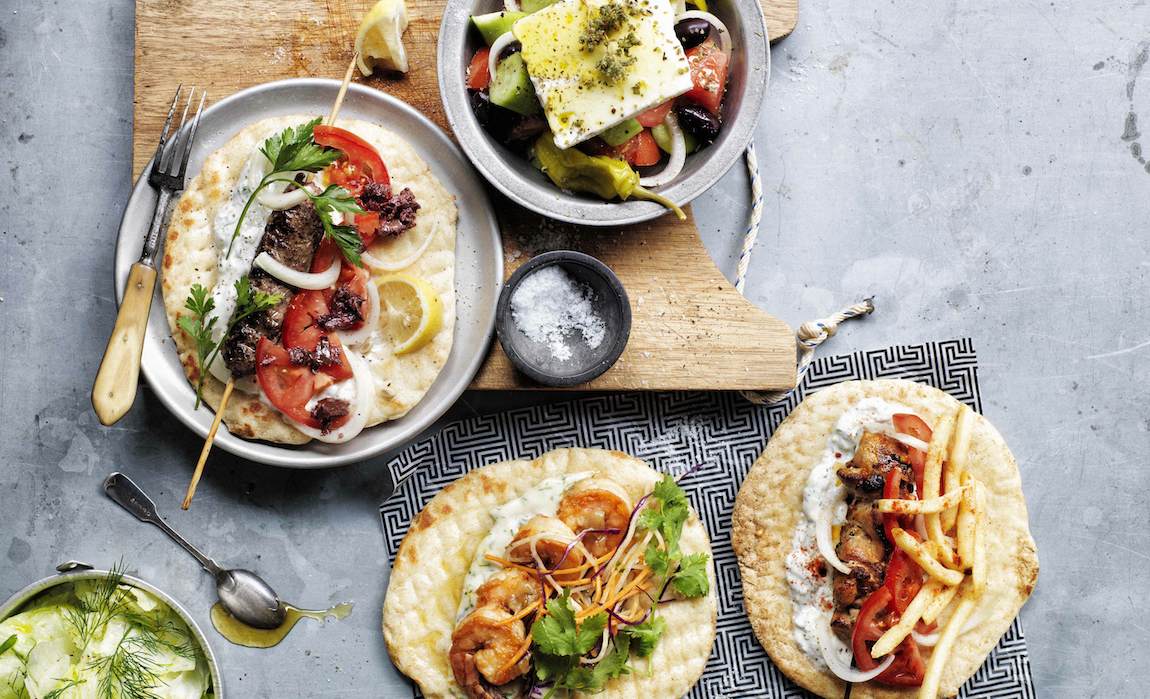
    Fast food chain, Zeus Street Greek, has opened its 12th store in New South Wales and 17th nationwide, at Shellharbour at the Stockland Shellharbour Shopping Centre yesterday.

    The retailer stated the design of the new store, which can accommodate 80 guests, reflects Zeus’s ‘old meets new’ philosophy, achieved through the integration of Art Deco and geometric tiling and wood panelling, the use of timber feature walls, neon lighting, raw stone finishes and colour.

    “Zeus Shellharbour is one of only two stores outside of Sydney in New South Wales, the hospitality scene is continuing to evolve and welcome new contemporary dining experiences into the fold,” said Peta Barclay, Zeus marketing manager.

    “The interest around our opening has been really strong, which is very exciting.

    “There is a demand for contemporary Greek street food that places huge emphasis on quality, with the local community even trekking to Sydney to visit Zeus stores, so this will be an ideal home for Zeus,” Barclay said.

    In July, Zeus’ co-founder, Costa Anastasiadis told Inside Retail that regional locations offer opportunity for growth.

    “We’ve been getting quite a lot of interest from those areas that have got really strong economies and industry,”he said.

    “The sector’s different to what it was five years ago and it’s a completely different landscape compared to 10 years ago. There are a lot more players in the sector and it’s very competitive, so you need to look for opportunities everywhere. If you look at just city metro areas, you’ll be hard pressed for growth, the string is only so long.”

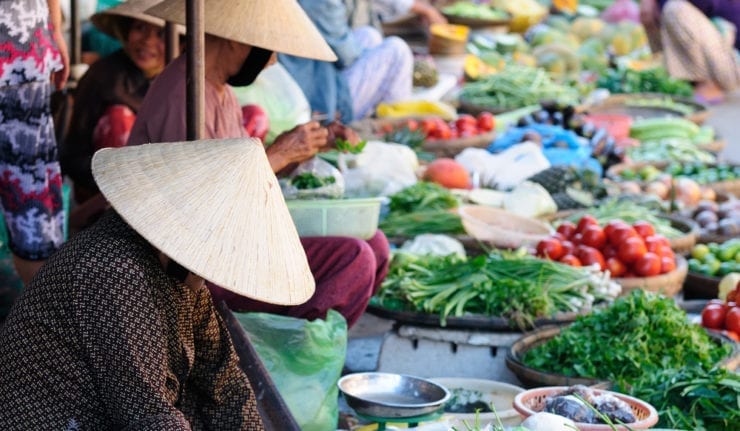
  • Vietnamese shoppers no longer the world’s thriftiest

    Vietnamese shoppers no longer the world’s thriftiest

    Consumer spending seems to be on the rise with less people interested in saving. Vietnamese consumers have just lost their crown as the world’s most avid savers to penny-pinching shoppers in Hong Kong after three years reigning supreme, according to the latest report on consumer confidence conducted by Nielsen, a global information and measurement company.

    During the first half of this year, only 63 percent of surveyed Vietnamese shoppers said they would put their spare cash into savings, comparing to the 76 percent who said they would save during the same period last year.

    Around 80 percent of people in Hong Kong said they chose to save money rather than spending it on leisure activities, figures from Nielsen revealed.

    The Vietnamese are still securing money for the future, but they are also spending more on leisure activities.

    “Vietnamese consumers’ lifestyles are evolving fast and consumers are more willing to spend on big items to upgrade their living,” said Nguyen Huong Quynh, managing director of Nielsen Vietnam. “This reflects their strong desire for a better life.”

    Saving requires a stable job, which is still a top priority for Vietnamese people. For half of the respondents, securing a position at a company is a big deal.

    “A financial guarantee is considered one of the top priorities among Vietnamese consumers,” Quynh added. “Hence, job stability as well as economic prospects directly influence the level of consumer spending. This explains why job stability is important to Vietnamese people.”

    Vietnam’s Consumer Confidence Index in the second quarter this year reached 117, helping the country secure fifth position on the global optimism table. Indexes above 100 indicate optimism.

    This is also a five-year high for the country, suggesting that Vietnamese consumer sentiment is improving. The surge illustrates the optimistic perception of personal finance and immediate spending intention, the report said.

    It should be noted that the index is calculated by Nielsen based on respondents with online access in 60 countries.