Author: Mei Ling Tan

  • Marks & Spencer Hong Kong may be sold off

    Marks & Spencer Hong Kong may be sold off

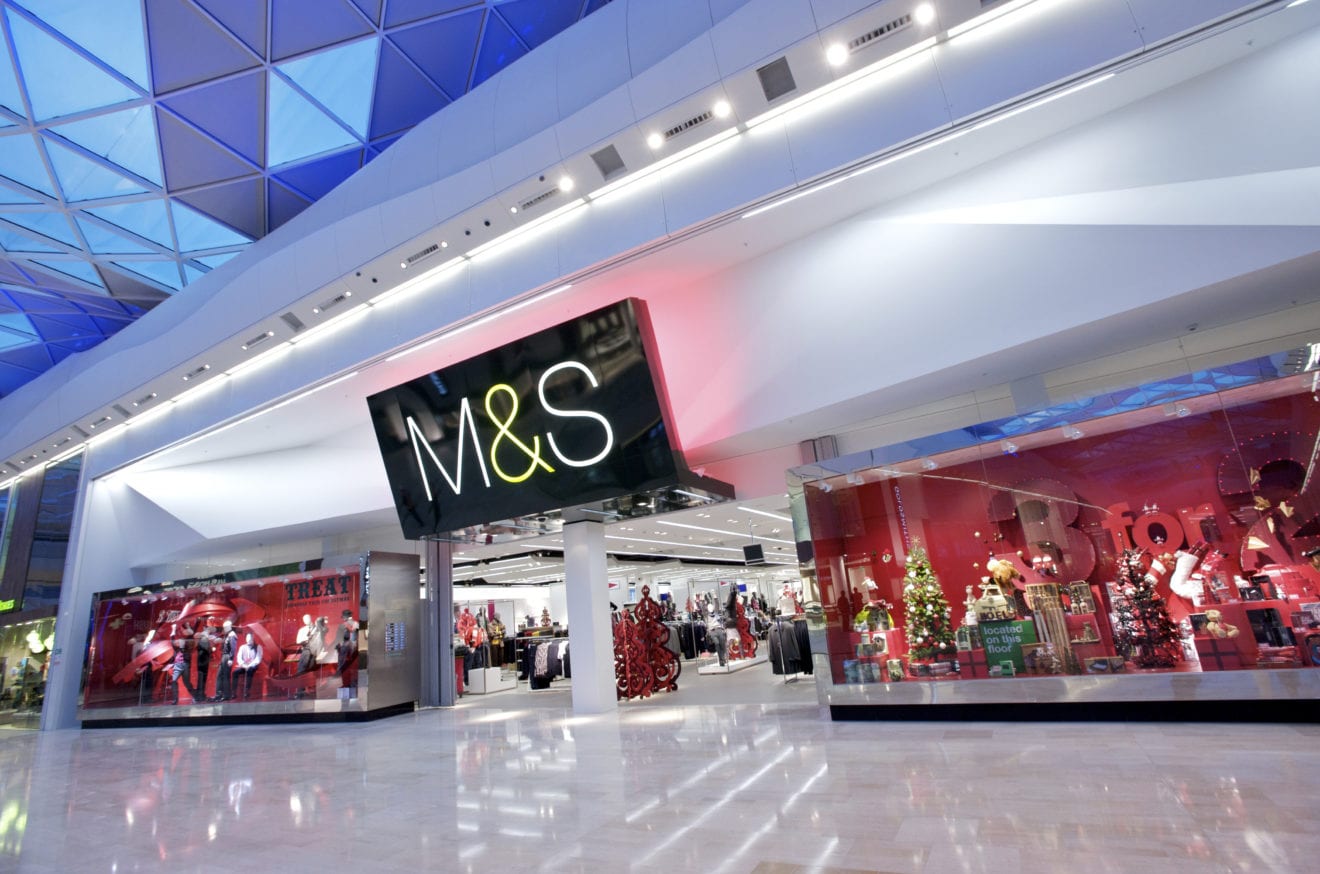
    The Marks & Spencer Hong Kong and Macau business is expected to be sold to the UK department store’s long-established Middle Easter franchise partner Al-Futtaim.

    M&S issued a statement overnight confirming the two parties were in talks over a deal where the existing business would be sold to Al-Futtaim which would then become a franchisee.

    “A successful conclusion to these discussions would see Al-Futtaim become the new sole franchisee for M&S in Hong Kong and Macau,” the London-headquartered company said.

    Al-Futtaim has partnered with M&S since 1998 when it opened the first MS store in Dubai. Today, Al-Futtaim operates 43 Marks & Spencer stores across seven markets in the Middle East, as well as in Singapore and Malaysia.

    Most recently Al-Futtaim has extended the reach of M&S’s popular chilled food to three markets, and will shortly be opening the first standalone M&S Food store in the Middle East.

    Marks & Spencer Hong Kong launched in 1988 and currently operates 27 stores, a mix of department stores and standalone food stores. It has three in Macau, two of them located in Sands properties.

    The fact that M&S has issued a statement confirming the talks are underway suggests a deal is effectively complete.

    M&S said the discussions follow a strategic review of the company’s international business last November, where the company proposed to have a greater focus on its established franchise and joint venture partnerships and operate with fewer wholly-owned markets.

    “M&S and Al-Futtaim have now entered into discussions on the potential purchase and franchise which includes commencing a period of due diligence, which is expected to take several months to complete. M&S employees will be kept informed of any developments throughout the process and M&S stores in Hong Kong and Macau will continue to trade as normal,” the statement said.

    Paul Friston, M&S’ international director, described Al-Futtaim as a key partner of M&S in Asia and the Middle East.

    “We are both committed to putting the customer at the heart of everything we do. With significant scale and retail expertise in the region, we are looking forward to discussing the potential extension of our partnership to Hong Kong and Macau as we continue to grow and develop our business together.”

    Stephen Rayfield, senior MD of fashion & lifestyle division with Al-Futtaim said the company was delighted to be working with M&S to explore the potential expansion of their partnership to Hong Kong and Macau.

    “M&S and Al-Futtaim share values, and an approach that focuses the customer at the heart of our businesses. Al-Futtaim looks forward to building on our solid foundations as we continue to enrich our customers’ lives and aspirations through the provision of quality products and services in Hong Kong and Macau – these are among Marks & Spencer’s most successful and important international markets,” he said.

  • Commune parent Koda boosts profit 156 per cent

    Commune parent Koda boosts profit 156 per cent

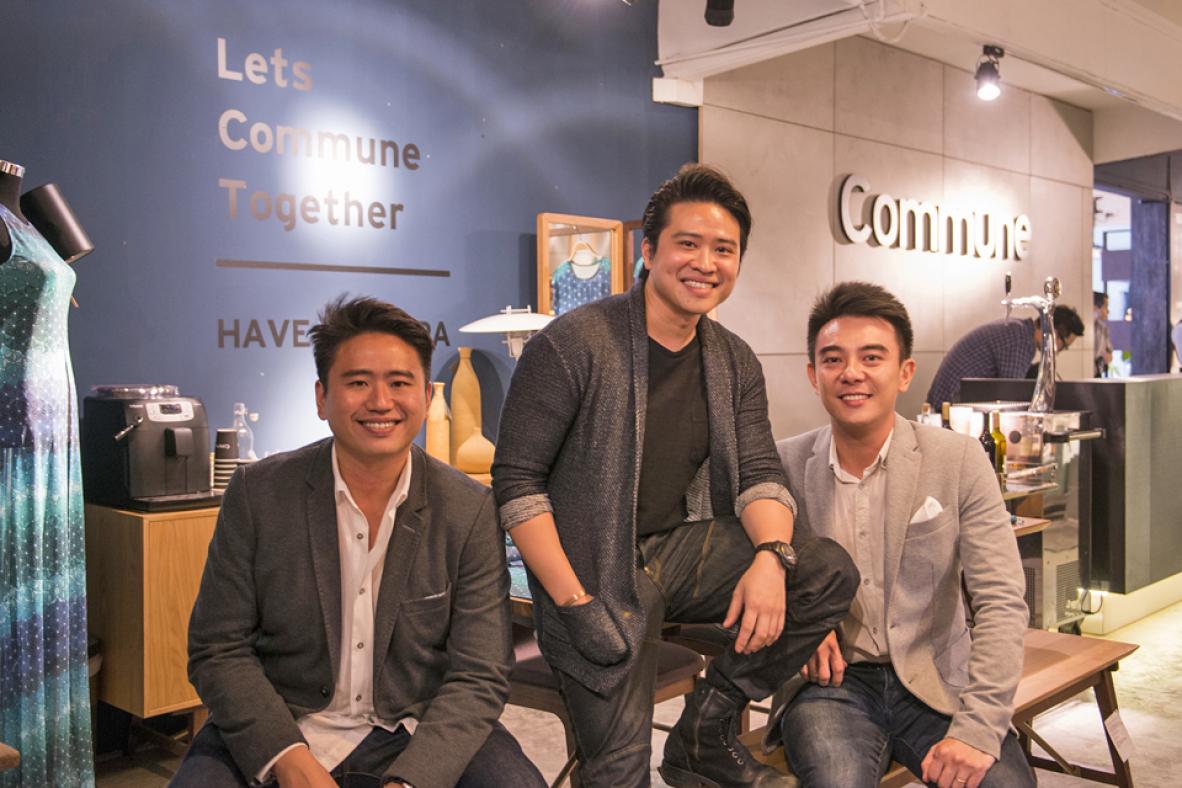
    Furniture retailer Commune parent Koda Ltd has boosted its annual profit by 155.6 per cent in the last year, largely due to expansion of its store network.

    In the year to June 30, the company achieved sales of US$4.1 million, up from $1.6 million last year.  Revenue rose by a more modest 33.4 per cent to $49.5 million, up from $37.1 million the previous year as strong export orders were received from key markets.

    Streamlined manufacturing operations in Malaysia and Vietnam helped gross profit margin rise from 27.7 per cent to 32.2 per cent.

    Koda’s MD James Koh said even better figures are to come, after the strategic review announced in July in which Koda will continue to improve manufacturing efficiencies, strengthen its supply chain and refine and expand its Commune retail store network, especially in China.

    Joshua Koh, Commune’s CEO, added: “Commune is gaining strong traction in China, especially among younger home-owners. We continue to build the brand and differentiate ourselves as we remain on schedule to open up to 100 stores in China by 2020.”

  • SM knocking on Goldilocks Bakeshop door

    SM knocking on Goldilocks Bakeshop door

    SM Group negotiations to acquire a controlling stake in bakery chain Goldilocks Bakeshop are at an advanced stage, say insiders.

    The 51-year-old privately held restaurant chain run by the Yee family has more than 500 stores nationwide as well as outlets in Thailand, Canada and the US.

    SM Retail had 2357 stores in its portfolio at the end of June, comprising 58 department stores, 1709 specialty stores, 50 SM Supermarkets, 44 SM Hypermarkets, 170 Savemore stores, 41 Walter Mart stores and 285 Alfamart stores.

    Goldilocks started as a small bakeshop in Makati founded by sisters Milagros and Clarita and their sister-in-law Doris. A third sister, Maria Flor, suggested they name the enterprise “Goldilocks” after the character in a fairytale.
    More than 10 years ago, Pancake House initiated discussions to acquire the chain without success.

    System-wide sales for the restaurant chain are estimated to exceed PHP7 billion (US$136.8 million) a year.

  • Myer and Amazon announce deal

    Myer and Amazon announce deal

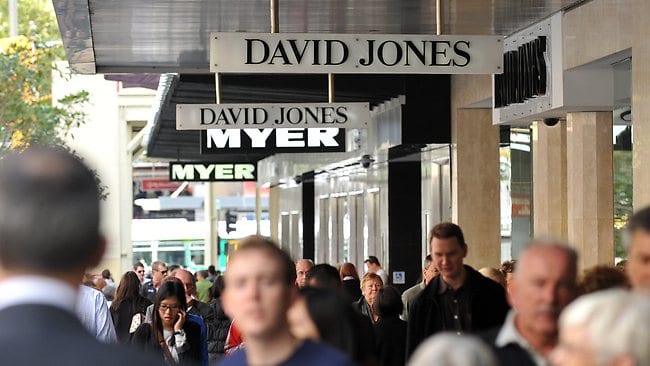
    Myer will stock Amazon Kindle products in its store and online, after the retailers today announced a new partnership.

    Amazon’s heavily-speculatedventure into Australia, alongside a host of other international brands now entering the market, have been posed as major risks by analysts to the 117 year old department store chain retailer, amid CEO Richard Umbers’ ambitious turnaround plan for the business.

    Today’s announcement sees Myer offer a selection of Kindle e-readers and device accessories.

    “We are thrilled to announce our program with Myer, a true icon of Australian retailing,” said Scott Harrington, director of Amazon Device Sales.

    “As the largest department store chain down under, Myer will help make e-reading even more accessible to literature enthusiasts across the nation.”

    “We want to help make it as easy as possible for Australians to delve into a good story. Now that Australians can shop for Kindle e-readers and accessories at Myer, we’re one step closer to that goal.”

    Dain Friis, Myer group general manager home and entertainment, said the “collaboration is a natural fit for us.”

    Earlier this month, former cross-border supply chain manager at Amazon, Brittain Ladd, said the US giant will begin its Australian entry with  a “basic model in terms of staging.”

    Temple & Webster CEO Mark Coulter said he’ll “probably” partner with Amazon in a panel discussion.

    Adairs CEO Mark Ronan is reviewing the possibility of bringing his company’s range of high-end Manchester to Amazon’s platform.

    Amazon itself has begun discussions with suppliers, with former Appliances Online head of buying Fabio Bertola having been brought on to oversee the rollout of marketplace.

    Meanwhile Myer boss Richard Umbers remains committed to his “wanted brands” strategy despite the retailer suffering a $46 million hit from the collapse of its Topshop experiment and continuing pain from fashion label sass & bide.

  • Telekom Malaysia Q2 profit grows 51%

    Telekom Malaysia Q2 profit grows 51%

    Telekom Malaysia has reported a 51% year-on-year increase in net profit for the second quarter, as forex gains more than compensated for declining revenue.

    Net profit for the period reached 210.48 million ringgit ($49.3 million), with the operator reporting a foreign exchange gain of 50 million ringgit.

    But revenue declined 2.3% year-on-year to 2.98 billion ringgit, as a result of lower data, voice and other telecommunications service revenue.

    For the first half of the year, revenue increased a slim 0.7% to 5.94 billion ringgit. The company increased its broadband customer base to 2.36 million, while its LTE coverage grew to reach more than 80% in major cities.

    Capex for the six month period amounted to 899 million ringgit or 15.1% of total revenue.

    “This is a challenging period for the industry where we see flattish growth trends and cost headwinds. Our internet revenue, has seen commendable growth at 8.5% YTD,” Telekom Malaysia group CEO Dato’ Sri Mohammed Shazalli Ramly said.

    We are focused on empowering digitization in our daily operations to optimise processes and productivity. We are expediting our fiber rollout and expanding our reach with our ongoing investments, for example to high-rise buildings; and made some key execution leadership appointments to facilitate this, amongst others.”

  • Pizza Hut Philippines serves up fresh concept

    Pizza Hut Philippines serves up fresh concept

    A fresh concept has been introduced by Pizza Hut Philippines with its new 175-seater flagship store in SM Mall of Asia in Manila.

    As well as offering more space for fast casual dining, the upgrade introduces an open kitchen plus decor with a rustic flavour. New services include a coffee and dessert bar plus a merchandising section offering limited-edition shirts and caps.

    Pizza Hut arrived in the Philippines in 1984, serving Metro Manila and provinces outside Luzon, as well as in Mindanao and Visayas.

    Its Manila flagship signals a move away from its formal dining concept. “We’re offering a more immediate and less tedious dining concept,” says Philippine Pizza chief marketing officer Lorent Adrias.

    The store’s ribbon-cutting was attended by Pizza Hut executives and its brand ambassadors – Binibining Pilipinas winners led by Rachel Peters.

  • Uniqlo maternity clothing makes debut

    Uniqlo maternity clothing makes debut

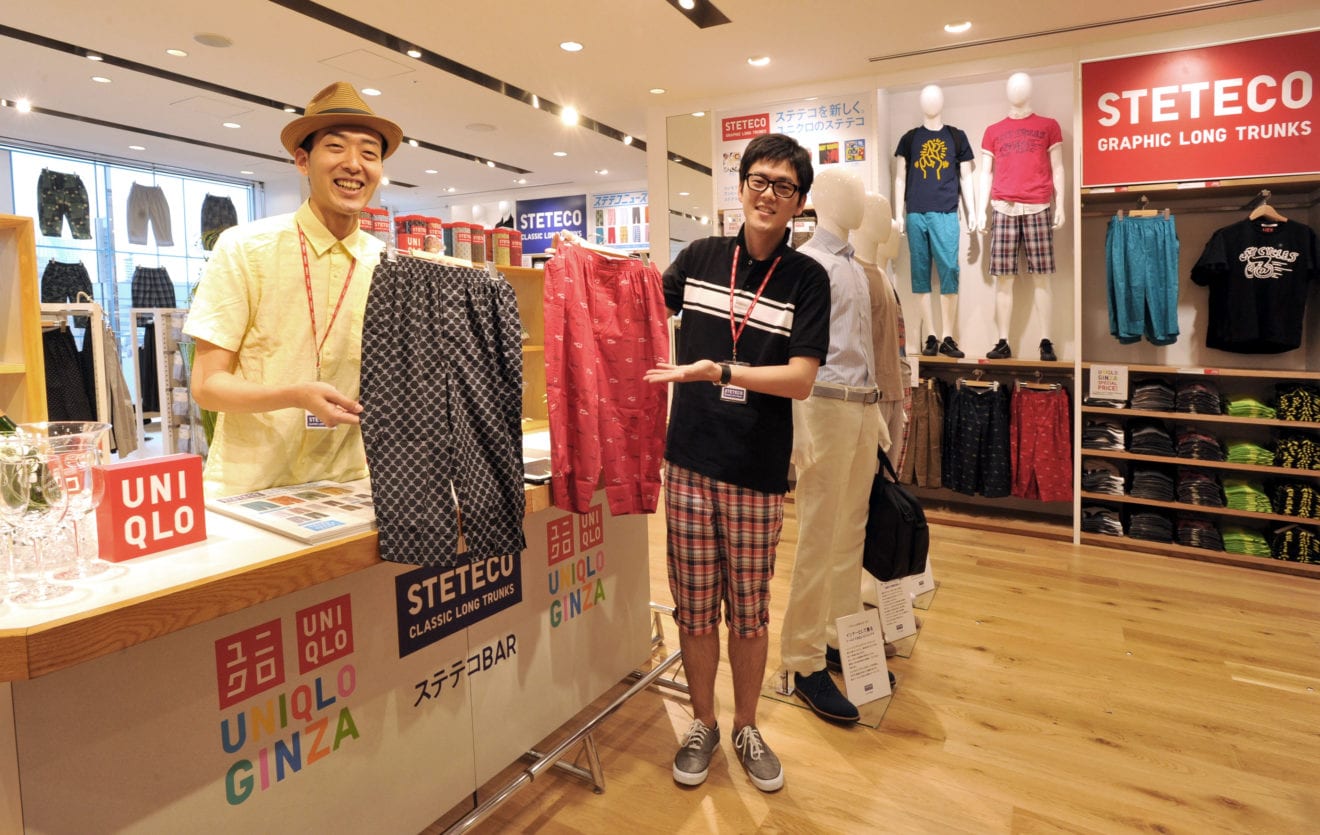
    Japanese fast-fashion brand Uniqlo has launched a line of maternity clothing.

    The Uniqlo maternity range includes stretch jeans, developed at Uniqlo’s Los Angeles Jeans Innovation Center. Available in blue or black, the jeans have a rib-stitched adjustable waist for a gentle fit around the hips and stomach.

    There are also knit maternity legging pants with an adjustable waist and made from a cotton/polyester/polyurethane mix to prioritise comfort and ease of movement, as well as grey or black maternity leggings sewn with a minimum number of stitches for maximum coziness for relaxing at home.

    Uniqlo also has maternity underwear in three colours made from a soft-touch, stretchable cotton/polyurethane blend with no pinching rubber in the waistband.

    All four items are available through Uniqlo’s Japanese online store, as well as at the chain’s larger stores and select smaller branches in Japan.

    There is no word as yet on when the products will find their way into the Uniqlo international stores.

  • Hong Kong’s TNG Wallet partners with 7-Eleven

    Hong Kong’s TNG Wallet partners with 7-Eleven

    Hong Kong digital wallet service TNG Wallet has partnered with convenience chain 7-Eleven to make top-up, payment and cash withdrawal services across more than 900 of the chain’s outlets in the city.

    The latest agreement brings TNG Wallet’s global cash pick-up points up to over 180,000.

    Holding a Stored Value Facilities license issued by the Hong Kong Monetary Authority (HKMA) in August 2016, TNG has not limited its influence and ambitions to Hong Kong.

    Since its founding in 2012, it has built a service infrastructure and network that offers a number of financial services including global remittance, person-to-person (P2P) money transfer, global bill payment, global SIM card airtime top-up, foreign currency exchange and purchase, and cash withdrawal.

    Karen Lam, e-business and service controller for 7-Eleven in Hong Kong and Macau, called the collaboration a ground breaking convergence of retail and Fintech. She believes that this collaboration will upgrade its customers’ in-store experience.

    TNG Wallet allows users to make cash withdrawals of up to HK$500 ($63.90) for each time anytime at any 7-Eleven store in the city. Advanced service such as cash withdrawal is limited to verified SVIP and VIP users.

    Users can register for a SVIP account through a simple face-to-face identity process that takes around 15 minutes, whereas to register for a VIP account, users only need to upload their ID card copy digitally through the TNG Wallet platform.

    TNG’s financial inclusion ambition extends beyond the borders of Hong Kong. To date, verified TNG Wallet users can remit money instantly to anyone in the above countries with or without a bank account, and recipients receive money into their bank account or receive / withdraw cash from over 180,000 cash pick-up points globally.

    “We are accelerating our pace to build a global e-wallet FinTech service network, and paying close attention to different technological and business development opportunities, especially in countries along the ‘One Belt, One Road’ route. On top of laying a solid foundation for TNG’s long-term overseas business expansion, it is also our mission to bring digital financial services to a wider range of people,” Kong added.

  • Ford looks at self-driving systems for commercial trucks

    Ford looks at self-driving systems for commercial trucks

    Ford Motor is considering deploying self-driving vehicle technology in larger commercial vehicles and is working with multiple partners to put its autonomous vehicles on the road, a senior Ford executive told Reuters on Tuesday.

    ”We’ve been talking with different partners in different industries“ about potential applications for Ford’s first self-driving vehicle in 2021, including ride-sharing and delivery services,” Sherif Marakby, vice president of autonomous vehicles and electrification at Ford, said in an interview.

    Marakby recently rejoined Ford from ride-services company Uber Technologies, where he oversaw development of self-driving vehicles.

    Ford Chief Executive Jim Hackett, who took over in May, is leading a review of the automaker’s strategy, including its investments in electric and self-driving vehicles.

    The company is already operating Transit vans in an “on-demand” shuttle service called Chariot, which is similar to Uber Technologies ride-hailing service, and eventually could outfit those vehicles with self-driving systems.

    AUTONOMOUS PIZZA DELIVERY

    Tesla and some commercial truck makers are trying to develop self-driving trucks. Ford does not make Class 8, long-haul semi trucks, but the company does build light- and medium-duty F-series trucks and Transit vans that commercial customers use to deliver goods.

    Ford on Tuesday said it is teaming with Domino’s Pizza to test Michigan consumers’ reactions to having their meals delivered by self-driving vehicles.

    It is working with “many other companies” to develop self-driving hardware, while its Pittsburgh-based Argo AI affiliate builds the “virtual driver” software, Marakby said.

    Ford still plans to do much of its own systems integration work, he added. Some rival automakers have announced plans to share much of the engineering work and cost. Germany’s BMW, for example, has partnered with Intel, Delphi Automotive and Fiat Chrysler Automobiles.

    “We’re developing the technology and the (customer) interfaces to go to market directly with our partners,” Marakby said. “We’re open to other arrangements in the future.”

    There has been an explosion of interest in the past year in the development and potential deployment of self-driving vehicles – from car companies and component suppliers to technology giants and startups, as well as large corporations, universities and municipalities.

  • South Korean cellcos won’t sue over subsidy hike

    South Korean cellcos won’t sue over subsidy hike

    South Korea’s mobile operators have reportedly decided against taking legal action over the mandated subsidy hike for regular telecoms subscriptions.

    The ICT ministry this month instructed operators to implement a 25% discount rate for regular new subscribers, up from the current discount rate of 20%. In response, SK Telecom, KT and LG Uplus were said to be considering taking the government to court to request having the order rescinded.

    But the operators have now written to the ministry indicating that they will accept the discount hike.

    The discount is typically offered to customers on a two-year contract plan choosing not to take advantage of a handset subsidy.

    The ministry has estimated that the discount increase will allow a combined 19 million subscribers to achieve a combined 1 trillion won ($888.6 million) in savings per year. The current government has made reducing telecoms expenses for households a priority.

    But the operators have opposed the move on the grounds that it could dramatically impact their profitability, and that the decision was made without sufficient consultation with the industry. The operators have also expressed concern that the discount rate could be raised further in the future, compounding the impact on their finances.

  • Hyundai resumes production in China after supply hiccup

    Hyundai resumes production in China after supply hiccup

    Hyundai Motor said on Wednesday it had resumed production in China after a supply disruption forced the suspension of operations last week, complicating its efforts to lift sagging sales in the world’s biggest auto market.

    The production stoppage, although resolved, adds to investor concerns after the South Korean carmaker posted its smallest quarterly profit in five years amid political headwinds linked to diplomatic tensions between Seoul and Beijing.

    Hyundai had to cut production at its four factories in China earlier this year due to slumping sales. Its fifth China factory was scheduled to start production this month.

    Hyundai Motor’s sales from its Chinese factories plummeted 64 percent to 105,000 vehicles in April-June alone.

    “The effects of the China production halt are yet unclear, but Hyundai’s third-quarter results are likely to be lower than the previous quarter partly due to continued weak performance in China,” said Park Sang-won, analyst at Heungkuk Securities.

    Hyundai shares pared losses after skidding to their lowest level in more than four months on Wednesday, falling as much as 3.8 percent. They were trading down 0.4 percent at 0504 GMT, compared to a flat wider market .KS11.

    Hyundai said earlier on Wednesday its joint venture with China’s BAIC Motor  began shutting down production last week after a fuel-tank components supplier refused to provide parts due to non-payment.

    BAIC declined to comment and Reuters could not immediately reach the joint venture, Beijing Hyundai, for comment.

    South Korean firms are weathering a Chinese backlash over Seoul’s decision to deploy a U.S. missile defense system to counter threats from nuclear-armed North Korea. China says the system poses a threat to its national security.

    Hyundai’s weak brand image has put it at a disadvantage in China versus local and global rivals such as Honda Motor (7267.T), Toyota Motor (7203.T) and General Motors (GM.N), which all saw higher China sales for last month.

  • Google brings free WiFi to Indonesia

    Google brings free WiFi to Indonesia

    Google is extending its successful Google Station program to Indonesia. The company is partnering with internet service providers (ISPs), venue owners, and system integrators in Indonesia to provide consumers with free access to Wi-Fi at railway stations, universities, and other public areas.

    The expansion of the program, which was first launched in India 18 months earlier, could bring more users online, expanding Google’s global footprint and bolstering its potential ad revenue. Google Station can, in effect, boost the country’s rising internet penetration. Internet users in Indonesia increased 51% year-over-year (YoY) in January 2017, however, internet penetration remains low, at 40%. 

    By extending the program to Indonesia, Google is likely seeking to replicate the success of its Google Station program in India:

    • Free internet access has resulted in an early uptick in daily internet usage in India.In 2016, it was found that, on average, consumers used 15 times more data each day on Google’s Wi-Fi network than they did on their cell networks.
    • Offering high-speed data for free could mean new users associate Google with fast internet. Each day, around 15,000 people use one of these stations in India to connect to the internet for the first time, according to Google India Head of Connectivity Gulzar Azad.

    Google Station is just the latest effort by the company to connect the next billion users by catering to the needs of those in emerging markets. Google has previously released products and services targeted toward these smartphone users. Just last week, Google began experimenting with a light version of its Search app in Indonesia. The company is also rolling out Android Go, a low-data and budget-friendly version of the upcoming version of Android for developing markets.

    However, Google is not alone in turning to Indonesia to build out a user base. In 2015, Facebook launched its connectivity initiative, the Internet.org mobile app, in Indonesia, to get more people online. The app includes numerous connectivity strategies, including the Free Basics app, which enables consumer access to certain

  • Indonesia focuses on attracting more Asia-Pacific tourists

    Indonesia focuses on attracting more Asia-Pacific tourists

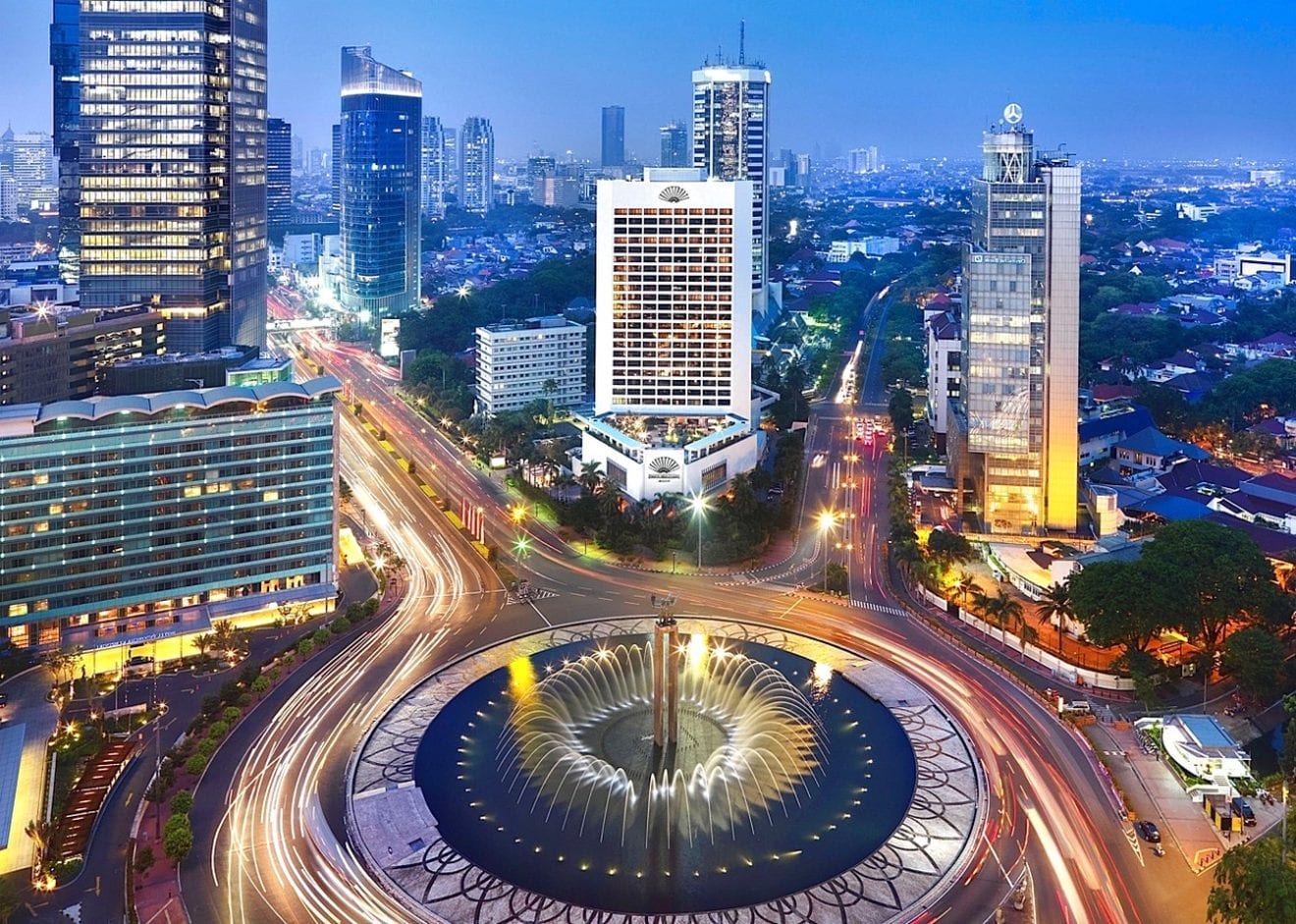
    Indonesia is currently channeling its efforts to attract foreign tourists from Asia-Pacific countries. Deputy for Foreign Tourism Marketing Development of the Ministry of Tourism I Gde Pitana noted in a written statement in Jakarta on Friday that his office is focusing its foreign tourism marketing program this year on markets in the Asia-Pacific region.

    “Targeted countries include China, Australia, Japan, South Korea, India, and other markets,” he revealed.

    Several promotional initiatives have been prepared, for instance, by undertaking more activities in the form of exhibitions and sales missions.

    Pitana stated that from January to December 2017, his office has prepared 54 activities in the form of 30 exhibitions and 24 sales missions.

    Festivals will be promoted through 30 activities and familiarization trips of 51 activities.

    Meanwhile, promotional activities implemented in the Asia-Pacific markets until July 2017 include participation in the Incentive Travel Convention Meeting in China, Hanatour International Travel Show, International Travel Expo in Hong Kong, and ADEX Australia.

    Furthermore, in the second semester of 2017, Indonesia will participate in several important events, such as the PATA Travel Mart, JATA Tourism Expo, China International Travel Mart, and MATTA Fair.

    “The same activities were also held in the European, Middle East, American, and African markets to exploit their potential,” Pitana noted.

    It will participate in nine exhibition events, with one each in July, August, and September; as well as two exhibitions in October; and four in November 2017.

    Among the international exhibition events is the largest exhibition WTM London and World Halal Tourism Summit.

    Pitana expects to see an increase in participation and synergy among the local government, tourism business players, and other tourism stakeholders to support the international tourism marketing program in 2018.

    “Several activities involving collaboration with the local governments include with the Aceh government for the MATTA Fair and ITB in Berlin and with the Yogyakarta provincial government in the Vietnam Travel Mart. We hope that participation and synergy between the central and local governments would strengthen cooperation with associations and other elements, such as the media, academia, and community, in 2018 ” Pitana added.

  • Education key to more women in SE Asia workforce

    Education key to more women in SE Asia workforce

    Education is key to growing the participation of Southeast Asian women in the labor force, an Indonesian business leader said Tuesday.

    The Indonesia Business Coalition for Women Empowerment is pushing to extend the stay of girls in school to up to 12 years from 9 years so they won’t get forced into early marriage, said its executive director, Widiastuti.

    “If a family has to decide who to send to school, because they have a certain limited income, in the past especially, they will most likely give the son preferential treatment,” Widiastuti said.

    A lack of education makes women vulnerable to pay inequality, she said.

    In Indonesia, there is a 16-percent wage gap across the board between men and women. The inequality runs as high as 50 percent for low-skill jobs then narrows to 21 percent for those who finished high school and 6.2 percent in the tertiary level.

    “We need to push further not just government but the corporate sector, to open up for women to take up leadership positions to go from entry level, to middle manager level,” Widiastuti said.

  • Inflation in August estimated to be lower at 0.02 percent

    Inflation in August estimated to be lower at 0.02 percent

    The Central Java representative of Bank Indonesia (BI) predicted that the countrys inflation in August would be lower at 0.02 percent from 0.14 percent in July.

    “The decline in inflation was a result of a cut in the prices of a number of essential goods,” Rahmat Dwisaputra of the Central Java representative of the central bank said here on Tuesday.

    Rahmat said the inflation should be stable at a lower level, adding after Ied ul Fitr inflation would be as expected by the government.

    “In June and July inflation rates were quite high. That is the trend. We will stabilize the inflation that price hike is no longer high,” he said.

    In addition to the falling prices of essential goods especially volatile foods such as chili, garlic, and red onion, the cost of education is also expected to contribute to the decline in inflation in August.

    The time when the people have to pay extra for education has been over that there is less factors contributing to inflation.

    “In September, inflation is even expected to remain low with low consumption by the people,” Rahmat said.

    With the stability maintained the purchasing power of the people is expected to be unaffected, he added.