Author: Mei Ling Tan

  • SM’s Logistics 2Go mulling e-commerce expansion in Philippines

    SM’s Logistics 2Go mulling e-commerce expansion in Philippines

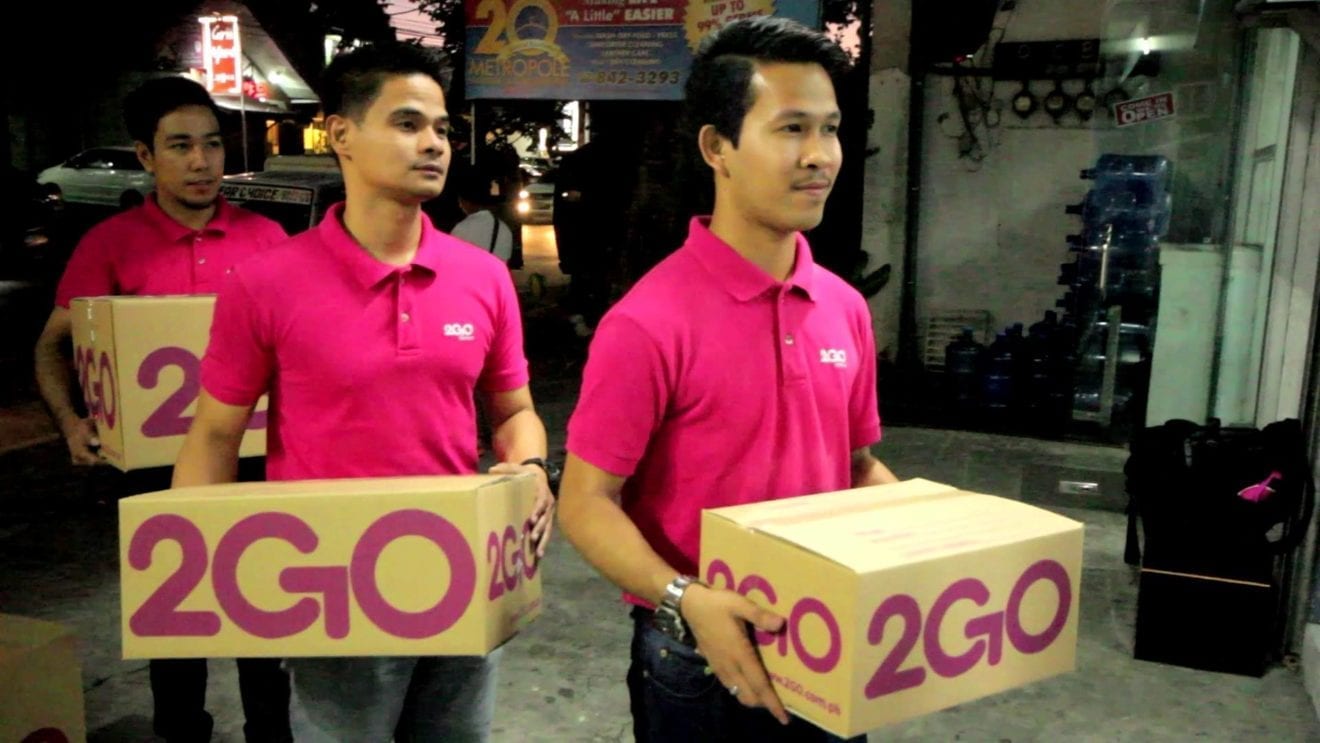
    Logistics 2Go Group, which has just been taken over by Chelsea Logistics Corporation and the SM Group, is studying a possible expansion into e-commerce.

    President Dennis Uy says there is nothing definite yet, especially with the cost being “quite high”.

    He says e-commerce would be the final link to its logistics business chain as 2Go is already fully integrated from warehousing to shipping to courier and door-to-door package-delivery services. It could either venture into the front-end of the e-commerce business in partnership with the SM group or just service companies already engaged in e-commerce.

    However, Uy says it is not easy, and “it is not necessary that we should be there”. But it could happen in the next two years.

    “As the country industrializes, we’ll have more options to shop. We won’t want to go to the mall. We’re very product-specific, and more people will be banked, using debit/credit cards.”

    He says the challenge is to make the expansion profitable.

    “In terms of e-commerce, we plan on partnering with SM because it is really strong in that field. It is already an established brand,” says Uy.

    The SM Group’s non-food retail unit The SM Store launched into e-commerce in 2014.

  • Twitch creators to sell Amazon products

    Twitch creators to sell Amazon products

    Twitch is the world’s leading video platform and community for gamers with more than 45 million gamers gathering every month to broadcast, watch and chat.

    Twitch today is introducing a suite of tools called Twitch Extensions that will allow its streamers to customize their channel pages with interactive features, including polls, leaderboards, tickers, schedules, overlays and even virtual pets, among other things.

    Beyond simply personalizing their channel to make it more engaging to fans, the extensions in some cases will help streamers generate additional revenue.

    In particular, one extension called “Gear on Amazon” allows Twitch creators to show off their favorite Amazon products.

    If a viewer clicks through to purchase, the creator will earn a commission through the Amazon Associates program.

    This extension will be available to both Twitch Partners and Affiliates, and is the first time that Twitch’s streamers have been invited to join the program, even though Amazon owns Twitch.

    To create their list of suggested products, streamers will be able to sign up as an Amazon Affiliate, then browse the Amazon catalog and pick their favorite products, right from their Twitch dashboard, the company says.

    This follows another recent move from Amazon to help video creators make money by promoting Amazon products, as it turns out.

    Last week, Amazon opened up its social media “Influencers” program to YouTube stars, allowing video creators to build their own curated shop, with its own short and memorable URL. It only makes sense that Amazon would enable something similar for its Twitch streamers, as well.

    However, the Amazon extension is only one of many that will be available at launch. There are currently over 20 extensions available, including some game-specific ones like OP.gg for League of Legends by OP.gg, Innkeeper: Interactive Hearth Overlay by Curse, and MasterOverwatch by Master Network.

    Others are designed for more general use, like Streamlabs’ Loyalty, Music, Polls & Games, or Muxy’s Overlay and Leaderboard, for example.

    At launch, extensions will be free, but Twitch tells us that monetization details are soon to come. More information about this will be announced at Twitch’s developer conference, TwitchCon’s Developer Day next month.

    Twitch had planned to make the extensions available to streamers tonight, but that’s been pushed back at the last minute. Instead, the company now says the extensions will be “coming soon.”

  • Simon sues Starbucks over Teavana closures

    Simon sues Starbucks over Teavana closures

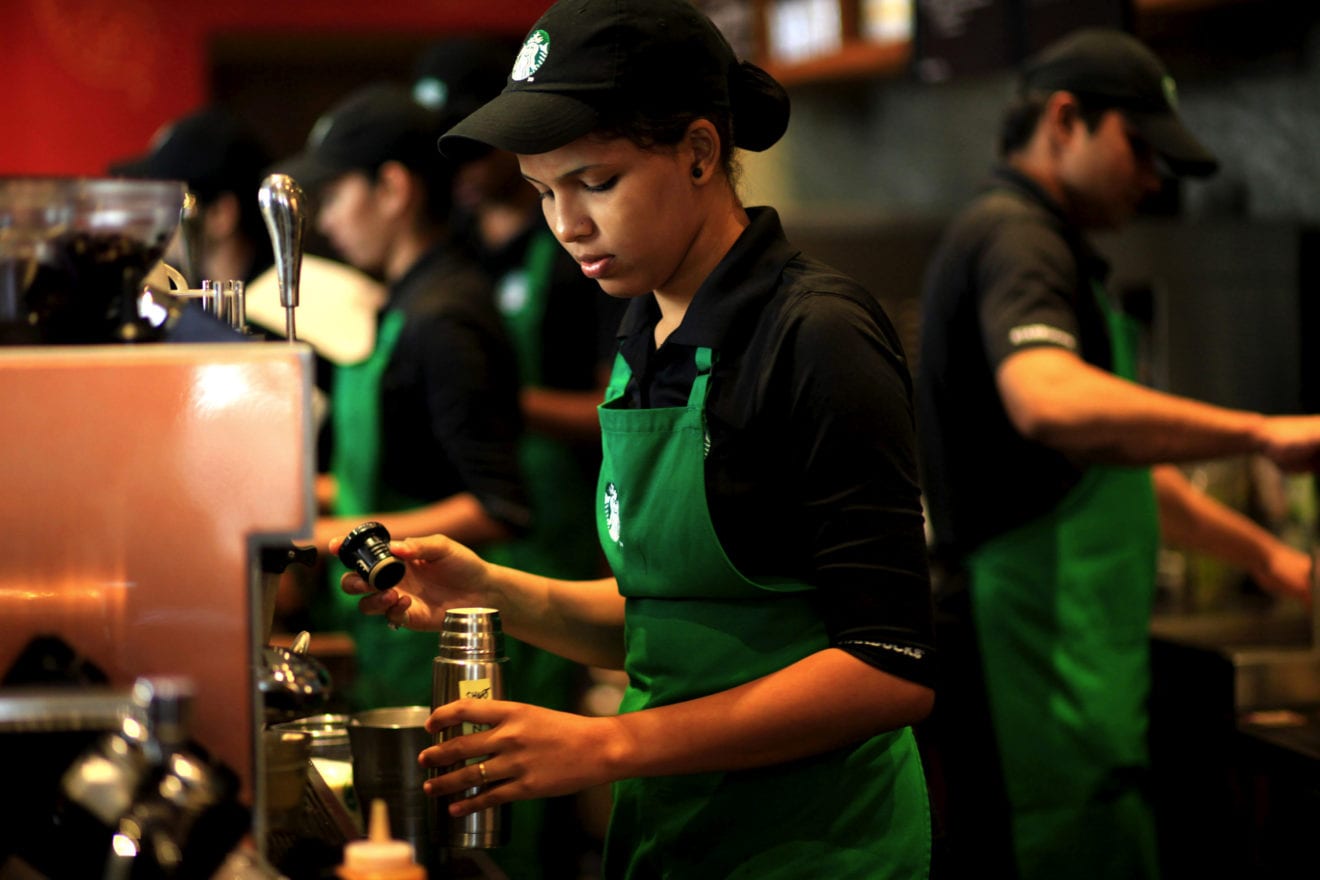
    US shopping mall owner Simon Property is taking coffee chain Starbucks to court over its planned Teavana closures.

    In late July, Starbucks announced it would shutter all 379 of its Teavana stores, including 78 in Simon-managed malls, because they were “under-performing”.

    In documents filed with the Marion Superior Court, Simon accuses Starbucks of “shirking its contractual obligations at the expense of Simon’s shopping centres and the dozens of communities they serve and support,” not to mention breaching its lease agreements.

    The landlord is seeking temporary and permanent injunctions preventing the Teavana closures.

    Starbucks paid US$629 million to buy the tea-store chain in December 2012, promising at the time “to do for the tea market what Starbucks had done for coffee”. While it will close all retail outlets, Starbucks plans to maintain the Teavana brand in its own cafe network and has been actively rolling it out Teavana-branded drinks in Asia during the last two years.

    Simon says Starbucks has advised it will close all its Teavana stores in Simon malls by the end of 2017, despite some leases due to run as long as January 2027.

    “In order to successfully operate its shopping centers, Simon depends upon each tenant fulfilling the covenants in their respective leases,” the company said in court documentation. “Crucially, each of Simon’s tenants promises that it will open and operate continuously for the entire term of its lease.”

    Simon acknowledged in the suit that a lot of retailers have been closing stores in its malls in recent years because of financial stress – including Gap, Ralph Lauren, Sears, Macy’s, Rue 21 and American Eagle.

    “Those retailers, at least, claimed closure was necessary to avoid bankruptcy, and that staying open and fulfilling their leases would cause them financial ruin,” Simon said. “That obviously is not the case with Starbucks, which is one of the largest and most recognised companies in the world.”

    The landlord also claimed Teavana was not losing money, arguing it wasn’t growing fast enough to fit with Starbucks’ business plan.

    “Starbucks’ decision to close its Teavana stores is simply an effort to further increase its economic gains at the expense of others,” Simon said. “Starbucks does not contend that Simon breached any lease or that Starbucks cannot remain viable if it continues to honor its promises in its leases for stores in Simon’s shopping centers. Instead, Starbucks simply believes it can make more money if it violates the leases than if it honored its contractual promises and obligations.”

    Teavana stores were described by Simon as “a valuable contribution to the synergistic mix of tenants” in its malls.

    “A shopping center is not merely a random collection of stores. Rather, it is a co-dependent ecosystem of tenants with a complex system of governance that ensures its wellbeing. Tenants depend on a mix of a certain types of retailers. Accordingly, Simon enters into long-term leases with its tenants to provide stability in Simon’s occupancy rate and tenant mix.”

    Starbucks has not yet commented on the lawsuit.

  • Tommy Hilfiger taps Hong Kong actor Shawn Yue

    Tommy Hilfiger taps Hong Kong actor Shawn Yue

    Tommy Hilfiger has tapped Hong Kong actor Shawn Yue as its first Asian brand ambassador for its menswear range.

    Yue, 35, a former model and star of Internal Affairs II, among other movies, will represent the brand in marketing across the mainland, Hong Kong, Macau and Taiwan.

    China is a key driver of Tommy Hilfiger’s increasing sales globally after parent PVH bought back a 55 per cent controlling interest from its Chinese JV distribution partner in April last year. While the company did not reveal specific Chinese market data in its latest earnings report, it said China and Europe drove a 6 per cent improvement in the brand’s worldwide revenue, despite  North American sales sliding 5 per cent. It is targeting 405 stores in China by the end of this year.

    Fashion industry commentators says Yue’s appointment illustrates Tommy Hilfiger’s increasing commitment to Asian consumers.

    The first advertisements featuring Yue were due to appear today, (September 1). He features on a series of videos and in print commercials.

    Yue has 3 million followers on Instagram in China and 13 million on Weibo.

  • World-first 3D-printed basketball boot unveiled

    World-first 3D-printed basketball boot unveiled

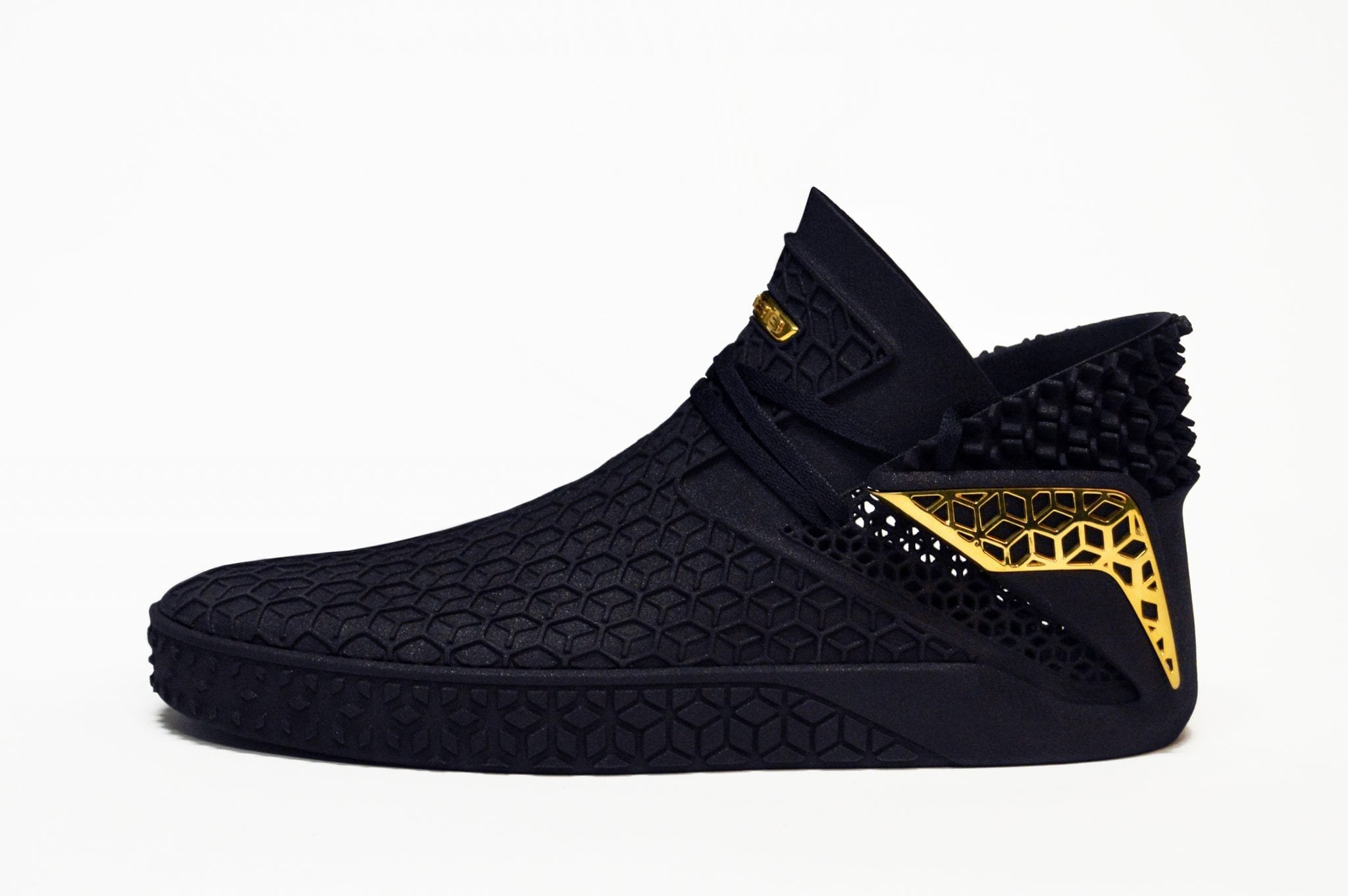
    US sports brand Peak has unveiled what it says is the world’s first 3D-printed basketball boot.

    Peak is one of the world’s first footwear brands to apply 3D printing technology to a sports shoe. Three years ago, the company acquired advanced 3D printing equipment and rolled out products based on the 3D printing concept.

    Peak launched the “Future I” 3D printed running shoes last May and believes the evolution to a 3D printed basketball boot moves the company into the position of being the world’s leading sports brand in the research and application of 3D printing technology.

    Peak uses SLS laser technology and printing prototyping of flexible and light TPU powders in the design.

    “As a new prototyping and processing technology, 3D printing is of great significance to Chinese sports brands and the country’s Made in China 2025 strategy,” said Peak GM Xu Zhihua.

    NBA professional player Dwight Howard III, who plays with the Charlotte Hornets, is impressed: “This pair of boots has obviously higher performance than traditional ones,” he said at the boot’s unveiling in China.

    “I felt that the 3D printed soles and vamp side walls enable a more comfortable wearing experience. Maybe, one day in the future, you’ll see me wearing the 3D printed basketball boots, footwear designed based on R&D carried out by Peak, during an NBA competition.”

    The Dwight Howard III 3D-basketball boot deploys a 3D-lattice structure in the middle of the sole, while using the 3D printed TPU structure for the vamp side walls, breaking existing design structure limits and expanding the room in which designers could allow themselves to be more creative.

  • CK Hutchison hit with $5b tax bill in India

    CK Hutchison hit with $5b tax bill in India

    CK Hutchison Holdings has been hit with a 320.32 billion rupee ($5 billion) tax demand in India over the sale of its Indian mobile business to Vodafone a decade earlier.

    The demand includes a base tax claim of 79 billion rupees, as well as 164.3 billion rupees interest and a 79 billion rupee penalty, CK Hutchison said in a stock exchange filing.

    The company received an initial demand in February and a further notice earlier this month, the filing states. But CK Hutchison has received legal advice that the claim is not enforceable and is therefore expected to have limited impact on its finances.

    Indian tax authorities have been attempting to tax Vodafone over the 2007 sale for a long time, and the government even went so far as retroactively changing tax lawfollowing a Supreme Court decision ruling that the acquisition was not taxable as it involved two offshore holding companies.

    But Vodafone has long resisted paying and is currently involved in international arbitration seeking to have the demand revoked. Now authorities have opened a new front by attempting to tax the seller in the transaction.

    One of Vodafone’s arguments in resisting the claim has been that if the transaction is taxable it should be paid by the seller rather than the buyer.

    CK Hutchison said the legal advice it has received is that retroactively changing the tax law to circumvent the Supreme Court verdict is in violation of the principles of international law.

  • Uber to end post-trip tracking of riders as part of privacy push

    Uber to end post-trip tracking of riders as part of privacy push

    The change, which restores users’ ability to share location data only while using the app, is expected to be announced on Tuesday and rolled out to Apple Inc iPhone users starting this week.

    Uber Technologies Inc is pulling a heavily criticized feature from its app that allowed it to track riders for up to five minutes after a trip, its security chief told, as the ride-services company tries to fix its poor reputation for customer privacy.

    The change, which restores users’ ability to share location data only while using the app, is expected to be announced on Tuesday and rolled out to Apple Inc iPhone users starting this week. It comes as Uber tries to recover from a series of crises culminating in the ouster of Chief Executive Travis Kalanick and other top executives.

    Dara Khosrowshahi, the CEO of travel-booking company Expedia Inc is set to become Uber’s new chief executive.

    The location-tracking update is unrelated to executive changes, said Joe Sullivan, Uber’s chief security officer, in an interview with Reuters. Sullivan and his team of about 500 have been working to beef up customer privacy at Uber since he joined in 2015.

    “We’ve been building through the turmoil and challenges because we already had our mandate,” said Sullivan, who is a member of the executive leadership team that has been co-running Uber since Kalanick left in June.

    An update to the app made last November eliminated the option for users to limit data gathering to only when the app is in use, instead forcing them to choose between letting Uber always collect location data or never collect it.

    Uber said it needed permission to always gather data in order to track riders for five minutes after a trip was completed, which the company believed could help in ensuring customers’ physical safety. The option to never track required riders to manually enter pickup and drop-off addresses.

    But the changes were met with swift criticism by some users and privacy advocates who called them a breach of user trust by a company already under fire for how it collects and uses customers’ data. Uber said it never actually began post-trip tracking for iPhone users and suspended it for Android users.

    Sullivan said Uber made a mistake by asking for more information from users without making clear what value Uber would offer in return. If Uber decides that tracking a rider’s location for five minutes is valuable in the future, it will seek to explain what the value is and allow customers to opt in to the setting, he said.

    Sullivan said Uber was committed to privacy but had previously suffered “a lack of expertise” in the area.

    The change comes two weeks after Uber settled a U.S. Federal Trade Commission complaint that the company failed to protect the personal information of drivers and passengers and was deceptive about its efforts to prevent snooping by its employees.

    Uber agreed to conduct an audit every two years for the next 20 years to ensure compliance with FTC requirements.

    The location-tracking changes will initially only be available to iPhone users, but Uber intends to bring parity to Android devices, Sullivan said.

    The changes are part of a series of updates expected in the coming year to improve privacy, security and transparency at Uber, Sullivan said.

  • Alexa allies with Cortana to take on Google Assistant, Siri

    Alexa allies with Cortana to take on Google Assistant, Siri

    It’s the first time two tech giants, Amazon and Microsoft open up their AI powered virtual aides to each other. Amazon.com Inc and Microsoft Corp have joined forces to let their voice-controlled virtual assistants talk to each other, offering users the ability to seamlessly tap into work, their homes and shop online.

    The partnership is the first time two technology companies open up their artificial intelligence-powered virtual aides to each other, and will be aimed at outsmarting rivals Google Assistant and Apple’s Siri.

    The move in itself is rare as most virtual assistants are known to use data from their own ecosystems and not talk to one another.

    Users of Amazon’s Alexa will be able to ask Microsoft’s Cortana to do a range of activities — from booking a meeting to reading work email. And Cortana users will be able to call on Alexa to play music or turn on house lights.

    Not to be left behind, Alphabet Inc said on Wednesday Google Assistant will soon be available on third-party speakers and other home appliances.

    “Starting later this year, with manufacturers like LG, you’ll be able to control your appliances, including washers, dryers, vacuums and more from your Assistant on your smart speaker, Android phone or iPhone,” Google said.

    Several technology companies are trying to grab a share in smart homes, which allow consumers to control various connected appliances such as refrigerators and lights from a central hub or a smartphone.

    “In the long run it would seem that Amazon has more to gain from this deal, as Cortana remains trapped within the PC…while Amazon has won a powerful ally in its battle against Google,” Atlantic Equities analyst James Cordwell said.

    While Amazon introduced voice-controlled Alexa with its Echo speakers in 2014, Google launched Assistant on its Google Home speakers last year. Apple Inc in June introduced HomePod, powered by Siri.

    Amazon Echo devices will claim a 70.6 percent share of the U.S. market this year compared with a 23.8 percent share for Google Home, research firm eMarketer said in May.

    Users will be able to turn to their Echo device later this year and say, “Alexa, open Cortana,” or turn to their Windows 10 device and say, “Cortana, open Alexa,” the companies said.

    “It is surprising to me that these competitors have collaborated, that speaks to the quality of their respective CEOs,” Wedbush Securities analyst Michael Pachter said.

    “They understand that they will benefit more by working together than trying to destroy one another.”

  • Bitcoin rush: Miners on the rise with Vietnam set to regulate virtual currencies

    Bitcoin rush: Miners on the rise with Vietnam set to regulate virtual currencies

    The cryptocurrency reached an all time high of $4,700 this week, so if you’ve got a head for numbers…The demand for hardware to mine Bitcoins in Vietnam is on the rise following a government decision to develop a legal framework to manage digital currencies.

    Assigned ministries will have until the end of next year to complete the legislation, while tax policies for cryptocurrencies must be finalized by June 2019.

    As for now, Bitcoins remain illegal in Vietnam, according to the central bank. But that does not make the virtual currency any less attractive, and Vietnamese people have already started mining.

    The process of mining Bitcoins involves miners solving complex mathematical problems, and the reward is more Bitcoins generated and awarded to them.

    The participant who solves the puzzle first gets to place the next block on the block chain, a public ledger that records all Bitcoin transactions, eliminating the need for a third party to process payments, and claim the rewards.

    Miners verify transactions and prevent fraud, so more miners equals faster, more reliable and more secure transactions. According to current Bitcoin protocol, 21 million is the cap and no more will be mined after that number has been reached.

    Bitcoin has quadrupled in value since early this year, hitting a record high of more than $4,700 on Tuesday.

    Hardware for mining Bitcoins is now on sale on different sites in Vietnam for VND30-60 million ($1,300-2,600) per system. Each system usually has six to eight graphics cards.

    Two months ago, computer component providers in Vietnam started running out of graphics cards due to the increasing demand for Bitcoin hardware.

    Hai, the owner of a computer store in Hanoi’s Hai Ba Trung District, said he has earned up to VND200 million in revenue this month from selling hardware to Bitcoin miners.

    However, not many miners have been successful because Bitcoin mining is still a new concept in Vietnam, not to mention that the currency is not yet popular or legal.

    “Many of my customers do not understand how to mine for Bitcoins, so they have called it a day and sold the hardware back to me. Several others are leasing their kit out to new prospectors.”

    Miners are also facing fiercer competition and higher input costs. The average miner has to spend more than VND2 million each month on electricity, and the equipment can easily break because it has to run around the clock.

    Financial expert Nguyen Tri Hieu said investing in Bitcoins at this time is a bold move because miners may face legal action or risk going broke as it is possible that the latest price rise in Bitcoins is a speculative bubble.

    He said it would be better if miners had got involved when Bitcoin first appeared in 2009 to guarantee profits.

    In late May, nearly $4 billion was wiped off of the value of Bitcoin in just four days after a correction that saw the cryptocurrency’s price fall almost 19 percent to $2,260.

    The central bank has warned organizations and individuals in Vietnam not to invest in Bitcoin or conduct transactions in the currency, saying they would be taking a huge risk with no legal protection.

  • Samsung secures self-driving car permit in California

    Samsung secures self-driving car permit in California

    Samsung Electronics Co Ltd said on Thursday it has received a permit to test self-driving vehicles in California, marking the entry of the world’s largest smart phone maker four months after iPhone maker and arch rival Apple Inc (AAPL.O) received a permit.

    Its parent company in May secured permission from South Korean authorities to test a self-driving car fitted with its own sensors and software systems. At that time, South Korean officials said the company planned to use the car to develop a self-driving car algorithm that could drive in adverse weather.

    In a statement to Reuters, Samsung did not say what precisely what it planned to test in the United States but said it secured the permit “in pursuit of a smarter, safer transportation future.”

    The company, part of a massive conglomerate that makes everything from washing machines to heavy machinery, said it has “no plans to enter the car-manufacturing business.”

    With the foray into the U.S. self-driving car landscape, Samsung will jostle with its friends and foes. Besides Apple, it will join Waymo, a division of Alphabet Inc (GOOGL.O), which supplies the Android operating system that runs on Samsung’s phones.

    Samsung has a range of other opportunities for growth in the self-driving car business. Earlier this year, the company closed its $8 billion purchase of car audio maker Harman International Industries, giving it a wide foot print in so-called connected car technologies.

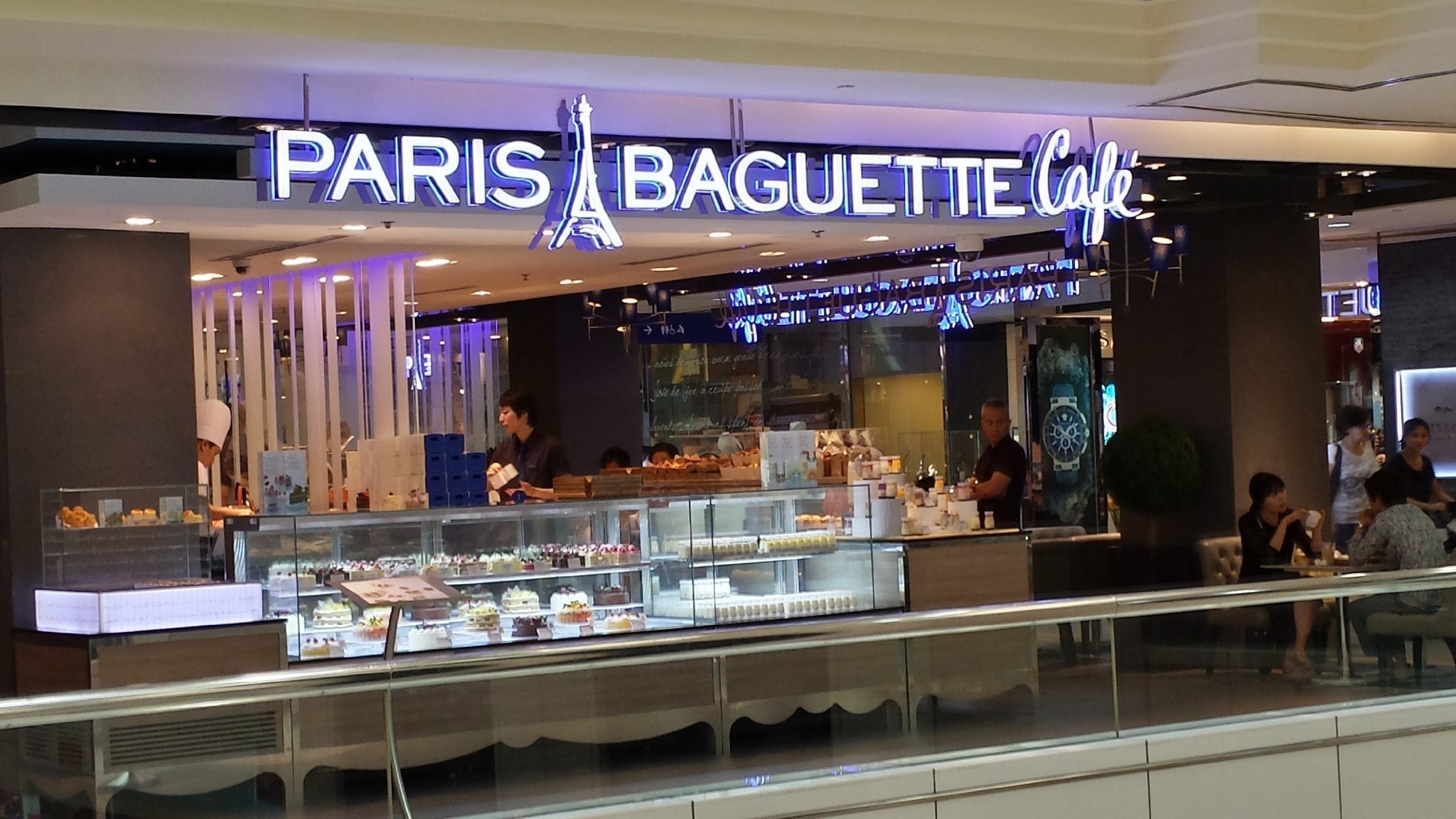
  • Korea’s SPC Group eyes Paris Baguette US expansion

    Korea’s SPC Group eyes Paris Baguette US expansion

    South Korean F&B giant SPC Group has ambitions to expand its US business fivefold by 2020.

    Chairman Hur Young-in unveiled his plans when meeting in Seoul this week with US foreign affairs committee chairman Ed Royce and congressman Ami Bera. The two politicians were visiting Korea to discuss trade opportunities and establish partnerships in Korea.

    “We are planning to increase the number of Paris Baguette stores in the US to 300 by 2020, creating up to 10,000 new jobs,” Hur told Royce when they met at the company’s headquarters.

    Royce said the bakery brand had contributed to job creation in the US by employing more than 1500 people, and would play a key role in the global food industry in the future, reports the Korea Times.

    SPC established a US affiliate in 2002 and opened America’s first Paris Baguette in Los Angeles three years later. It now has 57 stores in the US and last year invested more than $48 million to report annual sales of $100 million and introduce 1500 jobs.

    Paris Baguette became Korea’s first bakery brand to enter the French capital, setting up a business base in July 2014 to expand to other French and European cities. Stores were opened in Shanghai in 2004, and in Ho Chi Minh City and Singapore in 2012.

  • Cocona introduces Cliffside shop for climbers

    Cocona introduces Cliffside shop for climbers

    US advanced materials company Cocona has opened a shop 100m up a cliff – appropriately enough as it offers apparel for climbers.

    Suspended on Bastille Wall in Eldorado Canyon State Park, Colorado, the mini-shop provides clothing from Adidas, Point6 and Rab, all made with 37.5 Technology by Cocona that helps climbers maintain an ideal core temperature.

    “For more than a decade we’ve gone to the ends of the earth to create performance-enhancing materials for athletes,” says Cocona CEO Jeff Bowman. “Now we’ve gone to the ends of the earth to get it to them.”

    Apart from introducing the technology, Cocona is also raising awareness and support for its ongoing mission to provide access to public lands for climbing, donating $5000 to each of three bodies to replace aging anchors on climbing routes.

    Its 37.5 Technology can be found in such brands as Babolat, Bauer, Carhartt, Katusha, Kenneth Cole, Mission and Tommy Bahama.

    Cocona, headquartered in Boulder, Colorado, offers development, commercialisation and marketing of active-particle technologies, currently used to enhance comfort and performance of clothing, footwear and sleep systems.

  • Bedgear signs China deal with De Rucci

    Bedgear signs China deal with De Rucci

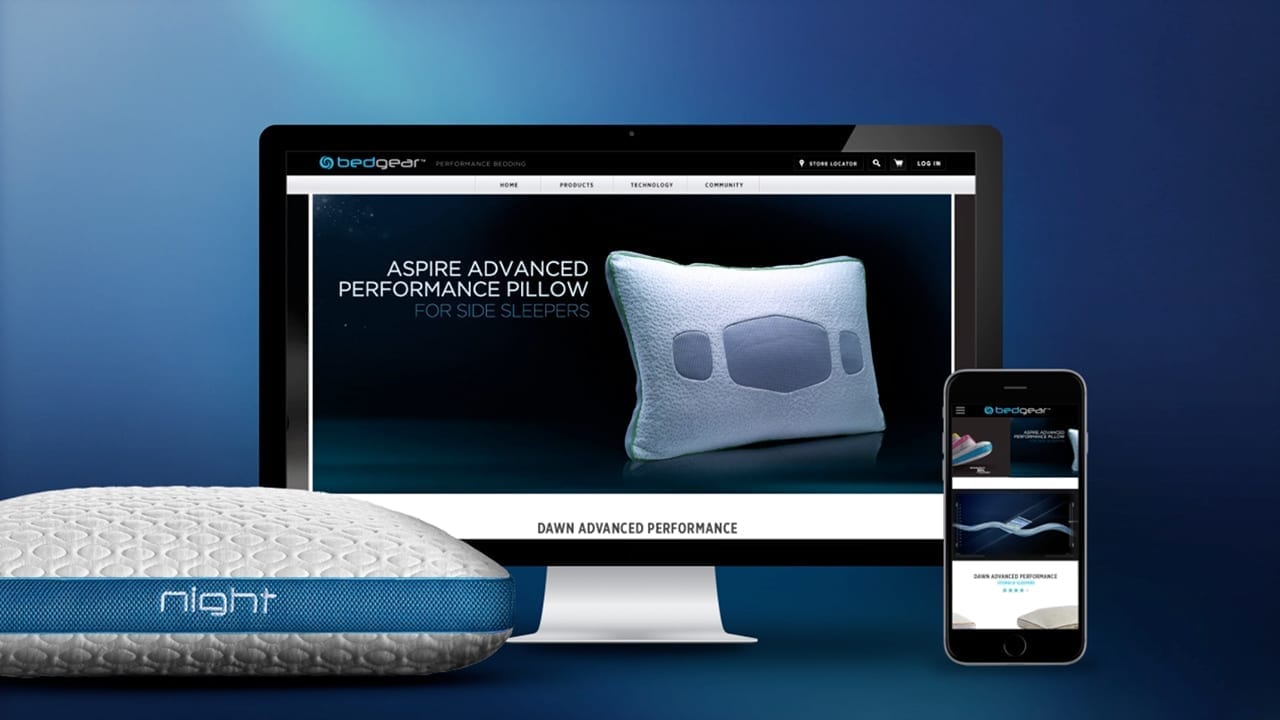
    US lifestyle bedding company Bedgear has signed a partnership with Chinese retailer De Rucci Beddings to open more than 500 shops in China over the next five years.

    The Bedgear Performance Sleep Shops will offer a personalised customer experience including interactive technology walls. One-on-one consultations will enable shoppers to build up their own individual sleep system starting with the Bedgear Pillow ID, technology that uses a proprietary algorithm to determine the most suitable pillow based on an individual’s sleep position, body type and mattress.

    Bedgear CEO Eugene Alletto says the move into China follows the company’s expansion in the US, Australia and Russia.

    “I was excited about the power of Bedgear’s performance brand,” says De Rucci president Wang Bingkun. He says he was intrigued by the company’s showrooms in the US with their new way to present bedding to young customers.

    Founded in 2009, Bedgear offers patented fabric technologies to deal with heat and moisture to help regulate body temperature and generate a cooler sleep environment.

    De Rucci launched in 2004 with a dedication to researching healthy sleep with a holistic offering of research, manufacturing and sales. It has more than 3000 flagship stores in 11 countries including Hong Kong.

  • A Bathing Ape launches online store

    A Bathing Ape launches online store

    Established in Tokyo in 1993, street-fashion brand A Bathing Ape has launched a global online store.

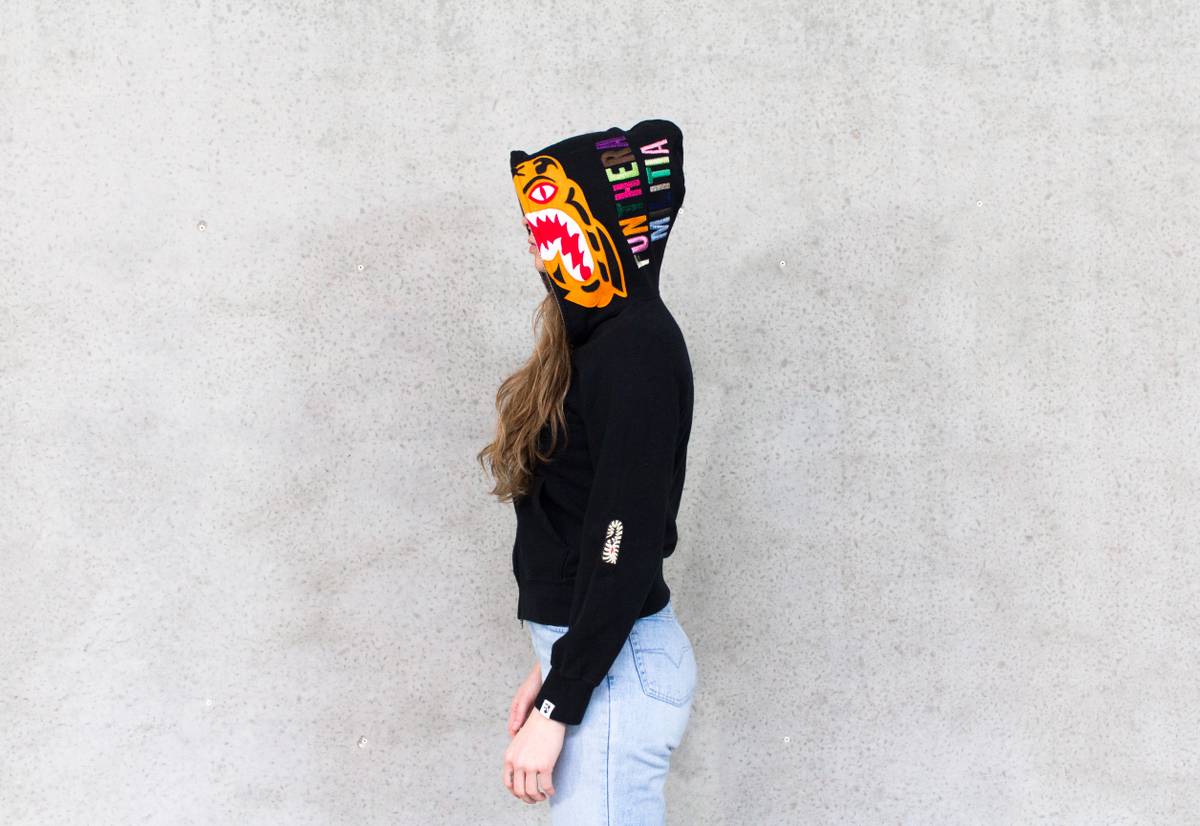
    Also known as Bape, the brand is known for its graphics, patterns and characters such as “Ape Head”, “Bape Camo”, “Bape Sta”, “Shark Hoodie” and “Baby Milo”. The  brand has expanded from being a men’s line to include women’s and children’s items.

    Bape has stores throughout Japan, in the UK and US, Hong Kong, China and other regions in Asia. BapeOnline is initially available for customers in Europe, with plans to expand to a more worldwide presence soon. To celebrate the launch, a special limited-edition t-shirt is being offered.

    A Bathing Ape was created by Nowhere Co, in the Tokyo suburb of Harajuku, and continues to expand with Bape Store, BapeExclusive, Bape Kids and A Bathing Ape Pirate Store.

  • Athleisure slowdown fails to dent Lululemon

    Athleisure slowdown fails to dent Lululemon

    Someone forgot to inform Lululemon there is a slowdown in the growth of the athleisure category.

    The Canadian company’s latest results stand in direct contrast to those of many other sporting retailers, with both total and comparable sales surging ahead by 13 per cent and 7 per cent, respectively. Online sales surged 30 per cent.

    The numbers are a testament to Lululemon’s brand strength, the credibility of its products, and to its constant focus on innovation. They have enabled the group to take share in a crowded, competitive marketplace where consumer demand is a little more muted than it once was.

    While the North American market is far from saturated, it is encouraging to see it pursue international growth. The brand is already a hit with younger Chinese shoppers with both new physical stores in China and the digital Tmall store performing well above expectations. Given the embryonic stage of development, there is significant headroom for future growth in China. The same argument applies, albeit to a lesser degree, in Europe.

    The latest results also underscore the fact that many of the problems faced by players like Dick’s or Foot Locker stem, not solely from the fact that athletic wear demand is more subdued, but because consumers are increasingly switching to buying directly from brands. Lululemon is proof that a well-configured, focused brand can secure customer loyalty far better than a retailer selling a diffuse range of different products with little coherence.

    Despite the great sales numbers, a slight disappointment comes from the bottom line, where operating margin and net income ($48.7 million) both fell. Some of this was down to asset impairment and resulting costs, but even when this is factored out the results were still weaker than the prior year. All that noted, the softer profit numbers are perfectly acceptable, mainly as they are a consequence of the various investments and initiatives Lululemon is undertaking to strengthen its position in the market Given these are bearing fruit, the long-term prognosis still looks good.

    Among these initiatives was Lululemon’s first global brand campaign, which launched in May, and helped to raise the profile of the company. Although the marketing focused on overtly yogic themes of breathing, letting go, self-discovery, and humility – the more general imagery resonated with a much wider audience. From our data, it is clear that Lululemon has successfully connected with new groups of customers as a result.

    Another area of success, partly but not solely driven by the marketing push, has been the number of men buying Lululemon product. Numbers have risen consistently over the past year or so, but we now see evidence that the trend is accelerating. Among Lululemon’s male shoppers, average spend is up as is the average number of products purchased. Some of this is the result of a much more comprehensive range of men’s product, especially beyond bottoms, which is the traditional entry product to the brand. The focus on performance materials and features has also proved very popular.

    In successfully pivoting from being a women’s brand to one that now appeals to both genders, Lululemon stands in marked contrast to Under Armour, which has seen only limited success in attracting women. This augurs well for the future as Lululemon has much more runway with male shoppers.

    Despite making much more effort with men, Lululemon has not lost its focus on womenswear. The complaint about bland product lines has now largely been fixed, with new colors, patterns, and styles helping to drive interest and purchases among many female shoppers. Equally, the continued investment in new fabrics and designs has encouraged upgrading and new purchases alike.

    Looking ahead, the balance of this year should be positive for sales. We are particularly encouraged about the holiday quarter as we think Lululemon will, once again, be a key gifting brand. While we caution that the restructuring of Ivivva and further investments may weigh down on the bottom line, this does not change the upward trajectory for Lululemon.