Author: Mei Ling Tan

  • Eraman partners with Alipay in drive to attract Chinese consumers

    Eraman partners with Alipay in drive to attract Chinese consumers

    Malaysia Airports (Niaga) Sdn Bhd, known as Eraman, has partnered with Alipay, the world’s largest online and mobile payment platform, as it improves its services to Chinese shoppers.

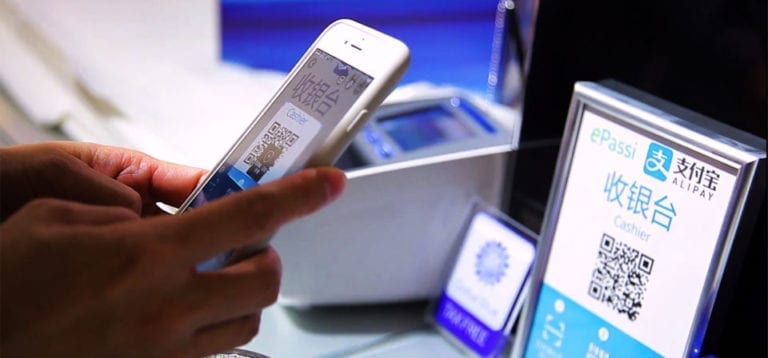
    Eraman, Malaysia’s leading travel retailer, said it will now be able to tap into the 520 million-strong Alipay active user base. Some 4.5 million are Chinese tourists that travel to Malaysia annually. Those travellers visiting Eraman outlets will be able to pay with their Alipay personal QR code via their smart phone.

    Alipay is integrated into the merchant portfolio of Maybank and CIMB Bank Bhd, Malaysia’s two largest financial services providers, and uses the in-store on-line payment solution at all Eraman outlets nationwide. Eraman claimed that this new payment mode will improve Chinese travellers’ shopping experience at the airports.

    “Security and speed are important to us as we look to enable our Chinese travellers to walk into our outlets while travelling abroad and pay for purchases with the Alipay – just like they do in China. This Alipay in-store payment will act as the settlement, allowing Chinese travellers to pay for their transactions in Yuan without having concerns on the exchange rate. This is done through a simple swipe and barcode-scanning method,” said Malaysia Airports (Niaga) General Manager Zulhikam Ahmad.

    “All Eraman retail outlets in KLIA and klia2 including duty free emporium and lifestyle stores began accepting Alipay in June 2017. However Eraman food & beverage and retails outlets in Kota Kinabalu, Kuching, Penang, Langkawi International Airport and Labuan Airport have begun to accept Alipay since the end of August. In China, this payment system is a way of life for shopping and many other activities, and given the growing number of Chinese travellers here, we are hoping for a high uptake,” added Zulhikam.

    In conjunction with this smart partnership, Eraman has launched a special promotion from 1 September to 31 December whereby all Chinese travellers using Alipay will be entitled to an e-voucher of RMB100 when they spend RMB1,000 at participating Eraman retail outlets. This e-voucher can be redeemed for the second purchase at Eraman outlets within 24 hours.

    Meanwhile, Alipay users will also be able to enjoy up to -10% off for purchases made at Eraman’s F&B outlets and its convenience store, EXpress. The discount can be used for a second purchase at Eraman within 24 hours.

    “As the premier retail brand under Malaysia Airports, Eraman has evolved over the last couple of years. We continue to diversify our offerings, embrace the many exciting possibilities and grow our presence in the leading airports in Malaysia. This is our way of providing the total airport experience by means of an alternate payment method and providing ease for our Chinese customers who happen to be one of our top three passenger groups in terms of nationality,” said Zulhikam.

    Chinese travellers contribute the highest ticket sales at KLIA and klia2. Eraman said it has recorded double-digit percentage growth in sales value with fragrances & cosmetics, liquor and tobacco boosted by purchases from Chinese travellers this year. Eraman said this was also due to a varied offer and competitive pricing compared to downtown on fragrances, cosmetics and liquor.

    Malaysia is ranked third in the region after Thailand and Singapore for the number of Chinese visitors it attracts each year. Eraman said it aimed to become “their preferred duty free retailer” as Malaysia rises in the rankings.

    Eraman added that it is keen to build “long term alliances with reputable partners and recognises this collaboration to be a major contributor to the company”.

    “The entry of Alipay marks a notable milestone in the growth of Chinese tourist arrivals and online transaction services in Malaysia, and we are proud to be part of this development. We look forward to a strong synergistic collaboration and we are happy Alipay is on board with us,” said Zulhikam.

    “We are excited to partner Eraman, a very strong player in the duty free industry. With this partnership we’ll help Eraman to reach out to more Chinese customers by utilizing the Alipay marketing platform to market various top brands and products offered by Eraman,” said Alipay Country Manager of Malaysia Greta Gunawan. “Duty free shops are always on the must-visit list of Chinese tourists. In the future, Alipay users can check shop details and special offers via the in-app Discovery platform even before they depart to Malaysia.”

    CIMB Group Chief Executive Officer, Group Transaction Banking Hendra Lembong added: “We are pleased to collaborate with Eraman in providing Chinese tourists a convenient and secure cashless payment experience in Malaysia with CIMB’s Alipay mobile wallet. As a pioneer settlement and merchant acquirer bank in facilitating Alipay payments in Malaysia, CIMB is confident of spearheading the growth of mobile wallet payment services in the country with its cutting edge expertise in transaction banking. We aim to not only support Malaysia’s drive for a safe and secure cashless society, but also provide our customers with a seamless banking experience within ASEAN.”
     

  • Cold Stone Announces Malaysian Expansion

    Cold Stone Announces Malaysian Expansion

    Scottsdale, Ariz.-based Cold Stone Creamery has signed a master franchise agreement with Srivijaya Sdn. Bhd. to expand its presence into Malaysia. The company plans to roll out 20 stores over the next five years, beginning with a location in Kuala Lumpur.

    Cold Stone operates approximately 300 international outposts in more than 28 markets.

  • Low Production Hurting South Korea Economy

    Low Production Hurting South Korea Economy

    The recovery pace of the South Korean economy has remained feeble for months as an upturn in exports and private consumption was offset by weak industrial output, a government report said Tuesday.

    “The South Korean economy saw its exports and investment continue to rise and private consumption make a slight rebound, but its recovery pace remained lackluster due to a slowdown in the production of mining and manufacturing,” the finance ministry said in its monthly economy assessment report called the “Green Book”, Yonhap reported. The report is based on the latest economic indicators of such key factors as output, exports, consumption and corporate investment, which could provide clues as to how the economy has been fairing in recent months.

    Exports extended its winning streak to nine months, which started in November last year, thanks to stellar overseas sales of chips and petrochemical products. Facility investment rose 5.3% in June from a month earlier on increased demand for semiconductor equipment and machinery, spearheading the recent economic recovery along with exports. Retail sales moved up 1.1% on-month in June on rising demand for clothes and cosmetics, turning around from a 1.1% drop from the previous month.

    However, such gains were offset by the 0.2% on-month fall in industrial output and a 2.4% drop in construction-related investment. The finance ministry said that external downside pressures, including geopolitical risks centered on North Korea and trade issues, will weigh on the South Korean economy in the coming months.

  • Digital Private Bank Hits Singapore

    Digital Private Bank Hits Singapore

    Another digital wealth manager is poised to enter the Singapore market. How does the newest entrant seek to grab market share off rivals?

    Kristal will launch in Singapore on Thursday, as reported. The city-state would be the wealth manager’s third market, after Hong Kong and India.

    The platform allows investors to pick and choose investment strategies – so-called Kristals – among independent advisers and portfolio managers.

    With the glut of digital efforts hitting the market, how is Kristal carving itself a niche?

    «Sandbox» Shield

    It is meant to service mass affluent clients who are not getting the service that they want today from their wealth managers and private bankers,» co-founder Asheesh Chanda said.

    Kristal will operate under a shielded «sandbox» permit offered as a regulatory light-touch testing ground for start-ups which allows them to take a limited amount of client money.

    DBS and Cyberport Ties

    Kristal already manages an undisclosed amount of funds from retail and affluent clients, and says it will keep working on a machine-learning algorithm to feed its own strategies for its portfolios.

    «We expect to exit the sandbox in nine months and then we have to decide what kind of licence we take,» Chanda said.

    Kristal completed a «pre-accelerator» program backed by DBS last year, and is part of Cyberport’s incubation in Hong Kong this year.

    Interactive Brokers, Saxo Bank

    Clients can invest as little as S$1,000 in exchange-traded funds for equities, bonds, foreign exchange, options and futures.

    Kristal’s fees hinge on investment strategies: bond portfolios are cheap, while an alternative investment-heavy one will cost more, Chanda said.

    Kristal uses Interactive and Saxo Bank in Singapore and Hong Kong for execution and as asset custodians. 

  • Sunglass Hut Opens New Store In Hangzhou

    Sunglass Hut Opens New Store In Hangzhou

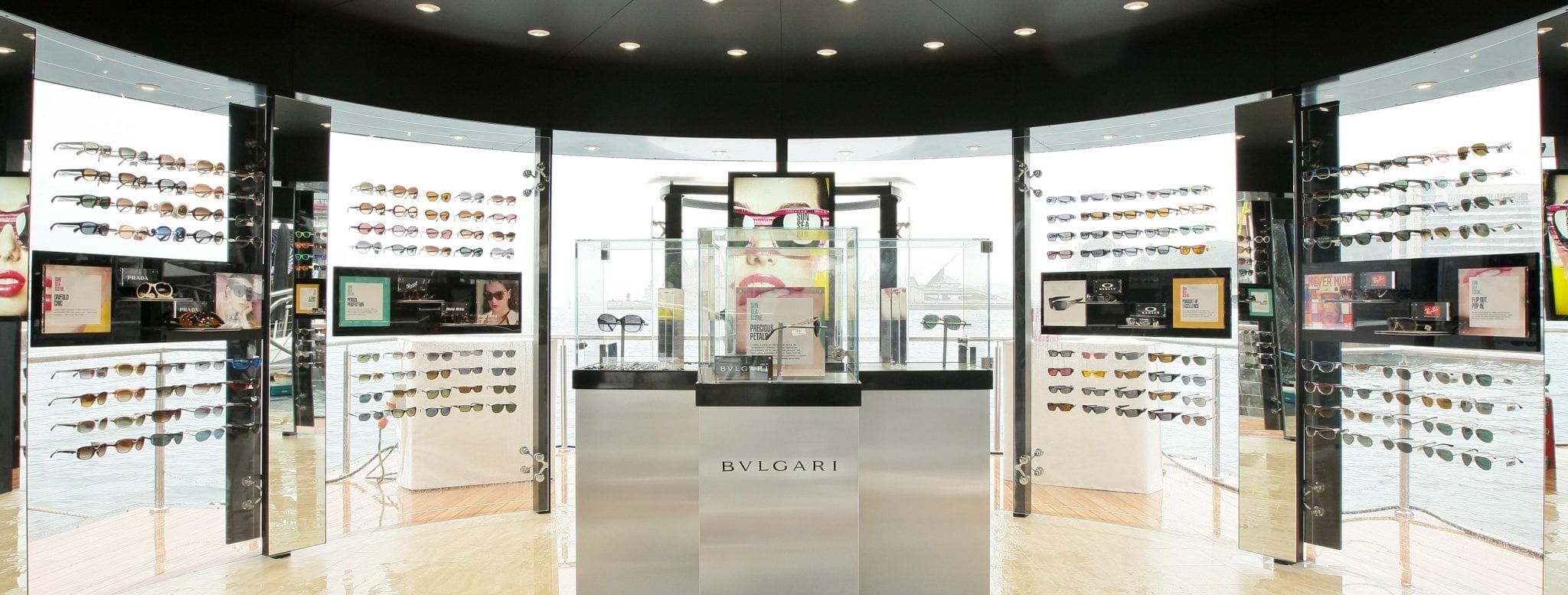
    International sunglasses retailer Sunglass Hut opened a new store in Hangzhou’s Intime Wulin store, which is the brand’s third store in the city following the ones in Hangzhou Kerry Centre and Hangzhou Bailian Outlets.

    Sunglass Hut has reached cooperation with many first-tier brands, including Ray-Ban, Prada, Dolce & Gabbana, Burberry, Tiffany & Co., and Coach.

    It started as a small independent store in Miami in 1971 and it developed 100 chain stores in Miami by 1986, reaching annual sales of USD24 million. By 1991, Sunglass Hut’s annual sales exceeded USD100 million and by 1996, the company seized 30% share of the American sunglasses market.

    By the end of 2016, Sunglass Hut already opened 3,269 retail stores in 28 countries and regions around the world, including 3,104 retail stores in North America, Asia Pacific, Europe, South Africa, and Latin America; and 165 authorized retail stores in Middle East and India.

    For the Greater China region, Sunglass Hut had nearly 40 retail stores, including 13 in Hong Kong, seven in Shanghai, and three in Beijing.

  • Petron posts 56% jump in income

    Petron posts 56% jump in income

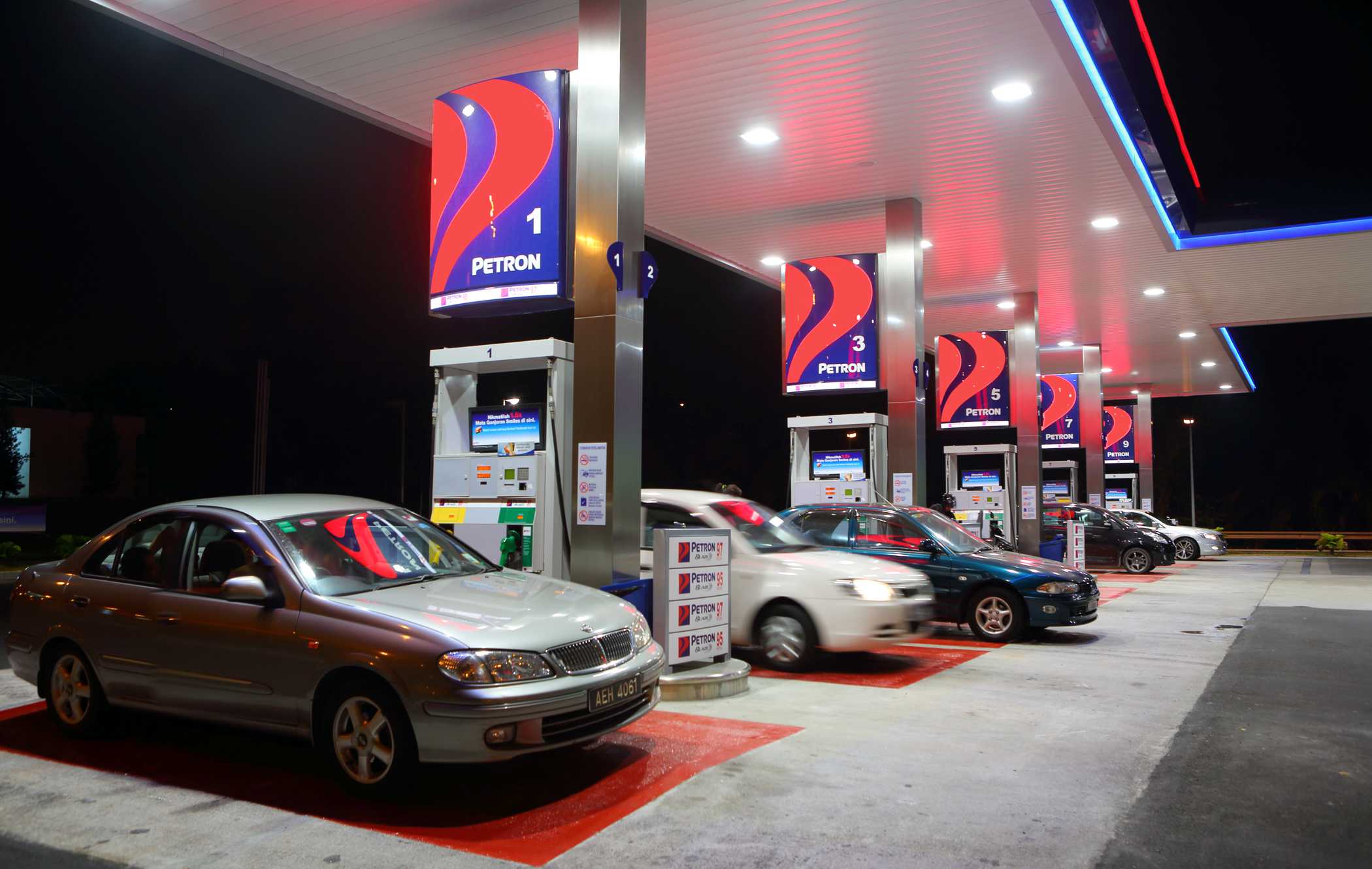
    Petron Corp. saw its consolidated net income in the first semester surge 56 percent year-on-year to P8.2 billion this year from P5.3 billion last year, despite supply issues brought about by refinery maintenance.

    The oil refiner and retailer said in the first half of 2017, it saw its crude oil inventory go down while its Bataan refinery went through a 45-day maintenance shutdown, scheduled as part of a 10-year inspection program.

    “With our upgraded refining capabilities, we derived more value and produced more profitable products,” Petron president and chief executive Ramon S. Ang said in a statement.

    “This is strongly complemented by our extensive expansion efforts in both our logistics and retail businesses,” Ang said.

    He said the strong showing during the first semester of the year was driven by a deliberate focus on more profitable segments and improved refinery production yields, while sustaining sales volumes.

    With volumes reaching record levels in 2016, Petron sold a total of 52.9 million barrels of products in the Philippines and Malaysia or just about the same as the level in the same period last year of 52.6 million barrels.

    Petron has a combined retail network of about 2,900 service stations, of which more than a fifth or about 600 are in Malaysia.

    With petrochemical sales revving up by 78 percent year-on-year, Petron saw consolidated sales revenue jump 28 percent to P207 billion in the six months to June.

    Also, operating income leaped 27 percent year-on-year to P14.6 billion from P11.5 billion.

    In both the Philippines and Malaysia, Petron is building “dozens” of service stations.

    “With the country’s economy growing at a rapid pace, we are expanding our facilities not just for the needs of today but also to ensure a reliable and continuous supply of quality fuels for tomorrow,” Ang said.

    “Our expansion projects mean more employment opportunities and economic activity, which help in nation-building,” he added.

  • Sunkist Growers seeks to bear fruit in Thai market

    Sunkist Growers seeks to bear fruit in Thai market

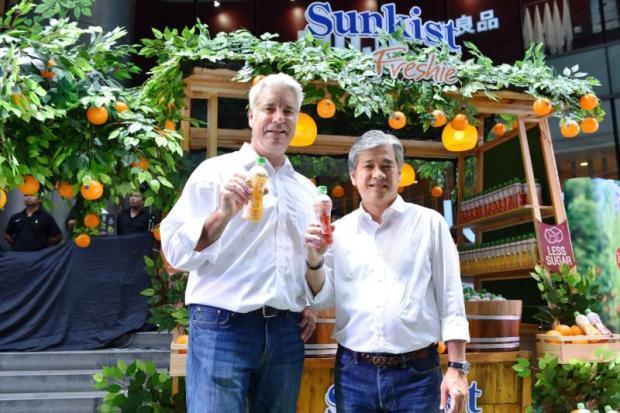
    David Bolton Director – Global Licensing, Sunkist Growers Inc (left) and Apirak Kosayodhin Chairman & CEO, V Foods Corporation Co

    Sunkist Growers Incorporated, a US-based citrus growers’ non-stock membership cooperative, has expanded its Sunkist Freshie brand to the Thai market.

    Thailand is now the 49th licensee country to make and market the products being produced by the 120-year-old cooperative, which brings together 6,000 members from California and Arizona.

    Sunkist has signed a contract with Thai firm V Foods Corporation to produce and market its drinks in Thailand for 10 years, with an option for another five-year renewal.

    V Foods Corp is owned by former Bangkok governor Apirak Kosayodhin.

    Sunkist brand product, including orange fruit juice and snacks, have been available in Thailand for over a decade, said David Bolton, director of global licensing at Sunkist Growers Inc, during a visit to Thailand yesterday.

    But this is the first time the company is launching two new orange juice flavours — Blood Orange Juice and Navel Orange Juice — in the Thai market. The drinks, with reduced sugar content, are aimed at more health-conscious consumers.

    Sunkist Freshie has been co-developed by Sunkist Growers Inc and V Foods Corporation exclusively for Thailand.

    Starting this month, the company began selling two Sunkist Freshie drinks at 7-Eleven convenience stores in Greater Bangkok, as well as in the East, said Mr Apirak.

    The beverage is expected to be available via all modern retail channels next year, he said.

    V Foods hired General Beverage Co to manufacture the beverage, while DKSH is handling the distribution.

    Mr Apirak said that the company added Sunkist to its product portfolio as a part of efforts to enhance V Foods as one of the country’s leading food and drink companies.

    “With over 20 years of experience in Thailand’s drink market, we believe there is still room for growth, due to the increasing number of health-conscious people, he said.

    Thailand’s beverage industry was valued at 13 billion baht last year, of which 2 billion baht belongs to the refreshment drink market. The segment boasts annual growth of 3-5%.

    Mr Apirak set up V Foods Corporation Co three years ago to distribute its own products, including “V Corn” brand sweetcorn, “V Farm” dried fruit and “V Kitchen soup”.

    The company also markets the popular Laotian ready-to-drink coffee, “Dao”, in Thailand.

    Sales of all products under V Foods was 200 million baht last year and is forecast to reach 250 million this year.


  • Singapore Airlines: new first class, business class launch Nov 2

    Singapore Airlines: new first class, business class launch Nov 2

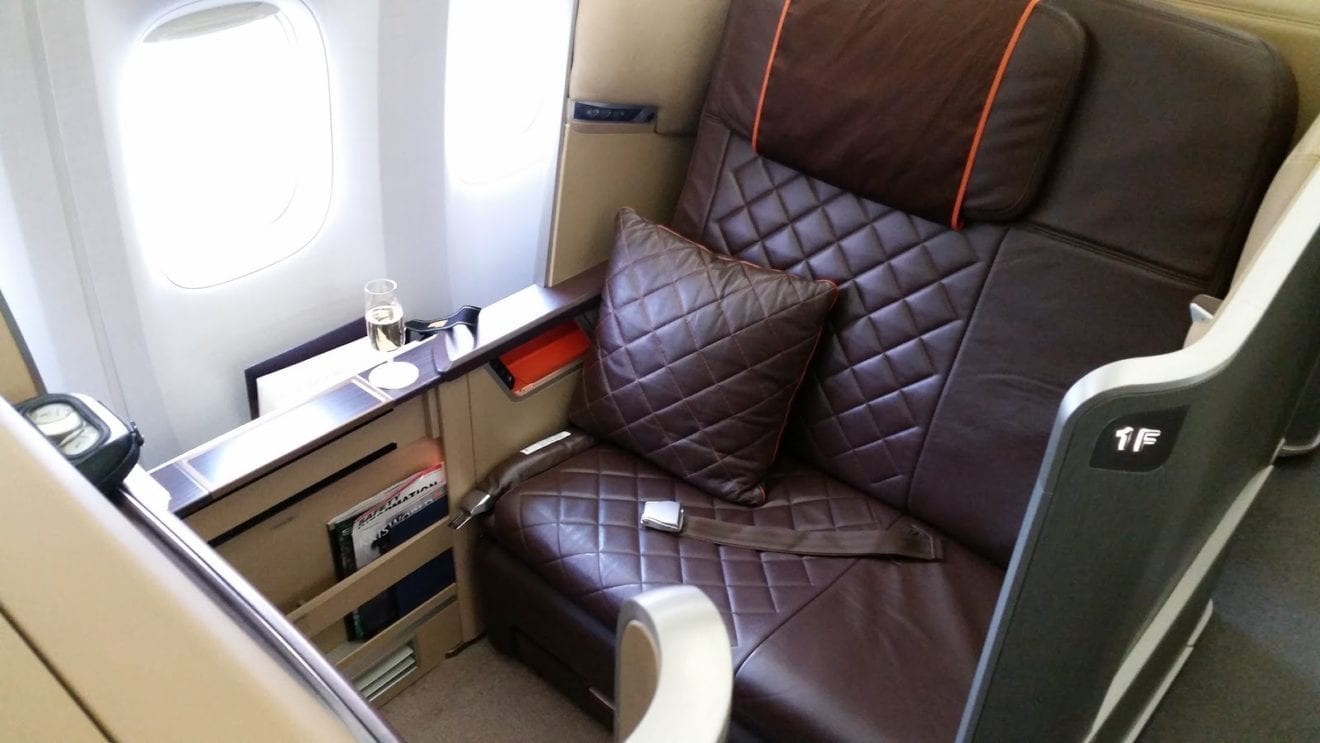
    Singapore Airlines will reveal its all-new Airbus 380 first class suites and business class seats on November 2, ahead of the delivery of the first of five new super jumbos to join the fleet.

    The Star Alliance member will unveil the new products at an international media launch held in Singapore.

    Also tipped for the grand reveal are new designs for premium economy and economy class, resulting in a tip-to-tail refresh for the decade-old design of the A380s.

    The new seats are expected to be retrofitted to most of Singapore Airlines’ existing A380 fleet.

    As previously reported, the new first class suites will be larger than their current counterparts, although there’ll be fewer of them – with between six and eight suites on the new birds, down from 12 today, although there’s speculation that the airline could also offer an oversized 1A ‘apartment’ suite.

    First class will also be relocated to the upper deck, instead of the nose of the superjumbo’s main deck.

    Arrayed behind those suites will be redesigned business class seats which will stretch all the way to the end of the upper deck.

    (This same business class seat will also appear on a new ultra-long range version of the Airbus A350 due in late 2018, which Singapore Airlines will use to restart non-stop flights from Singapore to Los Angeles, New York and a third as-yet-unnamed US destination.)

    Sydney is still believed to be earmarked as a launch route for the new Airbus A380, with London to follow.

  • Hypebeast pop-up store opens in Hong Kong

    Hypebeast pop-up store opens in Hong Kong

    Digital streetwear publication and e-commerce portal Hypebeast has opened a pop-up store in Hong Kong at The Landmark.

    Located in the Men’s Atrium, the HBX x Places+Faces pop-up store runs until September 27 and will feature weekly drops of limited-edition merchandise — including t-shirts, long sleeves and pouch bags and a special Hong Kong cap  — as well as snapshots by the London-based Places + Faces photography duo Ciesay and Soulz (Imran Ciesay and Solomon Boyede).

    “We’re constantly keeping our eyes and ears on what’s cool and trending, and showcasing different inspiration in this culture,” Kevin Ma, the founder of Hypebeast, told WWD at the official launch party, held in The Landmark’s basement.

    “We want to bring the energy of P+F, a brand we always admired and respected, turning that personality into a firsthand experience and space for more people.”

    Founded 12 years ago, Hypebeast went public last year and was recently incorporated in the U.K. and U.S.

    In 2012, it debuted HBX, an e-commerce arm that curates more than 300 streetwear brands to sell it Hypebeast readers.

    Hypebeast is looking at plans to delve into its own product directly, and will launch Hypekids for children soon.

  • The Seoul Dragon City to open in October 2017

    The Seoul Dragon City to open in October 2017

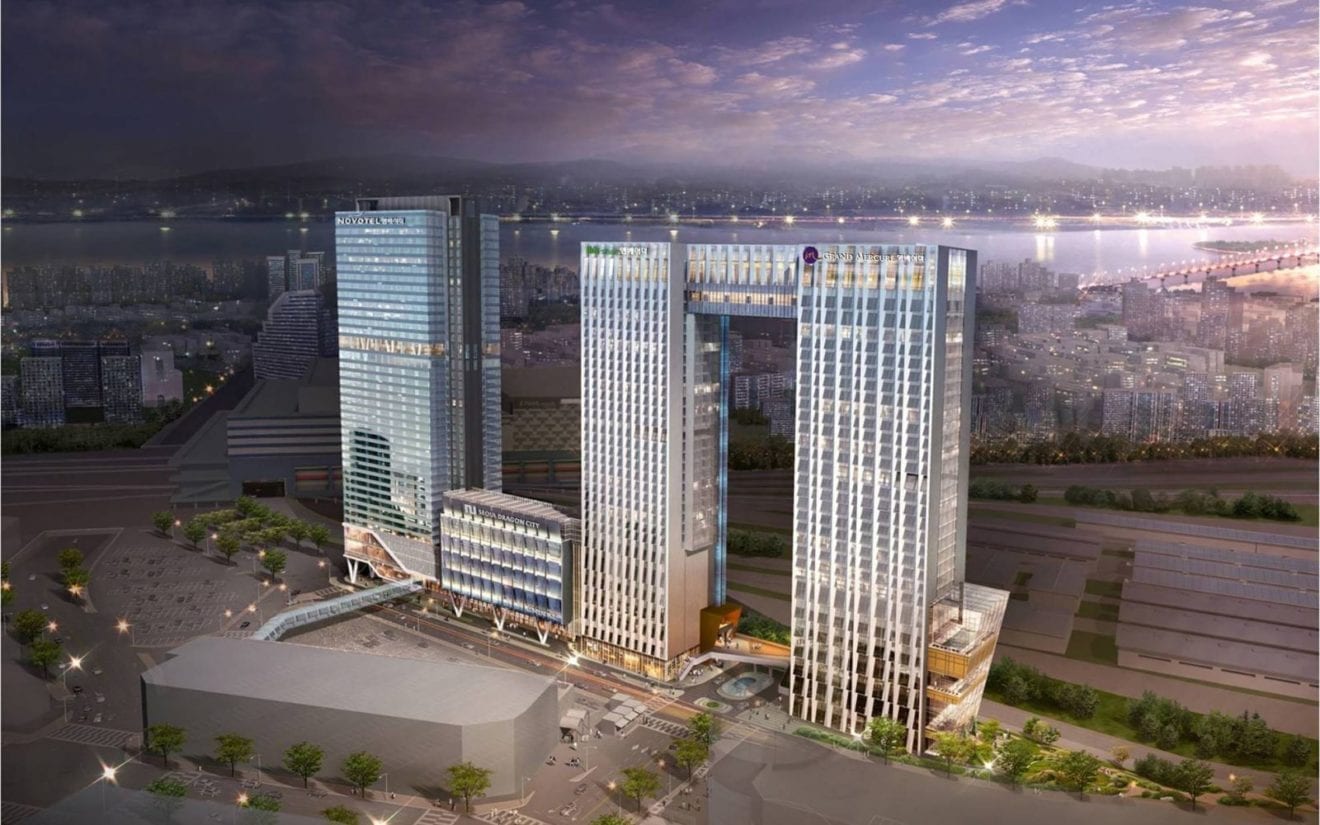
    South Korea’s first lifestyle and hotel complex will open on October 1 in Seoul’s Yongsan District, which is known for its shopping centres and nightlife.

    Launched by AccorHotels, The Seoul Dragon City will have 1,700 rooms and 11 restaurants and bars under four hotel brands. The Sky Bridge will be a unique structure with four floors of entertainment and leisure facilities suspended between two of the towers.

    The four hotel brands include the Grand Mercure Ambassador Seoul Yongsan designed for families and long-stay guests; the Novotel Suites Ambassador Seoul Yongsan for long-stay business and leisure guests or those who like more space and flexibility; the Novotel Ambassador Seoul Yongsan targeted at business and leisure guests; and the Ibis Styles Ambassador Seoul Yongsan for business and leisure groups.

    According to the hotel group, the complex is the first of its kind in South Korea and the largest project it has signed in the country.

    “With four hotel brands in the same complex, they can cater to the needs of every guest. Grand Mercure combines rich Korean culture with elegant service, making it a great option for long-stay guests. Novotel suites will attract medium- to long-stay business travellers and families on urban holidays,” says Patrick Basset, chief operating officer of AccorHotels, Upper Southeast and Northeast Asia.

    Entertainment and leisure facilities at The Sky Bridge include King’s Vacation, a lounge bar with European décor; an indoor miniature swimming pool; Skywalk; and performance stage.

    There is also a private beach club, called the Sky Beach, with music and international cuisine among a setting reminiscent of the legendary beach clubs of Spain, Greece, Singapore and Las Vegas.

    The Seoul Dragon City is located in the centre of Seoul close to major business districts such as Yeouido and Gangnam, as well as commercial districts such as Itaewon and Myeongdong, adjacent to malls and shopping centres, movie theatres, tourist attractions and embassies.

  • Chinese firms are increasingly shopping abroad

    Chinese firms are increasingly shopping abroad

    It was a flurry of activity this month in the Chinese investment sector as the battle for market share intensifies among fashion players.

    No longer content with national domination, Chinese companies are increasingly shopping abroad as they look for ways to build their presence overseas while strengthening their reputation at home.

    This month’s deals are just the latest in a succession of rounds where Chinese firms have targeted brands based outside China’s borders.

    Menswear giant Septwolves, for instance, while the name might not ring many bells outside China, the brand’s parent company Fujian Septwolves Industry Co. Ltd. announced that it will acquire an 80 percent share in Karl Lagerfeld Greater China Holdings (KLGCH).

    Last year the firm reported a net profit of 267 million yuan ($40.5 million at current exchange). Due to KLGCH’s late entry into the market, the deal will likely provide the company with a much-needed boost thanks to its experience in distribution and local resources.

    The deal is a feather in the cap of the Fujian Septwolves chairman, Zhou Shaoxiong: not only will he gain access to the international networks of fashion icon Karl Lagerfeld, but he will also benefit from an increased international brand awareness of his Chinese portfolio.

    However, what may at first glance appear to be a prestige target is in fact a decidedly strategic investment.

    According to Jing Daily, Fujian Septwolves’s representatives suggested that its move into the accessible luxury sector could accelerate the transformation of the company’s retail model.

    Fujian Septwolves already distributes international luxury brands in China including Italian labels Versace and Canali, and in March of this year the firm diversified into media, acquiring a 30 percent minority share of Modern Media’s digital division.

    Another examples is Shenzhen Ellassay Fashion Co. Ltd. that has been building up its portfolio since 2015.

    Earlier this month it purchased a majority stake in Vivienne Tam’s China rights. The deal includes plans to open a number of stores in China before the end of the year, with further openings planned for 2018.

    Gangtai Group also purchased an 85 percent stake in Italian jewellery brand Buccellati in December 2016, while Chinese textile company Shandong Ruyi acquired British heritage brand Aquascutum, as well as a major stake in SMCP, the French company that owns contemporary brands Maje and Sandro.

    While earlier acquisitions raised some eyebrows in fashion industry circles, Booker believes that this month’s increasingly aggressive M&A pace demonstrates that many more China-based players are interested in flexing their investment muscle abroad.

  • Face scans, robot baggage handlers – airports of the future

    Face scans, robot baggage handlers – airports of the future

    Planners are seeking to transform the exhausting experience in ageing, overcrowded terminals into something far more pleasant. Passengers’ baggage is collected by robots, they relax in a luxurious waiting area complete with an indoor garden before getting a face scan and swiftly passing through security and immigration — this could be the airport of the future.

    It’s a vision that planners hope will become reality as new technology is rolled out, transforming the exhausting experience of getting stuck in lengthy queues in ageing, overcrowded terminals into something far more pleasant.

    The Asia-Pacific has been leading the way but faces fierce competition from the Middle East as major hubs compete to attract the growing number of long-haul travellers who can choose how to route their journey.

    The regions “are the two leading pockets of technology growth because they are really competing to be the global hubs for air transportation,” Seth Young, director of the Center for Aviation Studies at Ohio State University.

    “If I’m going to fly from New York to Bangalore, do I transfer through Abu Dhabi or Dubai or do I transfer through Hong Kong? That’s a huge, huge market.”

    But the changes also represent major challenges that could upend decades-old business models at major airports, with analysts warning operators may face a hit to their revenues to the tune of billions of dollars.

    Facial scanning in particular is generating a lot of buzz. Changi in the affluent city-state of Singapore, regarded as among the world’s best airports, is set to roll out this biometric technology at a new terminal to open later this year.

    Passengers will have their faces scanned when they first check in and at subsequent stages, theoretically allowing them to go through the whole boarding process quickly without encountering another human.

    Australia announced in July an investment of Aus$22.5 million ($17.5 million) to introduce face recognition technology at all the country’s international airports, while Dubai Airport is also trialling it.

    Robot baggage handlers

    Self-service check-in and printing of boarding passes is already common, with many people printing their passes at home or at airport kiosks, and some hubs are now introducing self-service baggage drop points.Robots are appearing at some major hubs, including at Seoul’s Incheon airport, where they carry out tasks including cleaning and carrying luggage, while Changi’s new terminal will have robotic cleaners complete with butlers’ uniforms.

    The service, which allows passengers to print and tag their baggage and then send it off on the conveyor belt, is available at airports including Australian hubs, Hong Kong, London Heathrow and Amsterdam’s Schiphol.

    Airports are also trying to overhaul their image as dreary places that must be endured in order to get from A to B, to somewhere travellers can enjoy spending time.

    Changi is building a new terminal complex called Jewel, a 10-storey development filled with shops and restaurants whose centrepiece will be a 40-metre (130-foot) indoor waterfall surrounded by an indoor garden.

    The complex will make the airport look more like a shopping mall than a traditional hub, and is aimed at cashing in on transitting passengers.

    “They are looking at retail, non-aeronautical profits,” said Shukor Yusof, an aviation analyst from Endau Analytics.

    But while hubs in Asia-Pacific and the Middle East surge ahead, airports in the United States and Europe are being left behind.

    “Europe and the US were the leading aviation markets for the last 75 to 100 years, and it’s very difficult to revolutionise your infrastructure when you are on a foundation that is 75 years old,” said Young of the Center for Aviation Studies.

    He added it was also a matter of “political will”, as emerging economies see building cutting-edge airports as a way of raising their status globally.

    Ageing hubs

    Some US and European airports are nevertheless trying to up their game.

    New York’s ageing airports have long been criticised as old-fashioned, cramped and dirty but JFK, the main international hub serving the city, hopes to shed its dire reputation with a proposed $10 billion redevelopment.

    Amsterdam’s Schiphol is aiming to become the world’s leading digital airport by 2019, and has been testing hand luggage scanners that allow passengers to keep liquids and laptops in their bags. It is also looking at biometric technology.

    Despite the buzz surrounding new technology, there are concerns that rapid innovation could threaten long-held ways of doing business.

    A report from consultancy Roland Berger warned that airport revenues from retail and parking could fall by between two and four billion dollars due to the new innovations.

    Automated, more predictable check-in procedures threaten retail outlets as passengers are likely to reduce the “buffer” they build in to trips to the airport, meaning less shopping time, while developments such as ride-hailing apps could undercut parking revenues, it said.

    Still, the landscape may not transform so quickly as many airports face difficulties in introducing new technology, from resistance to change to availability of financing, said Xavier Aymonod, a transport expert at Roland Berger and lead author of the report

  • Facebook to reject ads from pages touting ‘fake news’

    Facebook to reject ads from pages touting ‘fake news’

    The move is the latest shot fired by Facebook in its war against ‘fake news’ used to deceive instead of enlighten.

    Facebook said that pages that make a habit of linking to bogus news stories will no longer be able to advertise at the world’s leading online social network.

    The move is the latest shot fired by Facebook in its war against ‘fake news’ used to deceive instead of enlighten.

    “If Pages repeatedly share stories marked as false, these repeat offenders will no longer be allowed to advertise on Facebook,” product managers Tessa Lyons and Satwik Shukla said in a blog post.

    “This update will help to reduce the distribution of false news which will keep Pages that spread false news from making money.”

    The social network already didn’t allow ads that link stories determined to be false by third-party fact-checkers.

    “False news is harmful to our community,” Lyons and Shukla said.

    “It makes the world less informed and erodes trust.”

    Fake news became a serious issue in last year’s US election campaign, when clearly fraudulent stories circulated on social media, potentially swaying some voters.

    Concerns have been raised since then about hoaxes and misinformation affecting elections in Europe this year, with investigations showing how “click farms” generate revenue from online advertising using made-up news stories.

    “We’ve found instances of Pages using Facebook ads to build their audiences in order to distribute false news more broadly,” Lyons and Shukla said.

    Facebook and Google have been working to curtail, or at least flag, stories crafted to deceive instead of enlighten.

    Google earlier this year added a fact-checking tag to search results globally, its latest initiative to help curb the spread of misinformation and “fake news.”

    The new tags, to be used in all languages for users worldwide, use third-party fact-checkers to indicate whether news items are true, false or somewhere in-between.

    The feature debuted about the same time Facebook added a new tool in news feeds to help users determine whether shared stories are real or bogus.

  • Toyota recalls 20,000 cars in Vietnam due to faulty airbags

    Toyota recalls 20,000 cars in Vietnam due to faulty airbags

    The airbags produced by Japanese manufacturer Takata have been linked to 17 deaths worldwide.

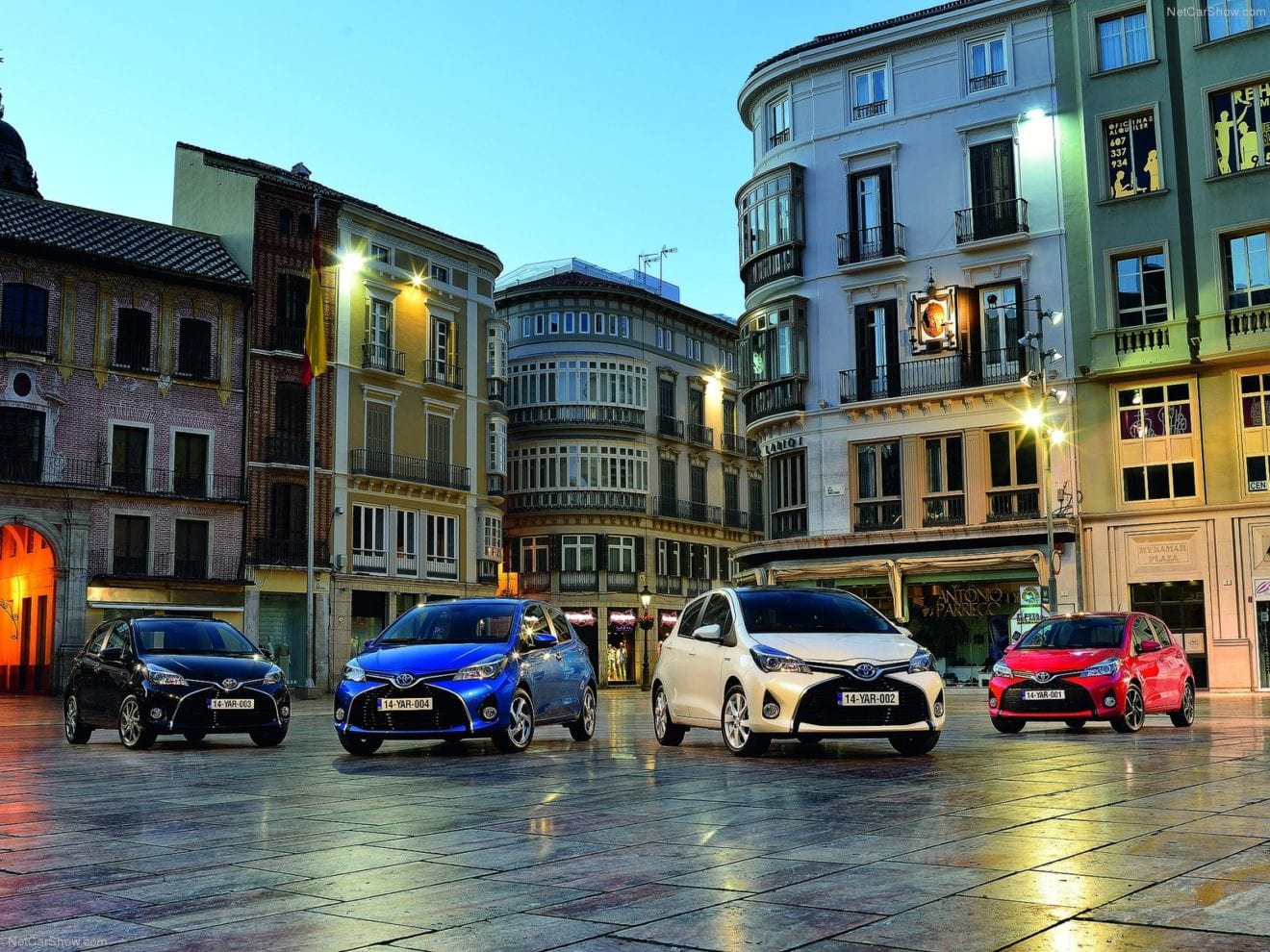
    Toyota Vietnam announced the recall of 20,000 cars this week to replace airbags produced by Japanese firm Takata.

    The Japanese auto maker will recall 18,138 of its Vios models assembled in Vietnam between 2009 and 2012, and 1,877 Yaris units imported into the country during the same period.

    The move is part of a worldwide recall of Takata products.

    Airbag-manufacturer Takata has suffered massive losses due to faulty airbags that have been linked to at least 17 deaths worldwide.

    The airbags’ inflators can explode with excessive force and blow a metal canister apart, sending shrapnel into the car.

    Toyota Vietnam said it will replace the airbags free of charge.

    No accidents related to the airbags have been recorded in Vietnam.

  • Why retailers want you to ‘click and collect’

    Why retailers want you to ‘click and collect’

    Retailers are starting to realise the benefit of combining online and in-store shopping. And by encouraging you to buy online first and collect later, these businesses are saving in a number of areas.

    Despite historically lagging behind the rest of the developed world, Australian retailers are beginning to embrace this approach. From groceries, alcohol, fashion and accessories, sports clothing and even automotive parts, more and more retailers are adopting this strategy. KPMG research found that by 2014, 64 per cent of customers in Australia had ordered online and picked up in-store.

    In Australia 42 per cent of retailers are now offering click and collect, and perhaps in response to the impending threat from Amazon’s entry, this number is up from 24 per cent in 2015. To supplement their pick up in store service, 38 per cent of retailers also allow customers to return their online purchases in-store.

    By comparison, 36 per cent of Western European and 31 per cent of North American retailers offer a click and collect service. The UK’s click and collect market is expected to grow 78 per cent by 2020, to £8.2 billion. This is not surprising given the intense competition among retailers within the British market and the strategic shift away from price to convenience.

    Why you click and collect

    Customers are embracing buying online and picking up in store because it offers them immediate gratification but with cost savings on delivery. Click and collect provides an immediacy that traditional home delivery usually can’t match, particularly in Australia where delivery times have traditionally been slow relative to international standards.

    Depending on the type of merchandise customers are buying, the costs of delivery can be high. In the US, 73 per cent of supermarket shoppers reported they would pick up items in store to avoid shipping costs and 30 per cent said they were not prepared to wait around for delivery of their online order.

    The sort of in-store pickup service also helps customers avoid problems with unprofessional delivery services and dodge the dreaded “card in the mailbox”, where parcels are returned to the depot.

    In-store pickup is especially handy for customers purchasing online just prior to the weekend or at peak shopping periods such as Christmas and Easter when timing is paramount. It can also help solve delivery problems for many customers living in apartment blocks, or living or working in properties that are difficult to access. More and more customers are finding it convenient to order online and then pick up their purchases during their lunch hour or on the commute home.

    Online shopping doesn’t allow for tactile purchasing – actually touching the products – in-store collection enables customers to check the quality, as well as assess the colour, style and size prior to leaving the store. Any problems can be resolved immediately in-store and returns can even be processed at the same time if products don’t meet customer requirements.

    With many retailers increasingly moving away from the traditional online “price wars” and recognising the importance of connecting with customers through multiple channels and touch points, click and collect is the natural progression to encourage customers back into physical stores.

    Why retailers are adopting click and collect

    Retailers can save a lot on click and collect. It reduces operational costs and leverages impulse purchases. Retailers are finding that in-store collection also provides them with additional opportunities to connect with customers and enhance the customer experience.

    One of the main benefits for retailers from shoppers who come into the store to collect their online purchases is that almost 50 per cent make an unplanned purchase. A study by company Bell and Howell of 530 shoppers found 49 per cent of customers were likely to purchase an additional item when picking up their online order.

    The International Council of Shopping Centres found 61 per cent of shoppers who bought items online and picked up in-store, made an additional purchase. This was higher for younger shoppers, with three-in-four millennials making impulsive purchases when popping in to collect.

    Offering click and collect also means customers feel more comfortable about returns as well. A report from packaging company UPS found 82 per cent of shoppers are more inclined to purchase online if they can return the product in store.

    Average parcel delivery costs in Australia are around $25 for a 5kg parcel (for next business day delivery) with courier services even more expensive, particularly for large and bulky items.

    The majority of retailers provide in-store collection free of charge, however some retailers are charging a fee for pickup in order to recoup staffing and storage costs. At the cheaper end of the scale Kmart charges a A$3 fee while Ikea Australia recently announced its fees which range between A$59 and A$149.

    “Bricks and mortar” retailers see click and collect as a way to differentiate and defend themselves from online players. In the US, Walmart announced last month it would offer discounts on products shoppers ordered online, but picked up in stores as a tactic to combat Amazon.

    Now Amazon has started its roll out in Australia, any edge over this competition will be an advantage. Deploying click and collect into a store allows retailers to compress sale time.

    Australian retailer, Super Cheap Auto recently announced shoppers could click and collect their online purchases within 90 minutes – and is now exploring how it can reduce that time down to 60 minutes.

    While shoppers continue to seek convenience, the frequency of online shopping (forecast to hit 12.5 per cent of total retail sales by 2025), will also increase. But getting the product to the customer will continue to be a challenge for retailers.

    So you can expect more retailers to adopt a click and collect strategy. If you can’t get the products to the customers, get the customer to the products.