Author: Mei Ling Tan

  • SoftBank invests $2.5b in Flipkart to stop Amazon

    SoftBank invests $2.5b in Flipkart to stop Amazon

    SoftBank has just announced its biggest investment in India: a whopping US$2.5 billion in Indian ecommerce company Flipkart.

    With this latest funding round, Flipkart boasts of over US$4 billion in cash on its balance sheet and SoftBank has become its largest shareholder.
    It’s the biggest ever private investment in an Indian technology company. “This is a monumental deal for Flipkart and India,” said Binny Bansal and Sachin Bansal, co-founders of Flipkart in an announcement made today.

    Neither SoftBank nor Flipkart disclosed the exact amount of funding which came from SoftBank Vision Fund, but sources said it is a little over US$2.5 billion.
    Last week, Tech in Asia reported that SoftBank was in talks with Flipkart for an investment after rival company Snapdeal, whose biggest investor is SoftBank, walked out of a distress sale to Flipkart. The deal was being negotiated for months.
    SoftBank is the largest investor in Snapdeal and Paytm, India’s two other homegrown ecommerce leaders. It made a solo investment of US$1.4 billion into Paytm earlier this year. “India is a land of vast opportunity.

    We want to support innovative companies that are clear winners in India because they are best positioned to leverage technology and help people lead better lives,” said Masayoshi Son, founder, chairman, and CEO of SoftBank.
    Last year, Jeff Bezos announced an additional investment of US$3 billion in Amazon India, on top of an initial US$2 billion back in 2014.

    The investment by SoftBank is part of the April funding round in which Flipkart had raised US$1.4 billion in capital from Tencent, Ebay, and Microsoft.

    The latest capital infusion by SoftBank – a mix of primary and secondary capital – will give Flipkart enough ammunition to fight the giant Amazon further.

    Launched in October 2007, Flipkart is India’s biggest homegrown ecommerce marketplace and has raised nearly US$5 billion in capital.

  • SK Telecom develops 5G repeater

    SK Telecom develops 5G repeater

    SK Telecom has developed and trialed a new 5G repeater as part of its preparations towards launching a commercial 5G network.

    The repeater has been applied to the operator’s 5G trial network near Gangnam Station in Seoul to provide denser coverage.

    It has been built with SK Telecom’s independently developed 5G relay technology to solve the issue of 5G coverage limitations caused by the narrow propagation characteristics of high-frequency radio signals in the above 6-GHz range.

    Park Jin-hyo, head of SK Telecom’s network technology R&D center, said the populous Gangnam area is one of the most difficult places to plan and build a network due to the presence of a large number of radio wave obstacles and high-density data traffic.

    “SK Telecom is moving closer to launching a commercial 5G network by applying key 5G technologies to our 5G trial network in Gangnam, an area with the highest data traffic,” he said.

    Using the 5G repeater, SK Telecom will now be able to more easily build 5G networks in other high-density areas, he added.

  • Singtel profit falls 6% in June quarter

    Singtel profit falls 6% in June quarter

    Singtel has reported a 6% decline in net profit for the June quarter as a result of lower contributions from the company’s minority-owned regional associates and workforce restructuring charges at wholly-owned Australian subsidiary Optus.

    Profit for Singtel’s fiscal first quarter fell 6% to S$892 million ($654 million), despite an 8% increase in operating revenue to S$4.23 billion.

    Singapore consumer revenue increased 2% due to growth in data usage, home services and equipment sales offsetting declines in voice and roaming services. Consumer revenue from Australia meanwhile increased 6% across mobile and fixed services.

    Group enterprise revenue meanwhile increased a slim 1% as growth in ICT services partially offset a decline in traditional carriage services. Digital services unit Group Digital Life’s revenue surged 91%, driven by digital advertising subsidiary Amobee’s strong performance across both social and media advertising.

    But Singtel’s share of pre-tax earnings from regional associates fell 3.8% – or 6.6% in constant currency – to S$673 million, as a result of the shrinking profit at India’s Bharti Airtel, which is facing intense competition due to the entry into the market of disruptive new entrant Reliance Jio Infocomm.

    Excluding the impact of Airtel’s 42% lower pre-tax profit contribution, Singtel’s underlying net profit would have increased 3%.

    By contrast, Indonesia’s Telkomsel increased its pre-tax profit contribution by 18% due to strong growth in data and digital services.

    “We’ve had a good start to the year with a more challenging business environment. This speaks to the resilience of our core consumer business and the investments we’ve made in the digital space in our efforts to grow new businesses,” Singtel group CEO Chua Sock Koong said.

    “We are encouraged by their performance as they scale up to capture the opportunities in the new economy.”

  • Unicom expects 69% profit growth for 1H17

    Unicom expects 69% profit growth for 1H17

    China Unicom has announced it expects to report a 68.9% increase in profit for the first six months of the year, partly as a result of improved cost efficiencies.

    The company estimates it earned a profit of 2.4 billion yuan ($359.9 million) for the six month period, despite a 1.5% decrease in overall revenue to 138.2 billion.

    Service revenue is expected to be up 3.2% year-on-year to 124.1 billion yuan, with mobile service revenue up 5.2% year on year.

    But due to intense competition in the fixed broadband market, China Unicom expects flat fixed line service revenue of 46.6 billion yuan. Combined with a decline in revenue from sales of telecoms products, total revenue is expected to have declined.

    But sales and marketing expenses, handset subsidies and other expenses were both lower year-on-year, leading to a projected 5.5% increase in ebitda to 43.6 billion yuan, representing around 35.1% of service revenue.

    Looking ahead to the second half of the year, Unicom cautioned that the mandated abolition of domestic long distance and roaming fees on September 1 and cyclical increases in competition will place increasing pressure on the company’s financial performance.

    Unicom will meanwhile act as the test subject for China’s planned mixed ownership model pilot program for the nation’s state-owned operators, bringing in private investors.

  • Facebook makes new bid for TV viewers with expanded video

    Facebook makes new bid for TV viewers with expanded video

    Facebook had signed deals with news and entertainment creators Vox Media, BuzzFeed, ATTN, Group Nine Media and others to produce shows.

    Facebook on Wednesday made its biggest move to date to compete in the television market by expanding its video offerings with programming ranging from professional women’s basketball to a safari show and a parenting program.

    The redesigned product, called “Watch,” will be available initially to a limited group in the United States on Facebook’s mobile app, website and television apps, the company said.

    The world’s largest social network added a video tab last year, and it has been dropping hints for months that it wanted to become a source of original and well-produced videos, rather than just shows made by users.

    Reuters reported in May that Facebook had signed deals with millennial-focused news and entertainment creators Vox Media, BuzzFeed, ATTN, Group Nine Media and others to produce shows, both scripted and unscripted.

    “We’ve learned that people like the serendipity of discovering videos in News Feed, but they also want a dedicated place they can go to watch videos,” Daniel Danker, Facebook’s product director, said in a statement on Wednesday.

    Chief Executive Mark Zuckerberg said in a Facebook post that Watch would allow users to “chat and connect with people during an episode, and join groups with people who like the same shows afterwards to build community.”

    Facebook said the shows would include videos of the Women’s National Basketball Association, a parenting show from Time Inc and a safari show from National Geographic. Facebook is already broadcasting some Major League Baseball games and that would continue, the company said.

    ATTN said on Wednesday it had two original series coming to Facebook Watch: a health program with actress Jessica Alba and a relationship advice show.

    Eventually, the platform would be open to any show creator as a place to distribute video, Facebook said.

    The company, based in Menlo Park, California, faces a crowded market with not only traditional television networks but newer producers such as Netflix Inc and Alphabet Inc’s YouTube as well as Twitter Inc and Snap Inc .

  • Mitsubishi, Audi recall cars in Vietnam due to safety concerns

    Mitsubishi, Audi recall cars in Vietnam due to safety concerns

    The automakers said the technical faults could cause serious damage, and they will be fixed free of charge.

    Mitsubishi Motors Vietnam has recalled 4,218 cars due to technical faults, official reports said.

    The majority of the recalled models are Pajero Sports manufactured between 2011 and 2016, but around 20 percent are Outlander Sports produced from 2014-2016.

    Explaining the recall, which may take until July 2019, Mitsubishi Motors Vietnam said the hinges on the rear doors were prone to rust because they were not completely coated in anti-corrosion paint. This meant they could fall off and injure people.

    In a separate move, Audi Vietnam has recalled 33 of its Q3 models manufactured between June 2014 and November 2016 due to a problem with their brake lights.

    Audi said the brake lights could fail if the handbrake was used to make an emergency stop.

    Official data shows Vietnamese customers bought more than 134,200 cars in the first half of this year, down 1 percent against the same period last year.

  • Philippines set to be Asia’s fifth largest retail grocery market

    Philippines set to be Asia’s fifth largest retail grocery market

    The Philippines will soon be the Asia’s fifth largest retail grocery market, according to data released today.

    Speaking on the first day of NRCE, the 24th National Retail Conference in the Philippines, today, IGD Asia-Pacific program director Shirley Zhu said the market will grow by an average of 9.3 per cent year-on-year between 2016 and 2021.

    Grocery retail sales in the Philippines are set to amount to PHP7.08 trillion (US$149.99 billion) by 2021 from PHP4.53 trillion (US$95.98 billion) in 2016, the international grocery research organisation’s data concludes.

    Zhu says the growth will be driven by a growing population, strong domestic consumption and a buoyant economy, lifting it from sixth to fifth, behind China, India, Japan and Indonesia.

    “The Philippines is an exciting market to watch. Modern trade currently accounts for about 20 per cent of total grocery retail sales and is growing rapidly,” said Zhu.

    “We expect to see fast growth in both the number of outlets and sales for modern grocery retailers.”

    Domestic multi-format retailers dominate modern trade and have shown robust growth over the last five years, with SM Retail, Puregold and Robinsons the dominant grocery retailers in the country. SM Retail, for example, is focusing on expanding its mid-sized and small-format stores. In 2016, the retailer opened 144 stores, only one of which was a hypermarket, while 111 opened under the Alfamart minimarket fascia, through a joint venture with Indonesia-based PT Sumber Alfaria Trijaya. SM Retail continues to expand beyond Metro Manila; in 2016, 80 per cent of its store openings were outside this area. Meanwhile, Puregold and Robinsons share a similar ambition to expand further beyond the Luzon area with their multi-channel strategies. 7-Eleven, the fastest-growing retailer in the Philippines according to IGD data, is also expanding its stores into smaller towns across the nation.

    “Driven by more disposable income and increasingly urbanised lifestyles, Filipino shoppers are demanding more convenience in their grocery shopping. As a result, convenience and online are the hottest channels in the market,” said Zhu.

    “The number of c-stores in the country is set to increase as domestic retailers continue to drive this part of the market, bringing in more convenience banners to the country. One of the reasons that demand for convenience stores is so high is because of the rising number of business process outsourcing, or call centres, in the Philippines. These are centred mainly in urban areas, operate 24 hours a day and tend to employ young people with disposable income, who want to shop for their groceries as conveniently as possible.”

    Zhu said online grocery shopping in the Philippines is still in its infancy, but many bricks and mortar retailers have already been experimenting with their own ecommerce solutions.

    “Lazada, the leading ecommerce platform in Southeast Asia, has been operating in the Philippines since 2012 and now has 6 million users in the country. The ecommerce company reportedly plans to go into grocery in the next two years.”

    Looking into the future, Zhu predicts there will be fewer ‘mom and pop’ stores – locally known as sari-sari stores – and there is no doubt that the convenience and online channels will be on a fast growth trajectory over the next few years.

    “There is a wealth of opportunity for retailers and suppliers looking to grab a slice of the action in this rapidly evolving market.”

  • Thailand’s Susco awarded franchise for Saha Lawson outlets

    Thailand’s Susco awarded franchise for Saha Lawson outlets

    Saha Lawson, which runs Lawson 108 convenience stores in Thailand, has awarded franchise rights to oil group Susco to open outlets at its new petrol stations.

    Under the agreement, part of Japanese company’s bid to grow Lawson 108 outlets to 500 units by 2020, Susco will initially open two stores at new petrol stations in Bangkok and Rayong this year.

    Saha Lawson senior GM Hideki Takechi says the number of Lawson stores at Susco outlets is targeted to reach 20 branches next year.

    Lawson had 84 stores nationwide last year, about 80 per cent of them in Bangkok and the balance in other provinces including Ayutthaya, Chon Buri, Nakhon Ratchasima, Prachin Buri and Rayong. The company plans to increase its outlets to 100 by year-end and open at least 400 branches in the following three years.

    Of these, the company will open half of them with the rest going to franchisees.

    Takechi says Susco is among 20 companies and individual investors that have shown interest in obtaining a licence from Lawson.

    “We are ready to start our franchise with Susco as a pilot project, and we expect that will help springboard the expansion of Lawson convenience stores upcountry.”

    He says that Japan, with an estimated population of 127 million, has 55,000 convenience stores while Thailand, with nearly 69 million people, has 15,000, “leaving ample room for growth”.

    Sales of some Japanese items at Lawson, including Odeng processed seafood-meatballs, have increased 10-fold in Saha Lawson Thailand’s first year, and Takechi says Lawson will be promoting exclusive food items to differentiate its stores. It aims to boost Japanese food items to 30 per cent of its sales mix, up from 20 per cent last year.

    Lawson expanded its convenience-store business to Thailand in August 2013 by setting up Saha Lawson as a JV with Thai consumer products conglomerate Saha Group.

    Lawson also has stores in China, Indonesia, the Philippines and the US.

  • Cold Stone Creamery signs Malaysia deal

    Cold Stone Creamery signs Malaysia deal

    US ice-cream brand Cold Stone Creamery has signed a master franchise agreement with banking and finance services company Srivijaya to open 20 stores in Malaysia over the next five years.

    Its first outlet, in Kuala Lumpur, is expected to open this year.

    Sri Vijaya’s management and shareholders include investors of F&B outlets such as Las Vacas Meat Shop and Torii Yakitori Restaurant, while some shareholders have had experience developing the Cold Stone Creamery brand in another market.

    “Sri Vijaya’s F&B experience and knowledge of the market makes it the perfect fit to develop the brand in Malaysia,” says senior international development VP Eddy Jimenez of Kahala Brands, which owns Cold Stone Creamery.

    The brand’s international growth of Cold Stone Creamery began with the opening of an outlet in Tokyo in November 2005. It now has about 1500 locations in nearly 30 international markets including India, Indonesia, Thailand and the Philippines.

    With its headquarters in Arizona, the brand’s ice cream with its secret recipe is customised with mix-ins by hand on a frozen granite stone.

    Kahala Brands has a portfolio of 22 quick-service restaurant concepts.

  • Prada reopens Suria KLCC store with new collection

    Prada reopens Suria KLCC store with new collection

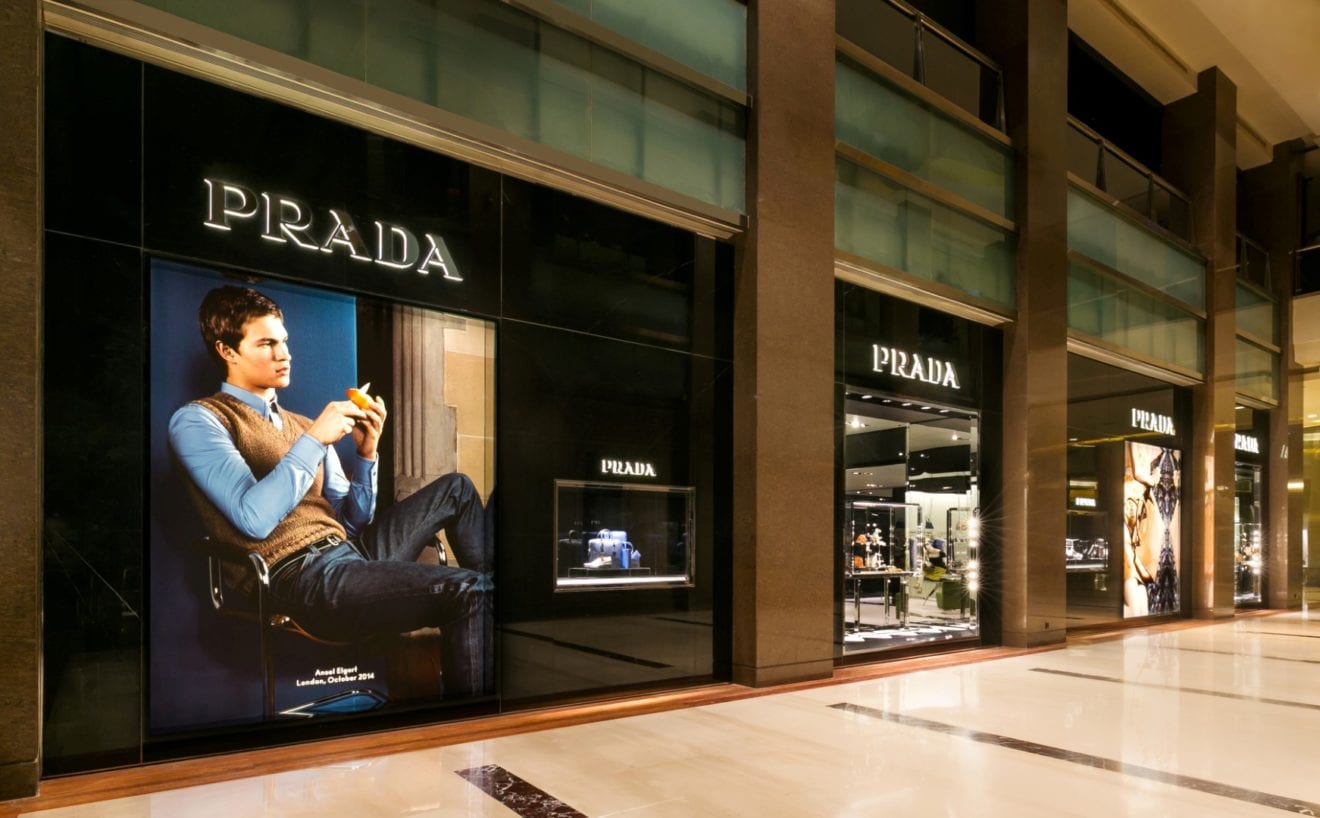
    Prada Malaysia has reopened its store at Suria KLCC Mall, Kuala Lumpur.

    The Italian luxury fashion brand’s 190 sqm boutique is now located at unit G7 & 7A, on the ground floor.

    Designed with modern interiors of black granite panelling and black and white tiles, the store features men’s and women’s collections, divided into different areas, as well as leather goods, accessories and footwear collections.

    During the opening, Prada has launched its Etiquette Collection exclusive to South Asia (Singapore and Thailand to follow) and Japan.

    The new Etiquette Bag has one center pocket with zipper closure and two inside pockets, sold in four colours – marine blue, black, dusty pink and white.

    The store is also first in Southeast Asia to offer a personalisation service for backpacks and pouches, with up to two initials applied in Saffiano leather.

    Prada currently runs three stores in Malaysia.

  • Sultan boosts stake in 7-Eleven Malaysia

    Sultan boosts stake in 7-Eleven Malaysia

    Giving 7-Eleven Malaysia Holdings a royal edge, Sultan Ibrahim of Johor has become its second-largest individual shareholder.

    He has an 8.44 per cent stake after acquiring 93.7 million shares in the convenience-store chain in the past month.

    His shareholding comes as the company is expanding its retail footprint, says 7-Eleven Malaysia chairman Abdull Hamid. “We believe that with a shareholder of His Royal Highness’ stature, 7-Eleven’s position in the retail industry will be further strengthened.”

    The group’s largest shareholder, Vincent Tan, says the increased stake by the sultan is good sign in that he is known to be “an astute investor with a keen eye for companies and businesses with strong fundamentals and good growth potential”.

    7-Eleven Malaysia had revenue of RM2.10 billion (US$490 million) with a pre-tax profit of RM70.82 million last year. Incorporated in 1984, the group has more than 2100 outlets that serve 900,000-plus customers daily.

  • DHL to build life sciences distribution network

    DHL to build life sciences distribution network

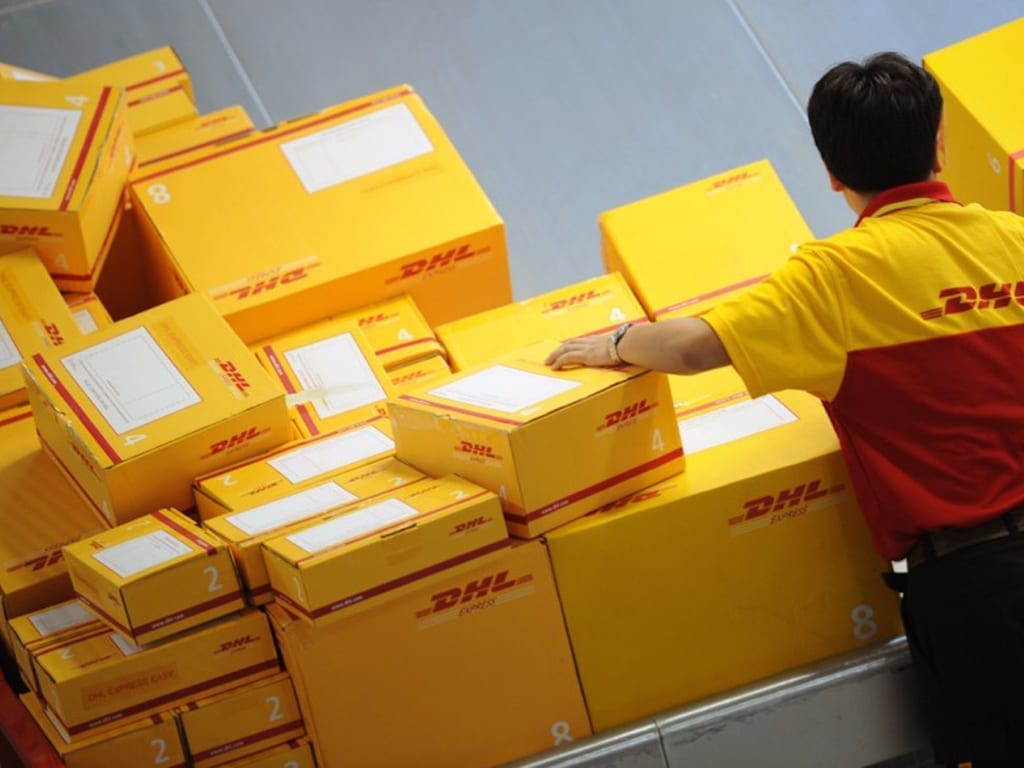
    Shanghai Pharma, one of China’s largest listed pharmaceuticals groups, has signed a Memorandum of Understanding (MOU) with DHL Supply Chain to prepare its logistics infrastructure for rapid global expansion.

    Under the MOU, the pharmaceuticals giant – which generated revenues of more than US$18 billion (RMB121 billion) last year – will partner with DHL Supply Chain to enhance quality control measures, streamline distribution processes, and strengthen compliance with local and international food and pharmaceutical regulations. A range of recent government initiatives, including the “two-invoice” or fapiao policy which was rolled out earlier this year, have put greater onus on China’s pharmaceutical sector to improve the transparency and efficiency of local supply chains.[1]

    “The quality and resilience of our logistics infrastructure will determine not only how successfully we adapt to new legislation like fapiao – which seeks to cut down on multiple distributors and mark-ups by only allowing two invoices per goods shipment – but also our ability to capitalise on the huge international growth opportunity for high-grade Chinese pharmaceutical products and medical devices,” said Cho Man, president and executive director, Shanghai Pharma.

    “China’s national market for drugs has grown rapidly in recent years to become the world’s second-largest with an estimated growth to around US$167 billion by 2020 [2]. Our partnership with DHL will help Shanghai Pharma to become one of the world’s foremost pharmaceutical manufacturers – supported by a global distribution network that combines world-class quality control with fast, seamless delivery.”

    To facilitate this planned expansion, the MOU will grant Shanghai Pharma priority access to DHL’s global logistics network including temperature-sensitive life sciences services to Europe. DHL Supply Chain will also support Shanghai Pharma’s supply chain optimisation needs as the manufacturer ramps up its overseas distribution and retailing efforts.

    “China’s pharmaceutical industry has historically suffered from high levels of fragmentation amongst its local customers and distributors, [3] an issue which recent legislative changes like the ‘two-invoice’ policy have sought to combat,” said Yin Zou, CEO Greater China, DHL Supply Chain. “In this regulatory climate, end-to-end supply chain management plays an increasingly crucial role in determining how effectively Chinese pharmaceuticals firms not only maintain sales locally, but gain traction abroad in a cost-effective and sustainable manner.

    “Shanghai Pharma already holds a formidable reputation as one of China’s leaders in pharmaceutical development, manufacturing, distribution and retail. With this partnership, we look forward to applying our global life science expertise to help them establish an efficient and agile supply chain network to provide consumers with reliable and convenient access to medications.”

    “This agreement puts Shanghai Pharma in a strong position to stand out from China’s highly competitive and cost-conscious life sciences industry4 with access to DHL’s market-leading logistics and value-added services,” said Cho Man. “We believe that our partnership will not only greatly benefit both parties, but raise the bar for quality control and supply chain efficiency across China’s entire pharmaceutical industry.”

  • Nike’s opens new three-level flagship in the Sydney CBD

    Nike’s opens new three-level flagship in the Sydney CBD

    Retail Prodigy Group will open the doors to a three-level Nike flagship store at George Street in the Sydney CBD on Thursday morning.

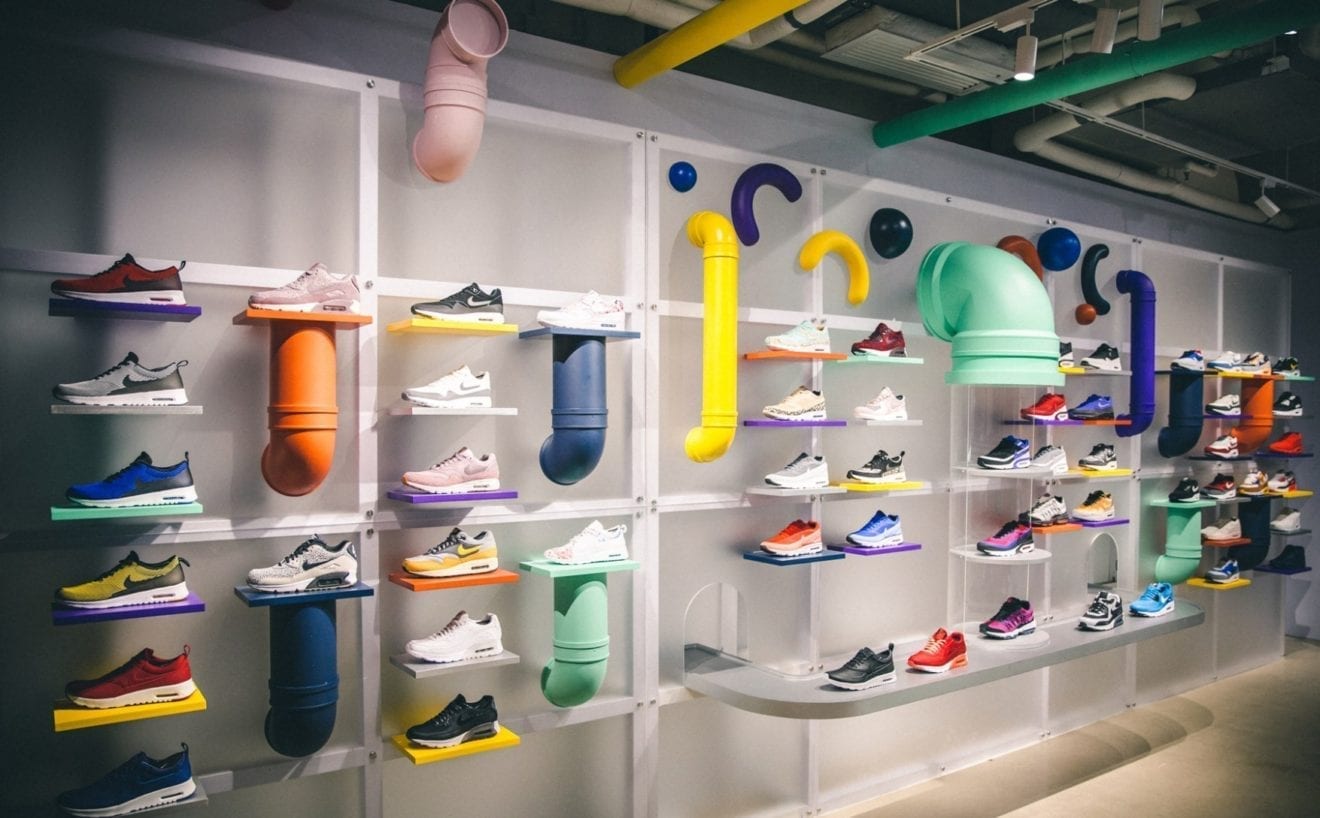
    The new flagship is the first high street store for the brand in Sydney, situated in a heritage building that has been modernised for the new store. The ground floor is dedicated to men’s training and running, sportswear, the Jordan Brand and basketball in the basement. The first floor has been designated for womenswear, in the running, training and sportswear categories, plus a specialised bra fitting service and pant hemming.

    With a focus on running products, the store will feature Nike+ Trial Zones; an immersive space that features a Nike+ Run treadmill dedicated to trialling running footwear.

    In a Nike Australia first, the store also features sneaker cleaning and protection services.

    Brant Hirst, Nike marketing director told us that the vast amount of construction works currently underway in the Sydney CBD had not been a concern in the development of the new George Street location.

    “The heritage facade and multiple levels of the building provided the perfect canvas for a premium shopping experience for our customers,” he said.

    “Having a high street store in an emerging shopping precinct was also a major drawcard of the space.”

    Despite several commentators continuing to forecast the demise of bricks and mortar retailing, Hirst said the new flagship would be “powered by immersive product experiences” and in-store experts.

    “This store centres around elevating every athlete’s potential and offering customers personalised experiences, whether they’re training for a marathon, or want the latest in sports style.”

    When asked if we could expect to see more larger flagships in other locations across Australia and New Zealand, Hirst said that Nike was “always looking at ways to innovate and offer premium shopping experiences for our customers.”

    Nike also recently confirmed it is launching a pilot program to sell sneakers on Amazon, in a move to combat counterfeiters and unsolicited third-party sales conducted online.

    In a call with analysts, Nike CEO Mark Parker said that Amazon would carry “a limited Nike product assortment” of footwear, apparel, and accessories, and that the sports brand was seeking to improve its presence on the e-commerce site while also protect its brand reputation.

    Meanwhile, the race is on within sports retailing in Australia.

    British retailer, JD Sports currently has three stores trading in Australia at Melbourne Central, Pacific Fair on the Gold Coast and Parramatta in Sydney’s western suburbs. Two further stores will open soon at Miranda in Sydney and Highpoint in Melbourne.

    The Lancashire-based company has more than 1,200 stores under a portfolio of sports fashion and outdoor brands throughout the United Kingdom and Europe.

    Decathlon, the French retailer, has established an Australian online sales platform and expects to open its first store in the Sydney suburb of Tempe in October.

    The retailer has more than 1,000 stores in almost 30 countries and has notionally set a target of 100 stores for the Australian market.

    More recently, Super Retail Group decided to discontinue Amart Sports and convert its 65 stores into Rebel Sport as part of a consolidation strategy designed to defend against the entry of Amazon, Decathlon and JD Sports.

  • Breadtalk Group quarterly profit jumps 62 per cent

    Breadtalk Group quarterly profit jumps 62 per cent

    Breadtalk Group has posted a 61.9 per cent jump in net profit to S$2.11 million (US$1.5 million) for its second quarter to the end of June.

    This followed an 18.7 per cent rise in other income to $5.68 million and reduced interest and administrative expenses. Revenue slipped 1.5 per cent to $147.57 million.

    Its higher earnings were achieved by consistent focus on evaluating and streamlining portfolios while maximising growth opportunities, says the Singapore company.

    Net profit for the half-year more than tripled to $12.8 million despite a 3 per cent decline in revenue to $295.2 million.

    “This places the group in a strong position to rise above the difficult retail environment,” says chairman George Quek.

    He says the group remains on course to consolidate underperforming stores and expand its footprint in high-performing markets.

    While outlet openings still proceed at a cautious pace, the group will continue to focus on improving overall profitability and quality of earnings.

  • Pizza chain secures franchise rights to enter India

    Pizza chain secures franchise rights to enter India

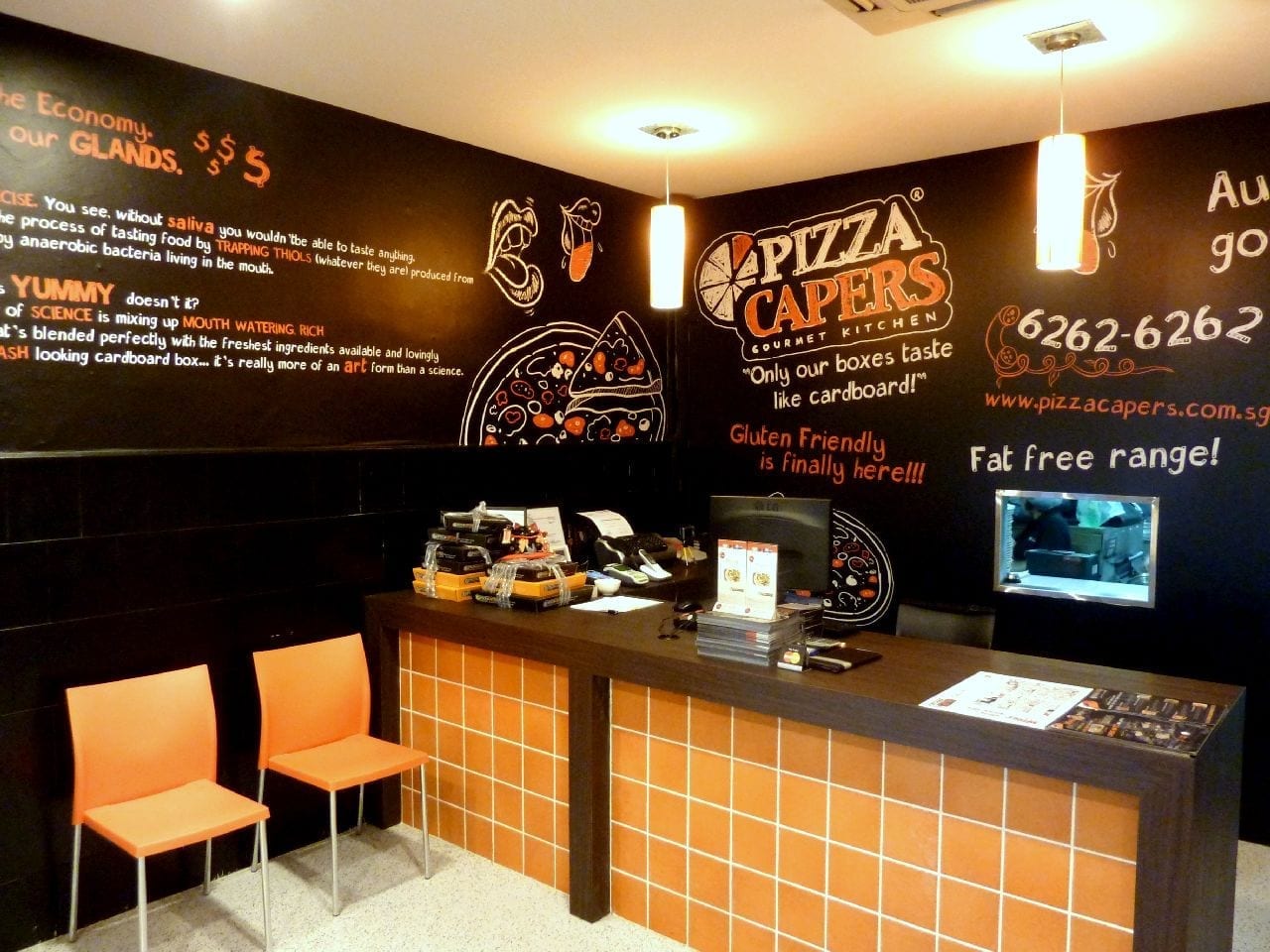
    Retail Food Group owned Pizza Capers, has today announced it’s entering the Indian market via a master franchise license in favour of local firm Krsna Foods (India) Pvt Limited.

    RFG chief executive – international, Mike Gilbert, said the grant of master franchise rights for India represented a watershed event for the brand, which also set the platform for further international growth.

    “Pizza Capers has enjoyed considerable success in the Australian market, and we are excited to be partnering with local experts who share our vision for introducing high quality gourmet pizzas to Indian consumers,” he said.

    “A surge in consumerism coupled with increasing incomes and changes to lifestyle and eating patterns within India has meant that entry into the territory has long been on our radar. We expect these factors to provide a huge platform upon which the Pizza Capers brand can prosper”, he said.

    Pizza Capers’ international expansion model is based on recruiting franchise partners, with Gilbert asserting the company was conscious of finding a franchisee capable of applying sufficient resources, expertise and resolve to ensuring success in the Indian market.

    “Krsna Foods (India) Pvt Limited satisfies each of these pre-requisites and we have every confidence of the Brand’s success in the territory,” he said.