Author: Mei Ling Tan

  • Japan’s Subaru posts higher profit as car sales jump

    Japan’s Subaru posts higher profit as car sales jump

    Subaru on Thursday posted a better-than-expected rise in its quarterly operating profit, buoyed by higher sales in the United States, its biggest market, where other Japanese automakers are struggling with slower demand.

    Operating profit at Japan’s No.6 automaker came in at 119.3 billion yen ($1.08 billion) in the first quarter ended June, up 17.5 percent from a year ago and exceeding the average forecast for 114.8 billion yen from seven analysts polled by Thomson Reuters I/B/E/S.

    Most Japanese automakers have been hit by both an overall slowdown in the U.S. market and a growing preference for bigger car models, versus the sedan.

    Subaru has, however, managed to buck this trend, reporting a 12.3 percent jump in sales in the world’s No.2 auto market after China, with models such a revamped version of its Impreza sedan, along with the Forester SUV and Outback SUV crossover.

    Subaru raised production capacity last year at its plant in Indiana and was able to deliver more units over the quarter in the United States, which accounts for around 60 percent of its global sales volume.

    The automaker’s U.S. marketing strategy has focused mainly on affluent and liberal-minded consumers, with advertisements featuring slogans such as love and inclusion.

    It has won over consumers living largely on the west and east coasts – a concentration that has allowed it to leverage its production capabilities, which are a fraction of those of Toyota Motor and other bigger rivals like Nissan Motor Co.

    Toyota is expected to announce a 16 percent drop in its quarterly operating profit, according to analysts surveyed by Thomson Reuters I/B/E/S, while Nissan last week posted an almost 13 percent slide in profit, dragged by rising incentives to sell its cars in the United States.

  • Telstra’s 4G population coverage hits 99%

    Telstra’s 4G population coverage hits 99%

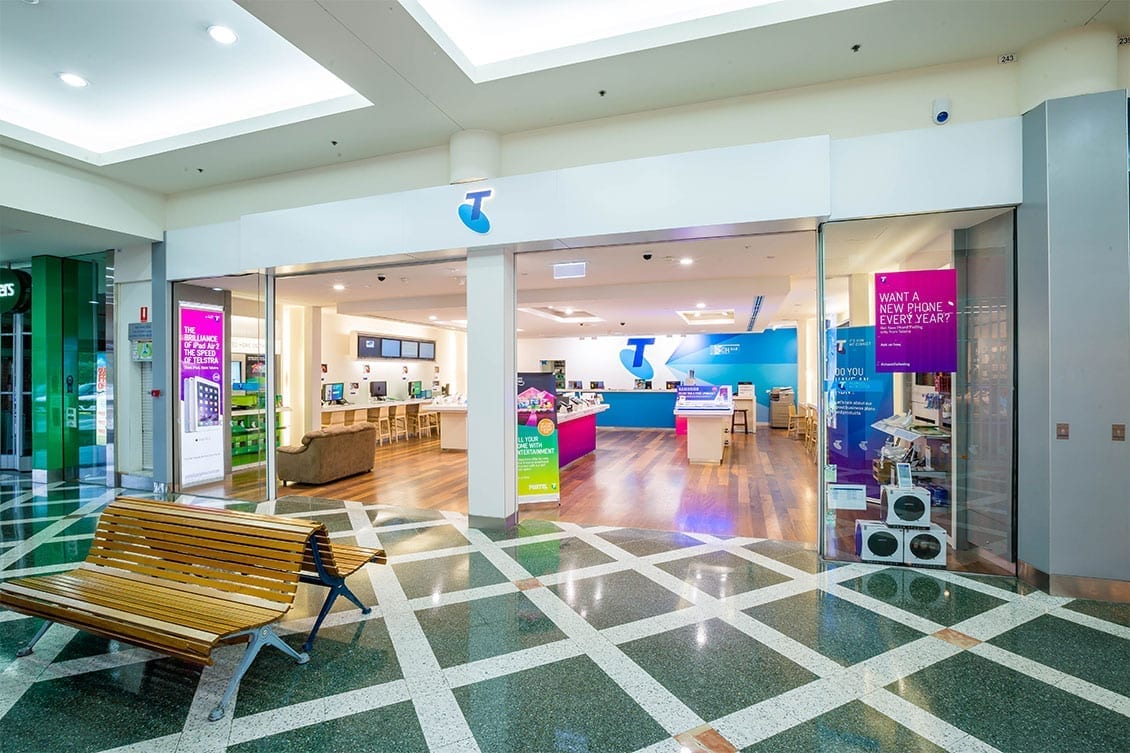
    Australia’s Telstra has revealed that its 4G network now covers 99% of the nation’s geographically dispersed population.

    Following upgrades in regional areas of Western Australia, Victoria, Queensland and South Australia, the company’s 4G network now offers coverage across more than 1.4 million square kilometers, Telstra COO Robyn Denholm said in a blog post.

    Telstra is meanwhile upgrading its transmission network to help meet projected traffic demand. Denholm said only 20% of the projected capacity Telstra will require by 2020 existed at the start of the year.

    To achieve this Telstra is deploying optical transport technology across its transmission network, starting with an upgrade to the cable connecting the island state of Tasmania to the mainland across the Bass Strait. The upgrade will increase the capacity on each of the two cables from 400Gbps to 1Tbps.

    “Importantly, the next generation optical transport technology offers huge upside for supporting growth. With future system deployments we anticipate we can scale up to 100Tbps or more,” Denholm said.

    “We will now be progressively upgrading our optical transport capability around Australia, with Victoria, New South Wales and South Australia the next in line to benefit from from inter-capital upgrades.”

    Finally, Telstra has activated LTE Cat M1 across its 4GX (LTE-Advanced) network footprint, and plans to deploy range extension capability that will take the footprint of the IoT network to more than 3 million square kilometers.

    The company has also commenced testing of software that supports NB-IoT and expects to introduce this capability later this year.

  • Viettel launches 4G in East Timor

    Viettel launches 4G in East Timor

    Vietnam’s Viettel has launched 4G services in East Timor through its subsidiary in the market Telemor.

    The launch in East Timor marks the Viettel group’s sixth 4G launch outside Vietnam, and follows launches in Burundi, Cambodia, Haiti, Laos, and Peru.

    Viettel first entered East Timor in 2013, investing $15 million to deploy a mobile network covering 95% of the population within a year. The company was able to achieve profitability within ix months, generating $17 million in revenue and $4 million in profit in its first year.

    The company has now captured a roughly 47% share of the market, making it the incumbent operator in the market, ahead of competitors Timor Telecom and Telkomcel.

    According to the report, Viettel increased its revenue in East Timor by 29% year-on-year during the first half of 2017 and attracted 42% more new subscribers than anticipated.

  • AirAsia India In Expansion Mode, Adds New Aircraft And Route

    AirAsia India In Expansion Mode, Adds New Aircraft And Route

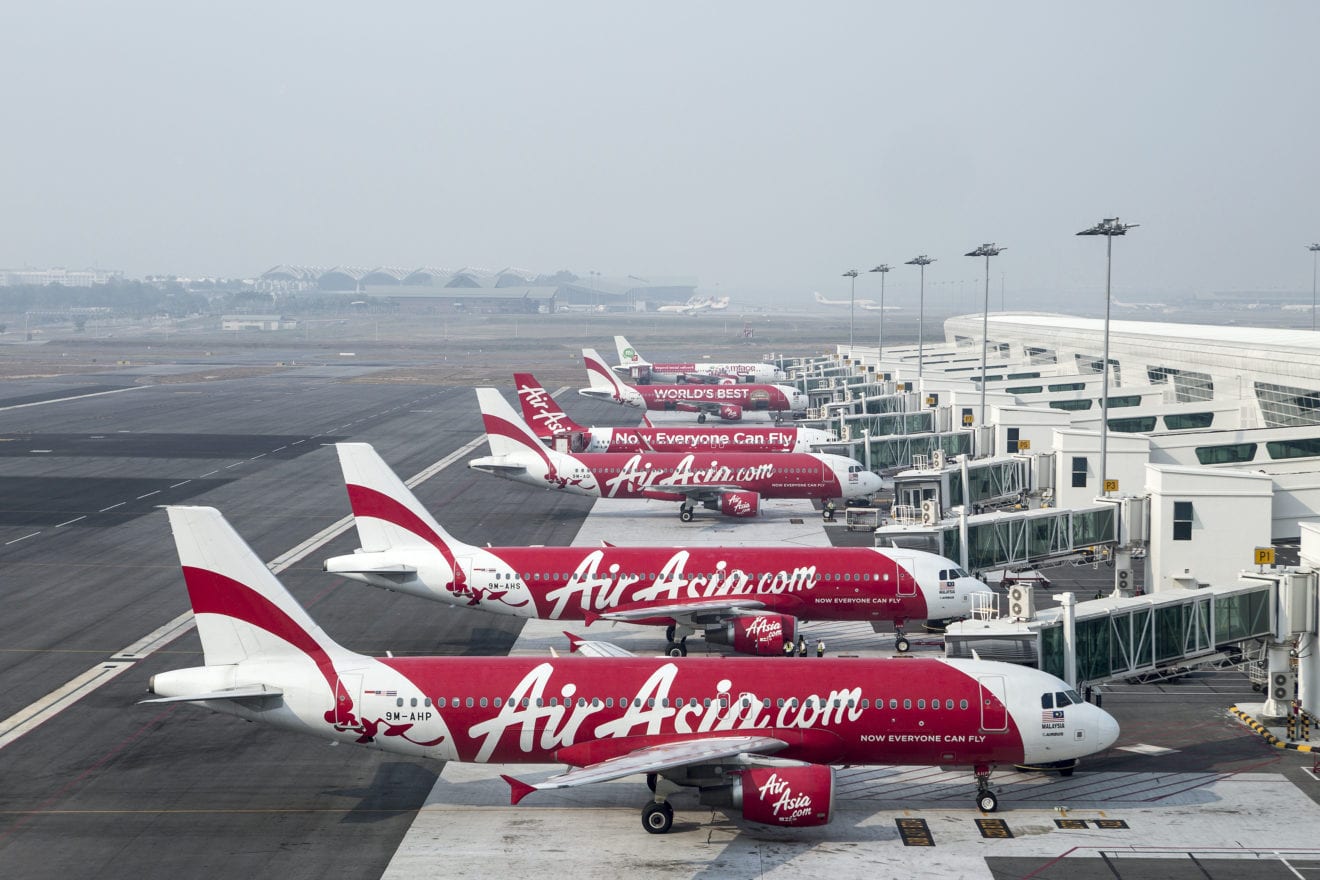
    Low-cost carrier AirAsia India has inducted a new aircraft (Airbus A320) to its fleet taking the total to 12. Focusing on its expansion plans, the airline has announced a new Hyderabad-Jaipur route which will be operational from September 1. AirAsia India has also added additional flights on Bengaluru-Bhubaneshwar and Kolkata-Bhubaneshwar routes “keeping in mind the government’s vision for regional connectivity,” it said in a release. The new AirAsia India aircraft will be stationed in Bengaluru, it added.

    “We received great reception in less than a month of starting the operations to Bhubaneshwar and are happy to intensify by adding another flight. We strive to provide connectivity to India’s key and under-served routes,” AirAsia India Managing Director and Chief Executive Officer Amar Abrol said.

    The airline currently flies to 16 destinations with its hubs in Bengaluru, New Delhi and Kolkata covering Kochi, Goa, Jaipur, Chandigarh, Pune, Guwahati, Imphal, Vizag, Hyderabad, Srinagar, Bagdogra, Ranchi and Bhubaneswar.

    Meanwhile, AirAsia announced the launch of direct flights between Tiruchirappalli and Bangkok at starting fares of Rs. 3,399 for a one-way journey. “AirAsia plans to continually penetrate the Indian market in the latter half of 2017 as it is a major market with great growth potential, especially as Bangkok and Thai cities have proven popular destinations for Indians,” Thai AirAsia, Commercial Director, Santisuk Klongchaiya said.

    Booking of tickets started from July 31 and will be open till August 13 for travel between September 29 and August 28, 2018. Currently, AirAsia offers direct flights to Thailand from Chennai, Bengaluru, Kolkata and Kochi.

  • Singapore consumers need mobile data

    Singapore consumers need mobile data

    Half of Singapore consumers would only be able to only last one day without using mobile data, according to a survey commissioned by MVNO Circles.Life

    The survey of over 900 respondents also discovered that many Singapore consumers are data deprived, with 2 in 3 saying that they need at least 6GB of mobile data per month to not worry about busting their mobile data limits. The industry average is between 3.5GB to 4GB of mobile data usage a month.

    “Findings of the survey are consistent with our internal market research, where we have discovered that consumers in Singapore needed more data, but did not have affordable access to it,” commented Rameez Ansar, co-founder and director of Circles.Life.

    “After we launched our 20GB for S$20 data Data Plus option in March, we saw a huge spike in the data usage of our subscribers to the current average of 8GB per month, more than double of the current industry usage. Singapore consumers are hungry for more mobile data and we expect that demand to grow as a nation.”

    The Circles.Life Annual Mobile Data Usage Survey 2017 was conducted by survey research firm, Survey Sampling International (SSI) of Singaporeans between 16 to 54 years old.

    The survey also revealed that many users were frustrated with their current mobile data limits and 9 in 10 felt frustrated when they reached their month data limits.

    In addition, 1 in 2 Singapore consumers have exceeded their monthly mobile data limits at least once in the last six months and of these, 24% exceeded their mobile data limits by at least 3GB.

    Survey respondents indicated that their most frequently used mobile app used each day was Whatsapp, followed by Facebook and YouTube. Dating apps were the least frequently used mobile apps.

    In conjunction with National Day 2017, Circles.Life is offering a free upgrade to its no-contract mobile plan for new subscribers. New subscribers joining in August will enjoy the 20GB for S$20 Data Plus option for free for the month of August.

  • SoftBank taps Cisco to optimize mobile IP core

    SoftBank taps Cisco to optimize mobile IP core

    Japan’s SoftBank has contracted Cisco to optimize network operations in its next-generation mobile IP core network.

    SoftBank will adopt Cisco high-density 100GE routing and segment routing technology to help meet demand for greater mobile traffic capacity and enable faster and more flexible provisioning of new services.

    Traffic demand is forecast to increase at a rate of 50% per year, prompting SoftBank to upgrade its core routers to a Cisco solution capable of housing 576 100GE ports.

    New capabilities in the system will also allow SoftBank to reduce fault recovery time and improve functions for ensuring service continuity in the event of a fault.

    Segment routing is aimed at simplifying network architectures and enabling the provision of advanced network services without increasing the burden on operations. The architecture has been designed to seek the balance between distributed intelligence and centralized optimization.

    “SoftBank keeps focusing on improving service quality and enhancing the reliability and agility of network while reducing costs,” SoftBank SVP Keiichi Makizono said.

    “Cisco’s advanced network technologies and support have allowed us to establish the next-generation mobile IP core network platform that meets the bandwidth demand. We expect Cisco’s continued support and cooperation for providing services that lead the Japanese market.”

  • DHL Supply Chain makes smart glasses new standard in logistics

    DHL Supply Chain makes smart glasses new standard in logistics

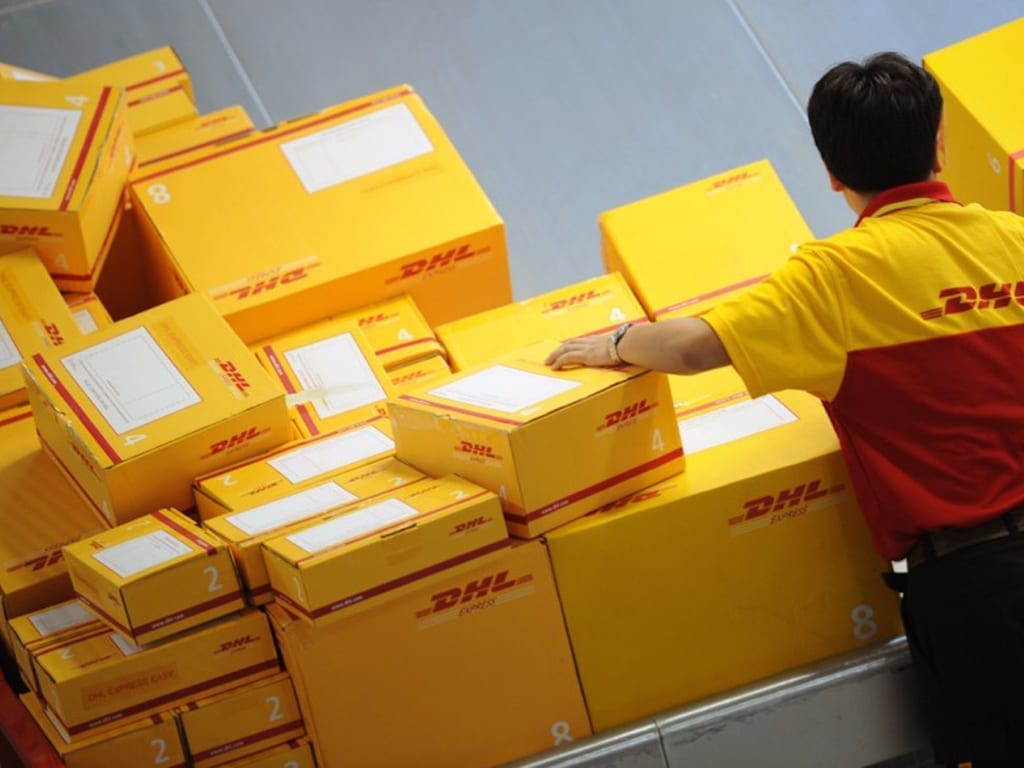
    DHL Supply Chain, the contract logistics specialist within Deutsche Post DHL Group, successfully completed its global augmented reality pilots and is expanding its “Vision Picking” solution in more warehouses around the globe, establishing a new standard in order picking for the industry. The smart glasses provide visual displays of order picking instructions along with information on where items are located and where they need to be placed on a cart, freeing pickers’ hands of paper instructions and allowing them to work more efficiently and comfortably. The international trials have shown an average improvement of productivity by 15 percent and higher accuracy rates. The user-friendly and intuitive solution has also halved on boarding and training times.

    “Digitalization is not just a vision or program for us at DHL Supply Chain, it’s a reality for us and our customers, and is adding value to our operations on the ground. Customers have been very happy about the productivity gains and are equally excited about using innovative technology at their warehouses,” says Markus Voss, chief information officer & chief operating officer, DHL Supply Chain.

    After having completed a pilot program across the U.S., Mainland Europe and the UK throughout different industries such as technology, retail and consumer, DHL has now established the Vision Picking solution for the long run. The technology has matured to become a standard, replicable solution for customers, allowing faster and easier implementation in their operations, helping them to benefit from productivity gains with increased speed of operations and better picking accuracy.

    Employees have been enthusiastic about being able to use state-of-the-art technology and are pleased with how light the smart glasses are, and how much more comfortable the process is now with hands-free picking. “We are very satisfied and happy that the pilot phase went so well and that we can now say augmented reality technology is one of our standard offerings at DHL Supply Chain,” Voss adds. “As one of the first logistics companies using the technology, we have truly established a new way of order picking in the industry.”

    DHL has been working alongside three partners in the pilot phase. Ubimax provided the augmented reality software xPick, whereas the recently announced Glass Enterprise Edition and Vuzix M100 and M300 glasses were used as hardware. Further proofs of concept running in Asia and Australia with other partners show similar promising benefits. Following the success of its Vision Picking program, DHL is looking into additional applications for augmented and virtual reality such as trainings, maintenance, dimension calculations and more.

  • DHL launches suite of semiconductor logistics solutions

    DHL launches suite of semiconductor logistics solutions

    DHL is revamping its logistics offering for the semiconductor industry by bundling individual solutions under DHL Semiconductor Logistics. This suite of services covers the entire value chain from inbound to manufacturing facilities through to final distribution to end users and provides end to end visibility of products, full compliance with international regulations and maximum security of sensitive and high value goods.

    “With more than 3,000 dedicated employees and 50 facilities worldwide, we have built extensive infrastructure and expertise for the semiconductor industry. With our new offer, we connect DHL’s broad capabilities, enabling us to individually service our customers along their complete supply chain in a cost-efficient way. This becomes crucial for an industry that requires special logistics to be a competitive differentiator,” said Rob Siegers, president, DHL Technology Sector.

    The semiconductor industry is undergoing significant changes due to the increased demand created through trending digitisation and Internet of Things applications. After a moderate growth in 2016, the market is expected to grow in revenues by 16.8 percent surpassing first time a market value of US$400 billion, mainly driven by shortages in the supply in the memory segment.

    In combination with increased merger and acquisition activities, growth coming from automotive and industrial applications as well as wearable consumer devices, changes in manufacturing and supply networks are common. DHL’s new suite of semiconductor logistics services addresses this development and is designed to improve flexibility and agility of semiconductor supply chains.

  • AEON and Thai Airways Offer Business Class of travel to Japan

    AEON and Thai Airways Offer Business Class of travel to Japan

    Mr. Kiyoyasu Asanuma (Centre), Managing Director of AEON Thana Sinsap (Thailand) Public Company Limited has coorporated with Thai Airways International Public Company Limited to provide special offers to AEON Royal Orchid Plus Platinum Cardmembers (VISA payWave and JCB) under the campaign “Ultimate Happiness in Japan with AEON Royal Orchid Plus Platinum Card”.

    Card members will be exploring their ultimate travel experience from luxurious Business Class travel to Japan with Thai Airways. AEON customers will get Thai Airways round-trip Business Class ticket from BKK – Japan value 65,000 baht when spend 3,500,000 baht or more or earn up to 5,000 bonus miles when spend 500,000 baht or more at any participating stores worldwide. The campaign runs from now until September 30, 2017.


  • DFS Group Unveils New Duty-Free Stores at Singapore Cruise Centre

    DFS Group Unveils New Duty-Free Stores at Singapore Cruise Centre

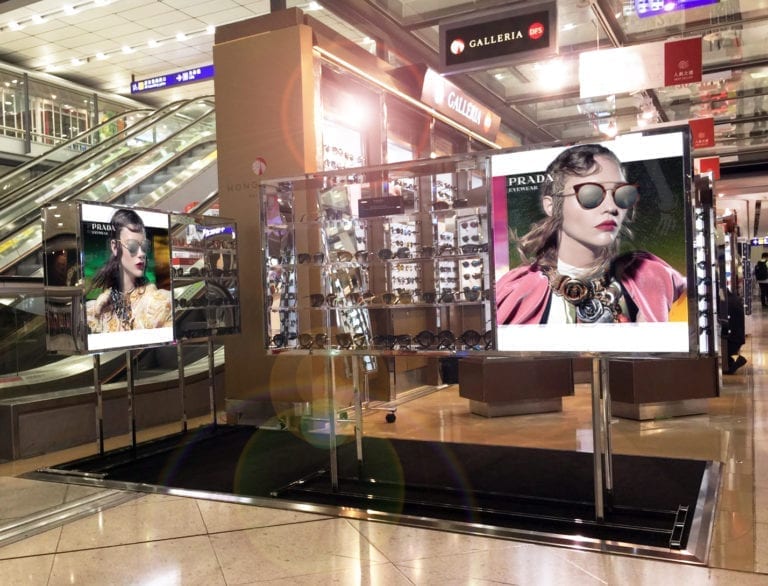
    DFS Group, the world’s leading luxury travel retailer, today unveiled its updated duty-free stores at Singapore Cruise Centre (SCC). Since being awarded SCC’s first ever master duty-free and general merchandise concession in December 2016, DFS has created a retail environment inspired by the local landscape that delivers DFS’ signature luxurious shopping experience.

    For the first time, SCC consolidated a number of its existing duty-free concessions across six categories including wines, spirits and tobacco, beauty and confectionary into a single contract. The stores, which are located at SCC’s Tanah Merah and HarbourFront terminals span seven outlets and are accessible to travelers arriving and departing from Singapore by ferry or cruise ship.

    “It has been an honor working with SCC for the past two decades and we are delighted to be continuing our partnership for the next five years,” said Wilcy Wong, DFS Group Managing Director, Singapore and Indonesia. “At DFS we focus on offering a premium retail experience where travelers are given a one-stop, seamless shopping experience. We are excited to grow our relationship with SCC and look forward to providing a broader retail experience to travelers at the ferry terminals.”

    DFS, Singapore Cruise Centre is home to over 150 brands and offers an assortment of retail products from alcohol, tobacco, cosmetics, fashion to travel accessories. The extensive range also includes many exclusive items in wines and spirits, available for purchase only at DFS. The retail experience and offering also grants travelers an opportunity to purchase all essential travel items before embarking on their outward journey.

    A gateway to the neighboring Indonesian Riau Islands, DFS, Singapore Cruise Centre is modern and fresh, incorporating nautical elements that reflect the nearby island destinations. Both Batam and Bintan are popular destinations from Singapore. The main retail space at both the arrival and departure areas has been expanded to 6,000 sq ft. to accommodate over 6.3 million ferry passengers and 560,000 cruise passengers annually.

    “The opening of the new DFS stores at SCC marks a strong relationship between DFS and SCC. Passengers at our terminals are now able to experience an array of retail offerings with more store space, new retail concepts, as well as new brands, which hand in hand work to elevate the overall shopping experience,” said Christina Siaw, CEO of SCC.

    The DFS HarbourFront departure store is also home to an exclusive Whiskey Bar and Cocktail Bar, where guests can sample from a range of whiskies or indulge themselves in specialty cocktails made from fresh ingredients by DFS’ in-house bartenders. Created in collaboration with The Whiskey House at DFS’ Terminal 2 Duplex at Singapore Changi Airport, the Whiskey Bar is an extension of DFS’ interactive approach to spirits, educating and engaging customers through guided tastings so they can find their perfect match when making a purchase.

  • Bolloré Logistics Crowned Best Green Logistics Operator at the 2017 AFLAS Awards

    Bolloré Logistics Crowned Best Green Logistics Operator at the 2017 AFLAS Awards

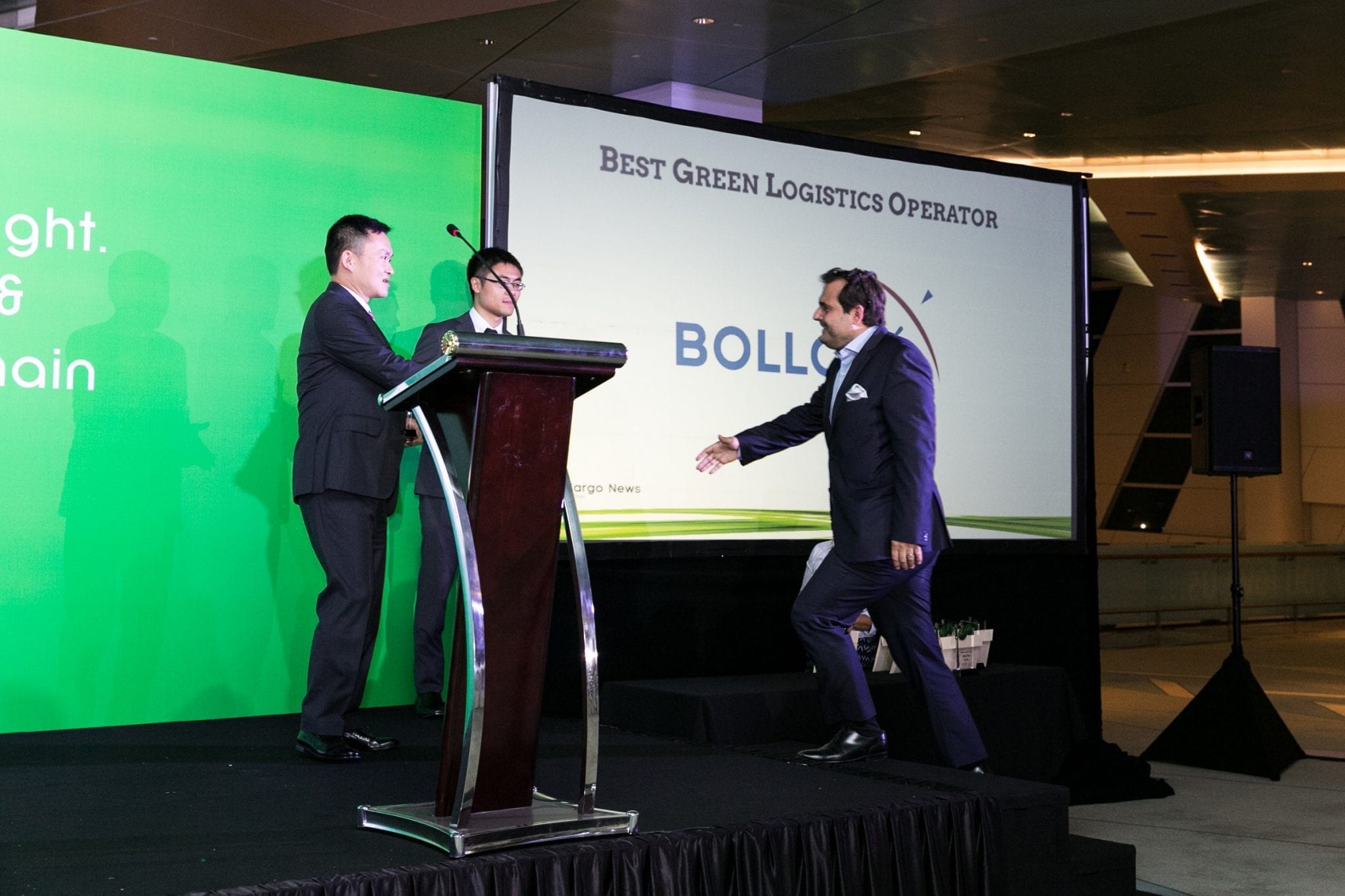
    Present on June 29th at the 2017 Asian Freight, Logistics and Supply Chain Awards (AFLAS) organized by Asia Cargo News and held in Singapore at the Marina Bay Cruise Centre, Bolloré Logistics received the Best Green Logistics Operator award in front of the transport and logistics community.

    Mr. Yves Laforgue, Chief Operating Officer at Bolloré Logistics Asia Pacific, was honored to receive the award on behalf of the company from the hands of Mr. Ian Kwok, Assistant General Manager of Aviation Logistics at the Airport Authority of Hong Kong. “Bolloré Logistics is honored to have been recognized as ‘Best Green Logistics Operator’ at the award presentation ceremony where many international transport and logistics companies gathered,” mentions Mr. Yves Laforgue. “This distinction rewards the steps taken by Bolloré Logistics in an effort to offer more eco-friendly solutions to its clients in the Asia Pacific region,” Mr. Yves Laforgue adds.

    Organized annually by Asia Cargo News – the only newspaper covering logistics and cargo supply chains in the Asia Pacific region – this event recognizes transport and logistics service providers for their excellence in service quality, innovation, customer relationship management and reliability. Thousands of shippers and customers voted for the 2017 AFLAS winners, therefore truly reflecting the opinion of the industry experts. The nomination criteria followed a technical evaluation. At first, the top eight firms in each category were short-listed; after which, the top three firms in each category made up the final shortlist.

    A Glance at Bolloré Logistics’ Green Projects in Asia Pacific

    As an effort to reducing greenhouse gas emissions in the Asia Pacific region, Bolloré Logistics introduced in 2015 its very first hybrid shuttle from its “Green Hub” in order to serve the fashion and luxury industry in Singapore.

    To pursue its commitments towards a more eco-friendly supply chain, Bolloré logistics is also continuing its actions for the setup of environmentally-responsible buildings. Since its “Green Hub” in 2013, logistics hub in Singapore to be Green Mark Platinum* and LEED Gold* certified, Bolloré Logistics launched two other green building initiatives in Asia. In 2016, Bolloré Logistics Australia moved to a brand new 5-Star Green*** rated warehouse and office spaces located at Melbourne Airport.

    More recently, Bolloré Logistics South Korea installed a 264-sqm urban farm on its office rooftop building in Seoul, South Korea, as part of the Group’s initiative to promoting “Green Projects” and protecting the biodiversity.

    Bolloré Logistics’ SAVE PROGRAM

    With SAVE PROGRAM, Bolloré Logistics supports its customers aiming at reducing GHG emissions and atmospheric pollutants along the supply chain, thus limiting environmental impact. SAVE PROGRAM acts on two levers: improving air quality in urban areas and fighting against climate change.

  • New technology for greater transparency and more secure processes in the warehouse

    New technology for greater transparency and more secure processes in the warehouse

    As part of its B2B logistics services, Arvato is focusing its packaging process across Europe on camera technology for the first time to further increase the already high process reliability in the supply chain. To do so, cameras installed above the packing stations document whether each shipment is complete and contains the right contents in the right packaging. “We’ve already put this in place for packages and are currently working on a pallet-level solution,” says Thomas Becker, Executive Vice President Hightech & Entertainment at Arvato SCM Solutions. “The primary advantages include traceability and identifying sources of error. This cuts down on costs and helps us when dealing with possible customer complaints.”

    The consumer electronics industry’s interest in the ongoing optimization of the security measures in the supply chain is high. “As a manufacturer of premium cameras, security is our top priority,” confirms Christopher Brawley, Managing Director for Fujifilm Electronic Imaging Europe GmbH. This is largely due to the value of the goods; for example, the sales price of the newly launched medium-format GFX 50S runs several thousand euros. “There is no general solution that is right for every industry and every customer. Instead, we are convinced that every process step can be improved through new and innovative solutions to guarantee a secure supply chain overall and a corresponding added value for our customers,” says Alexander Jeske, who is responsible for innovation management in the Hightech & Entertainment division at Arvato SCM Solutions. This is an approach that is entirely in the spirit of Fujifilm.

    Arvato runs the European central hub in Düren in North Rhine-Westphalia and is responsible for all B2B logistics for the world’s largest photography and imaging company. In addition to warehousing, order picking, shipment packaging and transport management, the services Arvato provides in part of the 75,000 m2 logistics center today include the procurement of materials as well as numerous value-added services. The fulfillment services further include postponement activities, such as assembling sets, repackaging and bundling goods as well as “countrymizing,” which means applying country-specific product characteristics.

    “Security has always been the focus of all our services ever since we started working together ten years ago,” emphasizes Thomas Becker. Fittingly, Arvato’s Düren location holds a TAPA certification (Transport Asset Protection Association) for high-quality products and focuses on automation and innovation in the supply chain. This means that all incoming shipments with Fujifilm products, including high-quality cameras, lenses and other photography accessories, are checked for completeness by an automated weight and volume control system. This prevents more than just stock differences since the geodata registration also serves as the basis for each additional control action along the supply chain. According to Thomas Becker, “This seamless transparency and control enables us to prevent damages and losses along the supply chain and to document shortfalls with our suppliers.”

    In addition to the camera documentation system now in place as part of the packaging process, Arvato is currently reviewing additional measures related to its innovation activities to further increase security in the supply chain. These include applications to create complete transparency in last mile delivery and solutions to localize high-quality goods in the distribution process in close to real time.

    Thomas Becker says, “We work in close cooperation with our partner, Fujifilm, on each and every measure since the technology used must always meet the customer’s individual requirements.”

  • NEC opens first Advanced Centre for Experimentation (ACE) in Singapore

    NEC opens first Advanced Centre for Experimentation (ACE) in Singapore

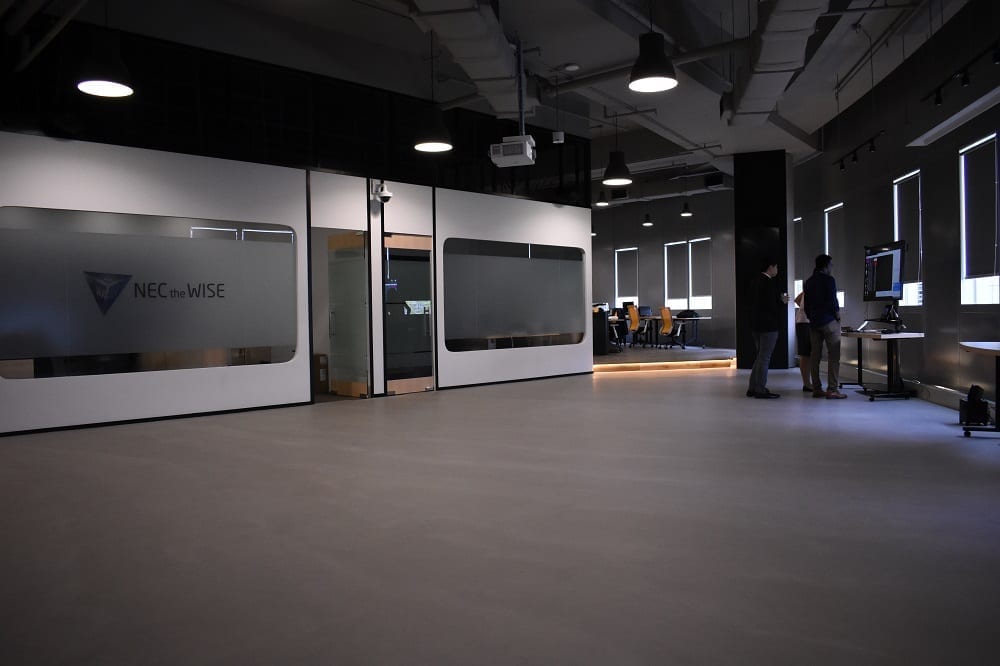
    NEC Corporation and NEC Asia Pacific today announced the opening of NEC’s first Advanced Centre for Experimentation (ACE), aiming to facilitate the company’s global Research & Development capabilities.

    The ACE is strategically located in Singapore, with its favorable research ecosystem and infrastructure, and forms a key component of NEC’s growth strategy in the Asia Pacific region. Operated by NEC Laboratories Singapore (NLS), the ACE leverages NEC’s core technologies and advanced solutions, such as artificial intelligence (AI) and ICT platforms, to create new value and contribute to a safer, smarter living environment for people and communities.

    The facility allows co-creation of solutions and provides a “living lab” for proof-of-concepts foradvanced solutions that help customers and partners, including governments and enterprises, in areas such as public safety, transportation and healthcare. This enables close collaboration with NEC researchers in a real world environment, and makes it possible to clearly understand thebenefits of new solutions before commercial deployment and operation.

    In conjunction with the opening of the ACE, NLS, which currently is staffed with 33 researchers/solution engineers, will hire an additional 50 researchers/solution engineers within the next three years, mainly specializing in AI, the Internet-of-Things, Cognition and cyber security, thereby contributing to the further development of Singapore’s R&D talent pool.

    “We are delighted that NEC has chosen to establish their ACE in Singapore. This investment by NEC is a strong testament of Singapore’s talent pool and innovation capabilities to drive the digital transformation of industries.  The ACE will enrich Singapore’s digital ecosystem, and will foster new partnerships for the co-creation and commercialization of new solutions from Singapore,” said Tung Meng Fai, Director, Infocomms and Media, Singapore Economic Development Board.

    “The establishment of the ACE is a significant milestone for us as it is the first of its kind for NEC globally. NEC is investing more than S$100 million in the Asia Pacific region over the next five years mainly for research and development, and the set-up of the ACE in Singapore is the heart of this investment. This experiment facility underscores NEC’s strong commitment to business in Asia Pacific,” said Tetsuro Akagi, Senior Vice President of NEC Corporation and Chief Executive Officer of NEC Asia Pacific. “Leveraging NEC’s technological innovation in AI and big data analytics, we hope to innovatively help governments and enterprises across the region in their digital transformation journey.”

    Established in September 2013, NLS aims to accelerate time-to-market of NEC’s solutions for society. NLS core expertise is in the study of social concerns jointly with government, enterprises, and research institutes, and proposing a combination of advanced information communication technologies to form new solutions to solve a broad range of business and social challenges.

    NLS has conducted joint research projects with partners and customers around the world. This includes SMRT Buses, a public bus transport operator in Singapore. SMRT Buses and NEC launched Singapore’s first telematics monitoring system consisting of eco-drive sensors that monitor and analyze bus captains’ driving behavior in 2014. This has led to another innovative project with SMRT Buses to develop the Professional Learning and Training Management System (PROLEARN). PROLEARN provides a comprehensive approach to constantly monitor, proactively manage, and provide customized training for drivers with relevant operational and industry-specific competencies using NEC’s big data analytics technology.

  • Domestic air carriers post huge profits in H1

    Domestic air carriers post huge profits in H1

    Domestic airlines posted huge revenues and profits in the first half of 2017 following a 19.5% year-on-year growth of the aviation market with the number of air passengers reaching 30.3 million, according to the Civil Aviation Administration of Vietnam (CAAV).

    There are currently 63 foreign airlines from 25 countries and territories operating international flights to and from Vietnam.

    On the domestic market, four domestic airlines namely Vietnam Airlines, Vietjet Air, Jetstar Pacific Airlines and VASCO are operating 52 domestic air routes connecting Hanoi, Danang and HCMC with 18 local airports. Local and foreign carriers also have conducted chartered flights to Can Tho, Dalat and Vinh among others.

    Vietnam Airlines and Vietjet Air, two domestic largest airlines, both posted huge revenues and profits in the year’s first half.

    Vietjet’s business report for the first six months of 2017 released last week shows that both revenue and profit of the airline far exceeded the plan.

    In particular, Vietjet posted revenue of over VND10.7 trillion (nearly US$472 million), up 45.1% compared to the same period last year, and reaching 108% of the six-month plan. Its pre-tax profit amounted to nearly VND1.1 trillion, up 46% year-on-year.

    Vietjet is operating 73 domestic and international air routes. The number of people flying with Vietjet in January-June totaled 8.27 million, a rise of 22.4% year-on-year.

    Meanwhile, the national flag carrier Vietnam Airlines served nearly 10.3 million air passengers in the first six months of 2017, increasing by 6% compared to the same period last year.

    The airline’s revenue totaled nearly VND43 trillion, up 18% year-on-year, and pre-tax profit was estimated at VND830 billion, 51% of the year’s plan.

    As of mid-2017, Vietnam Airlines had a fleet of 11 Boeing 787-9 and seven A350 aircraft.

    The growth of the domestic aviation market is forecast to slow down in the coming time but double-digit growth will be achievable.

    However, the business performance of the airlines may be affected when the country’s biggest airports, Noi Bai and Tan Son Nhat, are partially closed for repair and upgrade by the end of this year.

  • Just 15% of Hong Kong firms back up data on public cloud

    Just 15% of Hong Kong firms back up data on public cloud

    More than 50% of Hong Kong companies are concerned about their data being at risk in case of a ransomware attack, but only a few are currently using public cloud data backup services that could help mitigate the impact of such malware infections, research indicates.

    “Only 15% of enterprise respondents said they are using data backup on public cloud although there is a high level of awareness for this type of service,” said Professor John Bacon-Shone, associate dean of the Faculty of Social Sciences and Director of the Social Sciences Research Centre at the University of Hong Kong (HKUSSRC).

    He was citing a key finding in the Ransomware and Cloud Readiness survey presented yesterday by HKUSSRC and BSA The Software Alliance.

    The survey was conducted in two phases – a baseline survey from March 28 and April 24 before the WannaCry ransomware outbreak and a follow-up survey from June 29 and July 12 in the aftermath of WannaCry.

    Corporate respondents came from major vertical industries, such as manufacturing, construction, real estate; import/export trade; retail; accommodation and food services; information and communication; and finance and insurance to name a few.

    Security issues dampen adoption

    Bacon-Shone said over 50% of respondents have cited security issues as the primary reason for not using data backup services powered by public cloud.

    “The top three security issues cited were confidentiality considerations, safety concerns and no confidence in security,” he added.

    According to the survey, over a third of Hong Kong companies are backing up data more than three times a week. However, more than 75% of them have adopted a non-cloud option for their primary data backup, despite widespread awareness of the availability data backup services on public cloud. What’s more, nearly 80% have said they are unlikely to consider data backup on the public cloud in the future.

    “Recognition of the importance of having data backup is critical, but taking concrete steps to perform offsite secure backup which may include public cloud backup is a different story,” said Bacon-Shone.

    He noted that local regulation has long required data users to safeguard personal data from unauthorized or accidental access, processing, erasure, loss or use.

    “The new EU law on data protection – the General Data Protection Regulation – is due to become enforceable in May 2018. This will include much stronger sanctions (of up to 4% of global annual turnover or €20 million, whichever is greater) and requires a risk-based accountability.

    “This is why there is an essential need for companies to implement offsite secure backup, which may include public cloud backup, but will require careful choice of trustworthy providers of backup services,” he added.

    Conduct due diligence

    Tarun Sawney, senior director of APAC at BSA, said that companies should conduct due diligence before choosing a cloud service provider to deliver data backup services.

    “When considering the choice of trustworthy providers of cloud services, companies should carefully consider the quality of service offered, particularly in relation to the four key pillars – privacy, security, compliance and transparency,” he said, adding that they should check whether these providers are compliant with international and national standards such as ISO 27018, ISO 27017 and ISO 27001.

    Meanwhile, he noted that the survey findings showed companies in Hong Kong currently lack an understanding of what the cloud has to offer in enhancing their overall cybersecurity defense strategy.

    “There is a staggering gap between the level of awareness and the actual efforts local enterprises undertake in protecting themselves against future cyberattacks. Experts have said that having more than one way of backing up is probably the way to go. And public cloud data backup offers a very cost-efficient option for business,” Sawney said.