Author: Mei Ling Tan

  • 4Fingers eyes expansion in Malaysia

    4Fingers eyes expansion in Malaysia

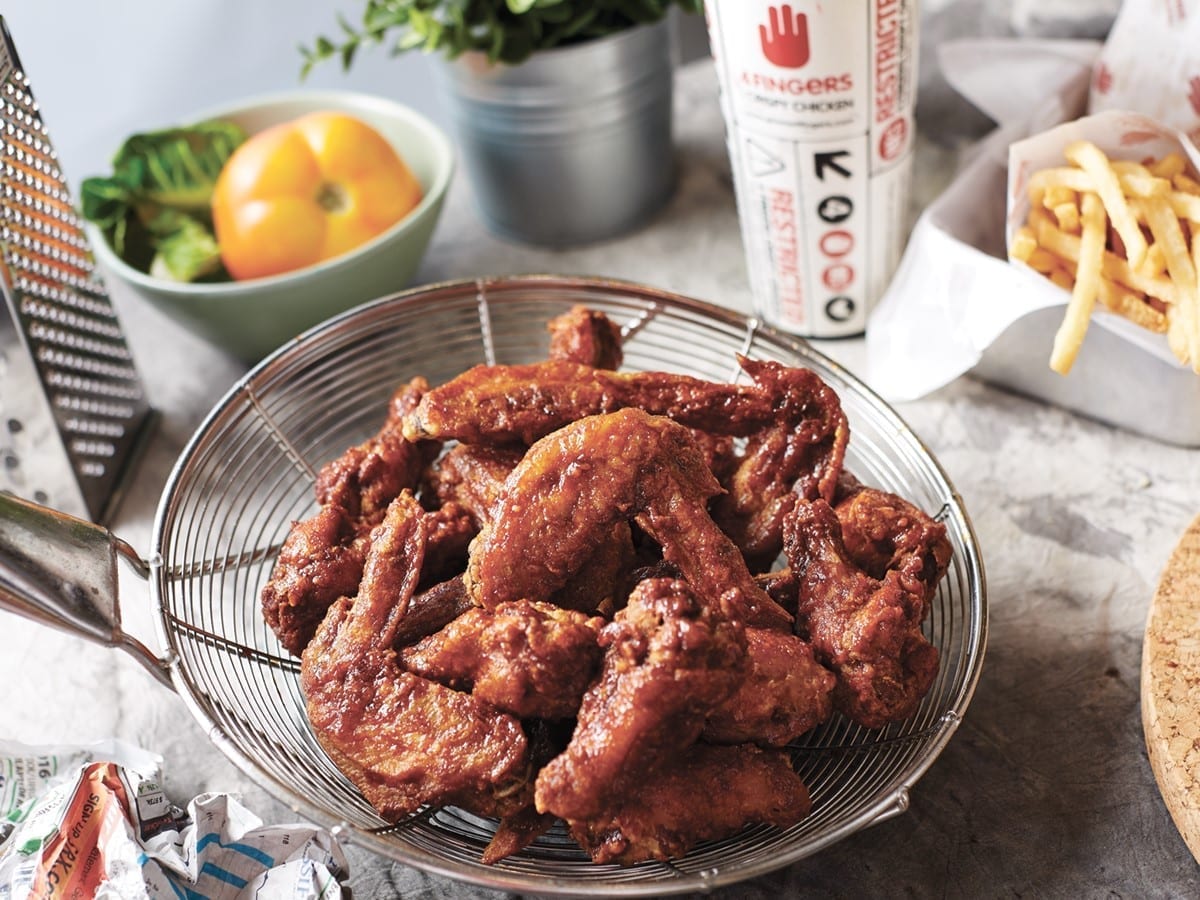
    Singaporean fast-casual restaurant chain 4Fingers plans to open 20 outlets in Malaysia over the next four to five years.

    With its fourth store in Malaysia just opened in Berjaya Times Square, the company’s expansion plans also extend to Asia Pacific.

    “We are certainly exploring the right, accessible areas where our chicken will be in demand,” says CEO Steen Puggaard.

    In just four years, 4Fingers has grown from one to 21 outlets, including Australia and Indonesia. It also has Europe and the US on its radar.

    With RM3.2 million (US$740,000) invested in its first four Malaysian outlets, it is seeking further leases to meet the country’s growing demand for fried chicken, says Puggaard. “With customers also asking for 4Fingers to be delivered to their doorstep, we are exploring having a delivery service as well.”

  • Fast Retailing Indonesia taking Uniqlo to East Java

    Fast Retailing Indonesia taking Uniqlo to East Java

    Fast Retailing Indonesia is reaching out to new markets with the impending opening of two Uniqlo fashion stores in Surabaya, East Java.

    The Japanese retail giant’s expansion to the provincial capital adds to the 11 Uniqlo stores already in Indonesia.

    Fast Retailing Indonesia president/director Michiaki Tanaka says the Surabaya stores are part of his company’s plan to reach all customers across the country.

    Being launched next month, the stores are being built in Surabaya’s biggest shopping centres, Pakuwon Mall and Tunjungan Plaza.

    Uniqlo has 1800 stores in 18 countries.

  • MPT launches FTTH in Yangon

    MPT launches FTTH in Yangon

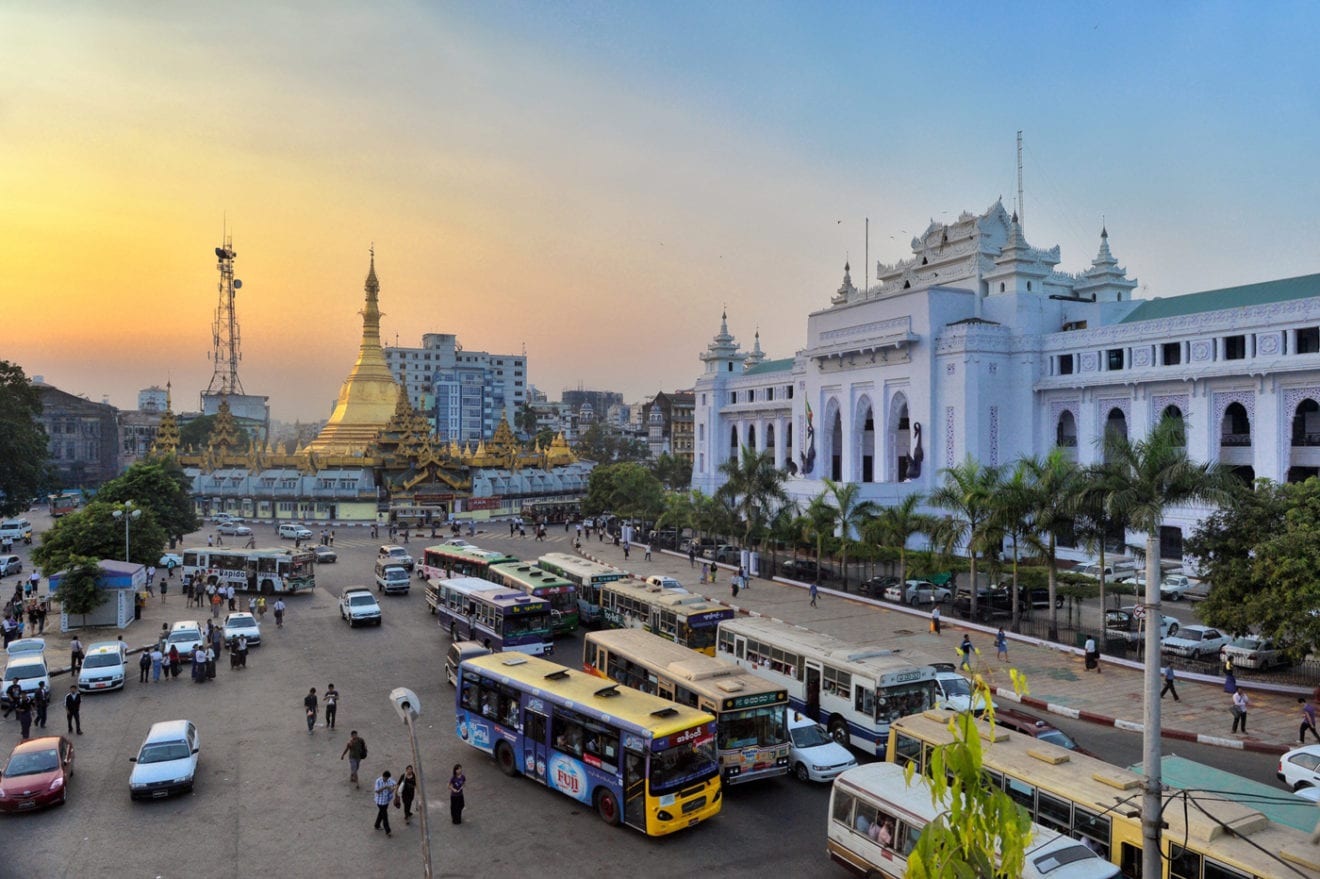
    Myanmar’s MPT has announced the launch of FTTH services in parts of the nation’s largest city Yangon.

    The new service offers speeds of 5Mbps for 69,000 kyat ($50.64) per month, or 10Mbps for 109,000 kyat per month.

    The operator is offering the service on a 12 month contract and charging an installation fee of 150,000 kyat, rising to 200,000 kyat after a promotional period ends.

    MPT has deployed the services in parts of downtown Yangon, and plans to expand the rollout to other areas of Yangon and to Mandalay early next year and to other major cities across the nation throughout that year.

    “We are pleased to offer customers a truly enriching internet experience in their homes at greater value,” MPT chief commercial officer Reizo Umeda said.

    “The new fiber-based service will provide fast and reliable connectivity to online services, from web browsing, social media, streaming videos, gaming as well as those that require higher bandwidth capacity for connecting multiple devices simultaneously. Also as thanks to our valued customers, we are launching this service with an attractive introductory installation price, which we hope residents will take advantage of.”

    MPT entered a partnership with Japan’s KDDI and Sumitomo for both its fixed and mobile operations as part of the 2014 liberalization of Myanmar’s telecoms sector.

  • Cabbeen Fashion scrambles for market share

    Cabbeen Fashion scrambles for market share

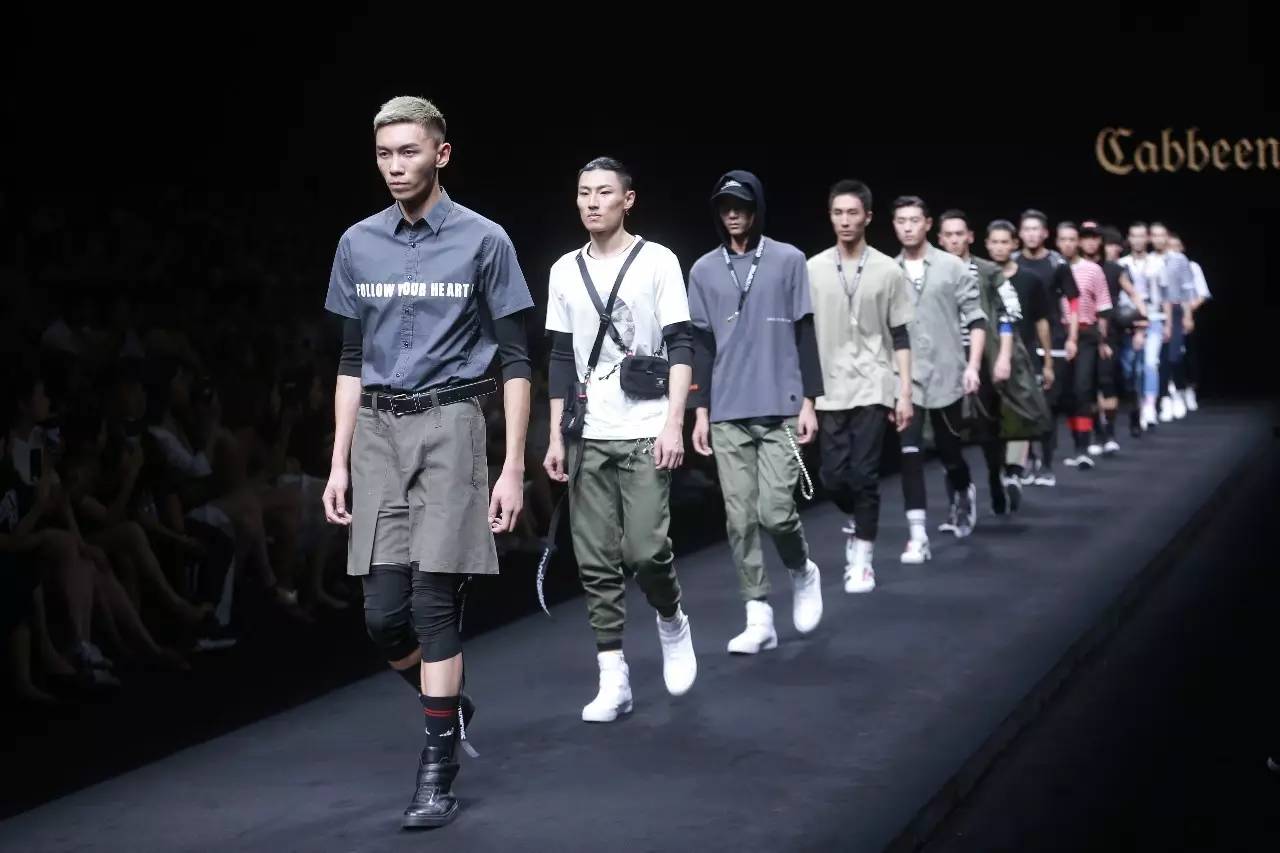
    Both revenue and net profit for Chinese menswear designer brand Cabbeen Fashion fell for its half-year to the end of June.

    In the face of China’s economic slowdown plus fierce competition, the company initiated restructuring and cost-saving measures during the period, also streamlining its retail network with a greater focus on shopping malls. It closed 59 underperforming shops to end the half-year with 840 outlets.

    Its unaudited consolidated results show the group achieving 24.3 per cent less revenue at RMB406 million (US$60 million). Operating profit fell 3.7 per cent to RMB138.1 million.

    Gross profit margin increased to 53.5 per cent from 50.2 per cent.

    Total retail revenue generated by stores declined by 11.8 per cent, compared to 5.3 per cent for the same period last year, mainly because of the shop closures. This also resulted in same-store sales growth declined by 4.9 per cent, compared to 6.9 per cent for the same period last year.

    However, retail sales revenue from online shops grew by more than 32 per cent to RMB128.2 million. Its online stores include JD.com, Tmall, Wechat and the official website.

    With consumer preferences becoming more sophisticated, the company says it invested in its in-house design and R&D capabilities. It tightened the team to 72 from 133, including 21 (down from 28) designers from Mainland China, Hong Kong, other Asian countries and Europe. The company also works with design institutes and contract designers around the world.

  • Hang Lung profits hit by falling rents

    Hang Lung profits hit by falling rents

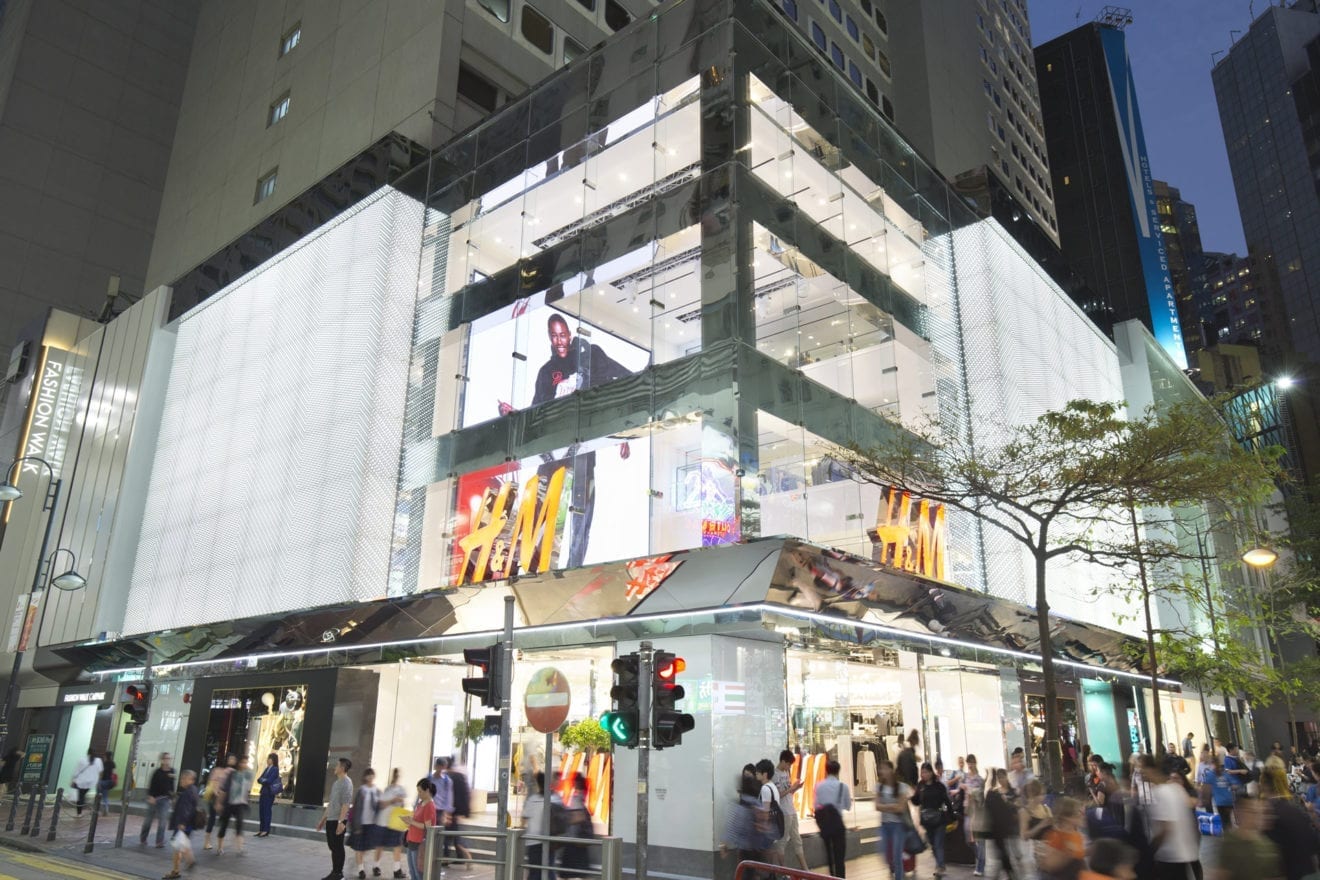
    Falling rents have hit profits for Hang Lung Properties, which has posted a 4 per cent decline in underlying net profit to HK$3 billion (US$383.9 million) in its first half.

    Asset-enhancement initiatives in Hong Kong and Shanghai also caused disruption of rental income, but this was for a short term and had been expected.

    However, total operating profit rose 5 per cent to $4.541 billion and $4.743 billion year on year for Hang Lung Properties and Hang Lung Group respectively.

    Chairman Ronnie Chan Chi-chung says the group achieved a solid performance on its core leasing business against a backdrop of challenging business conditions, and a yuan depreciation of 5 per cent.

    Rental income from its eight mainland shopping malls rose 2 per cent to RMB1.338 billion (HK$1.55 billion), with the rental revenue of Shanghai Plaza jumping 23 per cent.

    Total revenues of the six malls outside Shanghai fell 3 per cent, however, with some having to downwardly adjust rents to optimise tenant mix and occupancy, says the group.

    For instance, rental income at its Shenyang mall dropped 28 per cent, as it had to replace non- performing tenants, but the retail sales had mild growth despite lower occupancy.

    In Hong Kong, commercial portfolio revenues slipped 1 per cent to $1.118 billion, but Chan says the group’s main business focus is on the mainland where it has 250 million sqft of land reserves awaiting development.

    However, the group may also consider undertaking more redevelopment projects in the old districts of Hong Kong.

  • Vinyl record pop-ups pay off for ‘stunned’ retailer

    Vinyl record pop-ups pay off for ‘stunned’ retailer

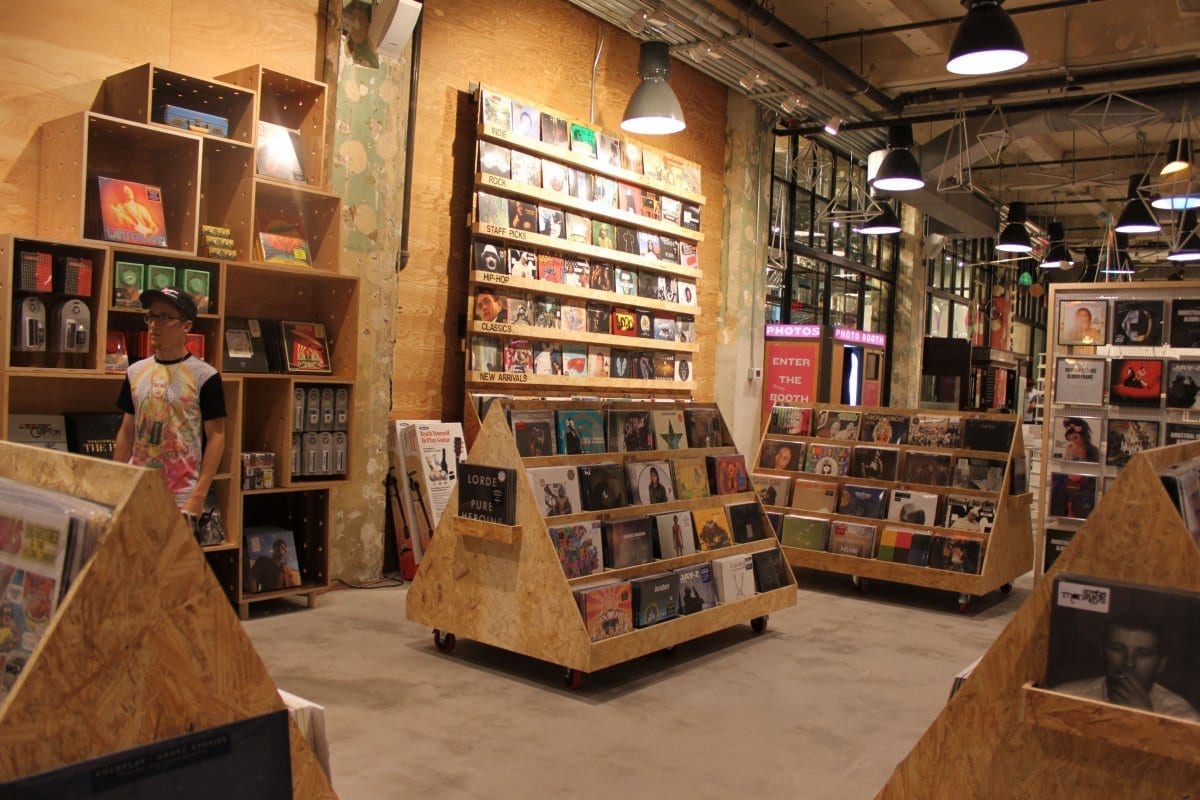
    Two years of vinyl record pop-ups for collectors have left retailer Nick Langford stunned by the level of interest in the vintage format.

    He started his business with a shipment of 10,000 LPs (long-playing records) in 2015.

    “It’s all about vinyl,” says Langford, who holds the pop-up events each month at SoHo’s Culture Club Gallery.

    “Every genre from the ’50s onward is covered, including new issues from Hong Kong artists like Blood Wine or Teenage Riot,” says the English expat, who describes the demand as “quite extraordinary”.

    A worldwide vinyl revival kicked off about 10 years ago, with sales are set to reach US$1 billion for the first time this year. Sony Music is launching a record-pressing plant in Japan to cope with demand, much of it driven by the Asian market.

    Langford started by buying a collection of 10,000 records which he had flown to Hong Kong in 95 boxes. “It took me four months to get them in order, and it cost a lot of money, but it was worth it,” he says.

    While organising a recent purchase of ’60s flexi-discs from China, he found a first pressing of a Beatles record that had been put back into the wrong sleeve. He says it is such discoveries that keep collectors hunting.

  • Alipay Southeast Asia partners with Fave in Singapore

    Alipay Southeast Asia partners with Fave in Singapore

    Alipay Southeast Asia is partnering with Fave to roll out seamless cross-border payments via app, starting with Singapore.

    Fave, an online-to-offline (O2O) mobile platform and Alibaba Group’s financial affiliate Ant Financial will allow the Alipay app to be used for payments at restaurants and offline retailers that are part of the Fave ecosystem, with special offers and rewards for users.

    With 520 million users worldwide, Alipay is one of the world’s largest online and mobile payment platforms. As more than 3 million Chinese tourists are expected to visit Singapore this year, the ability to accept Alipay will greatly benefit local restaurants and retailers and Southeast Asia as a whole, according to Fave.

    “Restaurants and offline retailers are the backbone of the economy in Singapore, and we aim to help them succeed,” says Fave founder Joel Neoh. “While more than 90 per cent of retail spend is done offline, retailers are always looking for ways to reach out to mobile-savvy customers.”

    Regionally, Fave covers more than 10,000 restaurants and offline retailers, and has more than a million active users who can earn rewards in Indonesia, Malaysia and Singapore.

    “By partnering with innovators like Fave, we are giving Chinese travellers the safe, efficient and convenient payment services they are accustomed to at home,” says Alipay Southeast Asia head Dayong Zhang.

    According to Singapore Tourism Board (STB) preliminary estimates, more than 2.8 million Chinese travellers visited Singapore last year, proving the largest source of tourism receipts, spending more than S$3 billion (US$2.2 billion) to the end of September alone.

    Launched 12 months ago, Fave covers such segments as F&B, beauty and wellness, and lifestyle and activities, and has acquired Groupon Indonesia, Malaysia and Singapore. The company sprang from fitness sharing platform KFit.

  • Flight Centre buys two New Zealand travel firms

    Flight Centre buys two New Zealand travel firms

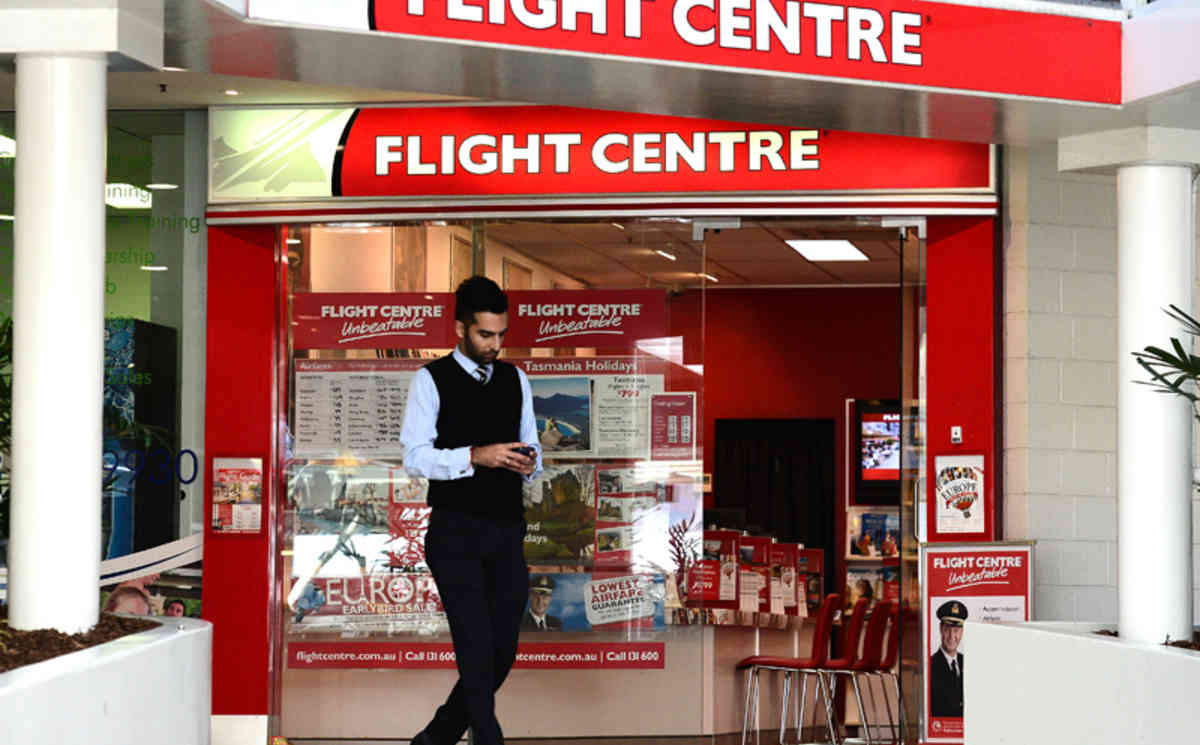
    ASX-listed Flight Centre Travel Group will buy two local travel firms for an undisclosed sum, expanding its footprint in New Zealand and making it one of the country’s biggest travel management groups.

    The Brisbane-based company on Monday said it had agreed to buy Travel Managers Group (TMG) and Executive Travel Group (ETG), without providing details of the transactions, making New Zealand the Australian firm’s fifth biggest business globally.

    The two businesses will add $3 million of annual earnings before interest, tax, depreciation and amortisation, and Flight Centre said their addition will boost the New Zealand business to almost $1.5 billion in annual sales in the 2018 financial year.

    “ETG will enhance our already strong corporate travel offering in New Zealand and will give the business additional scale and expertise,” Flight Centre managing director Graham Turner said in a statement to the ASX.

    TMG provides systems and support to a network of 180 travel brokers and operates a 22-shop franchise network including 12 TravelSmart shops and 10 other non-branded stores, while ETG is New Zealand’s biggest independent corporate travel manager.

    Former Flight Centre staffer Kevin Weston co-owns ETG, which was set up in 1978 and he and business partner Nicola Jamieson bought a 40 per cent stake in TMG in 2014.

    Weston, Jamieson and TMG shareholder David Wallace will keep running the two businesses, and report to Flight Centre New Zealand managing director David Coombes.

    Flight Centre will use company cash to pay for the acquisitions, which are expected to settle in the first quarter of the 2018 financial year. No price was disclosed, although Flight Centre said they were in line with normal multiples. The ETG purchase includes extra payments if certain earnings targets are met.

    The ASX-listed company’s shares last traded at $A43.50 ($NZ46.33) and have jumped 39 per cent so far this year.

  • Mirvac launches bespoke nanny service

    Mirvac launches bespoke nanny service

    Retail landlord, Mirvac, has launched a new nanny service across two of its shopping centres, with plans to roll the service out nation-wide by 2019.

    Mirvac’s Shopping Nanny allows customers at Rhodes Waterside NSW and Kawana Shoppingworld QLD to book up to two hours of complimentary childcare, as part of Mirvac’s national centre loyalty program Mums & Co.

    Parents can also choose whether the nanny accompanies them while they shop, or entertains the child in a designated play area on site. The company has recruited Lullaby Nanny Share which will provide the carers.

    The concept was designed by Mirvac’s program, Hatch, and was initially trialled at Rhodes Waterside. According to the retail landlord, customer feedback indicated that the ability to shop stress-free, try on clothes in the changing rooms and enjoy a coffee with friends were their top reasons for enjoying the service. Being able to have the nanny accompany them while they shopped was also a key benefit, with over 60 per cent choosing this option.

    Susan MacDonald, head of Mirvac Retail, said the service was testament to the company’s investment into creating more meaningful and engaging experiences for its customers beyond the realms of retail.

    “We are dedicated to creating value for our customers, and for us, this value is defined through experience – listening to customer needs and trends and responding with innovative solutions that in turn deliver evermore rewarding experiences in our centres,” said MacDonald. “Shopping Nanny is a great example of this ideation in process.”

    Group GM, innovation, Teresa Giuffrida, said Mirvac “actively sought feedback from our customers and extensively tested this concept before implementing, so we know this is a service our customers will love.”

  • Apple revenue rises on iPhone boost

    Apple revenue rises on iPhone boost

    Apple has reported a 7.2 per cent rise in quarterly revenue, buoyed by better-than-expected sales of its iPhones ahead of the smartphone’s 10th-anniversary edition launch later this year.

    On Tuessday the company said iPhone sales rose 1.6 per cent to 41.03 million in the third quarter ended July 1, above analysts’ average estimate of 40.7 million units, according to financial data and analytics firm FactSet Street Account. Apple sold 40.4 million iPhones a year earlier.

    Many customers wait for Apple to launch its new smartphones before deciding on upgrading or replacing their current devices, which usually results in iPhone demand tapering in the months before a release.

    The company forecast total revenue of between $US49 billion ($A61 billion) and $US52 billion for the current quarter, while analysts on average were expecting $US49.21 billion, according to Thomson Reuters I/B/E/S.

    Analysts on average expect the company to sell 45.55 million iPhones in the current quarter, according to FactSet. Apple sold 45.51 million iPhones in the year-ago quarter.

    Apple’s fourth quarter generally includes first-weekend sales of the company’s latest devices.

    The company’s net income rose to $US8.72 billion, or $US1.67 per share, in the three months ended July 1, from $US7.80 billion, or $US1.42 per share, a year earlier.

    Revenue rose to $US45.41 billion from $US42.36 billion in the quarter, typically the company’s weakest. Analysts on average had expected $US44.89 billion.

  • Vietnam’s 4G population coverage hits 95%

    Vietnam’s 4G population coverage hits 95%

    Vietnam’s 4G networks now cover 95% of the nation’s population, attendees to the 4G LTE 2017 International Conference learned.

    The conference, organized by the Vietnam Internet Association and IDG Vietnam, was told that around 43,000 4G base stations have now been deployed nationwide.

    Vietnam issued 4G licenses in the 1800-MHz and 2600-MHz band last year. There are now four 4G licensees in Vietnam – Viettel, Vinaphone, MobiFone, and Gmobile – with the first three of these having launched services.

    Speaking at the event, deputy minister for information and communications Pham Hong Hai called on operators to launch 4G network to create opportunities for explosive growth in 4G services.

    He said the arrival of the 4G era in Vietnam will also create opportunities in fields including the IoT and smart cities.

  • Amazon confirms first Aussie fulfilment centre

    Amazon confirms first Aussie fulfilment centre

    Online retail giant Amazon will open its first Australian distribution warehouse in Melbourne’s south eastern suburbs, in a move the company says will create hundreds of jobs.

    Amazon has announced it will open a 24,000 square metre fulfilment centre in Dandenong South at the M2 industrial park.

    The company’s Australian director of operations Robert Bruce said “this is just the start” for Amazon.

    “Over time, we will bring thousands of new jobs to Australia and millions of dollars of investment as well as opening up the opportunity for thousands of Australian businesses to sell at home and abroad through Amazon Marketplace,” he said.

    He promised hundreds of thousands of products would be stocked at the new warehouse at low prices for Australian consumers.

    The new centre is located in the Pellicano’s M2 Industry Park in Dandenong South, which Amazon said provides easy access to the South Gippsland Highway, Monash Highway and Eastlink. The building is also in close proximity to a wide range of amenities for employees. The lease of the centre was facilitated by CBRE’s Industrial & Logistics business.

    Victorian Industry Minister Wade Noonan said it was the latest global company to choose the state for its Australian operations.

    “The company’s decision to locate its centre in Dandenong South will create hundreds of local jobs and open up retail opportunities for thousands of local businesses,” Noonan said.

    The international giant has already started to recruit staff including operations managers, pickers, packers, systems technicians and HR specialist.

    The company already has 1000 employees in Australia.

    Recently, Amazon reported a jump in retail sales but its profits took a big hit as the e-commerce giant continues investing in a number of costly areas, including video, fulfilment centers and international expansion within fast-growing economies such as India.

    The world’s largest online retailer has reported a 77 per cent slump in quarterly income and forecast a potential operating loss in the current quarter, $US300 million ($A376 million) to a loss of $400 million.

    Nine in ten Australians said they will purchase from Amazon Australia if it delivers on its lofty promises, according to a study commissioned by parcel delivery service, CouriersPlease.

    The results of an independent survey of 1,001 Australian adults who have shopped online at least three times in the last six months showed 90 per cent of Australian online shoppers think they will purchase from the e-commerce giant if it fulfils its promise to deliver low prices, vast selection and fast delivery.

    However, other research from finder.com.au says Australians are showing mixed reactions to the arrival of retail giant Amazon in Australia.

    According to finder’s research, half of the population, about 47 per cent, indicated they are excited about the retailer coming to Australia, hanging out for cheaper deals, a bigger range of products and fast delivery.

    But 53 per cent aren’t so keen, preferring to shop at brick and mortar stores, or worried about its impact on local business.

    Bessie Hassan, money expert at finder.com.au, said while Amazon appeals to many shoppers, some would take some convincing.

    “While it is certainly grabbing a lot of headlines in Australia, Amazon needs to prove what all the fuss is about before most consumers will change their buying habits,” Hassan said.

    Euromonitor senior research analyst, Bettina Kurnik, said Amazon watchers have had a busy month, ever since the global e-commerce giant announced its planned acquisition of US grocer Whole Foods. Yet the developments are not restricted to the company’s domestic market, and news of its aggressive expansion globally spans across the Asia-Pacific region.

    “Amazon’s launch in Singapore, for instance, was much publicised due to its offering Prime Now two-hour delivery on all purchases, and having to enlist the services of taxi, Uber and Grab drivers to make good on the promise,” she said. Meanwhile Amazon India has just announced that it will set up three more fulfilment centres, taking the total number of such facilities within the country to 41 by October 2017.

    “With the confirmation that Amazon is setting up a fulfilment centre in Dandenong South we can add Australia to that list, hopefully ending the speculation around the company’s arrival to Australian shores and providing a more concrete vision of what’s in store for Australian retailers in the near future.”

  • Under Armour Asia sales skyrocket

    Under Armour Asia sales skyrocket

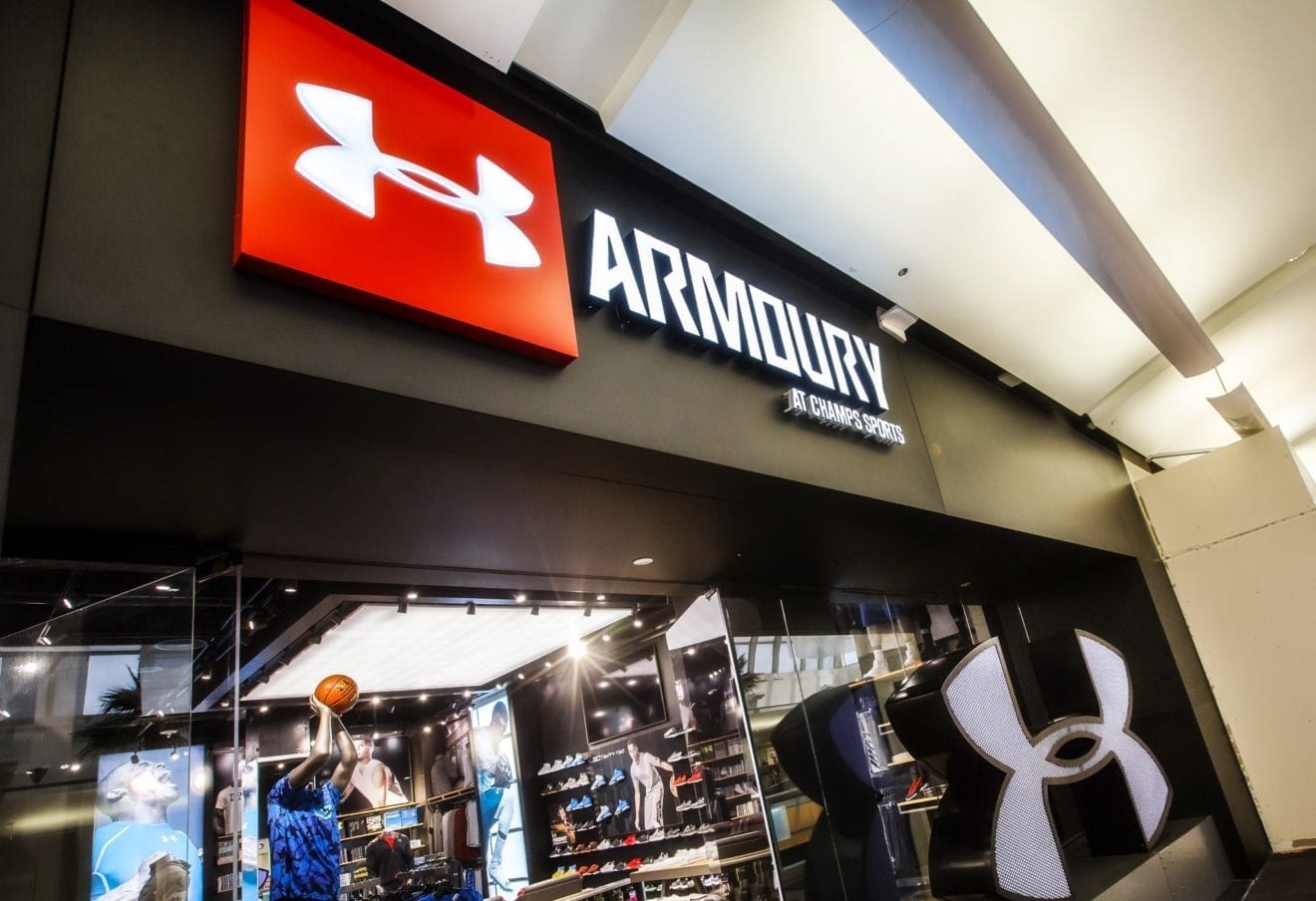
    Under Armour Asia sales soared 89 per cent in the latest quarter to US$93.6 million as Chinese continued to embrace the sports brand.

    Profit in the region rose an equally spectacular 53.8 per cent to $15.2 million.

    The US-headquartered sportswear company said the Asian regional performance was driven by China, Taiwan and Korea as it continued to resonate with consumers in key categories such as basketball and running.

    But the Under Armour Asia results were a bright spot in an otherwise disappointing quarter which ended with the company downgrading its sales and profit expectations and announcing a restructure which will reduce its workforce by 277, or about 2 per cent. Investors responded by punishing the company’s share price, which fell 10.4 per cent on Tuesday.

    Ironically, the second-quarter sales results were actually better than Wall Street had expected – it was a surprise decline in the footwear category and the decrease in growth projection for the full year from between 11 and 12 per cent to between 9 and 11 per cent which gave the market the jitters. Under Armour had previously targeted $10 billion in annual sales by 2020 – a huge increase from last year’s $4.8 billion.

    “We enjoyed hyper-growth for several years and I want to be clear we still believe we’re a growth company,” CEO Kevin Plank told analysts on a conference call, describing the layoffs and restructuring program as “a demonstrative sign that we’re not standing still, but acting quickly to evolve Under Armour to become a stronger, faster and smarter company”.

    “Some of the growing pains that we feel, while difficult, are the ones we believe necessary in securing the infrastructure, systems, processes, leadership and discipline to realise the full strength and potential of the Under Armour brand. Reinforcing and building the Under Armour brand remains a vision for our company, and we’re in this fight. We’ve got a couple of competitors in front of us, there’s a number behind us, and you’ll see us continue to separate ourselves as we move forward in building the brand that we believe is the brand of the future.”

    Total second quarter sales rose 8.7 per cent to $1.1 billion. Gross margin declined 190 basis points to 45.8 per cent, hit by currency rates, rising air freight costs and the implementation of a new enterprise resource planning system. The company posted a net loss of $12.3 million, significantly lower than the $52.7 million loss of the same quarter last year.

    Regionally, North America sales rose a mere 0.3 per cent and Latin America by 10.4 per cent. Total revenues outside the US rose 57 per cent.

  • Aldi enters TV cooking space

    Aldi enters TV cooking space

    Supermarket chain Aldi has signed up to its first TV cooking show sponsorship deal as the German retailer escalates its market share fight with local behemoths Coles and Woolworths.

    Aldi will feature its pantry on Channel Seven’s new production, Hell’s Kitchen, hosted by celebrity chef Marco Pierre White.

    White is a former guest judge on rival Ten Network program, MasterChef, which has had a partnership deal for the past nine years with Coles.

    Aldi’s deal with Hell’s Kitchen follows its sponsorship of Nine Network renovation show, The Block, in 2015.

    The discount retailer has stepped up its media strategy, with new a branding campaign launched in May adding to sponsorship of kids’ soccer.

    In May Aldi said it had almost 10 per cent of Australia’s $80 billion plus supermarket sector.

    In the past 12 months, Aldi has also increased its range by about 100 new products and spent more than $75 million on lowering grocery prices during the first months of 2017.

    More recently, the German giant signed up to the Australian Government’s voluntary Tax Transparency Code (TTC).

    The discount supermarket retailer said it has ‘consistently maintained an open and positive working relationship with the Australian Taxation Office,’ and that since achieving profitability in the Australian market, has paid on average 31 per cent of pre-tax profits to the ATO.

  • Despite Snapdeal Setback, SoftBank May Invest $2 Billion In Flipkart

    Despite Snapdeal Setback, SoftBank May Invest $2 Billion In Flipkart

    SoftBank Group is still in talks to invest in Flipkart – despite the collapse of discussions to fold a smaller rival into India’s largest e-commerce site – but it would do so through its Vision Fund, according to sources familiar with the matter.

    SoftBank, already invested in Indian online grocer Grofers and cab hailing firm Ola, tried for months to engineer a share swap transaction between Snapdeal and Flipkart, India’s two main homegrown e-commerce companies.

    That deal would have given SoftBank, as Snapdeal’s largest shareholder, a significant stake in Flipkart – but it was scuppered on Monday, in the face of opposition from Snapdeal’s founders, Kunal Bahl and Rohit Bansal.

    Three sources, who declined to be identified as the discussions were private, said SoftBank founder Masayoshi Son was still eager to invest in Flipkart through his Vision Fund, in which Saudi Arabia is also a major stakeholder.

    The Vision Fund’s planned investment is not dependent on a deal between Snapdeal and Flipkart, one of the sources said.
    Flipkart, the most significant Indian challenger to US retail giant Amazon’s ambitions in the country, declined to comment on the matter.

    A spokeswoman for SoftBank said the Vision Fund “follows an independent process and judges every investment on its own merit”. Snapdeal also declined to comment.

    Bloomberg reported earlier on Tuesday that the fund could invest up to $2 billion in Flipkart.

    The Vision Fund, created by the tech-to-solar conglomerate, has raised more than $93 billion from investors including Saudi Arabia’s main sovereign wealth fund and Apple.