Author: Mei Ling Tan

  • Volvo Cars to share engine technology and more with parent Geely

    Volvo Cars to share engine technology and more with parent Geely

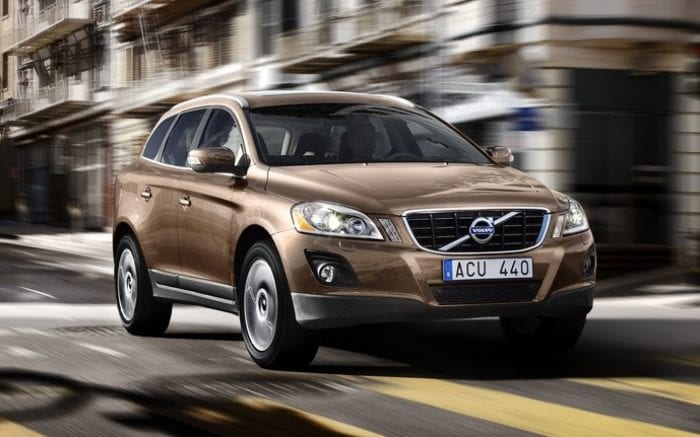
    Sweden’s Volvo Cars, a unit of Zhejiang Geely Holding Group, has agreed to make some engines available for Geely-branded vehicles, sources said, deepening ties between the carmakers who already share technology through third brand Lynk & Co.

    Three people close to Geely and Volvo said the first Volvo-powered Geely model was expected to hit the market as early as late next year as a 2019 model year car.

    The car will be equipped with a new 1.5-liter turbo charged gasoline engine which Volvo has been developing for smaller cars, the knowledgeable individuals said.

    Volvo is expected to share a 2.0-liter turbo-charged engine at a later date and will also allow Geely-branded cars to use a common vehicle platform the two automakers developed jointly for Volvo and Lynk & Co.

    “The terms of the recently announced joint venture between Volvo Cars and Geely Group mean that existing and future technologies can be shared by Volvo, Geely Auto and Lynk & Co, under license agreements,” a Volvo spokesman said.

    Analysts questioned Geely’s ability to absorb the best of Volvo when it acquired the automaker from Ford Motor Co almost seven years ago. Yet Geely has been working progressively to improve its technology with Volvo know-how.

    Better designed cars following its 2010 purchase of Volvo – such as its GC9 sedan and Boyue sport-utility vehicle – have helped lift Geely’s fortunes. Its China sales grew 50 percent last year to 766,000 vehicles and it expects sales to climb well above the 1 million mark this year.

    Ultimately, it aspires to sell more outside China.

    Earlier this year, Geely bought 49.9 percent of struggling Malaysian carmaker Proton from conglomerate DRB-HICOM Bhd. Geely officials have told Reuters the Hangzhou automaker is planning to improve Proton cars by sharing Geely and Volvo technologies.

    Analysts have said one big risk for Volvo, as it combines more with its parent, is the dilution of Volvo’s brand image by sharing its technology and know-how with a Chinese auto upstart.

    Volvo Chief Executive Hakan Samuelsson said the key was to differentiate the brand sufficiently – even if the two groups share more technology. For Volvo, that is about more and better safety equipment, among other aspects.

    “The progress Geely has been able to make in improving products and brand image over the past several years makes me feel more confident they can execute this process successfully,” Yale Zhang, head of Shanghai-based consultancy Automotive Foresight, said.

    Last month Geely and Volvo said they plan to go beyond Lynk & Co and create a joint venture to share technology, such as vehicle architecture and engines via cross licensing arrangements managed by that joint venture.

    Samuelsson told Reuters last month the deal would provide Volvo with greater development resources and efficiency in purchasing parts. It also should help Volvo speed up introduction of new technology in areas such as components for electric vehicles, he said.
  • AirAsia celebrates Asean’s golden jubilee with low fares

    AirAsia celebrates Asean’s golden jubilee with low fares

    AirAsia is celebrating Asean’s 50th anniversary with low fares to all destinations across its regional network.

    The promotion from only RM50 is in conjunction with Asean Day tomorrow, commemorating the founding of the Association of Southeast Asian Nations (Asean) on 8 August 1967.

    To seize this great offer, simply book on airasia.com or the AirAsia mobile app from Aug 7 to 13 for travel between Aug 7 2017 and Feb 8 2018 to any destination in Malaysia, Thailand, Indonesia, the Philippines, Singapore, Brunei, Cambodia, Myanmar, Laos or Vietnam.

    AirAsia Group CEO Tan Sri Tony Fernandes said, “For 50 years, Asean has inspired us with its message of unity. As Aseanists, we want to return the favour and we hope these low fares will inspire the people of Asean to discover more about the region we call home”, said AirAsia Group Chief Executive Officer Tan Sri Tony Fernandes.

    AirAsia is proud to be an Asean airline, with operations in Malaysia, Thailand, Indonesia and the Philippines, and is the only airline that flies direct to all 10 Asean countries.

    AirAsia also offers AirAsia Asean Pass which allows guests to enjoy flights within the region at fixed rates with travel validity up to 60 days.

  • StarHub 1H17 profit falls 21%

    StarHub 1H17 profit falls 21%

    Singapore’s StarHub has reported a 21% slump in net profit for the first half of the year to S$85.7 million ($63.1 million), as  result of declining revenue and margins.

    Service revenue for the six-month period fell 2% year-on-year to S$1.08 billion due to lower mobile, broadband and pay TV service revenues.

    Total mobile revenue fell 1% to S$599 million despite an increase in postpaid and prepaid customers of 21,000 and 33,000 respectively.

    Broadband revenue fell 1% over the same period to S$107 million, but enterprise fixed revenue was up 2% to S$198 million, with enterprise data and internet services revenue up 5% to S$176 million.

    StartHub also reported a decline in ebitda margin to 31.6% from 34.2% a year earlier.

    “In the quarter, we announced our acquisition of Accel to enhance our enterprise-grade cyber security offerings. This acquisition dovetails perfectly with our strategy to grow our enterprise business and demonstrates our push for inorganic growth,” StarHub CEO Tan Tong Hai said.

    “In the consumer space, we are happy to see continual improvements in customer satisfaction levels… We remain focused on addressing our customers’ digital lifestyle needs by offering them relevant products and services to enjoy a better StarHub experience.”

    For the full year, StarHub is currently projecting flat service revenue and a group ebitda margin of between 26% to 28% of service revenue. The company expects capex payments to be around 13% of total revenue.

  • Subway theme for Coach Hong Kong pop-up

    Subway theme for Coach Hong Kong pop-up

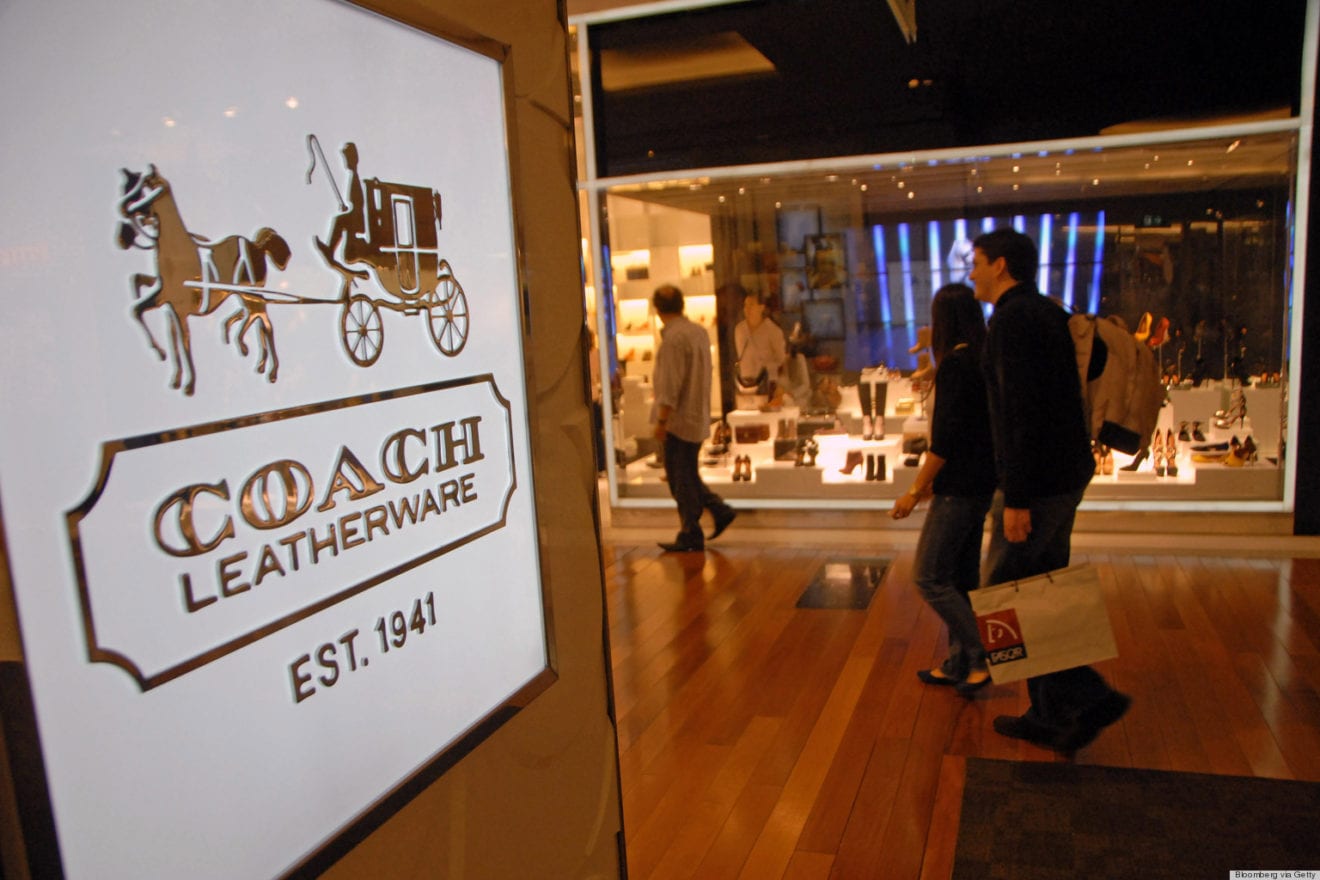
    A pop-up shop designed like a New York subway car has been launched by luxury brand Coach Hong Kong at Lane Crawford in IFC, Central.

    As well as showcasing Coach’s latest collections, the Art of Expression pop-up shop offers customisation of leather bags for customers.

    Running until August 22, the rose gold pop-up shop pays homage to the home of Coach, New York City, and features graffiti and music to match. The life-size subway recreation also includes a mosaic wall ideal for selfies, which can be pimped in an interactive photo booth by adding Coach stickers, graffiti and other effects before being emailed.

    Inside the subway car, Coach showcases its pre-fall and fall collections for women and men, including floral print dresses and skirts reminiscent of the ’30s, embellished t-shirts and high-top trainers with NASA details.

    A Coach craftsman is available to add the brand’s signature leather Tea Roses to iconic Dinkys, personalise leather bags and wallets with a monogram or Coach stamp, or add a new glove-tanned leather strap of choice to bags.

  • Toyota takes stake in Mazda, links up for $1.6 billion U.S. plant

    Toyota takes stake in Mazda, links up for $1.6 billion U.S. plant

    Toyota  said on Friday it planned to take a 5 percent share of smaller Japanese rival Mazda Motor Corp, as part of an alliance that will see the two build a $1.6 billion U.S. assembly plant and work together on electric vehicles.

    The plant was a surprise for investors at a time of cooling U.S. sales, but marked good news for U.S. President Donald Trump who came to office on the back of promises to bring back manufacturing and jobs for U.S. workers. He commented on Twitter that it was a “great investment in American manufacturing”.

    The plant, whose location is not yet public, will be able to produce 300,000 vehicles a year, with production divided between the two automakers, and employ about 4,000 people. It will start operating in 2021.

    Analysts said the plan was more than a political ploy. The alliance is also an attempt to catch up with rivals in the race for electric car technology, as tighter global emissions rules loom, along with the entry of new players into the market.

    “There will be new rivals appearing – Apple, Google – these are IT companies, we also need to compete with them, too,” Toyota President Akio Toyoda, grandson of the company’s founder, told a news conference in Tokyo.

    He was appointed last year to lead Toyota’s newly formed electric car division, flagging the group’s commitment to a technology it has been slow to embrace.

    “What’s different from the past is that there are no nautical charts for us to follow. It’s without precedent,” he said of the push into alternatives to the internal combustion engine.

    Other traditional automakers such as Daimler and BMW are also weighing how best to work on new, disruptive technology, from electric vehicles to autonomous driving, that require hefty investment and have turned firms like Google and Tesla into rivals.

    Toyota has set a goal for all of its vehicles to be zero emission by 2050. But until recently, it has said it favoured EVs for short-distance commuting, given their limited driving range and lengthy charging time.

    It has been investing heavily in hydrogen fuel-cell vehicles (FCVs), while rivals such as Nissan Motor Co, Volkswagen AG and Tesla have touted pure electric cars as the most viable zero-emission vehicles.

    As part of the agreement, as well as electric car technology, Toyota and Mazda will work together to develop in-car information technologies and automated driving functions.

    Toyota, Japan’s biggest auto company, has been forging alliances with smaller rivals for several years, effectively engineering a loose network at the heart of the Japanese auto sector. It already owns a 16.5 percent stake in sixth-ranked Subaru Corp with which it also has a development partnership.

    Toyota is also courting compact car maker Suzuki Motor Corp to cooperate on R&D and parts supply, as Toyota seeks to tap its smaller rival’s expertise in emerging Asian markets.

    As part of Friday’s plan, Toyota, the world’s second-largest automaker by vehicle sales last year, will take a 5 percent share of Mazda, and Mazda will take a 0.25 percent share of Toyota.

    Mazda said it could even expand the alliance, as long as it could stay in control of its own management. “We will study the possibility of expanding the capital alliance, but the basic premise is that autonomy is assured,” said Mazda Executive Vice President Akira Marumoto.

    A stake in Mazda may also prevent future incursions by tech companies, one analyst said.

    “For a technology company which lacks the expertise in making cars, Mazda could look like a very interesting acquisition. They’re very good, they’re not too expensive. Maybe Toyota realises this,” CLSA managing director Chris Richter said.

    “By buying a 5 percent stake, Toyota takes Mazda off the table rather than having it sit out there like a free agent which could someday be used against them.”

    Mazda, for its part, stands to gain from a deal that gives the small automaker a production foothold in the United States. At the moment, it ships all vehicles sold in the country, its biggest market, from its plants in Japan and Mexico.

    With an R&D budget of around 140 billion yen ($1.27 billion) this year, a fraction of Toyota’s 1 trillion yen, Mazda lacks the funds to develop electric cars on its own, a predicament shared by Subaru and Suzuki.

    “Mazda needs electrification technology. In the past, they’ve pooh-poohed EVs, they’ve felt they can make internal combustion engines more efficient, but the bottom line is that globally you need to have this technology,” said Janet Lewis, head of Asia transportation research at Macquarie Securities.

    The automakers plan to produce Toyota Corollas and a new Mazda SUV crossover at the new plant, and the companies said they could eventually build other cars including electric vehicles.

    Toyota initially had been planning to produce Corollas at its new $1 billion plant being built in Mexico, prompting Trump to threaten punitive tariffs.

    The company has since said it will instead produce its Tacoma truck model in Mexico.

  • Apple sales beat expectations as all categories fire

    Apple sales beat expectations as all categories fire

    Apple sales beat estimates in the latest quarter, with all its main product segments showing growth – even the iPad and Apple Watch, which were previously struggling.

    The US-based tech giant boosted net income by 12 per cent year-on-year to $8.72 billion on total sales of $45.41 billion.

    But despite its global success the company still has major challenges in China, a market it once considered key to future growth. Greater China sales fell 9.5 per cent to $8 billion as locals switched allegiance to local brands, often with better specifications and lower price tags.

    While iPhone sales have stagnated in the mainland, other product categories showed growth and sales were also higher in Taiwan.

    “The decline from a market standpoint was concentrated in Hong Kong, which is a place that has been really affected by a reduction in tourism because the Hong Kong Dollar is pegged to the US dollar,” said Apple CFO Luca Maestri.

    The strong global result was unexpected given the third quarter is traditionally Apple’s weakest due to its product launch cycle. The next generation iPhone, on track for a September launch, is expected to help Apple achieve fourth quarter sales of between $49 billion and $52 billion.

    “Decidedly rosier”

    GlobalData Retail MD Neil Saunders described the results as “decidedly rosier than those of recent quarters”.

    “In our view, this is a very solid performance, especially so at this point in the cycle when consumers are awaiting the release of the next generation of product. All the main product segments are showing growth – however, it is clear that growth across the divisions is far from even. iPhone growth is respectable, but far from stellar. iPad growth is good but is still not strong. Mac growth is decent, but this is down to higher-priced laptops pushing up revenue rather than underlying volume growth in unit terms. In other words, sales of products are reasonable, but not spectacular.”

    Saunders said the services sector – including products such as iTunes, Apple TV and the App Store – shows the strongest potential for Apple in the short term.

    “In contrast, service sales powered ahead – with a growth rate of 22 per cent over the prior year. Services now represent around 16 per cent of Apple’s revenue base, up from 14 per cent a year ago. In our view, this growth has some way to run.”.

    Saunders expects near-term benefits from iPads, the HomePod and the new iPhone.

    “While the iPad remains a category past its prime, we believe the upcoming release of iOS 11 has the potential to stimulate some growth. In essence, Apple has come to realise that as aesthetically pleasing and as technologically sound as it is, the applications for the iPad are somewhat limited. This is exacerbated by the fact that the main benefit of an iPad, namely its larger screen, has been diminished by the rise of bigger smartphones. The new operating software goes some way to remedying this and gives the iPad many of the functions of a laptop or notebook; in so doing, it puts some clear blue water between it and the iPhone. This will allow Apple to compete more effectively with devices like Microsoft’s Surface and could sustain this quarter’s slight uptick in demand.”

    Home Pod shines

    Saunders said the HomePod comes “as a breath of fresh air” – if only because it is the first major new product release by Apple for some time.

    “Despite this, we have mixed views about its potential success. There is no doubt that Apple has created a good piece of kit with superior speakers and some smart functions. However, the concept itself is not revolutionary; indeed, it is rather samey and follows a multitude of other home devices, including Amazon’s Echo products. One of the challenges here will be getting consumers who have already committed to one platform to switch to Apple or to buy into Apple as well. In our view, the HomePod is not sufficiently differentiated to do this well. As such, we do not believe the device will be the new iPhone; although it will likely be more successful than Apple Watch.”

    A fundamental problem for Apple is that it has set the bar so high, he said. “Its existing products are impressive and often cutting edge. However, consumers are now intimately familiar with them and, take them for granted.

    As such, it is tough to wow them with small changes and tweaks – no matter how much engineering and technical prowess those adaptations require.

    “That said, Apple has been in an incremental mode for quite some time. Our sense is that the company has lost the edge for looking at a part of the market or a category and finding ways in which it can radically reinvent it – just as it once did with the iPod and then the iPhone. This is the fuel that previously made Apple great; without adding more of it to the fire, Apple’s flame – dazzling though it is – will not burn brighter.”

  • H&M Philippines opens in SM Mall of Asia

    H&M Philippines opens in SM Mall of Asia

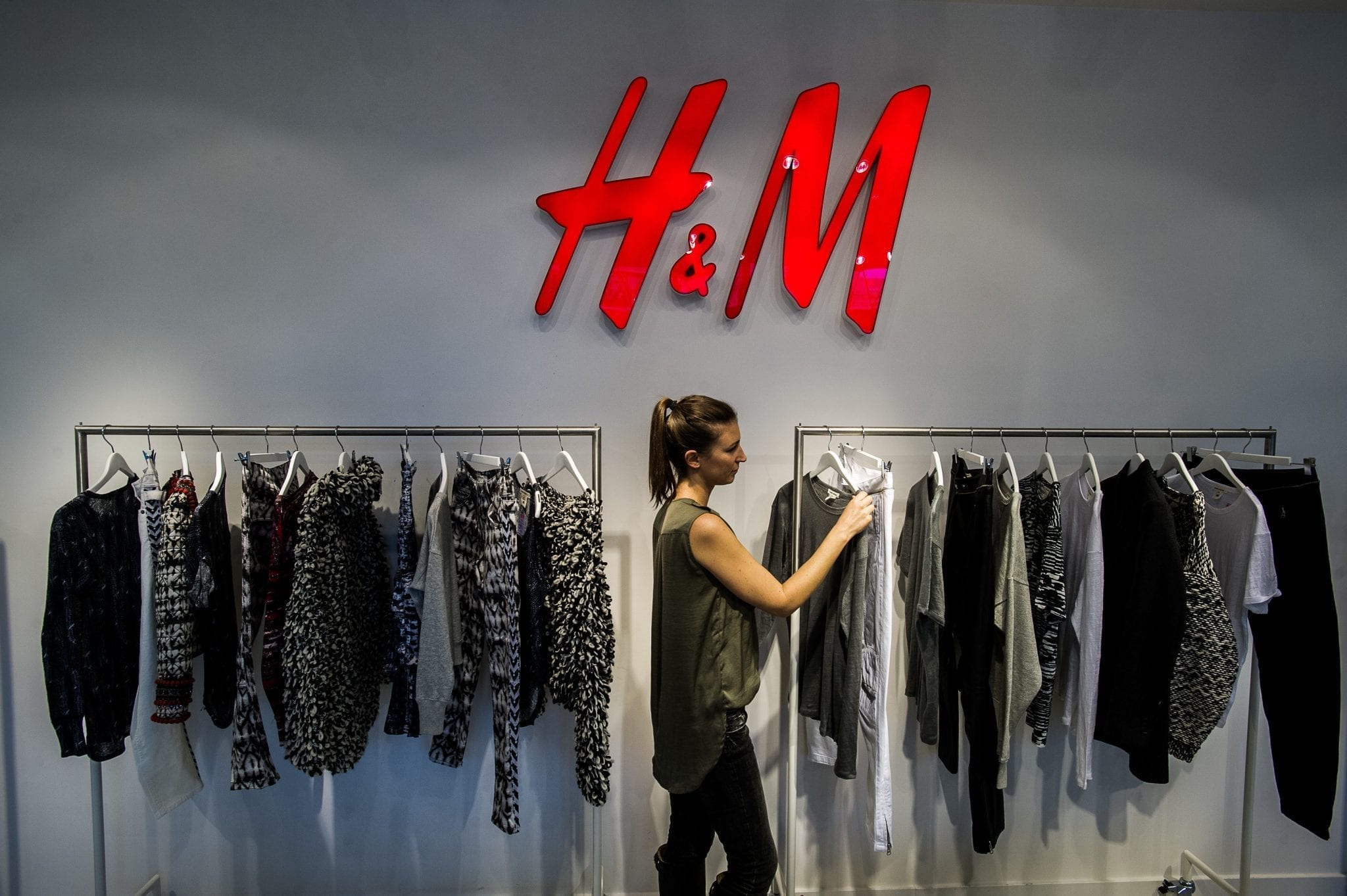
    H&M Philippines opens its first SM Mall of Asia branch today, with plans to open two more stores in Metro Manila before the end of the year.

    The other outlets for the Swedish fast-fashion giant will be at Greenbelt 4 in Makati City, and Robinsons Galleria in Ortigas, taking the company’s total to 29 stores nationwide.

    “We have more than 700 colleagues working in the stores, distribution center and support office,” says H&M Philippines communications chief Dan Mejia.

    H&M Philippines last year generated about PHP5.38 billion (US$107 million) in sales from 21 stores – an increase of more than 50 per cent over the PHP3.45 billion from 15 stores in 2015.

    Mejia says the retailer will also launch an online shop this year.

    At the end of last year, H&M had 4351 stores in 64 markets.

  • ‘Solid’ profit growth for Dairy Farm International

    ‘Solid’ profit growth for Dairy Farm International

    Dairy Farm International Holdings had solid profit growth in the first half despite lower sales in its supermarkets and hypermarkets, says chairman Ben Keswick.

    “While the rest of the year is expected to stay challenging for supermarket and hypermarket activities in Southeast Asia, the group’s other businesses continue to make steady progress.”

    Overall profits increased with strong results from Maxim’s and Yonghui as well as good performances from the health-and-beauty and home-furnishings divisions, more than compensating for the lower earnings in the food division.

    Sales for the period by the group’s subsidiaries of US$5.5 billion were marginally behind last Year’s first half, but flat at constant exchange rates. Total sales, including associates and joint ventures, were 3 per cent higher at $10.4 billion. The underlying net profit was $211 million, up 6 per cent.

    Supermarket and hypermarket sales declined 3 per cent lower at constant exchange rates, and profits fell because of continuing softness in some key markets. Trading continued steadily in Hong Kong, but difficult trading conditions in Malaysia, Singapore and Taiwan resulted in lower sales and profits.

    In Indonesia, better margin management enabled profits to be maintained despite lower sales, while profitability improved in the Philippines even though sales were flat following the closure of a hypermarket.

    Yonghui had 15 per cent growth in revenue and a 57 per cent jump in profit, thanks to higher store numbers and margin improvement from more effective merchandising.

    China underpins growth

    Dairy Farm’s convenience stores performed well. Hong Kong and Macau were ahead of last year, supported in part by a modest increase in tourist numbers. In Singapore, sales were lower as some stores were closed, although earnings benefited as several had not been profitable. Store expansion in Mainland China continued to underpin sales growth.

    In the health and beauty division, good sales and profit growth were achieved in Hong Kong, Macau and Indonesia.

    In Malaysia and Singapore, sales and profits fell as consumer confidence remained low. Mainland China sales were enhanced with successful promotions, and in the Philippines, improved systems following the integration of Rose Pharmacy started to yield positive results.

    In home furnishings, Ikea’s performance was driven by strong sales in Indonesia and Taiwan, despite a soft performance in Hong Kong. Store expansion continues with a fourth Ikea store opening in Hong Kong later this year and a site secured for a second store in Jakarta. Meanwhile, e-commerce activities are showing encouraging results in all three markets.

    In the restaurants division, Maxim’s (which operates Starbucks in Hong Kong and Vietnam, and other food brands across Southeast Asia) delivered a strong performance as its expansion continued. There are now more than 1000 outlets across Greater China and Southeast Asia.

    Dairy Farm last month agreed to take over Rustan’s in the Philippines by acquiring the remaining 34 per cent stake from its JV partner.

    Maxim’s opened its first The Cheesecake Factory in Hong Kong in May, and in July announced the franchise to run American burger-and-fries restaurant Shake Shack in Hong Kong and Macau. The first store opens next year.

    At the end of June, the Dairy Farm group had more than 6600 outlets across all formats, compared with 6548 at the end of last year.

    Meanwhile, group CEO Graham Allan steps down at the end this month after five years of introducing changes that have laid the foundation for growth, says Keswick. He will be succeeded by Ian McLeod, who has had more than 30 years’ experience in retail.

  • Ippudo Hong Kong teams with Zucca for celebration

    Ippudo Hong Kong teams with Zucca for celebration

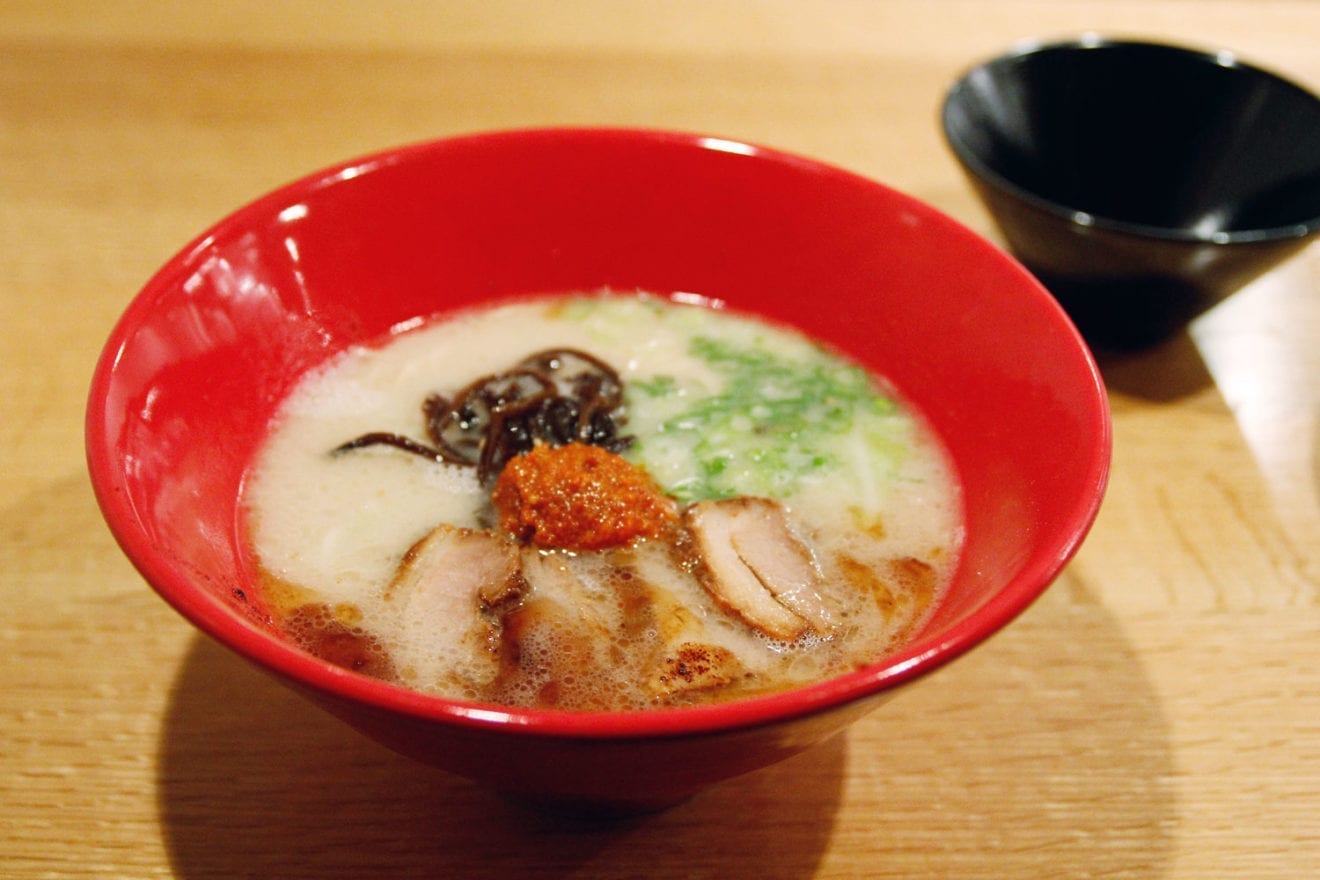
    Proving that fashion is a matter of taste, Japanese fashion brand Zucca has launched a collaboration with Ippudo Hong Kong to celebrate the Japanese ramen restaurant’s sixth anniversary.

    Ippudo this month introduces new limited-time-only specials at its five Hong Kong outlets including “Cool” Uni Ramen, Zucca Roll and Nagoya Torikai Chicken Wings Karaage.

    During the three-month celebration, Ippudo Hong Kong staff members will wear customised Zucca-branded uniforms (tees and aprons). Furthermore, Zucca has designed a special branded tote bag plus a ramen bowl for the Zucca x Ippudo celebration menu.

    In a six-phase celebration, Ippudo fans will be offered collectibles and discounts.

    Phases one and two (this month): An Ippudo Hong Kong Facebook video launches the celebrations, and Ippudo staff members are modelling their Japanese-style uniform, with special Facebook activities.

    Phase three (this month and next): Illustrator Tony Electric introduces three inventions and customers vote for their favourite. The winning invention will be built and displayed at Ippudo.

    Phase four (this month and next): Ippudo and Zucca launch an online mini-game which customers can play after scanning a QR code on the menu. All participants are offered free Zucca membership, plus two winners will each receive a HK$100 (US$12) electronic shopping coupon. Each day, 10 lucky entrants will each win a soft-boiled egg or Zucca roll at Ippudo.

    Phase five (September/October): Zucca members will be offered a 10 per cent discount on purchases, and also take their receipt to Ippudo to a similar discount there.

  • Hugo Boss China proves best dressed

    Hugo Boss China proves best dressed

    With second-quarter sales rising by 14 per cent, Hugo Boss China has shined for German luxury fashion house.

    With double-digit sales growth on a like-for-like basis, the Chinese mainland continued to perform significantly better than Hong Kong and Macau, says the company. Sales were also up in Japan.

    In Asia, sales grew by 12 per cent in local currencies to ¥90 million (US$800,000).

    It was Asia/Pacific’s growth that mainly contributed to overall Hugo Boss sales increasing by 3 per cent for the quarter on a comparative store and currency-adjusted basis.

    Sales in freestanding stores and shops-in-shops were 2 and 7 per cent respectively above the previous year’s figures on a currency-adjusted basis. Outlet sales rose by 10 per cent, while online business increased by 9 per cent.

    Despite higher marketing expenses and spending on digital transformation, operating profit was steady.

    At its Investor Day at its head office in Metzingen yesterday, the company announced the implementation of its two-brand strategy, Boss and Hugo. Previously independently managed, the Boss Orange and Boss Green lines have been integrated into the Boss core brand, with the first parts of the new collections going into stores from the end of this year.

    Hugo Boss says it is widening its commercially important entry-level price ranges, continuing to expand its omnichannel services and systematically investing in sales staff training and development. It will also start a step-by-step roll-out of new store concepts for Boss and Hugo.

    In the first half of the year, the group’s store numbers fell by four to 438. As at June 30, five of the 20 store closures agreed upon last year had been completed.

    Its store network in Asia/Pacific was reduced by one. There were five new openings in Korea and Singapore plus six closures in various markets.

    “Our strategic realignment is beginning to take effect with business in the second quarter encouraging,” says CEO Mark Langer, who noted “considerable headway” in its online business. “We are facing the future with confidence.”

  • Vietnam develops an appetite for booking trips by phone

    Vietnam develops an appetite for booking trips by phone

    ‘Travel expenditure in Vietnam will rise rapidly due to increasing disposable incomes and growing middle-class affluence.’

    Mobile travel sales accounted for around 7 percent of total online sales in Vietnam in 2016.

    Over the past four years, mobile sales have witnessed strong growth of nearly 60 percent, a new report released by Criteo, an internet advertising company, revealed.

    “Travel expenditure in Vietnam will rise rapidly due to increasing disposable incomes and growing middle-class affluence,” said Alban Villani, general manager of Criteo Southeast Asia, Hong Kong and Taiwan.

    “Vietnam is a mobile-first society with a very high mobile penetration rate. Since the ubiquitous presence of internet, online and mobile traveling purchases become more commonplace. We expect digital traveling will become the new trend of traveling,” he added.

    In comparison to other countries, mobile travel sales in Vietnam contribute modestly to total online travel sales, but are expected to take up a bigger slice of online travel sales by the end of 2020, according to the report. During the next five years, the revenue generated from travel purchases via mobile is expected to grow by 22.4 percent.

    Travel remains an area that the Vietnamese are devoted to, according to the report. During 2016, Vietnamese people took 6.9 million outbound trips and 52.8 million domestic trips, said the report.

    On average, each Vietnamese person took 5.6 trips each in the last 12 months.

    Online and mobile strategies are crucial for retailers and online travel agents to engage with shoppers while they browse and book trips and ancillaries.

    The survey was conducted in February 2017 among 1,900 travelers from Australia, China, India, Indonesia, Japan, Singapore, South Korea, Taiwan and Vietnam who search or book travel products online.

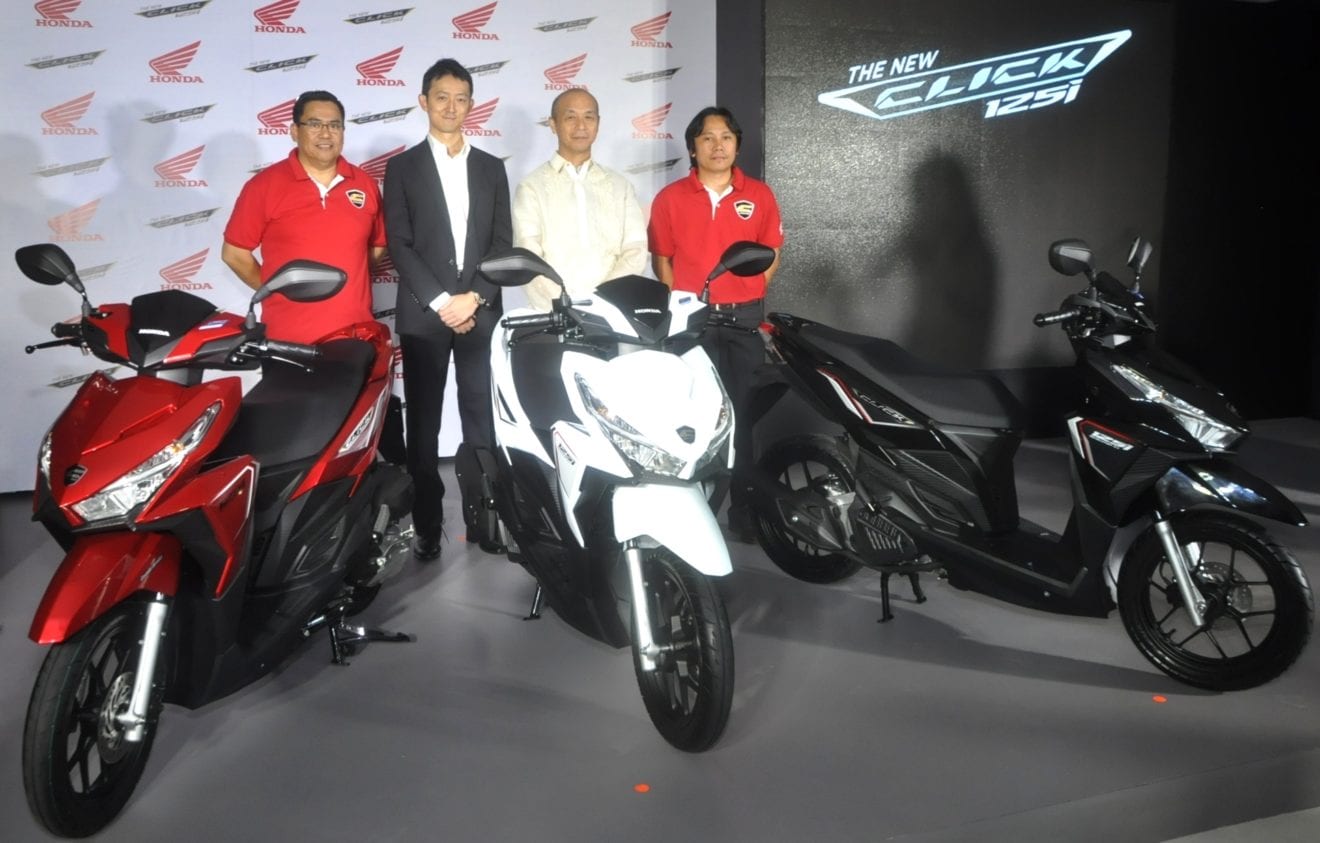
  • Honda motorcycle sales boost quarterly net profit

    Honda motorcycle sales boost quarterly net profit

    Motorcycle sales volume grew in India and Vietnam. Japanese vehicle maker Honda on Tuesday said net profit for the second quarter rose by double digits boosted by strong motorcycle sales, revising up its full-year forecast.

    The Tokyo-based company said “solid sales of two-wheel vehicles in Asia and cost reduction efforts” contributed to increased profits.

    Motorcycle sales volume grew in India and Vietnam, Honda said, while four-wheel vehicle sales volume increased in Japan and China but declined in North America.

    Japan’s number-three automaker booked net profit of 207.3 billion yen ($1.88 billion) in the April-June period, up 18.7 percent from the previous year.

    Sales grew 7.0 percent to 3.71 trillion yen, while operating profit rose 0.9 percent to 269.2 billion yen.

    Honda boosted its net profit forecast to 545 billion yen from an earlier figure of 530 billion yen for the fiscal year ending March 2018.

    It also lifted its fiscal year operating profit and revenue outlooks.

    “Honda’s profit pales compared to figures last year when it booked a one-time gain in a pension accounting change,” Satoru Takada, an analyst at TIW, a Tokyo-based research and consulting institute, said ahead of the earnings release.

    “But it displayed a good performance in China and Indonesia while showing steady sales in North America,” he said.

    While North American vehicle sales declined in the quarter year on year to 481,000 from 510,000, revenue rose slightly to 2.13 trillion yen from 2.06 trillion yen.

    Takada added that the foreign exchange situation is “a key factor” for automakers.

    “Current levels are relatively positive for the Japanese auto industry,” he said.

    Although the yen has strengthened slightly in past days, it remains weak against the dollar over recent years.

    A stronger Japanese yen can hurt carmakers by eroding the value of overseas profits when repatriated.

    On Thursday, Nissan reported a drop in quarterly net profit, hit by higher costs and weak sales in key markets, although it left its annual forecasts unchanged.

    Toyota will release earnings on Friday.

  • Danang denies Uber pilot run

    Danang denies Uber pilot run

    Danang City Department of Transport said on August 2 that they hadn’t allowed Uber and Grab Car to operate yet despite an advertisement about Uber’s pilot run posted on the internet.

    According to the department, the city won’t give the go-ahead until the Ministry of Transport review the two-year pilot project of applying science and technology to support management and connect passenger services of contracted cars such as in Uber and Grab Car cases.

    The ministry will announce the legal framework to better manage such services.

    “After the government and the Ministry of Transport issue legal documents related to the services, we’ll work with related agencies to consult the city people’s committee and allow them to operate in accordance with the procedures and regulations,” the department’s representative said.

    The department will meet with Uber Vietnam to halt the advertised service being made available in the city.

    Uber Vietnam had previously announced on its website that after three years in Vietnam, the company would start a pilot run in Danang starting from August 1. Passengers would be given free rides during the first week.

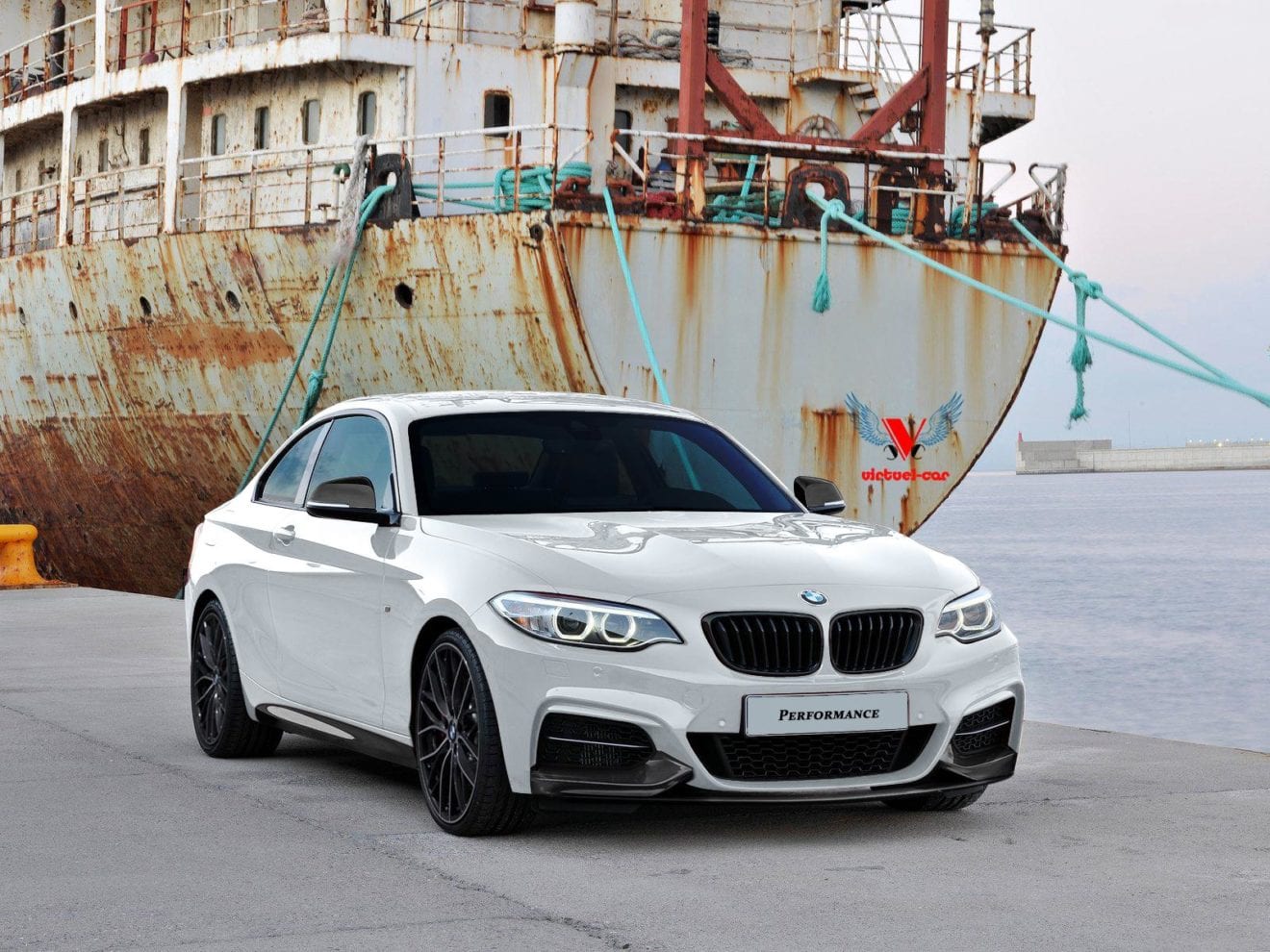
  • BMW’s 5-series launch helps drive forecast-beating second quarter profit

    BMW’s 5-series launch helps drive forecast-beating second quarter profit

    German luxury carmaker BMW posted a forecast-beating 7.5 percent rise in second-quarter profits as sales of its new 5-series helped to offset slowing demand for luxury cars in the United States.

    Earnings before interest and tax (EBIT) rose to 2.92 billion euros ($3.46 billion), compared with an average forecast for 2.82 billion in a Reuters poll of banks and brokerages.

    BMW affirmed its guidance for a slight increase in full-year group pretax profit and an operating margin of 8 to 10 percent at its automotive business, which posted a second-quarter margin of 9.7 percent, up from 9.5 percent a year earlier.

    BMW said it now forecasts a solid increase in automotive segment revenues for the full year.

  • UPS expands alcohol shipping to consumers around the world

    UPS expands alcohol shipping to consumers around the world

    UPS is expanding its ability to ship alcohol, wine and beer to consumers around the world. Using one of the UPS Express shipping services, wine connoisseurs can have their favourite cases of wine shipped directly from the vineyards to their home.

    UPS is helping wineries reach consumers living in 24 of the top 35 wine importing countries, and distilleries in 9 of the top 25 spirit importing countries. Depending on the destination, orders can arrive at the business or consumer’s home within 3 days. All alcohol shipments require an adult signature upon delivery.

    According to the International Organization of Vine and Wine, 43% of all wine is consumed in a country other than where it is produced. The global wine market is expected to reach US$380 billion by 2022.[1] The countries producing and exporting the most wine include Italy, Spain, France, Chile, Australia, South Africa and the United States.[2]

    Europe is the market leader in wine production and consumption. UPS will ship to 23 countries in Europe including these primary markets: Belgium, France, the Netherlands, Switzerland and the United Kingdom.

    Wine consumption is growing rapidly in Asian markets. By 2020, China is expected to surpass the U.S. as the world’s third-largest largest wine importer.[3] The fast growing middle class is driving the demand for premium alcohol. Last year, China imported US$890 million worth of spirits globally.[4]

    UPS will now ship wine, beer and liquor to consumers and businesses in 11 countries throughout Asia Pacific including: China, Hong Kong, Japan, Macau, New Zealand, Philippines, Singapore, South Korea, Taiwan and Thailand. In Malaysia, only businesses can import wine and beer.

    Mexico is earning its place at the table of major wine countries, as consumption has increased by more than 40% in the last 10 years.[5] UPS is shipping wine to Mexico, Argentina and the Dominican Republic. Mexicans are also thirsty for America’s beer, importing $187 million worth in 2016.6

    Canada and the U.S. are key trade partners and as more Canadians buy products online they’re also adding alcohol to their shopping carts. With the expansion, UPS can deliver to 5 of the Canadian Provinces covering 95% of all alcohol imports.[7] The Provinces include Alberta, British Columbia, Manitoba, Ontario and Quebec.

    Boeger, a small family-owned winery in Northern California, recently started global shipping. “It was hard telling our international visitors they couldn’t have our wine because we couldn’t get it to them,” said Tara De La Rosa, hospitality and logistics manager. “We are always looking for ways to expand globally and have our wines on tables around the world.”

    De La Rosa and her team use Paperless Invoice to simplify customs clearance. The UPS shipping system helps wineries, breweries and distilleries avoid delays by uploading all of the required alcohol-related documentation for each country electronically.

    UPS provides automatic tracking and visibility allowing the consumer to follow an order on its global journey. Boeger winery visitors will receive an email notification, in their own language, the day before the scheduled delivery.
    The UPS Express shipping portfolio features three unique service levels: UPS Worldwide Express Plus for early morning delivery, UPS Express for midday deliveries and UPS Express Saver for end-of-day deliveries.