Author: Mei Ling Tan

  • Mi Hong Kong opens doors

    Chinese smartphone maker Xiaomi has opened its first retail store outside the Mainland.

    The Mi Hong Kong store – dubbed Mi Home – is a 270 sqm space inside Hollywood Plaza at 610 Nathan Rd in Mongkok.

    We say ‘space’ because the store was created as somewhere “just like home” – somewhere Mi owners, or prospective owners, would feel at home.

    As the images released by Xiaomi show it is a lot like an Apple store, but without the vast product range. Instead there are brightly coloured sofas and cushions and giant flat screen TVs.

    Hugo Barra, the former Google executive who is now VP of Xiaomi Global, promised last month Xiaomi would create “a service and store experience that feels just like home, we want a place that feels so comfortable you’re just happy to come and hang out”.

    As well as allowing customers to try out the handsets and compare models, the store has a service guarantee: customers can bring a phone in to be fixed and wait no longer than 19 minutes before being able to take it away.

    Xiaomi was launched in China in 2011 yet has already become the world’s third largest smartphone brand – and the largest in the mainland. Last year it sold 60 million handsets, almost all of them in Mainland China. Founder and CEO Lei Jun, China’s 23rd richest man, is now expanding the brand into other consumer electronics lines.

    And the company has begun what promises to be a relentless march abroad. As well as opening its flagship in Mongkok – almost certainly a test before the concept is rolled out elsewhere – it has started selling accessories like headphones online in the US and Europe.

    So far it is not selling handsets in either market, but Mi phones are finding their way into other markets via distributors and grey imports.

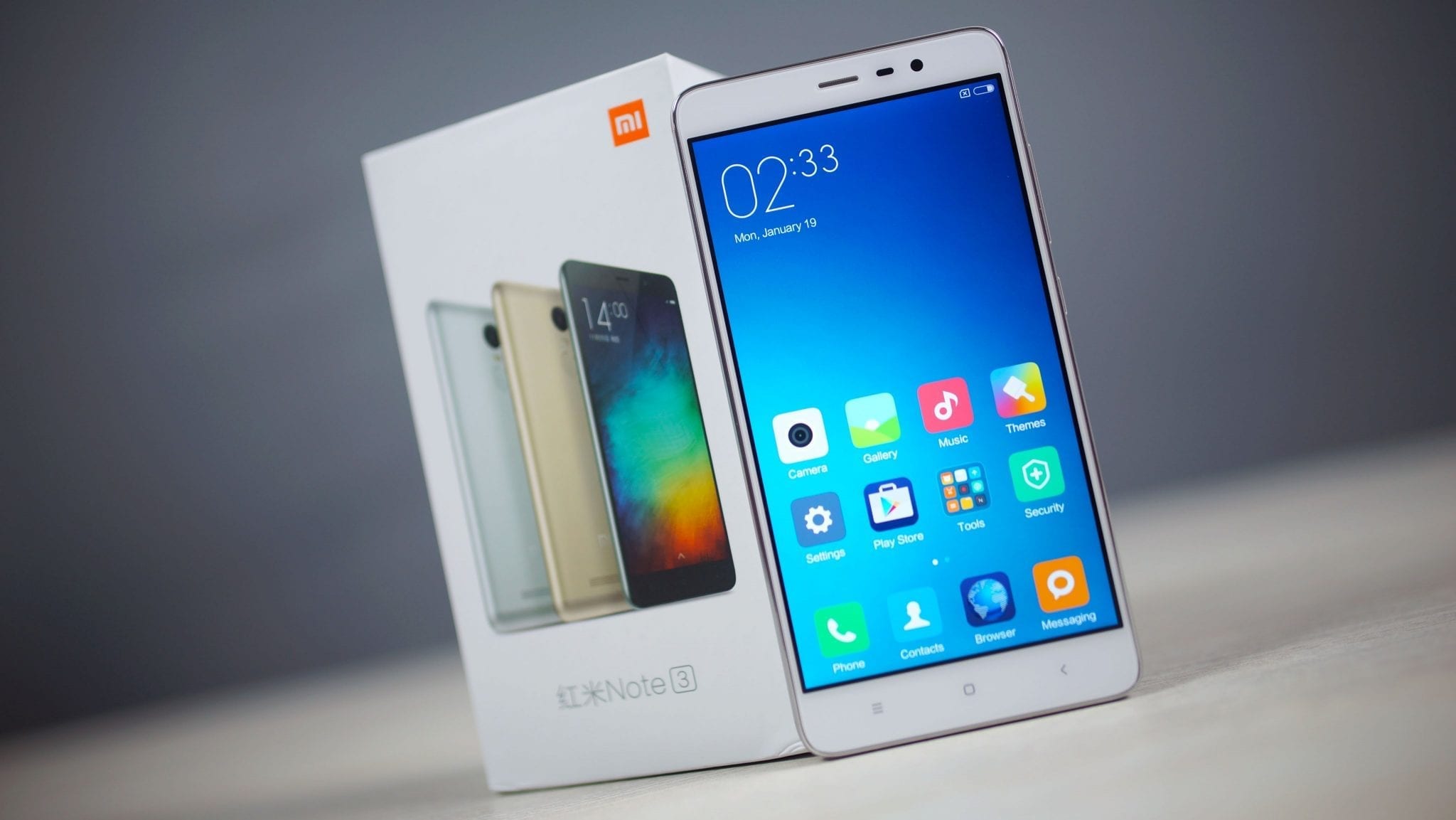
    Xiaomi launched its new Mi 4i handset in Hong Kong on May 12 at HK$1599 – a handset with a 5.5 inch screen and 15 megapixel forward camera, running Android. At the equivalent of US$206, it is a potential category killer once consumers grow to trust the Mi brand. An Apple iPhone 6 starts at $5588 (US$720). It is Xiaomi’s first phone developed for the global market.

    Xiaomi has a small network of 19 retail stores in Mainland China, dubbed Mi Homes and 541 service centres operated by partners in eight markets.

    To date most of its handsets are sold online and through a small group of retail partners in Hong Kong and India.
  • Tesla begins to deliver model for the masses

    Tesla begins to deliver model for the masses

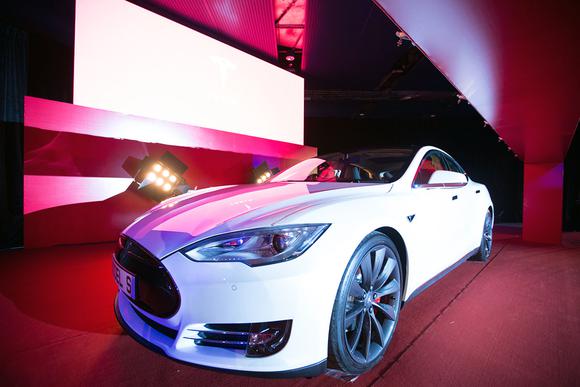
    Analysts have predicted that Tesla may be reshaping the future of the auto industry, like Apple did with the iPhone. Tesla began delivering on a dream to make an electric car for the masses, rolling out the first of its keenly-awaited “Model 3” cars, aiming to disrupt a world accustomed to automobiles powered by pollution-spewing fossil fuel.

    An initial batch of the ‘Model 3’ cars that rolled out of the Tesla plant in Fremont, California late Friday were given to customers, most of whom were employees of the company.

    Tesla founder and chief Elon Musk proclaimed it a great day for the company, saying the goal was to make a terrific electric car “that everyone can buy.” Musk starred in a ceremony at the plant delivering the first batch to their owners.

    “It’s the best car for its cost, either electric or gasoline,” he said.

    Production of the electric car aimed at the broader market — with a starting price of $35,000 — will ramp up quickly, according to Musk, with 100 in August and 1,500 or more in September.

    Tesla aims to produce 5,000 units of the Model 3 a week this year, and 10,000 units a week in 2018.

    Tesla already sells “S” and “X” model electric cars, but with a starting price of $80,000 they have been seen as wheels for the wealthy.

    The Model 3 silhouette resembles that of the Model S, but the new electric ride is smaller with a simpler design.

    The vehicle’s battery was designed to keep it going for “at least 215 miles” (345 kilometers) before needing to be recharged, according to Tesla. A battery with a longer range is available for more money.

    Musk has mentioned in Tesla earnings calls that while early models were packed with innovative engineering, they caused vexation on the assembly line.

    The Model 3, he said, was designed from the outset with mass production in mind to push down cost and crank cars out quickly.

    ‘Crucial step’

    More than a half-million customers have placed deposits to get on the waiting list for the Model 3, and anyone wanting one will have to wait at least until 2018.

    “Demand is not a challenge there,” Musk said, noting that most of the orders have been in the US.

    A big question for Tesla is whether it can ramp up production to meet demand and whether rivals will cut into the electric vehicle market.

    Like its predecessors, the Model 3 is fully electric and on-board computers can handle some driving tasks.

    Tesla referred to the arrival of the Model 3 as a “crucial step” in the company’s mission to speed the transition to renewable energy.

    Not long after Tesla was founded in 2003, Musk said the plan was to use money from high-end electric vehicles to create more affordable offerings to make the technology the new automotive norm.

    Cars powered by green energy are consistent with a concern for the environment seen in Musk’s other enterprises.

    Musk runs solar energy firm SolarCity, and is building rechargeable batteries to power homes as well as cars.

    His Boring Company is part of a vision for near-supersonic rail travel through low-pressure tubes that he laid out in a Hyperloop white paper he made open to other entrepreneurs.

    Combined sales of Model S and Model X vehicles in the first half of this year were estimated to tally from 47,000 to 50,000.

    With the Model 3, Tesla hopes to start cranking out hundreds of thousands of cars annually.

    The iPhone of cars?

    Success of the Model 3 could put in the rear-view mirror concerns about Tesla’s prospects for growth.

    So far, Musk’s strategy has paid off. Even though most major car makers sell electric vehicles, Tesla practically defines the category.

    The rush of pre-orders allowed Tesla to recently become the biggest US car company in terms of market capitalization, despite the fact that General Motors (GM) and Ford produce millions of cars per year and Tesla has yet to make a profit.

    While Tesla is scrambling to meet Model 3 demand, GM has temporarily halted production of its ‘Bolt’ electric car to eas ease inventories.

    Some analysts say that with the launch, Tesla may be reshaping the future of the auto industry. Gene Munster, analyst with the research firm Loup Ventures, argues that Tesla may do for the auto sector what Apple did for smartphones and electronics.

    “We believe we will eventually look back at the launch of the Model 3 and compare it to the iPhone, which proved to be the catalyst for the shift to mobile computing,” Munster said in a recent research note.

    Munster says Tesla will play a central role in “paradigm shifts” to electric and autonomous vehicles that could transform the sector.

  • HSBC profits up in first half of 2017

    HSBC profits up in first half of 2017

    The Asia-focused giant has been on a recovery drive over the past two years to streamline the business and slash costs, and has laid off tens of thousands of staff.

    HSBC said profits were up Monday in the first half of the year in what it called an “excellent” result after a turbulent 2016.

    Reported pre-tax profit for the six months to June rose five percent to $10.2 billion compared with $9.7 billion for the same period last year.

    HSBC also announced a share buyback of up to $2 billion, expected to be completed in the second half of the year.

    Shares were up 2.77 percent at HK$78.55 ($10.06) in early afternoon trading in Hong Kong Monday.

    The half-year results showed operating expenses dropped 12 percent to $16.4 billion, partly stemming from a sell-off of its Brazil operations.

    Chairman Douglas Flint described the performance as “extremely pleasing”.

    Flint said there were still uncertainties due to increasing geopolitical tensions and “ambiguous predictions” around Britain’s future relationship with the European Union post-Brexit, but described HSBC’s performance as resilient.

    Analysts said the results had outstripped predictions.

    “HSBC’s earnings are definitely better than market expectations,” said Dickie Wong of Hong Kong-based Kingston Securities.

    He described the firm as in “very good shape” after wide-ranging restructuring programmes following the global financial crisis in 2008.

    Net profit for the first half of the year rose 10 percent to $6.99 billion from $6.36 billion for the same period in 2016.

    Pre-tax profits for the second quarter rose $1.7 billion to $5.3 billion year on year, beating Bloomberg analysts’ estimates, which had averaged out at a $4.6 billion forecast.

    HSBC announced the appointment of a new chairman in March as part of a management overhaul that will also see it choose a new chief executive to replace Stuart Gulliver, following a massive drop in 2016 profits.

    British businessman Mark Tucker, currently group chief executive and president of insurance group AIA, will take over from Flint in October.

    Gulliver has said he will step down in 2018.

    Gulliver and Flint were grilled by British lawmakers in 2015 and apologised for “unacceptable” failings at HSBC’s Swiss division following allegations the unit helped rich clients hide billions of dollars from the taxman.

    HSBC was one of six major U.S. and European banks that were fined a total of $4.2 billion by global regulators in a November 2014 crackdown for attempted manipulation of the foreign exchange market.

    It was also fined $1.92 billion by U.S. prosecutors in 2012 to settle allegations that it failed to enforce anti-money laundering rules exposing it to exploitation by drug cartels and terrorist organisations.

  • QR-code payments could dominate mobile payments

    QR-code payments could dominate mobile payments

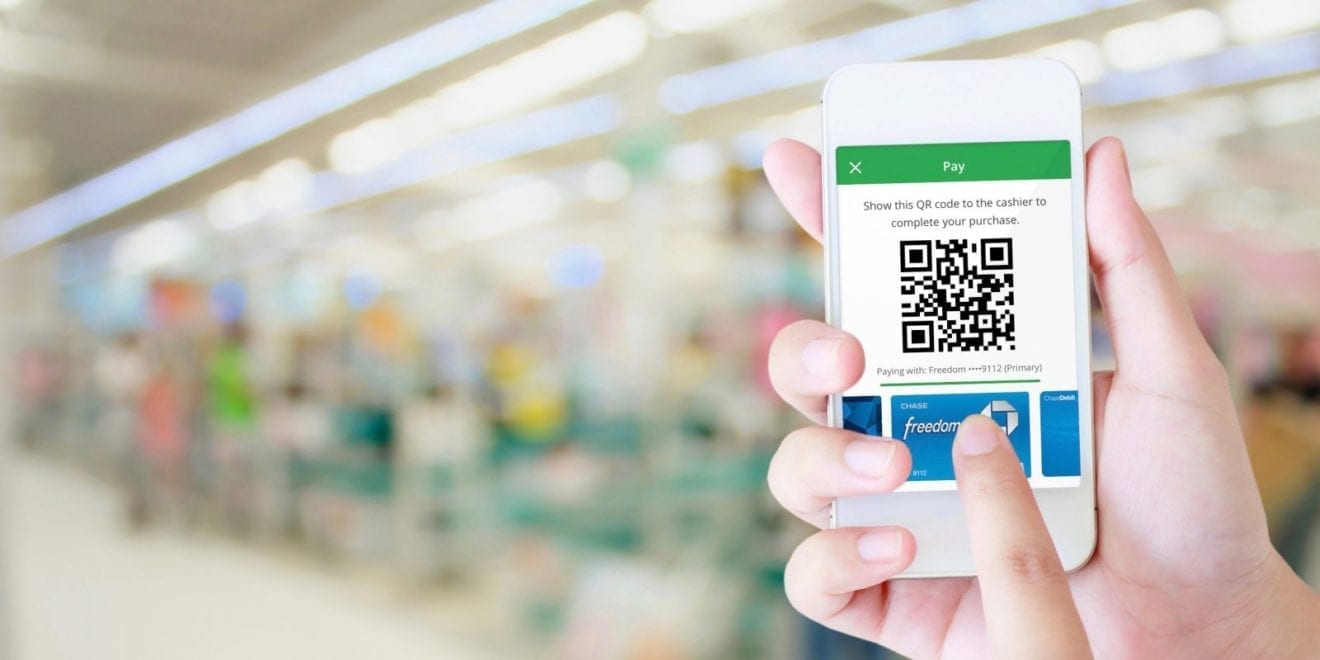
    QR-code payments have the potential to replace any other form of mobile payment according to new research.

    More than 1000 Chinese consumers and 60 decision-makers from global merchant companies were surveyed by mobile payments specialist Cancan and financial research company Kapronasia for the first global study covering the impact of Asian mobile POS payments worldwide.

    “Alipay and WeChat Pay, both based on QR code technology, are already dwarfing their Western counterparts tenfold with 750 million active users between them,” says Cancan MD Candice Koo.

    She says global merchants need to meet shoppers’ expectations regarding mobile payments. “Today that consumer is predominantly Chinese, but in year we could also be looking at Indians, Indonesians, Japanese and Koreans, who are already all following the Chinese trajectory.”

    “The rapid adoption of mobile payments by Chinese consumers domestically is well known, but not as much how they are using them abroad,” says Kapronasia director Zennon Kapron.

    The 2017 Mobile Payment Survey: Chinese Consumers Abroad investigates how mobile payments methods such as Alipay and WeChat Pay are shaping Chinese consumer expectations toward shopping outside of China. It also investigates global merchant preparation for this phenomenon.

    Key findings include:

    • Mainland Chinese consumers expect to spend more with mobile payments this year and next when travelling abroad, overriding the use of cash or credit cards
    • Nearly half of the consumers surveyed made between 10 and 30 per cent of their overseas shopping purchases with QR-code mobile payment methods; one-third paid for more than half their purchases in China with mobile
    • Fashion and cosmetics/skincare products are the categories most likely to attract mobile payment purchases
    • Consumers chose mobile payments for transaction convenience and the ability to track purchases in real time; they also appreciate not needing to carry cash and credit cards while travelling
    • More than a third of merchants who accept mobile payments say this payment method contributes to at least 3 per cent of their global sales, with some merchants experiencing a share as high as 25 per cent.

    The report says customer demand is driving merchant adoption of mobile payments, while merchants are attracted by the speed of mobile-payment transactions.

  • Samsung begins official distribution of Harman products

    Samsung begins official distribution of Harman products

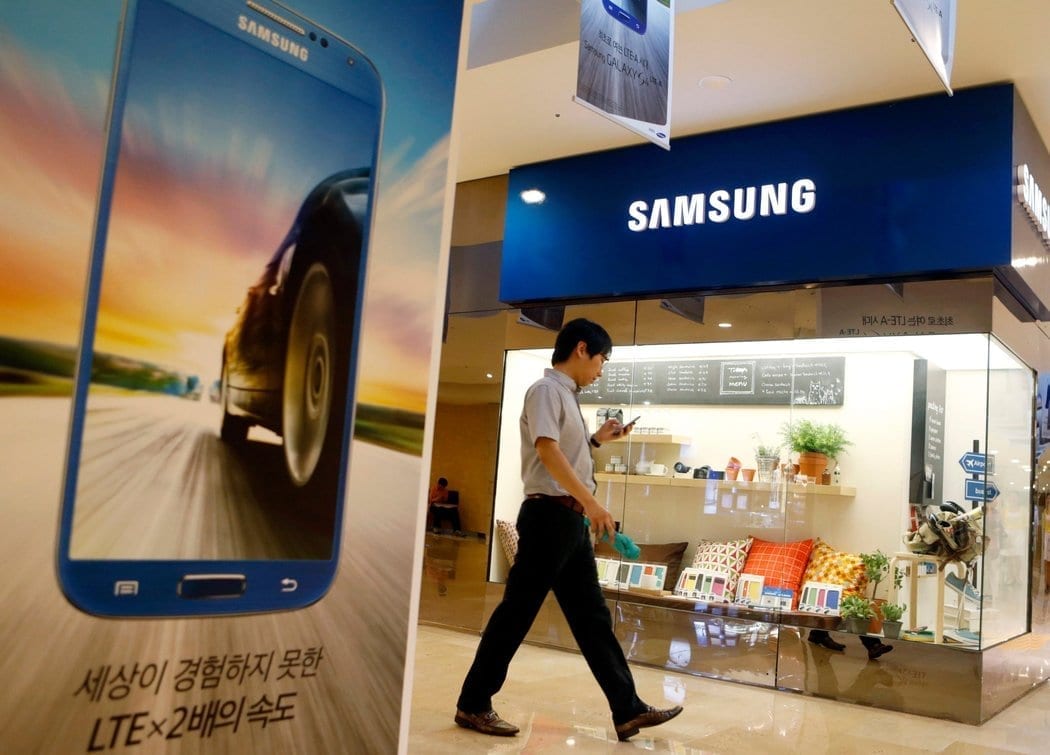
    Samsung Electronics will start selling Harman International’s consumer audio products from Tuesday through its local distribution channels, the company announced Monday.

    It is the first official business move since the South Korean tech titan completed its acquisition of the 70-year-old US-based audio system manufacturer for $8 billion in March.

    Samsung will officially release 40 speaker, earphone and headphone products under the Harman Kardon, JBL and AKG brands that represent strong audio systems through 30 Samsung Digital Plaza shops across the country, with a plan to gradually expand the distribution points.

    Within the year, Samsung plans to open exclusive Harman shops at multipurpose malls, providing consumers with better experiences of enjoying sound.

    Harman products have been sold here through Harman Korea with limited distribution channels that are now to be expanded through Samsung.

    After-sales services for the Harman products will be available through Samsung’s service centers nationwide, the company said.

    Samsung took over Harman that is also specialized in automotive electronics with an aim to expand into the transportation, retail, hospitality and education industries.

    While keeping Harman’s operations separately, Samsung said the two will team up for new projects in the aforementioned areas whenever necessary. On July 13, the two announced a collaborative theater project adopting Samsung’s light-emitting diode technology for cinema together with Harman’s JBL speakers at Lotte Cinema World Tower in Jamsil, southern Seoul.

  • Xiaomi announce US$1 billion loan to help with overseas expansion

    Xiaomi announce US$1 billion loan to help with overseas expansion

    Xiami announced today they will obtain a loan of US$1 billion over three years to aid overseas expansion and the improvement of distribution channels.

    It signed a syndicated loan agreement for US$1 billion over the next three years, with 18 banks including Bank of China, Deutsche Bank AG and Wing Lung Bank. Xiaomi previously secured a three-year term US$1 billion syndicated loan in 2014.

    Xiaomi Founder, Chairman and CEO Lei Jun, said that “new retail,” which is the integration of online and offline retail, as well as globalization, are the company’s top strategic areas for development, with the support of a syndicated loan.

    Xiaomi is among the top five smartphone brands in China, behind Huawei, Oppo, Vivo and Apple.

    In the second quarter, Xiaomi sold 23.16 million smartphones, marking a record high for quarterly smartphone sales. To date, Xiaomi has opened 149 Mi Home stores across China, with plans to open more in order to improve distribution channels.

  • AirAsia, Indonesian tourism ministry in joint marketing pact

    AirAsia, Indonesian tourism ministry in joint marketing pact

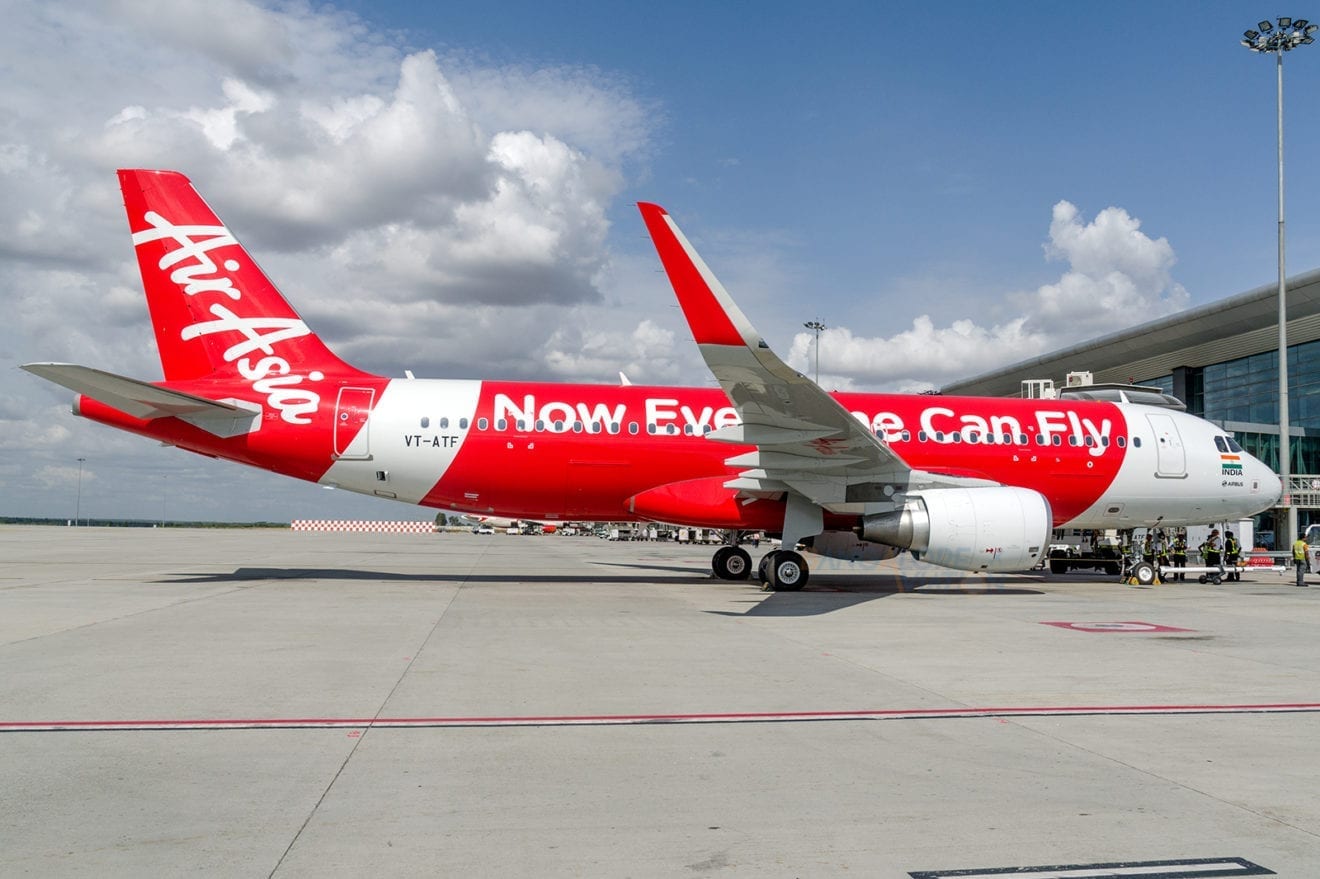
    Indonesia’s Ministry of Tourism and AirAsia have announced a collaboration in marketing in terms of brand advertising, promotional activities and activations across various touch points including, digital, print, radio, in-flight branding, consumer selling travel fair and more.

    The launch of the collaboration was held in Shah Alam, and was attended by Judi Rifajantoro, professional staff to the minister for tourism infrastructure, Indonesian Ministry of Tourism; Robert D. Waloni, senior adviser to the minister for air accessibility, Indonesian Ministry of Tourism; Aireen Omar, CEO of AirAsia Bhd; and Rifai Taberi, commercial director of Indonesia AirAsia.

    “Under the joint promotion for the media campaign, we hope AirAsia will cater more travellers to Indonesia and more people especially Malaysians can experience Indonesia thanks to AirAsia’s numerous routes. This is obviously part of a much broader agenda of collaboration with airlines and the community,” said Rifajantoro.

    Aireen said, “This partnership could not be more timely as we have been seeing a robust demand for Malaysia and Indonesia. In 2016, we have flown more than four million guests between both countries to contribute significantly to the tourist arrivals last year and this is only a fraction of the great potential we can achieve.

    “We look forward to this commitment with the Ministry of Tourism Republic of Indonesia and we are confident that we can further increase more tourist traffic and income for both countries.”

    AirAsia connects Malaysia with Indonesia with more than 350 times weekly flights to 15 different cities such as Banda Aceh, Bandung, Bali, Jakarta, Lombok, Medan, Pekanbaru, Palembang, Padang, Pontianak, Semarang, Solo, Surabaya, Makassar, and Yogyakarta.

    The airline recently added more frequencies to several routes in Indonesia and has launched direct flights from Kuching, Sarawak, to Pontianak.

    In conjunction with the partnership, AirAsia is offering promotional fares for flights into Indonesia, starting from RM79, for bookings made from yesterday until Sunday, for immediate travel until Feb 25, 2018.

  • Delayed launch for Pablo Singapore

    Delayed launch for Pablo Singapore

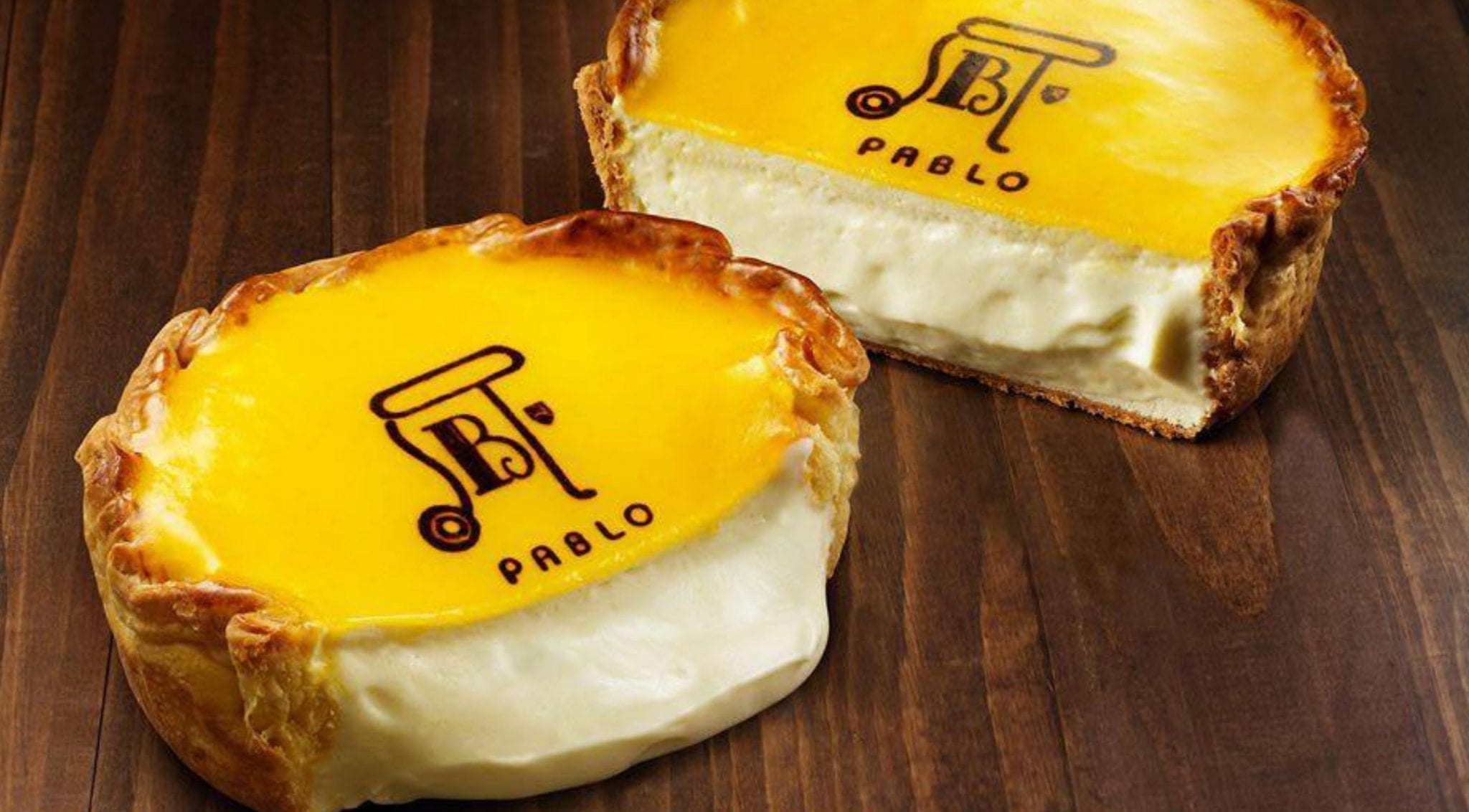
    After a delayed launch, cheese-tart chain Pablo Singapore is set to open in Wisma Atria in the next couple of weeks.

    The Japanese brand had originally been scheduled to open this month.

    On sale will be the chain’s signature 15cm-wide tarts, plus two other flavours – the matcha cheese tart with shiratama mochi and azuki or red beans, and the chocolate cheese tart.

    As in other overseas outlets of Pablo, the “medium” version of the tart will be offered (in Japan, diners can also order a “rare” version that oozes molten cheese filling when sliced).

    There will also be a crustless premium cheese tart with a caramel glaze topping, inspired by creme brulee. Later this year mini-tarts will be added to the menu.

    With 78 seats, the cafe will occupy a 1400 sqft (130 sqm) space on the first level of Wisma Atria, formerly occupied by Omakase Burger.

    Pablo is being brought in by Caerus Holdings, which runs New York confectionery chain Lady M in Orchard Central, Westgate mall and South Beach Avenue.

  • HAWKR launches healthy ‘grab-and-go’ in heart of Quarray Bay

    HAWKR launches healthy ‘grab-and-go’ in heart of Quarray Bay

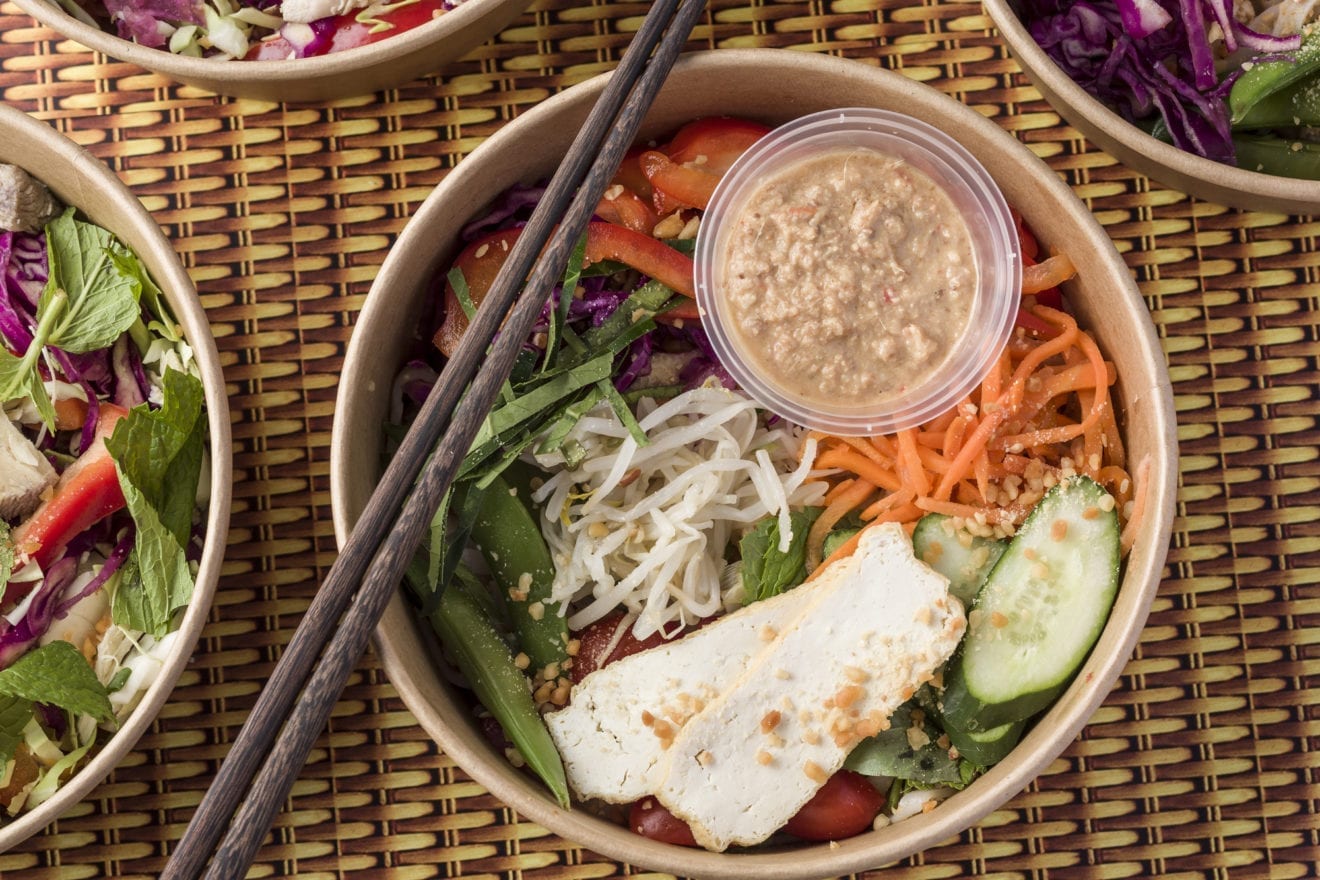
    Using the freshest ingredients and authentic flavours, HAWKR has reconceived Southeast Asian favourites for grab-and-go eating. Curries, soup noodle pots, Vietnamese and Thai baguettes and wraps, healthy breakfasts, bespoke HAWKR juices and tailored, house-blend coffees are on the menu at HAWKR’s new outlet in Quarry Bay.

    Inspired by the hawker food centres of Southeast Asia, serving a variety of regional dishes, HAWKR is newly opened on the ground floor of 36 Hoi Kwong Street, on the corner of Tong Chong Street and opposite the commercial complex of Taikoo Place.

    The contemporary grab-and-go takes on the region’s vibrant food culture from Singapore and Malaysia to Vietnam, Myanmar, Thailand and Indonesia, and brings an innovative and much needed takeaway concept to Hong Kong’s culinary scene.

    In partnership with the founder of Myanmar based lifestyle concept Pun+Projects and restaurateur, Ivan Pun, and consumer private equity professional Jake Astor, pop-up dining and private kitchen chef Mina Park’s nutritious, fresh take on Southeast Asian street food is appealing to time-pressed young professionals and office workers amid the commercial mini-metropolis of Taikoo Place.

    Each dish has been conceived by Mina using the freshest ingredients and HAWKR’s own recipes. No MSG, artificial flavours or preservatives are used in any of the menu items.

    The day-long menu starts with light breakfasts including healthy superfood sabja and chia seed puddings, with fresh fruit, yoghurts and pastries.

    HAWKR is also standing out from the ‘grab-and-go’ crowd by developing its own bespoke coffee blends using only the highest quality beans. Each blend, developed by their resident barista, has an Indonesian coffee base, as well as a mixture of other beans, including Ethiopian and Brazilian.

    HAWKR’s beans are roasted to order by local artisan roaster, Happy Bean Roastery.

    HAWKR avoids MSG and artificial flavouring, and strives to use only ingredients that “we would feel comfortable eating ourselves every day,” said Mina Park.

    “We have worked hard to create dishes that highlight the flavours of Southeast Asia and incorporate the gorgeous herbs and spices that I love.”

  • IoT and transformation driving ITOM investment

    IoT and transformation driving ITOM investment

    The growth of digital business and the IoT will drive large investment in IT operations management (ITOM) through 2020, Gartner has predicted.

    Organizations are moving towards ITOM open-source software (OSS), and a primary driver of this transition is the promise of a lower total cost of ownership, the research firm said.

    “While acceptance of OSS ITOM is increasing, traditional closed-source ITOM software still has the biggest budget allocation today. Moreover, complexity and governance issues that face users of OSS ITOM tools cannot be ignored. In fact, these issues open up opportunities for ITOM vendors. Even vendors that are late to market with ITOM functionality can compete in this area,” Gartner research director Laurie Wurster said.

    Gartner believes many enterprises will turn to managed ITOM or ITOM as a service (ITOMaaS) enabled by open-source technologies and provided by a third party. With OSS, vendors can provide more cost-effective and readily available ITOM functions in a scaled manner through the cloud.

    Through 2020, public cloud and managed services are expected to be leveraged more often forITOM tools, which will drive growth of the subscription business model for both cloud and on-premises ITOM.

    However, on-premises deployments will still be the most common delivery method. This imposes multiple challenges to incumbent ITOM vendors. First, those vendors that do not offer a cloud delivery model will face continuous cannibalization from ITOM vendors that can deliver ITOM through both cloud and on-premises.

    Second, platform vendors, such as Microsoft Azure and Amazon Web Services (AWS), are providing some native ITOM functionalities on their public clouds. Customers that are running workloads solely on these platforms may prefer these native features. There are also “hybrid” requirements for ITOM tools that can seamlessly manage both cloud and on-premises environments.

  • Alexander McQueen opens new store at Elements

    Alexander McQueen opens new store at Elements

    Alexander McQueen shows a world that is both classic and contemporary, familiar and subversive at its new retail store at Elements in Tsim sha Tsui.

    Creative director Sarah Burton partnered with David Collins Studio to design the store, which highlights nude and black colours with accents of aged and polished brass.

    Bookmatched Calacatta Oro marble is used to create a stunning marble feature wall in the shop front while pink onyx frames the collection with bold architectural backdrops.

    A selection of special commissions and mid-century-inspired furniture are curated within the store, including armchairs upholstered in antique blush and black.

    Alexander McQueen stores can also be found at Sogo Department Store in Causeway Bay and Landmark Atrium in Central.

  • Dover Street Market opens in Singapore

    Dover Street Market opens in Singapore

    Dover Street Market has finally opened its doors in Singapore, the fifth location for the Japanese fashion retailer, conceived by fashion designer Rei Kawakubo, the founder of luxury label Comme des Garçons.

    Located inside an old army barrack, the latest market addition officially opened on Saturday, after it was first announced in December 2016.

    DSM Singapore is housed in a building that forms part of the COMO Dempsey complex.  The complex has been hailed as a “lifestyle destination” in Singapore, stocked with designer shops and restaurants.

    “I want to create a kind of market where various creators from various fields gather together and encounter each other in an ongoing atmosphere of beautiful chaos; the mixing up and coming together of different kindred souls who all share a strong personal vision,” said the Japanese designer, who designed the new store.

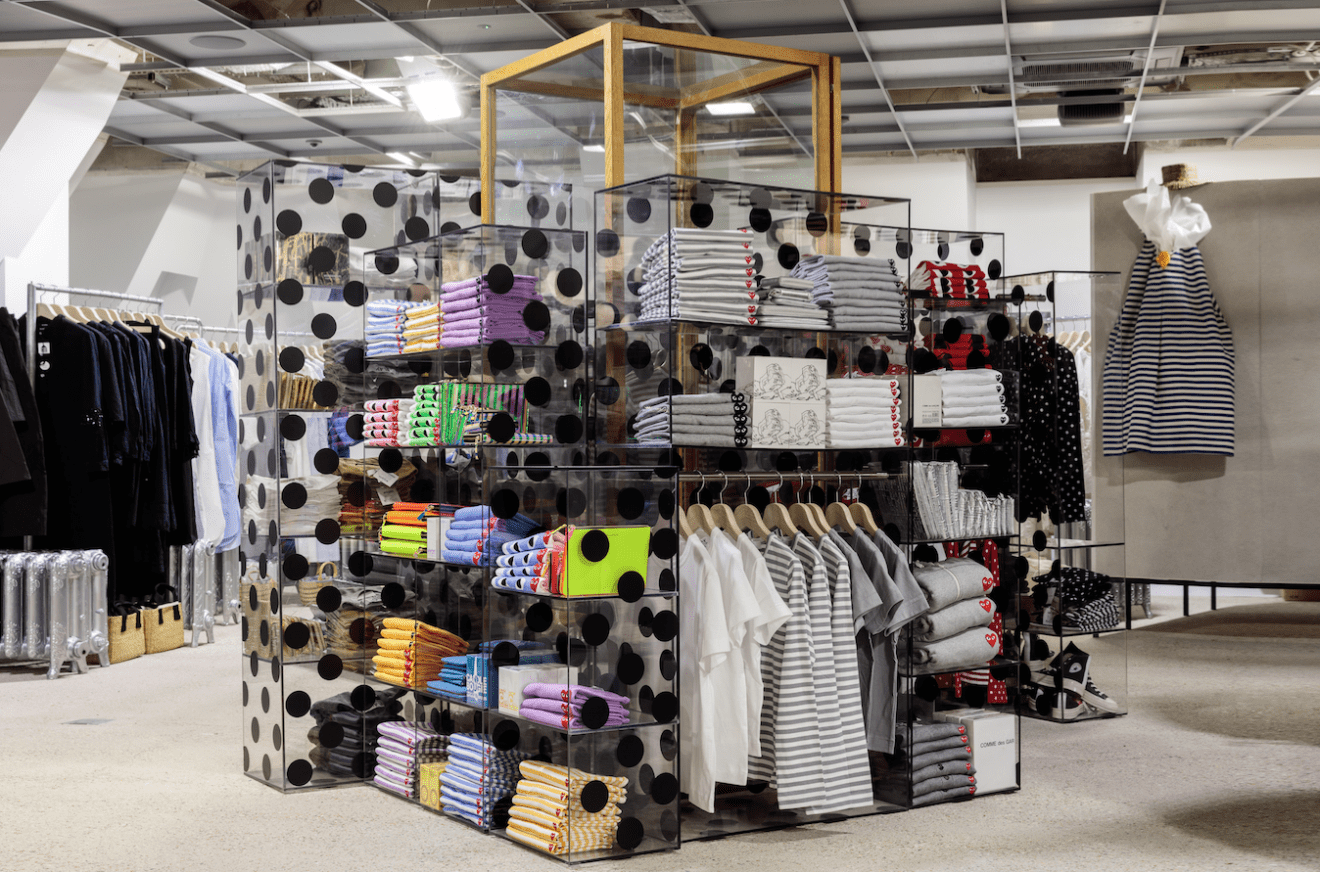
    DSM Singapore sells a curated range of luxury streetwear labels. Inside, Balenciaga, The Row, and Thom Browne are in their self-designed individual sections, alongside the mainstay Comme des Garçons — hung within two large glass-meets-steel fittings.

    Elsewhere, the Wire Fence Labyrinth boasts metal mesh walls and hosts women’s fashion from Jacquemus, JW Anderson, Molly Goddard and Vetements, while the store’s men’s apparel is found inside solo steel towers.

    DSM opened its first location in London in 2004. Today, it has locations in Tokyo, New York and Beijing.

  • SM’s Logistics 2Go mulling e-commerce expansion

    SM’s Logistics 2Go mulling e-commerce expansion

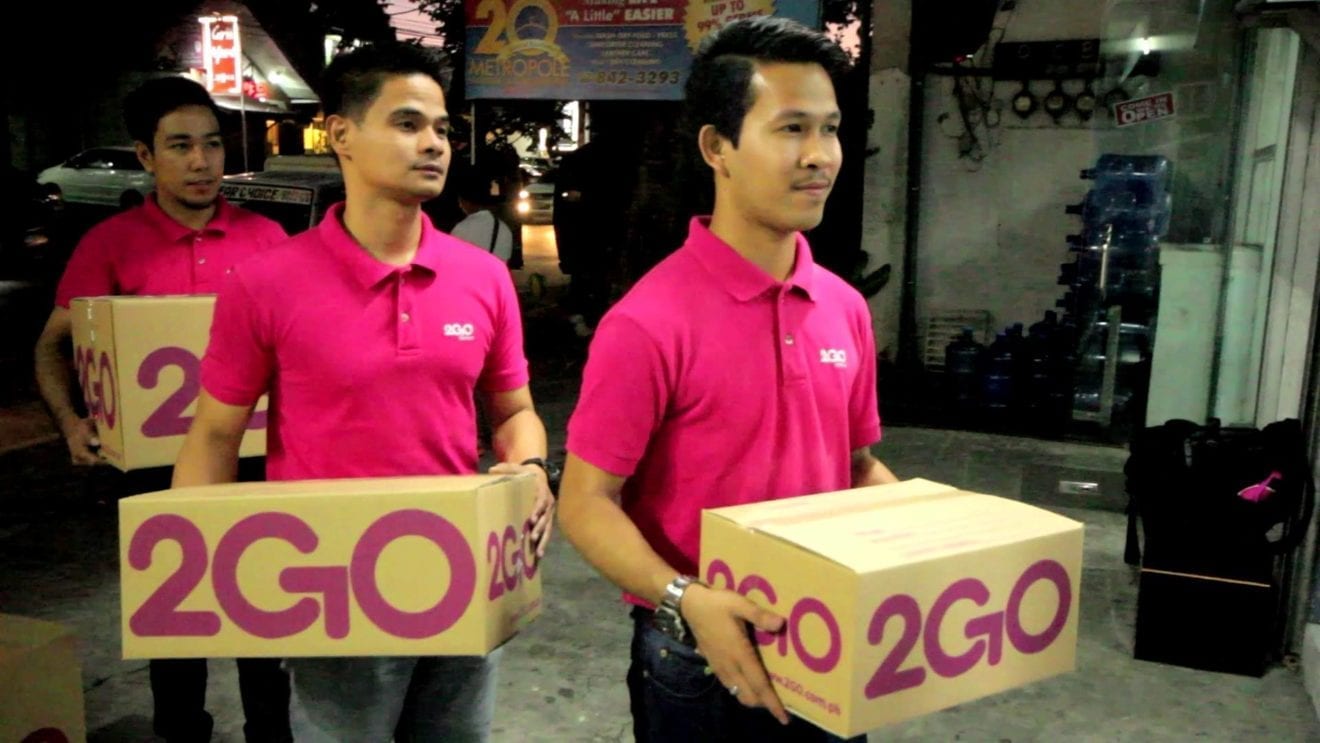
    Logistics 2Go Group, which has just been taken over by Chelsea Logistics Corporation and the SM Group, is studying a possible expansion into e-commerce.

    President Dennis Uy says there is nothing definite yet, especially with the cost being “quite high”.

    He says e-commerce would be the final link to its logistics business chain as 2Go is already fully integrated from warehousing to shipping to courier and door-to-door package-delivery services. It could either venture into the front-end of the e-commerce business in partnership with the SM group or just service companies already engaged in e-commerce.

    However, Uy says it is not easy, and “it is not necessary that we should be there”. But it could happen in the next two years.

    “As the country industrializes, we’ll have more options to shop. We won’t want to go to the mall. We’re very product-specific, and more people will be banked, using debit/credit cards.”

    He says the challenge is to make the expansion profitable.

    “In terms of e-commerce, we plan on partnering with SM because it is really strong in that field. It is already an established brand,” says Uy.

    The SM Group’s non-food retail unit The SM Store launched into e-commerce in 2014.

  • Profit lift for Sheng Siong Group

    Profit lift for Sheng Siong Group

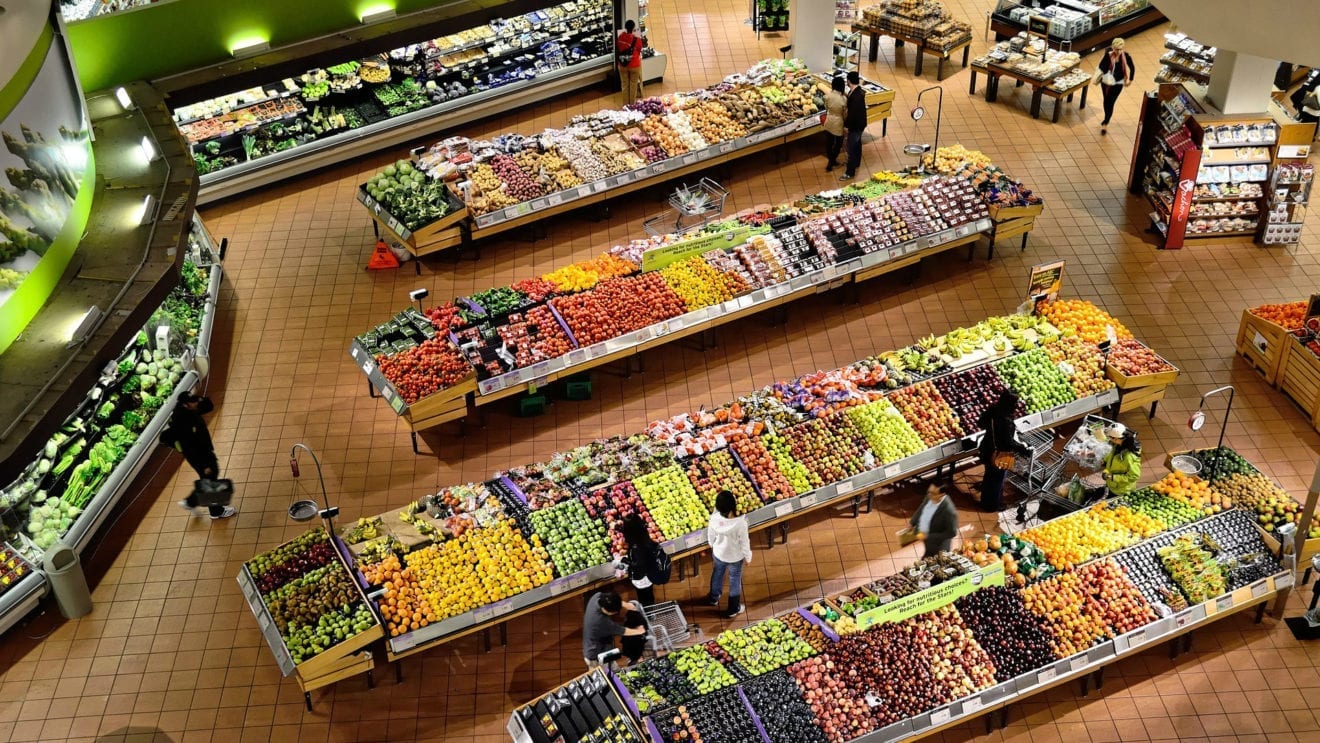
    Supermarket chain Sheng Siong Group had a 6.1 per cent increase in net profit to S$16.1 million (US$11.8 million) for its second quarter, to the end of June.

    It attributes this to higher gross profit generated by revenue growth and improved gross margin, partially offset by higher running expenses because of increased activity.

    Revenue grew by 6.8 per cent year-on-year of which 5.2 per cent was contributed by new stores, 0.9 per cent by comparable same-store sales and 0.7 per cent by Loyang Point and The Verge stores.

    Growth in same-store sales improved on the first quarter’s “flattish” growth, mainly because of improved consumer sentiment, but was offset by a drop in footfall of stores in areas affected by the slowdown in the oil and gas industry, the Tampines store’s renovation and the Woodlands store, where most residents in nearby blocks affected had moved. Excluding the contraction from the Woodlands store, comparable same-store sales growth would be 1.2 and 1.7 per cent for the first and second quarters respectively.

    Gross margins increased to 26.6 per cent for the second quarter (26.1 per cent in the same quarter last year), mainly because of input cost being lowered by efficiency gains derived from the central distribution centre, a higher level of supplier rebates, and a better sales mix of higher-gross-margin fresh versus non-fresh produce.

    The store at The Verge was closed in the third week of June, and The Woodlands store may be closed in October instead of August, as the HDB is redeveloping the area. Both these stores accounted for 7.6 per cent of the first half’s revenue.

    The group has entered into a lease for a new shop of about 4000 sqft (370 sqm) at Fajar Road, Bukit Panjang, and successfully bid for a new HDB shop of about 12,000 sqft in Woodlands Street. The stores are expected to be open in September and October respectively.

    An extension of the distribution has been started, to add another 50,000 sqft of storage space in the third quarter of next year.

    Renovation of a supermarket to be run by a subsidiary in Kunming is expected to be complete in September.

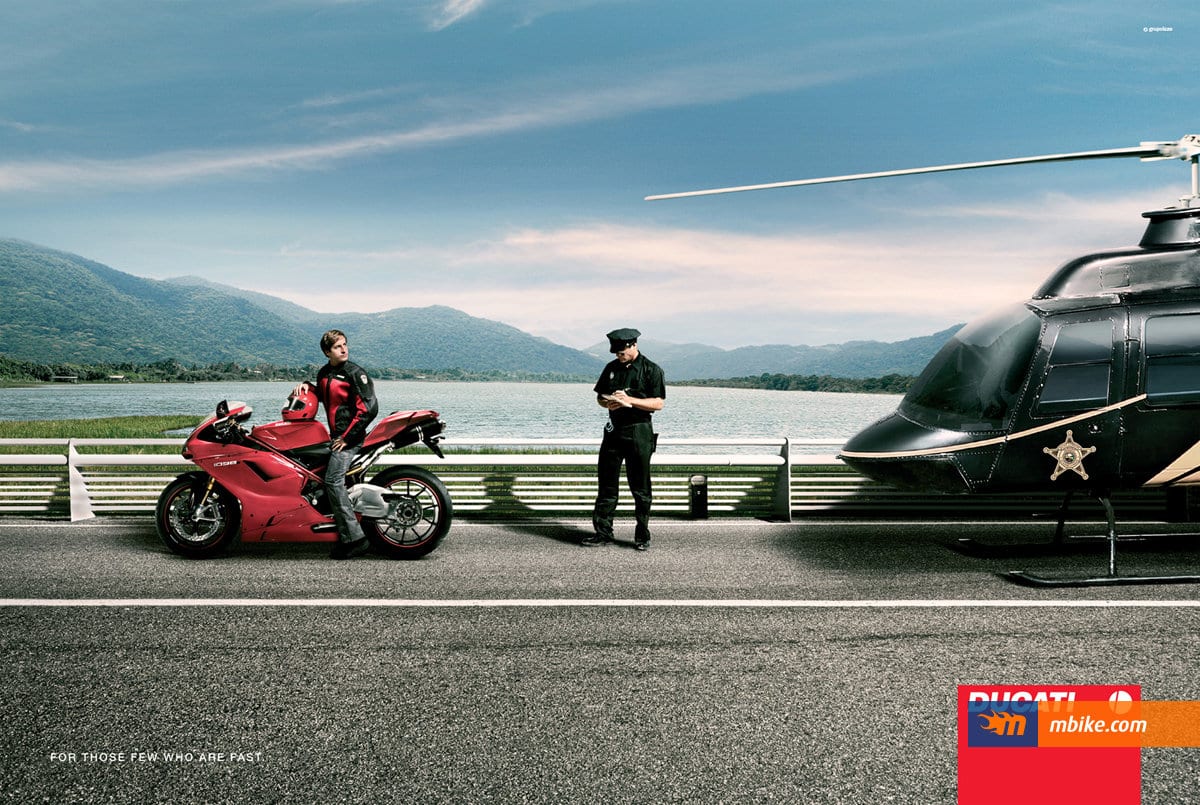
  • VW sale of Ducati, Renk units lacks board support

    VW sale of Ducati, Renk units lacks board support

    Volkswagen’s planned sale of motorcycle brand Ducati and transmissions maker Renk has currently no majority backing on the carmaker’s supervisory board, with opponents to asset sales feeling invigorated by the group’s strong results.

    Europe’s largest automaker has tasked banks to evaluate options for Ducati and Renk including divesting the two divisions as it aims to streamline operations to help fund a post-dieselgate strategic overhaul.

    Volkswagen has been reviewing its portfolio of assets and brands since announcing in June 2016 a multi-billion-euro shift to electric cars and new mobility services as part of its so-called Strategy 2025.

    Five bidders have been shortlisted to buy Ducati, including Italy’s Benetton family, with offers received valuing the brand at 1.3 billion-1.5 billion euros ($1.76 billion), a source said on Saturday.

    But VW’s labour leaders, occupying half the seats on the 20-member supervisory board which decides on asset sales, resist a sale of Ducati and Renk without compelling financial reasons.

    “The employee representatives on Volkswagen’s supervisory board will neither approve a sale of Ducati, nor one of Renk or MAN Diesel & Turbo,” a spokesman for VW group’s works council told Reuters late on Saturday.

    “Everyone who can read the VW half-year results should know: We don’t need money and our subsidiaries are not up for grabs by bargain hunters.”

    Six-month operating profit at VW group jumped 19 percent to 8.9 billion euros, the carmaker said on Thursday, as cost cuts and R&D improvements at the core namesake brand earned VW a respite from the billions of euros in costs for fines, vehicle refits and compensation related to its dieselgate scandal.

    One source at VW said that given strong union opposition, VW is now reviewing the plan to sell Ducati as it doesn’t want to risk working with labour on implementing a hard-fought turnaround plan for the VW brand, seen as crucial by investors.

    Though Ducati is owned by VW’s luxury brand Audi, the VW group’s supervisory board has to approve a possible sale. Audi declined comment.

    The billionaire Porsche and Piech families, controlling 52 percent of voting shares in VW and holding four supervisory board seats, do not support selling Ducati or Renk, two other sources at VW group said.

    A spokesman for Porsche SE, the family’s holding company, declined comment.

    With 20 percent of voting rights in VW, Lower Saxony, where the carmaker employs more than 100,000 staff at six plants, can veto decisions such as factory closures.

    Holding two board seats, Lower Saxony traditionally teams up with VW’s worker representatives for the sake of protecting jobs and projects. A spokeswoman declined comment when asked whether the state government would back a sale of Ducati or other assets.

    “The management board has not even asked the supervisory board of Volkswagen, where such sales have to be ratified, for its approval,” the works council spokesman said. “Therefore we advise all supposedly interested parties: Save your time to check any books. A sale will not happen.”

    The five bidders shortlisted to buy Ducati will be given access to the company’s books after the summer, the first source said.

    With most of Audi’s executives away for a three-week summer break, a decision on whether management will stick to the planned sale will not be taken until September or October, a source close to Audi said. Audi declined comment.

    VW finance chief Frank Witter, speaking on Thursday’s earnings call, declined any comment on “speculation” surrounding VW’s asset sales plans.