Author: Mei Ling Tan

  • Le Pan at Kowloon Bay introduces French fine dining

    Le Pan at Kowloon Bay introduces French fine dining

    A new fine-dining experience has arrived in Hong Kong with the opening of French restaurant Le Pan at Kowloon Bay.

    It is hidden away behind 1920s-style doors in the Goldin Financial Global Centre, a commercial building. Covering 10,000 sqft (930 sqm), the restaurant has a white theme – as well as the tablecloths, there is white marble plus white leather seating. Four private dining areas can booked for private events, and guests can book a seat at the chef’s table where they can watch head chef Edward Voon at work.

    Once you are seated, the attentive staff makes sure you want for nothing. Home-baked bread in a range of styles is offered still warm from the oven, before canapes arrive.

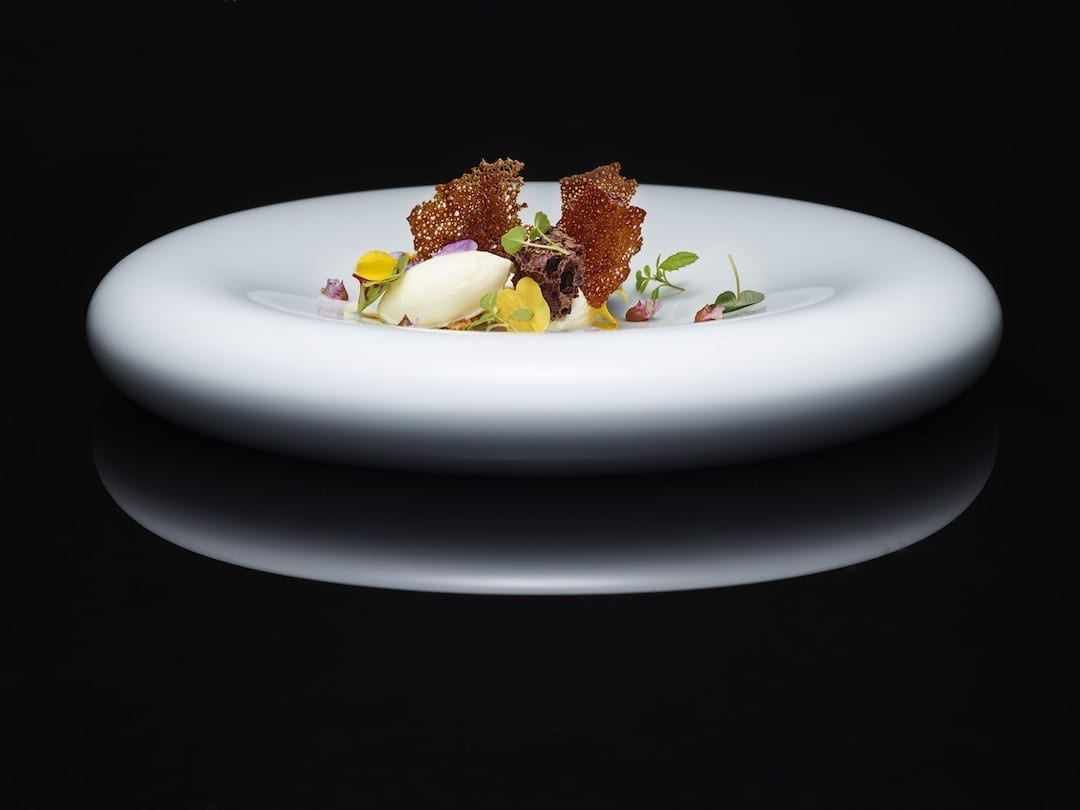
    Le Pan’s offering changes on a seasonal basis and it serves a selection of tasting menus running up to five courses. Dishes include Kaluga Queen Hybrid caviar with sea urchin, botan shrimps and crustacean jelly; bouillabaisse with stewed fish tortellini; and crispy-skin Kuhlbarra barramundi with herbs, braised fennel and beurre blanc.

    Each dish is introduced by the servers, even with eating suggestions.

  • Billabong shares dive on omni write-off

    Billabong shares dive on omni write-off

    Shares in Billabong have skidded as the struggling surfwear retailer said it will take an $11.7 million hit after terminating the service provider engaged to integrate its wholesale, retail stores, e-commerce and social media platforms on line.

    Billabong shares finished six cents, or 7.3 per cent, lower at 76 cents on Friday.

    The retailer said despite the impairment it remains committed to rolling out its “omnichannel solution” – part of a strategic turnaround implemented over the past 12 to 18 months.

    The company says it expects to do so close to its original budget estimate and anticipates the first of its new e-commerce websites, Surf Dive ‘n’ Ski, will be launched before the end of 2017.

    In February the retailer downgraded its full-year earnings guidance after its first-half loss widened to $16.1 million.

    The Gold Coast-based retailer said at the time it expected full-year earnings before interest, tax, depreciation and amortisation (EBITDA) of between $52 million and $57 million, down from the previous forecast of $60 million to $65 million.

    The company had flagged that full-year earnings would rely heavily on the second-half, when the Americas business is expected to pick up significantly.

    Billabong will release its full-year results on August 30.

    In June, the surfwear brand appointed ex-Nordstrom executive Jim Howell as its chief financial officer, replacing Peter Myers who has served in the role since January 2013.

    Billabong also recently sold off the Tigerlily brand from its portfolio, as part of trimming the business and paying down debt.

  • American Eagle Outfitters exits UK

    American Eagle Outfitters exits UK

    After three years trying to crack the UK market, US fashion retailer American Eagle Outfitters is heading home.

    The Daily Telegraph reports online that stores at Bluewater shopping centre in Kent, Westfield Stratford and Westfield Shepherd’s Bush have all ceased trading.

    The first American Eagle Outfitters UK store opened in November 2014 and at the time the brand said it planned as many as 30 stores across the region. But the brand has failed to gain any brand traction with London’s 15- to 25-year-olds.

    Confirming the exit, an American Eagle Outfitters spokesperson said UK customers would still be able to buy its products online.

    Based in Pittsburgh, the company has about 950 stores in the US.

  • Audi targets 10 billion euros in cost cuts to fund electric-car push

    Audi targets 10 billion euros in cost cuts to fund electric-car push

    Audi aims to cut costs by 10 billion euros by 2022 to help fund a shift to electric cars as it seeks to move on after the emissions scandal, sources close to the carmaker said.

    Audi, Volkswagen’s main profit driver, plans to bring five new all-electric models to market in coming years, starting with the e-tron sport-utility vehicle (SUV) to be assembled from 2018 in Brussels.

    Despite run-up costs for its electric-car programme, the luxury automaker wants to keep its operating profit margin at 8 percent a year at least, two sources close to Audi said. Its profit margin in the first half of this year was 8.9 percent.

    The bulk of the 10 billion cost savings would come from cutting research and development costs, the sources said.

    A spokesman at Audi’s headquarters in Ingolstadt, Germany, declined comment. German business daily Handelsblatt reported the cost-savings target and profitability plans earlier on Sunday.

    Audi also aims to free up funds for investments in zero-emission technology by developing a new production platform with Porsche, allowing both VW premium brands to save money by sharing components and modules.

    Audi is grappling with car recalls, prosecutor investigations and persistent criticism from unions and managers over the diesel emissions scandal and its strategy post-dieselgate.

    Sources told Reuters on Friday that four of the brand’s seven top executives are earmarked for dismissal in the near future. On Sunday, sources said the dismissals were discussed by supervisory board members last Thursday but a formal decision has yet to be taken.

  • Samsung beats Apple in brand health rankings

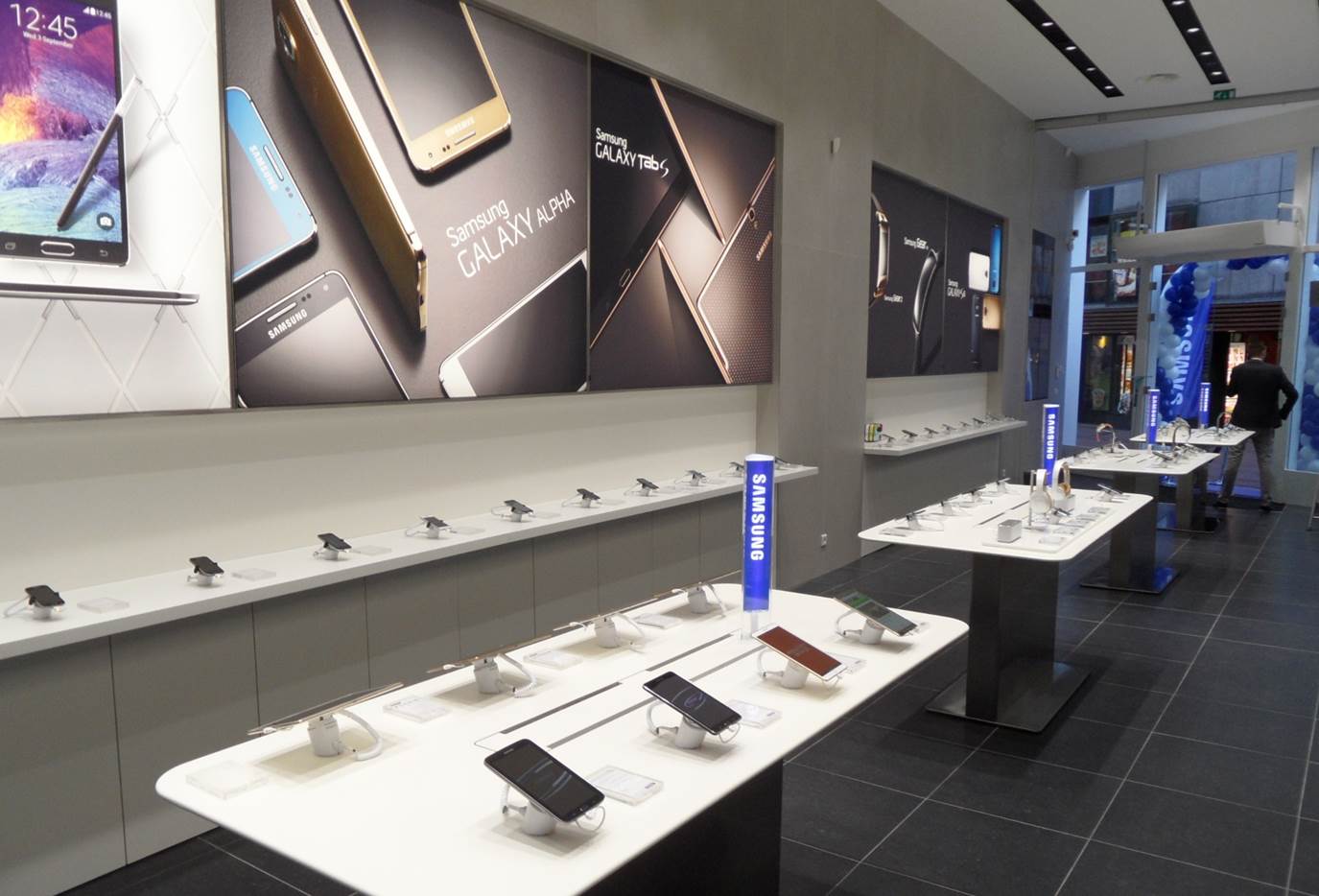
    Samsung beats Apple in brand health rankings

    Google, YouTube and Facebook have topped a first-ever global brand health ranking by YouGov, an online market research firm based in the UK.

    In a list dominated by online brands, Samsung has come in fourth, messaging service WhatsApp is in fifth position, and Apple’s iPhone is in sixth spot. Other brands in the top 10 ranking include brands such as Amazon, Toyota, Adidas and Colgate.

    The rankings are based on YouGov BrandIndex data from across the world. BrandIndex operates in 32 countries across the globe, including markets in North America, South America, Europe, Africa, Asia and Australia.

    The ranking takes into account consumers’ perceptions of a brand’s quality, value, impression, satisfaction, reputation and whether consumers would recommend the brand to others. The rankings list shows the brands with the highest average Index scores between July 1, 2016 and June 30, 2017.

    “Tech brands dominate this global list and with good reason. By their very nature the likes of Google, YouTube and Facebook are open and accessible in most places on earth to anyone with online access,” YouGov CEO for data products Ted Marzilli said.

    “The presence of Samsung and Apple iPhone demonstrate are a sign that our mobile devices have become the remote controls for our lives. All of the brands in the ranking are mainstream with broad utility at their core – and this is as true of the likes of Toyota and Colgate as it is for WhatsApp and Samsung.”

  • Huawei consumer revenue grows 36.2% in 1H17

    Huawei consumer revenue grows 36.2% in 1H17

    Huawei has reported a 36.2% increase in revenue from its consumer business for the first six months of the year on the back of strong smartphone sales.

    Sales revenue increased to 105.4 billion yuan, with smartphone shipments up 20.6% year-on-year to 73 million. IDC estimates that Huawei’s share of the global smartphone market grew to 9.8% during the first quarter.

    In Greater China meanwhile, Huawei grew its shipments by 24% year-on-year to claim 22.1% of the global market, while Canalys recently estimated that the company maintained its lead in the market for the second straight quarter in Q2.

    Huawei also reported growth in APAC markets including Thailand, Malaysia, Japan and South Korea for the period.

    Huawei is accelerating its sales strategy in light of its growing brand presence, revealing plans to increase its global retail network to 56,000 stores worldwide by the end of the year, up from 35,000 in May 2016.

    ABI Research director David McQueen said Huawei’s results “document a company that is outperforming the smartphone market, showing solid growth in shipments and healthy development in its revenues.”

    He said Huawei aims to break 10% global market share for the full year, consolidating its position as the world’s third largest smartphone vendor after Samsung and Apple.

    “The company has managed to achieve this continued growth through a focus on providing advanced, innovative products at the high-end, with its P and Mate series of smartphones to the fore with shipments for the two growing 100% year-on-year,” McQueen said.

    “This high-end mix in its portfolio has also helped drive up average selling prices by 28% year-on-year, and the provision of a premium design and experience has worked to strengthen its brand image and awareness in the consumer market. It is this premium brand image that the company needs to foster as a central tenant if it is to continue with this success as it allows it to command higher prices and create much needed profit in a highly competitive marketplace.”

  • NTT Com launches data network services in India

    NTT Com launches data network services in India

    Japan’s NTT Communications has launched international data network services in India as part of a push to expand its presence in the market.

    The services are being provided through NTT Com’s Indian affiliate NTT Communications India Network Services (NTTCINS).

    NTT Com has also commenced construction of two new data centers in Mumbai and Bangalore through managed hosting and cloud service provider subsidiary Netmagic.

    The $160 million investment will add nearly 500,000 square feet of gross floor space, nearly doubling the company’s data center floorspace footprint in India

    NTT Com likewise acquired a VNO ILD network license in March and has been providing its Arcstar Universal One cloud-based network services as it international network services in partnership with local carriers, using these carriers’ network resources while adding value-added services such as NFV.

    “India has been a key strategic market for us with the accelerating shift of IT services from traditional enterprise data centres into the cloud-based services,” NTT Com President and CEO Tetsuya Shoji said.

    “For the past few years, our business in India has consistently grown over 35% annually. With further expansion of data center foot print and addition of international data network services to our service portfolio, we aim to meet the growing market needs for mobility, e-commerce, IoT, cloud and big data.”

  • Fall in Chinese tourists drags retail-sector sales in Taiwan

    Fall in Chinese tourists drags retail-sector sales in Taiwan

    Revenue generated by Taiwan‘s retail sector fell in the first half due to a fall in the number of Chinese visitors, who tend to buy expensive home appliances or luxury goods, the Ministry of Economic Affairs said.

    The number of Chinese visitors in the past six months fell about 40 percent from the same period last year, which had an adverse effect on local private consumption and retail sales, Department of Statistics Deputy Director-General Wang Shu-chuan said.

    Although the total number of foreign arrivals only fell 5.7 percent year-on-year, meaning that an increase in travelers from other countries offset the decline, they failed to make up for the reduced consumption generated by Chinese visitors, Wang said.

    Retail sales for the first half fell 0.4 percent year-on-year to about NT$2 trillion (US$65.88 billion), the ministry said.

    The local home appliances business sustained the most visible impact, with sales falling by NT$11.9 billion year-on-year for the six-month period, the ministry said.

    Meanwhile, sales generated by the local wholesale sector rose 5.7 percent from a year earlier to NT$851.9 billion last month on the back of strong demand for machinery, communications chips, memory chips and chemical materials, at a time when the global economy has been on the road to recovery, the ministry said.

    In the first half, sales in the wholesale sector rose 5.1 percent from a year earlier to NT$4.79 trillion, while revenue of the local food/beverage sector grew 2.7 percent to NT$224.9 billion.

  • Do Local Merchants Stand A Chance In E-Commerce Wars With Amazon?

    Do Local Merchants Stand A Chance In E-Commerce Wars With Amazon?

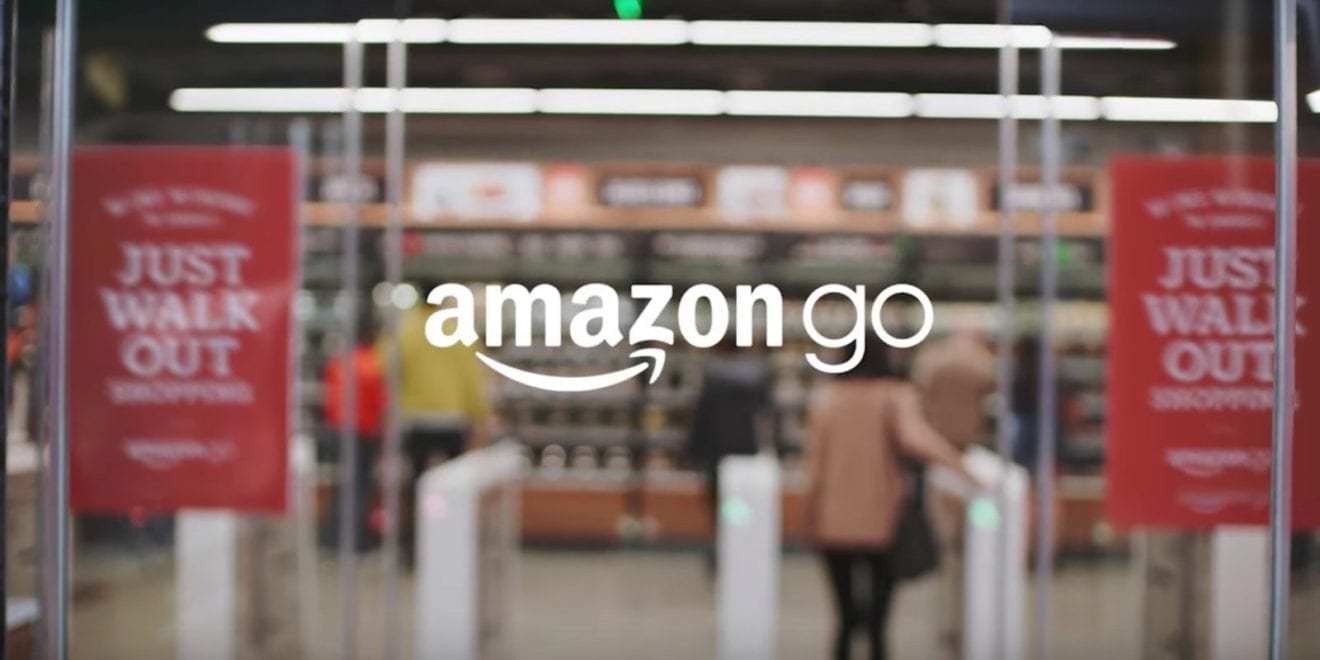
    Grocery stores around the country – and all independent brick-and-mortar retailers, for that matter – uttered a collective gulp the day Amazon announced it had acquired Whole Foods for a whopping $13.7 billion dollars.
    Amazon, the Goliath of online shopping and the behemoth responsible for shuttering the doors of retail brick-and-mortar establishments, is getting into the grocery game.

    In the same way bookstores and clothing outlets have been asking themselves how they’re going to survive, now the question is, what does this mean for small, independent grocery stores? And more importantly, how are local companies going to be able to compete with the marketing and distribution channels Amazon has in place?
    It’s no secret that commerce is increasingly living in the digital domain, with rising shares of retail revenue taking place online over time. Businesses have had to fight tooth and nail to be competitive, stand above the crowd, and be successful.

    They need to have an online platform, social media visibility, e-commerce and multi-channel experiences in place in order to thrive in today’s market.
    Some try to build their own internal systems, and others rely on third-party software to integrate with their POS system and handle on-demand customer ordering.

    While many people seem to believe that brick-and-mortar retail will soon be a thing of the past, tech giants like Amazon are proving that is far from true.

    Physical locations will still be part of the business landscape – they just might operate with different purposes.

    For Amazon, Whole Foods won’t just be a stand-alone grocer. It will likely be a powerful distribution medium for other parts of their business, such as AmazonFresh

  • Fiorucci names new design directors

    Fiorucci names new design directors

    Fiorucci has hired Annabelle Lacuna and Max Hörmann, who worked together for four years at Kenzo, to head up its design team, as the Italian brand continues to plans to reboot as a successful fashion brand.

    The Italian label, which rose to fame in the 1970s and 1980s for its leopard print designs and tight jeans, said it has also poached a string of top executives from luxury’s LVMH, Burberry and Michael Kors.

    The first is Priya Downes, previously from Burberry, Chanel and Tommy Hilfiger, wo has been named head of merchandising.

    Next, having worked at Pringle of Scotland, Kilgour and Jonathan Saunders, Antonio Guerra has been given role the product development manager.

    Moreover, John Spriggs, is Fiorucci’s director of wholesale – Spriggs was formerly director of sales for accessories at Michael Kors, while the new finance and operations director Frankie Herbert had previously spent six years at LVMH.

    All four will report to co-chief executive officers Stephen and Janie Schaffer – founders of Britain’s Knickerbox retail in the Eighties — who bought Fiorucci in 2015.

    The news comes as Fiorucci plans to open a new flagship store in London’s Soho in October this year, with another store due for New York in 2018.  Asia stores could be on the cards, but nothing has been confirmed.

    The brand was founded by Elio Fiorucci in Milan in 1967. Today, it boasts several major stockists including Barneys New York and Opening Ceremony, 10 Corso Como in Milan and Selfridges in London. It is also operating a pop-up online shop at Fiorucci.com.

  • Starbucks to buy out Chinese venture in its biggest deal yet

    Starbucks to buy out Chinese venture in its biggest deal yet

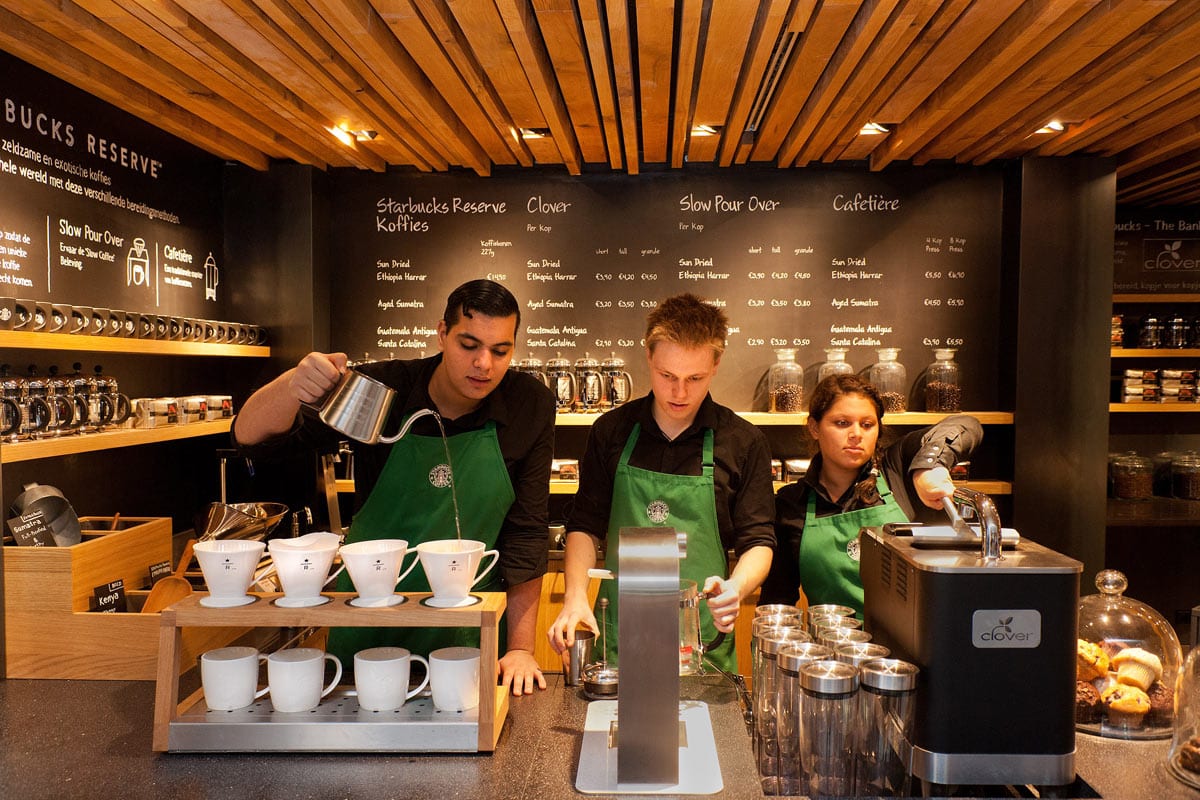
    Starbucks is buying the rest of its East China joint venture in a $1.3 billion transaction, marking the biggest deal ever for a company that sees China as a huge growth opportunity.

    The Seattle-based coffee chain will acquire the remaining 50 percent of the business from partners President Chain Store Corp. and Uni-President Enterprises Corp. Starbucks also is divesting its 50 percent stake in a separate joint venture in Taiwan, according to a statement on July 27th.

    The move underscores Starbucks’ bet that China will be one of the company’s top sales drivers in coming years. It’s wagering that the nation’s growing middle class and urbanization will give it a huge population of potential coffee drinkers to tap.

    The deal mirrors the company’s strategy in Japan, where Starbucks entered the country with a joint venture, spent time learning the local market and then brought the business back in house, said Jennifer Bartashus, an analyst at Bloomberg Intelligence. In 2014, Starbucks agreed to buy out its Japanese joint venture with Sazaby League and other partners for about $913.5 million.

    “With the level of expectations they have for China, it isn’t really a surprise that they want to exert as much control over the stores as possible,” Bartashus said.

    Starbucks shares gained as much as 1.9 percent at $59.03 in New York on July 27th. The stock had climbed 4.4 percent this year through the close of trading on July 26th.

    Expansion Plan

    Starbucks plans to operate 5,000 cafes in mainland China by 2021, a goal it reaffirmed on July 27th. The company currently has 2,800 locations there.

    The deal gives Starbucks 100 percent ownership of about 1,300 cafes in Shanghai and the Jiangsu and Zhejiang provinces. In the Taiwanese transaction, its partners will acquire Starbucks operations in the territory for about $175 million. The Starbucks business there, which was founded in 1997, has about 410 cafes.

    “Unifying the Starbucks business under a full company-operated structure in China reinforces our commitment to the market and is a firm demonstration of our confidence in the current local leadership team,” Chief Executive Officer Kevin Johnson said in the statement.

    The status of Taiwan is a sensitive political issue in China. The Chinese government considers Taiwan a renegade province. The decision to sell the business there was about allowing its partners to “maximize the opportunities” for the brand in Taiwan, according to a spokeswoman for Starbucks.

    Dunkin’ Forays

    Dunkin’ Donuts Inc., a major Starbucks rival in the U.S., has a much smaller presence in China. The chain failed in two previous attempts to crack the Chinese market, but is now working with two franchisees there and has 34 stores, including 16 in Beijing. Dunkin plans to grow to 1,400 location in the world’s most populous country over the next 20 years.

    Chinese consumers still drink a relatively small amount of coffee, but the category is growing fast and could eventually surpass tea, according to Dunkin’ CEO Nigel Travis.

    China is the fastest-growing market outside the U.S. for Starbucks. With full control of the local operations, Starbucks can enhance the coffee and in-store experience, said its China CEO, Belinda Wong. It also plans to rely more on technology in the country. Starbucks’ mobile-ordering app has been key to locking in customers in the U.S.

    The deal is another sign that Starbucks views China as key to its future and can’t let execution slip there, said Jack Russo, an analyst at Edward Jones.

    “Asia is incredibly important for them — there’s no mistaking that,” he said.

  • Boots to open the largest flagship store in Myeongdong

    Boots to open the largest flagship store in Myeongdong

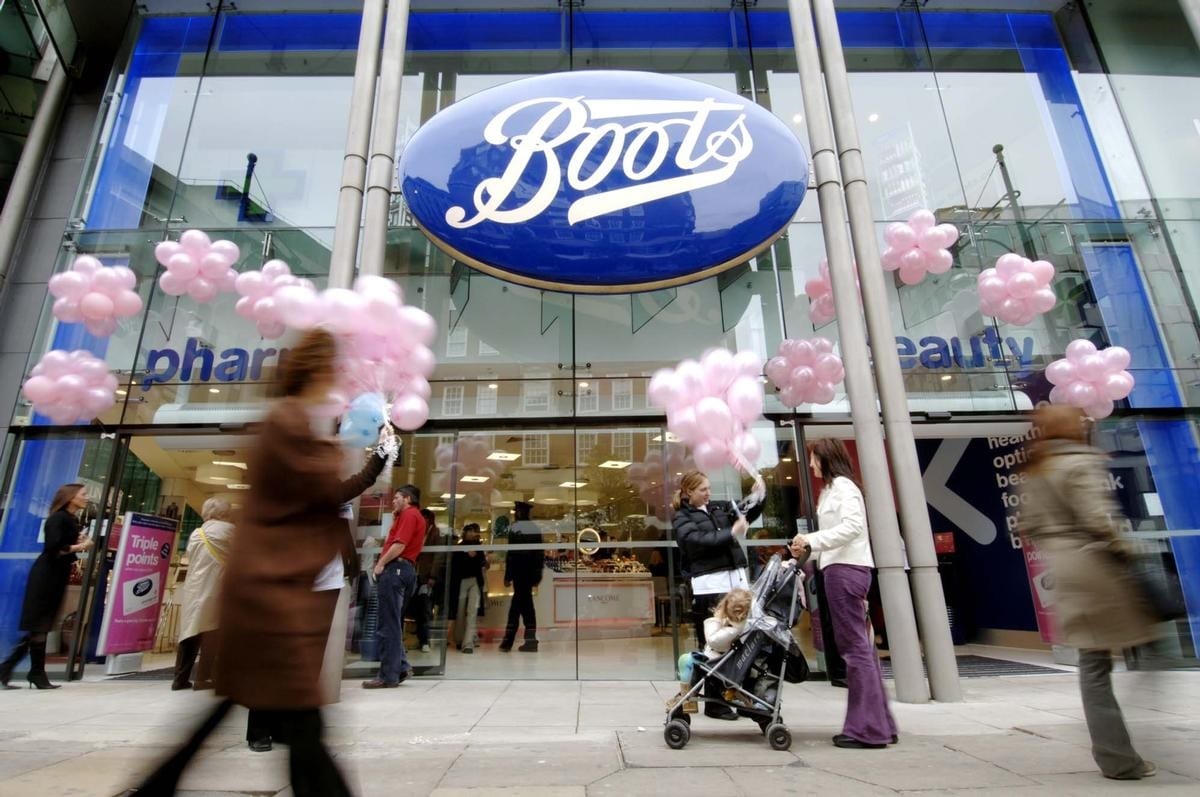
    E-Mart opened its booth flagship store in Shinhan Financial Center building in Myeongdong on July 28. Boots is the UK’s no.1 drugstore brand, with more than 13,300 stores in 11 countries around the world.

    The booth store is the largest of domestic H & B stores with a size of 1284 square meters (about 388 pyeong). The store consists of four floors ranging from floors 1 to 4 on the ground. Currently, only three floors are partially open.

    The first to third floors are operated as H & B sales spaces. The 4th floor plans to create a K-pop studio and a cafe. Considering the characteristics of Myeong-dong commercial area, many foreign tourists will be able to buy products related to Korean entertainers and it will be opened at the end of next month.

    The first floor is composed of color cosmetics brands such as Mac, Shuuemura, and Benefit. On the second floor are hair and body care products such as Aveda and Renefurterer, and on the third floor are skin and health care brands such as Biotherm, Darphin and Dermalogica.

    Each floor sells its own brand of boots (PL) products for each Kategori such as No. 7 and Soap & Glory. This large boots store was located on where is only 50 meter away from the Olive Young Myeongdong store, which is the largest store.

    In Myeong-dong, where there is much demand for tourists, it is anticipated that Korean version of H & B Olive Young and Boots, with high recognition by foreigners will fight a fierce battle. Especially, it is easy to compare merchandising and price while shops are located side by side.

    Olive Young is the number one player in the market with annual sales of KRW 1.127 trillion as of last year. There are more than 800 stores nationwide. Boots opened Starfield Hanam in May, and it also introduced a small store at express terminal.

    The number of stores nationwide is three including Myungdong-dong, which opened this time.

  • Cebu Pacific launches new flights from Davao

    Cebu Pacific launches new flights from Davao

    Davao is now more connected within domestic destinations as Cebu Pacific Air (CEB) launched on Thursday, July 27, at the Marco Polo Hotel Davao two more flights between Davao and the cities of Dumaguete and Tacloban harnessing over 10 million-strong combined market.

    The airline, starting last Wednesday, July 26, is now flying three times a week (Monday, Wednesday, and Friday) between Davao and Dumaguete and four times a week (Tuesday, Thursday, Saturday, and Sunday) from Davao to Tacloban and vice versa starting Thursday, July 27. Department of Tourism assistant secretary Eden Josephine Davaid, in a statement, said with over eight million tourist arrivals in Mindanao, and Western and Central Visayas key areas (Dumaguete and Tacloban) one million combined tourist arrivals, the new connections will serve over 10 million tourists, both domestic and foreign. “Plus we add Cebu cities and provinces 700,000 tourists and Masbate’s 250,000-strong tourist arrivals, endless opportunities await with this newly-launched route,” David said.

    CEB corporate communications director Charo Lagamon said with the new routes, Davao’s position as one of the airline’s hubs in Mindanao is strengthened. Representing Davao City Mayor Sara Duterte-Carpio, Councilor Danilo Dayanghirang said these direct flights answer the market’s growing need for inter-island connectivity. The routes, he said, is reflective of the competitiveness and reliability of CEB. “It will not only increase tourists and trade among three cities, it will make the residents closer with each other,” Dayanghirang said quoting Duterte-Carpio. Davao City Tourism Operations Officer head Generose Tecson said the launching of new routes are a welcome development for all three cities.

    “It opens more avenues for business and tourism arrivals, for Davao most especially. Being the gateway in Southern Mindanao, everyone going around has to touch base with our city first,” Tecson said. Dumaguete City Mayor Felipe Antonio Remollo, for his part said, the city tourism offices of the cities will work closely to promote tourism in each city, thus, inviting more tourists.

    “To cater the growing number of tourists, we will continue to encourage investors to put up hotels, convention centers to accommodate the people,” Remollo said adding Dumaguete has a bed capacity of over 5,000 rooms. He added that with the air link between Davao and Dumaguete, connectivity between Mindanao and Siquijor will be enhanced. The flights will be carried by the Cebgo fleet of ATR aircraft. Aside from the direct Davao flights, CEB also launched flights between Cebu and Masbate, Zamboanga and Cotabato, and Cagayan de Oro and Zamboanga. Dayanghirang, however, asked the airline to push more routes to and from Davao.

    One of the routes pushed is the Davao-Bohol air link. “We hope to launch more routes to and from Davao City,” Lagamon said. Go Hotels, a sister company of CEB also operates in Dumaguete, Tacloban. Davao City as Mindanao hub Lagamon reported that for 21 years, CEB have a seamless network (direct and connecting flights) linking Davao to six hubs, 37 domestic destinations and 26 international routes. “We are launching 894 flights per week to and from Mindanao,” she said. This year, Lagamon said, CEB targets to serve 20 million passengers. For the first quarter of this year, a total of 4.8 million passengers were already served by the airline amounting to P6.8 billion revenue, 55 percent of the total revenue are from domestic market share.

  • AirAsia offering up to 45% discount in latest campaign

    AirAsia offering up to 45% discount in latest campaign

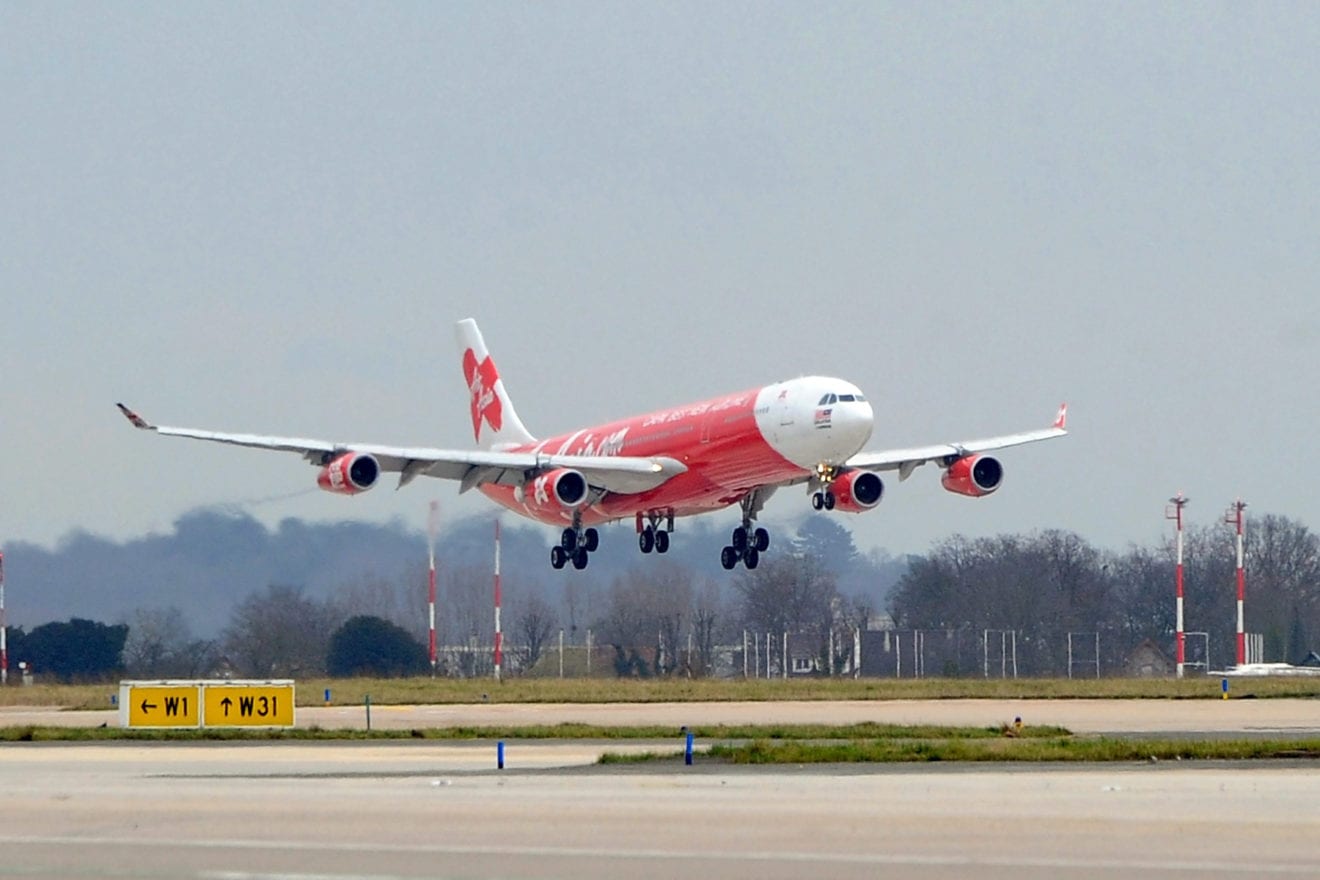
    AirAsia is offering discounts of up to 45% on local and international flights in its latest campaign – Buy More, Save More.

    From today until Aug 6, travellers can get 15% off flight bookings for one passenger, 25% off for two passengers, 35% off for three passengers and 45% off for four or more passengers on the same booking.

    Travellers can also get a 20% discount via a Fly-Thru flight booking or opt for the AirAsia X Premium Flatbed.

    The promotion is available for travel between Feb 26 and Aug 28, 2018.

    “This promo has something for everyone. Whether you prefer to travel alone or with your family or friends, we will get you to the destination for less,” said AirAsia group chief commercial officer Siegtraund Teh.

    The low-cost carrier flies to more than 120 destinations across Asia, Australia and New Zealand, the Middle East and the United States.

  • Samsung to heat up Vietnamese logistics market

    Samsung to heat up Vietnamese logistics market

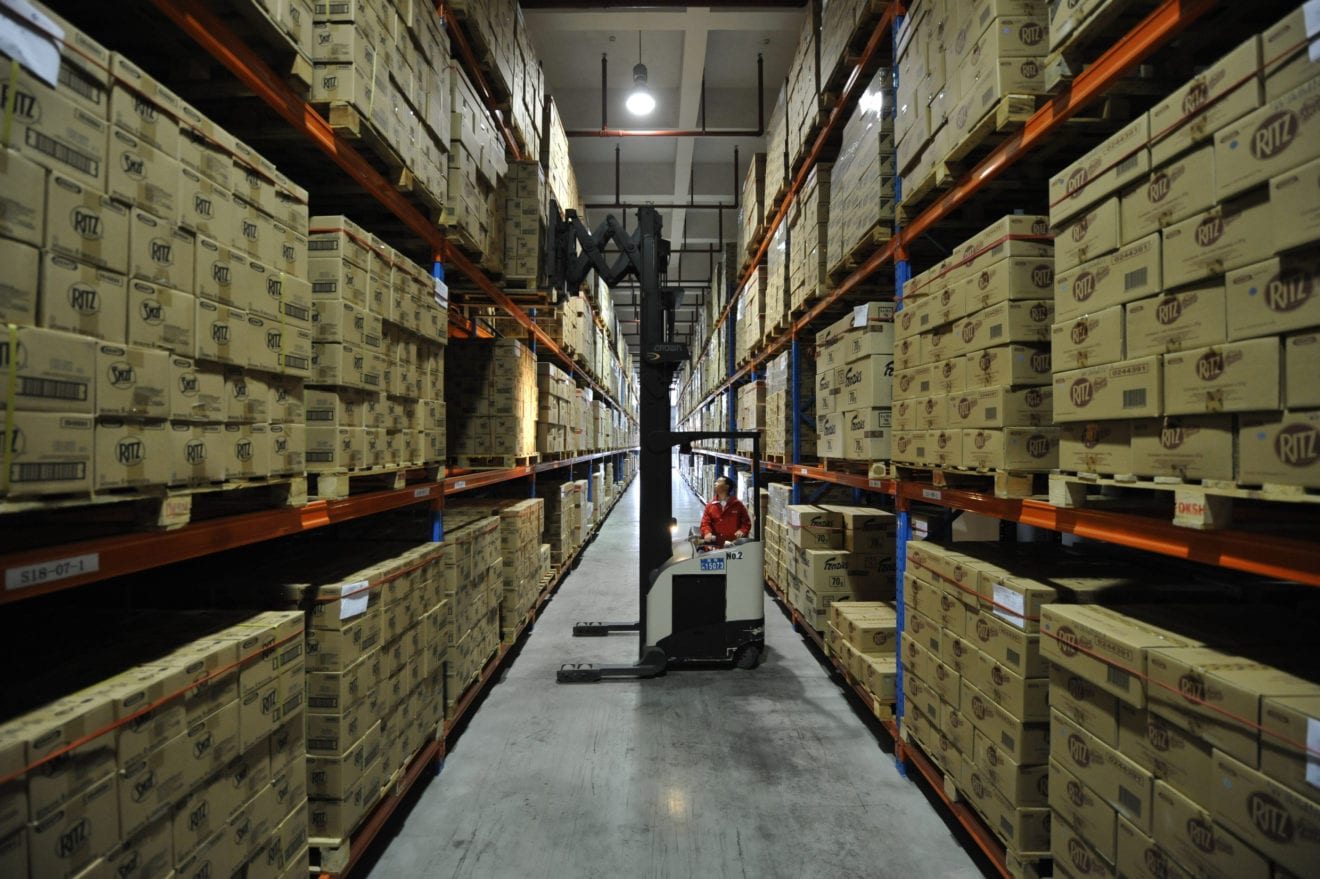
    By teaming up with  MP Logistics, South Korean enterprise Samsung not only demonstrated its interest in the Vietnamese logistics sector, but its participation also heats up the market.

    On July 14, 2017, Samsung SDS, a subsidiary of Samsung Group, established a joint venture with MP Logistics with the aim of expanding its logistics business in Vietnam. The cooperation with MP Logistics is expected to help Samsung’s information and technology (IT) and logistics services access to the Vietnamese cargo transportation industry.

    “The logistics market in Vietnam has an annual growth rate of about 15-20 per cent due to the promotion of free trade agreements with South Korea, China, Japan, and the European Union (EU),” a leader of Samsung SDS said.

    Samsung SDS expected that this cooperation would expand its business in the Vietnamese IT-based logistics market, as well as other transportation services for consumer goods and food.

    “This new joint venture will give us the motivation to expand our business in the Vietnamese logistics market,” Kim Hyung-tae, vice chairman of Samsung SDS’s Smart Logistics Business Unit, said.

    The cooperation with MP Logistics is considered Samsung’s next step in the Vietnamese logistics market, because previously in 2016, Samsung SDS had established another joint venture with Aviation Logistics Corporation (ALS), one of the leading aviation logistics service providers in Vietnam. With this new joint venture, Samsung now has the right to manage the cargo terminals in Noi Bai International Airport.

    Thanks to the right to manage activities in this big airport, Samsung can ensure its delivery deadlines, gradually complete its supply chain, and cut down on expenses. Noi Bai is an important gateway to deliver Samsung exports from Samsung’s two Vietnamese complexes in the northern provinces of Bac Ninh and Thai Nguyen.

    Regarding MP Logistics, it is now one of the biggest providers of logistics services in air and ocean freight, warehousing, distribution, project cargo, and inland transportation in Vietnam. Its founder cum CEO, Dang Thi Minh Phuong, was highly complimented as the “Queen of Logistics” in Vietnam. Thus, teaming up with MP Logistics may be the best way for Samsung to join the domestic logistics market.

    Competition heating up

    In any economy, logistics always plays an important role. In Vietnam, the economic development has led to the expansion of the logistics market. According to statistics from Vietnam Logistics Association (VLA), there are over 1,300 logistics enterprises operating in the country, including foreign-invested enterprises. Logistics services in Vietnam currently have a value of $20-22 billion per year, accounting for about 20.9 per cent of the country’s GDP.

    As reported by newswire Enternews, due to the expansion of the logistics market, many foreign-invested enterprises have expanded their businesses in Vietnam, such as DHL Global, Maersk Logistics (Denmark), APL Logistics (Japan), Nippon Express (Japan), and Kerry Logistics (Hong Kong). Foreign-invested enterprises may dominate the segment of international deliveries, but Vietnamese enterprises still hold most of the domestic deliveries market share.

    “Currently, most domestic logistics services, including trucking transportation, cargo terminals, and seaports, are provided mainly by domestic enterprises,” Nguyen Tuong, deputy chairman of VLA said.

    However, the situation may change and many overseas logistics enterprises have entered Vietnam to gain more market share in this sector. Besides Samsung, previously, DHL Global and Kerry Logistics also established logistics joint ventures in Vietnam to develop their businesses. In addition, some Japanese enterprises, such as Yusen Logistics and Logitem, have also been present for a long time.

    In May 2017, Korea Economic Daily of South Korea reported that TaeKwang Industrial Co., Ltd., a South Korean enterprise in the textile and petrochemical industries, had expressed interest in holding a stake in Gemadept Corporation, one of the leading Vietnamese companies in its core business sectors, including port operation and logistics.

    If domestic logistics enterprises keep their old strategies without providing any new services, they may lose significant market share to foreign investors when the logistics industry in Vietnam sees a boom in the coming period.