Author: Mei Ling Tan

  • Banks apply free on-net money withdrawal, account transfer

    Banks apply free on-net money withdrawal, account transfer

    Despite being allowed to charge on-net fees for automatic telling machine (ATM) transactions, some commercial banks have recently applied the exemption to on-net money withdrawal and account transfer to attract new customers and develop the retail banking segment.

    Platinum debit cards, while Viet Capital Bank and SCB have exempt money withdrawal fee for international and domestic debit cards.

    The exemption of money withdrawal fee at all ATMs nationwide is also being offered by other banks such as TPBank and BaoVietbank.

    Talking about the move, Viet Capital Bank said free money withdrawal via ATM will encourage people to make non-cash payments. This policy is being implemented with great support from banks.

    A representative from another bank said State Bank of Việt Nam approved commercial banks to charge on-net fees for ATM transaction since March 2013 to offset the cost of purchasing machines and periodic maintenance, however, some banks are now willing to offset the losses to increase customers.

    According to the representative, the bank having cardholders still has to pay VNĐ3,300 to their partner for each external money withdrawal. Therefore, ATM operations of the bank have never been profitable.

    Industry insiders admitted that ATM card service companies often incur losses because an ATM costs tens of thousands of US dollars besides large annual maintenance fees. In addition, the cost of renting sites to install ATMs is becoming more and more expensive. Interest from non-term deposits of ATM cardholders therefore is not enough to offset the costs.

    To offset the costs, the money withdrawal fee charged at other banks averages VNĐ1,000-3,000 per transaction and the fee for inter-bank money transfer is VNĐ11,000.

    According to banking experts, the fee exemption policy at some banks is within the banks’ retail banking development plan, and is also a way for banks develop individual customers as well as products and services for the customers.

    This is also the premise based on which banks can promote other products and services, such as Mobile Banking and Internet Banking, they said.

    The country currently has more than 17,000 ATMs nationwide.
  • Eric Zhao on leveraging technology for JD.com

    Eric Zhao on leveraging technology for JD.com

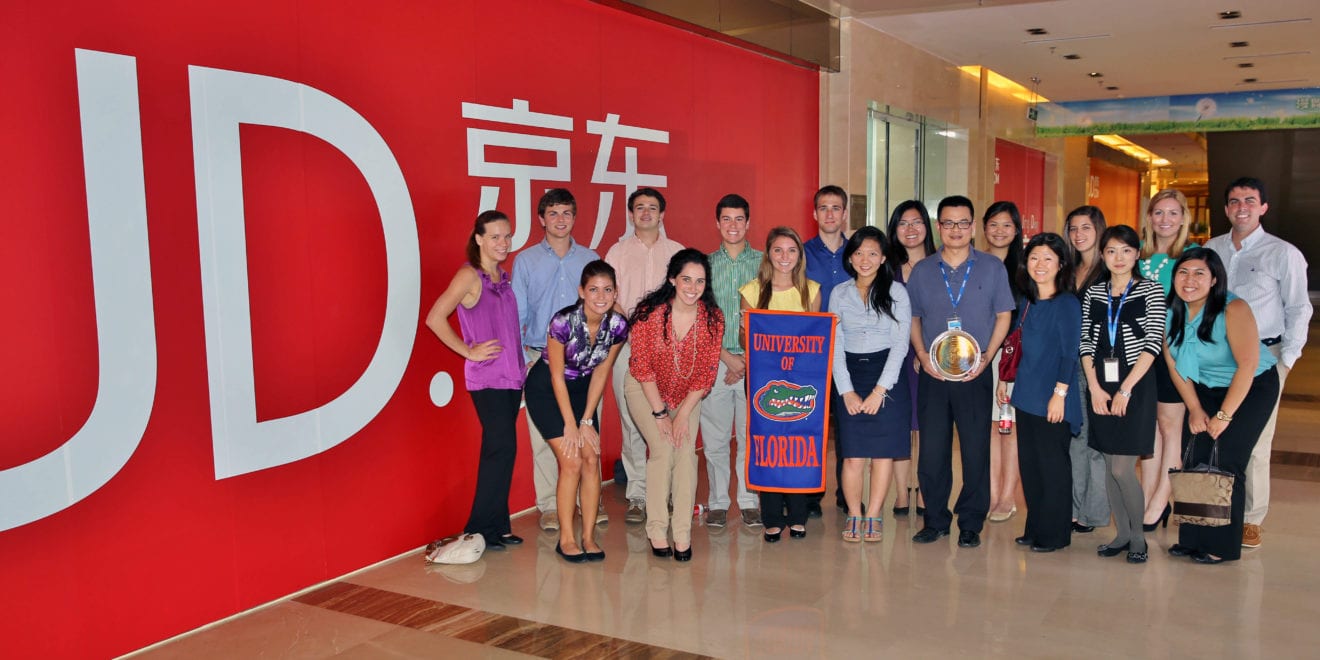
    Chinese e-commerce giant JD.com keeps racing its competitor Alibaba by evolving and being innovative. Both players are likely to increase their revenues for the next quarter. JD.com is today the largest retailer in China, counting US$37.5 billion net revenues in 2016, more than 122,000 employees and 7 fulfilment centres and 263 warehouses covering 2,672 counties and districts across China by March 31, 2017.

    Eric Zhao explains that JD.com is using big data and Artificial Intelligence (AI) algorithms to better understand its customers, to improve its systems and apply personalized search. Indeed, the customer’s online search is unique. Almost every page on their website is personalized depending on the user’s interests.

    JD.com is also leveraging the technology in other areas. First, with the supply chain management, they combine AI algorithms and big data in order to decide how to price the products.

    Then, with the logistics networks, they have started a drone program and are in the middle of building a complete solution to reach their goal of improving the efficiency of the company’s logistics network. Light, short-range drones are already being used to make deliveries in rural areas, and the company is now working on developing larger, heavy-load drones that can carry more than a ton. These would be used to transport high-quality products to remote areas and agricultural produce to cities.

    Artificial Intelligence technologies are used by JD.com to optimize its network efficiency. Using predictive logistics, for example, the company can anticipate what consumers want before they even place their orders and can dispatch goods to the nearest delivery station so that when consumers do place their order they can get their products soon afterwards.

    The consumer habits and needs are actually the biggest challenge for JD.com because they keep changing. JD.com needs to predict the user behaviour and the shifting demand to face the competition as well as to stand as the leader of the e-commerce industry.

  • DHL warns of supply chain talent shortage crisis

    DHL warns of supply chain talent shortage crisis

    DHL called upon industry leaders to recognize the growing talent gap crisis in the supply chain sector. The U.S. Bureau of Labor Statistics reports that jobs in logistics are estimated to grow by 26 percent between 2010 and 2020. Furthermore, one global study estimated that demand for supply chain professionals exceeds supply by a ratio of 6:1, with some predicting that ratio could be as drastic as 9:1.

    DHL surveyed more than 350 supply chain and operations professionals in five global regions. The findings revealed that there are a number of reasons contributing to the talent shortage crisis in a rapidly evolving field. The report ‘The Supply Chain Talent Shortage: From Gap to Crisis’ was commissioned by DHL and authored by Lisa Harrington, president of the lharrington group LLC. The report highlights the key supply chain talent challenges experienced today, and identifies opportunities for businesses to compete on a global stage.

    Harrington said, “Leading companies understand that their supply chains – and the people who run them – are essential to their ability to grow profitably. However, the task of finding people with the right skillsets required to run these highly complex operations is increasingly difficult – especially at the middle- and upper management levels. Unless companies solve this problem, it could threaten their very ability to compete on the global stage.”

    The survey revealed the top factors driving the talent shortage:
    – Changing skill requirements: Today, the ideal employee has both tactical/operational expertise and professional competencies such as analytical skills. 58 percent of companies say this combination is hard to find. But tomorrow’s talent must also excel at leadership, strategic thinking, innovation, and high-level analytic and technological capabilities.
    – Aging workforce: As much as a third of the current workforce is at or beyond the retirement age.
    – Lack of development: One third of companies surveyed have taken no steps to create or feed their future talent pipeline.
    – Perception that supply chain jobs lack excitement: The industry is still contending with the impression that other fields are more prestigious and offer more opportunities, fuelling lack of interest in the industry within the world’s future workforce.

    Harrington continues, “Companies are now recognizing that sourcing strategy has a large impact on their bottom line and ability to remain competitive. As one study recently found, companies that excel in talent management increased their revenues 2.2 times as fast and their profits 1.5 times as fast compared to ‘talent laggards.’ That’s a powerful advantage.

    Unfortunately, recruiting the right talent – especially at the critical mid-level and senior management levels – is proving very difficult in today’s environment. New technologies and fundamental areas of the supply chain have changed, meaning they now require that a person has a different and much larger skillset than required when most of the current workforce began their careers.”

    The report outlines numerous opportunities for the industry to start closing this talent gap. Offering clearer career paths and a visible commitment to the professional development of its supply chain staff combined with competitive remuneration packages are just a few ways to develop and retain their current talent. To attract talent, the industry needs to start emphasizing that the future workforce will need to have skills in robotic management, AI and AV control – job aspects that would be attractive to the younger demographic and help combat the negative perception of the sector.

    Louise Gennis, vice president talent management/acquisition, learning & development, DHL Supply Chain, said, “We recommend that companies start with prioritizing the development of their current talent pool to adapt to the changing job requirements through training programs, and then retaining staff through clear career paths. We strive to combat misconceptions surrounding working in the supply chain through highlighting the technological developments which are digitalizing the industry and that are attractive to younger demographics.”

    Gennis cites the success of DHL’s diverse recruitment and development initiatives as evidence that a long-term, well-informed talent management strategy can help businesses mitigate the potentially devastating effects of a shrinking talent pool. “The supply chain talent shortage is now critical enough that it’s on the minds of supply chain managers across all industries, but the gap didn’t develop overnight. Since supply chain solutions are our business, we’ve seen the issue developing over many years – and have used this time to adjust our approach toward attracting, developing and retaining talent accordingly. Our unique expertise helps ensure that job openings are filled by qualified experts wherever we and our customers operate, which will become an increasingly critical success factor as talent resources grow scarcer.”

  • Germany recalls Porsche Cayenne models over emissions software

    Germany recalls Porsche Cayenne models over emissions software

    German Transport Minister Alexander Dobrindt on Thursday announced a recall of Porsche Cayenne models equipped with 3-litre diesel engines after finding potentially illegal emissions controlling software in the vehicles.

    Dobrindt told he was withdrawing certification for the vehicles, which will need to undergo a software update.

    Sports car maker Porsche AG is owned by Volkswagen, which in 2015 admitted to systematic manipulation of engine management software to cheat emissions tests.

    Porsche on Thursday said it had discovered “irregular” engine management software during an internal probe into emissions. Porsche also said it had agreed to recall the vehicles to fix the problem.

    “The producer will of course bear 100 percent of the costs,” Dobrindt said. “There is no explanation why this software was in this vehicle,” Dobrindt said.

    The minister said: “We have examined Porsche Cayenne vehicles of the 3 liter TDI Euro 6 Mark – during tests these vehicles deploy a so-called defense strategy, which isn’t activated in real traffic.”

    “In our view that is a kind of test recognition, which we regard as an impermissible deactivation strategy.”

    “Even if there is a modern exhaust gas cleaning system in these vehicles, if this software is nonetheless there it is illegal, does not meet the legal requirements and needs to be removed,” Dobrindt said.

    He also said that Porsche would quickly be in a position to bring the software into conformity with the law.

    Dobrindt also said there were some 7,500 vehicles of this type certified in Germany and some 22,000 certified in Europe. “We don’t know how many are with dealers. These are the cars that fall under the certification ban.”

    The Porsche Cayenne model shares components with a sister model, the Volkswagen Touareg.

    Asked about Volkswagen’s Touareg model, Dobrindt said: “On the technical question, it is assumed that this vehicle has a similar parameter set but identical construction does not mean that the same software was used in it but it is assumed that the same software was used.”

    He said the Transport Ministry was, however, checking that and a hearing with Volkswagen would show whether that was the case or not, adding: “The probability is high.”

    Volkswagen CFO Frank Witter had no immediate comment about the Porsche recall on a VW earnings call also held on Thursday.

    Stuttgart prosecutors have been investigating Porsche AG after some models were fitted with 3 liter diesel engines supplied by Audi.

    Audi, another premium brand owned by Volkswagen is also being probed by prosecutors in Munich who are separately investigating Audi about its role in designing the 3 liter diesel engine.

  • Emerging Asia leads global smartphone sales growth

    Emerging Asia leads global smartphone sales growth

    Global smartphone demand increased 4% year-on-year during the second quarter to 347 million units, marking the strongest second quarter on record, according to GfK.

    Emerging Asia led the demand growth with a 13% year-on-year increase, followed by Central and Eastern Europe at 11% and Latin America at 10%, the market research company said. Market value grew 9% year-on-year, due to rising average sales price.

    “The record demand for smartphones in the second quarter this year shows that, despite saturation in some markets, the desire to own a smartphone is a worldwide phenomenon,” GfK global director of telecom research Arndt Polifke said.

    “How that manifests itself differs widely by region. Manufacturers are maximizing all their creativity to ensure their latest devices are irresistible – and to increase ASP as a result. Elsewhere, macroeconomic factors and consumer confidence are having an impact, but operators and retailers are employing localized tactics to ensure the smartphone remains the connected device of choice.”

    Yotaro Noguchi, product lead in GfK’s trends and forecasting division, added that “consumers are willing to pay more for their smartphone as they seek a better user experience. Despite the market reaching high penetration levels, GfK forecasts smartphone demand will continue to see year-on-year growth even in 2018, as innovation from smartphone vendors keeps replacement cycles from lengthening.”

    Mainland China: The market plateaus

    In mainland China, smartphone demand plateaued in 2Q17 at 110.1 million units, showing no change year-on-year. This moderation of growth in demand for smartphones was caused primarily by saturation in the market.

    But as in other regions, higher-priced new products are pushing up market value. GfK forecasts smartphone demand in mainland China to total 461 million units in 2017, an increase of 2% year-on-year. The growth in value terms (USD) is expected to be considerably higher, at 11% year-on-year.

    Developed Asia: South Korea drags down the region

    Overall smartphone demand in the region totaled 16.1 million units in 2Q17, down 3% year-on-year. Declining demand in South Korea, which saw impressive growth last year, offset the increased demand in both Japan (up 12% year-on-year) and Australia (up 9% year-on-year). GfK expects the region to experience a slight improvement in demand in the second half of 2017, finishing the full year down 1%. That will equate to 73.1 million units.

    Emerging Asia: Anticipating the strongest regional growth in 2017

    Smartphone demand in the region totaled 56.7 million units, up 13% year-on-year. Bangladesh and Malaysia powered most of this growth. In Bangladesh, smartphone demand grew by a strong 40% year-on-year. Malaysia is maintaining a steady recovery from its 2015 slump, and here demand in 2Q17 grew by 31% year-on-year.

    Smartphone demand in India also remained resilient in 2Q17, having leveled out slightly to 14% year-on-year. GfK expects the recently announced Goods and Services Tax (GST) will have no impact on smartphone demand in the country. GfK forecasts overall smartphone demand in the region will total 234 million units in 2017, an increase of 11% year-on-year. This represents the strongest growth across all regions for the year.

  • Nokia narrows Q2 loss despite rough network market

    Nokia narrows Q2 loss despite rough network market

    Weeks after Ericsson reported a swing to a second quarter loss, Nokia has turned in results that also reflect the challenges facing the telecoms equipment market.

    Nokia reported a net loss for the quarter of €423 million ($494.2 million), but this was a significant improvement on the €726 million loss recorded during the same quarter year earlier.

    Net sales grew 1% to €5.62 billion, but sales from Nokia’s networks business fell 5% to €4.97 billion, with “ultra-broadband” sales down 8% to €2.16 billion. Global services sales were flat at €1.44 billion, and IP networks sales were down 4% at €1.36 billion.

    By contrast, Nokia Technologies sales – which include revenue from handset patent licensing agreements – surged 90% to €369 million due to the patent licensing and collaboration agreement with Apple reached in May.

    In a statement, Nokia CEO Rajeev Suri warned that the company expects its “primary addressable market with communication service providers to be slightly more challenging in 2017 than earlier forecast,” projecting a decline in the market of between 3-5%.

    “Despite these headwinds, I believe Nokia’s disciplined operating model puts us in a strong position to succeed in conditions of all kinds and continue to deliver solid shareholder value. In addition, we are seeing catalysts in the United States, China and Japan that point to an acceleration of 5G and the commencement of meaningful roll-outs in 2019.”

    Earlier this month, Ericsson reported a swing to a 1 billion kronor ($120.4 million) loss for the second quarter, with net sales down 8% to 49.9 billion kronor. CEO Börje Ekholm pledged to accelerate the vendor’s

  • Oppo Malaysia launches flagship at Suria KLCC

    Oppo Malaysia launches flagship at Suria KLCC

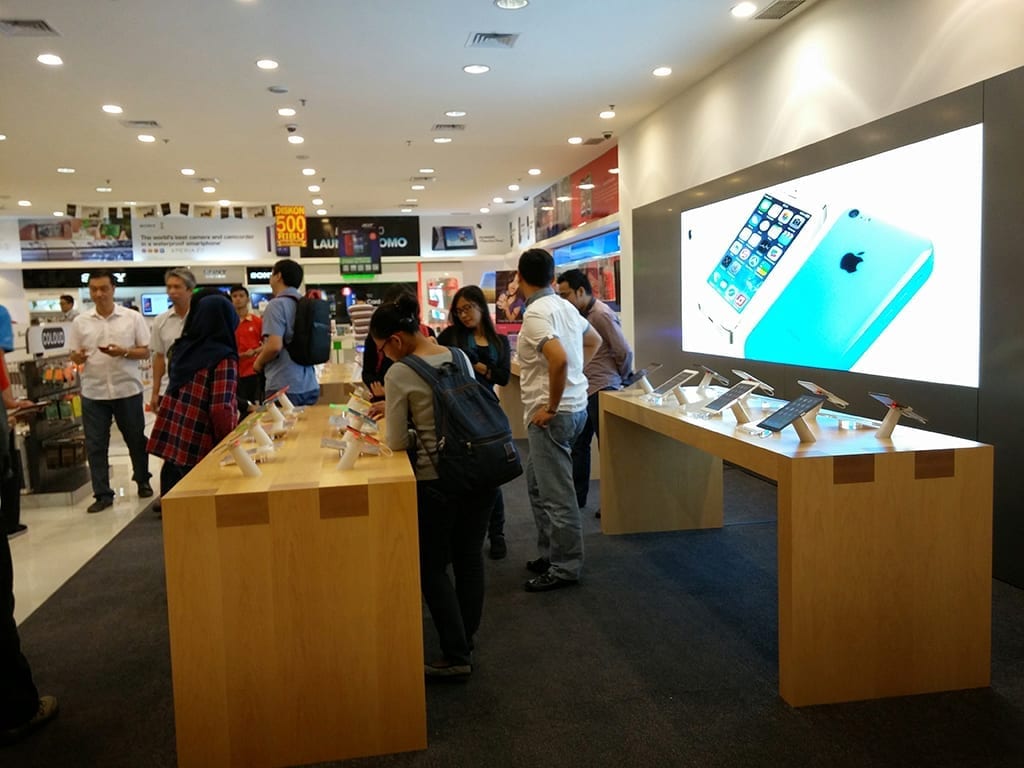
    Chinese phone brand Oppo Malaysia has officially launched its first flagship store for Southeast Asia at Suria KLCC.

    As a special service, customers can have their Oppo devices engraved. Shoppers who buy a phone in store are not charged for the laser-engraving service.

    On the mall’s third floor, the store has an interior of silver-grey aluminum composite panels with white oak wood touches, soft film ceiling and a grey sofa.

    “Malaysia has always been a key market for Oppo,” says Oppo Malaysia sales director Garry Gong. During its three years in Malaysia, the brand has been learning, adapting and improving its services, he says.

    With a focus on customer experience, the new store also offers printing services for photos taken with Oppo camera phones.

  • Cheers launches first unmanned, cashless store in Singapore

    Cheers launches first unmanned, cashless store in Singapore

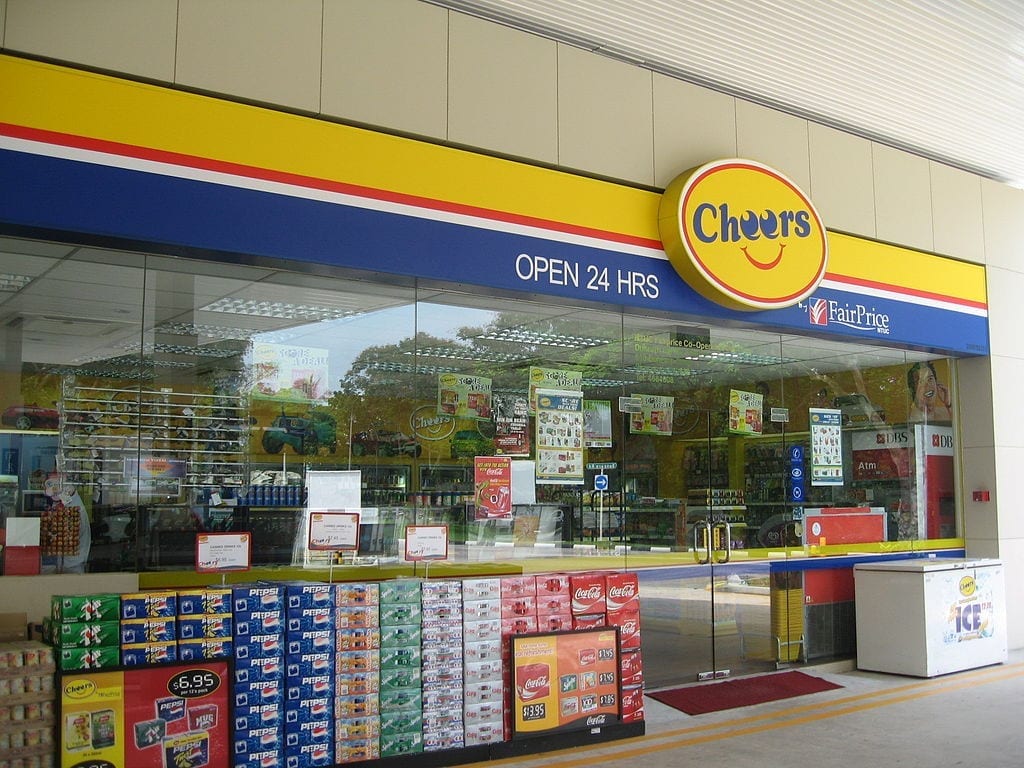
    The Cheers outlet at Nanyang Polytechnic (NYP) looks like its a normal store – with shelves and fridges stocked with food and drinks – except there is no cashier or assistant in sight.

    The convenience store, fully managed by NYP students, is fitted with at least 10 closed-circuit cameras.

    Customers use a QR code found on the free “Shop It Yourself” mobile app to gain entry to the store. The doors lock automatically after entry.

    The store also features a unified self-checkout system that accepts various cashless payment modes, eliminating the need for multiple payment terminals.

    Customers can pay using Nets, credit card, ez-link, mobile and contactless payment.

    The outlet is also the first convenience store to accept Nets payment by QR code, a new form of payment that utilises DBS Paylah, OCBC Pay Anyone and UOB Mighty.

    There are also three vending machines dispensing ready-to-eat foods ranging from pastries and pizza to fried rice and hor fun.

    At the back end, a system tracks stock levels and automatically places orders when stocks are low.

    This unmanned format saves Cheers 180 man hours per week.

    At the launch of the store on Friday (July 28), Minister for Trade and Industry S. Iswaran said the move by Cheers “raises the bar of what it means to be a convenience store of the future… (and) affirms that local retailers are more than equal to the task of remaining relevant and competitive”.

    This is especially the case when local retailers are now up against the likes of Amazon Prime Now, launched earlier this week, which uses artificial intelligence technology and offers delivery within two hours, he said.

    Mr Seah Kian Peng, chief executive of NTUC FairPrice which runs Cheers, said the store is a step towards offering a “differential and innovative retail concept”.

    “To stay competitive and relevant, a key approach is to provide value-added services that cater to the needs and convenience of customers,” he said. “Besides challenging industry norms, this store also aims to cultivate a self-service culture in Singapore.”

    The store will be fully run by NYP’s School of Business Management students specialising in retail, with help from their lecturers and advisers from Cheers. Over 50 of them will be selected annually and deployed in several batches throughout the year to run the store.

    Instead of having to man the store at the front end, the students will “move up the value chain… (and) take a more strategic approach to drive the success of the store”, said NYP principal Jeanne Liew.

    For example, they will use data and video analytics to study purchasing behaviour and customise the store’s inventory accordingly.

    The store at NYP opens from Monday to Friday between 7.30am and 7.30pm.

    Cheers plans to pilot another unmanned convenience store in Tampines by the end of August.

  • First Williams-Sonoma Korea stores open

    First Williams-Sonoma Korea stores open

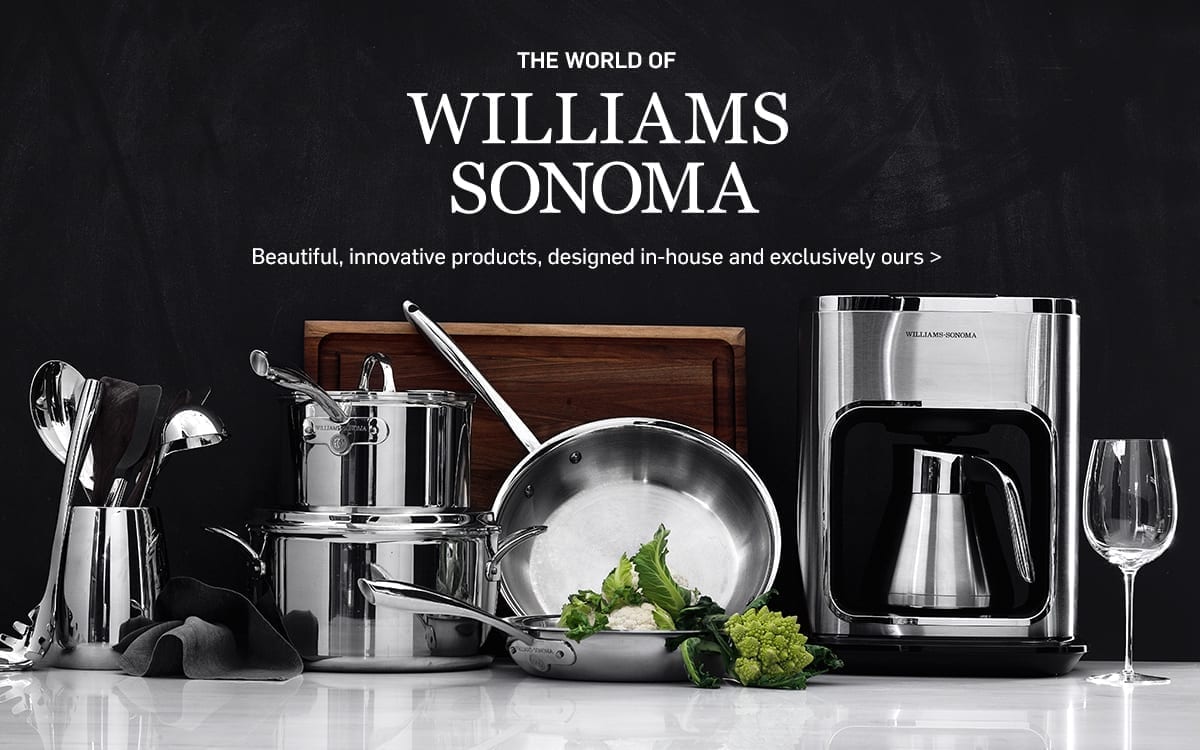
    Williams-Sonoma has opened its first stores in Seoul, South Korea under its strategic franchise agreement with home goods retailer Hyundai Livart Furniture.

    Pottery Barn and Pottery Barn Kids opened a combined store and West Elm opened a store at Hyundai City Mall Garden 5. Williams Sonoma opened at Hyundai Department store Mokdong. These openings are the first of 30 stores from the Williams-Sonoma portfolio expected to open across South Korea over the next 10 years.

    “This is an exciting milestone in our global expansion,” said Laura Alber, Williams-Sonoma president and CEO.

    Hyundai Livart, an affiliate of Hyundai Department Store Group, operates Livart, Livart Neoce, Livart Ismine, Livart Kitchen, Livart Kids and H.Mondo.

    The Korean launch follows Williams-Sonoma’s overseas forays into Canada, Australia and the UK, and the franchise of its brands to third parties in the Middle East, the Philippines and Mexico.

    “By the end of this year Williams-Sonoma will be represented at more than 145 international retail locations,” said Ronald Young, executive VP, global of Williams–Sonoma. “As we begin our partnership with Livart opening our first four stores of many to come in South Korea, we look forward to the tremendous opportunity of continuing our global expansion.”

    Hwa-Eung Kim, representative director and CEO of Hyundai Livart Furniture, said the company was looking forward to opening additional stores in Seoul and in other major cities across South Korea soon.

    This October, the two companies will open a five-story flagship store in Nonhyun-dong, Seoul. The superstore will include Pottery Barn, Pottery Barn Kids, and West Elm, and will represent the first time three Williams-Sonoma brands are offered in a single standalone location. An additional Williams-Sonoma store will be opened in the Hyundai City Mall Daegu branch in the latter half of this year.

  • AmorePacific Q2 profit and sales fall sharply

    AmorePacific Q2 profit and sales fall sharply

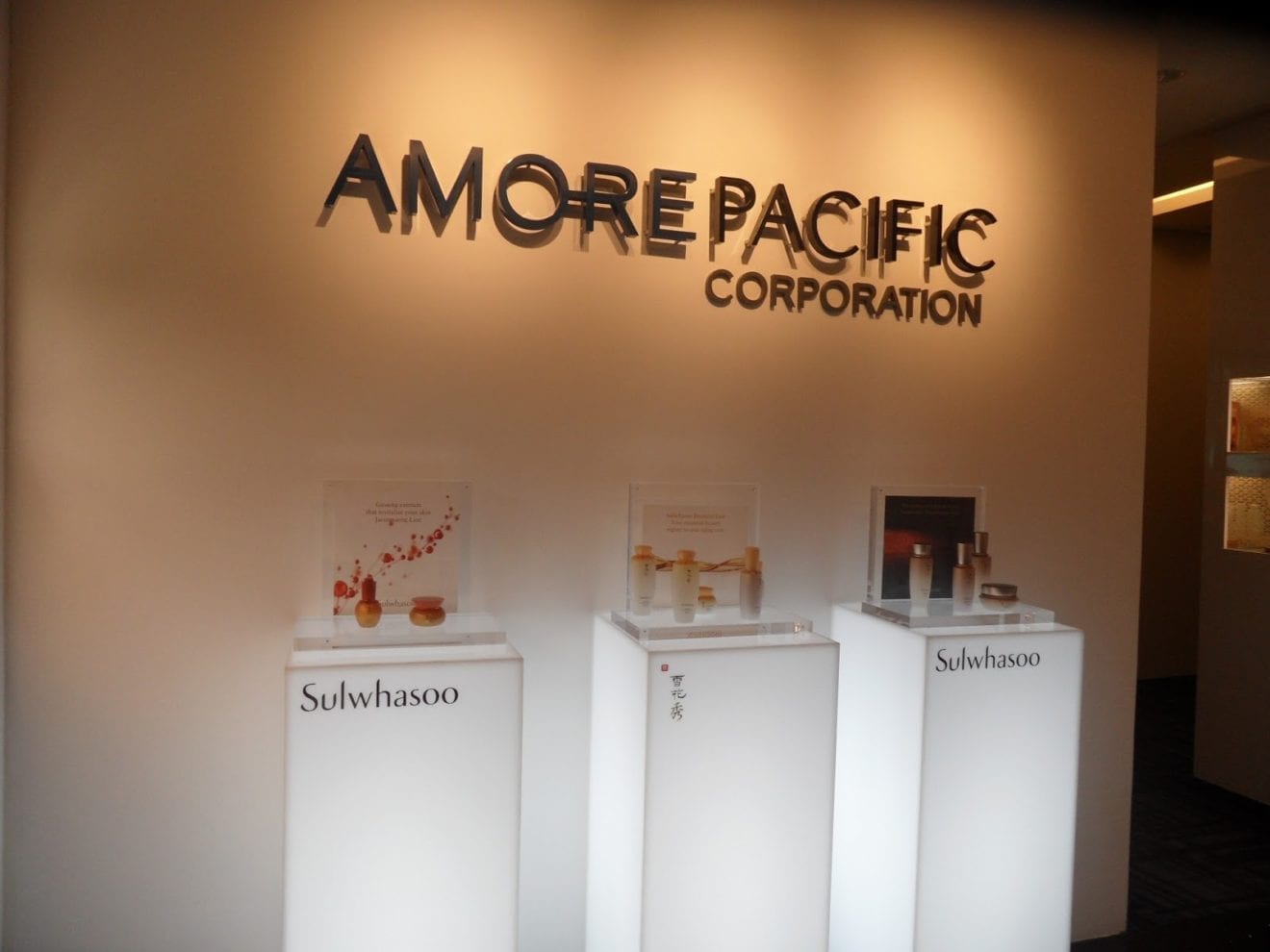
    South Korean cosmetics company AmorePacific has reported a -58% fall in operating profit and a -16.5% drop in sales in Q2 2017, compared to the same period in 2016. Net profit plummeted by -59.8% year-on-year.

    Operating profit was KW101.6 billion (US$91.13 million) compared to KW240.6 billion in Q2 2016 and sales amounted to KW1,205 billion (US$1.1 billion).

    The company said revenue and profitability decreased for its South Korean business, including duty free stores, due to a decline in the number of foreign tourists.

    Chinese visitor numbers have fallen dramatically since mid-March because of the well documented THAAD anti-missile dispute between South Korea and China.

    On 15 March China imposed a ban on group tours to South Korea, leading to a -40% year-on-year fall in Chinese arrivals in March, a -66.6% decline in April, and a -64.1% decrease in May.

    “Revenue decreased for key luxury brands [such as Sulwhasoo and Hera] from a slowdown in the duty free channel,” said AmorePacific in a statement.

    “Revenue for premium brands [Laneige, Mamonde etc] decreased due to a decline in number of tourists affecting key commercial areas and the duty free channel.”

    The company said the slowdown in sales growth in Asia was a result of “geopolitical uncertainties”, while revenue and profit in North America declined as a result of increased investment in brands and channel portfolio restructuring.

    In Europe, sales and profit fell due to the termination of the Lolita Lempicka licence, said AmorePacific.

  • Asian Manufacturing Awards 2017 celebrates winners over gala dinner

    Asian Manufacturing Awards 2017 celebrates winners over gala dinner

    The Asian Manufacturing Awards 2017, organised by Contineo Media, is here again to recognize and honour companies from the industrial automation sector that provide technology, solutions and value-added services to enable manufacturers to attain world-class performance. The gala dinner and awards ceremony, which started in 2012, was held on the evening of 27 July 2017 at the Mandarin Orchard Hotel Singapore.

    Against the prevailing intense competition in the manufacturing industry, it is imperative that manufacturers should not only reach but also sustain operational excellence. Added to this, Asia is also technologically diverse and in different stages of economic progression. Catering to this wide spectrum, it is companies like the ones represented and recognized here tonight that are playing an increasing role in this transformation of the region’s manufacturing abilities in the different landscapes.

    Manufacturers today face a myriad of challenges, including the constant pressure to increase productivity and quality while keeping cost down. They also have to face new regulation and compliance measures, environmental concerns, coping with the skills gap, while contemplating with demanding customer service standards. These issues are driving the development of holistic automation technology and solutions that improved the products and services to the manufacturing industry.

    Raymond Wong, CEO of Contineo Media, said: “Throughout the years as we go from strength to strength together with our industrial partners and supporters, weathering the economic ups and downs, it is a testament to our resilience and our desire to achieve excellence in everything we do. We are here tonight to honour companies which deliver cutting-edge industrial automation technology solutions and services that have a tremendous impact on the industry.”

    Below are the 27 awards categories and the winners.

    Automation & Control

    Best Automation Systems Integrator CONSOVEYO SINGAPORE PTE. LTD.
    Best Embedded Systems Provider National Instruments
    Best Fieldbus Infrastructure Provider PEPPERL+FUCHS ASIA
    Best Industrial Cyber Security Provider Kaspersky Lab
    Best Industrial Network Provider MOXA
    Best Industrial Wireless Provider Emerson Automation Solutions
    Best Internet of Things Provider Rockwell Automation Southeast Asia
    Best Machine Vision Provider SICK Pte. Ltd.
    Best Machine Safety Systems Provider Pilz South East Asia Pte Ltd
    Best Process Control Systems Provider Emerson Automation Solutions
    Best Process Instrumentation Provider Emerson Automation Solutions
    Best Process Safety Systems Provider Emerson Automation Solutions
    Best Programmable Control Systems Provider Beckhoff Automation
    Best Robotics Provider Universal Robots
    Best Variable Speed Drive Provider SIEMENS PTE. LTD.

    Industrial Software

    Best CAD/CAM Systems Provider Siemens Industry Software Pte. Ltd.
    Best ERP Systems Provider Epicor Software (SEA) Pte Ltd
    Best PLM Systems Provider Siemens Industry Software Pte. Ltd.
    Best Supply Chain Provider LF Logistics

    Industrial Solution

    Best Pharma Solutions Provider Werum IT Solutions
    Best Chemical Solutions Provider SIEMENS PTE. LTD.
    Best Power & Energy Solutions Provider Emerson Automation Solutions
    Best Oil & Gas Solutions Provider Yokogawa
    Best Water & Wastewater Solutions Provider Global Water Engineering
    Best Refinery Solutions Provider Emerson Automation Solutions

    Special Awards

    Industry Leader of the Year Award Chaney Ho Advantech Co. Ltd.
    Editor’s Choice Award ESSENTRA PACKAGING
  • LogiMAT China 2017 concludes on successful note

    LogiMAT China 2017 concludes on successful note

    International trade fair for distribution, materials handling and information flow (LogiMAT China 2017) was successfully held in Nanjing International Expo Center from 20 to 22 June 2017. Leading firms in intralogistics, and visitors from key application industries such as automobile, tobacco, food & beverage, e-commerce etc., came together to witness the 4th show of LogiMAT in China, and discuss the development trends of intralogistics!

    LogiMAT China originated from LogiMAT Germany, the largest intralogistics exhibition in Europe, which focused on the latest technologies and applications in global logistics. Thanks to LogiMAT’s brand image in Europe, LogiMAT China had attracted wide attention in the industry since its debut in China in 2014. From organization and service standard to show quality, LogiMAT China impressed all the participants with the image of professional and high-end.

  • Tesla climbs as Musk prepares to hand over first Model 3 cars

    Tesla climbs as Musk prepares to hand over first Model 3 cars

    Shares of Tesla rose nearly 1 percent on Friday ahead of a handover to customers of its first Model 3 sedans, the electric cars that Chief Executive Officer Elon Musk is betting will propel his company into the mass market.

    Tesla is counting on the Model 3 to help turn the cash-losing company into a profitable one, and its event later on Friday at its factory in Fremont, California comes as the car maker’s stock trades down 12 percent from a record high set in June.

    Fueled by expectations that Tesla will become a carbon-free energy and transportation heavyweight, Tesla’s stock remains up 58 percent year to date, but it is also a favorite among short sellers.

    Shorts sellers have about $8.5 billion bet against Tesla, equivalent to about 20 percent of the company’s float, according to Astec Analytics.

    The $35,000 Model 3 is designed for easy production, with output targeted to reach 20,000 per month by December. The Silicon Valley car company aims to quickly ramp up its factory to reach a production target of 500,000 cars per year in 2018.

    Tesla’s last launch was the luxury Model X SUV in 2015, which had a number of production issues.

    Tesla reports its second-quarter results on Wednesday, and investors are keen for an update on how quickly its output is expanding after deliveries for the first half of 2017 came in at the low end of the company’s own forecast.

    “This evening’s event will keep investors focused on the Model 3 ramp, and less on the upcoming quarter,” Barclays analyst Brian Johnson wrote in a note to clients. Johnson has a an “underweight” rating on Tesla.

    Skeptics believe Tesla’s growth targets are unrealistic and that it is at risk of being overtaken by General Motors , BMW and other deep-pocketed manufacturers that are ramping up their own electric-vehicle offerings.

  • Indonesia Experiencing Salt Crisis

    Indonesia Experiencing Salt Crisis

    Indonesia is experiencing a salt crisis. This is very strange because Indonesia has easy access to the sun, sea, and coastlines more than most countries in the world. In fact, we know, that just by evaporating seawater that depends on the three components, salt can be made.

    The signs of a salt crisis have been seen from long ago. For example, since Eid al-Fitr, the price of salt has almost never dropped again as usual. The price actually continues to soar and has now increased four times. Or, just look at the signs of national needs and production of salt.

    Indonesia needs 4.3 million tons of salt per-year, including the industrial salt with sodium chloride (NaCl) content of above 97 percent or consumption salt with its NaCl content below it. A total of 1.8 million tons of which are supplied domestically, mostly for consumption salts that are now scarce.

    Since the beginning of the year, supply from the domestic fields has been dragged. In the salt fields owned by PT Garam in Sumenep, for example, the salt production in May-June was only 50 tons, while it can usually reach 2,500 tons.


  • XOX inks MoU to deploy Voopee in Indonesia

    XOX inks MoU to deploy Voopee in Indonesia

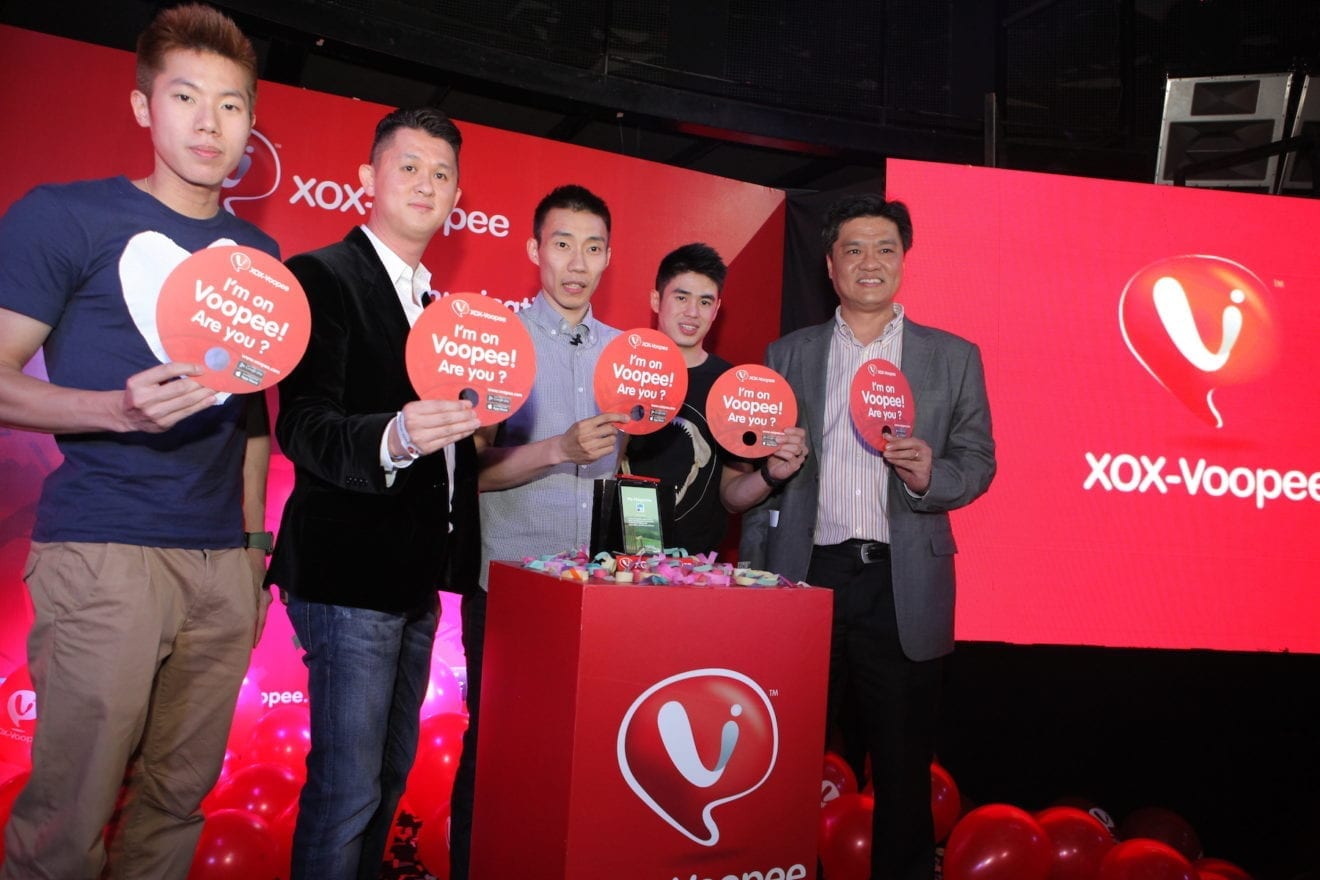
    XOX Bhd has inked a MoU with an Indonesian telco and an Islamic organisation to develop and deploy its Voopee solution – which is a SIM-free application for smartphoneswhich allows the user to call and text non-Voopee phone numbers.

    XOX said on Friday it unit XOX Media Sdn Bhd had signed an MoU with PT. Inovasi Telematika Nusantara and Pengurus Besar Nahdlatul Ulama (PBNU).

    “The plan is to conduct a study and the planning for the development and deployment of the Voopee solution under the Nahdlatul Ulama branding with all other accompanying solutions targeting to be adopted by PBNU members,” it said.

    XOX said PT Inovasi provides telecommunication services. As for PBNU, it  is the largest independent Islamic organisation in the world and also a charitable body funding schools and hospitals as well as organising communities to help alleviate poverty.

    The MoU will be for six month or until a commercial agreement is entered between the parties.

    XOX said the MoU is expected to have positive contribution to the earnings per share and net assets per share of the Group should the MoU be subsequently commercialised.

    What Voopee is about: Voopee, unlike other apps, allows the user to call and text non-Voopee phone numbers. It works like any normal mobile service.

    Voopee uses the power of the Internet via mobile data connection or WiFi to provide you with mobile services.