Author: Mei Ling Tan

  • Puma sportswear finds traction with footwear

    Puma sportswear finds traction with footwear

    German sportswear brand Puma achieved double-digit growth in all regions and in both footwear and apparel in the second quarter.

    CEO Bjørn Gulden says the company’s gross margin improved 90 points and sales grew 16 per cent on a currency-neutral basis. He credits the success to re-establishing strong traction in the footwear category and success with its women’s lines.

    In Asia/Pacific, sales increased 19.5 per cent on a currency-neutral basis in the quarter to €229 million (US$268.8 million).

    Overall sales jumped to €968.7 million (US$1.14 billion), footwear leading the way with sales of €463 million, up 27.2 per cent on a currency-neutral basis.

    Apparel revenues were €334.8 million, up 11.4 per cent, while accessory sales reached €170.9 million, up 1.3 per cent.

    Despite negative currency effects, the gross profit margin improved from 45.6 per cent in the quarter last year to 46.5 per cent, thanks to improving sourcing and price adjustments.

    EBIT increased from €11.9 million to €43.4 million, or 4.5 per cent of sales.

    Gulden says Puma started its turnaround plan four years ago with a mid-term aim to re-establish the brand “stone by stone”, but says revenues grew faster than expected.

    He says footwear is leading the way, which is critical for a sports brand because that’s where innovation and technology lie “and that’s where you get a niche for your brand”.

    But Gulden says there is still much that needs to improve, with the turnaround still a work in progress. But it is a step in the right direction as its operating margins still significantly lag competitors.

    “We feel more comfortable now than a year ago, and a year ago we felt more comfortable than the year before.”

  • Michael Kors should tread carefully with Jimmy Choo

    Michael Kors should tread carefully with Jimmy Choo

    Both Michael Kors and Jimmy Choo can extract significant benefits from the acquisition announced this week, says Pascal Martin, partner with OC&C Strategy Consultants.

    But he warns there “are limits” to how much and how fast a luxury brand can expand its network before starting to dilute its equity.

    “Michael Kors has been enjoying very rapid expansion and could be feeling that it has reached saturation in certain markets – for example, 300+ stores in the US, 50+ in Japan and 50+ in China.

    “Louis Vuitton and Coach have run into this problem where they really pushed growth but realised they had to slow down and even shut down a few stores to regain some level of “scarcity”.

    “Burberry is another brand which flirted with that risk, particularly in China and Hong Kong, before it also took some measures to prune its network. When this happens, and if the brand is cash-rich, the best way to continue to grow is to buy another brand that is still relatively under-distributed and has room to grow without the risk of brand erosion – this is probably how Michael Kors sees the Jimmy Choo opportunity. Likewise, we could potentially see Burberry adopt a similar strategy under the leadership of its new CEO Marco Gobbetti,” says Martin.

    “Being acquired by Kors is a great opportunity for Choo to benefit from Kors’ global reach and experience to help accelerate its growth. There is good complementarity between the two brands, in terms of target customers: more premium for Choo; geographies – Asia and US are more developed for Kors, but Europe stronger for Choo; and product range – Kors isn’t really strong in shoes.”

    Martin says that looking forward, Kors will need to keep an eye on Choo’s positioning within the premium shoe market, as it is more selective than Kors’ positioning within luxury.

    “Kors is more like Coach or Tory Burch on the access luxury side of the market. Choo is closer to a Christian Louboutin – very high-end and expensive, with a significant custom-made offering.”

    Martin says there is a risk that expanding Choo’s distribution too fast – as Kors has done with its own brand – may create operational issues relating to quality and logistics, and brand damage.

    Furthermore, stock management in shoes comes with added complexity due to multi-sizing, and possibly multi-shapes – for example to cater to Asian customers.

    “Shoe retail channels are more complex than for accessories. There is actually a lot of value from a customer’s standpoint in being able to try shoes in an multi-brand environment. Therefore, the Choo distribution expansion will be different in nature to that of Kors, with much more reliance on department stores than on stand-alone branded stores,” Martin concludes.

  • AirAsia to take wing in Japan after long layover

    AirAsia to take wing in Japan after long layover

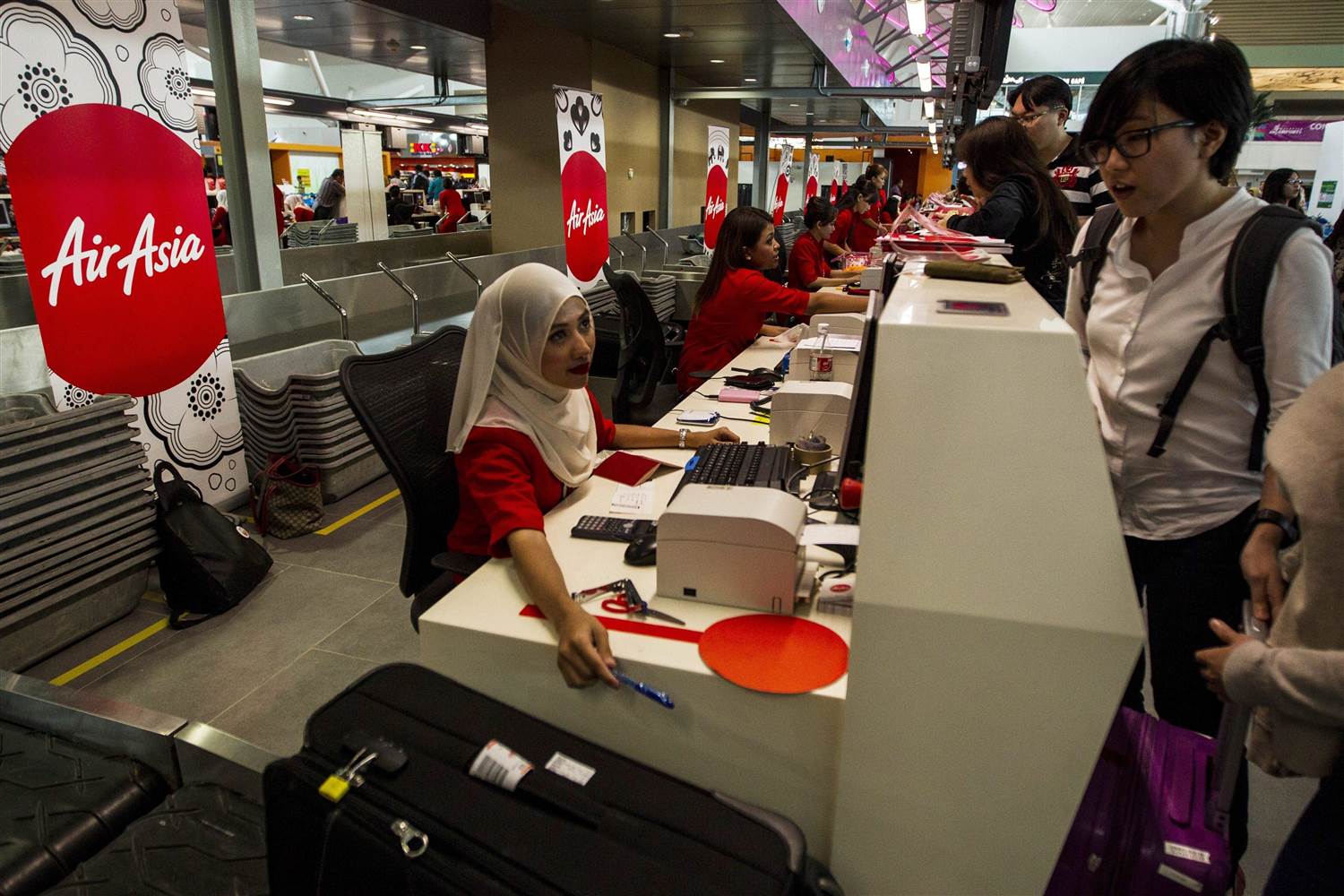
    Low-cost carrier AirAsia Japan will ply this country’s skies again as early as September, flying a domestic route from its home base of Chubu Airport near Nagoya, in a move likely to shake up the budget air travel market here.

    The unit of Malaysia-based AirAsia, Southeast Asia’s biggest low-cost carrier, will fly between Chubu and the city of Sapporo on Japan’s northern island of Hokkaido. It plans to later offer flights from Chubu to Taipei as well, it had told affiliates by Friday.

    Chubu Airport aims to open a terminal dedicated to low-cost carriers in the first half of fiscal 2019 in response to a spike in activity. A number of budget carriers operate through the airport, but AirAsia Japan will be the first to make it a base where planes are parked overnight and maintained.

    Five airlines currently offer flights between Chubu and Sapporo, including Japan Airlines and low-cost carrier affiliate Jetstar Japan. Adding AirAsia to the mix may froth up price competition.

    Low-cost carriers offer lower fares than traditional carriers by cutting costs and onboard services.

    A turbulent history

    AirAsia previously offered domestic Japanese flights via an earlier incarnation of its Japan arm, set up in 2011 through a joint investment with All Nippon Airways, which has since become a unit of ANA Holdings. But it withdrew from those routes in 2013 amid a disagreement with its partner. The joint venture became a fully owned unit of ANA Holdings that took to the clouds again under the moniker Vanilla Air.

    Aiming to re-enter Japan’s skyways, AirAsia partnered in 2014 with companies including e-commerce powerhouse Rakuten and sporting goods retailer Alpen to form the new AirAsia Japan, taking a 49% stake including nonvoting shares.

    In 2015, that company moved its headquarters to Chubu Airport. At first, the carrier intended to start offering flights that year, but such issues as shortcomings in its safety management system forced a series of delays. A planned route between Chubu and the northeastern city of Sendai was nixed as well. A fourth, indefinite delay was announced in January.

    AirAsia Japan’s management also shifted during the delays. The company’s first CEO, All Nippon Airways alum Yoshinori Odagiri, stepped down at the end of 2015. Thereafter, the unit courted Takashi Ide — former chairman of low-cost carrier Skymark — for a top management position, while Odagiri’s seat was filled by Osamu Hata.

  • Centara to Support Programme That Puts Surplus Food to Good Use

    Centara to Support Programme That Puts Surplus Food to Good Use

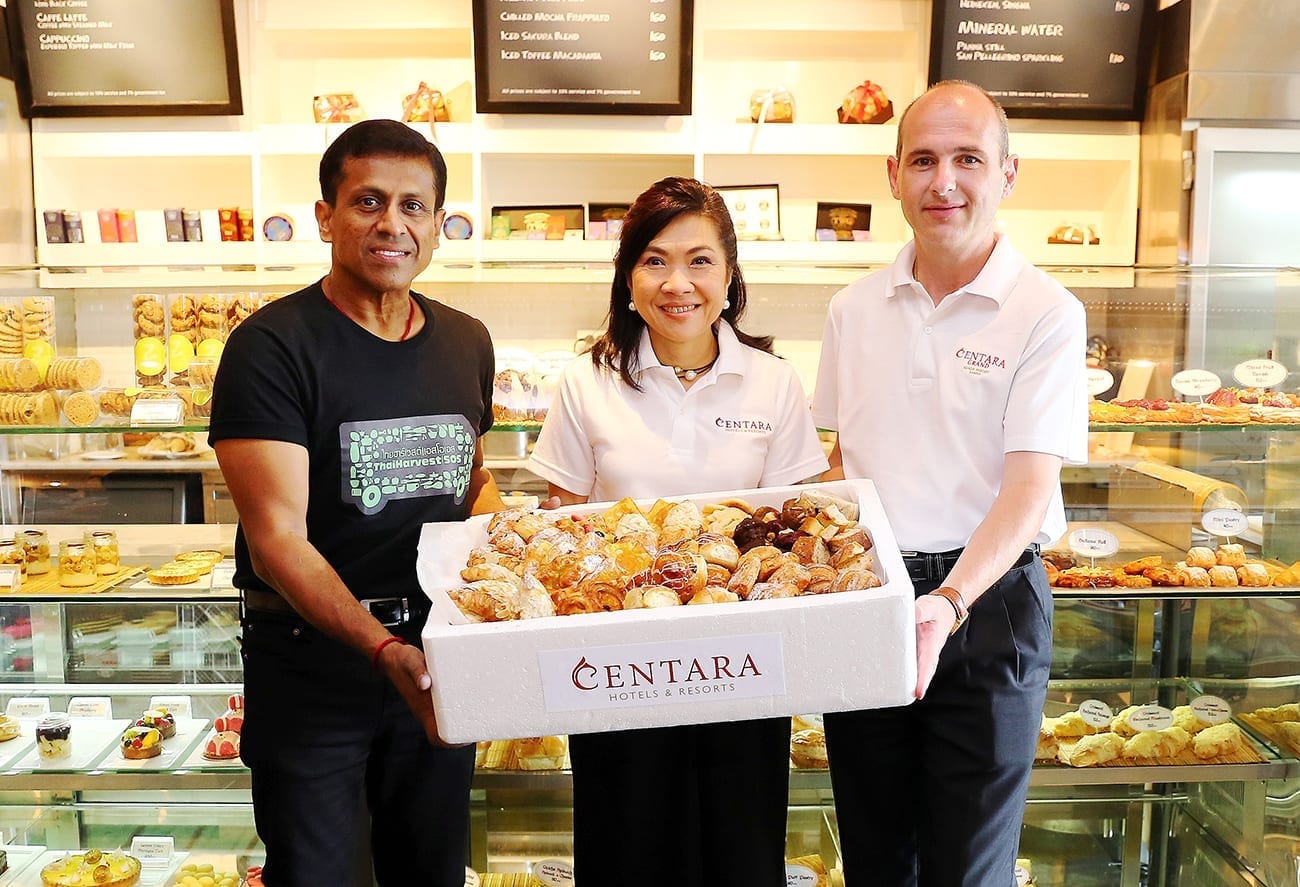
    Centara Hotels & Resorts, Thailand’s largest hotel operator, will participate in an innovative new charity operation that collects and distributes surplus food to benefit people in need, starting this August. The operation, ThaiHarvest|SOS is a joint initiative with OzHarvest, the pioneering Australian organization that has established a proven and successful “Food Rescue” model which is being adopted around the world, and the Thai Foundation Scholars of Sustenance (SOS)

    The programme’s mission is to eliminate hunger and food waste through the re-distribution of quality surplus food. Experts estimate as much as a third of food produced for human consumption is wasted in the transport, distribution, and preparation supply chain. When this food ends up in a landfill, it represents a tremendous waste of resources and a lost opportunity to help people unable to afford adequate nutrition.

    The OzHarvest rescue and redistribution system has proven a safe and efficient way to reduce this waste and benefit the planet. Begun in Australia 14 years ago, it is now being replicated in the UK, South Africa, New Zealand, Peru, Indonesia and Vietnam. An important part of the initiative is educating people about the problem and opportunity of food waste.

    In Thailand, ThaiHarvestISOS picks up good quality surplus food daily from participating supermarkets, hotels, food courts, restaurants and other businesses. Trained inspectors sort the food and assure its safety. Food no longer fit for human consumption is taken to local farms for composting. The rest is refrigerated and delivered to the needy. Since 2016 ThaiHarvestISOS has donated over 60,000 meals to organizations such as Mercy Center Orphanage, Half Way Homes for men and women, the Pak Kred Babies’ Home and the Poh Teck Tung Foundation.

    In August Centara Hotels & Resorts will begin donating surplus food from its Centara Grand hotels at CentralWorld and Ladprao. Eventually it hopes for all its Thailand properties to participate. These main two properties will also arrange an event called “Master Class Dinner”. It will be led by Will and Steve, celebrity chefs who won Australia’s The Seven Network’s top rating cooking show in 2015 – My Kitchen Rules Australia and known as chefs who support OzHarvest campaigns and now ThaiHarvestISOS.

    “We are thrilled about the leadership taken by Centara to partner with us on our mission to eliminate hunger and reduce food waste through the re-distribution of quality surplus food. Their commitment and support will allow ThaiHarvest|SOS to both help reduce food waste in Thailand and at the same time, provide good meals to those in need in our community”, said Gopi Krishnan, Head of Programmes at OzHarvest and ThaiHarvest|SOS.

    “As we prepare food for our guests, unavoidably at the end of each day we have surplus – for example, bakery items or excess from a large banquet,” said Centara’s Corporate Director of Food and Beverage, Winfried Hancke. “It is a shame to let this food go to waste when there are so many people who could benefit from it.”

    Supatra Chirathivat, Centara’s Senior Vice President Corporate Affairs & Social Responsibilities, noted how well the programme fits the group’s social responsibility and sustainability goals. “Being a good member of the community means helping those less fortunate and using the earth’s resources more efficiently. We’re

  • 18th​ ​APRCE 2017 to address new retail trends and issues in Asia-Pacific’s largest retail event

    18th​ ​APRCE 2017 to address new retail trends and issues in Asia-Pacific’s largest retail event

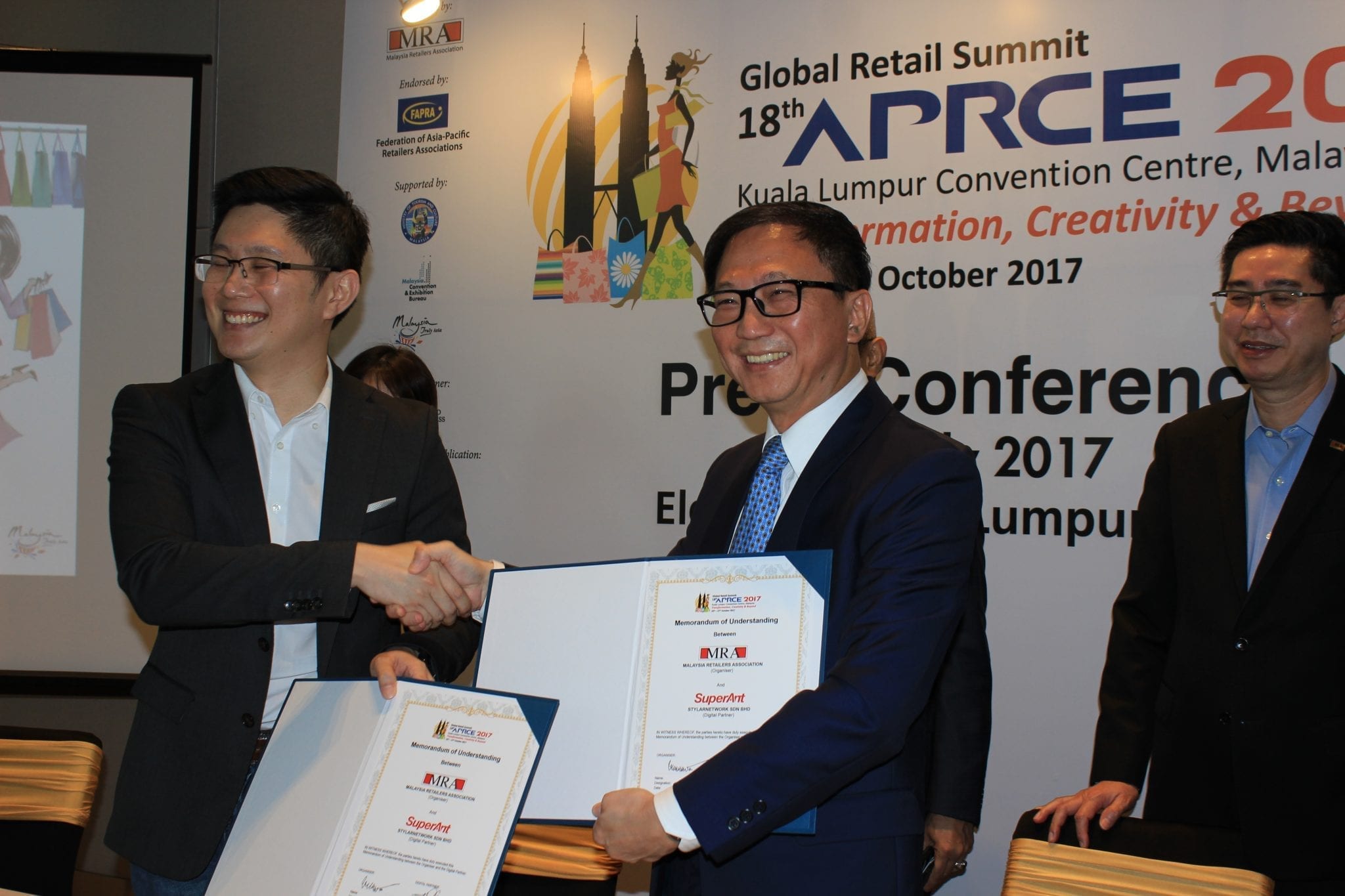
    The 18th Asia-Pacific Retailers Convention and Exhibition (APRCE) will take place at the Kuala Lumpur Convention Centre from October 25 to 27, 2017. About 3,000 delegates from 18 countries are expected at Asia Pacific’s largest retail event which is held once every two years.
    Organised by the Malaysia Retailers Association (MRA) and endorsed by Federation of AsiaPacific Retailers Associations (FAPRA), the theme of the 18th APRCE 2017 is “Transformation, Creativity and Beyond”.
    Key global retailers are expected at this event which will spearhead a re-think on retail and how to drive change through innovation, transformation and staying ahead of the pack for business success. It will explore opportunities to capture the next decade of discerning digitised customers.
    World-class speakers, retail leaders and solution providers from the US, UK, Japan, China, Korea and, of course, Malaysia will share their business success stories, new retail trends, ways to retail excellence and e-commerce trends and challenges in retailing, among others.
    Among the 22 speakers at the 18th APRCE2017 are: Mr Howard Saunders, Retail Futurist, Twenty Second and Fifth Ltd, US; Mr Christopher Sanderson, Co-Founder, Future Lab United Kingdom; Mr Motoya Okada, President and CEO, AEON Co. Ltd; Mr Benjamin Yong, Founder and Group Chief Eating Officer of the BIG Group, Malaysia; Mr Hoseok Kim, CEO of Celcom Planet Sdn Bhd (11Street), Malaysia; Ms Michelle Grant, Head of Retailing at Euromonitor International, US; Mr Chan Kok Long, Co-Founder & Executive Director of IPay88 Sdn Bhd, Malaysia; Mr Roger Wang, Chairman of Golden Eagle International Group, China and Mr Chen Xiaodong, CEO of Intime Retail Group, China.
    The delegates attending 
    According to APRCE 2017 Organising Chairman, Mr James Loke, about 1,300 foreign delegates have confirmed their attendance. They include those from Japan, China, Korea, Indonesia, the Philippines and other FAPRA-recognised national retail trade organisations such as in Malaysia, Singapore, Thailand, Vietnam, Myanmar, Australia, New Zealand, Taiwan, Hong Kong, India, Mongolia, Turkey and Fiji.
    The event is the perfect focal point for international networking, and Malaysia, as the host, is the ideal location to mix business with leisure. Representatives from Asia-Pacific will be converging here to exchange ideas, connect with suppliers, seek business opportunities and network.
    The 18th APRCE 2017 is supported by the Ministry of Tourism and Culture, and the Malaysia Convention and Exhibition Bureau (MyCEB).
    How APRCE started 
    Since 1983, APRCE has been the main activity of the Federation of Asia-Pacific Retailers Associations (FAPRA), which has 18 association members from 18 countries. It is the longest running biennial retail conference in Asia-Pacific. The host country is selected by FAPRA members through a bidding process held every 2 years.
    For the record, the 17th APRCE 2015 was held in Manila, Philippines while the 16 th APRCE 2013 took place in Istanbul, Turkey. The 18th APRCE 2017 will bring together participants to learn, discover and network, and make meaningful connections with other industry professionals. It will also highlight innovative solutions to help retailers differentiate themselves from their competitors.
  • BDO JCB Platinum Credit Card Launch

    BDO JCB Platinum Credit Card Launch

    CB International Co., Ltd. (JCBI), the international operations subsidiary of JCB Co., Ltd., (referred to below as “JCB”) announced the launch of the first JCB Platinum Credit Card in the Philippines issued by BDO Unibank, Inc. (BDO), the largest bank in the country.

    The new high-end credit card was formally unveiled at an exclusive gathering attended by BDO and JCBI executives, and members of the press at UMU Restaurant, Dusit Thani Manila.

    “The BDO JCB Platinum Credit Card offers a full suite of premier services, exclusive privileges and benefits custom-made for the discerning lifestyle and sophisticated taste of our elite cardholders. A must-have for travellers, especially those who frequently visit Japan,” says Ms. Ma. Nannette R. Regala, BDO Senior Vice President and Consumer Lending Group Marketing Head.

    BDO worked closely with various well-known Japanese brands and establishments to create a platinum-grade program tailored fit to the needs and wants of the card’s target clientele. While JCB, Japan’s only international payment brand, leveraged on long established partnerships to provide a wide range of exclusive offers especially in Japan as well as overseas for JCB Cardholders to further strengthen the value proposition of BDO JCB Platinum Credit Card.

    According to Mr. Yuichiro Kadowaki, Senior Vice President of JCBI, “Combining BDO’s expertise in customer relationships and dynamic local operations with JCB’s global acceptance network, we can expect a synergistic effect that will offer both BDO and JCB the opportunity to further expand the credit card market in the Philippines. With over 55 years of experience in the credit card industry, as well as growing business and customer networking in Asia, we at JCB are striving to deliver even higher quality services to our cardholders in the Philippines.”

    Apart from exclusive services in Japan, BDO JCB Platinum Credit Cardholders can also take advantage of the following privileges:

    – Complimentary access to select VIP airport lounges
    – Special rates for Airport Meeting Service
    – Up to Php20M Travel Insurance Coverage
    – 24/365 Platinum Concierge Desk for restaurant and golf course reservations, sightseeing, entertainment and support for credit card-related emergencies.

  • CityCell wins back spectrum through court order

    CityCell wins back spectrum through court order

    Bangladesh’s CityCell has won a reprieve from the recent cancellation of its mobile license and revocation of its spectrum.

    The Bangladesh Telecommunication Regulatory Commission had decided late on Monday to cancel CityCell’s license due to non-payment of fees.

    But after petitioning the Supreme Court, CityCell has managed to receive a court order temporarily suspending the license cancellation while a dispute over the outstanding fees is before the courts.

    CityCell’s service was suspended on non-payment grounds in October. The block was later lifted although the operator was not able to resume operations.

    At the time of the block the company had around 125,000 customers. The government was meanwhile demanding 4.77 billion taka ($58.6 million) in unpaid fees.

    The report cites an unnamed senior CityCell executive as stating that management is seeking to sell off the company to a foreign buyer, and believes that restoration of its spectrum rights will aid negotiations.

    As of 2015, CityCell was 44.5% owned by Singtel, 37.9% owned by Pacific Motors and 17.5% owned by Far East Telecom.

  • Urban Chinese consumers are more selective spenders in 2017

    Urban Chinese consumers are more selective spenders in 2017

    While China’s economy continues to grow at a moderate pace, consumers have become more selective spenders in 2017 as a result of increased pressures both at work and with their personal finances. New research from global market intelligence agency Mintel reveals that, today, urban Chinese consumers* are more conservative with regard to increasing their spending than they were in 2016, as 36% of surveyed consumers report spending more in 2017 compared to 43% who said the same in 2016. Meanwhile, consumers are more likely to control their spending this year, with nearly half (49%) reporting that they are spending “about the same” as they did in 2016.

    However, while consumers in general have a positive outlook for their financial status, they are aware of potential future risks in life, and want to make sure that every purchase they make can be justified, and that what they buy is worth the price.

    Mintel research indicates that overall consumer expenditure increased by 10.5% to reach RMB 33,511 billion in 2016. The categories that experienced the most growth in 2016 include transportation, holiday, leisure and entertainment, and OTC (Over-the-Counter) and pharmaceuticals. Mintel forecasts that consumer expenditure will increase 8.4% year-on-year through 2021, while holidays will surpass clothing and accessories to become the third largest spending sector. Meanwhile, transportation and leisure and entertainment, as well as beauty and personal care, will also see an increase in consumer spending .

    Laurel Gu, Research Director at Mintel, said,

    “Demand for upgraded consumption for new options, better quality and greater convenience will be the major driving factor in 2017. The development of the consumer products and services market is expected to remain active over the next five years to 2021, with health and experience being the two major themes. When it comes to Chinese consumers in tier one to three cities, perceived trends in spending are similar with holidays being the most popular and alcoholic drinks the least popular. However, although in-home food, clothing and accessories, as well as eating out, are enjoying moderate increases in total spending, they are among the top sectors where consumers claim to be spending more this year. This suggests potential gaps that consumers living in towns or rural areas are not yet picking up as a part of upgrading their living quality.”

    Achieving a healthy lifestyle continues to be Chinese consumers’ top priority, with “have a healthier diet” (80% of consumers say they will definitely do this in 2017) and “exercise more” (75% report they will definitely do this in 2017) the top two goals that consumers are determined to achieve in 2017, as was the case in 2014. “Travelling to new places” is a goal that has become increasingly important to consumers over the last four years, rising from ninth place in 2014 to third place in 2017. Meanwhile, “spend more time with family” – which 73% of consumers say they will do this year – dropped from third position in 2014 to sixth position in 2017.

    “While living a healthy lifestyle continues to be a focus area for consumers, over the last few years we see that spending time with family and having a better work-life balance are being deprioritised for other goals like traveling and getting household finances in order. The reason for these changes in life priorities is likely because consumers, Mintropolitans in particular, tend to associate a healthy lifestyle with not just exercising and watching what they eat, but also a variety of meaningful leisure and social experiences.” Laurel continued.

    When it comes to the quality of their life, one quarter (24%) of Chinese consumers say spending on holidays is what makes them feel their quality of living has improved. Other top areas include spending on technology (eg. mobile phones) (9%), clothes and accessories (eg. apparel) (9%) and leisure (eg. working out) (4%), which is largely in line with consumers’ spending priorities.

    Mintel’s annual Chinese Consumer 2017 report tracks spending across 15 major consumer markets, revealing the categories that present areas of opportunity, disruption and innovation in the years ahead. Highlights from the 2017 report include:

    Better-for-you foods drive further growth

    Mintel forecasts that the in-home food market will reach RMB 7,001 billion in value by 2021, driven by the demand for more trading-up options in the form of better-for-you versions and higher quality ingredients. Looking forward, yogurt products positioned as an indulgent pleasure and cheese for snacking occasions will see the greatest potential. On the other end, both ready meals and instant noodles are in jeopardy due to the thriving food delivery service.

    Healthy drinks take leading positions in non-alcoholic drink market

    Thanks to a nourishing and healthy image, plant protein drinks (PPDs), functional beverages (eg. sports drinks, energy drinks), as well as some light flavoured beverages, are all growing in popularity. Overall, the Chinese non-alcoholic drink market is likely to retain its positive growth with a CAGR of 7.2% in the next five years. Besides consumers’ ongoing interests in pursuing healthy food and drinks, their knowledge of nutrition and ingredients is also growing. As such, the premium soft drinks market is expecting products featuring a clean and natural ingredient list that create associations with functional health benefits.

    Beauty products designed for special occasion have room to grow

    Consumer spending in the beauty and personal care (BPC) sector is estimated to have reached RMB 566 billion by the end of 2016 – increasing by 8.1% from 2015. Mintel forecasts that the sector will grow, driven by innovations from local brands, imported products and consumers trading up to premium products for better quality. In 2017, there will be increasing demand for safety products and segments that are designed to cater to special occasions, including the athbeauty trend and consumers in need of time-saving routines.

    Technology and communication market on a slow incline over the next five years

    Smart phones and more niche technology gadgets like smart wristbands or VR (virtual reality) headsets will enjoy strong growth in 2017, while computers and games consoles face challenges. Upgrading technology products, especially those consumers use daily (like smartphones), may help consumers improve their quality of living. High product quality, such as high processing speed for smartphones or reliable health-monitor function of smart wristbands, are essential for technology brands to win fans in the years ahead.

    More demands on social and leisure activities drive transportation spending

    The fact that the segment is closely related to two other strong sectors – holiday, and leisure and entertainment – together with accelerating new car sales, growing car usage spending, as well as increasing public transport cost, are all key drivers of spending in transportation. In the five years to 2021, Chinese consumer expenditure on transport is projected to see a 12.7% CAGR and reach RMB 3,605 billion. Opportunities exist for market players tackling daily commute issues, including those in the ridesharing and bike-sharing industries.

    Urban Chinese consumers seek more experimental activities

    Chinese consumers are becoming more sophisticated and selective in terms of where they spend their time and money for entertainment and relaxation. Mintel forecasts that the leisure and entertainment sector will reach RMB 2,823 billion in value by 2021. This is largely driven by the shift from products to lifestyle services and experiences, and the trend of trading up from mass to premium offerings; both are reflecting the change in life priority from wealth accumulation to a more balanced life. In 2017, there will be increased demand for virtual entertainment products, health and fitness services and family-focused recreations.

  • Mastercard to expand QR payments program

    Mastercard to expand QR payments program

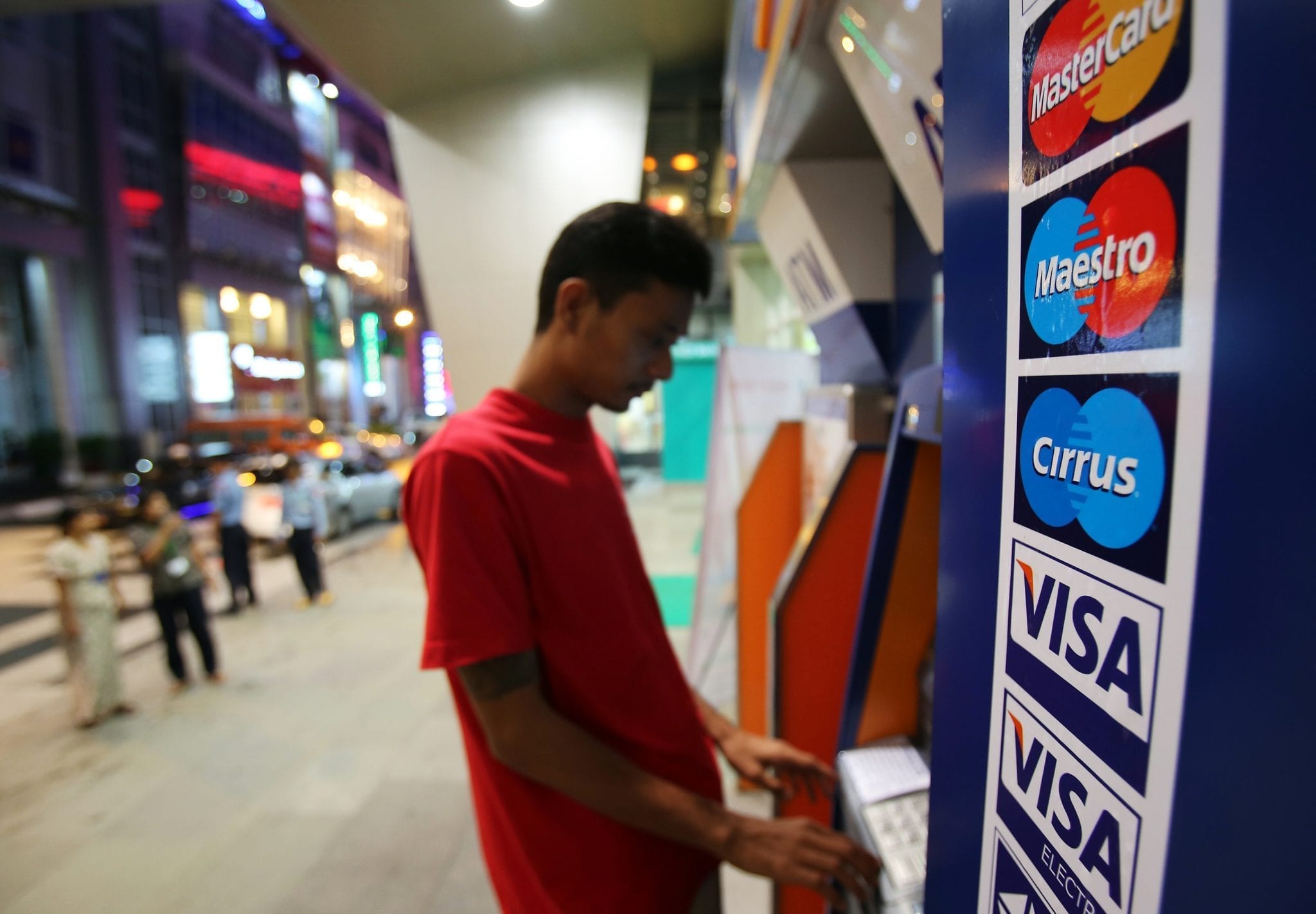
    Mastercard has detailed plans to expand its QR-based payment programs, starting this month.

    The company will broaden its solutions to offer QR codes that can be scanned by either consumers or merchants under a common set of global specifications.

    Mastercard worked with EMVCo and other industry players to create a new global QR standard. These standards aim to ensure consistency in QR codes both generated and captured on a consumer’s mobile phone.

    The use of QR codes in certain markets aims to complement the extensive investment in contactless payments to provide merchants of all sizes with a fast, secure and inexpensive way to accept payments.

    Launched in 2016, Masterpass QR provides people with any type of mobile phone the ability to safely make in-person purchases without a plastic card. A consumer scans a QR code displayed at the merchant’s checkout on their smartphone or by entering a text code into their feature phone.

    The company’s consumer-presented solution will allow the merchant to scan a QR code from a smartphone and process the payment through the Mastercard network. It will leverage M/Chip technology to provide a secure way to pay based on EMV infrastructure.

    “Today’s news builds on the momentum of our QR work in India and Africa,” said Ajay Bhalla, president of global enterprise risk and security, Mastercard. “We look forward to the adoption of the EMVCo global QR standards. In the meantime, we’ll continue to work with our customers and partners to make every device a secure way to pay and be paid.”

    IDC Financial Insights lists NFC and QR codes as payment technologies that will power m-payments, complementing non-NFC based mobile wallets and other peer-to-peer transfers or direct funds transfers.

    The analyst predicts mPayments will accelerate in 2017 exceeding US$1 trillion in 2017. IDC also predicts that APAC will not follow the same growth path for mPayments as that of North America and Europe. Taiwan, Malaysia, China and Thailand will lead the region in terms of mobile payments while the Philippines, Vietnam, Indonesia and India will showcase the best examples in mobile money.

  • Feather & Bone launches flagship store

    Feather & Bone launches flagship store

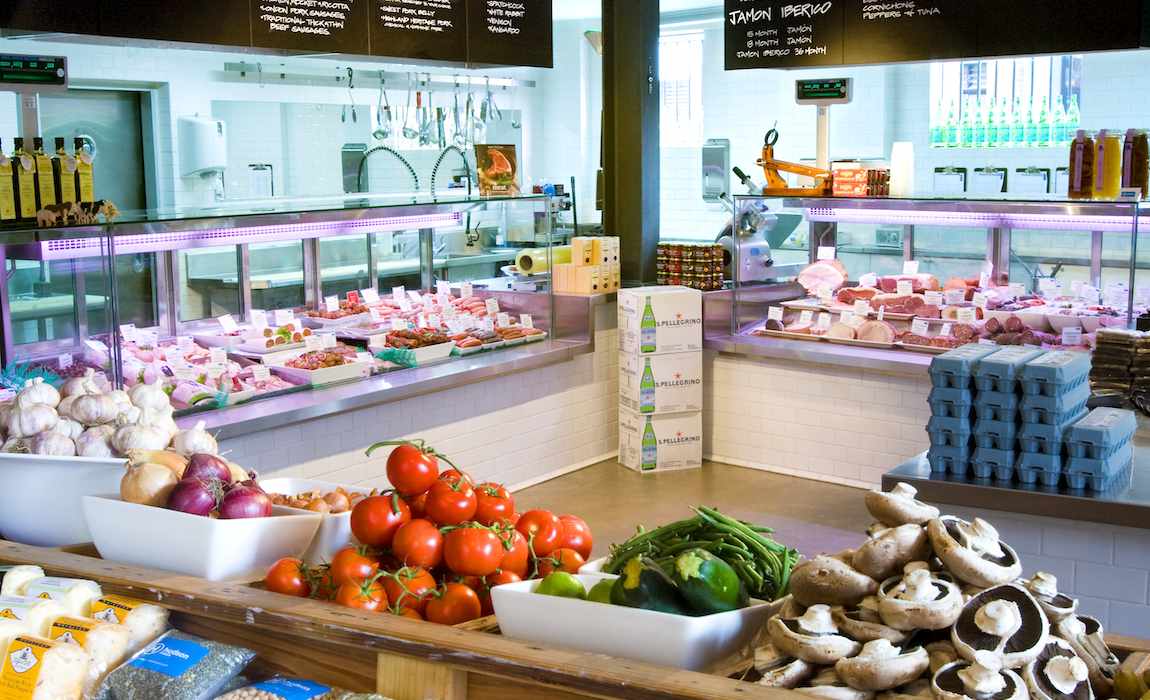
    Online grocery store Feather & Bone has opened a flagship store in Clearwater Bay, offering international specialty food products such as meat, alcohol, cheese, coffee and chocolate.

    This adds to Feather & Bone’s two other Hong Kong outlets, in Central and Happy Valley.

    “What we want to be is a friendly local grocer. You know, people will come in every week, and we know their name, we know what they like and we can recommend products based on what they’ve liked in the past,” says GM Mark Chan, who sources the group’s products.

    A feature of the flagship store is that customers can drink a cup of locally roasted Kim & Co coffee along with a danish or muffin as they shop, reports Honeycombers.

    There is also an eight-seat counter where wine is served along with a cheese board and charcuterie platter with preserves and pickles.

    The flagship’s butchery offers ethically sourced meat, such as Australian beef, free-range pork and lamb, poultry and charcuterie.

    “A lot of the products at Feather & Bone are sourced from Australia as a couple of the owners are actually from there,” says Chan, noting that company representatives even visit the farms to see how they work.

    With a background as a chef – he once worked for Gordon Ramsay – Chan was at London’s La Fromagerie before joining Feather & Bone.

    Products at Feather & Bone include Chapon Tablette Noir dark chocolate from Madagascar, Mr Organic Veg Amore Tofu Sauce and Rodolphe Le Meunier St Maure de Touraine goat’s cheese.

  • K-Style Lab launches second pop-up store

    K-Style Lab launches second pop-up store

    Premium multi-brand Korean fashion boutique K-Style Lab has opened its second Hong Kong pop-up store, in Hollywood Road in Central.

    ts K-Style Wardrobe pop-up presents edited collections of one-off pieces and lifestyle products from such Korean designers and brands as Baron Oh, Big Park by Park Your-Soo, Heich Es Heich by Han Sang-Hyuk, Jinteok and Nohke by Jung Mi-Sun.

    There are also newcomers Ara Cho (leather bags), Daze Dayz, Lash and Mirumbeau, which specialises in 3D paper-art lifestyle pieces inspired by Korean traditions and materials.

  • Telkom enters IoT alliance with Fujitsu

    Telkom enters IoT alliance with Fujitsu

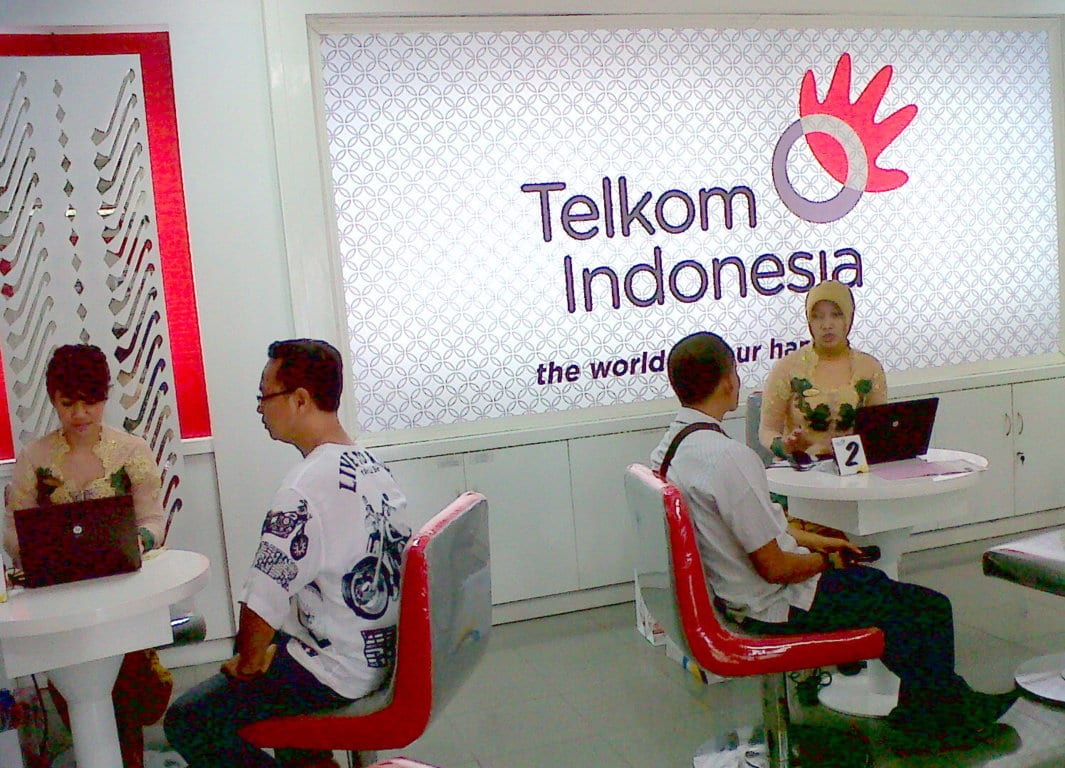
    Indonesia’s PT Telkom has entered a two-year strategic partnership with Japan’s Fujitsu to pursue the co-creation of businesses utilizing the IoT and other digital technologies and leveraging Telkom’s network infrastructure.

    Under the collaboration, the companies will seek to apply IoT and other advanced technologies to sectors including smart cities, healthcare, manufacturing and logistics.

    The companies will initially conduct market research and verification of technical specifications, systems and service performance, before moving on to concept verification and then service co-creation.

    The collaboration is aimed at Indonesia’s large population of over 250 million and catering to the rapid expansion in internet usage in recent years. The companies said they aim to develop a digital society in Indonesia, and support Telkom’s goal of building a digital economy in the nation.

    Telkom operates a 106,000km broadband backbone across the country as well as a satellite system capable of serving Indonesia’s islands. The company is Indonesia’s largest operator, and is majority-owned by the government.

  • China star performer for L’Occitane International

    China star performer for L’Occitane International

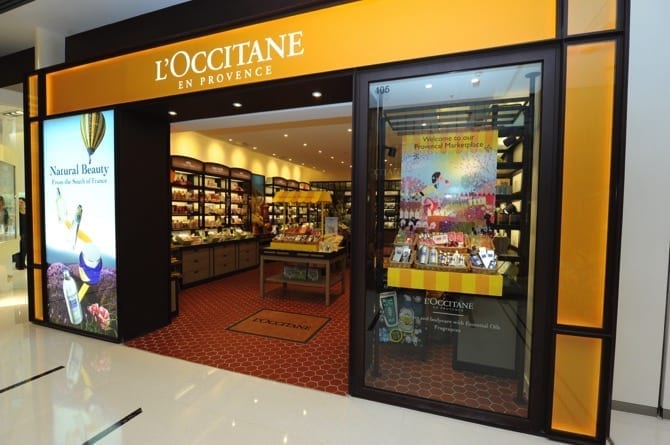
    With 26.9 per cent growth in sales, China led the charge for wellbeing company L’Occitane International for the three months to the end of June.

    China had same-store sales growth of 14.7 per cent, with “staggering” 250 per cent first-quarter growth for marketplaces, says the company. A marketing campaign with Chinese artist Lu Han launched in May drew traffic online and offline.

    In Japan, sales growth remained healthy at 4 per cent in local currency, with same-store sales growth of 2.4 per cent. The company’s e-commerce channel performed well, helped by new Line promotion campaigns and “encouraging” growth by emerging brand Melvita.

    Travel-retail and distribution channels were the main props for Hong Kong’s sales growth of 2.9 per cent.

    Overall group net sales grew to €279.5 million (US$325.7 million) by 4.1 per cent at reported rates and 2.7 per cent at constant rates, both rates an improvement from the financial year ended March 31.

    Web sell-out channels (own e-commerce and marketplaces) delivered “encouraging” growth of 27.3 per cent to reach 13.2 per cent of total sell-out sales.

    During the first quarter, sell-out sales accounted for 73.8 per cent of net sales, amounting to €206.4 million. This was growth of 3 per cent at reported rates or 1.5 per cent at constant rates. Major growth drivers were new and renovated stores, marketplaces, and its cafe and spa businesses.

    Same-store sales for the period eased by 0.6 per cent, an improvement from the 1.3 per cent drop for the same period last year, thanks to double-digit same-store growth in China.

    Sell-in sales at €73.2 million accounted for 26.2 per cent of total sales, an increase of 6.2 per cent at constant exchange rates. The company says this was primarily driven by dynamic growth in distribution, travel retail, B2B and web-partner channels of the L’Occitane brand. Emerging brands also drove overall sales growth.

    The group maintained its selective global retail expansion with four store openings during the quarter, compared with 23 for the same period last year. Twenty stores were refurbished (13 during the same period last year).

  • H&M continues New Zealand expansion

    H&M continues New Zealand expansion

    Swedish fast fashion chain, Hennes & Mauritz AB (H&M), has confirmed its second store in New Zealand will open on September 9.

    Located at The Crossing in Christchurch’s CBD, the new location follows the opening of H&M at Sylvia Park Shopping Centre in Auckland last October.

    Spanning 2535 square metres and set over two levels; the Christchurch store will house apparel, underwear and accessories for men, women, kids and baby, as well as being the first H&M store in New Zealand to offer the Home concept.

    “We are also looking forward to introducing our H&M Home concept to our customers for the first time and cannot wait to see the response on opening day,” said Hans Andersson, Australia & New Zealand Country Manager for H&M.

    The global fashion chain entered the New Zealand market in 2016 with the opening of its first store in Sylvia Park Shopping Centre, Auckland, and will open its first store in Wellington at Queensgate Shopping Centre later this year.

    In its most recent results, H&M saw revenue including VAT increase by 7 per cent in local currencies during June compared to the same month the previous year.

    The total number of stores in the group amounted to 4,517 at the end of June compared to 4,095 the previous year.

    In its recent half-year results, sales, including VAT, grew by 9 per cent to SEK113.907 billion (US$13.4 billion) for its first half.

    Meanwhile, H&M said it will no longer publish monthly sales figures, instead opting to report its results on a quarterly basis and begin holding capital market days for company shareholders.

    Karl-Johan Persson, CEO of H&M, said that a month is “far too short a period over which to assess how sales are developing and in fact, a single month’s sales can actually be misleading, since calendar and weather effects – among other things – may significantly affect the outcome.”

  • Facebook shares hit record high as mobile ad sales soar

    Facebook shares hit record high as mobile ad sales soar

    And within weeks, Facebook is expected to start a video service that will include scripted shows, a sharp change for a business built on user-generated content.

    Facebook Inc’s mobile advertising business grew by more than 50 percent in the second quarter, the company said in its earnings report on Wednesday, as the social network continued to establish itself as the venue of choice for an ever-growing array of online advertisers.

    Shares in Facebook, owner of four of the most popular mobile services in the world, rose more than 4 percent to about $173 in after-hours trading. Through Wednesday’s close, the stock price had climbed nearly 44 percent this year.

    Facebook, which now has more than 2 billion regular users, has been squeezing more ads into its Facebook News Feed while adding more ads to its photo-sharing app Instagram, which has more than 700 million users.

    With money cascading from those two services, Chief Executive Mark Zuckerberg said the company was turning attention to monetizing its two messaging services, Messenger and WhatsApp, which have more than 1 billion users each.

    “I want to see us move a little faster here but I’m confident that we’re going to get this right over the long term,” Zuckerberg said in a conference call with analysts.

    The company also is accelerating its push into video, an effort aimed at taking advertising dollars from the television industry and increasing the time people spend on Facebook.

    Within weeks, Facebook is expected to start a video service that will include scripted shows, a sharp change for a business built on user-generated content.

    Zuckerberg said video would be a significant driver of Facebook’s business in the next two to three years.

    With those possibilities still on the horizon, Facebook said total revenue rose 44.8 percent to $9.32 billion in the second quarter of the year. That beat the average forecast of $9.20 billion among analysts tracked by Thomson Reuters I/B/E/S.

    Growth was even steeper in mobile advertising, which increased to nearly $8 billion.

    “In mobile we’re continuing to see great strengths,” Facebook Chief Financial Officer David Wehner said in a phone interview with Reuters. “We’re seeing more and more ad dollars getting allocated to mobile, and we think that trend will continue.”

    “KILLING IT ON MOBILE”

    Mobile ad revenue accounted for 87 percent of the company’s total advertising revenue of $9.16 billion in the latest quarter, up from 84 percent a year earlier.

    “They’re killing it on mobile,” Needham & Co analyst Laura Martin said, referring to Facebook’s suite of apps. “They are the de facto mobile advertising monopolies and that’s a really big deal.”

    Martin said she sees no weaknesses in Facebook’s business.

    Facebook and Alphabet Inc own half of the online advertising market worldwide, and Facebook’s revenue growth this quarter outshone Alphabet, the owner of YouTube and Google.

    Alphabet on Monday reported a 21 percent increase in quarterly revenue, although it started the quarter from a larger base than Facebook did.

    Facebook has not said how much of its revenue is attributable to its Instagram unit, although the photo-sharing app has become a greater focus of its business.

    “Clearly, the biggest driver of growth is, overall, Facebook News Feed,” Wehner said. “Instagram is making a contribution and an increasing contribution.”

    But investors want Facebook to find additional revenue streams because the company has warned it is hitting maximum ad load in the News Feed, potentially slowing its overall growth.

    So far that has not happened.

    “They kept warning about ad load, but the ad load continues to be strong,” said Ivan Feinseth, research director at Tigress Financial Partners. “I still think ad revenue will grow, because more advertisers are adapting to this platform because there are so many people out there.”

    The popularity of Instagram also has put pressure on Snapchat, the app owned by Snap Inc. Instagram has added features similar to Snapchat’s and Snap’s stock on Wednesday closed at an all-time low of $13.40.

    Facebook said about 2.01 billion people were using its service monthly as of June 30, up 17 percent from a year earlier.