Author: Mei Ling Tan

  • Wärtsilä and DHL deploy mobile robots to streamline warehouse operations

    Wärtsilä and DHL deploy mobile robots to streamline warehouse operations

    Wärtsilä and DHL deploy cutting-edge mobile robots from Fetch Robotics to streamline warehouse operations

    The technology group Wärtsilä and DHL have completed a successful pilot, where the companies tested mobile robots of Fetch Robotics. The pilot was carried out in Wärtsilä’s central distribution centre in Kampen, the Netherlands, where the entire logistics chain of Wärtsilä’s spare parts, from order intake to customer delivery, is managed. As Wärtsilä’s partner, DHL runs the warehouse operations.

    The aim of the project was to investigate possibilities to utilize the latest technology innovations in the daily operations of the warehouse. Wärtsilä and DHL also wanted to gain more understanding of the added value of robotics in a warehouse environment and to learn about the human–technology interface between robots and employees.

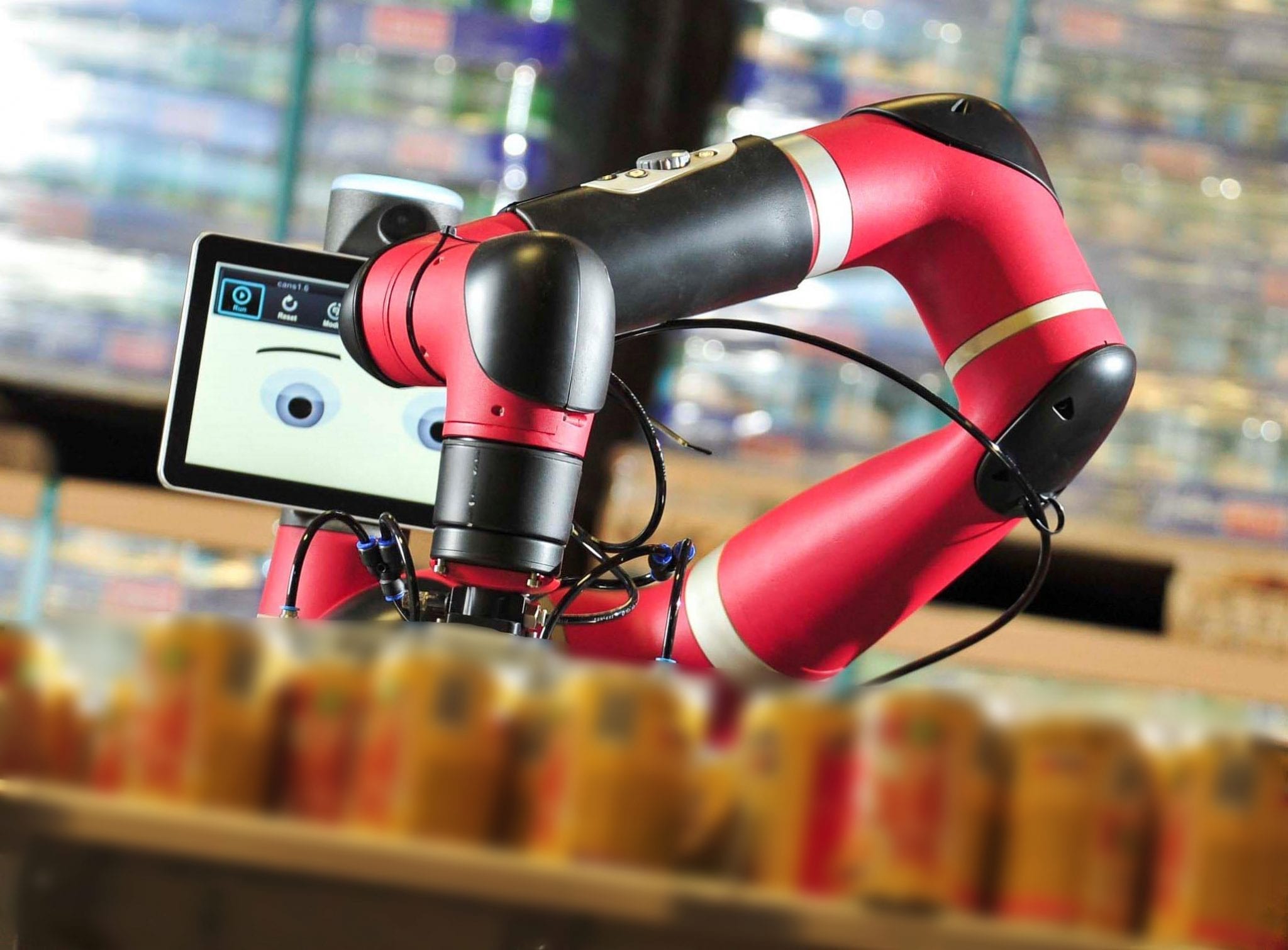
    The mobile robot system simplifies point to point material handling. Workflows at Wärtsilä’s warehouse can be set up and modified very quickly to accommodate today’s dynamic environments, without the need for complex programming. Workers can interact with the robots via touchscreen and send them on their journeys with a push of a button.

    “Our colleagues took center stage during the trial. The robots are designed to work alongside employees and to relieve them from physically strenuous tasks. The robots alone took over a walking distance of more than 30 kilometers per day, thereby increasing productivity and safety within the warehouse working environment,” says Denis Niezgoda, Robotics Accelerator Lead, DHL Customer Solutions & Innovation.

    The autonomous mobile robots have a loading capacity of 78 kilograms and can cover a distance of two meters per second. When the battery life of maximum nine hours comes to an end, the freight robot independently makes its way to the charging unit. The intelligent robots recognize their location and surroundings, and can differentiate between dynamic and static obstacles, thus enabling evasive action to work safely with and around people.

  • Google Earth to let users post stories, photos in coming years

    Google Earth to let users post stories, photos in coming years

    ‘The story of your family history, the story of your favorite hiking trip – it could be anything. It doesn’t have to be profound.’

    Alphabet Inc wants users to post millions of stories, video and photos on its Google Earth platform in the next few years, the program chief said on Tuesday at a launch event in Brazil for content focused on showcasing the Amazon rainforest.

    The “Voyager” tool allows internet surfers to take interactive tours of exotic destinations on Google Earth led by the likes of primatologist Jane Goodall, with photos, information and maps.

    However, regular users will be able to create their own unedited content for private or public use within two to three years, Google Earth Director Rebecca Moore told.

    “The story of your family history, the story of your favorite hiking trip – it could be anything. It doesn’t have to be profound,” she said at the event in Sao Paulo.

    Moore took the stage at an event in Sao Paulo to unveil the “I am the Amazon” project, which has mapped 11 sites to document the relationship between the rainforest and its people, touching on topics like food, water and cultural origins.

    To tell the stories of communities such as the Yanomami people, Cinta Larga and the Boa Vista Quilombola, Google and partners used tools like 3D cameras to accompany satellite images with videos and text.

    Moore did not reveal the budget for the project but she ruled out the idea of advertising on the platform and said it is not Google’s intention to turn a profit from the venture.

    “Google Earth is our gift to the world,” she told. “In terms of budget, Google has nice revenue from advertising, and not everything Google does has to make money.”

  • Molteni&C opens Osaka store

    Molteni&C opens Osaka store

    Molteni&C has officially opened its new Japan flagship store in Osaka.

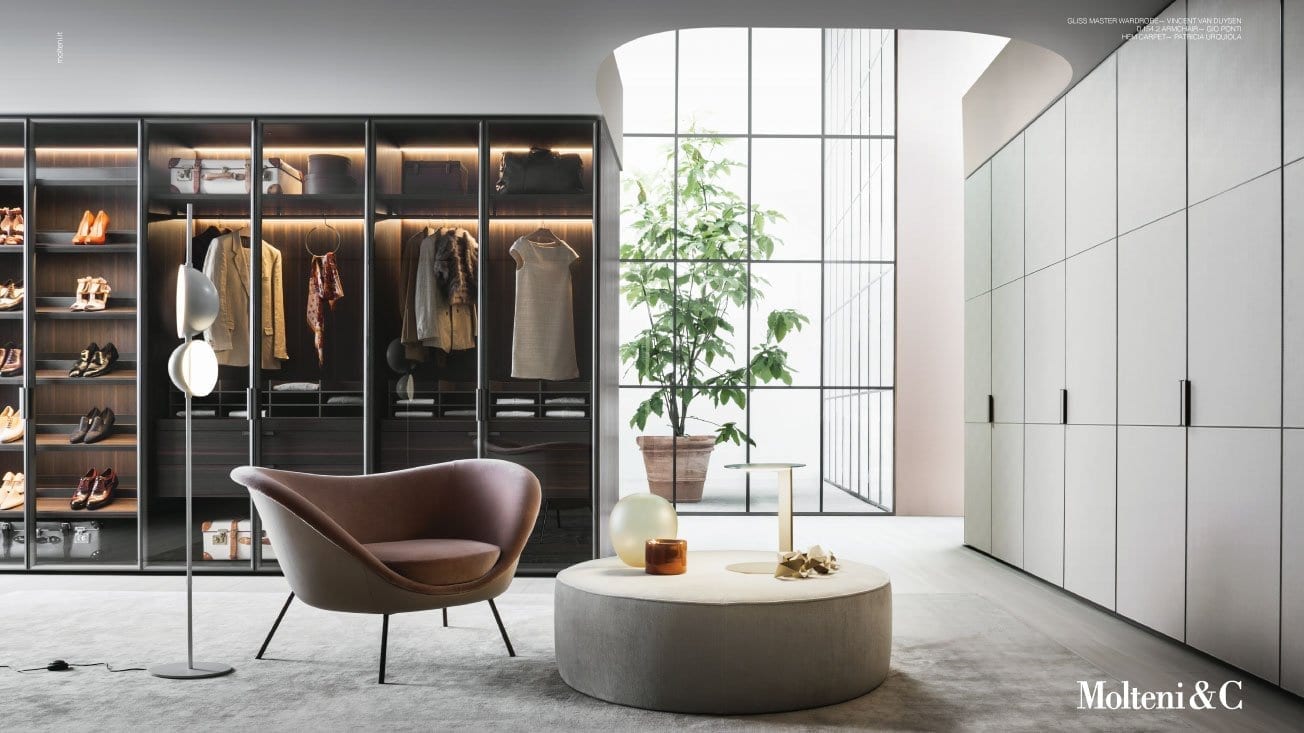
    Covering 400 square metres, the space is located in the fashionable Shinshaibashi shopping district. The high-end store comes inspired by western interior design, with an open feel, which features a broad terrace and chic lighting.

    Describing the store fit out, the Italian brand said the new boutiques boasts “sophisticated and natural materials, such as glass, oxidized wood and resin, Grès stone, the chiaroscuri of the sands and the warm greys alternate with luminous touches of colour.”

    Key elements on display are the latest Molteni&C collection and Dada’s VVD kitchen, which dominates the large terrace overlooking the main street.

    The Osaka store is the second in Japan after the first opened in Tokyo in 2016.

    The luxury Italian furniture designer continues its ten-year partnership with Arflex Japan, a well-established distribution company in the Asian nation.

  • New brands joining line-up at The Shoppes

    New brands joining line-up at The Shoppes

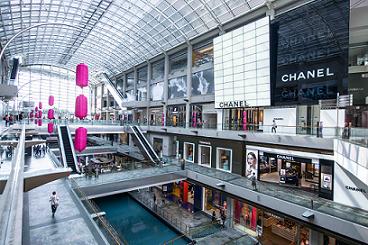
    New brands will join The Shoppes at Marina Bay Sands in the next few months.

    They include award-winning Singapore fashion label In Good Company, which will showcase its signature womenswear and Mini Me collections for children three to eight years old. The 1600 sqft (148.6 sqm) store will also have a play area for children.

    Meanwhile, the outlet for local luxury leather goods and accessories brand Kwanpen will be extensively renovated to become its largest flagship boutique in Singapore. Opening next month, the boutique will triple in size to more than 2500 sqft.

    Other anticipated openings in the coming months include new-to-market Hong Kong fashion and accessories label EQ:IQ with a standalone boutique, as well as French luxury brand Balmain’s first standalone store for Southeast Asia. Its 1647 sqft store will feature an interior concept that echoes its traditional Parisian boutiques.

    Two boutiques will be the first for Southeast Asia, for diamond jeweller Nirav Modi and perfume house Henry Jacques.

    Bespoke beauty offerings include the re-opening of perfumery Jo Malone and a new standalone Estee Lauder boutique. Also renovated, Chanel Fragrance & Beauty offers a new private facial cabin, as well as personalised beauty and fragrance consultations.

    Following the unveiling of the Chanel Ephemeral boutique last month, Fendi has also launched a menswear pop-up for the first time at The Shoppes until Sunday. For the first time in Asia, The Fendi Ape Car is showcasing the latest Fendi Vocabulary Capsule Collection.

    Singaporean designer label Chi Chi Von Tang will also open a pop-up store, featuring a personalised shopping experience.

    Joining the F&B line-up will be French tearoom/patisserie Angelina, and homegrown Da Paolo Gastronomia, a gelato bar along the waterfront promenade. Also new to the promenade are The Bird Southern Table & Bar and Dallas Cafe & Bar.

    TWG Tea will re-open at a new location at The Shoppes next month with a 50-seat salon and boutique featuring a counter for tea-infused chocolate.

  • Faraday Future moves electric SUV production site, mothballs Las Vegas plant

    Faraday Future moves electric SUV production site, mothballs Las Vegas plant

    Startup Faraday Future said it would move production of its planned luxury electric SUV to a new site, virtually scrapping a stalled $1 billion Las Vegas factory amid deepening financial woes of key investor Chinese entrepreneur Jia Yueting.

    Faraday is part of a network of young electric vehicle (EV) firms in China and the United States backed by Jia, who has said his company LeEco – that grew from a Netflix-like video website to a business empire spanning consumer electronics to cars within 13 years – is facing a severe shortage of cash after expanding too fast and in too many directions.

    Struggling to support goals that included beating Elon Musk’s Tesla in premium EV making, Jia is now trying to ride out the cash crunch by taking measures such as halting work on the Las Vegas factory and selling a Silicon Valley property less than a year after buying it from Yahoo.

    On the latest decision to shift production of Faraday’s luxury electric SUV FF 91 to a new site, the startup said: “This will allow product production to be realized faster, as well as allow our future strategy to be implemented more effectively.”

    For LeEco, this marks a second major setback to its ambition to become a major EV manufacturer after it recently pulled out of a joint project with British sports carmaker Aston Martin to develop RapidE electric car.

    Faraday had initially planned to open the Las Vegas factory late in 2017, with a product portfolio of seven models – an estimate that was later slashed to two, including the FF 91.

    Jia, who posted the Faraday statement on his social media account, did not name the new FF 91 production location. Faraday will continue to own the Nevada factory site.

    The FF 91 has been described by its designer as “weird-pretty” and Faraday executives say it will be the most technologically advanced vehicle of its kind on the market when it goes into production in early 2018. But cash shortages have raised questions about the company’s prospects.

    According to estimates from mutual fund investors, LeEco could see the market value of its listed unit, Leshi Internet Information & Technology Corp Beijing (300104.SZ), fall around $2.5 billion should its shares resume trading.

    The company is set to hold an extraordinary shareholders’ meeting on July 17 in the Chinese city of Shenzhen.

  • Singapore sets e-commerce target for growth

    Singapore sets e-commerce target for growth

    Singapore has set a three-year target to grow the share of e-commerce from the current 3 per cent to 10 per cent of total receipts.

    This would match where China was three years ago, according to Senior Minister of State for Trade and Industry Sim Ann.

    She told Parliament that benchmarked against the 2014 figures of the UK (13 per cent) and the US (6.5 per cent), Singapore’s target was not unrealistic.

    One in four online retail transactions in Singapore were with foreign businesses, she said.

    Total e-commerce with locally issued credit and debit cards was valued at S$24.7 billion (US$17.8 billion) over the past three years, with foreign entities accounting for $6.4 billion worth of these transactions, said Sim in response to an MP query.

    “While e-commerce presents competition to our retailers, it also gives them the opportunity to expand their reach to the region and beyond,” she said.

    The retail industry transformation map outlined last year by the government envisioned a “vibrant” retail industry spanning physical stores, online retailing and mobile channels, as well as local brand owners with global presence.

    Sim said government initiatives were helping retailers build digital capabilities and access e-commerce…

    Enterprise agency Spring Singapore and the Info-Communications Media Development Authority (IMDA) have teamed up to pre-qualify e-commerce packaged solutions that can be readily adopted by small and medium enterprises.

    Spring is also partnering companies such as Google to help SMEs strengthen their digital marketing, while other private firms like DBS, Mediacorp and SingTel have given support by setting up an e-marketplace and training opportunities.

    Trade agency International Enterprise Singapore helps companies leverage e-commerce to unlock growth opportunities in overseas markets.

    At the same time, said Sim, trade associations and chambers of commerce were reaching out to SMEs to encourage them to adopt e-commerce.

    Being launched this year is Spring’s initiatives with SkillsFuture Singapore to help the retail industry workforce adapt and upskill to keep up with developments in e-commerce and digital marketing.

  • India’s Flipkart planning offline venture

    India’s Flipkart planning offline venture

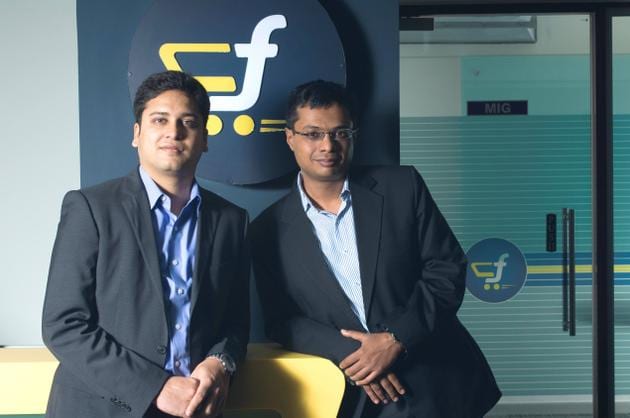
    India’s Flipkart is planning to enter the brick-and-mortar space as a master franchisee for foreign brands. This follows other e-commerce companies opening on-ground ventures as the online market slows down.

    Flipkart is already in advanced talks with Giordano for a licensing deal to sell the Hong Kong­ apparel and accessory retailer’s products both offline and online in India. The plan is to set up a chain of Giordano­-branded stores along with a digital platform, says an insider.

    Flipkart will appoint sub-­franchisees with brick-­and-­mortar expertise to run the physical stores.

    Meanwhile, pure-play companies such as Faballey, Lenskart, Myntra, Nykaa, Pepperfry and Urban Ladder have already set up physical stores.

    Fashion retailer Myntra this year acquired the Indian franchisee agreement for Spain’s Mango and is appointing two sub-­franchisees for the label – Jaipur-­based Samarth, which runs more than 100 outlets of Benetton, Calvin Klein, Lee, Puma, Tommy Hilfiger, US Polo and Wrangler, and New Delhi­-based G&B which has 25 Benetton stores in the National Capital Region.

    Myntra is also selling its own brands. It opened its first brick-and-­mortar store in Bengaluru in March under its private brand Roadster on the 100 Feet Road.

    Beauty retailer Nykaa.com is also expanding on the ground. Its head of offline retail strategy, Adwaita Nayar, says touch and feel is important for customers in India. “Almost 90 per cent of the market for beauty products is still offline.”

    Nykaa.com intends to have large-format experiential stores as well as smaller outlets. Its aim is to have 30 stores at malls and high streets as well as travel retail by 2020.

  • Axiata, iflix sign non-binding MoU

    Axiata, iflix sign non-binding MoU

    Axiata Group and iflix, a subscription video on demand service provider, have inked a non-binding Memorandum of Understanding (MoU) relating to the expansion of their strategic collaboration to provide entertainment to Axiata’s more than 125 million customers in six countries.

    In a statement, Axiata said from two existing successful partnerships with Celcom in Malaysia and Dialog in Sri Lanka, the regional collaboration is intended to extend to Axiata’s customers at XL in Indonesia, Smart in Cambodia, Robi in Bangaldesh and Ncell in Nepal.

    “Axiata has always demonstrated a strong focus on customer experience and innovation, as we strengthen our position in new sources of value, specifically in digital entertainment products and digital content distribution platforms across the region.

    “The expansion of our collaboration with iflix is a testament to that commitment. We are thrilled to make iflix’s world-class service and content available to over 125 million customers in Malaysia, Indonesia, Bangladesh, Cambodia, Nepal and Sri Lanka,” Axiata group chief strategy and marketing officer Dominic Arena said.

    Axiata said the collaboration would further strengthen the group’s leading regional telecommunications position.

    Meanwhile, iflix group chief executive officer Mark Britt said it was committed to provide all Axiata customers with unlimited access to the world’s best TV shows and movies through an exceptional user experience and unparalleled service, already enjoyed by Celcom and Dialog customers.

    “Together with Axiata’s highly innovative and award winning Mobile Internet Fulfilment Exchange application platform and music service Yonder, we look forward to working with Axiata to further redefine media and entertainment for Axiata’s customers in Malaysia, Sri Lanka, Indonesia, Cambodia, Bangladesh and Nepal, over the coming months,” he said.

  • Fashion group fails to block Mango Seed trademark

    Fashion group fails to block Mango Seed trademark

    Spanish fashion retailer Mango has failed to block Korean skincare brand The Face Shop from registering a trademark in Singapore for its Mango Seed range.

    Consolidated Artists, the trademark owner of Mango, objected to The Face Shop bid on the basis of its earlier trademarks for Mango and Mango Adorably, under which it produces goods such as soap, perfumes and cosmetics.

    However, the Intellectual Property Office of Singapore (IPOS) registrar has ruled that the trademarks look and sound different, and are “more dissimilar than similar in totality”.

    While the Mango trademark had “some level of distinctiveness” in terms of its font, it was nevertheless “not highly distinctive” as it could otherwise be considered descriptive of the products in that they could be mango-flavoured or scented.

    The registrar said the same considerations applied to the Mango Seed trademark of The Face Shop, as the retailer was legally defined in the application. The registrar noted the Korean brand’s trademark included the “particularly long word The Face Shop”, which was “allusive and can be regarded as distinctive of the relevant goods”.

    Regarding the likelihood of confusion, the registrar ruled there was no risk of misperception of co-branding or any likelihood of confusion in the sense of an economic link between the parties.

    While Mango had consistently used its trademark in a particular font, it could not be confused with the Mango Seed trademark, even though the word “seed” was related to the word “mango”.

    IPOS also said that cosmetics and self-care products were “highly personal” and consumers would be more particular about the origin or trademarks of such goods, and trust some brands more than others.

  • Carmaker Dacia recalls 2,032 cars to fix horn issue

    Carmaker Dacia recalls 2,032 cars to fix horn issue

    Romania’s agency for consumer protection (ANPC) Says carmaker Dacia, owned by French Renault is recalling 2,032 Duster SUVs in Romania to fix an issue with the horn’s electric wiring.

    Says Dacia has identified the possibility of incorrect sizing of the horn’s electrical wire system which could cause loss of function or smoke.

    Says issue fix would take about an hour per car.

  • New Zeeland among world’s technology elite

    New Zeeland among world’s technology elite

    New Zealand is among the world’s stand out digital economies, according to the Digital Evolution Index 2017 launched yesterday by The Fletcher School at Tufts University and Mastercard.

    The research tracks the progress countries have made in developing their digital economies and integrating connectivity into the lives of billions – and put New Zealand with a group of digital elites – characterised by high levels of digital development and a fast rate of digital evolution.

    “We all know technology can do more to improve economies and make our lives better, but growth is only achievable if everyone has confidence in the developing ecosystem,” said Ajay Bhalla, president, global enterprise risk & security, Mastercard. “In our pursuit of a truly connected world, trust and security are critical to successful digital development.”

    With nearly half of the world’s population online, the research examined the development of 60 countries, demonstrating their competitiveness and market potential for further digital economic growth. The Index measures four key drivers and 170 unique indicators to chart each country’s respective course:

    •         Supply (or internet access and infrastructure)
    •         Consumer demand for digital technologies
    •         Institutional environment (government policies/laws and resources)
    •         Innovation (investments into R&D and digital start-ups etc.)

    “Adoption, the quality of digital infrastructure and institutions, and innovation collectively shape a country’s digital competitiveness, but governments also play a key role,” said Bhaskar Chakravorti, senior associate dean of international business & finance at The Fletcher School at Tufts University. “The report also found that consumers’ trust in digital technologies correlates with digital competitiveness.”

    According to their overall digital evolution scores, Norway, Sweden, Switzerland, Denmark, Finland, Singapore, South Korea, the United Kingdom, Hong Kong, and the United States make the top ten list of advanced digital economies.

    The research found developed countries including in Western Europe, the Nordics, Australia and South Korea have a history of strong growth, but their momentum is slowing and are at risk of falling behind. Countries such as South Africa, Peru, Egypt, Greece and Pakistan face significant challenges, constrained both by low levels of digital advancement and a slow pace of growth.

  • Tencent Holdings targets Malaysia for local payments

    Tencent Holdings targets Malaysia for local payments

    Tencent Holdings has applied for a licence in Malaysia to offer local payment services via its WeChat Pay, in what would be a first for the platform beyond Mainland China and Hong Kong.

    If approved, users in Malaysia will be able to link their bank accounts to the service and pay for goods and services in ringgit.

    Tencent has chosen Malaysia as a test bed because of its large Chinese community, says WeChat Pay global director Grace Yin.

    The company has more than 600 million monthly users of its QQ Wallet and WeChat Pay, which is embedded in social-media app WeChat, which has 938 million active users. Rival Alipay says it has more than 450 million active users.

    WeChat Pay and Alipay dominate China’s mobile banking market, which had RMB18.8 trillion (US$2.76 trillion) worth of transactions in the first three months of this year, according to consultancy Analysys.

    Silicon Valley startup Stripe this week said it has partnered with the two companies to allow its merchants worldwide to accept payments from Chinese consumers.

    WeChat Pay can be used at more than 130,000 shops in 13 foreign markets, including Japan, and supports 10 currencies. Yin says to expand overseas, WeChat Pay needs extra layers of regulatory approval, as well as having to explain the system to local businesses.

    Mandarin advertisements

    Meanwhile, seeing Thailand as central to its expansion across Southeast Asia, Tencent is putting an early focus on advertising Thai brands to Chinese tourists in Mandarin.

    Tencent Thailand MD Krittee Manoleehagul says Thailand is the third market to offer service this after Hong Kong and Italy.

  • Colette Paris flagship to close

    Colette Paris flagship to close

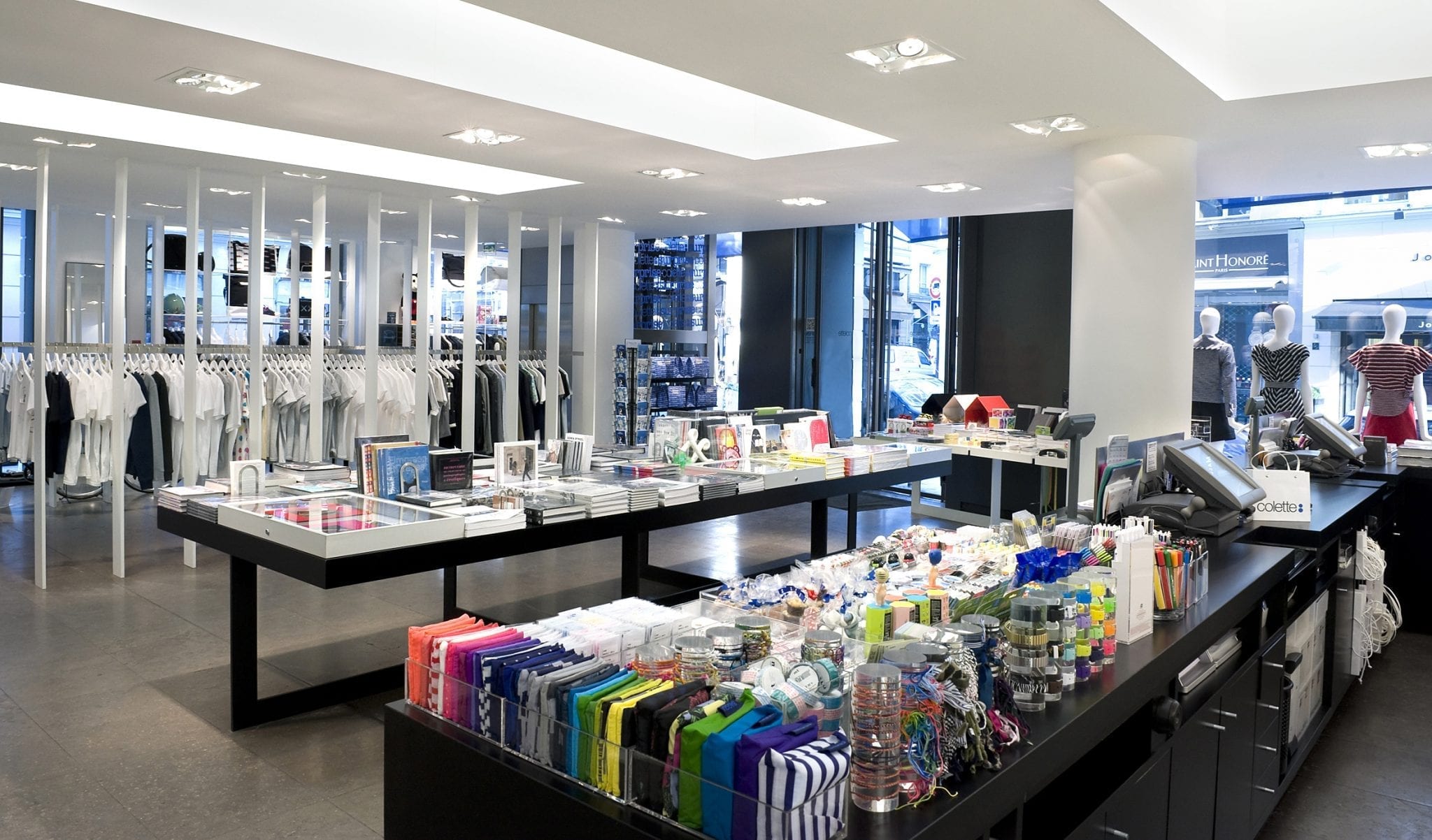
    The iconic Colette Paris flagship store is to close on the 20th anniversary of its opening. The news came as a shock as the retail brand has continued to flourish in the internet era, and continues to work with brands on collections – the most recent with Swedish fast-fashion brand H&M announced this week.

    “As all good things must come to an end, after 20 wonderful years, Colette will be closing its doors on December 20th of this year,” the company said in an Instagram post.

    “Until our last day, nothing will change. Colette will continue to renew itself each week with exclusive collaborations and offerings, also available on our website colette.fr We thank you for your support and see you soon at Colette – until December 20,” the post concluded.

    The reason for the closure is that founder Colette Roussaux has decided to step back from an active retail management role, and “Colette cannot exist without Colette”.

    The 8000 sqft, three-storey store in trendy Rue Saint Honoré, is likely to be taken over by Saint Laurent.

    “We would be proud to have a brand with such history, with whom we have frequently collaborated, taking over our address.” Employees may transfer to the luxury fashion brand.

    Roussaux has largely left the day-to-day running of the store to her daughter Sarah Andelman during the past few years.

    The Business of Fashion said the store’s success was down to its “discerning fashion edits and quirky mix of lifestyle products that have turned the store into one of Paris’ premiere fashion pit-stops”.

    Among its fans is fashion designer Karl Lagerfeld who once declared it was the only store he ever shopped at “because they have things no one else has”.

    “I buy watches, telephones, jewellery there – everything really! They have invented a formula that you can’t copy easily, because there is only one Colette and her and Sarah are 200 per cent involved.”

  • Supply of Bangkok retail space keeps growing

    Supply of Bangkok retail space keeps growing

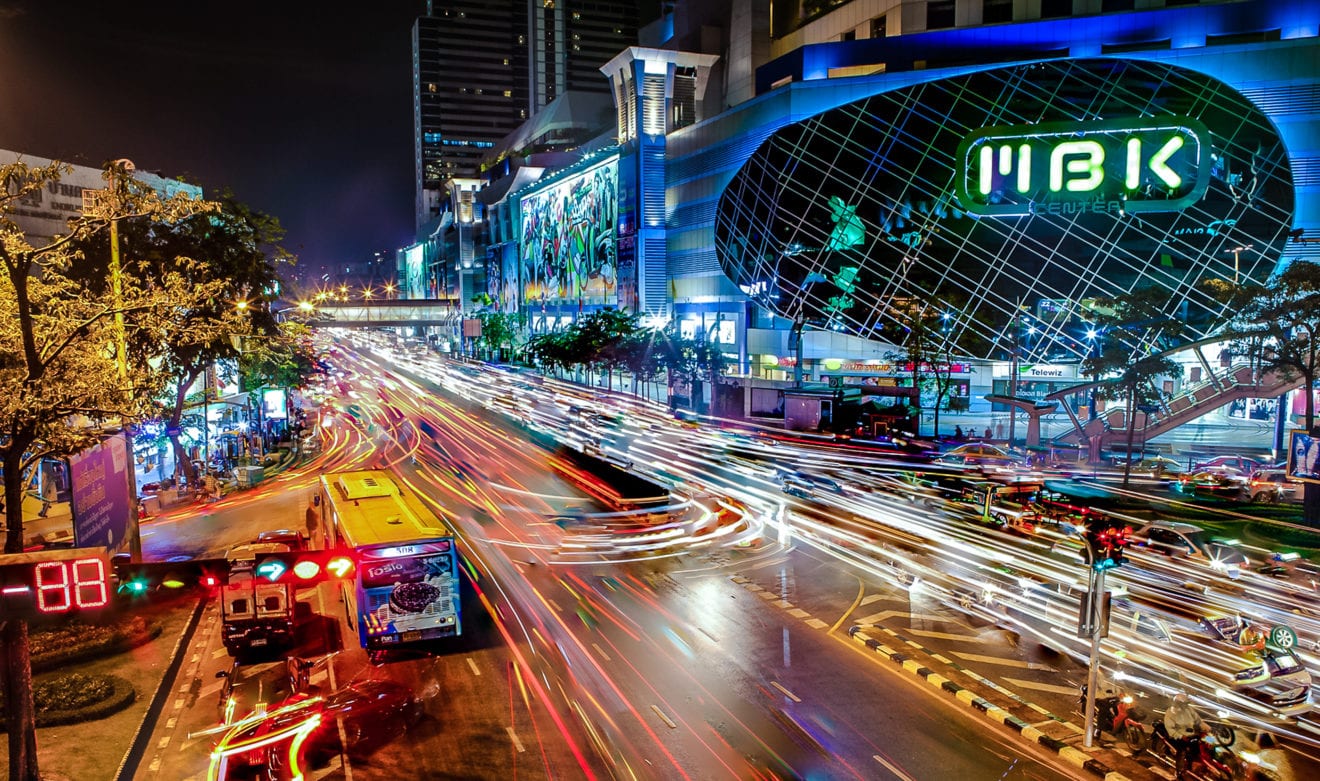
    Despite the challenges of low consumer purchasing power and the growth of online shopping, the supply of Bangkok retail space is continuing to grow.

    Colliers International Research expects about 300,000 sqm of new retail space to enter the Thai market this year.

    “Shopping malls have multiplied in numbers over the past few years, currently occupying the highest share in retail supply,” says Colliers International associate director Surachat Kongcheep.

    Around 114,350 sqm of new retail space opened in the first half of this year, pushing the total retail area in Bangkok to more than 7.6 million sqm. The new space mostly involves malls and office buildings in outer Bangkok, which comprises more than 60 per cent of total retail supply.

    Although Thailand’s economy has not fully recovered, many developers are still launching retail projects as long-term investments.

    Show DC shopping complex is the only large retail project to have opened so far this year.

    A source at IconSiam says the developer has postponed this year’s opening of the IconSiam Project, a 750,000 sqm retail space by the Chao Phraya River. Luxury Japanese department store Takashimaya is one of the project’s main anchors.

    Surachat says the growth of community malls, which boomed in Bangkok’s retail sector three years ago, started to slow down last year because of the developers’ lack of expertise in the retail business.

    As of the second quarter of this year, shopping malls in Bangkok and surrounding areas covered 4.4 million sqm, or 58 per cent of the capital’s total retail supply, which is about 7.6 million sqm.

    Even more malls

    Colliers’ research shows the major players in the retail sector will continue to increase the number of shopping malls in Thailand, especially in major cities, while other retailers will focus on expanding their portfolios internationally.

    Despite weak spending power, most hypermarkets, speciality stores and large shopping malls in Bangkok’s suburban areas are at 100 per cent occupancy level, says Surachat. Occupancy rates in all retail categories in the second quarter were nearly the same as those in the previous quarter, at rates above 96 per cent. Most of these areas are occupied by hypermarkets and surrounded by speciality stores and entertainment complexes.

    Meanwhile, shopping malls also show high occupancy rates as they are popular for local and international brands.
    “Bangkok’s total retail area has quickly risen within the past quarter through the addition of many new office buildings,” says Surachat. Office buildings have added retail space for tour and travel services, convenience stores and dessert cafes.

    Average rental rates of all locations in Bangkok in the first half of the year have risen by 5 to 10 per cent. Large shopping malls have the highest rents, says Colliers.

    Rental space in Bangkok’s city area can add up to more than THB3000 (US$88) a sqm per month, especially in central malls with direct access to BTS stations. Meanwhile, monthly rents in community malls beyond the main roads start at around THB800 a sqm.

    Despite the increasing average rental rate, Bangkok’s suburban community malls are not likely to raise their rents in the next two quarters because of their decreasing popularity, says Colliers.

  • Shake Shack to open Hong Kong location

    Shake Shack to open Hong Kong location

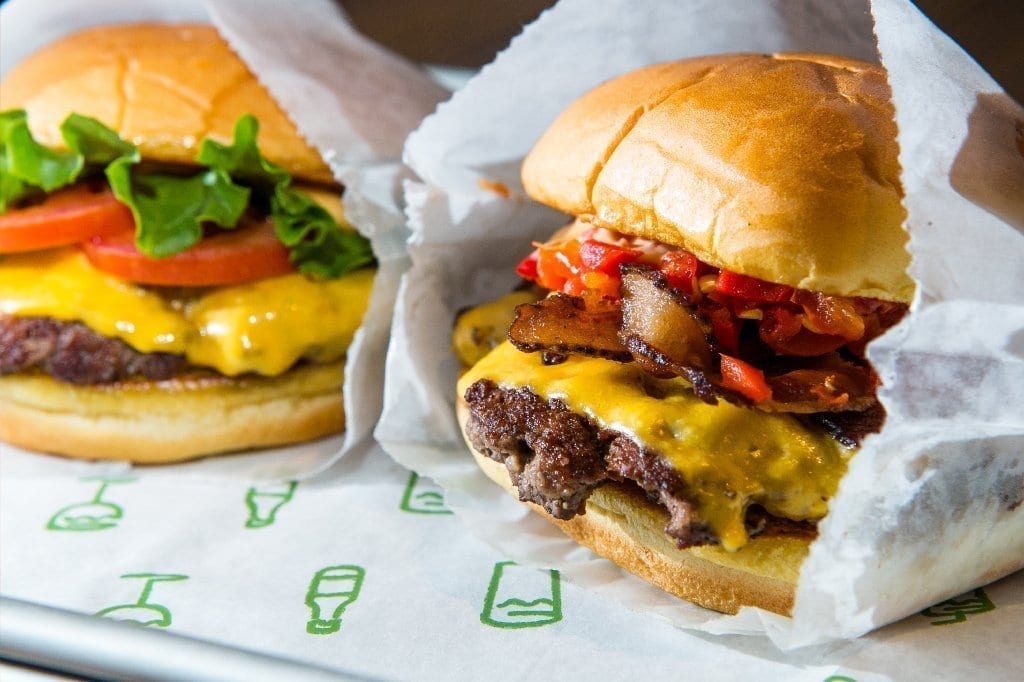
    Shake Shack, the burger-and-fries chain founded in New York, will open its first location in Hong Kong next year, setting the stage for a push into the fast-food hotbed of mainland China.

    The restaurant will be opened with licensee Maxim’s Caterers Ltd. and a total of 14 locations are planned in Hong Kong and Macau through 2027, Shake Shack said Wednesday.

    The chain’s upscale burgers and fries will appeal to the population there, and the restaurants will provide a base for eventually going into China, according to Chief Executive Officer Randy Garutti.

    “You’re seeing changing preferences for what was traditional fast food,” he said in an interview. “There’s a continued thirst for great brands and a premium level of food at an approachable price.”

    While about 90 percent to 95 percent of the menu will be the same as in the U.S., there may be more chicken items, said Garutti, who sees opportunities in mainland China, where Maxim’s operates other dining brands including Cheesecake Factory Inc.

    Shake Shack may look to grow overseas as the U.S. market becomes increasingly saturated with restaurants offering fast-food burgers. The company’s same-store sales fell 2.5 percent in the latest quarter, missing analysts’ projections, as cold weather hurt some locations.

    A recent report also found that the chain is suffering from a lack of customer loyalty in the U.S. despite its more upscale image.

    Shares of the company have declined 3 percent this year through Tuesday’s close, while the Standard & Poor’s 500 Restaurants Index has jumped 17 percent.

    China Challenges

    Expanding into China comes with challenges as other fast-food companies have faced supply-chain scandals and anti-Western sentiment there. Last year, Yum! Brands Inc. spun off its China unit to focus on turning around its U.S. business. The owner of KFC and Pizza Hut had struggled to boost sales in China as local competitors offer discounted prices and gain market share.

    Shake Shack already has some locations in Asian countries, including Japan and South Korea, among its 135 restaurants. Still, Garutti said the U.S. is its main avenue for growth.

    Domestic sales will be the “lion’s share” of the business going forward, he said. “We have massive growth ahead here in the states.”