Author: Mei Ling Tan

  • Singapore ready to exchange financial data with Indonesia

    Singapore ready to exchange financial data with Indonesia

    Indonesias finance minister Sri Mulyani said here on Thursday that Singapore was ready to provide information about the financial data of Indonesian citizens as part of the implementation of Automatic Exchange of Information (AEOI) program for tax purposes.

    “Singapore has stated that Indonesia has been considered as being eligible and included in their Multilateral Competent Authority Agreement (MCAA), meaning the AEOI agreement can automatically be carried out according to its timeline,” she said.

    Mulyani confirmed that Singapore would not only exchange information with Indonesia but also with other countries that have signed MCAA in connection with AEOI in the Netherlands in June 2017.

    In order to prepare for the information exchange, Indonesia will conduct improvement with regard to primary legislation issuance, information technology, data security, and business process renewal to match with the Common Reporting Standard.

    “We will continue to meet it and later in September, the OECD will review its aspects. If Indonesia is considered to have met the requirements set in the OECD global forum, it means we have met the requirements to implement AEOI with Singapore,” she asserted.

    On the sidelines of the Indonesia-IMF joint conference on Wednesday, Sri Mulyani met Singapores minister of law and finance, Indranee Rajah, to discuss a number of issues.

    Besides the implementation of AEOI, they also discussed revision of double taxation agreement for Singapore investors and Singapores offer as an international banking hub for Indonesias infrastructure projects.

    According to the Indonesian ministry of finances website, Singapore has confirmed its readiness to carry out AEOI with Indonesia to maintain equality in role and function and share responsibility along with other financial centers.

    Singapore has included Indonesia in the list of its partners that have participated in MCAA.

    The commitment is a form of agreement to provide standardization and efficiency scheme to facilitate for AEOI. Hence, bilateral agreement need not always be done.

    The reciprocal exchange of information will be started after the two jurisdictions introduce the regulations needed to implement CRS and to keep confidentiality and protect exchanged data.

    Confidentiality and protection of financial data being exchanged are international prerequisites set by Global Forum on Transparency and Exchange of Information for tax purposes.
  • Singapore retail sales up 0.9% in May

    Singapore retail sales up 0.9% in May

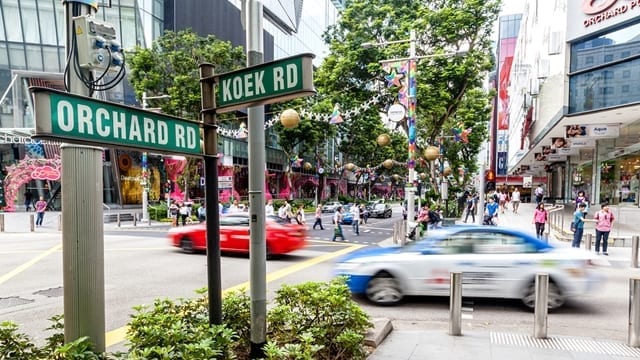
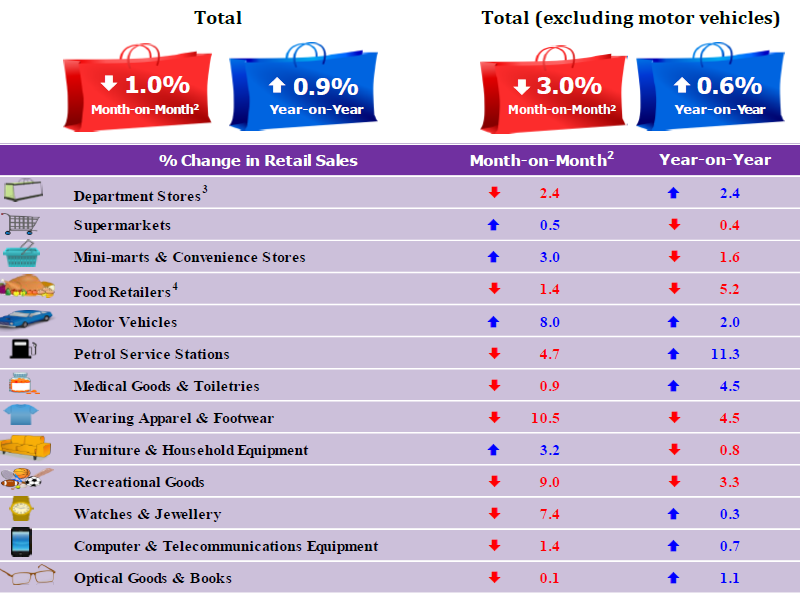
    A surge in takings at petrol pump stations lifted Singapore‘s retail sales in May, though a broad fall in sales by food retailers and other consumer goods sellers has left shops and restaurants here worried.

    Total retail turnover in May was S$3.7 billion, up 0.9 per cent from May last year, according to Department of Statistics data out on Wednesday (July 12).

    This was due mainly to a 11.3 per cent jump in sales at petrol service stations, a 4.5 per cent rise in sales of medical goods and toiletries, as a well as a 2 per cent rise in motor vehicle sales.

    Singapore Retail sales - Retail in Asia

    Excluding motor vehicles, retail sales rose 0.6 per cent from May last year.

    On a month-on-month, seasonally adjusted basis, retail sales dropped 1 per cent in May over the previous month. Excluding motor vehicles, takings were down by a bigger margin of 3 per cent.

  • Australia’s Vocus gets two takeover bids

    Australia’s Vocus gets two takeover bids

    Australian fiber network operator Vocus Communications has revealed it has secured two competing non-binding takeover bids valuing the company at A$2.2 billion ($1.69 billion).

    Affinity Equity Partners has submitted a preliminary offer to acquire 100% of Vocus for A$3.50 in cash per share, subject to due diligence and other conditions. Vocus announced.

    The bid comes days after fellow private equity company KKR submitted a preliminary offer at the same A$3.50 per share price.

    Both private equity companies have been granted the chance to conduct due diligence on the potential takeover. The prospect of a bidding war has pushed Vocus shares on the Australian stock exchange up to A$3.595 as of around midday local time on Thursday.

    The price tag represents around a 16% premium on Vocus’ projected earnings for the current financial year, but the offer price may increase as negotiations progress.

    Vocus operates a range of telecoms brands serving enterprises, small businesses, government and residential customers, including Commander, iPrimus and Dodo.

    The value of the company has shrunk significantly lately due to concerns its profitability will be substantially reduced as customers migrate to the state-led national broadband network (NBN). A year ago the company has a valuation of around $5.5 billion.

  • Singapore Airlines adds more flights on Dhaka-Singapore route

    Singapore Airlines adds more flights on Dhaka-Singapore route

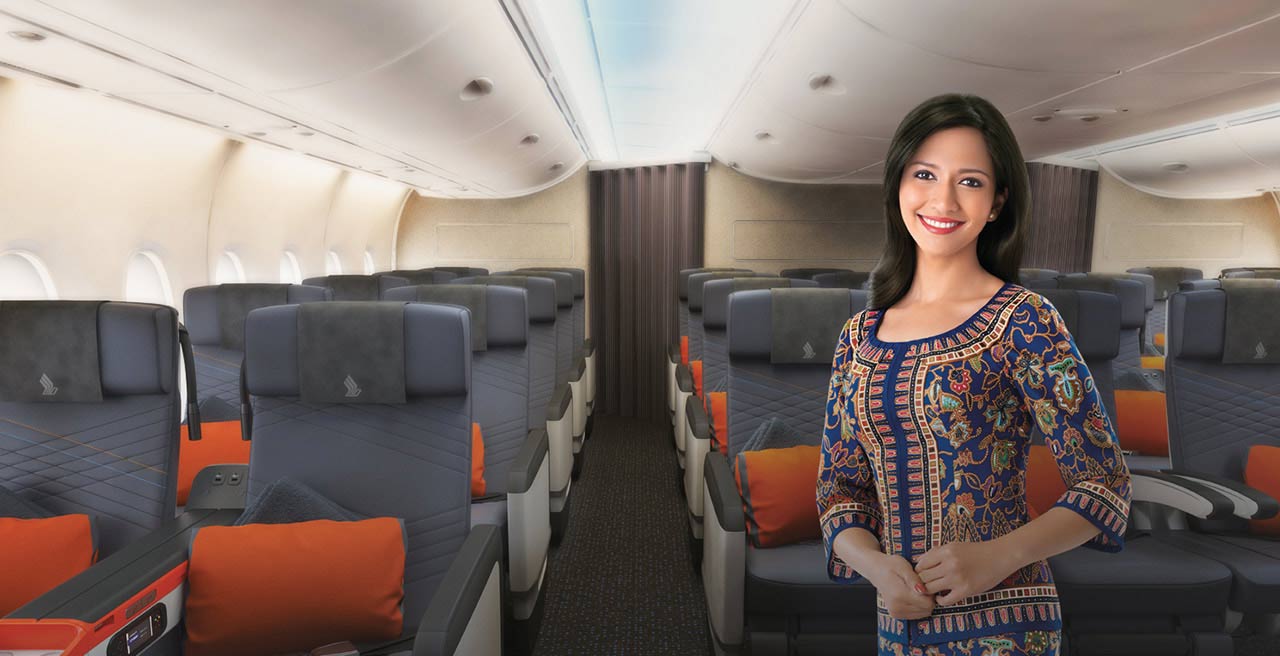
    Singapore Airlines has increased the number of its weekly flights on the Dhaka-Singapore route from seven to 10.

    The new flights will be operated on Sundays, Wednesdays and Thursdays from July 19 with an Airbus A330 aircraft, the airline said in a statement.

    “With 10 flights a week, it will be more convenient than ever to re-visit the places you love and explore the 135 destinations in our group network,” said TM Wang, general manager for Bangladesh at Singapore Airlines. The additional frequencies will also give a boost to the air cargo capacity out of Hazrat Shahjalal International Airport, Wang said.

  • KFC offering finger-clickin’ goodies

    KFC offering finger-clickin’ goodies

    Kentucky Fried Chicken has launched an online merchandise shop, KFC Ltd, which features the fast-food company’s first collection of “quality fried-chicken apparel” and limited-edition items.

    Starting from US$8, the debut collection includes t-shirts, enamel pins and framed artwork inspired by KFC and Colonel Sanders. The items are produced in limited-edition quantities.

    Here’s what KFC has to say about its collectibles…

    “Need to keep it classy for the office? Fried-chicken socks will add a pop of drumstick to any ensemble. If you’re looking for a matching tie, you can’t go wrong with a classic Colonel Sanders string bowtie.

    “The ‘Finger-Lickin’ Good’ gold-plated necklace will let you proudly proclaim your embrace of the fried-chicken lifestyle.

    “The Colonel Sanders pillowcase will let the dreamers in your life fall asleep each night next to the man who turned his dream of building a fried-chicken empire into a reality.

    And to go right off the planet, the online store offers a 400-year-old meteorite. Retailing for $20,000, the one-of-a-kind space rock has been shaped to resemble a Zinger chicken sandwich.

    KFC US director of media and digital Steve Kelly says the company plans to partner with apparel and lifestyle brands to create exclusive one-of-a-kind collaborations.

    Based in Louisville, Kentucky, the KFC Corporation has more than 20,500 outlets in more than 125 countries and territories. It is a subsidiary of Yum! Brands.

  • China helps power Burberry quarterly sales up 5 per cent

    China helps power Burberry quarterly sales up 5 per cent

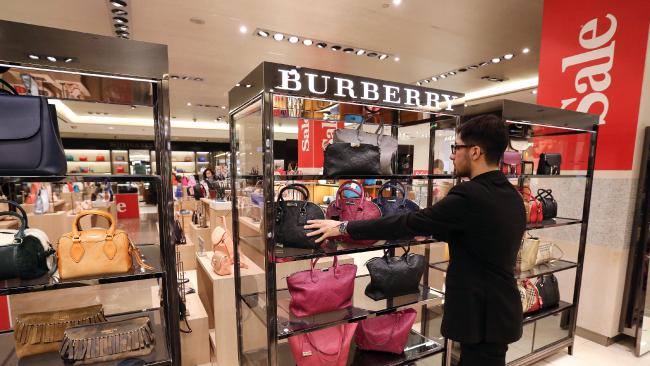
    Burberry quarterly sales have jumped by a solid 5 per cent, largely buoyed by a doubling of turnover in China.

    Greater China is a key market for Burberry, accounting for almost a quarter of total sales.

    A social media campaign – including activity by Beijing blogger ‘Mr Bags’ – helped boost brand awareness and sales through the WeChat channel.

    Globally, retail revenue rose 3 per cent to £478 million (US$613 million) and like-for-like store sales rose 4 per cent during the three months to June 30.

    The figures impressed analysts, outperforming expectations and providing a welcome background to incoming CEO Marco Gobbetti’s first investor presentation today.

    However, Bloomberg columnist Andrea Felsted urged caution, writing that Gobbetti “still has the task of reigniting interest in the tired brand”.

  • Vietnam’s coffee export plunge could raise global supply concerns

    Vietnam’s coffee export plunge could raise global supply concerns

    Lower outflow from Vietnam, coupled with falling exports from Brazil, could reduce the downward pressure on prices created by ample stocks in importing nations. Vietnam’s coffee exports fell last month by more than a fifth from the same period last year, extending a downward trend that started in March following a smaller harvest this season and a higher ratio of low-quality beans, government data showed.

    June shipments fell 22.7 percent from a year ago to 122,200 tons, or 2.04 million 60-kg bags, based on Vietnam Customs data released on Tuesday.

    Lower outflow from the Southeast Asian nation, coupled with falling exports from top producer Brazil, could reduce the downward pressure on prices created by ample stocks in importing nations, according to the International Coffee Organization (ICO).

    Vietnam’s coffee export volume in May fell to its lowest in six months after growers finished harvesting 26.7 million bags from the 2016/2017 season in January, down 7.7 percent from the previous crop, based on a U.S. Department of Agriculture (USDA) report published in June.

    The exportable volume of coffee left in Vietnam at the start of this month stood at 7.56 million bags, down nearly 30 percent from the same time in 2016, based on customs data and USDA figures for output, carryover stock and consumption.

    “Exporters in Vietnam, especially FDI firms, do not face any shortages,” a Vietnamese trader based in the Central Highlands province of Dak Lak said.

    Vietnam’s coffee outflow has been dropping since March because several major exporters have reduced loading due in part to thinner supply on the domestic market, while a larger proportion of bad-quality beans have also eaten into the volume of exportable beans, the dealer said.

    Unseasonal rain between October and December last year in Vietnam’s Central Highlands coffee belt not only delayed the harvest but also raised the ratio of black and broken beans, which are counted as defects in export terms.

    June’s shipments brought Vietnam’s total coffee exports in the three quarters ending June in the current 2016/2017 crop year to 1.21 million tons, or 20.17 million bags, down 8.6 percent from a year ago, based on data compiled by the customs department. Vietnam’s coffee season runs from October to September.

    In Brazil, coffee exports from January to May fell 8.2 percent on-year ago to 12.7 million bags, the Brazilian Coffee Exporters Council (Cecafe) said in a report.

    Cecafe estimated the export volume in June at 2.05 million bags, down more than 16 percent from the same month in 2016.

    “The reduced Brazilian export volume could be compensated by shipments from other origins,” the ICO said, citing higher supplies from Colombia, Ethiopia, Honduras, Indonesia, Peru and Uganda.

    While the global coffee market remained well supplied last month, a residual risk of frost in Brazil may affect the outlook for the next crop and “possible outbreaks of coffee leaf rust in countries such as Honduras may raise supply concerns in the market”, the ICO said.

    September arabica coffee contract settled up 0.7 cent at $1.276 per lb on Wednesday, and September robusta also ended up $25, or 1.21 percent, at $2,097 per ton, as chart signals strengthened after four sessions of losses, Reuters reported.

    It said dealers were closely watching the July contract amid expectations of tightening supplies over the next few months.

    Robusta bean prices in Vietnam trailed the rise, advancing to VND44,900-45,100 ($1.98-$1.99) per kg on Thursday in Dak Lak, the country’s biggest growing province, from VND44,400-44,600 the previous day.

    Vietnamese robusta grade 2, 5 percent black and broken from the last harvest was being quoted at discounts of $40-$50 a ton to November robusta futures contract, while beans of the same grade from the next harvest due to begin in October were also offered at similar discounts to the January contract.

    On June 22, exporters switched their quotations to discounts of $10-$20 a ton to London’s futures, the first discounts offered since late April.

  • Consoveyo Singapore enters two key Asian markets

    Consoveyo Singapore enters two key Asian markets

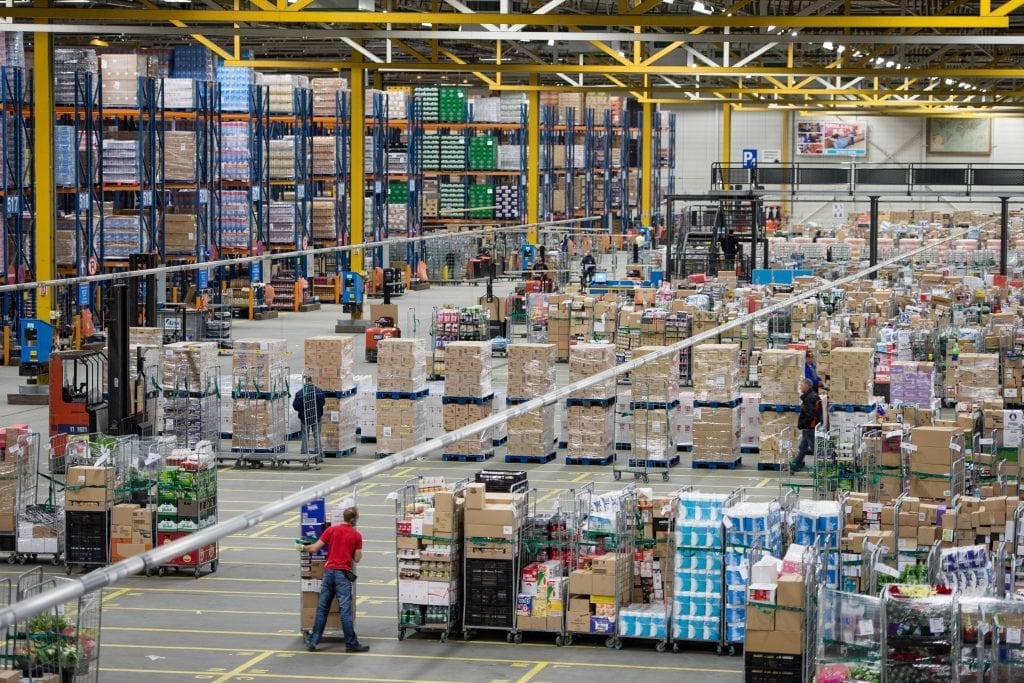
    Consoveyo Singapore, part of Körber Logistics Systems, is proud to announce new projects with Zuellig Pharma Vietnam Ltd (Zuellig Pharma) in Vietnam and Thai Tobacco Monopoly (TTM) in Thailand. For both projects, Consoveyo will provide automated logistical technologies in a total of three new warehouse installations. These solutions include Consoveyo’s Automatic Storage and Retrieval System (ASRS), Conveyors, Rail Guided Vehicles and Lifter Systems including Radio-Frequency Identification (RFID). A Warehouse Management System (WMS) will also be implemented by Inconso, a company under the Körber Logistics System.

    Poul Lorentzen, general manager at Consoveyo Singapore, shared, “Both projects are significant additions to Consoveyo’s growing list of references in Asia. Vietnam and Thailand are important markets for Consoveyo, and we are proud that Consoveyo is becoming increasingly recognized by leading companies in both countries. These two projects also showcase Consoveyo’s capabilities in tailoring our first-in-class automated warehousing solutions, and demonstrate our abilities to support various industries and different clients.”

    Zuellig Pharma

    Marking Consoveyo’s first foray into Vietnam, the project with Zuellig Pharma saw Consoveyo providing an efficient transport system within the client’s new warehouse in Ho Chi Minh City. To increase warehouse efficiency, Zuellig Pharma had to ensure that its pharmaceutical products can move between floors effortlessly.

    Proposing a modified conveyor and lifter solution for Zuellig Pharma, Consoveyo provided two units of pallet lifters with safety interlocks and buffer conveyors for pallet input and output. Consoveyo also ensured that its solution could interface directly with supplemented pallet jacks or forklifts. In addition to supplying and installing its conveying solutions, Consoveyo provided Zuellig Pharma’s warehouse operators with training, allowing them to achieve higher levels of warehouse productivity.

    A spokesperson at Zuellig Pharma shared, “This warehouse plays a crucial part in our overall Reach and Access corporate strategy to focus on making healthcare more accessible to all Vietnamese. With Consoveyo’s comprehensive solution and support, we are now one step closer to our goal.”

  • Mecca Maxima to launch in Auckland

    Mecca Maxima to launch in Auckland

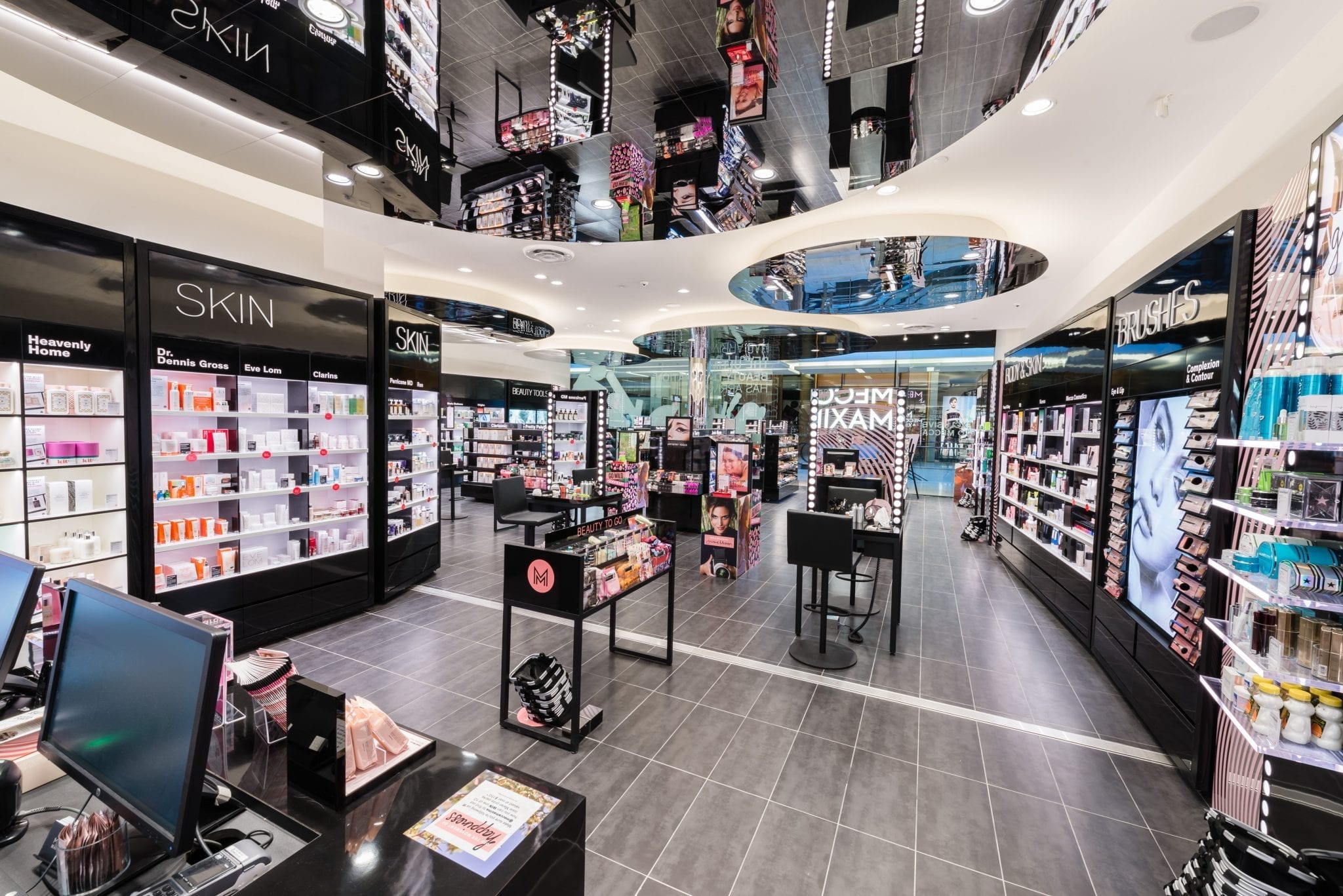
    Cosmetics brand, Mecca Maxima, will open its first Auckland store in the first week of August.

    The 263sqm beauty emporium will stock over 50 global brands in makeup, skin, hair and fragrance categories. It will have 12 stations for makeup applications and skin consultations.

    After first launching in Christchurch then Wellington, the Auckland store will be the first of many to open in the region.

    “New Zealand, you have embraced us with open arms,” said Jo Horgan, Mecca founder. “I have been nothing but humbled by your response to Mecca Maxima and I am very much looking forward to opening more of our stores in this beautiful part of the world and delivering more of our inimitable beauty experiences to you.”

    Mecca Maxima Auckland is the sixth in New Zealand’s Mecca store network of Cosmetica and Maxima beauty destinations, with the company planning on significantly expanding its footprint over the coming years.

  • Dachser Thailand expands Bangkok branch

    Dachser Thailand expands Bangkok branch

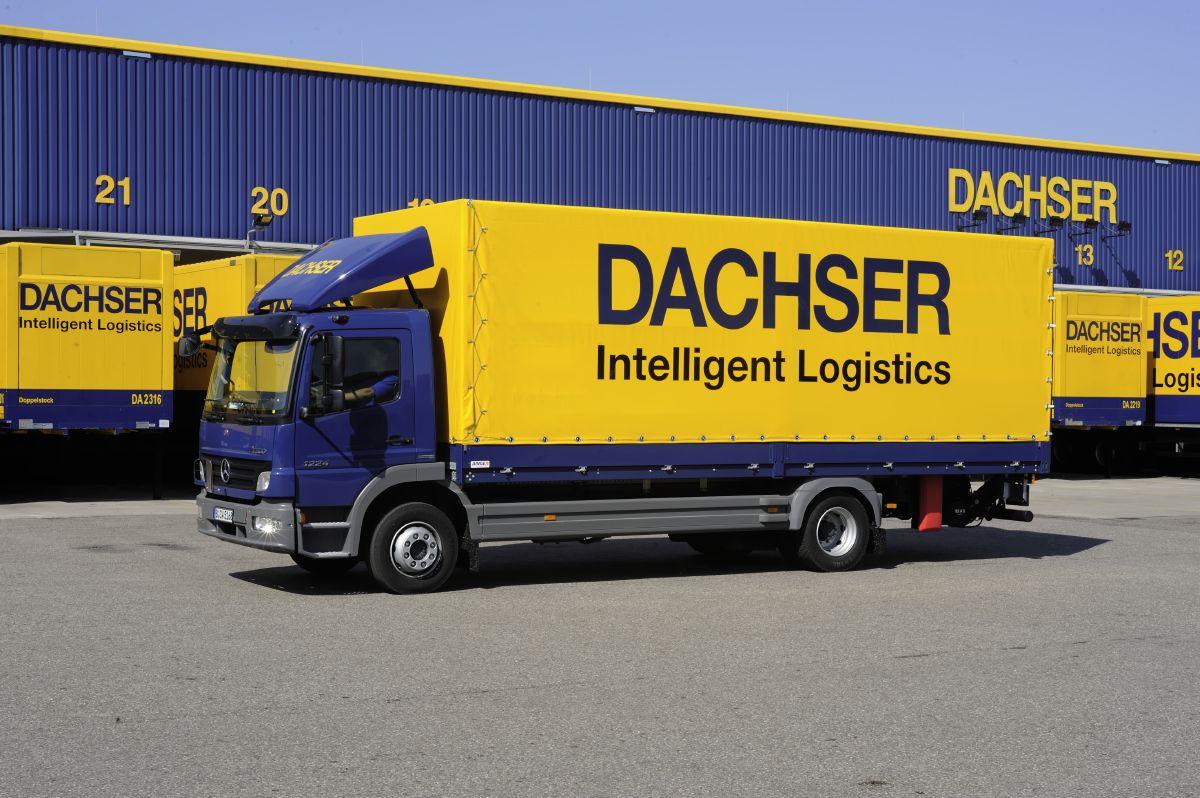
    The Dachser Bangkok branch has moved into a spacious new facility in the conveniently located Huaykwang district. The large open space gives plenty of room for the growing team and business volume.

    “Relocation to the new premises reflects our continuous development in Thailand,” said Christophe Vincent, managing director Air & Sea Logistics Thailand. “Last year, we celebrated the opening of our Bangkok airport office and the relocation of our Laem Chabang branch. It was now time to move our Bangkok branch into bigger premises to consolidate our back-office, sales and operations and to accommodate the expanding team.”

  • Japanese investor to build cocoa factory in Gorontalo

    Japanese investor to build cocoa factory in Gorontalo

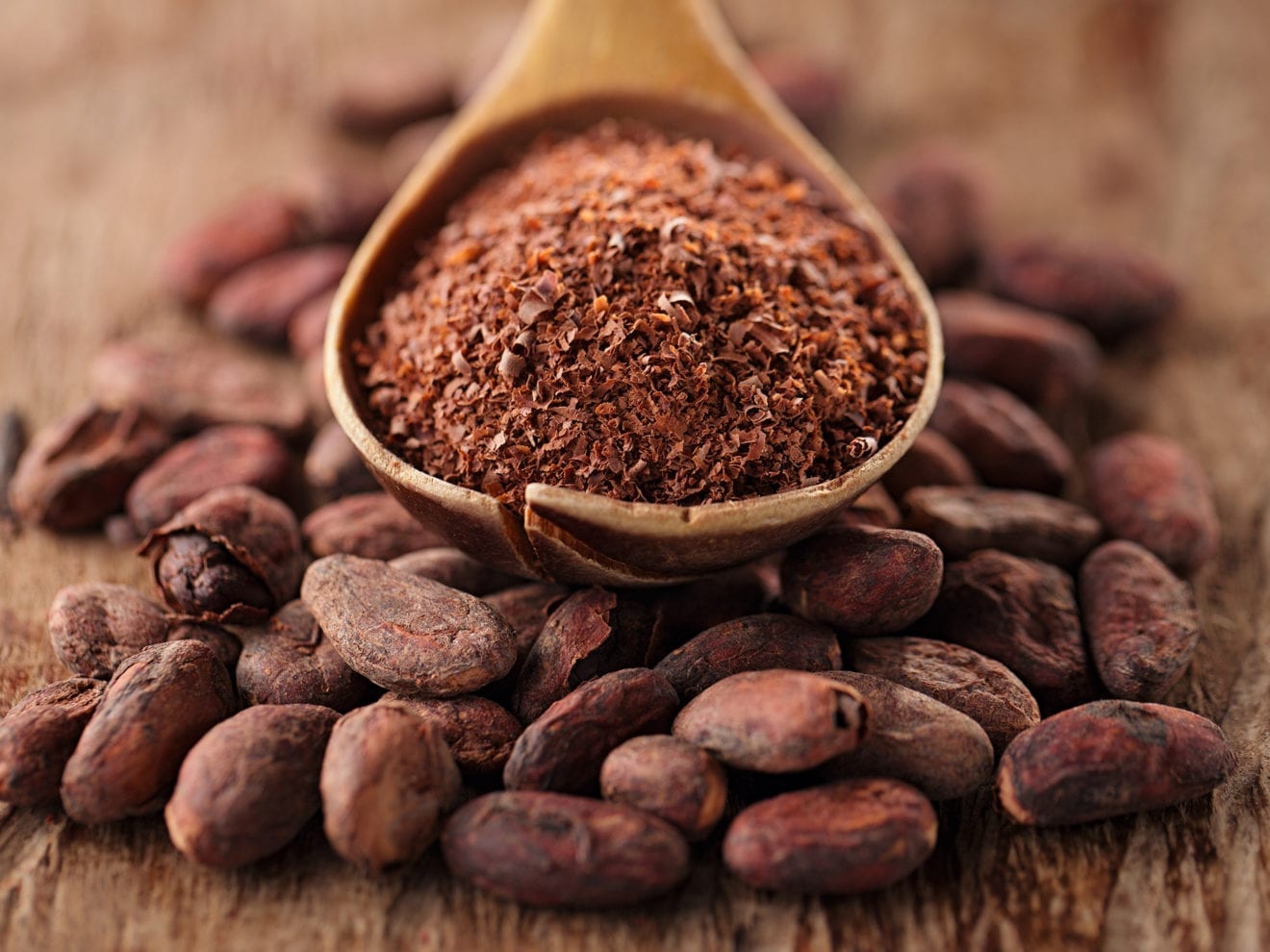
    Japanese investor Tokyo Food and Kanimatsu Corporation is keen to build a cocoa processing factory in Boalemo District, Gorontalo Province, Vice Governor of Gorontalo Idris Rahim stated.

    The Gorontalo provincial administration welcomes and supports the Japanese investors plans to process cocoa crops in the area, although the factory will be on a small scale, Rahim remarked here on Thursday.

    “The supply of cocoa beans will not come solely from Boalemo District but also from several districts in Gorontalo, such as Pohuwato, Bone Bolango, and Gorontalo,” he revealed.

    Cocoa beans will also be sourced from South Bolaang Mongondow and East Bolaang Mongondow, North Sulawesi Province, and Central Sulawesi, he added.

    He expressed hope that the factory would continue to develop in line with the increase in cocoa production in Gorontalo.

    “We hope the factory built by the Japanese investor would improve economic growth and prosperity of the locals,” the vice governor said.

  • New Zealand’s Trilogy sets up T-Mall flagship

    New Zealand’s Trilogy sets up T-Mall flagship

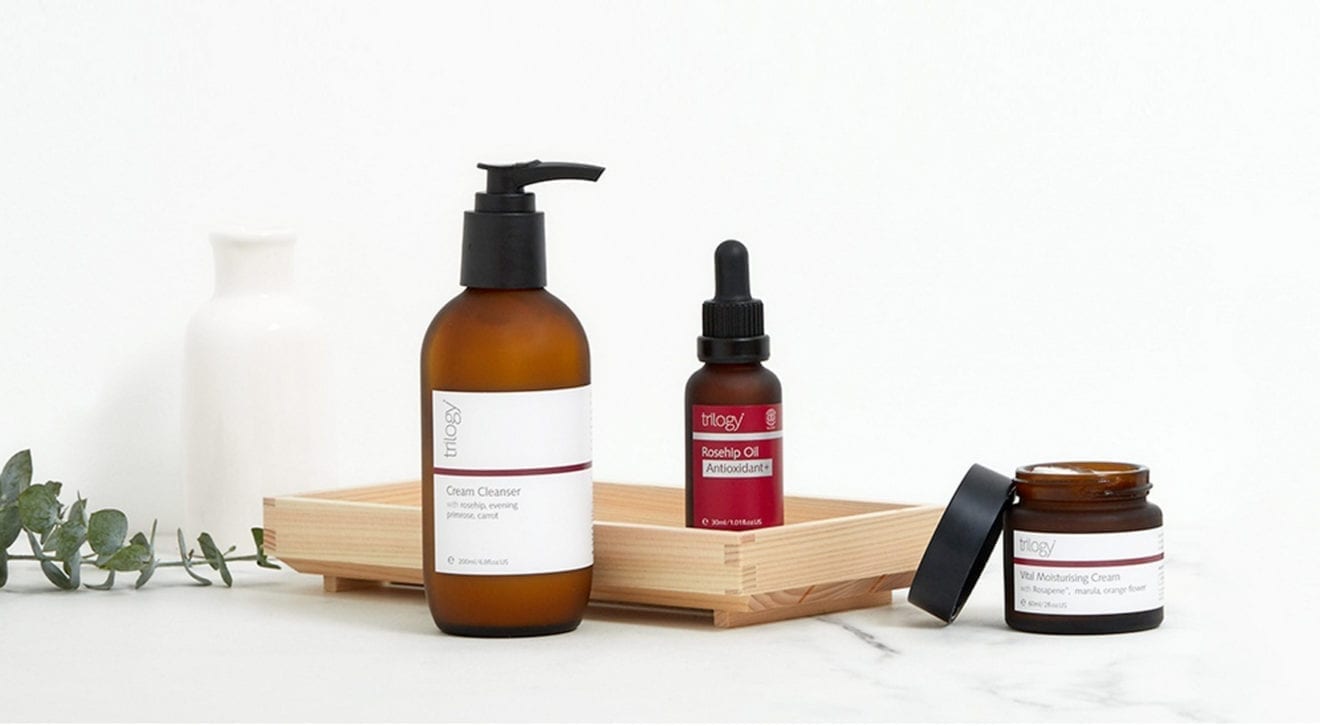
    New Zealand skincare company Trilogy has set up a cross-border e-commerce flagship store on Alibaba’s T-Mall platform.

    Trilogy has been exporting to eight countries across Asia, raking in NZ$4 million (US$2.9 million) in sales last year, almost double from the previous year’s $2.8 million.

    CEO Angela Buglass says the online store was set up after the company found a distributor in China.
    Buglass says the T-Mall store is a more formal route to market than the daigou channel, where products are shipped through Chinese personal shoppers recruited by consumers in China to buy and send goods individually.

    T-Mall’s platform means the business has control over the content, price and products being sold. Alibaba this year opened its Australia/New Zealand head office in Melbourne, and Trilogy’s T-mall manager is based there.

    While China is Trilogy’s oldest market in the region, Japan continues to be a strong focus, says Buglass. The Japanese beauty market was worth $84 billion last year, and it has been estimated that while Chinese consumers spend about $30 average a year on cosmetics, Japanese consumers spend about $234.

    Trilogy has also created bespoke products for its Japanese and South Korean customers that better suit humid climates, such as lighter formulations of its rosehip oil and face sprays.

    “You try to keep things as homogenised as possible, but the reality is that Japan needs something different to Korea and Vietnam,” says Buglass.

    She says Asian consumers are very suspicious of products because of counterfeit or fraudulency issues, but New Zealand’s reputation “puts us a step ahead”.

  • Parkson China closing stores as sales slump

    Parkson China closing stores as sales slump

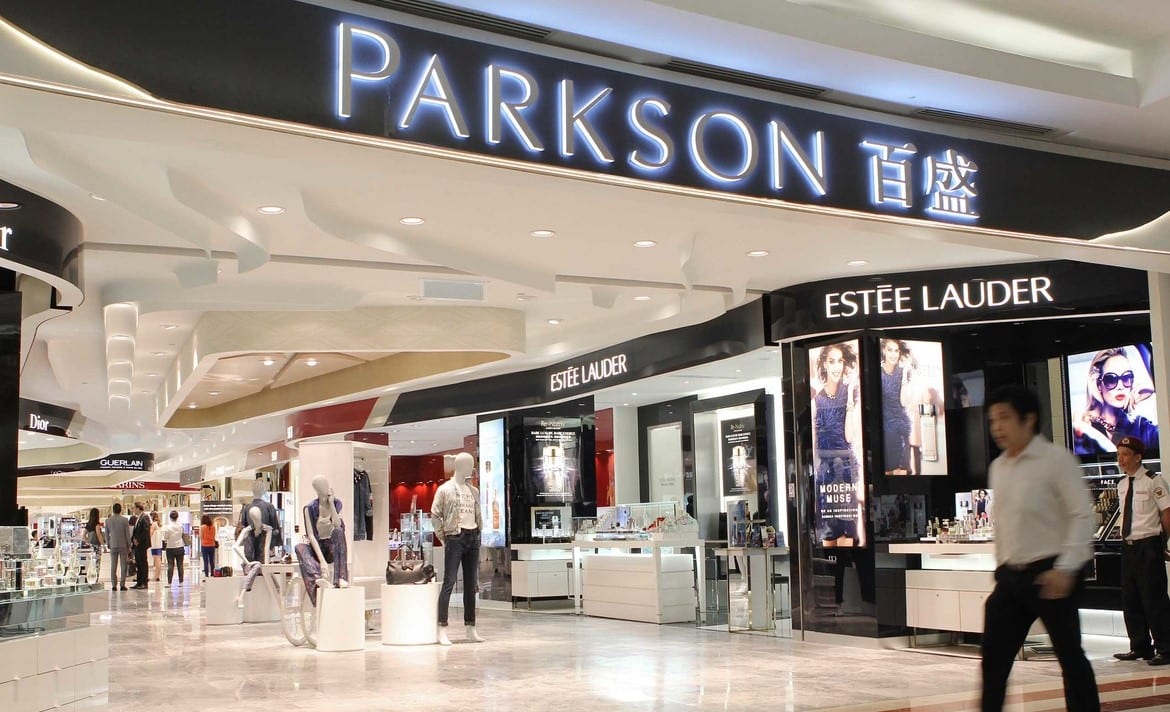
    Parkson China’s first department store, which opened on Beijing’s Fuxingmen Rd in 1994, is the brand’s last remaining outlet in the capital as slumping sales force it to close outlets across the country.

    Parkson closed its Longhu Beijing Changying Street department store and similar outlets in the cities of Hefei and Zhengzhou at the end of May, according to a Chinese news agency.

    A pioneer foreign investor in China’s retail scene, Malaysia-based Parkson now has 46 department stores across China, down from 60 in 2015.

    Its total sales in China have dropped 8.3 per cent year-on-year from 2013 to last year to RMB14.3 billion (US$2.1 billion), according to the latest annual report of the brand’s Hong Kong-listed business. This reflects an industry-wide trend – a survey of 85 department stores found that 55.3 per cent had lower sales last year, with 15 companies experiencing a drop of more than 10 per cent.

    Parkson joins such domestic chains as Hualian Department Store and Jiuguang Department Store in shuttering stores. Last year alone, Parkson terminated five mainland department stores, including Beijing’s Sun Palace Parkson, which it sold for RMB2.3 billion.

    Shanghai officials last month closed the iconic No. 1 Department Store and Orient Shopping Center for a major renovation. Parkson is also branching out into more modern retail formats with its parent company, Lion Group, opening its first full-fledged shopping centre in China last year. The 230,000 sqm Qingdao Lion Mall offers F&B, entertainment and grocery shopping along with traditional retail fare.

    Parkson also launched a standalone gourmet grocery store, Parkson Supermarket, and a flagship bakery store, Hogan Bakery, in Shanghai last year. The company has even made a belated foray into the mobile e-commerce world by rolling out a shopping app.

    These moves helped the company’s sales pick up by 1.4 per cent in the fourth quarter of last year, bucking a downward trend.

    Meanwhile, Britain’s Marks & Spencer has already closed down all 10 of its Mainland China stores in the face of continuing losses, which the company attributed to low brand awareness and a struggle to grow market share.

  • Lips Cafe to feature lipstick-inspired fare

    Lips Cafe to feature lipstick-inspired fare

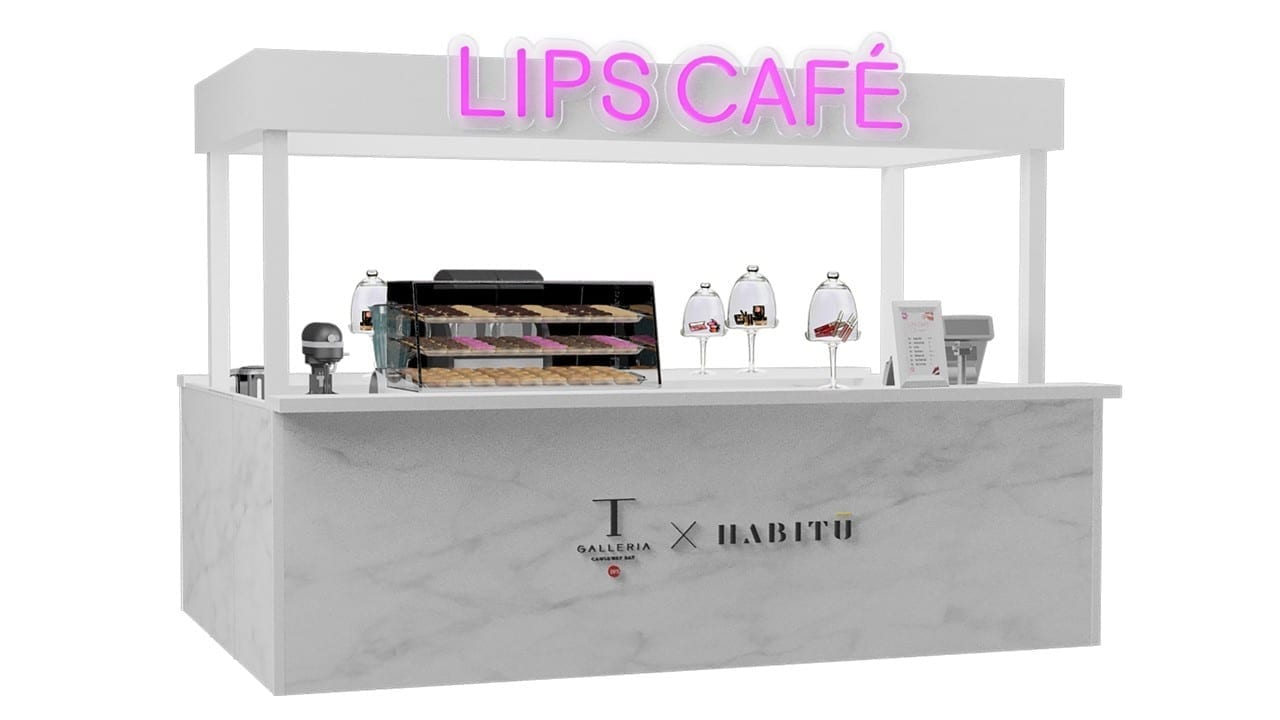
    Lip service means the full treatment with drinks and nibbles as well as lipsticks at the pop-up Lips Cafe in Causeway Bay all next month.

    At T Galleria Beauty by DFS, the pop-up is being created in collaboration with artisanal cafe Habitu to mark the annual DFS First-Class Beauty campaign and the travel retail store’s fifth anniversary.

    At Hysan Place, Lips Cafe features a menu – from signature iced drinks and popsicles to doughnuts and cookies – influenced by the latest lipstick colours. Customers who spend HK$80 (US$10) at the cafe will receive upgraded beauty rewards when buying lipsticks at T Galleria Beauty.

    There will also be workshops and shopping rewards during the month, including an instant-win digital game with a top prize of a round-trip business-class flight for two persons to Okinawa. Another prize is a personalised T Galleria Beauty fifth-anniversary tote bag.

    Activities include complimentary weekend cookie-decorating workshops by the founder of Sugar Me Kissery.

  • Hong Kong retail expansion ahead

    Hong Kong retail expansion ahead

    Many Hong Kong retailers plan to open more stores next year, a new JLL survey shows.

    The realty consultancy firm found that 62 per cent of overseas and local retailers in its survey plan new stores despite predicting a recovery in retail rents in core shopping precincts like Causeway Bay, Central and Tsim Sha Tsui.

    Rates have plummeted more than 40 per cent from the market peak in 2014, says the survey, but half of the 50 retailers surveyed last month believe Hong Kong’s retail market will bottom out and recover next year.

    While all respondents believe high-street rentals are overvalued, there is an equal balance between retailers who prefer to open a store in a shopping mall and those who favour a street-level outlet.

    “Hong Kong’s retail market is still challenging, but the mood among retailers has changed from pessimistic last year to believing the worst is over and there are now opportunities,” says JLL Asia Pacific director James Assersohn.

    He says the city’s prominence in the global map of retail and luxury goods has not been diminished amid a strong domestic consumer market and its exposure to the Mainland Chinese market.

    More tourists

    Statistics from the Hong Kong Tourism Board offer more reasons for optimism: total tourist arrivals in the first five months this year rebounded 3.2 per cent year-on-year to 23.6 million. Moreover, visits by overnight tourists, who spend double on shopping than same-day tourists, rose 5.7 per cent to 11 million.

    “Tourist numbers are bouncing back. Hong Kong’s rentals have come down and still need a small amount of correction to create an equilibrium. However, business is booming for many retailers and the reduced rentals have left a great opportunity to obtain prime retail space,” says Assersohn.

    “Retailers are seeing this as a great time to take advantage of the market conditions and acquire more space.”

    Meanwhile, Hong Kong is lagging in online shopping. Of the surveyed retailers, 22 per cent believe consumers still prefer brick-and-mortar shops, though almost all key retailers and chains have been running online platforms for sales and promotion for years.

    “Hongkongers believe it’s still more convenient and more enjoyable to just pop into a mall,”  Assersohn said.

    Malls are transforming into community hubs by offering more entertainment and improving dining options, he says.

    JLL Hong Kong head of retail Terence Chan says landlords are now willing to offer flexible leasing terms to the retailers with a good brand image.

    Also, the rental correction allows more retailers to enter the market and for landlords to diversify their tenant mix. “It has also helped many retailers to open crossover stores to create a new shopping experience.”