Author: Mei Ling Tan

  • Tesla steps up auto service as Model 3 debut nears

    Tesla steps up auto service as Model 3 debut nears

    Tesla said it is expanding its auto service centers and adding 350 mobile service vans as it gears up to support its Model 3 sedan, a mass-market car that is expected to drive a 500 percent increase in the electric car company’s sales. A senior executive speaking on behalf of the company told Reuters that Tesla would be able to triple its global service capacity by increasing efficiency, adding to mobile service, and adding 100 service centers to its current total of more than 150.

    Tesla is adding 1,400 technicians this year, and the company plans to continue expanding mobile and service center capacity at a similar pace over then next few years.

    Tesla needs to expand service quickly to be able to handle the increase in sales and as the electric car company transforms itself from a luxury vehicle maker into a competitor with mainstream cars.

    Expectations for a smooth roll out are particularly high among investors. Tesla has been challenging General Motors (GM.N) for the title of biggest U.S. automaker by market capitalization, even though its output is a fraction of GM’s.

    The $35,000 Model 3 is designed for easy production, creating lower service needs, the executive said.

    Tesla’s last launch was the Model X SUV in 2015, which had a number of production issues.

    Model 3 production began in the last few days and is expected to reach 20,000 per month in December. The first deliveries are expected on July 28.

    Tesla had fielded 373,000 Model 3 reservations as of April 2016, the latest date at which it announced a figure.

    The company has learned from previous problems including issues with seatbelt latches, seats and a 53,000-vehicle parking brake recall earlier this year, the executive said.

    Tesla said it has improved service time by automating paperwork, using cars’ wireless connections to diagnose problems, and expanding mobile support.

    Tesla deployed mobile vans to company charging stations to fix the seatbelt latch and cut the procedure to less than 20 minutes.

    About 80 percent of fixes on its vehicles do not require a lift and can be done by one of its mobile technicians, which frequently can handle an appointment in less than an hour.

  • Hong Kong retailers fail to harness the power of data to improve customer engagement

    Hong Kong retailers fail to harness the power of data to improve customer engagement

    Brands are caught in a vicious cycle when it comes to building a relationship with their customers. According to a recent study conducted by global loyalty marketing agency ICLP, a majority of Hong Kong consumers do not expect to get anything in return for sharing their personal details with only 9% reporting that their shopping, payment and delivery preferences are recalled and used by retailers.

    “The reason for this is either because retailers might not be able to collect enough personal data or they don’t harness the data they have to improve customer engagement. Collecting data is one thing, but drawing insights to create a meaningful dialogue with customers is critical to trigger action,” comments Mary English, Executive Vice President-APAC at ICLP.

    Brands fail to harness the power of data

    Customers currently do not believe that retailers will deliver much when it comes to personalisation, whether it is providing product recommendations or remembering their favourite way to pay, according to the ICLP study.

    · Only 9% of Hong Kong shoppers say that brands remember their shopping, payment and delivery preferences

    · Only 9% say that brands remember their past purchase

    · Just 10% are given personalised shopping recommendations

    · Only 10% are given offers relevant to them

    · As few as 12% find that retailers remember their birthday (perhaps the most basic level of customer recognition)

    The study revealed that 88% of Hong Kong shoppers say that they do not think that they will get anything in return for sharing their personal details with retailers – this is the highest percentage of the Asia-Pacific markets surveyed compared with 78% of shoppers in Singapore and 67% in China. The conclusion, based on this feedback, is Hong Kong consumers lack passion and excitement for receiving a brand’s information. The risk for a brand is that these consumers will ignore its communications, considering them irrelevant, and seek excitement elsewhere. Without that passion and the personalised dialogue, there is limited opportunity for the brand to improve its relationship with its customers or to surprise and delight them, and thus inspire them to shop more often or make impulse purchases.

    To create an intimate relationship with customers, brands have to make sure they capture data across all channels. The data collected should not be limited to personal details, but also include social activities, and payment and delivery preferences. Customers realise the importance of their personal information and expect to benefit from providing it. Brands should therefore respect the data consumers provide, and reward them for sharing their information by offering discounts, offers or other rewards, and use the data collected in an effective way that actually delivers real benefits to the customer.

    Mary commented: “These findings reveal that Hong Kong customers don’t expect much from retailers by sharing their personal details. These particularly notable figures compared to the APAC territories and countries surveyed are certainly an action signal for brands to review their customer engagement strategy. Retailers need to respect the customers’ personal data by providing relevant, real-time experiences based on their shopping behaviour and incorporate elements of surprise and delight to drive customer devotion.

    Brands should have a cohesive engagement strategy with data architecture for a single view of their customer to continually gather insights to strengthen their relationship with their customers. Harnessing personal, transactional and social data gathered at point of sale and from social platforms enables brands to understand customers’ shopping, payment and delivery preferences. With these data analytics, brands are then able to provide personalised experiences, build emotional connections with their customers as well as identify demand trends for use in product development.

    In order to build stronger relationships with customers, brands need to be smarter in the way that they use and reward personal data. A devoted relationship requires intimacy, passion and commitment according to Sternberg’s Triangular Theory of Love. Delivering unique and tailored experiences helps build both passion, by delivering something customers will really value, and intimacy, by communicating when they expect it and through their choice of channel.”

  • Franchise brands increase by 9%

    Franchise brands increase by 9%

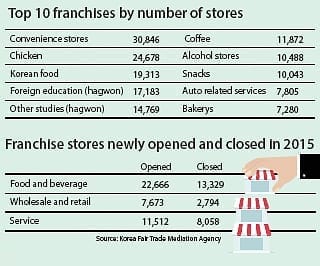
    The number of franchise brands and companies has increased by roughly 9 percent compared to last year, with over 5,000 franchise brands owned by 4,000 franchise companies now operating in Korea.

    But while an average of 115 new franchise stores have opened up every day since 2015, 66 per day have also been forced to close, indicating how fierce the competition is.

    These figures were announced by the Korea Fair Trade Mediation Agency on Wednesday. The agency’s primary goal was to provide a better understanding of the status quo in Korea’s franchise market, especially as the intense competition is increasingly becoming a major social and economic concern.

    Although the agency has previously released individual information on different franchise industries, this is the first time that an overall assessment has been made.

    Last year there were 5,273 franchise brands, with 429 new brands introduced in just one year – an 8.9 percent increase. The majority of the newly created brands, 76.2 percent, were food and beverage franchises.

    Service franchises, which includes education related businesses such as cram schools, preschools and children’s indoor playgrounds as well as sports, PC repair shops, lodging, laundry, drugstores and moving companies accounted for 17.9 percent, or 944 brands. Wholesale and retail franchises, which include convenience stores, clothing brands, cosmetics and health related franchises accounted for 5.9 percent, or 312.

    Within food and beverage franchises, Korean food businesses accounted for 1,261 brands, followed by fried chicken with 392. Coffee shops came in fifth with 325 brands. The number of franchise companies grew to 4,268, a 9.2 percent increase.

    As of 2015, the total number of franchise stores in the country amounted to 218,997 shops, which is a 5.2 percent increase year-on-year. By number of stores, convenience stores topped the list with 30,846 shops followed by chicken restaurants with 24,678.

    Convenience stores also turned out to be the first choice for many self-starters, as they don’t require any specific skills to run. In 2015 alone, 5,755 convenient stores opened, followed by 4,552 Korean restaurants and 3,988 chicken restaurants.

    On average franchise stores lasted for four years and eight months. Food franchises generally closed quicker than wholesale and retail franchises or service franchises. Wholesale and retail franchises stayed in business for six years and three months on average, while service franchises lasted five years and 10 months, and restaurant franchises lasted four years and three months.

    The study by the fair trade mediation agency came at a time when franchise businesses have been under heavy government scrutiny over the unfair business practices that have led to the arrest of Jung Woo-hyun, founder and chairman of Mr. Pizza.

    With more baby boomers retiring and young people struggling to find jobs, franchise businesses have become a major alternative for those seeking a new livelihood. However, because of the intense competition with similar stores popping up in the same neighborhoods, many have struggled to have ends meet, and in some cases, franchisees have ended up losing their life savings after investing in an unsuccessful business.

    “The competition in the chicken, snack and fast food market is fierce while the unfair business practices by franchise headquarters might have had some influence,” said Chang Choon-jae, the vice head of the mediation agency.

    The franchise industry has become such a concern that Fair Trade Commission Chairman Kim Sang-jo announced that he would prioritize the protection of small neighborhood businesses and uphold fair competition – including implementing penalties against unfair business practices by franchise headquarters – as his top priority.

    The study also showed that the oldest franchise brand is Lims Chicken. The chicken franchise started its business in July 1977 at the Shinsegae Department Store. Lotteria came in second with 36 years, another chicken franchise Pelicana came in third with 35 years and the bakery franchise Shilla Myunggua lasted 33 years.

    The franchise company that had the largest number of brands under its belt was Theborn Korea, which was founded by Korea’s celebrity chef Paik Jong-won. The franchise company owns 20 brands including coffee shops, Korean beef, bibimbap and udong franchises.

    Nolboo, a franchise that specializes in Korean cuisine including its signature dish budae jjigae, a stew made with instant noodles and other items including sausage and ham as well as dumplings, took second place after Theborn Korea with 13 brands.

    The franchise company that took the third spot by number of brands, however, wasn’t in the restaurant business. Soft Play Korea took the No.3 spot with 13 brands. The company specializes in indoor preschools and children’s playgrounds.

  • ANZ consumers prefer computers over smartphones

    ANZ consumers prefer computers over smartphones

    Consumers from Australia and New Zealand significantly prefer making purchases via desktop, despite browsing traffic continuing to move towards smartphones, according to the latest research from Adobe.

    In its latest report, the software multinational aggregated anonymous data from approximately 100 billion visits to 3,000+ websites across the region during the 2016 calendar year and found that while ANZ consumers are among those leading the shift from desktops (52.5 per cent share of browser traffic) to smartphones (37.7 per cent share of browser traffic), desktop conversion rates (2.9 per cent) were three times that of smartphones (0.8 per cent).

    Comparing data from Australia and New Zealand, Southeast Asia, India, Japan, Hong Kong, South Korea and the United States, the report found that the top 20 per cent of websites in ANZ, are widening the gap compared with average websites, seeing a 5.8 per cent desktop conversion rate versus the average of 2.9 per cent.  Along with Japan (5.8 per cent), ANZ’s best are achieving higher desktop rates than the United States (5.4 per cent).

    Becky Tasker, activity is shifting towards smartphones, consumers in Australia and New Zealand still prefer senior manager, Adobe Digital Insights, said showed that while browsing to make their final purchase via desktop.

    “Smartphone traffic and conversion rates are rising, but ANZ’s best marketers recognise that the desktop is still likely to be the final destination, even in a cohesive multi-device experience,” said Tasker.

    Adobe also said there has been evolution in the way consumers are engaging with the technology. While tech websites maintain one of the highest visit rates, the sector has also seen the time consumers spend during these visits decreasing – the customer journey now consists of interactions that are more numerous, but shorter.

    “With the customer journey now involving an increasing number of interactions across a range of devices, we need to keep pace with changing customer expectations,” said Danielle Uskovic, head of digital & social, Lenovo Asia Pacific.

  • Microsoft expands local presence

    Microsoft expands local presence

    Microsoft is looking to extend its local retail footprint, yesterday launching a virtual store on Ebay.

    The tech giant said it is looking to tap into the 11.3 million monthly visitors that visit the online marketplace, with one in two online shoppers visiting the site.

    It represents a three-fold tilt at Aussie consumers with the Ebay store joining its own e-commerce platform and flagship store at Pitt Street mall in the Sydney CBD.

    “With the launch of the Microsoft store on Ebay, we’re making it easy for the millions of Australian Ebay users to discover and purchase their favourite Microsoft products with the assurance of the same safe online shopping experience, return policy and free shipping that they have come to expect from microsoft.com,” said Fiona Sims, online store manager, Microsoft Store ANZ.

    Operated by Microsoft Australia, the Ebay store will feature Surface, Xbox, a full range of PCs, accessories, software and similar deals and promotions to those found at the flagship Pitt St location, where there are over 178 digital panels throughout the store with 38 different video feeds, and two large external screens.

  • How to fight Amazon

    How to fight Amazon

    Supercheap Auto unveiled their national flagship on 28 June calling it a “customer experience centre” while downplaying the impact of Amazon.

    Meanwhile other retailers, rather than wallowing in self pity, are also taking steps to minimise the impact of Amazon. One such initiative is the creation of own brands (not a new idea) and tying up exclusive deals with suppliers (also not a new idea).

    Amazon’s strategy (or maybe their supplier’s strategies) has been to block the sale of many products from being exported outside the USA. Of course there are ways around this such as getting a USA address and having the item forwarded. One reason for the strategy is to prevent customers from buying goods that are cheaper, sometimes a lot cheaper, compared to the prices outside the USA.

    However even with the freight and third party fees, one can still import goods from Amazon for lower prices than we pay in Australia.

    The million dollar question is whether Amazon will be offering their USA prices in Australia because if they do together with lower freight charges, the impact could be severe for Australian retailers.

    What the Super Group, to their credit, are doing is getting off their butts and attempting to counter the Amazon threat.

    I know that fellow commentators have said that they are tired of the Amazon story and that everything that needs to be said, has been said. But how many retailers out there have formed a team to specifically strategise ways of fighting Amazon?  To the best of my knowledge very few apart from the Super Group.

    There are many ways that this can be tackled, not that they are necessarily new but clearly you have a choice. Take the threat seriously and do something or roll over and play dead!

  • iPay88 spreads its wings

    iPay88 spreads its wings

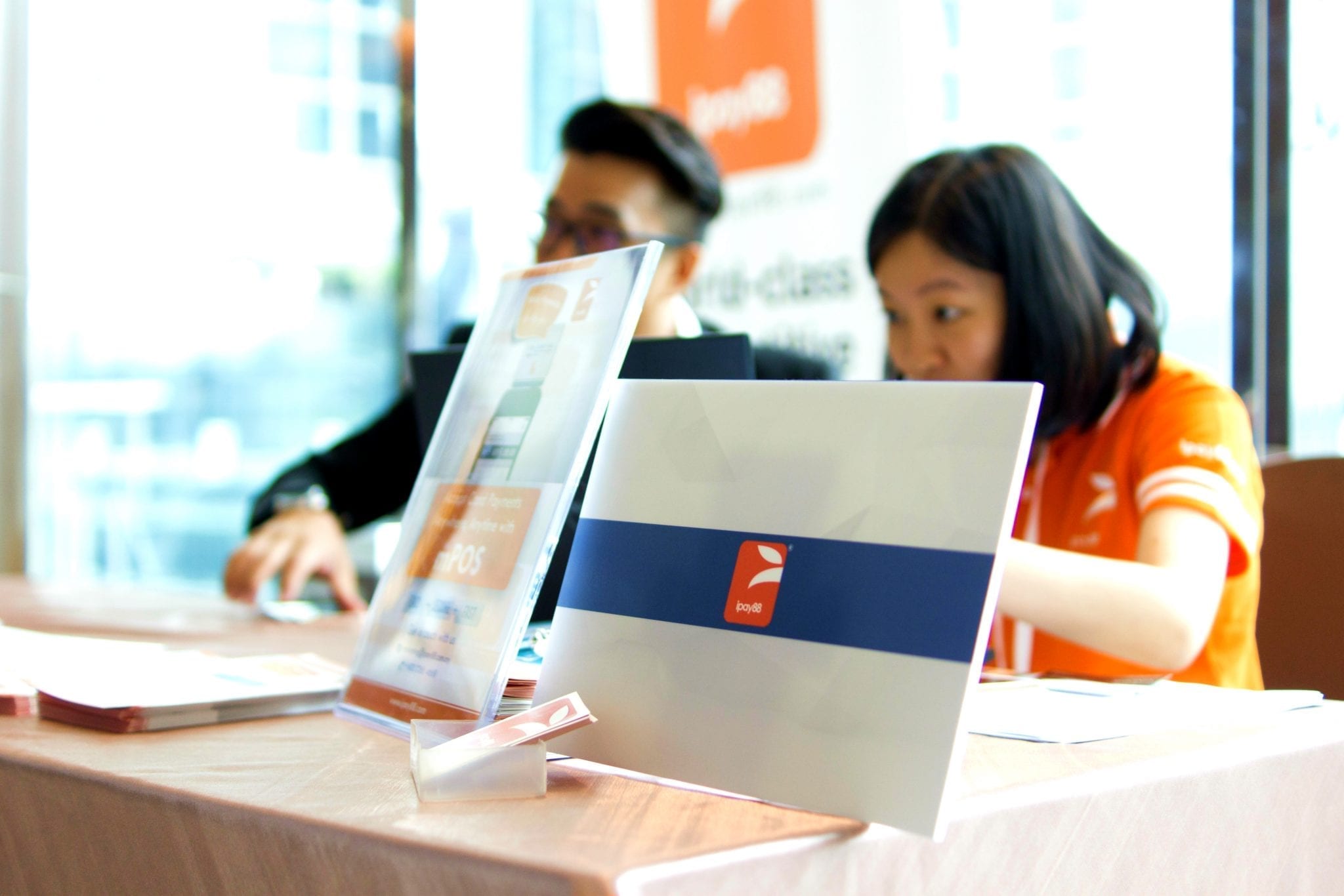
    IPAY88 Sdn Bhd, an NTT Data company, a fully homegrown Malaysian payment gateway provider is targeting the global e-commerce market while it continues to expand in SEA.

    Co-founder and executive director Chan Kok Long says, “iPay88’s proven payment solutions are well recognised and trusted regionally. As e-commerce grows in the SEA region, we are determined to be the sought-after payment gateway for these countries.”

    Since its inception in 2006, iPay88 has grown to be a technological and online payment solutions leader in online payments in Malaysia as well in the Asean region.

    The company’s payment gateway systems support over 70% of all e-commerce businesses in Malaysia. To date, iPay88 has a footprint in almost all Southeast Asian countries including Cambodia, Indonesia, Thailand, Vietnam, Philippines and Singapore.

    iPay88’s first international footprint was set in Indonesia in 2006, followed by the Philippines in 2014.

    Today, iPay88 is one of the leading payment gateway providers in Indonesia as well as the Philippines.

    Market expansion to a region as diverse as Asean and the Asia Pacific is not easy as each country’s online payment environment is unique and business environment varies.

    The opening of Indonesia and Philippines markets were important milestones for iPay88, as Chan says, “Our successful ventures in these two markets (Indonesia and the Philippines) have acted as a blueprint for us to continue exploring the other Southeast Asian markets.”

    “In the next two years, our growth in Malaysia is expected to be the largest ever in terms online transactions and sales volume. However, our growth in Indonesia and the Philippines will eventually outrank Malaysia in terms of numbers of transactions and sales volumes as these countries have a larger population and growing appetite for e-commerce.”

    According to Chan, the next few years will also see tremendous e-commerce growth in Thailand, Vietnam and Myanmar where smartphone penetration is one of the highest in the world.

    These countries have a big population and research shows that the younger generation (gen Y) prefer to make online purchases.

    Their governments are also seeing the potential in e-commerce and encouraging the growth of its e-commerce sector.

    Next step – global expansion

    “Apart from our strong presence in Southeast Asia, we have since expanded our footprint to other parts of Asia including Hong Kong and Bangladesh,” says Chan.

    Chan details that although Bangladesh is a late entrant in the e-commerce sector, the company has observed that it has recorded tremendous growth within a short time.

    “The e-commerce industry in Bangladesh, like other developing countries, has a ‘latecomer advantage’. However, it is encountering similar issues that we have encountered and addressed in SEA. Currently the sector is facing challenges such as delivery channels for its customers, affordability, erratic internet connections and online fraudulence. We believe, in no time will be the next major driver of economic development in Bangladesh.”

    Since iPay88 has just ventured into Bangladesh, no transactions have been recorded yet.

    Besides Bangladesh, iPay88 is also actively looking into opportunities in the Middle East. The company hopes to build a strong presence in Apec by the end of 2018.

    Malaysia continues to lead in revenue contribution

    iPay88 expects its revenue contribution from international markets to increase in accordance to its expansion plans. Chan says he is confident that by the end of this year iPay88 expects to double the sales volume from international markets compared to last year.

    “We are looking at a local:international revenue ratio of 80:20 by the end of 2018,” says Chan.

    iPay88’s Q1 and Q2 revenue in 2017 was contributed mainly by Malaysia.

    While Malaysia still leads in terms of revenue growth, in terms of sales volume, we are seeing a 34% growth in Indonesia for Q1 and Q2 of 2017 as compared to the same period in 2016. The number of transactions in Indonesia also grew by 97% in the same period.

    Meanwhile, the sales volume in the Philippines, surged by 64% and the number of transactions recorded a growth of 44%.

    “Doing business online offers a lower cost of operations from many aspects – the biggest advantage of doing business online is having the capability to span across geographical borders, meaning that you can reach out to possibly more lucrative overseas market easily,” he explains.

    “While these countries grow their e-commerce sector, iPay88 plans to be right there ever ready to aid them with our state-of-the-art and trusted payment platform to ensure fast and secure online payments,” he says.

  • BNI`s profit grows 46.7 percent in first half

    BNI`s profit grows 46.7 percent in first half

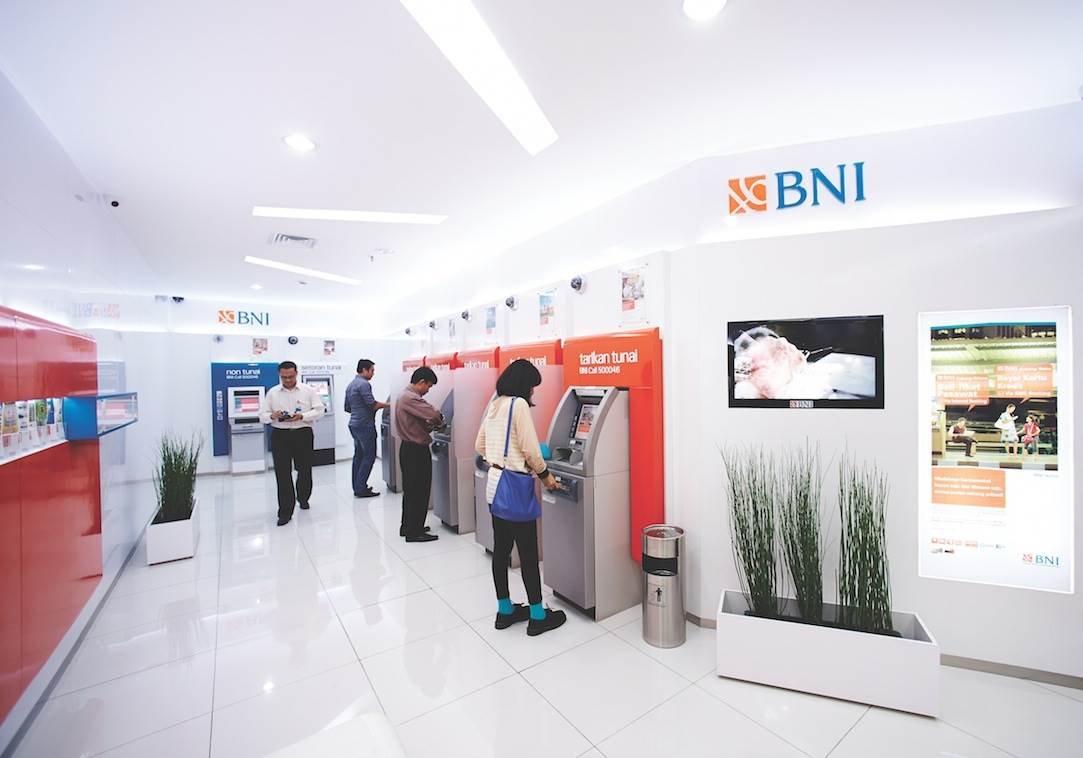
    State lender Bank Negara Indonesia (BNI) saw its net profit in the first half of 2017 jumping 48.7 percent to Rp6.41 trillion, fueled by the distribution of credits.

    “Our credits grew 15.4 percent year-on-year to Rp412.1 trillion, contributing Rp15.40 trillion or 10.7 percent to the net interest income,” BNI Consumer Director Anggoro Eko Cahyo said in a press conference here, Wednesday.

    Most of the credits were channeled towards business banking, particularly corporations and state-owned companies, as well as small- and medium-business undertakings, he remarked.

    The credits channeled towards business banking totaled Rp296.1 trillion, accounting for 71.6 percent of the total credit portfolio in the first half of 2017, he added.

    “The distribution of credits to corporations was also fueled by many infrastructure and agricultural projects,” he affirmed.

    The infrastructure projects included toll roads built by state-owned construction companies in Java, he mentioned.

    He explained that the credits extended to the consumer sector reached Rp67.05 trillion, accounting for 16.3 percent of the total portfolio. The credits extended to overseas debtors in foreign currency stood at Rp25.92 trillion, accounting for 6.3 percent of the banks total credits.

    “The amount of credits channeled by the banks subsidiaries reached Rp23.09 trillion or 5.6 percent of the banks total credits,” he revealed.

    He stated the bank also recorded a 17.9 percent rise in non-interest income to Rp4.65 trillion, fueled by fee-based income which grew 17.9 percent.

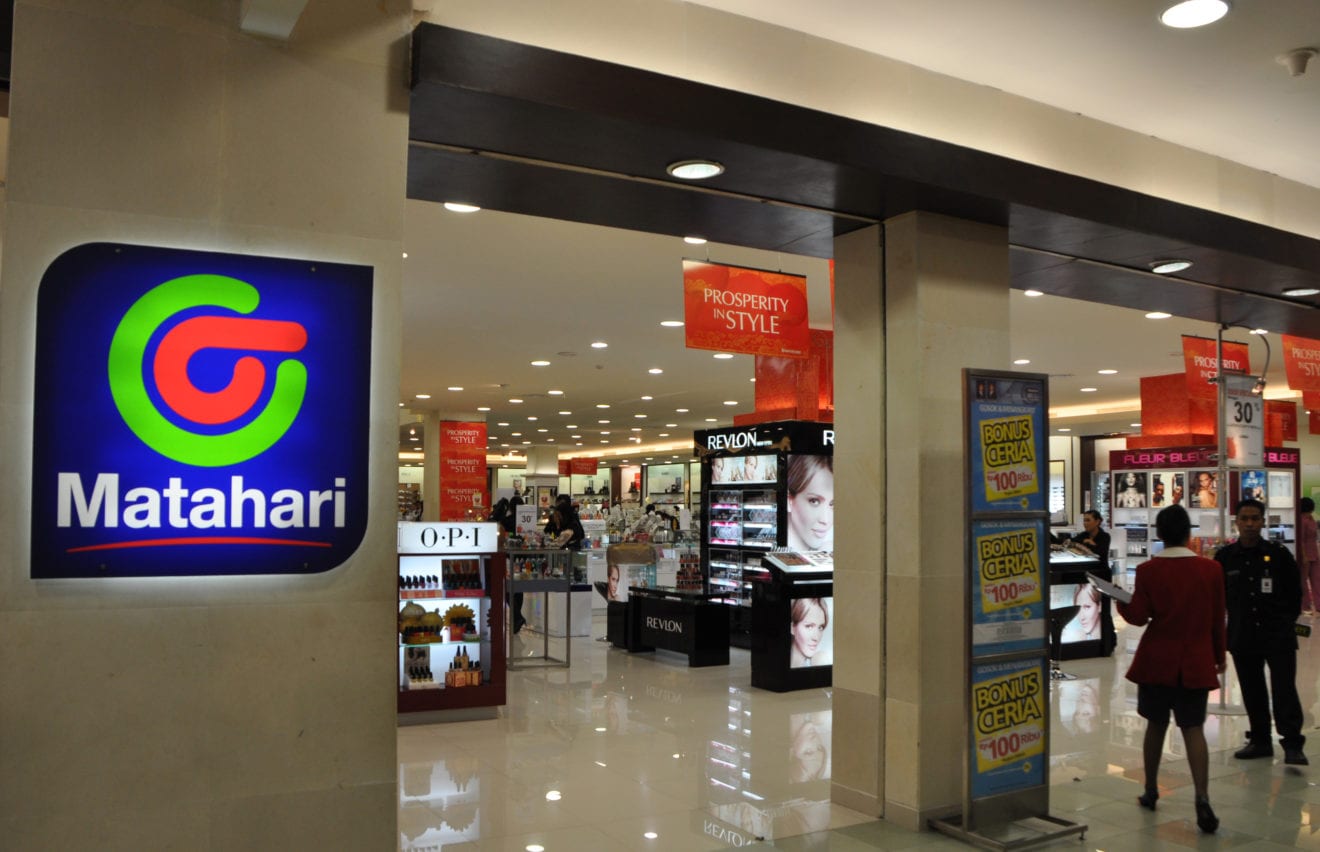
  • Matahari Department Store Wins Best Wealth Creator Award

    Matahari Department Store Wins Best Wealth Creator Award

    The award assessed the performance of the best public companies in Indonesia and Southeast Asia based on Wealth Added Index (WAI), a calculation method developed by Stern Stewart. WAI is a metric used to measure the wealth created by a company for its shareholders.

    WAI is obtained by taking the adjusted total shareholder value minus the cost of equity, which is then multiplied by market value or market capitalization.

    The calculation found an increase in the number of local companies that were able to generate wealth for shareholders.

  • L’Oréal targets middle class Chinese travellers with Bangkok upgrade

    L’Oréal targets middle class Chinese travellers with Bangkok upgrade

    L’Oréal Paris has revamped and upgraded its Bangkok Downtown duty free store and is particularly aiming to appeal to the Chinese middle class traveller. It describes the segment as “the driver of today’s growth in travel retail”.

    The refit is in line with L’Oréal’s travel retail strategy “to enhance desirability by increasing retail effectiveness in travel retail shops”.

    Based on the idea of making a premium product accessible, the new store offers a showcase of  L’Oréal Paris’ key products for the market including its anti-ageing and moisturising ranges, an expanded make-up area and a focus on global best-sellers Revitalift and Men Expert.

    Described by the brand as the number one men’s grooming brand in China, Men Expert was given a prominent display featuring Hydra Energetic, the campaign for which stars celebrity Daniel Wu, alongside Pure & Matte and Hydra Sensitive.

    A spokesperson for King Power explained: “The overall look is now more attractive with multi-colour impact. The make-up zone is magnificent and delivers a better shopping experience. Traffic flow inside the shop is improved and customers have better access to their favourite products. Customers are given more insight to the products with a product box display provided for each travel retail exclusive best-seller.”

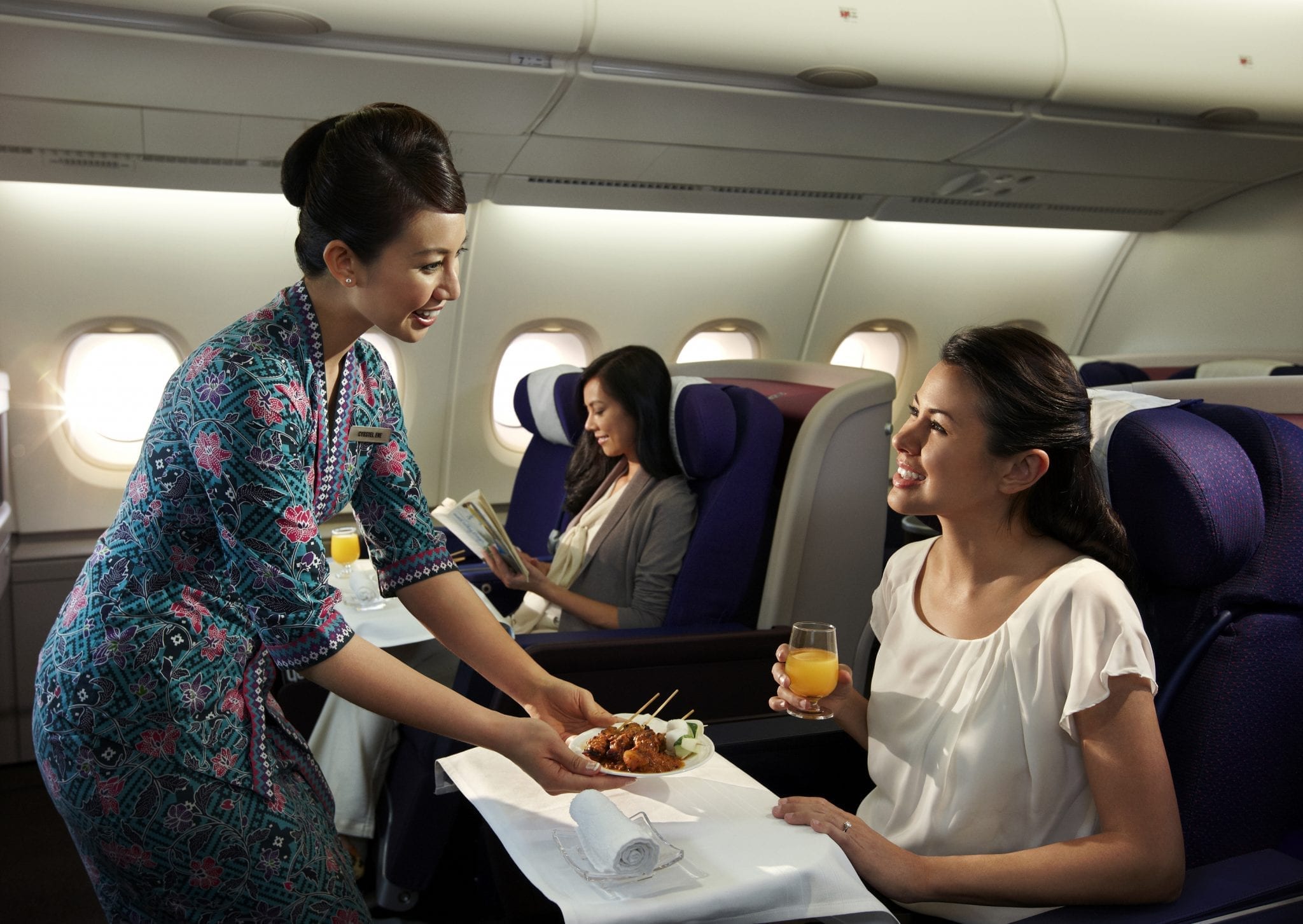
  • New routes to help Malaysia Airlines turn around next year

    New routes to help Malaysia Airlines turn around next year

    The expansion of new routes to China, India and North Asia, which is expected to happen in the second half of financial year ending Dec 31, 2018, would be the key to the turnaround story of Malaysian Airlines Bhd (MAB), said chief executive officer Peter Bellew.

    Bellew said MAB was making good progress in its restructuring and the airline just needed another few percentage upside on the yield to be into profit.

    “Our recovery plan is half-way through. In fact, we can say we are little bit ahead (of schedule). And it’s all about revenue and cost control.

    “Taking the right routes, improving the sales and marketing and by increasing the load factors, we should increase the revenue. Next year, we are expected to be able to break even across some of the quarters, start making profit and to show consistent profit in the following year,” Bellew told reporters on the sidelines of Malaysia Aviation Group’s Hari Raya celebration in Sepang on Monday.

    The group comprises its ground-handling unit, AeroDarat Services Sdn Bhd and MAB’s units -–MASWings Sdn Bhd, Firefly Sdn Bhd and MASkargo Sdn Bhd.

    Bellew said expansion of selected new routes throughout this year till 2019 would be a significant step forward for the airline, capitalising on a booming population, increasing middle class and incredible growing economies of China, India, as well as in Japan, South Korea and Taiwan.

    “We are quite optimistic our fleets would increase a little bit next year and we should improve products on board as well, and overall, would result in beneficial impact to the airline,” he said.

    MAB was reportedly half-way through its US$1.39bil (RM6bil) restructuring exercise which is likely to be completed in five years.

    The exercise was put into place in 2015 during the time of Bellew’s predecessor, Christoph Mueller.

    Bellew took over as MAS CEO on July 1, 2016, after Mueller left citing personal reasons.

    The second phase of the MAB’s restructuring, according to Bellew, involved adding new routes, including 11 routes to China. It launched new routes to Nanjing and Fuzhou last month.

    The coming routes include Chengdu, Chongqing, Wuhan, Tianjin, Shenzhen and Shanghai from Penang, Kuala Lumpur and Kota Kinabalu, while the expansion of other new routes are also being considered.

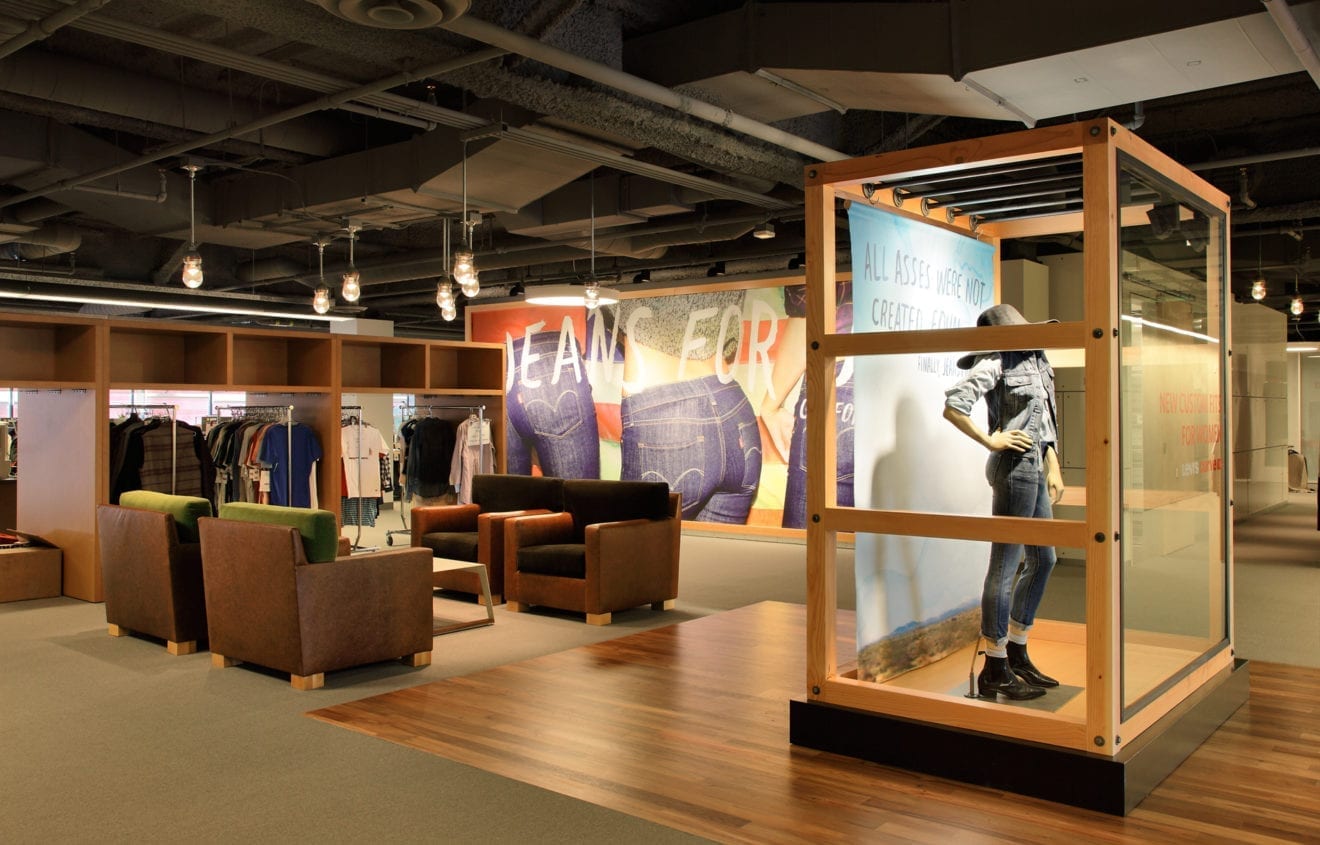
  • Levi Strauss net revenue up 6 percent in Q2

    Levi Strauss net revenue up 6 percent in Q2

    Levi Strauss saw its second quarter revenue grow 6 percent across regions and channels, the company announced on July 12th.

    Net revenue grew to $1.07 billion compared to $1.01 billion, for the second quarter ended May 28, 2017.

    Net income declined $13 million from 30.7 million to $17.5 million, primarily due to a $23 million loss related to debt refinancing activities taken during the quarter.

    Net revenue was the strongest in Europe for the second quarter, up 20 percent due to solid growth in the women’s and tops business, while operating income grew 31 percent.

    In the Americas, Levi Strauss also reported a net revenue growth of 3 percent reflecting higher direct-to-consumer revenues in the U.S. and higher revenues in Canada and Mexico. Still, the gain was partially offset by a decline in U.S. wholesale due to lower Dockers revenue.

    Meanwhile in Asia, net revenues grew three percent.

    “Our business is more diversified than ever before, driven by disciplined execution of our long-term growth strategies, and investments in product innovation and the consumer shopping experience,” said Chip Bergh, president and chief executive officer, Levi Strauss & Co, in a news statement. “Our strong year-to-date revenue growth reinforces the benefits of a more balanced portfolio as our women’s, tops, direct-to-consumer and international businesses delivered solid results, despite a slight decline in the U.S. wholesale business.”

    Bergh added that based on the performance of the company’s first half of the year, the company has raised their revenue growth guidance for the full year to 2-4 percent range in constant currency.

  • Huawei joins CTO as ICT Sector member

    Huawei joins CTO as ICT Sector member

    Huawei has joined the Commonwealth Telecommunications Organisation (CTO) as an ICT Sector member, the membership category open to the private sector.

    The Commonwealth Telecommunications Organisation (CTO) is the oldest and largest Commonwealth intergovernmental organisation in the ICT field, representing 36 of the member states of the Commonwealth.

    “It gives me great pleasure to welcome Huawei Technologies as one of our members. Members of the CTO greatly benefit from knowledge and experience sharing,” CTO sectretary general Shola Taylor said.

    “Huawei’s membership will help strengthen our organization and its contribution to the use of ICTs for development across the Commonwealth.”

    Huawei president of global government affairs Victor Zhang added that the CTO “is a highly respected international body and it provides a strong platform for both the public and private sectors to exchange best practices related to the promotion and use of ICT innovation in the world today.”

    Full member countries of the CTO include Malaysia, India, Pakistan, Sri Lanka and the UK. ICT sector members include the GSMA, Intelsat, BSNL, Vodafone and Facebook.

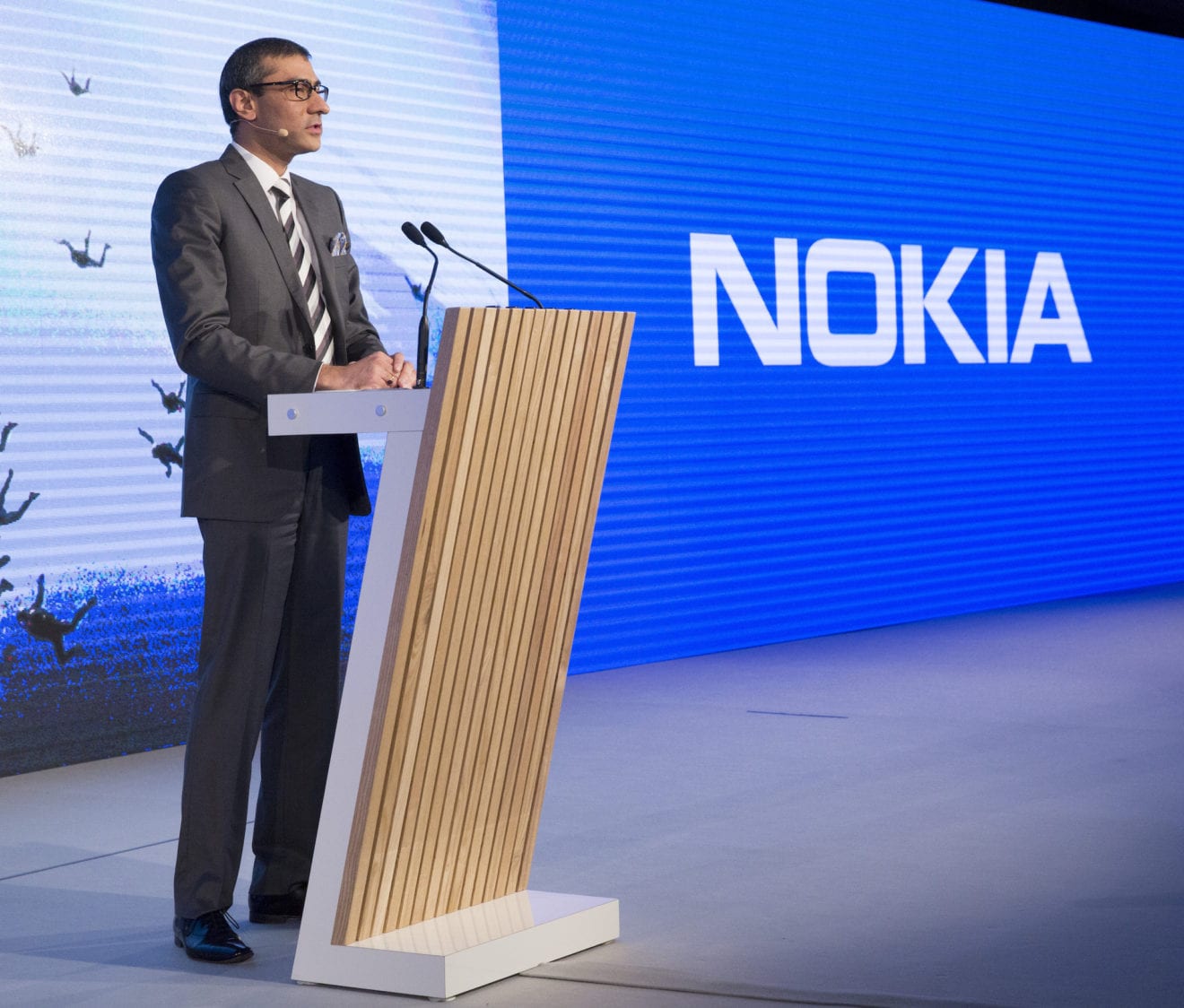
  • Nokia wraps up Comptel acquisition

    Nokia wraps up Comptel acquisition

    Nokia said it has completed its acquisition of Comptel, a Finland-based telecommunications software company.

    Announced last February, the acquisition advances Nokia’s strategy to build a standalone software business at scale by expanding and strengthening its software portfolio and go-to-market capabilities.

    Comptel bolsters Nokia’s software portfolio by adding capabilities that help digital service providers bring new communications services to market faster, master the orchestration of services and order flows, capture data-in-motion and refine decision-making.

    When combined with Nokia’s OSS, BSS, analytics, security and cloud technology, Nokia will be able to offer the software intelligence and real-time network information to deliver better digital experiences and operations in a cloud environment.

  • June Retail Inflation for India Slowest in More Than Five Years

    June Retail Inflation for India Slowest in More Than Five Years

    India’s annual retail inflation eased in June to its slowest pace in more than five years, as food prices fell, building pressure on the central bank to cut interest rate when it meets for a monetary policy review on August 2.

    The consumer price index rose 1.54% in the 12 months through June, down from an increase of 2.18% in the previous month and slower than the forecast of economists in a Reuters poll, data released by the Ministry of Statistics showed on Wednesday.

    Economists in a poll had predicted inflation to ease to 1.7% last month.

    This is the lowest inflation rate since India started releasing retail inflation data in January 2012 based on a combined CPI index for rural and urban consumers.

    Elsewhere in Asia, China’s annual consumer prices remained subdued at 1.5% in June.

    With headline inflation remaining below the Reserve Bank of India’s mid-term target of 4% for the past eight months, industry participants and the government have sought a cut in interest rates to support economic expansion.

    Economists expect that the central bank to cut interest rates in its next policy review.

    The economy grew at an annual 6.1% in January-March quarter, the weakest growth since late 2014, hit by Prime Minister Narendra Modi’s surprise decision to scrap 86% of the currency in circulation in November.

    Some analysts, though, say an increase in charges of services after the launch of a new tax system this month, could push up core inflation, which excludes food and energy prices, and has remained stubbornly stayed above 4 percent for years.

    Separately, industrial output grew 1.7% in May from a year earlier, data showed.

    The pace of expansion, however, was slower than a revised 2.8% annual rise in April and compared with a 1.9% growth forecast by economists in a Reuters poll.

    Bumper foodgrains

    Analysts say expected good rains this year could lead to bumper grain production and a further slide in food prices in Asia’s third largest economy.

    Retail food prices fell 2.12% last month from a year ago, compared with a 1.05% fall in May. Falling food prices present a worry for the government because of the hit on millions of farm households.

    The central bank now expects retail inflation to come in a 2.0-3.5% range for the first half of fiscal year 2017/18 and 3.5-4.5% in the second half, down from 4.5% and 5.0%, respectively.

    Expert opinions

    “The continued softness in core inflation should comfort the MPC that underlying price pressures have eased, in addition to the collapse in food prices over the past few months.

    Accordingly, we expect the MPC (monetary policy committee) to cut the repo rate by 25 bps in their August review.

    Subsequently we expect the MPC to be on a wait and watch mode through this financial year. We expect headline inflation to top around 4 percent by March 2018 as food inflation reverts to more normal levels.

    Further price data is likely to be clouded by both GST (goods and services tax) and government house rent allowance increases.

    Lastly, with major central banks likely starting to contract balance sheets by last quarter of this calendar year, global financial markets could turn more volatile from hereon. Taking all this into consideration the MPC would prefer to stay on sidelines after easing rates in August.”

    “Given the current inflation trajectory we reiterate our call of a 25 basis points rate cut in August policy.

    The momentum of overall inflation will pick-up slightly from August given higher housing allowances but it is unlikely to pose any upside risk to the upper band of RBI’s 3.5-4.5 percent inflation target in the second half of the year (October-March).

    Core inflation is at a series low since 2012, which might go up slowly but we don’t see any sharp upside as a pick-up in demand is still not robust and the output gap is negative.”

    “It is slightly higher than my expectations. I was at 1.4%, and that is largely because of vegetable prices. I was expecting the increase to be on the lower side.

    Otherwise, we do expect a rate cut of 25 basis points in the August policy. There is a significant possibility that overall inflation will be significantly lower than RBI’s forecast. Unless, there is some major disappointment in monsoon, I don’t see any upside risk to inflation by March 2018.”

    “RBI does not believe that GST will increase inflation yet, but if you observe other countries where GST was implemented, it definitely created an upward pressure on inflation.

    We also have the 7th Pay Commission which increased the house rent allowance (HRA). Both factors would create upside risk for the baseline inflation.

    The RBI will be monitoring the progress of GST and the monsoon this year.”

    “This print will provide room for RBI to cut repo rate by 25 bps, but scope for further rate cuts would be restricted as the RBI would likely wait-and-watch the impact of HRA (house rent allowance) increases over the next few months.

    Recent increase in vegetable and cereals prices would also keep the RBI cautious. Further, developed markets have been signalling a reversal in their policy stances for some time.