Author: Mei Ling Tan

  • Fast Retailing Marks Historic Milestone: First Japanese Retailer To Hit 1 Trillion Yen In Domestic Sales

    Fast Retailing Marks Historic Milestone: First Japanese Retailer To Hit 1 Trillion Yen In Domestic Sales

    Fast Retailing, the parent company of Uniqlo, has made history as the first Japanese clothing company to achieve domestic sales of 1 trillion yen. In the fiscal year ending in August, Uniqlo’s domestic sales increased by 10% to approximately 1.03 trillion yen, equivalent to $6.98 billion. By the end of August, Uniqlo had 784 stores in Japan, the first of which opened its doors in Hiroshima 41 years ago. These impressive domestic sales figures encompass revenue from physical stores, online sales from the brand’s e-commerce site, and 10 franchise locations.

    Fast Retailing’s sales have seen a marked uptick since the fiscal year of 2022, thanks to a series of store and product overhauls. Over the past five years, the company has shuttered 30 stores across Japan. At the same time, the average sales floor space per store has been expanded by 10%, allowing for a broader product display and stirring up customer demand. This strategy resulted in a 13% rise in average sales per store.

    Innovative Business Approach

    Among the company’s operational triumphs was the launch of the ‘Management Cockpit’ platform. This platform gathers product reviews from the online store and customer feedback from the support center. This data is then leveraged to enhance existing products, create new merchandise, and generate demand forecasts.

    The introduction of the platform has allowed Fast Retailing to swiftly manufacture in-demand products, consequently reducing the time from production to sale. Additionally, the platform helps to prevent an oversupply of items by cutting production of those with low demand.

    Future Projections

    Looking at the broader picture, Fast Retailing’s consolidated sales revenue is projected to grow by 10% to 3.4 trillion yen by fiscal year 2025. Net profit is also expected to rise by 10%, setting a new record at 410 billion yen.

    Currently, Fast Retailing holds the third position in the global apparel industry in terms of sales, trailing behind H&M in second place and Inditex, the parent company of Zara, in the top spot.

    Questions & Answers

    What sales milestone has Fast Retailing recently achieved?
    Fast Retailing has become the first clothing company in Japan to reach 1 trillion yen in domestic sales.

    What strategies has Fast Retailing used to boost their sales?
    Fast Retailing has increased the average sales floor space in their stores by 10% and introduced the ‘Management Cockpit’ platform to gather data and improve their product offering.

    What are Fast Retailing’s projections for future sales and profits?
    Fast Retailing anticipates its consolidated sales revenue will grow by 10% to 3.4 trillion yen in FY25, with a net profit increase of 10% to a record 410 billion yen.


  • Client data exposed in Gucci, Balenciaga and McQueen cyberattack

    Client data exposed in Gucci, Balenciaga and McQueen cyberattack

    Luxury brands Gucci, Balenciaga, and Alexander McQueen have fallen victim to a cyber attack, leading to the potential theft of millions of customer’s private details. The assault targeted Kering, the French corporation that owns these prestigious labels.

    Kering recognized and confirmed the breach but did not publicly name the brands impacted. In a statement made in June, they reported that “an unauthorized third party momentarily gained access to our systems and accessed limited customer data from some of our Houses”.

    This incident is not an isolated event but seems to be part of a broader trend impacting luxury brands and retailers throughout the year. Other brands that suffered similar breaches include Cartier, owned by Richemont, and labels under LVMH. In July, a data leak affecting approximately 419,000 customers at LVMH’s Louis Vuitton was being investigated by Hong Kong’s privacy watchdog.

    The stolen customer data reportedly includes names, email addresses, phone numbers, addresses, and the total amounts spent at the brands’ stores. Notably, Kering has reassured that no financial information, such as credit card or bank account numbers, was stolen during the attack.

    The hackers, referring to themselves as “Shiny Hunters,” allege to have data associated with 7.4 million unique email addresses.

    In response to the breach, Kering stated that its brands promptly reported the incident to the relevant authorities and notified customers in accordance with local regulations. However, Kering did not provide a response when questioned about the countries impacted by the cyber attack.

    Questions & Answers

    What brands were affected by the cyber attack?
    The affected brands include luxury labels Gucci, Balenciaga, and Alexander McQueen, all owned by French parent company Kering.

    What kind of customer information was stolen during the breach?
    Reportedly, the stolen client data includes names, email addresses, phone numbers, addresses and the total amounts spent at the brands’ stores. However, no financial information like credit card or bank account numbers were compromised.

    How did Kering respond to the cyber attack?
    Kering reported that its brands immediately disclosed the breach to relevant authorities and notified customers as per local regulations. However, they did not comment on the specific countries affected by the attack.

  • It’s about time! Apple releases watchOS 26

    It’s about time! Apple releases watchOS 26

    Apple has unveiled watchOS 26, the first iteration of the product’s operating system to feature Apple’s new naming approach, excluding beta versions. The significant update in the software is the introduction of the Liquid Glass design language, which adds a semi-transparent appearance to the display. As a result of Liquid Glass numerals, more of the backdrop will be visible. Users will also encounter Liquid Glass while looking at widgets and hints.

    The New Apple iPhone Series

    Apple is now taking pre-orders for the new iPhone 17 series which boasts an enhanced design, superior battery life, and top-tier performance. Interested customers can pre-order the device for a monthly fee of $0.00 with eligible iPhone trade-in (regardless of condition) and a qualifying plan.

    For customers seeking a sleek appearance, the iPhone Air is now available for pre-order at a monthly price of $4.73 with an eligible iPhone trade-in and a qualifying plan. The phone is expected to be shipped by September 19.

    In the professional range, customers can pre-order the powerful iPhone 17 Pro, featuring an upgraded design and a brilliant display for as low as $0.00 monthly at AT&T. To avail this deal, customers must trade in an eligible iPhone in any condition and possess a suitable plan. The offer is accessible for both new and existing customers.

    The impressive iPhone 17 Pro Max is available for pre-order at a monthly rate of $2.78. If customers trade in an eligible iPhone in any condition and set up a new line on a qualifying AT&T plan or upgrade their current one, they can avail a significant discount on the iPhone 17 Pro Max. This can save them up to $1,100 after 36 monthly bill credits.

    Liquid Glass and Other watchOS 26 Features

    Liquid Glass will be visible when viewing notifications, Control Center, controls, and in-app navigation. The key takeaway is that users will have the sensation of a glass panel between the content that appears layered on top of the watch display and the background.

    Notable features of watchOS 26 include Workout Buddy, a text-to-voice feature that serves as your workout companion, inspiring and motivating you. Live Translation, using AI, translates texts into your preferred language, expanding your communication possibilities.

    Another functional tool is Smart Actions which guides you on what steps to take when a friend requests information via text. For example, if a friend wants to know your location, the Find My app will appear on the display so you can share your location with a single tap.

    Call screening, another addition, asks callers for their name and reason for calling, allowing you to decide if you want to take the call. The iPhone’s Hold Assist also comes to the Apple Watch with watchOS 26. While you’re on hold, the Apple Watch will monitor your call and alert you when a live agent returns to talk with you.

    Apple has also improved the prediction algorithm used with Smart Stack to provide timely suggestions. Additionally, new watch faces are available with watchOS 26, and users can install the update on their Apple Watch through the Watch app on iPhone 11 or iPhone SE 2 or later.

    Questions & Answers

    What are the significant updates in watchOS 26?
    The major updates in watchOS 26 include the introduction of the Liquid Glass design language, a semi-transparent appearance to the display, and functionalities like Workout Buddy, Live Translation, and Smart Actions.

    What are the pre-order details for the iPhone 17 series?
    The iPhone 17 series can be pre-ordered for a monthly fee of $0.00 with an eligible iPhone trade-in and a qualifying plan. The iPhone Air is available for a monthly price of $4.73, and the iPhone 17 Pro and Pro Max are available for as low as $0.00 and $2.78 per month respectively with eligible trade-ins and plans.

    How can one install the watchOS 26 update?
    The watchOS 26 update can be installed by opening the Watch app on iPhone 11 or iPhone SE 2 or later, going to the ‘My Watch’ tab, tapping on ‘General > Software Update’, and if the update appears, tapping on ‘Download and Install’.

  • China and Indonesia Launch Innovative Pilot Program for Cross-Border QR Payments

    China and Indonesia Launch Innovative Pilot Program for Cross-Border QR Payments

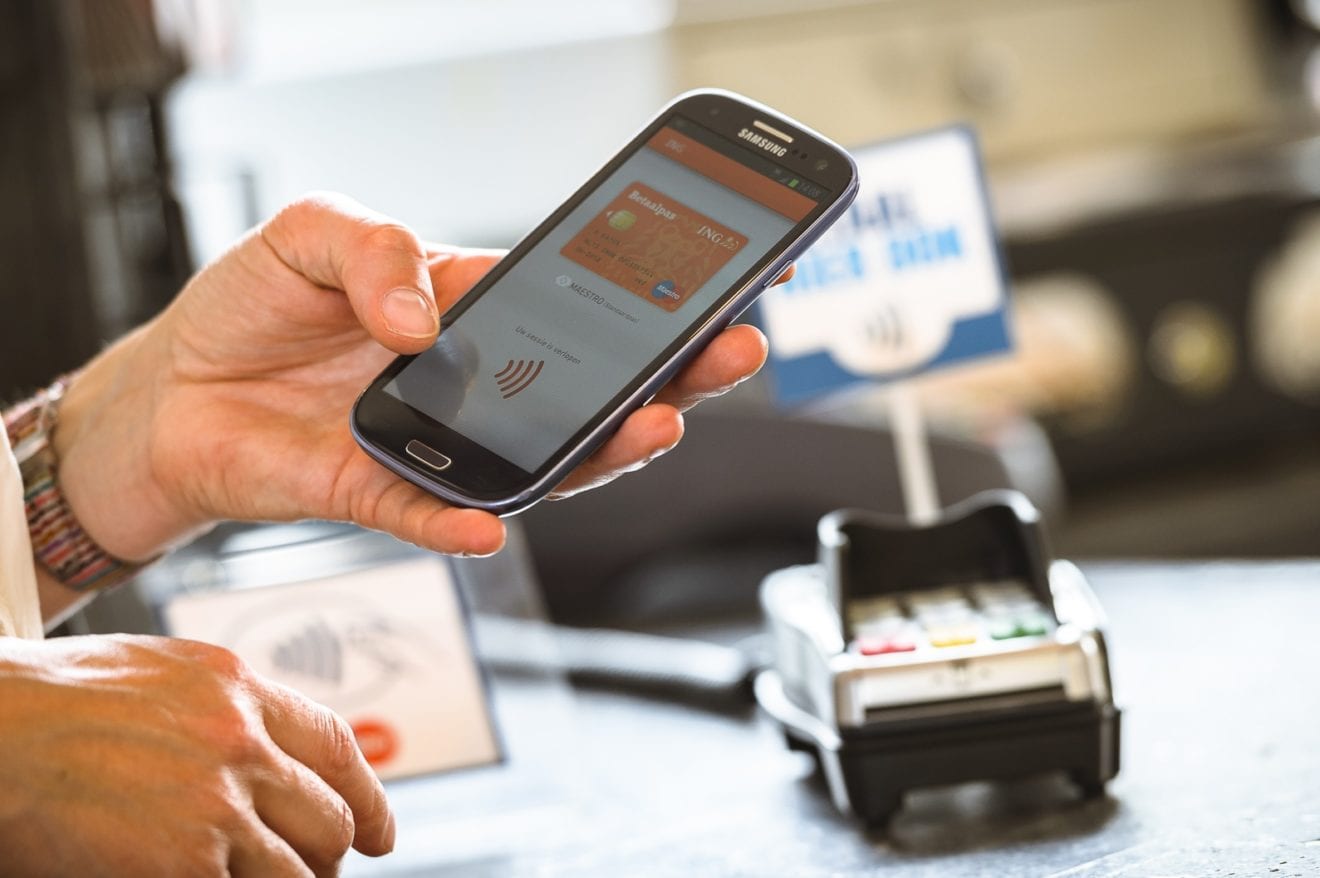
    In an exciting development for cross-border commerce, selected users from China can now engage in QR payments while visiting Indonesia, thanks to a collaborative pilot initiative between the two nations. This innovation allows users to make payments using the UnionPay and Alipay apps through Indonesia’s QRIS system, which stands for “Quick Response Code Indonesian Standard.” With more than 40 million QRIS merchants participating, this move promises to enhance the purchasing experience for tourists and business travelers alike.

    As part of this initiative, the pilot program allows not just Chinese users but also selected merchants from China’s UnionPay and Alipay networks to accept QR payments from a variety of Indonesian mobile payment applications. It’s almost like creating a financial handshake between countries, all facilitated by the convenience of QR codes.

    The payment processing will unfold in the local currencies of each country, adding another layer of efficiency to the transaction process, as confirmed in the recent press release. With the pilot phase currently underway, stakeholders anticipate that the QR payment system will be fully operational by 2025, making it a significant stride towards seamless cross-border transactions.

    UnionPay International (UPI) has laid the groundwork for this ambitious project by signing a memorandum of cooperation with the Indonesian Payment System Association, Ant International, as well as the Bank of China (Hong Kong) Jakarta branch. The move solidifies the partnership, which is further cemented through separate agreements with four Indonesian switch networks: Rintis, ALTO, Artajasa, and Jalin. As the program progresses, it could transform how payments are made between these two vibrant economies, potentially sparking interest from other nations to join the QR payment revolution.

    Questions & Answers

    How does the QR payment system work between China and Indonesia?
    Users from China can make QR payments in Indonesia using the UnionPay and Alipay apps, utilizing the QRIS system to facilitate transactions through 40 million participating merchants.

    What currencies will be used in these transactions?
    The QR payment linkages will be settled in the respective local currencies of China and Indonesia, ensuring a smooth transaction process for users.

    When is the QR payment linkage expected to become fully operational?
    The initiative is projected to be fully operational by 2025, following the current sandbox phase of the pilot program.

  • Xiaohongshu: Revolutionizing Retail With Social Commerce Amidst Challenges

    Xiaohongshu: Revolutionizing Retail With Social Commerce Amidst Challenges

    Since its launch, the social commerce platform Xiaohongshu, popularly known as Little Red Book, has been making waves in the retail landscape across China and beyond. Positioned at the intersection of e-commerce and social interaction, Xiaohongshu has created a vibrant community where users share product reviews, lifestyle tips, and shopping experiences, all while influencing purchasing decisions.

    Combining Trends with User Engagement

    What sets Xiaohongshu apart from other platforms is its unique blend of user-generated content and curated shopping experiences. The app allows influencers and regular users alike to post authentic content, ranging from makeup tutorials to travel blogs, seamlessly integrating direct shopping links. This allows brands to tap into a highly engaged audience that is already enthusiastic about lifestyle and fashion trends. It’s a bit like stumbling into a friend’s closet and finding that perfect outfit that you didn’t know you needed.

    The Rise of Influencer Marketing

    As influencer marketing continues to dominate the retail sector, Xiaohongshu stands at the forefront by allowing brands to partner with content creators who resonate with their target market. This strategy not only enhances product visibility but also fosters a sense of trust among potential buyers. With over 300 million registered users, the platform makes it easy for brands to connect with niche communities, further underscoring the importance of localized marketing strategies in a diverse region like Asia.

    Challenges Ahead

    Despite its success, Xiaohongshu faces several challenges, particularly in oversight and content moderation. Reports of misinformation and counterfeit products have drawn the scrutiny of regulatory bodies, urging improved standards for user-generated content. As the platform navigates these challenges, how it bolsters trust while maintaining rapid growth will be crucial in retaining its user base and attracting new brands.

    In a landscape as dynamic as retail in Asia, staying ahead of the curve is essential. With platforms like Xiaohongshu redefining shopping habits, it’s evident that the future of retail intertwines closely with social interaction — a digital bazaar where every swipe may lead to the next best find.

    Questions & Answers

    What makes Xiaohongshu unique in the realm of social commerce?
    Xiaohongshu combines user-generated content with e-commerce, allowing users to share their experiences and reviews while seamlessly integrating shopping links, creating a community-centric shopping environment.

    How has influencer marketing evolved on Xiaohongshu?
    The platform has become a hub for brands to collaborate with influencers who connect with their audience, significantly enhancing product visibility and fostering trust among potential customers.

    What challenges does Xiaohongshu currently face?
    The platform is grappling with issues of misinformation and counterfeit products, prompting calls for better content moderation standards to maintain user trust and safety.

  • Bank of Commerce Philippines Enhances Service with Upgraded Systems for 140 Branches and ATMs!

    Bank of Commerce Philippines Enhances Service with Upgraded Systems for 140 Branches and ATMs!

    In a bold step towards modernizing its operations, Bank of Commerce (BankCom), a prominent Philippine bank, has successfully migrated to a new core banking system. This significant upgrade, which encompasses the bank’s 140 branches and expansive ATM network, was officially announced on September 15, 2025.

    A Collaborative Triumph

    BankCom’s ambitious project was brought to fruition through a partnership with Infosys, a leader in digital banking solutions, and IBM, renowned for its expertise in global hybrid cloud services and artificial intelligence. BankCom president and CEO Michaelangelo R. Aguilar highlighted the collaborative effort behind the migration, noting that it was completed in just one weekend due to the seamless coordination among employees, vendors, and partners.

    Enhancing Customer Experience

    Aguilar emphasized the importance of these advancements, stating, “These enhancements are a significant part of our digital transformation, as we continue to innovate to help ensure we’re delivering better banking experiences for our customers.” As part of the upgrade, BankCom aims to enhance flexibility in its product and service offerings while significantly improving the efficiency, reliability, and security of its banking experience.

    Financial Strength and Industry Position

    BankCom is not just any bank; it’s a publicly-listed universal institution and an affiliate of the San Miguel Corporation (SMC). The bank reported an impressive unaudited net income of PHP 1.86 billion as of June 30, 2025, further solidifying its position as a key player in the Philippine banking landscape.

    Questions & Answers

    What motivated BankCom to upgrade its core banking system?
    BankCom aims to innovate and enhance customer experiences through improved flexibility, efficiency, and security across its banking services.

    How long did the migration take and what facilitated its success?
    The migration was completed in just one weekend, thanks to the close cooperation among employees, vendors, and partners.

    What is BankCom’s recent financial performance?
    As of June 30, 2025, BankCom reported an unaudited net income of PHP 1.86 billion, strengthening its market presence and financial stability.

  • PLDT Home Achieves Strong Fiber Growth in First Half of 2023

    PLDT Home Achieves Strong Fiber Growth in First Half of 2023

    PLDT Home has reported impressive growth in the first half of 2025, driven primarily by its fiber services, which saw revenues increase by 7% year-on-year, reaching PHP 29.5 billion. As fiber now accounts for a staggering 97% of home revenues, the company’s strategic pivot away from legacy technologies is evident. Overall, revenues for PLDT Home climbed 4% compared to the previous year, totaling PHP 30.4 billion, bolstered by a robust fiber rollout, appealing bundled services, and heightened customer interaction.

    Reflecting Growing Demand for Connectivity

    John Y. Palanca, Senior Vice President and Head of PLDT Home Business, emphasized that the growth reflects a surging demand for high-speed connectivity and richly integrated digital experiences. “We’re expanding our fiber footprint while delivering bundled services that meet evolving customer needs,” he remarked, underscoring the importance of adaptability in a fast-changing market.

    Subscriber Milestones Achieved

    In H1 2025, PLDT Home not only maintained its premium Average Revenue Per User (ARPU) but also reported a significant influx of new subscribers. The company welcomed 169,000 additional fiber subscribers—three times the net additions from the same period last year—bringing the total number of connections to an impressive 3.53 million. This surge showcases the brand’s reputation for reliability and value in a competitive landscape.

    Balance of Innovation and Service

    This growth is underpinned by both expanding their network and providing enticing bundled lifestyle services. Popular offerings such as Fiber Unli All and Fiber Plus Netflix bring together broadband, mobile, and content in packages that resonate with consumers. In Q2, over 80% of new subscribers opted for higher-value plans priced at PHP 1,299 and above, lifting PLDT Home’s industry-leading ARPU to PHP 1,485.

    Enhancements in customer service play a crucial role in this success. Improvements including faster installations, AI-powered support, and expedited repair times have significantly bolstered customer retention, resulting in a remarkably low churn rate of 1.93%. In a world where customers crave immediate gratification, it’s evident that PLDT Home is becoming the fast-food drive-thru of internet service.

    Capturing New Markets with Fiber Prepaid

    Furthermore, PLDT Home is tapping into new household segments through its Fiber Prepaid offerings, catering to families who prefer the flexibility of prepaid plans. Early reports indicate that this strategy is paying off, as ARPU levels remain consistent, signaling that growth is additive rather than detracting from postpaid subscribers.

    Connecting Communities Across the Philippines

    Beyond simply providing connectivity, PLDT Home positions itself as a vital enabler of digital inclusion. Its expanding fiber footprint improves access to high-speed internet across more regions of the Philippines. Currently, the PLDT Group boasts the nation’s most extensive fiber infrastructure, measuring around 1.2 million cable kilometers. The company has passed 19.01 million homes, effectively covering 74% of towns and 91% of provinces, making significant strides in bridging the digital divide.

    Questions & Answers

    How much did PLDT Home’s fiber revenues increase in Q1 2025?
    PLDT Home’s fiber revenues climbed 7% year-on-year, reaching PHP 29.5 billion in the first half of 2025.

    What is the churn rate reported by PLDT Home?
    The company boasts a remarkably low churn rate of 1.93%, indicating strong customer retention.

    How many new fiber subscribers did PLDT Home gain in H1 2025?
    PLDT Home gained 169,000 new fiber subscribers in the first half of 2025, marking three times the net additions from the previous year.

  • VinFast Electrifies Market with Nearly 11,000 EVs Sold in August!

    VinFast Electrifies Market with Nearly 11,000 EVs Sold in August!

    VinFast reports that its sales figures have held steady at approximately 11,000 units monthly, positioning the Vietnamese electric vehicle manufacturer far ahead of its competitors. The company shared these insights on Friday, revealing a robust performance across its diverse lineup.

    The VF 5 Shines in the Sales Arena

    Leading the charge is the VF 5, which sold 2,745 units in August, bringing its year-to-date total to an impressive 27,109. This model, often seen as a yardstick of consumer enthusiasm, underlines VinFast’s stronghold in the A-SUV segment. Meanwhile, the Herio Green variant tailored for transport service providers also made significant strides, with 2,395 vehicles delivered, further cementing the company’s market dominance.

    VF 3: The “National Car” Star

    In a close competition, the VF 3 followed up with 2,481 units sold last month. This vehicle has captured the hearts of consumers, becoming Vietnam’s best-selling model of the year with a staggering total of 28,704 cars delivered since January. Its affordability, striking aesthetics, and universal appeal have rightfully earned it the affectionate title of the “national car.”

    Appeal of the VF 6 and the Rise of the VF 7

    Not to be overlooked, the VF 6 also showcased strong performance, recording sales of 2,038 units last month and a total of 12,492 for the year. This model has garnered acclaim for its durability and advanced technology, making it particularly attractive to younger buyers in the B-SUV segment. In the C-SUV category, the VF 7 is turning heads with its stylish design, achieving 718 units sold in August and accumulating 5,099 so far this year.

    Diverse Model Range Fuels Growth

    VinFast’s August success also stretched beyond its flagship models, with other offerings like the VF 8, VF 9, Nerio Green, and Limo Green contributing to sales figures. A noteworthy moment came on August 5, with the first deliveries of the Limo Green, marking the company’s strategic entry into the seven-seat MPV market, promising greater versatility for both families and service operators.

    Looking Ahead: Promising Growth on the Horizon

    Duong Thi Thu Trang, VinFast’s deputy CEO of global sales, remains optimistic, predicting a surge in sales during the peak season later this year. The anticipated growth will be bolstered by a combination of new models and the established appeal of existing offerings. Currently, VinFast leads in Vietnam’s electric vehicle landscape, boasting the most expansive portfolio that includes everything from mini-SUVs to E-SUVs and MPVs. Plans are already underway to introduce new models, including the Minio Green for transport businesses, the small cargo EC Van, and compact electric buses aimed at public transport.

    Questions & Answers

    What factors are driving VinFast’s strong sales performance?
    VinFast’s diverse product lineup, which includes the popular VF 3 and VF 5 models, alongside strategic entry into various market segments such as the MPV category, has significantly boosted its sales figures.

    How has VinFast’s approach to the electric vehicle market set it apart in Vietnam?
    The company offers the broadest range of pure electric vehicles in Vietnam, catering to different consumer needs with models spanning from mini-SUVs to larger MPVs, making it a versatile player in the growing EV sector.

    What future developments can we expect from VinFast?
    VinFast is planning to expand its lineup with new models such as the Minio Green for transport services, the EC Van for cargo, and electric buses for public transportation, which will further enhance their presence in the EV market.

  • Airasia Launches Direct Routes From Malaysia To Indonesia, Boosting Regional Connectivity And Economic Growth

    Airasia Launches Direct Routes From Malaysia To Indonesia, Boosting Regional Connectivity And Economic Growth

    AirAsia, signified by the flight code AK, has expanded its offerings, introducing two direct air routes from the Malaysian cities of Kuala Lumpur and Kuching to Pontianak, Indonesia. This development furthers its reputation as the airline with the most extensive network connecting these two countries. It also upholds AirAsia’s dedication to enhancing regional connectivity and fostering economic growth throughout the region.

    Celebratory Reception

    Upon its return, flight AK1782 from Pontianak received a warm reception at Kuching International Airport. The occasion was celebrated with cultural performances and attending guests from Pontianak were welcomed by dignitaries, including Deputy Minister for Tourism, Creative Industry and Performing Arts Sarawak, YB Datuk Snowdan Lawan, and AirAsia Malaysia CEO, Dato’ Captain Fareh Mazputra. Representatives from various Malaysia Airports, government departments and private hospitals in Kuching also attended the event.

    In Kuala Lumpur International Airport Terminal 2, passengers on the inaugural flight AK491 from Pontianak were greeted by Tourism Malaysia and members of the AirAsia Management.

    First International Services at Supadio Airport

    These flights are the first international services to take place at Pontianak’s Supadio Airport since it regained its international status in June 2025. This significant event involved a special welcoming ceremony for dignitaries, headed by the Governor of West Kalimantan, Drs Ria Norsan, and the Malaysian Consul in Pontianak, En Azizul Zekri Abdul Rahim.

    Minister for Transport Sarawak, YB Dato’ Sri Lee Kim Shin, expressed his delight regarding the reinstatement of the Kuching-Pontianak route after a five-year pause. He emphasised the positive impact of this move, which will substantially reduce travel times, boost tourism, and strengthen connections between Sarawak and West Kalimantan.

    AirAsia’s Expansion

    AirAsia is proud of its recent route expansions, with Indonesia remaining a key market for the airline. CEO of AirAsia Malaysia, Dato’ Captain Fareh Mazputra, highlighted the significance of reintroducing the Pontianak route, which will increase convenience for passengers and open up new opportunities for tourism and business between Malaysia and Indonesia.

    CEO of Sarawak Tourism Board, Mdm Sharzede Salleh Askor, expressed her excitement over the reinstatement of direct air connectivity between Kuching and Pontianak. This development will make travel more convenient for those in West Kalimantan, strengthen Sarawak’s role as the gateway to Borneo, and attract more visitors from Pontianak and beyond.

    Currently, AirAsia Malaysia serves 18 destinations in Indonesia from Kuala Lumpur, with a new route to Banjarmasin set to commence on 20 October 2025.

    Questions & Answers

    What is the significance of the new AirAsia routes?
    These routes not only improve travel convenience but also open up new opportunities for tourism and business between Malaysia and Indonesia.

    What other Indonesian cities does AirAsia Malaysia connect with?
    AirAsia Malaysia currently connects with 18 Indonesian cities, including Jakarta, Bali (Denpasar), Medan, Yogyakarta, and more.

    What’s the impact of reinstating the Kuching-Pontianak route?
    This development will reduce travel times, boost tourism, and strengthen connections between Sarawak and West Kalimantan.

  • Dhl Express Recognized As Second Best Workplace In Asia Amidst Industry Challenges

    Dhl Express Recognized As Second Best Workplace In Asia Amidst Industry Challenges

    DHL Express has once again secured a commendable position as one of Asia’s top employers, landing the second spot on the coveted 2025 Great Place to Work® Best Workplaces in Asia™ list. This triumph marks the express logistics provider’s continued success in maintaining a people-centric culture amidst an ever-changing and challenging external landscape.

    Standing Strong Amid Challenges

    Despite the presence of external obstacles, DHL Express has remained unwavering in its commitment to uphold a resilient and cohesive culture. Such an achievement reiterates the organization’s steadfast focus on being an employer of choice, prioritizing the health and welfare of its personnel.

    At the heart of DHL Express is its people-centric ethos. “The team’s dedication, passion and innovation ensure every employee has access to the resources and opportunities necessary to succeed. We remain focused and adaptable, ensuring the safety and overall wellbeing of our people,” stated Ken Lee, CEO for Asia Pacific at DHL Express.

    Empowerment Through Strategy 2030

    The award comes at a time where the logistics industry faces increasing challenges brought on by shifting workforce dynamics. DHL Express remains committed to future-proofing its organization, focusing on improving skills, promoting diversity and inclusion, and embracing digitalization.

    As part of this, the firm has been investing in and deploying advanced technology platforms to enhance the productivity and quality of their sales and customer service operations.

    Celebrating Excellence: Employee of the Year Awards

    DHL Express understands the importance of celebrating and recognizing the exceptional contributions of its employees. The annual Employee of the Year awards provides a platform to honor employees across the Asia Pacific region who embody DHL’s values. More than 200 employees were recognized this year for their exceptional performance and commitment.

    Commitment to the Future

    As DHL Express progresses, its dedication to its people, purpose, and planet remains unwavering. The company will continue to utilize its internal Smart Connect platform to encourage collaboration, enable personalized learning, and foster a strong sense of community among its employees.

    Questions & Answers

    What has DHL Express recently achieved?
    DHL Express has been recognized as one of Asia’s top employers, securing the second position on the 2025 Great Place to Work® Best Workplaces in Asia™ list.

    What strategies does DHL Express employ to strengthen its workforce?
    DHL Express is committed to improving skills, promoting diversity and inclusion, and embracing digitalization. It invests in advanced technology platforms to enhance the productivity and quality of its operations.

    What does DHL Express do to honor its employees?
    DHL Express hosts the annual Employee of the Year awards to celebrate and recognize employees who embody the company’s values and go beyond their job responsibilities.

  • Chobani Launches High-protein, No-added-sugar Fit Flip Yoghurt In Australia

    Chobani Launches High-protein, No-added-sugar Fit Flip Yoghurt In Australia

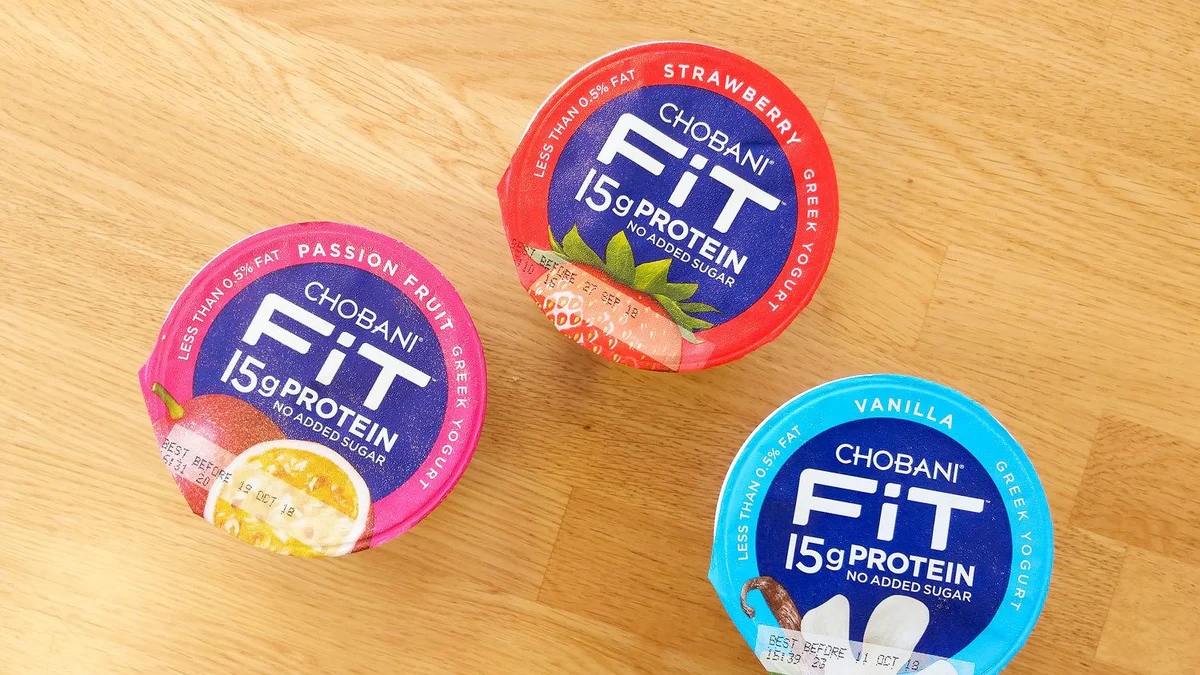
    Chobani, the popular yoghurt brand, has extended its product line in Australia with the introduction of its high-protein Greek yoghurt, Fit Flip, which comes with a crisp, crunchy side serving.

    High-Protein, Sugar-Free Yoghurt for Everyday Snacking

    The Fit Flip range from Chobani offers 16 grams of protein per serve, making it an ideal choice for those seeking a post-exercise recovery snack. It is also beneficial for anyone seeking a convenient and healthy snack option, with no added sugar.

    Delicious Flavour Combinations

    Fit Flip is being introduced in three exciting flavour combinations. The first is a combination of rich vanilla Greek yoghurt teamed with roasted almonds, crispy cocoa soy crisps, and dark chocolate with no added sugar.

    There’s also a tantalizing banana Greek yoghurt variant that comes with roasted peanuts, soy crisps and dark chocolate. Adding to the selection is a variant featuring salted caramel Greek yoghurt paired with coated peanuts, cocoa soy crisps, dark chocolate and choc fudge.

    Availability

    The new Fit Flip yoghurt range from Chobani is now on sale at Coles and Woolworths retail outlets across Australia.

    Questions & Answers

    What is the protein content of the new Fit Flip yoghurt range?
    The Fit Flip yoghurt range offers 16 grams of protein per serve.

    Are there any sugars added to the Fit Flip yoghurts?
    No, the Fit Flip yoghurts do not contain any added sugars, making them a healthier snack option.

    Where can the Fit Flip yoghurts be purchased?
    The Fit Flip yoghurts can be found at Coles and Woolworths stores in Australia.

  • Bubs Australia Announces Board Reshuffle: Paul Jensen Steps In As Independent Chair

    Bubs Australia Announces Board Reshuffle: Paul Jensen Steps In As Independent Chair

    Bubs Australia, a prominent infant nutrition company, has recently undergone changes in its executive board. Paul Jensen, one of the non-executive directors, has been appointed as the independent chair. This announcement was made following the exit of the previous chair, Katrina Rathie.

    New Appointments

    Paul Jensen, who has been an integral part of the board since 2023, has now taken on the role of independent chair. Throughout his tenure, Jensen has not only led the company’s audit and risk committee but has also brought to the table more than twenty years of experience. His expertise spans across various industries and includes both ASX-listed and unlisted boards.

    Additionally, Joe Coote, who assumed the position of CEO earlier this year, has been appointed to the board as Managing Director (MD). Coote has a deep-seated background in leadership roles, with over two decades of global experience in consumer products, dairy, and infant formula industries.

    Stronger Outlook

    Expressing his enthusiasm about the future of Bubs and his new role, Jensen said, “I am excited about the future of Bubs and the opportunity to serve as chair and welcome Joe to the board as MD.”

    Jensen further highlighted their commitment to advance board evolution throughout the current financial year. This strategic move aims to make certain that the right blend of skills and experience are on board to oversee their corporate strategy, and to align with corporate governance standards.

    Questions & Answers

    Who has been appointed as the new independent chair of Bubs Australia?
    Paul Jensen, a non-executive director of Bubs Australia, has been appointed as the new independent chair.

    Who has joined the board as the managing director?
    Joe Coote, CEO of Bubs Australia, has joined the board as the managing director.

    What is the main aim of the board evolution at Bubs Australia?
    The main aim of the board evolution at Bubs Australia is to ensure a balanced mix of skills and experience to oversee the corporate strategy and comply with corporate governance standards.

  • New Zealand’s Pals Unveils Two New Low-sugar Vodka Flavors, Expanding Its ‘better-for-you’ Range

    New Zealand’s Pals Unveils Two New Low-sugar Vodka Flavors, Expanding Its ‘better-for-you’ Range

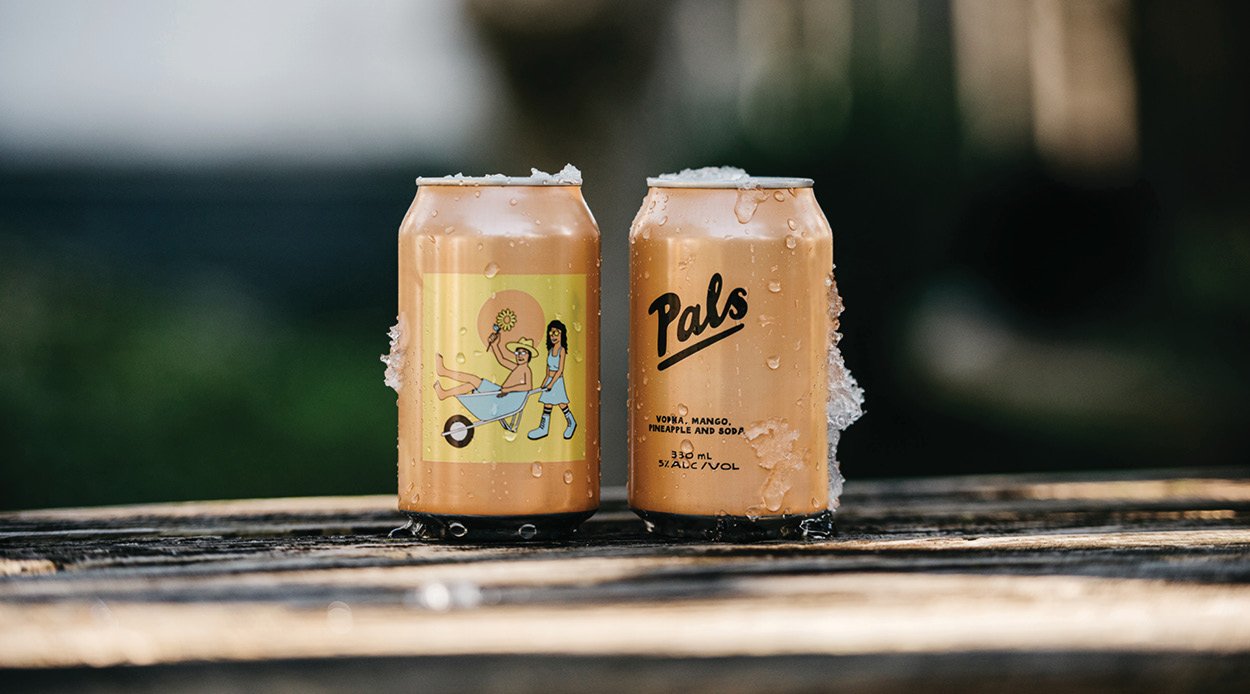
    Pals, a New Zealand based ready-to-drink (RTD) brand, has unveiled two new tantalizing flavors for its Franky’s vodka line. The product roll-out will span across major alcohol retailers in both Australia and New Zealand.

    New Flavors on the Block

    The two fresh flavors, dubbed Cola Lime and Lemon Crush, are part of the citrus RTD range. Each can is 330ml, contains 6 percent Alcohol by Volume (ABV), and has less than 0.7 grams of sugar.

    The company prides itself on the quality and craftsmanship of its products, stating that the Franky’s RTD range is a blend of real fruit and triple-distilled vodka. This unique combination creates a full-bodied flavor profile while still maintaining a low sugar content.

    Expanding Range

    In addition to the newly introduced flavors, Pals has a wide variety of offerings in its ‘better-for-you’ range. Choices include exotic flavors like pineapple, guava, and a zero-alcohol peach variant. These are available for purchase at major retailers, such as Dan Murphy’s and BWS, along with selected liquor stores across Australia and New Zealand.

    Questions & Answers

    What are the new flavors for the Franky’s vodka range?
    The new additions to the Franky’s vodka range are Cola Lime and Lemon Crush.

    What is the alcohol content in the new Franky’s flavours?
    Each can of the new flavors contains 6% Alcohol by Volume (ABV).

    Where can the new flavors be purchased?
    The new Cola Lime and Lemon Crush flavors are available at major retailers including Dan Murphy’s and BWS, as well as selected liquor stores across Australia and New Zealand.

  • Thailand’s NBTC Unveils Plan to Provide Free Spectrum for Private 5G Networks in Factories

    Thailand’s NBTC Unveils Plan to Provide Free Spectrum for Private 5G Networks in Factories

    The National Broadcasting and Telecommunications Commission (NBTC) of Thailand is stepping up its game in the race towards Thailand 4.0 by announcing a groundbreaking allocation of free spectrum aimed at factories and enterprises. This initiative is set to supercharge the country’s ambitions for technological advancement within its manufacturing sector.

    Free Spectrum for Enhanced Operations

    In a bold move, the NBTC plans to release 100 MHz of bandwidth in the 4,800 MHz band under a private network operator (PNO) license. This means that factories and enterprises can apply for allocation at no cost, so long as they utilize it to enhance their internal operations—a win-win for industry players eager to innovate.

    Boosting Industrial Capabilities through Collaboration

    NBTC Commissioner Somphop Purivigraipong detailed the vision behind this initiative, emphasizing that the allocation is tailored for factories looking to optimize their operations. “Factories can collaborate with equipment vendors or telecom companies to deploy solutions for 5G private network operations,” he noted, heralding a new era of connectivity and automation within Thailand’s industrial landscape.

    A Push Towards Private 5G Adoption

    This forward-thinking initiative is expected to catalyze the adoption of private 5G networks throughout Thailand’s manufacturing and enterprise sectors, paving the way for enhanced automation, operational efficiency, and comprehensive digital transformation. Imagine a bustling factory floor where every machine is interlinked, sharing data in real time—those visions are closer to reality than ever before.

    A Competitive Bidding Process

    While the free allocation caters to non-profit operations, enterprises eyeing the potential of private 5G for commercial purposes will still need to bid at auction for access to the 4,800 MHz band. Telecom operators can join in if they intend to function as PNOs; however, there are crucial stipulations—the licensees won’t be allowed to offer consumer mobile services or link the band with existing 2,600 MHz services. This strategic limitation underscores the NBTC’s commitment to fostering dedicated private networks.

    Unlocking Advanced Applications

    Despite limited mass-market 5G usage across Thailand—primarily leveraged for video streaming and as an add-on to 4G—there’s still a strong belief within the NBTC that private 5G networks hold the key to unlocking advanced applications like industrial IoT (IIoT), robotics, and real-time analytics. By granting spectrum access, the NBTC aims to not just elevate Thailand’s manufacturing game but to position the country as a frontrunner in industrial 5G adoption in Asia.

    Questions & Answers

    What is the purpose of the 4,800 MHz spectrum allocation?
    The 4,800 MHz spectrum allocation is primarily aimed at assisting factories and enterprises in optimizing their internal operations through the deployment of private 5G networks.

    How does this initiative support Thailand’s industrial ambitions?
    By granting free spectrum access, the NBTC hopes to drive the adoption of private 5G technology, enhancing automation, efficiency, and digital transformation across the country’s manufacturing sector.

    What are the restrictions placed on the use of the allocated spectrum?
    Enterprises that wish to use the spectrum for commercial purposes must bid at auction, and telecom operators cannot provide consumer mobile services or integrate it with existing 2,600 MHz services, ensuring a focused approach to private network development.

  • Anta Group’s Bold Expansion: 1000 New Outlets In Southeast Asia Within Three Years

    Anta Group’s Bold Expansion: 1000 New Outlets In Southeast Asia Within Three Years

    Chinese athletic apparel corporation, Anta Group, recently announced its ambitious strategy to establish 1000 retail outlets in Southeast Asia within a span of three years.

    Anta Group currently manages a portfolio of nearly 13,000 stores, more than 200 of which are situated across Southeast Asia, spanning countries such as the Philippines, Singapore, Malaysia, and Vietnam. The new objective indicates a significant boost in the company’s retail presence in the region.

    Shaping the Future of Retail in Asia

    Unveiling the ambitious plan at the 2025 Asia New Vision Forum in Singapore was Will Wang, Vice President of Anta Group and Chairman and President of Anta SEA. The forum, themed “Shaping the Pulse: How Asia’s Brands Drive Experience, Identity, and Connection,” brought together executives from diverse sectors across Southeast Asia. The primary focus of the discussion was creating effective brand-consumer relationships, both within the region and on a global scale.

    During the forum, Wang highlighted the critical role of Southeast Asia in the group’s international expansion strategy. He revealed that the brand’s retail sales figures in the region nearly doubled in the first half of the current year compared to the same period last year.

    Wang attributed this impressive growth to the high-quality offerings of Anta, the successful localisation and digitalisation strategies, and the effective implementation of the brand’s unique “Brand+Retail” business model.

    “True globalisation involves achieving localisation in every market while maintaining the brand’s inherent qualities,” Wang emphasised during the discussion.

    He further said, “Our objective is not only to sell products in Southeast Asia, but also to deliver exceptional brand value and superior service to local consumers. We are confident in our team’s ability to realise our goal of 1000 Anta outlets in the region in the next three years.”

    Setting Global Growth in Motion

    Anta Group views Southeast Asia as both a blueprint and a springboard for its international growth initiatives. As the corporation’s presence in Southeast Asia extends to surrounding markets, and as both physical and online businesses stimulate growth, the brand’s overseas revenue rose above 150 per cent in the first half of this year.

    Apart from Southeast Asia, the Anta Group’s international retail network extends to pivotal markets such as the United Arab Emirates, Saudi Arabia, Egypt, Kenya, and North America, facilitated by strategic alliances. The group recently inaugurated its premier flagship store in the United States, located in Beverly Hills, California.

    Questions & Answers

    What is the Anta Group’s growth plan for Southeast Asia?
    The Anta Group plans to establish 1000 retail outlets in Southeast Asia over the next three years, significantly expanding its presence in the region.

    What factors have contributed to the Anta Group’s recent success in Southeast Asia?
    The group’s impressive growth in the region is attributed to high-quality product offerings, successful localisation and digitalisation strategies, and an effective “Brand+Retail” business model.

    How does the Anta Group view Southeast Asia in terms of its global growth strategy?
    The Anta Group sees Southeast Asia as a blueprint and launchpad for its international growth initiatives, leveraging the expanding market and both physical and online businesses to stimulate growth.