Author: Mei Ling Tan

  • Uniqlo Shatters Milestone with Japan Sales Surpassing 1 Trillion Yen—A Historic First for Apparel Brands!

    Uniqlo Shatters Milestone with Japan Sales Surpassing 1 Trillion Yen—A Historic First for Apparel Brands!

    In a landmark achievement for the Japanese retail landscape, Fast Retailing has reported that Uniqlo’s domestic sales soared to approximately 1.03 trillion yen ($6.98 billion) for the fiscal year ending August 2025. This impressive 10% year-on-year increase sets a new record, making Uniqlo the first apparel company in Japan to surpass the 1 trillion yen sales mark.

    Much of this success can be attributed to Fast Retailing’s strategic utilization of larger store formats and cutting-edge big data analytics. These elements have redefined customer engagement, allowing for tailored experiences that drive foot traffic and boost sales. It’s as if Fast Retailing cracked the code to unlocking retail success while keeping shoppers coming back for more.

    As Uniqlo expands its footprint with innovative concepts, the brand continues to attract a loyal customer base, reinforcing its position in an increasingly competitive market. The journey to this significant milestone took 41 years, starting from the opening of the first Uniqlo store.

    Questions & Answers

    What milestone did Uniqlo achieve in the fiscal year ending August 2025?
    Uniqlo surpassed 1 trillion yen in domestic sales for the first time, achieving approximately 1.03 trillion yen ($6.98 billion), marking a significant milestone for the apparel industry in Japan.

    What factors contributed to Uniqlo’s sales growth?
    Uniqlo’s sales growth can be attributed to Fast Retailing’s strategic use of larger store formats and big data analytics, which enhanced customer engagement and shopping experiences.

    How long did it take for Uniqlo to reach the 1 trillion yen sales mark?
    It took Uniqlo 41 years to reach this remarkable sales milestone, beginning with the launch of its first store.

  • Global Wind Capacity Set to Soar with 170 GW Additions Expected by 2025

    Global Wind Capacity Set to Soar with 170 GW Additions Expected by 2025

    China is poised to lead an unprecedented boom in the wind energy sector, as projections indicate that the industry will install a remarkable 170 gigawatts (GW) of new capacity by the end of 2025, according to the latest report from Wood Mackenzie. This surge is not just a ripple in the energy market; it suggests a tidal wave of change, with the global wind sector expected to connect more than 70 GW in a single quarter—setting a new benchmark for quarterly additions that surpass the annual totals of any year before 2020.

    A Record-Breaking Forecast

    This fresh market outlook reveals a robust 13% quarter-on-quarter increase largely driven by significant onshore growth in China. With such momentum, global wind capacity is projected to double from 2024 levels by as early as 2032, showcasing the country’s pivotal role in this renewable energy revolution.

    Resilience Amidst Uncertain Policies

    Despite facing obstacles in key markets like the United States, the wind industry is on track to achieve historic scale in the coming decade. By 2031, without considering China’s contributions, global cumulative wind capacity is set to hit a terawatt, eventually doubling from 2024 levels by 2034. However, the journey isn’t without its challenges. Policy frameworks that historically supported wind sector growth are now injecting uncertainty into major markets—an ominous cloud that threatens to dampen the industry’s rapid ascent.

    The Dynamics of Growth in China

    Sasha Bond-Smith, a research analyst at Wood Mackenzie, highlighted the “unparalleled concentration of growth in China,” which is fundamentally reshaping the wind energy landscape. Yet, not everything is smooth sailing: the offshore wind sector in China is grappling with significant hurdles, including sea-use conflicts that profoundly disrupt project timelines and even halt construction on ongoing projects.

    Global Progress and Emerging Challenges

    On the flip side, onshore projects are advancing across Europe, the Asia-Pacific region, and emerging markets, bolstered by favorable tender outcomes and strong project pipelines. Nevertheless, the sluggish pace of the green hydrogen market still casts a long shadow, limiting the potential spillover benefits into wind development.

    “Achieving this historic scale will require the industry to adeptly navigate this new geography of growth and adapt to changing policy landscapes,” cautioned Kárys Prado, a senior research analyst at Wood Mackenzie. In the world of wind energy, flexibility may just become the most valuable currency.

    Questions & Answers

    What role is China playing in the global wind energy market?
    China is set to account for a significant portion of the wind energy expansion, with projections indicating it will install 170 GW of new capacity by the end of 2025, reshaping the industry’s dynamics.

    Are there challenges that the offshore wind sector in China is facing?
    Yes, the offshore wind sector is experiencing considerable challenges due to sea-use conflicts, which are disrupting project timelines and stopping construction on some ongoing projects.

    What factors could influence the future growth of the wind industry?
    Future growth will depend on how effectively the industry adapts to evolving policy landscapes and navigates the challenges presented by international markets, particularly as policy uncertainties become more pronounced.

  • Dollar Experiences Slight Dip Against Dong in Black Market Trading

    Dollar Experiences Slight Dip Against Dong in Black Market Trading

    The U.S. dollar fell against the Vietnamese dong on the black market Saturday morning despite a global gain.

    Dollar Moves in Unexpected Ways

    The U.S. dollar dipped by 0.24% to VND 26,950 at unofficial exchange points on Saturday. This drop occurred even as the greenback gained globally, highlighting the fluid dynamics at play in foreign exchange markets.

    Official Rates Hold Steady

    Meanwhile, Vietcombank maintained its official exchange rate at VND 26,476, while the State Bank of Vietnam opted to keep its rate unchanged at VND 25,216. This stability in local rates contrasts sharply with the movements observed in the black market, where traders often respond more acutely to shifts in sentiment and market conditions.

    A Global Context

    In the broader global landscape, the dollar had a mixed day on Friday, recovering slightly after experiencing a downturn fueled by a rise in U.S. jobless claims and a slight increase in inflation. As anticipation builds ahead of next week’s Federal Reserve meeting—where analysts speculate a potential interest rate cut could take place after a substantial pause—the currency faces additional scrutiny.

    Yen and Dollar Dynamics

    The dollar gained 0.2% against the yen, reaching 147.53 yen. This marks three consecutive weeks of growth against the Japanese currency. The latest U.S.-Japan joint statement emphasized the importance of allowing markets to dictate exchange rates, urging against excessive volatility. Traders have keenly absorbed this messaging, further influencing market behavior.

    Trends on the Dollar Index

    The dollar index remained relatively stable at 97.59, yet it is poised for its second straight weekly decline, with a 0.1% drop over the week. This slight shift signals traders’ cautious approach as they navigate uncertainties ahead in the market.

    Questions & Answers

    How did the U.S. dollar perform against the Vietnamese dong on the black market?
    The U.S. dollar fell by 0.24% to VND 26,950 at unofficial exchange points, contrasting with its global gains.

    What exchange rates did Vietcombank and the State Bank of Vietnam set?
    Vietcombank maintained its rate at VND 26,476, while the State Bank of Vietnam kept its rate unchanged at VND 25,216.

    What context surrounds the dollar’s performance globally?
    The dollar experienced mixed results as it recovered from a decline caused by increased U.S. jobless claims and an uptick in inflation ahead of a Federal Reserve meeting that might lead to interest rate cuts.

  • Small Chinese Noodle Shop Sparks Debate with Eye-Popping $300 Bowl Price Tag

    Small Chinese Noodle Shop Sparks Debate with Eye-Popping $300 Bowl Price Tag

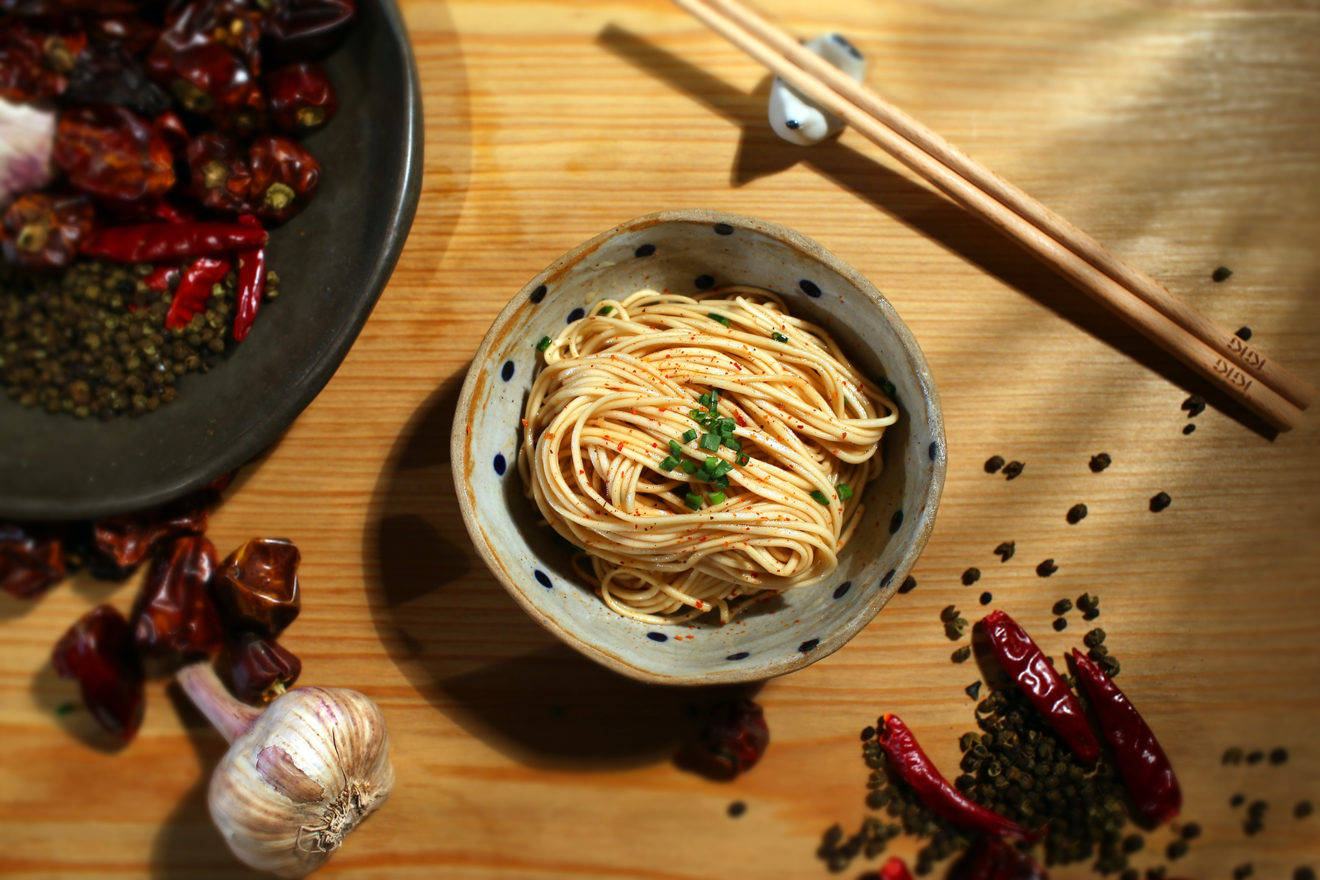
    In an unexpected culinary twist, a small eatery in Hangzhou is causing quite a stir with its lavish noodle dish priced at an eye-popping $300. This dish isn’t just a meal; it’s a spectacle that seems to rival the likes of Michelin-starred restaurants. Customers are eagerly taking to social media to share their experiences, with nearly a dozen of these extravagant bowls reportedly sold since their debut.

    What makes this luxurious bowl of noodles so special? Packed with a blend of premium ingredients, it features a generous assortment: 120g of onion, 130g of egg or 10g of fresh caviar, 270g of swamp eel, 400g of red prawn, and 210g of small abalone. For those wanting to indulge a bit more, guests can add 20g of tomatoes for an additional 20 yuan, just to keep it fresh.

    The eatery’s owner, known only by his surname Wu, defends the extravagant prices, arguing that they reflect a level of culinary skill that leaves typical noodle dishes in the dust. He assures patrons that his creations are neither oily nor limp, tapping into the fresh seafood sourced from a nearby market. With each bowl taking about 15 minutes to prepare, it’s clear there’s artistry at work.

    While Wu has captured the interest of curious diners, it’s the social media buzz created by food influencers that has really fueled this phenomenon. Some customers have even taken their bowls of luxury on the road, with one avid fan transporting the pricey dish back to Shanghai via high-speed rail. However, the public is divided; some express doubt regarding the dish’s worth. Observers have quipped that “the noodles will become mushy after traveling,” and others have likened it to dining experiences at luxury hotels. One witty commenter even speculated that the price must have been mistakenly listed in Japanese yen.

    Wu’s culinary journey is just as intriguing. Once a sales professional, he made a sharp career pivot to open his eatery in 2021. After parting ways with his initial chef, he took charge of the kitchen, showcasing his newfound passion for gastronomy. Interestingly, this isn’t the first time the establishment has turned heads; earlier in the year, the most expensive dish on the menu retailed for 558 yuan ($78), and just last year, diners could find a top dish costing as little as 68 yuan ($9.50).

    Legal expert He Shengting from Guangdong Guoding Law Firm weighed in on the controversy, stating that the restaurant is in the clear legally, as pricing and ingredients are transparently disclosed. He noted that any issues would only arise if the diner misrepresented its offerings, which is not the case here.

    Questions & Answers

    What unique ingredients contribute to the $300 noodle dish?
    The dish boasts a mix of luxurious ingredients, including swamp eel, red prawn, small abalone, and even fresh caviar, making it a feast for both the eyes and palate.

    How has social media influenced the popularity of this eatery?
    Food influencers sharing their experiences and reactions have significantly heightened the restaurant’s visibility, drawing both curious diners and skeptics alike.

    What sparked the dramatic price increase for the noodle dish from last year?
    The eatery’s owner, Wu, attributes the price increases to his culinary expertise and the high-quality, fresh ingredients sourced locally, as well as a broader strategy to position the restaurant in the upscale dining market.

  • JD.com Eyes UK Retail Expansion with Potential Acquisition of Argos from Sainsbury’s

    JD.com Eyes UK Retail Expansion with Potential Acquisition of Argos from Sainsbury’s

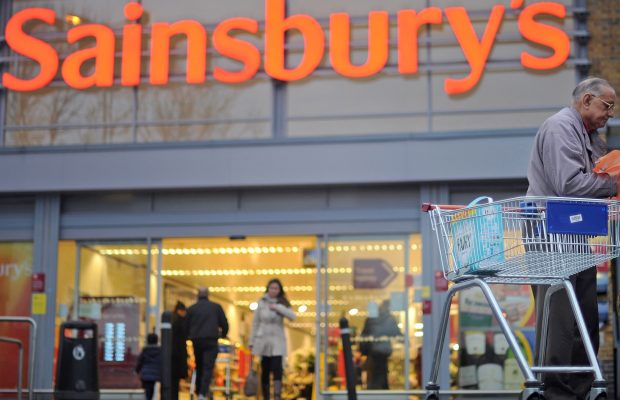
    British supermarket titan Sainsbury’s is currently exploring a potential sale of Argos, the general merchandise retailer it acquired for £1.1 billion (about $1.5 billion) back in 2016. The discussions involve Chinese e-commerce behemoth JD.com, hinting at a transformation for Argos in the increasingly competitive retail landscape.

    Shifting Focus and Future Prospects

    Under the leadership of CEO Simon Roberts since 2020, Sainsbury’s has sharpened its focus on food, signaling a strategic shift away from non-food segments. The supermarket chain stated that a partnership with JD.com could bolster Argos by infusing the brand with world-class retail technology and logistics expertise. This, according to Sainsbury’s, would catalyze growth for Argos and elevate the customer experience to new heights.

    Commitments on the Table

    While the discussions are underway, Sainsbury’s clarified that no agreements have been finalized, and there remains uncertainty regarding the outcome of any potential transaction. The retailer emphasized that any sale would come with commitments aimed at benefiting customers, employees, and partners alike.

    Argos: A Retail Game-Changer

    Argos holds its ground as the U.K.’s second-largest general merchandise retailer, claiming the title of the third most visited retail website in the country. In addition, the brand boasts over 1,100 collection points, making it a familiar name for consumers across the region.

    Sainsbury’s Commitment amid Evaluations

    Despite contemplating a potential sale, Sainsbury’s remains dedicated to steering Argos toward a successful future, reporting that its existing strategy is yielding “solid progress.” With a market capitalization of £7 billion ($9.5 billion), Sainsbury’s stands as Britain’s second-largest supermarket group, just behind Tesco. In juxtaposition, JD.com, a Nasdaq-listed giant valued at $48 billion, is looking to broaden its horizons beyond its established market in China.

    Global Aspirations for JD.com

    As part of its international ambitions, JD.com is also navigating a €2.2 billion takeover of German consumer electronics retailer Ceconomy, which is currently awaiting regulatory review. The company had previously eyed British electronics retailer Currys, only to withdraw from negotiations last year.

    Questions & Answers

    What prompted Sainsbury’s to consider selling Argos?
    Sainsbury’s is shifting its focus more toward food under CEO Simon Roberts, leading to a strategic reassessment of its non-food assets like Argos.

    What advantages does JD.com bring to the table regarding Argos?
    JD.com could provide extensive retail, technology, and logistics expertise, which would help enhance Argos’ growth and improve the overall customer experience.

    What are the current market standings of Sainsbury’s and JD.com?
    Sainsbury’s holds a market capitalization of £7 billion ($9.5 billion) while JD.com is valued at $48 billion, showcasing the vast difference in their market positions.

  • South Korea Takes Action: New Restrictions on Foreign Homebuyers Aim to Stabilize Soaring Property Prices

    South Korea Takes Action: New Restrictions on Foreign Homebuyers Aim to Stabilize Soaring Property Prices

    In a bid to temper the escalating housing market, the South Korean government has stepped in, targeting particularly the vibrant skyline of Seoul and surrounding regions. The surge in property purchases by foreign buyers, especially from mainland China and Hong Kong, is significantly inflating the prices of middle and high-end homes, according to a report from the South China Morning Post.

    Data reveals a staggering rise in acquisitions: as of May, 96,955 properties have shifted hands to buyers from these territories, marking a dramatic 78.5% increase since 2020. These transactions encompass residential units, commercial spaces, and land, highlighting a trend that has not gone unnoticed by local officials.

    “We anticipate the ban will contribute to market cooling, price stabilisation, and improved access for local buyers, to some extent, as domestic buyers face strict mortgage caps, whereas foreign buyers often circumvent these through overseas financing,” commented JoAnn Hong, senior director for research and consultancy at Savills Korea.

    This new wave of restrictions, implemented recently, represents the government’s latest effort to tackle rampant speculation in the housing sector, an issue that has become politically charged for President Lee Jae-myung, who promised to alleviate living costs upon assuming office in June.

    Prior to this regulatory shift by the Ministry of Land, Infrastructure and Transport, South Korea had emerged as the ninth most sought-after destination for Chinese property investors, as reported by real estate broker Juwai IQI.

    Data indicates that foreign buyers constituted approximately 20% of residential transactions in the middle and upscale segments, particularly in and around the Seoul metropolitan area, which encompasses Incheon and Gyeonggi province. Notably, there has been a significant uptick in foreign investments in high-end properties since 2022, according to Savills’ findings.

    By the end of last year, foreigners owned just over 100,000 homes in South Korea, with Chinese nationals accounting for more than 56% of this figure. In Seoul, the influence is even more striking, with about 70% of foreign buyers hailing from China.

    This influx of Chinese investors has been a notable driver in the prime districts, frequently purchasing properties with cash or via offshore financing, thereby intensifying pressure on the upper end of the real estate market.

    The newly instituted rules stipulate that foreign buyers must now comply with a residency requirement, mandating that they reside in any property purchased. Specifically, the land ministry’s policy dictates that foreigners obtain prior approval and, once granted, must move into their new home within four months and remain there for at least two years.

    Despite these changes, skepticism lingers among experts regarding the potential effectiveness of the policy in striking a blow against soaring housing prices. Christine Li, head of research for Asia-Pacific at Knight Frank, expressed reservations, noting that foreign investment alone has had minimal impact on overall real estate prices in South Korea, particularly in Seoul.

    “The extraordinary price growth seen over the past five years was overwhelmingly driven by domestic factors,” Li said. “Foreign transactions are too small in scale to meaningfully influence overall pricing trends, though their activity can feel more visible in a handful of high-end districts.”

    Li added that demand will likely remain robust in Seoul despite the constraints, with supply shortages keeping upward pressure on prices. In a striking twist, Seoul has topped global rankings for prime residential price growth among 46 cities, boasting a staggering 25.2% annual increase, as highlighted in a recent Knight Frank study. This suggests that the city’s property prices are set to continue their upward trajectory in the foreseeable future.

    Questions & Answers

    What measures is the South Korean government taking to regulate foreign property purchases?
    The South Korean government has implemented new restrictions that require foreign buyers to obtain prior approval before purchasing property. Additionally, they must live in the property for at least two years after moving in within four months of purchase.

    How significant is the impact of foreign buyers on the South Korean housing market?
    While foreign buyers account for about 20% of residential transactions in upscale segments, experts suggest that the overall impact on housing prices is minimal, as domestic factors are the primary drivers of price fluctuations.

    What recent trends have been observed in Seoul’s real estate market?
    Seoul has witnessed a dramatic increase in property prices, with a 25.2% annual growth rate making it the top city globally for prime residential price increases, largely fueled by domestic demand and ongoing supply shortages.

  • Fore Coffee Dives Into Donut Industry With Fore Donut: Aiming To Capitalize On Indonesia’s Growing High-end Baked Goods

    Fore Coffee Dives Into Donut Industry With Fore Donut: Aiming To Capitalize On Indonesia’s Growing High-end Baked Goods

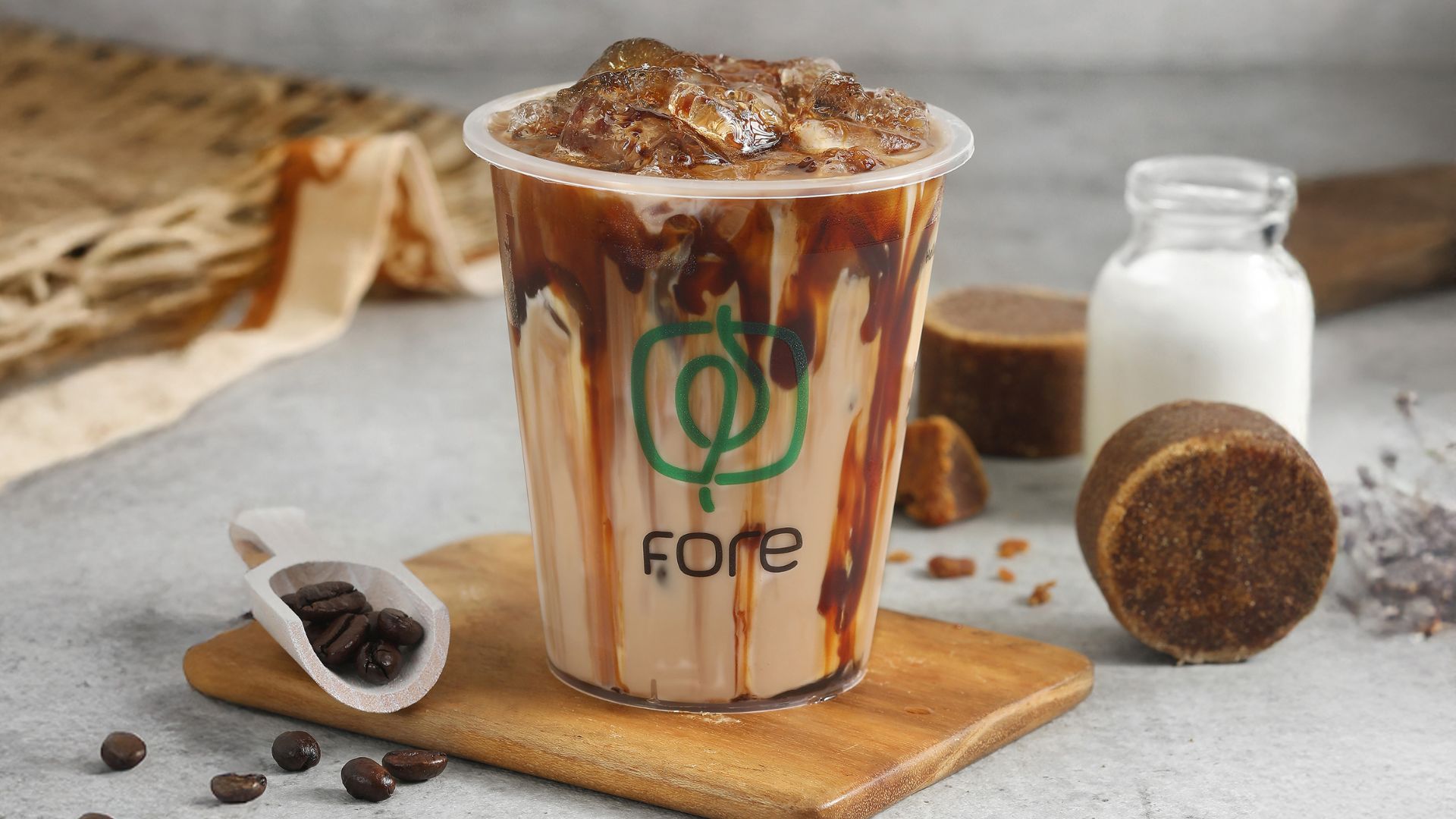
    Indonesia’s popular food and drink retailer, Fore Coffee, is making its mark in the donut industry by inaugurating its inaugural Fore Donut store in Supermal Karawaci, Tangerang. This strategic growth initiative enables Fore to take advantage of Indonesia’s escalating need for high-end baked products. Statistics provided by the company predict an impressive increase in the country’s donut market, which is expected to leap from $213 million in 2024 to over $518 million by 2030.

    Fore Donut’s Expansion Plans and Offerings

    Fore Donut has set its sights on launching at least three stores within this year. The pioneer store provides an assortment of over 10 varieties of artisan donuts, intermixing international tastes with domestic favourites like Ayam Pop.

    At a press conference, company spokesperson Lomar stated, “Craftsmanship and honesty form the essence of every product at Fore Donut. Each donut is handcrafted with pure, natural ingredients, mirroring our dedication towards quality and transparency.” He added, “Real pleasure lies in attention to detail and simplicity, ensuring each bite is not just appetizing but also wholesome. This principle permeates throughout our operations, allowing us to morph the ordinary donut into something truly extraordinary.”

    Fore Coffee’s Noteworthy Growth

    Founded in 2018, Fore Coffee currently runs 261 stores across Indonesia and Singapore. The firm witnessed robust financial growth in FY2024, propelled by its assertive retail expansion and comprehensive omnichannel approach.

    Questions & Answers

    What is Fore Coffee’s latest venture?
    Fore Coffee has recently ventured into the donut industry with the launch of its first Fore Donut store in Supermal Karawaci, Tangerang.

    What does Fore Donut plan for its expansion and offerings?
    Fore Donut plans to open at least three outlets this year, offering more than 10 types of handmade doughnuts that blend global flavours with local favourites.

    How did Fore Coffee perform in FY2024?
    Fore Coffee reported strong financial growth in FY2024, driven by an aggressive retail expansion and an effective omnichannel strategy.

  • NY Streetwear Brand Fried Rice Launches Pop-up Store In China, Signifying Asian Market Expansion

    NY Streetwear Brand Fried Rice Launches Pop-up Store In China, Signifying Asian Market Expansion

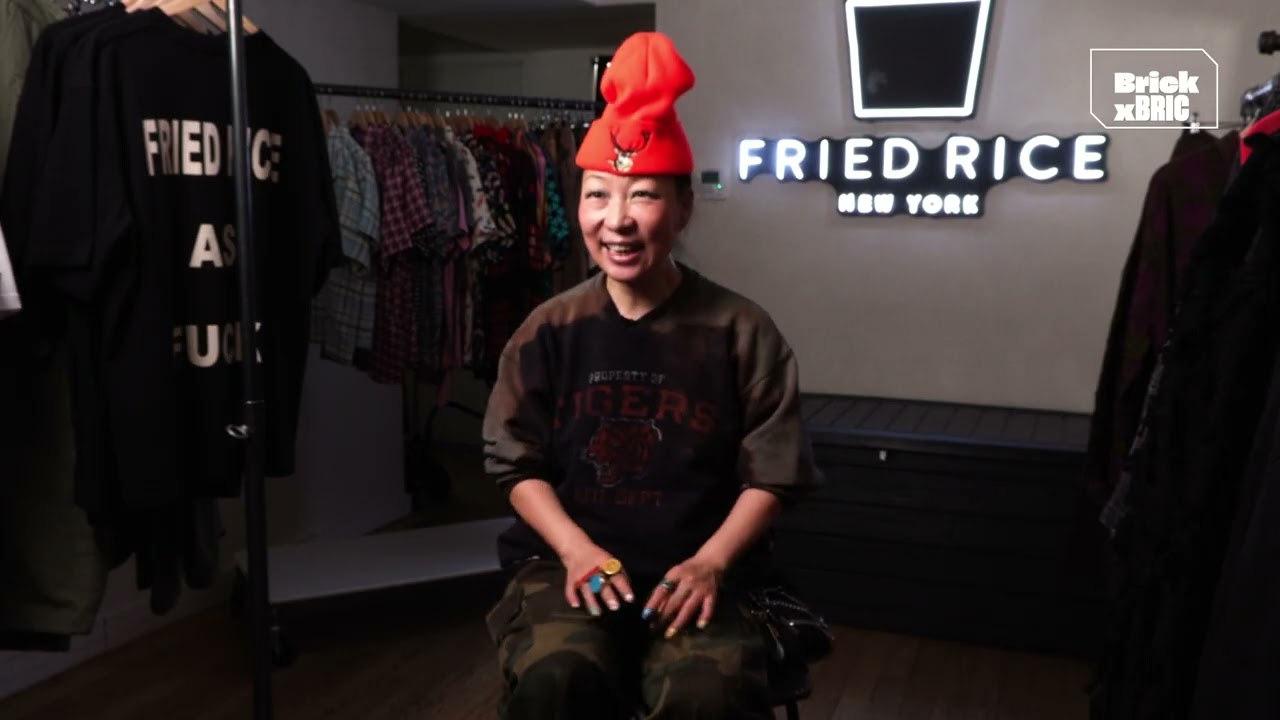
    Fried Rice, a renowned streetwear brand headquartered in New York, has made its debut in China with a pop-up store. This marks the brand’s initial steps towards expanding its presence in the Asian market.

    A New Venture in Shenzhen

    Strategically located in Shenzhen’s K11 Ecoast, the pop-up store opened its doors on August 30. It will continue its operations for approximately a year until next August, providing customers with the opportunity to experience Fried Rice’s unique offerings firsthand.

    The brand, created by the acclaimed designer Maya Wang, is celebrated globally for its cutting-edge, gender-neutral streetwear line that creatively blends innovative design details with superior fabric quality.

    On discussing the new venture, Wang, who also serves as the brand’s creative director, noted that the collaboration with K11 was a natural progression in Fried Rice’s pursuit of establishing itself in Asia. She added, “Our purpose here is to learn, to collaborate, and to celebrate creative aspirations with the individuals we interact with during this journey. This pop-up is as much about forging personal relationships as it is a shopping destination.”

    Expansion Plans in Asia

    The brand views the store’s launch as a strategic move, providing a firm base for their projected expansion across the Asian market. The central focus of this expansion is to build strong ties with regional creative communities that share the brand’s vision and values.

    Currently, Fried Rice is exploring numerous growth avenues within the region, including distribution, live retail broadcasting, and retail licensing partnership opportunities. For its initial endeavors, the brand is primarily targeting markets in Japan, China, and South Korea.

    Fried Rice has also announced plans for a pop-up store in Tokyo next year. Additionally, the brand aims to mark its presence at the third consecutive Asia ComplexCon in Hong Kong in the early part of the coming year.

    Questions & Answers

    What is the brand Fried Rice known for?
    Fried Rice is a New York-based streetwear brand recognized for its innovative, gender-neutral clothing collections that feature creative design elements and high-quality materials.

    What is the focus of Fried Rice’s expansion in Asia?
    Fried Rice intends to connect with local creative communities that align with its brand values as part of its expansion in Asia. The brand is also exploring opportunities in distribution, live retail broadcasting, and retail licensing partnerships.

    What are some of Fried Rice’s upcoming plans in Asia?
    In addition to the recently launched pop-up store in Shenzhen, Fried Rice has plans for a Tokyo pop-up store the following year. The brand will also participate in its third consecutive Asia ComplexCon in Hong Kong early next year.

  • Chinese Sportswear Giant, Anta Group, Targets 1000 Stores In Southeast Asia By 2025

    Chinese Sportswear Giant, Anta Group, Targets 1000 Stores In Southeast Asia By 2025

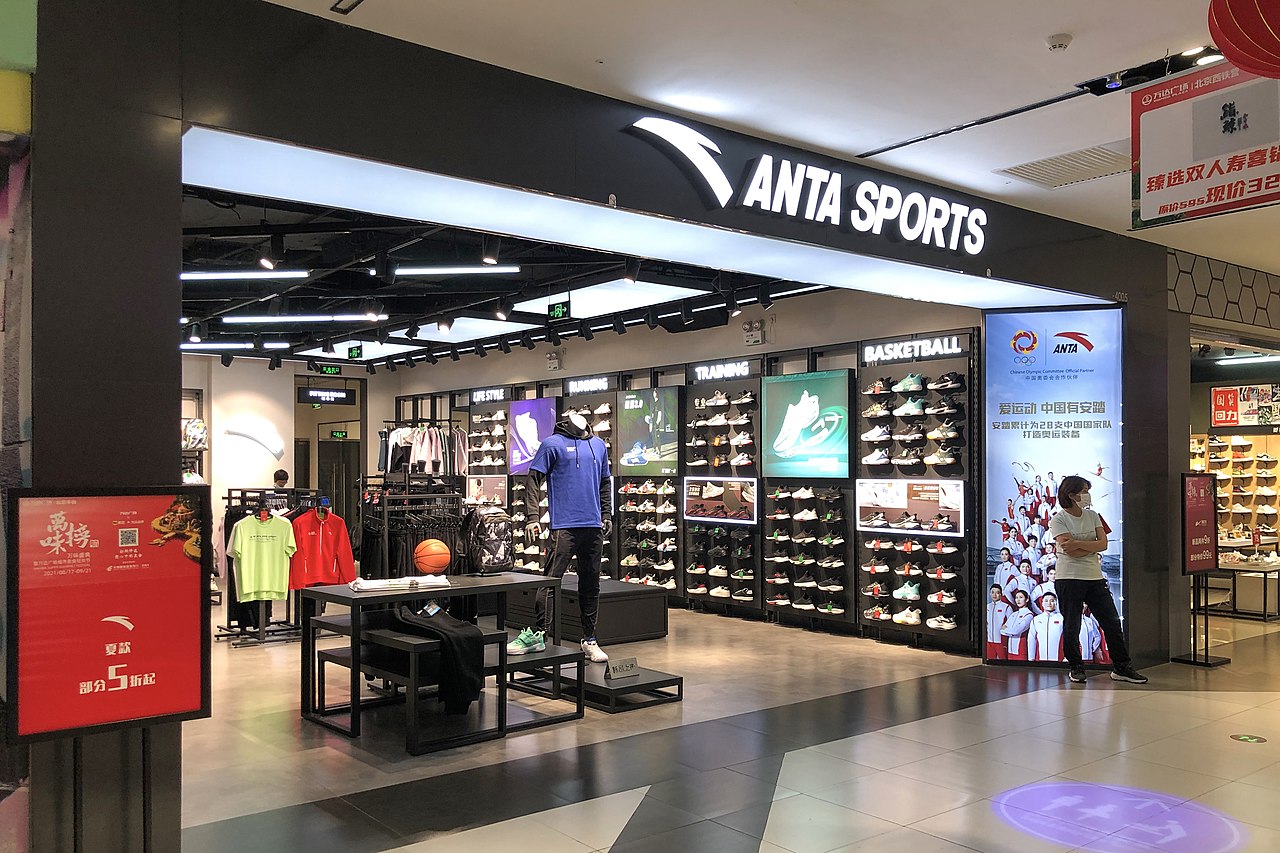
    Anta Group, a Chinese sportswear company, has announced its goal to reach a total of 1,000 stores in Southeast Asia within the next three years. Currently, the group operates almost 13,000 stores globally, including more than 200 in Southeast Asia. These stores are spread out over various countries including the Philippines, Singapore, Malaysia, and Vietnam. The ambitious expansion plan will see the group quadruple its retail presence in Southeast Asia.

    Speaking at the 2025 Asia New Vision Forum

    The announcement was made by Will Wang, Vice President of Anta Group and Chairman and President of Anta SEA, during the 2025 Asia New Vision Forum held in Singapore. The forum assembled a panel of executives from various Southeast Asian industries to discuss strategies for creating strong connections between brands and consumers at a regional and global level.

    Wang stressed the critical role of Southeast Asia in Anta’s global expansion strategy, revealing that the brand’s retail sales in the region have nearly doubled in the first half of this year compared to the same period last year. Wang attributed this success to Anta’s high-value products, localization and digitalization strategies, and the effective implementation of its “Brand+Retail” business model.

    In his speech, Wang underscored the importance of staying true to the brand’s DNA while achieving localization in each market. He stated, “It’s not just about selling products in Southeast Asia; it’s about delivering brand value and high-quality service to local consumers with standardized excellence. Our team is confident we will achieve our 1,000-store target for the Anta brand in the next three years.”

    Anta’s Global Growth Strategy

    For Anta, Southeast Asia is not only a significant market but also a strategic starting point for its global growth. The region’s expansion into neighboring markets, combined with the growth of both its offline and online businesses, has fueled a significant increase in the brand’s overseas revenue. In the first half of this year alone, Anta’s overseas revenue grew by more than 150% year-over-year.

    Anta Group’s international retail network extends to crucial markets such as the UAE, Saudi Arabia, Egypt, Kenya, and North America, all achieved through strategic partnerships. Most recently, the group opened its first flagship store in the United States, located in Beverly Hills, California.

    Questions & Answers

    What is Anta Group’s expansion target in Southeast Asia?
    Anta Group aims to open 1,000 stores in Southeast Asia within the next three years.

    What factors have contributed to Anta Group’s success in Southeast Asia?
    The success of Anta Group in Southeast Asia can be attributed to their high-value products, effective localization and digitalization strategies, and the implementation of their “Brand+Retail” business model.

    Where has Anta Group recently opened its first flagship store in the United States?
    Anta Group recently opened its first flagship store in the United States in Beverly Hills, California.

  • To Summer Opens Flagship Store In Hong Kong, Fusing Local Tradition With Eastern Ethos

    To Summer Opens Flagship Store In Hong Kong, Fusing Local Tradition With Eastern Ethos

    To Summer, a premier fragrance brand based in Beijing, has broadened its operations beyond China’s mainland by inaugurating its debut store in Hong Kong.

    A Blend of Local Culture and Eastern Spirit

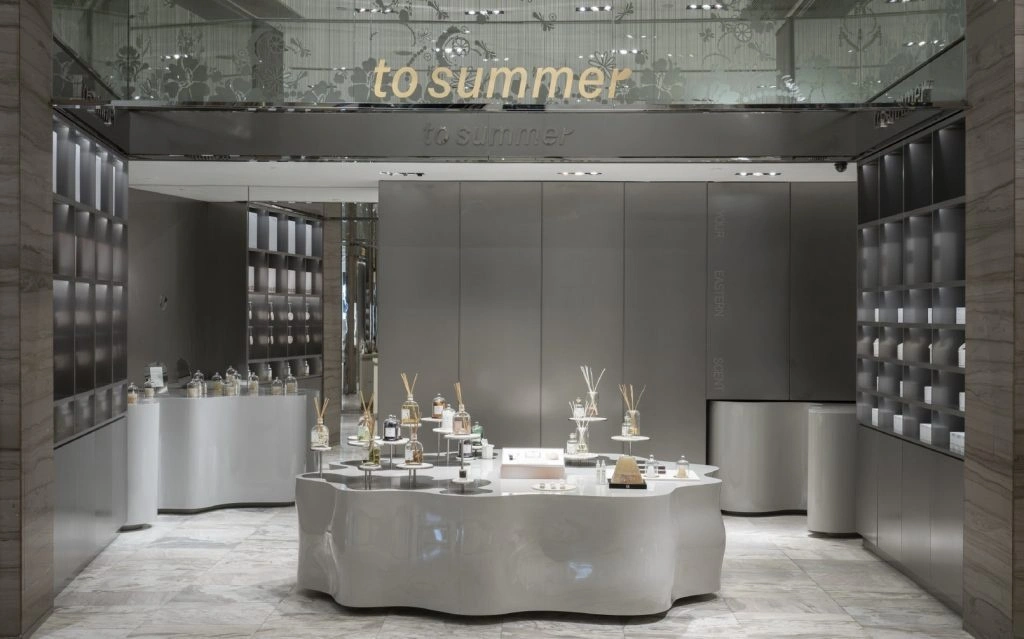
    Situated in Causeway Bay, the new outlet is labeled ‘Made in Hong Kong’ and illustrates an intriguing fusion of local tradition and Eastern ethos. The brand displays its complete array of offerings at this store, encompassing a variety of perfumes, home fragrances, and body care commodities.

    Distinct Features of the Store

    The flagship store stands out with four unique sections, namely The Eastern Ingredients Studio, Changwu Pavilion, Study Room, and Bathroom. Each of these rooms embodies specific aspects of the brand and its character.

    Strengthening Local Market Presence

    Arnold Lau, the spokesperson for To Summer, expressed that their primary focus would be on nurturing the Hong Kong market and catering to local customers. He revealed that the brand intends to use the Causeway Bay store as a strategic base for deploying resources and gradually escalating their operations.

    Lau further emphasized the exceptional status of Hong Kong as a global financial and cultural center. He believes that this provides an unrivaled stage for brands like To Summer to exhibit their products and engage with a diverse international clientele.

    Inspiration Behind the Store

    The design of the store draws its inspiration from historic craftsmanship and the essence of Hong Kong artisans. Various elements reflect the influence of Hakka, the Sham Shui Po fabric market, hand-carved artist Jin Fa Mahjong, and celebrated designer Alan Chan.

    Past Endeavors in Mainland China

    In mainland China, To Summer has demonstrated a commitment to preserving cultural heritage. The brand initiated a project to rehabilitate ancient structures, such as its Kuiyuan residence store in Guangzhou. It also organized a pop-up event in Shenzhen earlier this year.

    Questions & Answers

    What is the range of products offered by To Summer at its Hong Kong store?
    To Summer offers a wide array of products at its Hong Kong store, including perfumes, home fragrances, and body care products.

    What are the unique features of To Summer’s Hong Kong store?
    The To Summer store in Hong Kong has four distinct sections: The Eastern Ingredients Studio, Changwu Pavilion, Study Room, and Bathroom. Each room represents specific aspects of the brand and its offerings.

    What inspired the design of the To Summer store in Hong Kong?
    The store design draws inspiration from historic craftsmanship and the spirit of local Hong Kong artisans, integrating elements from Hakka, the Sham Shui Po fabric market, hand-carved artist Jin Fa Mahjong, and renowned designer Alan Chan.

  • Chipotle Announces Expansion Into Asian Market Starting With South Korea And Singapore

    Chipotle Announces Expansion Into Asian Market Starting With South Korea And Singapore

    Chipotle, a popular American fast-casual restaurant chain, has announced plans to penetrate the Asian market in the coming year. The expansion will begin in South Korea and Singapore, through a strategic collaboration with SPC Group.

    Chipotle’s Asian Debut

    The rapidly growing interest in international food and exceptional culinary experiences among Koreans and Singaporeans makes these two markets the perfect launching pad for Chipotle’s Asian journey. This perspective was shared by Heesoo Hur, the Executive Vice President and Owner of SPC Group, who underscored the familiarity and appreciation for the brand in these countries.

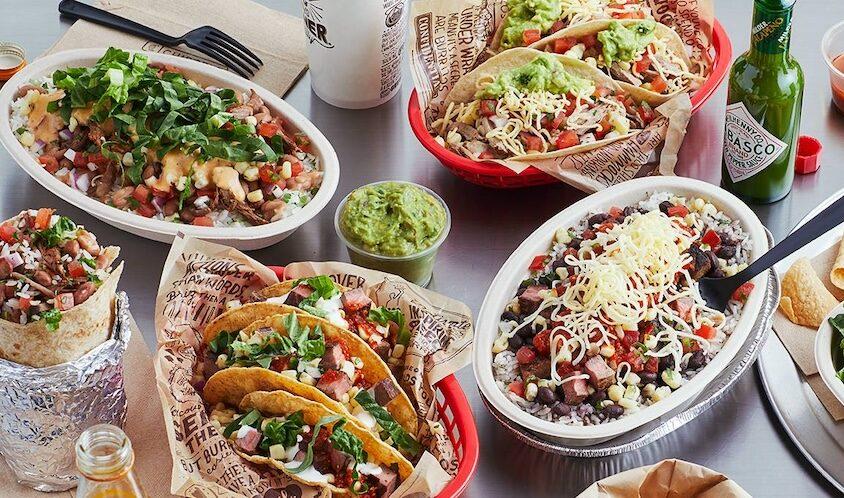
    Chipotle’s reputation for offering personalized meals using fresh ingredients, with an assortment of burritos, bowls, tacos, and salads, resonates well with the evolving food preferences in these markets. Customers can craft their meals from an array of fillings served from an assembly line, making each meal a unique dining experience.

    A Promising Growth Opportunity

    According to Chipotle’s CEO, Scott Boatwright, the move to expand into Asia represents an enormous growth potential for the brand. With the increasing demand for real, fast-prepared food coupled with significant brand recognition among consumers, he anticipates strong adoption rates from the onset.

    This expansion to Asia trails Chipotle’s series of international openings. In 2023, the company started its Middle Eastern operations by signing an agreement with Alshaya Group, resulting in six Chipotle restaurants across Kuwait and the UAE. Furthermore, Chipotle has already announced plans to establish its first eatery in Mexico next year through a deal with Alsea.

    Currently, Chipotle operates over 3,800 restaurants across the globe, with plans to inaugurate up to 345 additional locations this year. The company also aims to reach a long-term target of 7,000 restaurants in the US and Canada.

    Questions & Answers

    Why has Chipotle chosen South Korea and Singapore as its entry points in Asia?
    These markets were selected due to their familiarity with the brand and their evolving interest in international culinary experiences.

    What makes Chipotle’s dining experience unique?
    Chipotle offers customers the opportunity to customize their meals with fresh ingredients, creating a personalized dining experience.

    What are Chipotle’s future expansion plans?
    In addition to its Asian debut, Chipotle aims to open up to 345 new restaurants this year, with a long-term target of 7,000 locations in the US and Canada.

  • Haglofs Unveils Flagship Store In South Korea, Melding Nature And Retail In A Unique Outdoor Experience

    Haglofs Unveils Flagship Store In South Korea, Melding Nature And Retail In A Unique Outdoor Experience

    Swedish outdoors company Haglofs has launched its premier flagship store in South Korea, leveraging a partnership with local distributor Hayl. The store, situated at the base of Dobongsan National Park, spans 421 square meters and houses the brand’s complete lineup of clothing, equipment, and accessories.

    Embracing Seoul’s Outdoor Culture

    According to Ji-Hwan Lee, CEO of Hayl, opening the flagship store at Dobongsan National Park means integrating into Seoul’s thriving outdoor culture, where the bustling cityscape converges with the serenity of the mountains. The park boasts a variety of trails suitable for both novice hikers and seasoned mountaineers, and is accessible throughout the year. This setting mirrors Haglofs’ core belief that nature should be accessible, inviting, and within everyone’s grasp.

    Nature Inside, Life Outdoors

    The store exemplifies the ‘Nature Inside, Life Outdoors’ concept, aiming to spotlight both the human and technical facets of the brand. This approach is designed to offer consumers an engaging and immersive retail experience that transcends traditional shopping.

    Exploring the Korean Frontier

    Daniel Stiller Cohn, head of distribution sales at Haglofs, declared that Korea represents a new and untapped market for the brand. He expressed confidence in their trusted distributor, Hayl, to lay a robust groundwork for the brand in the region. He cited Hayl’s passion and expertise as crucial elements as the brand introduces its focus on innovation and sustainability to the Korean market.

    Questions & Answers

    What is the concept behind Haglofs’ new store in South Korea?
    The store exemplifies the ‘Nature Inside, Life Outdoors’ concept, emphasizing both the human and technical facets of the brand. This approach aims to offer consumers an immersive retail experience.

    What does the location of the store symbolize for the brand?
    The location at the base of Dobongsan National Park, which offers trails for all levels of hikers and is accessible year-round, aligns with Haglofs’ belief that nature should be welcoming and accessible to everyone.

    How does Haglofs view its entry into the South Korean market?
    The brand sees South Korea as a fresh and untapped market. They have expressed confidence in their local distributor, Hayl, to establish a strong presence for the brand in the region, with a particular emphasis on innovation and sustainability.

  • Asia’s Retail Giants Brace For Singles’ Day Shopping Frenzy Amid Rising Online Commerce Trends

    Asia’s Retail Giants Brace For Singles’ Day Shopping Frenzy Amid Rising Online Commerce Trends

    Retailers all over Asia are abuzz with anticipation as they prepare for the biggest shopping event of the year: Singles’ Day on November 11. Originating in China, this day has transformed into a retail phenomenon that now captures the attention of consumers across the continent and beyond. Brands, both local and international, are gearing up for a digital spectacle filled with discounts, flash sales, and interactive experiences designed to entice shoppers.

    The Rise of Online Shopping

    With a significant shift towards e-commerce in recent years, propelled further by the global pandemic, Singles’ Day has cemented itself as a crucial period for online retailers. In 2022, Alibaba reported a staggering $84.5 billion in sales, a clear testament to the event’s enduring popularity. However, it’s not just tech giants stealing the spotlight; small and medium-sized enterprises are also making waves by adopting innovative strategies to capture part of this lucrative market.

    Experiential Marketing Takes Center Stage

    This year, brands are placing a strong emphasis on experiential marketing to create a meaningful connection with consumers. From virtual try-ons to gamified shopping apps, the integration of technology into the shopping experience is set to reach new heights. Retailers are leveraging augmented reality and artificial intelligence to not only enhance user experience but also to make shopping feel more like an adventure. After all, who wouldn’t want to find a hidden treasure among the sea of deals?

    Collaborations and Limited Editions Drive Excitement

    Collaborations are another strategy retailers are employing in the lead-up to November 11. Brands, large and small, are launching limited-edition items and exclusive collections, tantalizing consumers with the idea that they could own something truly unique. This sense of urgency and scarcity fuels the shopping frenzy and keeps consumers returning for more.

    Responsible Consumerism on the Horizon

    Interestingly, there’s a notable shift towards responsible consumerism this year. Many shoppers are not just seeking the best prices, but also looking for brands that prioritize sustainability. Retailers are responding by highlighting eco-friendly practices and supply chain transparency, appealing to a growing demographic of conscious consumers who want their purchases to make a positive impact.

    The Competition Heats Up

    As the clock winds down to November 11, retailers are engaged in an all-out competition to capture consumer attention. Social media platforms are buzzing with teasers and sneak peeks, igniting curiosity among shoppers. In this race, it’s not just about who offers the steepest discounts, but also who can create the most vibrant and engaging marketing campaigns that resonate with consumers’ lifestyles and aspirations.

    Questions & Answers

    What is Singles’ Day, and why is it significant for retailers?
    Singles’ Day, celebrated on November 11, is a massive shopping event that originated in China and has evolved into a global phenomenon, with retailers seeing significant sales spikes during this time, making it crucial for their annual revenue.

    How have small businesses adapted to the Singles’ Day frenzy?
    Small and medium-sized enterprises are adopting innovative marketing strategies, leveraging e-commerce platforms, and focusing on unique offerings to stand out amidst the competitive landscape dominated by larger retailers.

    What trends are shaping consumer behavior this Singles’ Day?
    Shoppers are increasingly prioritizing experiences, sustainability, and unique product offerings, indicating a shift towards responsible consumerism and a desire for meaningful purchases over mere discounts.

  • Hanoi Homeowner Transforms Compact Apartment Into Bubble Tea-inspired Oasis

    Hanoi Homeowner Transforms Compact Apartment Into Bubble Tea-inspired Oasis

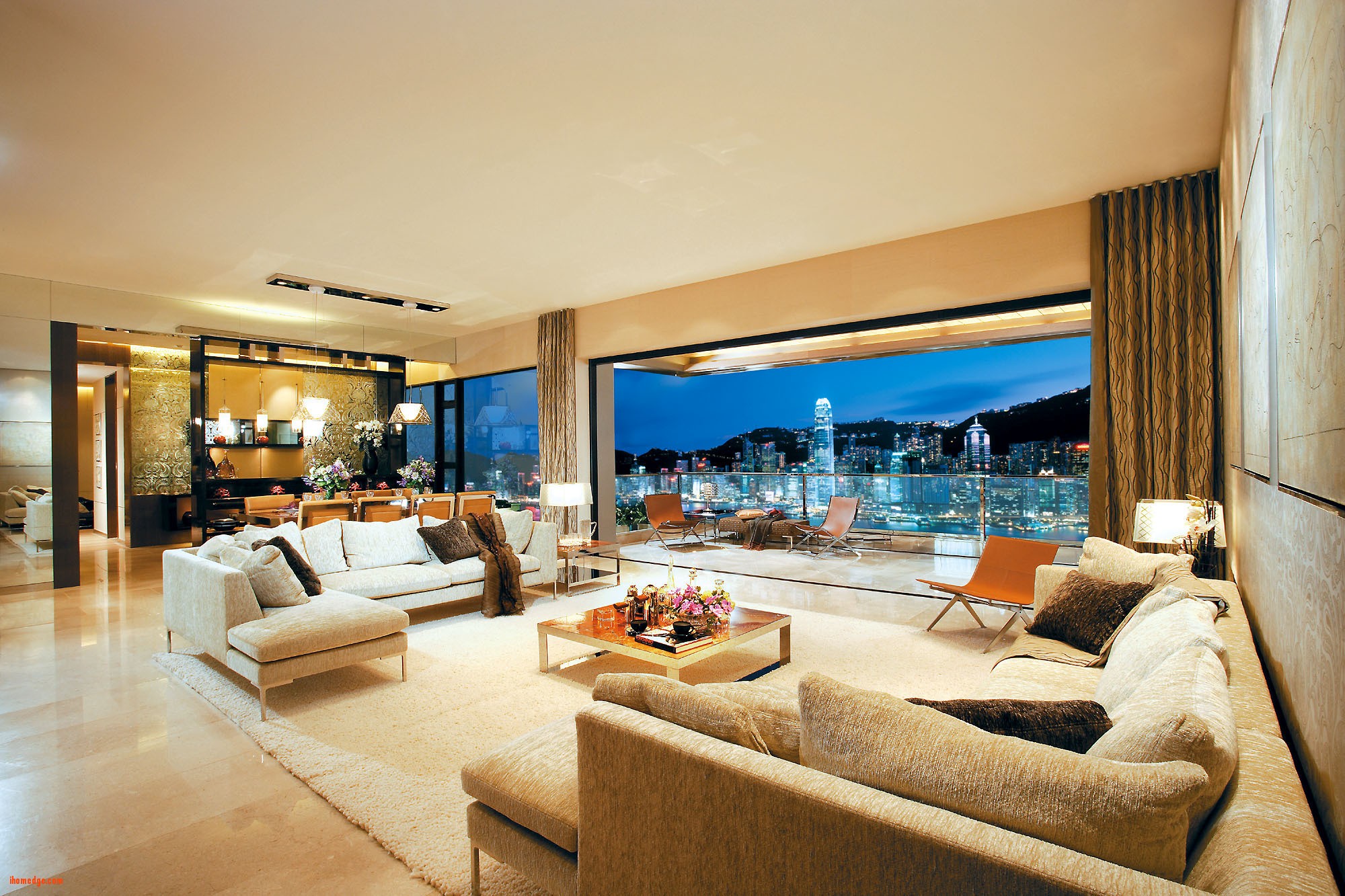
    A homeowner in Hanoi has transformed her compact apartment into a tranquil oasis, investing VND160 million (approximately US$6,000) in renovations. Embracing a color scheme reminiscent of bubble tea, she has artfully combined soothing shades of beige and brown, creating an inviting atmosphere that seamlessly blends work and relaxation.

    A Thoughtful Renovation

    Designed and constructed by TG Architects, the apartment has been thoughtfully reimagined to maximize space and functionality while maintaining an aesthetic that encourages calm. The selection of warm, neutral tones not only enhances the ambiance but also evokes a sense of comfort, perfect for both busy workdays and restful evenings.

    Craftsmanship Meets Creativity

    Photography by Humi Studio captures the transformation beautifully, showcasing the harmonious flow of the space. This clever design choice, reminiscent of popular Asian bubble tea drinks, showcases how color can breathe new life into a space, like adding a sprinkle of joy to an otherwise mundane day. It’s proof that even small spaces can hold big dreams when approached with creativity and flair.

    A Harmonious Blend of Life and Work

    The renovation reflects a growing trend among urban dwellers in Asia, where living spaces are becoming multifunctional as people seek to balance their personal and professional lives within the same four walls. The deliberate choice of colors and materials serves not just a visual purpose but also addresses the psychological needs of the homeowner, fostering a serene environment ideally suited for productivity and peace alike.

    Questions & Answers

    What inspired the color choices in the renovation?
    The homeowner drew inspiration from the calming colors associated with bubble tea, opting for beige and brown to create a gentle and inviting atmosphere.

    Who was responsible for the design and construction of the apartment?
    The transformation was guided by TG Architects, who expertly blended function and aesthetics to reimagine the living space.

    What trends does this renovation reflect in urban living spaces?
    The renovation highlights a larger trend in Asia where homeowners are seeking multifunctional spaces that accommodate both work and leisure within their homes.

  • Air France Takes Flight with Superior In-Flight WiFi, Surpassing Swiss Competitors

    Air France Takes Flight with Superior In-Flight WiFi, Surpassing Swiss Competitors

    Air France Takes Off with Complimentary High-Speed WiFi

    In a significant move set to enhance the passenger experience, Air France has become the first major European airline to offer complimentary high-speed WiFi on its flights, leaving its Swiss counterpart in the dust.

    While some passengers might enjoy the break from screens during their flights, the announcement of “Free high-speed WiFi now available on Air France flights” certainly raised eyebrows on Tuesday.

    Partnering with Starlink for Connectivity

    This new initiative allows travelers on selected aircraft to enjoy a fast, stable, and secure internet connection, thanks to a collaboration with Elon Musk’s satellite provider, Starlink. Currently, this technology is operational on two Embraer 190s, two Airbus A220s, and one Airbus A350, catering to both short-haul and long-haul routes.

    Aiming for Fleet-Wide Implementation by 2026

    Air France has ambitious plans, targeting to retrofit 30% of its fleet by the end of 2025 and to achieve full fleet implementation by the end of 2026. What’s more, this service is offered free of charge across all travel classes and is accessible via the Flying Blue frequent flyer program. The airline boasts that passengers can stream TV shows, films, and even engage in multiplayer video games — a digital paradise at 30,000 feet!

    Swiss Airline Struggles to Keep Up

    Conversely, Swiss International Airlines, a subsidiary of Lufthansa, lags behind in this competition. Though the airline confirmed to finews.com that its short- and medium-haul fleet possesses onboard internet, it is not yet comprehensive. Passengers can access a free messaging service, but access to streaming or using laptops and tablets comes at an additional price.

    Long-Haul Flights Come with a Price Tag

    Swiss has been equipped with internet since 2016, and since 2023 offers a complementary service for chat applications like WhatsApp, Facebook Messenger, or Signal on long-haul flights. However, for any other online activities, passengers face additional charges, leaving the airline noticeably behind Air France, which is touting its complimentary service as a premium perk.

    Lufthansa’s Centralization Moves Impacting Swiss

    In a strategic shift, Lufthansa has announced plans to centralize some business functions of its Swiss subsidiary in Frankfurt. The implications for the quality of service at Swiss remain uncertain. While WiFi may not be the primary concern for travelers, this issue underscores a recurring criticism: Swiss often offers low-cost quality at premium prices.

    Questions & Answers

    How does Air France’s free WiFi service compare to Swiss International Airlines?
    Air France offers complimentary high-speed WiFi across its fleet, while Swiss International Airlines provides a limited free messaging service and charges for streaming and other internet access.

    What technology is enabling Air France’s WiFi service?
    Air France’s WiFi service is powered by a partnership with Elon Musk’s Starlink satellite provider, ensuring high-speed connectivity for passengers.

    What are Lufthansa’s plans regarding its Swiss subsidiary?
    Lufthansa intends to centralize certain business functions of Swiss in Frankfurt, although it’s unclear how this will affect the overall quality of service.