Author: Mei Ling Tan

  • Fore Coffee Diversifies Into Donut Market, Taps Into Indonesia’s Rising Demand For Premium Baked Goods

    Fore Coffee Diversifies Into Donut Market, Taps Into Indonesia’s Rising Demand For Premium Baked Goods

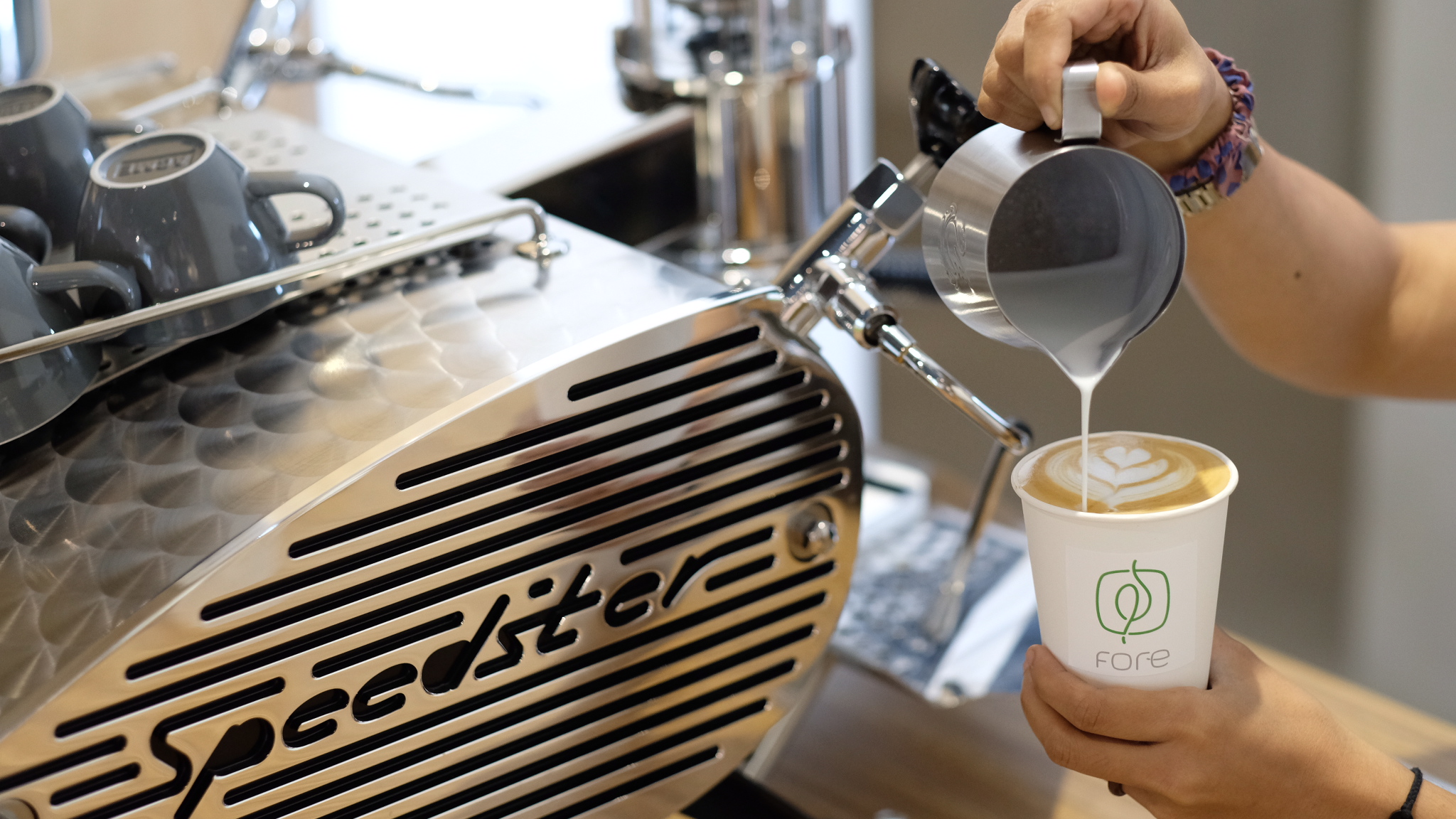
    Fore Coffee, the Indonesian F&B retailer, is set to diversify into the donut market, inaugurating their inaugural Fore Donut outlet at Supermal Karawaci, Tangerang.

    Capitalising on Premium Baked Goods Market

    The strategic move into donuts is a bid to leverage the increasing demand for upscale baked items within Indonesia. Market forecasts for the country’s donut sector suggest significant growth, with projected revenues to more than double from $213 million in 2024, to over $518 million by 2030. These predictions were disclosed by internal data from the brand.

    Fore Donuts Expansion Plan

    Fore Donut has ambitions to open at least three more outlets throughout this year. The first outlet boasts a selection of over ten artisanal donuts that blend international and local flavors, including the popular Ayam Pop.

    Discussing the brand’s philosophy, Lomar, a representative from Fore Donut, emphasized the significance of craftsmanship and integrity in their products. “Each donut is handmade using straightforward, natural ingredients, mirroring our dedication to quality and transparency,” Lomar stated.

    The representative continued, “We are convinced that true indulgence lies in care and simplicity, ensuring every morsel is not just tasty, but also uplifting. This philosophy permeates our operations, allowing us to elevate the everyday donut into something genuinely extraordinary.”

    Fore Coffee’s Growth

    Established in 2018, Fore Coffee has rapidly expanded its retail footprint, operating 261 outlets across Indonesia and Singapore. The company registered robust financial growth in the fiscal year 2024, attributed primarily to its assertive retail expansion and a comprehensive omnichannel strategy.

    Questions & Answers

    What is Fore Coffee’s latest venture?
    Fore Coffee is diversifying into the donut market with their new offshoot, Fore Donut.

    What market trend is Fore Donut capitalizing on?
    Fore Donut is capitalizing on the growing demand for premium baked goods in Indonesia.

    What is the projected growth for the donut market in Indonesia?
    The donut market in Indonesia is projected to more than double from $213 million in 2024 to over $518 million by 2030.

  • Malabar Gold & Diamonds Expands UK Presence With Two New Showrooms; Reveals Future Expansion Plans

    Malabar Gold & Diamonds Expands UK Presence With Two New Showrooms; Reveals Future Expansion Plans

    Malabar Gold & Diamonds, a renowned Indian jewellery brand, has broadened its reach in the UK with the introduction of two additional showrooms – one in Birmingham and another in Southall.

    The Birmingham Outlet

    The Birmingham outlet is the largest of the brand’s stores in the UK, boasting 5700 square feet of retail space. Both new store locations were inaugurated by Bollywood actress and brand ambassador, Kareena Kapoor Khan. In a statement, the company expressed that these spaces have been designed to provide consumers with a world-class shopping experience.

    Current and Future Showrooms

    With these two new store openings, Malabar Gold & Diamonds now operates retail locations in Birmingham, Leicester, Southall, and Green Street, London. “We’re receiving excellent support and cooperation from the UK authorities for business initiatives originating from South Asian countries. This is something to truly appreciate,” conveyed MP Ahammad, the chairman of the Malabar Group. He further informed of plans to open more showrooms in addition to the existing four in the UK.

    The company has also affirmed its plans to increase its presence by adding outlets in Manchester and a third location in London. Furthermore, they are considering long-term expansion plans which include entry into Ireland and France markets.

    Global Presence

    On an international scale, Malabar Gold & Diamonds owns and operates over 400 stores that are spread across 13 countries.

    Questions & Answers

    What is the size of the new Birmingham outlet of Malabar Gold & Diamonds?

    The Birmingham outlet is the brand’s largest in the UK, spanning an impressive 5700 square feet.

    Where are the current locations of Malabar Gold & Diamonds in the UK?

    Malabar Gold & Diamonds operates retail locations in Birmingham, Leicester, Southall, and Green Street, London.

    What are the future expansion plans of Malabar Gold & Diamonds?

    The company has plans to add outlets in Manchester and a third location in London. They’re also considering long-term expansion into Ireland and France.

  • Books-a-million Partners With Pop Mart: Iconic Characters Set To Invade Stores Nationwide

    Books-a-million Partners With Pop Mart: Iconic Characters Set To Invade Stores Nationwide

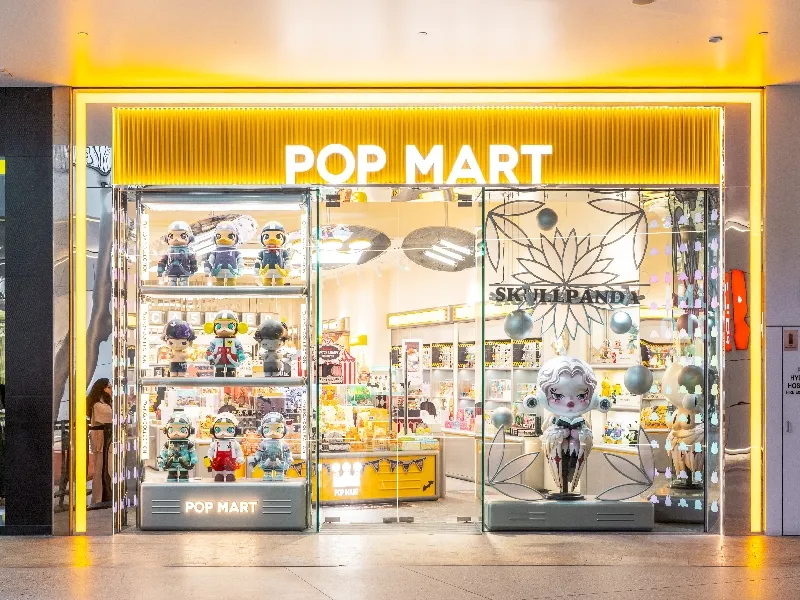
    Books-A-Million, a prominent US bookstore retailer, is set to collaborate with Pop Mart to make their beloved characters accessible to fans nationwide.

    The partnership is scheduled to commence in September. It will be launched throughout all retail locations of Books-A-Million, and will be available online on an ongoing basis.

    The collaboration with Pop Mart, a well-known producer of collectible designer toys and pop culture items, is expected to generate substantial sales and arouse significant interest among global consumers.

    Kathy Gagliano, the Executive Vice President of Merchandising at Books-A-Million, expressed her excitement over the new partnership. “We continuously strive to please our customers by offering products that are not only unique but also resonate with them,” she said.

    She further added, “Pop Mart’s iconic characters align perfectly with our bookstore community as they foster creativity, self-expression, and the pleasure derived from engaging with characters that truly inspire us.”

    The collaboration will introduce a selection of Pop Mart’s Intellectual Properties (IPs), such as Skullpanda, Molly, Crybaby, Dimoo, and The Monsters. These characters will be featured in a variety of collectible toys that will be available for purchase by all Books-A-million customers.

    Erica Graf, the Vice President of General Merchandise, shared her thoughts on the partnership, “Pairing Pop Mart with Books-A-Million seemed like an intuitive match,” she said.

    Graf believes that Pop Mart is at the forefront of a cultural trend captivating fans globally. Thus, joining forces with Books-A-Million creates an enticing space where fans can delve into stories, explore, and experience the excitement of collecting.

    Questions & Answers

    When is the partnership between Books-A-Million and Pop Mart set to begin?
    The collaboration is scheduled to start in September.

    What will the partnership entail?
    The partnership will involve introducing a selection of Pop Mart’s collectible designer toys and characters, available for purchase across all Books-A-Million retail locations and online.

    What characters from Pop Mart’s IPs will be featured in this collaboration?
    Characters including Skullpanda, Molly, Crybaby, Dimoo, and The Monsters will be featured in a range of collectible toys.

  • VTI Boosts F&b Portfolio With Acquisition Of Paris Baguette’s Vietnam Operations

    VTI Boosts F&b Portfolio With Acquisition Of Paris Baguette’s Vietnam Operations

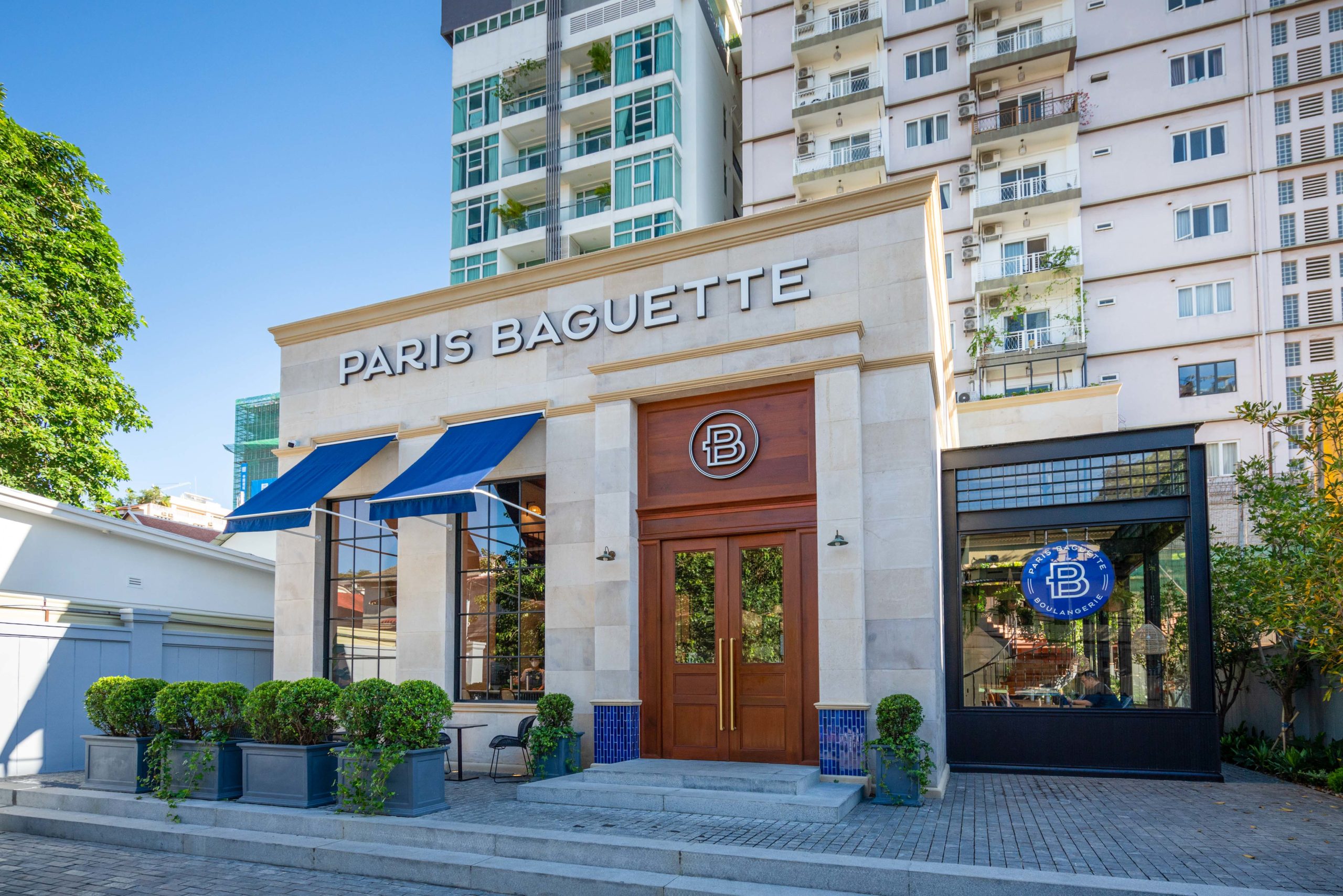
    Viet Thai International (VTI), a global conglomerate, has recently made a significant acquisition by taking over the Vietnam operations of Paris Baguette, a popular Korean bakery chain. The move aims to increase VTI’s presence in the rapidly growing food and beverage sector in Vietnam.

    Paris Baguette’s Expansion in Vietnam

    Paris Baguette first set foot in the Vietnamese market in 2012, operating under the legal entity Paris Baguette Vietnam Co. Over the span of a decade, the brand has established a chain of nine stores, primarily in Hanoi and Ho Chi Minh City. The bakery chain offers a unique blend of bakery products and cafe services to its customers.

    VTI’s Strategic Acquisition

    According to VTI, this acquisition fits perfectly with its mission to “bring the best of the world to Vietnam and take the best of Vietnam to the world.” The company sees this as an opportunity to offer a popular international brand to the Vietnamese consumers while expanding its own operations.

    VTI’s diverse portfolio includes stakes in other popular brands, such as Philippine-owned Highlands Coffee, Pho 24, and The Coffee Bean & Tea Leaf. Additionally, VTI operates Alid, a footwear and accessories business in Vietnam.

    Future Plans for VTI

    Earlier this year, there were discussions about revitalizing the long-delayed Initial Public Offering (IPO) of Highlands Coffee, nearly a decade after the plan was first announced.

    David Thai, the founder and CEO of VTI, confirmed that the company is in active discussions with bankers and is considering potential listings in various global markets including Singapore, Hong Kong, Abu Dhabi, and the United States.

    Questions & Answers

    What is VTI’s latest acquisition?
    VTI has recently acquired the Vietnam operations of Paris Baguette, a Korean bakery chain.

    Where are the majority of Paris Baguette’s stores located in Vietnam?
    Most of Paris Baguette’s stores in Vietnam are located in Hanoi and Ho Chi Minh City.

    What are the future plans for VTI?
    VTI is actively discussing its potential listings with bankers in various global markets such as Singapore, Hong Kong, Abu Dhabi, and the United States. The company is also considering to revive the long-delayed IPO of Highlands Coffee.

  • HCMC Apartments Now Matching Prices of Single-Family Homes: A New Era in Urban Living!

    HCMC Apartments Now Matching Prices of Single-Family Homes: A New Era in Urban Living!

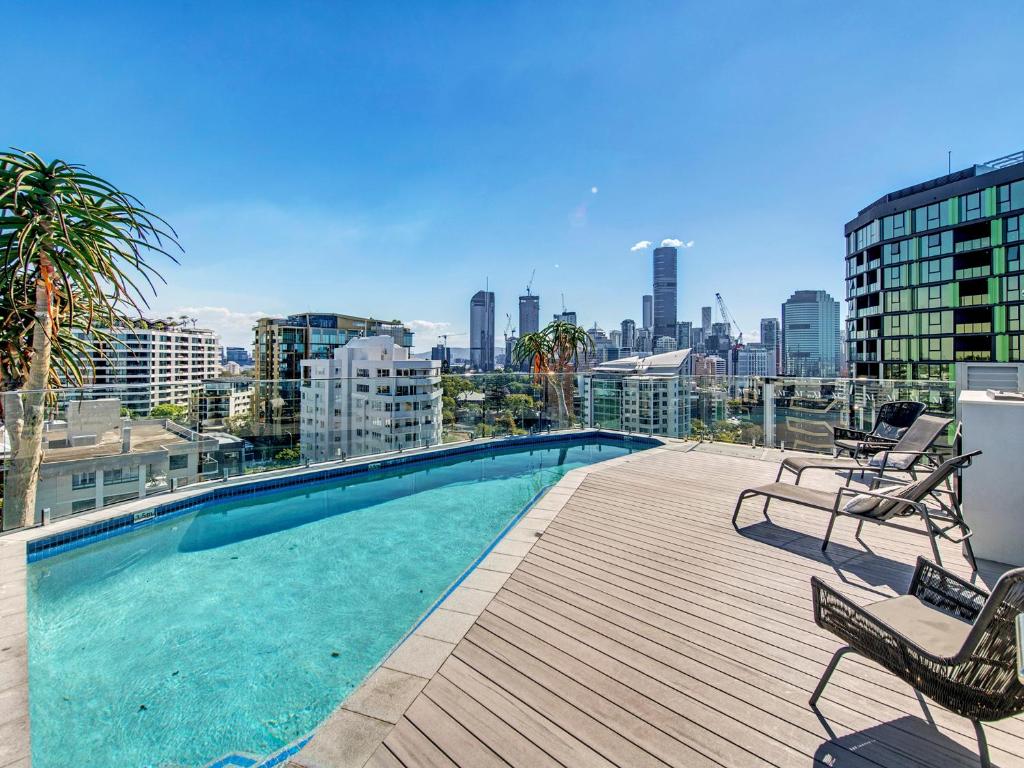
    In a striking trend unfolding in Ho Chi Minh City, property prices are pushing boundaries, with luxury apartments now competing directly with traditional single-family homes. An 85-square-meter unit at The Metropole in An Khanh has hit the market at VND130-180 million (US$4,925-6,820) per square meter, while an 80-square-meter house in the nearby Thao Dien Ward is priced at VND150 million per square meter. The rapid pace of the city’s real estate market is leaving many bewildered—who knew living in a unit could feel as exclusive as a stand-alone home?

    Other areas of the city are witnessing similar trends. Apartments in developments like The Privé, Eaton Park, and Lumière Midtown command prices ranging from VND130–250 million, which is notably higher than the VND110–200 million average for landed houses within a two-kilometer radius. In fact, newly launched apartments across various districts are entering the market at price points that match or even exceed those of townhouses.

    Market Data Shows Dramatic Changes

    Recent listings on real estate platform Batdongsan reveal that in the second quarter, the prices of private homes within Vietnam’s largest city spanned from VND87 million to VND200 million per square meter, with apartments only slightly cheaper at VND68-200 million. Remarkably, apartment prices are accelerating at a faster rate than those for houses, with a reported increase of 18–40% year-to-date, as opposed to the 8–20% rise for private homes.

    Price Increases Confirmed by Experts

    According to data from property consultancy CBRE, single-family homes in the second quarter now cost between VND160–300 million per square meter, reflecting a 9% increase, while apartments surged by 29%, reaching VND82–220 million per square meter. A report by the Ministry of Construction further supported this trend, indicating that private houses rose by 2–5% to VND110–305 million per square meter, while the average apartment price skyrocketed to VND89 million per square meter, marking a staggering 39% increase.

    Demand Dynamics Shift

    Commenting on the rapid escalation of apartment prices, Tran Khanh Quang, CEO of Viet An Hoa Real Estate Company, noted that while single-family homes historically held the advantage due to their long-term ownership potential and land appreciation, factors like high prices, scarce supply, and tightened credit policies are altering the landscape. Owing to rising housing needs, he observed an increasing demand for apartments, indicating a profound shift in consumer preference that favors integrated amenities over standalone homes.

    A Fresh Perspective on Housing Value

    Real estate analyst Le Quoc Kien pointed out that homes used to be priced at double that of apartments, largely attributed to land value and depreciation rates. However, the allure of narrow, alleys-based townhouses with subpar infrastructure is waning, as modern apartments equipped with desirable features increasingly attract young buyers seeking both residence and investment opportunities.

    Vo Hong Thang, deputy CEO of DKRA Group, remarked that the phenomenon of apartment prices exceeding those of townhouses is noteworthy yet not entirely surprising. He cautioned that this imbalance is partly due to a market skew towards mid and high-priced apartments, with affordable options becoming nearly nonexistent. With each new project setting a higher benchmark, he warned, “At this rate, apartments could entirely eclipse townhouses in price.”

    Questions & Answers

    How are apartment prices in Ho Chi Minh City changing?
    Apartment prices have surged significantly in recent months, often surpassing levels traditionally reserved for single-family homes, as seen in several developments around the city.

    What factors are driving the preference for apartments over houses?
    Many consumers are drawn to apartments due to their integrated amenities, newer facilities, and a shift in housing needs, as well as adverse factors affecting traditional home ownership like limited supply and high costs.

    Is the trend of rising apartment prices likely to continue?
    Analysts suggest that with growing demand and limited affordable housing options, the trend of increasing apartment prices is expected to persist, potentially leading to a complete price inversion against traditional townhouses.

  • Chipotle Set to Spice Up Asia with New Outlets in South Korea and Singapore!

    Chipotle Set to Spice Up Asia with New Outlets in South Korea and Singapore!

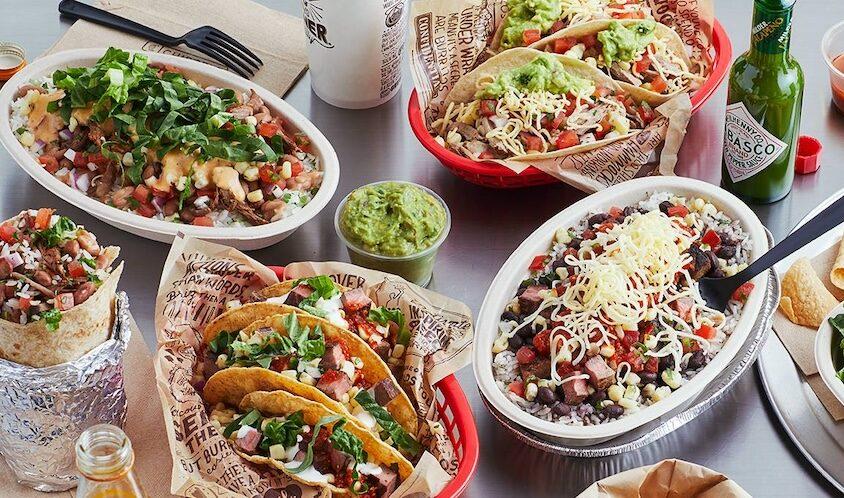
    Chipotle Mexican Grill is set to make its Asian debut in 2026, launching new locations in South Korea and Singapore as the fast-casual chain seeks to broaden its international reach amid changing consumer habits in the United States.

    The California-based chain announced it will partner with South Korea’s SPC Group to develop these new restaurants. This strategic move marks the brand’s first venture into the bustling Asian market, driven by a desire to tap into shifting dining preferences that lean towards convenience and diversity.

    “The rapidly changing dining landscape presents an incredible growth opportunity for Chipotle in Asia,” said CEO Scott Boatwright. His enthusiasm is echoed by the shifting preferences of diners who now crave more variety and convenience in their meals.

    In a series of bold moves, Chipotle also aims to open restaurants in Mexico for the first time, having recently made a splash in the Middle East through a deal with Alshaya Group targeting locations in Dubai and Kuwait.

    However, it hasn’t all been smooth sailing. The company adjusted its annual sales growth target following disappointing quarterly results driven by a decline in restaurant visits amid economic uncertainty. The impact of U.S. trade tariffs has also escalated supply-chain costs, demanding a nimble approach as the company navigates these challenges.

    Chipotle’s current international footprint includes owned and operated restaurants in Canada, the U.K., France, and Germany. With over 3,800 locations in total, the company plans to open between 315 and 345 new outlets this year alone, expressing ambitions of reaching 7,000 locations across the U.S. and Canada in the long run.

    Questions & Answers

    What markets is Chipotle entering next year?
    Chipotle plans to open its first Asian restaurants in South Korea and Singapore, marking its expansion into the Asian market.

    Who is Chipotle partnering with in South Korea?
    The company is collaborating with SPC Group, a South Korean food company, to launch these new locations.

    What challenges has Chipotle faced recently?
    Chipotle has struggled with fewer customer visits in an uncertain economy and rising supply-chain costs due to U.S. trade tariffs, which led to a lowered sales growth target.

  • Disney’s Inaugural Asia Cruise from Singapore Postponed by Three Months: What to Know!

    Disney’s Inaugural Asia Cruise from Singapore Postponed by Three Months: What to Know!

    In a significant adjustment for eager travelers, Disney has relocated the inaugural sailing of its new cruise ship, the Disney Adventure, from December 15 to March 10 of next year. The shift comes in light of unexpected delays in the shipbuilding process, a decision Disney Signature Experiences President Joe Schott addressed during inquiries from Mothership. “To ensure the experience we deliver reflects our commitment to excellence, we’ve made the decision to adjust our timeline,” he stated, acknowledging the potential disappointment for guests.

    For those affected by the change, Disney is actively providing flexible rebooking options to maintain consumer trust. Guests originally booked for the December voyage will automatically be transferred to the new March sailing, and in a move that mirrors the magic of Disney, they will also receive a 50% refund for the inconvenience, as reported by The Straits Times.

    A Dedicated Home Port in Singapore

    The majestic Disney Adventure, which recently began sea trials to test its systems, will be stationed in Singapore for a minimum of five years. Those unable to join the March 10 voyage can opt for a full refund or rebook any future sailing at half price, available for cruises departing on or before March 31, 2027.

    A Floating Theme Park Awaits

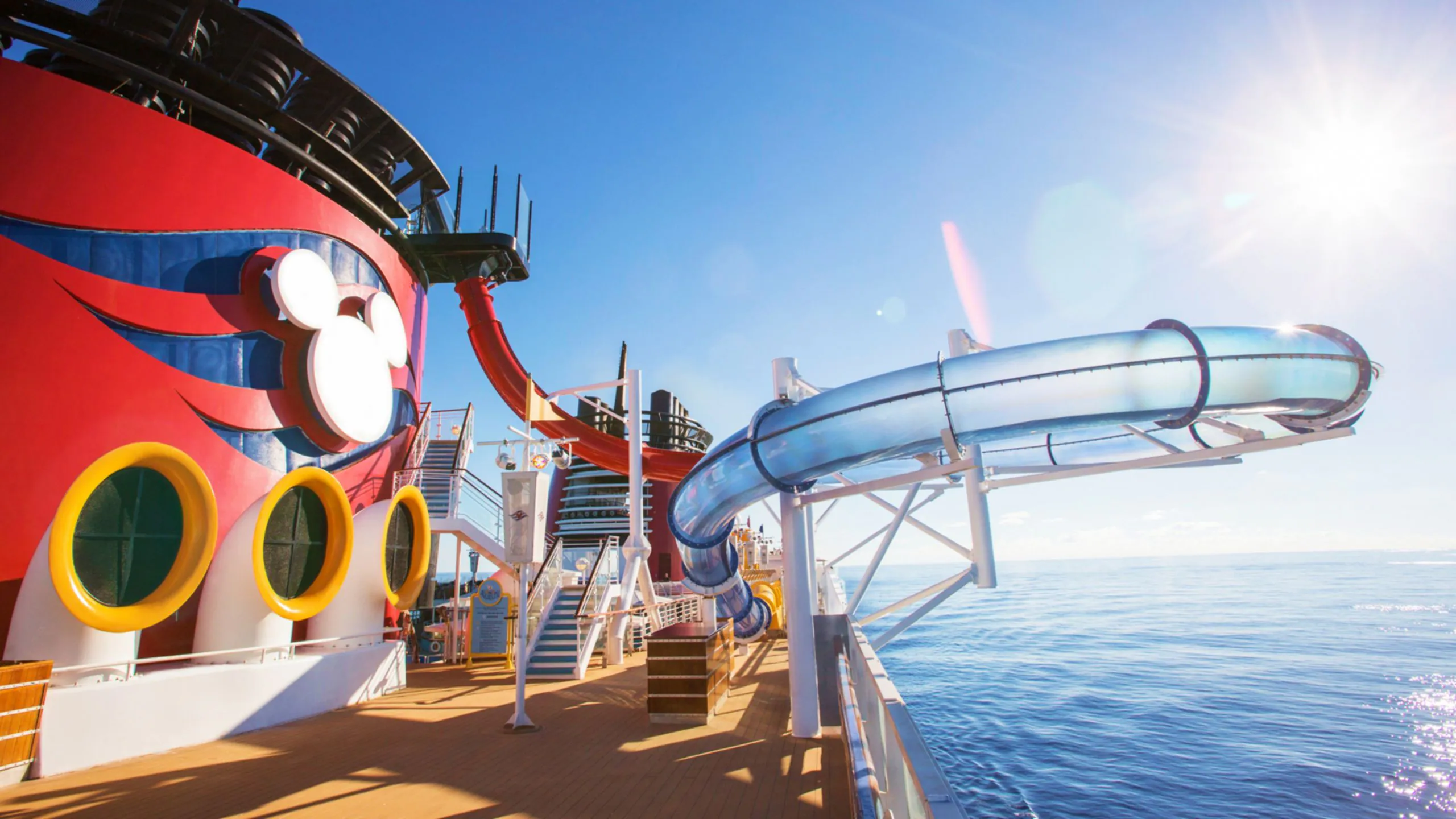
    Originally marketed as a floating theme park for travelers from Southeast Asia and India, the Disney Adventure promises seven themed zones, including the standout feature—a 250-meter Iron Man rollercoaster on the upper deck. This thrilling ride is branded as the longest rollercoaster at sea and the first of its kind on a Disney cruise, guaranteeing a memorable adventure for all guests.

    Impact on Bookings and Capacity

    While the exact number of affected guests remains undisclosed, industry analysts from Bloomberg report that around 25 sailings will experience this rescheduling. With a capacity for up to 6,700 passengers, the Disney Adventure generated considerable buzz when tickets for its maiden voyage sold out on the first day of general sales last December. Pricing for three- and four-night cruises in 2026 starts at $1,060 and $1,412 per person, respectively, according to the cruise’s booking website.

    Delays in maiden voyages are not an uncommon occurrence within the cruise industry. The launch of Disney’s Florida-based ship, Disney Wish, faced similar challenges in 2022, while competitors like Princess Cruises and Royal Caribbean International have also postponed inaugural sailings due to ship completion issues. Notably, the Disney Adventure stands apart from the rest of Disney’s lineup, having been acquired partially built from Genting Hong Kong in 2022.

    Strategic Growth Plans

    Looking ahead, Disney has laid out an ambitious strategy, announcing plans to double its investment in the cruise and parks business to $60 billion by 2033. Alongside this financial commitment, Disney aims to expand its fleet from the current six ships to a total of 13 by 2031, fueling excitement for the future of its cruise offerings.

    Questions & Answers

    How has Disney addressed the change in the Disney Adventure’s maiden voyage schedule?
    Disney has automatically transferred guests to the new March 10 sailing and is offering a 50% refund to those impacted by the delay.

    What unique features will the Disney Adventure offer its guests?
    The ship will showcase seven themed zones, including the first-ever Iron Man rollercoaster at sea, the longest rollercoaster on a Disney cruise, making it a standout in the experience it offers.

    What are Disney’s future plans for its cruise business?
    Disney aims to double its investment in cruise and parks to $60 billion by 2033 and to expand its fleet from six to 13 ships by 2031, indicating significant growth in its cruise operations.

  • Coconut Imports Surge as Domestic Shortage Strikes Due to Export Boom

    Coconut Imports Surge as Domestic Shortage Strikes Due to Export Boom

    Vietnam’s coconut imports skyrocketed nearly 19-fold to US$31.2 million in the first seven months of this year, as the nation grapples with a domestic supply shortage, according to the Vietnam Fruits & Vegetables Association.

    Exports Drive Domestic Shortages

    Dang Phuc Nguyen, general secretary of the Vietnam Fruits & Vegetables Association (Vinafruit), attributes this surge in imports to an increase in fresh coconut exports, which have tightened supply for local processors. “Markets such as China, the U.S., and the Middle East are ramping up orders from Vietnam, leaving us with less fruit for domestic uses,” he noted.

    Explosive Export Growth

    The U.S. officially opened its market to fresh coconuts from Vietnam in 2023, followed closely by China in August 2024. In the first seven months of this year, coconut exports reached $306.2 million, fueled by a 57% increase in processed coconut and a 15% rise in fresh coconut shipments.

    Importing From Neighbors

    To meet the increasing demand, many processing companies have turned to imports from Indonesia and Papua New Guinea. However, an official trade agreement with Papua New Guinea is still pending, limiting the scope of these imports.

    Rising Prices and Expanding Cultivation

    This shortage has driven farm gate coconut prices to a staggering VND19,000 per fruit in the first half of the year, as reported by the Vietnam Coconut Association. Retail prices for premium coconuts have now reached around VND25,000, marking a six-fold increase from just four years ago—a head-turning leap in the agricultural sector.

    The soaring prices have simultaneously sparked an expansion in coconut cultivation. Vietnam now boasts over 200,000 hectares dedicated to coconut farming, yielding around two million tons of the fruit each year. Interestingly, it seems that the coconut is not just a fruit; it’s becoming the golden child of Vietnamese agriculture!

    Questions & Answers

    What factors have contributed to the surge in coconut imports in Vietnam?
    The dramatic increase in coconut imports can be attributed to a significant rise in exports, particularly to markets like China, the U.S., and the Middle East, which has reduced the supply available for domestic processing.

    How have coconut prices changed in Vietnam?
    Coconut prices at the farm gate have surged to VND19,000 per fruit, and retail prices for premium coconuts have climbed to around VND25,000—six times higher than four years ago.

    What is the current state of coconut cultivation in Vietnam?
    Vietnam has over 200,000 hectares dedicated to coconut cultivation, yielding approximately two million tons of coconuts annually, driven by the high market prices that have encouraged further expansion.

  • Japan’s First Stablecoin: What It Means for Government Bond Demand and the Future of Finance

    Japan’s First Stablecoin: What It Means for Government Bond Demand and the Future of Finance

    Japan is gearing up for a significant financial innovation with plans to introduce its first stablecoin by late 2025. This move, while groundbreaking, is not predicted to shake up the dynamics of Japanese government bonds significantly. According to Bank of America (BofA) Global Research, the Financial Services Agency (FSA) is preparing to greenlight this JPY-denominated stablecoin in the autumn, which will be pegged to the country’s legal tender.

    JPYC’s Financial Strategy

    The fintech company expected to spearhead this initiative, JPYC, aims to maintain the stability of the new digital currency at JPY1 by holding a mix of highly liquid assets, including deposits and government bonds. While the launch is certainly a pivotal moment for Japan’s financial landscape, BofA’s analysis suggests that the immediate effect on the supply and demand for Japanese government bonds will be minimal.

    Stablecoins and Japanese Government Bonds

    BofA Global Research notes that the upcoming stablecoin launch is projected to result in a modest increase in annual issuances of Japanese government bonds — estimated at around $1.88 billion (JPY 277.7 billion). This forecast is based on JPYC’s ambitious target of issuing JPY1 trillion in stablecoins over the next three years, with approximately 20% of this amount reportedly backed by cash and deposits, and a substantial 80% by JGBs. However, this increase pales in comparison to the monthly JGB issuance from the Ministry of Finance, which ranges between JPY11 trillion and JPY12 trillion.

    Outlook for Japanese Stablecoins

    Despite several other Japanese companies reportedly eyeing the stablecoin market, the current sentiment remains cautiously optimistic. BofA Global Research emphasizes that, at least for now, the emergence of stablecoins in Japan is not forecasted to spur any significant demand for JGBs. As the financial sector watches closely, the stablecoin landscape could open new avenues for digital finance in Japan — a realm where innovation often dances cheek to cheek with tradition.

    Questions & Answers

    What is the expected launch date for Japan’s first stablecoin?
    Japan’s first stablecoin is set to launch in late 2025, pending authorization from the Financial Services Agency.

    How does JPYC plan to ensure the stability of its stablecoin?
    JPYC intends to maintain the stablecoin’s value at JPY1 by backing it with a mix of liquid assets, including cash, deposits, and government bonds.

    Will the introduction of stablecoins significantly impact Japanese government bond demand?
    According to Bank of America, while the launch may slightly increase annual JGB issuances, it is not expected to significantly affect supply and demand dynamics for Japanese government bonds.

  • German Automotive Giants BMW, Mercedes, and VW Transform for a New Era of Innovation

    German Automotive Giants BMW, Mercedes, and VW Transform for a New Era of Innovation

    Under mounting pressure from Washington and Beijing, German automotive stalwarts BMW, Mercedes-Benz, and Volkswagen are stepping back into the limelight at IAA Mobility in Munich. With billions poured into new electric models and a refreshed global strategy, these industry titans aim to reaffirm their critical role in shaping the future of mobility.

    At the IAA Mobility, the local heavyweights take center stage, as BMW, Mercedes-Benz, and Volkswagen look to reclaim their spotlight amid fierce competition from a growing influx of Chinese brands. With 14 Chinese manufacturers showcasing their innovations, nearly half of all exhibitors hail from the East, challenging traditional automotive powerhouses in new ways.

    Reclaiming Ground on Home Turf

    The three German carmakers are leveraging the event to unveil their latest fully electric models, signaling their intent to keep Chinese competitors in check while also eyeing expansion into the U.S. market, despite the challenges of the ongoing trade war initiated by former President Donald Trump.

    The German automotive sector has faced tumultuous years marked by restructurings, job cuts, and strategic overhauls. The rise of Chinese manufacturers has intensified competition, compelling the industry to innovate rapidly. Initially burdened by hefty U.S. tariffs of 27.5 percent, later reduced to 15 percent but still looming, the industry has pivoted decisively toward electric drivetrains, software, and artificial intelligence.

    Volkswagen’s CEO, Oliver Blume, declared, “We are going on the offensive,” while Mercedes-Benz’s Ola Källenius portrayed a “wind of optimism” enveloping an industry that is investing like never before to face a rapidly changing landscape.

    French Motors Make a Splash

    Renault is also making its presence felt in Munich, showcasing its successful electric models such as the R5, Megane, and Scenic, while premiering the sixth generation of its renowned Clio. Celebrated for over three decades, the Clio now boasts over 33 percent recycled materials, a 160 hp hybrid drive, and upgraded connectivity features.

    The Chinese Challenge Intensifies

    Yet, the road ahead won’t be easy. Chinese brands have doubled their foothold in the European market over the past year, skyrocketing from 2.9 percent to 5.9 percent. Stella Li, vice president of BYD, the world’s largest seller of electrified vehicles, asserted, “BYD is here to stay.” In Munich, they are showcasing the innovative Seal 6 DM-i Touring plug-in hybrid, crafted in Hungary, along with cutting-edge charging technology that can provide 400 kilometers of range in just five minutes — talk about quick pit stops!

    Other hopefuls like Leapmotor are targeting younger buyers with stylish compact models, while Xpeng announces ambitions to enter 60 countries by the end of 2025, kicking off with Switzerland this month and launching a new AI-driven P7 sedan development center in Munich.

    BMW has unveiled its Neue Klasse iX3 SUV, boasting an impressive range of up to 800 kilometers and adding 369 kilometers in just ten minutes of charging—an homage to design aesthetics from the 1960s. Mercedes focuses on the electric GLC, featuring a 713-kilometer range alongside an illuminated Maybach-style grille. Meanwhile, Volkswagen is reviving its roots with the iD.Polo, expected to launch in 2026 at a price under 25,000 euros, including a sporty GTI variant.

    Volkswagen faces a dilemma, grappling with losses in China and significant expenses stemming from U.S. tariffs, which are especially affecting Audi and Porsche. Audi recently fell out of Germany’s leading DAX index, following a stock decline exceeding 45 percent since its IPO due to weak Taycan sales in the Chinese market and high costs associated with in-house EV development. Blume’s dual role as CEO of both Porsche and Volkswagen adds to the complexity.

    Amid these struggles, Volkswagen has over 5,000 employees at its Tennessee plant and is eyeing further investment, contingent upon positive signals from the U.S. market, though specifics remain under wraps.

    Questions & Answers

    What challenges are German automakers currently facing in the market?
    German automakers are contending with increased competition from Chinese manufacturers, significant losses in the Chinese market, and the financial burdens of U.S. tariffs that have weighed heavily on companies like Audi and Porsche.

    What new electric models are being introduced by the German carmakers at IAA Mobility?
    BMW premiered its Neue Klasse iX3 SUV with a range of up to 800 kilometers, Mercedes showed off the all-electric GLC with a 713-kilometer range, and Volkswagen is set to reintroduce the iD.Polo, a sporty model priced under 25,000 euros.

    How have Chinese automotive brands impacted the European market?
    Chinese brands have significantly increased their market share in Europe, doubling from 2.9 percent to 5.9 percent in just one year, showcasing a strong commitment to becoming key players in the region with innovative electric vehicles.

  • Australia’s Surf Giants Face Competitive Surf as Retail Powerhouses and Newcomers Ride the Wave

    Australia’s Surf Giants Face Competitive Surf as Retail Powerhouses and Newcomers Ride the Wave

    As surfers hit the waves off Torquay on August 17, the challenges that lie ahead for the Australian surfing industry seem as vast as the ocean itself. Among the leading names in surfing gear—Rip Curl, Quiksilver, and Billabong—there is an unmissable concern: how to appeal to both die-hard surf enthusiasts and the casual fans of the surf lifestyle.

    Chasing the Cool Factor

    These iconic brands find themselves at a crossroads, pivoting their strategies to remain relevant in a rapidly evolving market. Some analysts suggest that Rip Curl, Quiksilver, and Billabong are becoming more synonymous with shopping malls than with the beaches they once epitomized. As their products fill shelves in retail outlets across Asia, the surf culture they represent risks losing its edge and allure.

    Market Dynamics in Asia

    In Asia’s burgeoning retail landscape, these brands are not just competing against one another but also with local surfwear companies that have learned to tap into regional trends. The challenge is exacerbated by a consumer base that is increasingly discerning, preferring authentic experiences over mere labels. Traditional marketing strategies, once effective, now seem inadequate in an environment where social media influence reigns supreme.

    Rediscovering Authenticity

    To combat this dilution of identity, brands are attempting to strike a dynamic balance between maintaining a hardcore surfing ethos and catering to the mainstream consumer. Limited-edition product lines, collaborations with local artists, and a focus on sustainability are some of the strategies being employed to reconnect with their roots and recapture that coveted “cool” factor. After all, who could resist a surfboard made from recycled materials, adorned with a stunning local design? That’s the kind of storytelling that can reel in consumers.

    The Path Forward

    Retail experts suggest that understanding the different segments of the audience—serious surfers versus aspirational shoppers—will be critical as these brands navigate their next moves. As competition heats up in both retail spaces and social media, only time will tell if the big three can adapt without losing their soul. Surfers, after all, crave authenticity. And let’s be honest, surfing gear that screams “beach vibes” yet looks great in a café doesn’t hurt either!

    Questions & Answers

    How are traditional surf brands adapting to changing consumer preferences?
    These brands are introducing limited-edition collections and collaborating with local artists to maintain relevance while staying true to their roots.

    What challenges do these brands face in the Asian market?
    They are vying for attention not only from one another but also against emerging local companies tapping into regional trends, which puts their traditional marketing strategies to the test.

    Is there still a market for hardcore surfing culture among casual consumers?
    Indeed, balancing appeals to both hardcore surfers and casual fans is essential for growth; authenticity remains a vital piece in keeping the surf culture alive.

  • Lawson Japan Joins Forces to Support Free School Lunch Initiative in the Philippines

    Lawson Japan Joins Forces to Support Free School Lunch Initiative in the Philippines

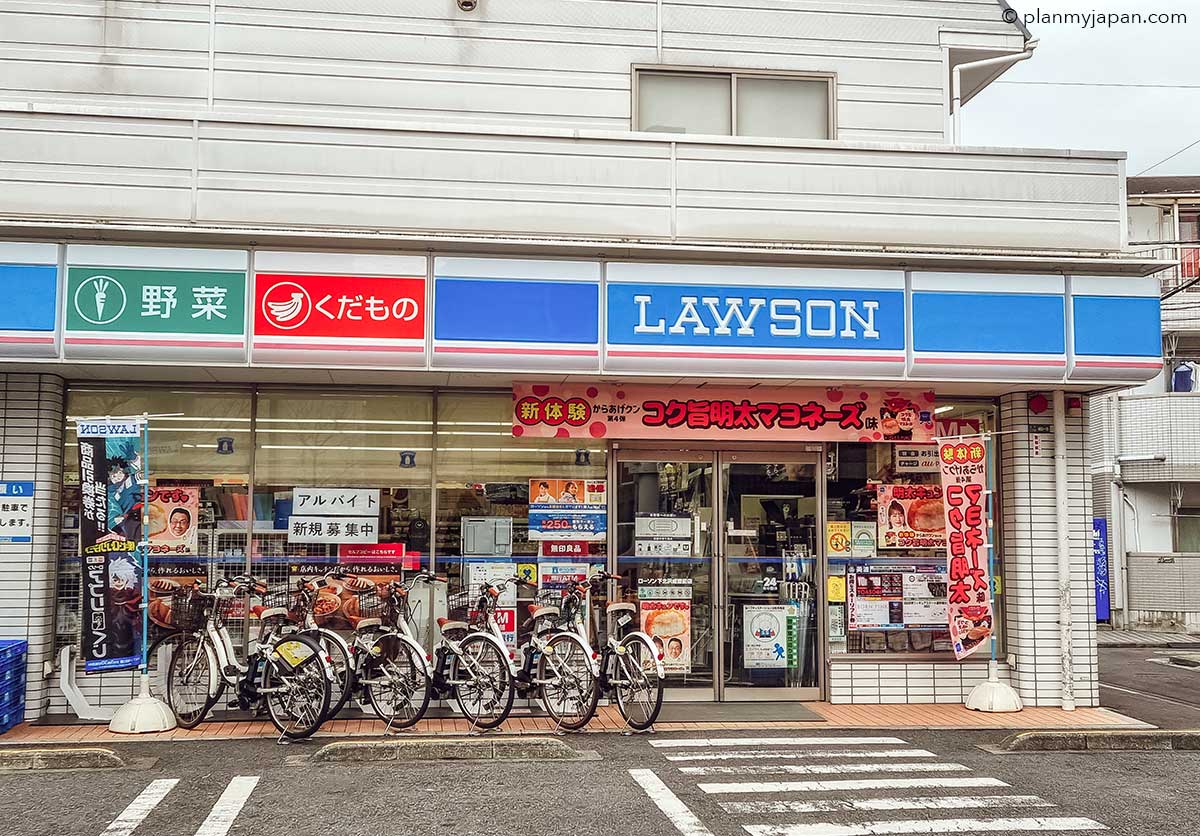
    In an innovative move to deepen its engagement with local communities, Japanese convenience store chain Lawson has formed a partnership with a free school lunch program in the Philippines. This initiative not only aims to boost brand visibility but also underscores Lawson’s commitment to supporting local causes.

    As part of this collaboration, Lawson plans to integrate its offerings with the school lunch program, allowing students access to nutritious meals while enhancing the brand’s footprint in the region. The initiative reflects a growing trend among retailers in Asia to align their brands with initiatives that resonate with community values.

    Comedian Ryota Yamasato made a memorable appearance at the ribbon-cutting ceremony for Akamegane Kitchen on August 29, shining a spotlight on the program and drawing attention to Lawson’s broader objectives. If food is the language of love, this partnership speaks volumes about Lawson’s efforts in nurturing relationships and brand loyalty in the Philippines.

    Lawson’s strategy highlights how retail businesses can leverage social initiatives to foster brand awareness and trust. By stepping into the realm of community health and well-being, they not only benefit from customer good will but contribute positively to society at large.

    This collaboration serves as a telling example of how retail chains can creatively navigate the complexities of brand building in a competitive landscape, making memorable impacts that go beyond profit margins.

    Questions & Answers

    What is Lawson’s latest partnership in the Philippines about?
    Lawson has teamed up with a free school lunch program in the Philippines, aiming to raise brand awareness by supporting local initiatives and providing access to nutritious meals for students.

    How does this partnership align with trends in the retail industry?
    This initiative illustrates the growing trend among retailers in Asia to forge collaborations with community-focused projects, enhancing brand visibility while fostering goodwill and trust within local populations.

    What role did Ryota Yamasato play in the launch of the program?
    Comedian Ryota Yamasato participated in the ribbon-cutting ceremony for Akamegane Kitchen, which is part of the school lunch initiative, helping to elevate the program’s profile and Lawson’s community engagement efforts.

  • Giorgio Armani Guides Heirs on Strategic Sale of Fashion Empire to LVMH and L’Oréal

    Giorgio Armani Guides Heirs on Strategic Sale of Fashion Empire to LVMH and L’Oréal

    The fashion world is in mourning following the death of Giorgio Armani, who passed away on September 4 at the age of 91, leaving behind an empire that industry analysts value between 5 billion and 12 billion euros (approximately US$5.9 billion to US$14 billion). Known as “King Giorgio,” the designer had no children to inherit his renowned label.

    Legacy in the Hands of Influential Players

    According to his will, priority for the estate is to be given to luxury giant LVMH, beauty behemoth L’Oréal, eyewear leader EssilorLuxottica, or another qualified group identified by a foundation he established to preserve his legacy. Notably, this was done in collaboration with Armani’s business and life partner, Pantaleo Dell’Orco. All three companies acknowledged their openness to exploring potential arrangements.

    The mention of stake sales and the inclusion of well-known French companies as possible buyers came as a surprise, considering Armani’s longstanding commitment to maintaining control over his fashion group—a brand that continues to retain significant prestige, even amid a global luxury slowdown.

    Potential Partnerships Spark Excitement

    LVMH, led by billionaire Bernard Arnault, expressed gratitude to be mentioned in Armani’s will. “Giorgio Armani honors us by naming us as a potential partner for the exceptional fashion house he has built,” Arnault stated. He suggested that if a partnership were to materialize, LVMH would be dedicated to bolstering its presence globally.

    EssilorLuxottica, closely linked to Armani through commercial partnerships, also indicated a willingness to consider a potential deal. Meanwhile, L’Oréal, which currently holds a licensing agreement with the Armani group until 2050, revealed plans to explore this new opportunity. It’s quite the fashion ‘who’s who’ vying for a piece of the pie, with all eyes on the future.

    A Shift in Control and New Directions Ahead

    Analysts believe that LVMH is likely the most interested party in acquiring a stake in Armani, emphasizing the strategic alignment between their businesses. They estimate that a stake could be valued between 5 billion and 7 billion euros, and LVMH appears well-positioned financially to proceed if an opportunity arises.

    Armani’s will, comprised of two documents filed earlier this year, stipulates that heirs should sell an initial 15% stake in the fashion house within 18 months of his passing. A further transfer of an additional 30% to 54.9% stake is to follow three to five years thereafter, emphasizing a structured approach to the transition of control. Alternatively, an initial public offering (IPO) may be pursued if the heirs prefer different exit strategies.

    These provisions are largely binding and could be subject to challenges in court if unmet, according to Italian legal experts. Known for revolutionizing modern fashion with his minimalist approach to jackets and suits, Armani had rebuffed several acquisition attempts over the years, including approaches from Gucci and John Elkann of the Agnelli family.

    The Future of Armani’s Vision

    Maintaining a firm grip on both creative and operational leadership, Armani has left a business generating stable revenues—an impressive 2.3 billion euros (around US$2.7 billion) in 2024—but one struggling with shrinking profits, now less than 3% of revenue according to Berenberg’s calculations.

    The will details various share types with different voting rights, ensuring that the Fondazione Giorgio Armani and Dell’Orco together control a significant 70% of the company. The foundation is committed to holding no less than 30% of the capital, serving as a safeguard of Armani’s founding principles, and is tasked with proposing a successor to lead the group.

    While the world waits to see what direction Armani’s heirs will take, one thing is clear: the legacy of Giorgio Armani will continue to influence fashion on a global scale.

    Questions & Answers

    What are the estimated values of Giorgio Armani’s fashion empire?
    The fashion empire is estimated to be worth between 5 billion and 12 billion euros (approximately US$5.9 billion to US$14 billion).

    Who are the potential buyers mentioned in Armani’s will?
    The potential buyers include luxury conglomerate LVMH, beauty giant L’Oréal, and eyewear leader EssilorLuxottica, with the possibility of other equally qualified groups being considered.

    What does Armani’s will stipulate regarding the transfer of ownership?
    The will requires heirs to sell an initial 15% stake within 18 months of Armani’s death, followed by an additional 30% to 54.9% stake within three to five years, or to pursue an IPO if preferred.

  • Gold Prices Dip: What Could It Mean for Retail Investors?

    Gold Prices Dip: What Could It Mean for Retail Investors?

    As gold prices dip in Vietnam, a contrasting trend is seen in the global market. In the latest market update, the price of gold bars from the Saigon Jewelry Company fell by 1.43% to VND131.4 million (approximately US$4,980.1) per tael. Meanwhile, local bullion prices still outstrip global ones by VND15 million per tael, a notable gap in the current economy.

    Gold ring prices also took a hit, decreasing by 1.23% to VND128 million per tael. For reference, a tael weighs about 37.5 grams or 1.2 ounces, a unit familiar to both traders and collectors alike.

    Globally, however, the gold market is witnessing a different dynamic. Prices edged upward on Friday, marking a potential fourth consecutive weekly gain driven by growing concerns over a weakening U.S. labor market that overshadowed inflation fears ahead of a widely anticipated Federal Reserve rate cut next week, according to Reuters.

    Spot gold rose 0.5% to $3,651.92 per ounce, hovering near a record high of $3,673.95 reached earlier in the week. This week alone, bullion has appreciated by 1.8%, reflecting its resilience amid economic uncertainty. U.S. gold futures for December delivery also saw an increase, climbing 0.5% to $3,690.30.

    “It’s not far off from $3,700 … so that could happen at any moment,” remarked Ryan McIntyre, managing partner at Sprott Inc. “In the short term, we see some resistance at about $3,900 according to our technical analysis, but long term, we believe it is still heavily under-owned by most institutions.” This sentiment reflects a broader trend that sees gold as a high-stakes player in the global financial game.

    So far this year, gold has soared about 39%, a remarkable feat fueled by a soft dollar, robust central bank purchases, dovish economic policy, and growing global uncertainties that keep investors on their toes.

    Questions & Answers

    How have local gold prices in Vietnam compared to global rates?
    Local gold prices have decreased, with the Saigon Jewelry Company reporting prices down by 1.43%, yet they remain VND15 million per tael higher than global prices.

    What are the key factors driving the global increase in gold prices?
    The increase is largely attributed to concerns over a weakening U.S. labor market, overshadowing inflation fears, as well as sustained interest from central banks and investors amid economic uncertainty.

    What predictions are experts making about gold prices in the near future?
    Experts suggest that gold could soon reach or surpass the $3,700 mark, with some forecasting resistance at around $3,900 in the short term, while highlighting its potential for longer-term growth due to under-ownership by institutions.

  • Tokyo Mall Transforms Retail Experience with Stunning Mount Fuji Views and Lush Rooftop Gardens

    Tokyo Mall Transforms Retail Experience with Stunning Mount Fuji Views and Lush Rooftop Gardens

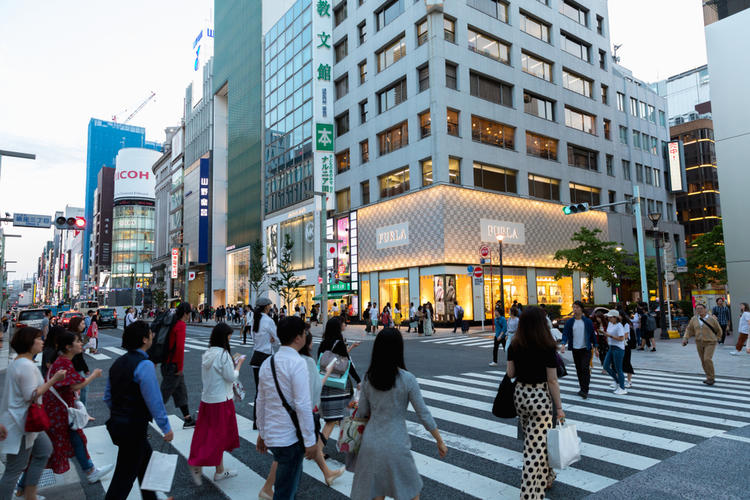
    An ultramodern shopping mall has officially opened its doors in Tokyo, aiming to attract shoppers not just with products, but also with memorable experiences. Located near Takanawa Gateway City in the Minato ward, this new destination launched on September 12 to fanfare and enthusiasm.

    With more than 2,000 eager shoppers braving the lines, the vibrant atmosphere was palpable as they flocked to explore this innovative complex. NEWoMan Takanawa promises a unique retail environment, blending the latest in shopping technology and design with curated experiences that go beyond traditional retail norms. The mall aims not only to drive foot traffic but also to reshape how consumers interact with brands.

    As competition intensifies in Japan’s retail landscape, particularly in urban centers, NEWoMan Takanawa stands out with its approach. This isn’t just a place to buy; it’s an invitation to immerse in the brand ambiance, perhaps even sipping artisanal coffee while scrolling through a hand-picked selection of the latest fashion items. Imagine browsing through stores that feel more like interactive art installations than conventional shops.

    The opening comes at a crucial moment for retail, particularly as the industry seeks innovative strategies to engage shoppers in a post-pandemic world. As consumers increasingly seek experiences rather than just transactions, NEWoMan Takanawa looks poised to meet this demand with a lineup of events and exhibitions that will continue to draw visitors long after the opening day excitement fades.

    The complex is part of a larger trend in Asia’s retail sector towards experiential shopping, a shift that has seen malls evolve into lifestyle destinations. And while shoppers are well aware that they can find goods online, NEWoMan Takanawa brings a distinct flair that may just remind them why in-person shopping can still be a delightful treasure hunt.

    Questions & Answers

    What unique offerings does NEWoMan Takanawa provide to shoppers?
    NEWoMan Takanawa combines shopping with experiential elements, creating an inviting atmosphere where customers can engage with brands in creative ways, such as through events and interactive installations.

    How has the pandemic influenced the retail strategies of new malls in Japan?
    The pandemic has prompted a shift towards experiential shopping, encouraging malls like NEWoMan Takanawa to focus on creating memorable experiences that entice customers back to physical stores.

    What was the public’s reaction on the opening day of NEWoMan Takanawa?
    The opening day saw over 2,000 people lining up to enter the complex, showcasing a strong enthusiasm from the public and a clear desire to embrace a new shopping experience.