Author: Mei Ling Tan

  • Pepper Exports Soar to $1 Billion, Hitting a Seven-Year High in Global Markets

    Pepper Exports Soar to $1 Billion, Hitting a Seven-Year High in Global Markets

    Vietnam’s pepper industry is experiencing a remarkable resurgence, driven by robust global demand and a tightening supply chain that has propelled export prices to new heights, according to the Vietnam Pepper and Spice Association (VPSA). In August, Vietnam exported 21,464 tons of pepper, generating $139.8 million in revenue. This marked a 2.6% increase in volume and a 1.7% increase in value compared to July.

    Year-on-year comparisons show even stronger growth: export volume surged by 10.6% and earnings soared by 19.5%. From January to August 2023, Vietnam exported a total of 166,510 tons of pepper, comprising 142,627 tons of black pepper and 23,883 tons of white pepper. While overall volume dipped by 9.4% compared to last year, this decline was more than offset by rising prices, with the average export prices reaching $6,666 per ton for black pepper and $8,732 per ton for white pepper—an impressive 41.5% and 38% increase, respectively.

    The United States continues to be the largest market for Vietnamese pepper, despite a 31% decrease in shipments to 35,697 tons, accounting for 21.4% of the country’s total pepper export value. In contrast, exports to China have soared by 58% year-on-year, totaling 13,282 tons. Sales to the UAE and India also showed strong growth, rising by 9.7% and 13.7%, respectively. It’s an impressive balancing act, proving that while some doors may close, others swing wide open.

    On the flip side, Vietnam has ramped up its pepper imports, bringing in 34,524 tons valued at $215.3 million, which represents a staggering 61.7% increase in volume and a striking 143.5% spike in value from the previous year. Brazil remains the top supplier, sending over 17,500 tons, followed by Cambodia and Indonesia.

    Domestically, pepper prices have been on the rise since late August, with farm-gate prices climbing from VND142,000-143,000 (approximately $5.4) per kilogram to VND154,000-155,000 by early September before settling around VND152,000-153,000. VPSA attributes this price rise to dwindling on-farm stocks as the harvest season came to a close and a surge in demand from exporters.

    Looking ahead, industry experts predict that limited supply will sustain high prices in the near term. This is especially pertinent as Vietnamese exporters strategize to cut back on importing raw pepper for processing and re-export to the U.S. in light of the reciprocal tariffs that can reach up to 40% on transshipped goods.

    Questions & Answers

    How did Vietnam’s pepper exports perform in August 2023 compared to previous months?
    In August 2023, Vietnam exported 21,464 tons of pepper worth $139.8 million, reflecting a 2.6% increase in volume and a 1.7% rise in value from July.

    What factors have contributed to the rising prices of Vietnamese pepper?
    Rising prices are attributed to dwindling on-farm stocks after harvest and strong demand from exporters, particularly as global supply tightens.

    Which countries are the primary markets for Vietnam’s pepper exports?
    The United States remains the largest market, despite a 31% drop in shipments, while exports to China surged by 58%, indicating shifting dynamics in the demand for Vietnamese pepper.
  • Globe Business and Blackpanda Unveil Budget-Friendly AI Cybersecurity Solutions for Philippine Enterprises

    Globe Business and Blackpanda Unveil Budget-Friendly AI Cybersecurity Solutions for Philippine Enterprises

    Globe Business has joined forces with Blackpanda, the region’s premier cyber incident response specialist, to provide affordable, enterprise-grade cybersecurity solutions tailored for businesses in the Philippines. Their innovative partnership promises a fixed-cost incident response and digital forensics service designed to help organizations promptly detect, contain, and recover from cyberattacks. This offering, fondly dubbed a “cyber fire department,” includes continuous vulnerability scanning, dark web monitoring, and seamless access to cyber insurance, making it an invaluable resource for local enterprises aiming to neutralize digital threats swiftly.

    KD Dizon, Head of Globe Business, emphasizes the growing urgency of the situation:

    Cyber threats remain a pressing challenge for businesses of all sizes, and AI is amplifying both the sophistication and frequency of these attacks. Our partnership with Blackpanda makes immediate, expert incident response—once prohibitively expensive—accessible to organizations across the Philippines.

    The Rising Tide of Cyber Risks in Southeast Asia

    The threat landscape is escalating in the Philippines and Southeast Asia, fueled by inadequate cybersecurity preparedness, AI-driven vulnerabilities, and skyrocketing costs of attacks. Globe underscores the necessity for robust threat intelligence, skilled incident responders, collaboration, and the latest security technologies. In 2024 alone, 85% of Philippine firms reported AI-related attacks, while 84% faced supply chain breaches, with almost a third unable to detect these intrusions. The cost of breaches across ASEAN averaged an alarming USD 3.23 million last year, with the financial services sector suffering the most, racking up an average cost of USD 5.57 million. The region also witnessed a staggering 29% uptick in cyber incidents, accompanied by a rise in ransomware and phishing activities.

    Transforming Cybersecurity Accessibility with IR-1

    Historically, enterprise-level incident response services have been financially out of reach for many businesses, with hourly rates soaring to USD 500 and annual retainers typically ranging from USD 25,000 to USD 100,000. Blackpanda aims to disrupt this trend with its flagship solution, IR-1, which blends incident response, continuous vulnerability scanning, and cyber insurance support into a budget-friendly subscription model. This transformative approach lowers the financial barriers for firms, enhancing their operational resilience and cybersecurity posture.

    Gene Yu, CEO of Blackpanda, shares the vision behind this collaboration:

    Globe’s reach and trust in the Philippine market make them the ideal partner to scale our IR-1 cyber emergency subscriptions nationwide. By delivering always-on access to expert response through Globe’s trusted network, we’re ensuring that a small manufacturer in Cebu or a growing fintech in Makati can access the same level of cyber emergency support as multinational corporations.

    The IR-1 solution boasts automated access to cyber insurance with coverage up to USD 10 million, continuous monitoring for potential risks, and elite response teams located across Asia—Manila, Singapore, Tokyo, and Hong Kong. Unlike its competitors, IR-1 supports any endpoint detection and response (EDR) solution, offering enterprises maximum freedom and flexibility.

    Questions & Answers

    How will the partnership between Globe Business and Blackpanda benefit Filipino companies?
    The partnership aims to provide accessible, enterprise-grade cybersecurity solutions to Filipino businesses, allowing them to swiftly detect and respond to cyber threats without the prohibitive costs historically associated with such services.

    What are the key features of the IR-1 solution offered by Blackpanda?
    IR-1 includes automated access to cyber insurance, continuous attack surface monitoring, dark web scanning, and support for any endpoint detection and response solution, ensuring comprehensive coverage and flexibility for businesses.

    What trends are driving the increase in cyber incidents in Southeast Asia?
    The rise in cyber incidents is largely attributed to low cybersecurity readiness, the growing number of AI-related threats, and the increasing costs of attacks, necessitating urgent action and investment in cybersecurity measures.

  • APTelecom Revolutionizes Global Connectivity with Resilient Submarine Solutions

    APTelecom Revolutionizes Global Connectivity with Resilient Submarine Solutions

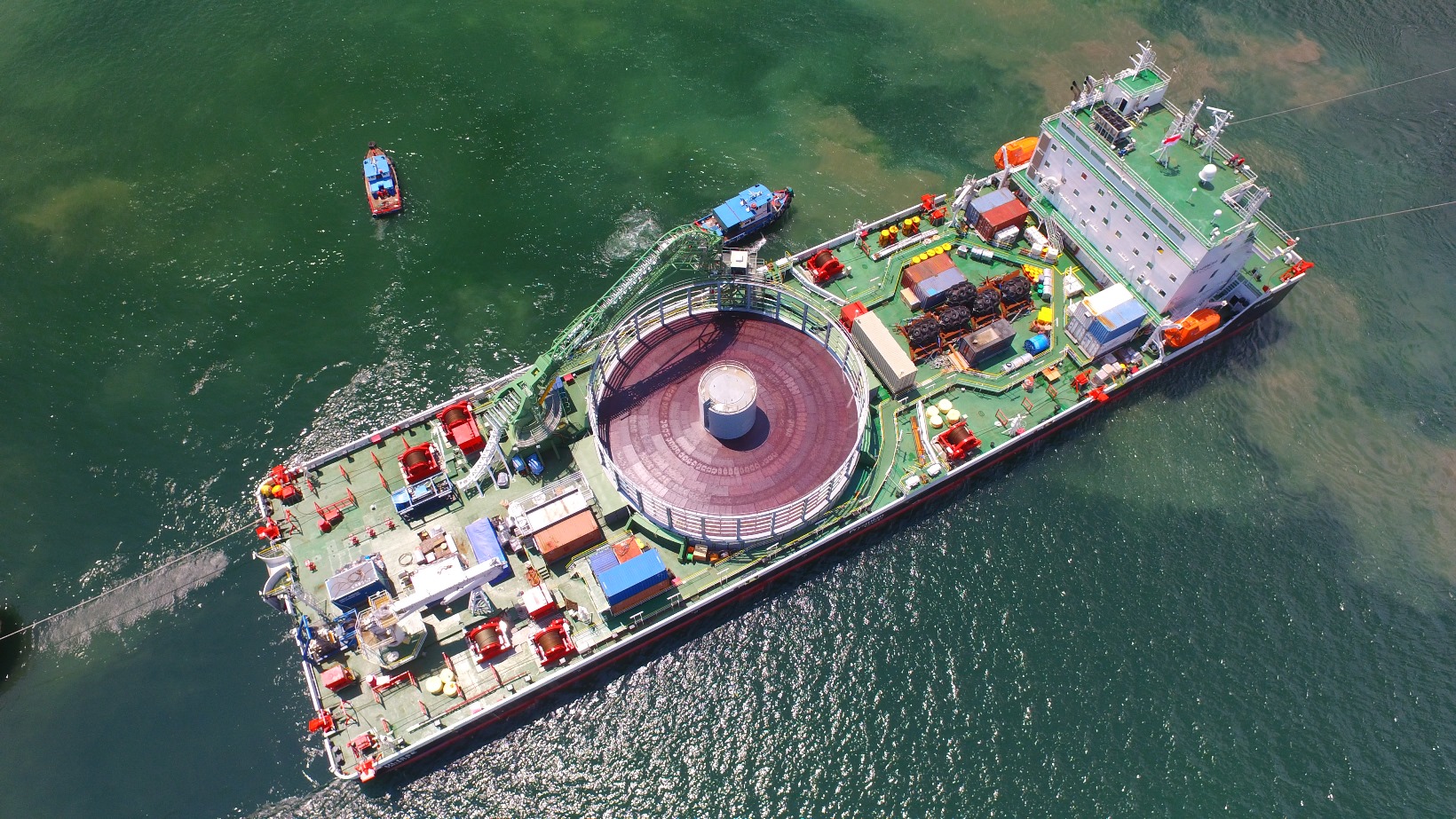
    Submarine cables have become essential arteries for connectivity in the Asia Pacific, managing the surge in data traffic that accompanies the region’s digital revolution. With over half of the globe’s internet users calling this area home, the demand is fuelled by a variety of factors including cloud adoption, e-commerce growth, streaming services, and gaming, along with swift industry digitization.

    The Asia Pacific’s Digital Growth Catalyst

    Navigating this dynamic and complex landscape is no simple task, but APTelecom is leading the charge by executing critical submarine cable projects that focus on resilience and sustainability. In an exclusive interview with Telecom Review Asia, APTelecom President and Co-Founder Sean Bergin offered insights into the challenges and opportunities that are shaping connectivity across the Asia Pacific region.

    The Future of Submarine Cables

    As the epicenter of global data growth, the Asia Pacific region is witnessing an unprecedented demand for new submarine cable systems. “More than half of the world’s internet users live here,” Bergin noted, emphasizing that the appetite for new cables is being driven not just by raw data needs, but by a quest for security and resilience in data infrastructure. Both large-scale regional systems and specialized builds aimed at enhancing redundancy are currently in the pipeline.

    What’s intriguing is that as digital traffic rises, so does the focus on trusted supply chains and dependable routes, both of which have become just as important as sheer capacity. APTelecom is at the crossroads of commercial demand and practical execution, guiding clients through the design and financing of new systems, while addressing local regulatory needs and establishing sustainable partnerships.

    Strategies for Local Success

    APTelecom’s vast experience across diverse markets reveals a critical lesson: the “one size fits all” mentality simply doesn’t apply to digital infrastructure. Each market boasts its unique regulatory landscape and investment climate. Bergin explained that the company merges global best practices with thorough local engagement, fostering trust and understanding with regulators, investors, and customers alike.

    This approach is particularly effective in bridging cultural gaps — whether it’s translating a hyperscaler’s needs to a regional operator or helping a Southeast Asian carrier negotiate with a global buyer. In developed markets, the dialogue often revolves around sustainability and ESG compliance, while emerging markets prioritize bankability and basic infrastructure diversity.

    Powerful Partnerships for Connectivity

    At the heart of APTelecom’s strategy lies collaboration. No single player—be it a carrier, government, or hyperscaler—can realize these complex systems alone. A prime example of this is APTelecom’s recent collaboration with a consortium of regional operators to enhance connectivity linking Vietnam to vital hubs in Thailand, Singapore, and Malaysia. This project not only strengthens Vietnam’s integration into the regional network but also boosts resilience and diversification in critical data routes.

    Involvement with partners in Africa and the Middle East is also on the rise, as Asia’s systems increasingly serve as key connections to Europe and beyond. Such partnerships are more than just ambitious ventures; they generate real benefits, translating into increased capacity, improved reliability, and enhanced service offerings for stakeholders that rely on robust, scalable infrastructure.

    Preparing for Tomorrow’s Connectivity Needs

    Looking ahead, APTelecom’s immediate priorities include supporting projects that balance commercial viability with strategic resilience. For clients, futureproofing involves diversification — ensuring multiple cable routes and a mix of terrestrial and subsea connections. This flexibility extends to contract structures that accommodate scaling capacity, integrating new technologies, and bringing on additional partners.

    Another facet of APTelecom’s mission is addressing workforce development. In many of the markets they serve, talent is in short supply, so equipping local engineers and operators with the necessary skills is a fundamental part of sustaining infrastructure longevity.

    In a fast-evolving sector, embracing technological advancements while mitigating risks is crucial. By helping clients establish dependable partnerships and build infrastructure that earns the trust of carriers and hyperscalers, APTelecom is not just adapting; they are setting the stage for the future of connectivity in Asia. Because let’s face it, in this high-stakes game of digital chess, every move counts.

    Questions & Answers

    How is APTelecom responding to the growing demand for submarine cables?
    APTelecom is actively spearheading new submarine cable projects and enhancing existing ones to address the significant demand driven by factors such as cloud adoption, e-commerce, and digitalization across industries.

    What role does local engagement play in APTelecom’s strategies?
    Local engagement is crucial; APTelecom tailors its approaches to each market’s regulatory and investment climate, building trust with key stakeholders, which ultimately helps in successful project execution.

    Why are partnerships important for APTelecom?
    Partnerships are essential because they combine resources and expertise from various entities to tackle complex connectivity challenges, ensuring that projects deliver real value and enhance regional resilience effectively.

  • Aupen, Singapore’s Buzzing Bag Brand, Faces Trademark Woes with Target: Staff Cuts and Product Withdrawal Announced

    Aupen, Singapore’s Buzzing Bag Brand, Faces Trademark Woes with Target: Staff Cuts and Product Withdrawal Announced

    Aupen, a burgeoning handbag brand founded by former national swimmer Nicholas Tan, announced layoffs on Monday as the company navigates mounting legal challenges. The spokesperson confirmed that staff were informed of the cutbacks, which affect over ten employees in Singapore as of last December.

    Operating solely online with no physical storefronts, Aupen specializes in asymmetrical leather handbags, with most pieces priced under US$600. The brand has gained significant traction since its founding in 2022, quickly capturing the attention of celebrities like Taylor Swift, Beyoncé, and Kylie Jenner. However, it remains unclear if the company will continue its operations amid these turbulent circumstances.

    Legal Showdown with Target

    The layoffs come on the heels of a letter from retail giant Target, opposing Aupen’s attempt to register its trademark internationally, including in the U.S. The communication, shared by Aupen on Instagram last month, raised concerns over “source confusion” due to the phonetic and visual similarities between Aupen and Target’s own label, Auden, which has been utilized since 2019 and was relaunched last July.

    In its letter, Target sought clarification on Aupen’s use of its brand name for products and services, questioning why any confusion is unlikely. With nearly 2,000 stores across the U.S. and recently reporting net sales of US$25.21 billion for the second quarter of 2025, Target’s weight in the retail realm is formidable.

    Aupen’s Climb to Fame

    Aupen’s rapid ascent has been nothing short of impressive. From its inception, the brand has established a cult following and even partnered with LVMH Metiers d’Art, an arm of the esteemed luxury conglomerate LVMH. It’s almost as if the fashion gods conspired for a perfect storm of success—until now.

    The Intellectual Property Office of Singapore (IPOS) has stepped in to support Aupen during this tumultuous time, advising the brand to seek independent legal counsel. Despite Aupen’s characterization of Target’s challenge as a lawsuit, IPOS clarified that they do not recognize it as such, confirming that Aupen’s existing trademark in Singapore remains intact. “IPOS maintains a registration regime that ensures equal and fair access for all companies seeking trademark protection in Singapore,” the agency stated.

    A Personal Plea

    Amid this legal fray, Tan has taken to social media to voice his concerns. He described the situation as a David versus Goliath struggle, stating, “a $100 billion giant is crushing an independent brand.” He highlighted the potential for long, costly court battles that could stifle Aupen’s product launches while allowing larger competitors to mimic designs at a fraction of the cost. “This will erase us. And when we are gone, people may think that Auden is Aupen,” he lamented in an Instagram story. Further complicating matters, he attributed the recent staff layoffs to the overwhelming legal pressures, dedicating himself to honoring the salaries of his team and suppliers amidst the turmoil.

    Questions & Answers

    What triggered Aupen’s layoffs?
    The layoffs at Aupen were driven by ongoing legal challenges with Target, which oppose the brand’s attempt to register its trademark internationally, including in the U.S.

    How has Aupen gained popularity since its inception?
    Founded in 2022, Aupen quickly amassed a following through its unique asymmetrical leather handbags, garnering attention from high-profile celebrities and even collaborating with LVMH Metiers d’Art.

    What is the stance of the Intellectual Property Office of Singapore regarding Aupen’s trademark?
    The IPOS has reached out to Aupen for support and confirmed that, while they are aware of Target’s opposition, Aupen’s existing trademark in Singapore remains valid.

  • Gasoline Prices See End to Nine-Week Rally: What It Means for Consumers

    Gasoline Prices See End to Nine-Week Rally: What It Means for Consumers

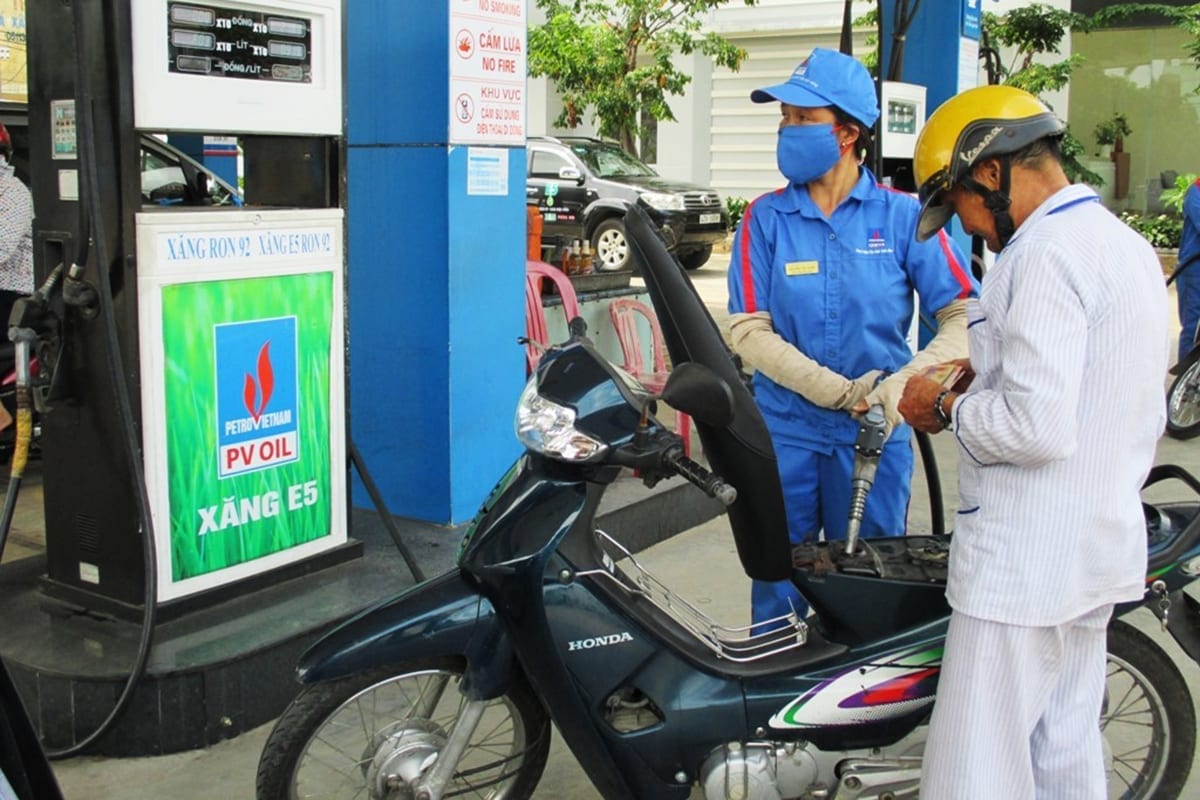
    Gasoline prices in Vietnam took a notable dip on Thursday afternoon, marking the end of a nine-week upward trajectory.

    The widely used fuel RON95 saw a slight decrease of 0.15%, settling at VND20,400 (approximately US$0.77) per liter. Similarly, biofuel E5 RON92 experienced a bigger drop of 0.50%, now priced at VND19,750. While diesel fueled a higher climb, rising by 0.92% to VND18,640.

    This adjustment reflects the recent volatility in the global oil market, influenced by a mix of geopolitical events and economic shifts. Notably, tensions escalated in the Middle East following Israel’s actions targeting Hamas leadership on Qatari territory. At the same time, OPEC+ has ramped up oil production for October, and fluctuations in the value of the US dollar have further complicated the landscape, as highlighted by the Ministry of Industry and Trade.

    In terms of global benchmarks, RON95 dropped by 0.2% to $81.5 per barrel, while diesel ticked up by 1.14%, now valued at $87.64. It’s a bit like watching a tightrope walker; one misstep can send prices plummeting or soaring.

    Questions & Answers

    What trends influenced the recent decline in gasoline prices in Vietnam?
    The decline was largely shaped by geopolitical tensions in the Middle East, OPEC+ increasing oil production, and fluctuations in the value of the US dollar.

    How much did RON95 and biofuel E5 RON92 prices change?
    RON95 fell by 0.15% to VND20,400, while E5 RON92 dropped by 0.50% to VND19,750.

    What impact do global oil prices have on local markets?
    Global oil prices significantly impact local markets, as fluctuations can directly translate into changes in consumer fuel prices, shaping both economic conditions and consumer behavior in the region.

  • Zoho Unveils Comprehensive ERP Solution, Transforming Its Finance Suite into a Complete Business Tool

    Zoho Unveils Comprehensive ERP Solution, Transforming Its Finance Suite into a Complete Business Tool

    In a bold move to redefine its role in the business landscape, Zoho is positioning itself as the “operating system for business,” unveiling an expanded finance and operations suite designed to enhance efficiency for small and medium enterprises (SMEs) aiming for international growth.

    The All-in-One Solution for SMEs

    Sivaramakrishnan Iswaran, Global Head of Zoho Finance and Operations, elaborated, “Zoho is the operating system for business. By this, I mean that any business with software needs can fulfill those requirements solely through Zoho.” The platform aims to provide comprehensive solutions that encompass payroll, accounting, tax management, inventory, commerce, and point-of-sale systems. This extensive toolset has proven particularly valuable for Southeast Asian companies looking to expand beyond their borders.

    Streamlined Tax Solutions for Singaporean Businesses

    Iswaran noted that initial challenges with manually configuring tax systems have been addressed through the launch of new tools tailored for customers in Singapore. “Most of the requirements should be met over the weeks,” he reassured, signaling a smoother experience ahead for local businesses.

    Embracing the Future: AI and Digital Payment Innovations

    Looking towards the future, Zoho is placing a significant emphasis on digital payments and artificial intelligence. “Southeast Asia is at the forefront of digital payment adoption,” Iswaran observed, highlighting the region’s rapid advancements. With AI stepping into the limelight, he remarked, “Many of the mundane tasks in our products can be handed over to agents, freeing up valuable time for more meaningful work.” The promise of AI not only aims to improve operational efficiency but also injects a spark of creativity into daily business functions.

    In an era where even routine tasks face disruption, Zoho is stepping up its game. It’s like giving a business a multi-tool equipped with innovative features, ready for whatever comes next in the bustling Asian retail landscape.

    Questions & Answers

    What is Zoho’s new focus for small and medium enterprises?
    Zoho is expanding its finance and operations suite into a full ERP platform, aiming to serve as the “operating system for business” for SMEs looking to streamline their operations and grow internationally.

    How is Zoho improving tax management for Singaporean businesses?
    Zoho has introduced new tools that automate the configuration of tax systems, allowing businesses in Singapore to address their requirements much more efficiently.

    What role will AI play in Zoho’s future strategy?
    Zoho plans to leverage AI to automate mundane tasks, enabling businesses to focus on more strategic activities, thereby enhancing overall efficiency and productivity.

  • Uniqlo Focuses on Revitalizing Hong Kong Stores Instead of Pursuing Expansion Plans

    Uniqlo Focuses on Revitalizing Hong Kong Stores Instead of Pursuing Expansion Plans

    Uniqlo, the globally recognized Japanese clothing brand, is gearing up for a significant transformation at its Mira Place location, as it embarks on an ambitious expansion project. The store, which first opened its doors in 2005, is set to double its footprint to an impressive 2,500 square meters, with the grand reopening slated for October 17, according to reports from the South China Morning Post.

    Transforming Space for Customers

    This revamped store will hold the title of Uniqlo’s largest outlet in the Kowloon area, reflecting the brand’s commitment to meeting customer needs in Hong Kong. Last November, the retailer similarly redesigned its City Plaza store in Taikoo Shing, expanding across multiple floors, a testament to its evolution in retail strategy.

    Beyond Square Footage: A Focus on Needs

    Tomoyuki Ota, the chief operating officer for Uniqlo in Hong Kong and Macau, highlighted the brand’s focus on understanding what customers genuinely desire rather than merely increasing the number of stores. “The most important thing is what the customer needs and not just the number of stores,” said Ota. This philosophy drives the updates and renovations across its locations.

    Expansion Beyond Borders

    While Uniqlo is enhancing its existing stores in Hong Kong, it is also setting its sights on a bold strategy in India, aiming to more than double its current store count over the next three years. The company marked its foray into southern India with a new store that opened earlier this month.

    Accelerating Presence in the South

    “In the first four years, we focused on north India—that is why our expansion was so fast,” said Kenji Inoue, Uniqlo’s chief financial officer and chief operating officer. “But now we are entering the southern market, which will accelerate our growth going forward.” Since making its debut in India in 2019 with a store in New Delhi, Uniqlo has grown to 16 locations across the country.

    Financial Growth Amid Challenges

    Parent company Fast Retailing reported an 8.4% rise in profit to JPY339 billion (US$2.3 billion) for the nine months ending in May, with Uniqlo International, which includes Hong Kong and other markets, reflecting a robust 12.7% revenue growth to JPY1.45 trillion. However, the company cautioned in July that higher tariffs in the U.S. would impact its operations as the year progresses, especially given that most of Uniqlo’s products sold stateside are manufactured in Southeast Asia and South Asia.

    A Global Perspective: More Than Just a Store

    From its modest beginnings as a single store in Hiroshima 40 years ago, Uniqlo has blossomed into a retail powerhouse with over 2,500 stores worldwide. The brand sells a range of popular products, including affordable fleeces and cotton shirts primarily sourced from China and other Asian manufacturing hubs. As it looks to the future, Uniqlo is also concentrating on expansion in North America and Europe, shifting its focus amid a slowing Chinese economy—the brand’s largest market, where it operates more than 900 stores.

    Questions & Answers

    What is unique about Uniqlo’s expansion strategy in Hong Kong?
    Uniqlo is focusing on renovating existing locations like its Mira Place store to better cater to customer needs, rather than simply increasing the number of stores in the area.

    How many Uniqlo stores are currently operating in India?
    As of now, Uniqlo has expanded to 16 stores in India since its entry into the market in 2019.

    What financial performance did Fast Retailing report recently?
    Fast Retailing posted an 8.4% increase in profit to JPY339 billion (US$2.3 billion) in the nine months ending in May, with Uniqlo International achieving a notable revenue growth of 12.7% during the same period.

  • BlackRock Eyes Growth in Middle East’s Flourishing Millionaire Market

    BlackRock Eyes Growth in Middle East’s Flourishing Millionaire Market

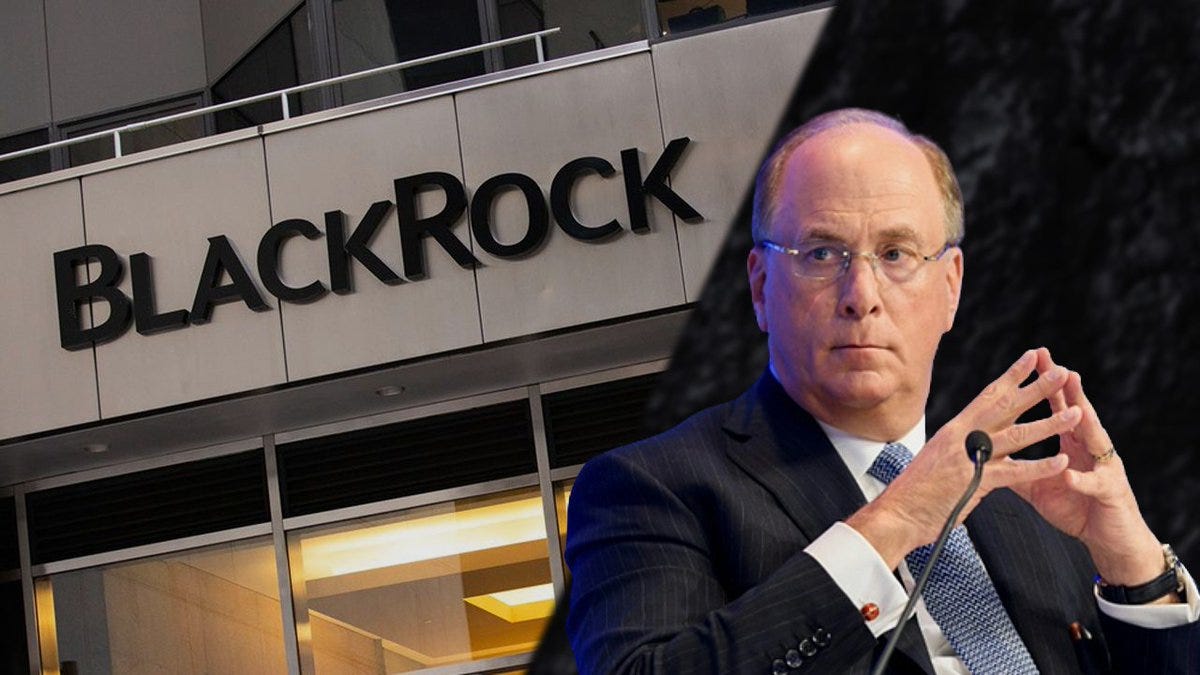
    The world’s largest asset manager, Blackrock, is making a significant move into Kuwait, a nation where around 15 percent of its citizens hold millionaire status. This financial giant is positioning itself in a virtually debt-free state known for its vibrant investment landscape amid a favorable global economic backdrop.

    In a press announcement by the Kuwaiti news agency KUNA, it was revealed that Blackrock has tapped Ali Al-Qadhi to lead its new branch in Kuwait. This announcement follows the Kuwaiti Capital Markets Authority’s recent approval of a license for Blackrock Advisors (UK) Ltd, signaling the firm’s commitment to establishing a stronghold in the region.

    Strategic Partnerships Open Doors

    Blackrock’s ambition in Kuwait was first discussed during a visit from co-founder and CEO Larry Fink to the ruler of Kuwait, Sheikh Mishal Al-Ahmad Al-Jaber Al-Sabah, in February. Fink pledged that Blackrock would back the government’s ambitious “Kuwait Vision 2035,” a strategy aimed at transforming the small oil-rich nation into a global financial and trade hub. With existing offices in Riyadh, Doha, Dubai, and Abu Dhabi, Blackrock’s expansion into Kuwait reflects its strategic focus on the region.

    Managing $12.5 trillion in assets, the firm aims to provide financial consulting to high-net-worth individuals (HNWIs) as well as to state-owned and private investment firms in a country with a population of 5 million. Kuwait ranks third globally for the percentage of millionaires, just behind Switzerland and Hong Kong. The Kuwait Investment Authority (KIA), which boasts a $1 trillion portfolio, holds a 5.57% stake in Mercedes-Benz and has recently supported Blackrock’s initiatives in building global infrastructure for artificial intelligence.

    A Stable Haven amid Global Unrest

    The Gulf’s burgeoning high-net-worth community is reportedly thriving due to rising oil prices, a boom in global stock markets, and a post-pandemic rebound in trade and tourism. Additionally, the relatively weak U.S. dollar is drawing investments from Europe, the UK, and East Asia, while all Gulf currencies are pegged to the dollar—except for Kuwait, whose dinar floats against a basket of currencies. Impressively, Kuwait’s public debt was a mere 3% of GDP in 2024.

    Interestingly, recent geopolitical crises in the region have largely sidestepped Kuwait. In September, credit rating agency Fitch reaffirmed Kuwait’s “AA–” rating with a stable outlook, though analysts are nudging the government to expedite reforms aimed at diversifying the economy beyond oil and enhancing transparency within the financial sector.

    Questions & Answers

    What does Blackrock’s new branch in Kuwait signify for the local market?
    Blackrock’s new branch reflects the growing importance of Kuwait as a financial hub, particularly for high-net-worth individuals and investment opportunities.

    How significant are Kuwait’s high-net-worth individuals in the global context?
    With 15 percent of its population classified as millionaires, Kuwait ranks third in the world for millionaire density, highlighting a lucrative market for strategic financial services.

    What challenges does Kuwait face despite its economic advantages?
    While Kuwait enjoys a stable economy with low public debt, analysts point to the need for reforms to diversify the economy and improve transparency within the financial sector to sustain its growth.

  • Vietnamese Rice Exports Hit a Standstill as Philippines Imposes Import Ban

    Vietnamese Rice Exports Hit a Standstill as Philippines Imposes Import Ban

    In the heart of Vietnam’s Mekong Delta, traders like Hang are feeling the pinch. In a region renowned for its rice production, Hang purchased only a few tons last week, a stark contrast to his usual orders of hundreds. Amid this landscape of caution, rice exporters are navigating a murky market, grappling with decisions that could impact their bottom lines.

    Philippine Market Suspension Sends Shockwaves

    Nguyen Chi Thanh, director of the rice division at export company Angimex, captured the mood succinctly: “Prices remain low, but we dare not buy much.” This hesitancy has been exacerbated by the Philippine government’s recent decision to suspend rice imports for 60 days, a move aimed at shielding local farmers. As the Philippines typically accounts for over 40% of Vietnam’s rice export market, this abrupt halt has cast a shadow over procurement practices in the Mekong region.

    Across the globe, the pricing dynamics are shifting. Vietnam’s 5% broken rice is currently priced at $399 per ton, making it more expensive than similar varieties from Thailand and India. As demand falters internationally, buyers are increasingly hunting for cheaper alternatives, intensifying competitive pressure on Vietnamese exporters.

    Local Authorities Urge Caution and Strategy

    Faced with this volatility, local authorities in the Mekong Delta are advising exporters to exercise prudence amidst global uncertainties. The Department of Industry and Trade in Vinh Long, a province that heavily relies on exports to the Philippines, has issued a timely notice urging companies to remain vigilant and patient as market conditions evolve. Diversifying export markets is also touted as a strategy to mitigate risks.

    Despite these challenges, Vietnam exported 6.3 million tons of rice valued at $3.17 billion in the first eight months of the year. However, while export volumes saw a slight uptick, the value plummeted by nearly 18% due to falling prices. The Philippines remains Vietnam’s largest buyer, importing 2.6 million tons.

    Looking Ahead: Diversification is Key

    On September 1st, the Ministry of Industry and Trade emphasized the importance of keeping a close eye on market trends and warned against overreliance on any single buyer. Leaders are advocating for expanded trade relationships with countries such as China, Indonesia, Malaysia, and nations across Africa and the Middle East.

    Prime Minister Pham Minh Chinh has thrown his weight behind the diversification efforts, calling for improved market strategies to ensure food security in light of the fluctuating rice export landscape. He has also directed the State Bank of Vietnam to enhance credit resources for rice production and trading enterprises while urging the Ministry of Industry and Trade to intensify outreach to countries with whom Vietnam has free trade agreements, including the U.S., South Korea, and the E.U.

    Experts remain optimistic; while higher prices compared to competitors like Thailand and India may appear disadvantageous, they have not diminished Vietnam’s market presence. Major clients continue to place orders, attracted by the country’s reputation for quality and reliability. Additionally, analysts point to potential opportunities in Africa and the Middle East as challenges in supply chains from Thailand and India persist.

    Though the Philippine market poses a setback for now, projections suggest that Vietnam’s rice exports could exceed eight million tons this year, reinforcing its status as the world’s second-largest rice exporter, trailing only India. Exporters remain hopeful that prices will rebound as global demand increases and the Philippines resumes imports, making the situation as ripe with potential as the golden fields of rice in An Giang.

    Questions & Answers

    How are Vietnamese exporters responding to the suspension of rice imports by the Philippines?
    Exporters are adopting a cautious approach, limiting their purchases and exploring strategies to diversify markets in response to the suspension.

    What factors are influencing the current pricing of Vietnamese rice on the global market?
    Vietnam’s rice prices are affected by competitive pressures from lower-priced rice from Thailand and India, combined with a decrease in global demand.

    What are the government’s recommendations for Vietnamese rice exporters moving forward?
    The government urges exporters to diversify their market base, expand their reach to new regions, and stay vigilant to market changes to mitigate risks.

  • Amazon, Temu, and Shein Surge in Australia, Leaving Local Retailers Struggling to Compete

    Amazon, Temu, and Shein Surge in Australia, Leaving Local Retailers Struggling to Compete

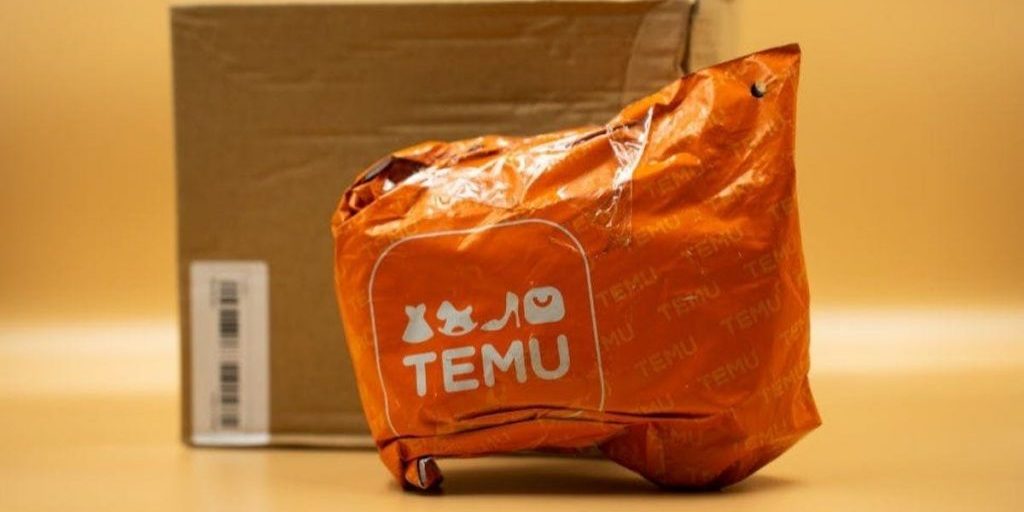
    Online retail giants Amazon, Temu, and Shein have made remarkable strides in capturing the hearts—and wallets—of Australian consumers, according to fresh insights from Roy Morgan. As traditional retail players struggle to maintain their foothold, these digital marketplaces are flourishing, shaking up the industry in ways we never expected.

    Amazon Tops the Charts

    Leading the charge is Amazon, boasting a staggering 8.8 million Australian shoppers making purchases at least once a year. This figure marks an impressive rise of 900,000 customers compared to the previous year, translating into an 11% growth rate. It’s clear that the online retail behemoth has solidified its presence in the Australian market.

    Temu and Shein: Rising Stars

    Meanwhile, Temu has emerged as a formidable contender, attracting 4.7 million shoppers—an increase of 900,000 or 24% growth in just one year. Shein isn’t far behind, pulling in 2.6 million buyers, up by 600,000, which equates to a 27% rise in its customer base. Combine this with Temu and Shein’s growth, and you’ve got a retail revolution that’s generating billions in additional sales.

    The Financial Impact

    The impact of this growth is nothing short of staggering. Together, Temu and Shein have added an impressive $1.3 billion to their collective sales over the past year. Temu’s sales are soaring, now hitting approximately $2.6 billion annually in Australia, a substantial increase from $1.6 billion just a year prior. Shein, with its trend-driven appeal, has also seen its sales swell to $1.3 billion, climbing from $1 billion.

    A Shrinking Landscape for Traditional Retailers

    In stark contrast, several well-established retailers have faced steep declines in customer numbers. Companies like eBay, Kogan, The Reject Shop, and Best & Less are struggling to maintain their market presence. It’s been a tough year for fashion retailers as well, with names such as Millers, Rivers, Noni B, Katies, Autograph, Crossroads, Rockmans, and Wittner exiting the market entirely.

    The Shift in Consumer Expectations

    Catherine Jolley, Roy Morgan’s head of retail and consumer products, notes that this swift transformation is reshaping the industry. “As discount platforms reset consumer expectations, established retailers, especially those that have relied on a low-cost position, must grapple with their standing in this new retail order,” she explains. It’s a tough lesson for traditional players, who might have once thought they were invincible.

    As this saga unfolds, it’s evident that the retail landscape in Australia is not just changing; it’s being revolutionized. So, watch out – the only constant in this digital age seems to be relentless growth and unexpected outcomes in the online space.

    Questions & Answers

    What recent figures highlight Amazon’s growth in Australia?
    Amazon now boasts 8.8 million Australians shopping on its platform at least once a year, reflecting an 11% increase from the previous year.

    How have Temu and Shein performed over the past year?
    Temu’s customer base grew by 900,000 to reach 4.7 million, while Shein increased by 600,000 to 2.6 million, showcasing growth rates of 24% and 27%, respectively.

    What challenges are traditional retailers facing?
    Many established retailers, including eBay and Kogan, are seeing significant declines in their customer bases, with several fashion brands exiting the market entirely.

  • Singtel and UTES Join Forces to Boost AI Upskilling Initiative Through Renewed MoU

    Singtel and UTES Join Forces to Boost AI Upskilling Initiative Through Renewed MoU

    The Singtel Group has reestablished its memorandum of understanding (MoU) with the Union of Telecoms Employees of Singapore (UTES) in a move that underscores their commitment to workforce transformation. This partnership aims to prepare employees with vital skills in artificial intelligence (AI), positioning AI as a cornerstone of the Group’s strategy to drive business growth and enhance customer experiences.

    Fostering Growth Through Learning

    The MoU was unveiled at the annual BIG Learning Fiesta, a month-long celebration featuring various workshops and talks specifically designed to foster the professional and personal development of Singtel’s workforce. This latest agreement builds on earlier collaborative efforts between the Singtel Group and UTES, highlighting the shared vision of advancing employee capabilities.

    Back in 2019, Singtel made a significant move by investing SGD 45 million over three years into a development framework known as the ACT initiative, aimed at boosting digital skills across its workforce. With this renewed MoU, the focus shifts towards accelerating training in AI, emerging technologies, sustainability, and essential skills. Employees will be empowered to design their own learning pathways, adopting a skills-first approach that aims to transform roles and cultivate a future-ready workforce.

    Staying Ahead in the Skills Race

    In a further commitment to employee development, Singtel announced in 2022 an annual investment increase of SGD 20 million dedicated to enhancing training programs. The launch of Singtel 8George—a learning academy for employees across experience levels—reflects the Group’s proactive response to rapid technological changes. This ongoing initiative supports the broader adoption and integration of AI across the organization. So far, around 13,000 employees in Singapore, or 95% of the workforce, have successfully completed a foundational AI training program that covers diverse topics like generative AI, data analytics, and responsible AI practices.

    Singtel is on a mission for all of its Singapore-based employees to undergo AI training, with plans to designate 3,000 as AI practitioners and 300 as specialists. This strategy aligns seamlessly with Singapore’s updated National AI Strategy, which aspires to train 15,000 AI practitioners to bolster the nation’s AI development and innovation.

    A Vision for the Future

    Singtel Group CEO, Mr. Yuen Kuan Moon, eloquently articulated the company’s forward-looking vision:

    “AI is transforming the way we live and work, and even redefining what jobs will look like in the future. That’s why we’re moving just as fast to prepare our people for this change. This MoU reflects our unwavering commitment to helping everyone at Singtel to learn, grow, and thrive in an age of accelerated change.”

    “To be truly AI-ready, we’re putting skills first, empowering our people to build the critical capabilities they need, with technology as their trusted co-pilot. By learning how to make the most of AI, our people will be able to seize new opportunities with confidence, make smarter decisions, and play a leading role in driving sustainable growth for the business and for themselves.”

    Singtel has laid out its AI strategy to encompass three essential roles: adopter, builder-provider, and enabler of AI through its connectivity, digital infrastructure, and digital services sectors. This structured plan is set to create diverse AI-related career paths within the Group, including fresh opportunities in data centers like Nxera, which recently celebrated its inaugural Sustainable AI Data Centre Career Day in collaboration with industry partners.

    Questions & Answers

    What is the purpose of Singtel’s renewed MoU with UTES?
    The renewed MoU aims to enhance workforce transformation by equipping Singtel employees with essential skills in artificial intelligence (AI), while fostering a culture of continuous learning.

    How many employees will undergo AI training at Singtel?
    Singtel plans to train all Singapore-based employees in AI, designating 3,000 as AI practitioners and 300 as AI specialists as part of its broader strategy to embrace AI.

    What significant investment did Singtel make for employee training in recent years?
    In 2022, Singtel increased its annual investment in training programs to SGD 20 million, further emphasizing its commitment to employee development amidst rapid technological changes.

  • ANZ to Streamline Operations: 3,500 Job Cuts and Shift in Contractual Services Announced

    ANZ to Streamline Operations: 3,500 Job Cuts and Shift in Contractual Services Announced

    In a significant move aimed at streamlining operations, Australia and New Zealand (ANZ) Banking Group Limited plans to cut approximately 3,500 jobs by September 2026. The announcement, made on September 9, 2025, included details about the bank’s intent to reduce its reliance on consultants and third-party services, as part of a broader strategy to simplify its structure.

    Job Cuts and Consultant Reductions

    ANZ’s Chief Executive Officer, Nuno Matos, stated that the bank would also re-evaluate its relationships with around 1,000 managed services contractors. “Our changes also include ending or reviewing our engagements with consultants and other third parties,” Matos noted, underscoring the bank’s intention to operate more efficiently.

    Financial Impact of Restructuring

    The financial implications of these changes are notable; ANZ anticipates a restructuring charge of approximately $560 million before tax in the second half of 2025. This financial adjustment highlights the challenges that lie ahead as the bank navigates its transformation.

    Support for Departing Employees

    Matos acknowledged the emotional toll these changes could have on employees. “We know this will be difficult news for some of our staff,” he remarked, emphasizing the importance of handling the situation with care. “While some of these changes have already commenced, we are committed to working through the impacts as quickly and safely as we can, with both care and respect for our teams affected.”

    In an effort to cushion the blow for those losing their jobs, ANZ has pledged to roll out a robust support program. This initiative will offer individual assistance, career advice, planning support services, and access to a career training fund to help affected employees transition smoothly into new opportunities. After all, in the world of finance, job cuts can be a bit like reorganizing a Tetris game—there’s often more at stake than just the blocks on the screen.

    Questions & Answers

    What is the reason behind ANZ’s decision to cut jobs?
    The layoffs are part of a broader strategy to simplify the bank’s operations and reduce reliance on consultants and third-party services.

    How many jobs will be affected by ANZ’s restructuring?
    Approximately 3,500 jobs are expected to be cut by September 2026.

    What support will be available for employees affected by the layoffs?
    ANZ will provide a comprehensive support program that includes individual assistance, career advice, planning support services, and access to a career training fund.

  • Carlsberg Vietnam Transforms Workplace Culture into Vibrant Music Video Celebration

    Carlsberg Vietnam Transforms Workplace Culture into Vibrant Music Video Celebration

    Carlsberg Vietnam recently embarked on a unique creative venture, pondering the question: “If our corporate culture were a song, what would it sound like?” This thought initiated an imaginative endeavor, infusing workplace values with catchy lyrics and inviting participation from both leaders and employees.

    Drawing inspiration from pop sensation Hoa Minzy’s hit “Bac Bling,” the company reworked the song with lively lyrics, infectious rhythms, and vibrant choreography. Everyday locations—from the Phu Bai brewery in Hue to bustling offices in Hanoi and Ho Chi Minh City—transformed into stages where colleagues became singers, rappers, and dancers, bringing their company values to life in a lively and unforgettable way.

    One of the video’s most powerful highlights features Carlsberg Vietnam’s leadership performing side by side with employees, blurring the lines between titles and hierarchies. Here, the only thing that matters is the collective rhythm they share on stage.

    “At Carlsberg Vietnam, every role is significant, and everyone moves to the same beat. When leaders join their teams on the front lines, the divide diminishes,” a company spokesperson shared.

    The music video also illustrates the company’s Growth Culture, a philosophy that shapes daily operations. Semper Ardens, which translates to “always burning with passion,” fuels every performance, while a wave of positive energy traverses generations and functions. Employees take immense pride in their brands, upholding speed and excellence evident in the project’s quick rollout. By empowering their workforce, Carlsberg ensures each individual has a chance to shine.

    Emphasizing its commitment to Diversity, Equity & Inclusion (DEI), the video showcases employees from various backgrounds and roles—from brewers to office staff—uniting in harmonious celebration. This dedication extends to gender representation, with over 40% of senior leadership roles currently held by women, illustrating that diversity isn’t merely acknowledged but actively valued as a source of strength.

    Carlsberg Vietnam recently fortified its reputation as a leading employer by being named one of the Best Companies to Work for in Asia by the HR Asia Awards for the third consecutive year in 2025.

    This year’s theme, “Multi-Generation Synergy,” is beautifully illustrated in the music video: Gen Z injects energy, millennials add adaptability, and Gen X provides stability.

    For Carlsberg Vietnam, culture is not confined to slogans or manuals; it flourishes through daily interactions—within offices, breweries, and the genuine connections made. “This music video is just one chapter in our story. Ultimately, it underscores that culture thrives when we live it together: in harmony, unity, and the shared mission of brewing significant moments for consumers, communities, and a sustainable future,” the spokesperson stated.

    Questions & Answers

    How did Carlsberg Vietnam create its music video?
    The idea began with the question: “If our culture were a song, what would it sound like?” This inspired them to reinterpret the hit “Bac Bling” with playful lyrics and dynamic choreography, inviting participation from leaders and staff alike.

    What themes does the video highlight about Carlsberg Vietnam’s workplace culture?
    The video highlights the company’s Growth Culture, the importance of teamwork, and a commitment to Diversity, Equity & Inclusion, showcasing a workplace where every voice matters and different generations contribute to its success.

    What recognition has Carlsberg Vietnam received for its workplace environment?
    Carlsberg Vietnam was named one of the Best Companies to Work for in Asia by the HR Asia Awards in 2025, marking the third consecutive year it has received this accolade, reflecting its dedication to fostering a positive work environment.

  • SK Telecom Launches Enhanced AI Agent Technology Through Exciting Partnership with TimeTree

    SK Telecom Launches Enhanced AI Agent Technology Through Exciting Partnership with TimeTree

    SK Telecom has forged a strategic partnership with TimeTree, a burgeoning global platform for schedule sharing, to jointly develop AI agent services that promise to streamline user experience across both platforms. TimeTree’s popular application houses around 67 million users worldwide, a testament to its rapid growth and importance in the market.

    Pioneering AI Technology in a Global Context

    As part of this collaboration, SK Telecom plans to integrate its advanced AI agent technologies, honed through its own platform known as ‘A.’ (A-DoT), into the TimeTree application. This initiative will leverage the company’s cutting-edge Agentic Workflow, which was rolled out in August 2025. Significantly, this partnership marks the debut of SK Telecom’s AI agent technology being utilized in an international context, broadening its influence beyond local shores.

    Revolutionizing Calendar Management with AI

    At the core of the Agentic Workflow lies a transformative approach where AI agents go beyond simply responding to user inquiries. Instead, these agents learn from users’ activity histories to set goals and execute actions to fulfill them. Widely acknowledged in the industry, this framework is pivotal for enhancing the functionality of AI agents. SK Telecom has big plans in store for TimeTree, with features aimed at providing proactive recommendations and personalized calendar management, creating a far more dynamic user experience.

    Investment for Innovation

    The company is also backing this venture with a significant investment of JPY 2.2 billion into TimeTree. SK Telecom views TimeTree’s rich data and expansive user base as essential assets for enhancing its AI capabilities and tapping into international markets. This investment aims to notch up SK Telecom’s strategic footing in the global AI sector. You could say they’re crafting a digital compass for the future of scheduling.

    Leadership Perspectives

    Chajin Park, CEO of TimeTree, expressed enthusiasm for the partnership, stating, “The essence of TimeTree’s AI agent is to utilize schedules as natural action triggers. SK Telecom recognized both our unique approach and the value of our 67-million-user dataset, making them not only our lead investor but also a true strategic partner. This alliance marks a turning point as we expand from Japan to Korea and beyond, leading a new paradigm of schedule-centered AI.”

    Ryu Young-sang, CEO of SK Telecom, echoed this optimism, commenting, “Partnering with TimeTree offers SK Telecom a powerful opportunity to extend our AI agent technologies into global markets. Together, we will expand the AI ecosystem across Korea, Japan, and beyond.”

    Questions & Answers

    What key technology will SK Telecom bring to TimeTree?
    SK Telecom will integrate its advanced AI agent technologies, particularly the innovative Agentic Workflow, into TimeTree’s application, enhancing user experience through proactive recommendations and personalized calendar management.

    How much is SK Telecom investing in TimeTree?
    SK Telecom is investing JPY 2.2 billion in TimeTree, seeing its extensive data assets and user base as crucial for advancing AI services and expanding into international markets.

    What does TimeTree’s CEO say about the partnership?
    Chajin Park highlighted that the collaboration signifies a shift in how AI can utilize schedules, positioning TimeTree to lead a new wave of schedule-centered technology across international borders.

  • U Mobile and EDOTCO Unveil Exciting ULTRA5G Experience at Mandarin Oriental!

    U Mobile and EDOTCO Unveil Exciting ULTRA5G Experience at Mandarin Oriental!

    U Mobile, Malaysia’s cutting-edge 5G network provider, has unveiled the ULTRA5G experience in partnership with EDOTCO, the country’s leading digital infrastructure partner. This launch took place at the prestigious Mandarin Oriental, Kuala Lumpur (MO) and signifies a pivotal move towards delivering extensive and reliable 5G connectivity across Malaysia.

    First Hotel in Malaysia with Comprehensive 5G Coverage

    This landmark achievement positions the Mandarin Oriental as the first hotel in Malaysia to offer complete 5G coverage on every floor. Guests who choose U Mobile’s connectivity plans can access a superior ULTRA5G experience, enjoying seamless high-speed internet in various locations within the hotel, including ballrooms, meeting rooms, event spaces, and common areas. These advancements are supported by innovative in-building coverage (IBC) solutions meticulously installed throughout the property.

    Redefining Guest Experiences with Advanced 5G Technology

    The ULTRA5G initiative enables sophisticated applications such as 4K livestreaming for conferences and immersive virtual meetings. With attributes like low latency, high capacity, and network slicing capabilities, the technology is set to redefine how business events are conducted.

    Woon Ooi Yuen, Chief Technology Officer of U Mobile, expressed enthusiasm about the initiative: “U Mobile is thrilled to offer our ULTRA5G experience at the Mandarin Oriental, supported by EDOTCO’s 5G in-building coverage infrastructure, ensuring uninterrupted 5G connectivity on every floor. This initiative will enable smart hotel applications, enhance efficiency, safety, and guest experiences, while also facilitating 4K conference livestreaming and immersive virtual meetings that will elevate the hotel and the MICE sector.”

    Expanding Connectivity Across Malaysia

    Yuen further emphasized that this is merely the onset of their 5G journey in collaboration with EDOTCO, as plans are in place to extend the ULTRA5G experience to more key locations such as airports, hospitals, and convention centers. This expansion aims to solidify U Mobile’s commitment to providing the widest and deepest 5G coverage in the country.

    EDOTCO’s Director of Malaysia Business, Gayan Koralage, underlined the significance of their partnership: “We are proud to be U Mobile’s first partner in implementing 5G in-building coverage. EDOTCO’s neutral-host model allows for quicker deployment, reduces redundant assets, and enhances digital experiences. By providing this platform, we ensure that building owners, operators, and technology providers connect seamlessly, improving digital experiences for Malaysians while contributing to the nation’s economic growth.”

    Welcoming 5G Innovations in the Heart of Kuala Lumpur

    KLCC Property Holdings Berhad (KLCCP), which oversees a portfolio of iconic properties in the Kuala Lumpur City Centre, has welcomed the connectivity enhancements at the Mandarin Oriental. Datuk Sr. Mohd Salem Kailany, Chief Executive Officer of KLCCP, noted, “The introduction of 5G at the Mandarin Oriental is a significant step in enhancing the guest experience and solidifying Kuala Lumpur City Centre’s status as a premier destination for hospitality, MICE, and tourism. This partnership between U Mobile and EDOTCO not only benefits our tenants and guests but also plays a vital role in Malaysia’s digital transformation, starting in the heart of the capital.”

    The launch of the ULTRA5G experience at MO follows U Mobile’s announcement at the Mobile World Congress in Barcelona earlier this year, where they recognized EDOTCO as one of their preferred IBC partners. The two companies will continue to join forces in expanding the ULTRA5G experience while exploring new opportunities for consumers, businesses, and industries, aiming for an ambitious 80% coverage of populated areas by the latter half of 2026.

    Questions & Answers

    What is the significance of the ULTRA5G experience at the Mandarin Oriental?
    The ULTRA5G experience makes the Mandarin Oriental the first hotel in Malaysia to feature complete 5G coverage on every floor, enhancing connectivity for guests across various spaces within the hotel.

    How does ULTRA5G impact business events held at the hotel?
    The ULTRA5G technology supports advanced applications like 4K livestreaming for conferences and immersive virtual meetings, promoting seamless communication and interaction during events.

    What future plans does U Mobile have for expanding 5G coverage?
    U Mobile aims to collaborate further with EDOTCO to extend the ULTRA5G experience to key locations such as airports and hospitals, with a goal of achieving 80% coverage of populated areas by mid-2026.