
Author: Mei Ling Tan

  • Magnum Ice Cream Retains Ben & Jerry’s Amid Unilever Spin-off, Prioritizes Market Share Reclamation

    Magnum Ice Cream Retains Ben & Jerry’s Amid Unilever Spin-off, Prioritizes Market Share Reclamation

    Magnum Ice Cream announced on Wednesday that it has no intentions of selling off Ben & Jerry’s, despite recent rumors. Instead, the company plans to focus on regaining market share and enhancing sales as Unilever’s spin-off of Magnum Ice Cream Company draws near.

    Unilever anticipates that its ice cream division, which includes brands such as Magnum, Ben & Jerry’s, Wall’s, and Cornetto, will account for just over one-fifth of the approximately US$88 billion global ice cream market. This places the company in direct competition with rivals like the Nestle-supported Froneri.

    Magnum has been operating independently from Unilever for some time, and following years of dwindling ice cream market share and stationary profits, CEO Peter ter Kulve stated that the shift has enabled the company to invest in supply chains, sales, and distribution.

    “We experienced a significant increase in market share last year,” ter Kulve commented.

    Ben & Jerry’s Not for Sale

    Ben & Jerry’s made headlines at an investor day preceding the mid-November listing on Tuesday, reiterating their desire for an independent spin-off following years of conflict regarding the US brand’s outspoken stance on Gaza.

    When questioned about a proposal led by co-founders Ben Cohen and Jerry Greenfield to purchase the brand last year, ter Kulve replied, “I have not been privy to any discussion between Unilever and Ben & Jerry. Ben & Jerry’s is not for sale.”

    Following the Magnum listing, Unilever will retain a stake of less than 20 percent. As for a reported 15 billion euro (US$17.55 billion) valuation, ter Kulve responded that the market would be the deciding factor.

    Terms of Demerger

    Magnum CFO Abhijit Bhattacharya stated that the split would allow Unilever to concentrate its efforts, while providing Magnum with an opportunity to increase its margins. Bhattacharya explained that the terms of the demerger, which provide every Unilever shareholder with a proportional stake in Magnum, protect the company from the market volatility that an initial public offering might face.

    However, the newly formed ice cream business will serve as a test for investor interest in a product that is high in sugar, especially at a time when the Trump administration is advocating for healthier lifestyle choices in America.

    Ter Kulve revealed that Magnum has eliminated most artificial coloring and is working on reducing sugar content as long as it doesn’t compromise the taste. “It has to taste fabulous because actually making very healthy ice cream products that nobody likes is a useless exercise,” ter Kulve stated.

    Questions & Answers

    Is Magnum planning to sell Ben & Jerry’s?
    No, Magnum has clearly stated that Ben & Jerry’s is not for sale.

    What is Magnum’s strategy for the future?
    Magnum plans to focus on regaining market share and boosting sales, particularly following the upcoming spin-off from Unilever.

    What changes is Magnum making in response to health trends?
    Magnum has removed most artificial coloring from its products and is working towards reducing sugar content without compromising on taste.
  • Metcash Reports 5.1% Sales Increase Amidst Tobacco Sales Slump And Upcoming Marketing Campaign

    Metcash Reports 5.1% Sales Increase Amidst Tobacco Sales Slump And Upcoming Marketing Campaign

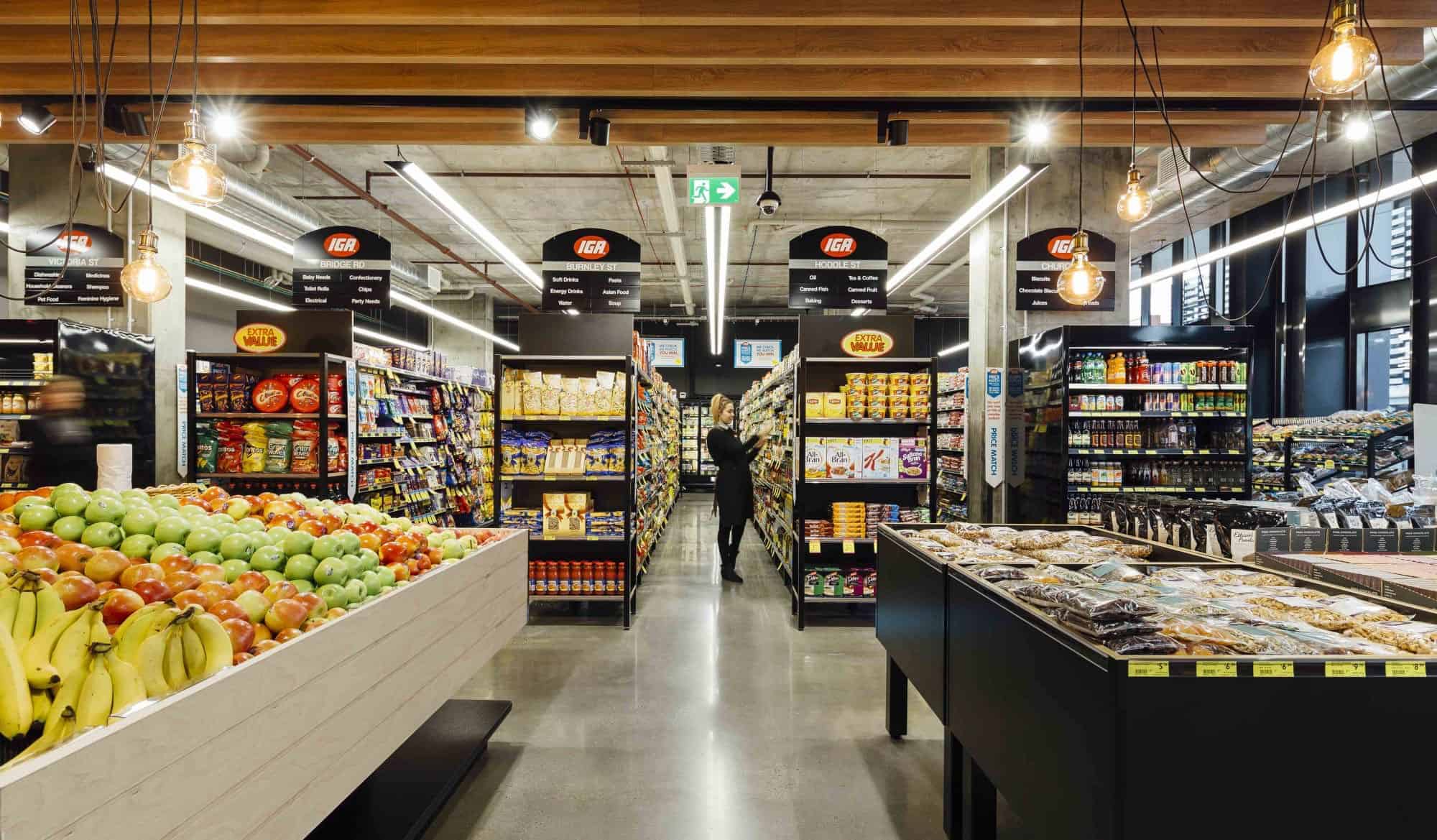
    Metcash, a prominent retail conglomerate, reported a notable 5.1% increase in group sales (excluding tobacco) for the 18 weeks leading up to August 31st this year. This growth coincides with the company’s plans to launch its first-ever cross-pillar marketing campaign, which is scheduled to impact over 3,000 bannered stores in the upcoming quarter.

    Uptick in Food Sales

    Metcash’s food division experienced an 8.6% growth in sales, with supermarket sales contributing to this increase with a 2.6% rise. This is largely owing to the company’s strategic focus on differentiated and localized offerings to consumers. However, the supermarket sector witnessed a significant slump in tobacco sales, with a larger than expected decrease of 32.1%. This drop is reflective of the company’s active efforts to diversify away from tobacco products.

    Convenience and Foodservice Sector Performance

    The convenience and foodservice division also demonstrated robust performance, with a sales surge of 29.5%. Within this sector, Campbells and Convenience reported a sales growth of 14.6%, while Superior Foods noted a 2.7% increase in sales.

    Liquor and Hardware Sales

    Metcash’s liquor division registered a modest growth of 1.5%, despite facing heightened competitive pressures and an influx of promotional activities from rivals. Concurrently, the company is nearing the conclusion of its acquisition process for Steve’s Liquor Warehouse Group.

    Meanwhile, the hardware department (IHG) reported a 2.2% sales growth, driven predominantly by the trade sector. Notably, builder’s hardware, building supplies, timber panels, and doors were the standout performers within this sector.

    Total Tools, however, only saw a minor 0.5% increase in sales, attributed to subdued trade activity and cost-of-living challenges. Nevertheless, the company’s network sales did witness a 3% growth.

    Questions & Answers

    **Why did Metcash’s supermarket segment experience a decline in tobacco sales?**
    The decline in tobacco sales is a result of Metcash’s strategic move to transition away from tobacco products due to increasing health consciousness among consumers.

    **What factors contributed to the growth of Metcash’s food division?**
    The growth in the food division can be attributed to Metcash’s focus on differentiated and localized offerings, which resonated with consumers’ preferences.

    **Why did Total Tools see only a marginal increase in sales despite the growth in Metcash’s hardware sales?**
    The marginal growth in Total Tools sales was due to subdued trade activity and cost-of-living challenges which impacted consumer spending. However, its network sales still managed to grow by 3%.

  • Aldi Australia Expands Affordable Solar Energy Program To East Coast Cities

    Aldi Australia Expands Affordable Solar Energy Program To East Coast Cities

    Aldi Australia has revealed plans to expand its residential solar energy program to key urban areas along the East Coast, offering residents an affordable and uncomplicated route to renewable energy.

    Program Expansion

    The initiative, which had its pilot run in Victoria, is now accepting pre-orders in New South Wales, Queensland, Victoria, and the Australian Capital Territory. The company plans to start installations in early November.

    The basic package, which starts at $6999, includes a 6.6kW solar system coupled with a 5.5kW inverter, and an option for battery storage. Each system comes with a 10-year product warranty and a 25-year performance assurance for the solar panels.

    Simon Padovani-Ginies, group director at Aldi Australia, spoke about the expansion. “Making Aldi Solar available to more Australians along the Eastern Seaboard is an exciting advancement for us, as we extend our commitment to delivering exceptional quality and affordability beyond our grocery offerings,” he said.

    He added that with transparent pricing, flexible battery storage options, installations by licensed professionals, and an impressive return on investment period, Aldi Solar is empowering households ready to take charge of their energy expenses.

    Digital Management

    Aldi has stated that the program is completely managed through the Aldi Solar online portal. Here, customers can schedule assessments, receive cost estimates, and stay updated on their installation timeline. All systems will be installed by SAA-accredited professionals, with the majority of installations expected to be completed within a day.

    The service is now accessible to residents in various Australian cities, including Sydney, Newcastle, Wollongong, Melbourne, Canberra, Brisbane, Gold Coast, and Sunshine Coast.

    Questions & Answers

    What does Aldi’s basic solar package include?
    The basic package includes a 6.6kW solar system coupled with a 5.5kW inverter and an optional battery storage.

    How is the Aldi Solar program managed?
    The program is entirely managed through the Aldi Solar online portal, where customers can schedule assessments, receive cost estimates, and monitor their installation timeline.

    Where is the service available?
    The service is now available to residents in Sydney, Newcastle, Wollongong, Melbourne, Canberra, Brisbane, the Gold Coast, and the Sunshine Coast.

  • Vietnamese Online Shoppers Prioritize Reliability Over Discounts: A Shift in Consumer Preferences

    Vietnamese Online Shoppers Prioritize Reliability Over Discounts: A Shift in Consumer Preferences

    Vietnamese consumers are dramatically elevating their expectations for online shopping, demanding not just value but also accountability and reliability from e-commerce platforms. As the market begins to burst at the seams, eclipsing a remarkable $25 billion, a recent report from Milieu Insight reveals an insightful shift in consumer priorities.

    Reliability Takes Center Stage

    In a climate where 53% of Vietnamese shoppers now prioritize dependable service, it’s clear that reliability has become a crucial element of their online shopping experience. Surprisingly, only 45% are concerned with lower delivery fees, a stark contrast to the 56% across the wider Southeast Asian region who still place cost savings at the forefront of their needs.

    This relentless pursuit of quality service is further illustrated by the finding that a staggering seven out of ten consumers are willing to pay more for consistent delivery standards. However, this demand for excellence comes with a catch: one in three Vietnamese shoppers would ditch a retailer after experiencing late or subpar deliveries. Additionally, 46% would abandon their purchase outright if a return policy was absent.

    Platforms Under Pressure

    The Milieu Insight report highlights that accountability largely rests with the platforms themselves. A robust 90% of respondents believe that e-commerce platforms—and not the couriers—should enforce delivery standards. The overwhelming preference is clear: a reliable service is paramount, as nearly 79% of users showcased indifference to which courier is utilized, so long as deliveries arrive on time.

    This emphasis on centralized accountability is further accentuated by the fact that half of the surveyed shoppers would prefer to take complaints straight to customer service, signaling a strong expectation for platforms to shoulder the responsibility for their logistics.

    Shifting Consumer Mindset and Growth Trends

    The report doesn’t stop there; it also reveals that 41% of Vietnamese shoppers have ramped up their online spending in the last six months, nearly doubling the regional average. While affordability remains an essential factor—acknowledged by 64%—there’s a notable shift as diverse product offerings (52%), livestream shopping experiences (50%), and AI-powered recommendations (32%) capture consumer attention.

    “Vietnamese shoppers are raising the bar for e-commerce,” stated Juda Kanaprach, Chief Marketing Officer at Milieu Insight. “They want more than just bargains; they expect platforms to stand behind every step of the shopping experience, from accurate product descriptions and transparent fees to, most critically, dependable delivery.”

    As Vietnam’s e-commerce scene evolves, this shift in consumer expectations promises to redefine how platforms operate, ensuring service quality becomes as essential as competitive pricing.

    Questions & Answers

    What are the main priorities for Vietnamese consumers in e-commerce?
    Reliability is the foremost priority, with 53% of consumers seeking dependable service, followed closely by demands for better package handling and accountability from platforms.

    How has online spending changed among Vietnamese consumers recently?
    A remarkable 41% of shoppers have increased their online expenditures in the past six months, significantly exceeding the regional average.

    What are consumers willing to do in response to poor service?
    One in three Vietnamese shoppers would stop purchasing from a retailer after experiencing late or poor deliveries, emphasizing the need for reliable service in the e-commerce sector.

  • Bhg Retail Trust Reports Impressive Recovery With 36.4% Rise In First-half Net Property Income

    Bhg Retail Trust Reports Impressive Recovery With 36.4% Rise In First-half Net Property Income

    The latest financial report from BHG Retail Trust indicates a remarkable turnaround, showcasing a robust recovery for the company in the first half of 2023. The data highlights a substantial boost in net property income, reaching S$40.6 million, reflecting a significant increase of 36.4% when compared to the same period last year. This notable surge is largely attributed to strategic asset management and a resurgence in shopper traffic as retail environments begin to normalize post-pandemic.

    Strong Recovery in Shopper Interest

    BHG Retail Trust’s revitalization is further illustrated by a rise in its average occupancy rate, which climbed to 95.2%, signaling renewed confidence among retail tenants. This upward trend is particularly evident in its flagship shopping malls located in Singapore, where a combination of appealing promotional activities and a diverse tenant mix has rekindled customer enthusiasm. One might say that the shopping centers are buzzing again—almost like a festive bee colony exploring abundant blooms.

    In the first half of 2023, the trust recorded a gross revenue of S$55.8 million, an increase of 25.1% year-on-year. This impressive performance is bolstered by the effective leasing strategies employed across its portfolio, including several long-term lease renewals and new tenant acquisitions. Analysts predict that these efforts will pave the way for sustained growth, particularly as consumer sentiment continues to strengthen.

    Strategic Initiatives for Future Growth

    As part of its long-term vision, BHG Retail Trust is actively enhancing customer experiences by investing in digital technologies and improving its online shopping platforms. The integration of e-commerce solutions aims to cater to a growing segment of consumers who prefer a seamless blend of in-store and online shopping. This dual approach not only broadens the retail trust’s market reach but also positions it favorably against competitors.

    The trust remains committed to expanding its footprint within Asia, eyeing potential acquisitions that will diversify its portfolio further and improve its operational resilience. With the backing of a favorable economic climate, BHG Retail Trust is not just recovering; it’s gearing up to flourish in the next chapter of retail.

    Questions & Answers

    What factors contributed to BHG Retail Trust’s impressive revenue growth?
    The significant revenue growth can be attributed to effective asset management, a surge in shopper traffic, and successful leasing strategies that involve long-term renewals and new tenant acquisitions.

    How is BHG Retail Trust adapting to the evolving retail landscape?
    To meet changing consumer preferences, BHG Retail Trust is investing in digital technologies and enhancing its online shopping platforms, which provides a seamless experience for customers who prefer both in-store and online shopping.

    What does the future hold for BHG Retail Trust?
    Looking ahead, BHG Retail Trust is focused on expanding its footprint in Asia and exploring new acquisition opportunities, aiming to diversify its portfolio and improve operational resilience.

  • Cyber Insurance Market Surges 7% to Reach $15 Billion by 2024: What’s Driving This Growth?

    Cyber Insurance Market Surges 7% to Reach $15 Billion by 2024: What’s Driving This Growth?

    The global cyber insurance market is displaying a mixed bag of results in 2024, achieving a 7% growth to nearly $15 billion in premiums. However, this upward trajectory comes with a caveat: the momentum has decelerated for a second consecutive year, according to a recent analysis by Moody’s Ratings.

    Regional Disparities in Growth

    Interestingly, while growth thrives in regions outside the United States, the American sector is seeing a decline, with premiums dropping 1.5% to $7.1 billion, following a slight dip of 0.7% in 2023. Despite these challenges, the sector has maintained its profitability, demonstrating combined ratios of 79% for primary cyber coverage and 84% for excess coverage.

    Ransomware: The Persistent Threat

    Ransomware attacks continue to dominate the claims landscape, although the total ransom payments slipped by 35% last year to a still-staggering $814 million. Such a significant drop raises eyebrows: are cybercriminals still plotting, or is the market growing more resilient?

    Competitive Landscape Pushes Rates Down

    The rising competition within the sector has led to a reduction in prices. Marsh’s data reveals that U.S. cyber insurance rates fell by 7% during the first half of 2025, while the UK experienced a sharp decline of nearly 19%. In response to this dynamic environment, some insurers are pivoting their strategies, transitioning from quota share to excess-of-loss reinsurance, and exploring innovative options such as catastrophe bonds and industry loss warranties to mitigate systemic risks.

    The Future: Potential Beckons

    Moody’s highlights that while penetration among large corporations remains strong, only about 10% of small and medium-sized enterprises (SMEs) are investing in cyber coverage. This suggests a vast pool of untapped potential that could contribute to future growth. Indeed, Allianz’s 2025 Risk Barometer ranks cyber incidents as the top global risk for the fourth year running, signaling that the appetite for cyber insurance could increase as awareness grows.

    Questions & Answers

    Which regions are driving growth in the cyber insurance market?
    Growth is particularly strong in non-US regions, while the US is experiencing a downturn in premium volumes.

    What is contributing to the decrease in ransom payments?
    The total ransom payments fell by 35% last year to $814 million, indicating a possible shift in the strategies employed by cybercriminals or improvements in defenses.

    What does the future hold for the cyber insurance sector?
    Long-term growth prospects remain robust, especially with only 10% of SMEs currently covered, suggesting significant room for expansion as cyber threats continue to evolve.

  • Vietnam Launches Pilot Program for Innovative Digital Asset Market

    Vietnam Launches Pilot Program for Innovative Digital Asset Market

    Vietnam is poised to launch a digital asset trading market, allowing cryptocurrencies to be freely issued over a five-year trial period. Under a recent government resolution effective from Tuesday, only Vietnamese companies will be permitted to operate trading platforms. All cryptocurrency issuance, trading, and transactions must be conducted using the national currency, the dong, reinforcing control over the burgeoning digital economy.

    Strict Qualification Criteria

    To enter the arena, issuers must meet a hefty capital requirement of VND10 trillion (approximately US$380 million), with a mandatory 65% stake coming from institutional investors. To add a twist to the tale, foreign participation is limited to 49%, ensuring that the market remains firmly in local hands.

    An Encouraging Landscape for Blockchain

    Shareholders and capital contributors need to showcase a robust financial track record, having posted profits for at least two consecutive years before they can apply for a license. This move aligns with Vietnam’s rapid growth in the blockchain sector, with the Vietnam Blockchain Association reporting that capital flows into blockchain projects surpassed $105 billion in 2023–24, according to data from analytics firm Chainalysis.

    A Crypto-Crazy Nation

    Significantly, a report by crypto payment gateway Triple-A highlighted that more than 20% of the Vietnamese population owns cryptocurrencies, showcasing the vibrant appetite for digital assets. Vietnam doesn’t just dabble in crypto; it ranks among the top three countries globally for crypto adoption, boasting a penetration rate that is three to four times higher than the worldwide average.

    As Vietnam leans deeper into the digital asset race, one can’t help but wonder if the next big cryptocurrency might just emerge from a bustling café in Ho Chi Minh City!

    Questions & Answers

    What regulations are in place for digital asset trading in Vietnam?
    Only Vietnamese companies can operate trading platforms, and all transactions must be conducted in the dong. Issuers need a capital base of VND10 trillion, with specific requirements for institutional investor participation and limitations on foreign ownership.

    How significant is cryptocurrency adoption in Vietnam?
    Vietnam is a hotspot for cryptocurrency, with over 20% of the population owning digital assets. The country ranks among the top three globally for crypto adoption, dramatically surpassing the global average.

    What financial requirements must issuers meet to enter the digital asset market?
    Issuers must have a minimum capital of VND10 trillion, demonstrating financial stability by showing profits for at least two consecutive years prior to applying for a license.

  • Gold Prices Surge: What This Means for Retail Investors and Shoppers Alike

    Gold Prices Surge: What This Means for Retail Investors and Shoppers Alike

    The price of gold in Vietnam has surged as the global market continues its upward trajectory. On Tuesday afternoon, the price of Saigon Jewelry Company gold bars increased by 0.52%, reaching VND135.8 million (approximately US$5,145.89) per tael. Meanwhile, gold rings remained stable at VND130.8 million per tael, with one tael equating to 37.5 grams or 1.2 ounces.

    The rise in Vietnam is part of a broader trend, with gold prices in the country climbing 61% since the beginning of the year.

    This rally is mirrored on the global stage, where gold prices recently hit record highs. On Tuesday, the spot price for gold rose by 0.2% to $3,642.09 per ounce, following a peak of $3,659.10 earlier in the day. The increase is attributed to a weakening U.S. dollar and declining bond yields, spurred by expectations of a Federal Reserve interest rate cut this month.

    In the trading pits, December delivery futures for U.S. gold ticked up by 0.1%, pricing in at $3,682.10.

    Market analysts suggest that there may be further increases in gold prices, with KCM Trade Chief Market Analyst Tim Waterer stating, “We probably will see more upside in gold from here provided that the U.S. central bank delivers with regards to market expectations of seeing multiple rate cuts.” Who knew that a metal often associated with royalty could be creating such a commotion in finance?

    Questions & Answers

    What factors are driving the increase in gold prices in Vietnam?
    The rise in gold prices in Vietnam is largely influenced by global market trends, including a weaker U.S. dollar, declining bond yields, and expectations of interest rate cuts by the Federal Reserve.

    How much has the price of gold increased in Vietnam this year?
    Gold prices in Vietnam have surged 61% since the start of the year.

    What is the current price of gold bars in Vietnam as of the latest report?
    As of the latest report, gold bars are priced at VND135.8 million (about US$5,145.89) per tael.

  • Revolut Sets Up Camp in the Emirates: What This Means for Retail Innovation

    Revolut Sets Up Camp in the Emirates: What This Means for Retail Innovation

    Revolut has taken a critical stride in its Middle East expansion with the acquisition of initial approval to offer payment services in the United Arab Emirates. This marks a significant leap for the British neobank, which boasts a customer base exceeding 60 million globally, as it prepares to tap into one of the region’s most promising financial markets.

    In a recent statement, Revolut announced it received in-principle approval from the Central Bank of the UAE (CBUAE) for “Stored Value Facilities” and “Retail Payment Services (Category II)” licenses. This regulatory green light paves the way for the launch of a diverse range of financial products aimed at retail customers, underlining the UAE’s potential as a catalyst for growth due to its vibrant economy, robust digital adoption, and established position as a global financial center.

    A Vision for Financial Empowerment

    Ambareen Musa, CEO GCC at Revolut, expressed enthusiasm regarding the approvals, stating, “Receiving these in-principle approvals from the Central Bank of the UAE is a pivotal step for Revolut in the region.” She highlighted the company’s commitment to equipping individuals with innovative financial tools that prioritize transparency, flexibility, and user control, aiming to address pressing issues within the current financial landscape. For Musa, whose fintech journey began with founding Souqalmal.com, Revolut’s mission extends beyond just service provision; it’s deeply rooted in advancing financial literacy and consumer empowerment across the UAE.

    Ambitious Hiring Plans Unveiled

    In tandem with its expansion plans, Revolut is gearing up for a hiring spree in the UAE. Embracing a “remote-first” strategy allows the company to attract a diverse talent pool from across the region while fostering an environment of flexibility and inclusivity. This fresh wave of recruitment is essential as Revolut seeks to strengthen its foothold in a market where fintech innovation is booming and competition is fierce.

    As the company sets its sights on establishing a formidable presence in the UAE, it continues to expand its international reach. Revolut is already operational in various countries, including Australia, Brazil, Mexico, Japan, New Zealand, Singapore, the US, and India, and aims to rank among the top three financial apps in every market it enters. With this ambitious roadmap, one can’t help but wonder: could Revolut’s next product launch include a feature that teaches users the art of not overspending—with a satirical twist, of course?

    Questions & Answers

    What services will Revolut offer in the UAE?
    Revolut plans to launch a suite of financial products tailored for retail clients, including Stored Value Facilities and Retail Payment Services.

    How is Revolut approaching recruitment for its UAE expansion?
    The company is implementing a “remote-first” approach to attract talent from across the region while promoting a culture of flexibility and inclusion.

    What is the strategic importance of the UAE for Revolut?
    The UAE is viewed as a key growth market by Revolut, thanks to its dynamic economy, high digital adoption rates, and its standing as a global financial hub.

  • Hanoi Landlords Raise Housing Rents Amid Rising Inflation Pressures

    Hanoi Landlords Raise Housing Rents Amid Rising Inflation Pressures

    In the bustling Khuong Dinh Ward of Hanoi, Thuy Ngan recently faced a tough decision: stay put or move. Her landlord had decided to raise the rent on her 20-square-meter apartment from VND3.8 million (US$144) to VND4.2 million, a 10% increase starting this September. “With inflation soaring, all prices are on the rise. Rent cannot remain untouched,” the landlord explained, echoing a sentiment felt by many in Vietnam’s rental market.

    For Ngan, the struggles of rising living costs meant her total monthly expenses, including utilities, surged to nearly VND5 million, consuming a hefty third of her income. After weighing her options, she opted for a new apartment five kilometers away, where the rent was 10% lower, albeit with a longer commute.

    A Shocked Tenant in Cau Giay

    Quang Huy and his wife found themselves in a similar predicament in Cau Giay Ward. With their lease set to expire, they were blindsided when their rent shot up by 15% to VND9 million for a two-bedroom unit. “The landlord said the property had been freshly painted and renovated, which justified the hike,” Huy noted. The couple was bluntly informed that with students flocking to the area, any disagreement over rent would be met with indifference. After two weeks of searching for more affordable housing, they now contemplate a move to an older unit further from their current home.

    Rising Rents Across the Board

    Nguyen Tuan Anh, who operates a rental company managing 50 units in Hanoi, reveals that many landlords are raising rents by 10% to 15%. Inflation, increasing property prices, and bumps in furnishing costs are common justifications. According to the General Statistics Office, the consumer price index surged by 3.24% year-on-year last month, with household electricity prices climbing 10.8% and water costs up 3.9%.

    Meanwhile, data from property portal Batdongsan indicates that rental demand in Hanoi rose by 11% in July alone. Since March, rents have been on a steady ascent, up 10% overall, with smaller units seeing hikes of up to 15%. Pham Duc Toan, CEO of property developer EZ Property, acknowledged that urban migration is contributing to robust rental demand in cities like Hanoi and Ho Chi Minh City, with 22% of respondents in a recent index citing better job opportunities as their reason for relocating.

    Struggling to Keep Up

    As rents continue to climb, landlords and investors are anticipating even higher returns, driven by the rise in property prices and general inflation. Toan emphasized, “When living costs and prices of goods and services increase, landlords are inclined to raise rents as well.” The September arrival of a new school year typically spurs a 20% to 30% increase in rental demand, coinciding with lease expirations, said Nguyen Chi Thanh, vice chairman of the Vietnam Association of Realtors.

    However, as economic strains persist and salaries stagnate, many residents are forced to compromise. They are increasingly opting for smaller, less central, and more affordable living spaces to make ends meet. A survey conducted by VnExpress reveals that nearly 14% of respondents plan to leave Hanoi and return to their hometowns due to soaring housing costs.

    Seeking Solutions

    Experts suggest that enhancing social housing options could alleviate some of the rental pressures. Toan recommends increasing the supply of social housing through interest rate and tax incentives, alongside improved access to land for developers. After all, in a city where the rent is always too darn high, every little bit helps.

    Questions & Answers

    What factors are driving the increase in rental prices in Hanoi?
    Factors contributing to rising rents include inflation, increased property costs, and a high demand for rental units, especially during the school season.

    Why are some tenants opting to move to less central locations?
    Many tenants are compelled to move further from the city center to find more affordable housing options in response to climbing rents and overall living costs.

    What solutions do experts propose to tackle rising rents in Vietnam?
    Experts advocate for the expansion of social housing availability, which could ease the pressure on the rental market, supplemented by tax incentives and improved land access for developers.

  • Alibaba Challenges Meituan In Local-lifestyle Domain With Amap’s Ai-powered ‘street Stars’ Feature

    Alibaba Challenges Meituan In Local-lifestyle Domain With Amap’s Ai-powered ‘street Stars’ Feature

    Alibaba’s navigational application, Amap, is diversifying its functionality beyond its primary aim of providing directional services. It is venturing into the local-lifestyle domain, a territory traditionally occupied by competitor Meituan. This move is marked by the introduction of its own classification system for restaurants, hotels, and tourist attractions.

    Competing for Market Share in “Instant Retail”

    Alibaba and Meituan are well-established tech enterprises in China. Currently, they are deeply engaged in an intense rivalry for dominance in the “instant retail” sector. This field is characterized by immediate delivery services and has seen a rapid influx of consumers due to the provision of extensive discounts and coupons.

    The competitive landscape of this sector has led to increased attention from regulatory bodies, who are concerned about a potential harmful price spiral. In the Chinese context, sluggish property rates and unstable employment conditions have contributed to a consistent dip in consumer confidence. This has pressured corporations to adopt aggressive pricing strategies and provide subsidies to stimulate consumer spending.

    “Street Stars”: Amap’s New Feature

    Amap announced a new feature named “Street Stars” on Wednesday. This feature, powered by advanced artificial intelligence algorithms, aims to rank destinations for its 170 million daily active users. To promote this new feature, Amap is offering subsidies amounting to 1 billion yuan (approximately US$140.43 million). These subsidies are intended to provide users with coupons for ride-hailing or in-store services. The initial launch phase is expected to encompass 300 cities, and will include around 1.6 million local business listings.

    In China, consumers have historically depended on applications such as Meituan’s Dazhong Dianping for restaurant suggestions, reservations, and other services. Meituan recently announced that it would distribute 25 million consumption coupons as part of an overhaul of Dianping’s takeaway service from highly-rated restaurants.

    During a recent after-earnings discussion with analysts, Alibaba Group CEO Eddie Wu highlighted Amap’s AI-driven transformation. He emphasized the strategic importance of the app’s new direction, positioning it as a “new gateway for future lifestyle services”. This is part of Alibaba’s broader plan to design what it refers to as a “comprehensive consumption platform”.

    Regulatory Challenges

    However, concerns exist regarding the potential interference of Chinese regulators in these plans. E-commerce and food delivery giants in China have already been summoned by authorities for several meetings. The ongoing price war, which contradicts the government’s official stance against cutthroat competition, is a particularly contentious issue.

    Questions & Answers

    What is Alibaba’s Amap diversifying into?
    Amap is venturing into the local-lifestyle domain, traditionally occupied by its competitor Meituan. It plans to introduce its own classification system for restaurants, hotels, and tourist attractions.

    What is “Street Stars”?
    “Street Stars” is a new feature of Amap powered by advanced artificial intelligence algorithms. It aims to rank destinations for its 170 million daily active users.

    What are regulators’ concerns about the “instant retail” sector?
    Regulators are concerned about a potentially harmful price spiral in the sector. This is driven by aggressive pricing strategies and subsidies offered by companies to stimulate consumer spending, especially in the context of sluggish property rates and unstable employment conditions in China.

  • Tokyo’s Grade A Office Leasing Set for Strong Performance in Second Half of 2023

    Tokyo’s Grade A Office Leasing Set for Strong Performance in Second Half of 2023

    The corporate world is buzzing, and Tokyo’s office leasing market is feeling the effects. According to the latest insights from JLL, a robust demand from companies is set to keep leasing volumes strong in the latter half of the year. The appetite for office space continues to grow, even as external risks loom, such as tariffs and global economic slowdowns. It seems that in the fast-paced landscape of corporate Japan, many businesses see their future as firmly grounded in tangible office spaces.

    Positive Predictions Amid Market Fluctuations

    Recently, Oxford Economics provided a forecast indicating a modest GDP growth of 0.8% by the end of 2025, alongside a consumer price index (CPI) prediction of 2.8%. While these figures paint a picture of stability, they come with caveats, primarily from potential tariffs affecting corporate activity and a possible downturn in overseas economies.

    Demand for Quality Office Spaces is Sky-High

    JLL’s report highlights that demand for existing office buildings remains resilient due to a substantial influx of headcounts and a trend toward high-quality relocations. In fact, net absorption in the Tokyo office market reached 30,816 square meters in Q2 2025, driven by significant activity in the information services, wholesale, retail trade, and professional services sectors. You could say the Tokyo office market is the land of opportunity—just without the neon lights.

    Rents Continue their Relentless Climb

    As companies vie for the best locations, rents have skyrocketed for six consecutive quarters. By the end of Q2 2025, average rents stood at JPY 36,237 per tsubo per month, marking a 2.0% quarterly increase and a striking 5.9% increase year-on-year. The Akasaka/Roppongi and Otemachi/Marunouchi areas, known for their premium real estate, have reported particularly tight vacancies and landlord-friendly market conditions.

    Vacancy Rates Plummet in Prime Locations

    Tokyo’s Grade A office vacancy rate averaged just 2.4% in Q2, reflecting a decline of 10 basis points quarter-on-quarter and 120 basis points year-on-year. The Otemachi/Marunouchi and Akasaka/Roppongi submarkets are seeing availability shrink to nearly non-existent levels, signaling that demand significantly outpaces supply.

    Capital Values Surge Despite Economic Uncertainty

    In line with rising rents, capital values in Q2 2025 rose 2.9% quarter-on-quarter and 9.5% year-on-year. This upswing can be attributed to the impenetrable ongoing demand and stable cap rates observed throughout the quarter. A standout transaction this quarter was Mitsubishi Estate’s acquisition of the Akasaka Park Building—a move that underscores the enduring allure of Tokyo’s real estate market.

    Questions & Answers

    What factors are contributing to the strong demand for office leasing in Tokyo?
    The strong demand can be attributed to increased headcount within corporations and a tendency towards relocating to higher-quality office spaces, driven by an appetite for premium environments.

    How have rental rates changed in Tokyo’s office market?
    Rentals have climbed for six consecutive quarters, with averages reaching JPY 36,237 per tsubo per month by Q2 2025, marking a 5.9% year-on-year increase.

    What are the implications of plummeting vacancy rates in key submarkets?
    The declining vacancy rates in districts like Otemachi/Marunouchi indicate a significant demand-supply imbalance, with nearly no space left available, making it a landlord’s market.

  • Australia Surpasses Who Sugar Guidelines: A Three-decade Journey To Healthier Diets

    Australia Surpasses Who Sugar Guidelines: A Three-decade Journey To Healthier Diets

    Australia has achieved the World Health Organization’s (WHO) sugar guidelines that suggest keeping sugar below 10% of daily energy intake. The Australian Bureau of Statistics (ABS) reveals that the country has reduced its consumption of sugar from food and beverages over the past three decades.

    In 1995, sugar constituted about 12.5% of our daily energy intake. This percentage fell to 10.9% in 2011-12 and further to 8.2% in 2023, even as our overall food and drink energy intake decreased by less than 5%.

    Reducing Sugary Drink Consumption

    Notably, Australians are consuming far fewer sugary drinks than in previous years. This includes beverages sweetened with sugar or artificial sweeteners, or both, such as soft drinks, cordials, fruit juices, and energy drinks.

    In 2011-12, approximately 42% of the population consumed at least one sugary drink daily. By 2023, this percentage had decreased to under 29%.

    In 1995, nearly three-quarters of children (72%) consumed a sugary drink every day. By 2023, this percentage had fallen to a mere 25%.

    Why Is Sugar Reduction Important?

    Consuming high amounts of sugar is detrimental to our health. Sugary foods and beverages are discretionary or occasional foods, offering little nutritional value while adding empty calories to our diet.

    Increased sugar intake can lead to obesity, type 2 diabetes, and tooth decay. Sweet beverages do not satiate us like regular meals do, making it easy to overlook the energy we are consuming.

    Average soft drinks contain about 40 grams (10 teaspoons) of sugar per serve, which is near the daily limit. Energy drinks may contain up to double that amount, while sports drinks may contain slightly less.

    Trends Over Three Decades

    Between 1995 and 2023, there was a 65.28% drop in children consuming sugary drinks. The percentage of adults consuming sugary drinks dropped from 40.2% in 2011-12 to 29.9% in 2023. However, adults still consume about 5% more sugary drinks than children.

    On average, Australians have less sugar in their diet than a decade ago. This shift isn’t just about soft drinks – we’re also reducing the sugar in our tea and coffee, eating fewer candies and desserts, and reaching less often for fruit juice.

    Children have seen the most significant changes. In the mid-1990s, children derived almost one-fifth of their daily energy from sugar. Today, that figure is closer to one-eighth, with our overall energy intake remaining quite similar.

    What’s Driving the Change?

    The new data suggests that efforts by individuals, families, communities, and some food manufacturers to reduce sugar intake over the past few years may be effective.

    A decline in sugary drink consumption may indicate growing awareness of the damaging effects of sugar, possibly due to social media campaigns, improved labelling on food and beverage products, increased public messaging, and industry changes, such as more brands offering lower-sugar alternatives.

    A Segment of the Larger Picture

    Despite a decrease in sugar consumption, obesity rates continue to rise among both children and adults.

    Research suggests that sugar is just one factor and that overall diet quality and broader eating patterns play a significant role in our health.

    Discretionary foods, including snacks, chips, convenience meals, chocolate, and other highly processed foods, still constitute around a third (31.3%) of the average Australian diet.

    This means many individuals are still regularly consuming sweet drinks and highly processed foods, which are sources of added sugars and excess energy, viewed as empty calories that pose their own health risks with little nutritional value.

    What’s Next?

    The new data shows progress in tackling the amount of sugar in our diets, but there’s still work to be done.

    To sustain these positive trends, we need to consider stronger government action to support all communities in addressing broader food system challenges, such as food insecurity and limited access to healthy food, which often results in people consuming more highly processed foods.

    Policies such as sugary drink taxes, restrictions on marketing junk food to children, and clear front-of-pack labels should be considered. Additionally, more incentives for industry to reformulate products to lower-sugar options where possible are needed.

    Education campaigns can help communities and schools where high-sugar habits are common to learn about healthier alternatives without stigma. Furthermore, collecting additional data to understand where dietary sugar comes from, beyond sugary drinks, is also necessary.

    Even though Australia may be shedding its historically high sugar consumption, ensuring a permanent change will require sustained effort.

    Questions & Answers

    What has been the trend in sugar intake in Australia over the past three decades?
    The Australian Bureau of Statistics reports a consistent decrease in sugar intake from food and drinks over the past thirty years in Australia.

    What are the health risks of high sugar intake?
    High sugar intake can increase the risk of obesity, type 2 diabetes, and tooth decay.

    What actions can be taken to sustain the positive trend in reducing sugar consumption?
    Actions that can help sustain the positive trend include stronger government action, implementing policies such as sugary drink taxes, clear labeling, promoting lower-sugar alternatives, educational campaigns, and further data collection.

  • Suntory Expands Rtd Portfolio With ‘minus 196’ Lemon Vodka, Eyes New Zealand Market By 2026

    Suntory Expands Rtd Portfolio With ‘minus 196’ Lemon Vodka, Eyes New Zealand Market By 2026

    Suntory Beverage and Food Oceania has recently announced the launch of its ‘Minus 196’ lemon vodka brand throughout Australia. This marks the firm’s debut rollout of a ready-to-drink (RTD) product line from its Queensland-based beverage facility.

    High-tech Brewing Method

    The lemon vodka range, boasting two distinct Japan-inspired double lemon options, is formulated using Suntory’s cutting-edge freeze technology. The choices, which include 4.5% and 9% alcohol by volume (ABV), offer consumers a unique twist on traditional vodka beverages.

    Extensive Product Line

    The ‘Minus 196’ lemon vodka introduction enhances Suntory Oceania’s existing fruit vodka range, which includes peach and grape flavors. These products are available for purchase in either single cans or packs of 10 cans at major retailers across Australia. This extends the company’s current offering of more than 20 RTD products, which includes a variety of branded beverages, now produced at their Swanbank manufacturing plant.

    Future Expansion

    Suntory Oceania also has an ambitious plan to expand its footprint to the New Zealand market by January 2026. This marks the fruition of a significant investment in a $3 billion multi-beverage powerhouse in Australia.

    Questions & Answers

    What is unique about Suntory’s new ‘Minus 196’ lemon vodka?
    The ‘Minus 196’ lemon vodka is unique as it is formulated using Suntory’s innovative freeze technology and offers two distinct Japan-inspired double lemon options with 4.5% and 9% alcohol by volume (ABV).

    What other products does Suntory Oceania offer?
    In addition to the ‘Minus 196’ lemon vodka, Suntory Oceania offers more than 20 other ready-to-drink (RTD) products, including various fruit vodka flavours like peach and grape.

    What are Suntory Oceania’s future plans?
    Suntory Oceania plans to expand its business to the New Zealand market by launching a new multi-beverage offering in January 2026. This move comes after significant investment in a $3 billion multi-beverage powerhouse in Australia.

  • Whiskymofo: The New Exclusive Platform For Rare Whiskies, Backed By Vinomofo’s Rigorous Selection Process

    Whiskymofo: The New Exclusive Platform For Rare Whiskies, Backed By Vinomofo’s Rigorous Selection Process

    Vinomofo, an established online wine retailer, has expanded its offering with the launch of a dedicated platform, Whiskymofo, which offers its members an array of carefully selected whiskies at competitive prices.

    Over the past twelve months, Whiskymofo has been hosting successful events as part of the Vinomofo brand, garnering a membership of more than 32,000 through its unique “Whiskymofo & Friends” sales events.

    Exclusive Access to Premium Whiskies

    Whiskymofo aims to provide its members with exclusive access to an assortment of whiskies. Daily releases of limited-edition, rare, and high-value whiskies will be made available exclusively to members. In addition, monthly sales events will be organized, featuring a wide variety of whiskies and other top-quality spirits as part of the “Whiskymofo & Friends” sales series. The platform plans to further enhance its offering by establishing exclusive partnerships with distilleries and global brands.

    The company seeks to establish itself not only as a sales platform for renowned whisky brands worldwide but also as a community hub for whisky enthusiasts.

    Rigorous Selection Process

    In a similar fashion to Vinomofo, Whiskymofo’s buying team employs a stringent selection process, choosing only 5 per cent of the products it samples. This rigorous process ensures that members have access to only the best whiskies on the market.

    While access to the platform is free, the deals it offers are exclusive to members. This strategy allows Whiskymofo to secure rare and sought-after whiskies for the Australian market at prices that are affordable to its members.

    Questions & Answers

    What is Whiskymofo’s business model?
    Whiskymofo operates as a members-only online platform offering exclusive access to a range of carefully selected, rare, and high-value whiskies at competitive prices.

    What does membership to Whiskymofo offer?
    Membership to Whiskymofo offers access to daily releases of limited-edition, rare, and high-value whiskies, monthly sales events, and exclusive partnerships with distilleries and global brands.

    How does Whiskymofo ensure the quality of its products?
    Whiskymofo ensures the quality of its products through a rigorous selection process. The buying team samples a wide variety of products, selecting only 5 per cent of these to offer to their members. This ensures that only the best whiskies are available on the platform.