Author: Mei Ling Tan

  • Hong Kong Luxury Real Estate Shuffle: Prince Jewellery Director Trades up with $6.4M Duplex Purchase

    Hong Kong Luxury Real Estate Shuffle: Prince Jewellery Director Trades up with $6.4M Duplex Purchase

    Tang Yick-ki, a director of Prince Jewellery and Sky Regal Properties, has recently engaged in significant real estate transactions in Hong Kong. He sold an apartment in Kowloon and obtained a two-story home in the vicinity for HKD50 million (US$6.4 million). These deals were completed in just over a month.

    Real Estate Transactions

    Tang sold his three-bedroom apartment, boasting 95 square meters of living space, located on the 71st floor of The Cullinan on Austin Road West in West Kowloon. The selling price was HKD46 million (US$5.9 million). Land Registry records confirmed the deal was finalized on January 5. Tang originally bought the apartment in 2016 for HKD32.5 million, meaning the property has increased in value by 41% in the intervening years.

    Roughly three weeks after this sale, Sky Regal Properties, where Tang serves as the sole director, purchased a duplex in The Waterfront, a residence within the same vicinity. According to the Land Registry, the transaction was completed last week for a cost of HKD50 million. Real estate agents specified that the duplex is 145 square meters and situated on the 45th floor.

    Prince Jewellery and the Hong Kong Property Market

    Prince Jewellery, with a 40-year history in Hong Kong, operates 16 retail stores and hosts over 60 globally recognized brands. The company’s recent real estate transactions come at a time when the Hong Kong property sector is gradually recovering from a prolonged slump. Despite persisting uncertainties, affluent homeowners like Tang are anticipated to continue seeking home upgrades.

    Some industry experts indicate that wealthier residents may choose to improve their current residences. However, this trend might not extend to those who invest in properties purely for financial gain. Additionally, home upgrades tend to become more popular during periods of market instability.

    Land Registry records also showed that another duplex in The Waterfront was sold for HKD50 million last week. The property was acquired by an entity known as Tung Tak, which had purchased it for HKD48.8 million in 2023.

    Questions & Answers

    What recent real estate transactions has Tang Yick-ki engaged in?
    Tang Yick-ki, a director of Prince Jewellery and Sky Regal Properties, has recently sold an apartment in Kowloon and bought a two-story residence nearby for HKD50 million.

    How is the Hong Kong property sector performing currently?
    The Hong Kong property sector is gradually emerging from a prolonged downturn. Despite ongoing uncertainties, affluent property owners are expected to pursue property upgrades.

    What is the trend concerning home upgrades in Hong Kong?
    Home upgrades tend to become more popular during periods of market instability. However, this trend might not apply to those who acquire property solely for investment purposes.
  • Jago Coffee Brews up $12.5M in Series B Funding for Nationwide Mobile Expansion

    Jago Coffee Brews up $12.5M in Series B Funding for Nationwide Mobile Expansion

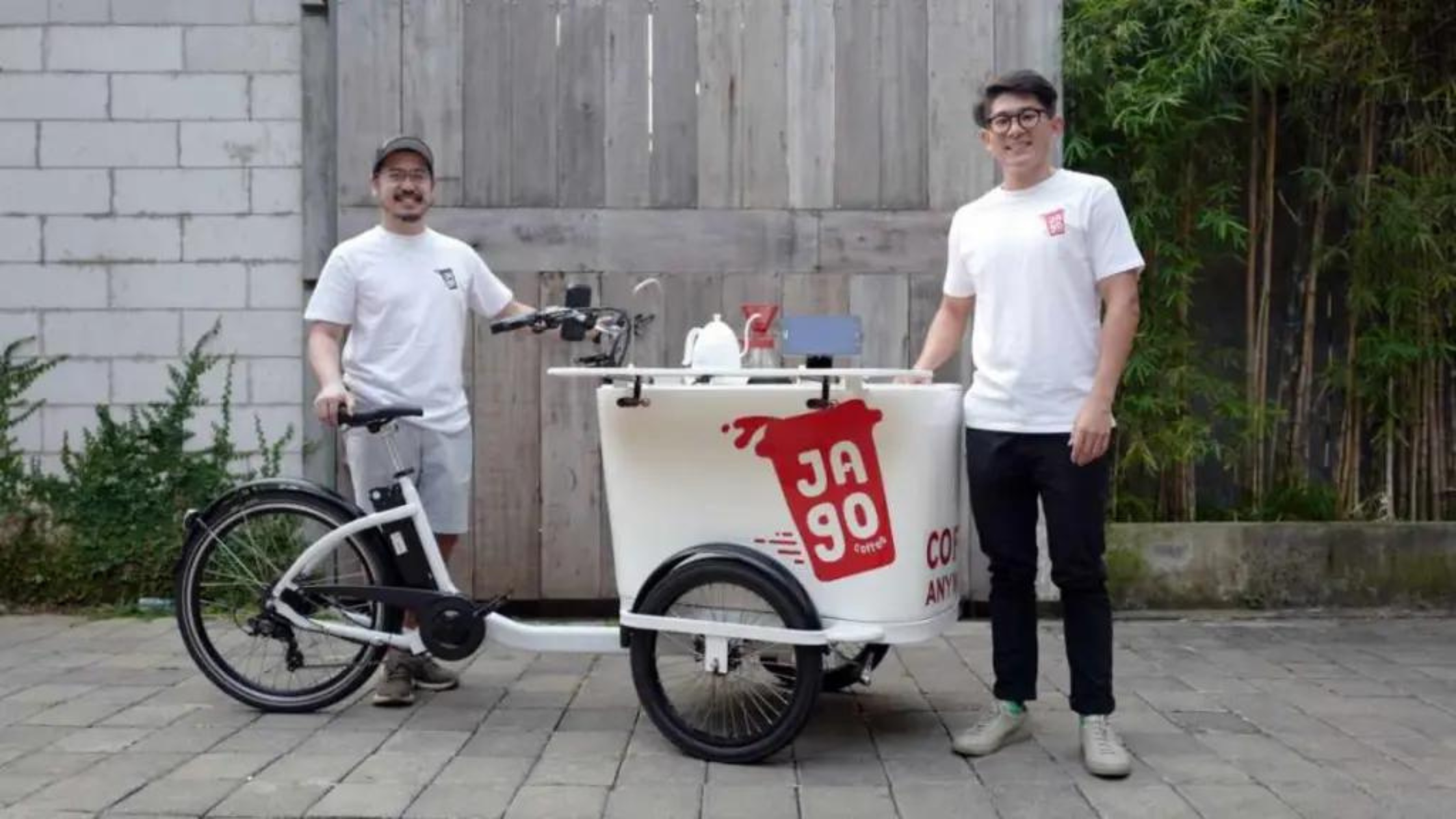
    Jago Coffee, an Indonesian-based mobile coffee startup, recently secured a significant financial boost of US$12.5 million in a Series B funding round. This recent round of funding will enable the company to progress with its expansion plans. The focus is on increasing its fully electric coffee cart network and bolstering its proprietary technology platform across Indonesia.

    Investment Details

    The Series B round received significant support from a trio of investors, namely Beenext, Intudo Ventures, and Orzon Ventures. This follows a Series A round, which saw Jago Coffee secure US$6 million in funding in 2024.

    Jago Coffee’s Business Model

    Founded in Jakarta, Jago Coffee operates an extensive network of fully electric carts. These mobile units serve fresh, cafe-quality beverages in various settings, from residential neighbourhoods to commercial districts and transit hubs.

    The coffee startup’s strategy is to offer high-quality beverages at competitive prices, targeting a mass-market consumer base. The company’s innovative service model eliminates the overhead costs associated with traditional brick-and-mortar storefronts. It prioritizes convenience and accessibility while maintaining cost efficiency.

    Customers have two options to order from Jago Coffee. They can either purchase directly from the mobile carts or use the company’s dedicated app. The app allows customers to request the nearest barista to be dispatched directly to their location.

    Questions & Answers

    What is the business model of Jago Coffee?
    Jago Coffee operates a fleet of fully electric coffee carts that serve fresh beverages in various locations. The company targets mass-market consumers with cafe-quality drinks at affordable prices. It emphasizes convenience, accessibility, and cost efficiency by eliminating the need for physical storefronts.

    Who led the recent funding round for Jago Coffee?
    The latest funding round, Series B, was led by Beenext, with participation from Intudo Ventures and Orzon Ventures.

    How do customers order from Jago Coffee?
    Customers have two options for ordering from Jago Coffee. They can either order directly from the roaming coffee carts or use the company’s dedicated app to have the nearest barista delivered to their location.

  • Vietnam Airlines and Sun PhuQuoc Airways Ink Historic $30B Deal for 90 Boeing Aircraft

    Vietnam Airlines and Sun PhuQuoc Airways Ink Historic $30B Deal for 90 Boeing Aircraft

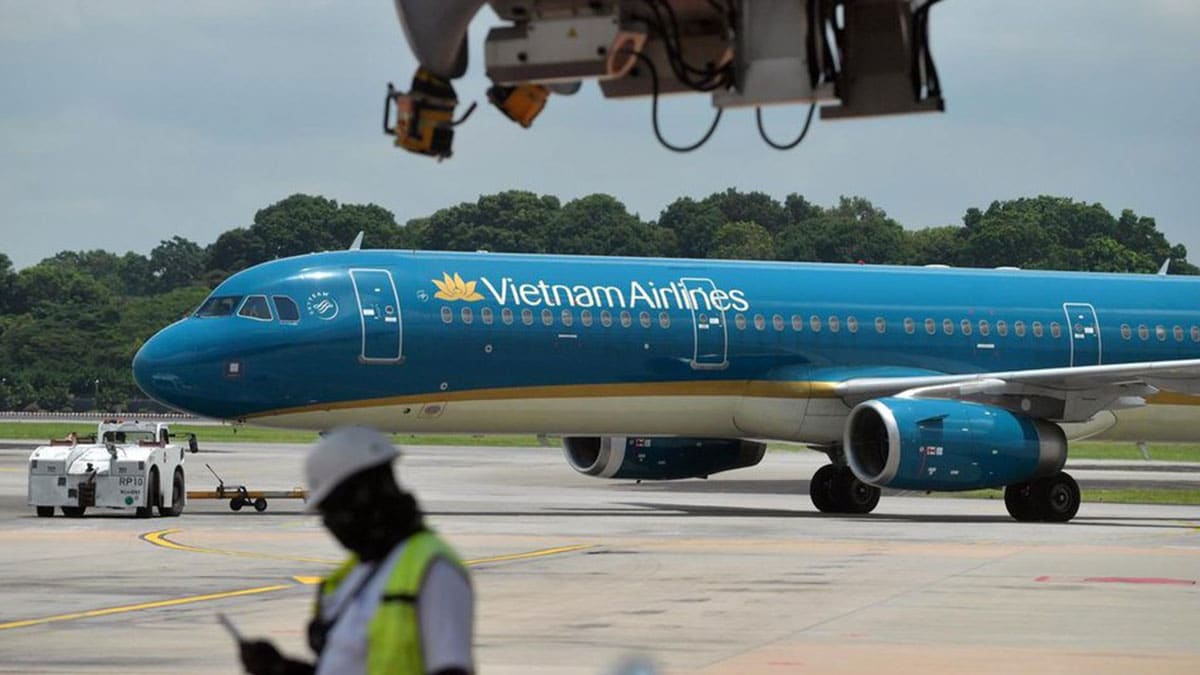
    Vietnam Airlines and Sun PhuQuoc Airways have entered into a significant agreement to acquire a total of 90 Boeing aircraft in a deal estimated to be worth over US$30 billion. The high-profile contract signing event was held in Washington, D.C., with the participation of Vietnam’s Party General Secretary To Lam and his official delegation.

    Purchases by Vietnam Airlines

    Vietnam Airlines aims to enrich its fleet with the addition of 50 Boeing 737-8 planes, a purchase valued at $8.1 billion. The carrier has planned the procurement timeline between 2030 and 2032. The airline’s strategic intent behind this acquisition is to leverage the new aircraft on its domestic routes as well as for reaching various destinations across Asia.

    Boeing’s best-selling aircraft, the 737-8, comes with a seating capacity of up to 200 passengers and a flight range of 6,570 km. This makes it an ideal choice for the airline’s regional and medium-haul routes.

    Purchases by Sun PhuQuoc Airways

    Sun PhuQuoc Airways, on the other hand, plans to invest $22.5 billion in purchasing 40 Boeing 787-9 Dreamliner aircraft. The 787-9 is a long-haul, wide-body aircraft with a flight range exceeding 14,000 km and the capability to seat 290 passengers.

    At present, Vietnam Airlines is the sole operator in the country of wide-body aircraft. Sun PhuQuoc Airways, having started its operations in the last quarter of 2025, has received its eighth narrow-body aircraft recently and is poised to acquire two more Airbus planes by the end of this month.

    The country’s largest private airline, Vietjet Air, also secured strategic partnerships during this event. These partnerships involve deals worth more than $6.3 billion with leading U.S. financial institutions and corporations.

    Questions & Answers

    What is the value of the Boeing aircraft purchase agreement between Vietnam Airlines and Sun PhuQuoc Airways?

    The total value of the agreement is estimated at over US$30 billion.

    How many aircraft does Vietnam Airlines plan to buy and for what purpose?

    Vietnam Airlines plans to buy 50 Boeing 737-8 planes, costing $8.1 billion, to operate on domestic and Asian routes.

    What type of aircraft does Sun PhuQuoc Airways intend to acquire?

    Sun PhuQuoc Airways intends to purchase 40 Boeing 787-9 Dreamliner aircraft, which are long-haul, wide-body planes.

  • Heytea Unveils First Experimental ‘Lab’ Store in Canada at Toronto Eaton Centre

    Heytea Unveils First Experimental ‘Lab’ Store in Canada at Toronto Eaton Centre

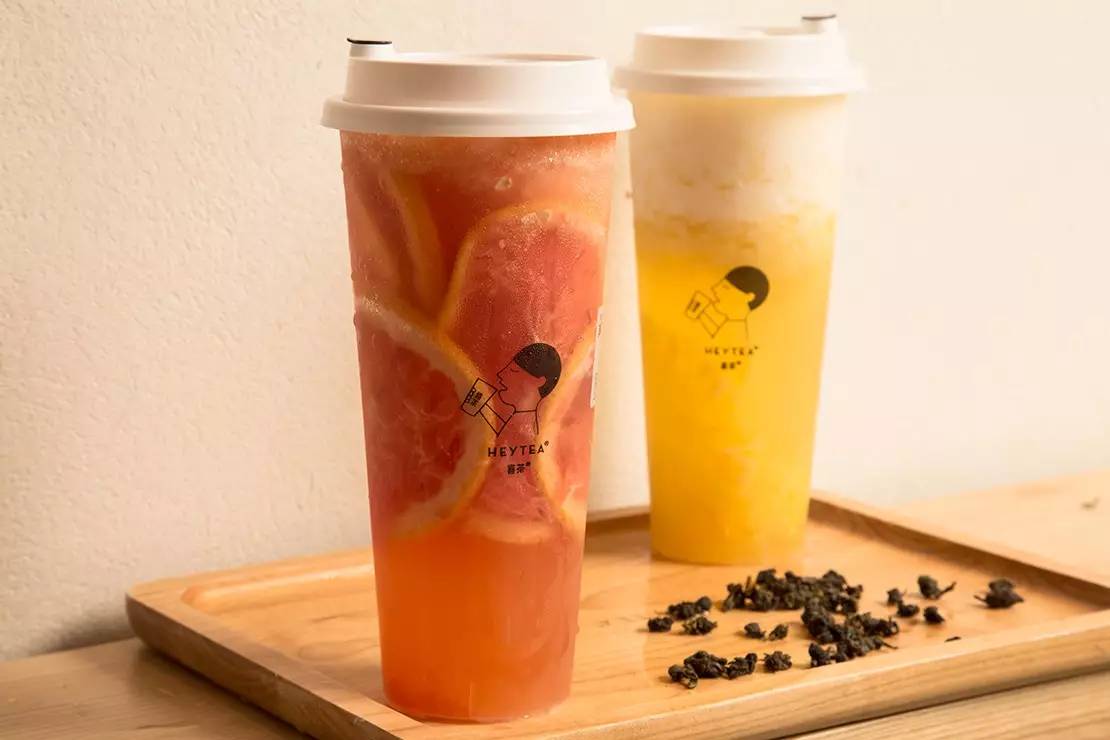
    Heytea, a renowned Chinese tea chain, has recently expanded its global presence by launching its pioneering ‘Lab’ store in Canada, situated in the bustling downtown Toronto Eaton Centre. This addition to the Toronto cityscape represents a significant milestone in the expansion of the bubble tea market segment.

    Encompassing an area of 1800 square feet, the ‘Lab’ store, strategically located on the mall’s main level, is a deviation from Heytea’s conventional store design. The ‘Lab’ concept focuses on offering a range of limited-edition and innovative products instead of a standard fixed menu.

    This unique Toronto location features an exclusive selection of eight beverages, only available at this site. Many of these drinks are centred around a ‘Rock Oolong’ tea base, which Heytea leverages to enhance the appeal of its premium-priced and specialty products.

    Furthermore, the ‘Lab’ store’s menu also showcases collaborative creations developed with esteemed Toronto chef, Susur Lee. These innovative offerings incorporate high-end ingredients, including caviar, into select beverages and desserts.

    Heytea launched its initial foray into Canada in 2023 when it opened its first store in Vancouver. Since then, the company has continued to grow its Canadian presence, now boasting six stores across Vancouver and Toronto. The opening of the Toronto Eaton Centre location further solidifies its foothold in the country.

    Established in 2012, Heytea has established a significant global presence, operating approximately 4000 stores in over 330 cities worldwide. This includes more than 100 locations spread across Hong Kong, Macau, and various international markets, with over 45 stores in North America alone.

    Questions & Answers

    What is unique about Heytea’s ‘Lab’ store in Toronto Eaton Centre?
    The ‘Lab’ store deviates from Heytea’s typical store format, focusing on offering customers limited-edition and innovative products rather than a standard fixed menu.

    What specific beverages are available only at the Toronto ‘Lab’ location?
    The Toronto ‘Lab’ store offers an exclusive selection of eight drinks, many of which are centred around a ‘Rock Oolong’ tea base.

    What collaborative creations are included in the menu of Heytea’s ‘Lab’ store?
    The ‘Lab’ store’s menu features collaborative creations developed with renowned Toronto chef, Susur Lee. These unique offerings incorporate high-end ingredients like caviar into select beverages and desserts.

  • Lawson’s Bold Expansion: 10,000 Stores Unveiled for India by 2050

    Lawson’s Bold Expansion: 10,000 Stores Unveiled for India by 2050

    Lawson, a convenience store chain co-owned by Mitsubishi Corp and KDDI, has announced its ambitious expansion plan into India. The company aims to establish a network of 10,000 stores across the country by 2050. This strategic shift towards India is driven by the saturation of Lawson’s domestic market and the desire for additional growth avenues.

    Initial Steps in India

    Lawson plans to establish its presence in India by initially launching five directly operated stores in Mumbai in the coming year. This is set to be followed by a more extensive roll-out through franchise and licensing agreements. With a goal of 100 stores by 2030, Lawson is keen to position India as a major contributor to its earnings, similar to its operations in China.

    Subsidiary Establishment and Product Localization

    To manage the site selection, supply chain development, and merchandising for its India operations, Lawson intends to set up a wholly-owned subsidiary in India this year. The company will outsource production and distribution to local partners in a bid to streamline operations.

    In response to local consumer preferences, Lawson will offer a specially curated product range. The retailer plans to accommodate dietary and religious practices with an expanded selection of meat-free and egg-free products. The stores will feature Lawson’s signature Japanese convenience items like onigiri rice balls and ready meals, along with locally popular items such as freshly brewed coffee and hot dishes.

    Global Expansion Plan

    Currently, Lawson operates over 7,000 stores in five countries including China, the Philippines, Thailand, and Indonesia. The company is set on doubling its international footprint to around 14,000 stores by as early as 2030.

    Entering the Indian market is a natural progression after Lawson’s efforts to speed up its expansion in Southeast Asia last year. This included signing franchise agreements with local retail partners and increasing the number of directly managed stores.

    Questions & Answers

    What is Lawson’s expansion plan in India?
    Lawson aims to establish a 10,000-store network across India by 2050, with the first five outlets launching in Mumbai in the coming year.

    How will Lawson cater to the Indian market?
    Lawson plans to tailor its product range to local tastes, offering an expanded selection of meat-free and egg-free products in line with dietary and religious practices.

    What is Lawson’s global expansion strategy?
    Lawson is planning to double its number of overseas stores to around 14,000 by 2030. This includes its recent expansion into Southeast Asia and the upcoming foray into the Indian market.

  • Jollibee Amplifies Asian Footprint with Hot Pot Acquisition and Compose Coffee Expansion

    Jollibee Amplifies Asian Footprint with Hot Pot Acquisition and Compose Coffee Expansion

    Jollibee Foods Corporation (JFC) is accelerating its expansion across Asia with the purchase of a South Korean hot pot buffet chain and the impending introduction of a rapidly expanding Korean coffee brand into the Philippines.

    Acquisition of Shabu All Day

    JFC has secured a 70% majority stake in All Day Fresh Co, the company that operates Shabu All Day, through its subsidiary Jolli-K Co. Shabu All Day, established in 2014, has since blossomed into a chain of 169 stores throughout South Korea, acquired for an approximate total of $87 million.

    Growth in Beverage and Dining Segments

    Already part of JFC’s Korean platform is the coffee chain Compose Coffee. This diversifies the corporation’s portfolio, enabling it to have a presence in both beverage-led and full-service dining sectors.

    Introduction of Compose Coffee to the Philippines

    JFC is set to bring Compose Coffee to Philippine consumers under a master franchise agreement via its subsidiary Fresh N’ Famous Foods. Initial stores are expected to commence operations later in the year. Compose Coffee, founded in Busan in 2014, has undergone rapid growth to almost 3000 stores, establishing itself as one of Korea’s top value-oriented coffee chains. In 2024, JFC obtained a 70% stake in the coffee chain. This move is part of JFC’s ongoing efforts to make inroads into the rapidly growing coffee and tea segment, where it already operates brands such as Highlands Coffee, The Coffee Bean & Tea Leaf, and Milksha.

    Company Growth Amid Record Sales

    JFC has reported record preliminary systemwide sales of ₱122.3 billion (approximately $2.1 billion) in the fourth quarter of 2025, a 12% year-on-year increase. Throughout the year, the company’s total network of stores grew by 5.9% to 10,341 outlets, the highest number of new store openings in JFC’s history. This includes 3504 stores in the Philippines and 6837 international locations, demonstrating ongoing expansion in key markets.

    Globally, JFC operates 576 stores in China, 348 in North America, and 437 across Europe, the Middle East, Asia, and Australia. The company’s portfolio includes 985 Highlands Coffee outlets, 1079 The Coffee Bean & Tea Leaf stores, 357 Milksha locations, 2972 Compose Coffee stores, and 83 Tim Ho Wan branches.

    Questions & Answers

    What is JFC’s strategy for expansion in Asia?
    JFC is expanding its presence in Asia through acquisitions, such as the recent purchase of the South Korean hot pot buffet chain Shabu All Day, and launching new brands, like the upcoming introduction of Compose Coffee in the Philippines.

    What are some notable brands under JFC?
    JFC operates several well-known brands, including Highlands Coffee, The Coffee Bean & Tea Leaf, Milksha, Compose Coffee, and Tim Ho Wan.

    What has been the growth of JFC in recent years?
    JFC has experienced significant growth, with record systemwide sales in the fourth quarter of 2025 and a 5.9% increase in its total store network. This growth is reflected in its ongoing expansion in both domestic and international markets.

  • UBS China Joint Venture Faces Backlash Over Unexpected Benchmark Switch in Silver Fund

    UBS China Joint Venture Faces Backlash Over Unexpected Benchmark Switch in Silver Fund

    A silver fund run by UBS’s Chinese partner has drawn a wave of complaints from investors. The grievances have been sparked by a decision to change benchmarks, a move that has reportedly resulted in greater losses than investors had anticipated.

    Over 200,000 individuals have raised concerns against UBS’s domestic Chinese partnership with the state-controlled SDIC Group. The objections are primarily focused on UBS SDIC Fund Management’s decision to alter the valuation mark for the UBS SDIC Silver Futures Fund LOF. The company shifted from Shanghai Futures Exchange settlement prices to international market prices without giving investors prior notice. It is thought that this change transformed losses from an expected cap of 17 percent, due to a daily price limit, to over 31 percent.

    This alteration took place during a significant collapse in silver prices on January 30, which saw the value of the precious metal plummet by over 30 percent. In response to this situation, the company formed a task force and subsequently announced a compensation plan for investors who redeemed their investments on February 2.

    Questions & Answers

    What caused the wave of complaints against UBS’s Chinese partner?
    Investors were unhappy with UBS SDIC Fund Management’s decision to switch the valuation mark for the UBS SDIC Silver Futures Fund LOF from Shanghai Futures Exchange settlement prices to international market prices without any prior notice.

    What was the impact of the benchmark switch on investors?
    The change is believed to have amplified losses from an anticipated cap of 17 percent due to a daily price limit, to an actual loss of over 31 percent.

    What measures did the company take in response to the silver price crash?
    In response to the silver price crash and the resulting investor complaints, the company formed a task force and announced a compensation plan for investors who redeemed their investments on February 2.

  • Embrace the 2026 Lunar New Year of the Fire Horse: Prosperity, Health and Retail Industry Updates Await!

    Embrace the 2026 Lunar New Year of the Fire Horse: Prosperity, Health and Retail Industry Updates Await!

    The team at Retail News would like to convey our warmest regards to our readers during the 2026 Lunar New Year, the year of the Fire Horse. We extend our heartfelt wishes to you and your loved ones for a year filled with robust health and bountiful prosperity.

    Our team will return on Thursday, 19th February, ready to provide you with more insightful industry developments, exclusive feature stories, authoritative opinions, and the most recent news and updates from the financial industry.

    We hope that you enjoy the festive season and all the joy and good fortune it brings. Here’s wishing you a spirited Kung Hei Fat Choi!

  • WhatsApp’s Major Redesign: Status Updates to Take Centre Stage in Latest Android Beta

    WhatsApp’s Major Redesign: Status Updates to Take Centre Stage in Latest Android Beta

    As social media evolves, two prominent trends have emerged: the prevalence of private chats and the popularity of temporary “stories,” which allow users to share snippets of their lives without leaving a permanent digital footprint. This shift towards more intimate and transient forms of communication is evident in the recent changes that WhatsApp is implementing.

    WhatsApp’s Interface Revamp

    WhatsApp, a widely-used messaging platform, is piloting an updated design that prioritizes status updates, or “stories.” The latest beta version of the Android app showcases a new approach to these status updates. The most recent updates from a user’s contacts now appear at the top of the Chats tab, presented alongside the profile pictures of those who have posted them.

    The stories that populate the top of the Chats tab reflect the user’s most frequent interactions. In other words, the status updates of those contacts the user frequently communicates with and who have shared a status update will be prominently displayed. However, the traditional Updates tab, typically found at the bottom of the screen, remains intact. This suggests that WhatsApp may not be planning to discard it entirely, although as this is an early beta version of the feature, the final outcome could potentially differ.

    The new design maintains one key feature from its predecessor: the ability to mute status updates. If a user has muted updates from a specific contact in the Updates tab, these updates will not appear in the new top bar. As of now, this redesign has been seen only in the Android beta version, and it is not yet clear whether it will be rolled out to iOS platforms.

    Transitioning towards a Social Media Platform

    While WhatsApp initially positioned itself as a simple chat service, it is rapidly expanding its offerings and pushing into the realm of social media with this new feature. Regardless of the fact that there are currently no banner ads within the app, WhatsApp’s parent company, Meta, could potentially generate revenue by users swiping through these stories, paralleling strategies employed by its other applications.

    Questions & Answers

    What significant change is WhatsApp experimenting with?
    WhatsApp is testing a new interface that prioritizes status updates, or “stories,” from users’ most frequently interacted contacts at the top of the Chats tab.

    Will the traditional Updates tab be removed with the new design?
    At this stage, the Updates tab appears to be preserved in the new design. However, as this is an early beta version of the feature, the final version could potentially differ.

    Could this change allow WhatsApp’s parent company, Meta, to generate revenue?
    While WhatsApp currently does not host banner ads, Meta could potentially monetize users’ interactions with their friends’ stories, in a manner similar to its other applications.

  • Jollibee Foods Sizzles up Asian Market with Korean Hot Pot Acquisition and Compose Coffee Expansion

    Jollibee Foods Sizzles up Asian Market with Korean Hot Pot Acquisition and Compose Coffee Expansion

    Jollibee Foods Corporation (JFC), a dominant player in the food service industry, is poised to strengthen its position in Asia through the acquisition of a South Korean hot pot buffet brand, Shabu All Day, and the anticipated introduction of a rapidly-growing Korean coffee brand, Compose Coffee, into the Philippines.

    Amplifying Asian Presence

    Jolli-K Co, a subsidiary of JFC, has acquired All Day Fresh Co, the company behind the operation of Shabu All Day, in a deal worth approximately US$87 million. Shabu All Day, established in 2014, boasts 169 stores distributed across South Korea. In addition to this acquisition, JFC’s South Korean portfolio encompasses the coffee chain, Compose Coffee, ensuring the company has a diverse presence across both full-service dining and beverage-led segments.

    Introducing Compose Coffee to the Philippines

    In a synergistic move, JFC is set to bring the Korean coffee brand, Compose Coffee, to the Filipino market. This will be achieved through a master franchise agreement facilitated by its subsidiary, Fresh N’ Famous Foods. The first Compose Coffee stores are projected to open in the Philippines later this year.

    Established in 2014 in Busan, Compose Coffee has witnessed prolific growth, with around 3000 stores in operation. This growth has positioned it as one of South Korea’s most significant value-driven coffee chains. JFC acquired a 70 per cent stake in Compose Coffee in 2024. This expansion into the Philippines is a testament to JFC’s ongoing commitment to the flourishing coffee and tea sector, where it already operates various brands, including Highlands Coffee, The Coffee Bean & Tea Leaf, and Milksha.

    Unprecedented Network Growth

    These growth strategies were announced against a backdrop of record sales for JFC in the preliminary fourth quarter of 2025. The food service giant reported systemwide sales of ₱122.3 billion (approximately US$2.1 billion), a 12 per cent increase year on year.

    The company’s total store network for the full year expanded by 5.9 per cent to reach 10,341 outlets, the highest level of gross store openings in the company’s history. This network comprises 3504 stores in the Philippines and 6837 international stores, demonstrating JFC’s consistent expansion across key markets. JFC operates 576 stores in China, 348 in North America, and 437 across Europe, Middle East, Asia, and Australia. The growth is largely driven by its diverse portfolio of brands, including Highlands Coffee, The Coffee Bean & Tea Leaf, Milksha, Compose Coffee, and Tim Ho Wan.

    Questions & Answers

    What is Jollibee Foods Corporation’s latest acquisition?
    Jollibee Foods Corporation has recently acquired Shabu All Day, a South Korean hot pot buffet chain, through its subsidiary, Jolli-K Co.

    What new brand is JFC introducing to the Philippines?
    JFC is set to introduce Compose Coffee, a popular and rapidly-growing South Korean coffee brand, to the Philippines.

    What was JFC’s growth rate for their total store network in the last fiscal year?
    JFC’s total store network grew by 5.9 per cent during the last fiscal year, reaching a total of 10,341 outlets.

  • Francois Kohler Takes the Helm at LVMH: New Chapter for Luxury in South & Southeast Asia

    Francois Kohler Takes the Helm at LVMH: New Chapter for Luxury in South & Southeast Asia

    Francois Kohler has been named the new president for South and Southeast Asia by luxury giant LVMH, effective February 23. Kohler succeeds Chris Chong, who is venturing into new professional pursuits.

    In his new role, Kohler will be reporting directly to LVMH Group MD, Stephane Bianchi. His key responsibilities will encompass overseeing the group’s operations and expansion across the dynamic and strategically crucial regions of South and Southeast Asia. LVMH identifies these regions as integral to the growth of its Maisons.

    Bringing Experience and Expertise to the Role

    Kohler is set to utilize his extensive experience at both group and Maison levels, with a particular emphasis on retail network development and client strategy. He is expected to significantly contribute to the ongoing growth of LVMH’s presence in the region.

    Bianchi has expressed his confidence in Kohler’s leadership abilities, entrepreneurial spirit, and cultural adaptability. He also commended Kohler’s proven track record in retail network development as an asset to maximize developmental opportunities.

    Bianchi also took this opportunity to extend his gratitude towards Chris Chong for his significant contributions to the group’s regional presence. He credited Chong for strengthening local synergies to stimulate and maintain growth in South Asia.

    Optimism Amid Challenges

    Earlier this year, LVMH reported that its fourth-quarter sales had surpassed initial predictions. This instilled a sense of optimism about a potential rebound in the luxury sector. However, the sector continues to face challenges such as trade tensions, a depreciating dollar, and high gold prices.

    Questions & Answers

    What is the new role of Francois Kohler?
    Francois Kohler has been appointed as the new president for South and Southeast Asia by LVMH.

    What responsibilities will Kohler undertake in his new role at LVMH?
    Kohler will be in charge of overseeing LVMH’s operations and driving its expansion across the South and Southeast Asia region.

    What are the challenges facing the luxury sector as per LVMH’s recent reports?
    According to LVMH, the luxury sector is grappling with issues such as trade tensions, a weakening dollar, and high gold prices.

  • Oppo Outpaces Samsung: Next Flagship Phone May Introduce Game-Changing Qi2 Magnetic Wireless Charging

    Oppo Outpaces Samsung: Next Flagship Phone May Introduce Game-Changing Qi2 Magnetic Wireless Charging

    Wireless charging continues to be a topic of contention for modern smartphone users. The feature provides the convenience of powering up your device without the need for cables. However, past experiences have proven to be less than satisfactory. This started to shift with the introduction of Apple’s MagSafe, leading to the development of Qi2. The latter is anticipated to gain more widespread acceptance in the near future.

    Potential Adoption of Qi2 by Oppo

    The launch of the Oppo Find X10 series is anticipated to be months away, but initial whispers about the device have begun to circulate. Speculation suggests that the new smartphone may incorporate magnetic wireless charging. The exact features are not clear at this time, but there is a possibility that the device could support Qi2 upon its launch in the latter half of 2026.

    Assuming these rumors hold true, Oppo will be the first Chinese smartphone manufacturer to incorporate magnets into their device. This will enable the Find X10 series to be compatible with the magnetic accessories that are part of Apple’s MagSafe and Google’s Pixelsnap ecosystem. However, there is still uncertainty as to whether the devices will support the latest Qi2.2 standard.

    Missed Opportunity by Samsung

    Apple and Google are currently the only major brands that offer smartphones equipped with built-in magnets. Samsung had been rumored to include native Qi2 support in their upcoming flagship, the Galaxy S26 Ultra. Despite this, recent leaks of potential official cases for the device suggest that there will not be integrated magnets.

    Apple stands as a pioneer in terms of magnetic wireless charging, having introduced MagSafe with the iPhone 12 series. Google has followed suit, launching its Pixelsnap system with the Pixel 10 series. However, no other major brand currently supports built-in magnetic charging.

    Samsung’s Galaxy S25 series and the Galaxy Z Fold 7, Galaxy Z Flip 7, and Galaxy Z Flip 7 FE are all Qi2-Ready. This means that users can purchase a Qi2-Ready case for these devices and take advantage of the improved charging speeds provided by the magnets in the case.

    The Oppo Find X9 series, which includes the Find X9 Pro and the upcoming Find X9 Ultra, support wireless charging. However, they do not have magnets and are not Qi2-Ready. Despite this, the Find X9 Pro outperforms the wireless charging speeds of the Galaxy S25 by offering 50W wireless charging, as opposed to Samsung’s 15W.

    While Oppo is not available in the US, OnePlus, another brand under the same company, is sold stateside. If past trends hold, we may see features from the Find X series make their way to OnePlus devices. This could be a major selling point for a brand that has been struggling recently.

    Questions & Answers

    What is the expected feature of the Oppo Find X10 series?
    The Oppo Find X10 series may include magnetic wireless charging, potentially supporting Qi2.

    Which major brands currently offer smartphones with built-in magnets?
    Currently, only Apple and Google offer smartphones with built-in magnets.

    Do the Oppo Find X9 series devices support wireless charging?
    Yes, the Oppo Find X9 series devices do support wireless charging, but they do not have built-in magnets, nor are they Qi2-Ready.

  • Hermès Triumphs Over Luxury Market Struggles: Unveiling the Secret to Surging US Sales

    Hermès Triumphs Over Luxury Market Struggles: Unveiling the Secret to Surging US Sales

    In a rapidly shifting luxury retail landscape, renowned players such as Kering and LVMH are finding it increasingly challenging to retain the interest of elite and aspirational customers alike. However, amid this tumultuous environment, luxury goods company Hermès has managed to find sustained success.

    Impressive Revenue Growth

    Hermès recently reported remarkable growth in its fourth-quarter revenue. This surge was largely attributed to robust sales in the United States and Asia. The company announced that their product sales, including iconic items such as Birkin and Kelly bags, silk scarves, and perfumes, saw growth of 9.8 per cent in currency-adjusted terms for the fourth quarter. This increase surpassed the predicted growth rate of 8.4 per cent.

    The sales growth was mainly driven by the Americas, particularly the United States, where sales escalated by 12.1 per cent, outperforming the anticipated growth of around 9 per cent. Sales in Asia also demonstrated robust growth of 8 per cent, excluding Japan.

    The company’s full-year operating profit amounted to €6.57 billion (US$7.79 billion), with a profit margin of 41 per cent, slightly above the predicted 40 per cent margin.

    Continuous Expansion

    Over the last three years, Hermès has witnessed a steady growth in annual sales by about 38 per cent, and its shares have also risen by 36 per cent. This growth has been achieved in spite of the ongoing challenges confronting the broader luxury retail industry.

    Hermès CEO, Axel Dumas, expressed confidence in the brand’s prospects. He announced that the company plans for price increases of around 5-6 per cent for the coming year, a decrease from the previous year’s hike of 6-7 per cent.

    Key to Success

    The company’s success has been credited to two main factors. Firstly, the consistent buying habits of its ultra-wealthy clientele, and secondly, Hermès’ persistent emphasis on brand storytelling.

    Moreover, the company’s strategic expansion plans, including the opening of new stores such as the latest one in Nashville, Tennessee, opened in October 2025, have further contributed to its success. It is also worth mentioning that Hermès recently acquired a high-priced real estate property in Beverly Hills for a future store, marking the most expensive real estate acquisition in the area since the early 2000s.

    Brand Identity and Steadfastness

    Hermès’ emphasis on desirability and exclusivity has also been pivotal to its success. Unlike its competitors, Hermès has maintained a laser-focus on its offerings, clientele, and creating an unparalleled luxury experience.

    The brand’s commitment to exclusivity has enabled it to retain its competitive edge in the struggling luxury market. Its strategy of creating a sense of rarity and allure around its top-tier items, such as the iconic Birkin bag, has offered a unique shopping experience for its affluent customers.

    Questions & Answers

    What factors contributed to the robust sales growth of Hermès?
    Sales in the United States and Asia primarily contributed to the substantial sales growth. Additionally, the company’s strategic expansion plans and consistent approach to brand storytelling also played significant roles.

    What is Hermès’ strategy for maintaining its competitive edge?
    Maintaining exclusivity and rarity of its top-tier items, and creating an unparalleled luxury experience for its customers has allowed Hermès to stay ahead in the competitive luxury retail industry.

    What is the anticipated price increase for Hermès products in the coming year?
    The company plans for price increases of around 5-6 per cent for the coming year, a decrease from the previous year’s hike of 6-7 per cent.

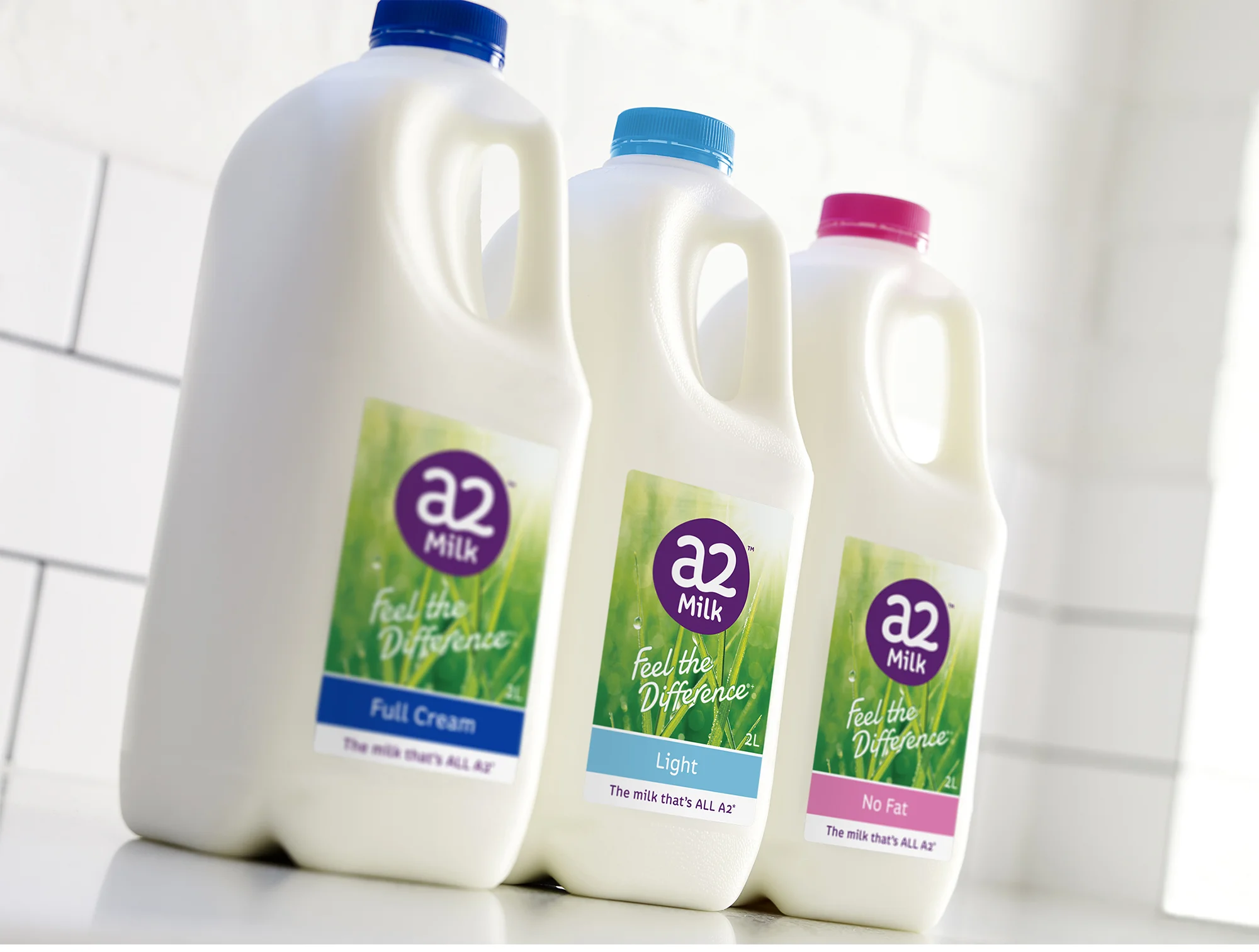
  • A2 Milk Company Rides High on Double-digit Growth in China, US Markets: A Peek Inside the Success Story

    A2 Milk Company Rides High on Double-digit Growth in China, US Markets: A Peek Inside the Success Story

    The A2 Milk Company has announced robust sales growth in the double digits for the first half of the fiscal year. This growth has been driven largely by the company’s strong performance in both the China and US markets.

    Revenue for the six-month period ending December 31 grew by 18.8% to reach NZ$993.5 million ($845 million). This growth spanned all segments and product categories.

    Strong Market Performance in Asia and the US

    In the “China & other Asia” segment, sales saw an increase of 20.3%, spurred primarily by the growth of English label Infant Milk Formula (IMF) and other nutritional products. Meanwhile, the US segment experienced a considerable surge, with growth registering at 29.1%, thanks largely to the success of its core and Grassfed liquid milk products.

    The ANZ region also experienced an increase, albeit a more modest one, with a growth rate of 8.8%. This was mainly driven by the growth of Australian liquid milk. Daigou channel sales within this region appear to have stabilized.

    Growth across Various Product Categories

    When considering sales by category, total IMF sales experienced a growth of 13.6%. This has been attributed to the strong health of the brand and effective sales execution. English label revenue saw a sizeable growth of 20.9%, driven by the company’s performance within the CBEC and O2O channels.

    Sales of China-label products also saw a rise, with a growth rate of 6.5%. In addition, liquid milk sales grew by 18.5%. Other nutritional products saw a significant surge of 42.9%. This increase was largely due to growing contributions from children’s and seniors’ fortified milk powder products.

    In terms of earnings, EBITDA increased by 18.4% to reach NZ$155.0 million, while the EBITDA margin remained steady at 15.6%. NPAT from continuing operations saw an increase of 9.4% to reach NZ$112.1 million.

    Recent Transactions and Partnerships

    In August, the company made the announcement that it had acquired a fully integrated nutritional manufacturing facility in Pokeno. Additionally, it disclosed the divestment of MVM in an effort to optimize its asset footprint and financial performance. Both transactions were carried out during the half.

    The company also signed a long-term agreement with Fonterra for the supply of A1 protein-free milk from the North Island in New Zealand.

    A2 Milk has revised its outlook for the full year, anticipating revenue growth in the mid double digits and an EBITDA margin of approximately 15.5-16%.

    Questions & Answers

    What drove the growth of A2 Milk Company in the first half of the fiscal year?
    The growth was driven by a strong performance in the China and US markets across all segments and product categories.

    Which product categories experienced the most significant growth?
    Other nutritional products saw the most significant surge of 42.9%, with growing contributions from children’s and seniors’ fortified milk powder products.

    What does A2 Milk anticipate for its full-year outlook?
    The company expects mid double-digit revenue growth and an EBITDA margin of approximately 15.5-16%.

  • Treasury Wine Estates in Crisis: Titantic Losses Spur Massive Transformation Plan

    Treasury Wine Estates in Crisis: Titantic Losses Spur Massive Transformation Plan

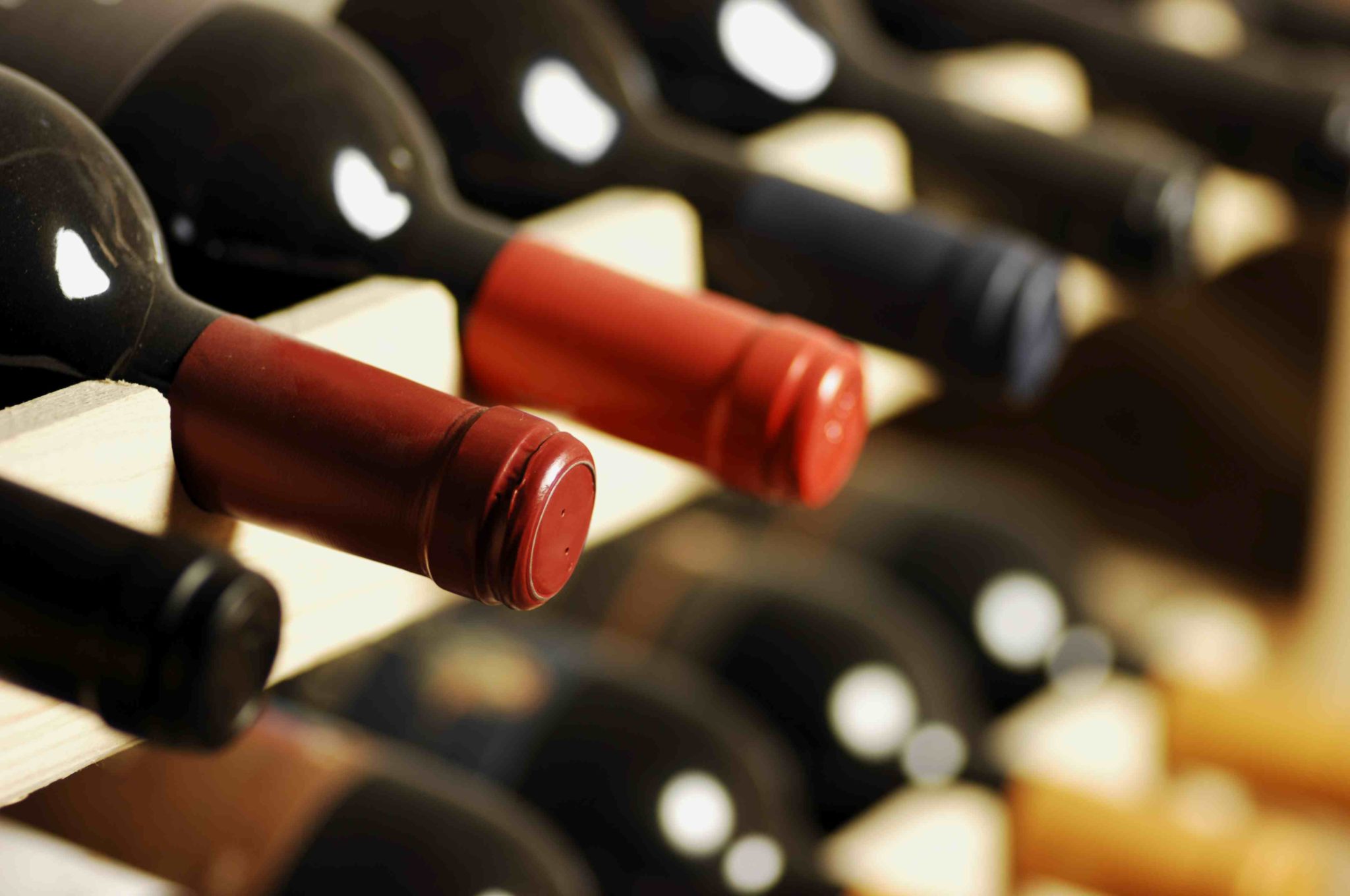
    Treasury Wine Estates (TWE), renowned for its ownership of the Penfolds brand, has experienced significant losses in the initial half of the 2026 fiscal year. In spite of this, the conglomerate remains dedicated to its long-term strategic overhaul.

    First-Half Financial Decline

    The financial woes for TWE are clear, with losses mounting to a total of $649.6 million in a mere six month period. This loss was not isolated to a specific market, but rather was experienced across all of TWE’s markets. This included a notable downturn for Penfolds, the company’s premier luxury wine, which recorded a drop in earnings by 19.6%.

    Sam Fischer, TWE’s CEO, expressed his optimism during these trying times, stating, “Our current results reflect the transformational phase we are in. It’s encouraging to see the significant progress made from implementing necessary measures to steer TWE back to a trajectory of sustainable and profitable growth.”

    US Market Struggles and Brand Impairments

    The company’s performance in the Americas was particularly disappointing, with earnings plummeting by 63.6%. TWE attributed this to a subdued wine market in the region. Further exacerbating the losses was an impairment of $770.5 million related to its 19 Crimes brand in the American market.

    When disregarding the impairments, the group managed to generate a profit of $236.4 million. However, this figure is still approximately 40% lower than the corresponding period in the previous fiscal year.

    CEO Fischer emphasized the company’s resolve to bounce back, stating, “Our attention is squarely on the future. We are committed to improving execution and building a more robust, resilient business for the long haul.”

    TWE Ascent Transformation Plan

    In a bid to turn the tide, TWE is persisting with its two- to three-year strategic transformation plan named TWE Ascent. This move will involve a critical evaluation of the company’s portfolio and an effort to attain $100 million per year in operational cost efficiencies.

    Fischer explained, “TWE Ascent is the linchpin of our strategic reset. This is a structured, multi-year transformation strategy aimed at sharpening our portfolio, streamlining our organization, and optimizing our cost base. So far, we are pleased with the strides we have made.”

    He further added, “It’s heartening to see our key brands continue to perform in the marketplace and strongly resonate with customers. This bolsters our confidence in the strength of our portfolio and in our ability to enhance performance as we progress with the business transformation.”

    Questions & Answers

    What is TWE’s response to the losses observed in the first half of 2026?
    CEO Sam Fischer has expressed his optimism, stating that the company is focussed on the future and is committed to long-term growth.

    What contributed to the significant losses in the Americas?
    TWE attributed the 63.6% decline in earnings to a subdued wine market in the region, as well as a $770.5 million impairment related to its 19 Crimes brand.

    What is the company’s plan to improve their financial situation?
    TWE plans to persist with its two- to three-year strategic transformation plan named TWE Ascent, which involves a critical evaluation of the company’s portfolio and aims to attain operational cost efficiencies of up to $100 million per year.