Author: Mei Ling Tan

  • Qatar National Bank injects Rp 2.18t into QNB Indonesia

    Qatar National Bank injects Rp 2.18t into QNB Indonesia

    The Qatar National Bank QPSC (QNB Group) as the controlling shareholder of Bank QNB Indonesia has injected Rp 2.18 trillion (US$162.72 million) into the bank as capital paid in advance as well as acting as standby buyer in the rights issue of Bank QNB Indonesia.

    The additional capital is the realization of QNB Group’s commitment to maintain the bank’s strong capital structure as well as maintain the bank’s business growth stability, the QNB Group said in a statement.

    From the total funds of Rp 2.18 trillion, Rp 2.06 trillion will be used to purchase HMETD offered during a rights issue and the remaining funds will be used for next year’s rights issue.

    Funds from the rights issue, after issuance costs, will be used by QNB Indonesia to increase productive assets, particularly in the form of loan disbursements.

    With the commencement of the rights issue and additional capital payments from QNB Group, the bank’s capital adequacy ratio (CAR) will be 16 percent, well above the Financial Service Authority’s (OJK) minimum requirement.

    On Monday, QNB Indonesia held an extraordinary shareholders meeting at the bank’s head office in Jakarta. The meeting approved Heba Ali Ghaith Al-Tamimi and Stephen Holden as commissioners and Adhiputra Tanoyo as director. The resignation of Grant Eric Lowen as a commissioner was also approved. (dea/bbn)

  • WorldLink to build Nepal’s first 100G OTN

    WorldLink to build Nepal’s first 100G OTN

    Nepal’s WorldLink has engaged Nokia to deploy the nation’s first 100G optical network.

    WorldLink, Nepal’s largest fixed broadband operator, is upgrading its 650km backbone network with Nokia’s PSS DWDM technology.

    The backbone network spans from capital Kathmandu to the cities of Bhairahawa and Birgunj, and provides international connectivity between Nepal and countries including India.

    WorldLink has an estimated 120,000 residential broadband subscribers and 5,000 enterprise broadband circuits. The operator is currently connecting 10,000 residential FTTH subscribers per month, and is conducting the upgrade to help meet the fast-growing demand for network capacity.

    “WorldLink has a commitment to Nepal to transform the communications landscape so that our people and enterprises thrive,” the operator’s CTO Samit Jana said.

    “This is our largest project to date and it will allow us to provide ultra-fast broadband services for our mobile and fixed network subscribers in cities as well as rural areas across the country.”

    Nokia head of India Sanjay Malik added that the company is “proud to be part of WorldLink’s vision to transform Nepal’s communications architecture by providing the first 100G transport network. Nokia’s highly scalable optical platform will ensure low latency and high resiliency, and allow WorldLink to cost-effectively increase network capacity as needed.”

  • Central Bank of Vietnam cuts rates by 0.25-0.5 per cent

    Central Bank of Vietnam cuts rates by 0.25-0.5 per cent

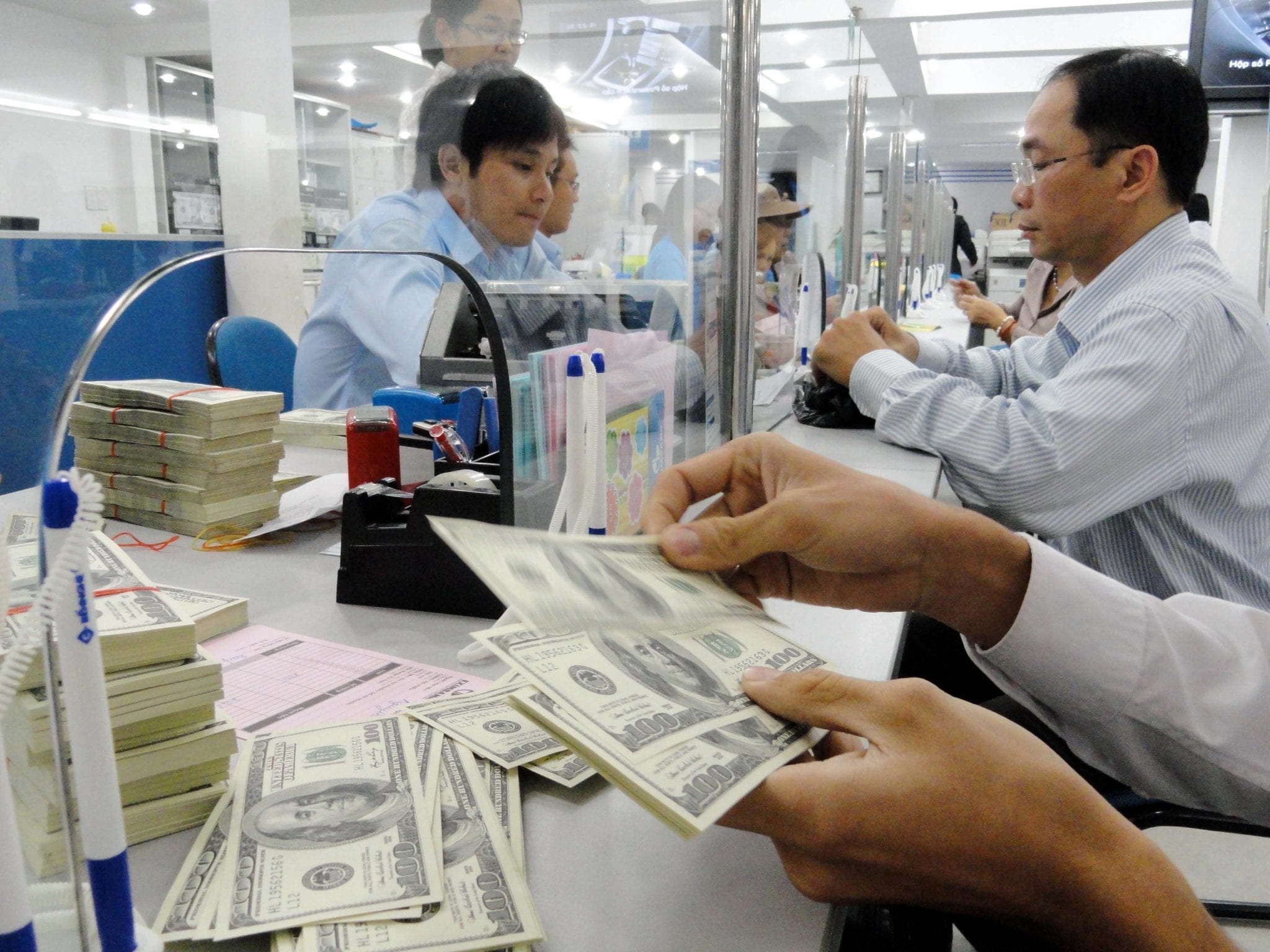
    The State Bank of Viet Nam (SBV) has cut several interest rates for the first time since 2014 in order to support business and boost economic growth.

    According to the central bank’s statement, 0.25 percentage points have been shaved off the annual refinancing interest rate, rediscount interest rate, overnight interest rate applied to electronic inter-bank payments, and the rate of loans to offset capital shortage in clearing payments between the SBV and domestic banks. The new rates go into effect today.

    Specifically, the refinancing rate has been reduced from 6.5 per cent per year to 6.25; the rediscount rate from 4.5 per cent per year to 4.25; and other rates from 7.5 per cent to 7.25 annually.

    The maximum annual short-term interest rate for loans in Viet Nam dong to meet customer demand for capital in some sectors has also been cut by 0.5 percentage points.

    Businesses operating in agricultural, export and auxiliary industries; small and medium-sized enterprises (SMEs); and high-tech firms will now enjoy a short-term lending rate of 6.5 per cent per year, instead of 7 per cent.

    The maximum rate applied to loans supplied by the People’s Credit Fund and other micro-financial institutions has been lowered from 8 to 7.5 per cent.

    These adjustments are expected to help increase bank liquidity for loans, stabilise interest rates, the foreign exchange rate and the foreign currency market, thereby contributing to controling inflation and achieving sustainable economic growth.

    Move welcomed

    Many experts welcomed this move, saying the adjustment is a good sign for the economy and enterprises, especially given that business and production is facing many difficulties, including shortage of capical and high interest costs.

    The rate cut will help reduce costs for commercial banks seeking loans from the central bank, boosting lending to enterprises at lower interest rates, they said.

    Tran Hoang Ngan, a member of the National Assembly’s Economic Committee, said this decision would consolidate the confidence of the market as it proves that the bank system’s liquidity has stabilised after the bad debts resolution.

    Tran Du Lich, a member of the National Monetary and Financial Policy Advisory Council, said the cut was modest, proving a cautious decision and not signaling monetary policy loosening.

    Financial expert Phan Minh Ngoc said that with lower interest, credit growth might be speeded up in the coming months, but because the SBV still keeps the ceiling credit growth target at 18 per cent, commercial banks approaching the cap must be choosier in selecting customers.

    “Thus, the adjustment basically is not an action to loosen monetary policy, but to help restructure the loans of commercial banks,” Ngoc said, adding that it was unlikely to raise inflation

    The central bank will be able to maintain the new interest rates as long as inflation is controlled at low level. But if the US Fed continues raising its interest rates, which would put pressure on the VND/US$ exchange rate, SBV might have to amend its policy, the expert predicted

    Following moves

    The Bank for Investment and Development of Viet Nam (BIDV) today also announced that the bank would apply a maximum annual interest rate of 6 per cent for short-term dong loans to prioritised enterprises in accordance with the SBV’s decision.

    Start-ups, environmental firms and the bank’s regular customers for at least three years will be able to enjoy the preferential rate, too. Firms and households affected by floods in the central provinces will be offered a maximum rate of 5.5 per cent, according to the bank’s press release.

    In another development, VPBank has become the first private commercial bank to reduce its short-term interest rates by 0.5-1 percentage points for SMEs. The preferential rates will depend on the production sector of the borrowers, the length of the credit relations they established, as well as their record of debt payment.

    Vo Tan Hoang Van, general director of the Sai Gon Commercial Bank (SCB), told Phap Luat Tp Ho Chi Minh (HCM City Law) that in the next two weeks, SCB would lower interest rates by 0.5 percentage points for new credit contracts serving production in prioritised sectors or being signed by SMEs.

    Some other banks also plan a cut in lending interest rates, but say the cut rates must be calculated based on liquidity conditions and taking account other measures to save costs and improve business performance, the newspaper reported.

    Nguyen Van Duc, deputy director of the Dat Lanh Real Estate Company, said that the cut of 0.5 percentage points was not so big but it would have a positive impact on the market and business profits, especially for large firms with heavy loans, he said.

    Ly Thanh Sinh, general director of the Minh Long Hung Garment and Embroidery Joint Stock Company, said that beside reducing interest rates, it was important for SMEs to access capital to buy machines and production equipment.

    Curently, annual short-term interest rates range from 6.8-9 per cent for regular businesses, and 6-7 per cent for prioritised ones; while medium and long-term rates hover around 9-11 per cent for the former and 9-10 per cent for the latter.

  • Switch to Vegetarian Food on Air India Causes an Uproar

    Switch to Vegetarian Food on Air India Causes an Uproar

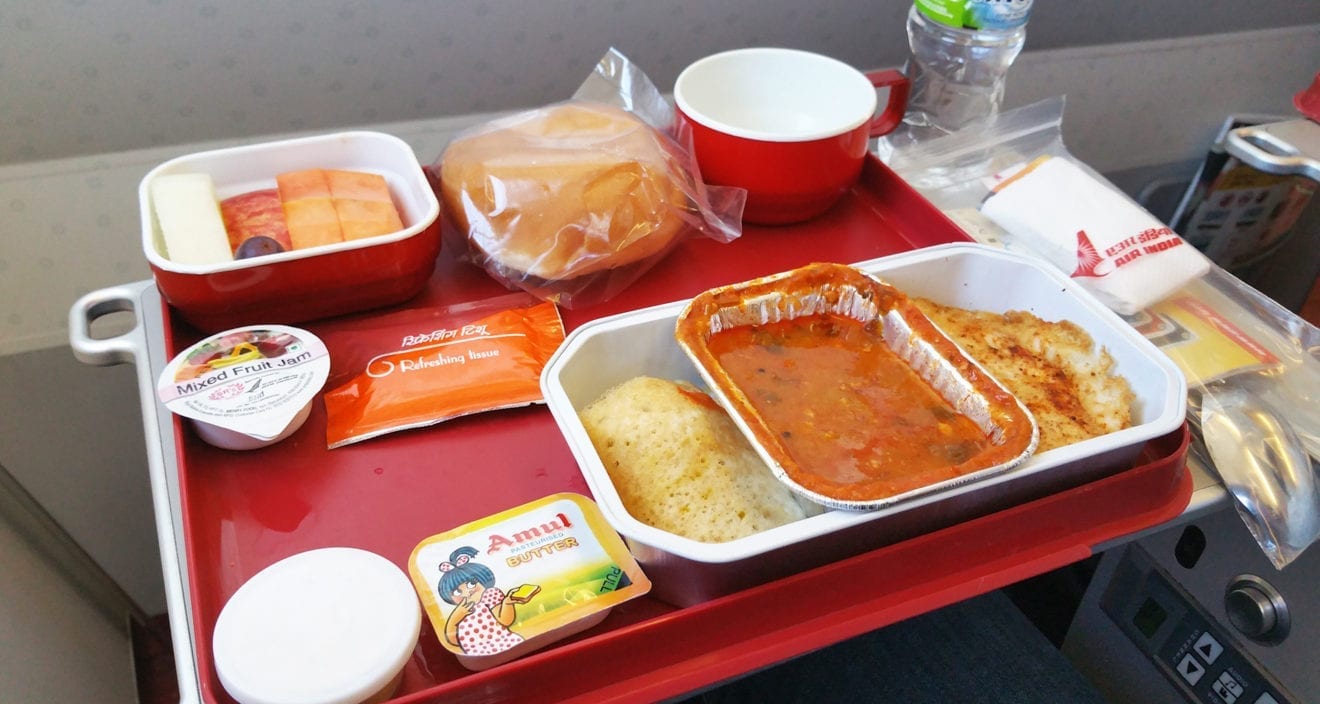
    Coming from some other debt-ridden airline, it might have been shrugged off as just another service cutback. But not this time: When Air India announced on Monday that coach passengers on its domestic flights would now be offered only vegetarian meals, the move provoked an uproar on social media.

    G. P. Rao, a spokesman for the government-owned airline, said the change was made a week ago strictly to reduce waste and cut costs. But what people eat can be a sectarian flash point in India, especially since Prime Minister Narendra Modi and his Hindu nationalist Bharatiya Janata Party took power.

    Many members of the Hindu majority are vegetarians, while the country’s Muslims and some other minorities eat meat. So the airline’s action was seen by many as discriminatory and part of a wave of religious nationalism sweeping the country.

    “Only veg food on Air India,” Madhu Menon, a Bangalore-based chef and food writer, wrote on Twitter. “Next, flight attendants to speak only Hindi. After that, stand for national anthem before flight take-off.

    The government of Uttar Pradesh, India’s most populous state, which is led by a new firebrand chief minister, has been cracking down on buffalo slaughterhouses this year, even though buffaloes are not considered sacred by Hindus the way cows are. And the lynching of a Muslim teenageron a train from Delhi last month, in which his assailants called him a “beefeater,” has further inflamed tensions.

    The government approved plans last month to privatize the airline, which has more than $8 billion in debt.

    Mr. Rao did not say on Monday how much the change in meals would save the company. But in an interview with The Hindu, a major newspaper, an official for the airline put the figure at 80 million rupees, or about $1.2 million, a year.

    Critics derided that as a drop in the bucket. Omar Abdullah, a former chief minister of the state of Jammu and Kashmir, wrote on Twitter that the move would “restore Air India to full health in … oh heck 5000 years.”

    The step on Monday was not the airline’s first away from serving meat. In January 2016, the airline replaced sandwiches with hot vegetarian meals for economy passengers on flights between an hour and 90 minutes long, The Press Trust of India reported, a change that the airline presented as an upgrade.

  • Paper dominates Indonesia`s export in 2016-2017

    Paper dominates Indonesia`s export in 2016-2017

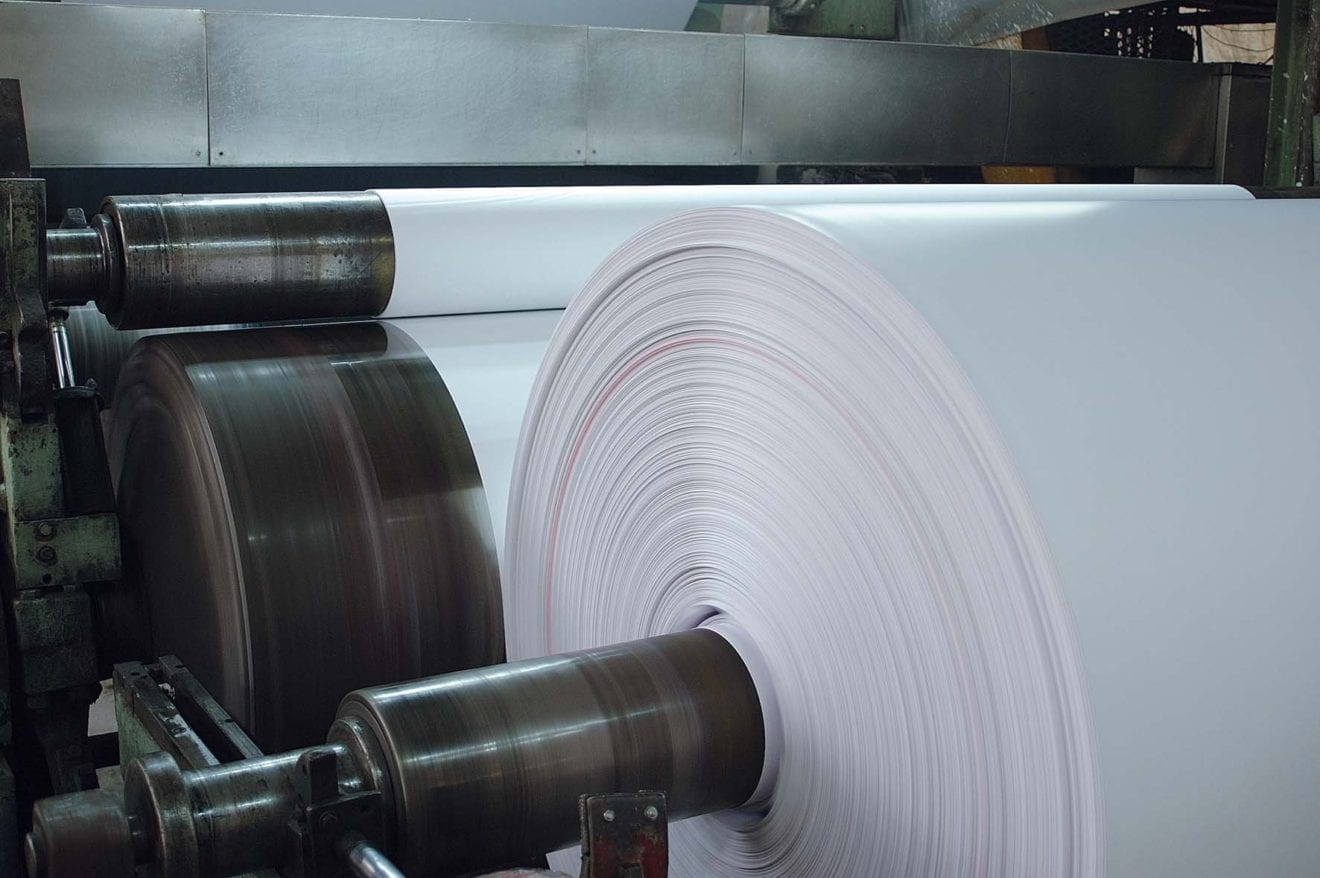
    Paper products dominate Indonesias global exports in two years, which was worth US$13.95 billion of the total wood products’ exports of $11.83 billion in 2016-2017.

    “These value are wood-based products with V-Legal documents, namely SVLK and FLEGT licenses,” Director of Forest Products Processing and Marketing, Ministry of Environment and Forestry, Rufiie, said here on Monday.

    SVLK is Indonesias timber legality assurance system, while FLEGT is the EUs Forest Law Enforcement, Government and Trade.

    According to Rufiie, the export of wood products using the V-Legal and FLEGT system was just implemented in 2016. FLEGT was issued after Indonesia implemented SVLK.

    In 2016, Rufiie added that the total global export value of Indonesia’s timber products amounted to $9.26 billion. Wood products’ exports with FLEGT license, which is exported to the EU, amounted to $868.85 million.

    Of the total exports, paper products to all countries around the globe amounted to $3.11 billion, while paper exports to the EU amounted to $204.17 million.

    “There are two systems applied in wood products’ export, namely with SVLK for all countries outside the EU and FLEGT Licenses for the EU market,” Rufiie remarked.

    Up to March 2017, the export value of wood products to all countries was worth $2.57 billion, while that to the EU was worth $277.26 million.

    The global paper export value until March 2017 was worth $837.37 million, while export to the EU was worth $65.25 million.

    “Export of wood products in the form of handicrafts to all countries till March 2017 was worth $28.91 million, export of furniture was worth $368.05 million, export of panel was worth $567.48 million, export of pulp was worth $475.66 million, export of wood works was worth $265.04 million, and export of wooden chips was worth $ 28.91 million,” Rufiie revealed.

  • IDX datafeed disruption has no effect on investor confidence

    IDX datafeed disruption has no effect on investor confidence

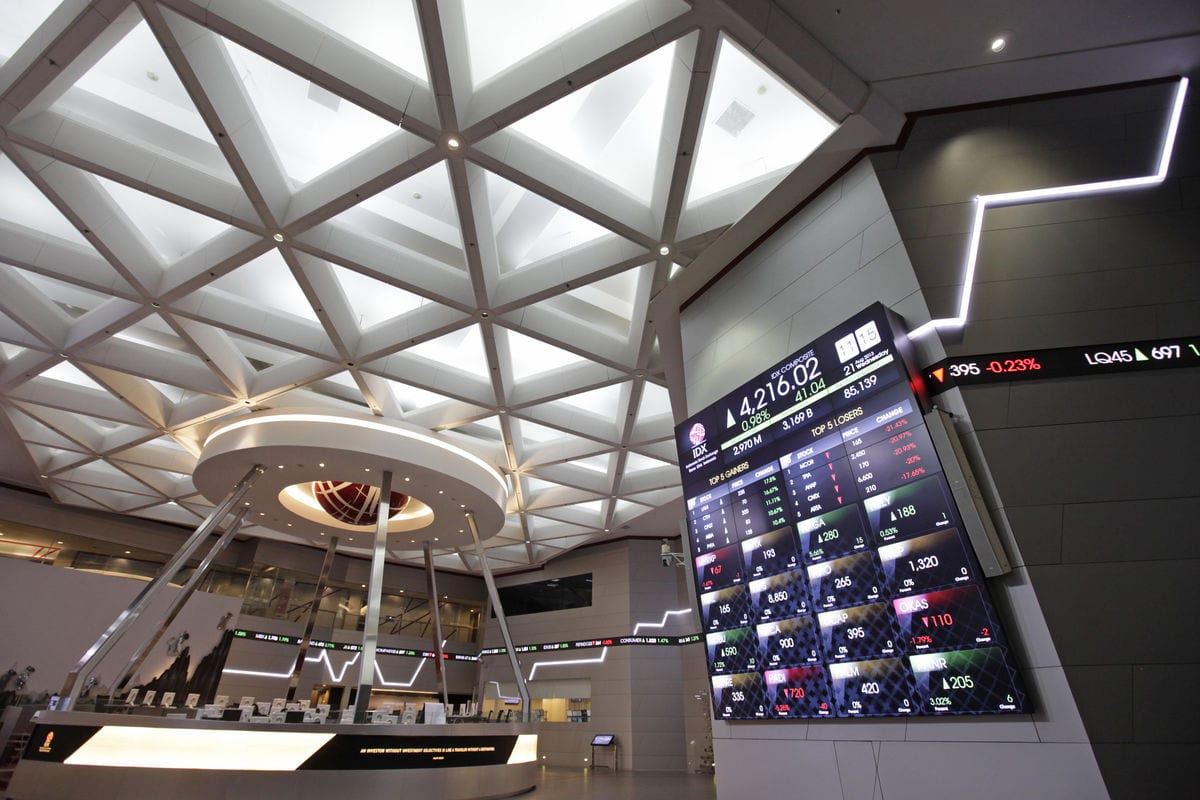
    The Indonesian Stock Exchange (IDX)s Datafeed disruption on Monday morning was claimed to have no effect on investors confidence.

    “We measured our Key Performance Indicator, and the result was still good,” IDX General Director Tito Sulistio stated here on Monday.

    To date, the disruption had been fixed, and IDXs information system has returned to normal; however, Sulistio added that IDX would continue to develop its information technology to upgrade their trade availability system in order to avoid and minimize disruption.

    He explained that the system had a maximum availability of 99.999 percent, and IDX already had 99.975 percent, which will be upgraded to 99.98 percent.

    “Every 0.05 percent hike may need US$20-25 million,” he remarked.

    At the same time, IDX is trying to upgrade its trade infrastructure system from Tier-2 to Tier-3.

    “Hopefully, we will be moving to the new Tier-3 system on August 30,” noted Sulistio.

    Separately interviewed, IDX Director of Information Technology and Risk Management Sulistyo Budi revealed that the disruption was caused by uneven distribution of information from Datafeed application.

    “During investors trading, information for public has to be provided. When it is not available, we have to suspend the trade in order to check the problem. Once it is resolved, activities return to normal,” he stated.

    Despite the IDXs claims, Indosurya Mandiri Securities analyst William Surya Wijaya explained that the bourse could anticipate more technical systems disruption that might affect investments plan from the stakeholders.

    “This could be a lesson for the stock market players, so that they should also anticipate systems disruption,” he explained.

    Wijaya was optimistic that the investors confidence in Indonesian market was still high as the domestic economy remained conducive, despite being overshadowed by some negative sentiment, especially current geopolitical situation.

  • Japan’s Nitori to open flagship store in Shanghai

    Japan’s Nitori to open flagship store in Shanghai

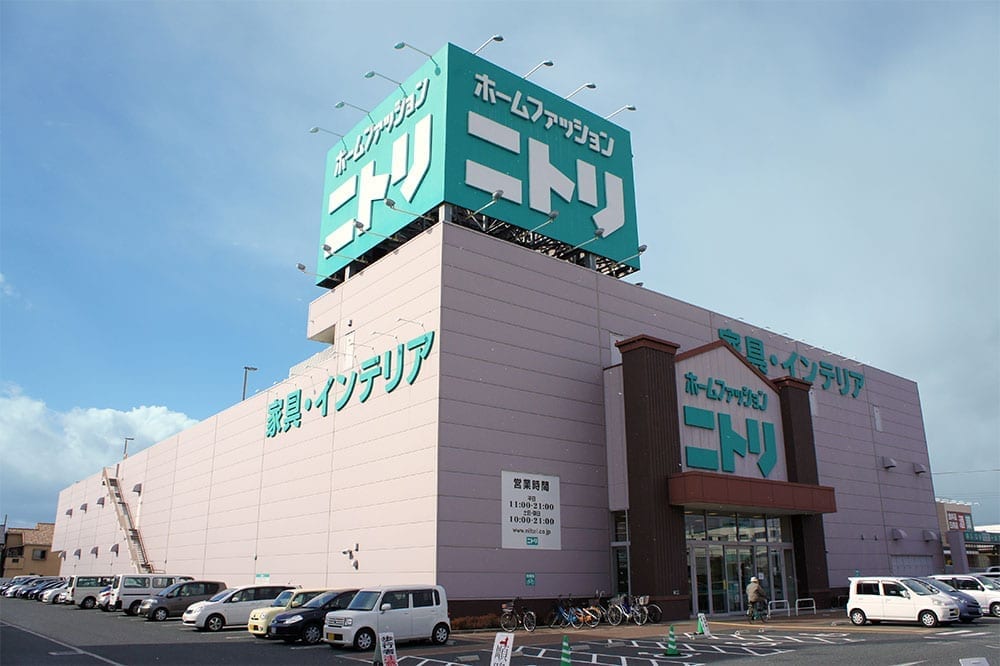
    Japanese furniture and home decoration brand Nitori will open a flagship store in Xujiahui, Shanghai.

    With an area of 8,000 square meters, this store is the old location of Best Buy. It is reportedly Nitori’s first flagship store in China after its brand re-design.

    Founded in 1967, Nitori is one of the largest home supplies chains in Japan. The company was listed on Tokyo Stock Exchange in 2002 and started fast expansion in the domestic Japanese market after that.

    In 2003, its number of stores was over 100 for the first time. At present, its main businesses include home decoration, house renovation and online shopping.

    Nitori entered China in 2004 by launching a logistics center in Shanghai and the company launched its online shopping business Nitori Net in September 2004. The company’s first Chinese physical store was opened in Wuhan, Hubei province in 2014, marking Nitori’s formal beginning of its Chinese business. So far, Nitori has over ten stores in cities like Shanghai, Hangzhou, and Ningbo.

    In regards to future expansion, Nitori plans to have 100 stores in China by 2020.

  • Giti Tire Building $560 Million Manufacturing-Distribution Campus

    Giti Tire Building $560 Million Manufacturing-Distribution Campus

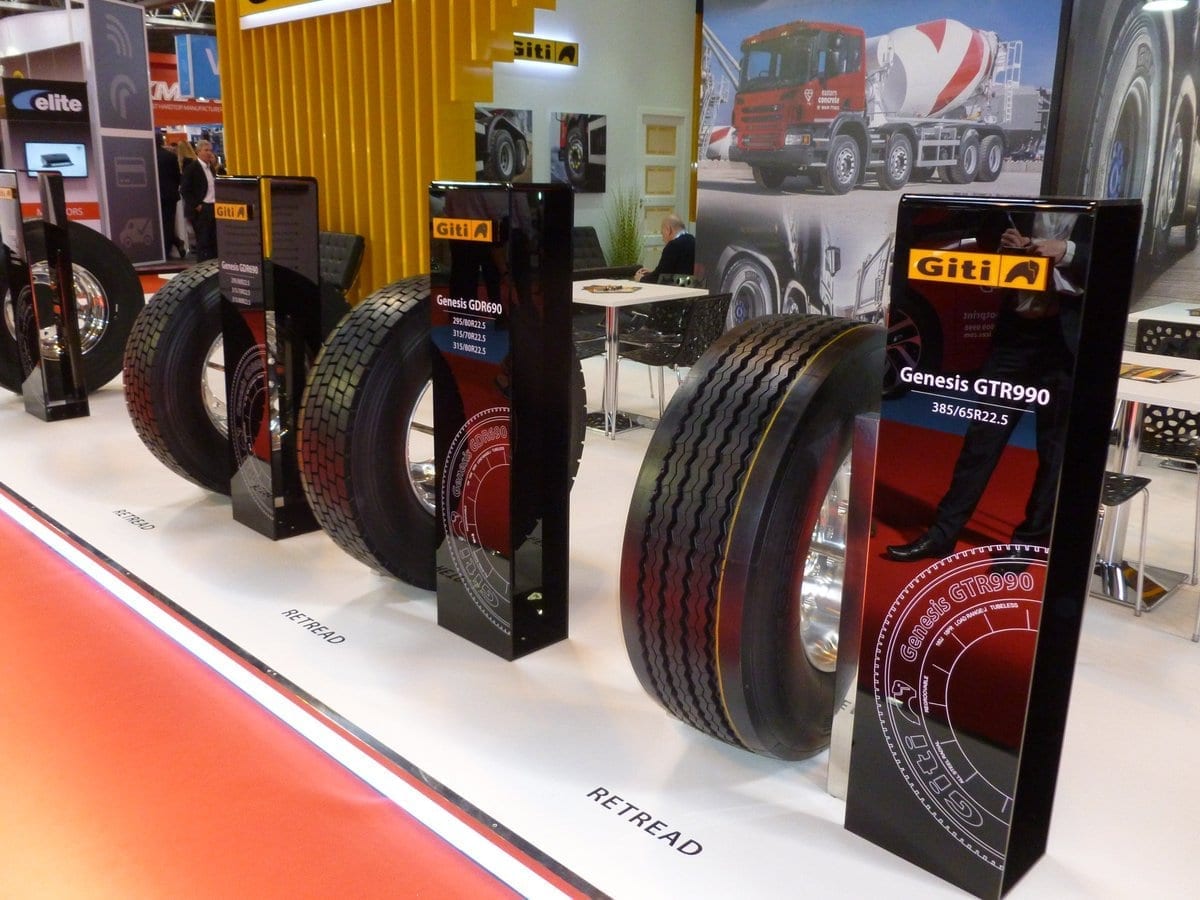
    Giti Tire, the 10th largest tire company in the world based in Singapore, is on track to open its first first North American manufacturing facility on a 1,100-acre site, 170 miles northeast of Charleston, in Richburg, South Carolina.

    The company expects to invest $560 million and create 1,700 new jobs over the next decade in Chester County. The new facility, which will be located on the Carolinas I-77 Mega Site, will combine manufacturing and distribution activities, with total building area estimated to be 1.8 million square feet.

    Giti Tire will produce both passenger and light truck tires for the Original Equipment Manufacturer (OEM) and replacement markets in the Chester County plant.

    “This significant investment represents our strong commitment to customers in North America. This is a key milestone for Giti Tire and an important part of our growth strategy worldwide. Existing business and strong demand for Giti Tire’s passenger and light truck tires in North America has made this significant investment in South Carolina possible,” Enki Tan, executive chairman of Giti Tire Group said.

    During the first phase of production, the plant’s capacity is expected to be 5 million tires annually. Giti Tire plans to further increase production capacity in response to future market demand and conditions. The Chester County facility represents Giti’s ninth manufacturing plant in its global system.

    “Chester County is an excellent location for Giti Tire, offering extensive and efficient infrastructure network including interstate highways, rail, close proximity to airports and a major metropolitan area to support the company’s needs and growth for many years to come,” Lei Huai Chin, Managing Director of Giti Tire Group said.

    According to the State Department of Commerce the company’s decision to locate in South Carolina was driven by a number of factors, including the area’s workforce and training opportunities through the technical college system, proximity to major transportation infrastructure and deep-water port facilities in Charleston, market access to the growing Southeast region and the state’s business-friendly environment.

    As an incentive ready SC will be assisting the company with the recruiting and training of its initial workforce.

  • Yum China comp sales gain 3% in Q2

    Yum China comp sales gain 3% in Q2

    Yum China Holdings said comparable store sales for the second quarter jumped 3%, on the back of strong KFC revenues.

    The Chinese operator of US fast food brands KFC, Pizza Hut and Taco Bell said same store sales at KFC gained 4%, while offsetting the flat Pizza comp sales for the three-month period.

    Yum China said total sales for the quarter lifted 7%, including growth of 8% at KFC and 7% at Pizza Hut.

    Net income surged 39% to $107 million, and operating profit increased 64%, said the Shanghai-based restaurateur.

    The group said it opened 90 stores last quarter.

    “I am pleased with our overall performance during the quarter, with same-store sales up 3% and system sales up 7%, on the back of continued strength at KFC. Operating profit, restaurant margin and net income all showed robust improvement.” said Micky Pant, CEO.

    “We are making progress in the key themes we are investing in – loyalty programs, digital and delivery capabilities, and continued upgrade of restaurant assets and optimization of store formats.”

    Yum China said its loyalty members for KFC and Pizza Hut surpassed 100 million in total, and mobile payment exceeded 40% of company sales in the second quarter.

    Over 4,900 of the group’s restaurants offer delivery service with delivery sales accounting for 13% of company sales in the second quarter, it said.

    In the three-month period, Yum China also completed the acquisition of its 80% stake in Daojia, the food delivery firm, “for a cash consideration of $36.7 million to the selling shareholders and a capital contribution of $25 million to Daojia,” added Pant.

    “We see this acquisition as complementary to our existing delivery business, and it provides valuable operational and technological expertise,” he said.

  • Stripe strikes global partnerships with China’s Alipay, WeChat Pay

    Stripe strikes global partnerships with China’s Alipay, WeChat Pay

    Silicon Valley startup Stripe has partnered with digital payment providers Alipay and WeChat Pay to enable merchants using its platform globally to accept payments from hundreds of millions of Chinese consumers.

    Starting Sunday, the partnerships will allow online merchants using Stripe to integrate the ability for Chinese users to pay with Alipay and WeChat Pay on their websites, the company said.

    Stripe hopes the integration will help boost its revenues by allowing clients to tap China’s vast consumer market, where credit cards account for only a fraction of online spending, the company said.

    Alipay is the flagship payment service of Ant Financial, the financial affiliate of major Chinese ecommerce company Alibaba Group and has over 520 million users. WeChat Pay has more than 600 million users and is the payment app of entertainment and social network firm Tencent Holdings.

    “If you are an internet business this unlocks a new vast customer base,” John Collison, Stripe’s president and co-founder, said in an interview. In turn, Chinese consumers will have expanded choice as to which international online merchants they can purchase products and services from, he added.

    Founded by brothers John and Patrick Collison in 2010, Stripe provides technology that enables merchants in 25 countries to accept payments online. It charges a fee on each payments transactions processed through its platform.

    “If we can help a business double their sales, then it doubles our revenue from that business,” Collison said.

    The partnership coincides with the company’s launch in Hong Kong.

    One of the most valuable venture-backed financial technology companies globally, Stripe has risen in popularity among software developers and online merchants because of its ease of use.

    It is among the cohort of young fintech companies seeking to reinvent the payments landscape by taking better advantage of digital technologies to offer more user-friendly financial services and products.

    It had previously partnered with Alipay to enable only the U.S. merchants on its platform to integrate the Chinese payment service. The new global partnership builds on that experience.

    “Demand for services from Chinese consumers is at all-time high,” Souheil Badran, president of Alipay for North America, said in an interview. The new partnerships will connect them to hundreds of thousands of Stripe-powered businesses around the world, he added.

  • Australia, major destination for luxury brands in APAC

    Australia, major destination for luxury brands in APAC

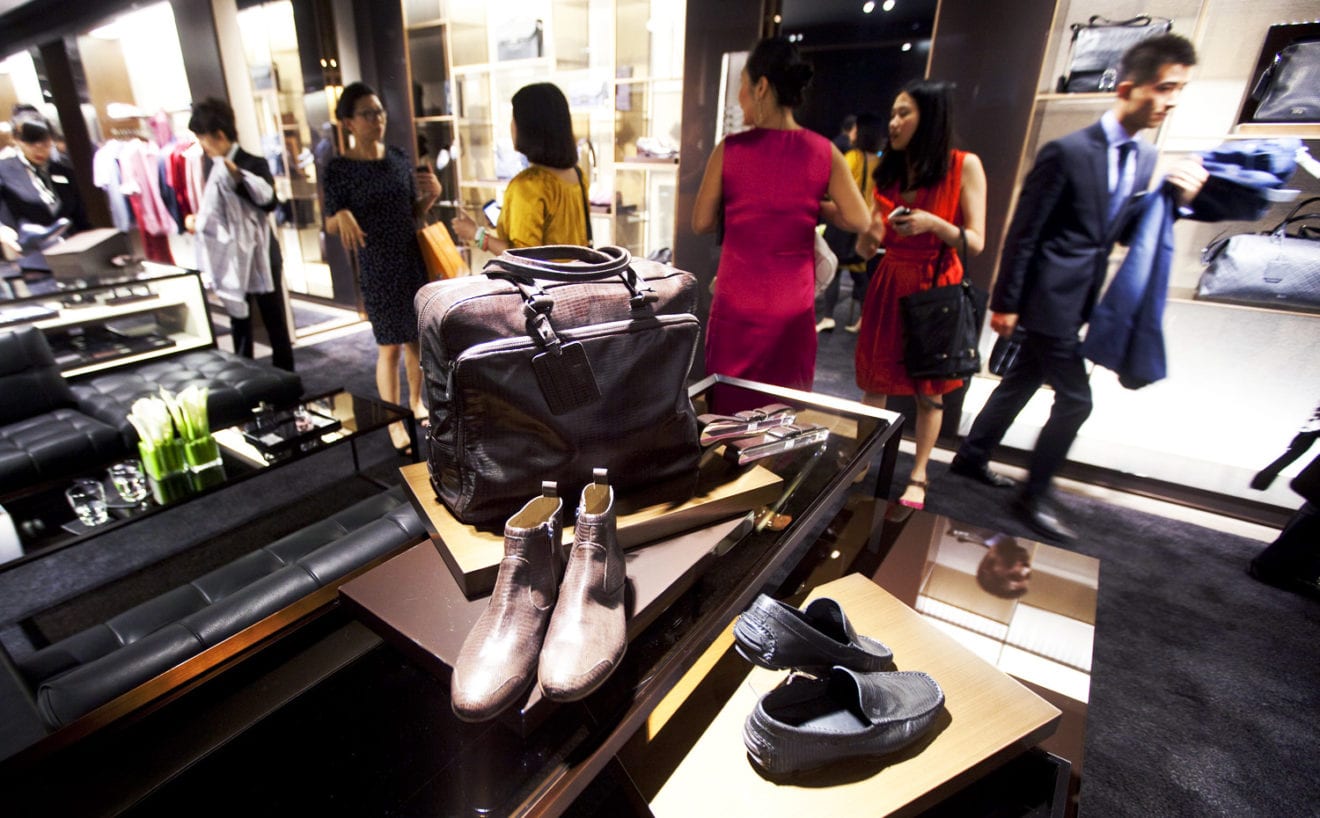
    Luxury international brands are looking to open flagship stores on the east coast of Australia in the coming months, as the nation’s capital cities remain one of the safest investment destinations in the Asia-Pacific region.

    Italian designers Brunello Cucinelli and Roberto Cavalli are looking for space to rent, as are French leather goods house Goyard, shoe empire Hogan and fashion and jewellery brand Marni, according to CBRE.

    Moreover, Venezuelan-American designer Carolina Herrera, known for designing wedding dresses for Caroline Kennedy, is also said to be hunting a space.

    The global brands are looking to bow retail stores in Melbourne and Sydney — starting with whichever offers the first leasing opportunity, CBRE head of Victorian retail leasing Zelman Ainsworth told the Australian.

    “The feedback’s been that Australia’s one of the only markets in Asia-Pacific that’s consistently growing year on year,” Ainsworth told reporters.

    “It’s a politically and economically safe country to do business in. The Chinese tourists coming to Australia, which is the primary luxury customer, has consistently been growing at double digit levels each year.”

    The news comes as the local arm of British clothing chain Topshop went into voluntary administration in May. Topshop has already confirmed five stores will close this year as administrators try to salvage the chain.

    Several Australian fashion chains have also fallen prey to administrators in 2017 including Rhodes & Beckett, Herringbone, Payless Shoes and Pumpkin Patch.

    Adding extra pressure to the local retail scene, especially physical stores, is the impending entry of US-based e-commerce giant Amazon.

    Australia is also facing flat retail sales growth and a rather stagnant consumer confidence, as residents grapple with large personal debt and mortgages.

    However, luxury retailers can still profit from being in Australia. CBRE said prices for retail space in Australia look affordable compared to other global cities, another attraction for offshore brands.

  • Ant Financial aims for ‘cashless’ cities in China

    Ant Financial aims for ‘cashless’ cities in China

    Alibaba’s financial arm Ant Financial is looking to create more “cashless” cities across China, with the latest agreement inked with Tianjin municipality in North China.

    The city-wide “cashless” campaign pushed by the e-commerce giant is the fourth installment to hit China, following similar initiatives in Hangzhou — where Alibaba is based — followed by Wuhan and Fuzhou.

    As with the other “cashless” cities, Tianjin residents will soon be able to pay for an array services and goods using their mobiles when paying bus fares and medical bills, as well as school tuition and social security.

    It will be officially rolled out by the end of 2017, as reported by the China Economic Times.

    However, going “cashless” does not mean money will become obsolete. It will simply allow customers to decide on the way of payment, Jing Xiaodong, the company’s CEO, said

    Tianjin was chosen, said Jiang, as it has a good foundation for Internet Plus to make it the first cashless city in the north.

    With a resident population of 155 million, sone 69 million are real-name registered Alipay users, according to China Economic Times. The city ranks 10th nationwide by mobile payment activities.

    Ant Financial was a leading sponsor of a cashless alliance set up in April. The company earlier vowed to make mobile payment accessible in the whole country in the coming five years.

    2017 has proven a busy year for Alibaba. Last week, the world’s largest e-commerce platform operator said it plans to enter Macau with a bevy of products and services. Last month, the group acquired an 18% stake in Lianhua Supermarket. Before that, the Chinese giant said it had invested US$1 billion in Southeast Asian online retailer Lazada Group, increasing its stake to more than 80%.

    Looking ahead, said that in fiscal 2018 sales may increase by up to 49 per cent, 10 percentage points higher than estimates.

  • Muji plans world flagship and hotel in Tokyo

    Muji plans world flagship and hotel in Tokyo

    The Japanese household goods and apparel company has announced its plans to open a hotel and world flagship in Ginza, Tokyo, in the spring of 2019.

    Developed by the Yomiuri Shimbun Tokyo headquarters and Mitsui Fudosan, a retail property developer of the Mitsui group, the 14,219 square metre, 13-floor building will feature eight floors dedicated to the Muji ‘world flagship’ store. Hotel accommodation will be spread across the top five floors of the building, and will be decorated with Muji furniture and products.

    The provisionally named ‘Muji Hotel’ will be developed as part of the “Marronnier x Namiki Yomiuri Ginza Project,” a retail complex in the upmarket area of Ginza, Tokyo, that Mitsui hopes will further revitalise footfall in the area. The building will be located close to the Marronier Gate Ginza, a commercial facility.

    The hotel is to be designed and operated by the UDS company of the Odakyu Group. Construction began in June 2017.

  • StarHub to pursue analytics to offset mobile squeeze

    StarHub to pursue analytics to offset mobile squeeze

    Singapore’s StarHub plans to lean on providing data analytics based on its customers’ consumption habits to compensate for the increased competition set to be caused by the introduction of a fourth player to the mobile market.

    The operator is already facing intense competition in the mobile sector, and this will intensify with the entry of Australia-based TPG Telecom, the recent winner of Singapore’s fourth mobile license.

    StarHub is preparing for a worst-case scenario involving TPG offering unlimited mobile data services, and bundling its offer with broadband, leading to competition for StarHub on two fronts.

    In an interview with Bloomberg, StarHub CEO Tan Tong Hai said the company is pursuing generating revenue by providing analytics based on consumers’ use of mobile phones, broadband and TV services to corporate clients.

    The enterprise segment is already generating increasing proportions of StarHub’s revenue – earnings from StarHub’s corporate customers now account for around 42% of StartHub’s annual revenue, up by more than double from eight years ago.

    But StarHub is facing competition in the analytics segment from incumbent Singtel. The report also cites an OCBC analyst as expressing skepticism that the extra revenue generated from analytics will be enough to offset the impact of TPG’s entry into the market on StarHub’s bottom line.

  • Facebook business must pay five per cent revenue tax

    Facebook business must pay five per cent revenue tax

    Small and home-based business owners who use the Facebook platform to sell products and have revenue of more than VND100 million (US$4,500) per year will be taxed at five per cent. The money will be paid through a tax registration, value added tax, personal income tax and other taxes depending on the goods they sell.

    “With revenue of over $4,500 each year, a business on Facebook paying nearly VND2 million ($90) for tax is acceptable,” Nguyen Thai Son, a taxation consultant, said in the Thanh Nien (Young People) newspaper.

    The tax level for those who have the same revenue in a traditional business is around four times higher, nearly VND8 million ($360), he said.

    In early June, the HCM City and Ha Noi Taxation Departments sent 13,400 notifications to Facebook businesses and over 1,000 businesses contacted with tax officials in HCM City.

    “To reduce tax losses from online business, tax authorities have woked with Facebook, Google and Apple Store to have e-commerce accounts, worked with banks regarding revenue and worked with police to have a list of those who haven’t paid tax,” Le Thi Thu Huong, deputy head of the HCM City Taxation Department said.

    “The taxation department will collect information from different sources and publish names of organisations and individuals who evade taxes, as well as request relevant authorities to close any e-commerce websites if they do not pay tax,” she added.

    Huong also said that individuals who have online business in social media will be provided a taxation registration and code.

    In developed countries, all people and organisations are required to declare income and pay taxes.

    “Collecting taxes on sales through social networks is necessary,” Huong added.

    Bui Quang Tin, a lecturer in business administration at HCM City University of Banking, said that transactions on the Internet are difficult to control and collecting taxes should be done step by step. Initially, there should be requirements that all individuals conducting business via Facebook must register their operations and declare their income.

    He also noted that with millions of Facebook accounts, in the first phase, the tax authority should target large and professional businesses, because many individual dealers operate as side jobs, or even seasonal businesses. If it tried to control all of them, it would use significant resources and probably be inefficient. The difficulty in managing online sellers and collecting taxes is said to be the consequence of the low rate of non-cash transactions in Viet Nam.

    According to an official estimation, e-commerce activity has been booming, with 80,000 active websites in the city, half of which run stable operations, but tax collection in the field was very poor, especially sales activities through Facebook.

    In fact, in 2015, revenue from e-commerce in Viet Nam reached $4.1 billion, an increase of five times compared with 2012. It is expected to reach $10 billion by 2020, accounting for 5 per cent of total retail sales in the country. Therefore, e-commerce will play a significant role in the Vietnamese retail sector in the future.