Author: Mei Ling Tan

  • Everex debuts mobile blockchain microcredit platform

    Everex debuts mobile blockchain microcredit platform

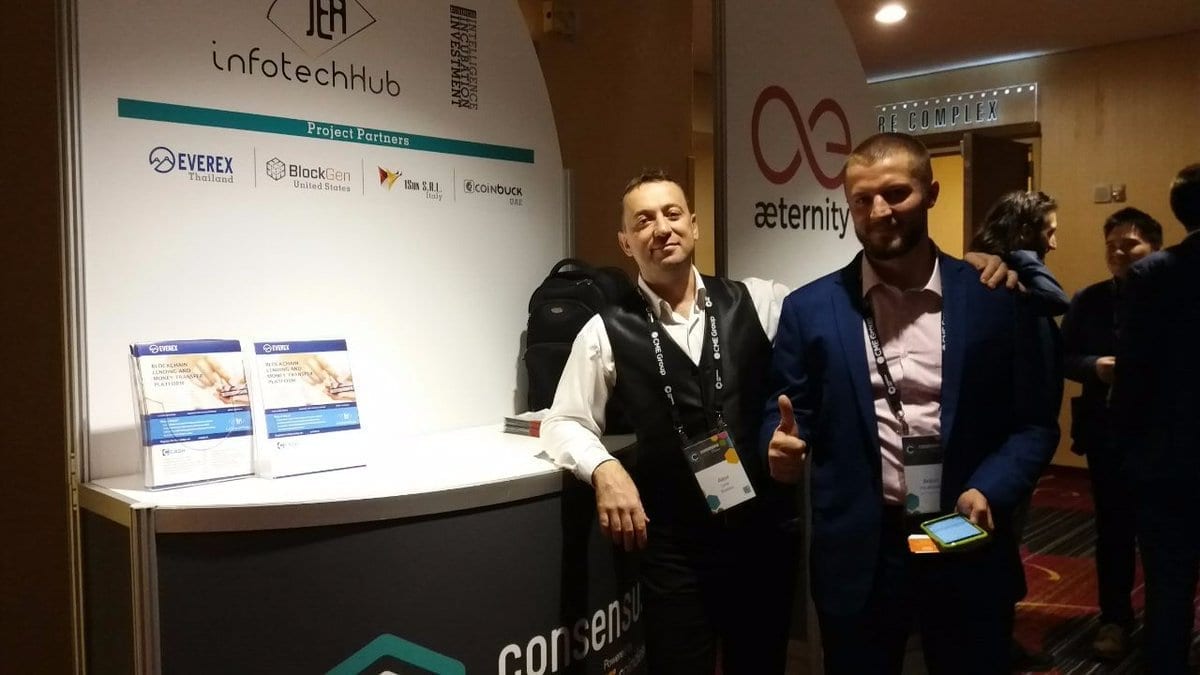
    Everex, a developer of applications based on the Ethereum blockchain, is expanding its operations towards global, blockchain-enabled mobile microcredit and fiat remittance services.

    In a blog post announcing the new service, the company stated that it seeks to connect two billion un- and underbanked individuals to the global financial system, by allowing them to access affordable instant micro-credit and global fiat transaction services from mobile devices.

    Everex mobile fiat transactions are based on the company’s already existing Cryptocash service and its mobile Ethereum wallet. Cryptocash is an Ethereum ERC20 token family, pegged to fiat currencies and tradable on the Everex Wallet, as well as on third-party applications and exchanges.

    With the new product launch, Cryptocash will be redeemable against its fiat counterpart at ATMs, currency exchangers, and mobile service providers worldwide, allowing users to instantaneously transfer fiat money anywhere at extremely low costs.

    The Everex remittance system was already tested last year, allowing hundreds of migrant workers to transfer an aggregate amount of 850,000 baht ($25,000) from Myanmar back home to Thailand.

    The new service will also allow users to request micro-loans in any currency from their mobile phones. The credit scores, necessary to assess interest rates, loan periods and risk, will be automatically generated on the spot, based on user behavior, social data, and spending patterns, which Everex collects through the company’s mobile wallet application.

    “Generating credit scores on the basis of mobile data will allow us to serve the microfinancing needs of many un- and underbanked individuals which, due to the often deficient documentation and track records in the developing world, had until now no access to affordable credit, ” Everex CEO and co-founder Alexi Lane said.

    The seed capital to launch Everex’s micro-lending operation will be raised in an Initial Coin Offering (ICO) this summer. The company will use profits, not directly reinvested in growth, to buy its tokens (EVX) back from the market – insuring that the company’s success is shared with token holders.
  • Australia’s Cotton On group top performing eco fashion retailer of 2017

    Australia’s Cotton On group top performing eco fashion retailer of 2017

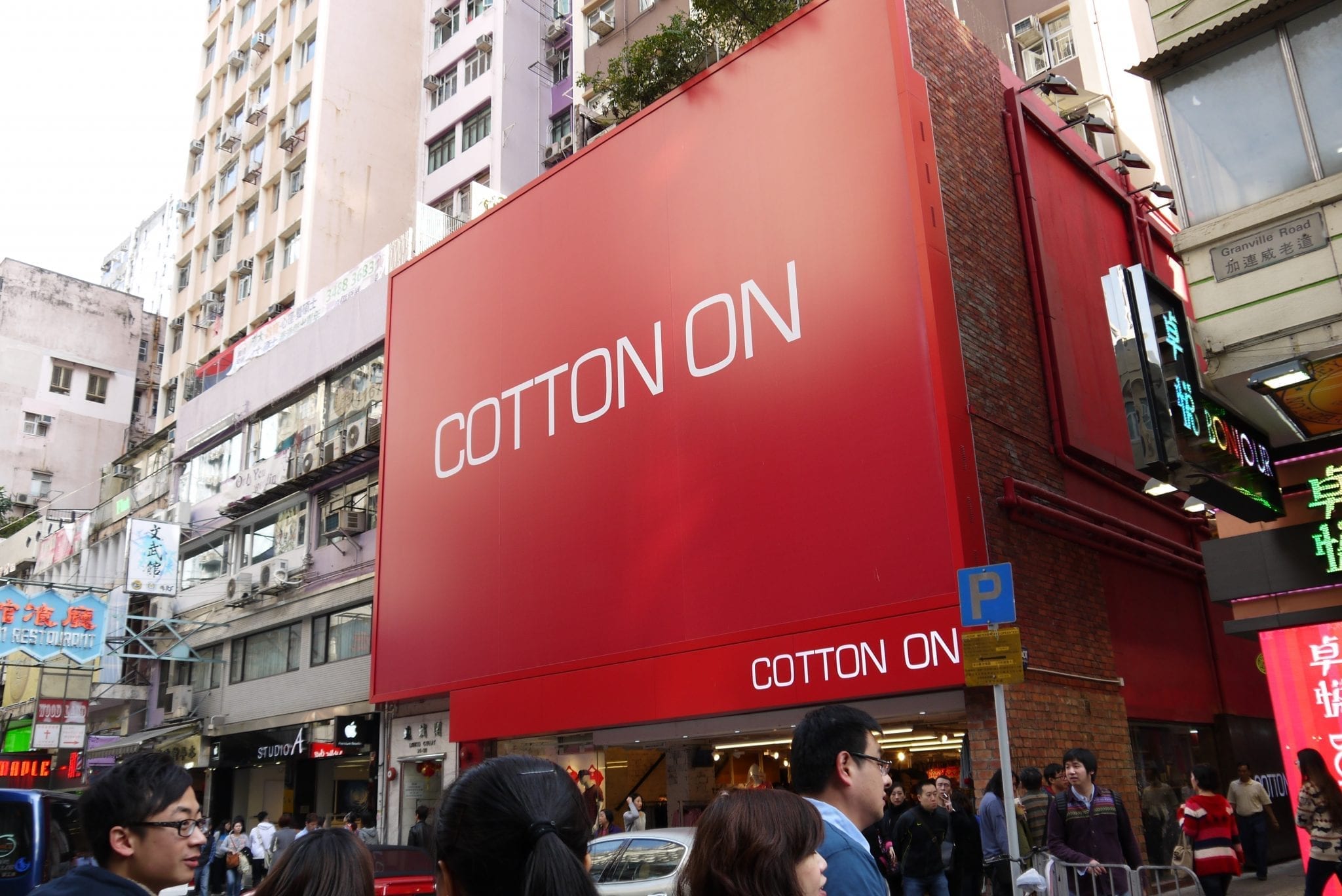
    Cotton On Group has become the top performing fashion retailer of 2017 in Australia, says a fashion report. The recognition solidifies the Group’s commitment to ethical and sustainable retailing, highlighting the steps it takes towards ensuring a safe, fair and sustainable environment in which its products are being sourced and manufactured.

    The Ethical fashion report by Baptist World Aid (BWA) grades companies on the efforts put in for a transparent and eco-friendly working condition. The research team assesses each company’s labour rights management system according to 40 specific criteria. These assessments consider three critical stages of the supply chain as a proxy for the entire supply chain: raw materials, inputs production and final manufacturing.

    “The environment in which our products are made and the materials used to make them form a critical part of our ethical responsibility – it’s just the right way to do business,” Cotton On Group’s ethical sourcing manager David Nesbitt said.

    “Over the last five years, we have worked closely with BWA to build on the strength of our existing ethical sourcing programme, allowing us to sense check and continually enhance our programmes with a focus on end-to-end mapping of our suppliers,” added Nesbitt. “We know we are on a continuous road to improvement and are committed to an ever-better supply chain for the long haul.”

    The Group’s ethical sourcing programme, including its 14 Rules to trade, has been in existence since 2009 and governs the sourcing, manufacturing and supply of products. Adherence to this code of conduct relies on the strength of the relationships the Group holds with its suppliers – some of which have been partners of the business for over 20 years.

  • Ralph & Russo Debuts Pop-Up Shop in Hong Kong Boutique

    Ralph & Russo Debuts Pop-Up Shop in Hong Kong Boutique

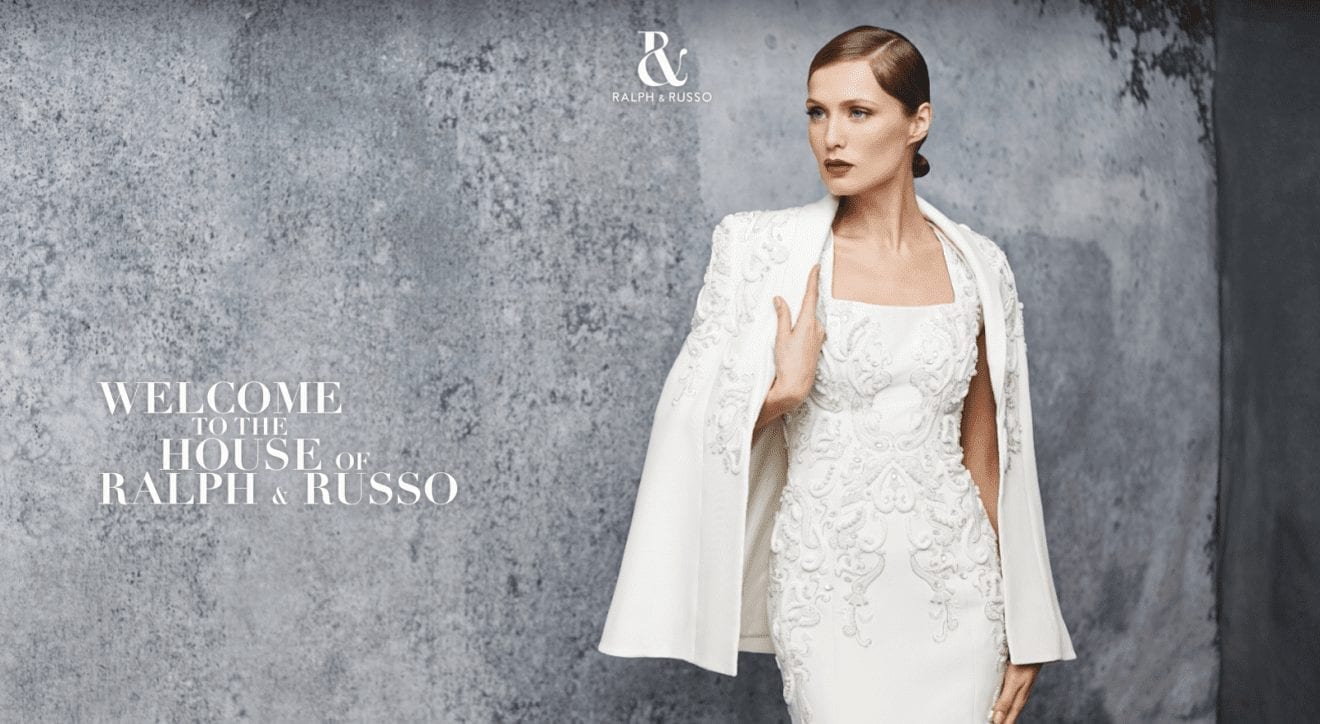
    The luxury British fashion label favored by Angelina Jolie, Gwyneth Paltrow and other celebrities is getting its own starring moment in Asia. This week, Ralph & Russo celebrated the debut of a pop-up shop in On Pedder’s New World Tower location in central Hong Kong.

    The space, situated on the mezzanine level of the luxury footwear and accessories boutique, features a curated selection of some of Ralph & Russo’s most decadent shoe designs, including the floral-print satin Eden boots (which retail for $1,650) and the Eden pumps with ornamental filigree.

    The Eden pumps range in price from $1,450 for a simple style with an embellished heel, up to $2,300 for a version with Swarovski crystals.

    Ralph & RussoRalph & Russo’s Eden ankle bootie with embellished heel, $1,650.
    Ralph & RussoRalph & Russo’s Eden pumps with ornamental filigree, $1,900.

    Like its collections, Ralph & Russo designed the pop-up space with sophisticated detailing, such as oversized mirrors and wooden paneling that turn the attention firmly to the product. And a raw wood tabletop in the center of the space offers a striking artistic juxtaposition and adds natural warmth to the tableau.

    Ralph & Russo On Pedder pop-upThe Ralph & Russo pop-up space in On Pedder in Hong Kong.

    The brand’s chairman and CEO, Michael Russo, who co-founded the label in 2007 with Tamara Ralph, said in a statement, “As soon as we visited On Pedder, we knew that there was perfect synergy between our collections and the values that the store represents — both are the epitome of luxury.”

    The pop-up space will be open from now until the end of July.

  • Apple opens flagship Singapore store, its first retail outlet in Southeast Asia

    Apple opens flagship Singapore store, its first retail outlet in Southeast Asia

    Saturday saw the official opening of Apple‘s new retail store in Singapore, also marking the first Apple Store to open in Southeast Asia. Officially known as Apple Orchard Road, the store is the latest of Apple’s next-generation retail stores, feature design elements like a large, all-glass front, open spaces to be used for community-focused events such as Today at Apple, tree planters inside, and custom wood furniture.

    The store’s design and interior were first revealed earlier this week when Apple finally had the barricades removed after months of work. At 10:00 AM on Saturday the store was opened to the public, with a significant crowd waiting outside. Apple’s senior vice president of retail, Angela Ahrendts, was present at the opening to welcome visitors and take part in the celebration with staff.

    After spending almost two years in the planning stages, Apple Orchard Road has come to life as two-story outlet featuring a curved staircase that features design elements borrowed from the new Apple Park headquarters in Cupertino. Upstairs guests will find the Genius Grove and gathering area for Today at Apple sessions, while the bottom floor has plenty of tables showcasing the company’s many products and accessories.

    Part of Apple’s goal with redesigning their stores is to change the public’s perception of the locations as simply places to buy Apple products. Ahrendts has said that they want Apple stores to be viewed more as meeting spots, much like Starbucks, or as places where interesting events take place, with friends wanting to check it out together.

  • Colt optimizes routes between Tokyo, Chicago exchanges

    Colt optimizes routes between Tokyo, Chicago exchanges

    Colt Technology Services has launched newly optimized low-latency network routes linking stock exchanges in Tokyo and the Chicago Mercantile Exchange.

    The enhancements aim to benefit traders in Chicago who require fast connectivity to Tokyo, or exchange venues in Tokyo that require low-latency connectivity to Chicago.

    Connectivity will be provided through the company’s private Ethernet-based Colt IQ Network. Latency between Tokyo and Chicago is expected to reach a mere 121.07ms between each endpoint after network optimization.

    Exchange venues across the globe will be able to utilize Colt’s ultra-low-latency network that links financial markets in Japan and America. Enterprises in other industries that require leased bandwidth, advanced security, and low-latency Ethernet services are also expected to benefit from these optimizations.

    Bandwidth is selectable from a range of 1Mbps to 10Gbps, and offers optional protection and redundancy.

    Colt has also commenced optimization of other key routes in the Asia-Pacific region.

    The company said its network is configured to be fully redundant, from the infrastructure and backbone to the local loop. Point-to-Point, Point-to-Multipoint, and Multipoint-to-Multipoint topology options are available. Colt’s services are based on MEF9 and MEF14.

  • Koreans consume 377 cups of coffee on average in 2016

    Koreans consume 377 cups of coffee on average in 2016

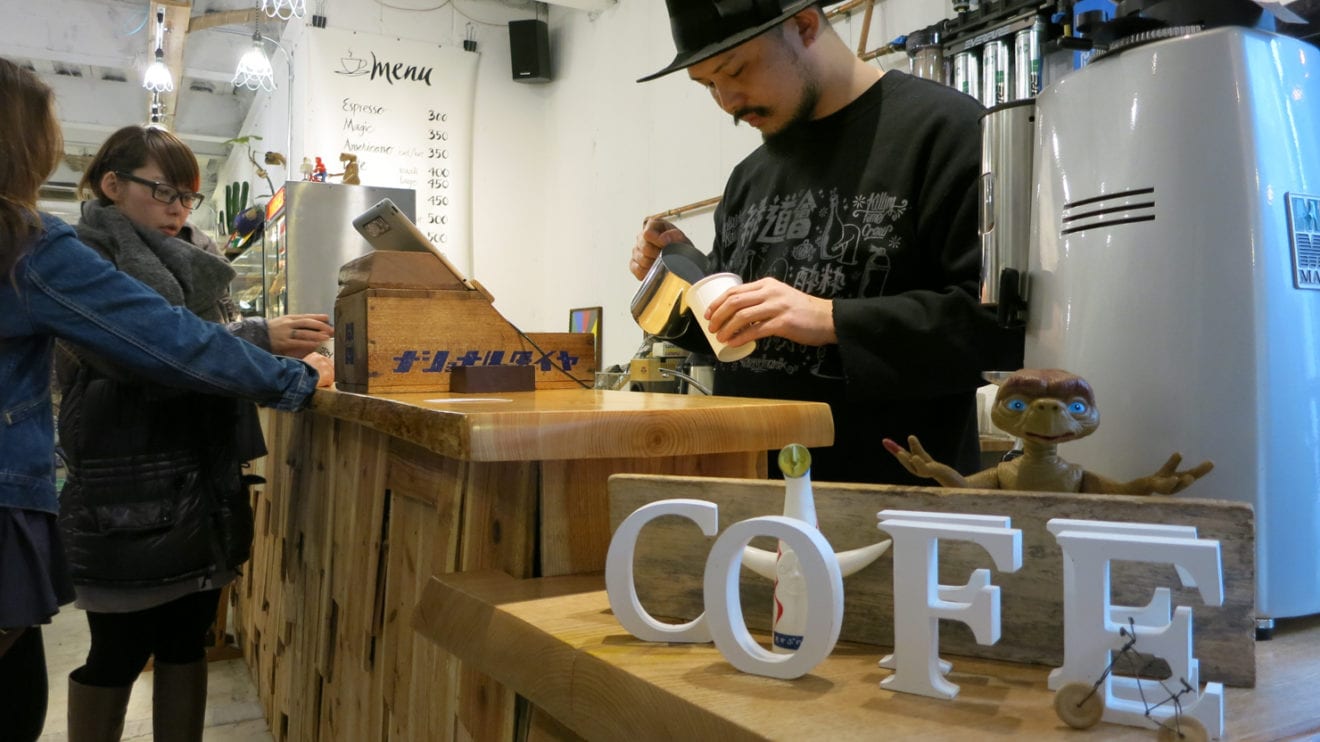
    South Koreans drank a total of 377 cups of coffee per person on average last year, mirroring brisk growth of the sprawling market fueled by a flurry of various franchises, a government report showed.

    The average coffee consumption, based on South Koreans aged over 20, has grown at an annual rate of 7 percent since 2012, according to the report by the Ministry of Agriculture, Food and Rural Affairs and the Korea Agro-Fisheries & Food Trade Corp.

    The size of the domestic coffee market reached 6.4 trillion won (US$5.68 billion) as of end-2016, up 30.6 percent from 4.9 trillion won tallied in 2014.

    Of the figure, coffee franchises accounted for 62.5 percent last year, up from 53.8 percent two years earlier, reflecting that the coffee brands have led the market growth.

    Big coffee chains, such as Starbucks and Paul Bassett Korea that attract customers with high-quality brewed drinks and a wide range of choices, have spurred smaller businesses on to launch their own brands, the report said.

    The outbound shipments of coffee products, which include ready-to-drink coffee that usually come in as powdery or liquid forms in small packs, nearly doubled to US$180.21 million in 2016 from US$91.9 million in 2007. Their imports grew about 3.8 times to US$204 million in the same period.

    Russia was the biggest exporting market for South Korea, accounting for 25.4 percent of the total shipments, due largely to the popularity of Korea-made powdery coffee sticks, followed by China with 17.3 percent and Greece with 11.6 percent.

    The global coffee product market was valued at US$125.6 billion as of end-2015. Japan trumped the market with a 30.9-percent share, trailed by the United States with 17.2 percent. South Korea’s share stood at 1.5 percent.

  • Hong Kong cellcos call for clear spectrum roadmap

    Hong Kong cellcos call for clear spectrum roadmap

    Hong Kong’s mobile operators are all calling on the government to develop a clear spectrum roadmap that covers the release and allocation of spectrum for 5G services.

    HKT has called on the government to perform an “urgent and radical overhaul” of its mobile spectrum policies and practices to prepare for the introduction of 5G mobile technology.

    The Office of the Communications Authority (OFCA) must improve its “archaic mobile spectrum principles and practices,” or the telecoms industry and Hong Kong as a whole will suffer irreparable damage, the operator has argued.

    In a response to the government’s public consultation on the re-assignment of 900-MHz and 1800-MHz mobile spectrum, widely used for mobile services, HKT said a new, forward looking plan for spectrum management is needed to meet the future needs of the industry and Hong Kong society.

    The operator called an earlier attempt by the government to attract new market entrants “an example of the complete failure of its policy.”

    While 21 ViaNet originally bid for 30 MHz of 2.3-GHz spectrum with the stated aim of launching mobile services, the company subsequently decided to use the spectrum for local fixed services, and then reduced its use of the valuable spectrum to only cover certain village houses. HKT said this wasted “valuable mainstream mobile spectrum which is in short supply in Hong Kong.”

    “Hong Kong is facing a severe spectrum deficit and is seriously lagging behind the other developed markets in policy making. The government’s current spectrum rollout plan has failed to set the stage for early adoption of 5G,” HKT group managing director Alex Arena said.

    “Along with the archaic principles and practices adopted by the CA for building access, spectrum charging, and spectrum management, this poses a clear and substantial threat to Hong Kong’s services based economy, consumer satisfaction, our role as a telecommunications hub, our ability to service as a gateway to Mainland China, and our ability to be a creative center.”

    HKT wants the government to provide a clear roadmap for the release of adequate spectrum to the industry, classify mobile operators as utility providers and facilitate their access to buildings and land for cell site installation and manage spectrum in a way that incentivizes investment by industry.

    In addition, HKT is calling for an overhaul of the current spectrum utilization fee (SUF), replacing the current system of charging on a per MHz basis to reflect the large bandwidth that will be required for 5G.

    The operator said in 2016, spectrum costs represented 12.2% of its operating costs, well above OFCA’s calculation of 3-4%.

    “As we move into the information economy, our telecommunications infrastructure is a vital national resource. There is no time to waste. The Government needs to resolve these matters now,” Arena said.

    “HKT, together with the rest of the industry, looks forward to engaging in active dialogue and discussion with the Government about the way forward.”

    In a separate submission, rival SmarTone also called for the development of a clear spectrum roadmap.

    The operator indicated that it supports the adoption of a hybrid approach combining administrative acquisition of spectrum with a market based approach to its release, one of the three options being proposed for the future management of spectrum assets.

    Meanwhile 3 Hong Kong’s submission has asserted that the regulator should be giving existing licensees of 900-MHz and 1800-MHz spectrum a right of first refusal while reallocating the frequency bands.

    The operator argued that taking spectrum away from mobile operators would hinder long-term investment and innovation and risk disrupting customer service continuity. An excessive SUF is the equivalent to a spectrum tax on mobile users and is against the public interest, the submission added.

  • Introducing Māzŭ Resortwear, luxury swimwear brand for men

    Introducing Māzŭ Resortwear, luxury swimwear brand for men

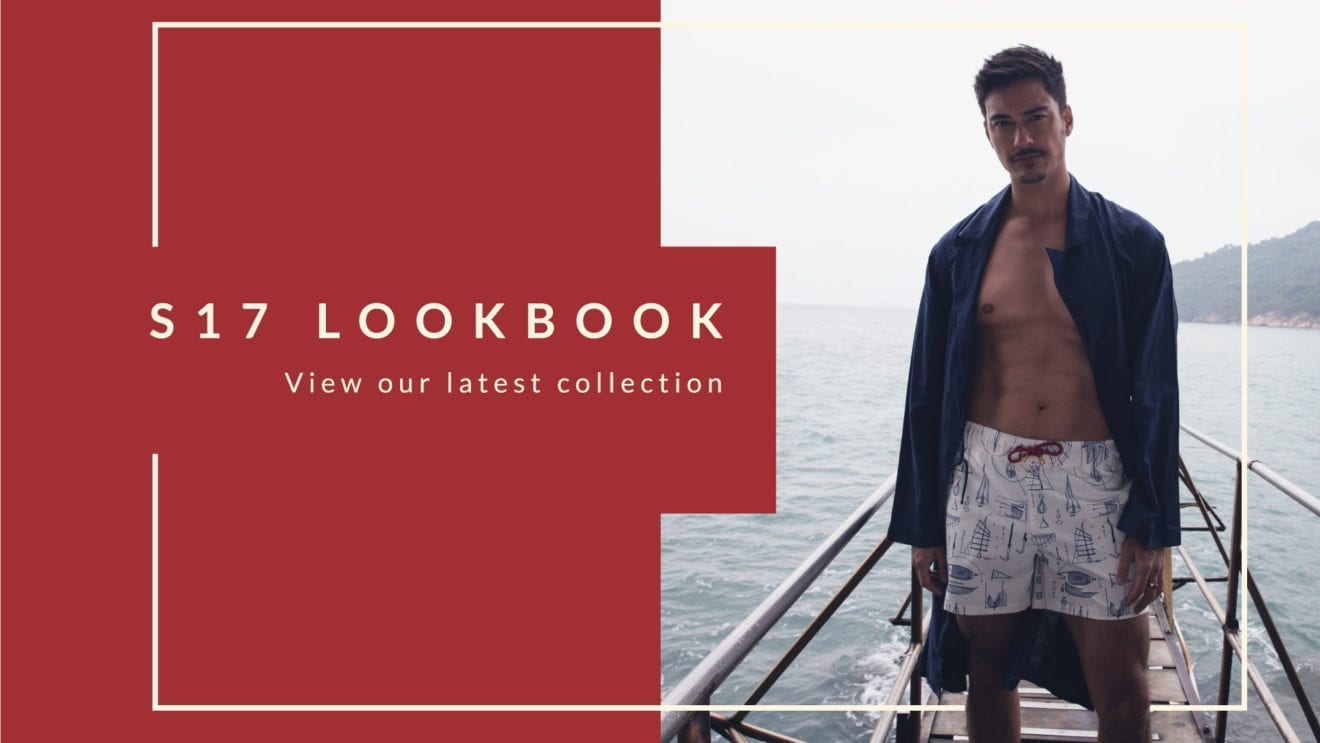
    Inspired by Hong Kong and Asia’s maritime history, Māzŭ allies West to East culture and quickly settles in the Asian swimwear industry.

    Māzŭ Resortwear is a Hong Kong based luxury men swimwear brand founded in 2015 by Adam Raby. The company was built upon the concept of transmitting the Asian maritime heritage to its customers. Its name, Māzŭ, stands for the goddess of the sea in Chinese, a figure which is often represented in Hong Kong temples situated by the sea. Moreover, it is no surprise for the brand’s founder that “Hong Kong has an intimate relationship with the water, as it is called Perfumed Harbour in Chinese”.

    According to Raby, “the typical Māzŭ customer would be someone who essentially cares about fashion, conscious about what he wears to look good by the pool, on its yacht or by the beach”. He defines his company as a swimwear fashion brand and distinguishes it from a functional swimwear brand.

    Going back to its debuts, the company was financially settled by a friend who injected small capitals. Today, in perspective of taking the business to a new level to better impact the market, Māzŭ is looking to raise more funds. Currently having 23 points of sale opened across Asia, the brand plans to increase its numbers up to 55 points of sale by the end of 2018.

    In order to deliver 2 collections a year; the summer collection in April and the cruise collection in November, Māzŭ tries to stay aligned with its customers’ constant needs. According to its founder, there is a shift now; “people want to look good by the water instead of being functional in the water”. Hence, his role is “all about making them feel comfortable, confident and inspired while wearing a swimwear”.

    From a marketing and advertising background, Raby thinks that branding is the key to success. So as to reinforce the brand’s image, it was also important for the founder to make sure that a Hong Kong fashion business would be manufactured in China, hence stating: “I have to believe where we are from”. For him, China is operating a shift in its manufacturing quality process, meaning that efforts are made with the help of “better workers with better skills”, to produce better quality garments.

    This philosophy has thus led Māzŭ to grow within Asia year after year, plans to develop the brand regionally and to develop new categories of products in the future. As Raby says, “the idea is that if a gentleman from Asia is looking to go on holidays to get some sun, I would like to be that one stop solution where the Māzŭ customer could go into our shop and buy anything he needs to go on a summer, beach or luxury yacht holidays.”

  • Nepal’s Smart Telecom secures 4G license

    Nepal’s Smart Telecom secures 4G license

    Nepal’s Smart Telecom has become the market’s third mobile operator to secure a 4G license from the Nepal Telecommunications Authority (NTA).

    The regulator has authorized Smart Telecom to launch 4G over its existing 1800-MHz spectrum holdings from July 30.

    The license has been granted based on Nepal’s technology neutral spectrum principle, but has the condition that Smart Telecom must pay all unpaid spectrum, renewal and frequency fees by the July 30 deadline.

    Smart will also be required to submit 4G operation reports to the regulator every three months, the report adds.

    With the approval, three operators have now been cleared to launch 4G services. Nepal Telecom secured a license in October, while Ncell’s application was approved earlier this month.

    Smart Telecom has announced plans to commence its 4G rollout in major cities including Kathmandu, Lalitpur, Bhaktapur, Pokhara, Birgunj and Bhairahawa. The operator is Nepal’s smallest mobile player by subscribers, with a market share of less than 1%.

    Of the market’s six mobile operators, only United Telecom has also expressed an interest in launching 4G. But the regulator has yet to decide whether to grant a 4G license to the operator.

  • AirAsia: No merger with AirAsia X

    AirAsia: No merger with AirAsia X

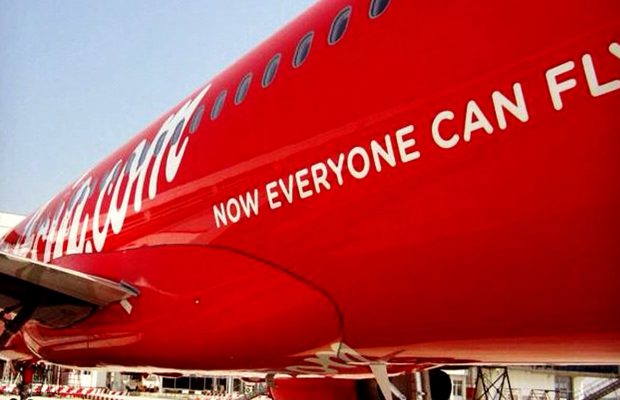
    Low cost carrier AirAsia Bhd and its long-haul sister company AirAsia X Bhd (AAX) are not considering a merger, according to the co-founders of both the low cost carriers.

    At a press conference today, AirAsia Group chief executive officer Tan Sri Tony Fernandes said the merger was never brought to the board of directors, and the management remain in their belief that both short and long haul operations have to be separated.

    “AirAsia’s position is very clear, the board has never discussed this and there is no merger at all,” he said.

    “The whole purpose of setting up AAX as a separate company, is because we believe it should be separated, and 10 years on we still believe that,” he added.

    Last week, local media reported that there will be a possible merger between the two companies.

    Today AirAsia Group’s executive chairman Datuk Kamarudin Meranun also clarified that it is premature to talk about merger between the two entity, and AAX should remains focus on improving its profitability.

    “In AirAsia everything is possible, but I made it very clear that we should focus on AAX’s profitability strength first, and the issue has never been discussed at the board,” he said.

    On the AirAsia’s China venture, Fernandes said it represents the first stage of establishing an airline there and the group is unfazed by concern of local airlines may lobby against the idea.

    “It is the first stage and we are very proud and excited about it, there are many stages, we been through that in India, there should be something by the end of this year. I can’t talk for the other airlines, but all over the world, airlines have been lobbying against us, but we still did it,” he said.

    Earlier this month, AirAsia signed a memorandum of understanding (MoU) with China Everbright Group and the Henan Government Working Group to jointly explore the planned establishment of a budget airline in China.

    The MoU enabled AirAsia, Everbright and the Henan Government “to confirm their interest” in forming joint venture (JV) entity AirAsia (China). Henan is a province in central China.

    The MoU parties planned to incorporate AirAsia (China) in Henan’s capital city Zhengzhou, which is intended to be the headquarters of AirAsia (China).
    At the midday break, AirAsia rose 5.78% or 17 sen to RM3.11 while AAX fell 3.33% or 1.5 sen to 43.5 sen.

  • Garuda to operate large aircraft to serve Lebaran travelers

    Garuda to operate large aircraft to serve Lebaran travelers

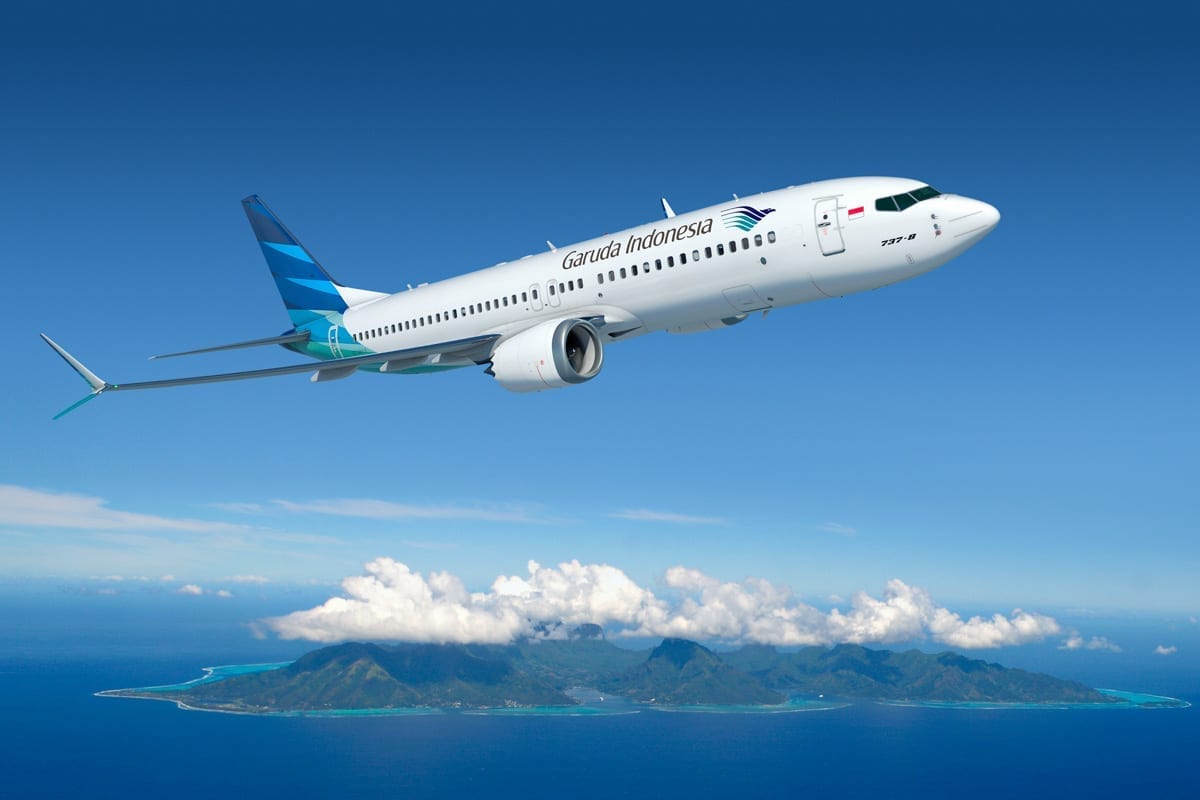
    Flag carrier Garuda Indonesia is preparing 61,324 flight seats through the operation of large aircraft for an extra flight in anticipation of an increase in passengers during the post-fasting Eid ul-Fitr or Lebaran 2017.

    President Director of PT Garuda Indonesia Pahala N. Mansury said the Lebaran is a period when flight operations peak, mainly coinciding with school holidays, so that seat capacity this year increased to 87.24 percent.

    “During the increase this year, there are additional seats of around 60 thousand for the Lebaran peak season. One-third of it is from the large aircraft, while the remaining two-thirds include additional frequencies for both domestic and international flights,” Pahala noted here on Saturday (May 27).

    There is also the use of wide-bodied aircraft (bigger aircraft) and extra flights consisting of 50,210 seats to 11,114 seats on domestic routes and international routes.

    Meanwhile, the type of aircraft to be operated are B737-800 (162 passengers), A330-200 (222 passengers), A330-300 (287 passengers), and entire economy class A330-300 (360 passengers).

    Previously, VP Corporate Communications Garuda Indonesia Benny S. Butarbutar remarked at the Lebaran peak season this year that Garuda Indonesia operates a total of 348 additional flights comprising 188 extra flights and 160 flights using large aircraft.

    “The addition of low-capacity Lebaran peak season this year increased by 87.24 percent of the total capacity of extra flights in the same period last year,” Benny stated.

    Homecoming of passengers are expected to take place from June 16 to July 9, 2017, for both domestic and international routes.

    Garuda Indonesia appealed to all service users to plan a trip as early as possible and use the city check-in facility at the sales offices of Garuda Indonesia or in the web check-in and phone check-in to avoid long queues at the check-in booths in the airport.

  • UOB UnionPay Card Relaunched with 2% Cash Rebate

    UOB UnionPay Card Relaunched with 2% Cash Rebate

    UOB and UnionPay International (UPI) have revamped its UOB UnionPay Card as a simple, no-frills card. The UOB UnionPay Card offers a 2% cash rebate on local and overseas spend1, with no minimum spending restrictions, enabling customers to reap cash rebates of up to S$600 for the first year.

    Sporting a brand new design and UnionPay’s contactless payment feature QuickPass, the UOB UnionPay Card enables Cardholders to pay for their purchases via quick tap-and-go at participating point-of-sales (POS) counters. Cardholders can take advantage of this convenient feature at local merchants such as BHG, BreadTalk, M1 and Shaw Theatres, along with overseas merchants such as 7-Eleven in Macau, SaSa in Hong Kong and Watsons in South Korea.

    “The UOB UnionPay Card is perfect for those who want fuss-free rewards. It simplifies money management, and makes life easier for everyone with a simple cash rebate system. With the QuickPass contactless payment feature, Cardholders can also make payment quickly and easily by tapping their cards at participating contactless payment terminals, saving them time that can be spent on more important moments in life. This card also represents our commitment to bringing products that are tailored to the needs of local consumers, and underscores our desire to continually enhance our products and services to serve them better,” said Wenhui Yang, General Manager for Southeast Asia, UnionPay International.

    Ms Choo Wan Sim, Head of Cards and Payments Singapore, UOB said: “UOB was the first and remains the only Singapore bank to offer a UnionPay credit card. In 2008, we launched our first card in recognition of the increasing travel and trade between our two markets. Since then, our cardmembers have been using the card to make purchases in China through UnionPay’s extensive acceptance network. In the last two years, we have seen a 20 per cent increase in the number of customers making purchases in China, not just for big ticket items but also for daily essentials such as groceries. UOB UnionPay cardmembers will now be rewarded with cash rebates on the purchases they make overseas and in Singapore.”

    In addition to receiving 2% cash rebate, new sign-ups for the UOB UnionPay Card can enjoy: 

    3-year annual fee waiver

    New customers who sign up for the UOB UnionPay Card can enjoy a 3-year waiver of the annual card membership fee from the date of application.

    More cash rebates until 30 September 2017

    The first 2,000 customers who sign up for the card and whose card is approved between 26 May 2017 and 31 August 2017 can also enjoy two times the rebate i.e. 4% on all spend until 30 September 20171.

    UOB UnionPay Cardholders will also be able to enjoy global offers for shopping, dining, travel and entertainment, including duty free offers at over 100 international airports around the world. UnionPay Cardholders can download the UnionPay International application via Apple App Store or Google Play Store and enjoy discounts of up to 30% at Bath & Body Works, Kate Spade, Michael Kors, TUMI and Victoria’s Secret, along with other attractive U Plan offers at Matsumoto Kiyoshi in Japan, Macy’s in the USA and King Power in Thailand among others.

    In addition, the UOB UnionPay Card, a Platinum Card, entitles Cardholders to the privileges in U Collection, with global concierge services, airport VIP services and an exclusive range of dining privileges specially curated for premium Cardholders. The UOB UnionPay Card is available for sign up from 26 May 2017. To sign up online, visit uob.com.sg/unionpay

  • Alibaba to lead $1b round into Chinese food delivery startup

    Alibaba to lead $1b round into Chinese food delivery startup

    Alibaba and its finance affiliate, Ant Financial, are in talks to lead a round of at least US$1 billion into Ele.me, one of China’s leading food delivery startups, according to anonymous sources that spoke to us.

    The fresh boost in capital will value Ele.me at US$5.5 billion to US$6 billion, and will help the startup battle against Meituan-Dianping, a competing service backed by Tencent, citing people familiar with the matter.

    “We do not comment on market speculation,” an Alibaba spokesman told us. Ant Financial declined to comment.

    China’s food delivery industry reached a heyday of activity in 2015, the year that food delivery startup Meituan and daily deals service Dianping merged into one entity. That year, both startups employed cash-burning subsidies to win market share.

    The industry quickly became a proxy war between Alibaba and Tencent, with the former backing Meituan and the latter investing in Dianping. However, after making peace over Meituan-Dianping, the fight has reignited – this time between Ele.me and Meituan-Dianping.

    Both are cornerstones of Tencent and Alibaba’s empires. In particular, the two startups fit into Tencent and Ant Financial’s mobile payment strategy, where online services, peer-to-peer payments, and purchases at brick-and-mortar retailers are conducted through the phone. By investing in Meituan-Dianping and Ele.me, both tech giants can embed their digital wallets inside the food delivery apps – and gather transaction data about customers.

  • Lalamove Pick-Up Price Drops Down

    Lalamove Pick-Up Price Drops Down

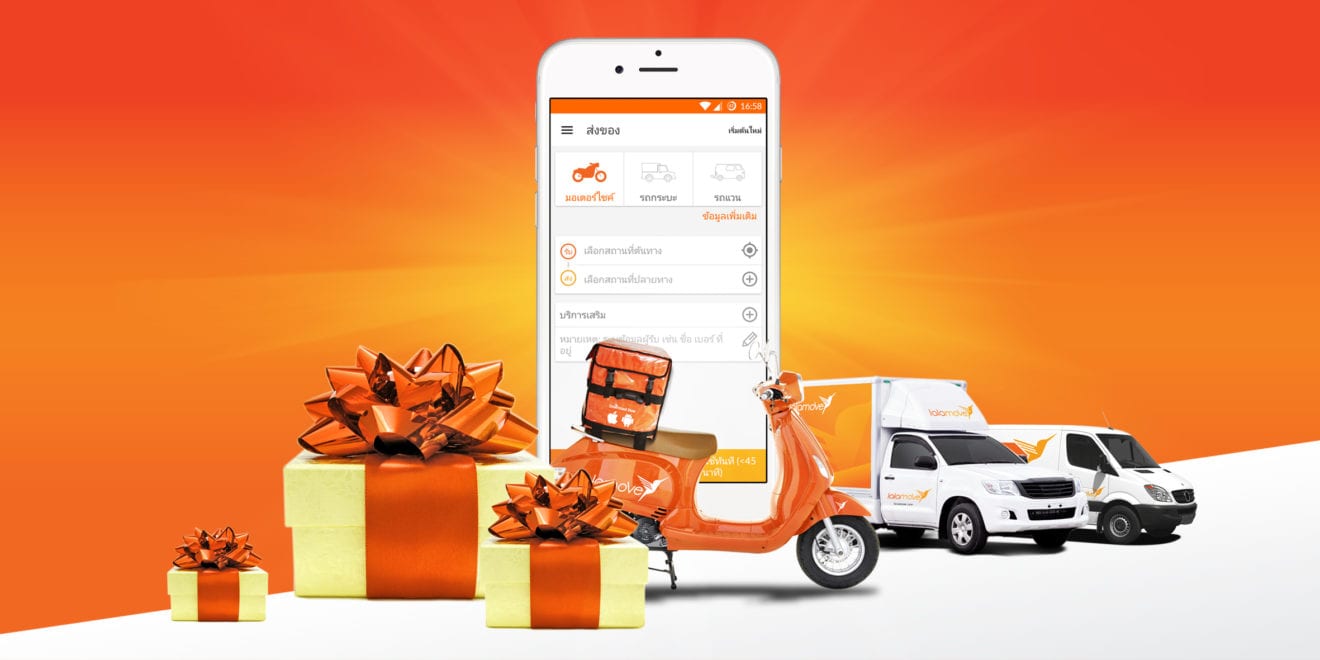
    Hong Kong based on-demand delivery app Lalamove is moving its moves upwards to a new high. Lalamove is offering its growing customer base a special new cut-price for its pick-up rentals at just THB 450 plus THB15 per kilometer for the first 100 kilometers; with rates dropping down even further with distances exceeding this and attracting out-of-town movers who need a pick-up and driver beyond Bangkok. Currently, Lalamove door-to-door delivery services are available from Bangkok to the capital as well as Chonburi, Rayong, Chanthaburi and Nakhon Ratchasima.

    More and more customers are taking advantage of Lalamove’s quality pick-ups, experienced drivers and professional delivery services. Customers are increasingly using Lalamove to move home, transport goods bought and sold between individuals advertised online as well as office moves.

    Capable of transporting one ton per pick-up with additional services such as the driver and extra hands helping with the load, Lalamove is perfect for moves both near and far.

    Easy to use and customer-friendly, the Lalamove app has also recently been redesigned to enhance the user experience with scope for adding more features too.

    Lalamove now hosts the largest delivery service area across Asia with operations in Hong Kong, Singapore, Bangkok, Taipei, Manila and 43 cities in China with over 50,000 drivers. The number of registered users regionally has grown to more than 5 million in the past three years. In Thailand, the number of download is currently 210,000 with over 17 thousands of registered drivers.

  • Creme Maison announces strategic partnership and expansion plans

    Creme Maison announces strategic partnership and expansion plans

    Singapore-based bakery Creme Maison announces partnership between two young Gen-Y entrepreneurs, Ms Angeline Ng and Ms Serene Tan. Founded in 2014 by Ms Angeline Ng, Creme Maison has gained a cult following for its signature floral cupcake bouquet, which is crafted entirely out of buttercream. Constantly pushing the boundaries with bold, innovative flavours such as bestsellers Matcha Salted Egg, Raspberry Lychee Rose and Earl Grey Lavendar, the brand places a strong emphasis on using only fresh premium ingredients.

    The synergistic partnership between the two came about when Serene embarked on a blind cake tasting spree to find the best tasting cakes in Singapore. What began as a casual meeting evolved into a partnership with plans to expand and introduce the brand to the Taiwanese market. Coupled with her experience from franchising popular dessert chain Dazzling Café, Serene saw immense potential in the Taiwanese market for a bakery with a unique concept such as Creme Maison’s, and believes that it will be well received in Taiwan.

    Bringing to the table her experience with supply chain management and process implementation, Serene will be responsible for the business side of the partnership and will be establishing a strong local headquarters and developing processes to increase productivity.

    Locally, plans are currently underway for Creme Maison’s central kitchen, which will be ready in the third quarter of 2017. The central kitchen is expected to increase productivity to meet the growing demands locally.

    The brains behind Creme Maison’s creations and bold flavours, Angeline is responsible for spearheading the brand’s R&D efforts. Angeline hopes to excite consumers with new interesting flavours, as well as introduce options for the health-conscious, and consumers with allergies. “Cakes are for joyous occasions, and we want to be able to share the experience with everyone, whether you are gluten intolerant, or have any dietary restrictions, in exchange for big smiles and contented hearts,” said Angeline.

    With plans to expand regionally, Creme Maison not only has its sights set on Taiwan, but has plans to further expand its international presence in other parts of Asia within the next two years. Besides expanding the business through bespoke customised cake and wedding orders, the brand hopes to introduce new to market features such as unique and interactive user experience to consumers, as well as investing in a strong team for R&D and product innovation.