Author: Mei Ling Tan

  • Huawei, Toshiba to work on NB-IoT for ‘smart factory’

    Huawei, Toshiba to work on NB-IoT for ‘smart factory’

    Huawei has signed a MoU with Toshiba to collaborate on the integration of NB-IoT (Narrowband Internet of Things) for the development of “smart factory” solutions.

    The cooperation between Huawei and Toshiba will accelerate the commercial availability of NB-IoT in a diverse range of vertical industries, supporting a range of applications and deployment scenarios as operators are looking ahead towards new business opportunities in vertical industries.

    Both companies will work together to develop enhanced wireless product life cycle management solutions based on NB-IoT technology applied to real-world manufacturing scenarios.

    As a first step, Huawei will work closely with Toshiba by providing the communications technology expertise and help facilitate the integration of NB-IoT technology within Toshiba’s current IoT gateway, with initial testing scheduled to be performed in Huawei’s NB-IoT Open Lab located in Shanghai.

    The next phase will see actual live field tests being performed with expectations from both companies to develop a suite of smart factory solutions based on NB-IoT technology ready for global commercialization.

    With the number of connections in smart factories possibly reaching 100 million by 2020, the integration of NB-IoT within the smart factory will greatly enhance the data collection ability over wider areas in factories worldwide using cellular network connectivity, further improving management efficiency of the manufacturing process, and the ability to enhance product lifecycle management.

  • Vietnam state investment arm SCIC partners Thai Kasikornbank

    Vietnam state investment arm SCIC partners Thai Kasikornbank

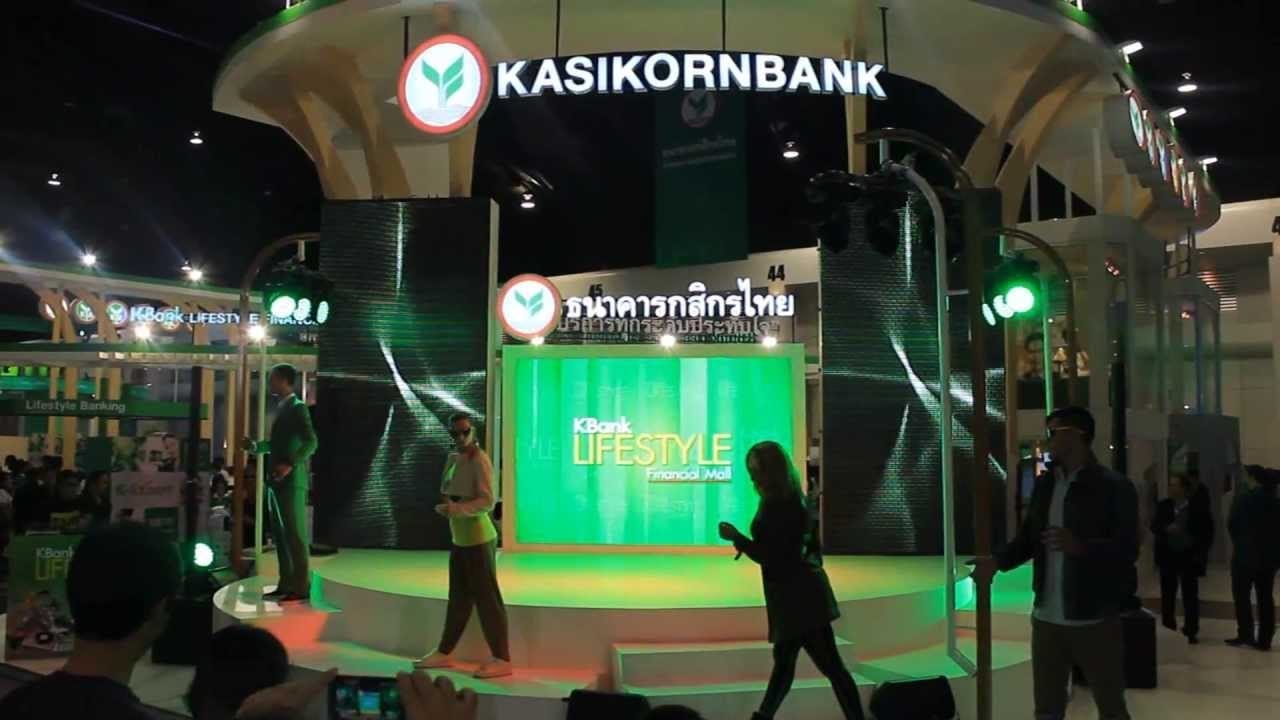
    Vietnam’s government investment arm SCIC, the state investor in the country’s biggest firm Vinamilk, has inked a deal with Thai Kasikorn Bank to unlock more investment opportunities in Vietnam. SCIC, or the State Capital Investment Corporation, said the collaboration will help woo foreign investors into the country as well as improve its investment climate through the exchange of expertise.

    Thailand has accounted for significant investments into Vietnam, notably in the retail sector. TCC Holding and Central Group put a war chest to acquire retail assets in Vietnam over the past two years to secure top positions in this $118 billion market. SCIC last year sold 5.4 per cent of Vinamilk to Thai beverage firm F&N in a $500 million deal. F&N had been already a major shareholder at the dairy company with an 11 per cent interest.

    Thai brewer Singha also played big with a $1.1 billion infusion into Masan Group’s units. Thai investors are also beefing up their direct investments. Direct investment and M&A capital from Thailand in Q1, 2017 were valued at $168 million, a surge of 20 times compared to the same period in 2016. Vietnam has been seen as a magnate for foreign investors thanks to its stable economic annual growth of some 6.5 per cent, blended with a rising middle class and improving infrastructure.

    The total new committed FDI and M&A capital into the country in the first four month of this year reached $10.6 billion, in which share purchases accounted for $1.36 billion, according to the General Statistics Office. The SCIC represents the State ownership in shares of major local businesses, including Vinamilk, Hau Giang Pharmaceutical, Vietnam Construction and Import-Export JSC, tech firm FPT, insurer Bao Viet and Traphaco. In March, the sovereign wealth fund had also signed a similar agreement with Singapore property developer Keppel Land to promote investment opportunity in Vietnam.

  • India’s electric vehicles push likely to benefit Chinese car makers

    India’s electric vehicles push likely to benefit Chinese car makers

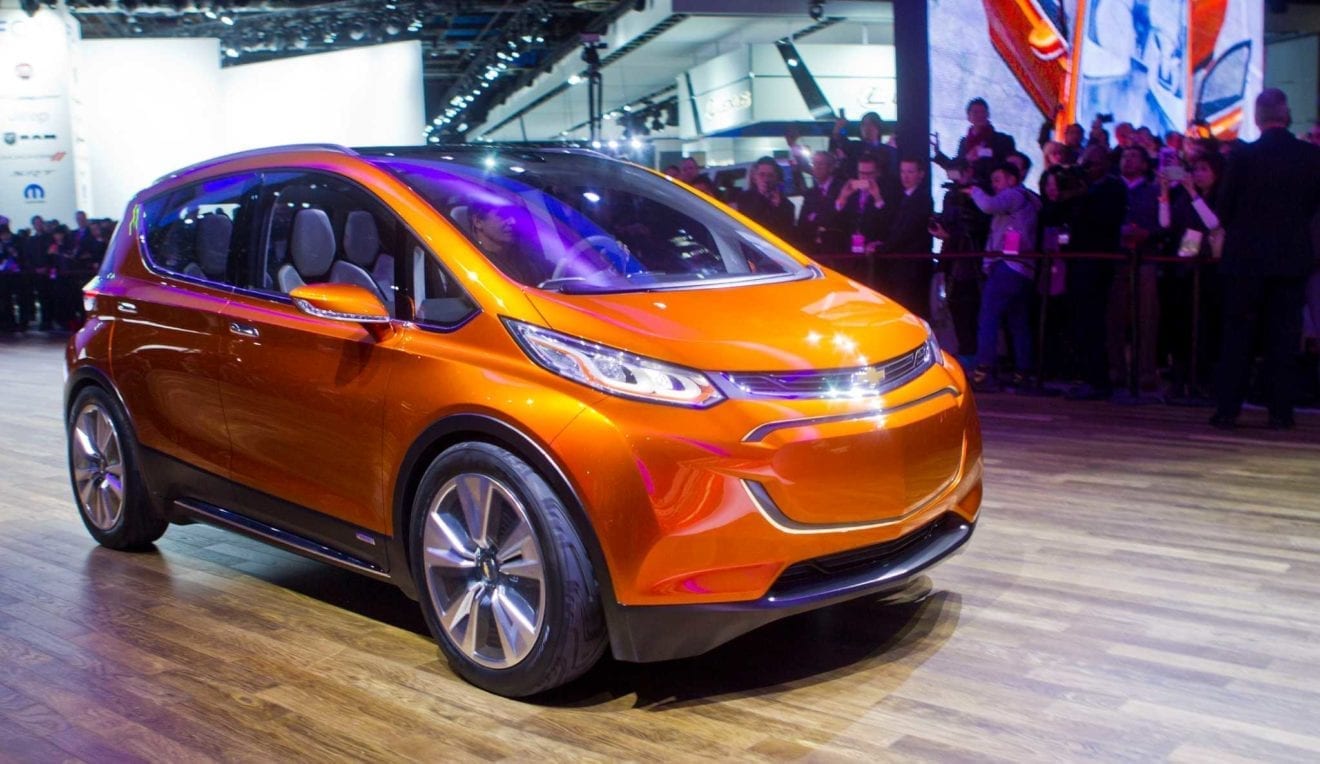
    India’s ambitious plan to push electric vehicles at the expense of other technologies could benefit Chinese car makers seeking to enter the market, but is worrying established automakers in the country who have so far focused on making hybrid models.

    India’s most influential government think-tank unveiled a policy blueprint this month aimed at electrifying all vehicles in the country by 2032, in a move that is catching the attention of car makers that are already investing in electric technology in China such as BYD and SAIC.

    The May 12 report by Niti Aayog, the planning body headed by Prime Minister Narendra Modi, recommends lower taxes and loan interest rates on electric vehicles while capping sales of petrol and diesel cars, seen as a radical shift in policy.

    India also plans to impose higher taxes on hybrid vehicles compared with electric, under a new unified tax regime set to come into effect from July 1, upsetting car makers like Maruti Suzuki and Toyota Motor.

    The prospect of India aggressively promoting electric vehicles was a “big opportunity”, a source close to SAIC, China’s biggest automaker.

    “For a newcomer, this is a good chance to establish a modern, innovative brand image,” the source said, although they added the company would need more clarity on policy before deciding whether to launch electric vehicles in India.

    Earlier this year SAIC set up a local unit called MG Motor which is finalising plans to buy a car manufacturing plant in western India. A spokesman at SAIC did not comment specifically on the company’s India plans.

    Warren Buffett-backed BYD already builds electric buses in the country, while rival Chongqing Changan has said it may enter India by 2020.

    BYD said in a statement the company would have “a lot more confidence” to engage in the Indian market if the government supported the proposed policy. The company said it would look at increasing its investment in India but did not give details on how it would expand its business and market share.

    High Costs

    While the Niti Aayog report has not yet been formally adopted, government sources have said it was likely to form the basis of a new green cars policy.

    If so, India would be following similar moves by China, which has been aggressively pushing clean vehicle technologies. But emulating China’s success could be tough.

    Electric vehicles are expensive due to high battery costs, and car makers say a lack of charging stations in India could make the whole proposition unviable.

    The proposed policy focuses on electric vehicles, and is likely to also include plug-in hybrids. But it overlooks conventional hybrid models already sold in India, such as Toyota’s Camry sedan, Honda Motor’s Accord sedan and so-called mild hybrids built by Maruti Suzuki.

    Hybrids combine fossil fuel and electric power, with mild hybrids making less use of the latter.

    In doubling down on electric power India would be shifting away from its previous policy, announced in 2015, that supported hybrid and electric technology.

    That could delay investments in India, expected to be the world’s third-largest passenger car market within the next decade, according to industry executives and analysts.

    “All these policy changes will affect future products and investments,” said Puneet Gupta, South Asia manager at consultant IHS Markit, adding that most car makers would need to rethink product launches, especially of hybrids.

    Economic Gap

    Mahindra & Mahindra is the only electric car maker in India but has struggled to ramp up sales, blaming low buyer interest and insufficient infrastructure.

    Pawan Goenka, managing director at Mahindra said the company was working with the government and other private players to set up charging stations in India. Mahindra was also focusing on developing electric fleet cars and taxis, Goenka said.

    The cost of setting up a car charging station in India ranges from $500 to $25,000, depending on the charging speed, according to a 2016 report by online journal IOPscience.

    While the proposed policy suggests setting up battery swapping stations and using tax revenues from sales of petrol and diesel vehicles to set up charging stations, it does not specify the investment needed or whether the government would contribute.

    “For full electric vehicles, the economic gap remains huge and the charging infrastructure needed does not exist,” said a spokesman at Tata Motors. The company makes electric buses and is working on developing electric and hybrid cars.

    Delayed Pans

    Most automakers have focused on bringing in hybrid models that are seen as a stepping stone to electrification. Toyota recently launched its luxury hybrid brand Prius in India, while Hyundai Motor plans to debut its Ioniq hybrid sedan next year.

    Maruti’s parent Suzuki Motor, along with Toshiba and Denso, plans to invest 20 billion yen ($180 million) to set up a lithium ion battery plant in India which would support Maruti’s plan to build more hybrids.

    But the apparent sharp shift in policymakers’ thinking in favor of electrification is forcing automakers like Toyota and Nissan Motor to seek more clarity before finalising future products for India, while Hyundai may delay new launches.

    Toyota, the world’s No. 2 carmaker by sales, had planned to have a hybrid variant for all its vehicles in India, but the company’s future launches would now depend on the new policy, said Shekar Viswanathan, vice chairman of its Indian subsidiary.

    Nissan, which plans to launch a hybrid SUV later this year, said in a statement it was waiting for more clarity before deciding whether to bring electric cars to India.

    A plan by Hyundai to launch at least three hybrid cars in India in 2019-2020 would likely to be delayed, said a source.

    Hyundai did not comment on queries related to delays.

    “If the government will be aggressive on electric vehicles and not support other technologies, companies will need to rethink investments,” said an executive with an Asian carmaker.
  • L’Occitane taps pop idol Luhan as China ambassador

    L’Occitane taps pop idol Luhan as China ambassador

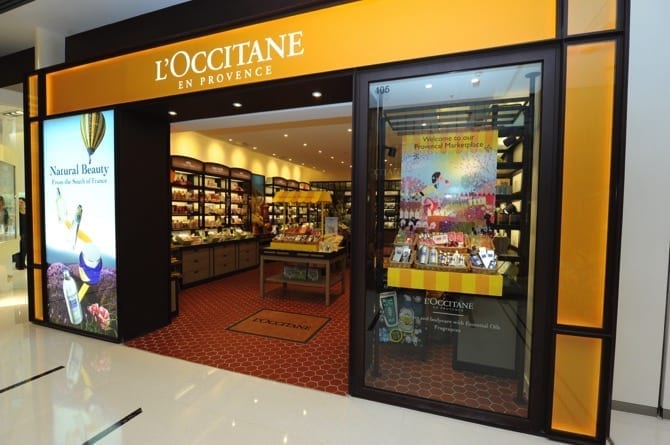
    Asian pop idol Luhan is the newest celebrity brand ambassador for L’Occitane in mainland China. The south of France brand, which produces plant-based skincare and cosmetics, has featured Luhan on the brand poster of the L’Occitane Cherry Blossom body and hand-care collection. He is pictured standing in front of the pink blossoming cherries dressed in black.

    Drawing inspiration from Provence cultures, L’Occitane develops skincare, haircare, bodycare, handcare and make-up products, as well as a home collection and fragrances.

    In China, L’Occitane products are distributed by L’Occitane Trading (Shanghai).

    China is proving an emerging market for the French firm’s global division, as increasingly discerning Chinese consumers start to turn to natural and organic beauty products.

    L’Occitane International saw its interim net profit jump 33.9 per cent for the six months ending September 2016, as earnings climbed to 25.99 million euros from 19.41 million euros year on year. Net sales edged marginally up by 1.3 per cent to 551.7 million euros.

    Emerging economies Brazil, Russia and China were singled out as the top performing markets, it said.

    The mainland has become the company’s second largest market after the United States in terms of the number of outlets. Eight locations were launched in China in the first nine months of the year.

  • AirAsia sees 2017 results surpassing 2016 despite lower 1Q earnings

    AirAsia sees 2017 results surpassing 2016 despite lower 1Q earnings

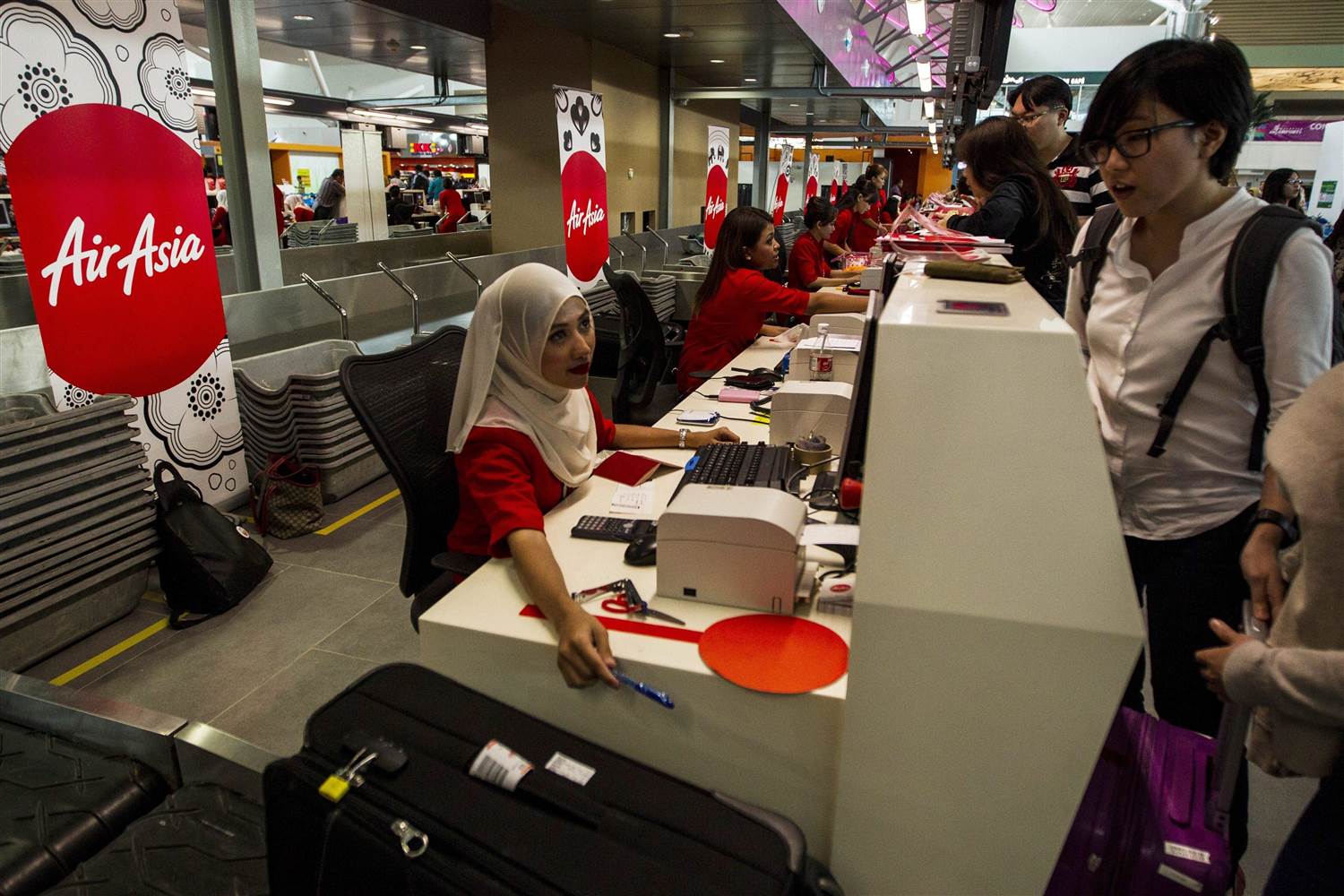
    AirAsia, Asia’s largest budget airline, saw net profit drop 29.8% to RM615.81 million or 18.4 sen a share in the first quarter ended March 31, 2017 (1QFY17) from RM877.79 million or 31.5 sen a share a year ago, mainly due to higher fuel costs as average fuel price rose 20% to US$67 (RM286.18) per barrel in 1QFY17 from US$56 per barrel in 1QFY16 and a strong US dollar.

    Staff costs also went up sharply by 27% year-on-year to RM363.5 million in 1QFY17, mainly due to a revised staff remuneration package that was introduced in 4QFY16. As a result, total net operating profits fell to RM267.1 million in 1QFY17 from RM337.7 million in 1QFY16. However, the airline remains positive about its prospects in 2017 and is optimistic that the 2017 results may surpass that of 2016, it said in a filing with Bursa Malaysia yesterday.

    For the remaining quarters of 2017, AirAsia said it remains optimistic as it continues to observe strong demand across most sectors coupled with a favourable fuel price and foreign exchange environment.It is projecting to achieve an average forecast load factor of 91% in 2QFY17 based on the existing forward booking trend. “The strong demand is expected to derive from the festive Hari Raya season, in conjuction with the midterm school holidays in India, as well as the expanded South Korea and China network from the Philippines,” it added.

    AirAsia’s quarterly revenue jumped 31% to RM2.23 billion in 1QFY17 from RM1.7 billion in 1QFY16 due to the consolidation of Indonesia AirAsia (IAA) and Philippines AirAsia (PAA) Group during the current quarter under review. AirAsia said the improved quarterly revenue growth was also derived from a 6% increase in total passengers carried on an additional 1% growth in seat capacity, as well as a strong seat load factor of 89% in 1QFY17 compared with 85% in 1QFY16. Despite of a slight reduction in the average fare of 2%, overall revenue per available seat kilometre improved 3% to 14.91 sen in 1QFY17 from 14.42 sen in 1QFY16. Its cost of available seat kilometre (CASK), however, rose 14% to 13.61 sen in 1QFY17 from 11.97 sen in 1QFY16, while non-fuel CASK increased 9% to 8.6 sen from 7.87 sen.

    In a separate statement yesterday, AirAsia group chief executive officer Tan Sri Tony Fernandes said following the completion of the capital injection exercise in January, the airline’s net gearing ratio stood at 1.22 times at the end of 1QFY17 compared with 1.33 times at the end of 4QFY16. “With the start of consolidated accounts combining our Malaysia, Indonesia and Philippine units, we are taking a major step to being recognised as one airline, not many. AirAsia as OneAirAsia, sharing a single cost structure, brings immense benefits in terms of economies of scale and building a dominant position in the markets we operate in. We hope to include Thai AirAsia in our consolidated accounts beginning the second quarter,” he said.

    He said the airline will add 29 new planes this year through a combination of finance and operating lease, bringing the total fleet to 201 aircraft by end-2017. “This is the most number of aircraft we have added in four years, demonstrating our confidence in the competitive environment in Asia.

    “In March this year, we signed a joint venture in Vietnam and later another in China in early May. Adding these two countries will give us air operator certificates in a total of eight Asian countries, and with that, unrivalled connectivity within the region,” he also said.

    The airline is also expected to achieve 10% further savings by end-2017 as it moves towards regional consolidation and streamlining group operations across the board. It also plans to grow its ancillary target per passenger from RM50 to RM60 this year.

    “In generating returns for our shareholders, we hope to monetise our non-core assets and distribute a special dividend every two years. We are currently in final negotiations and will materialise the sale of Asia Aviation Capital, our leasing arm, very soon. We continue to work toward the listing of PAA and IAA and our training centre — AirAsia Aviation Centre of Excellence,” said Fernandes.

  • Travel Blue hails success of Z-ZOOM launch at TFWA Asia Pacific

    Travel Blue hails success of Z-ZOOM launch at TFWA Asia Pacific

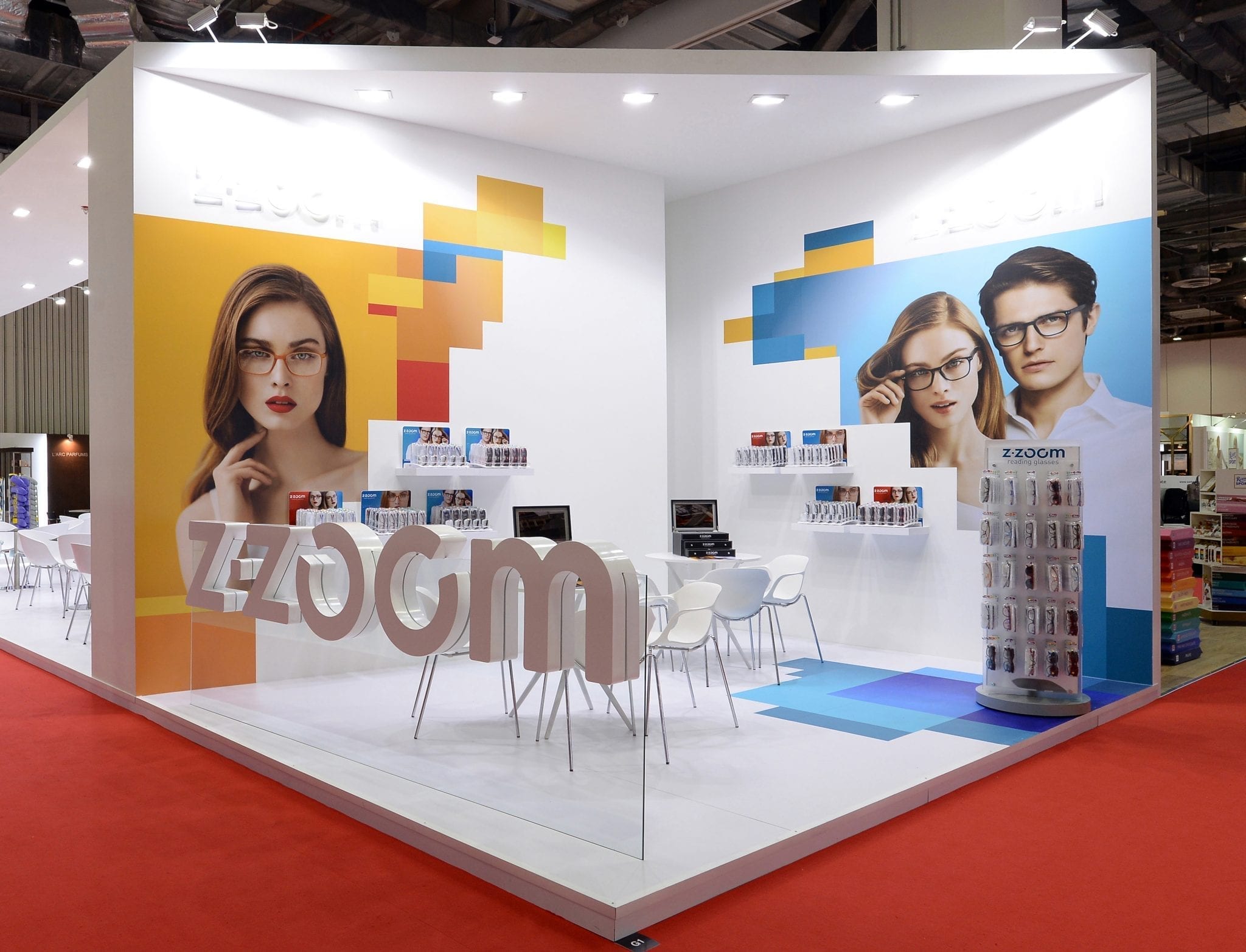
    Travel Blue has secured several listings for its Z-ZOOM reading glasses brand which launched at the recent TFWA Asia Pacific Exhibition.

    Travel Blue said the brand received a lot of positive feedback from buyers and that footfall to Z-ZOOM’s booth was strong.

    All eyes on Z-ZOOM: The team was out in force at TFWA Asia Pacific to showcase its reading glasses to customers

    Z-ZOOM Travel Retail Director Jonathan Smith said: ‘’The launch of Z-ZOOM at TFWA was a great success. We couldn’t have hoped for a better first showcase. The atmosphere surrounding the place was fantastic. There was a genuine sense of excitement and a great energy both amongst our team and the visitors to our stand.”

    Smith continued: “We appreciate the importance of the Asia Pacific region to the industry and how it is an essential market in the travel retail sector as it continues to grow. Asia will definitely be a key focus for the development of Z-ZOOM and we look forward to the opportunities that the region will present us.’’


    In Singapore, Z-ZOOM highlighted colourful reading styles, blue light filter glasses to protect eyes at computer screens and reading glasses with a magnetic sunglass attachment. All of its styles come in acrylic cases and were presented on POS units and countertop displays at the TFWA show.

    Z-ZOOM said its commitment to the consumer is to be stylish, functional and inclusive for all. The brand also said it aims to stay relevant to the changing fashion trends.

    According to Z-ZOOM, a variety of shapes and lenses are available to suit every face shape.

    Smith commented: ‘’Investment in market research, design and product development emphasises our commitment to getting it just right and shows that we are an innovative high quality brand. Exciting times ahead for Z-ZOOM.’’

  • Zara stays strong in Australia despite profits slowdown

    Zara stays strong in Australia despite profits slowdown

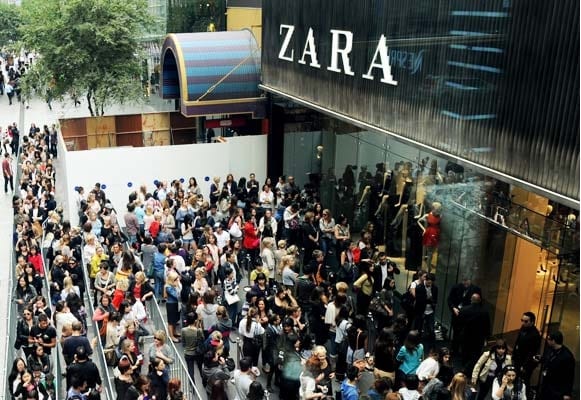
    While some chains struggle in the Australian market, Inditex’s Zara is committed to the country and is seeing its operations growing although profit has fallen, according to local press reports.

    On Wednesday, the same day that rival Topshop’s local franchisee announced a voluntary administration filing, The Age reported that the Spanish chain by contrast has enjoyed another year of double-digit growth in the country.

    It saw A$256.36m in sales in the year to January 31 2017, boosted by the opening of three new stores in the Sydney suburb of Parramatta, the Gold Coast and Brisbane. That figure was up 15.5% year-on-year, although this was slower than the 24% rise seen in the previous year. And its profit was slower too with the company making A$10.3m compared to $15.26m in the prior year.

    Like Topshop, Zara arrived in Australia in 2011 and had 18 stores by the end of January this year. It had 1,700 employees, several hundred more than it had working for it in Australia a year earlier.

    The local operation is 90% owned by Inditex and 10% by Peter Lew through his International Brand Management unit. Lew is the son of retail entrepreneur Solomon Lew.

  • Satellites key for 5G

    Satellites key for 5G

    Without next generation satellites, 5G networks will take longer to deploy, lack the necessary coverage and will be more expensive to build, a satellite industry executive told a keynote audience at CommunicAsia2017.

    Dr Ashok Rao, VP of product development at O3b Networks, said that the current generation of GEO, MEO and LEO satellites has a critical role to play in making 5G a reality, and that new networks will be transformative for the satellite business, during his presentation: “The Future of the Global Network.”

    The satellite business, he said, “is not a dinosaur industry for rural and remote communities any more.”

    There had been a “lot of innovation” in the satellite industry, and terrestrial infrastructure alone will not be able to deliver networks which can truly be rated as 5G.

    “A major characteristic of 5G is 99.9% coverage, and that’s where satellite comes in,” said Rao.

    “Traditionally satellite has been used in places which are remote and not well connected, but new use cases in 5G such as autonomous cars require the almost universal coverage which satellite can support.”

    Data hungry users are driving a big uptake in the use of mobile video, and satellites also has a role in delivering this capacity.

    Rao quoted UK research which claims that to deliver 5G in the UK requires an additional 400,000 masts, each about 25 meters high.

    “Britain is not a large geography, so imagine what would be required in larger countries,” he said.

    “But this is not going to happen in the UK, because of the zoning and community issues which would require negotiation.”

    Rao said next generation GEO satellites are significantly more powerful than those launched only ten years ago.

    Satellites launched in 2007 had a capacity of 8Gbps and download speeds of 2 Mbps, while those launched in 2020 will offer 800Gbps and 100 Mbps, respectively.

    “Satellites will enable low cost access to 5G, and reduce the capex burden on operators,” he said.

  • Spar China Continues Strong Growth in 2017

    Spar China Continues Strong Growth in 2017

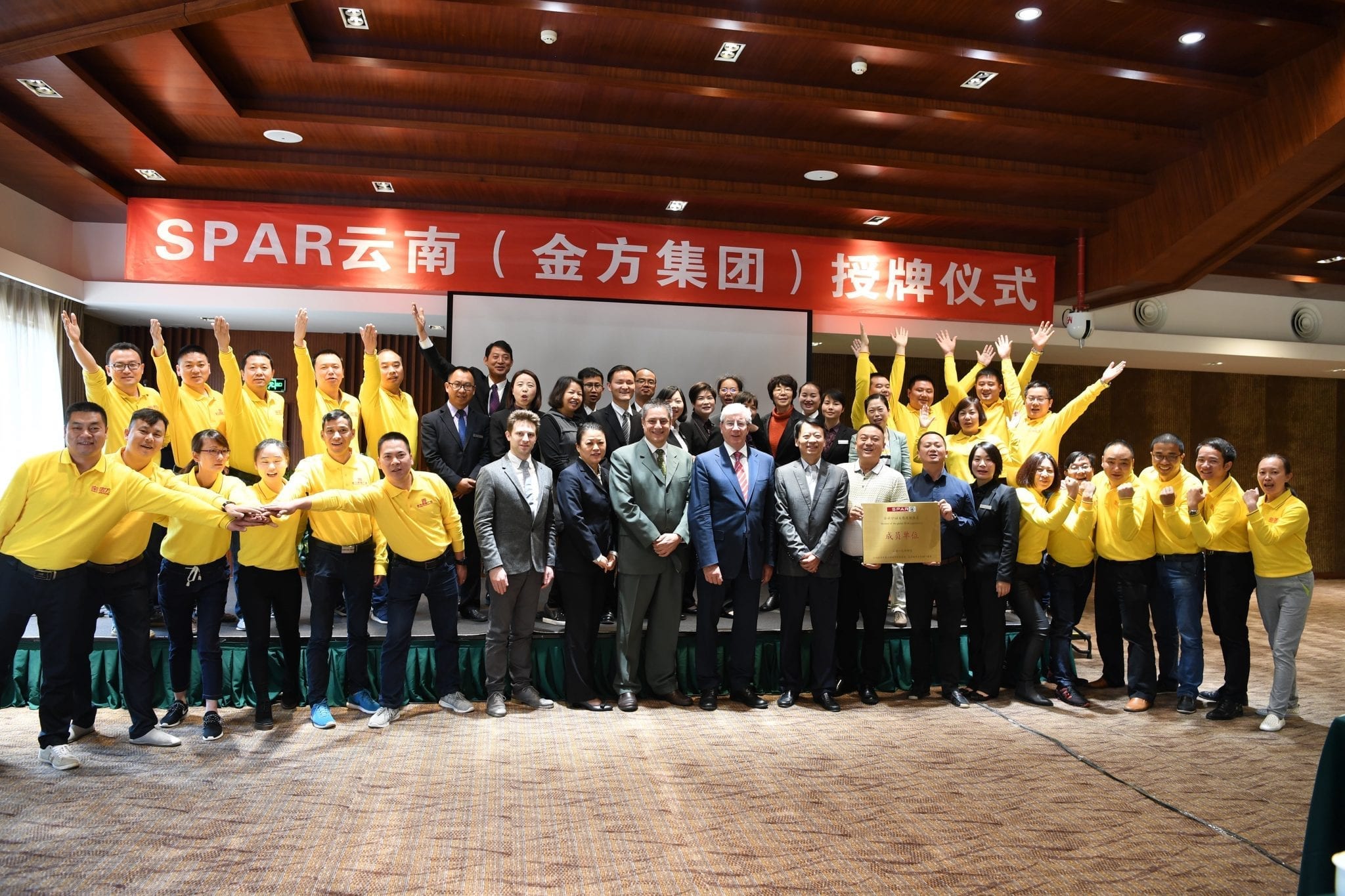
    PAR International (“SPAR”) and Yunnan Anning Jinfang Commercial Group (“Jinfang”) have announced a new partnership agreement authorising Jinfang to grow the SPAR Brand in Southeast China across Yunnan Province, Liu Pan Shui City, Bijie City, Buyi and Miao Autonomous Prefecture, and Anshun City in Guizhou Province.

    Jinfang will invest in converting 32 stores to the SPAR brand in the coming months, bringing together the best of SPAR’s global retail expertise and Jinfang’s deep understanding of the local customer. The 2,550 employees currently working in the chain’s hypermarkets, supermarkets and convenience stores will benefit from access to the retail training academy of SPAR China.

    The announcement marks an exceptional 12 months for SPAR in China. In 2016, sales grew by 6.7% to 14.5 Billion RMB, with SPAR China continuing its expansion in a maturing food retail sector. Store numbers increased by 14% to 395 and SPAR China added 43,918m² of selling area.

    In December, Jiajiayue Group, which was SPAR’s first Chinese retail partner, launched an initial public offering (IPO) on the Shanghai Stock Exchange. The fund raised from the IPO will be used to strengthen and develop the business further investing in technology and the supply chain infrastructure.

    Today, 14% of the total selling area of SPAR worldwide is in China and SPAR China has partners building the brand’s presence in Shandong, Guangdong, Shanxi & Inner Mongolia, Beijing, Sichuan, Henan, Zhangjiakou and now Yunnan.

    SPAR International’s growth in China has been driven by investment in a multi-channel supply chain, the development of hypermarkets, the launch of world-class convenience stores in Tier 2 and 3 urban centres and a strategic emphasis on fresh food through initiatives like the development of a new, state of the art bakery production facility. Ongoing developments in retailing via online channels including the popular WeChat and Weibo platforms in addition to web sales.

    SPAR is working closely with Jinfang on the first SPAR Supermarket design and an expert international logistics team from SPAR International and SPAR China are supporting Jinfang in the development of a modern warehouse.

    Speaking on the official announcement of the new partnership Tobias Wasmuht, Managing Director of SPAR International said:

    “Since entering into China in 2004, SPAR has worked closely with partners to accelerate the growth of their food retail business through our standardisation methods, latest store design, modern supply chain expertise and improved shopping experience. The strong growth figures demonstrate that the ‘Better Together’ strategy is delivering for our Partners. The partnership with Jinfang represents a further, exciting development in the growth of SPAR in China.”

    Mr Wang Peihuan, Chairman of SPAR China said:

    “Our new partnership with Jinfang is consistent with SPAR China’s strategic focus on accelerating expansion and growing presence. Together we unite the best of SPAR’s global retail expertise and Jinfang’s extensive and longstanding understanding of the local customer to grow SPAR presence in Southeast of China.”

    Mr. Li Jia, the Chairman of the board of Yunnan Jinfang Group said:

    “Jinfang has followed SPAR’s progress since SPAR entered into China in 2004, and has seen the great success achieved by SPAR China and its Partners. SPAR and Jinfang share key values in many areas. In order to serve customers in the Southeast of China better, we plan to bring high operation standards, efficient logistics and a modern supply chain to build diverse retail solutions.”

  • K+N supports Shanghai to Taicang Express

    K+N supports Shanghai to Taicang Express

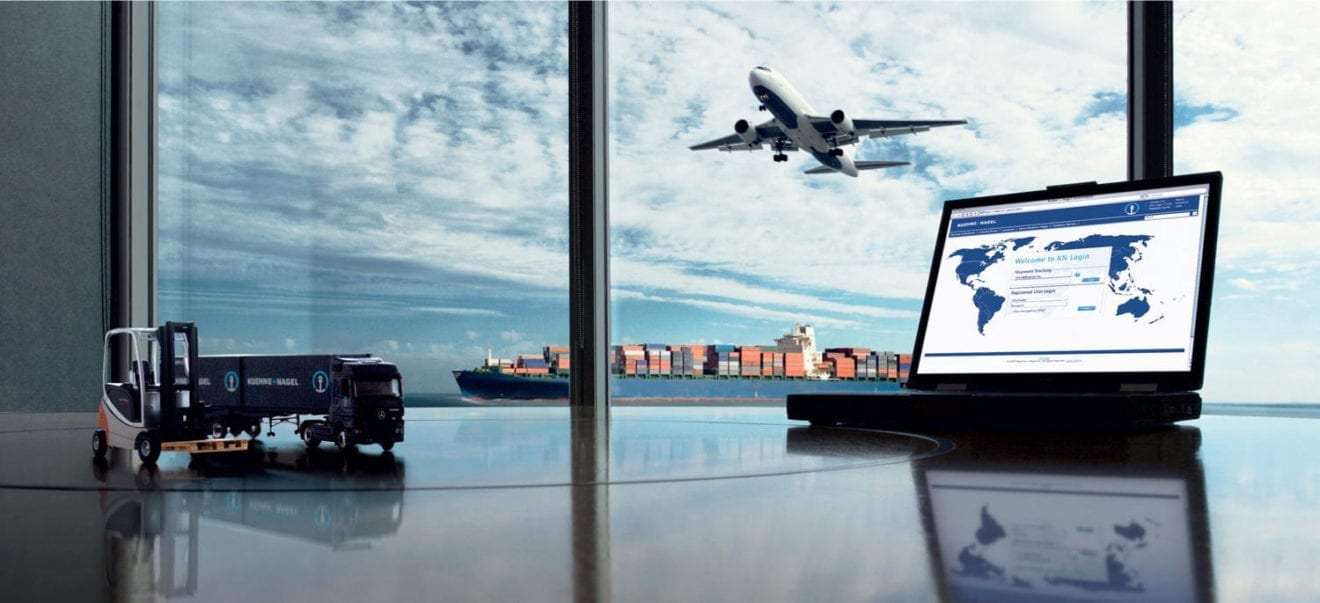
    Kuehne + Nagel signed a strategic cooperation with Jiangsu Taicang Port Authority and Shanghai Port Authority Zhenghe Terminal to promote a sea link between the Shanghai and Taicang ports.

    The Port of Taicang, located at the south bank of the Yangtze River estuary near Shanghai, is widely considered to be a significant satellite port to Shanghai’s Yangshan megaport. Under the agreement, K+N will cooperate with both port authorities to support the shuttle service which is in line with the Jiangsu Provincial Government strategic development plan to bring greater attention to the Taicang Port area. The sea-link aims to reduce CO2 emissions and improve efficiency by serving as a greener alternative to trucking between Jiangsu and Shanghai. This will have the added benefit of reducing vehicles on Shanghai’s heavily congested roads. The cooperation also intends to showcase Taicang as an international satellite port within the Shanghai Yangtze river estuary area, helping to aggregate high traffic at Shanghai Yangshan port.

    Shao Jian Lin, director of Taicang Port Authority said: “We are very pleased to enter this strategic agreement with K+N, a market leader in global logistics solutions, to support the development of the “Shanghai to Taicang Express” shuttle. We hope this cooperation will place a spotlight on the capabilities and ongoing expansion of Taicang port, ensuring market awareness on an even greater international scale.”

    Markus Johannsen, senior vice president seafreight North Asia, K+N, said: “By leveraging Kuehne + Nagel’s position as a leader in international seafreight, we are well placed to cooperate with the Taicang and Shanghai Port authority. Furthermore, the agreement will enable us to provide our customers a more cost effective, efficient service in the South Jiangsu area, adding even more value to their international supply chains. We are delighted to enter this agreement with Taicang and Shanghai Port authorities and look forward to more opportunities for cooperation in the future.”

  • Vietnam plans to open ‘outstanding’ special economic zones

    Vietnam plans to open ‘outstanding’ special economic zones

    The country is becoming more selective in the kind of investment it seeks, giving greater priority to high-tech and green sectors. Vietnam plans to open three special economic zones that offer investors greater incentives and fewer restrictions than available to date in the country, the investment minister said.

    Foreign direct investment, largely in manufacturing, has been key to Vietnam’s growth. It hit a record of $15.8 billion last year and has risen 6 percent in the first five months of 2017 from a year earlier.

    The new economic zones will be in the north, center and south of the 1,650-km (1,000 mile) long country, Planning and Investment Minister Nguyen Chi Dung told in an interview on Tuesday.

    The ministry is drafting a law for the zones in northern Quang Ninh province, central Khanh Hoa province and southern Phu Quoc province. Approval from lawmakers is expected by the end of 2017.

    Dung said the zones would be free from local regulations to make them competitive internationally.

    “It will be a massive attraction to investment and investment will boom next year,” Dung said. “It will be outstanding in everything: free and favourable in every aspect.”

    Vietnam currently has 18 economic zones, offering incentives for investors from free tariffs in selected items to lower personal income tax or reduced rent and fees. There are another 325 state-supported industrial parks, which have fewer incentives.

    Broadly positive investors

    A survey by ANZ Research last year said investors were broadly positive about the industrial parks because of tax incentives and the ease of customs clearance. Occupancy in operating industrial parks is more than 70 percent.

    Vietnam’s government this week reiterated its annual economic growth target at 6.7 percent, despite a drop to a three-year low of 5.1 percent in the first quarter. The government blamed the low rate on drought, salination issues and a temporary drop in production for Samsung Electronics due to its Note 7 battery woes.

    Dung said the government was confident of meeting its 2017 growth target given factors including improved weather, solid loan growth, a rise in tourism and rising numbers of new businesses.

    He expected Vietnam to continue drawing at least $10 billion a year in foreign direct investment for each of the next five years, while adding it was becoming more selective in the kind of investment sought. High tech and clean sectors are now a greater priority than low-cost industries, he said.

    “It’s no longer about quantity but more about quality,” Dung said.

  • Unisys launches software to enhance visibility of pharma supply chain

    Unisys launches software to enhance visibility of pharma supply chain

    Unisys Corporation has launched PharmaTrack, new software that combines security, advanced data analytics and compliance technology in a single, unified platform to provide life sciences and healthcare companies enhanced visibility and oversight of the entire global pharmaceutical supply chain and thus help combat theft and counterfeit drugs.

    This newest addition to the Unisys ActiveInsights suite of solutions arose from an overlap of industry needs between two industries in which Unisys has deep domain expertise: life sciences and healthcare, and travel and transportation.

    “When we started talking to people involved in pharmaceutical supply chain management, we quickly realised that Unisys already had developed the technologies in other industries required to address longstanding problems in pharmaceuticals,” said Jeff R. Livingstone, PhD, vice president and global head, Life Sciences and Healthcare, Unisys. “We then started right away to work with the Unisys Travel & Transportation group and other teams to successfully adapt their technologies for our Life Sciences clients.”

    According to the World Health Organisation, dangerous counterfeit drugs make up more than 10 percent of the drug market worldwide. In addition, supply chain theft and materials erroneously compromised by poor environmental quality controls can cost manufacturers billions of dollars annually and likewise put their patients at risk. PharmaTrack helps secure the supply chain by leveraging Unisys’ leading cross-platform analytics to identify and pre-empt fraudulent activity, issuing immediate alerts when product authentication fails.

    PharmaTrack also enables track-and-trace capabilities so companies can verify product shipping information, monitor temperature issues and other environmental factors affecting drug viability and flag potentially counterfeit product at any point in the supply chain. All data tracked and transmitted through PharmaTrack is protected by Unisys’ state-of-the-art Unisys Stealth micro-segmentation security software, preventing unauthorized access while maintaining the confidentiality of shipping contents.

  • DHL teams up with Rugby World Cup 2019

    DHL teams up with Rugby World Cup 2019

    DHL announced that it is the official logistics partner and a worldwide partner of Rugby World Cup 2019. The partnership will see DHL again team up with one of the biggest international sporting events, which will take place in host country Japan from 20 September to 2 November 2019. DHL was official logistics partner of Rugby World Cup 2011 in New Zealand and Rugby World Cup 2015 in England.

    “We are very excited to be continuing our longstanding, successful partnership with the game of Rugby including again being involved in the premier event of such a dynamically growing sport,” said Ken Allen, CEO, DHL Express. “We are also thrilled that it is breaking new ground in Japan, a country with the fourth largest population of rugby players in the world and with great potential to inspire a new generation of Rugby fans with its performances both on and off the pitch. The company has operated in Japan for 45 years and has built up an unrivalled network in the country. We can’t wait to share all the passion and enjoyment that Rugby embodies with our customers, employees and the broader Rugby family in Japan and around the world over the next two and a half years.”

    World Rugby Chairman Bill Beaumont said: “We are delighted to be extending our long-standing and highly-successful partnership with DHL, the express and logistics global leader. More than a commercial partner, DHL is a world class logistics operator and in an event where success hinges on the details, we know that we have the best possible partner.”

    The partnership continues a longstanding relationship between the logistics provider and the game of rugby. As the official logistics partner of Rugby World Cup 2015, DHL was responsible for the transportation of tournament and team equipment from around the world to England and across the country. DHL delivered over 48 tons of team freight, 1,400 official match balls, and 20 sets of uprights to the 13 match venues, and also delivered over 400,000 tickets to more than 160 countries.

  • Sales at Korean duty-free shops inch up

    Sales at Korean duty-free shops inch up

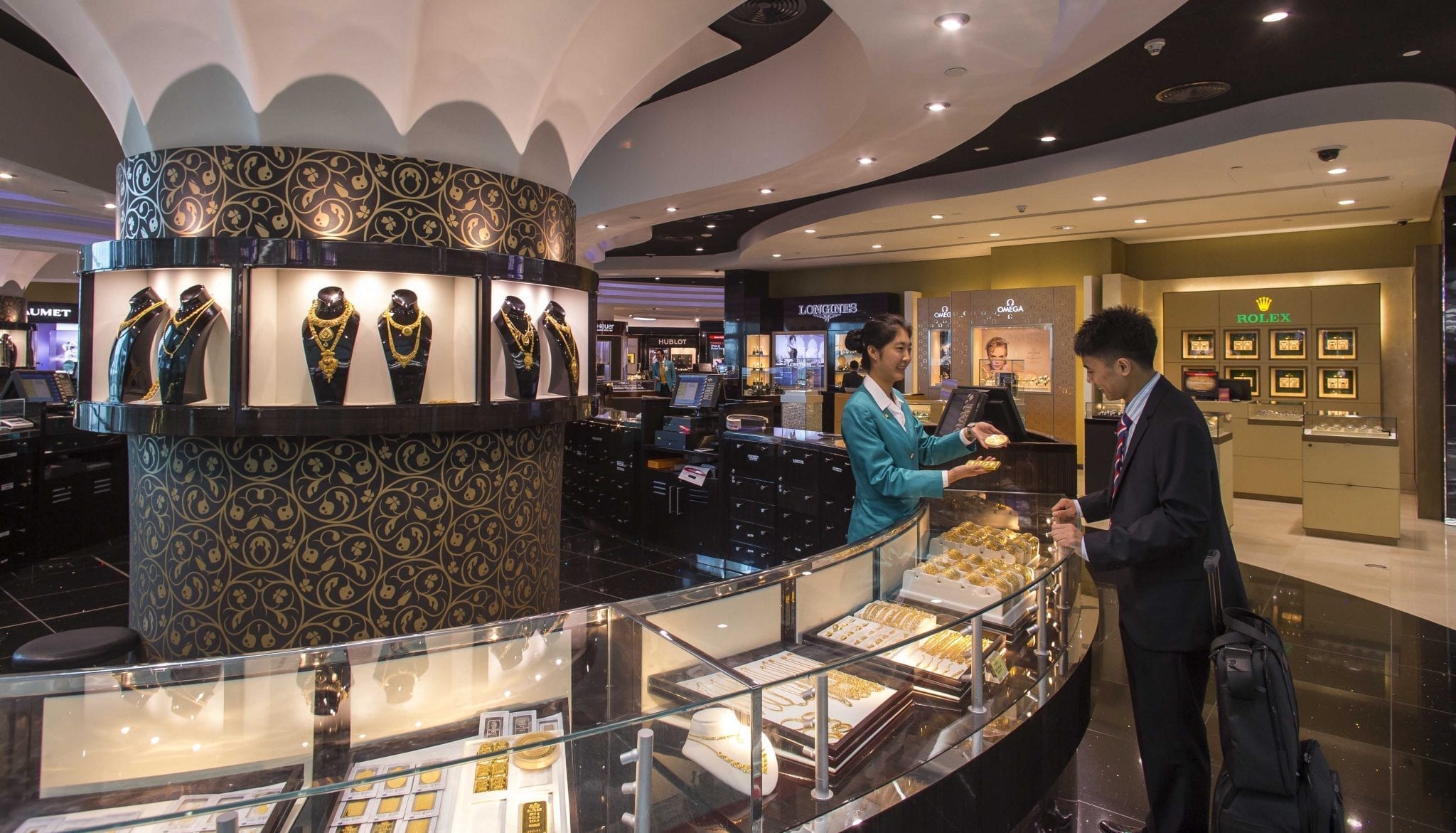
    Despite concerns of economic retaliation from China, sales at duty-free stores in April rose slightly over last year. Korea Customs Service said revenue at local stores reached 1 trillion won ($8.9 billion) last month, a 0.3 percent increase year-on-year.

    Outside the airport, sales at city duty-free stores climbed 0.4 percent year-on-year in April to 501 million won. Two new duty-free shops opened during that period.

    The increase gap isn’t large, but the uplift is a positive surprise for operators that expected sales to retreat amid frozen relations with China after Korea deployed the U.S. antimissile system known as Thaad. Beijing halted group tours to Korea on March 15. At the time, most duty-free operators were expecting the consequent blow the following month.

    Their concern was partly correct: The number of Chinese tourists to Korea in March declined 40 percent year-on-year and April’s visits, although not yet tallied, are expected to have plummeted further.

    One possible explanation of the unexpected outcome is the increase of daigou, or personal shoppers that purchase commodities overseas and resell them to customers in mainland China. “The contributor that kept local duty-free operators’ sales afloat is individual shoppers and especially daigou,” said one industry source.

    This form of transaction is not confined to professional businessmen, but also young Chinese who are increasingly conducting business through Weibo, China’s version of Twitter, and mobile messenger WeChat.

    Chinese tourists who travel multiple times in Korea can easily get into the business by buying cosmetics from Korea and reselling them when they return home.

    The influence of daigou on the local duty-free scene isn’t new. “One individual Chinese tourist visiting Korea on a three-day group tour plan will spend $200 to $300 in duty-free stores; individual shoppers spend around $700 to $800. During the same period, daigou shoppers spend at least $2,000,” said a travel agent who works exclusively with Chinese tourists.

    The increase of daigou is partly due to the Chinese government’s decision to ban group tours to Korea.

    In fear of dropping sales, local duty-free operators and tour agencies strengthened marketing and promotion targeted at daigou. When group tours were at their peak, competition to find popular products was fiercer. But after their disappearance, daigou were able to shop in a more comfortable environment, easily obtaining high-premium goods that were frequently sold out in the past.

    However, a new problem emerged – as the importance of daigou rises, the commission they receive from duty-free stores is rising as well. Duty-free stores pay tour offices around 10 to 20 percent of sales earned from daigou. Tour offices receive this money and pay part of this fee to daigou.

    “The payback rate for daigou is relatively high because they normally purchase in large sums,” said a travel agent who specializes in Chinese clients. “There was a case where the tour agency received 22 percent and paid back 20 percent to daigou.”

    This commission rate is a major reason this form of transaction is increasing among Chinese tourists. The commissions duty-free stores paid agencies in return for bringing tourists were 967 billion won last year, accounting for 10.9 percent of annual sales, according to the Korea Customs Service.

  • Australia Topshop franchisee in administration, but says it’s business as usual

    Australia Topshop franchisee in administration, but says it’s business as usual

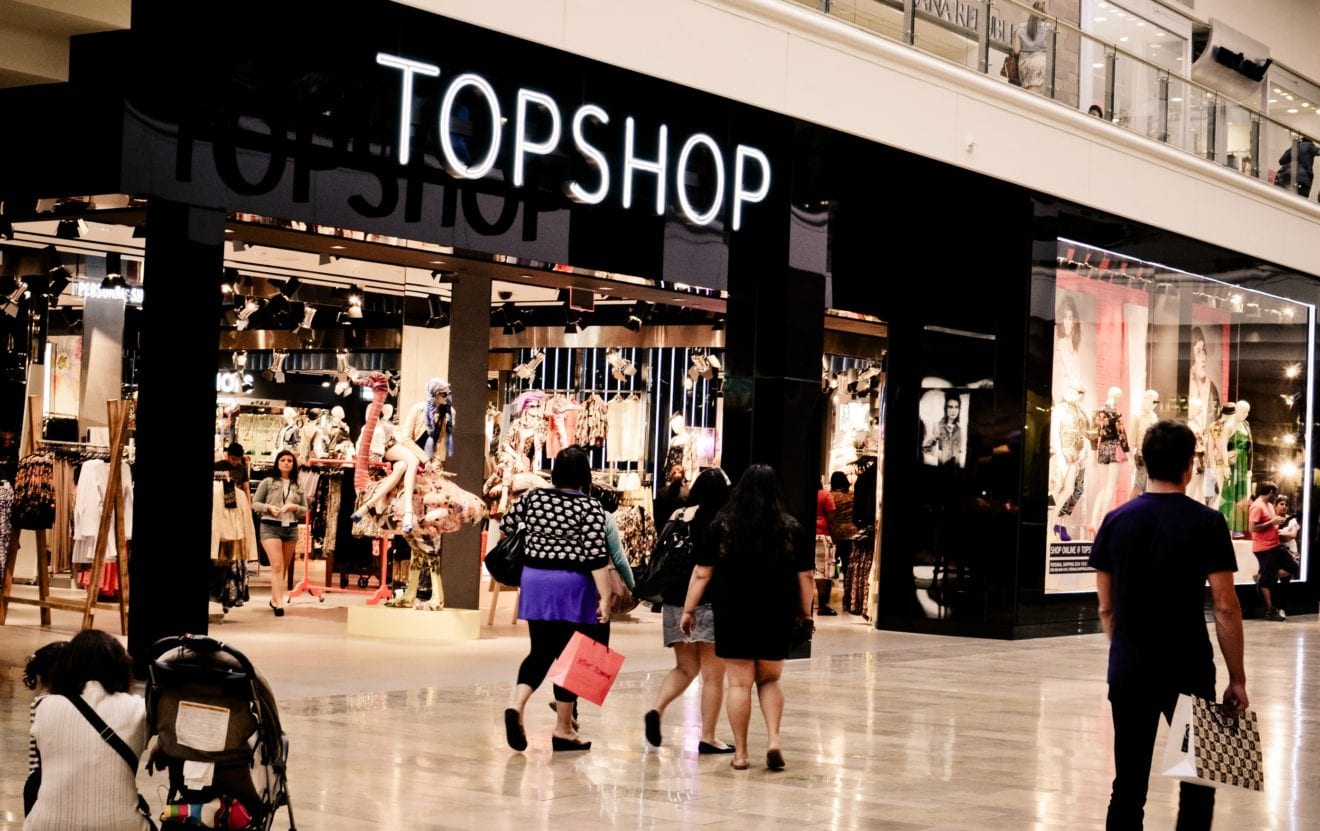
    The franchisee for Arcadia’s Topshop and Topman said Wednesday that it has filed for voluntary administration. Austradia Pty Ltd has named Ferrier Hodgson partners James Stewart, Jim Sarantinos, and Ryan Eagle as its administrators.

    But Stewart said in a regulatory announcement that it will be “business as usual”  as the administration team “works closely with Arcadia Group on supporting and right-sizing the Australian business to a sustainable platform going forward.”

    Stewart said that the 760 employees will continue to be paid by the administrators and normal customer policies such as gift cards and product returns will continue during the administration period.

    It seems clear that the Topshop and Topman names will survive in the Australian market with a clear demand there for its particular brand of trend-focused fast fashion. Topshop/Topman has been operating nine standalone stores, 17 Myer concessions and an online business in Australia and has enjoyed annual sales of around A$90m.

    The separately owned and operated Australian franchise opened locally in 2011 and Myer owns around one-fifth of the operation. Earlier this year Myer said that losses at the Topshop operation grew to A$0.6m in H1 from A$0.1m a year earlier.

    Its administration filing is further evidence that times are as tough for fashion retailers in the country as they are in many other countries around the world, even for some of the biggest names in affordable fashion.

    The arrival of more global chains in the local market and an increasing move by consumers towards e-sales have added to the competitive pressures at a time when shoppers are also re-assessing where and how they spend their discretionary cash. And the arrival of Amazon this year will not make the retail environment any easier with local chains that have been battling sluggish sales likely to see even more market share seeping away.

    Myer has itself seen challenges on the sales front with the company reporting a 3.3% sales drop for Q3.