Author: Mei Ling Tan

  • Ericsson, Microsoft to push IoT globally

    Ericsson, Microsoft to push IoT globally

    Ericsson will further strengthen the global Internet of Things (IoT) ecosystem with Microsoft by enabling enterprises to speed up the time it takes to launch mobile network-based IoT services.

    Their collaboration will help simplifying the launch of mobile network-based IoT services for enterprises.

    Ericsson IoT Accelerator allows enterprises to deploy their IoT solutions using Azure, which connects them directly to the ecosystem of mobile operators using the connectivity management service delivered by the Ericsson Device Connection Platform (DCPEricsson will further strengthen the global Internet of Things (IoT) ecosystem with Microsoft by enabling enterprises to speed up the time it takes to launch mobile network-based IoT services.

    Their collaboration will help simplifying the launch of mobile network-based IoT services for enterprises.

    Ericsson IoT Accelerator allows enterprises to deploy their IoT solutions using Azure, which connects them directly to the ecosystem of mobile operators using the connectivity management service delivered by the Ericsson Device Connection Platform (DCP), which is part of the Ericsson IoT Accelerator.

    Ericsson IoT Accelerator, a cloud-based, horizontal cross-industry offering comprising platform services and near-product services for telecom operators and selected industries, provides a continuous incremental set of functionality offered as a service to enable agile creation and deployment of solutions for IoT.

    The connectivity management service of the Ericsson IoT Accelerator allows telecom operators to design, launch and evolve managed IoT connectivity offerings towards enterprises requiring cellular connectivity.

    By cooperating with the continuously growing number of other telecom operators connected to Ericsson DCP, telecom operators can address the needs of global enterprises without making one-off investments alone. The platform gives the enterprise a unified service expEricsson will further strengthen the global Internet of Things (IoT) ecosystem with Microsoft by enabling enterprises to speed up the time it takes to launch mobile network-based IoT services.

    Their collaboration will help simplifying the launch of mobile network-based IoT services for enterprises.

    Ericsson IoT Accelerator allows enterprises to deploy their IoT solutions using Azure, which connects them directly to the ecosystem of mobile operators using the connectivity management service delivered by the Ericsson Device Connection Platform (DCP), which is part of the Ericsson IoT Accelerator.

    Ericsson IoT Accelerator, a cloud-based, horizontal cross-industry offering comprising platform services and near-product services for telecom operators and selected industries, provides a continuous incremental set of functionality offered as a service to enable agile creation and deployment of solutions for IoT.

    The connectivity management service of the Ericsson IoT Accelerator allows telecom operators to design, launch and evolve managed IoT connectivity offerings towards enterprises requiring cellular connectivity.

    By cooperating with the continuously growing number of other telecom operators connected to Ericsson DCP, telecom operators can address the needs of global enterprises without making one-off investments alone. The platform gives the enterprise a unified service experience for their entire device fleet.

    Also, Landmark chose Ericsson to build communications infrastructure for its intelligent micro grid ecosystem across North America.

    The program includes Ericsson’s Zero Site communications platform, cloud, core and IoT software solutions. Ericsson will provide micro grid management, integrating communications for the industrial IoT with battery storage applications and grid-control software.
    Also, Landmark chose Ericsson to build communications infrastructure for its intelligent micro grid ecosystem across North America.

    The program includes Ericsson’s Zero Site communications platform, cloud, core and IoT software solutions. Ericsson will provide micro grid management, integrating communications for the industrial IoT with battery storage applications and grid-control software.), which is part of the Ericsson IoT Accelerator.

    Ericsson IoT Accelerator, a cloud-based, horizontal cross-industry offering comprising platform services and near-product services for telecom operators and selected industries, provides a continuous incremental set of functionality offered as a service to enable agile creation and deployment of solutions for IoT.

    The connectivity management service of the Ericsson IoT Accelerator allows telecom operators to design, launch and evolve managed IoT connectivity offerings towards enterprises requiring cellular connectivity.

    By cooperating with the continuously growing number of other telecom operators connected to Ericsson DCP, telecom operators can address the needs of global enterprises without making one-off investments alone. The platform gives the enterprise a unified service experience for their entire device fleet.

    Also, Landmark chose Ericsson to build communications infrastructure for its intelligent micro grid ecosystem across North America.

    The program includes Ericsson’s Zero Site communications platform, cloud, core and IoT software solutions. Ericsson will provide micro grid management, integrating communications for the industrial IoT with battery storage applications and grid-control software.


  • Lidl launches Chinese web shop

    Lidl launches Chinese web shop

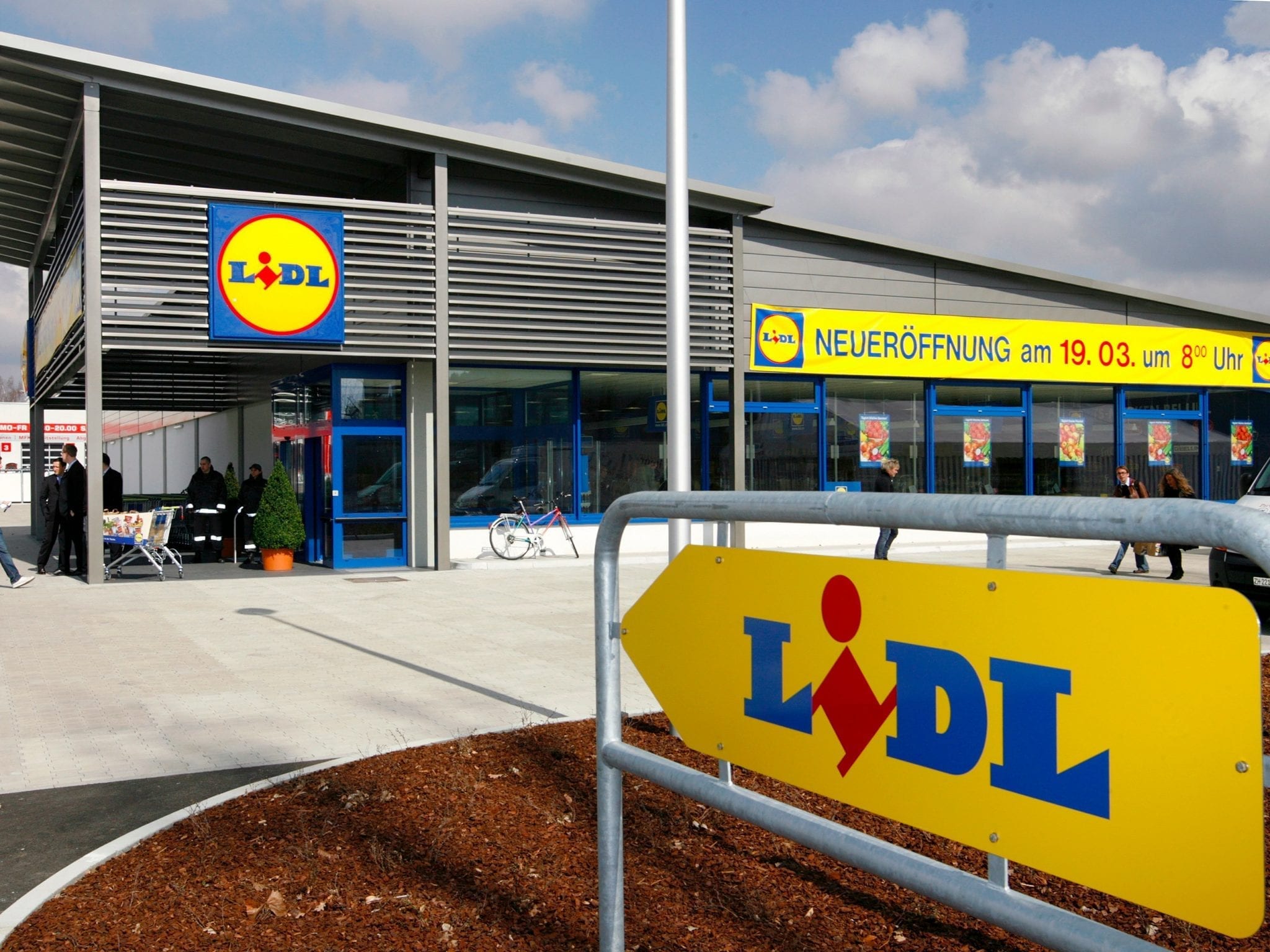
    German supermarket chain lidl launched its own web shop in China on Alibaba’s online platform, Tmall Global, similar to what many other Western companies have done.

    The web shop, launched this week, will offer several of Lidl’s private labels. European products have been very popular in China and Lidl therefore wants to introduce its Combino, Bellarom and Sondey brands to the nation. For the time being, it will focus on cereal and dry food brands, but the company will most likely expand its product range if the web shop is deemed a success.

    Lidl will ship the products straight from Germany, imported through a subsidiary in Hong Kong. It is a different approach to competitor Aldi, which also has a shop on Tmall Global, but imports its products from Australia.

    This is yet another Western company that will try to please the Chinese consumer through Tmall, thanks to Alibaba’s attempts to entice Western companies to use its platform. Chinese consumers have little faith in their own local products and are yearning for alternatives, which they now find on Tmall Global.

  • Samsung, VMware team up for simpler IoT

    Samsung, VMware team up for simpler IoT

    Samsung Electronics and VMware announced a new collaboration to help simplify Internet of Things (IoT) for both information technology (IT) and operational technology (OT) teams by expanding end-to-end IoT solutions for industrial and enterprise customers.

    The companies will showcase the combination of the Samsung Artik Smart IoT platform with VMware Pulse IoT Center, offering a secure, enterprise-grade, end-to-end IoT infrastructure solution that allows IT and OT teams to have complete control of their IoT use cases, from the edge to the cloud.

    In addition, the companies will showcase the integration of the Samsung Artik 530 with Liota (Little IoT Agent), a vendor-neutral open source software development kit developed by VMware, to help enterprise customers with the management, monitoring and securing of their IoT implementation.

    While Samsung Artik Smart IoT platform provides customers with all the upfront IoT hardware and software they need to kick start their IoT developments, VMware will help manage IoT infrastructure from the edge all the way to the cloud.

    The combination will provide an end-to-end solution, including the hardware and software components, security, cloud connectivity, building services, and ability to monitor and manage the products over the product’s lifecycle.

    “Being able to monitor and manage these (IoT) solutions across devices at enterprise scale both on premise and in the cloud is critical for successful rollouts,” said Curtis Sasaki, VP of ecosystems at Samsung Strategy and Innovation Center.

  • Harley-Davidson plans a Thailand factory to serve SE Asian market

    Harley-Davidson plans a Thailand factory to serve SE Asian market

    otorcycle maker Harley-Davidson said on Thursday it will build a plant in Thailand, a major Asian automotive hub, to serve the growing Southeast Asian market, a move criticized by a U.S. labor union.

    The company did not give a figure for the planned investment in Thailand’s Rayong province, southeast of Bangkok.

    Katie Whitmore, Harley-Davidson public relations manager, said the company had its best results in Asia-Pacific in 2016, though she gave no numbers.

    The Thailand facility “will allow us to be more responsive and competitive in the ASEAN region and China,” Harley-Davidson public relations manager Katie Whitmore said.

    “Increased access and affordability for our customers in the region is key to growth for the company in total,” she said. “There is no intent to reduce H-D U.S. manufacturing due to this expansion.”

    The plant would let Milwaukee-based Harley-Davidson avoid Thailand’s up to 60 percent tariff on imported motorcycles and help it get tax breaks when exporting to Thailand’s neighbors, thanks to a trade arrangement among members of the Association of Southeast Asian Nation (ASEAN).

    Harley opened a plant in India in 2011. It also assembles motorcycles at a plant in Brazil.

    After the New York Times reported on Harley’s planned Thai investment, United Steelworkers (USW) International President Leo W. Gerard on Tuesday said the decision was “a slap in the face to the American worker and to hundreds of thousands of Harley riders across the country.”

    USW represents members at Harley plants in two U.S. states and 850,000 workers in North America.

    Gerard also said that production outside the U.S. “puts in jeopardy the success that has propelled Harley over the years.”

    Whitmore said motorcycles assembled in Thailand would have the same “authentic look, sound and feel” as those manufactured in the U.S.

    Demand for Harley motorcycles in the U.S., the company’s biggest market, continues to be slow as its loyal baby boomer demographic changes ages.

  • Japanese department store sales recover but fashion falls

    Japanese department store sales recover but fashion falls

    It may only have been a 0.7% rise but an uplift in Japanese department store comparable sales during April was welcome nonetheless. It was the first increase in 14 months and reflected data from 229 stores based on ¥452.7bn worth of sales.

    The Japan Department Stores Association said the growth was boosted by foreign tourists as sales to international shoppers surged 22.9% to a record level of ¥22.1bn.

    And cosmetics were strong with their 25th consecutive monthly jump as they rose an impressive 15.2%. Jewellery and other luxury goods grew only 1.1% and that was on the back of higher prices. But as they hadn’t risen for at least the previous year, it was good news.

    Yet there had to be bad news too and that came on the fashion front. Clothing sales fell 1.2% for their 18th drop in a row, although steady demand for spring collections helped temper the drop after March had seen a 4.6% decline.

    Meanwhile, the Japan Chain Stores Association said supermarket sales rose 0.6% last month, aided by a slight recovery in clothing sales through those outlets. They may have only risen 0.2% but that was the first rise for nine months.

  • Business case for IoT in healthcare still wanting

    Business case for IoT in healthcare still wanting

    The Internet of Things (IoT) in healthcare will remain experimental over the 2017-2020 period, according to the latest research from Strategy Analytics.

    Strategy Analytics said IoT has the potential to provide significant benefits but must compete for a share of total technology spend. IoT will grow at 18% on a compound annual basis across 2016-2025, with annual global IoT in healthcare revenues passing $27 billion in 2025.

    However, healthcare will be dwarfed by primary processing, security and automotive segment spending in the broader IoT market over the forecast period.

    Also, security, privacy, training and business case justification for broad deployment “remain elusive.”

    “The beneficiaries of IoT in healthcare will be the patients, for whom IoT has the ability to deliver an experience that is less intrusive, less stressful and faster; but also the medical profession which may be able to operate with higher efficiency, through better knowledge of what is happening at any point in time with patients, professionals, equipment, and processes,” said Matt Wilkins, senior analyst at ABI Research.

    Chris Ambrosio, executive director at ABI Research, said that healthcare providers are actively exploring IoT in how it can help them to improve patient quality of care, lower re-admissions, and shorten visit times; the advantages IoT offers in allowing them to use analytics for things like population health management to identify at-risk patients; and how using wearables to

  • Singapore’s IMDA to focus on four frontier tech areas

    Singapore’s IMDA to focus on four frontier tech areas

    At the Infocomm Media Business Exchange 2017, Dr Yaccob Ibrahim, Minister for Communications and Information, said that Singapore’s Infocomm Media Development Authority (IMDA) has identified four frontier technology focus areas-AI and data science, cybersecurity, immersive media, and the IoT.

    1) AI and data science

    Initiatives include AI.SG, a new S$150 million ($108m) national program to boost Singapore’s AI capabilities, and the establishment of the Singapore Data Science Consortium. Under the Techskills Accelerator (TeSA) program, IMDA announced the first TeSA Fintech project with DBS Bank to develop more professionals with capabilities in agile development, DevOps, information security, and data analytics for the financial services sector.

    2) Cybersecurity

    Companies like Singtel, ST Electronics, Quann, Accel, and Deloitte have embarked on the Cybersecurity Associates and Technologists (CSAT) program to train more cybersecurity professionals for the industry. The government also established the National Cybersecurity R&D Programme in 2013, with funding of S$130 million ($94m) over five years, to develop R&D expertise and capabilities in cybersecurity.

    3) Immersive media

    Ibrahim spoke about the potential of virtual and augmented reality across various industries, and focused on how it can be used in education and training.

    IMDA has partnered with Beach House Pictures to pilot the use of VR in five primary schools. Through the pilot lessons, about 400 students learned about design, architecture, and high-tech farming. Beach House Pictures has also collaborated with local startup Hiverlab to develop a customized VR classroom application for teachers to guide students on VR experiences to different locations around Singapore.

    IMDA and Tan Tock Seng Hospital will be collaborating with SideFX Studios to use VR and mixed reality to augment clinical training. The collaboration will develop immersive simulations for basic surgical skills and complex airway management, which is critical in life-threatening emergencies.

    4) IoT and future communications infrastructure

    Enhancements are planned to the Nationwide Broadband Network, IoT networks, 5G mobile network and sensor networks, to enable businesses to leverage high-speed networks, real-time communications, and high accuracy location positioning.

    5G trials in Singapore have achieved throughputs of over 1Gbps with latency of less than 1ms. To encourage industry trials in 5G technology, the IMDA will waive frequency fees for 5G trials and conduct public consultations on the development of 5G in Singapore.

    “We need to develop strong digital industries in their own right, and catalyze their transformation of other industries to spur productivity and yield new synergies,” said Ibrahim. “Ultimately, we hope that all our efforts to prepare Singapore for the digital future will improve people’s lives.”

    Another priority for the IMDA is to ensure that citizens can continue to be employed amid rapid technological change. To help displaced PMETs, IMDA has been working with partners like Workforce Singapore, Singapore Computer Society, e2i, and NTUC on initiatives such as TeSA Integrated Career Services, programs and courses for upskilling and reskilling PMETs, and new skill upgrading pathways.

  • Jabong launches ‘The mood store’ – shopping innovation rooted in fashion insights

    Jabong launches ‘The mood store’ – shopping innovation rooted in fashion insights

    Jabong, India’s leading online fashion retailer, launches the ‘Jabong Mood Store’, which redefines how India shops for fashion online. The Mood Store is the first-ever comprehensive fashion store that allows consumers to shop the entire look per their mood. The store is based on deep consumer understanding and analytics around preferences of the Indian fashion customer.

    The Mood Store will help users understand the best choices across moods like hanging out with friends, out for a road trip, stay at home pampering, and working at the office, among many others. Users will also be able to select the entire look based on different price points basis their needs. Building on Jabong’s brand philosophy of ‘Be You’, the Mood Store is the next step in Jabong innovating for growth.

    The Mood Store launch is supported by a 360-degree marketing campaign across TV, outdoor, cinema, CRM and social media. The overall brand campaign will focus heavily on digital promotions where various influencers will showcase their looks in different moods and for different occasions. The commercial will be aired on leading TV channels in entertainment, music, movies, lifestyle and other genres.

    The Mood Store brand campaign will feature day-to-day fashion that is easily shoppable and wearable, as against the typical industry trend of showcasing outlandish, runway fashion that the shoppers grapple to find anywhere. Digital shoppable videos on YouTube and Facebook will allow customers to buy the fashion shown in the video directly by clicking on its product card

    Gunjan Soni, Head of Jabong, says, ‘We understand both fashion and our consumers really well. Jabong consumer is more affluent, well-travelled, fashion forward and likes to buy complete looks, not just apparel. Fashion shopping behaviour tells us that people buy for a specific mood or occasion, not by categories. This insight led to the mood store innovation where consumers can shop entire looks together for a specific mood. With the launch of mood store and several new brand launches we are well set for a growth momentum. Our strategy is to use ‘tailored to fashion’ innovations to attract and retain the experienced fashion shopper. ‘

    Jabong is credited with launching several industry-firsts in Indian fashion ecommerce such as ramp walk video, online shoppable fashion week and the concept of online shop-in-shop. It has also brought several top global brands exclusively to the Indian market. Its high-quality product curation, top international brands, and a deep assortment that caters to the needs of a complete wardrobe make Jabong ideal to launch this unique fashion proposition as a one-stop destination for all moods and styles of a fashion shopper.

  • ShopWorn Brings Luxury to a New Generation of Online Shoppers

    ShopWorn Brings Luxury to a New Generation of Online Shoppers

    ShopWorn has come into its own in recent months thanks to the brand’s ongoing engagement with customers on all things style and fashion, led by Ecommerce Director and Resident Stylist Elana Birnbaum. With a keen eye for quality and style, insider industry knowledge, and expert insight into consumer needs, Elana interacts daily with customers across multiple channels where she frequently lists trend updates and new product arrivals. Elana is helping bring awareness to ShopWorn’s unique shopping concept to a new generation of savvy online shoppers.

    Working with ShopWorn’s global procurement team, Elana plays a pivotal role in curating and merchandising the website’s continuously changing collection of authentic display-model products including watches, jewelry, handbags, and more. Sourcing these unsold display model products directly from authorized retailers means that ShopWorn has evolved into the equivalent of an online sample sale for designer goods featuring more than 45 notable brands, including Dior, Chopard, Cartier, Rolex, Tudor, Bvlgari, Hublot, Carl F. Bucherer, and Montblanc. Elana gives a personal voice to ShopWorn through blog posts about the latest trends, interactions with fans over social media, product highlight videos, and lifestyle photoshoots. With an inside view of the business from every angle, she provides insight into how ShopWorn offers a new way to shop luxury:

    “I really believe that ShopWorn is the antidote for shoppers who want the finer things – but at a great value. Today’s shopper is savvy and knows how to search the internet for deals, and ShopWorn is able to offer excellent prices on coveted designer goods. ShopWorn acts like an online sample sale or trunk show by offering high-quality designer products that are inherently limited in quantity. Like a traditional brick-and-mortar sample sale, our products move quickly and are sometimes up on our website for less than 24 hours. However, unlike traditional sample sales, our door never closes, you’ll never need to wait in line, and you have 24/7 help easily available. The concept has really resonated with our savvy shoppers who appreciate high quality designer pieces at great prices.” – Elana Birnbaum, ShopWorn E-Commerce Director and Resident Stylist

  • Healthy food delivery startup IndieDish announced as winner of TOP 100 Fight Club Thailand

    Healthy food delivery startup IndieDish announced as winner of TOP 100 Fight Club Thailand

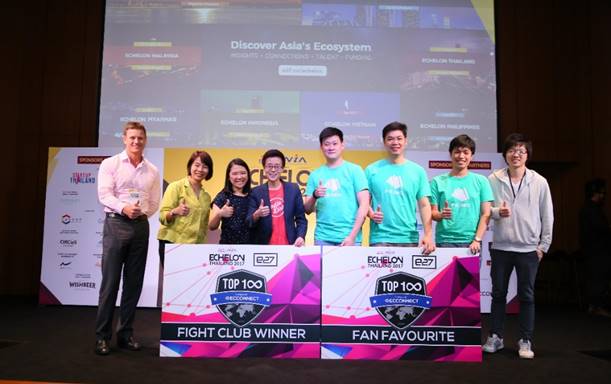
    IndieDish was announced winner of the TOP 100 Fight Club Thailand at Echelon Thailand 2017, an enriching two-day tech conference organised by e27, in collaboration with Startup Thailand and the National Innovation Agency.

    Echelon Thailand 2017 is a digital insight, connections, talent, and funding platform crafted to connect people across Thailand, the gateway to Asia’s thriving tech startup community.

    Thirteen Thai-based startups were shortlisted from over 100 entries to battle for the coveted prize, which includes two tickets to the Echelon Asia Summit in Singapore, access to a VIP dinner with invited investors and corporates and a free TOP 100 Exhibition booth at the event.

    Founded by two ex-Amazon employees, IndieDish not only delivers healthy food at a relatively cheap price of THB 89 per meal on average, it also makes the delivery process efficient in traffic-congested Bangkok.

    IndieDish optimises its logistics algorithm by using a pre-order system. Based on the pre-orders it receives, which can be made a week in advance, IndieDish will work out the most efficient route for its delivery drivers. IndieDish has delivered over 18,000 meals so far. It doesn’t offer on-demand/same day delivery services but it is working on providing this service in the future.

    The judges were impressed with how thoroughly the team had thought through the delivery process and were drawn to IndieDish’s mission to broaden healthier food choices in the country.

    Meanwhile, the fan favourite prize, based on a live audience poll, was awarded to Primo, an app that organises and consolidates promotions from a user’s credit cards and membership cards. The app then pushes personalised deals based on the user’s preference.  Based on the user’s spending limits, Primo then recommends which deals best fit their budget.

    Even though the remaining startups may not have won a prize, they will be considered for qualification into the TOP100 Finale at Echelon Asia Summit 2017 this June 28-29 in Singapore and the e27 platform will continue to support them by connecting them to various stakeholders and investors in the regional ecosystem all year around.

  • Uniqlo steps foot in Davao

    Uniqlo steps foot in Davao

    It was the brand of a polo shirt I received as pasalubong from a Japanese friend way back in the early 2000s. Everyone would agree that this apparel brand has been a favorite pasalubong from relatives and friends working in Japan or have visited that country every time they return home in the Philippines, be it fashion wear for kids, teens and adults, male and female alike.

    Indeed, Uniqlo has become a favorite shop store among Filipinos in Japan, the reason it entered into partnership with Henry Sy-controlled SM Retail for its expansion in the Philippines in 2012.

    In June of the same year, retail giant SM Supermall opened Uniqlo’s first store in the country at the SM Mall of Asia with a promise to make it a leading fashion wear brand by year 2020, targetting to open at least 200 branches.

    Since then, the Japanese fast fashion retailer Uniqlo continued to massively expand with 36 branches now operating in different key cities in the Philippines, most of which are in Metro Manila.

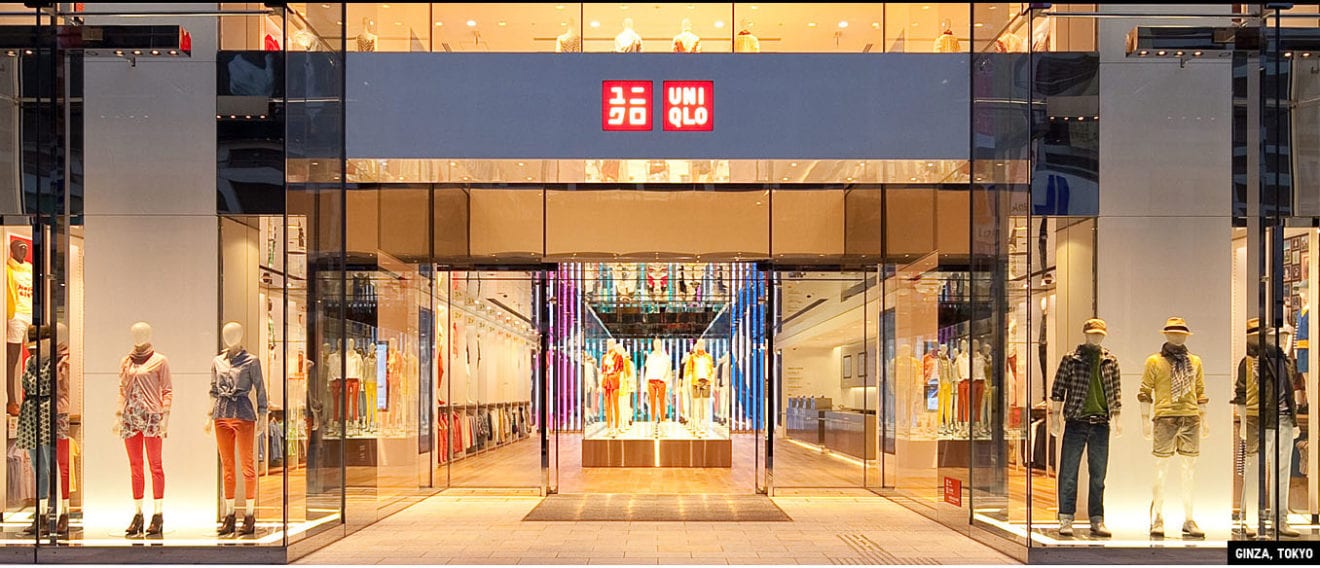
    Five years after it established its maiden store in the country, Uniqlo announced it is finally stepping foot on the island of Mindanao, at SM Lanang Premier in Davao City, where the brand’s 37th store and the first in Mindanao will be opened.

    The announcement indeed made Dabawenyos to get excited, especially the fashionistas, who are fond of the brand. For sure, shoppers are expecting a different shopping experience in Davao City with the store’s opening.

    Uniqlo is known for its high quality designed wardrobe essentials made with innovative fabrics at a very affordable price.

    But before it formally opens its doors on May 26, SM and Uniqlo will hold on Wednesday, May 24, the Mindanao launch, an exclusive event for media and very important guests to have a glimpse of what’s in store for Dabawenyos.

    Guests will be toured within the 1,200 square meter space occupied by the store at the ground level, near the main entrance of SM Lanang.

    Uniqlo’s SM Lanang branch is one of the three stores that are set to open in Mindanao. On June 2, the store’s 38th branch will be opened at SM City Ecoland, also in Davao City. By end of June, the 39th store will be opened at SM Cagayan de Oro Downtown Premier.

    “We are committed to growing our business in Mindanao, and look forward to delighting our customers in this region for years to come…We aim to make the lives of the Filipinos better through our innovative and high-quality Uniqlo Life Wear pieces,” Uniqlo Philippines chief operating officer Katsumi Kubota was quoted as saying in earlier reports.

    Uniqlo stores showcase a full line up of Uniqlo Life Wear, an innovative, high-quality clothing collection that is universal in design and comfort made for everyone.

    Also available are Uniqlo’s Heattech and Airism, the brand’s proprietary technology clothing lines. Airism is Uniqlo’s line of functional innerwear that solves a variety of discomfort by controlling sweat. The clothing line features quick-drying technology that keeps skin smooth and dry when perspiring. Meanwhile, the Heattech collection is an innerwear line that features heat retaining properties to keep the wearer warm and a soft tecture to keep the wearer comfortable.

  • Omnichannel Essentials for Ecommerce Success in China

    Omnichannel Essentials for Ecommerce Success in China

    The “Amazon effect” has disrupted the entire retail industry by conditioning consumers to expect personalized, customer-centric service. As ecommerce gains market share, U.S. retailers are looking abroad for growth. Nordstrom, for instance, recently expanded to Canada and boosted revenue.

    Another hot market for foreign expansion is China, with nearly 1.4 billion consumers who are tech-savvy, increasingly affluent and ravenous for American products.  To delight Chinese shoppers, U.S. retailers can make it easy and convenient to shop anywhere and anytime. Retailers need a cross-border strategy supported by relevant omnichannel marketing to realize ecommerce success in China.

    In 2016, China’s cross-border ecommerce market reached $917 billion US, according to iMedia. Mobile shopping accounted for 56% of China’s 2016 online sales. On Singles Day or 11/11 – the world’s biggest online shopping event, created by Alibaba in China and held on November 11 – mobile accounted for an astounding 82% of total sales; experts expect this figure to rise in 2017.

    In rural China, online shopping is often consumers’ only option – especially for U.S. and foreign products. While China’s tier 1 cities, including Beijing and Shanghai, represent affluent markets, Tier 2 cities like Suzhou and Ningbo enjoy lower living costs, giving consumers more disposable income for overseas shopping.

    U.S. retailers can reduce risk and costs by entering China through cross-border ecommerce and prioritizing five omnichannel essentials. Here are 5 tips to help you create ecommerce success in the massive, growing Chinese market:

    A responsive, localized website 

    China’s multiscreen users – online shoppers who use a combination of desktop, smartphone and tablet – spend 17% more than their mobile-only peers, according to McKinsey. Effective omnichannel strategies include responsive web design to reach these engaged shoppers who also shop online in 29% more categories and interact 14% more with businesses through social networks.

    To maximize online conversion rates, retailers must also localize their marketing to suit Chinese consumers’ shopping expectations. A user-friendly, mobile website with easy navigation, full language support, integrated payment and multilingual search are a must for retailers entering China.

    Mobile payment

    China is the world’s largest market for both smartphones and mobile payments. iResearch Global reports the transaction volume of Chinese mobile payments reached $1.5 trillion US in 2015; experts expect it will reach $3.20 trillion US in 2017. Six in 10 Chinese Internet users have used mobile payment, including Alibaba’s Alipay, WeChat Pay and Union Pay. Integrating these mobile payment methods in ecommerce websites can help U.S. retailers entice China’s burgeoning middle class.

    WeChat

    Pervasive social media platform WeChat attracts 700 million users and gives retailers the ultimate multichannel gateway for shopper engagement. WeChat’s integrated online browser, messaging app and social media platform lets users access over 10 million internal apps. WeChat users are highly engaged, as 94% users log in every day, 61% use it more than 10 times a day and 36% log in more than 30 times a day, according to Chinese Micro News. Starbucks just announced WeChat Pay now accounts for 29% of the retailer’s total transactions in China, according to Inside Retail Asia.

    German online pharmacy Bodyguard Apotheke created a successful Black Friday WeChat promotion. A well-respected mother and baby care influencer published a WeChat post on suitable medicines for babies, which earned more than 26,000 views and 2,100 likes, boosting brand awareness.

    QR codes

    In China, QR Codes are ubiquitous. Shoppers can scan codes (on print marketing, product labels, packaging, shop windows and receipts) with their smartphone WeChat app and store the information on their phone. Consumers can even pay for purchases using a QR code. Mobile integration helps retailers personalize their marketing to boost engagement.

    Bodyguard Apotheke produced banners and postcards with an offer for shoppers who scanned a QR code and became WeChat fans. The retailer increased traffic from its WeChat account, which represented 19% of total campaign sales and an average basket value of $93 US.

    Incentivized brand activities 

    U.S. retailers can connect with shoppers through loyalty rewards programs and interactive online games. These activities allow retailers to gather consumer data related to their shopping behaviors, then personalize their marketing to encourage sales and loyalty.

    These recommendations can help U.S. retailers realize cross-border ecommerce success in China by reflecting local shopping behaviors and product trends through relevant omnichannel marketing. For sustainable growth, many U.S. retailers form strategic partnerships with local experts to minimize their financial and infrastructural investments, and conquer China’s legal, financial, regulatory, linguistic and cultural barriers. Ultimately, success in China involves building a trusted brand by making multichannel shopping easy, convenient and seamless.

  • Techcombank to mobilize $220mn from shareholders

    Techcombank to mobilize $220mn from shareholders

    The content of its plan to does not, in general, differ from the previous version submitted to the annual general meeting (AGM), but the offering period is expected to be extended to all of 2017, from only the second and third quarters.

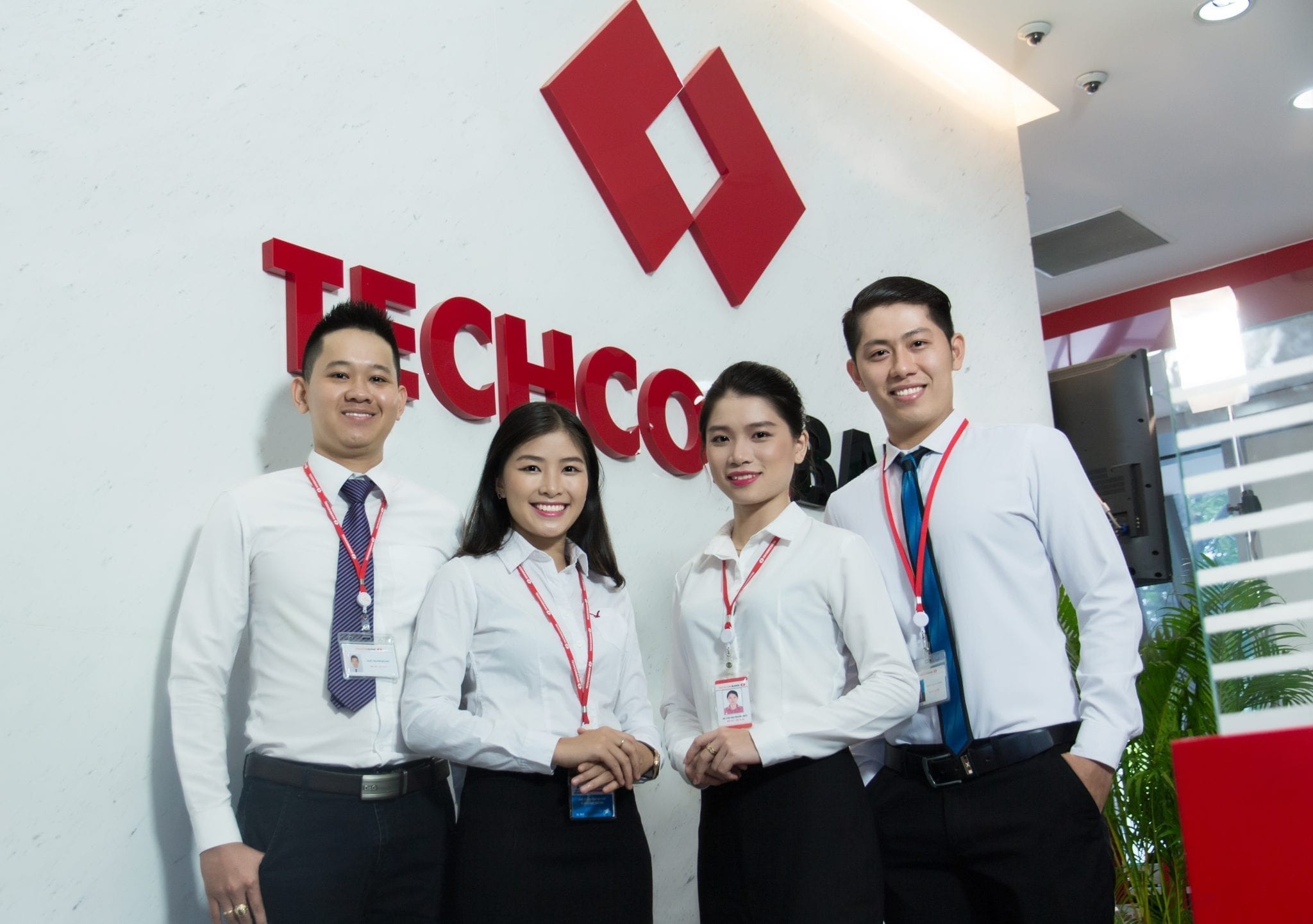
    500 million shares are to be issued at a minimum price of VND10,000 ($0.44) per share. If the deal is successful, Techcombank’s charter capital will increase from VND8.8 trillion ($387.69 million) to VND13.8 trillion ($607.96 million).

    This is the largest capital increase Techcombank has made since 2008. From 2008 to 2012 its charter capital increased regularly, from VND4.7 trillion ($207.07 million) to VND8.8 trillion ($387.69 million).

    All proceeds from the share offer are expected to be invested in the VND916 billion ($40.35 million) expansion of its head office and fixed assets. It will also spend VND1.6 trillion ($70.5 million) on technology and equipment.

    The bank will also increase its capital for credit activities and investment in government bonds, to some VND2.4 trillion ($105.76 million).

    Techcombank’s pre-tax profit was VND1.3 trillion ($57.29 million) in the first quarter of this year, up 130 per cent year-on-year and representing 26.3 per cent of the 2017 plan.

  • Honda spreads its wings into Southeast Asia’s private jet market

    Honda spreads its wings into Southeast Asia’s private jet market

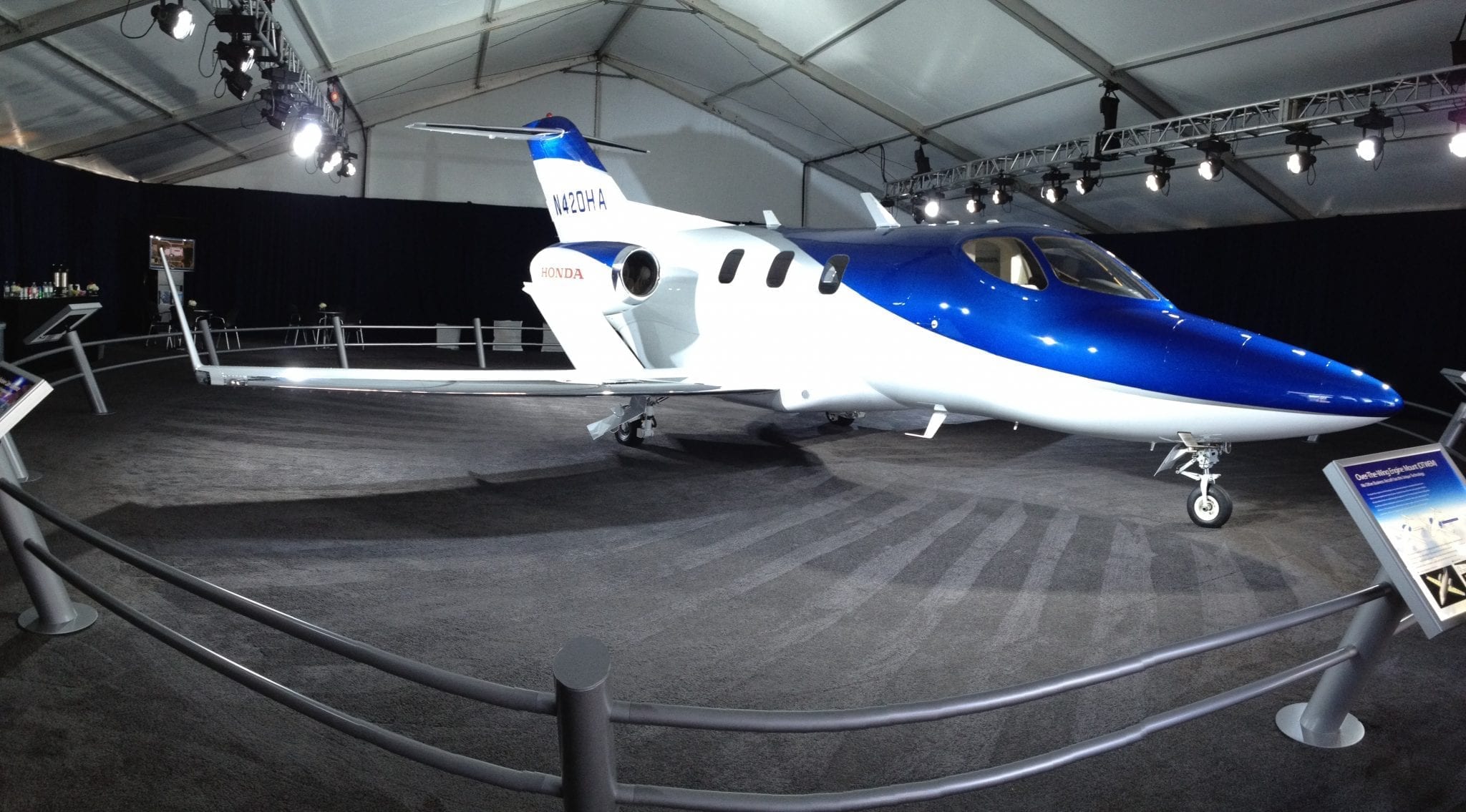
    With the fastest growing ‘super rich’ group in the world, Vietnam is going to be a prime target for the HondaJet. Honda Motor has announced plans to start selling its HondaJet private aircraft in several Southeast Asian markets to capitalize on the region’s economic growth.

    The Japanese automaker said on Monday that it has chosen Thai Aerospace Services (TAS) as its first-ever HondaJet dealer in Southeast Asia.

    “We see great potential for the HondaJet in Southeast Asia, one of the world’s fastest growing regions,” Honda Aircraft Company President and CEO Michimasa Fujino said in a company report.

    TAS will provide sales, service and support for HondaJet customers in Vietnam, Thailand, Cambodia, Laos, Malaysia, Myanmar and Singapore, said the report.

    The seven-passenger HondaJet aircraft first hit the market in December 2015, and orders have topped 100, according to Nikkei.

    The design places the engines above the wings, granting the plane more interior space. Other selling points include speed and fuel efficiency.

    Honda has dealerships in North America, Latin America and Europe, and the company had delivered 41 jets as of mid-April.

    Vietnam’s ultra-rich population is growing faster than any economy in the world, and is on track to continue leading the growth in the next decade.

    The Wealth Report by the U.K.’s independent real estate consultancy Knight Frank found there are 200 ultra high net worth individuals (UHNWI) in Vietnam, who are defined as people with investable assets of at least $30 million, excluding personal assets and property such as a primary residence, collectibles and consumer durables.

    In Vietnam, this super rich group grew by 320 percent between 2000 and 2016, the fastest in the world compared to India’s 290 percent and China’s 281 percent, the report said.

    The number is expected to continue rising to 540, or by 170 percent, by 2026, the highest growth rate in the world. Millionaires in Vietnam are expected to jump to 38,600 from 14,300 over the same period.

  • Nokia, Apple bury hatchet in patent dispute

    Nokia, Apple bury hatchet in patent dispute

    It’s an upgrade in the relationship between two companies. Nokia and Apple said Tuesday they were burying the hatchet in a bitter patent dispute with a cooperation agreement and an undisclosed cash payment by the U.S. tech giant to the Finnish group.

    By settling their ongoing intellectual property dispute, the two companies would “move the relationship… from being adversaries in court to business partners,” Nokia’s chief legal officer Maria Varsellona said.

    Following years of clashes, Nokia and Apple originally signed a licensing agreement in 2011.

    But last December, the Finnish group, once the world’s top mobile phone maker, complained that Apple was using Nokia technology in many products without paying for it.

    And it filed lawsuits in Germany and in the United States.

    Concretely, the dispute concerned 32 patents for innovations related to displays, user interface, software, antennae, chipsets and video coding.

    The deal reached on Tuesday would put the two companies’ relationship back on an even keel, with Nokia providing “certain network infrastructure products and services to Apple,” the statement said.

    Apple would “resume carrying Nokia digital health products (formerly under the Withings brand) in Apple retail and online stores, and Apple and Nokia are exploring future collaboration in digital health initiatives,” it continued.

    “Regular summits between top Nokia and Apple executives will ensure that the relationship works effectively and to the benefit of both parties and their customers.”

    Apple’s chief operating officer Jeff Williams said the U.S. giant was “pleased with this resolution of our dispute and we look forward to expanding our business relationship with Nokia.”

    The two sides did not disclose the financial details of the deal.

    But Nokia would receive “additional revenues during the term of the agreement,” the Finnish group said.

    The up-front cash payment would allow Nokia to “provide a comprehensive update of its capital structure optimisation programme,” a restructuring plan launched in late 2015, which may now be lighter thanks to the payment by Apple.

    Nokia’s shares were showing a gain of more than seven percent stake on the Helsinki Stock Exchange at around 10:00 GMT, while the overall market was up by just 0.8 percent.