Author: Mei Ling Tan

  • Upgrade for Pizza Hut Malaysia’s restaurants

    Upgrade for Pizza Hut Malaysia’s restaurants

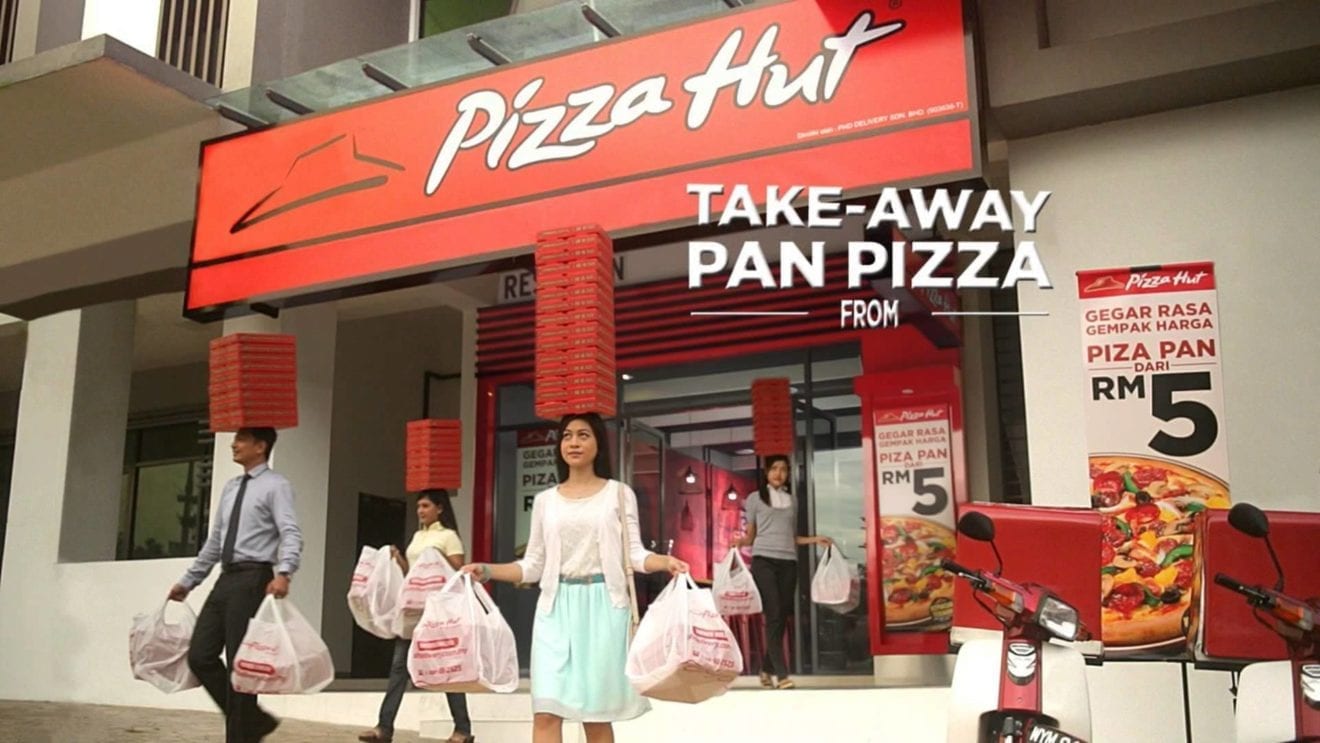
    The operator of Pizza Hut, QSR Brands (M) Holdings Bhd, plans to upgrade its 221 dine-in restaurants over the next two years, as part of its re-branding activity in conjunction with Pizza Hut’s 35th anniversary.

    QSR Brands chief executive officer Merrill Pereyra said Pizza Hut currently had close to 400 outlets, nationwide.

    “So far, we have upgraded more than 50 restaurants and we will also conduct 100 per cent asset enhancement in all 221 restaurants,” he told a press conference after Pizza Hut’s 35th anniversary celebrations in Kuala Lumpur on Thursday.

    Pereyra said the company planned to enhance dining experience at its restaurants as the segment was not only its core business but also made Pizza Hut stand out from its competitors.

    He, however, declined to elaborate on the capital expenditure for the upgrading exercise but said the company had allocated enough for the purpose.

    When asked on possibilities of new openings for this year, Pereyra said the company planned to spend the next couple of years to re-brand Pizza Hut and the exercise would include a new logo, website and also a new mobile application.

    The website was launched on May 5 and we are already seeing nearly 100 per cent increase in visits and 150% increase in new users.

    Order placement with the newly developed website and mobile application would reflect Pizza Hut’s refreshed brand mission of “easy and better”, he added.

    Pereyra said the mobile application will be launched in three months.

    Pizza Hut, in conjunction with its anniversary celebrations, on Thursday launched the 35 Bites Challenge where consumers can attempt to finish a large pizza in 35 bites, within five minutes.
  • Chinese regulator approves VW-JAC Motor electric car venture

    Chinese regulator approves VW-JAC Motor electric car venture

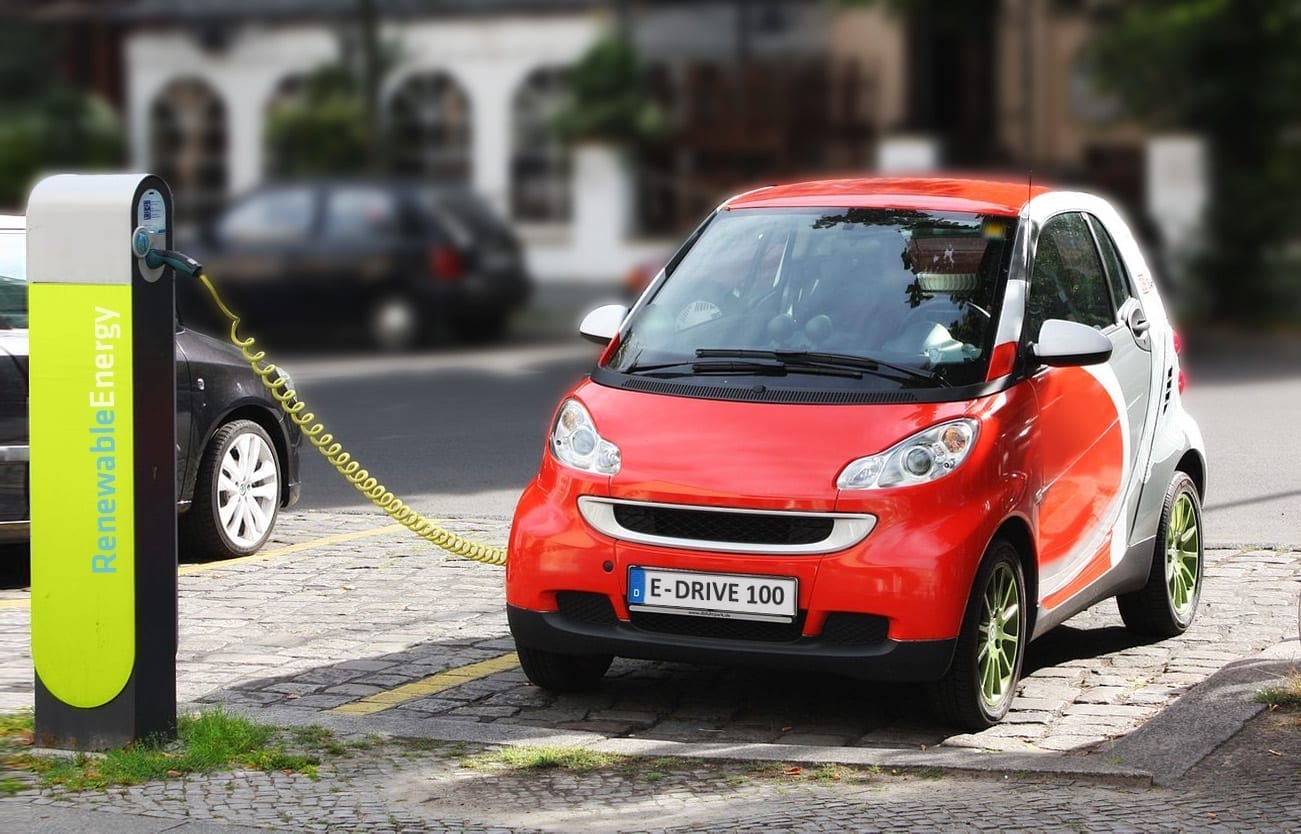
    Germany’s Volkswagen AG and Anhui Jianghuai Automobile Group have received approval from Chinese regulators to form a joint venture to make electric vehicles, the two automakers said on Monday.

    The National Development and Reform Commission (NDRC), China’s top state planner, gave a green light to JAC and VW to build 100,000 pure battery electric vehicles annually in a project worth 5.1 billion yuan ($740 million), according to a JAC Motor stock exchange filing.

    A VW spokesman confirmed the approval but said certain administrative procedures still needed to be completed for a joint venture contract to be signed with JAC Motor.

    Volkswagen, China’s largest foreign automaker, has pledged to rapidly develop a range of electric vehicles as the Chinese government aggressively promotes the segment as a way to cut intense smog in much of the country.

    VW already has joint ventures with China FAW Group and SAIC Motor Corp Ltd in the country.

    The has company previously said it aims to sell 400,000 “new energy vehicles,” a category which includes pure electric and plug-in petrol-electric hybrids, in China by 2020 to meet strict Chinese fuel economy and emissions regulations, with electric vehicles made with JAC Motor coming in addition to that figure.

  • Heightened danger in Singapore as cyber attacks increase

    Heightened danger in Singapore as cyber attacks increase

    Ransomware has rapidly moved from a “nuisance” to a public threat which could now endanger lives, a director of Singapore’s Cyber Security Agency told the CommunicAsia2017 conference on Tuesday.

    Ho Ka Wei, a director at the National Cyber Threat Analysis Center at the Cyber Security Agency of Singapore, said an increase in attacks in recent weeks-including the global WannaCry attack-has put agencies on “high alert” and led to “sleepless nights and non-stop action.”

    Ransomware attacks on the health system and facilities such as hospitals have the potential to threaten people’s lives, he said.

    “The number of attacks is increasing,” said Ho. “No one is spared.”

    “Critical infrastructure and government institutions continue to be attractive targets, and we see new sophisticated forms of ransomware and malware,” he said. “And now they are coming in malicious combos like WannaCry-which is both ransomware and a worm.”

    Attacks were also increasing in strength and power, with some measured at over one terabyte per second, where previously “20 gigabytes a second was considered quite high.”

    Ho outlined recent Advanced Persistent Threat (APT) attacks at two Singapore Universities in April, which were “carefully planned” with perpetrators seeking to steal government information and research.

    The APTs were designed to gain unauthorized access to networks and lurk there for long periods to access information.

    These attacks, at NTU and NTS, were identified and computers were isolated and then replaced.

    The threat environment, said Ho, escalates on a monthly basis, and will reach new levels with the unstructured rise of the IoT if rigorous action is not taken and standards enforced.

    “If IoT devices are unsecured by default, then they can be controlled and used,” said Ho. “The level of escalation is serious.”

    Singapore created the Cyber Security Agency two years ago under the auspices of the Prime Minister’s Office, and the country announced its first Cyber Strategy in October last year.

    Ho outlined four pillars to the strategy: to build a resilient infrastructure, create safer cyberspace, develop a vibrant cybersecurity ecosystem, and strengthen international partnerships.

    Digital technology, he said, was critical to Singapore’s “smart nation efforts” and the increased number of attacks from “new vectors” was a key national risk to overcome.

  • Alibaba sales beat estimates, plans $6m share buyback

    Alibaba sales beat estimates, plans $6m share buyback

    Alibaba Group’s first-quarter revenues surpassed industry estimates for the three-month period ending March, as the Chinese e-commerce giant witnessed strong growth in new business lines beyond online shopping.

    Total revenues for the last quarter reached 38.6 billion yuan (US$5.6bil), well above an average forecast of 36 billion yuan according to Thomson Reuters.

    “Our revenue base is now more diversified,” chief financial officer Maggie Wu said. The finance head added that Alibaba’s cloud and entertainment sectors became “more meaningful growth drivers” during the quarter.

    Despite the sales high, earnings fell flat for the three months, with profits adversely affected by tax increases after the expiration of a local tax reduction linked to Alibaba’s investment in Chinese electronics retailer Suning Commerce Group Co Ltd.

    Alibaba’s adjusted earnings per share (EPS), therefore, came in at 4.35 yuan (US$0.63), below estimates of 4.48 yuan.

    Coinciding with the results, Alibaba announced plans to buy back shares worth up to US$6bil over two years.

    The operator of online market place Tmall and financial payments system Alipay said the share repurchase scheme would replace its existing buyback program.

    For the last few years, Alibaba has been targeting news business lines such as cloud computing, big data, entertainment and offline retail as it expands beyond e-commerce.

    However, online shopping remains the firm’s bread and butter. In March, Alibaba said it plans to open a regional distribution hub in Malaysia to cater to its fast-growing business in the region. It also launched its Alipay business in the Asian nation last week, following a debut in the US earlier in the year.

  • AirAsia X’s profit hit by higher fuel expenses

    AirAsia X’s profit hit by higher fuel expenses

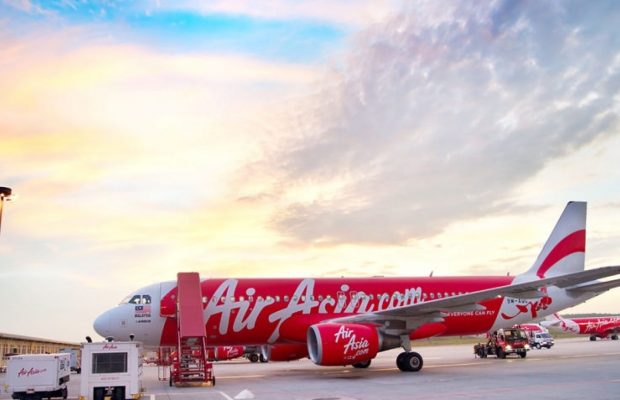
    AirAsia X Bhd’s (AAX) profit for the first quarter (Q1) ended March 31, 2017, was dragged down by higher expenses such as aircraft fuel cost, which ballooned by 55% from a year earlier.

    AAX, whose expenses are mostly denominated in the US dollar, said it posted a 43% year-on-year drop in operating profit to RM60.3mil mainly due to an overall 6% depreciation of the ringgit against the greenback.

    The long-haul, low-cost airline told Bursa Malaysia on Tuesday that net profit fell to RM10.34mil from RM179.49mil previously.

    Aircraft fuel expenses, the single largest operating cost, swelled to RM377.69mil from RM243.06mil a year earlier. Aircraft operating lease costs rose to RM70.82mil from RM45.64mil previously.

    Its profit took a hit despite a healthy growth in passengers carried – up 33% to 1.4 million in Q1 on the back of a higher available seat capacity – that led to a 22% jump in revenue year-on-year to RM1.18bil.

    Load factors were 2 basis points higher at 84% compared with the same quarter in 2016.

    Ancillary revenue per passenger remained constant at RM150 while freight and cargo revenue grew by 5.9% to RM32.8mil in the quarter under review.

    Revenue per available seat kilometer (RASK) was down 6% year-on-year from 15.11 sen to 14.20 sen during the quarter under review.

    AAX said the marginal drop was due to the expected increase in capacity on core existing routes as per its strategy to grow market share and therefore pressuring yields.

    In a press statement, it said Malaysia AirAsia X (MAAX) registered a healthy load factor of 84%, up 2 percentage points (ppts).

    Thailand AirAsia X outperformed despite regulatory constraints by posting US$5.5mil net profit in Q1. It recorded a strong 94% load factor, an increase of 5 ppts from 89% in the same period last year.

    As for Indonesia AirAsia X, the A330s service was still temporarily suspended in Q1 as part of a network restructuring aimed at improving operational efficiencies. However, it has resumed the A330 operations with the introduction of two new routes this month.

    On its prospects, the AirAsia group affiliate said that based on the current forward booking trend, forward loads and average fares were trending better than the previous year.

    However, it added, the relative weakness of the Malaysian ringgit remained a key concern as a large portion of the company’s borrowings and operating costs – including fuel expenses and aircraft operating lease exprnses – are denominated in US dollars.

    “Barring any unforeseen circumstances, including but not limited to terrorist attacks, natural disasters, epidemics, economic downturn, fuel price hike and fluctuation in foreign currencies against the Malaysian ringgit, the company expects its prospects to remain positive,” it said.

    In the press statement, MAAX chief executive officer Benyamin Ismail said: “Moving forward for the rest 2017, AirAsia X will focus on strengthening our market leadership through a number of strategies.

    “We hope to stretch our aircraft utilisation rate further with more incremental frequencies on high yield point-to-point routes and new routes in the second half of 2017. We have also set targets in ensuring the company remains lean through various cost initiatives and maximise the operational synergies between AirAsia and AirAsia X.”

  • ST Electronics launches WISX IoT platform for smart cities

    ST Electronics launches WISX IoT platform for smart cities

    Singapore Technologies Electronics Limited (ST Electronics) announced the launch of its World of IoT – Sense & eXchange (WISX IoT) platform on Day One of CommunicAsia2017.

    The WISX IoT platform is designed to integrate multiple IoT solutions into a common platform that facilitates data exchange and analysis. Developed to support IoT solutions for smart city initiatives worldwide, the platform aims to enhance city services and improve the quality of life for residents. The platform can be used for applications such as integrated estate management.

    The WISX IoT platform leverages ST Electronics’ knowledge in deploying and operating wireless communications networks for automated utility meters and infrastructure, lighting, public safety and environmental solutions and sensors in Singapore as well as global cities. The goal is to provide a multi-domain platform with advanced communications and cross-domain data analytics to benefit residents. The platform optimizes the management of cities by generating actionable insights from the data collected from individual IoT solutions and enables city planners to better understand what matters most to people.

    “Our successful track record in deploying more than 15 million wireless communications nodes worldwide has given us the expertise to develop a platform that seamlessly integrates IoT solutions across different domains,” Ravinder Singh, president, ST Electronics. “The WISX IoT platform will better equip city planners with valuable insights so that they can make informed decisions and improve the operational efficiency of city services.”

    The WISX IoT platform is showcased at the CommunicAsia2017, from 23 to 25 May at Marina Bay Sands, where its capabilities will be demonstrated through an Integrated Smart Estate Management case study. A suite of ST Electronics’ smart solutions comprising indoor and outdoor lighting, automated water and electrical meters, lift monitoring solution, environmental sensors, car parks and security systems is integrated in the platform as part of an overall Smart Estate showcase.

  • China Online Retail Giant Wants to Build a Drone That Can Literally Deliver a Ton of Stuff

    China Online Retail Giant Wants to Build a Drone That Can Literally Deliver a Ton of Stuff

    JD.com, one of the most prominent online retail companies in China, plans to create a drone capable of carrying—literally—a ton for long-distance deliveries.

    The retail giant plans to use the technology for food deliveries to and from agricultural centers in remote areas to cities, the company said.

    “We envision a network that will be able to efficiently transport goods between cities, and even between provinces, in the future,” Wang Zhenhui, chief executive of JD’s logistics business group, said in a statement.

    The company told the drone capable of carrying one ton will likely not be available for two or three years. The drones wouldn’t deliver directly to customers’s doorsteps. Multiple packages would be delivered to a local employee, who will deliver them to customers.

    The retail giant will work on the technology in Shaanxi, a Chinese province, where it reached an agreement to test low-altitude drones and flight routes. The company will also create a research and development center at the Xi’an National Civil Aerospace Industrial Base in that province to develop, manufacture, and test the drones.

    Headquartered in Beijing, JD (jd) has more than 236 million customers and a delivery system with 65,000 employees. The company launched its first drone delivery program in Nov. 2016 for the country’s “Singles’ Day” shopping festival.

    In the United States, e-commerce giant Amazon (amzn) has plans to use drones to deliver packages of up to five pounds to Amazon Prime customers. The company opened testing facilities in the U.K.

  • Retro Nokia phone hits the right buttons on return to Vietnam

    Retro Nokia phone hits the right buttons on return to Vietnam

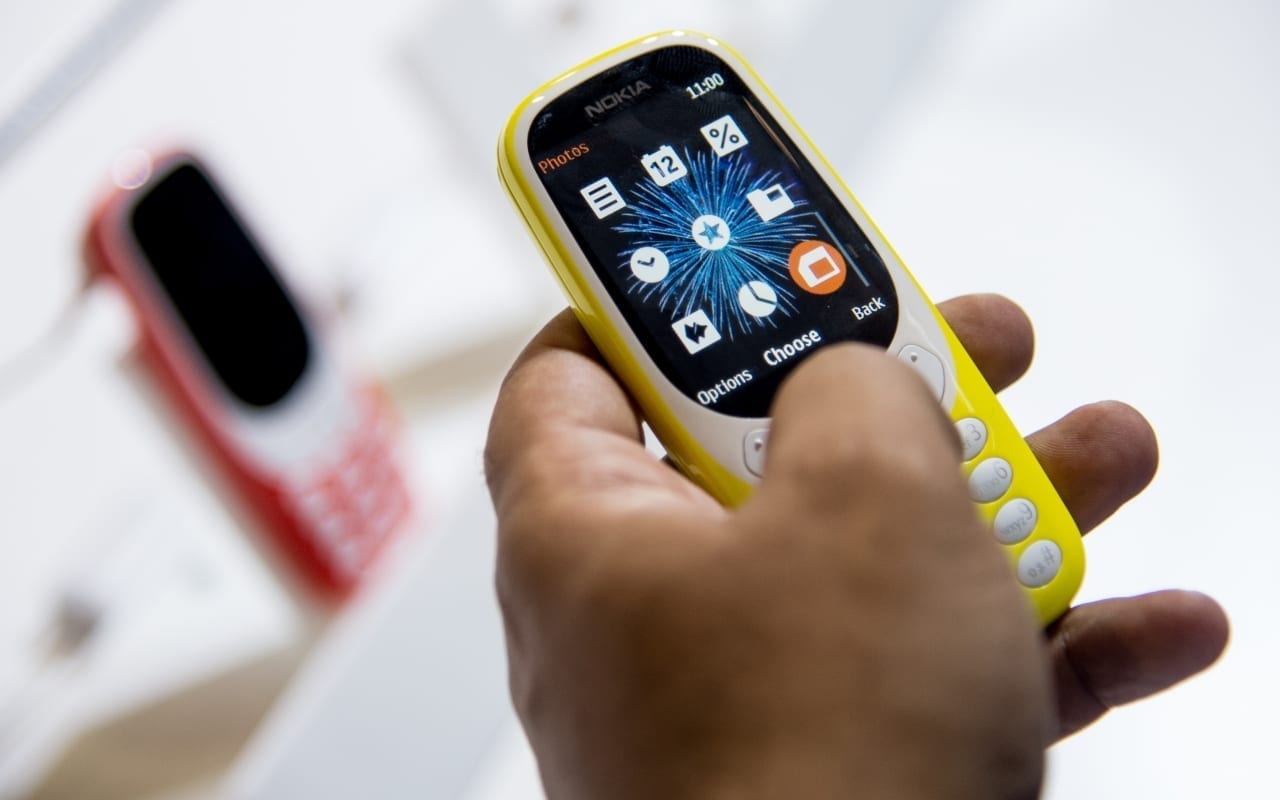
    Nearly two decades after being crowned the king of Vietnam’s cellphone market, Nokia’s classic 3310 has made a successful return to the mobile-crazy country, proving that its charms still work.

    The classic talk and text phone, which was reintroduced in a brightly colored version at the Mobile World Congress in Barcelona last February, hit Vietnamese shops on Monday and has already become a phenomenon.

    “It has triggered a hunt like when the iPhone first arrived in Vietnam,” said one customer who has been trawling the shops in vain for the revamped model.

    Many mobile retailers in Hanoi and Ho Chi Minh City said they had received limited supplies that sold out in a day. An independent shop in Hanoi was sent 20 phones while a retail chain received 500 for its more than 400 outlets.

    A source from the official distributor said that supplies will stabilize from next week. Many buyers have put deposits down for the phone, which costs VND1,059,000 ($46.67).

    Retailers said customers are buying out of a sense of nostalgia.

    The phone is a powerful reminder of Nokia’s popularity back at the start of the millenium, when the 3310 was one of the most popular models in many markets, including Vietnam.

    The original 3310 sold 126 million phones, the 12th best-selling phone model in history. Nine of the top 12 selling models were produced by Nokia.

    Many Vietnamese still consider the old model a benchmark for durability and battery life. The new model is designed for 22 hours of talk time and up to one month of standby time, which might heighten the phone’s appeal as a backup for smartphone users.

    Analysts hailed the 3310 launch as a smart retro gambit, but one which could overshadow the Finnish company’s re-entry into the global smartphone market. Nokia has also launched four moderately priced smartphones ranging from 139 to 299 euros ($156-336).

    Nokia sold its by-then ailing handset operations to Microsoft for $7 billion in 2014, leaving it with its network equipment business and a large patent portfolio.

    But last year, it gave the Nokia brand a fresh start by licensing its devices brand to HMD Global, a new company led by ex-Nokia executives and backed by Chinese electronics giant Foxconn.

    Industry analysts say the revived Nokia 3310 has the makings of one of the hit devices of 2017, appealing to older Nokia fans in developed markets looking for an antidote to smartphone overload, while also appealing to younger crowds in emerging markets.

  • Swift unveils industry’s first ever cross-border payments tracker

    Swift unveils industry’s first ever cross-border payments tracker

    SWIFT announces today the availability of its new cross-border payments Tracker that enables international payments to be traced in real-time. The Tracker is the cornerstone of SWIFT gpi – the cooperative’s new payments innovation service – which is revolutionizing the industry by combining real-time payments tracking with the speed and certainty of same-day settlement for international payments.

    Available since January 2017, more than 20 global transaction banks are using or implementing the SWIFT gpi service, with another 50 in the implementation pipeline. Hundreds of thousands of gpi payments have already been sent across more than 85 country corridors.

    “Uptake of SWIFT’s gpi service has been encouraging and the addition of the Tracker capability can only help build momentum and accelerate adoption of the service in international payments,” says David Bannister, Principal Analyst, Ovum. “The most common complaint from corporates is the lack of visibility on their payments’ status. With the Tracker capability, SWIFT gpi tackles that issue and will be a useful tool to help corporate treasurers to execute their core responsibilities.”

    SWIFT gpi enables companies engaged in international trade to get paid for services, or delivery of goods, in a more timely fashion, enabling a faster supply chain process. The highly innovative gpi Tracker provides corporate treasurers with a real-time, end-to-end view of their payments combined with a confirmation notice when the money reaches the recipient’s account. It also enables a more accurate reconciliation of payments and invoices, optimizes liquidity with improved cash forecasts and reduces exposure to FX risks with same-day processing of funds in the beneficiary’s time zone. The Tracker is available via an open API, making it compatible with proprietary banking systems worldwide – helping to ensure maximum impact of gpi benefits at a greater adoption speed.

    SWIFT gpi has garnered considerable industry support across the globe. More than 110 leading transaction banks have committed to the service, representing over 75% of all SWIFT cross-border payments. Recent joiners to SWIFT gpi include: Agricultural Bank of China, Bank of Communications, Banque Centrale Populaire, BayernLB, China Citic Bank, China Minsheng Banking Corporation, Commercial Bank of Kuwait, Denizbank, Ebury, Industrial Bank, Guangfa Bank, Lek Securities, Ping An Bank, Piraeus Bank, Postal Savings Bank of China, Shanghai Pudong Development Bank, Turkiye Cumhuriyeti Ziraat Bankasi, Westpac Banking Corporation and Yapi Kredi, and Zhejiang Rural Credit Cooperative Union. Click here for a full list of participating banks.

    The service is also compatible with and integrated into domestic payment market infrastructures(MIs) across the globe, facilitating local clearing and settlement of gpi payments. Banks can already exchange gpi payments over the 56 SWIFT-connected MIs as well as other MIs that have established local market practices for their participants that use the gpi service. SWIFT will also continue to actively engage with additional MI communities for future gpi compatibility.

    “Today’s announcement is a significant step towards a game-changing experience for corporates the world over,” says Christian Sarafidis, Chief Marketing Officer, SWIFT. “By taking advantage of the right technology, at the right time, with the right players behind us, SWIFT has successfully helped correspondent banking reach a significant milestone in its evolution.”

    Wim Raymaekers, Programme Manager for SWIFT gpi adds, “This is only the beginning for SWIFT gpi. We will continue to explore new technologies, such as blockchain, and deliver more value added payment services further transforming the international payments landscape and, in doing so, accelerating global trade.”


  • Indonesia aims for zero imports of garlic in 2018

    Indonesia aims for zero imports of garlic in 2018

    The government is looking to achieve its goal of zero garlic imports in 2018, following an expansion of garlic farms across the country.

    “We aim to see 100,000 hectares of garlic farms next year. If 1 hectare [ha] can produce 5 tons of garlic, we won’t need to import anymore,” Agriculture Ministry spokesperson Agung Hendriadi told over the phone on Tuesday.

    Annual garlic consumption for household and industrial needs reached 500,000 tons in 2015, but only 20,000 tons of it was planted domestically. The remaining 480,000 tons were imported from China and India, ministry data shows.

    Last year, the government expanded garlic farms, which jacked up the national production of garlic to almost 200,000 tons.

    Indonesia in the 1990s supplied most of its garlic to the domestic market, but gradually the farmers were discouraged from planting it due to a continuous decline in prices. Now, there are only 2,000 ha of garlic plantations, a massive decrease from the 28,000 ha of plantations in the 1990s.

    Agung also said that the Trade Ministry had set maximum price of Rp 38,000 per kilogram for garlic and would maintain the price to encourage farmers to cultivate garlic.

  • OCBC Bank subsidiary launches private onshore banking in Indonesia

    OCBC Bank subsidiary launches private onshore banking in Indonesia

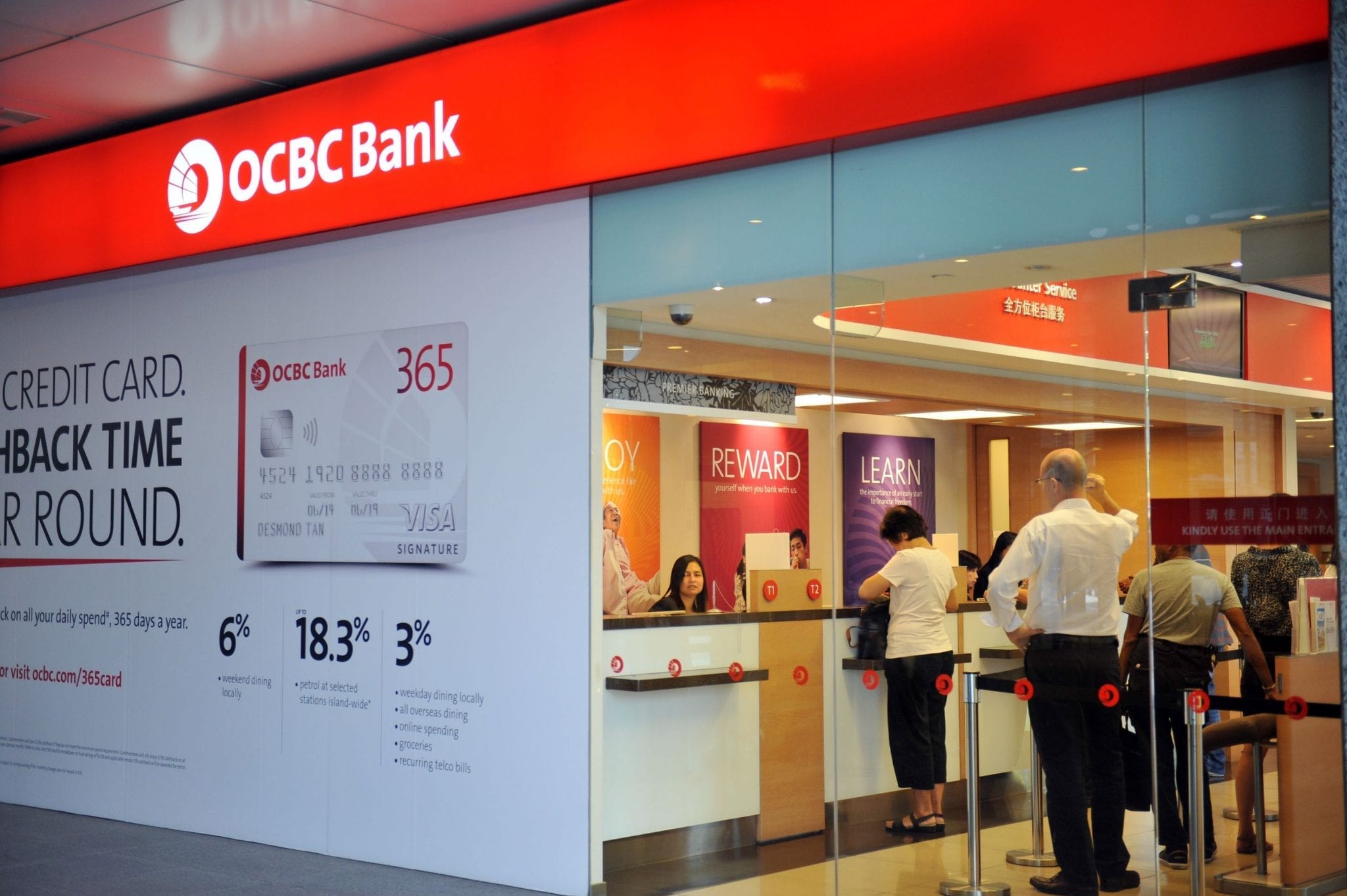
    OCBC Bank has launched onshore private banking in Indonesia through its 85 per cent-owned subsidiary, OCBC NISP, the company said on Monday.

    OCBC NISP has obtained regulatory approval to establish the private banking unit to manage the wealth of Indonesians with assets under management of more than US$1 million (S$1.38 million) with a comprehensive range of wealth management solutions.

    The unit will leverage OCBC Bank’s uniquely integrated wealth management platform that draws on the combined product expertise of the Bank and its subsidiaries – insurance products from Great Eastern Holdings, equities and bond funds from Lion Global Investors, brokerage services from OCBC Securities and private banking services from Bank of Singapore.

    The launch team includes four other private bankers who have an average of 18 years of onshore and offshore private banking experience and deep knowledge of regional markets. The team is expected to double in size by the end of the year.

    OCBC NISP private banking clients who are business owners will be able to draw on the commercial banking solutions offered by OCBC NISP and leverage OCBC Bank’s global network of more than 610 branches and offices across 18 countries and regions.

    “We are pleased to offer our wealthy clients alternative wealth management and investment options to help them manage their funds with the launch of our private banking business,” said Ms Parwati Surjaudaja, president director of OCBC NISP. “We will be introducing more sophisticated solutions that are tailored to our clients’ unique wealth planning and investment needs as we grow our business.”

    Calling the launch an important milestone in the expansion of OCBC’s wealth management franchise, Mr Samuel Tsien, group CEO of OCBC Bank, said the new business will help broaden client coverage of high net worth individuals. “We will leverage our strong product development, distribution and execution capabilities across the OCBC group to support this new customer segment in Indonesia.”

  • AEON in Collaboration with Bangkok Bank launches “Get A Chance to Win Gold with AEON”

    AEON in Collaboration with Bangkok Bank launches “Get A Chance to Win Gold with AEON”

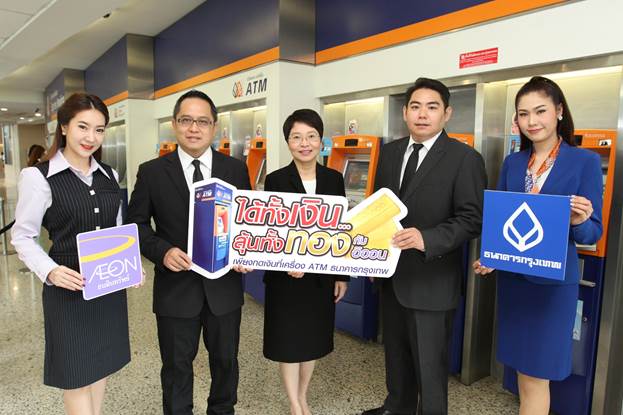
    Mr.Nuntawat Chotvijit, Marketing Director of AEON Thana Sinsap (Thailand) Public Company Limited (second left) together with Ms. Prassanee Ouiyamaphan, Executive Vice President of Bangkok Bank (center), and Mr. Arjharn Petchdee, Senior Vice President of Bangkok Bank (second right), announced the launch of “Get A Chance to Win Gold with AEON” promotional campaign, which runs until June 30.

    AEON Your Cash cardholders are eligible to participate in the campaign by making cash withdrawals of at least 1,000 baht at Bangkok Bank ATMs. The prizes, worth 753,750 baht in total, include 5 gold bars worth 100,000 baht each and 25 (50 Satang) gold necklaces valued at 10,150 baht each.

  • Korea emerges as top Asian importer of Benz, BMW

    Korea emerges as top Asian importer of Benz, BMW

    Korea has become Asia’s largest importer of Mercedes-Benz and BMW vehicles this year, as the two German carmakers sold more vehicles in Korea than Japan for the first time ever.

    Chinese motorists buy more Mercedes-Benz and BMW vehicles than Koreans do. But both firms roll out and sell their models through joint ventures with local Chinese firms. Hence, Korea is the populous continent’s de facto leader in terms of Mercedes-Benz and BMW vehicle imports.

    The Korea Automobile Importers and Distributors Association (KAIDA) said that Mercedes-Benz sold 24,877 cars in the first fourth months of this year, while BMW sold 18,115, up 48 percent and 32.4 percent from a year earlier, respectively.

    The luxury carmakers sold 21,365 and 15,818 cars respectively in Japan during the January-April period, up just 0.7 percent and 2.2 percent from the previous year.

    Based on its larger population and higher income, Japan has remained the largest Asian importer of the two luxury brands. Japan’s population is more than double that of Korea and its GDP per capita is 20 percent higher than that of Korea.

    But Korea dethroned Japan this year because of a months-long sales ban on Audi-Volkswagen vehicles here. The carmaker stopped selling its vehicles in Korea after the emissions scandal last summer but it did not face such troubles in Japan.

    During the sales suspension, Mercedes-Benz and BMW increased their sales in Korea’s import car market.

    The two combined to sell 57 percent of the import cars in Korea over the four months, up from 41 percent last year. In Japan, however, the figure only edged up from 38 percent to 40 percent.

    Analysts expect Mercedes-Benz and BMW will dominate the market for a while. The KAIDA also said BMW sold more cars than Mercedes-Benz in April.

    Mercedes-Benz maintained its top position until this March but fell to second place due to a short supply of its popular new E-class model. Lexus came in third in the number of sales, followed by Toyota and Honda.

  • Vietnamese footwear manufacturers ignore local market

    Vietnamese footwear manufacturers ignore local market

    Doan Ngoc Hieu, managing director of Leedo, confirmed that foreign countries were the target markets for most companies. Very few companies try to exploit the domestic market because they think big Vietnamese footwear manufacturers such as Asia and Biti’s hold much of the market share.

    However, there is still large room for Vietnamese manufacturers in the home market, as there is high demand for footwear makers.

    Hieu noted that the majority of Vietnamese footwear companies are household-run ones which follow old management ways. However, the companies need new management technologies to do business more effectively.

    Doan Ngoc Hai, the father of Hieu, established Le Doan Company in 1990, the predecessor of Leedo. By the end of 2015, Leedo had 300 workers and two workshops, one in Long An province and the other in Binh Chanh district of HCMC.

    Leedo provides 40 percent of PU soles in HCM City, churning out 4 million soles and 1 million pairs of footwear products a year.

    Hieu noted that with the old management method, companies didn’t pay much importance to marketing or sales. They just focused on wholesaling, supplying products to wholesalers at markets.

    However, he believes that companies need to change, because it is now the digital era, when Facebook and internet are popular.

    Hieu and his father argue about whether to bring Leedo’s products to international trade fairs to promote the brand. He also thinks that it is necessary to spend money on ISO and other certificates.

    “One cannot go far in the world market if he does not have certificates,” he commented, adding that footwear companies need to reform management to catch up with the times.

    According to the Taiwan Footwear Manufacturers Association, Vietnam’s footwear exports will increase by 20 percent this year thanks to free trade agreements, including TPP.

    Its shoe and handbag exports increased by 16 percent in 2015 with turnover of $15 billion in 2015, including $12 billion from footwear and $3 billion from handbags.

    Vietnam is the world’s third-largest shoe manufacturer, after China and India, and is the third largest exporter, after China and Italy.

    Vietnam expects a 20 percent growth rate in footwear exports in 2016 due to a number of new free trade agreements including the Transpacific Partnership (TPP).

  • New APAC Forwarding Index

    New APAC Forwarding Index

    Air and ocean volumes on Asia-Europe trade lanes eastbound and westbound are expected to surge in the coming months, according to the latest survey results for The New APAC Forwarding Index being developed by Mike King & Associates and Logistics Trends & Insights LLC.

    Higher air freight volumes are expected on key lanes to and from APAC, and the outlook for intra-Asia trade is also optimistic. The survey results, compiled by consultants Mike King and Cathy Roberson, are the first step towards the creation of a new Index for Asia forwarding markets which will be published in the coming months. The second survey is open to anyone with insight or business linked to key trade lanes to and from APAC used by forwarders and third parties.

    APAC Ocean Forwarding Markets
    Sixty per cent of survey respondents said ocean freight volumes to and from APAC in April were higher than March, while 54 per cent predicted they would handle higher volumes three months from now.

    “Demand has been higher than we’d anticipated from Europe to Asia, and there has also been some disruption to liner services following blank sailings around Chinese New Year and changes to alliances,” said one respondent. “We expect capacity to be tight well into Q2.”

    Seventy per cent of respondents expect APAC to Europe ocean freight volumes to increase three months from now, while 66.7 per cent forecast that volumes will rise from APAC to North America. However, optimism for the North America – APAC trade was hard to discern. Only 28.6% of respondents saw higher volumes on the lane in April compared to March, while only 43 per cent expect volumes to increase three months from now.

    “Despite uncertainty surrounding liner Alliances leading up to April 1 and the various bedding issues we have seen including terminal congestion in China and a lack of capacity in Europe, optimism is high for the APAC ocean freight market,” said Roberson. “The Europe to APAC trade lane had the highest percentage rate of month-to-month volume gains according to respondents to our first survey. The next most dynamic lanes were APAC to Europe and APAC to North America.

    “The North America to APAC liner trade reported the lowest percentage of respondents recording volume increases in April compared to March which could be the strength of the Greenback catching up with exporters. On most lanes the majority of respondents expect to see higher volumes over the next three months than at present, which bodes well for forwarders and lines.”

    APAC Air Markets
    Fifty-four per cent of survey respondents predicted APAC volumes across all lanes will be higher in three months than at present, with 37 per cent expecting them to remain the same and just 9 per cent lower. Fifty-two per cent of respondents reported that volumes in April compared to March were higher while only 11 per cent said they were lower. As with ocean trades, the most dynamic air cargo lanes in April compared to March were APAC to Europe (73 per cent experienced higher volumes month-on-month), Europe to APAC (55 per centhigher m-o-m) and APAC to North America (63 per cent higher m-o-m).

    “Concerns of a possible protectionist import tax on goods entering the US may be holding some shippers back in the North America region,” said Roberson. “Still, a respectable showing for North America as the economy remains healthy as the first half of the year progresses. Emerging markets volume appears strongest to APAC for air freight with more than half of respondents anticipating higher volumes on the lane three months from now. This is likely due to food imports from such locations as Africa, Chile, Argentina and elsewhere.”