Author: Mei Ling Tan

  • Sygnum Targets Institutional Investors with Germany Expansion

    Sygnum Targets Institutional Investors with Germany Expansion

    Swiss crypto bank Sygnum is accelerating its growth by offering asset management solutions in Germany and Liechtenstein, tapping into two key European markets to attract institutional investors with a promise of impressive double-digit returns.

    On Tuesday, Sygnum, which has established a stronghold in Switzerland and Singapore, announced its plan to extend its investment offerings to these nations as it eyes a broader European strategy. This move allows institutional and wholesale investors in Germany and Liechtenstein to access a carefully curated segment of Sygnum’s crypto investment solutions.

    Laying the Groundwork in Liechtenstein

    The firm’s recent registration in Liechtenstein, achieved in September 2024, has paved the way for its entry into the German market. This expansion underlines Sygnum’s ambition to provide professional investors across Europe with trustworthy access to digital assets. Central to their appeal is a non-directional, low-volatility investment strategy that seeks to capture yield opportunities in the dynamic crypto market while skillfully managing associated technological and platform risks. Remarkably, this strategy has consistently produced annualized double-digit returns since its launch.

    Responding to Surging Institutional Demand

    Fabian Dori, Chief Investment Officer at Sygnum, emphasized the significance of this move, stating, “Our expansion into Germany and Liechtenstein reflects strong demand from institutional investors seeking trusted access to sophisticated crypto investment strategies.” He added that these markets represent substantial growth potential as investors increasingly regard digital assets as essential components for diversification in their portfolios. Indeed, as interest in crypto investment flourishes, you might just find that even the most traditional investors are warming up to this unconventional asset class!

    Building Strong Local Partnerships

    To facilitate distribution, Sygnum is implementing a liability umbrella solution in collaboration with Reuss Private Access. This partnership will ensure that Sygnum Europe manages distribution across the EU, enabling investors in both Germany and Liechtenstein to access its innovative solutions through authorized distribution partners. Plans for further expansion into additional European markets are already in development.

    A Global Player in the Financial Landscape

    With a Swiss banking license and significant regulatory presence in Singapore, Abu Dhabi, Luxembourg, and Liechtenstein, Sygnum is strategically positioned as a bridge between traditional finance and the emerging digital asset economy. This unique regulatory footprint supports Sygnum’s model of what they refer to as “Future Finance.”

    Questions & Answers

    What prompted Sygnum to expand into Germany and Liechtenstein?
    The expansion is driven by strong demand from institutional investors seeking reliable access to sophisticated crypto investment strategies, alongside the goal of enhancing Sygnum’s European growth strategy.

    What kind of investment strategy does Sygnum offer?
    Sygnum provides a non-directional, low-volatility investment strategy aimed at capturing yield opportunities within the crypto market while managing risks associated with technology and platforms, boasting annualized double-digit returns since inception.

    How is Sygnum facilitating distribution in these new markets?
    Sygnum is using a liability umbrella solution in partnership with Reuss Private Access to oversee distribution within the EU, allowing investors in Germany and Liechtenstein to access its asset management services via authorized partners.
  • Louis Vuitton Launches Standalone Beauty Boutique In China Amid Revenue Slump

    Louis Vuitton Launches Standalone Beauty Boutique In China Amid Revenue Slump

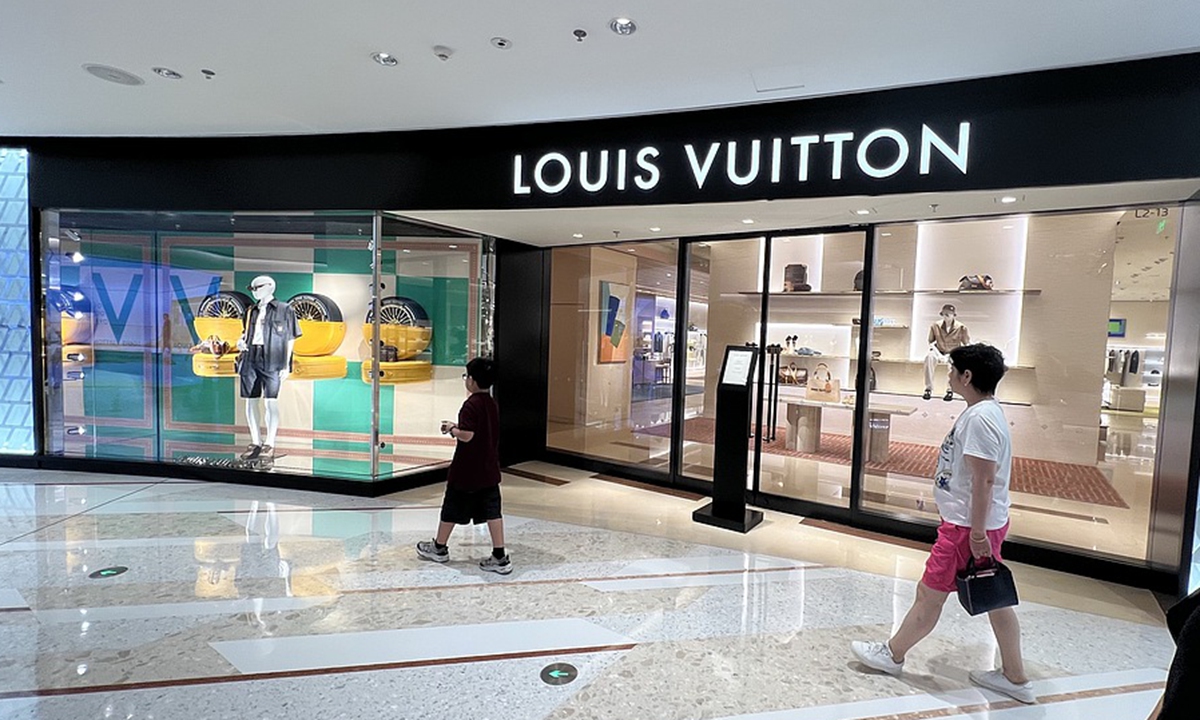
    The French luxury behemoth, Louis Vuitton, has recently inaugurated its inaugural standalone beauty retail outlet in China. This strategic development marks a significant effort by the brand to fortify its presence in the high-end market segment and re-establish its bond with Chinese consumers.

    The Beauty Boutique

    The beauty boutique, nestled in the esteemed Deji Plaza of Nanjing, serves as the platform to exhibit the company’s novel beauty product line, La Beaute. This line is the creative offspring of the distinguished makeup artist, Dame Pat McGrath. The La Beaute collection comprises a meticulously curated assortment of products such as lipsticks, lip balms, eyeshadow palettes, and an array of beauty accessories.

    Product Highlights

    Notable products from the collection include the LV Rouge lipsticks, which are available in a staggering 55 shades, with both satin and matte finishes. These lipsticks are marketed at roughly $160 each. Furthermore, the product line is also home to 10 LV Baume lip balms and 8 LV Ombres eyeshadow palettes.

    Brand Strategy

    The unveiling of this boutique aligns with Louis Vuitton’s large-scale plan to rejuvenate its relations with China’s luxury consumer base. This comes in the wake of a reported 4 per cent slump in its global revenue during the first half of FY25. The brand’s initiative is a response to the weakening demand noticed in China, a situation partly attributed to the prevailing trade friction between Beijing and Washington.

    Questions & Answers

    What is the strategic significance of Louis Vuitton’s first standalone beauty boutique in China?
    The launch of this boutique is a key move by Louis Vuitton to strengthen its foothold in the premium market and foster stronger relations with Chinese consumers.

    What are some notable products from the new La Beaute collection?
    Prominent products from the collection include the LV Rouge lipsticks, available in 55 shades, LV Baume lip balms, and LV Ombres eyeshadow palettes.

    Why is Louis Vuitton focusing on re-engagement with China’s luxury consumers?
    The brand’s focus on re-engagement with China’s luxury consumers comes in response to a 4 per cent decrease in its global revenue during the first half of FY25 and weakening consumer demand within China.

  • Hong Kong’s Retail Sales Rise For Third Consecutive Month Amid Increased Tourism

    Hong Kong’s Retail Sales Rise For Third Consecutive Month Amid Increased Tourism

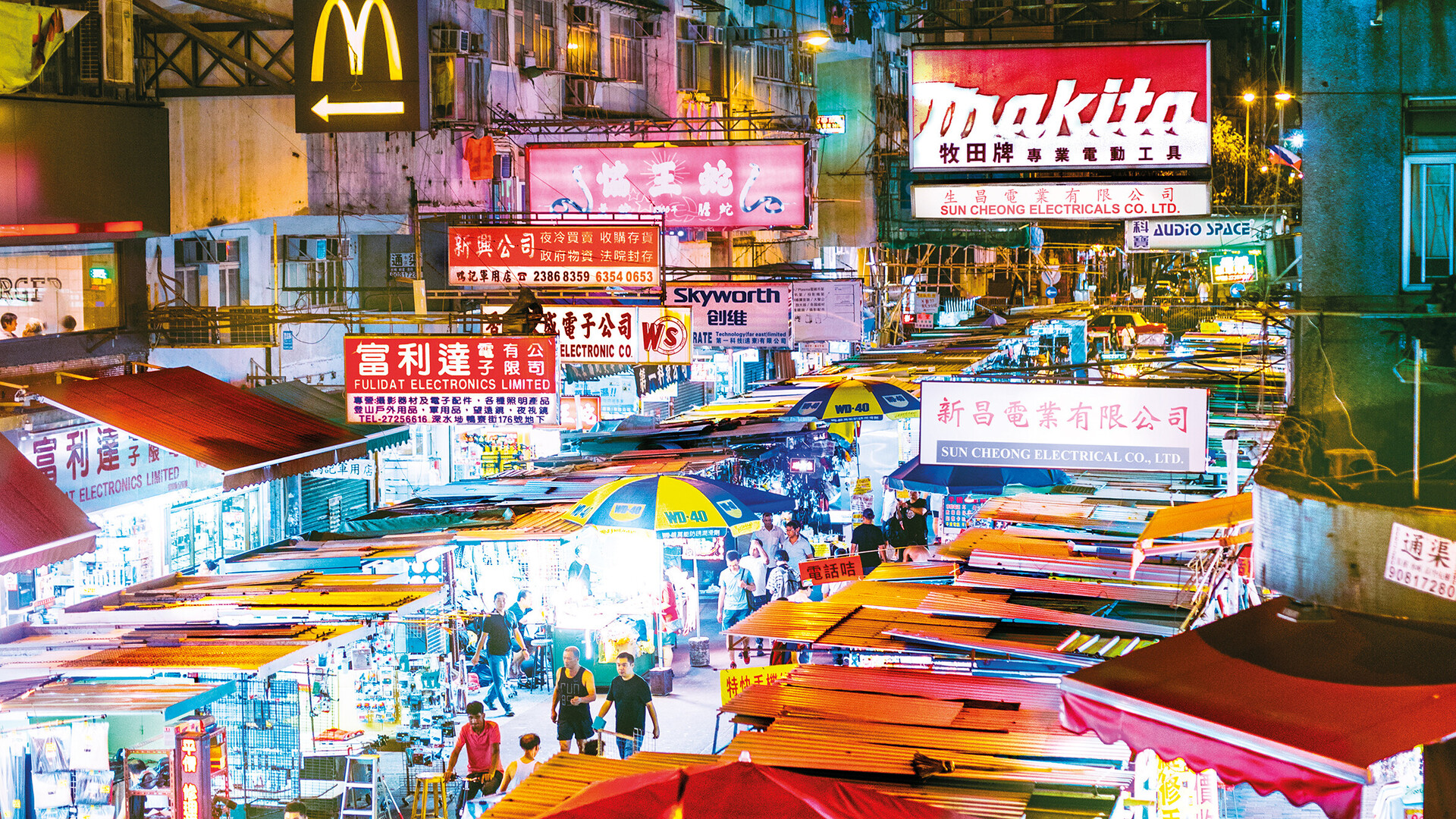
    July’s retail sales in Hong Kong experienced an upward trend, marking the third consecutive month of positive growth. Sales figures showed a 1.8% year-on-year increase, achieving a total value of HK$29.7 billion ($3.8 billion). This increase followed a more modest growth of 0.7% in June.

    Sales Volume Increases

    In addition to this financial upturn, retail sales volume also saw a rise of 1% in July compared to the previous year. This is a significant improvement from the 0.3% decrease experienced in June. However, a broader look at the year reveals that retail sales decreased in value by 2.6% and in volume by 4% over the first seven months of 2025 compared to the same period in 2024.

    A government representative expressed optimism about these figures, suggesting that consumer sentiment is expected to remain consistent. Furthermore, this spokesperson highlighted the positive impact of government initiatives that encourage tourism and large-scale events, all of which are predicted to provide benefits to retail businesses.

    Tourist Arrivals Boost Retail

    Data from the Hong Kong Tourism Board showed an increase in visitor arrivals during July. A total of 4.39 million visitors marked a 12% increase from the same month the previous year. This is a noticeable acceleration compared to the 3.48 million in June, 4.08 million in May, and 3.85 million in April.

    Of these visitors, 3.51 million originated from mainland China, an 11.8% increase in comparison to the previous year. Despite the increasing number of visitors, spending habits indicate a more conservative approach with many choosing to limit their overall expenditure.

    Specific Sector Performance

    Particular sectors within the retail industry showcased robust growth. Jewellery, watches, clocks, and valuable gifts saw sales surge by 9.4% year-on-year in July, up from a rise of 6.9% in June. The clothing, footwear, and allied products segment, however, saw a marginal growth of 0.1%, a slight recovery from a 4.6% drop in June.

    Questions & Answers

    How much did Hong Kong’s retail sales increase in July?
    Sales rose by 1.8% year-on-year, achieving a total value of HK$29.7 billion ($3.8 billion).

    What was the growth in the number of visitors from mainland China?
    The number of visitors from mainland China increased by 11.8% compared to the previous year, reaching a total of 3.51 million in July.

    Which retail sector saw the most significant growth?
    The sector of jewellery, watches, clocks, and valuable gifts saw the most substantial growth with a 9.4% year-on-year rise in sales in July.

  • Berjaya Food Reports Rising Losses: Starbucks Malaysia’s Struggles Amid Middle East Conflict

    Berjaya Food Reports Rising Losses: Starbucks Malaysia’s Struggles Amid Middle East Conflict

    Berjaya Food, a Malaysia-based company, has recently reported a significant increase in losses and a decrease in sales for both their fourth quarter and the entire fiscal year. Berjaya Food, which operates Starbucks Coffee in Malaysia and Brunei, along with Kenny Rogers Roasters and Paris Baguette in Malaysia, experienced reduced sales due to a decrease in store numbers.

    Quarterly Report

    The revenue for the group, for the quarter ending on June 30, experienced a decrease of 11 per cent compared to the previous year, settling at RM115.8 million (US$27.4 million). This reduction is mainly attributable to the decrease in the number of store locations. However, the management has noted a slight increase in sales compared to the third quarter. This increment is primarily due to an improved sales performance from Starbucks Malaysia.

    In this quarter, the loss before tax increased from RM42.6 million to RM183.7 million. The primary reason for this increase was the impairment of property, plant, and equipment (PPE) and right-of-use (ROU) assets linked to non-performing stores.

    Annual Report

    For the entire fiscal year, the revenue dropped by 36 per cent, amounting to RM476.7 million. This drop is linked to the ongoing sentiment surrounding the Middle East conflict, which has affected market dynamics and altered customers’ purchasing behaviours.

    The pre-tax loss for the year broadened from RM89 million to RM288.7 million. This loss was due to the necessary impairment provision to PPE and ROU assets, resulting from the downsizing of Starbucks Malaysia’s operations.

    Questions & Answers

    What were the main reasons for the loss in Berjaya Food’s fourth quarter and fiscal year?
    The primary reasons were the impairment of property, plant, and equipment (PPE) and right-of-use (ROU) assets of non-performing stores, and also the downsizing of Starbucks Malaysia’s operations.

    Did Berjaya Food see any improvement in the fourth quarter compared to the third quarter?
    Yes, sales were slightly higher in the fourth quarter compared to the third, primarily due to improved sales performance at Starbucks Malaysia.

    How did the Middle East conflict affect Berjaya Food’s annual results?
    The ongoing conflict in the Middle East has influenced customers’ spending patterns and affected market dynamics, which contributed to the significant drop in the annual revenue.

  • Domino’s Pizza China Reports Record Half-year Revenue, Loyalty Program Membership Soars

    Domino’s Pizza China Reports Record Half-year Revenue, Loyalty Program Membership Soars

    Domino’s Pizza in China has announced an impressive 27% surge in its half-yearly revenue, reaching RMB2.59 billion (US$363.2 million). This continued the firm’s trend of double-digit growth year on year.

    Impressive Profit Growth

    The company’s net profit growth was also highly commendable, registering an increase of 504.4% to RMB65.9 million. Additionally, the adjusted net profit saw a significant increase of 79.6% year on year, reaching RMB91.42 million.

    Loyalty Program Boost

    The first half of the year saw 30.1 million people signing up for Domino’s China’s loyalty program, representing a substantial 55.2% increase compared to the previous year. The revenue generated by the loyalty members constituted an increased percentage of the company’s total revenue, moving from 63.6% to 66%. This development indicates a growing scale, and a deepening engagement and loyalty from the customers.

    Expanding Store Network

    Since the third quarter of 2017, Domino’s China has been rapidly expanding its store network through its ‘go-deeper, go-broader’ approach. This has led to the company increasing its store count from merely 100 stores to 1198 stores spread across 48 cities on the Chinese mainland.

    Domino’s attributes its successful expansion to stringent site evaluation standards. The company ensures that each new store meets the requirements for long-term profitability. This has helped the firm maintain its store closure rate below the industry benchmarks.

    Questions & Answers

    What was the increase in Domino’s Pizza China’s half-year revenue?
    The half-year revenue of Domino’s Pizza China increased by 27%, amounting to RMB2.59 billion (US$363.2 million).

    How many people signed up for Domino’s China’s loyalty program in the first half of the year?
    In the first half of the year, 30.1 million people signed up for Domino’s China’s loyalty program.

    How many stores does Domino’s China currently have?
    Domino’s China currently has 1198 stores across 48 cities on the Chinese mainland.

  • Chanel Unveils Signature Duplex Boutique At Seoul’s Incheon Airport, Partners With Shilla Duty Free

    Chanel Unveils Signature Duplex Boutique At Seoul’s Incheon Airport, Partners With Shilla Duty Free

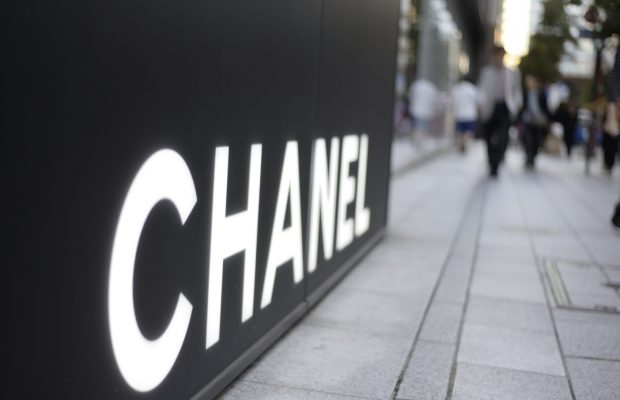
    Chanel, the renowned French luxury brand, has recently launched a duplex store in partnership with Shilla Duty Free at Seoul’s Incheon International Airport. This store, situated in Terminal 2, is a reflection of the brand’s signature style, featuring a colour scheme of black and white, adorned with touches of modern art.

    At this duplex store, customers can look forward to browsing through Chanel’s vast collection. The offerings include ready-to-wear clothing, footwear, and accessories. The ground floor is dedicated to showcasing iconic Chanel bags as well as the brand’s newest products, like the Chanel 25 handbag.

    A representative from Shilla Duty Free expressed their optimism regarding the new store. They anticipate the Chanel duplex boutique will become a significant attraction at Incheon International Airport due to its size, unique interior design, comprehensive product range, and superior customer service.

    Chanel is not the only luxury brand under Shilla Duty Free’s umbrella. Other high-end names, such as Tiffany & Co, Omega, and Dior, are also managed by Shilla Duty Free, with plans for these brands to open stores next year.

    In related news, Chanel has also taken a significant step towards sustainability. The company has set up Nevold, a separate division that focuses exclusively on waste management and recycling.

    Despite challenges faced by the luxury sector, resulting in a 4.3% decrease in revenues to $18.7 billion for the year ending on December 31, Chanel remains committed to providing high-quality luxury products and outstanding customer experiences.

    Questions & Answers

    What is unique about Chanel’s new duplex store at Incheon International Airport?
    The store stands out for its size, stylish interior design inspired by Chanel’s brand colours of black and white, its extensive range of products, and its outstanding customer service.

    What can customers expect to find in this new Chanel store?
    Customers can explore a wide selection of Chanel’s collection including ready-to-wear clothing, footwear, accessories, and iconic bags like the Chanel 25 handbag.

    What other luxury brands are operated by Shilla Duty Free?
    Shilla Duty Free also operates other high-end brands such as Tiffany & Co, Omega, and Dior, which are all planning to open stores next year.

  • Luxury Giant Lanvin Group Experiences 22% Revenue Drop Amid Global Luxury Demand Downturn

    Luxury Giant Lanvin Group Experiences 22% Revenue Drop Amid Global Luxury Demand Downturn

    Lanvin Group, which houses well-known luxury brands such as Lanvin, Wolford, Sergio Rossi, St John, and Caruso, recorded a decrease in revenue during the first half of the year. The group reported US$155.6 million in revenue, marking a 22% drop in comparison to the previous year. The drop was largely attributed to a global decrease in luxury demand.

    Impact on Sales

    The group’s sales were negatively influenced by a decline in wholesale performance in both EMEA (Europe, the Middle East, and Africa) and Greater China. Market pressures also contributed to the decline. Nevertheless, Lanvin Group expressed optimism, noting the positive impact of disciplined cost management and efficiency measures.

    The group achieved a gross profit of $84.2 million, with a profit margin of 54%. This was supported by efficient inventory management during a period of creative transition. Zhen Huang, chairman of Lanvin Group, stated that the group remained disciplined in cost management and strategic streamlining, despite a challenging luxury market in the first half of the year.

    Individual Brand Performance

    Among the brands under the Lanvin Group, Lanvin experienced the most significant decline, with revenue dropping by 42%. This was primarily due to a lack of enthusiasm from wholesale partners in EMEA. Still, the brand reported resilience in the region’s retail sector and noted progress in the Asia-Pacific region. Lanvin also reported a strong rebound in North American e-commerce, thanks to a new marketplace model.

    Wolford revenue declined by 23%, but wholesale sales rose by 14%. Lower production utilization and inventory clearance impacted the gross margin, but cost-saving measures helped cut general and administrative expenses by 18%.

    Sergio Rossi saw a 25% decrease in sales, with direct-to-consumer revenue and wholesale declining by 21% and 33% respectively. The gross margin narrowed by nine percentage points, but an improved second quarter saw retail sales increase by 17% and e-commerce sales increase by 10% compared to the previous quarter.

    St John maintained steady revenue, with a 4% growth in North America and an 11% increase in wholesale. The brand also managed to maintain a 69% gross margin and an 11% contribution margin.

    Caruso experienced an 11% decline in revenue, primarily due to a temporary slowdown in its Maisons business.

    Strategic Measures for Improvement

    Andy Lew, the executive president of the group, indicated that going forward, they plan to refine their retail footprint, strengthen wholesale partnerships, and invest in new creative leadership to drive growth in the second half of the year.

    Furthermore, the group intends to maintain operational discipline while focusing on future growth. By incorporating fresh creative direction across all their brands, supported by targeted marketing and refined channel strategies, they aim to build brand momentum and increase consumer engagement.

    Questions & Answers

    What was the total revenue reported by Lanvin Group in the first half of the year?
    The group reported a revenue of US$155.6 million.

    Which brand under the Lanvin Group experienced the most significant revenue decline?
    Lanvin brand experienced the sharpest revenue decline at 42%.

    What are some of the strategic measures the group plans to implement in the second half of the year?
    The group plans to refine its retail footprint, strengthen wholesale partnerships, and invest in new creative leadership. In addition, the group aims to maintain operational discipline, introduce fresh creative direction across their brands, and enhance marketing and channel strategies.

  • Wala Wala Cafe Bar in Singapore Abandons Closure Plans Thanks to Incredible Community Support!

    Wala Wala Cafe Bar in Singapore Abandons Closure Plans Thanks to Incredible Community Support!

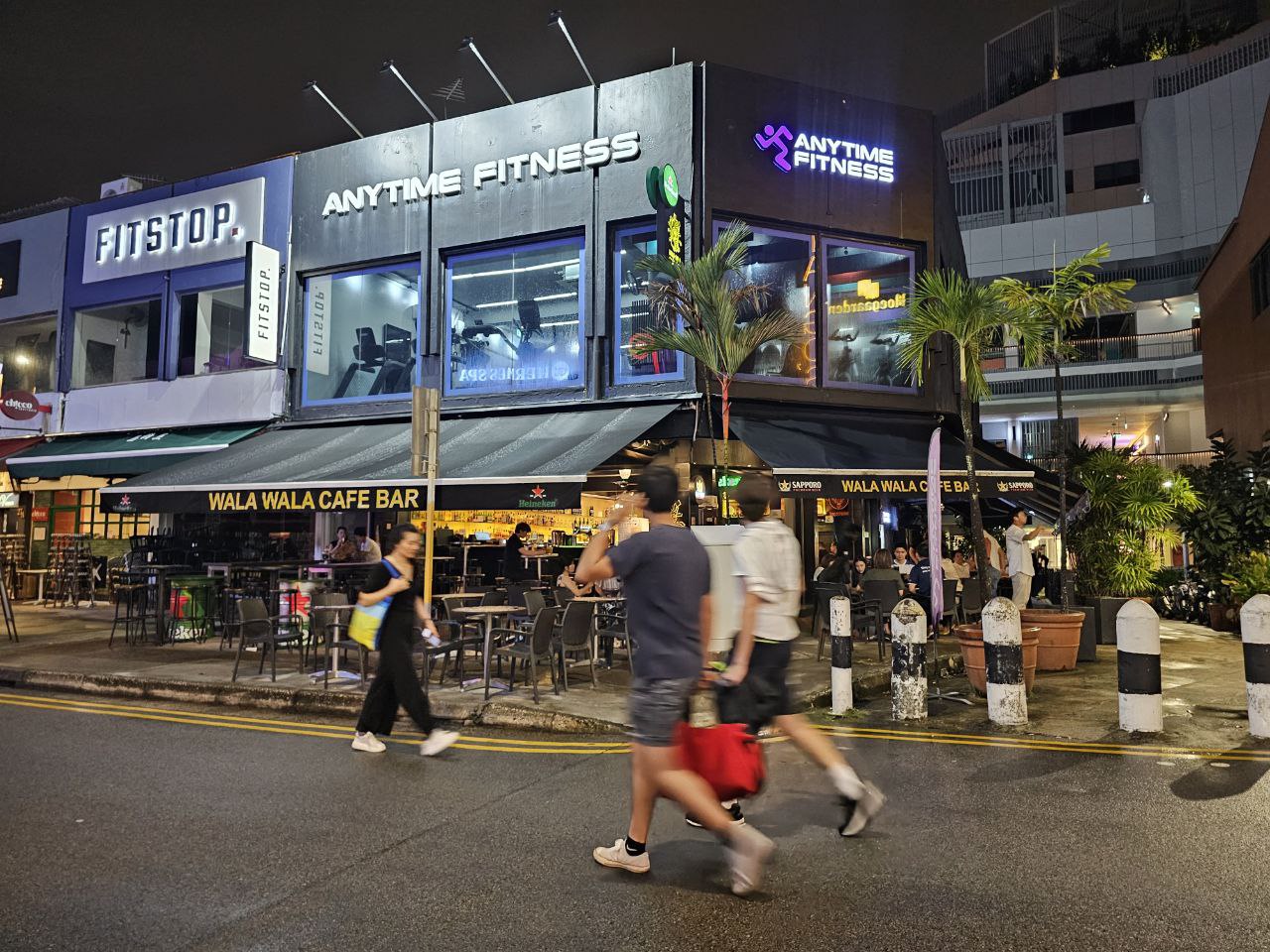
    Stanley Yeo, the owner of Wala Wala Cafe Bar, recently shared that he was contemplating calling it quits due to declining visitor numbers, a challenging labor market, and soaring operational costs that have pushed rent for the venue’s 1,700-square-foot ground floor up by 9% over the past two years to S$28,000 (US$21,700) per month. However, the tide turned as the community rallied in support of the beloved establishment.

    By July, the bar saw a “significant increase” in foot traffic, reviving its fortunes. A heartwarming Instagram post last Tuesday revealed that Wala Wala’s landlord had “kindly offered revised terms that make it feasible” for the cafe bar to continue operating in Holland Village.

    “We have been deeply moved by the overwhelming support from our community — customers, friends, suppliers, and neighbors alike,” the post announced. “Today, we are heartened to share that Wala Wala Cafe Bar will remain in Holland Village.”

    Established in 1993, Wala Wala has been a cherished local gem, known for its hearty fare, draft beers, and lively weekend atmosphere. Once famous for hosting live music on its second floor — now closed since 2021 — the venue has since refocused on its food and beverage offerings, as noted by Bandwagon Asia.

    The decision to keep Wala Wala open is a sigh of relief for Holland Village, an increasingly popular dining and shopping hotspot currently facing a wave of closures. In recent months, local businesses such as Thambi Magazine Store, Lim’s Holland Village furniture shop, party store Khiam Teck, and soft-serve ice cream haven Sunday Folks have all shut their doors, as outlined by Channel News Asia.

    These closures highlight a troubling trend in Singapore’s food and beverage scene, where several beloved establishments are now bidding farewell. Two Michelin-starred restaurants — Euphoria and Alma by Juan Amador — closed this month, while well-known dessert spots Flourish Bakehouse and Fluff Bakery announced similar plans for September. Additionally, heritage eatery Ka-soh, noted for its Cantonese-style fish soup, will shut its last location later this month.

    Questions & Answers

    What factors led Stanley Yeo to consider closing Wala Wala Cafe Bar?
    Yeo cited falling visitor numbers, a tough labor market, and a significant rise in operating costs as the primary reasons behind his contemplation of closure.

    How has the local community reacted to Wala Wala’s potential closure?
    The community showed overwhelming support, resulting in a notable increase in foot traffic, which ultimately encouraged the landlord to offer revised terms that allowed the cafe bar to continue operations.

    What recent closures in Holland Village reflect a broader trend in Singapore’s F&B sector?
    Recent closures include popular local spots like Thambi Magazine Store and Lim’s Holland Village, mirroring a concerning trend where several well-known dining establishments, including Michelin-starred restaurants, have also announced their shutdowns.

  • Jakarta Mall Rental Rates Rise 0.5% in Q2: A Sign of Optimism in Retail Space Market

    Jakarta Mall Rental Rates Rise 0.5% in Q2: A Sign of Optimism in Retail Space Market

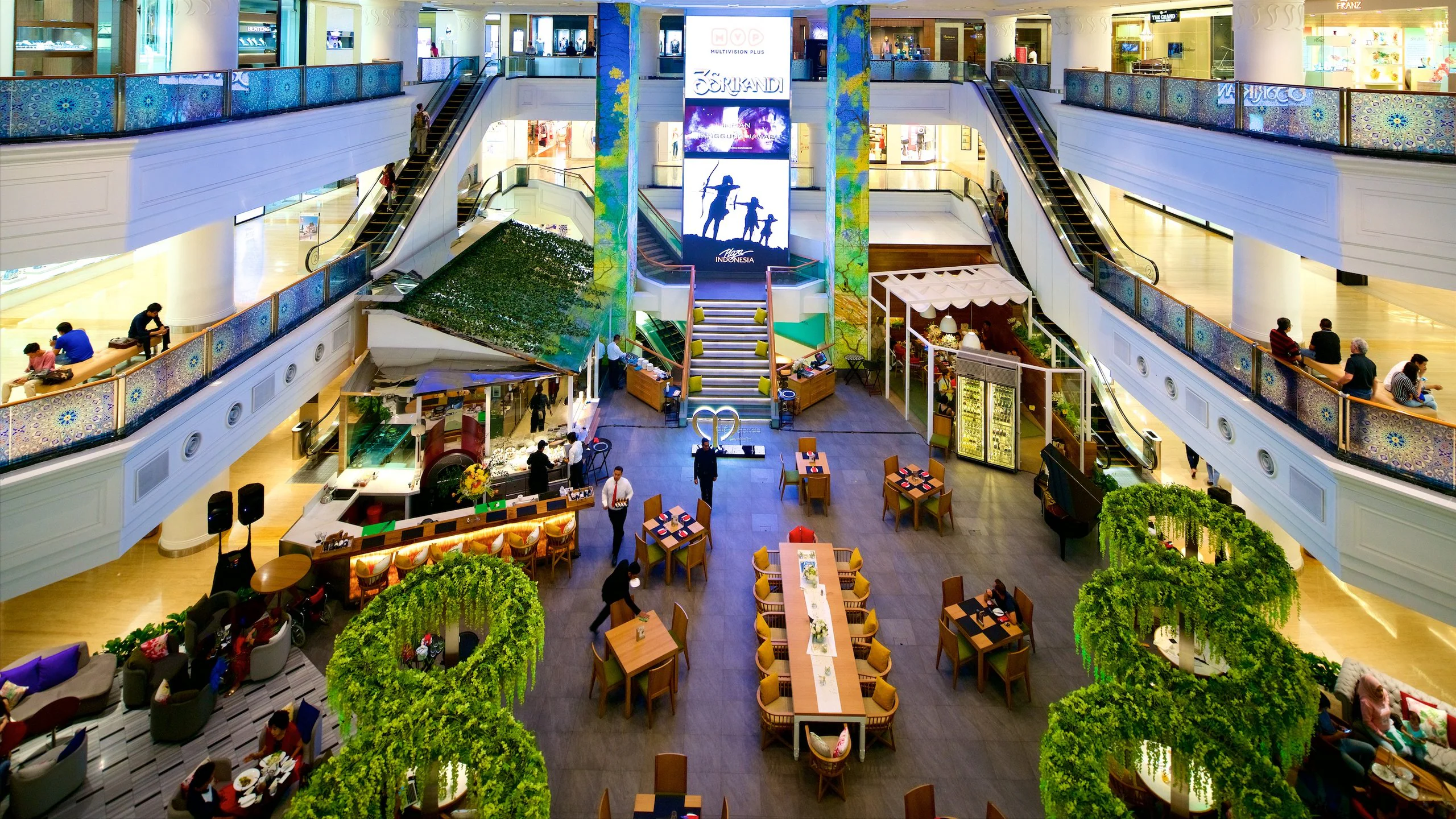
    Rental prices in Jakarta’s vibrant retail landscape are holding strong despite a lull in new supply. According to a recent report from JLL, mall rents in the bustling Indonesian capital have risen approximately 0.5% in the second quarter of 2025. This increase is particularly pronounced in popular shopping centers where occupancy levels run high, suggesting that premium real estate continues to be a hot commodity. Analysts predict that rental rates will remain in the single digits for the remainder of the year.

    International Brands Drive Retail Expansion

    The retail scene is buzzing with activity, notably due to international brands that represented around 55% of new store openings during this period. Among the notable entrants are a slew of Chinese tea companies, making their debut in the thriving Jakarta market. This influx highlights Jakarta’s appeal as a burgeoning marketplace while underscoring the strategic partnerships that many retailers forge with influential retail groups. These relationships offer substantial bargaining power, enabling tenants to negotiate favorable lease terms and achieve reasonable rent increases.

    Active Lifestyles Fuel Sports Retail Growth

    As Jakarta residents increasingly embrace active lifestyles, the demand for sports retail has soared. Both local and international brands are capitalizing on this trend by opening flagship stores designed to attract health-conscious shoppers. However, the search for retail space has become competitive, prompting brands to explore alternative locations, both within and outside traditional shopping malls.

    Prime Retail Space Constraints

    This quarter marked a significant milestone with no new prime shopping malls making their debut. Consequently, vacancy rates have stabilized around 4%, despite the shrinking pool of available retail space. Some tenants are now opting for creative solutions such as island or booth locations to ensure they maintain visibility among consumers. With no immediate plans for new premium malls, expanding brands—particularly in the food and beverage sector—are increasingly targeting busy areas with outdoor options that resonate with today’s health-oriented lifestyle.

    Innovative Approaches Among Developers

    The outlook for Jakarta’s retail scene suggests a shift in development strategies as opportunities for new premium shopping malls diminish. Developers are now focused on crafting retail environments that reflect evolving market trends, with an emphasis on lifestyle malls and compound spaces. Although limited availability of prime locations may benefit developers, any decisions regarding rent adjustments are likely to be made with caution, as they must navigate the complexities of economic fluctuations and consumer foot traffic.

    Questions & Answers

    What factors are contributing to the rise in rental prices in Jakarta?
    An increase in occupancy rates at popular shopping centers and a surge in international brand openings are key factors driving rental prices upward in Jakarta.

    How are retailers adapting to the lack of new retail space?
    Many retailers are exploring alternative locations, including smaller islands or booths, to maintain visibility amidst a competitive environment where traditional mall space is becoming scarce.

    What types of retail developments are expected in the near future?
    Developers are anticipated to pivot toward creating lifestyle malls and compound spaces, aligning with contemporary consumer trends, as new premium malls are unlikely to be constructed in the next year.

  • Vietjet Reports Strong H1 2025 Performance and Launches New Ho Chi Minh City–Manila Route

    Vietjet Reports Strong H1 2025 Performance and Launches New Ho Chi Minh City–Manila Route

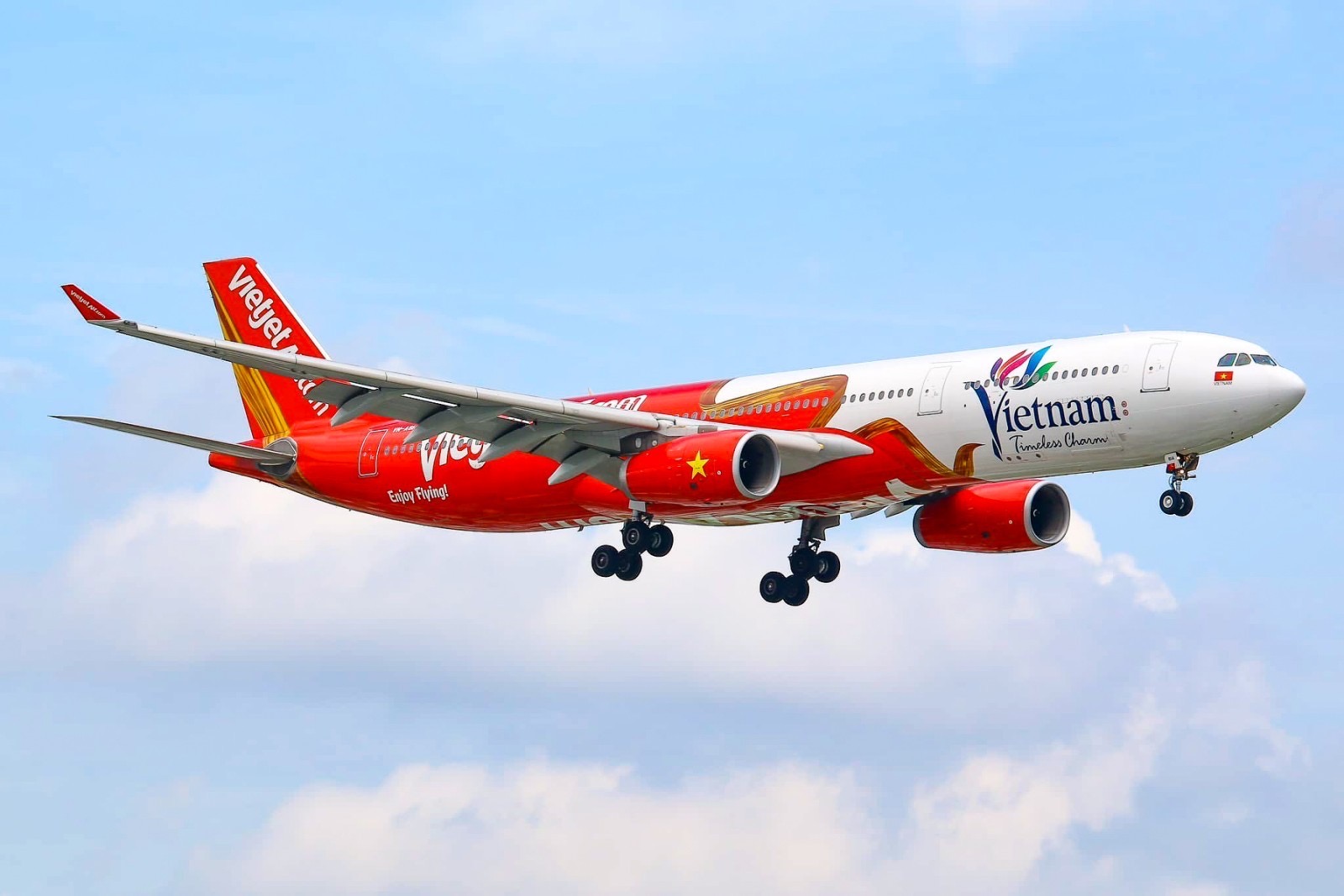
    Vietjet Aviation Joint Stock Company has released its audited financial report for the first half of 2025, reporting strong growth and reinforcing its position as a rising global carrier. Vietjet now operates four direct services linking Singapore with Hanoi, Ho Chi Minh City, Phu Quoc and Da Nang and is boosting its services to Da Nang and Phu Quoc with 49 round-trip flights weekly between Singapore and Vietnam by the end of this year.

    The airline’s performance reflects Vietnam’s emergence as a key aviation hub in Asia and worldwide, while expanding its international network with a new direct route to Manila, Philippines.

    Robust Financial Growth

    In the first six months of 2025, Vietjet achieved air transport revenue of VND35.601 trillion (approx. SGD1.73 billion), with a pre-tax profit of nearly VND1.6 trillion (approx. SGD77.80 million), marking a 37% Year-on-Year (YoY) increase. Consolidated revenue was VND35.837 trillion (approx. SGD1.74 billion), with a pre-tax profit surpassing VND1.651 trillion (approx. SGD80.26 million), reflecting a staggering 65% YoY growth.

    During this period, Vietjet operated 79,000 flights, transporting 14.4 million passengers and contributing over VND4.528 trillion (approx. SGD219.83 million) in taxes and fees. The company’s financial indicators remain strong, with excellent liquidity and consolidated assets exceeding VND112 trillion (approx. SGD5.44 billion).

    Fleet Expansion and Strategic Investments

    Vietjet continued its fleet expansion, ordering 20 A330neo aircraft with Airbus, raising its total order for A330neo to 40, making it the airline with the largest A330neo order in the world.

    At the 2025 Paris Air Show, Vietjet secured a historic order for 100 A321neo aircraft, along with 50 purchase options—the largest deal in the industry—positioning Vietjet among the top 10 airlines globally in terms of aircraft orders.

    Additionally, Vietjet and Rolls-Royce have signed an agreement for 40 Trent 7000 engines to power 20 wide-body Airbus A330neo aircraft, bringing the total number of Trent 7000 engines ordered by the airline to 80.

    Vietjet has broken ground on its Aircraft Maintenance Technical Center at the under-construction Long Thanh International Airport, featuring Hangars 3 and 4 capable of servicing 10 aircraft simultaneously. Additionally, self-service ground operations have been rolled out at major airports to optimise operations and enhance the passenger experience.

    International Expansion: Ho Chi Minh City–Manila Route

    Vietjet will launch a new direct service linking Ho Chi Minh City with Manila, beginning 22 November 2025, with five weekly round-trip flights. This route marks the airline’s first direct connection between Vietnam and the Philippines. Together with flight increases between Vietnam and Singapore, this connectivity will support seamless travel, trade, and cultural exchange in Southeast Asia.

    Travellers can now book their seats at attractive introductory fares.    

    Recognised Excellence and Strategic Vision

    Vietjet has been recognised by AirlineRatings as the “World’s Best Ultra Low-Cost Carrier” and ranked among the Top 5 revenue-generating enterprises by Forbes Vietnam for 2024. The airline continues to expand its footprint, having launched new routes to Singapore, China, India, and Japan in 1H2025, with more international services planned.

    With a modern, fuel-efficient fleet, professional cabin crew, and innovative service offerings, Vietjet remains committed to delivering exceptional value and comfort while driving sustainable growth and global expansion.     


  • OpenAI Plans Ambitious 1 GW Data Center Investment in India

    OpenAI Plans Ambitious 1 GW Data Center Investment in India

    OpenAI, the innovative force behind ChatGPT, is making waves with its plans to potentially establish a data center in India, targeting a staggering capacity of at least 1 gigawatt. According to a report from Bloomberg, discussions are ongoing between OpenAI and local partners to bring this ambitious vision to life.

    Details of the Proposed Data Center

    The data center will play a pivotal role in OpenAI’s Stargate initiative, an extensive expansion of its infrastructure across Asia. While the specific location and timeline for the facility remain under wraps, anticipation is building, especially with CEO Sam Altman poised to share more details during his upcoming visit to India.

    Aiming for Local Impact

    This initiative comes on the heels of OpenAI planning to launch its first office in Delhi NCR later this year, marking a significant milestone as India stands as OpenAI’s second-largest market by user base. Altman recently revealed that ChatGPT usage in the country has surged fourfold within the past year, reinforcing the company’s commitment—“We are excited to invest much more in India,” he stated.

    Collaborating with Government Initiatives

    The project aligns with India’s ambitious IndiaAI Mission, designed to foster the development and deployment of indigenous AI technologies. OpenAI has expressed interest in collaborating with the Indian government to “build AI for India with India,” signaling a dedication not just to market growth but also to local development. This can be likened to a high-stakes chess game, where each move must be calculated to succeed on a grand scale.

    Strategic Partnerships and Investments

    With backing from Microsoft, OpenAI has already made its mark by registering as a legal entity in India and assembling a local team. This move complements a larger framework of investment under the Stargate initiative, which unveiled a commitment of up to $500 billion for AI infrastructure in the U.S., supported by major players like SoftBank and Oracle.

    Questions & Answers

    What is the projected capacity of OpenAI’s proposed data center in India?
    The data center is projected to have a capacity of at least 1 gigawatt.

    How has ChatGPT usage in India changed over the past year?
    ChatGPT adoption in India has reportedly grown fourfold in the last year.

    What is the significance of the IndiaAI Mission in relation to OpenAI’s plans?
    The IndiaAI Mission aims to foster homegrown AI development, aligning with OpenAI’s vision of partnering with the government to enhance local AI capabilities.

  • Telecom Egypt Reinvents Global Subsea Cable Network with 14 New Landings in Just Five Years!

    Telecom Egypt Reinvents Global Subsea Cable Network with 14 New Landings in Just Five Years!

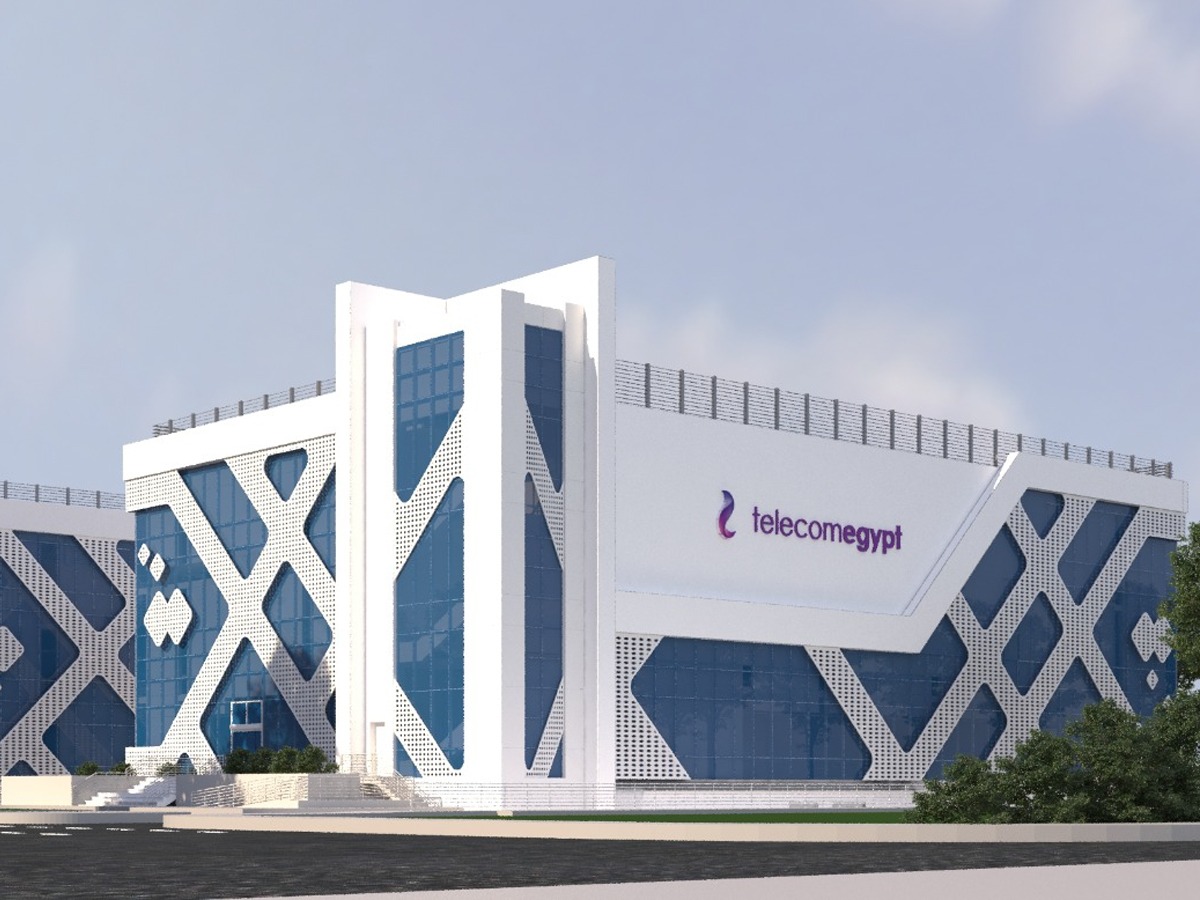
    As the digital landscape rapidly evolves, connectivity has emerged as a cornerstone for economic growth in Asia and beyond. Telecom Egypt is positioning itself as a pivotal enabler, leveraging its strategic geographical location that connects Asia, Africa, and Europe. The company is laying a robust subsea cable infrastructure designed to bolster connectivity, enhance resiliency, and solidify the region’s digital future.

    Innovating for a Bandwidth-Heavy World

    In an exclusive conversation with Telecom Review Asia, Mohamed Nasr, the Managing Director and CEO of Telecom Egypt, described how the company is adapting its infrastructure to meet surging demands posed by bandwidth-intensive applications such as artificial intelligence and cloud computing. The underwater landscape of today is dynamic, and Telecom Egypt’s investments are setting new benchmarks for subsea cable resilience and interconnectivity.

    Meeting Future Demands with Strategic Growth

    Telecom Egypt has long been a critical hub for subsea cables, channeling traffic between three continents. Its geographical advantages allow it to remain a key player in global data flow, crucial for addressing the increasing demand for ultra-low latency and massive bandwidth. Currently, more than 90% of intercontinental traffic—amassing over 270 terabits per second—flows through its network. To maintain its leadership position in this burgeoning market, the company is actively partnering with technology providers and subsea operators to expand its infrastructure and enhance service quality.

    Resiliency in the Face of Growing Data Traffic

    To handle rising data demands, Telecom Egypt is focused on facilitating uninterrupted high-capacity data flow. The company’s commitment to resilience is reflected in its strategic investments in new subsea cable systems, landing points, and crossing routes. Notably, the company has extended its infrastructure eastward to the Sinai Peninsula, establishing new landing points in Sharm El Sheikh and Taba. With a coastline stretching over 3,000 kilometers, Telecom Egypt boasts fourteen geodiverse subsea cable landing points, linked by a network of trans-Egypt crossing routes that connect East and West.

    A Commitment to Expanding Subsea Infrastructure

    Telecom Egypt’s proactive approach is evident in its management of subsea cable landings. In the past five years alone, the company has successfully facilitated the landing of fourteen systems, linking seven major subsea cable projects to its shores. Among them, 2Africa stands out as one of the world’s largest subsea cable ventures, extending 45,000 kilometers and significantly boosting internet capacity across Africa while also meeting the soaring connectivity demands of the Middle East. Meanwhile, innovations like the Coral Bridge and Red Sea Festoon projects further reinforce the network’s resilience by offering high-capacity solutions.

    Building a Future-Ready Data Highway

    Telecom Egypt’s ambitious AAE-2 cable project marks a significant milestone as the company expands its position as a global data connectivity provider. This initiative will forge a new digital link from Hong Kong and Singapore to Italy, traversing Thailand, the Arabian Peninsula, and Egypt. The AAE-2 aims to create an advanced data highway interconnecting Asia, Africa, and Europe, enhancing capacity to support digital transformation initiatives across these regions.

    Fortifying Connectivity Beyond Borders

    Telecom Egypt’s strategic partnerships with global technology providers are crucial for widening its connectivity footprint. As it works to enhance routes to Europe, new entry points are being established in Albania and Greece, with links to major European hubs. By collaborating with over 170 stakeholders, the company is fostering resilience through diverse Mediterranean routes while simultaneously developing connections to Asia and Africa through its extensive operation in the Red Sea.

    Navigating Geopolitical Challenges with Strategic Diversification

    In a world marked by geopolitical uncertainty, Telecom Egypt actively mitigates connectivity risks by developing diverse subsea and terrestrial routes. Projects like AAE-2, along with ongoing collaborations in the Arabian Peninsula, demonstrate the company’s commitment to maintaining Egypt’s role as a foundational anchor for reliable international connectivity. As the digital world hurtles forward, Telecom Egypt’s strategic vision and investments position it not just as a facilitator of global communication, but as a defining player in the future of digital infrastructure.

    Questions & Answers

    How is Telecom Egypt adapting to the rise of AI and cloud computing?
    Telecom Egypt is enhancing its infrastructure to meet growing demands for high bandwidth and low latency, which are critical for AI and cloud computing applications. The company is investing in innovative subsea cable systems and is establishing strategic partnerships with technology providers to bolster its networks.

    What recent milestones has Telecom Egypt achieved in subsea cable landings?
    In the last five years, Telecom Egypt facilitated the landing of 14 subsea cable systems, including notable projects like 2Africa, which remains integral to enhancing internet capacity in Africa and beyond.

    How does Telecom Egypt plan to ensure operational excellence during uncertain times?
    The company focuses on monetizing its infrastructure through innovative business models, leveraging network automation, and ensuring high-quality service to adapt swiftly to changing demands in the market.

  • Viettel Bolsters Vietnam’s Digital Transformation and Defense Strategies for a Progressive Future

    Viettel Bolsters Vietnam’s Digital Transformation and Defense Strategies for a Progressive Future

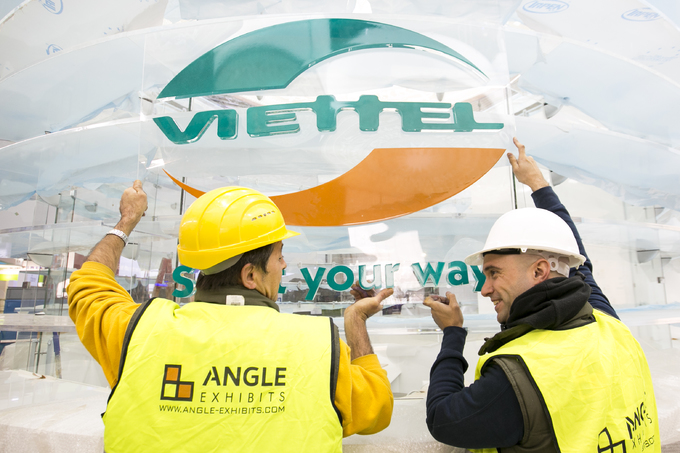
    Viettel Group is set to make waves in Vietnam’s tech landscape with a remarkable investment of approximately USD 1 billion in two major projects: the An Khanh Data Center in Hanoi and the Viettel Research & Development (R&D) Center in Hoa Lac. These initiatives not only celebrate Vietnam’s 80th anniversary of the August Revolution on August 19 and National Day on September 2 but also underscore Viettel’s commitment to driving technological advancement as outlined in the Politburo’s Resolution 57-NQ/TW.

    A Hub for Innovation: Viettel’s R&D Center Takes Shape

    Spanning an impressive 13 hectares within the Hoa Lac Hi-tech Park, the Viettel R&D Center boasts a total investment of VND 10 trillion (USD 380 million). Featuring six state-of-the-art buildings designed as a comprehensive innovation hub, this facility aims for completion by 2030. It will encapsulate the entire innovation cycle, from research and design to prototyping and manufacturing, promoting the development of high-tech “Made in Vietnam” products.

    With a focus on both defense and civilian technology, the center will delve into key areas including propulsion systems, unmanned aerial vehicles (UAVs), remote sensing satellites, radar systems, and advanced civilian applications in big data, artificial intelligence, and cloud computing. Notably, the R&D hub will be built to international standards that prioritize sustainability, safety, and cybersecurity, while promising to attract 2,500 skilled professionals who will bolster Vietnam’s modernization efforts in national defense.

    The An Khanh Data Center: A Giant in Northern Vietnam

    Meanwhile, the An Khanh Data Center is poised to become the largest facility of its kind in northern Vietnam, sprawling over a 1.9-hectare site in Hanoi’s An Khanh commune. This ambitious project, with an investment of VND 17.5 trillion (USD 664.9 million), aims to achieve a designed capacity of a whopping 60 MW. The first phase is scheduled to launch in Q2 of 2026, with plans for further expansion by 2030, transforming this site into Viettel’s second hyperscale data center.

    Adhering to Uptime Tier III standards, the data center will incorporate advanced AI technologies developed by Viettel, alongside a robust five-layer security system and cutting-edge cooling technologies. It is designed with sustainability in mind, aligning seamlessly with Vietnam’s Net Zero emissions target. By providing essential support to government agencies, the Ministry of National Defense, and large enterprises, the center is set to play a pivotal role in the country’s digital transformation and national-scale AI applications.

    Expanding Infrastructure Across Vietnam

    Viettel’s ambitions don’t stop here. Currently operating 14 data centers across major cities such as Hanoi, Da Nang, Ho Chi Minh City, and Binh Duong, with another 11 under construction, the company aims to build a total of 24 data centers with a combined capacity of 560 MW by 2030. This network is expected to satisfy 40% of Vietnam’s projected demand for data services. Alongside these developments, Viettel is also fast-tracking other critical tech infrastructures, including the Tan Phu Trung Data Center in Ho Chi Minh City and the Viettel Tower in Da Nang, revealing a passionate commitment to shaping the future of Vietnam’s digital landscape.

    Questions & Answers

    What is the significance of Viettel’s investment in these projects?
    Viettel’s investment of USD 1 billion underscores its commitment to advancing Vietnam’s technological infrastructure, aligning with national goals for modernization and innovation in line with the Politburo’s directives.

    How will the R&D Center impact Vietnam’s economy?
    The R&D Center is expected to foster high-tech innovation, create 2,500 skilled jobs, and support the production of various advanced technologies, significantly contributing to Vietnam’s economic growth and defense capabilities.

    When is the An Khanh Data Center expected to be operational?
    Phase 1 of the An Khanh Data Center is scheduled to launch in the second quarter of 2026, with plans for further expansion by 2030, enhancing Vietnam’s digital infrastructure.

  • TWC’s Bold Expansion Into Asia: New Zealand Retail Giant Opens First Store In Singapore

    TWC’s Bold Expansion Into Asia: New Zealand Retail Giant Opens First Store In Singapore

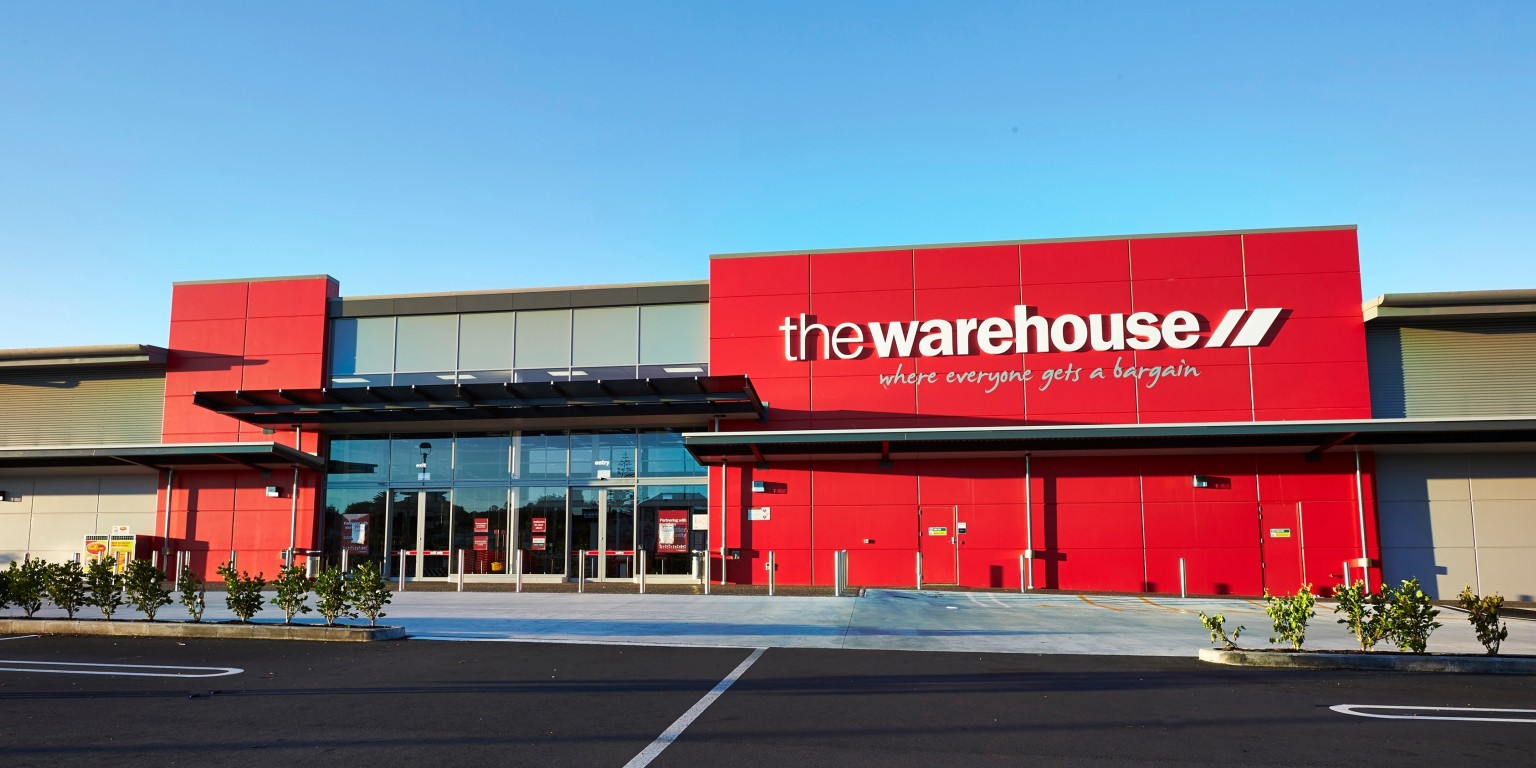
    In an audacious move showcasing the evolving landscape of retail in Asia, The Warehouse Company (TWC) has launched its first-ever store in Singapore, marking a significant step in its expansion strategy across the region. This new outlet, strategically positioned in heart of Orchard Road, not only adds a fresh vibrancy to the retail scene but also represents TWC’s commitment to introducing its popular Australasian offerings to the Singaporean market. Initially founded in New Zealand, TWC is best known for providing customers with quality products at affordable prices, a winning formula it is now eager to share with a new audience.

    Inspiring Growth Through Innovation

    The opening ceremony, which took place amidst a fanfare of excitement, highlighted TWC’s full range of offerings, including apparel, home goods, and a variety of lifestyle products. Executives shared that they aim to replicate the success seen in their home markets by bringing the same ethos of value and customer-centric shopping experience to Singapore. “Our goal is to create a retail environment that fosters community and actively engages shoppers,” said TWC CEO, Sara Tunstall. She expressed optimism about meeting the diverse needs of consumers in Singapore, a city renowned for its cosmopolitan flair and discerning shoppers.

    Creating a Retail Experience Like No Other

    The Orchard Road store isn’t just about transactions; it’s a thoughtfully designed space where shoppers are encouraged to explore and discover. TWC has cleverly integrated local design elements into the store’s aesthetic, resulting in an inviting atmosphere that feels distinctly Singaporean. And if you think that’s a nod to local flavor, wait until you see what they’ve done with their product selection — think tropical-themed goods that scream “staycation!”

    A Considered Approach to Sustainability

    As sustainability becomes a cornerstone of retail strategy, TWC is keen on reducing its environmental footprint. The store features eco-friendly materials in its layout and packaging, reflecting a commitment to not just profit, but planet as well. This initiative aligns perfectly with the growing consumer demand for sustainable practices within the retail sector, particularly in Asia, where eco-conscious shopping is becoming the norm rather than the exception.

    Potential Sparks of a Retail Revolution

    The opening of TWC’s Singapore location has caught the attention of industry analysts and competitors alike. It is seen as a bold gamble, not just due to the high-competition retail landscape but also because of evolving consumer behaviors shaped by the pandemic. Experts speculate that TWC’s arrival could inspire similar brands to consider Asia as a key market for growth. “They’re stepping onto a battlefield filled with giants; can they weave their own tale of success? Only time will tell,” remarked retail analyst Priya Chen.

    Setting the Stage for Future Engagement

    TWC’s presence in Singapore is more than a statement; it’s an invitation for ongoing dialogue with the local community. As part of its launch, TWC plans to host a series of events aimed at engaging consumers directly, from workshops to community fairs. This approach not only fosters brand loyalty but also creates a vibrant retail ecosystem where customers feel connected and valued.

    Questions & Answers

    What distinguishes TWC’s Singapore store from other retailers?
    The store blends local design elements with TWC’s diverse product range, creating a unique shopping experience that resonates with Singaporean consumers.

    How is TWC addressing sustainability in its operations?
    The company is focused on eco-friendly materials in both its store design and product packaging, responding to growing consumer demand for sustainability.

    What future activities does TWC plan to engage the Singapore community?
    TWC intends to host various community-focused events, such as workshops and fairs, to foster connection and loyalty among local shoppers.

  • Hong Kong Sees Modest 0.2% Rise in Total Deposits This July

    Hong Kong Sees Modest 0.2% Rise in Total Deposits This July

    As Asian consumers continue to shift their shopping preferences towards digital platforms, retailers are racing to innovate and meet this growing demand. According to recent data, e-commerce in the region is projected to reach a staggering $4.9 trillion by 2025, reflecting a significant increase in online shopping habits. The rise of mobile commerce, coupled with a surge of digital payment solutions, is transforming the retail landscape as never before.

    Retail Giants Adapt to Changing Consumer Behavior

    In response to these trends, major retailers are reimagining their strategies. Companies such as Alibaba and JD.com are not just enhancing their online offerings; they’re also integrating augmented reality (AR) experiences and AI-driven personalization to captivate customers. Imagine walking through your living room and being able to visualize a new sofa in your space, all thanks to an AR app—retailers are pushing the boundaries of technology to create unique shopping experiences.

    Local Brands Tapping Into E-Commerce Opportunities

    Interestingly, it’s not just the big players making strides. Smaller, local brands are also embracing e-commerce, often with remarkable success. Brands in Southeast Asia, such as the fashion label Zalora, are harnessing social media to engage with shoppers directly, turning Instagram and Facebook into powerful sales platforms. The agility and creativity displayed by these brands demonstrate the vitality of the local retail sector amidst fierce competition.

    Challenges of Rapid Digital Transformation

    However, this rapid digitization is not without its challenges. Issues such as logistics, cybersecurity, and maintaining customer trust are paramount. Retailers are increasingly investing in robust supply chain solutions to ensure timely deliveries, but the question remains—can they keep up with the soaring demand? As the race intensifies, businesses must find the right balance between technology and customer service to avoid a misstep.

    Why Sustainability is the New Buzzword

    Amid all these changes, sustainability has emerged as a significant concern for consumers in Asia. Brands that prioritize eco-friendly practices are not just favored, but are also seeing increased loyalty from a consumer base that is more environmentally conscious than ever. Witness the innovative approaches taken by companies like Uniqlo, which focuses on sustainability in its production processes, capturing the interest of younger shoppers who deeply value ethical consumption.

    The Future of Retail in Asia: A Thriving Hybrid Model

    Looking ahead, many industry insiders predict a hybrid model where physical stores coexist with vibrant digital platforms. This approach allows retailers to offer a seamless omnichannel experience, empowering customers to shop however they please—be it online from the comfort of their couch or in-store for those tactile experiences. As the lines between online and offline blur, the industry’s capacity for adaptation and resilience will undoubtedly shape the future of retail in Asia.

    Questions & Answers

    What is driving the growth of e-commerce in Asia?
    The growth of e-commerce in Asia is driven by a rising preference for online shopping, advancements in mobile commerce, and an increase in digital payment options, projected to reach $4.9 trillion by 2025.

    How are local brands finding success in e-commerce?
    Local brands like Zalora are successfully leveraging social media platforms to engage directly with consumers, turning these channels into potent sales avenues and showcasing their agility in the market.

    What challenges do retailers face with digital transformation?
    Retailers face several challenges, including logistics, cybersecurity, and maintaining customer trust, as they strive to keep pace with the rapid demand for online shopping.