Author: Mei Ling Tan

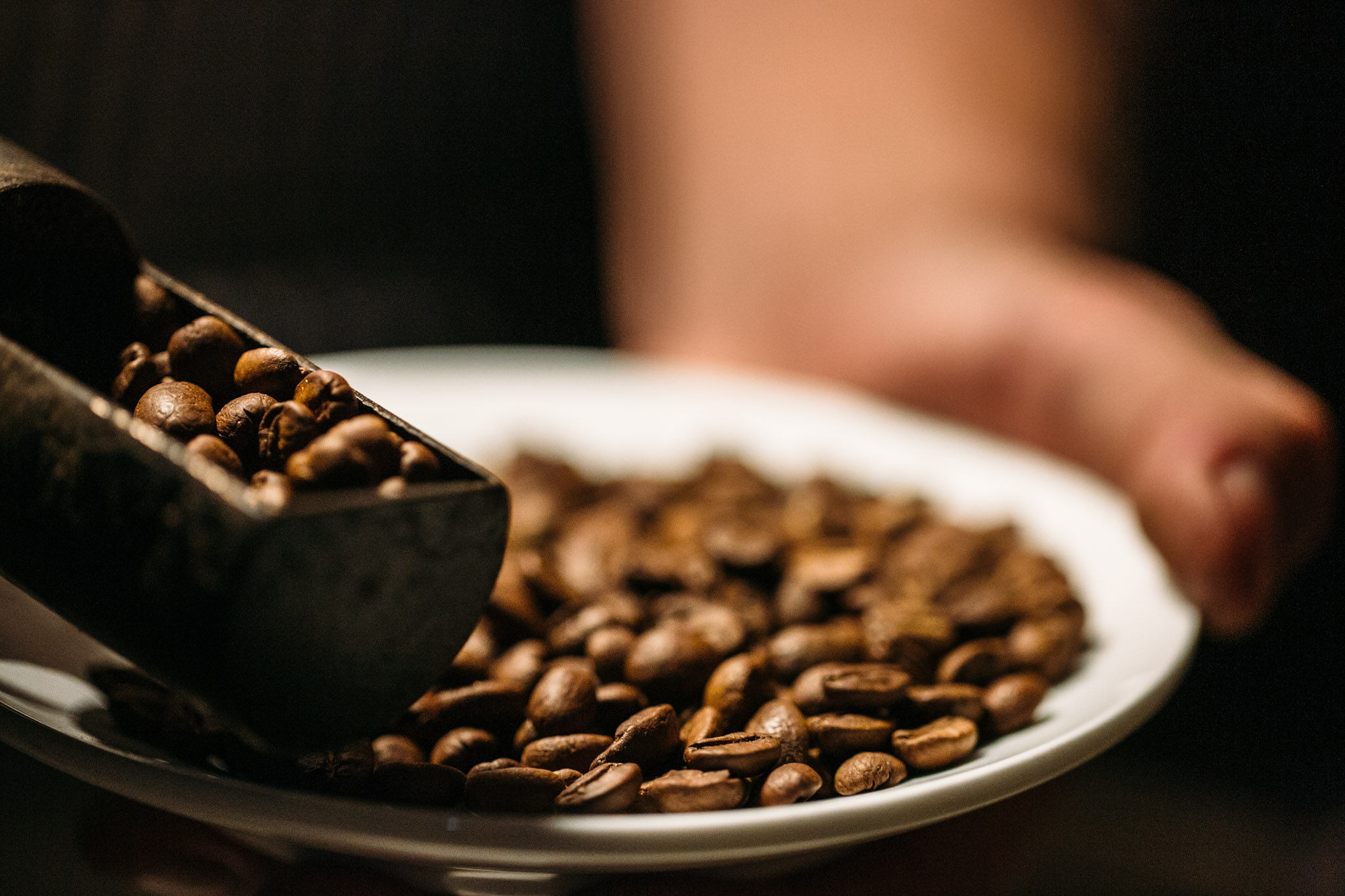
  • Coffee Industry Seizes Opportunities as Global Prices Continue to Climb

    Coffee Industry Seizes Opportunities as Global Prices Continue to Climb

    In a striking reflection of the challenges posed by climate change, coffee prices surged globally by approximately 40% in 2024, as highlighted by a recent study from the Food and Agriculture Organization. This surge is largely attributed to adverse weather conditions affecting production in key coffee-producing countries such as Brazil, Colombia, and Indonesia, while demand escalates in Europe, the US, and Asia.

    Vietnam’s Coffee Export Boom

    Amid this global upheaval, Vietnam’s coffee sector appears to be capitalizing on the situation, with export turnover exceeding $560 million last month alone. This impressive figure has propelled the total export value for the first seven months of the year to a remarkable $3.6 billion, marking a year-on-year growth of 20%, according to the Ministry of Agriculture and Environment. The major driver behind this thriving export performance is the spike in global coffee prices.

    Seizing the Moment in a Competitive Market

    As the world’s leading exporter of Robusta coffee, Vietnam holds an estimated 40% share of the global market. Nguyen Nam Hai, the president of the Vietnam Coffee Cocoa Association (Vicofa), noted that the international coffee landscape has never appeared more promising. High prices and growing demand, paired with Vietnam’s stable supply, put the country in a fortuitous position to expand its market share.

    Deep Processing: A Game Changer?

    However, to fully leverage this opportunity, Vietnam must shift its focus toward deeper processing. Hai emphasized that relying solely on raw bean exports limits potential gains. While export values are climbing, the structural makeup of Vietnam’s coffee products reveals considerable shortcomings. Currently, only 12-15% of total exports fall into the deep-processing category, which includes roasted, instant, and specialty coffee — a figure that pales in comparison to Brazil and Colombia’s 30-40% ratio.

    Le Hoang Diep Thao, founder and CEO of TNI King Coffee, weighed in on this issue, noting that investing in deep processing can significantly enhance product value. Yet, she cautioned that the initial investment can be daunting, particularly for instant coffee technology, requiring hundreds of billions of Vietnamese dong. Not all companies possess the financial capacity for such ventures.

    Coping with Technological and Branding Hurdles

    Technological barriers and branding challenges further complicate Vietnam’s transition toward deep processing. While substantial investment has been made by major players like Vinacafé, Trung Nguyên, and Nestlé, many small and medium-sized enterprises struggle to keep pace. While Vietnam is recognized for its production volumes, household names in coffee evoke thoughts of Starbucks, Lavazza, and Nestlé, making it tough for Vietnamese brands to penetrate the premium segment.

    Agricultural economist Dinh Van Thanh cautioned that if Vietnam persists in its reliance on raw exports, it risks being reduced to merely an “ingredient factory” for larger corporations. A robust long-term strategy aimed at investment in deep processing and enhancing the national coffee brand on the global stage is imperative.

    Emerging Positive Signals

    Despite the challenges, there are encouraging developments within the industry. Trung Nguyên Legend is working to expand its instant coffee exports to the Middle East and Eastern Europe, while Vinacafé is honing its focus on the ASEAN market. Meanwhile, enterprising start-ups in Lam Dong and Gia Lai are launching specialty coffee brands aimed at markets such as Japan and South Korea. In a clever twist, rather than merely selling raw beans, these innovators are partnering with companies to process roasted coffee for direct sale in South Korea, with prices that can be double that of unprocessed beans, ultimately benefiting farmers.

    Strategic Recommendations for Growth

    Experts have outlined three strategic areas for the Vietnamese coffee industry to capitalize on high prices and broaden export potential. First, there is a compelling need for investment in deep processing technology. The government should consider implementing preferential credit policies for businesses that invest in production lines for instant and specialty coffee. Second, building a national coffee brand akin to Thailand’s Jasmine rice or Colombia’s Arabica coffee is critical for establishing a strong global presence. Lastly, targeting emerging markets such as the Middle East, South Asia, and Eastern Europe, where coffee demand is rapidly increasing, could provide a fertile ground for expanding the reach of processed Vietnamese coffee.

    Questions & Answers

    How has climate change affected global coffee prices?
    A recent study revealed that global coffee prices increased by about 40% in 2024, largely due to unfavorable weather conditions that impacted production in key coffee-producing countries.

    What role does Vietnam play in the global coffee market?
    Vietnam is the largest exporter of Robusta coffee, holding about 40% of the global market share. The country is now focusing on deepening its processing capabilities to enhance its market position.

    What strategies are being suggested for the growth of Vietnam’s coffee sector?
    Experts recommend investing in deep processing technology, building a national coffee brand, and targeting emerging markets like the Middle East and Eastern Europe to capitalize on growing coffee demand.

  • Starlink Joins De-cix India: A Game-changing Leap For Satellite Internet Accessibility

    Starlink Joins De-cix India: A Game-changing Leap For Satellite Internet Accessibility

    DE-CIX India has made headlines by integrating Starlink into its interconnection network, marking a significant milestone as the nation’s first internet exchange platform to utilize low-Earth orbit (LEO) satellite technology. With Starlink now holding its commercial license from India’s Department of Telecommunications, the company anticipates final approval by late 2025 or early 2026, paving the way for a transformative leap in the satellite industry.

    Connecting the Unconnected in India

    This groundbreaking partnership not only clears regulatory obstacles but also enhances the overarching vision of Digital India. Starlink is setting its sights on bridging the digital divide, offering hardware priced at approximately INR 33,000 (about USD 376) and monthly service fees ranging from INR 3,000 to INR 4,200. Such pricing is designed to make high-speed internet accessible, especially in regions where conventional connectivity remains elusive.

    Speeding Ahead with Satellite Technology

    Starlink boasts impressive throughput speeds, ranging between 25 and 220 Mbps, with the potential for even higher performance. This capacity allows the service to deliver reliable broadband access to challenging terrains, including mountainous regions, rural areas, and islands that lack core infrastructure like fiber optics. Imagine streaming a movie from your remote mountain cabin—it’s becoming a reality!

    A New Era for Internet Service in India

    This initiative perfectly aligns with DE-CIX’s ambitious vision of merging satellite, fiber, mobile, and peering technologies to foster inclusive digital experiences for all. By joining DE-CIX India’s interconnection platform, Starlink is poised to function as a fully-fledged internet service provider within the country’s expanding digital ecosystem.

    Rather than positioning itself as a competitor to terrestrial or mobile networks, Starlink will act as a vital complementary service. As the largest neutral interconnection ecosystem globally, and with its strong presence in major Indian cities, DE-CIX facilitates local connections for satellite operators while offering global services, ensuring minimal latency even for users located in the most isolated regions.

    Questions & Answers

    What distinguishes DE-CIX India’s network?
    DE-CIX India is the largest neutral interconnection ecosystem in the world, providing a robust platform for ISPs, including innovative technologies like Starlink, to connect efficiently with local and global networks.

    How much will Starlink service cost Indian consumers?
    Starlink’s hardware costs about INR 33,000 (USD 376) with monthly fees ranging from INR 3,000 to INR 4,200, aiming to make high-speed internet more accessible in underserved regions.

    What regions will benefit most from Starlink?
    Starlink is designed to serve challenging locations such as rural areas, mountainous terrains, and islands that often lack traditional internet infrastructure, thus expanding digital access to those who need it most.

  • Allegro Funds Invests In Be Campbell: A Strategic Move To Modernise And Expand Operations

    Allegro Funds Invests In Be Campbell: A Strategic Move To Modernise And Expand Operations

    BE Campbell, an Australian pork processing company, has recently obtained an investment from Allegro Funds as part of their growth strategy. The Sydney-based, third-generation family business employs over 750 individuals and provides services to supermarkets, butchers, foodservice operators, and distributors throughout Australia.

    Investment for Expansion

    The capital acquired from Allegro Funds will be utilized to modernise BE Campbell’s processing operations, diversify its product offerings, and enhance its commercial platform. Ted Campbell, the company’s chairman, expressed that the investment is seen as an avenue to fortify the company whilst preserving its legacy and long-standing relationships within the supply chain.

    “Over the past 55 years, our business has seen consistent growth,” he said. “We are eager to continue working closely with our dedicated growers, suppliers, customers, and staff to deliver top-tier products to Australian consumers.”

    Stake Ownership

    Allegro Funds will hold the majority stake in BE Campbell. However, the Campbell family will maintain a significant but undisclosed stake and continue to participate in the company’s management.

    Jeffrey Largier, Managing Director of Allegro Funds, expressed their excitement at the prospect of the partnership with Ted Campbell, the Campbell family, and the entire BE Campbell team. According to Largier, BE Campbell’s established market position and strong track record were key attractors for the investment firm.

    Questions & Answers

    What will the investment from Allegro Funds be used for within BE Campbell?
    The investment will be used to modernise BE Campbell’s processing operations, diversify its product offerings, and expand its commercial platform.

    Who will hold the majority stake in BE Campbell post-investment?
    Allegro Funds will hold the majority stake in the company post-investment.

    Will the Campbell family remain involved in the company’s management post-investment?
    Yes, the Campbell family will retain a significant stake and continue participating in the company’s management.

  • Heinz Unveils Novel Fried Chicken Sauce In Partnership With Gami Chicken

    Heinz Unveils Novel Fried Chicken Sauce In Partnership With Gami Chicken

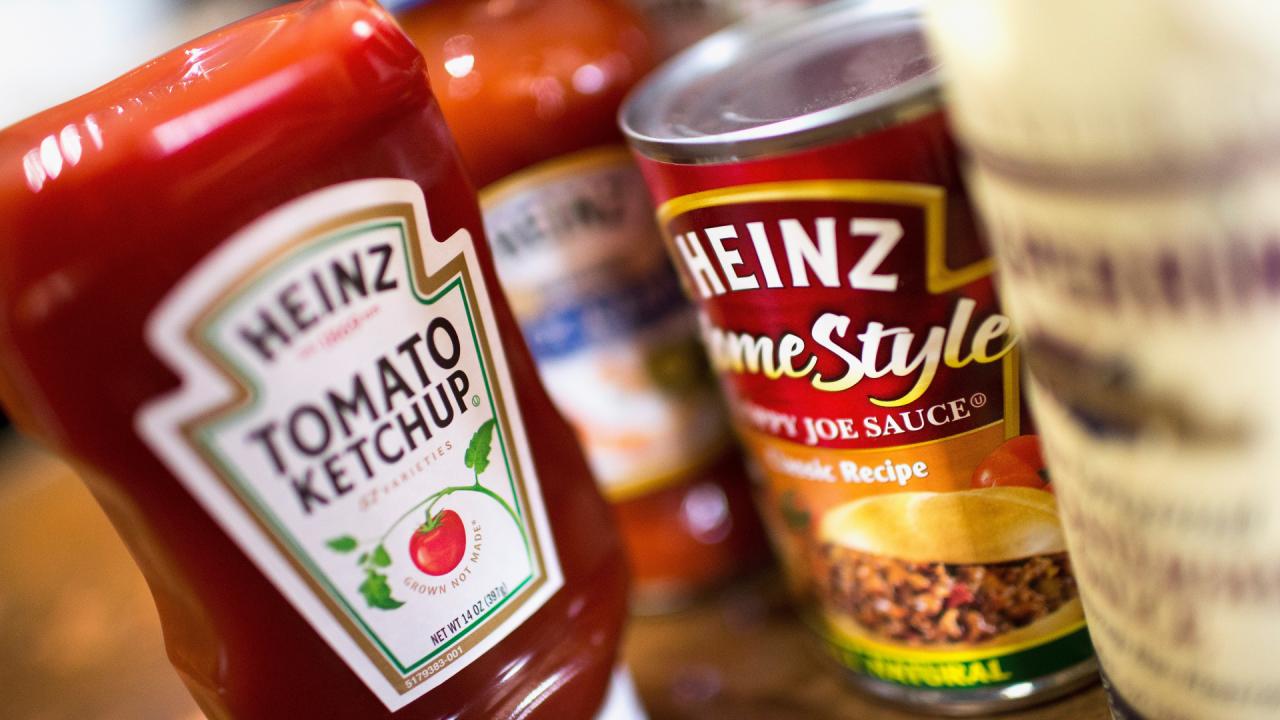
    Heinz has recently launched their novel Fried Chicken Sauce, which is now available in supermarkets and for a brief duration, through a partnership with the popular Korean fried chicken outlet, Gami Chicken.

    A New Addition to the Condiment Aisle

    The newly introduced sauce is characterized by its bold, creamy, sweet, and spicy flavor, specially crafted to enhance the taste of fried chicken. This addition to the condiment selection is expected to bring a distinctive flavor profile to the dining table.

    Partnership with Gami Chicken

    In conjunction with the sauce’s debut, Heinz established a collaboration with Gami Chicken restaurants in Victoria, NSW, SA, and WA. For a limited period, patrons have the option to order a combo meal that includes boneless fried chicken, chips, and the new Heinz Fried Chicken Sauce.

    Jun Lee, the founder of Gami Chicken, spoke highly of the latest product. In his words, the new sauce from Heinz was a standout in a saturated market and has been a pleasant surprise in taste and quality. Lee also expressed his excitement to be involved in a launch that celebrates bold and delicious flavors.

    Availability and Pricing

    Heinz Fried Chicken Sauce retails for an RRP of $4.80 for a 295ml bottle and is currently available at Coles. The distribution of the product will broaden to include Woolworths and Metcash stores from September 29 onwards.

    Questions & Answers

    What is the flavour profile of the new Heinz Fried Chicken Sauce?
    The sauce has a unique combination of bold, creamy, sweet, and spicy flavours.

    Where can consumers find Heinz’s new Fried Chicken Sauce?
    The sauce is currently available at Coles and will soon be distributed to Woolworths and Metcash stores from September 29.

    What does the limited-time partnership with Gami Chicken entail?
    As part of the partnership, for a limited time, customers at Gami Chicken restaurants can order a combo meal that includes boneless fried chicken, chips, and the new Heinz Fried Chicken Sauce.

  • Sigma Healthcare Resets Merger Synergy Target With Chemist Warehouse Amidst Significant Revenue Surge

    Sigma Healthcare Resets Merger Synergy Target With Chemist Warehouse Amidst Significant Revenue Surge

    Sigma Healthcare has revised its merger synergy target with Chemist Warehouse, following a significant increase in both its top and bottom line results last year.

    New Merger Synergy Targets

    Sigma Healthcare has now set its synergy target for the merger at $100 million per annum, a substantial increase from the previous target of $60 million. The company aims to attain this goal within a span of four years.

    The last fiscal year ending June 30 saw an 82.2 per cent surge in revenue to $6 billion. Chemist Warehouse reported a 14 per cent increase in retail network sales, and a notable 11.3 per cent rise in like-for-like sales across the Australian network.

    Brand Expansion and Financial Performance

    Over the past year, Sigma increased its portfolio of proprietary and exclusive brand products, with a notable release of 269 products in the Wagner generics range last November. The sales of proprietary and exclusive label products saw an increase of over 20 per cent.

    When it comes to the bottom line, statutory earnings before interest, taxes, depreciation, and amortization (EBITDA) increased by 33.6 per cent to $824 million, while the net profit after tax (NPAT) reported a slight decline of 2.1 per cent to $530 million. However, normalized EBITDA saw a rise of 41.4 per cent to $884 million, and NPAT also increased by 40.1 per cent to $579 million.

    By June 30, the net debt stood at $752 million, significantly lower than the initial net debt range of $1 billion to $1.3 billion as indicated in the merger prospectus.

    Anticipated Growth and Future Plans

    Sigma CEO and MD, Vikesh Ramsunder, stated that the merger with Chemist Warehouse has resulted in a more robust, integrated healthcare business with enhanced scale, capability, and market reach. He emphasized that the FY25 results highlight the group’s momentum and potential for sustained growth.

    As part of its plan for the new fiscal year, Sigma intends to continue the expansion of Chemist Warehouse stores both domestically and internationally at a steady pace. It also plans to introduce new proprietary and exclusive label products to enhance margins.

    Sigma also announced the closure of distribution centres in South Guildford, WA, and Port Adelaide, SA, with services being moved to existing centres in Canning Vale and Pooraka. The company also plans to gradually close brick-and-mortar Chemist Warehouse stores in China over the next few years, focusing on achieving profitable growth, with the Chinese market being serviced through online channels thereafter.

    Questions & Answers

    What is the new merger synergy target set by Sigma Healthcare?
    The new merger synergy target set by Sigma Healthcare is $100 million per annum, up from the previous target of $60 million.

    What are Sigma Healthcare’s plans for the new fiscal year?
    Sigma plans to expand Chemist Warehouse stores in Australia and internationally, launch new proprietary and exclusive label products, and shift services from closing distribution centres to existing ones.

    What is Sigma Healthcare’s strategy for the Chinese market?
    Sigma Healthcare plans to gradually close Chemist Warehouse physical stores in China over the next few years, focusing on servicing the Chinese market through online channels.

  • Nestle Halts Production Of Vegan Kitkat Amid Rising Costs And Declining Sales

    Nestle Halts Production Of Vegan Kitkat Amid Rising Costs And Declining Sales

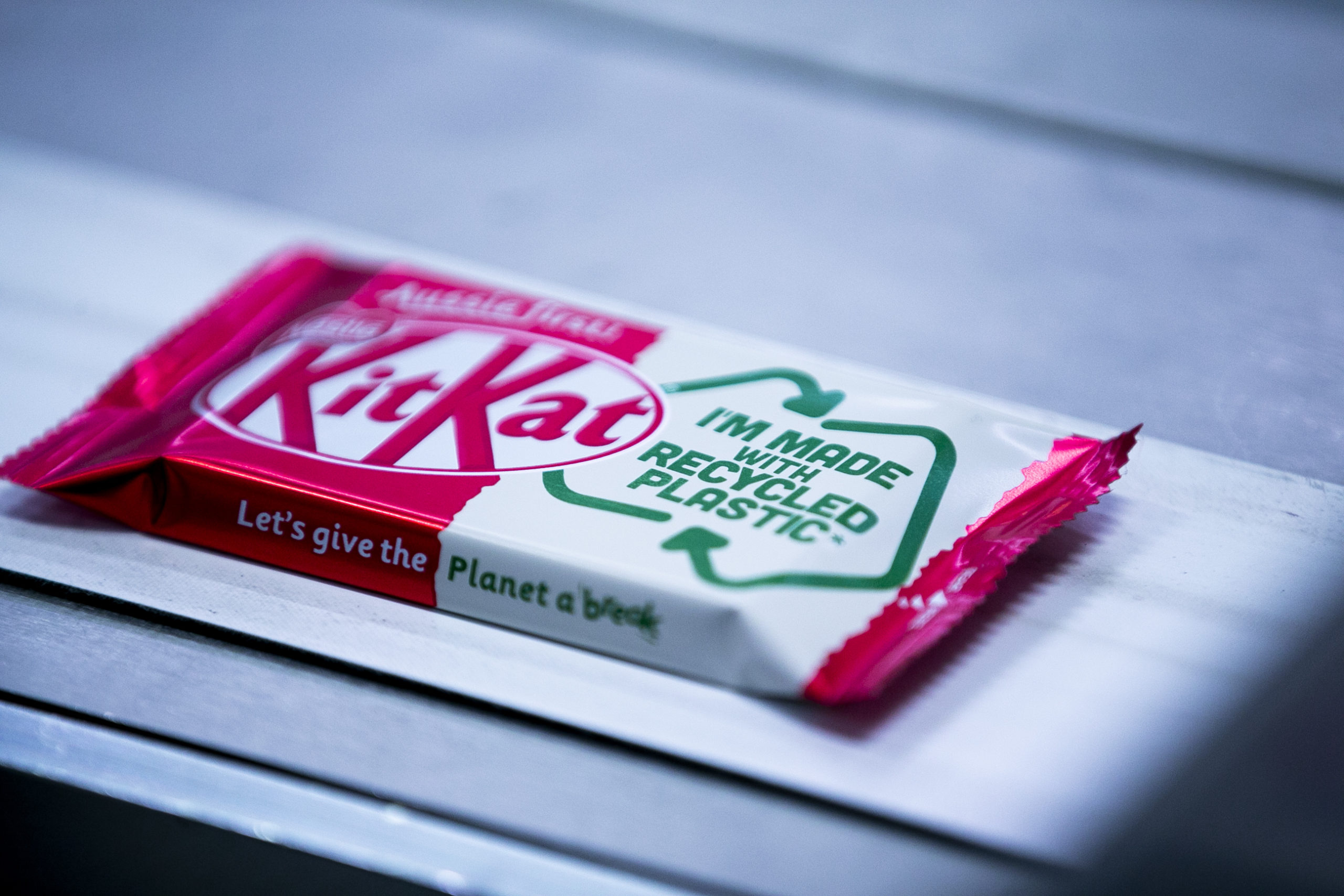
    Nestle, the multinational food and beverage company, has announced its decision to cease production of its vegan KitKat range after a four-year span. This decision is attributed to the escalating production expenses and declining sales figures.

    Background and Production Details

    The vegan KitKat, identified as KitKat V, was conceived at Nestle’s confectionery research and development center located in the UK. The product was initially launched in 2021 to serve as a plant-based substitute for the globally popular classic chocolate bar. However, the company disclosed that the manufacturing of this product necessitated the dedication of exclusive facilities, which escalated the operational costs considerably.

    As of now, the company has halted all production lines for the global Vegan KitKat version. A representative from Nestle shared this news, further highlighting that the remaining stock of this product will continue to be available in Tesco and Sainsbury’s stores until the current stock is exhausted.

    Global Trends for Plant-Based Products

    Nestle’s decision aligns with the observed deceleration in the demand for plant-based products worldwide. Market analysts have noticed a shift in consumer interest from processed alternatives to fresh produce. This change is propelled by consumers questioning the health benefits of plant-based options, which were previously regarded as healthier alternatives.

    The future of the vegan KitKat brand remains clouded in uncertainty. Nestle has not yet disclosed whether it might reconsider the revival of this brand should there be a resurgence in demand.

    Questions & Answers

    What led to Nestle discontinuing its vegan KitKat range?
    High production costs and diminishing sales were the primary factors that led Nestle to discontinue its vegan KitKat range.

    What was the vegan KitKat range?
    The vegan KitKat, labeled as KitKat V, was a plant-based alternative to the traditional chocolate bar. It was developed at Nestle’s research and development center in the UK.

    Is there a possibility for the revival of the vegan KitKat range?
    Currently, Nestle has not indicated any plans for the revival of the vegan KitKat range. However, the potential for reconsideration exists if there is a substantial increase in demand.

  • Apple’s Possible Shift To Esim-only Iphones: Impact On Global Connectivity And Travel

    Apple’s Possible Shift To Esim-only Iphones: Impact On Global Connectivity And Travel

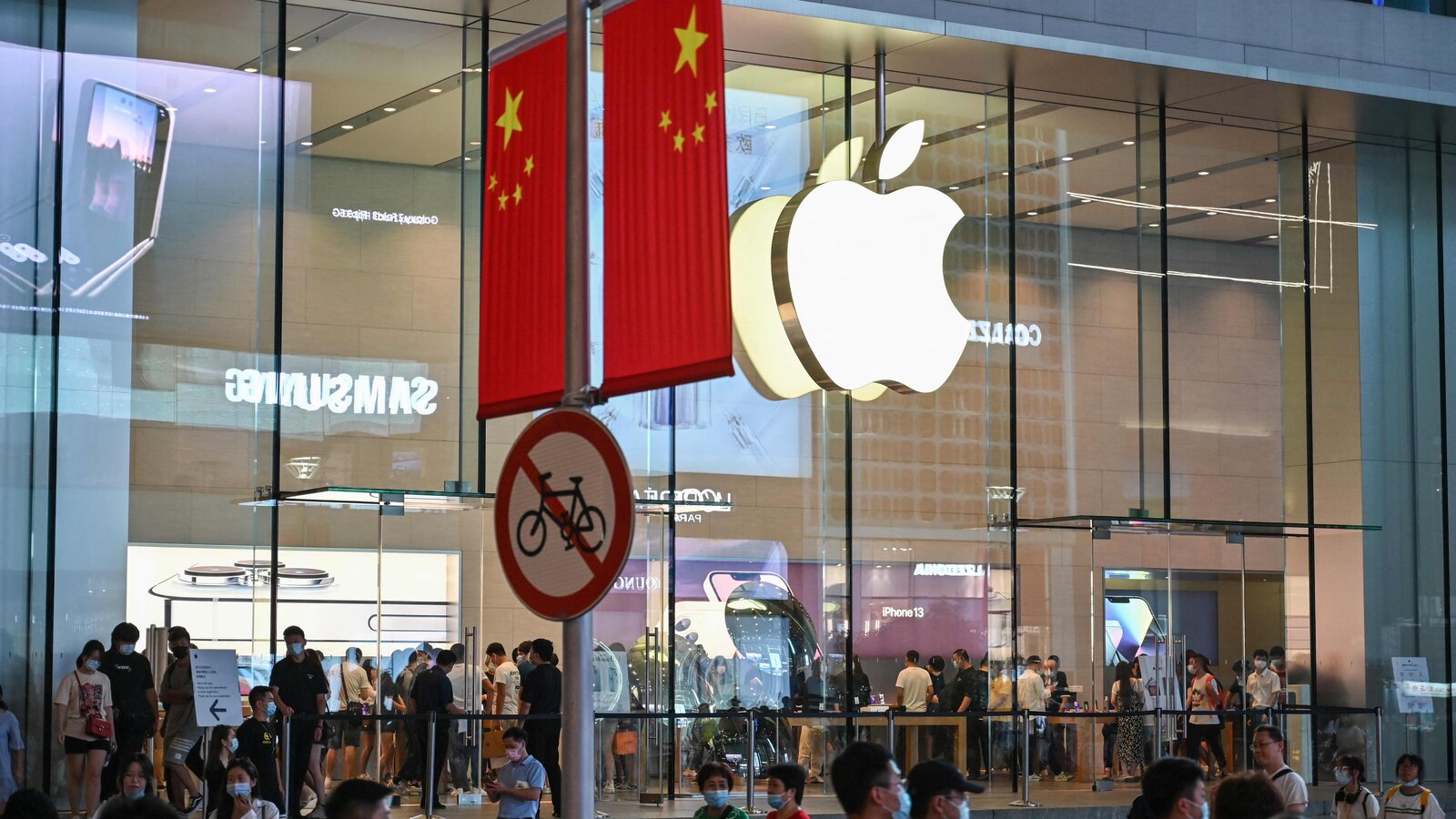
    Apple’s smartphones in the United States have not had a SIM card slot since the release of the iPhone 14. Instead, these devices have supported a mix of physical and eSIM technology. However, a recent rumor implies that Apple may soon discontinue the physical SIM card tray for the iPhone 17 in additional countries.

    Retail staff at Apple Authorized Resellers throughout the European Union are required to undergo training related to eSIM technology. Those in the know have disclosed that the deadline for course completion is Friday, September 5.

    Significant Event on the Horizon

    Just four days after this deadline, Apple is set to host its “Awe dropping.” event on Tuesday, September 9. The tech giant is anticipated to unveil the iPhone 17, iPhone 17 Pro, and iPhone 17 Pro Max, along with a new slim model potentially dubbed the iPhone 17 Air.

    Yet, this shift may not be confined to the European Union. The training material is accessible to European retail staff via Apple’s SEED app. This platform is utilized by employees of official Apple Stores and Apple Authorized Resellers globally, and it is not exclusive to Europe.

    Adapting to New Technologies

    It would be logical for Apple to roll out this change to other countries, particularly given the rumors circulating over the past year. Speculation that the iPhone 17 Air may be too thin to accommodate a SIM card slot began as early as last October. There have also been suggestions that the change could apply to the entire iPhone 17 range across all markets.

    However, it is probable that Apple will maintain the physical SIM option in certain countries, including China. Although iPhones in most countries support both eSIM and physical SIM, in China and a few other markets, they offer dual SIM with two physical cards.

    Notably, other tech companies are also following this trend. Google recently launched the eSIM-only Pixel 10 in the US, while Samsung’s Galaxy S25 offers a mix of eSIM and physical SIM support, including in the US. However, in some regions outside of the US, Samsung’s phones feature dual physical SIMs, and the Pixel 10 integrates both physical and eSIM technologies.

    Travel and Connectivity

    As a global traveler, having a variety of connectivity options is beneficial, therefore losing the physical SIM slot could be disappointing. While purchasing a local SIM can be cheaper and more convenient, there are a variety of international eSIM services that can sometimes offer more affordable and convenient options for travelers. Here’s hoping that Apple will continue to offer both options in my region.

    Questions & Answers

    Why is Apple potentially moving away from physical SIM cards?
    It is rumored that Apple may be entertaining this notion in order to make devices thinner and more streamlined, thereby improving the user experience.

    Will all countries lose the physical SIM option on the iPhone 17?
    While it seems likely that more countries will be affected by this change, it is currently unclear if this will be a global shift. Some regions, such as China, may continue to have the physical SIM option.

    How will the lack of a physical SIM card impact travelers?
    While the absence of a physical SIM card could initially prove inconvenient, the rise of international eSIM services could provide an alternative, and potentially more affordable, option for travelers.

  • Giordano Sees Sales Surge Amid Economic Uncertainty: E-commerce Success And ‘beyond Boundaries’ Strategy Key

    Giordano Sees Sales Surge Amid Economic Uncertainty: E-commerce Success And ‘beyond Boundaries’ Strategy Key

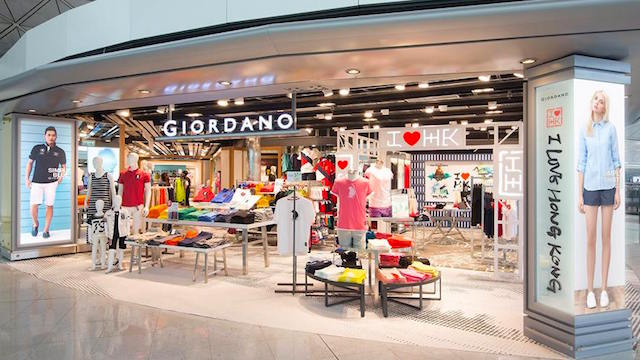
    Hong Kong’s prominent fashion retailer, Giordano, recently announced an increase in their sales for the first half of the fiscal year. This significant improvement in sales is mainly attributed to a substantial surge in the company’s e-commerce operations.

    Positive Revenue Growth Amid Economic Uncertainty

    Giordano’s revenue for the first half of the fiscal year experienced an increase of 1.6 per cent, amounting to HK$1.934 billion (US$248 million). The management team highlighted this growth as a significant accomplishment in the midst of a fluctuating political and economic environment.

    The primary contributor to this growth was the company’s online business, which saw a remarkable increase of 26.1 per cent. This surge was credited to ongoing digital transformation efforts and customer-centric strategies.

    Geographical Revenue Analysis

    In the realm of geographical revenue, Mainland China saw a 13 per cent increase, with a nearly 18 per cent rise in the second quarter and an 8 per cent surge in the first quarter. Same-store sales remained steady in Q2, which was a positive shift from the 3.6 per cent decline in Q1.

    Revenue in Hong Kong and Macau reversed from a 6.5 per cent drop in Q1 to a 2.2 per cent increase in Q2, outperforming the overall negative retail sales in Hong Kong’s clothing sector.

    Sales in the Gulf Cooperation Council similarly experienced a 1.9 per cent growth during the half. However, Southeast Asia and Australia witnessed an 8 per cent decrease, mainly due to the poor performance in the Indonesian market.

    The company’s gross margin dropped by 3.3 percentage points to 55.6 per cent, which was primarily due to a larger volume of online sales and wholesale, inventory clearance efforts, and increased merchandise costs. The attributable net profit remained fairly consistent, with a minor increase of 0.8 per cent to HK$121 million.

    The ‘Beyond Boundaries’ Strategy

    CEO Colin Currie shed light on the company’s ‘Beyond Boundaries’ five-year strategy, which was initiated a year ago. He said that through this strategy, they were able to successfully execute a series of ‘Quick Win’ initiatives to establish a robust foundation for 2025 and beyond.

    The central focus of the ‘Beyond Boundaries’ strategy for 2025 is to strengthen the ‘Digital-First’ approach, simplify the brand portfolio, and make significant strides in Greater China.

    Currie stated that while the company is pleased with the positive results, they are continually reviewing and adjusting areas that need improvement, particularly in safeguarding their gross margin. To support better performance, they are actively improving their processes and enhancing sourcing efficiency.

    Last year, Giordano reported a 1.2 per cent revenue increase.

    Questions & Answers

    What led to the increase in Giordano’s sales for the first half of the fiscal year?
    The increase in sales was primarily driven by a significant boost in the company’s e-commerce operations.

    How did Giordano’s geographical revenue perform during this period?
    Mainland China experienced a 13 per cent revenue increase, while Hong Kong and Macau saw a 2.2 per cent rise. However, Southeast Asia and Australia faced an 8 per cent decrease in revenue.

    What is Giordano’s ‘Beyond Boundaries’ strategy?
    The ‘Beyond Boundaries’ strategy is a five-year plan aimed at strengthening the ‘Digital-First’ approach, simplifying the brand portfolio, and making significant strides in Greater China.

  • Huawei Defies U.S. Sanctions: Unveils Harmonyos And New 5g Chipset For Flagship Phones

    Huawei Defies U.S. Sanctions: Unveils Harmonyos And New 5g Chipset For Flagship Phones

    Back in 2012, concerns about national security led the U.S. House of Representatives’ Intelligence Committee to label tech giants Huawei and ZTE as potential threats. These fears stemmed from allegations that Huawei was spying on U.S. consumers and corporations, though Huawei consistently denied these claims. By 2019, Huawei was added to the U.S. Entity List.

    Huawei’s Position on the Entity List

    The Entity List is maintained by the U.S. Department of Commerce’s Bureau of Industry and Security (BIS). It stipulates that U.S. firms must obtain a government license before exporting any “U.S.-origin” technology to a listed company. This move effectively cut Huawei off from its U.S.-based supply chain, including tech giant Google. Consequently, Huawei could no longer use Google’s proprietary version of Android, though it managed to pre-install the open-source version of Android on its handsets.

    However, this version of Android does not offer the Play Store, nor does it include the default Android apps developed by Google.

    U.S. Restrictions and Huawei’s Response

    A year after being added to the Entity List, the U.S. Commerce Department revised the Foreign-Produced Direct Product Rule. This amendment enabled it to stop Huawei from obtaining any advanced chips produced by a foundry using American-made equipment. Many speculated that this could spell the end for Huawei. Although the company led global smartphone shipments during the second quarter of 2020, surpassing Apple and Samsung, it began to witness a decline by the fourth quarter of the same year.

    In response to these challenges, Huawei needed to adapt. As Tao Jingwen, the company’s president of quality, business process, and information technology, stated at an event in Guiyang, Huawei “built an ecosystem entirely independent of the United States.” Its first significant step was the creation of the HarmonyOS operating system, which includes the company’s App Gallery app store.

    The Emergence of HarmonyOS and Huawei Mobile Services

    By 2021, Huawei had launched its own ecosystem, Huawei Mobile Services. Despite the loss of Google’s support, Huawei appeared to be managing well internally. However, outside of China, particularly in Europe, the absence of Google was keenly felt. The company also needed to find a way to access 5G chips. After depleting its inventory of 5G Kirin application processors, U.S. chip designer Qualcomm obtained a license from the U.S. Commerce Department to supply application processors to Huawei. However, these chips were modified to work with 4G signals, not 5G.

    Overcoming Sanctions: Huawei Mate 60 Pro

    Despite the challenges, Huawei continued to innovate. The tech world was taken by surprise in August 2023 when Huawei introduced the Huawei Mate 60 Pro. For the first time since 2020, a Huawei flagship phone was powered by an application processor designed by Huawei itself, the Kirin 9000S. Built by China’s largest foundry SMIC using its 7nm process node, the chipset reintroduced 5G support to a Huawei flagship phone for the first time since the Mate 40 series in 2020.

    Questions & Answers

    Why was Huawei added to the U.S. Entity List?
    Huawei was added to the Entity List due to concerns about national security. It was alleged that the company was spying on U.S. consumers and corporations.

    What impact did being on the Entity List have on Huawei?
    Being on the Entity List cut Huawei off from its U.S.-based supply chain, including Google. This meant that Huawei could no longer use Google’s proprietary version of Android.

    How did Huawei respond to the U.S. sanctions?
    Huawei developed its own operating system, HarmonyOS, and created an ecosystem independent of the United States. It also managed to design its own application processor for its flagship phone, reintroducing 5G support.

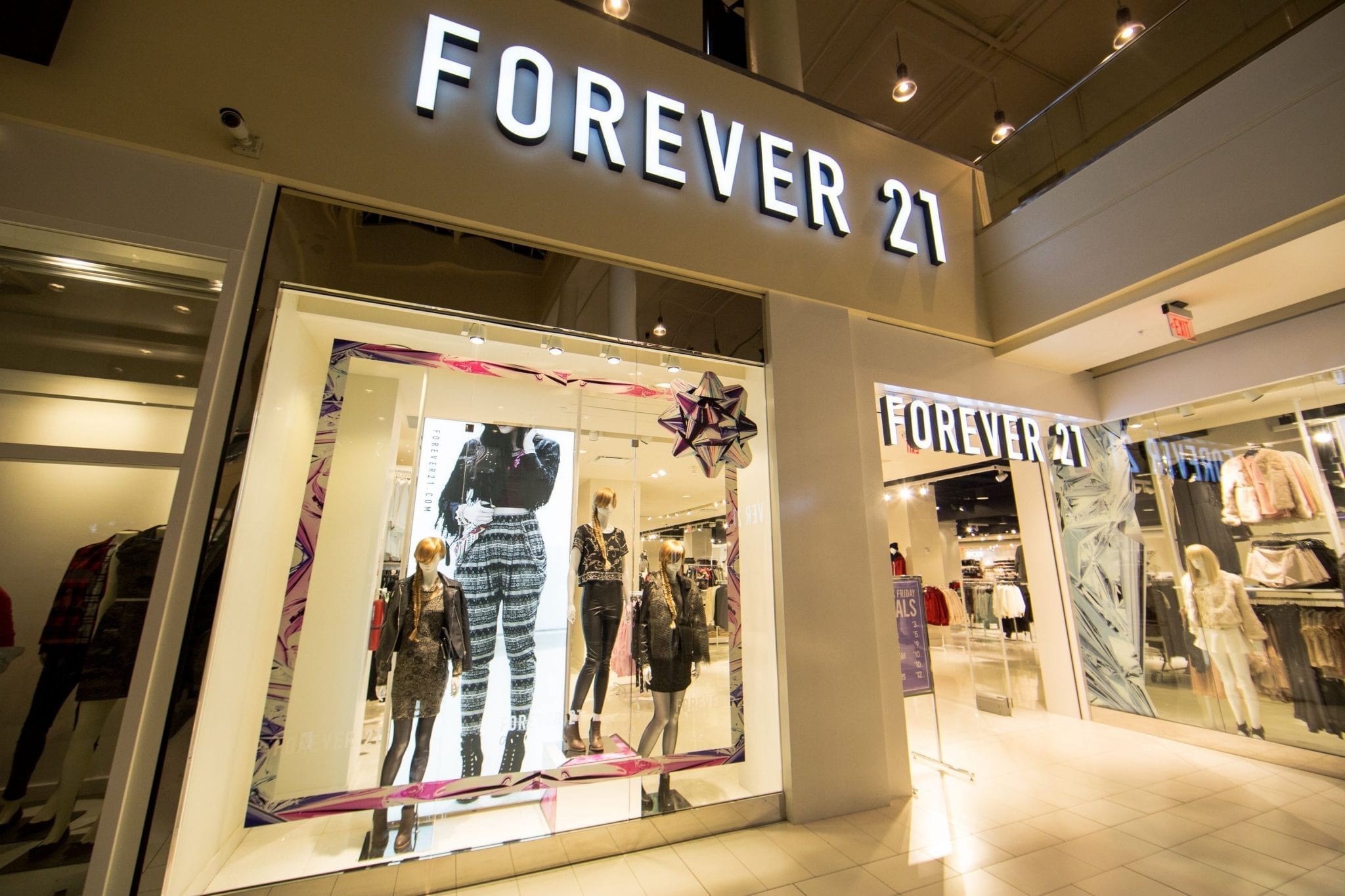
  • Forever 21’s Fourth Attempt: Reinventing Brand Presence In Chinese And North American Markets

    Forever 21’s Fourth Attempt: Reinventing Brand Presence In Chinese And North American Markets

    Renowned fast-fashion retailer, Forever 21, is poised to venture once again into the Chinese market for the fourth time. The brand’s previous three attempts, beginning in 2008, were unsuccessful in maintaining a solid foothold in the second-largest global economy.

    Reviving the Brand: Future Prospects

    Beyond its focus on China, Forever 21 also aims to revitalise its presence in the North American market. To support this endeavour, the brand is currently in search of a strategic partner, with an announcement to follow in the near future, according to Authentic Brands Group (ABG), the holder of Forever 21’s worldwide intellectual property rights.

    The primary emphasis of the brand for the foreseeable future is on strengthening its market position in both China and the United States, as disclosed by ABG in a recent press briefing.

    Bankruptcy and Recovery

    In March, Forever 21 declared bankruptcy in the U.S. for the second time in six years. The brand also revealed plans to phase out domestic operations due to the increasing pressures of online competition in the fast-fashion industry, coupled with dwindling traffic in shopping malls.

    Following its third relaunch in China in 2022 and the opening of several retail outlets beyond the country’s primary fashion hubs, Forever 21’s operations gradually diminished towards the end of 2024.

    Re-emergence and Partnerships

    However, the brand is making a comeback, creating a buzz with its famed bright yellow branding appearing in major Chinese cities. Marketing events at music festivals and Forever 21 advertisements within Shanghai’s metro system have marked the brand’s return.

    For its latest endeavor, ABG is collaborating with brand operator Chengdi, a firm partly owned by e-commerce giant Vipshop Holdings. During a press launch in Shanghai, Chengdi expressed its intention to localize operations and attract a new generation of young consumers, with plans to open more brick-and-mortar stores in 2026.

    CEO’s Remarks on the Acquisition

    Jamie Salter, CEO of ABG, had previously described the acquisition of Forever 21, which was purchased from bankruptcy in 2020, as “probably the biggest mistake I made.” However, when asked about these remarks recently, an ABG spokesperson clarified that Salter “has always believed that having Forever 21 as part of ABG is a good idea and he continues to maintain that belief.”

    Questions & Answers

    What is Forever 21’s future strategy in the global market?
    Forever 21 aims to reestablish its presence in the Chinese and North American markets, with plans to seek a strategic partner for the North American relaunch.

    What led to Forever 21’s bankruptcy and eventual recovery?
    Increasing online competition in the fast-fashion industry and declining mall footfall led to Forever 21’s bankruptcy. It’s recovery has been marked by a strategic relaunch and partnership with Chengdi in the Chinese market.

    What did ABG’s CEO Jamie Salter mean by his comments regarding the acquisition of Forever 21?
    Jamie Salter had previously expressed regrets about acquiring Forever 21. However, an ABG spokesperson clarified that Salter continues to believe in the brand’s potential as part of ABG.

  • Central Marketing Group Aveda Distribution Rights In Thailand, Enters High-end Haircare Market

    Central Marketing Group Aveda Distribution Rights In Thailand, Enters High-end Haircare Market

    Central Marketing Group (CMG), a division of Central Retail, has recently attained exclusive distribution rights for Aveda in Thailand, marking a significant step into the high-end haircare market.

    A Strategic Move

    This development resonates with the increasing demand for luxury beauty products in the market. CMG anticipates a surge in its beauty sales, projecting a growth rate exceeding 15% by the year’s end.

    Ty Chirathivat, CMG’s president, indicates that the premium beauty sector in Thailand has showcased robust growth, amounting to over THB 23.7 billion ($733.5 million), haircare products alone contribute more than THB 403 million ($12.5 million).

    “This is indicative of a notable shift in consumer behaviour towards a more comprehensive approach to self-care, where beauty and wellness are closely linked,” Chirathivat explains.

    Aveda: A Commitment to Environmental Responsibility

    Chirathivat adds that the inclusion of Aveda, renowned for its plant-based formulas, allows the retailer to cater to the evolving preferences of younger consumers. These consumers increasingly favor brands displaying a strong commitment to environmental responsibility.

    “Integrating Aveda into our product line fortifies CMG’s beauty segment. We aim to broaden both our physical and digital distribution channels, while initiating comprehensive marketing strategies encompassing brand activations and community involvement,” states Chirathivat.

    Aveda, currently a subsidiary of The Estee Lauder Companies, was founded in 1978 by Horst Rechelbacher. His pioneering concept of holistic beauty led to the creation of this brand, which specializes in botanical beauty products. The brand has gained recognition for its use of ethically sourced ingredients and support of sustainable initiatives.

    Launch Across Thailand

    CMG has introduced Aveda in 10 different locations throughout Thailand, which include Central Department Stores and Central Online, along with major shopping centers nationwide. This strategic placement is designed to bring Aveda’s products closer to the customers.

    Questions & Answers

    What does CMG’s acquisition of Aveda’s distribution rights signify?
    The acquisition marks the company’s entry into the premium haircare market, aligning with the increasing demand for luxury beauty products.

    Who is the founder of Aveda?
    Aveda was founded by Horst Rechelbacher in 1978.

    What kind of beauty products does Aveda specialize in?
    Aveda specializes in botanically-based beauty products, with a strong commitment to ethically sourced ingredients and sustainable initiatives.

  • Alibaba Leverages Ai To Expand Cloud Business, Despite Falling Short Of Revenue Projections

    Alibaba Leverages Ai To Expand Cloud Business, Despite Falling Short Of Revenue Projections

    Alibaba, the Chinese multinational, has highlighted the significance of artificial intelligence (AI) in its plans to broaden its cloud computing business. This comes as the company experienced robust quarterly development in the sector, although its broader operations fell short of revenue projections.

    The Market Reaction

    Alibaba’s shares listed in the U.S. rose by 8% at the opening of the New York market on Friday after the results were announced.

    The revenue for Alibaba’s cloud division experienced a surge of 26% to a total of 33.40 billion yuan (equivalent to US$4.67 billion). This significant increase outpaced the anticipated rise of 18.4%. Yet, the weaker-than-expected progress in its e-commerce business overshadowed this achievement, with the total revenue falling short of estimates by 2%.

    Alibaba’s Position in AI

    Alibaba has emerged as one of the most competitive players in China’s AI sector, frequently introducing updates.

    In the past year, the company has invested over 100 billion yuan in AI infrastructure and product research and development, according to Group CEO, Eddie Wu.

    Wu stated that their investments in AI are beginning to bear fruit. He sees a clear trajectory for AI to power Alibaba’s robust growth in the future.

    Overall Performance and Revenue

    The overall revenue for the company for the quarter ending on June 30 was 247.65 billion yuan. This fell short of the average estimate of 252.92 billion yuan as calculated by LSEG.

    Alibaba reported its revenue from its China E-commerce Group for the first time, which includes platforms like Taobao and Tmall, its new instant commerce business, a food delivery app called Ele.me, and a travel agency called Fliggy. The group reported a revenue growth of 10%.

    On the other hand, Alibaba’s operational income saw a decrease of 3% year on year. The adjusted earnings before interest, tax and amortization dropped 14%, primarily due to investments in the instant commerce sector.

    Response from Rivals and Analysts

    The business rivals of Alibaba, PDD Holdings and Meituan, which are currently vying for market share in the instant retail space, issued warnings that rising investments could impact profits in the upcoming quarters.

    Analysts and executives from both companies have noted that competition has been escalating over the period.

    Analyst Angelo Zino from CFRA commented that while the shift towards quick commerce and AI investments had brought about meaningful operational changes, profitability was affected by growth initiatives such as user acquisition and technology infrastructure expenditure.

    Future Plans for Alibaba

    Alibaba plans to utilize its quick commerce business to broaden its overall e-commerce consumer base. The company aims to target a 30 trillion yuan addressable market. Jiang Fan, the CEO at Alibaba’s e-commerce business group, has projected that the quick commerce segment could contribute 1 trillion yuan in yearly incremental gross merchandise volume over the following three years.

    The revenue from international commerce saw a rise of 19%, propelled by expansion in crucial markets like Europe and the Middle East.

    Alibaba also announced its repurchase of shares in its logistics unit Cainiao from Fosun International. The transaction amounted to $349.8 million.

    Questions & Answers

    What is Alibaba’s recent investment in AI?
    Alibaba has invested over 100 billion yuan in AI infrastructure and product research and development in the past year.

    What is the expected contribution of the quick commerce segment to Alibaba’s revenues?
    The quick commerce segment is projected to contribute 1 trillion yuan in annualized incremental gross merchandise volume over the next three years.

    What was Alibaba’s recent significant transaction?
    Alibaba repurchased shares in its logistics unit Cainiao from Fosun International, amounting to $349.8 million.

  • Chagee’s Revenue Soars Amid Expansion, Despite Significant Profit Dip

    Chagee’s Revenue Soars Amid Expansion, Despite Significant Profit Dip

    The second quarter of the financial year saw Chinese milk tea chain Chagee experiencing a double-digit increase in revenue, largely due to its network expansion. However, this growth was accompanied by a notable drop in profit.

    Financial Highlights

    Chagee, which is listed on Nasdaq, recorded a 10.5 per cent rise in net revenues to RMB3.331 billion (US$465.1 million) for the quarter ending on June 30. The company’s teahouse network witnessed substantial growth of 40 per cent, reaching 7038 locations.

    The total gross merchandise value (GMV) also saw an increase, rising by 15.5 per cent to RMB8.103.1 billion. The GMV in overseas markets experienced a significant surge of 77 per cent. However, the same-store GMV witnessed a downturn, falling by 23 per cent following a 38 per cent growth in the same period last year.

    Chagee’s GAAP net income saw a steep decrease of 87.7 per cent to RMB77.2 million. However, the non-GAAP net income, which factors in share-based compensation expenses amounting to RMB552.5 million, saw a marginal rise of 0.1 per cent to RMB629.8 million.

    Leadership Changes and Future Plans

    During the same quarter, Chagee made key leadership appointments to boost its expansion capabilities in North America. These included the appointment of Emily Chang as the Chief Commercial Officer and Aaron Harris as the Chief Development Officer for the region.

    Company management is optimistic about its comprehensive international expansion strategy. This strategy is expected to set the company on a path of sustainable growth. There are proactive strategies already in place for key regions like Indonesia, Thailand, and North America. Additionally, the company has plans to venture into Japan and Korea in the coming year.

    Questions & Answers

    What changes were observed in Chagee’s revenue and profit in the second quarter?
    Chagee witnessed a double-digit rise in revenue, largely due to the expansion of its network. However, its profit saw a significant drop.

    What significant appointments were made by Chagee in the second quarter?
    Chagee appointed Emily Chang as the Chief Commercial Officer and Aaron Harris as the Chief Development Officer for the North American region.

    What are the company’s future expansion plans?
    Management has comprehensive international expansion strategies in place. There are plans for expansion in key regions including Indonesia, Thailand, and North America, and the company intends to enter the Japanese and Korean markets next year.

  • Lanvin Group Reports 22% Revenue Decline Amid Global Luxury Market Softening

    Lanvin Group Reports 22% Revenue Decline Amid Global Luxury Market Softening

    The luxury fashion conglomerate, Lanvin Group, which houses brands such as Lanvin, Wolford, Sergio Rossi, St John, and Caruso, has reported a decline in first-half revenue to US$155.6 million. This figure represents a 22% decrease compared to the same period last year due to the softening global luxury demand.

    Market Pressures and Cost Management

    The group cited several factors that contributed to the decrease in sales, one of which was weaker wholesale in the EMEA region and Greater China. However, disciplined cost management and efficiency measures have begun to show positive impacts. Despite these challenges, the group’s gross profit stood at $84.2 million, maintaining a margin of 54%, aided by precise inventory management during a challenging period of creative transition.

    Zhen Huang, the chairman of Lanvin Group, stated, “Despite facing a challenging luxury market in the first half, we remained disciplined in cost management and strategic streamlining. With new creative leadership and ongoing investment in product innovation, we are well-positioned to capture opportunities as the market environment improves.”

    Individual Brand Performance

    Lanvin saw the most significant drop in the group, with its revenue down by 42%, as wholesale partners in EMEA were more restrained. The brand noted some resilience in the retail sector in the same region and that its North American e-commerce platform showed strong recovery under a new marketplace model.

    Wolford’s revenue declined by 23%, although its wholesale sales rose by 14%. The brand’s gross margin was affected by lower production utilization and inventory clearance, but the company managed to cut general and administrative expenses by 18% under cost-saving measures.

    Sergio Rossi’s sales fell by 25%, with direct-to-consumer revenue down by 21% and wholesale sliding by 33%. It managed, however, to show some progress in Q2, with retail sales up by 17% and e-commerce climbing 10% from the previous quarter.

    St John maintained a stable performance, with revenues remaining broadly flat. The brand sustained a 69% gross margin and an 11% contribution margin.

    Caruso saw an 11% decline in its revenue, primarily due to a temporary slowdown in its Maisons business.

    Adjusted EBITDA for the period was a negative $60.8 million, reflecting the lower revenue. This figure was less favorable than the negative $49.1 million reported for the previous year.

    Future Plans

    Andy Lew, the group’s executive president, stated that the group plans to refine its retail footprint in the future, strengthen wholesale partnerships, and invest in new creative leadership to drive momentum in the second half of the year. “Our focus in the first half was on operational discipline and laying the foundation for future growth. We expect to build brand momentum and increase consumer engagement in the second half with fresh creative direction across our houses, supported by targeted marketing and refined channel strategies.”

    Questions & Answers

    What factors contributed to Lanvin Group’s decline in revenue?
    Answer: The decline in revenue was primarily due to weaker wholesale in the EMEA region and Greater China, along with general market pressures.

    Which brand in the Lanvin Group saw the most significant drop in revenue?
    Answer: Lanvin reported the most significant drop in revenue, with a decrease of 42%.

    What are Lanvin Group’s plans for the future?
    Answer: The group plans to refine its retail footprint, strengthen wholesale partnerships, and invest in new creative leadership to drive momentum in the second half of the year.

  • UBS Warns: Rising U.S. Tariffs Could Dampen Economic Growth Ahead

    UBS Warns: Rising U.S. Tariffs Could Dampen Economic Growth Ahead

    The Swiss economy faced a notable slowdown in growth during the second quarter of 2025, with the Gross Domestic Product (GDP) nudging up just 0.1 percent quarter-on-quarter. According to the Chief Investment Office Global Wealth Management of UBS, this modest expansion, which appears to contrast significantly with the growth seen in the previous quarter, was largely influenced by a steep drop in exports, particularly in the pharmaceutical sector, where shipments fell after a robust performance earlier this year.

    Consumption: The Unsung Hero

    Despite worries about declining exports, Swiss private consumption has stood firm, contributing significantly to the economy’s resilience. In the second quarter, household consumption saw an increase of 0.3 percent, while government spending surged by 0.9 percent. This uptick has provided a cushion against the slowdown, demonstrating the vital role consumer spending plays in maintaining economic stability.

    Forecasting Future Growth

    Looking ahead, UBS economists have revised their full-year GDP growth forecast to approximately 1.3 percent, a small but encouraging increase from their earlier prediction of 1.0 percent. “While the ongoing tariff disputes with the U.S. will undoubtedly challenge foreign trade, we still expect consumption to buoy the overall economy,” they stated. For 2026, projections suggest a growth of around 0.9 percent, contingent on how tariff negotiations evolve.

    The Tariff Tango: Implications on Employment and Trade

    UBS posits that if the tariff rate remains at a daunting 39 percent, it could lead to a GDP decline as significant as 0.4 percentage points. Furthermore, it might put up to 0.4 percent of jobs at risk. However, analysts believe Switzerland’s proactive short-time work model may mitigate the adverse effects on the labor market and keep unemployment at bay.

    Potential Shifts in Pharmaceutical Exports

    As tariffs put pressure on Swiss trade, the pharmaceutical industry faces a challenging medium-term outlook. UBS experts anticipate that manufacturers may need to establish production facilities within the U.S. to bypass the high tariffs. “The Swiss pharmaceutical sector is likely to adapt by building sufficient capacity in the U.S. over time. While this strategy aims to sidestep tariff penalties, it threatens to diminish Switzerland’s trade surplus, ultimately weighing on economic growth,” they cautioned.

    As Switzerland navigates the complex landscape shaped by U.S. tariffs and global trade dynamics, one thing is clear: the dance of diplomacy and economics will continue to lead the national narrative.

    Questions & Answers

    What are the main factors contributing to the slowdown in Swiss economic growth?
    The slowdown is primarily attributed to a significant decline in exports, particularly in the pharmaceutical sector, following earlier boosts due to pre-emptive stockpiling ahead of U.S. tariffs.

    How has private consumption affected the Swiss economy?
    Private consumption has been a key driver for economic stability, with households increasing spending by 0.3 percent. This consumption rise has helped cushion the impacts of falling exports, allowing for modest overall growth.

    What impact could high U.S. tariffs have on jobs in Switzerland?
    UBS estimates that high tariffs could place up to 0.4 percent of jobs at risk. However, Switzerland’s short-time work model may help alleviate the fallout on the labor market.