Author: Mei Ling Tan

  • Tim Hortons China Sees Q2 Recovery, Cites New Strategy And Franchise Growth As Key Drivers

    Tim Hortons China Sees Q2 Recovery, Cites New Strategy And Franchise Growth As Key Drivers

    TH International Limited, the company responsible for operating Tim Hortons coffee shops in China, has reported a slight recovery in the second quarter. This recovery has helped to counterbalance the economic strain resulting from store closures and decreased revenue from company-operated outlets.

    Financial Performance

    The system sales experienced a 1.4 percent increase since last year, reaching a total of $57.2 million. Despite this growth, total revenues decreased by 4.9 percent, amounting to $48.7 million. However, the company recorded a positive adjusted EBITDA of $300,000 and a reduced adjusted net loss of 16.2 percent, which amounts to $5.5 million.

    The company’s CEO, Yongchen Lu, stated the company’s “Coffee + Freshly Prepared Food” strategy as the driving force behind the improved results. New product offerings led to an increase in food revenue by 8.6 percent from last year. Consequently, the contribution of food revenue to system sales rose to a record 35.2 percent.

    Albert Li, the CFO, pointed out the efficiency enhancements in the company’s operations. The costs of food, packaging, and labor dropped as a percentage of store revenues. He attributed the improved financial performance to the refinement of store unit economics and operational efficiencies at both store and corporate levels.

    Growth and Challenges

    During the quarter, the company introduced 40 made-to-order stores while discontinuing 49 non-made-to-order outlets, mainly smaller Tim Hortons Express units. Despite this, the contribution from company-operated stores dropped to $3.8 million, a decrease from the previous year. This decrease can be attributed to store consolidation and declining same-store sales.

    Franchising proved to be a successful venture. Revenues from franchised stores increased by 50.7 percent, reaching $9.4 million. The franchise network expanded from 333 to 449 locations. In addition, other revenues, including sub-franchise and retail businesses, more than doubled compared to last year.

    Despite a net loss of $10.6 million, the management remains optimistic. They believe the operational enhancements and an improved food mix put the company in a position for steady growth.

    Questions & Answers

    What was the company’s strategy that drove its stronger results?
    The company employed a “Coffee + Freshly Prepared Food” strategy that particularly improved results through new product offerings.

    How did the company improve its financial performance?
    The company refined store unit economics and enhanced operational efficiencies at both the store and corporate levels.

    What changes occurred in the company’s franchising operations?
    There was a revenue increase of 50.7 percent from franchised stores. The franchise network also expanded to 449 locations from 333 in the previous year.

  • Hanoi Celebrates National Day with Free Metro and Bus Rides for All!

    Hanoi Celebrates National Day with Free Metro and Bus Rides for All!

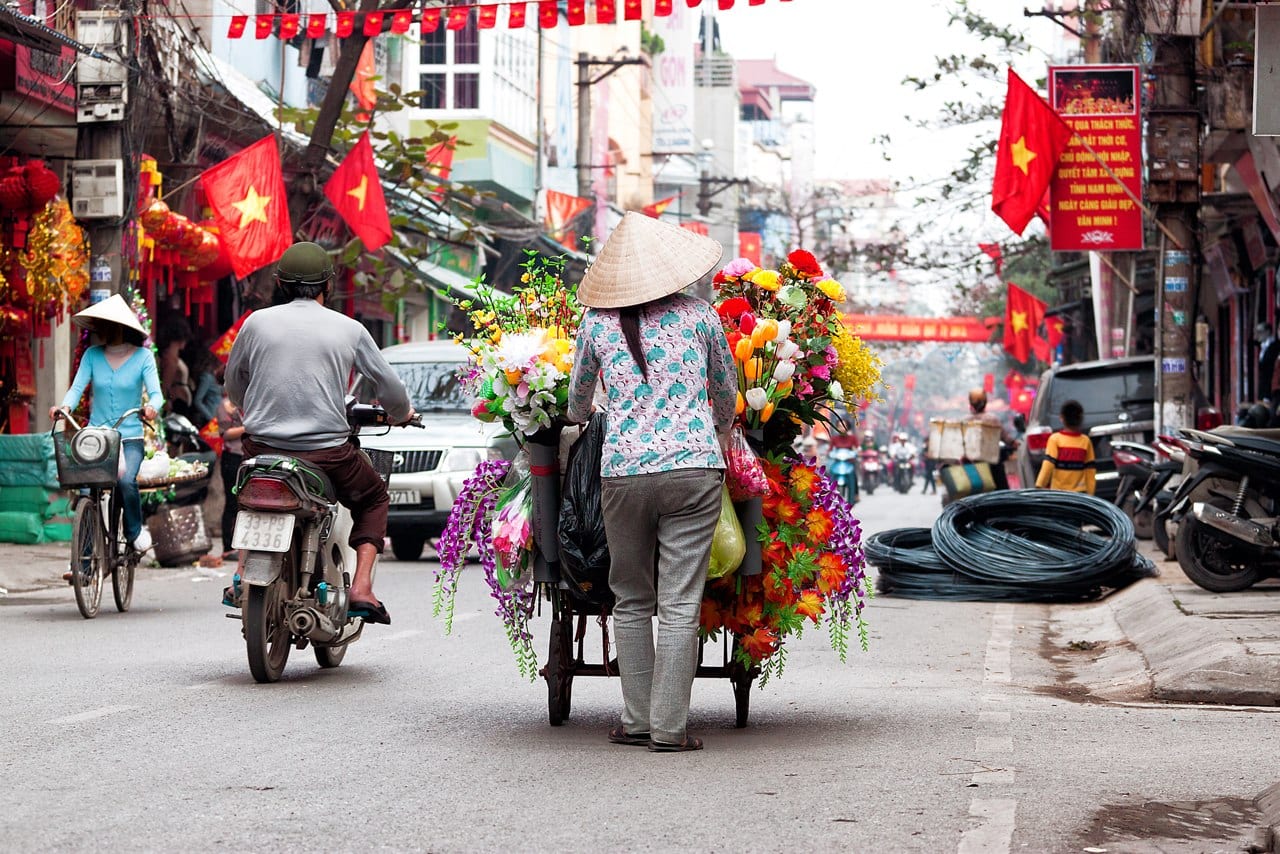
    Hanoi’s People’s Committee has unveiled an exciting initiative that aims to enhance accessibility for both residents and tourists during the upcoming National Day celebrations. Scheduled for September 2, the city is introducing a range of transportation measures designed not only to lighten traffic congestion but also to significantly reduce emissions, making travel easier and greener.

    Free Rides on Metro Lines and Buses

    Both the Cat Linh-Ha Dong and Nhon-Cau Giay metro lines will provide complimentary single-ride tickets, making it easier for families and visitors to explore the city’s historic sites and partake in the celebrations without the hassle of additional costs. Passengers can expect to receive their tickets as usual, only this time, they will be free of charge.

    Extended Metro Operating Hours

    To accommodate the anticipated influx of travelers, the metro system will extend its operating hours. On August 21, 24, 27, and 29, trains will run from 5:30 a.m. to midnight. On August 30, service will begin at 5:00 a.m. and last until 10:00 p.m. The excitement peaks on September 1, with operations returning to the midnight schedule. As if that’s not enough, trains will run every six minutes during peak hours and every ten minutes during quieter times — just enough to ensure your celebrations never miss a beat.

    Strategic Bus Routes for Easy Travel

    Key bus routes servicing the city center include the 09A line from Hoan Kiem Lake to Nguyen Hoang Ton Street, the 22A from Gia Lam to Kim Ma, and the E09, which connects Smart City in Tay Mo Ward to West Lake. Additionally, the highly anticipated Yen Nghia-Kim Ma Bus Rapid Transit line will play a crucial role in facilitating smooth transport throughout the celebrations. Local districts have been directed to utilize schools, stadiums, and public offices as temporary parking facilities, helping manage the expected surge in vehicle numbers.

    Caring for Attendees

    In a heartfelt gesture, Hanoi’s authorities will also offer free water, snacks, and shelters for attendees. Transportation services will be made available for residents from surrounding areas, especially catering to seniors. Priority seating will be reserved for veterans, the elderly, women, and children, with measures in place to ensure crowd control along parade routes, creating an orderly and enjoyable experience for all.

    Final Preparations Underway

    Rehearsals for the grand event are set for August 21, 24, 27, and 30, leading up to the official National Day ceremony, parade, and march on September 2, which is scheduled to kick off at 6:30 a.m. With the anticipation building, it seems the city is ready to roll out the red carpet for a celebration that promises to be both memorable and accessible.

    Questions & Answers

    How will transportation be affected during the National Day celebrations in Hanoi?
    Transportation will be enhanced with free single-ride metro and bus tickets. The metro will also extend operating hours to accommodate the increased demand.

    What measures are in place to ensure accessibility for vulnerable populations?
    Officials are prioritizing seating for veterans, the elderly, women, and children, and providing free transportation services for seniors from neighboring areas.

    What is the schedule for the main events on National Day?
    The official ceremony, parade, and march will begin at 6:30 a.m. on September 2, following rehearsals scheduled on several days prior to the event.

  • Singapore’s Top-Paying Job Now Boasts a Median Monthly Salary Over $15,500!

    Singapore’s Top-Paying Job Now Boasts a Median Monthly Salary Over $15,500!

    In a recent Occupational Wage Survey released by Singapore’s Ministry of Manpower, flying instructors emerged as the highest-paid professionals in the city-state. Their remarkable median monthly salary of S$21,000 leaves other professions in the dust, with foreign exchange brokers following closely at S$19,750, and in-house legal counsel earning a respectable S$17,972.

    Salaries of Singapore’s Elite and Economy Insights

    Commodities traders, excluding those in oil and bunker sectors, secured the fourth spot with a median pay of S$16,000, while chief information, technology, and security officers earned S$15,258 on average, according to Yahoo! News Singapore. Interestingly, managing directors and CEOs only managed to snag the tenth position, with a median wage of S$13,000. Clearly, the sky is the limit for flying instructors, but their dependency on altitude might just be a metaphor for the highs and lows of their pay scale.

    The comprehensive survey, conducted between July and December of last year, evaluated 4,286 private sector firms employing approximately 407,800 full-time resident workers. Notably, this analysis excludes public sector employees. The wage figures reflect total earnings, including overtime pay, commissions, and bonuses, although they are calculated before accounting for Central Provident Fund contributions or income tax.

    Pay Gaps and Gender Disparities

    While the soaring salaries of flying instructors grab attention, the survey also shed light on more sobering statistics. Bus attendants and manual laborers such as building painters and waiters inhabit the lower end of the salary spectrum, earning a mere S$1,400 to S$1,600. Notably, differences in pay within professions indicate potential disparities; while the highest-paid flight instructors can earn anywhere from S$8,050 to S$30,000, economists noted a broader wage range from S$4,848 to S$20,000 for other occupations.

    The survey also uncovered a complex landscape of gender pay gaps across different sectors. Male economists and human resources consultants often earn significantly more than their female counterparts, while women excel in roles like security operations specialists and attractions managers, typically outpacing male earnings in those fields. Meanwhile, positions such as executive search consultants and auxiliary police officers exhibit no gender-based salary discrepancies.

    Wage Growth Trends Amid Global Challenges

    According to a preceding report from the manpower ministry, real wages experienced a significant uptick of 3.2% last year, marking the fastest growth since 2019. This increase followed a period of easing inflation, which dropped to 2.4% from 4.8%. Approximately 80% of companies raised salaries last year, a noteworthy rise from 65.6% in 2023, as many firms returned to profitability. However, the ministry cautioned about possible economic headwinds from global trade uncertainties and geopolitical tensions that could dampen wage growth moving forward.

    Ang Boon Heng, head of the ministry’s manpower research and statistics department, indicated that although wage growth could slow down in 2025, the labor market is expected to remain tight. “Demand for services in community and social sectors continues to be robust,” he said, suggesting optimism amid cautious forecasts.

    Questions & Answers

    What professional sector achieved the highest median pay in Singapore’s recent survey?
    Flying instructors topped the list with a median monthly salary of S$21,000.

    How did the wage growth in Singapore compare to previous years?
    Real wages rose by 3.2% last year, the fastest increase since 2019, marking a significant improvement compared to the previous year’s growth of just 0.4%.

    Which professions showed notable gender pay gaps and what were some exceptions?
    Male professionals, particularly in economics and human resources, often earned more than their female counterparts, while women in certain roles like security operations specialists earned more than men, and several professions showed no pay gap at all.

  • Changi Airport Crowned Singapore’s Most Desirable Employer: A Win for Retail Talent Attraction!

    Changi Airport Crowned Singapore’s Most Desirable Employer: A Win for Retail Talent Attraction!

    Changi Airport Group has aced the 2025 Randstad Employer Brand Research, recording an impressive attractiveness score of 78.4%. This marks a significant leap from its 2024 score of 69.6%, according to Singapore Business Review. Notably, this triumph marks the third time Changi has clinched the top spot since the study’s inception in 2012, with previous victories in 2016 and 2018.

    The Randstad report is a notable gauge of employer reputation, polling the insights of 2,522 respondents aged 18 to 64 who evaluated companies on their brand awareness and overall appeal as employers. While Changi is renowned as a top-tier air travel hub, its roles encompass a broader spectrum, spanning airport operations, management, development, and diverse commercial activities.

    Following in the rankings are Marina Bay Sands, a celebrated resort, and consumer goods giant Procter & Gamble. Singapore’s largest bank, DBS, and Micron Semiconductor also made the cut, rounding out the top five.

    The report doesn’t stop at mere rankings; it offers a window into how various generations in Singapore prioritize their workplace values. Hospitality and recreation emerged as the most alluring sectors out of the 15 analyzed, with life sciences and service industries—covering securities, facilities, and catering—trailing closely behind.

    Work-life balance continues to reign supreme across age groups, standout as the leading factor driving employee preferences for the third consecutive year. Salary and benefits trailed closely, as indicated by insights from The Business Times. However, a tapestry of generational differences reveals a more nuanced picture, particularly when it comes to job security. For instance, Gen Xers ranked job security as their third-most important factor, while millennials and Gen Z placed it fourth and fifth, respectively.

    Interestingly, younger generations are prioritizing career advancement, with both Gen Z and millennials listing career progression as their third-most important workplace aspiration. “Competitive compensation alone is no longer sufficient; organisations must now tailor their employer brand to provide not just an acceptable employee experience but one that resonates deeply with the talent they wish to attract and retain,” stated David Blasco, country director of Randstad Singapore. To paraphrase a famous adage: in today’s job market, it’s not just about what you pay, but how you make employees feel.

    Questions & Answers

    What notable achievement did Changi Airport Group accomplish in the 2025 Randstad Employer Brand Research?
    Changi Airport Group achieved an attractiveness score of 78.4%, marking its third time in the top spot since the study began in 2012.

    How does the study collect its data, and who are the respondents?
    The report gathers insights from a survey of 2,522 respondents aged 18 to 64, who evaluate companies based on employer brand awareness and attractiveness.

    What are some key worker priorities identified in the report?
    The report highlights that work-life balance remains the top priority for employees, while younger generations particularly emphasize career advancement opportunities.

  • VinFast Unveils Exclusive Armored Limousine Designed for Elite Leaders and VIPs

    VinFast Unveils Exclusive Armored Limousine Designed for Elite Leaders and VIPs

    Vietnamese automaker VinFast has unveiled its latest offering, the Lac Hong 900 LX—an armored limousine tailored for transporting political figures. This opulent vehicle made its debut at the “80 Years of Independence – Freedom – Happiness” exhibition held at the Vietnam Exposition Center, just in time for the upcoming National Day celebrations in Hanoi on September 2.

    A Tribute to Tradition and Luxury

    The Lac Hong 900 LX is more than just a luxurious vehicle; it’s a symbol of Vietnam’s heritage. Its name pays homage to a mythical bird in Vietnamese tradition that represents the nation’s enduring history. The vehicle’s design showcases elements inspired by the country’s iconic Dong Son bronze drum, while its vertical-slat front grille evokes images of Vietnam’s lush bamboo groves. Because who doesn’t want their ride to double as a cultural landmark?

    A Fortress on Wheels

    Designed to cater to high-profile global leaders, the Lac Hong LX series includes bulletproof and standard versions. VinFast has already provided two armored models and ten standard versions for government use. The bulletproof variant weighs a hefty 5,049 kg due to its reinforced construction, while delivering a driving range of 450 kilometers per charge—certainly a small price to pay for peace of mind.

    Specifications and Craftsmanship

    With a generous wheelbase of 3,349 mm, this luxurious model is larger than the standard VinFast VF 9, boasting a sophisticated black exterior adorned with hand-crafted gold-plated details. Inside, premium materials such as real gold, Nappa leather, and golden nanmu wood elevate its status, offering an opulent atmosphere fit for dignitaries. The leather-wrapped steering wheel, complete with gold-plated accents, is just one of the many thoughtful details that add to the luxurious experience.

    An Experience Beyond Driving

    Stepping inside, one is welcomed by an interior designed for comfort and functionality. The cabin, reminiscent of a first-class aircraft, features heated and cooled seats equipped with ten adjustment modes. Each seat is upholstered in leather with gold stitching, boasting embroidered gold “V” logos on the headrests. If that doesn’t scream “luxury,” we don’t know what does. As for entertainment, the vehicle houses an Audison audio system featuring 13 satellite speakers and a subwoofer, ensuring that any ride feels like an exclusive concert.

    VinFast aims to establish the Lac Hong brand as a luxury segment similar to Toyota’s Lexus and Honda’s Acura, indicating a strategic move to elevate Vietnam’s automotive presence on the global stage. As part of this initiative, the company is likely to explore the production of a smaller model for commercial distribution—perhaps something for the masses that still nods to the opulence of its larger counterpart.

    Exhibition Details

    The “80 Years of Independence – Freedom – Happiness” exhibition runs daily from August 28 to September 5, offering the public a glimpse of this remarkable vehicle and celebrating a pivotal moment in Vietnam’s history. Perhaps while admiring the Lac Hong’s sleek lines and formidable presence, attendees will also be reminded of the long journey this nation has undertaken—one luxury vehicle at a time.

    Questions & Answers

    What is the purpose of the Lac Hong 900 LX limousine?
    The Lac Hong 900 LX is designed primarily for transporting political guests, particularly during significant events like Vietnam’s National Day celebrations.

    What features distinguish the bulletproof version from the standard model?
    The bulletproof version is heavier, weighing 5,049 kg, while the standard model is lighter at 3,035 kg. Additionally, the bulletproof version has a driving range of 450 kilometers compared to the standard’s 595 kilometers.

    How does VinFast plan to position the Lac Hong brand?
    VinFast aims to establish the Lac Hong brand as a luxury segment akin to Toyota’s Lexus and Honda’s Acura, focusing on high-quality, premium vehicles that symbolically reflect Vietnam’s culture and heritage.

  • Vietnam’s Gasoline Prices Surge to Two-Month High – What It Means for Consumers

    Vietnam’s Gasoline Prices Surge to Two-Month High – What It Means for Consumers

    On Thursday afternoon, gasoline prices in Vietnam soared to their highest levels since July 1, driven by a surge in global market rates.The widely used fuel RON95 saw a significant increase of 1.34%, now priced at VND20,360, while the biofuel E5 RON92 jumped 1.59% to VND19,770. Diesel fuel also experienced a notable rise, climbing 2.51% to VND18,350.

    Market Forces Behind the Trend

    Recent fluctuations in the global oil market have been influenced by various factors, including the U.S. imposing higher tariffs on imports from India and escalating tensions between Ukraine and Russia, particularly concerning conflicts over energy resources, as outlined by the Ministry of Industry and Trade. In the international arena, RON95 reached $81.3 per barrel, marking a 1.6% increase, while diesel saw a 2.9% rise to $85.9 per barrel. It’s almost as if global oil supply and geopolitical strife are engaged in a dramatic tango, each step affecting consumers back home.

    Questions & Answers

    How have Vietnam’s gasoline prices changed recently?
    Gasoline prices in Vietnam have recently risen to their highest levels since July 1, with RON95 increasing by 1.34% and biofuel E5 RON92 by 1.59%.

    What external factors are driving these price hikes?
    The increases are influenced by the U.S. increasing tariffs on imports from India, and escalating conflict between Ukraine and Russia impacting their energy infrastructure.

    What do current international oil prices look like?
    As of the latest reports, RON95 has reached $81.3 per barrel, while diesel prices have risen to $85.9 per barrel, indicating a broader trend of escalating costs on the global stage.

  • Immersive Retail Revolution: How Ar And Vr Are Transforming Asia’s Shopping Experience

    Immersive Retail Revolution: How Ar And Vr Are Transforming Asia’s Shopping Experience

    As the retail landscape in Asia continues to evolve, a new wave of technology is redefining how consumers engage with brands. A recent report from tech analysts reveals that immersive shopping experiences, powered by augmented reality (AR) and virtual reality (VR), are steadily gaining traction among retailers throughout the region. These tech innovations are not merely trendy; they are reshaping consumer expectations and offering a fresh perspective on the shopping journey.

    The Rise of Immersive Retail Experiences

    In the bustling marketplace of Asia, where traditional retail meets high-tech innovation, brands are tapping into immersive experiences to capture the attention of digital-savvy consumers. From virtual fitting rooms that allow shoppers to try on clothes without stepping into a store to interactive product displays that engage multiple senses, these technologies are providing a unique blend of convenience and excitement that online shopping has often lacked.

    Take, for instance, a leading fashion retailer that recently launched a VR experience, allowing customers to step into a virtual boutique filled with their latest collections. Shoppers can see how clothing fits in a lifelike manner and even receive personalized style suggestions based on their preferences. “It’s like having a personal stylist,” one enthusiastic shopper remarked after trying it out, capturing the mixture of practicality and novelty that immersive shopping offers.

    Consumer Adoption and Market Potential

    Surveys indicate that a significant portion of consumers in urban areas across Asia are open to using AR and VR technologies in their shopping habits. Nearly 65% of respondents expressed interest in experiencing products in augmented environments before making a decision. This growing interest points to a remarkable shift in consumer behavior, as shoppers increasingly lean towards experiences that blend the physical and digital realms.

    Retailers are paying attention. According to market experts, the global AR and VR market for retail is expected to reach a staggering USD 1.6 billion by 2025. Brands that leverage these technologies not only keep up with the competition but also position themselves as pioneers in customer experience transformation. Talk about a tech-savvy retail revolution ready to unfold!

    Challenges in Implementation

    Despite the promising outlook, integrating AR and VR into retail operations is not without its hurdles. High costs, technical constraints, and the need for consumer education pose significant challenges for brands. Retailers need skilled personnel to manage these technologies and ensure a seamless experience that resonates with users. The question remains: can these retailers effectively bridge the gap between innovative technology and practical execution?

    Nevertheless, the potential rewards are enticing enough to spur investment. Brands that master the art of immersive shopping can foster deeper emotional connections with consumers, bridging the transactional gap that many shoppers now experience.

    Transforming the Retail Landscape

    As Asia embraces the future of retail, the line between innovation and traditional practices continues to blur. With immersive experiences poised to redefine how consumers interact with brands, the retail sector stands on the brink of an exciting transformation. It seems even shopping is evolving, proving that what was once a tedious chore is now becoming an adventure. Now that’s a plot twist worth discussing!

    Questions & Answers

    What drives the interest in AR and VR shopping experiences in Asia?
    Consumer interest is largely driven by the desire for interactive and personalized shopping experiences that blend convenience with excitement, making the retail journey both enjoyable and efficient.

    What challenges do retailers face when adopting AR and VR technologies?
    Challenges include high implementation costs, technical constraints, and the need for consumer education to ensure a smooth and user-friendly experience.

    How significant is the market potential for AR and VR in retail?
    The AR and VR retail market is projected to reach USD 1.6 billion by 2025, indicating substantial growth potential as retailers continue to innovate and adapt to consumer expectations.

  • Walmart’s $2 Billion Gamble: Aiming For E-commerce Dominance In India Amid Fierce Competition

    Walmart’s $2 Billion Gamble: Aiming For E-commerce Dominance In India Amid Fierce Competition

    In a significant move to bolster its presence in Asia, American retail giant Walmart has announced plans to expand its operations in India, aiming to capture a larger share of the country’s burgeoning e-commerce market. This strategic decision comes amid increasing competition from local players like Reliance and Flipkart, which have been rapidly transforming the online shopping landscape in India.

    Walmart’s Bold Investment in India

    Walmart has unveiled a commitment of $2 billion to enhance the capabilities of its wholesale business in India. This substantial investment will focus on scaling infrastructure, increasing digitization, and expanding the supply chain network. With India’s retail market projected to reach $1.3 trillion by 2025, Walmart’s initiative underscores its ambition to remain a formidable force, especially in the wake of the coronavirus pandemic, which has accelerated the shift to online shopping.

    Leveraging Local Partnerships

    Key to Walmart’s strategy is its partnership with Flipkart, the e-commerce unicorn, which Walmart acquired in 2018. By leveraging Flipkart’s extensive reach and understanding of the local consumer base, Walmart is poised to tap into the growing demand for products ranging from everyday groceries to fashion. Incorporating local trends into its offerings, Walmart aims to present a uniquely Indian shopping experience while utilizing advanced technologies to streamline operations.

    The Digital Transformation Horizon

    As part of their expansion, Walmart is focusing on digital transformation, which includes the introduction of a new mobile application designed to enhance user experience and provide personalized shopping recommendations. Imagine a virtual shopping assistant that knows you better than your closest friend! Such innovations will likely resonate deeply with the tech-savvy young consumers in India, who are increasingly prioritizing convenience and personalization in their shopping journeys.

    Challenges and Opportunities Ahead

    However, the competitive landscape is not without its challenges. The Indian retail sector is fiercely competitive, with giants like Amazon also investing heavily to capture market share. Moreover, navigating the complexities of local regulations and consumer preferences adds an extra layer of difficulty. Yet, with a well-planned approach and robust investment, Walmart seems ready to embrace both the hurdles and opportunities that come with this dynamic market.

    As Walmart sets its sights on India, the retail giant’s strategy is not just about increasing sales but also about embedding itself into the cultural fabric of the nation—a calculated move that could redefine the shopping experience for millions of Indian consumers.

    Questions & Answers

    What are Walmart’s main objectives for expanding in India?
    Walmart aims to capture a larger share of India’s rapidly growing e-commerce market by investing $2 billion to enhance its wholesale business, focusing on infrastructure, digitization, and supply chain improvements.

    How does the partnership with Flipkart benefit Walmart?
    The partnership allows Walmart to leverage Flipkart’s extensive reach and understanding of local consumer habits, facilitating easier access to the Indian market and enhancing the customer shopping experience.

    What challenges does Walmart face in the Indian retail market?
    Walmart faces stiff competition from local players like Reliance and global rivals like Amazon, in addition to navigating local regulations and diverse consumer preferences, which adds complexity to their expansion efforts.

  • Swiss Fintech Pioneer Finpension Contends For ‘EY Entrepreneur Of The Year 2025

    Swiss Fintech Pioneer Finpension Contends For ‘EY Entrepreneur Of The Year 2025

    Finpension, a fintech trailblazer based in Lucerne, has earned a spot in the limelight as it vies for the prestigious “EY Entrepreneur Of The Year 2025” award. Founded by Beat Bühlmann and Ivo Blättler, this dynamic duo has been nominated in the “Visionary Entrepreneurs” category for the Swiss iteration of the globally recognized accolade.

    They now find themselves in esteemed company, competing against other innovative entities such as the meteorology startup Meteomatics and the digital real estate broker Neho. The suspense builds as the winners of all categories will be revealed on October 17 in Bern, a date circled in bold on many calendars.

    Recognizing Trailblazers in Entrepreneurship

    The “EY Entrepreneur Of The Year” award stands as a pinnacle of entrepreneurial achievement, connecting an expansive network of over 50,000 visionaries across 60 countries. The process is not a walk in the park; finalists and winners are chosen by an independent jury that scrupulously evaluates them against rigorous criteria. Innovation, entrepreneurial vision, and sustainable success are at the forefront of their considerations. Remarkably, this marks the 28th iteration of the award in Switzerland.

    A Glimpse into Finpension’s Success

    The jury’s admiration speaks volumes about the team’s groundbreaking approach. They commended Bühlmann and Blättler as pioneers in digital pension solutions, highlighting how their platform champions simplicity and transparency. This acknowledgment is particularly noteworthy considering that Finpension has achieved financial success that places it in a rarefied group within the Swiss fintech landscape.

    Future Aspirations and Banking Dreams

    Echoing its forward-looking ethos, Finpension continues to chart an ambitious course. As reported by finews.com in April, the startup—established in 2016—has amassed over 3 billion Swiss francs in managed assets by the close of 2024. The founders are not stopping there; they are actively pursuing a banking license, which would empower them to broaden their offerings to include mortgages alongside their pension and wealth management services. Now that’s what you might call a “fintech fairy tale” in the making!

    Questions & Answers

    What is the significance of the “EY Entrepreneur Of The Year” award?
    The award is a major accolade in the entrepreneurial community, connecting over 50,000 entrepreneurs globally and recognizing innovation, vision, and sustainable business success.

    What unique contributions has Finpension made to the fintech sector?
    Finpension has revolutionized digital pension solutions, focusing on simplicity and transparency, setting it apart from many of its Swiss fintech counterparts.

    What are Finpension’s future goals?
    The company aims to obtain a banking license to expand its services to include mortgages, further enhancing its pension and wealth management offerings.

  • Telecom Fiji Launches NetSafe: Your Shield for Secure Online Connectivity!

    Telecom Fiji Launches NetSafe: Your Shield for Secure Online Connectivity!

    Telecom Fiji is taking a decisive leap into the world of cybersecurity with the launch of NetSafe, a state-of-the-art network-based service developed in collaboration with global technology provider, Allot. This innovative offering sets out to provide continuous protection against a myriad of online threats, while also incorporating content filtering features that cater to both businesses and households.

    By delivering security directly at the network level, NetSafe ensures that users benefit from seamless protection without the hassle of installing additional software or navigating complex setups. In a digital age where online threats are as common as the morning coffee, this might just be the safety net we’ve all been waiting for.

    A Vision for a Safer Digital Future

    This launch is more than just a product introduction; it’s a key milestone in Telecom Fiji’s commitment to enhancing the nation’s digital infrastructure. By combining advanced fiber connectivity with robust cybersecurity measures, Fiji aims to position itself as a leader in both technological advancement and online safety in the Asia-Pacific region.

    Charles Goundar, CEO of Telecom Fiji, emphasized the significance of this partnership, stating, “This partnership marks a significant step forward in strengthening Fiji’s cybersecurity posture. Through this platform, Telecom Fiji can offer unified and managed cybersecurity solutions that operate seamlessly at the network level, providing businesses with an additional layer of protection against any threats. Our partnership with Allot enables us to provide comprehensive cybersecurity solutions, ensuring their operations and data remain safe from a wide range of cyber threats. This initiative underscores our commitment to fostering a secure digital environment in Fiji.”

    Safeguarding Against Modern Threats

    NetSafe is designed to combat an array of cyber risks, including malware, ransomware, phishing attempts, and exposure to harmful websites. Through its collaboration with Allot, Telecom Fiji aims to forge a safer, more resilient digital ecosystem, empowering both businesses and households to traverse the online world with newfound confidence. After all, in a landscape riddled with cyber threats, who wouldn’t want a superhero service like NetSafe on their side?

    Questions & Answers

    What is NetSafe and how does it work?
    NetSafe is a network-based cybersecurity service launched by Telecom Fiji in collaboration with Allot, providing continuous protection against online threats and content filtering features without requiring extra software or complex setups.

    What inspired Telecom Fiji to launch this service?
    The launch reflects Telecom Fiji’s vision of integrating advanced fiber connectivity with robust cybersecurity measures, aiming to establish Fiji as a leader in both digital infrastructure and online safety.

    What types of cyber threats does NetSafe protect against?
    NetSafe shields users from a wide range of cyber risks, including malware, ransomware, phishing, and access to harmful websites, fostering a secure online environment for businesses and households alike.

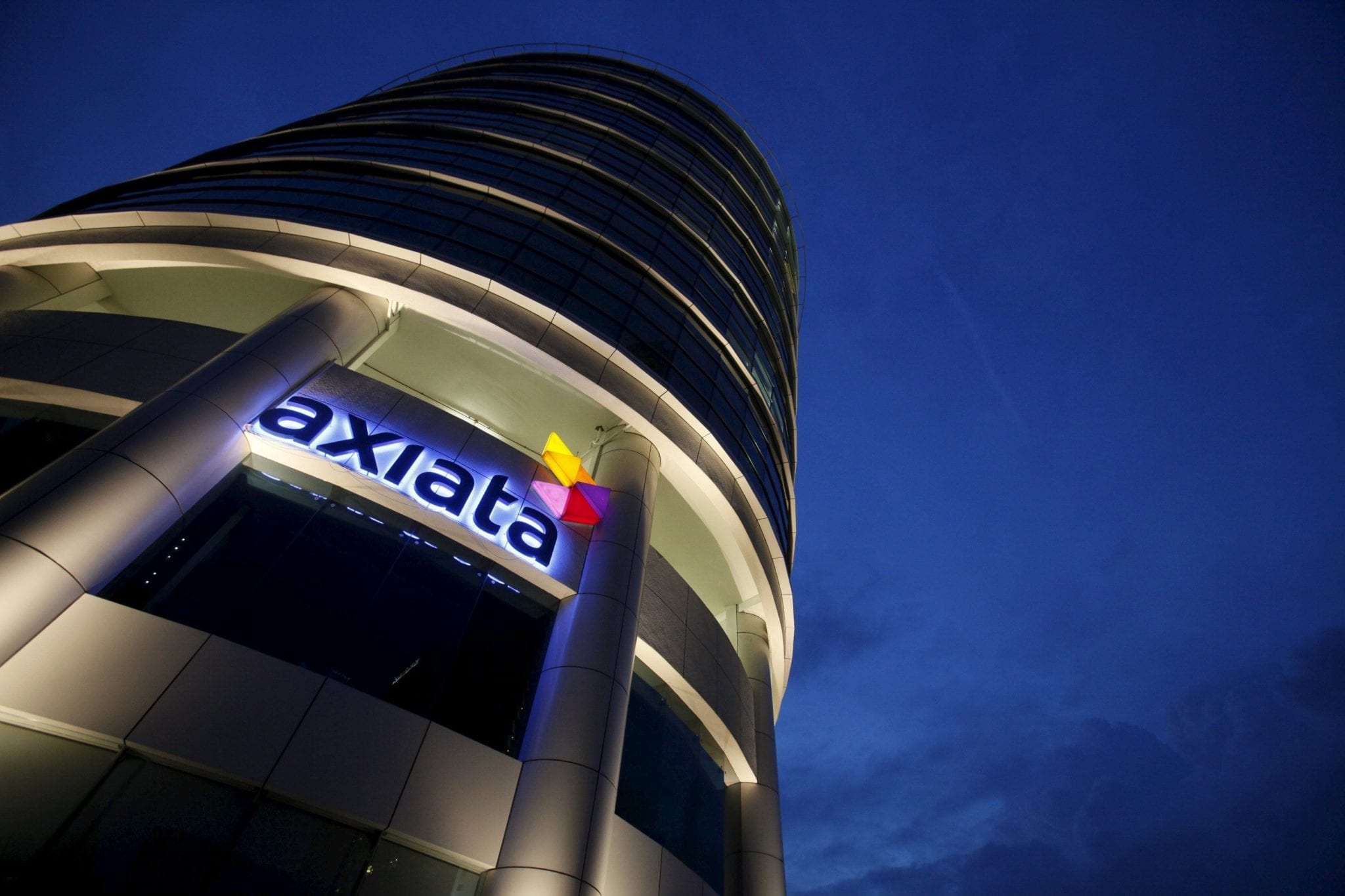
  • Axiata Achieves MYR 431 Million Profit Amid Strategic Realignment and Focused Execution

    Axiata Achieves MYR 431 Million Profit Amid Strategic Realignment and Focused Execution

    Axiata Group Berhad has unveiled a remarkable profit after tax and minority interest (PATAMI) of MYR 430.7 million for the first half of 2025, more than doubling from last year. This impressive growth showcases the company’s disciplined approach to cost management, bolstered cash flow, and significant debt reductions, alongside gains from its ambitious 5*5 strategy.

    Dividends and Financial Highlights

    The board has announced a first interim dividend of 5.0 sen per ordinary share, reflecting Axiata’s dedication to shareholder returns. Operating free cash flow (FCF), after leases, surged over 90% year-on-year to MYR 868.7 million, with the company’s cash reserves standing at a healthy MYR 4.9 billion. While revenue experienced a slight decline of 0.9% year-on-year on a constant currency basis, earnings before interest, taxes, depreciation, and amortization (EBITDA) grew by 2.3%. The underlying PATAMI rose by 39% to MYR 203.7 million, driven by stronger earnings before interest and taxes (EBIT) and reduced finance costs.

    Leadership Insights on Strategy and Growth

    Chairman Tan Sri Shahril Ridza Ridzuan attributed the robust performance to Axiata’s strategic clarity and disciplined execution, expressing optimism about progress in key markets and asset portfolios. He noted that the MYR 1 billion in dividends received year-to-date reflects the company’s strong financial footing and commitment to rewarding shareholders.

    Group CEO and Managing Director Vivek Sood also emphasized the positive outcomes of the company’s realignment strategies, stating, “Axiata’s performance reflects the strength of our strategic realignment and disciplined execution, with a focus on operational excellence and a fortified balance sheet.” He underscored the significance of the XLSMART merger and the exit from Myanmar as crucial elements of the 5*5 strategy, aimed at minimizing structural risks and enhancing financial flexibility.

    Future Outlook: Focusing on Earnings and Dividends

    As Axiata looks ahead, Sood highlighted that improvements in cash flow and shareholder yield will be prioritized in the latter half of 2025. “Our key priorities will include driving operational performance and executing strategic portfolio adjustments to ensure optimal capital allocation,” he affirmed, emphasizing the goal of enhancing dividend yields.

    Questions & Answers

    What were Axiata’s PATAMI figures for the first half of 2025?
    Axiata reported a profit after tax and minority interest (PATAMI) of MYR 430.7 million, which more than doubled compared to the previous year.

    How has Axiata’s financial performance affected its dividends?
    The board declared a first interim dividend of 5.0 sen per ordinary share, showcasing the company’s ongoing commitment to delivering shareholder returns as part of its strong financial performance.

    What strategies has Axiata implemented for future growth?
    Axiata’s future growth strategies include prioritizing cash flow improvement, executing necessary portfolio moves, and enhancing operational performance to optimize capital allocation and boost dividend yields.

  • Singapore Emerges as Asia Pacific’s 6th Easiest Business Hub, Surpassing Vietnam and Thailand

    Singapore Emerges as Asia Pacific’s 6th Easiest Business Hub, Surpassing Vietnam and Thailand

    Singapore has found itself in a challenging position in the latest Global Business Complexity Index, landing 48th out of 79 global destinations for 2025. This index, which scrutinizes how easy or difficult it is to set up and operate businesses around the world, reveals a landscape where the top-ranked countries exhibit significant complexity and the lower-ranked ones showcase simpler business environments.

    Asia’s Competitive Landscape

    In the Asia Pacific region, Singapore’s ranking pales in comparison to its neighbors, trailing behind New Zealand (77th), Hong Kong (76th), Thailand (56th), Vietnam (54th), and Taiwan (51st).

    A Comprehensive Evaluation

    Compiled by TMF Group, a global professional services firm now in its 12th iteration, the index assesses a whopping 79 locations representing 94% of global GDP and 95% of foreign direct investment inflows. The evaluation is based on 292 distinct indicators spanning legislation, compliance, accounting standards, tax procedures, and human resources practices.

    Investment and Infrastructure Benefits

    The report highlights Singapore’s ongoing investment in physical and digital infrastructure—supported by enhancements to its ports, airports, and digital networks—which bolsters its status as a pivotal trade hub in the region. According to Singapore Business Review, this focus on infrastructure elevates Singapore’s appeal in a highly competitive landscape.

    A Work-Life Balance Conundrum

    Interestingly, there has been a positive shift in the “human resources and payroll” category, with Singapore attracting global talent through streamlined immigration policies and competitive salaries. However, the flip side of progress comes with heightened regulatory complexity. Stricter anti-money laundering measures and tighter corporate service regulations have made the business climate more intricate.

    Balancing Transparency and Bureaucracy

    Mark Weil, CEO of TMF Group, acknowledges the intent behind Singapore’s compliance frameworks, stating they are designed to ensure transparency and maintain financial integrity. Yet, they inevitably introduce additional bureaucratic hurdles for firms looking to thrive. “Regulatory bodies like the Monetary Authority of Singapore are known for their efficiency but also for upholding high standards, particularly in finance and data governance,” Weil remarked in a recent interview with The Straits Times.

    Challenges in Talent Acquisition

    Weil also pointed out complications arising from restrictions on hiring foreigners in certain sectors and stringent employment pass requirements, which can stymie recruitment efforts. New flexible work policies introduced late last year have added another layer of complexity for companies navigating Singapore’s evolving regulatory framework.

    The Southeast Asian Perspective

    Other Southeast Asian economies didn’t fare too poorly either, with the Philippines ranking 26th, Malaysia at 27th, and notably, Indonesia impressively at 14th. On the global stage, Greece takes the crown of the most complex business environment, followed by France, Mexico, and Turkey, driven largely by their multifaceted regulatory setups.

    Questions & Answers

    How does Singapore rank in comparison to other countries in Asia?
    Singapore ranks 48th out of 79 destinations in the Global Business Complexity Index, falling behind countries like New Zealand, Hong Kong, and Thailand in the Asia Pacific region.

    What factors contributed to Singapore’s ranking?
    The ranking took into account Singapore’s regulatory complexity amid stricter anti-money laundering measures and enhanced corporate regulations, despite improvements in human resources recruitment.

    Which country is deemed the most complex globally, and why?
    Greece is recognized as the most complex market globally, primarily due to ongoing legislative changes related to tax, accounting, and human resources.

  • Vietjet Expands Singapore–Vietnam Services with More Daily Flights and All-Inclusive Fares from Just SGD86

    Vietjet Expands Singapore–Vietnam Services with More Daily Flights and All-Inclusive Fares from Just SGD86

    Vietjet is expanding its Vietnam services from Singapore with increased flight frequencies to both Phu Quoc and Da Nang, offering Singapore-based travellers more convenient options to explore Vietnam’s top destinations. 

    Starting 23 December 2025, the Singapore–Phu Quoc service will increase to seven round trips per week, while the Singapore–Da Nang service will rise to two daily return flights from 21 November 2025. This expansion brings the airline’s total number of weekly flights connecting Singapore and Vietnam’s Hanoi, Ho Chi Minh City, Da Nang and Phu Quoc to 49 round trips, offering greater flexibility and convenience for both leisure and business travellers during the busy year-end and new year holiday season.

    To celebrate, Vietjet is rolling out a special promotion for Singapore-based travellers from 28 August to 24:00 on 30 August 2025 (GMT+8). Tickets on all Singapore–Vietnam routes are available from just SGD86/one-way at www.vietjetair.com or the Vietjet Air mobile app, for travel between 1 October 2025 and 27 May 2026 (except peak periods).  

    Travellers from Singapore can now enjoy easier access to two of Vietnam’s most popular tourism destinations, including Phu Quoc, which was named by CNA as one of Southeast Asia’s must-visit destinations in 2025. Key attractions include its idyllic beaches Bai Sao, Bai Truong, and Bai Khem, as well as the island’s national park, vibrant fishing villages, and world-class resorts.

    Meanwhile, Da Nang – Vietnam’s most livable city – offers long sandy beaches, vibrant nightlife, and easy access to UNESCO World Heritage sites such as Hoi An Ancient Town, My Son Sanctuary, and the Imperial City of Hue. With attractions ranging from the iconic Golden Bridge at Ba Na Hills to its thriving culinary scene, Da Nang is an ideal destination for both leisure and business travellers.

    Vietjet remains committed to providing safe, affordable, and enjoyable flights, with modern aircraft, friendly service from professional crews, fresh hot meals, and a vibrant onboard atmosphere that includes cultural and artistic performances on special occasions celebrating Vietnam’s heritage. The airline also offers exclusive rewards from the Vietjet SkyJoy loyalty program.

    Flight Schedules

    (All times are in local time, 24-hour format) 

    Singapore (SIN) – Phu Quoc (PQC) route 

    Sector  Flight 

    number

    Departure – Arrival times  Frequency
    Singapore – Phu Quoc  VJ984  13:05 – 13:45  Current: 4 round trips per week

    (7 round trips per week from 23 December 2025)

    Phu Quoc – Singapore  VJ983  15:45 – 18:30 


    Singapore (SIN) – Da Nang (DAD) route 

    Sector  Flight 

    number

    Departure – Arrival times  Frequency
    Singapore – Da Nang VJ970

    VJ890

    11:15 – 13:10 

    19:55 – 21:45

    Current: 1 daily  round trips 

    (2 daily round trips from 21 November 2025)

    Da Nang – Singapore  VJ973 

    VJ889

    13:10 – 16:55 

    15:00 – 18:55


  • Indosat Unveils Sovereign SOC to Boost Indonesia’s Cybersecurity Resilience

    Indosat Unveils Sovereign SOC to Boost Indonesia’s Cybersecurity Resilience

    Indosat Ooredoo Hutchison (Indosat) has teamed up with Cisco, the leading global authority in security and networking, to unveil Indonesia’s Sovereign Security Operations Center (SOC). This initiative marks a significant advancement in bolstering the nation’s cybersecurity and digital resilience, building on the recent establishment of Indonesia’s AI Center of Excellence and heralding a new chapter in safeguarding the country’s digital landscape.

    Trailblazing Cybersecurity with Local Innovation

    The Sovereign SOC introduces Indonesia’s first local deployment of the Splunk Cloud Platform and Splunk Enterprise Security, meeting the rigorous SOC 2 compliance standard. This cutting-edge platform provides AI-driven, real-time threat detection and observability across hybrid and multi-cloud environments. With sensitive data remaining firmly under Indonesian jurisdiction, government agencies and businesses are better equipped to swiftly detect and address threats, all while complying with data sovereignty regulations.

    A Strategic Partnership for National Defense

    “Everything that is connected must be protected,” remarked Vikram Sinha, Indosat’s President Director and CEO. He elaborated, “Together with Cisco, we are not just launching a security platform; we are enabling a strategic safeguard for the nation. This Sovereign SOC is about protecting our infrastructure, empowering our people, and securing the digital economy at scale. It reinforces our belief that digital transformation must be trusted, inclusive, and sustainable.”

    Responding to Rising Threats

    This launch comes at a critical time, as cybersecurity threats escalate in both frequency and complexity. A recent survey by Cisco reveals that a staggering 91% of Indonesian organizations encountered an AI-related cybersecurity incident over the past year. The Sovereign SOC provides a centralized, nationally coordinated defense system to safeguard critical sectors, including finance, healthcare, transportation, and public services.

    “This Sovereign SOC represents a bold step forward in building a secure, digital future for Indonesia,” stated Dave West, Cisco’s President and Senior Vice President of Global Specialists. He highlighted the partnership’s focus on enabling secure AI transformation and fostering a digital infrastructure that positions Indonesia for future growth.

    Empowering the Next Generation of Cybersecurity Professionals

    Beyond enhancing cybersecurity measures, the Sovereign SOC aims to boost Indonesia’s threat intelligence, regulatory preparedness, and incident response capabilities. Its infrastructure is built to support responsible AI innovation, facilitating the secure deployment of generative AI and large language models at scale.

    In line with its ambitious 2030 vision, Indosat and Cisco plan to train one million Indonesians in cybersecurity and networking skills by the decade’s end. This initiative builds on the Cisco Networking Academy, which has already educated over 500,000 students across more than 200 institutions. The SOC will also serve as a training hub for Cyber Resilience Labs, providing real-world simulations, industry training, and national readiness programs.

    Opening Doors for Small and Medium Enterprises

    The Sovereign SOC is not just for large enterprises and governmental bodies; it also extends its services to Indonesia’s small and medium-sized businesses (SMEs). By offering affordable and accessible cybersecurity solutions, the SOC aims to strengthen defenses for over 10,000 SMEs, bolstering their confidence as they navigate the digital economy. Studies indicate that even modest enhancements in digital skills can significantly uplift Indonesia’s productivity and cybersecurity readiness, ultimately contributing to GDP growth.

    This project exemplifies a public-private partnership that emphasizes collaboration in upholding Indonesia’s digital sovereignty. By adhering to local content requirements, advancing national frameworks, and aligning with international best practices, Indosat and Cisco are paving the way for secure, sovereign innovation in the age of AI.

    Questions & Answers

    What is the significance of the Sovereign Security Operations Center?
    The Sovereign Security Operations Center represents a major advancement in Indonesia’s cybersecurity, offering AI-powered threat detection and compliance with local data sovereignty regulations, thereby enhancing the nation’s digital resilience.

    How does the SOC benefit small and medium-sized businesses?
    The SOC provides affordable and accessible cybersecurity services, aimed at strengthening the defenses of over 10,000 SMEs, allowing them to engage more confidently in the digital economy.

    What educational initiatives are included in this partnership?
    Indosat and Cisco plan to train one million Indonesians in cybersecurity by 2030, with the SOC serving as a training hub for Cyber Resilience Labs, offering real-world simulations and industry training programs.

  • Réalisation Par’s Shanghai Pop-up Store: Unprecedented Success Prompts Extension

    Réalisation Par’s Shanghai Pop-up Store: Unprecedented Success Prompts Extension

    Australian fashion retailer Réalisation Par has recently launched its first-ever pop-up store, in association with LookNow, a renowned multi-brand boutique based in Shanghai, China.

    The Inaugural Pop-Up Store

    Réalisation Par’s initial Shanghai pop-up shop experienced enormous popularity, selling out completely and necessitating a temporary closure for restocking. Following this overwhelming success, the company has determined to extend its duration until October.

    Teale Talbot, co-founder of Réalisation Par, mentioned that the partnership with LookNow was carefully planned, following the brand’s continued online success in the region. She stated, “After the success of our pop-up stores in London, Los Angeles, and Sydney, we believe now is the perfect time, and LookNow is the perfect partner, to reach out to our Chinese customers in a real-life setting.”

    Partnership with LookNow

    The collaboration with LookNow offers Réalisation Par a chance to gain exposure in the boutique’s numerous locations spread across China. This partnership essentially enables the brand to sell directly to Chinese consumers without the need to maintain a permanent retail space.

    Chanel Lai, co-founder of LookNow, expressed her admiration for Réalisation Par and mentioned that her customers feel similarly. She said, “It’s an honour to introduce such a renowned brand to the centre of Shanghai. We eagerly anticipate welcoming both new and loyal customers to our store to discover a remarkable collection of Réalisation Par’s most popular pieces.”

    Questions & Answers

    What is the significance of Réalisation Par’s inaugural pop-up store in Shanghai?
    The pop-up store represents Réalisation Par’s entry into the Chinese market, giving them direct access to Chinese customers without the need for a permanent retail space.

    How has the Shanghai pop-up store performed so far?
    The store has been incredibly successful, selling out completely and leading the company to extend its duration until October to meet customer demand.

    What does the partnership between Réalisation Par and LookNow entail?
    The collaboration allows Réalisation Par to leverage LookNow’s numerous locations across China, providing them with a platform to sell directly to Chinese consumers.