Author: Mei Ling Tan

  • OMG’s Oat Milk Expansion: From 544 To 900 Woolworths Stores By November

    OMG’s Oat Milk Expansion: From 544 To 900 Woolworths Stores By November

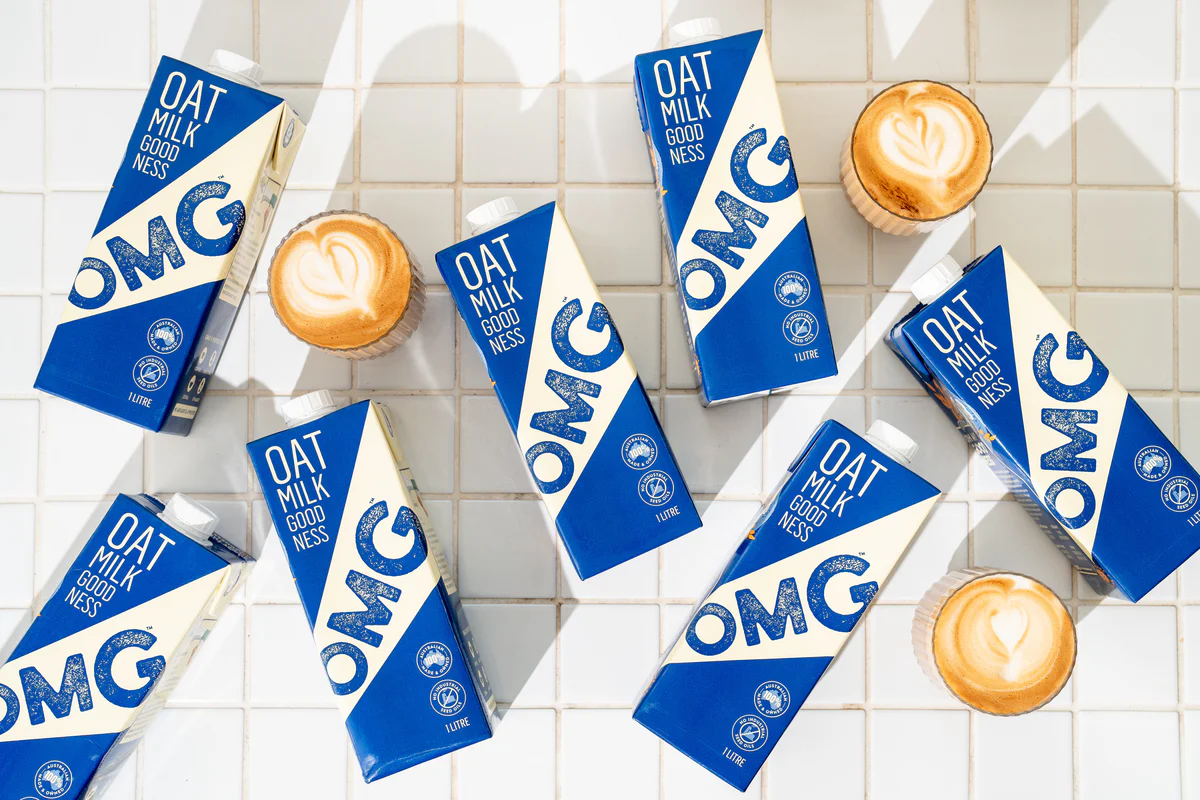
    Oat Milk Goodness (OMG), a renowned Australian plant-based beverage firm, recently announced its plan to extend the reach of its popular 1L Barista Oat Milk to 900 Woolworths outlets across the nation by November. This is a significant increase from the 544 stores currently stocking the product.

    Strengthening Partnerships

    This expansion is set to strengthen the company’s existing collaboration with Woolworths, which already offers the Proatein alt-milk range, another product from OMG, in 466 of its stores throughout Australia.

    OMG’s CEO, Alex Aleksic, expressed his satisfaction with the growth of their multi-channel sales strategy. He said, “The increase in store count marks another pleasing development across our broader multi-channel sales strategy, with momentum through a number of outlets.” Aleksic went on to reveal that the company is in advanced talks with numerous new and existing groups to further extend their reach in the coming months.

    Recent Achievements

    The announcement of expansion into Woolworths stores is the latest in a series of triumphs for OMG. Notably, the company successfully launched its Blue Dinosaur snack range into 750 7-Eleven stores on a national level. Additionally, the firm secured new distribution agreements with Quikstop and Canteen One outlets.

    Established in 2019, Oat Milk Goodness aimed to provide tasty, coffee-friendly options for individuals who cannot or choose not to consume dairy. The company’s flagship brands include Blue Dinosaur and Oat Milk Goodness.

    Questions & Answers

    What is the main product of Oat Milk Goodness?
    Oat Milk Goodness’s primary product is the 1L Barista Oat Milk, a dairy-free alternative that is especially popular among coffee enthusiasts.

    What recent achievements has Oat Milk Goodness made?
    The company has seen a series of successes including the introduction of its Blue Dinosaur snack range into 750 7-Eleven stores and new distribution deals with Quikstop and Canteen One outlets.

    What is the future expansion plan of Oat Milk Goodness?
    Oat Milk Goodness plans to extend its reach by increasing its product presence in 900 Woolworths locations across Australia. The company is also in talks with various new and existing groups for further expansion in the coming months.

  • Keurig Dr Pepper’s $25.9b Acquisition Of Jde Peet’s To Birth Two Global Beverage Titans

    Keurig Dr Pepper’s $25.9b Acquisition Of Jde Peet’s To Birth Two Global Beverage Titans

    Keurig Dr Pepper (KDP) has announced its forthcoming acquisition of JDE Peet’s, the renowned European coffee titan, in a significant deal worth A$25.9 billion (€15.7 billion). This bold strategic move will result in the division of the company into two separately traded entities.

    In the Australian market, JDE Peet’s owns top local coffee brands like Campos Coffee and Piazza D’Oro, in addition to its international brands such as Moccona, L’Or, Jacobs, and Pickwick.

    The Acquisition Deal

    As per the agreement, KDP will buy all the remaining shares of JDE Peet’s, which is listed in Amsterdam, for A$52.55 (€31.85) per share in cash. This represents a 33% premium over the 90-day volume-weighted average price of the company’s shares.

    This agreement will lead to the formation of two independent market leaders: one concentrating on the global coffee sector, while the other will focus on North American beverages.

    Formation of Two Market Leaders

    The first resultant entity, named Global Coffee Company, will combine KDP’s Keurig single-serve platform with the vast coffee portfolio of JDE Peet’s. The newly formed company will have its headquarters in Burlington, Massachusetts, with international headquarters situated in Amsterdam. The current CFO of KDP, Sudhanshu Priyadarshi, will take the reins of this new entity.

    The second entity, named Beverage Company, will concentrate on KDP’s famous beverage brands, which include Dr Pepper, 7Up, Canada Dry, and Snapple. The company will be based in Frisco, Texas, and will continue to be governed by the current CEO, Tim Cofer.

    KDP anticipates that the acquisition will result in cost savings of approximately A$660 million (€400 million) over three years, and is expected to boost earnings starting from the first year post-acquisition.

    KDP’s CEO, Tim Cofer, expressed his enthusiasm for the merger by noting, “The exceptional combination of Keurig and JDE Peet’s presents a significant opportunity to establish a global coffee giant. The timing of this transaction couldn’t be better, given KDP’s robust operational and financial position, the momentum across our diverse portfolio, and the increasing resilience of the coffee category.”

    The transaction is anticipated to close within the first half of the next year. The subsequent splitting into two distinct companies is planned to occur shortly afterward, subject to final legal and board approvals.

    Questions & Answers

    Who will head the newly formed Global Coffee Company?
    The Global Coffee Company will be led by Sudhanshu Priyadarshi, the current Chief Financial Officer of KDP.

    What will the two new entities be focused on?
    The Global Coffee Company will focus on the international coffee sector, while the Beverage Company will concentrate on North American beverages.

    What are some of the brands owned by JDE Peet’s in Australia?
    JDE Peet’s owns several well-known Australian brands, including Campos Coffee and Piazza D’Oro.

  • Nestlé Expands Maggi Seasonings To Uk And Malaysia Amid Rising Global Air Fryer Trend

    Nestlé Expands Maggi Seasonings To Uk And Malaysia Amid Rising Global Air Fryer Trend

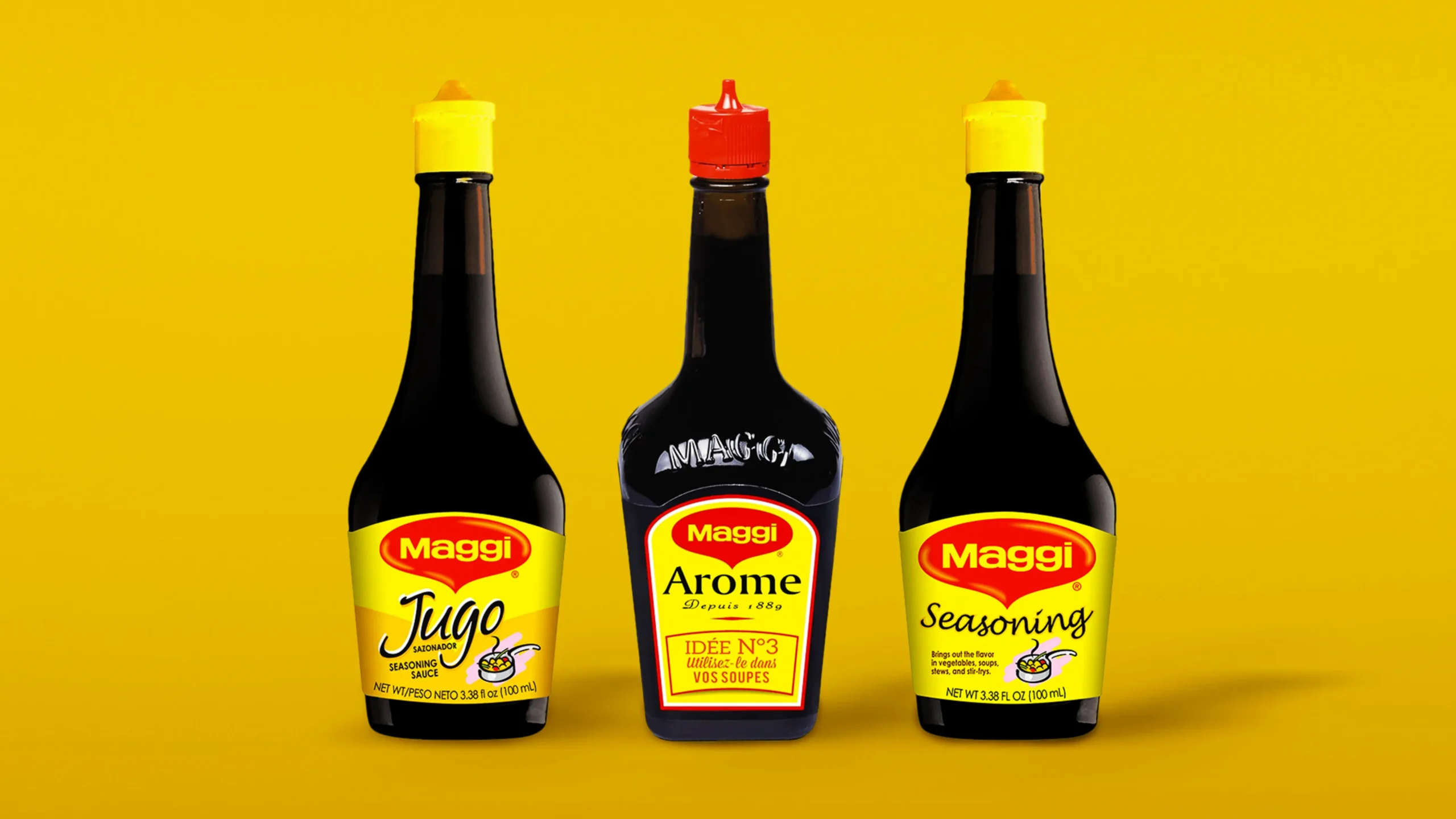
    In a strategic move to capitalize on contemporary culinary trends, global consumer goods conglomerate Nestlé has launched its renowned Maggi seasonings in the United Kingdom and Malaysia this year. This step is part of a wider global expansion strategy for the popular brand.

    Modern Cooking Trends

    Nestlé’s decision to introduce Maggi seasonings to new markets is a calculated response to the rising global popularity of air fryers, particularly in the United States. The company’s CEO, Laurent Freixe, has noted that nearly two-thirds of American households now use air fryers as part of their daily cooking routines. Nestlé’s expansion aims to cater to this shift in consumer lifestyle and preferences.

    New Air-Fryer Range

    The first range of products that Nestlé will bring to these new markets includes air-fryer recipes for chicken and vegetable wraps. These will feature a variety of flavors, such as ‘Cheesy’, ‘Paprika & Garlic’, and ‘Tex Mex’ for the chicken wraps, and ‘Fajita’, ‘Street Taco’, and ‘Kebab’ for the vegetable wraps.

    Prior and Future Launches

    The UK and Malaysia launches follow the brand’s earlier entry into the markets of Mexico and Chile. These new markets will also benefit from Maggi’s online platforms, which offer a range of air-fryer recipes that consumers can easily replicate at home.

    In a previous collaborative effort, Nestlé Professional and the KitKat team launched the first chocolate beverage maker, proving the company’s constant innovation in the food and beverage sector.

    Questions & Answers

    What is Nestlé’s reason for launching Maggi seasonings in the UK and Malaysia?
    The launch is a strategic move by Nestlé to cater to the rising popularity of air fryers in home cooking, particularly in the US.

    What products will Nestlé introduce in these new markets?
    Nestlé will introduce a range of air-fryer recipes for chicken and vegetable wraps with a variety of flavors.

    Has Nestlé launched Maggi seasonings in other markets before?
    Yes, prior to the UK and Malaysia launches, the Maggi brand was introduced in Mexico and Chile.

  • Fonterra Sells Global Consumer Business To Lactalis In $3.48 Billion Deal

    Fonterra Sells Global Consumer Business To Lactalis In $3.48 Billion Deal

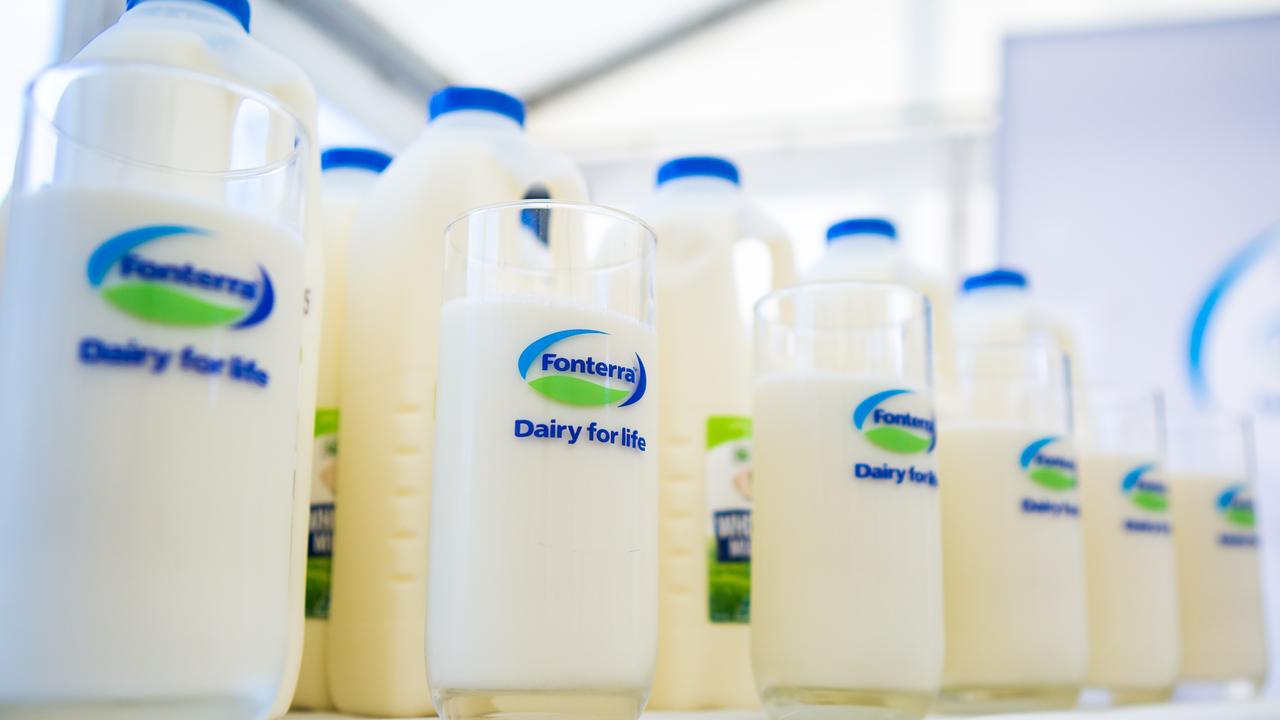
    Fonterra, a leading dairy company, has announced it is selling its global Consumer and associated businesses to French dairy enterprise, Lactalis. The transaction is valued at NZ$3.845 billion ($3.48 billion).

    Details of the Sale

    The sale incorporates Fonterra’s global consumer business (excluding Greater China) and a range of consumer brands such as Mainland, Anchor, Perfect Italiano, and Anmum. Also included are the integrated foodservice and ingredient operations in Oceania, Sri Lanka, the Middle East and Africa.

    Another element of the transaction that could potentially increase the total sale price by another NZ$375 million is the license for Bega Cheese-branded products. Currently held by Fonterra’s Australian business, the inclusion of this license in the sale depends on the resolution of a dispute with Bega Cheese Limited.

    Despite this sale, Fonterra plans to continue providing the divested businesses with milk and other products via long-term agreements. This ensures that dairy brands like Anchor and Mainland will continue to incorporate New Zealand farmers’ milk in their products.

    Justification for the Sale

    Fonterra chairman Peter McBride affirmed the board’s confidence in the transaction, stating that after an extremely competitive sale process involving multiple bidders, they believe the sale to Lactalis offers the highest value option for the cooperative. This decision was influenced not only by the strong valuation of the businesses being sold, but also by the opportunity for a full divestment of the assets and a quicker return of capital to the co-op’s owners, compared to an Initial Public Offering (IPO).

    Several bidders, including Japan’s Meiji and a consortium of the ASX-listed Bega Group and Dutch dairy cooperative FrieslandCampina, had previously shown interest in the businesses.

    Lactalis, an owner of popular brands such as Pauls, Vaalia, Oak and President, received clearance from the Australian Consumer and Competition Commission (ACCC) for the deal last month. Lactalis CEO Emmanuel Besnier expressed that this acquisition will strengthen the company’s strategy across Oceania, Southeast Asia, and the Middle East.

    Finalizing the Sale

    The sale is anticipated to be finalized in the first half of next year, subject to the satisfaction of all conditions. Fonterra will hold a special meeting in late October or early November to seek farmer shareholder approval for the deal.

    Fonterra’s earnings guidance for FY25 remains unchanged, despite the sale.

    Questions & Answers

    What businesses are included in the sale?
    The sale includes Fonterra’s global consumer business (excluding Greater China), several consumer brands and integrated foodservice and ingredient operations in Oceania, Sri Lanka, the Middle East and Africa.

    Will Fonterra continue to supply milk to the divested businesses?
    Yes, Fonterra plans to continue providing the divested businesses with milk and other products via long-term agreements.

    When is the sale expected to be finalized?
    The sale is expected to be completed in the first half of next year, subject to the satisfaction of all conditions.

  • Celsius Celebrates First Aussie Anniversary With New Sparkling Mango Lemonade Flavor

    Celsius Celebrates First Aussie Anniversary With New Sparkling Mango Lemonade Flavor

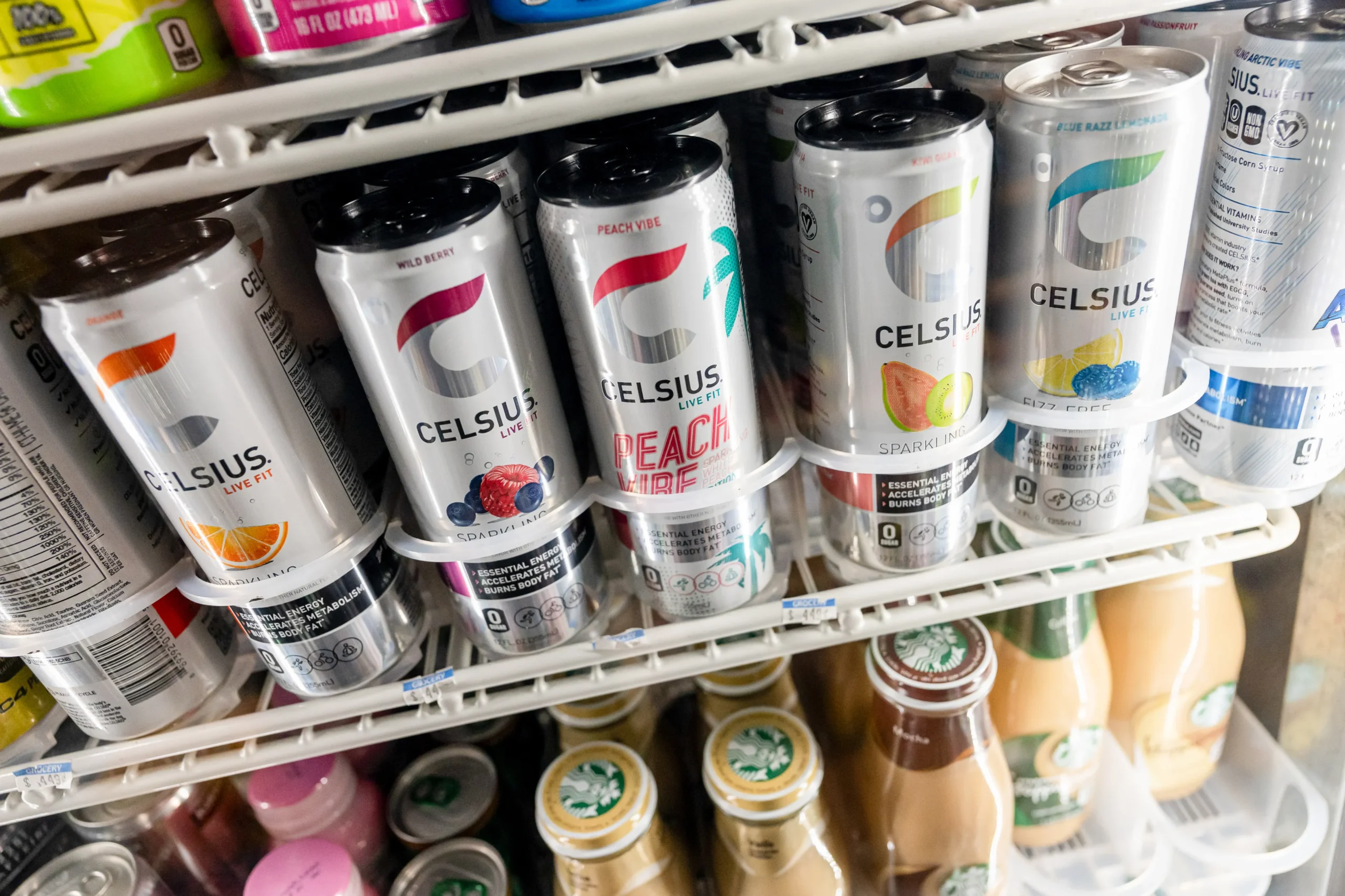
    This year, Celsius, the Swedish energy drink brand, is celebrating its first anniversary in the Australian market by launching a new flavor, Sparkling Mango Lemonade.

    Sparkling Mango Lemonade: A Fusion of Flavors

    The newly introduced Sparkling Mango Lemonade merges the exotic taste of mango with the tanginess of lemonade, resulting in a refreshing and invigorating beverage. As with all Celsius products, this new concoction is not only delicious but also health-conscious, containing B vitamins and being entirely free of sugar.

    As described by Andrew Brooks, the head of marketing for ANZ at Celsius, the Sparkling Mango Lemonade encapsulates the essence of summer. “Whether you’re pursuing the warm sun or in search of a tropical boost, this flavor imbues the vivacity and vitality required to keep moving,” he said.

    Nationwide Availability

    For those eager to try this new offering, the Celsius Sparkling Mango Lemonade is conveniently available in convenience stores, service stations, and Woolworths outlets across Australia. The suggested retail price of this new flavor is $4.

    Questions & Answers

    What is the new flavor introduced by Celsius in Australia?
    The company has launched a new flavor, Sparkling Mango Lemonade, to mark its first anniversary in the Australian market.

    What are the unique features of this new flavor?
    The Sparkling Mango Lemonade combines the taste of mango and lemonade. It also includes B vitamins and is completely sugar-free.

    Where can one buy Celsius Sparkling Mango Lemonade in Australia?
    The drink is available at convenience stores, service stations, and Woolworths stores nationwide.

  • Coles Reports Robust Fiscal Year Results: Supermarket Sales Surge, E-commerce Thrives, Liquor Division Shows Moderate Growth

    Coles Reports Robust Fiscal Year Results: Supermarket Sales Surge, E-commerce Thrives, Liquor Division Shows Moderate Growth

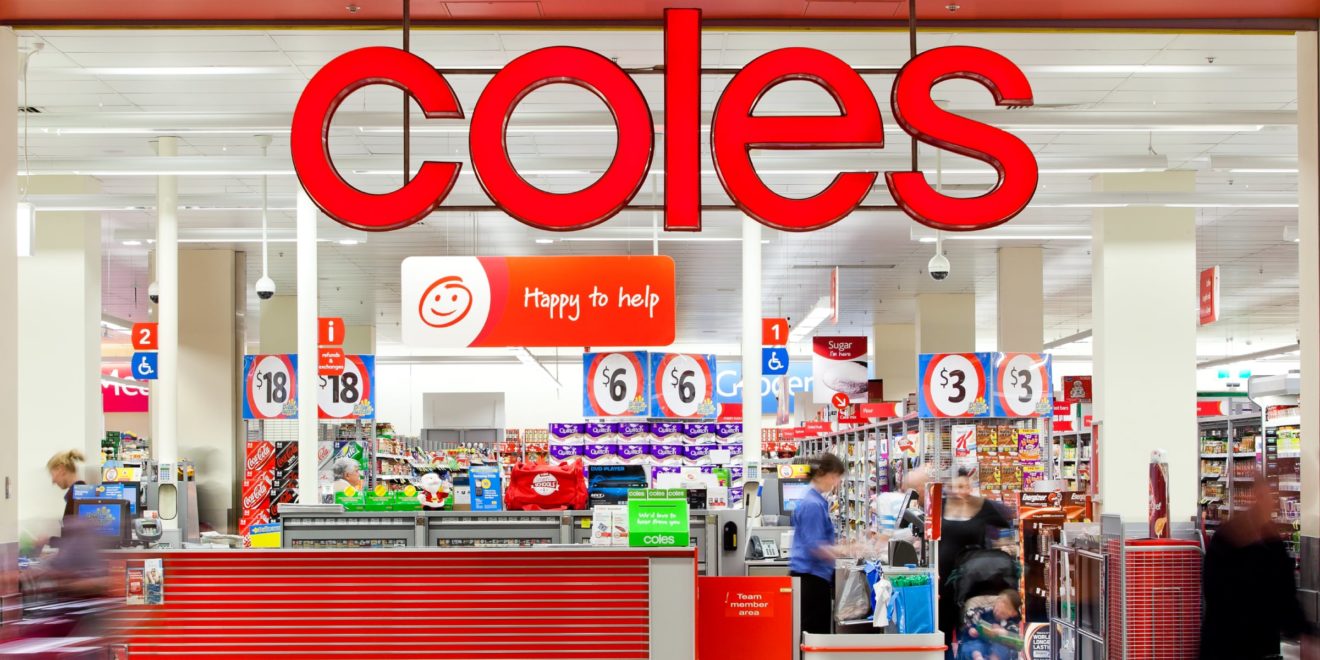
    Coles has announced a 3.6% increase in group sales, reaching $44.3 billion, with an EBITDA rise of 11% to $3.9 billion for the current fiscal year. The group’s net profit after tax also increased, up by 2.4%, yielding a total of $1.07 billion.

    Driving Growth Through Supermarkets

    The company attributes much of its sales growth to its supermarket division, which showed a robust performance, growing by 4.3% and reaching $40 billion. The supermarket division’s EBITDA also rose by 9%, jumping from $2 billion to $2.1 billion. In addition, the division saw a rise in gross margin, from 26.6% to 27.4% on a year-on-year basis.

    This increase in supermarket sales revenue was bolstered by strong volume growth across transactions and basket sizes. Customers reacted positively to the company’s seasonal ‘Great Value, Hands Down’ value campaigns. Notably, the company had strong performance across several special occasions, such as Christmas, Easter, Halloween, and Mother’s Day. The success of collectible and continuity programs, such as the Curtis Stone Glassware and Harry Potter Magical Discs campaigns, played a significant role in bolstering Coles’ supermarket results for this financial year.

    Evolving E-commerce Performance

    Coles’ e-commerce sector within the supermarket division witnessed a rise of 24.4%, reaching $4.5 billion. The increase in penetration to 11.2% was driven by digital campaigns, Black Friday, Coles Fest, and the May Mega Sale.

    However, the group’s liquor division reported a slight increase of 1.1% in sales revenue, amounting to $3.6 billion, with a flat gross margin at 23.5%. The division’s EBITDA saw a decrease of 8.6%, falling from $133 million to $113 million on a year-on-year basis. Despite the decrease, Coles saw positive results in the liquor sales due to new store openings, a Tasmanian acquisition, and the curating of its wine category to meet local customer preferences.

    Liquorland and Future Plans

    Coles’ simplified ‘Simply Liquorland’ banner pilot was well-received in selected stores across South Australia, Victoria, and Queensland. The company plans to complete the ‘Simply Liquorland’ by the third quarter of the next fiscal year at a one-time cost of approximately $20 million. In addition, they plan to open about 19 new liquor stores, close 25 stores, and renew roughly 130 stores.

    Looking forward, Coles’ Chief Executive Officer, Leah Weckert, emphasized that the primary focus for the company will be on cost control and the delivery of the first full year of annualised benefits from its ADC program.

    Questions & Answers

    What drove the growth in Coles’ sales?
    The growth in Coles’ sales was largely driven by a strong performance in its supermarket division and positive customer response to its seasonal value campaigns.

    How did Coles’ e-commerce sector perform?
    Coles’ e-commerce sector within the supermarket division showed a significant rise of 24.4%, reaching $4.5 billion.

    What are the future plans for Coles’ ‘Simply Liquorland’?
    The ‘Simply Liquorland’ is planned to be completed by the third quarter of the next fiscal year, with approximately 19 new liquor stores being opened, 25 stores getting closed, and about 130 stores being renewed.

  • Fonterra Settles Dispute With Bega Group, Proceeds With Nz$4.22 Billion Divestment To Lactalis

    Fonterra Settles Dispute With Bega Group, Proceeds With Nz$4.22 Billion Divestment To Lactalis

    Fonterra has successfully settled its disagreement with the Bega Group over Bega licenses in Australia. This settlement followed Fonterra’s decision to divest its consumer business to Lactalis, a French dairy conglomerate.

    Fonterra’s Divestment to Lactalis

    Just last week, Fonterra, headquartered in New Zealand, decided to offload its consumer and related businesses to Lactalis in a deal worth NZ$3.845 billion ($3.46 billion). These businesses house popular brands like Mainland, Anchor, and Perfect Italiano, and they currently hold the licenses for Bega Cheese-branded products within Australia.

    Fonterra had originally planned to include the Bega licenses in its divestment. However, this necessitated the resolution of an ongoing legal dispute with the Bega Group.

    Resolution of Bega-Fonterra Dispute

    In a recent development, both parties reached a consensus that the deal would not have any impact on the terms of their license agreements. They also agreed to put an end to the legal proceedings.

    Fonterra clarified in a statement that the “sale to Lactalis of Fonterra’s global consumer and related businesses does not constitute a change of control under the Bega licenses.”

    Bega reciprocated in its own statement, “Fonterra intends to structure the sale to Lactalis in a way which will not affect the operation of the Trade Mark License Agreements or trigger the change of control clauses within those agreements.”

    Bega Group also asserted its anticipation for collaboration with Fonterra and Lactalis during the transition period and beyond. It confirmed that the sale to Lactalis would not modify the current contractual arrangements linked with the Bega brand or the benefits the Bega Group gains from such arrangements.

    As a consequence of the resolution, the Bega licenses held by Fonterra’s Australian business will be incorporated into the divestment.

    Financial Details of the Deal

    As previously declared, Lactalis will provide Fonterra an extra NZ$375 million for the licenses on top of the NZ$3.845 billion base enterprise value. This pushes the total proceeds from the sale to NZ$4.22 billion.

    In earlier developments, Bega had presented a bid for Fonterra’s consumer business as part of a consortium with Dutch dairy cooperative FrieslandCampina. Japan’s Meiji was also a contender in the auction.

    Questions & Answers

    What was the dispute between Fonterra and Bega about?
    The dispute was regarding Bega licenses in Australia that Fonterra intended to include in its divestment to Lactalis.

    What resolution was reached between Fonterra and Bega?
    Both companies agreed that the sale of Fonterra’s businesses to Lactalis would not affect their existing license agreements.

    What is the financial value of the Fonterra-Lactalis deal?
    Lactalis will pay Fonterra a total of NZ$4.22 billion, which includes the base enterprise value of NZ$3.845 billion and an additional NZ$375 million for the Bega licenses.

  • Swiss Premium Chocolatier Boosts Global Footprint with Ambitious Expansion Plans

    Swiss Premium Chocolatier Boosts Global Footprint with Ambitious Expansion Plans

    Swiss premium chocolatier Läderach has reached a significant milestone with the grand opening of its 100th store in Europe, located in Hannover. This achievement comes amidst rising U.S. tariffs that are putting pressure on the family-owned company’s operations. CEO Johannes Läderach is leaning into tranquility and innovation amid these turbulent times.

    The newly launched location signifies Läderach’s robust presence, marking the 25th boutique in Germany alone. Globally, the Glarus-based chocolatier boasts over 220 stores, with nearly 60 situated in the United States. Just four years prior, Läderach strategically acquired the lease agreements for all 34 American stores previously managed by Belgian rival Godiva.

    Expanding Horizons: Eyes on Asia

    Läderach’s growth trajectory shows no signs of slowing down, as the company prepares to expand into Asia with new openings planned in Japan, South Korea, the Philippines, and Indonesia. To support this international expansion, they are also commissioning a third production facility in Bilten, nestled in the picturesque canton of Glarus.

    Navigating Tariffs with Grace

    In recent comments on LinkedIn, CEO Johannes Läderach shared insights into the challenges presented by the U.S. tariffs. “I cannot change the tariffs,” he stated candidly. “It’s only human to feel anger or discouragement about them, but lamenting won’t change the situation—I choose to pray for the serenity to accept it.”

    In response to the economic hurdles, Läderach is focusing on enhancing efficiency, optimizing supply chains, and ramping up innovation. “American consumers choose us not for our price but for the uniquely fresh chocolate experience we provide,” he emphasized, showcasing his commitment to delivering quality even in tough times.

    Upholding Swiss Quality in Uncertain Times

    Despite challenging market conditions, Läderach remains steadfast in its dedication to quality, Swiss craftsmanship, and unparalleled customer experience. The company views every crisis as another chance to innovate and improve, underscoring a resilient spirit that permeates its brand ethos.

    Questions & Answers

    What recent milestone has Läderach achieved in Europe?
    Läderach recently celebrated the opening of its 100th store in Europe, located in Hannover, Germany.

    Which Asian markets is Läderach planning to enter?
    The company is set to expand into Japan, South Korea, the Philippines, and Indonesia as part of its ongoing international growth strategy.

    How is Läderach addressing the challenges posed by U.S. tariffs?
    CEO Johannes Läderach emphasizes efficiency gains, supply chain optimizations, and innovation to navigate the challenging landscape of U.S. tariffs.

  • VP Bank Steers Toward Stability with Strategic Growth Initiatives

    VP Bank Steers Toward Stability with Strategic Growth Initiatives

    VP Bank is making headlines with impressive half-year results, showcasing a significant profit increase thanks not only to operational improvements but also one-time special factors. The financial institution reported a healthy net inflow of new funds, all while keeping expenses in check. Yet, amid the encouraging figures, the outlook remains cautiously measured.

    After a tumultuous 2024, characterized by layoffs that sent shockwaves through the banking sector, a thorough cleansing of its client portfolio—including a significant reduction in Russian clientele—VP Bank unveiled its financial figures for the first half of 2025 this week. The bank’s group profit skyrocketed by 150.2 percent year-on-year, reaching 28.8 million Swiss francs. However, if adjusted for a one-off insurance payment of 4.6 million francs, the profit increase would have settled at a more modest 115.1 percent.

    Net New Money Inflows Shine Despite Soft Commission Income

    The bank demonstrated resilience in its interest operations, managing to mitigate losses from falling interest rates. Overall income dipped by 3.6 percent to 73.2 million francs, maintaining a steady loan volume of 5.9 billion francs, consistent with its year-end figures from 2024. In the crucial commission and services sector, income saw a slight uptick of 1.1 percent, reaching 69 million francs. Notably, VP Bank celebrated an impressive net inflow of new money totaling 2.1 billion francs, pushing assets under management up by 2.2 percent to 51.9 billion francs.

    Operational Improvements Yield Lower Expenses

    The bank’s trading operations also showed marked improvement, reporting a 29.5 percent rise in revenue, achieving 29.5 million francs. Operating expenses fell by 4 percent to 142.8 million francs, with personnel costs holding steady at 85.9 million francs. In a trend that delighted stakeholders, general expenses were trimmed by 4.1 percent, landing at 41.9 million francs. Depreciation costs dropped sharply as well, decreasing by 19.7 percent to 15 million francs. These operational upgrades have collectively contributed to a better cost-income ratio, which has improved to 81.5 percent—down from 91.5 percent in the first half of 2024 and 93.3 percent for the full year.

    Commitment to Strategy and Cost Efficiency

    VP Bank’s aggressive strategy to boost efficiency and foster growth is starting to pay off handsomely, reinforcing its commitment to maintaining strict cost discipline moving forward.

    Urs Monstein, Group CEO of VP Bank, offered an optimistic perspective: “The bank was able to significantly improve its results compared to the previous year. Our initiatives are yielding effects, allowing us to grow even under challenging conditions. We remain focused on sustainable profitability, rigorous cost control, and steadfast implementation of our strategy.” Despite the positive momentum, the bank’s outlook for the latter half of the year is tempered. Monstein cautioned that after a strong initial six months, augmented by temporary one-off factors and above-average demand trends, VP Bank anticipates a normalization of business performance in the second half of 2025, influenced by geopolitical uncertainties.

    Questions & Answers

    What were the key factors behind VP Bank’s profit increase?
    The profit surge of 150.2 percent is attributed to both operational improvements and a one-off insurance payment that contributed significantly to the financial results.

    How did VP Bank manage to control its operating expenses?
    VP Bank successfully reduced its operating expenses by 4 percent, primarily through trimming general expenses and a notable decrease in depreciation costs.

    What is VP Bank’s outlook for the second half of 2025?
    The outlook is cautious, with expectations of a return to normalized business development, largely due to geopolitical uncertainties affecting the banking sector.

  • Hong Kong Banks Encouraged to Streamline Hiring Processes to Attract Premier Talent

    Hong Kong Banks Encouraged to Streamline Hiring Processes to Attract Premier Talent

    Banks operating in Hong Kong are urged to rethink their hiring practices if they aspire to attract and retain the best talent, according to insights from recruitment specialists. A recent survey by Asian Banking & Finance revealed that hiring rose by 2.5% across 15 lenders, yet experts caution that more streamlined application processes and relaxed language requirements are crucial in a competitive market.

    Selectivity and Delays Hamper Talent Acquisition

    The hiring landscape has become increasingly selective and convoluted, which is dissuading potential candidates. Robert Sheffield, managing director for China and Hong Kong at Ireland-based recruitment firm Morgan McKinley, remarked that the prolonged hiring timelines are pushing top-tier candidates toward competitors who offer a more efficient process. “We’re seeing a number of those top candidates take opportunities that come with a faster onboarding experience,” he stated in a recent Zoom session.

    Amid an array of hurdles, applicants often face cognitive and personality assessments, alongside an exhaustive need for detailed references. On top of that, hiring managers are scrutinizing soft skills and emotional intelligence to gauge cultural fit, leading to additional rounds of interviews involving compliance and risk departments.

    Regulatory Pressures Add Complexity

    These lengthy procedures are exacerbated by a growing burden of regulatory compliance, especially over the past two years. Sheffield emphasized, “Banks are under an enormous amount of pressure to ensure compliance, with increasingly complex regulations on anti-money laundering, artificial intelligence, KYC protocols, and data privacy.” Consequently, banks are ramping up hiring in areas like KYC, asset liability, and regulatory risk management which encompasses credit, market, operational risks, and tech roles.

    Shifting Employee Mindsets

    The job market is not the only arena experiencing caution; candidates themselves are becoming more selective. Elaine Chu, senior manager of financial services at Robert Walters Hong Kong, highlighted that prospective employees are now placing a premium not just on salary but also on job stability. “Candidates have grown more reserved,” she noted, especially as pay increments have noticeably shrunk.

    In a surprising twist, banks may need to rethink their Mandarin requirements, with Sheffield pointing out that a vast majority of roles primarily necessitate English proficiency. “For many positions, this requirement has made the hiring process unnecessarily prolonged—three or four times longer than what it needs to be,” he explained. Considering that about 70% of Hong Kong’s talent pool hails from Mainland China, flexibility in requirements could tap into broader talent resources.

    Adapting to Change

    Rather than cutting back, most of Hong Kong’s banks are opting to adjust their hiring strategies. Chu noted, “For many institutions, there’s a shift in seniority; if a vice president departs, they might now hire an assistant vice president, or similarly, opt to onboard an associate.” Moreover, there’s a notable increase in internal applicants stepping up to fill gaps.

    Last year, banks collectively hired more employees than they let go, with the latest ranking survey indicating a 2.5% increase in their workforce to a total of 70,611. This growth eclipses the previous year’s 0.16% rise among the same group of banks, excluding Standard Chartered Bank, which did not participate in the latest study.

    Smallest lender Tai Sang Bank and homegrown Hang Seng Bank achieved remarkable growth, with their headcounts increasing by 40% and 19%, respectively. While Hang Seng Bank bolstered its workforce by over 1,300 employees, Tai Sang welcomed 14 new faces, bringing its total to 49.

    The Asia-Pacific division of HSBC Holdings Plc remains the largest player in Hong Kong’s banking sector, employing around 20,000 staff members, a figure unchanged from last year. Five other lenders—Bank of China (Hong Kong), Shanghai Commercial Bank, Chong Hing Bank, CMB Wing Lung Bank, and Public Bank (Hong Kong)—also reported a hiring surge.

    Navigating the IPO Landscape

    Despite the general caution in hiring, there’s a noticeable uptick in demand for roles related to initial public offerings (IPOs) amidst a resurgence in listings. Chen shared that contract hiring is becoming prevalent across various sectors, although pay raises are lagging, generally hovering around 10% to 15%. This is a far cry from the historic 20% increases during a robust market.

    Sheffield pointed out that while the hiring pace for investment bankers is slow due to subdued global deal volumes, demand for elite deal-makers remains. “There will be aggressive hiring spurts on occasion, but these will become less common,” he remarked.

    Reflecting on the IPO landscape, it is fascinating to note that Hong Kong’s projected IPO proceeds for the first half are expected to soar over eightfold to $108.7 billion (US$14 billion) compared to last year. This remarkable growth positions the region as the world leader, bolstered by Mainland Chinese firms seeking growth opportunities through dual listings, according to data from Ernst & Young Global Ltd.

    Questions & Answers

    What factors are influencing banks’ hiring practices in Hong Kong?
    Recruitment experts indicate that banks need to simplify their application processes and relax language requirements, particularly eliminating unnecessary Mandarin mandates for specific roles to attract top talent effectively.

    How are candidates responding to the current job market?
    Candidates are becoming increasingly discerning, factoring in job stability alongside potential salaries, and exhibiting more caution than in previous years, particularly since pay increases have diminished.

    Which banks are leading the hiring trends in Hong Kong?
    Tai Sang Bank and Hang Seng Bank reported the fastest hiring growth at 40% and 19%, respectively, while HSBC remains the largest employer in the sector, maintaining a stable workforce of about 20,000 staff.
  • Alibaba Unveils New Strategy To Revitalize Marketplace, Empower Small Businesses Amid Rising Competition

    Alibaba Unveils New Strategy To Revitalize Marketplace, Empower Small Businesses Amid Rising Competition

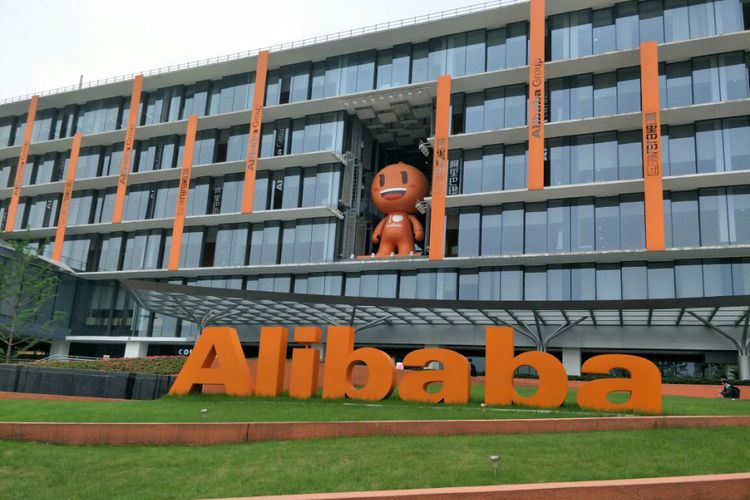
    In a significant turn of events for the retail landscape in Asia, leading e-commerce platform Alibaba has unveiled its new strategy aimed at revitalizing its marketplace. The move comes in response to growing competition and shifting consumer preferences, as numerous retailers across the region scramble to adapt to an era dominated by online shopping. Alibaba’s latest initiative highlights its commitment to support small businesses, which are crucial for the local economy. Through a series of tailored programs and enhanced digital tools, the company aims to empower these enterprises to thrive in a digital-first world.

    Empowering Small Businesses to Compete

    Alibaba’s strategy includes rolling out resources that allow small retailers to leverage advanced analytics and machine learning for more personalized customer engagement. This approach not only improves the shopping experience but also helps these businesses understand their customer base better. “We want to be the ally of small businesses,” said an Alibaba spokesperson. This sentiment reflects a broader trend in retail, where big players recognize the importance of nurturing the ecosystem of smaller vendors that have long been the backbone of the marketplace.

    Innovations on the Horizon

    To further this vision, Alibaba plans to enhance its logistics capabilities and optimize its supply chain management systems. By simplifying the complexities of inventory management and order fulfillment, the platform hopes to create a more efficient environment for retailers. It’s almost as if Alibaba is saying, “Don’t worry about the boxes, just focus on the joy of your customers!” Such innovations are critical as consumer expectations continue to rise, particularly around delivery speed and service quality.

    The Evolving Competitive Landscape

    Despite its ambitious plans, Alibaba faces stiff competition from rivals like JD.com and Pinduoduo, both of which are also ramping up efforts to capture the ever-evolving consumer base in Asia. Pinduoduo, known for its social commerce model, has been rapidly gaining traction, forcing established players to rethink their strategies. The market is no longer defined solely by product offerings; it’s increasingly about community engagement and consumer experience.

    Looking Forward

    As Alibaba embarks on this transformative journey, the stakes couldn’t be higher. Retailers must brace for a future that is both exciting and challenging, driven by rapid technological advancements and changing shopping behaviors. For Alibaba, the focus on small businesses signals not just an operational shift but a deep-rooted acknowledgment of their role in the economy — a move that could redefine the future of retail in Asia.

    Questions & Answers

    What is Alibaba’s new strategic initiative focused on?
    Alibaba’s new strategy is centered around empowering small businesses by providing them with enhanced digital tools and resources to compete in today’s e-commerce environment.

    How does Alibaba plan to improve the logistics for retailers?
    The company aims to enhance its logistics capabilities and streamline inventory management and order fulfillment processes, making it easier for retailers to operate effectively.

    Who are Alibaba’s main competitors in the Asian retail market?
    Alibaba faces competition from major players like JD.com and Pinduoduo, both of which are increasingly focusing on innovative strategies to engage consumers and drive sales.

  • China CITIC Bank and Hang Seng Bank Champion Innovative Reforms in Offshore RMB Repo Market

    China CITIC Bank and Hang Seng Bank Champion Innovative Reforms in Offshore RMB Repo Market

    China CITIC Bank International (CNCBI) and Hang Seng Bank are taking bold steps to enhance the offshore RMB bond market, signaling a significant evolution in financial operations in Asia. The two financial institutions announced their support for the new offshore RMB bond repurchase business, and in an impressive feat, CNCBI reported the successful completion of its first batch of transactions utilizing bonds held under the Northbound Bond Connect program as collateral.

    Boosting Capital Flexibility for Investors

    According to Chao Li, deputy head of treasury & markets group at CNCBI, these enhanced arrangements open new avenues for offshore investors by lowering financing costs and increasing capital flexibility. This not only aims to attract more international investors to mainland China’s bond market but also works toward furthering the internationalization of the RMB and onshore bonds. It’s no small feat, considering the complexities involved in integrating such financial innovations.

    Enhancing Market Access and Liquidity

    Meanwhile, Liz Chow, head of markets and securities service at Hang Seng Bank, emphasized that these enhancements are pivotal for improving market access. They cater to the increasing demand for diversified financial solutions while promoting better liquidity management and efficient collateral utilization. Hang Seng Bank has also broadened its repo business, now extending services to both banks and non-banking financial institutions (NBFIs), and has recorded a transaction volume of RMB500 million, showcasing its commitment to diversifying market offerings.

    This palpable momentum in the offshore RMB market could mean a transformative shift for investment practices in the region—after all, when investments start to feel like a game of chess, every move counts!

    Questions & Answers

    What recent development has occurred in the offshore RMB bond market?
    China CITIC Bank International and Hang Seng Bank have launched enhancements to the offshore RMB bond repurchase business, with CNCBI successfully completing the first transactions using bonds as collateral.

    How do these enhancements benefit offshore investors?
    The new arrangements provide offshore investors with increased capital flexibility and lower financing costs, making it easier for them to engage in the Chinese bond market.

    What are some of the services offered by Hang Seng Bank in relation to this market?
    Hang Seng Bank has expanded its repo business to include banks and non-banking financial institutions, achieving significant transaction volumes that enhance market access and liquidity management.

  • ITE and TP-Link Partnership Equips Students with Enterprise Tech Skills to Take On In-Demand ICT Roles

    ITE and TP-Link Partnership Equips Students with Enterprise Tech Skills to Take On In-Demand ICT Roles

    ITE and TP-Link Partnership Equips Students with Enterprise Tech Skills to Take On In-Demand ICT Roles

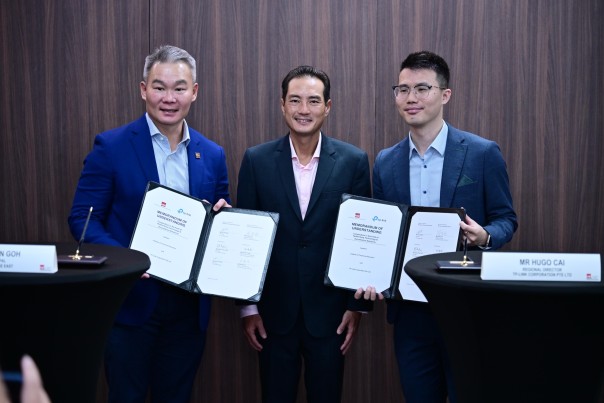
    Pictured above: SMS Tan Kiat How with Mr Hugo Cai, Regional Director of TP-Link (right), and Mr Alvin Goh, Principal of ITE College East (left), after officiating the MOU Signing Ceremony between ITE and TP-Link.

     The Institute of Technical Education (ITE) and TP-Link Corporation Pte Ltd (TP-Link) have signed a Memorandum of Understanding (MOU) to strengthen hands-on training and job readiness in networking and surveillance technologies. Both parties will co-develop curriculum and Continuing Education & Training (CET) courses that align with evolvig industry needs. The three new CET courses that will help equip students and adult learners with industry-recognised skills and certifications are as follows:

    1. Omada Certified Network Administrator (OCNA) – Wireless Network Administrator: This course trains students to manage cloud-based enterprise networks.
    2. Omada Certified Network Administrator (OCNA) – Network Administrator – Routing & Switching: This course develops skills in routing and switching.
    3. VIGI Certified Security Administrator (VCSA) – Surveillance System Integrator: This course covers smart surveillance infrastructure, security operations, and intelligent monitoring. 

    The 3-year partnership is expected to benefit about 600 students from Higher Nitec in Electronics Engineering and Higher Nitec in Security System Integration annually, providing them with industry-recognised qualifications and practical experience with enterprise-grade systems. Beyond the classroom, TP-Link will offer internships, placements, and structured industry learning journeys, creating potential pathways to permanent roles. The signing took place at ITE College East and was witnessed by Mr Tan Kiat How, Senior Minister of State for Digital Development and Information.

    The collaboration will also include the sponsorship of equipment, staff attachments, joint projects, and student competitions. As part of their coursework, students will learn to troubleshoot networking issues and configure surveillance systems using TP-Link’s technologies, ensuring they can translate classroom learning into real-world solutions.

    Singapore’s ICT and security sectors are seeing a growing demand for skilled professionals, particularly in operational roles that require hands-on technical expertise. This collaboration helps bridge those gaps by giving students real-world exposure to the tools and systems used in actual deployment environments, particularly in the rapidly growing areas of enterprise networking and CCTV surveillance. These sectors are currently facing a shortage of trained technicians, making the partnership especially timely in equipping students with practical, job-ready skills that go beyond textbook theory.

    “There is a growing need for professionals who can design, deploy, and manage secure, scalable systems. Singapore is a strategic hub for talent development in the region, and we are proud to partner ITE in preparing students for these roles,” said Mr Hugo Cai, Regional Director, TP-Link Corporation Pte Ltd. “By bringing industry expertise into the classroom and aligning training with real-world demands, we’re not only supporting local education but also investing in the future of Southeast Asia’s digital workforce.”

    Ms Low Khah Gek, CEO of ITE, said, “We are pleased to partner TP-Link to strengthen our students’ training in networking technologies and solutions. By integrating industry-leading expertise and resources into our curriculum, we can better equip our students and CET learners with industry-relevant skills, enable them to acquire industry-recognised certifications, and give them a strong head start to embark on careers in this industry.”

    Through this partnership, both ITE and TP-Link aim to nurture a new generation of ICT and security professionals who are not only technically skilled but also workforce-ready.


  • Starbucks Invites Top Firms To Bid For Stake In Chinese Operations Amidst Market Share Decline

    Starbucks Invites Top Firms To Bid For Stake In Chinese Operations Amidst Market Share Decline

    Starbucks has requested a select group of potential bidders to prepare non-binding bids for a share in its China operations within the next fortnight, according to two sources familiar with the situation.

    The American coffeehouse corporation has extended invitations to entities such as private equity firms Carlyle, EQT, Hillhouse Investment, and Primavera Capital to partake in management presentations. During these sessions, financial and operational aspects of its China business will be disclosed. Other potential bidders are said to include Bain Capital, KKR & Co, and technology giant Tencent.

    A new partner in China could help revitalize a business that has seen its market share fall by more than half over the last five years. This decline has occurred as cheaper local competitors expand rapidly amidst a slowing economy and increasingly cost-conscious consumers.

    Preliminary Sale Process

    Starbucks initiated the sale in May, inviting interested parties to provide details about their businesses by late June. The Seattle-based company clarified that it was not contemplating a complete sale of the business. Potential bidders anticipate the business to be valued at up to US$10 billion.

    In July, up to ten interested parties were shortlisted and signed non-disclosure agreements before being granted potential access to financial and operational data. The final structure of the sale and the size of the stake have yet to be determined.

    Informal discussions with a variety of prospective buyers have been ongoing since the latter part of last year, and the company aims to reach an agreement by the end of this year. CEO Brian Niccol stated last month that over 20 parties have expressed interest in the business and options are currently being evaluated.

    Commitment to China Business

    “We remain committed to our China business and want to retain a meaningful stake… We will only enter a transaction if it makes sense for Starbucks,” said Niccol. Primavera, Carlyle, EQT, KKR, and Bain have not provided any comment, while Hillhouse and Tencent have not responded to comment requests.

    The sale is being pursued after Starbucks reported robust overall revenue for the three months ending on June 29, a result of a turnaround plan implemented by Niccol following several quarters of declining profits.

    Stiff Competition

    In China, Starbucks is grappling with a sluggish economy and stiff competition from local brands, including Luckin Coffee, which has been capturing market share with its cheaper offerings and wider reach in smaller cities.

    Last year, Starbucks’ market share in China, which is home to over a fifth of its outlets, was 14 per cent, down from 34 per cent in 2019. In response, the chain has lowered prices for some non-coffee drinks in China and accelerated the development of new, China-centric products.

    Financial Performance

    Sales in comparable stores in China increased by 2 per cent in the quarter ending June 29, up from zero growth in the previous quarter. As of the end of June, Starbucks operated 7,828 stores in China, as stated in its latest quarterly report. The company has not disclosed core earnings for its China operations.

    Questions & Answers

    Why is Starbucks selling a stake in its China business?
    Starbucks is selling a stake in its China business to potentially inject fresh momentum into the operations, which have seen market share decline in the past five years due to local competition and changing consumer behavior.

    Who are the potential bidders for the stake in Starbucks’ China operations?
    Potential bidders include private equity firms Carlyle, EQT, Hillhouse Investment, Primavera Capital, Bain Capital, KKR & Co, and technology giant Tencent.

    What is Starbucks’ current market position in China?
    Starbucks’ market share in China has decreased, from 34% in 2019 to 14% in 2020. The company is facing competition from local brands and a slower economy, but it remains committed to its China business and aims to retain a significant stake.

  • Nike’s Strategic Pivot To Outdoor Recreation: Revitalizing Acg Amid Rising Competition

    Nike’s Strategic Pivot To Outdoor Recreation: Revitalizing Acg Amid Rising Competition

    Nike, the sportswear behemoth, is making a strategic move into the expanding outdoor recreation industry. Starting with the launch of a new trail running shoe, Nike aims to invigorate its lesser-known sub-brand, ACG, and turn it into a vital source of growth.

    Nike’s Outdoor Recreation Strategy

    Beginning with the Ultra-Trail du Mont-Blanc event, an ultramarathon in France, Nike plans to release its Ultrafly trail running shoe, which is a part of the ACG (All Conditions Gear) outdoor sub-brand. This move is an attempt by Nike to reestablish ACG as a credible contender in the realm of performance-focused trail running shoes.

    Commenting on the broader strategy, Nike’s CEO, Elliot Hill, explained that the company is refocusing on core sports such as running in response to the growing competition from smaller brands. Nike is striving to catch up in the outdoor recreation industry, which has seen substantial growth during the pandemic, and in China, where outdoor activities have gained considerable popularity. The company’s struggle in these two markets has been a factor in its diminished share of the global sportswear industry.

    ACG Ultrafly and Future Plans

    Nike-sponsored athletes, including Anthony Costales, will wear the ACG Ultrafly during races. The shoe is scheduled to be available to consumers in spring 2026. In addition, a rejuvenated version of the Zegama trail runner, also under the ACG brand, will be released later in 2026.

    However, revitalizing the ACG brand, initially launched in 1989 with an emphasis on hiking and biking, will not be without its challenges. The brand is currently associated with “gorpcore”, a fashion trend that blends functional gear with style. Despite these challenges, Nike is looking towards the long-term benefits of this strategy, especially in the Chinese market.

    The Chinese Market

    Nike established its ACG team as a sub-brand in October and appointed Angela Dong, VP for all of Greater China, to lead the unit. Sales of outdoor apparel in China nearly doubled between 2019 and 2025, and outdoor footwear sales increased by 65% in the same period. Despite this, Nike has reported double-digit sales declines in China over the past three quarters.

    The Chinese market has posed significant challenges for Nike as it faces stiff competition from other retailers. Economic instability and high youth unemployment have also impacted spending.

    Nike’s global sportswear market share fell to 26% from 29% in 2021. Other brands such as Hoka have used trail running to bolster growth, underscoring the potential that Nike sees in this segment.

    Launching at a Hoka-sponsored event could be viewed as Nike’s attempt to overshadow its rival, demonstrating Nike’s ability to leverage its financial strength against smaller brands.

    Questions & Answers

    What is Nike’s new strategy in the sportswear market?
    Nike is focusing on outdoor recreation, reviving its ACG sub-brand with the launch of a trail running shoe.

    What challenges does Nike face in revitalizing the ACG brand?
    ACG, launched with a focus on hiking and biking, has become associated with the “gorpcore” fashion trend, which may make it difficult for the brand to reposition itself as a serious contender in the outdoor recreation space.

    What is the current state of Nike in the Chinese market?
    Despite the growth in outdoor apparel and footwear sales in China, Nike has experienced double-digit sales declines in this market over the past three quarters due to tough competition and economic factors.