Author: Mei Ling Tan

  • DBS Innovates: Tokenizes Structured Notes for Seamless Distribution through ADDX, DigiFT, and HydraX

    DBS Innovates: Tokenizes Structured Notes for Seamless Distribution through ADDX, DigiFT, and HydraX

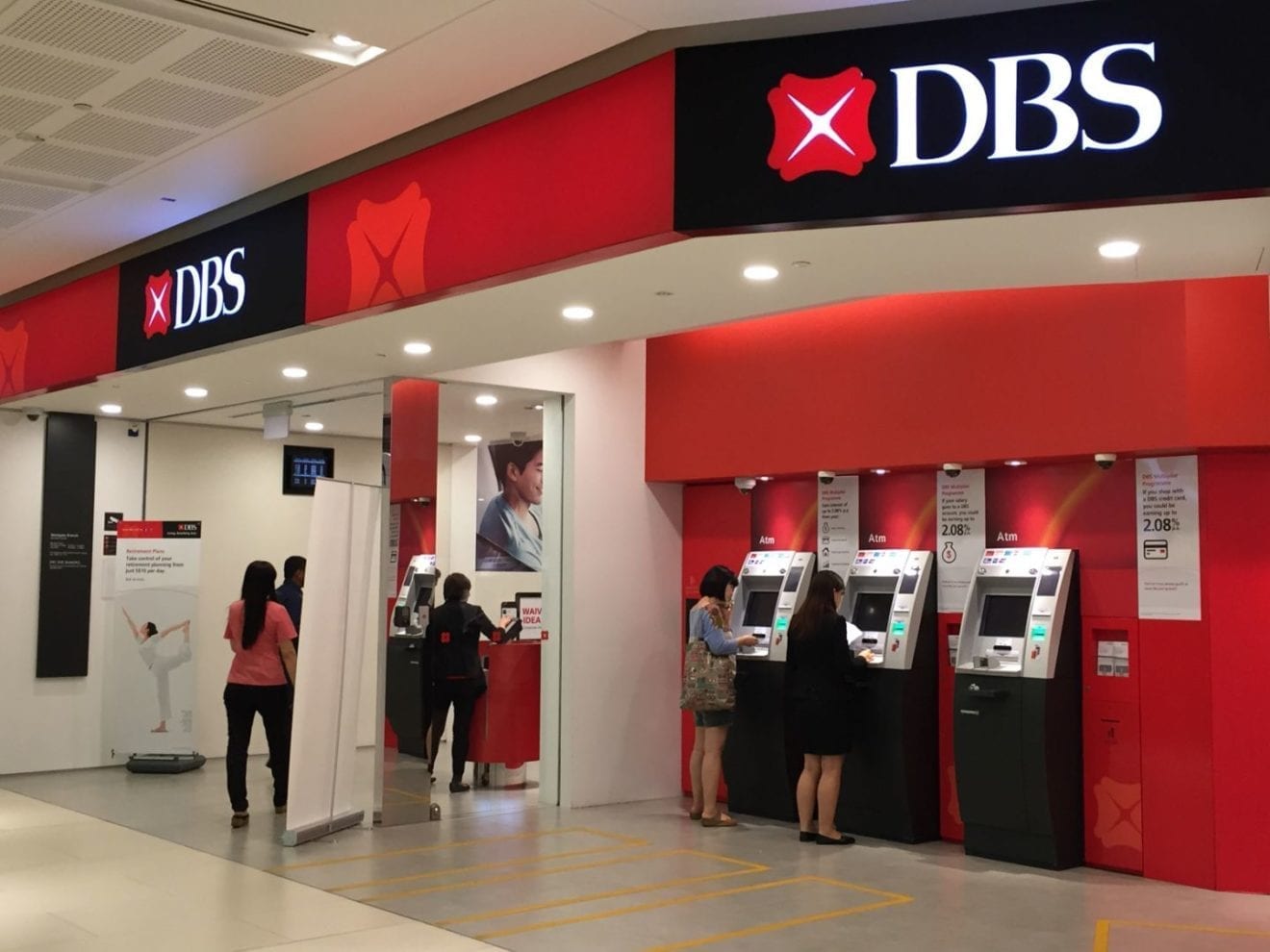
    DBS Bank is taking a significant leap into the digital finance space by launching a series of tokenized structured notes on the Ethereum public blockchain, marking a pivotal moment in the integration of traditional banking with blockchain technology. This innovative approach will see the bank distributing these digital financial instruments through partnerships with platforms like ADDX, DigiFT, and HydraX.

    Revolutionizing Access to Cryptocurrency

    The initial offering focuses on cash-settled cryptocurrency-linked participation notes. These products provide investors the opportunity to profit from rising cryptocurrency prices without the hassle of managing the digital assets themselves. Essentially, investors receive a cash payout when prices soar, while the structure of the notes is designed to cushion against potential losses when the market dips. It’s a refreshing alternative for those wary of directly diving into the choppy waters of cryptocurrency trading.

    A New Era for Structured Notes

    Structured notes, while often complex and requiring a minimum investment of US$100,000, can cater to individual investor needs, making them non-fungible by nature. With DBS’s tokenization process, each structured note will be divided into individual tokens, each representing a US$1,000 share. This innovation enhances flexibility and accessibility for investors looking to enter or exit the market with precision. To put it simply, it’s like having a buffet of investment options, where you can choose just a taste without committing to a full meal.

    Broadening Investment Horizons

    DBS is not stopping at cryptocurrency-linked notes; the bank plans to extend its tokenization efforts to other types of structured instruments, including equity-linked and credit-linked notes. This initiative aims at providing accredited and institutional investors with greater flexibility and sophisticated tools to effectively manage their portfolios in an ever-evolving financial landscape.

    Questions & Answers

    How will DBS’s tokenized notes benefit investors?
    Investors gain access to cash-payouts linked to cryptocurrency price movements without the need to manage the assets directly, and the notes are structured to protect against potential losses.

    What is the minimum investment for these structured notes?
    Typically, structured notes require a minimum investment of US$100,000, but with tokenization, investors can buy into these notes through individual tokens of US$1,000 each.

    What types of structured notes will DBS tokenize beyond cryptocurrency?
    DBS plans to tokenize various other structured notes, including equity-linked and credit-linked notes, broadening the spectrum of investment opportunities for its clients.

  • The Future of Urban Retail: Blending Community, Lifestyle, and Commerce

    The Future of Urban Retail: Blending Community, Lifestyle, and Commerce

    Urban retail is undergoing one of the most dramatic shifts in decades. Once defined by department stores, shopping malls, and busy downtown corridors, the retail landscape is being reinvented. The traditional model of purely transactional retail—where consumers simply enter, purchase, and leave—is giving way to something more dynamic: a blend of community, lifestyle, and commerce. This transformation is shaping how people shop, socialize, and connect in cities across the world.

    Moving Beyond Transactions

    Today’s consumers want more than products; they want experiences. A clothing boutique is no longer just about racks of apparel—it’s about the story, the environment, and the connection that comes with the purchase. Urban retailers are responding by rethinking how they engage with customers. Spaces are being designed to foster exploration, encourage interaction, and create memories.

    For instance, some bookstores have reinvented themselves as community hubs with cafés, live readings, and co-working spaces. Fitness studios are merging with retail, selling branded lifestyle apparel and healthy snacks. Even grocery stores are reimagining themselves with in-store dining, cooking classes, and events that make shopping less of a chore and more of an outing.

    The Rise of Hybrid Spaces

    A big driver of this change is the rise of hybrid spaces—retail concepts that combine shopping with entertainment, hospitality, or wellness. These spaces turn a visit into an experience rather than just a transaction. Picture walking into a sneaker store that doubles as an art gallery, or a coffee shop where you can also browse vinyl records or vintage clothing.

    These hybrid spaces not only attract diverse audiences but also encourage customers to linger longer, deepening brand connection. In dense urban centers, where competition for attention is fierce, creating places that offer multiple reasons to visit is becoming essential.

    Digital and Physical Worlds Collide

    No conversation about the future of retail is complete without technology. Smartphones have fundamentally reshaped consumer behavior, and urban retailers are weaving digital experiences into physical storefronts. QR codes, augmented reality, and virtual try-ons allow customers to interact with products in new ways. Mobile apps seamlessly connect in-store purchases with online accounts, loyalty programs, and home delivery services.

    Rather than seeing e-commerce as a threat, many retailers are embracing it as part of a holistic ecosystem. Click-and-collect options, in-store pickup for online orders, and even live-streamed shopping events held inside stores are blurring the lines between the physical and digital worlds. The best retailers understand that the modern customer doesn’t want to choose between convenience and community—they want both.

    Local Identity and Community Ties

    Another defining aspect of the urban retail transformation is the embrace of local identity. Consumers are increasingly drawn to brands that reflect the character of their city or neighborhood. Pop-up markets, collaborations with local artists, and limited-edition product drops create a sense of uniqueness and exclusivity.

    Retailers that invest in community engagement—whether by hosting workshops, sponsoring neighborhood events, or giving back through local partnerships—are earning loyalty beyond the transaction. For many city dwellers, shopping at a store isn’t just about what they buy, but about what that brand represents in their lives and their communities.

    Health, Wellness, and Lifestyle Convergence

    Retail is also intersecting with broader lifestyle movements. Wellness, fitness, and sustainability are increasingly integrated into the retail experience. Urban consumers expect retailers to support not just their shopping needs but their values and aspirations. That’s why many stores now highlight eco-friendly products, showcase transparent sourcing, and design spaces that feel restorative and inspiring.

    As Aaron Keay has pointed out in discussions about consumer shifts, the lines between industries—health, tech, retail, and hospitality—are disappearing. The next generation of urban retail spaces will reflect this convergence, offering products and experiences that align with consumers’ desire for healthier, more intentional living.

    The Role of Investment and Innovation

    Investors are paying close attention to these shifts. Traditional retail models have struggled in recent years, but those embracing innovation and community-driven experiences are gaining momentum. For entrepreneurs and investors, the opportunity lies in supporting concepts that merge lifestyle with commerce in creative, scalable ways.

    Aaron Keay has emphasized that the future belongs to retailers who create ecosystems rather than standalone storefronts. These ecosystems thrive on blending digital engagement, physical experiences, and meaningful community ties.

    Looking Ahead

    The urban retail landscape of the future will look very different from the malls of yesterday. It will be defined by spaces that are social, experiential, and deeply connected to the neighborhoods they serve. The winners will be the brands that move beyond the transaction to build real community, blending lifestyle and commerce in ways that feel authentic and exciting.

    As consumers continue to demand experiences that enrich their lives, urban retail has a chance to redefine itself—not just as a place to shop, but as a vital part of the cultural and social fabric of the city.


  • Rice Exports Poised for Record-Breaking Surge, Targeting Over 8.2M Tonnes!

    Rice Exports Poised for Record-Breaking Surge, Targeting Over 8.2M Tonnes!

    In a surprising twist for the global rice market, Vietnam’s rice exports are anticipated to exceed 8.2 million tonnes this year, despite a temporary suspension of rice imports from its biggest buyer, the Philippines. This surge is powered by increased shipments to countries like Bangladesh, China, and South Africa.

    The Philippines, recognized as the world’s largest rice importer, purchased 4.8 million tonnes of rice from international markets last year, with Vietnam supplying an impressive 3.6 million tonnes of that total

    In the first half of this year, Vietnam exported 5.5 million tonnes of rice, generating a revenue of US$2.81 billion. Unsurprisingly, the Philippines remained its principal market, though the revenue saw a notable drop of 13.5% year-on-year.

    Though shipments to the Philippines have slowed down, exporters are optimistic, having secured new contracts at higher prices and successfully expanded their clientele across ASEAN and South African markets.

    Earlier this month, in response to falling domestic prices, the Philippine government announced a two-month pause on rice imports starting September 1. Nevertheless, market analysts remain upbeat, predicting strong overall exports for Vietnam, driven by rising demand in other regions.

    The United States Department of Agriculture (USDA) has updated its forecast, now estimating Vietnam’s total rice exports at 8.2 million tonnes for the year, an increase of 300,000 tonnes from previous predictions. As the year wraps up, shipments are expected to rise, propelled by heightened demand from Africa and China. Even with the Philippine import suspension expected to reduce its purchases by 500,000 tonnes, it may still lead the world with total rice imports of around 4.9 million tonnes.

    Do Ha Nam, Chairman of the Vietnam Food Association, expressed strong confidence that with the robust performance recorded in the first seven months, Vietnam’s rice exports will indeed surpass 8 million tonnes this year. He emphasized the country’s unique brand identity and increasing international recognition, solidifying its position as the world’s second-largest rice exporter.

    Questions & Answers

    How has Vietnam managed to maintain high rice export levels despite the Philippines’ import suspension?
    Vietnam has effectively diversified its customer base by expanding shipments to countries in the ASEAN region and South Africa while securing new contracts at improved prices.

    Why has the Philippines suspended rice imports temporarily?
    The Philippine government announced a two-month suspension of rice imports due to falling domestic prices, aiming to stabilize the local market.

    What role does the USDA play in forecasting Vietnam’s rice export numbers?
    The USDA provides crucial projections for agricultural exports, and it recently adjusted its forecast for Vietnam’s rice exports upwards, reflecting growing global demand.

  • Rakuten and Amazon Join Forces to Take on Starlink in Japan’s Satellite Market

    Rakuten and Amazon Join Forces to Take on Starlink in Japan’s Satellite Market

    Japan’s satellite communications landscape is on the brink of transformation as Rakuten Group and Amazon gear up to launch their own services, challenging the long-standing dominance of SpaceX’s Starlink. With operations expected to begin as early as next year, this competition promises to reshape the market and improve connectivity for consumers across the country.

    Starlink, spearheaded by Elon Musk’s SpaceX, has established itself as the go-to satellite service in Japan, especially through partnerships like KDDI, which allows for direct smartphone-to-satellite connections. This capability has proven invaluable in rural locations and areas prone to natural disasters, where traditional infrastructure is often lacking.

    In a significant move to diversify the market, Japan’s Ministry of Internal Affairs and Communications (MIC) has initiated work on new spectrum regulations that are set to pave the way for increased competition by 2025. This regulatory shift will create opportunities for Rakuten and Amazon to enter and thrive in the satellite communications arena.

    Rakuten’s Bold Ambitions

    Rakuten Mobile is wasting no time in making its mark, with plans to roll out its satellite service between October and December 2025. Collaborating with U.S. startup AST SpaceMobile, Rakuten’s initial offering will focus on text messaging. But that’s just the beginning—plans are afoot to expand services to include money transfers and video streaming. The company emphasizes that this initiative aims to enhance connectivity in underserved areas while providing a reliable backup during emergencies—a win-win for users reliant on stable communication.

    Amazon’s Satellite Strategy

    Not to be outdone, Amazon is preparing to launch its Project Kuiper satellite network in Japan, which aims to deploy over 3,200 satellites by 2029. This ambitious project aligns with the MIC’s plans to amend regulations after April 2025, ensuring that Amazon can compete in this burgeoning market. The retail behemoth’s foray into satellite communications underscores a broader trend of tech giants expanding their reach beyond traditional digital services.

    As Japan stands on the threshold of this new era in satellite communications, the impending rivalry between these giants has all the makings of an exciting battle for connectivity supremacy—let’s just hope consumers don’t have to wait on hold for years while they hash it out!

    Questions & Answers

    What changes can consumers expect in Japan’s satellite communications market?
    Consumers can anticipate increased competition, primarily from Rakuten and Amazon, which will enhance connectivity options, especially in rural areas and during emergencies.

    When are Rakuten and Amazon expected to launch their services?
    Rakuten plans to debut its satellite services between October and December 2025, while Amazon’s Project Kuiper is set for a rollout, targeting more than 3,200 satellites by 2029.

    How might these new services impact existing providers like Starlink?
    The entry of Rakuten and Amazon is likely to intensify competition, potentially leading to improved services and pricing options for consumers who currently rely on Starlink.

  • Global eSIM Growth Soars, Fueled by Travel, Business, and IoT Innovations

    Global eSIM Growth Soars, Fueled by Travel, Business, and IoT Innovations

    Global eSIM adoption is witnessing a significant surge, propelled by the rising demand for travel services, innovative enterprise solutions, and the expansion of the Internet of Things (IoT), as highlighted in GSMA Intelligence’s latest report. This development paints a dynamic picture of how technology is reshaping our connectivity landscape.

    Travel Demand Fuels eSIM Growth

    Pablo Iacopino, Head of Research and Commercial Content at GSMA Intelligence, emphasized the momentum building among mobile network operators (MNOs). They are not only enhancing global travel services but also bolstering fixed wireless access (FWA) and strengthening wearable ecosystems while seamlessly integrating eSIM technology with 5G to meet the needs of business customers. In fact, travel eSIMs are currently the most significant catalyst for adoption, with many users in 11 major markets opting to activate the service while abroad. This shift is prompting a greater number of operators to roll out global offerings, a disruptive move that challenges traditional roaming revenue models.

    Beyond Travel: eSIM Expands Its Footprint

    But the story doesn’t end there; the adoption of eSIM technology is rapidly extending into connected devices and broadband services. By mid-2025, 161 operators across 78 countries are predicted to debut their 5G FWA services, a potentially game-changing development that could see household penetration levels exceeding 10% by 2030 in advanced markets like Australia, Germany, Japan, Saudi Arabia, the UK, and the US. Temporary connectivity is also gaining traction, providing agile solutions for events, broadcasting needs, and unexpected network outages — not unlike how a superhero swoops in to save the day.

    Smartphone Market: A Slow but Steady Rise

    On the smartphone front, the journey has been less straightforward. Despite remaining below earlier expectations, the growth of eSIM usage among smartphones is on the rise. As of 2024, only about 3% of global smartphone connections were utilizing eSIMs, far below the anticipated 15% made six years ago. Interestingly, nearly half of all eSIM users are in the United States, largely aided by Apple’s strategic shift to eSIM-only iPhones.

    Investment Surge Points to Bright Future

    The investment landscape surrounding eSIM technology is also flourishing, with 2025 poised to break records. According to GSMA, just over USD 300 million in funding was raised in the first half of 2025, identifying travel, enterprise, and IoT as the main drivers of this growth. As these sectors expand, the usage of eSIMs is expected to become increasingly mainstream, fundamentally transforming global mobile connectivity in the years to come.

    Questions & Answers

    What is currently driving eSIM adoption worldwide?
    The primary driver of eSIM adoption is the demand for travel services, with many users activating eSIMs while abroad, prompting mobile operators to innovate and launch global offerings.

    How are connected devices and broadband services contributing to eSIM expansion?
    eSIM technology is rapidly expanding into connected devices and broadband services, with projections suggesting significant adoption of 5G FWA services across multiple countries by 2025.

    What does the investment landscape look like for eSIM technology?
    Investment in eSIM technology is growing robustly, with over USD 300 million raised in the first half of 2025, indicating strong interest in travel, enterprise, and IoT as key sectors.

  • Gasoline Prices Hit Seven-Week Peak: What This Means for Drivers and the Retail Market

    Gasoline Prices Hit Seven-Week Peak: What This Means for Drivers and the Retail Market

    Gasoline prices in Vietnam surged to levels not seen since early July, casting a spotlight on the country’s evolving fuel market. As of Thursday afternoon, the price of the popular RON95 fuel increased by 1.06%, reaching VND20,090. Meanwhile, biofuel E5 RON92 also saw a rise of 0.57%, priced at VND19,460. In contrast, diesel experienced a slight decline, falling by 0.94% to VND17,900.

    The recent fluctuation in global oil prices was driven by several factors, including a sharper-than-expected drop in U.S. crude oil inventories, coupled with discussions between U.S. President Joe Biden and Ukrainian President Volodymyr Zelensky regarding a potential roadmap to resolve the ongoing conflict in Ukraine. These conversations come at a time when the oil market is grappling with tightening supply and geopolitical tensions.

    In the global arena, RON95 saw a decrease of 1.2%, settling at $80.1 per barrel, while diesel recorded a drop of 1.3%, now priced at $83.6 per barrel. It seems fuel prices are keeping everyone on their toes, reminiscent of a careful tightrope act where a single misstep can send consumers and businesses alike into a tailspin.

    Questions & Answers

    How much have gasoline prices increased in Vietnam recently?
    Gasoline prices have risen by 1.06%, bringing RON95 to VND20,090, marking the highest level since early July.

    What factors are influencing the global oil market?
    The global oil market has been affected by a significant drop in U.S. crude oil inventories and ongoing discussions about resolving the conflict in Ukraine.

    What are the current prices of diesel and biofuel in Vietnam?
    Biofuel E5 RON92 is priced at VND19,460 after a 0.57% increase, while diesel has decreased to VND17,900.

  • Indosat Teams Up with Google Cloud to Unveil Innovative AI Semantic Search Feature

    Indosat Teams Up with Google Cloud to Unveil Innovative AI Semantic Search Feature

    Indosat Ooredoo Hutchison has unveiled a groundbreaking artificial intelligence-powered Semantic Search feature within its myIM3 and bima+ applications, a move that promises to transform the way customers engage with digital services. Developed in collaboration with Google Cloud, this feature enhances the relevance, personalization, and efficiency of users’ search experiences, helping them find products and services tailored to their needs with ease.

    The technology harnesses Google Cloud’s Vertex AI platform, enabling the system to glean valuable insights into customer behavior and preferences. As a result, searches for data packages, lifestyle features, loyalty programs like IMPoin and BonsTri, and more can now be customized to meet each individual’s specific desires. It’s like having a personal shopper in your pocket—one that actually listens!

    Innovative Partnership for a Smarter Future

    Bilal Kazmi, Director and Chief Commercial Officer at Indosat, explained the significance of this advancement.

    “With the support of Google Cloud, we are delivering a search system that is not only intelligent but also delivers tangible value, enhancing both user convenience and business performance. This collaboration represents a strategic step towards providing smarter, more personalized, and relevant digital experiences for our customers. At Indosat, we are committed to ensuring that technology makes life easier, brings services closer, and serves as a powerful tool to empower Indonesia in navigating the digital era.”

    Boosting Engagement Through Local Understanding

    Fanly Tanto, Country Director for Google Cloud in Indonesia, noted the impact of advanced AI in meeting diverse user needs.

    “As an industry leader through Google Cloud’s Indonesia BerdAIa program, Indosat is at the forefront of innovation using enterprise AI. Vertex AI Search’s ability to comprehend queries in both Bahasa and English, including semantic meanings and spelling variations, will help surface highly relevant digital service recommendations for millions of myIM3 and bima+ users. This deployment showcases how Google Cloud’s open platforms can seamlessly integrate with custom-built AI models to create smarter, more personalized digital experiences for customers.”

    Given the growing demand for personalization in retail, the new AI-driven search technology is poised to significantly enhance user experience. A recent McKinsey study indicated that 71% of consumers expect brands to personalize interactions, highlighting how essential this technology has become in modern retail.

    A Treasure Hunt for Users

    To celebrate this launch, Indosat will roll out an interactive campaign titled “30 Days of Treasure Hunt,” running from August 21 to September 19, 2025. This initiative seeks to further engage users in a fun and immersive way.

    Notably, this Semantic Search technology is enhanced by Sahabat-AI, an open-source large language model (LLM) tailored specifically for the Indonesian language. Sahabat-AI is adept at understanding diverse local contexts, including various regional languages and dialects, enabling more engaging and meaningful customer interactions across urban and rural landscapes alike.

    Questions & Answers

    What is the main feature introduced by Indosat Ooredoo Hutchison?
    The new feature is an AI-powered Semantic Search that enhances search relevance and personalization within the myIM3 and bima+ applications.

    How does the Semantic Search technology improve user experience?
    It utilizes Google Cloud’s Vertex AI to understand customer behavior and preferences, allowing for tailored searches and recommendations, thus making user interactions more efficient and relevant.

    What marketing campaign is Indosat launching alongside this feature?
    Indosat is introducing an interactive campaign called ’30 Days of Treasure Hunt,’ set to run from August 21 to September 19, 2025, designed to engage users in a fun way.

  • Miniso’s sales soar 23 per cent in second quarter, but profit shrinks

    Miniso’s sales soar 23 per cent in second quarter, but profit shrinks

    The retail conglomerate, Miniso, posted a decrease in profits despite its sales increasing by a double-digit percentage in the second quarter.

    Revenue Growth

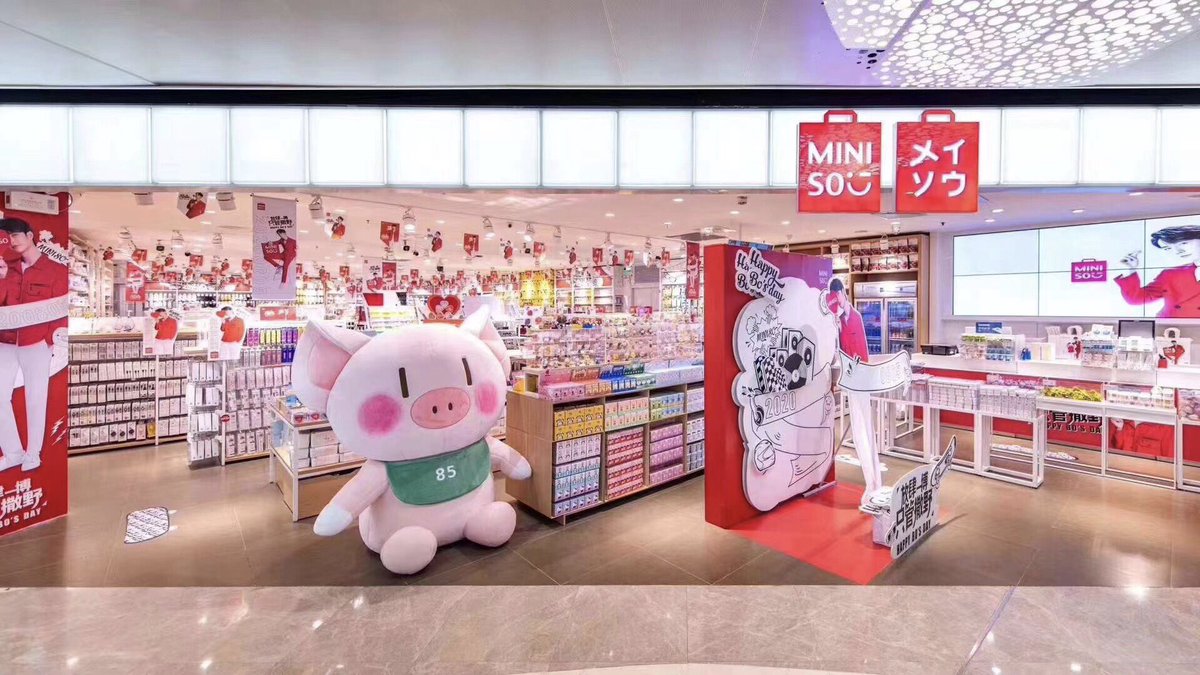
    Miniso’s revenue for the quarter ending June 30th saw a massive increase of 23.1%, amounting to approximately USD 693.2 million. The retailer has various brands under its umbrella, including Miniso and Top Toy. Miniso’s revenue witnessed a rise of 19.5%, amounting to USD 637 million. This growth included a 13.6% increase in Mainland China and a 28.6% growth in international markets. Top Toy’s revenue surged by 87% to USD 56.1 million.

    Same-Store Gross Merchandise Value

    The same-store gross merchandise value (GMV) of Miniso remained steady, backed by a small growth in mainland China and a slight decline in international markets. However, Top Toy’s same-store GMV registered minor growth.

    Strategic Financing

    Miniso highlighted that Top Toy had finalized strategic financing by Temasek recently, resulting in a post-valuation of approximately USD 1.28 billion.

    Operating Income and Profit

    Although the operating income rose by 11.3% to USD 116.7 million, the profits fell from USD 82.4 million in the same period last year to USD 68.3 million.

    For the first half of the year, revenue grew by 21% to USD 1.3 billion. This rise included an 18% increase in Miniso sales and a 73% rise in Top Toy sales. However, the profit for the same period dropped from USD 163 million to USD 126.5 million.

    Store Expansion

    As of June 30th, the total number of stores at the group level was 7,905, representing a year-on-year increase of 842 new stores. Miniso had 7,612 stores, which included 4,305 in Mainland China and 3,307 in international locations, while Top Toy had 293 outlets.

    The company anticipates that its revenue growth will speed up for the rest of the year.

    Questions & Answers

    How much did Miniso’s revenue increase in the second quarter?

    Miniso’s revenue for the second quarter increased by 23.1%, amounting to approximately USD 693.2 million.

    How did Miniso’s operating income and profit perform in the second quarter?

    The operating income rose by 11.3% to USD 116.7 million, but the profit fell from USD 82.4 million in the same period last year to USD 68.3 million.

    What is the total number of Miniso stores as of June 30th?

    As of June 30th, Miniso had a total of 7,612 stores, which included 4,305 in Mainland China and 3,307 in international locations.

  • Guess Inc. To Go Private In $1.4b Deal With Authentic Brands And Marciano Founders

    Guess Inc. To Go Private In $1.4b Deal With Authentic Brands And Marciano Founders

    Guess, a renowned fashion and lifestyle brand, is preparing to transition into a privately-held company following a US$1.4 billion pact with Authentic Brands Group, major shareholders, and co-founders Maurice and Paul Marciano, Nicolai Marciano, as well as CEO Carlos Alberini.

    Details of the Agreement

    According to the terms of this agreement, Authentic Brands Group is slated to acquire the majority stake, 51%, of Guess’s intellectual property. Meanwhile, the Marciano family and their affiliated entities will retain a minority stake of 49%.

    Despite the shift in ownership, Guess’s management team will continue to operate the business and retain full ownership of the operating company. Shareholders who are not part of the founding group are set to receive a cash payment of $16.75 per share.

    The Future of Guess

    Jamie Salter, the founder, chairman, and CEO of Authentic Brands, expressed his excitement and optimism about the impending partnership with the Marcianos. He acknowledged Guess as a dominant brand that has significantly influenced style and culture for over four decades. Salter is eager to collaborate with the Marciano family as Guess embarks on this new phase, building upon its enduring legacy.

    Questions & Answers

    What will be the distribution of Guess’s intellectual property ownership following the deal?
    Following the agreement, Authentic Brands Group will own 51% of Guess’s intellectual property, while the Marciano family and their affiliated entities will retain a 49% stake.

    What will happen to shareholders who are not part of the founding group?
    Shareholders who are not part of the founding group will receive a cash payment of $16.75 per share as a result of the agreement.

    Who will continue to manage Guess after the deal?
    Despite the change in ownership, Guess’s current management team will continue to run the business, maintaining full ownership of the operating company.

  • U Mobile Unveils ULTRA5G: A Game-Changer for Malaysia’s 5G Experience!

    U Mobile Unveils ULTRA5G: A Game-Changer for Malaysia’s 5G Experience!

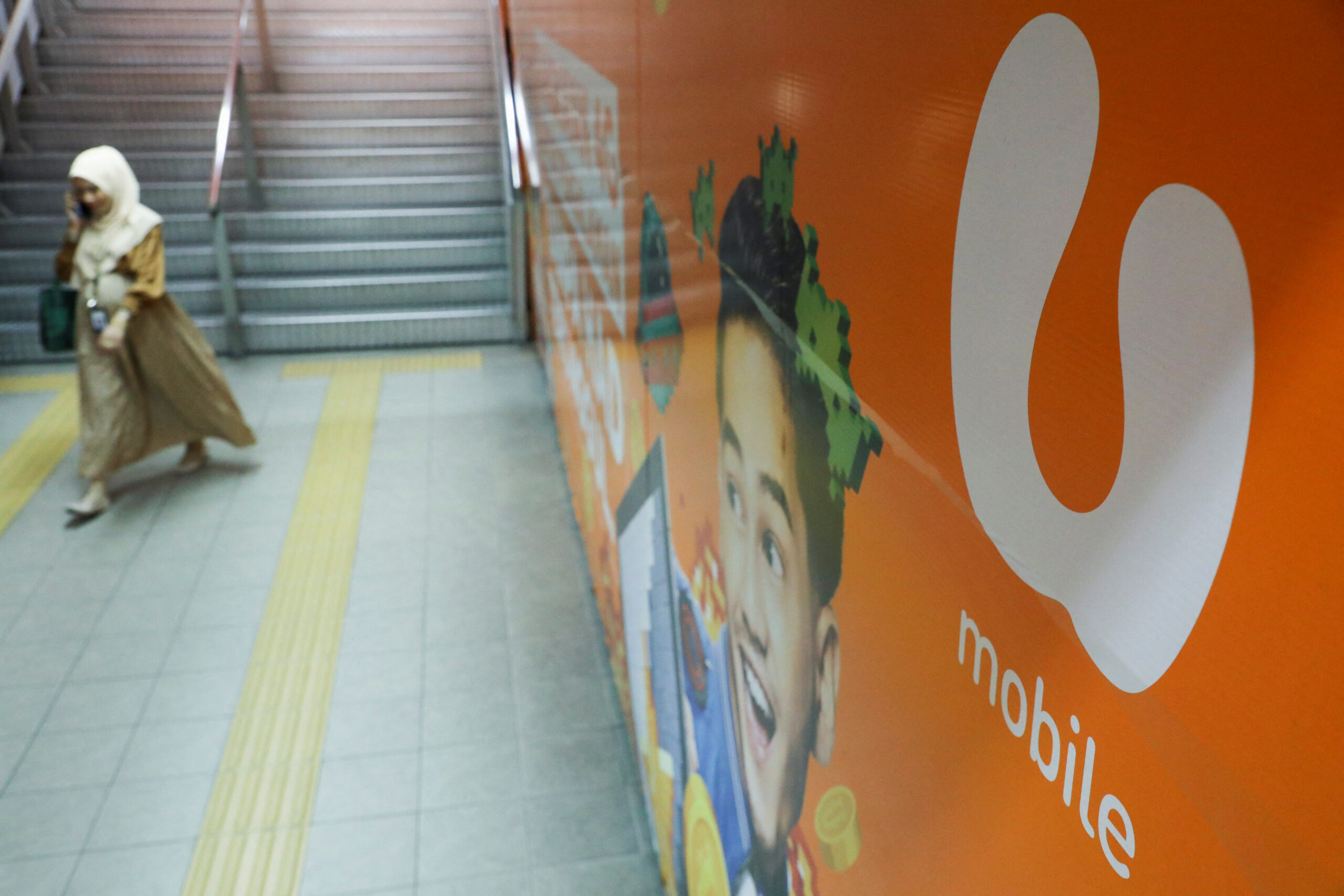
    U Mobile has officially unveiled ULTRA5G, the new moniker for its 5G service, during a launch event at its headquarters in Berjaya Times Square (BTS). This catchy name not only captures the essence of the ultra-fast speeds and extensive coverage that U Mobile aims to provide, but it also reassures users who will now see the ULTRA5G indicator lighting up their devices, a direct result of the company’s ambitious in-building coverage (IBC) initiative.

    Redefining Connectivity Through Advanced Technology

    This advancement marks a pivotal moment in U Mobile’s mission to deliver robust 5G access in both indoor and outdoor spaces across Malaysia. ULTRA5G relies on cutting-edge, enterprise-grade network technology, ready to adapt to the evolving digital landscape of the nation.

    A Roller Coaster of Experience

    To showcase ULTRA5G’s capabilities, U Mobile orchestrated groundbreaking events, including Malaysia’s first-ever 4K livestream of an 800-meter indoor roller coaster ride at Berjaya Times Square Theme Park—boasting the title of Asia’s longest multi-inverted indoor ride. As thrill-seekers zipped around at speeds of 70 km/h, ULTRA5G effortlessly maintained a seamless connection, making the livestream an exhilarating testament to the network’s extensive reliability.

    The excitement didn’t stop there. U Mobile also introduced an engaging mixed-reality experience alongside a demonstration of 5G network slicing, emphasizing both performance and diverse service offerings. If you thought roller coasters were just for an adrenaline rush, think again—this one was a high-speed communications race too.

    Empowering the Future with 5G

    Woon Ooi Yuen, Chief Technology Officer of U Mobile, expressed pride in the launch, stating, “U Mobile is proud to launch ULTRA5G, our brand new name for our 5G experience that is supported by our next-gen network. As the nation’s newest 5G network provider, U Mobile is focused on enabling digital transformation for consumers and businesses alike. ULTRA5G brings enhanced digital experiences, from ultra-reliable streaming and immersive gaming to high-quality video calls in crowded areas. For enterprises, ULTRA5G opens doors to advanced use cases like XR (extended reality), robotics, smart cities, and IR 4.0 automation. With deployment ahead of schedule, U Mobile is also doubling down on indoor coverage to ensure the widest and deepest 5G experience in Malaysia.”

    Aiming for Widespread Accessibility

    ULTRA5G isn’t confined to BTS; the 5G network has also made strides at Penang Bridge 1, utilizing just two towers to provide uninterrupted connectivity for daily commuters. This event signifies the much-anticipated rollout of U Mobile’s next-generation 5G network, with aspirations for 80% coverage of populated areas (CoPA) by the second half of 2026.

    U Mobile promises to keep the public informed about ULTRA5G’s expansion, which is set to quicken in critical locales such as airports, hospitals, convention centers, and other significant venues across the country. This initiative aligns perfectly with the company’s vision of establishing Malaysia’s most comprehensive and trustworthy 5G network.

    Questions & Answers

    What is ULTRA5G?
    ULTRA5G is U Mobile’s branding for its 5G service, emphasizing ultra-fast speeds, reliable connectivity, and extensive coverage.

    How did U Mobile demonstrate the capabilities of its ULTRA5G network?
    They showcased Malaysia’s first 4K livestream of an indoor roller coaster ride, ensuring a seamless connection throughout the ride’s duration at 70 km/h.

    What are U Mobile’s plans for ULTRA5G coverage?
    U Mobile aims to achieve 80% coverage of populated areas by the second half of 2026 and will focus on key locations such as airports and hospitals for rapid deployment.

  • Japan’s Chiikawa Ramen Buta makes international debut in HK

    Japan’s Chiikawa Ramen Buta makes international debut in HK

    Chiikawa Ramen Buta, a famed Japanese ramen house, has expanded its culinary horizons, making its inaugural global foray with a new establishment in Langham Place, Hong Kong.

    The brand draws inspiration from the popular ‘Ro’ series depicted in the Chiikawa manga (comics), fusing elements of the franchise’s whimsical design with traditional Japanese ramen. The result is an enthralling dining experience that delights both the palate and the imagination.

    Life-sized effigies of the beloved characters Chiikawa, Hachiware, and Usagi greet diners, setting a playful tone to the experience. The dining room is adorned with artwork and decor centered around these characters, immersing guests in the enchanting world of Chiikawa.

    Experience Authentic Japanese Ramen

    The Hong Kong eatery boasts an impressive menu centered around their signature ramen, prepared with high-quality broth and ingredients shipped straight from Japan. Diners can choose from three different serving sizes, each named after the manga characters: Chiikawa (mini), Hachiware (small), and Usagi (large). A complimentary sticker and a character-themed fish cake garnish add a fun twist to each bowl of sumptuous ramen.

    Themed Beverages and Souvenirs

    The dining experience is further elevated with Chiikawa-inspired drink containers, which patrons can take home as mementos of their visit. The beverages themselves come with collectible transparent cards, each featuring a different character.

    Branded Merchandise

    In addition to its culinary offerings, the restaurant has also rolled out an assortment of branded merchandise. This includes ramen bowls, beer and water glasses, t-shirts, towels, wristbands, stickers, spoons, and plates, all themed around the lively world of Chiikawa.

    Questions & Answers

    What is the concept behind the new Chiikawa Ramen Buta restaurant in Hong Kong?
    The restaurant combines elements of the playful Chiikawa manga series with traditional Japanese ramen, providing a unique dining experience.

    What special features does the restaurant offer to its customers?
    The restaurant offers life-sized characters from the manga series, character-themed decor, and a menu featuring signature ramen made with authentic ingredients from Japan. In addition, guests can take home Chiikawa-themed drink containers and collectible transparent cards.

    What type of branded merchandise is available at the restaurant?
    The restaurant offers a variety of Chiikawa-themed merchandise, including ramen bowls, glasses, t-shirts, towels, wristbands, stickers, spoons, and plates.

  • Tech Giants Ramp Up Data Center Growth Across Southeast Asia

    Tech Giants Ramp Up Data Center Growth Across Southeast Asia

    Southeast Asia’s data center industry is on the cusp of a significant transformation, with projections indicating the market value will surge from USD 13.71 billion in 2024 to USD 30.47 billion by 2030, reflecting a robust 14.24% compound annual growth rate (CAGR). This impressive growth is powered by substantial investments from hyperscalers, an escalating demand for artificial intelligence (AI) workloads, and a strong shift toward sustainable infrastructure. Among the rising stars of this digital landscape, Malaysia, Indonesia, Thailand, and Vietnam are emerging as pivotal hubs, while Singapore continues to anchor the region.

    Malaysia: Southeast Asia’s Investment Powerhouse

    Malaysia is quickly becoming Southeast Asia’s primary destination for data center investments. The combination of competitive land and energy prices, along with its geographical proximity to Singapore, makes it an attractive location for hyperscalers and global data operators alike.

    In Johor, 42 data center projects with a total investment of MYR 164.45 billion have received approval as of Q2 2025. These ambitious developments are expected to create thousands of jobs, representing over 78% of the nation’s operational IT capacity. By 2030, Johor aims to account for 6% of Malaysia’s total data center capacity.

    Indonesia and Thailand Ignite Hyperscale Growth

    Indonesia is cementing its status as a crucial destination for hyperscale operations, currently home to over 14 cloud zones hosted by major providers like AWS, Google Cloud, Microsoft Azure, Alibaba Cloud, and Tencent Cloud. With a vibrant digital landscape and rapid e-commerce growth, demand for local computing resources is soaring. Although most developments are concentrated in Greater Jakarta, enhancements in energy infrastructure and connectivity are paving the way for new centers across Java and beyond.

    Thailand is also solidifying its position in the data center race, thanks to a prime location, a robust power grid, and favorable government policies. The government’s tax incentives, streamlined permitting processes, and renewable energy initiatives are attracting leading hyperscalers. Companies like NTT DATA, Amazon Web Services (AWS), and Equinix are expanding their presence in Bangkok, highlighting Thailand’s role both as a domestic hub and a gateway to the region.

    Vietnam’s Rapid Adaptation to AI Demands

    Though its data center capacity may be smaller, Vietnam is rapidly scaling up to meet the burgeoning needs of AI workloads. Key players like Viettel IDC are investing in high-efficiency facilities in both Hanoi and Ho Chi Minh City. The acceleration of cloud and AI adoption is particularly strong in sectors like manufacturing and finance, fueled by government programs aimed at fostering technology-driven investment. With a thriving digital economy and supportive policies, Vietnam is increasingly recognized as a rising star within the regional data center ecosystem.

    Harnessing Regional Synergies and Subsea Connections

    Despite facing land and power limitations, Singapore remains a central figure in the regional data center narrative. Its well-established connectivity ecosystem, bolstered by numerous subsea cable landings, offers unmatched interconnection capabilities. Neighboring hubs such as Johor, Batam, and Bangkok are reaping the benefits of this interconnectedness, providing more cost-effective and sustainable expansion alternatives while still leveraging Singapore’s global network reach.

    This clustering effect is creating a complementary ecosystem, where Singapore stands out as the interconnection hub, while surrounding markets absorb hyperscale capacity at scale. Experts believe this model is crucial for maintaining Southeast Asia’s long-term competitiveness.

    Sustainability Takes Center Stage

    In Southeast Asia, sustainability is transforming from a buzzword into a decisive factor in investment strategies. Malaysia is attracting hyperscalers by leveraging its abundant solar and hydropower resources for renewable energy sourcing. Thailand has introduced its Utility Green Tariff (UGT) to foster green power procurement as part of its commitment to achieving carbon neutrality by 2050.

    Tech giants are making bold commitments as well. Google and Microsoft have entered into long-term power purchase agreements to ensure their operations run on renewable energy. Microsoft’s 200-MWp solar PPA in Singapore indicates a strong appetite for substantial clean energy arrangements. Meanwhile, Equinix is exploring alternative energy solutions in the Philippines, amid rising tariffs, and Malaysian authorities are evaluating premium pricing for data centers that rely on conventional energy sources, highlighting how sustainability is reshaping the economic landscape.

    Advancements in Cooling and Efficiency

    To combat the rising power consumption associated with data centers, operators are pouring investments into innovative cooling solutions. Digital Realty has unveiled liquid-cooled servers at its SIN11 facility in Singapore, achieving energy savings of up to 29%. Keppel Data Centres’ IKDC 1 in Jakarta incorporates water-based cooling technology with N+1 redundancy, striking a balance between energy efficiency and operational reliability.

    Modular and high-density facility designs are now gaining traction, particularly as they cater to AI workloads that require substantial compute and power density. These developments signal a broader industry transition toward efficiency-driven competitiveness.

    Capital Investments Reshape the Future

    Hyperscale capital investments are thriving, with Microsoft committing USD 1.7 billion in Indonesia while expanding its footprint in Thailand. Google is directing over USD 1 billion toward Thailand, also eyeing Vietnam’s hyperscale potential. Meanwhile, NTT DATA plans to launch a USD 90-million facility in Bangkok by late 2025, and Equinix is ramping up its regional expansion through acquisitions in the Philippines.

    Private equity funds are increasingly becoming engaged, reflecting growing confidence in the long-term value of these investments. As demand for digital services rises, Southeast Asia is emerging as a safe haven for infrastructure investors seeking growth and resilience.

    Looking Ahead: Southeast Asia’s Growing Significance

    The region’s data center ecosystem is experiencing a fusion of factors including digital transformation, AI integration, government support, and a strong commitment to sustainable growth. Southeast Asia is positioning itself as a model for harmonizing rapid digital expansion with environmentally friendly practices—an approach that could redefine its role in the global data economy.

    During a recent interview, Raymond Policarpio, Vice President and Head of Strategy Management and Business Investments at Globe Business, emphasized the ongoing priority of investing in data centers to bolster this expanding digital ecosystem. From a Thai governance viewpoint, Narit Therdsteerasukdi, Secretary General of the Board of Investments, noted the critical need for digital infrastructure, including data centers, to align with both foreign investor demands and local business needs to maintain competitiveness in today’s digital economy.

    As the future unfolds, regional synergies—particularly between Singapore and its neighbors—will be vital in sustaining competitiveness.

    Questions & Answers

    What are the projected growth figures for Southeast Asia’s data center industry?
    The market value of Southeast Asia’s data center industry is expected to soar from USD 13.71 billion in 2024 to USD 30.47 billion by 2030, representing a compound annual growth rate (CAGR) of 14.24%.

    How is Malaysia positioning itself in the data center arena?
    Malaysia has emerged as a leading destination for data center investments, especially in Johor, which has seen 42 approved projects worth MYR 164.45 billion, expected to create thousands of jobs.

    What role do sustainability initiatives play in the region’s data center investments?
    Sustainability has become a key differentiator, with countries like Malaysia leveraging renewable energy sources and Thailand introducing green tariffs to attract investments and achieve carbon-neutral goals by 2050.

  • Gen Z Fuels Thrift Revival: Pinterest Reports Soaring Interest In Vintage Style

    Gen Z Fuels Thrift Revival: Pinterest Reports Soaring Interest In Vintage Style

    This fall, vintage secures its place as a wardrobe staple. Pinterest’s new Trend Report reveals a major style shift sweeping the globe: searches for thrift-related ideas are soaring, driven largely by Gen Z users reimagining how they shop, style, and decorate. Whether it’s a dream thrift find or a retro kitchen upgrade, Pinners are proving that secondhand is not second-best.

    As the leading destination for trends and inspiration, Pinterest empowers people to personalise their style, home, and life with what’s next — and right now, that means embracing thrifting like never before. Gen Z momentum on Pinterest continues to grow, with this generation now representing more than 50% of global monthly active users — making Pinterest a go-to platform for the next generation to get inspired, curate, and shop.

    Across the globe, Gen Z is fueling this movement. On Pinterest, searches for “dream thrift finds” have skyrocketed by 550% among this demographic, while “vintage fall aesthetic” is up 1,074%. And their thrifting habits extend beyond the wardrobe – searches for “thrifted kitchen” have also climbed 1,012% and “thrifted decor” is up 283%, showing that the vintage style is making its way into every corner of the home.

    Gen Z men are also stepping up their vintage game. Searches for “men thrift outfits” have grown by 31% globally, and interest in “vintage watch for men” has jumped 65%, proving the appeal of unique finds resonates across styles and genders.

    The thrift revival presents a strategic creative and commercial opportunity for fashion retailers in the months to come. And it’s not just fashion — with searches for home-related thrift inspiration on the rise, the secondhand movement now spans furniture, interiors, and home appliances. Brands can ride this wave by offering vintage inspired collections, sparking upcycling ideas, or launching resale and donation programs that help consumers give pre-loved items a second life.

    This global momentum is mirrored across APAC, where thrift-related searches continue to climb in key markets. In India, searches are up 127% year-over-year, while Japan has seen a 55% increase. Korea recorded 31% growth and Singapore is up 33%, underscoring the region’s growing appetite for unique, secondhand finds. These four markets combined saw a significant year-over-year rise in thrift searches such as “thrift flips” (486%) and “thrift finds” (93%). Vintage-related terms also saw a consolidated increase through searches such as “dreamy aesthetic vintage” (580%), “vintage style outfits” (109%) and “retro vintage outfits” (100%).

    “What we’re seeing in APAC is more than just a fashion trend, it’s a mindset shift,” says Ayumi Nakajima,  Senior Director, Content Partnerships, APAC for Pinterest. “Gen Z are embracing thrifting not only for its style potential but for its creativity, sustainability, and individuality. On Pinterest, they can visually explore endless ideas, curate boards with their favourite finds and turn inspiration into action through product Pins. By analysing billions of data points and through our visual search technology, Pinterest can spot emerging trends before they go mainstream – helping brands stay ahead of Gen Z’s evolving tastes. For our users, it’s the place to discover one-of-a-kind finds and unique inspiration from around the world.”

    Pinterest delivers personalised inspiration that’s perfect for thrifting. Across APAC, Gen Z are turning to the platform to find, plan, and shop for the best in vintage and secondhand, uncovering fresh ways to express their individuality in a sea of sameness.

  • LVMH Targets Asia: Luxury Market Expansion Amid Shifting Retail Landscape

    LVMH Targets Asia: Luxury Market Expansion Amid Shifting Retail Landscape

    In a move that underscores the ever-evolving world of retail, French luxury goods giant LVMH Moët Hennessy Louis Vuitton has set its sights on expansion in Asia. The company recently announced plans to increase its investment in the region, aiming to capture a larger share of the burgeoning luxury market. With a growing middle class and an appetite for high-end products, Asia has emerged as a hotspot for luxury retail, prompting LVMH to adapt its strategy and deepen its footprint.

    Luxury Frenzy: A Golden Opportunity

    This latest initiative aligns seamlessly with LVMH’s ongoing effort to cater to the region’s affluent consumers, who are increasingly favoring homegrown experiences over international travel. Notably, China remains at the forefront of this luxury boom, with more than 35% of global luxury sales now occurring within its borders. This trend showcases not just resilience but also a vibrant enthusiasm for luxury brands that many thought would wane. Spoiler alert: it hasn’t!

    A Blazing Trail in Retail Innovation

    To strategically position itself within this competitive landscape, LVMH plans to boost its digital presence. As online shopping transforms how consumers interact with brands, the company is shifting gears to enhance its e-commerce capabilities, making luxury shopping as easy as a click. It’s no coincidence that they are investing heavily in technology to create engaging platforms and luxurious online experiences that resemble their flagship stores.

    Tailored Approaches for Diverse Markets

    Each market within Asia offers unique opportunities and challenges, prompting LVMH to tailor its approach for various consumer preferences. While wealth is concentrated in urban centers, shopping behaviors fluctuate wildly between regions. With this understanding, LVMH is conducting in-depth market studies to customize both product lines and marketing strategies accordingly. This meticulous attention to detail could be the key to winning over luxury aficionados from Tokyo to Mumbai.

    The Road Ahead: Sustaining Growth

    As LVMH ramps up its investment in Asia, the company faces the challenge of maintaining sustainable growth amid shifting economic landscapes. Market analysts are closely monitoring how both local and global factors will influence consumer spending habits. The retailer’s leadership remains optimistic, betting that strong brand loyalty and innovative marketing will prevail in attracting the discerning customers lined up at the entrance of their luxurious establishments.

    Questions & Answers

    What is LVMH’s plan for expanding in Asia?
    LVMH aims to boost its investment in Asia to capture a larger share of the luxury market, enhancing their digital presence and focusing on tailored approaches for diverse regional markets.

    How significant is the luxury market growth in Asia?
    Asia, particularly China, represents over 35% of global luxury sales, highlighting its status as a key player in the luxury retail landscape with a rapidly growing middle class.

    What strategies is LVMH employing to reach consumers?
    The company is increasing its digital capabilities and conducting detailed market studies to adapt its product lines and marketing strategies to the distinct preferences of consumers across various Asian markets.

  • Vodafone Idea and IBM Unveil Exciting New AI Innovation Hub to Transform Retail Experience

    Vodafone Idea and IBM Unveil Exciting New AI Innovation Hub to Transform Retail Experience

    Vodafone Idea (Vi) is embarking on a transformative journey, partnering with IBM to streamline its operations and enhance customer experiences through cutting-edge technology. This strategic alliance aims to harness the power of artificial intelligence (AI) and a unified DevOps model, ultimately accelerating Vi’s digital initiatives.

    Navigating the Digital Landscape with an AI Innovation Hub

    At the heart of this initiative lies the newly established AI Innovation Hub, designed to continually modernize Vi’s IT and business processes. This hub will unite experts from both Vi and IBM Consulting, who will co-develop AI solutions, automation tools, and digital accelerators utilizing IBM’s state-of-the-art AI technologies. The collaboration will ensure seamless integration of AI into Vi’s development and operational frameworks, forging new pathways for efficiency.

    Commitment to Intelligent Innovation

    Jagbir Singh, Chief Technology Officer of Vodafone Idea Limited, expressed enthusiasm about the partnership, stating, “Our collaboration with IBM marks a pivotal milestone in Vi’s digital journey. It reflects our commitment to AI-led innovation and our ambition to drive accelerated growth through intelligent decision-making and automation. The AI Innovation Hub will play a critical role in modernizing our operations and expediting our go-to-market execution of critical business initiatives through faster software development cycles, setting new benchmarks for the telecom industry.”

    Enhancing Agility and Exploring New Horizons

    This alliance is not merely about technology; it’s also about envisioning smarter digital experiences and enhancing IT agility to tap into new revenue streams. By leveraging IBM’s extensive global partner ecosystem and industry expertise, Vi aims to reinforce its long-term digital resilience while driving ongoing innovation.

    IBM’s Role in India’s Telecom Evolution

    Juhi McClelland, Managing Partner at IBM Consulting for Asia Pacific, highlighted the significance of their collaboration with Vi, stating, “India’s telecom sector stands at the crossroads of surging data consumption, rapid digital transformation, and large-scale 5G deployments. Our collaboration with Vi allows IBM to serve as a strategic enabler to help modernize the organization’s IT ecosystem and fast-track their digital transformation.” The AI Innovation Hub exemplifies the potential of co-creation, as IBM consultants lend their expertise to build a future-ready digital foundation.

    Strengthening a Long-Standing Partnership

    Rishi Aurora, Managing Partner at IBM Consulting India & South Asia, noted that their partnership with Vi spans more than 17 years. “This recent collaboration marks a significant step in redefining how AI and automation can transform telecom operations at scale. With the AI Innovation Hub and unified DevOps execution, we’re bringing together the best of IBM’s global expertise to help Vi deliver superior customer experiences, drive innovation, and strengthen digital resilience for the future.”

    With these collaborative efforts, Vi is set to design and adopt rapid and seamless digital experiences, underscoring the pivotal role of AI in enhancing customer-focused service delivery. As this partnership unfolds, the telecom landscape in India may soon witness a blend of creativity and technology that could spark a revolution.

    Questions & Answers

    What is the main goal of Vi’s partnership with IBM?
    The partnership aims to optimize operations, enhance service reliability, improve customer experiences, and accelerate digital initiatives using AI and a unified DevOps model.

    How will the AI Innovation Hub benefit Vi?
    The AI Innovation Hub will modernize Vi’s IT and business processes by co-developing advanced AI solutions and automation tools with expertise from both Vi and IBM Consulting.

    What does this collaboration signify for the future of India’s telecom sector?
    This collaboration positions IBM as a strategic enabler for Vi, helping to modernize its IT ecosystem, enhance operational efficiencies, and fast-track digital transformation amidst rising data consumption and 5G deployments.