Author: Mei Ling Tan

  • Papa John’s Plans Major Indian Comeback: 650 Outlets In Next Decade Despite Market Challenges

    Papa John’s Plans Major Indian Comeback: 650 Outlets In Next Decade Despite Market Challenges

    Papa John’s International, a leading American pizza chain, has announced its intentions to re-establish its presence in India by October. The company has set an ambitious goal of opening 650 outlets across the nation within the next 10 years, despite the challenging landscape in which fast-food businesses find it difficult to maintain sustained sales growth.

    Papa John’s, ranking third worldwide in terms of pizza delivery, withdrew from the Indian market in 2017 due to unsatisfactory performance. However, this move parallels that of its American competitor, Little Caesars. The latter made its debut in India earlier in the year, with a plan to inaugurate approximately 100 establishments by the end of the decade.

    Re-entering the Indian Market

    The first Papa John’s outlet in the country is set to open in the southern city of Bengaluru, according to Vish Narain, managing partner at Pulsar Capital. This Indian investment firm, in association with the UAE-based PJP Investments Group, will serve as the joint master franchisees of Papa John’s in India.

    The pizza giant announced its plans to return to this intricate market back in April 2023. This decision comes at a time when fast-food chains are dealing with declining sales in India. Urban consumers, who form the primary customer demographic, are scaling back on expenditures due to sluggish wage growth and the burden of rising competition.

    Devyani International, one of the two Pizza Hut franchisees in India, is responding to this trend by shutting down underperforming outlets. Simultaneously, Sapphire Foods India, a smaller operator, is exercising caution with their expansion strategies.

    The Competitive Landscape

    The hurdle of competition is not one to be taken lightly. Papa John’s will have to contend with Domino’s Pizza, which boasts over 2,200 Indian outlets, Pizza Hut with around 950 stores, and upscale chains such as Pizza Bakery and PizzaExpress.

    However, Pulsar Capital seems optimistic about India’s long-term potential, mirroring the stance of consumer-facing companies like Hindustan Unilever, the maker of Dove soap, and brewery giant Heineken. Both companies continue to invest in India, banking on its massive population of 1.4 billion.

    “The fast-food category is under-penetrated, so we are many years away from saturation,” said Narain.

    Papa John’s aims to modify its pizza to cater to local taste preferences while also offering its signature dishes. This strategy aligns with the practices of other fast-food competitors. For instance, KFC offers a paneer zinger burger, Domino’s serves a chicken tikka pie, and Subway has a potato-patty sandwich on its menu.

    Questions & Answers

    When is Papa John’s planning to re-enter the Indian market?
    Papa John’s plans to re-establish its presence in India by October.

    Which city will be home to the first new Papa John’s outlet in India?
    The first new Papa John’s outlet in India will be opened in the southern city of Bengaluru.

    What is the projected number of Papa John’s outlets in India over the next decade?
    The company aims to open 650 outlets in India over the next ten years.

  • Hermes Unveils Expanded Boutique In Seoul: A Fusion Of French Luxury And Korean Tradition

    Hermes Unveils Expanded Boutique In Seoul: A Fusion Of French Luxury And Korean Tradition

    The renowned brand, Hermes, has recently reopened its enlarged boutique in the high-end shopping zone, Apgujeong Rodeo, within Seoul’s Galleria department store. This area is famously known as a luxury buying hub in the Gangnam district.

    Design and Aesthetics

    The storefront, crafted by the Parisian architecture agency RDAI, is beautifully wrapped in oxidizing metal stripes. This design is an homage to the traditional Korean decorative painting known as Dancheong, creating a perfect blend of modern and traditional. Hermes, the French luxury powerhouse, refers to this as a lively interaction between culture and modernity.

    Upon entering, visitors are greeted with the emblematic ex-libris of the house, embedded into the signature terrazzo Faubourg pattern. The boutique layout accentuates different merchandise categories, with silk items occupying the central space. On the right side, there are men’s shoes and ready-to-wear sections, while home and equestrian collections are located toward the back.

    Showcasing Products

    The goods on display include leather items, jewellery, and watches, which are showcased in dedicated intimate spaces. Women’s ready-to-wear and shoe collections are exhibited against a backdrop of pastel blue terrazzo and silk partitions.

    The interior design incorporates local custom craftsmanship, such as pleated paper lighting created by Jungmo Kwon. This is in addition to pieces from the Emile Hermes collection and contemporary photography.

    The statement from the company further elucidates, “As the store moves to a new location, the two window scenes also lead the viewer on a poetic journey. This narrative transforms the mundane details of daily life into thought-provoking reflections on our collective imagination.”

    The luxury brand extends an invitation to its loyal clientele and prospective customers to explore their timeless creations in a vibrant environment that mirrors the unique culture of Seoul and the impeccable craftsmanship of the house.

    Questions & Answers

    What does the new design of the Hermes store symbolize?

    The new design brings together the elements of traditional Korean decorative painting with modern aesthetics, symbolizing a playful dialogue between heritage and modernity.

    What kind of products are highlighted in the store layout?

    The store layout emphasizes different categories including silk at the center, men’s shoes and ready-to-wear to the right, and home and equestrian collections toward the rear. Leather goods, jewellery, watches, and women’s ready-to-wear and shoes are also showcased.

    What local elements are incorporated in the interior design of the store?

    The interior design incorporates local custom craftsmanship, such as pleated paper lighting by Jungmo Kwon, displayed alongside pieces from the Emile Hermes collection and contemporary photography.

  • Calvin Klein Unveils Global Flagship Store In Tokyo: A Fusion Of Minimalism And Japanese Craftsmanship

    Calvin Klein Unveils Global Flagship Store In Tokyo: A Fusion Of Minimalism And Japanese Craftsmanship

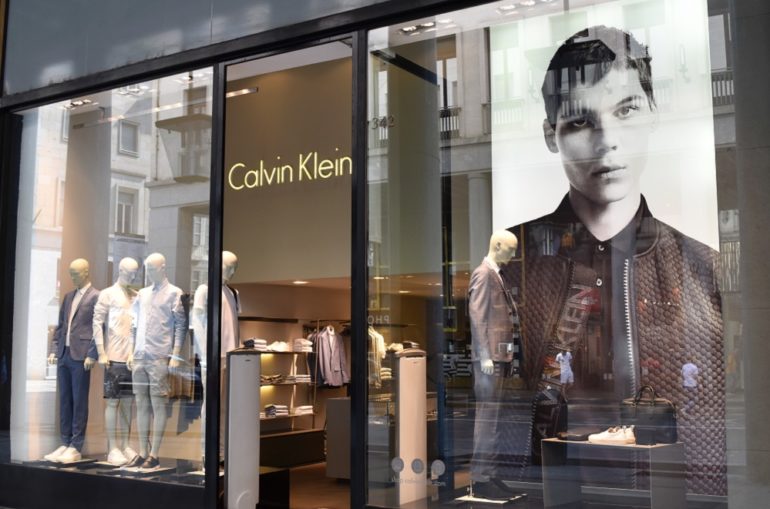
    In the bustling Harajuku district of Tokyo, Calvin Klein is set to unveil its latest global flagship store this Friday. This new move is a significant step in the brand’s ongoing global expansion efforts, following the successful establishment of a store in Paris last year.

    Creating a Unique Shopping Experience

    Calvin Klein aims to offer more than just a shopping destination with its latest flagship. Designed to be a fusion of culture and commerce, the new store seeks to elevate the retail experience for customers. David Savman, appointed as Calvin Klein’s global brand president in May, described the Tokyo flagship as a critical achievement in the brand’s worldwide retail strategy.

    A Blend of Minimalism and Tradition

    Spread over three floors, the flagship store is a harmonious blend of Calvin Klein’s signature minimalism and the artistry of traditional Japanese craftsmanship. The store features traditional materials such as stone, plaster, glass, paper, and cedar, all in a natural color scheme. Savman described the store as a place where “the Calvin Klein way of living meets the culture of fashion”.

    At the Intersection of Fashion and Culture

    Calvin Klein has consistently been at the crossroads of fashion and culture, creating products and experiences that inspire and resonate with consumers. According to Savman, the brand’s stores are where this unique aspect of its identity is most fully expressed. The company also hinted at an upcoming New York flagship store, which is scheduled to open later this year.

    Questions & Answers

    Where is Calvin Klein’s newest global flagship store located?
    The newest global flagship store by Calvin Klein is located in the Harajuku district, Tokyo.

    What is unique about the design of the Tokyo flagship store?
    The Tokyo flagship store uniquely blends Calvin Klein’s signature minimalism with the artistry of traditional Japanese craftsmanship.

    What is the next significant opening planned by Calvin Klein?
    Calvin Klein plans to open a flagship store in New York later this year.

  • Riccardo Bellini Steps In As New CEO Of Valentino Following Venturini’s Departure

    Riccardo Bellini Steps In As New CEO Of Valentino Following Venturini’s Departure

    Valentino, the renowned Italian luxury brand, has announced the appointment of Riccardo Bellini as the company’s new CEO. Bellini’s appointment follows the recent resignation of his predecessor, Jacopo Venturini. Bellini is set to officially assume the CEO role starting September first.

    Riccardo Bellini brings extensive experience in the luxury industry, having held notable leadership positions at prestigious fashion houses like Maison Margiela and Chloe in the past. Moreover, his marketing expertise has been honed at renowned companies such as Diesel and P&G.

    At Valentino, Bellini will collaborate closely with Alessandro Michele, the brand’s creative director. Michele was appointed to his role last year and has since been leading the brand’s creative strategies and campaigns.

    Rachid Mohamed Rachid, chairman of Valentino, expressed his confidence in Bellini’s appointment, stating, “Riccardo’s extensive luxury experience, strategic acumen, and proven leadership, in conjunction with our creative team, are sure to propel the Maison forward and amplify its unique identity.”

    Kering, the French luxury conglomerate, holds a significant stake in Valentino, owning 30% of the Italian luxury company.

    Questions & Answers

    Who has been appointed as the new CEO of Valentino?
    Riccardo Bellini has been appointed as the new CEO of Valentino.

    Who was the previous CEO of Valentino?
    The previous CEO of Valentino was Jacopo Venturini.

    Who does Riccardo Bellini plan to collaborate with at Valentino?
    Riccardo Bellini will be working closely with Alessandro Michele, the brand’s creative director.

  • Pinduoduo Surpasses Revenue Expectations But Faces Profit Decline Amid Aggressive Market Competition

    Pinduoduo Surpasses Revenue Expectations But Faces Profit Decline Amid Aggressive Market Competition

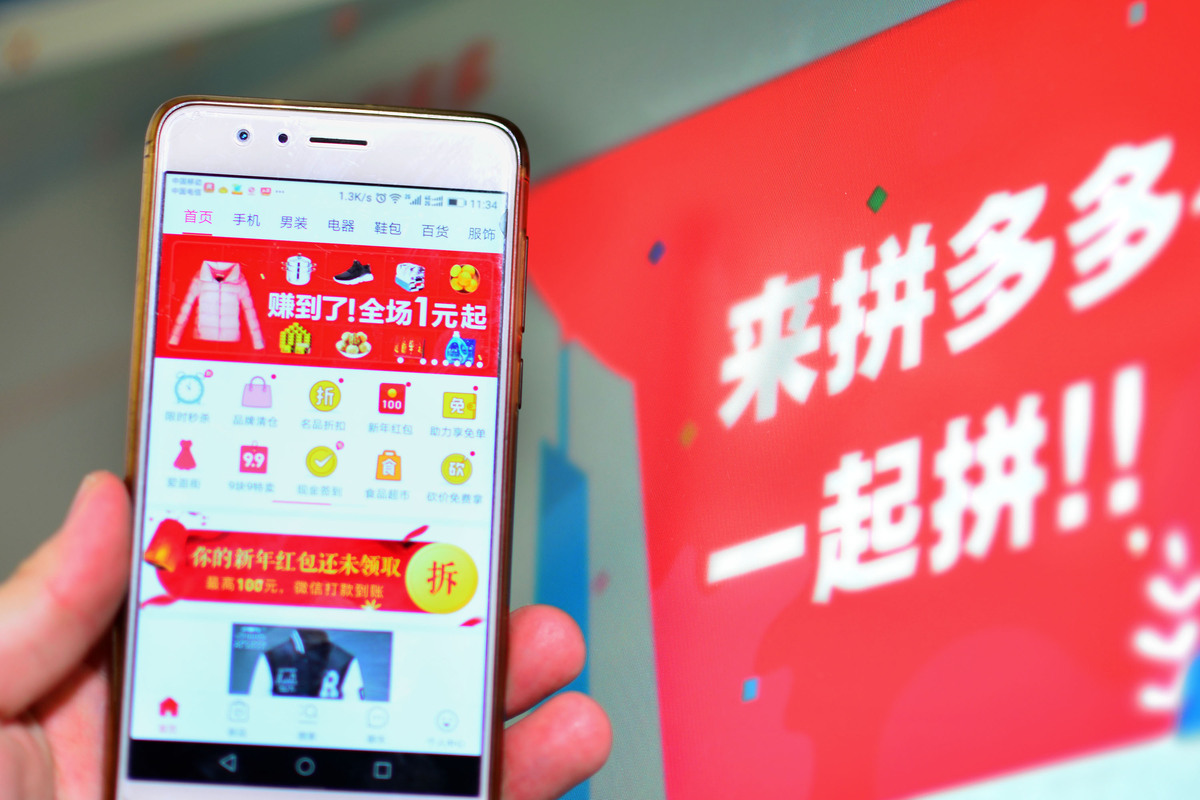
    Pinduoduo (PDD Holdings), a prominent e-commerce firm operating economical platforms in China and internationally, surpassed quarterly revenue expectations. However, its net income plummeted as a result of investments made to compete in an increasingly aggressive market.

    Share Performance and Economic Climate

    Shares of PDD Holdings, listed in the US, rose by 1%, with an 11% surge in premarket trading. This was spurred by the company executives’ remarks about escalated investments leading to fluctuations in its short-term financial performance. Concurrently, the Chinese government is implementing strategies to stimulate domestic consumer spending, aiming to rejuvenate a sluggish economy grappling with multiple challenges. These include a languid property sector and ongoing international trade issues resulting from US policies.

    In an effort to invigorate demand, e-commerce giants such as Pinduoduo, JD.com, and Alibaba have turned to deep discounts and promotional offers, inadvertently triggering a price war. Alongside the obligation to maintain low prices in China, PDD’s profit margins have recently suffered due to a multibillion-dollar investment in merchant support programs and elevated costs related to international shipping driven by US tariffs.

    Increased Spending and Intensified Competition

    PDD’s second-quarter earnings revealed an upsurge in spending on various fronts, from server costs to sales and marketing expenditures. This is part of the firm’s strategy to enhance its ecosystem for both merchants and consumers. Jiazhen Zhao, co-CEO of PDD, noted that the recent spike in industry competition has decelerated their revenue growth and substantially reduced operating profit.

    The company expects profit levels from this quarter to be unsustainable, anticipating irregularities in future quarters’ profits. To ameliorate these pressures, PDD’s international platform, Temu, has been promoting products situated in US warehouses and is striving to engage more local sellers. However, it continues to face stiff competition from Amazon, which leverages its extensive scale to secure advantageous pricing from suppliers.

    Changing Business Model and Consumer Perception

    In response to these challenges, Temu is transitioning to a “fully-managed” model, allowing it to exercise greater control over product selection, pricing, and logistics. The platform aims to utilize its substantial supply-chain network to maintain competitive prices. However, a recent survey by an online marketing firm revealed that 30% of American shoppers have noticed price increases on Temu.

    Despite these obstacles, PDD’s revenue experienced a 7% increase, reaching 103.98 billion yuan ($14.53 billion) for the quarter ending in June, surpassing analysts’ predictions. Meanwhile, its operating profit dropped by 21%. Adjusted earnings per American depository share stood at 22.07 yuan, exceeding the projected 15.74 yuan.

    Questions & Answers

    How did PDD’s shares perform recently?
    PDD’s US-listed shares witnessed a 1% increase, driven by an 11% surge in premarket trading triggered by company executives’ comments on future investments.

    What impacts did increased spending have on PDD’s second-quarter earnings?
    PDD’s second-quarter earnings showcased a rise in expenditures across various areas, leading to a slowdown in revenue growth and a significant reduction in operating profit.

    How is PDD’s international platform, Temu, responding to market pressures?
    Temu is transitioning to a “fully-managed” model to exert more control over product selection, pricing, and logistics. The platform aims to use its large supply-chain network to keep prices low, despite facing competition from global e-commerce giant Amazon.

  • Dali Grocery Chain’s Financial Stability Under Siege Despite Revenue Growth: A Closer Look

    Dali Grocery Chain’s Financial Stability Under Siege Despite Revenue Growth: A Closer Look

    As the financial year closes, alarm bells are ringing for Dali Everyday Grocery Philippines, as the company’s financial stability comes under scrutiny. The grocery chain’s losses have widened this year, with liabilities creeping up to nearly match its assets.

    Dali’s local operator, Har Discount Philippines Inc (HDPI), has reported a net loss of US$34.56 million (PHP1.97 billion), marking an increase of 5% from $32.98 million in the previous year. Despite a significant revenue growth of 52.1% to reach $595.26 million, largely due to boosted sales, and a more than doubled gross income of $58.42 million, the company’s financial woes are far from over.

    Rising Expenses

    The grocery chain’s expenses, unfortunately, have seen a dramatic surge. The cost of sales alone shot up by 46.9% to a staggering $536.67 million, while operating expenses also saw a 60% rise to $84.39 million. Although the company’s total assets experienced a 70% boost to $368.77 million, liabilities have skyrocketed by 110.8% to a concerning $355.26 million.

    Dali’s equity also took a considerable hit, dropping 73% to $12.79 million after its deficit ballooned by 60% to $91.93 million.

    Concerns Over Financial Health

    Amid these numbers, independent auditor SyCip Gorres Velayo & Co. (SGV) has flagged the financial health of HDPI, indicating that the company’s ability to continue operations may be in significant jeopardy due to the material uncertainty surrounding its financial stability.

    The auditor pointed out the challenges the business might face in realizing its assets and discharging its liabilities in the course of normal business proceedings, spotlighting potential difficulties in meeting financial obligations.

    Company Response

    In the face of these financial concerns, HDPI remains optimistic, asserting its confidence in the company’s outlook. The company anticipates that profit margins will see improvement over the coming five years, courtesy of measures aimed at enhancing cost-efficiency.

    HDPI further reassured that their operations would generate sufficient cash flow to meet obligations as and when they become due.

    Questions & Answers

    **What are the causes of Dali Everyday Grocery Philippines’ financial troubles?**
    The chief causes of Dali’s financial troubles include a significant increase in sales costs and operating expenses, alongside a surge in liabilities.

    **What is the company’s plan to improve its financial situation?**
    Dali’s local operator, HDPI, plans to enhance cost-efficiency in an effort to improve profit margins over the next five years. The company also expects to generate enough cash flow from its operations to meet its due obligations.

    **What are the potential challenges Dali faces moving forward?**
    The company may face challenges in realizing its assets and discharging its liabilities under normal business circumstances, which could lead to difficulties in meeting its financial obligations.

  • Hanoi Welcomes a Stunning 50,000sqm Luxury Mall Set to Open This Year!

    Hanoi Welcomes a Stunning 50,000sqm Luxury Mall Set to Open This Year!

    The retail landscape in Hanoi is poised for a transformative shift, particularly with the impending launch of the Hanoi Centre shopping mall, set to debut in 2025. Located within the Tien Bo Plaza mixed-use project, this 50,000 sqm retail space promises to bring fresh shopping experiences to the city. Meanwhile, the City Fringe area will see the addition of Takashimaya, a 20,000 sqm retail gem slated for completion by the end of 2026. With this wave of new supply, landlords may find themselves in a tug-of-war to entice tenants by offering attractive lease terms in a competitive environment.

    Market Dynamics and Current Trends

    Despite some turbulence, particularly marked by a negative net absorption of 25,530 sqm—largely due to Vincom Nguyen Chi Thanh’s exit from the Prime retail basket after downsizing—Hanoi’s retail market is not without optimism. The recent report from JLL underscores a resilient performance in the food and beverage, lifestyle, and entertainment sectors, especially those appealing to Gen Z and families. “New entrants and expansions—featuring Asian brands like KKV, OH!SOME, and Mr DIY—signal a strong leasing activity, as these businesses secure significant retail spaces ranging from 500 to 1,000 sqm,” the report noted.

    Impact of Recent Developments

    The second quarter of 2025 did not welcome any new prime mall openings, leaving the supply in the City Centre at 55,000 sqm. Conversely, the City Fringe saw its total retail space contract to 581,045 sqm with the exclusion of Vincom Nguyen Chi Thanh. As a result, the City Centre’s vacancy rate crept up slightly to 4.6%, but with new vacancies set to attract tenants by late 2025. In contrast, City Fringe’s vacancy rate dropped to 7.3%, benefiting from the supply adjustments.

    Rent Dynamics and Future Prospects

    When it comes to retail rents, Hanoi’s City Centre experienced a monthly climb to USD 132.6 per sqm for ground-floor spaces in Q2. Meanwhile, rents in the City Fringe stabilized at USD 54.2 per sqm. Year-on-year, this marked a 3% increase in City Centre rents, even as City Fringe saw a slight dip of 0.9%. The competitive landscape of premium malls, including Lotte Mall West Lake and the upcoming Takashimaya, Thiso Mall Westlake, and CJ Shopping Centre slated for 2026-27, suggests that rent growth in the City Fringe will be measured in the coming years.

    As the retail scene evolves, it appears that the thrill of shopping in Hanoi will continue to attract not only local shoppers but also adventurous visitors eager to explore fresh offerings. After all, you never know when a delightful discovery will pop up right around the corner!

    Questions & Answers

    What are the key upcoming developments in Hanoi’s retail sector?
    The Hanoi Centre shopping mall, a significant 50,000 sqm venue, is expected to open in 2025 within Tien Bo Plaza, while Takashimaya is anticipated to add another 20,000 sqm to the City Fringe by the end of 2026.

    How has occupancy changed in Hanoi’s retail market?
    The City Centre’s vacancy rate has slightly increased to 4.6%, while the City Fringe saw a decrease to 7.3%, largely due to the exclusion of Vincom Nguyen Chi Thanh from the Prime retail basket.

    What trends are impacting retail rents in Hanoi?
    Retail rents in the City Centre have increased by 3% year-on-year, reaching USD 132.6 per sqm, while City Fringe rents have dipped by 0.9%. The competitive landscape, driven by new mall developments, poses challenges for rent increases in the City Fringe.

  • Meta Unveils Ambitious Plan for Multi-Gigawatt Data Centers to Boost AI Innovation

    Meta Unveils Ambitious Plan for Multi-Gigawatt Data Centers to Boost AI Innovation

    Meta is gearing up for a groundbreaking leap in its artificial intelligence (AI) capabilities, announcing an ambitious investment of USD 72 billion to establish a series of formidable data centers across the globe. This extensive initiative is set to bolster the company’s efforts in developing super-intelligence and artificial general intelligence (AGI), with the first data center projected to come online next year.

    Revolutionary Data Centers on the Horizon

    The flagship of this initiative is Prometheus, a multi-gigawatt data center anticipated to begin operations in 2026. Meanwhile, another powerhouse center, Hyperion, is designed to scale up to an impressive 5 gigawatts in the subsequent years. Remarkably, these centers will be developed as “clusters,” featuring a colossal capacity that positions them among the largest data centers globally.

    Zuckerberg’s Vision for the Future

    Mark Zuckerberg, CEO of Meta Platforms, elaborated on the company’s grand vision, asserting that these sprawling titan clusters will encompass a footprint that rivals significant urban landscapes, such as a substantial portion of Manhattan. With this staggering scale, Meta aims to set a new standard in the data center landscape.

    R&D Powered by Cutting-Edge Infrastructure

    This major investment comes on the heels of Meta’s commitment to advancing research and development in AI. As the tech giant endeavors to push the boundaries of intelligence through AGI, these data centers will become critical to facilitating groundbreaking advancements and innovative solutions in the realm of AI.

    The landscape of artificial intelligence is set to get a major upgrade, and who knows — these futuristic hubs could soon be the breeding ground for the next big thing in tech, perhaps even an AI that finally understands why cats seem to rule the internet. Stay tuned!

    Questions & Answers

    What is the total investment Meta is making in its new data centers?
    Meta plans to invest USD 72 billion in the development of several massive data centers to enhance its artificial intelligence efforts.

    When is the first of Meta’s new data centers expected to be operational?
    The first data center, named Prometheus, is expected to come online in 2026.

    How is Meta transforming its approach to data centers?
    Meta is constructing its data centers as “clusters,” which will feature a significant capacity, some even capable of rivaling large areas like parts of Manhattan.

  • Bangkok Set to Debut Two Exciting Office Projects by Year-End

    Bangkok Set to Debut Two Exciting Office Projects by Year-End

    In a significant development for Bangkok’s commercial landscape, two major office projects are set to reshape the city’s Grade A office market by the end of 2025, introducing an impressive 161,000 square meters of new stock. According to a recent report from JLL, this expansion is expected to bring the total office space in Bangkok to approximately 1.8 million square meters.

    Vacancy Rates on the Rise Amid Supply Surge

    As the market braces for an influx of new office space, the year-end vacancy rate is projected to hit a daunting 30%, surpassing earlier predictions. This spike in vacancies can be attributed to wavering business confidence and a steady stream of incoming supply.

    JLL highlights that the new and upcoming additions to the market are likely to drive rental growth, albeit against a backdrop of price sensitivity as occupiers closely monitor their expenses. The report also notes that capital values are expected to experience marginal compression, reflecting the cautious sentiment of investors navigating these uncertain times.

    Leasing Activity Slumps in Q2

    Bangkok’s prime office market recorded a net absorption of just 9,800 square meters in Q2 2025, a staggering decline of 42.9% from the previous quarter. This downturn signals a notable slowdown in leasing activity, with many tenants choosing to hold onto their current spaces rather than commit to new leases. The aftershocks of the recent earthquake appear to have further amplified this wait-and-see mentality among businesses.

    New leasing activity during this quarter was predominantly driven by newly completed projects like One Bangkok Tower 4 and Grande Centre Point Lumphini. In contrast, the broader market experienced only flat to minimal occupancy changes.

    New Supply Challenges Older Buildings

    Bangkok welcomed a new addition to its skyline with the completion of APAC Tower, which introduced an additional 32,400 square meters of space, achieving around 20% pre-commitment. The total prime office stock in the city has now reached 1,603,000 square meters. However, with this new supply, the prime vacancy rate has surged to 28.6%, reflecting an increase of 84 basis points quarter-over-quarter. This trend is expected to persist as older buildings struggle to compete with the appeal of new premium options.

    Rental Rates Show Slight Decline

    Amidst these shifts, prime gross rents in the Central Business Area (CBA) saw a slight decline of 0.4% quarter-over-quarter in Q2 2025, dipping to THB 1,025 per square meter. Prime net effective rents also experienced a downturn, falling by 0.3% to THB 784 per square meter per month. Average rent-free periods reached two months, which could be seen as a silver lining for tenants seeking favorable terms.

    In contrast, capital values have held steady compared to the previous quarter but have increased by 3.2% year-over-year, now sitting at THB 167,000 per square meter. This stability underscores the ongoing pressures linked to development costs, economic uncertainties, and the prevailing cautiousness among investors.

    Questions & Answers

    What are the expected impacts of the new office projects in Bangkok?
    The introduction of 161,000 square meters of office space is expected to escalate vacancy rates to around 30% by year-end, reflecting increased supply and softened business confidence.

    How did the leasing activity in Q2 2025 compare to previous quarters?
    Leasing activity saw a significant downturn, with net absorption dropping by 42.9% quarter-over-quarter, indicating a cautious approach from tenants following recent market disruptions.

    What trends are emerging in rental rates and capital values?
    Prime gross and net effective rents have slightly decreased, while capital values remain stable on a quarterly basis but have risen year-over-year, suggesting a complex market landscape for stakeholders.

  • Tokyo Welcomes Three Sophisticated Luxury Hotels Set to Launch in Late 2025

    Tokyo Welcomes Three Sophisticated Luxury Hotels Set to Launch in Late 2025

    Tokyo’s hospitality landscape is in for a makeover, with an exciting lineup of luxury hotels poised to make their debut. A recent report by JLL reveals that while there were no new international hotel openings in the Japanese capital during the second quarter of 2025, the second half promises to be bustling with activity as major brands prepare to enter the market.

    A Luxury Surge on the Horizon

    Notable names like Fairmont, JW Marriott, 1 Hotel, and Caption by Hyatt are gearing up for launches, indicating strong confidence among international brands to tap into Tokyo’s upscale travel market. This comes on the heels of a recovery in the city’s hotel sector, which has shown remarkable growth across all segments. The surge in inbound visitors has led to a steady rise in average daily rates (ADR), while hotel occupancy continues to rebound steadily.

    Positive Trends and Room for Growth

    According to the JLL report, Tokyo’s luxury and upper upscale segments witnessed notable improvements compared to the previous year. Year-to-date figures through June show that both ADR and occupancy have increased year-on-year, contributing to a substantial rise in revenue per available room (RevPAR). However, the city’s occupancy rates still trail behind levels seen in the vibrant Q2 of 2019.

    Staying Vigilant Amid Global Uncertainty

    Looking ahead, the buoyant trends observed in the first half of 2025 may face some turbulence due to rising geopolitical risks and global instability. JLL cautions that these factors could significantly influence hotel performance in the latter half of the year. While exchange rate fluctuations haven’t yet affected hotel metrics, a continuous decline in department store revenues, which fell year-on-year for five consecutive months starting February, suggests a shift in consumer spending habits among international visitors to Japan. It appears that tourists may be opting for memorable dining experiences and local attractions over traditional shopping sprees.

    In an industry where maintaining a balance between luxury and experiential offerings is crucial, Tokyo is set to redefine its hospitality narrative in the coming months—making it an exciting moment for both investors and travelers.

    Questions & Answers

    What luxury hotel brands are planning to open in Tokyo by late 2025?
    Fairmont, JW Marriott, 1 Hotel, and Caption by Hyatt are among the international brands set to debut in Tokyo during the second half of the year.

    How has Tokyo’s hotel sector performed in 2025 so far?
    The sector has seen continued growth across all segments, with improvements in average daily rates and occupancy rates compared to the previous year, though overall occupancy is still below pre-pandemic levels.

    What challenges could impact Tokyo’s hotel performance in the latter half of 2025?
    Rising geopolitical risks and global instability could create uncertainty, potentially affecting hotel performance as both exchange rates and consumer spending change.

  • Shingda Group Streamlines Operations: A Bold Move for Singapore’s Construction Industry

    Shingda Group Streamlines Operations: A Bold Move for Singapore’s Construction Industry

    In a strategic move to elevate its IT capabilities, Shingda Group, a civil engineering and construction powerhouse based in Singapore, has embraced a cutting-edge cloud management platform. This innovation aims to enhance operations across remote construction sites, where digital resources are often sparse.

    By implementing a hub-and-spoke VPN architecture, Shingda has streamlined connectivity and fortified security across various locations, bridging its remote sites to headquarters with newfound efficiency. The company selected Zyxel Networks’ Nebula cloud management platform for this pivotal transition.

    Since its deployment, Shingda reports an impressive 60 percent increase in network management efficiency. The IT team is experiencing a remarkable transformation, completing troubleshooting and configuration tasks up to 70 percent faster, saving valuable time and resources.

    “We needed a solution that would keep our sites connected, secure, and manageable,” shared Joshua Pek, IT Manager at Shingda Group. The integration with Zyxel Networks’ equipment allows the IT team to swiftly diagnose and resolve issues from a single, unified dashboard — no more juggling multiple tabs like a circus performer just to configure devices!

    Building a Centralized Network for Enhanced Control

    Shingda Group’s revamped network infrastructure features GS1920 Series smart managed switches with Power over Ethernet (PoE) capabilities and WAX510D WiFi 6 access points, ensuring robust connectivity even in high-density environments. Security is prioritized via ATP Series firewalls and branch devices such as the ATP200, SCR50AXE, and USG20-VPN.

    All these components are seamlessly managed through Nebula’s centralized cloud platform, offering full network visibility and automatic topology mapping. This centralized approach eliminates the need for spreadsheets to track IP addresses or credentials, liberating staff from cumbersome manual processes.

    As a result, team members now enjoy streamlined logins, reliable WiFi coverage, and uninterrupted site-to-site connectivity, allowing them to focus on what truly matters — the projects at hand.

    Questions & Answers

    What prompted Shingda Group to adopt a cloud management platform?
    The company aimed to modernize its IT infrastructure and improve operations at remote construction sites where resources are typically limited.

    How has the implementation of the Nebula platform impacted Shingda’s network management?
    Shingda reports a 60 percent boost in network management efficiency and a significant reduction in the time needed for troubleshooting and configuration tasks.

    What key features does Shingda’s new network setup include?
    The network setup includes GS1920 Series smart managed switches, PoE-enabled WiFi 6 access points, and robust ATP Series firewalls, all managed through Nebula’s centralized cloud platform.

  • Vietnam’s Gold Prices Soar to New Heights in Record-Breaking Surge

    Vietnam’s Gold Prices Soar to New Heights in Record-Breaking Surge

    Vietnam’s gold market continues to shine brightly, reaching unprecedented heights as prices soar once again.

    In the latest surge, gold from the Saigon Jewelry Company climbed 0.47%, peaking at VND127.7 million (US$4,849.70) per tael. Gold rings followed suit, increasing by 0.41% to VND122.1 million per tael, marking yet another record high.

    Since the start of the year, Vietnamese gold prices have skyrocketed by 52%, considerably outpacing the stock market’s 29% gains—a dazzling display that’s catching the attention of investors and gold aficionados alike.

    In contrast, the U.S. dollar has appreciated by 3.75% against the Vietnamese dong, adding another layer of complexity to the market landscape. Globally, spot gold prices held steady at $3,372.67 per ounce, with the market eagerly awaiting U.S. PCE data that could influence the Federal Reserve’s upcoming policy decisions. A stronger dollar is currently tempering any potential gains, as reported by Reuters.

    U.S. gold futures for December delivery settled a marginal 0.03% lower at $3,417.5. Just last week, gold prices reached a near two-week high following comments from Federal Reserve Chair Jerome Powell regarding a potential interest rate cut in September. While Powell acknowledged rising risks to the job market, he also highlighted persistent inflation concerns, leaving the final decision unclear.

    In a high-interest-rate environment, the allure of non-yielding gold tends to wane, making its recent rise all the more intriguing. As the sun shines brightly on Vietnam’s golden moment, many are left wondering how high this shiny trend can go.

    Questions & Answers

    How have gold prices in Vietnam changed recently?
    Gold prices in Vietnam have surged significantly, with the Saigon Jewelry Company reporting a 52% increase since the beginning of the year, vastly outstripping stock market gains.

    What factors are influencing global gold prices?
    Global gold prices are being influenced by anticipation surrounding U.S. PCE data and the Federal Reserve’s interest rate policies, with a stronger dollar currently capping gains.

    What impact do interest rates have on gold’s attractiveness?
    In a high-interest-rate environment, gold’s appeal diminishes because it does not yield any interest compared to other investments, making its recent rise particularly notable.

  • Protecting A2P SMS Revenue Streams Amidst CPaaS and OTT Disruption: Strategies for Retail Success

    Protecting A2P SMS Revenue Streams Amidst CPaaS and OTT Disruption: Strategies for Retail Success

    As the Asia Pacific (APAC) region accelerates through its digital evolution, mobile network operators (MNOs) find themselves grappling with an urgent challenge: the protection of Application-to-Person (A2P) SMS, a crucial communication channel. Despite its reliability and security as a mode of enterprise communication, A2P SMS is increasingly undermined by revenue loss through gray routes, fraud, and fierce competition from communication-platform-as-a-service (CPaaS) providers and over-the-top (OTT) messaging options like WhatsApp and Flash Calls.

    Addressing these concerns is VOX Solutions, a company focused on A2P monetization, messaging security, and fraud prevention. The firm collaborates closely with operators, providing platforms and analytical tools designed to ensure revenue assurance while preserving the trust of both enterprises and subscribers.

    In an exclusive dialogue with Telecom Review Asia, John White, VP of Strategic Partnerships for APAC at VOX Solutions, provided insights into how MNOs can defend their messaging revenues, adapt to evolving market dynamics, and reinforce trust within the A2P SMS ecosystem.

    Navigating a Complex Landscape

    White identified the most pressing issue facing MNOs as the decline in A2P SMS traffic and revenue. This downturn stems from numerous factors, including budget-conscious enterprises opting for cheaper, unauthorized channels offered by CPaaS providers, along with widespread adoption of OTT messaging alternatives.

    Compounding these issues are ongoing threats from fraud and gray routes that continually chip away at revenue assurance. Some aggregators, who also operate as CPaaS providers, create conflicts of interest by simultaneously monetizing channels that compete directly with SMS. The outcome is a notable contraction in traffic, squeezed profit margins, and diminishing trust from enterprises and subscribers alike.

    The Future of A2P SMS: A Balancing Act

    Despite the pressures, A2P SMS holds a unique value proposition: it remains universal, reliable, and secure, with no app download required for users. Enterprises will continue to depend on A2P SMS for essential communications such as authentication, alerts, and consumer engagement.

    Ultimately, the future of A2P SMS rests in the hands of MNOs and how effectively they manage and safeguard this channel. Those that implement best-in-class monetization and fraud prevention strategies, alongside transparent partnerships, will stabilize revenues and reinforce SMS as the reliable communication avenue for enterprises.

    As new technologies like Flash Calls and Rich Communication Services (RCS) emerge, MNOs that cultivate robust partnerships can capture revenue across multiple channels, rather than allowing it to seep away through unregulated routes. It’s a classic case of adapt or be left behind—almost like a game of musical chairs, but instead of seeking a seat, it’s all about claiming the traffic!

    Strategic Priorities for MNOs

    To navigate this shifting landscape and protect their revenues, MNOs should focus on a comprehensive monetization strategy built on four cornerstones. First, they must achieve direct control over traffic by eliminating reliance on opportunistic aggregators and gray routes. Second, transparent commercial models are critical; fair and sustainable pricing helps retain the trust of enterprises. Third, robust fraud prevention is essential; leveraging analytics and AI can significantly reduce financial leakages. Finally, strategic partnerships are key. By working with dedicated providers like VOX Solutions, whose commitment lies with long-term alignment rather than opportunistic traffic deals, MNOs can position themselves favorably.

    Innovations from VOX Solutions

    VOX Solutions was founded with a sole mission: to prioritize the interests of MNOs fully. Eschewing competition with operators by not diverting traffic to cheaper OTT channels, VOX ensures that A2P messaging is conducted exclusively through direct, secure SMS pathways, promoting revenue assurance and brand credibility.

    Among their innovative offerings, the award-winning VOX360 platform stands out as a real-time SMS and Voice firewall that detects and blocks fraud. Additionally, their advanced analytics capabilities provide operators with clear visibility into gray-route traffic and fraud patterns. As a trailblazer in combating Flash Calls and Artificial Inflation of Traffic (AIT), VOX has set industry benchmarks and delivered the first AIT mitigation implementations worldwide. Their transparent, flexible commercial models aim to balance immediate risks with long-term revenue growth, making them a trusted partner for tier-one operators, regulators, and governments around the globe.

    Questions & Answers

    What are the primary challenges MNOs face regarding A2P SMS?
    The biggest challenges include declining traffic and revenue due to price-sensitive enterprises opting for cheaper alternatives, growing competition from CPaaS providers and OTT services, as well as ongoing threats from fraud and gray routes.

    How can MNOs protect their A2P SMS revenues in the future?
    MNOs can safeguard their revenues by implementing robust monetization strategies that enhance traffic control, enforce transparent pricing, improve fraud prevention, and build strategic partnerships with aligned providers.

    What innovations is VOX Solutions bringing to the A2P SMS ecosystem?
    VOX Solutions offers the VOX360 firewall for real-time fraud detection, advanced analytics for traffic visibility, and pioneering efforts against Flash Calls and traffic inflation, all while maintaining a long-term partnership model with MNOs.

  • VinSpeed Plans Ambitious 350 kph Metro System for HCMC: A Bold Leap in Urban Transit!

    VinSpeed Plans Ambitious 350 kph Metro System for HCMC: A Bold Leap in Urban Transit!

    In a significant stride towards enhancing urban mobility, VinSpeed has announced a groundbreaking VND76 trillion (US$2.93 billion) project aimed at revolutionizing the transportation landscape in Ho Chi Minh City. The financing structure reveals that 15% of the capital will come from its own resources, while a substantial 85% will be sourced through loans, as discussed in a recent conference focused on green transportation.

    Land Preparation with State Support

    To pave the way for this ambitious endeavor, land clearance costs, estimated at over VND7.6 trillion (approximately $288 million), will be borne by government funds. It’s perhaps the ultimate local government investment: an invitation for residents to wave goodbye to gridlock!

    A Speedy Solution

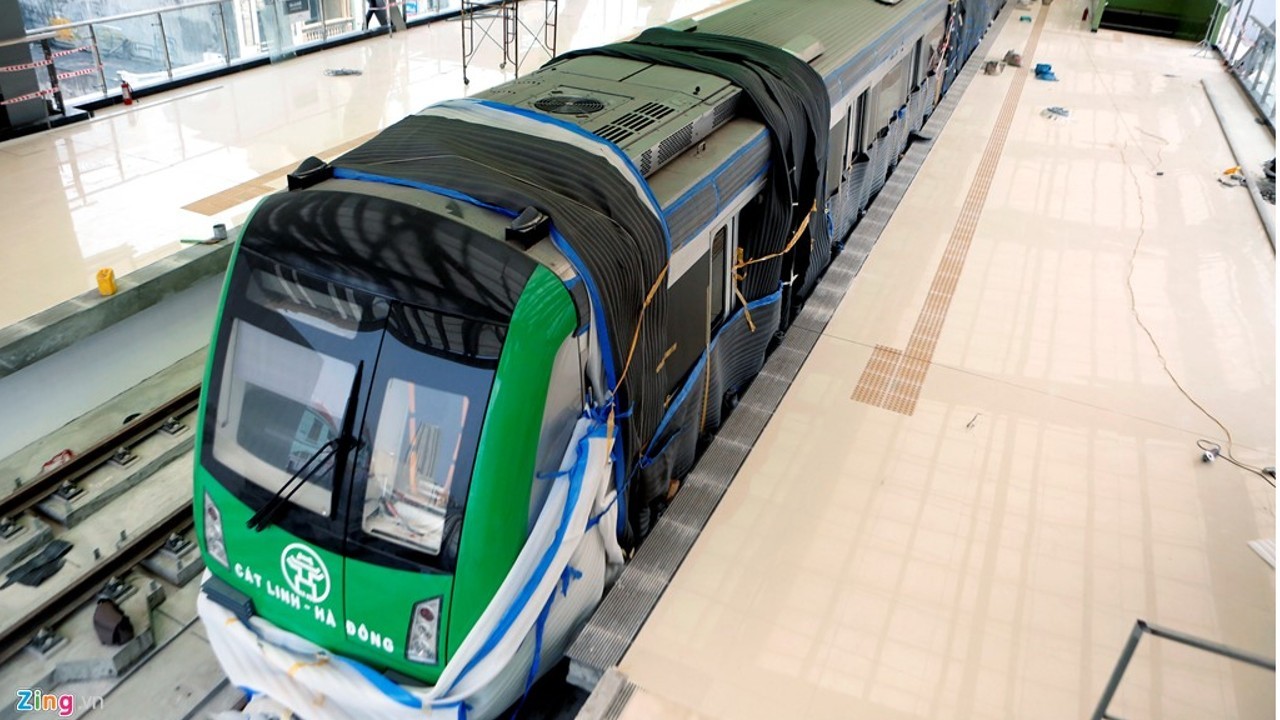
    The proposed rapid transit line is designed to operate at speeds three times faster than the current Ben Thanh – Suoi Tien metro service. “Choosing a high-speed option from the outset simplifies the process,” noted Nguyen Anh Tuan, CEO of VinSpeed. He further explained that the actual operational pace might be adjusted based on passenger needs, allowing for flexibility in service design.

    Construction Timeline and Ambitions

    Construction is slated to kick off in the last quarter of this year, with the aim of completing it by early 2028. “This timeline is ambitious, setting a record for a metro line, but we are fully confident in our ability to meet it,” Tuan remarked, setting the stage for what could be a transformative shift in public transport.

    Learning from Experience

    Given Vietnam’s relatively nascent experience with such large-scale projects, VinSpeed has embraced a strategic approach—studying international models and conducting comprehensive geological and topographical assessments along the proposed route. Experts attending the seminar lauded the project’s ambition, suggesting it could redefine metro and railway development standards in Vietnam.

    Balancing Speed with Scenic Appreciation

    Not all feedback was unreservedly positive; experts voiced concerns regarding the high operational speed of 350 kph. Truong Tien Trien, deputy head of HCMC’s Urban Development Management Board, cautioned that such speed might prevent passengers from savoring Can Gio’s stunning natural vistas. “We must be cautious,” he urged.

    Environmental Considerations

    Adding another layer to the discussion, Tran Du Lich, head of HCMC’s metro network development advisory group, underscored the need for environmental protection, particularly concerning the Can Gio International Biosphere Reserve. “Even if the route is curved, it should avoid impacting this unique ecosystem,” he asserted.

    Expert Recommendations

    Phan Huu Duy Quoc, chairman of Construction Corporation No. 1, which previously contributed to the Ben Thanh – Suoi Tien metro, suggested optimizing service roads and construction sites to minimize environmental footprints. On the river-crossing segment, he proposed exploring an underground tunnel instead of constructing a new bridge, drawing on lessons learned from the existing metro line.

    Can Gio: A Natural Haven

    Can Gio, located approximately 50 km from central Ho Chi Minh City, spans over 71,300 hectares, with a remarkable 70% of its area consisting of mangrove forests and intricate waterways. The burgeoning metro network in HCMC, with a grand plan featuring 11 lines and a target of completing seven lines totaling 355 km by 2035, is poised to reshape how residents navigate their city. Notably, Metro Line 2 (Ben Thanh – Tham Luong) is also set to begin construction this year, heralding a new era for public transport in the area.

    Questions & Answers

    What is the overall budget for the Can Gio metro project?
    The project is projected to cost VND76 trillion (approximately US$2.93 billion), primarily funded through loans.

    When is the construction of the metro expected to start and be completed?
    Construction is set to begin in the last quarter of this year, with completion aimed for early 2028.

    What are the environmental concerns related to the proposal?
    Experts highlighted the importance of avoiding impacts on the Can Gio International Biosphere Reserve, emphasizing the need for careful planning and evaluation of environmental effects as the project develops.

  • Asia’s video game developers and publishers continue to thrive.

    Asia’s video game developers and publishers continue to thrive.

    From Japan and China to South Korea and India, some of Asia’s biggest video game developers and publishers are making giant strides in the gaming category of entertainment. A highly lucrative area, the games industry was worth a staggering $455 billion in 2024. In 2025, that figure is expected to rise further, with Asia’s presence in the market helping to drive additional sales and impact the industry for the better.

    Of course, competition is intense when assessing some of the most prominent players in this particular space. For example, when looking at the American market, alongside playing casino online games like blackjack and dabbling in the occasional puzzle release, gamers in that part of the world have many engaging releases from Electronic Arts and Activision Blizzard. These major players are facing intense competition from across the pond in Asia, though, with many familiar names now making their mark outside the continent.

    For the globe’s population of gamers, this increased competition among video game developers and publishers can only benefit their favorite pastime. As a result of Asia’s growth in this particular space, there are now even more innovative gaming products for gaming communities to invest in. With that in mind, we briefly highlight some Asian companies that continue to thrive in this fiercely competitive industry.

    Bandai Namco

    Starting with one of Japan’s most prominent companies in the games industry, Bandai Namco is behind iconic titles like Pac-Man and Tekken. Also impacting other entertainment areas with its theme parks and toys, Bandai Namco is always looking to make waves in various categories. However, gaming is its main area of interest. Alongside some of the aforementioned world-famous releases, this Japanese behemoth has also produced beloved series like Soulcalibur and the Tales. As a result of its selection of triumphs, Bandai Namco is known around the world.

    Tencent

    Thanks to smash-hit releases like League of Legends and PUBG, gamers everywhere are familiar with Tencent’s work. This massive Chinese conglomerate is a global leader in this area, known for its fantastic gaming releases over the years. Having also invested in some of the competition, such as Riot Games and Supercell, Tencent’s various strategic moves suggest the company will likely become an even larger player.

    Garena

    A Singapore-based company that has done some admirable work in the gaming space, Garena is a company that has produced one of the biggest games ever in Free Fire, a battle royale masterpiece. A hugely popular release in Asia, Garena’s smash-hit product has also enabled them to organize eSports events and host tournaments.

    NetEase

    While rivals like Tencent have managed to branch out and impact markets outside of Asia, NetEase’s dominance revolves around the domestic market. With a massive player base in China, NetEase’s variety of much-loved products is adored nationwide. Having a reputation for developing high-quality games, NetEase is a trusted name. To reach even more audiences and add another layer to the business, though, NetEase has also made notable investments in areas like e-commerce and music streaming.

    Nexon

    While Chinese and Japanese companies tend to dominate, the South Korean company Nexon has also made an impact thanks to a wide selection of intriguing mobile titles and PC games. For gamers seeking free-to-play opportunities, Nexon is an understandable preference, with success stories including MapleStory and Dungeon & Fighter. Also known for being the first company to implement a free-to-play model, many consider Nexon a pioneer.