Author: Mei Ling Tan

  • From OCBC to BOS: Collins Chin Steps Up as New Chief Financial Officer

    From OCBC to BOS: Collins Chin Steps Up as New Chief Financial Officer

    The former OCBC investor relations head has taken on a new role as the chief financial officer at the Bank of Singapore.

    New Appointment

    Collins Chin has been appointed as the new global chief financial officer at the Bank of Singapore, taking effect immediately. In addition to this position, he will also join the bank’s global management committee. As the chief financial officer, he will report directly to the bank’s CEO, Jason Moo.

    Chin is no stranger to the banking sector. His most recent role was the head of investor relations at OCBC, which is also the parent company of the Bank of Singapore. Before joining the Singaporean bank in 2009, he occupied various leadership roles across finance, capital markets, and risk functions in multiple major banks. These include the Royal Bank of Scotland, Standard Chartered Bank, and Barclays Capital.

    Leadership Skills and Experience

    Chin is recognized as a strong leader who possesses an innovative and future-oriented mindset. His vast experience, along with his excellent people management skills, equips him well to lead the Bank of Singapore. As the bank strives towards its ambitious targets, Chin’s leadership will play a crucial role in steering the bank forward.

    CEO Jason Moo expressed his confidence in Chin’s abilities, praising him as a highly regarded and strong leader. Moo believes that Chin’s extensive experience, coupled with his remarkable people management skills, will be instrumental in pursuing the bank’s ambitious goals.

    Questions & Answers

    Who has been appointed as the new global chief financial officer at the Bank of Singapore?
    Collins Chin, the former head of investor relations at OCBC, has been appointed as the new global chief financial officer at the Bank of Singapore.

    What are some of the roles Collins Chin held before joining the Bank of Singapore?
    Before joining the Bank of Singapore, Collins Chin held various regional leadership roles at the Royal Bank of Scotland, Standard Chartered Bank, and Barclays Capital.

    What qualities does Collins Chin bring to his new role at the Bank of Singapore?
    Chin is recognized for his strong leadership, forward-looking mindset, and extensive experience in the banking sector. He also possesses strong people management skills. These qualities make him well-suited to steer the Bank of Singapore towards achieving its ambitious goals.

  • Singapore Retailers Seek Increased Budget Support for Enhanced Competition and Sustainability in 2026

    Singapore Retailers Seek Increased Budget Support for Enhanced Competition and Sustainability in 2026

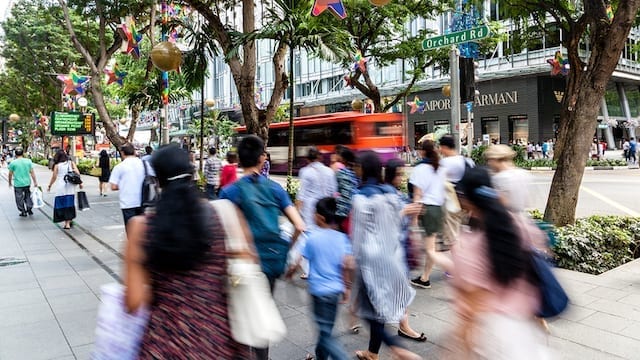
    In Singapore, the lifestyle industry, particularly retailers, has expressed the need for continuous support from the Budget allocation due to mounting challenges such as elevated costs, labour shortages, and fierce competition.

    According to the Singapore Retailers Association (SRA), the retail sector in the country continually faces obstacles that include labour shortages, high rents and operating costs, competition from the e-commerce sector, and evolving consumer preferences.

    The SRA cautioned that without ongoing support, local businesses could find themselves trailing behind their well-funded international competitors.

    Retail Sales Figures Reflect Struggles

    The tough conditions being faced by the industry are evident in the 2025 retail sales figures. Segments such as clothing and footwear have seen a continuous decrease, while other sectors such as supermarkets have managed to maintain their resilience, stated Ernie Koh, the president of the SRA.

    The retail market has also experienced a split-speed with well-funded global brands controlling high-traffic locations. This has put smaller local operators under pressure, added Koh.

    Joint Call for Support

    In an alliance with other lifestyle trade bodies including the Restaurant Association of Singapore and the Singapore Fashion Council, the SRA has marked several recommendations for the 2026 Budget to address the ongoing and future challenges facing the retail industry.

    The recommendations focus on three major areas: enhancing the competitiveness of SMEs, addressing labour issues, and promoting sustainability efforts.

    To boost the competitiveness of local SMEs, the groups suggest introducing a scale-up programme that provides them with capital for growth acceleration, as well as access to strategic guidance, mentorship, partnerships, and commercial opportunities.

    Proposed Measures

    The groups have also suggested a franchise and licensing accreditation system to gain more transparent insights into the entry of foreign brands. This would allow stakeholders to better forecast market shifts and protect local businesses.

    Refining the Community Development Council (CDC) voucher system was another suggestion, aiming to channel government support directly to essential items, thereby balancing the cost-of-living relief with support for local retailers.

    To address the labour shortage issue, the groups recommend extending the Progressive Wage Credit Scheme for the retail and food service industries until 2028, and increasing the co-funding for the retail industry from 20 per cent to 75 per cent this year.

    Further suggestions to tackle manpower shortages include reducing the cost of hiring foreign staff for frontline retail roles, encouraging the hiring of PMETs (professionals, managers, executives, and technicians) over 50, improving the career conversion programme, and implementing trade testing for new foreign workers.

    To accelerate sustainable retail, the group recommends expanding the Climate Vouchers scheme to include companies with trusted green certifications, such as B-Corp, Singapore Furniture Industries Council’s Sustainability Furniture Mark or Green Mark.

    The Future of Retail

    The SRA emphasised that the future of retail hinges on the seamless integration of omnichannel strategies, leveraging AI and personalisation, enhancing experiential retail, prioritising sustainability, and upskilling the workforce to overcome the challenges faced by the industry. These challenges include high costs and labour shortages, with growth being supported by tourism and technological adoption, despite short-term economic uncertainties.

    Questions & Answers

    What are the major challenges faced by the retail industry in Singapore?
    The key challenges faced by the industry mainly include high rents and operating costs, labour shortages, competition from e-commerce platforms, and shifting consumer demands.

    What are the recommendations made by the SRA for the 2026 Budget?
    The SRA has recommended actions in three key areas – enhancing SME competitiveness, addressing labour issues, and supporting sustainability efforts. These include a scale-up programme for SMEs, extension of the Progressive Wage Credit Scheme, and expanding the Climate Vouchers scheme.

    How does the SRA suggest dealing with labour shortages and high costs?
    The SRA suggests that extending the Progressive Wage Credit Scheme until 2028 and increasing co-funding for the retail industry could help with manpower shortages. To deal with high costs, the association recommends refining the CDC voucher system to balance cost-of-living relief with support for local retailers.

  • Singapore Injects $466,000 Lifeline Into Workforce: Relief for Workers Stranded by Company Liquidations

    Singapore Injects $466,000 Lifeline Into Workforce: Relief for Workers Stranded by Company Liquidations

    Between 2023 and 2025, the Singapore government allocated SGD600,000 (US$466,000) from its short-term relief fund to provide financial aid to 260 employees who were left without pay when their companies went into liquidation. The relief fund aims to support employers who genuinely cannot meet their salary obligations due to business failure, according to Manpower Minister Tan See Leng.

    Regulations and Protections

    Companies that intentionally refrain from paying wages despite having the resources to do so will potentially face legal consequences for violating employment laws when their businesses are liquidated, Minister Tan pointed out. While his ministry does not actively monitor the total count of workers left unpaid as a result of corporate liquidations, he highlighted the government’s understanding of the crucial nature of employees’ salary claims during such circumstances.

    Support Beyond Financial Aid

    Apart from offering aid via the short-term relief fund, the government also assists impacted workers in finding and securing new opportunities with promising long-term prospects through career-matching services and training programs.

    The SkillsFuture Jobseeker Support scheme provides eligible workers who lose their jobs involuntarily with up to SGD6,000 over a six-month period. For lower-income households that require assistance with basic expenses, they can seek financial support from their local social service office.

    Minister Tan emphasized the government’s encouragement and support for Singaporeans to maintain their career health and remain relevant in their professional roles.

    Labour Market Outlook

    Minister Tan also shared insights about the labour market. The financial and insurance services, professional services, and information and communications sectors have been actively hiring and seeing wage growth for professionals, managers, executives and technicians.

    As of September 2025, these sectors had 14,200 job openings, a rise from 12,600 in the previous year. The roles within these sectors are suitable for fresh graduates, according to Tan. He further noted that real median incomes in these sectors in 2025 grew at a rate that exceeded the overall median income increase of 4.3%.

    Questions & Answers

    What is the purpose of the Singapore government’s short-term relief fund?
    The fund is designed to assist employers who genuinely cannot pay their employees’ salaries due to business failure.

    What kind of support does the government provide for workers affected by corporate liquidations, apart from financial aid?
    The government offers career-matching services and training programs to help these workers find and secure new jobs with promising long-term prospects.

    What are the job prospects in Singapore’s labour market according to Manpower Minister Tan See Leng?
    According to Minister Tan, the financial and insurance services, professional services, and information and communications sectors are actively hiring and seeing wage growth, making them promising sectors for job seekers.

  • Franchise Industry Jolted: Korean Supreme Court Orders Pizza Hut to Refund Billions Amid Unlawful Fee Controversy

    Franchise Industry Jolted: Korean Supreme Court Orders Pizza Hut to Refund Billions Amid Unlawful Fee Controversy

    The franchise industry in South Korea is preparing for potentially significant legal and financial repercussions following a recent Supreme Court of Korea mandate. The court has ordered Pizza Hut Korea to reimburse billions of won in illicitly charged fees to franchise owners. This verdict could potentially initiate a chain reaction of similar lawsuits across various sectors, including food, retail, and service chains.

    Reimbursement of ‘Margin Franchise Fees’

    Earlier this week, the court upheld previous rulings necessitating Pizza Hut to refund 21.5 billion won (approximately US$16 million), termed as “margin franchise fees”. These fees were amassed from 94 franchisees between 2016 and 2022.

    The controversial charges surrounded markups included in the prices of ingredients and supplies sold by the franchisor. The fees were declared unlawful because they were not explicitly agreed upon in the franchise contracts. This was in addition to separate royalties and advertising fees charged by Pizza Hut.

    Potential Implications of the Ruling

    Legal experts and industry officials have speculated that this ruling could have far-reaching effects. Around 20 brands, spanning major fried chicken, burger, and coffee chains, are presently facing lawsuits from franchisees demanding reimbursement of similar margin-based expenses. As store owners re-examine older contracts inked before the disclosure rules were strengthened, more cases are anticipated.

    The court discovered that Pizza Hut had been charging a fixed royalty of 6% of gross revenue in addition to advertising fees of around 5%. Moreover, the company was also making undisclosed profits on compulsory supplies. The franchise agreements did not explicitly authorize these margins, leading the court to conclude that the company had been unjustly enriched.

    Pizza Hut began disclosing margin rates in its information statements starting in 2020. However, the courts ruled that disclosure alone did not equate to consent. In the absence of clear disclosure for several years, judges accepted estimated rates derived from subsequent data. This was due to Pizza Hut’s failure to fully comply with the orders to produce documents.

    Concerns and Criticism

    Franchise operators have cautioned against universally applying the Pizza Hut precedent. Some have argued that different brands do not charge royalties or have varying contractual structures. Hence, the specific circumstances of each case should be evaluated independently.

    Moreover, South Korea had revised its franchise law in 2024 to mandate explicit disclosure of margin-based fees in contracts. This could potentially protect more recent agreements from challenges.

    Nevertheless, industry groups are apprehensive about a potential influx of retrospective claims targeting older contracts. Historically, many franchisors have relied on supply margins rather than transparent royalties for their profits. According to a government survey from last year, over 60% of franchisors either solely depended on margin fees or combined them with royalties.

    Critics argue that the ruling has brought to light the longstanding lack of transparency in the sector. Hwang Yong-sik, a business professor at Sejong University, has advocated for a gradual transition towards clearer, royalty-based models, which are more prevalent in the United States.

    At present, the verdict has increased uncertainty within South Korea’s franchise industry. Companies are assessing potential liabilities, and franchisees are contemplating whether the Pizza Hut verdict could provide a blueprint for recovering past payments.

    Questions & Answers

    What was the ruling of the Supreme Court of Korea in the Pizza Hut Korea case?
    The court ordered Pizza Hut Korea to reimburse billions of won in improperly charged ‘margin franchise fees’ to 94 franchisees, collected between 2016 and 2022.

    What are the potential implications of this ruling?
    The verdict could lead to similar lawsuits across various sectors, including food, retail, and service chains. Around 20 brands are currently facing similar lawsuits. More cases are expected as store owners reassess older contracts.

    What changes have been suggested for the franchise industry in South Korea?
    Some critics, including business professor Hwang Yong-sik, have called for a gradual shift towards clearer, royalty-based models. This would increase transparency in the franchise sector and align it more closely with practices common in the United States.

  • Chow Tai Fook Sparkles in Bangkok, Setting Global Expansion Plans into Motion

    Chow Tai Fook Sparkles in Bangkok, Setting Global Expansion Plans into Motion

    Chow Tai Fook Jewellery Group, the well-known retail giant of the jewelry industry in China, is expanding its market beyond its borders, eyeing growth potentials in the Southeast Asian region. This strategic move commences with the opening of a brand-new outlet in Thailand.

    Thailand Flagship Store

    The enterprise unveiled its flagship store in Bangkok, located in the high-end Siam Paragon shopping and lifestyle complex. This expansion is seen as a response to the escalating market saturation, pricing pressure, and decelerating domestic demand in the world’s second-largest economy.

    Sonia Cheng, Vice Chairman of Chow Tai Fook, expressed her confidence in the company’s international growth, noting the robust momentum particularly in Southeast Asia.

    Future Expansion Plans

    The jewelry group has more ambitious expansion plans in the pipeline. They are set to open their pioneer store in Australia and another one in Canada by the end of June. Moreover, the company intends to penetrate the Middle Eastern market within the forthcoming two years.

    Cheng reiterated the company’s commitment to sustainable and value-added growth, citing Dubai and Doha as their next target markets. This, she said, showcases the enduring global appeal of their brand.

    In line with the trend of Chinese brands venturing into the international scene, Chow Tai Fook is keen to evolve from low-cost manufacturing to fortify its international presence in the lifestyle and consumer sectors.

    Brand History and Challenges

    Chow Tai Fook, a brand with a rich history that spans almost a century, has seen its fair share of challenges. In recent years, it has faced competition from emerging brands like Laopu Gold. The latter has gained traction with consumers, offering a luxury retail experience paired with traditional Chinese craftsmanship in jewelry.

    In a strategic move to bolster its brand image, Chow Tai Fook appointed the Chinese actor Yang Yang to be its global brand ambassador.

    Questions & Answers

    What is the reason behind Chow Tai Fook’s international expansion?
    The company is expanding internationally in response to increasing market saturation, pricing pressure, and slowing domestic demand in China.

    What are Chow Tai Fook’s future expansion plans?
    Chow Tai Fook plans to open new stores in Australia and Canada by the end of June and aims to penetrate the Middle Eastern market within the next two years.

    Who is Chow Tai Fook’s new global brand ambassador?
    Chow Tai Fook has appointed Chinese actor Yang Yang as its global brand ambassador.

  • AS Watson Expands Empire: 1000 New Stores Set to Open Amid 10 Million Boost in Loyalty Membership

    AS Watson Expands Empire: 1000 New Stores Set to Open Amid 10 Million Boost in Loyalty Membership

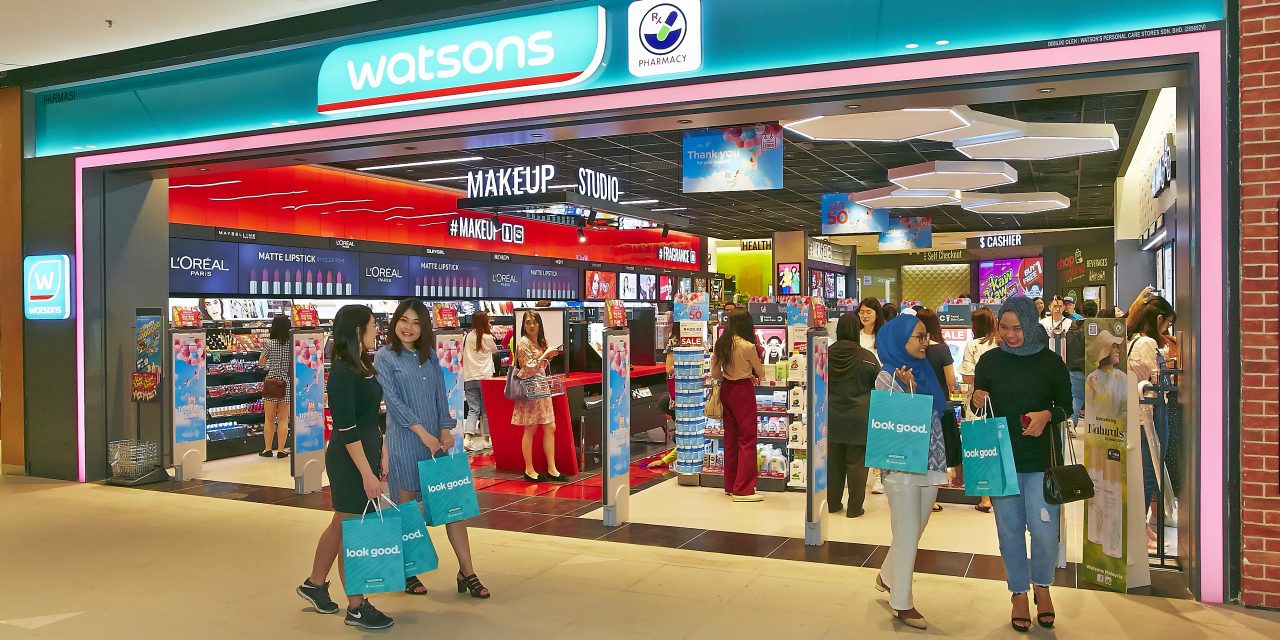
    AS Watson, a health and beauty retail giant, has announced ambitious expansion plans for the coming year, with around 1,000 new stores expected to open. This move comes in response to a significant surge in customer engagement via the company’s loyalty program.

    Growing Loyalty Program

    Last year, AS Watson witnessed an addition of 10 million new members to its loyalty program, pushing the global membership count to an impressive 180 million plus. This growth can be traced back to a successful integration between the firm’s brick-and-mortar store network and online platforms.

    Investment and Expansion

    AS Watson, which currently operates over 17,000 stores across 31 markets in Asia and Europe, is set to support its new store openings with an investment of approximately US$490 million. This funding will be allocated towards the launch of new stores, making store refurbishments, implementing technology updates, and enhancing supply chain processes.

    Strong Performance

    The retailer reported a robust category performance in the past year. Sales in the health category witnessed an 8 per cent increase, led by a double-digit rise in Europe. Simultaneously, beauty sales saw a 6 per cent uptick, propelled by a double-digit surge in Asia. The combined offline and online sales also saw a double-digit growth over the year.

    Preparation for the Future

    “Markets, technologies, and expectations are changing at an unprecedented speed. As we look to the future, our goal isn’t to predict what it holds but to be prepared for it. Our strategy remains the same – maintaining our dedication towards our customers, our employees, our partners, and upholding responsible business practices,” said Malina Ngai, Group CEO of AS Watson.

    AS Watson, which was established in Hong Kong in 1841, is celebrating its landmark 185th anniversary this year.

    Questions & Answers

    How many new stores is AS Watson planning to open this year?
    AS Watson plans to open about 1,000 new stores this year.

    What contributed to the growth in AS Watson’s loyalty program?
    The growth in AS Watson’s loyalty program can be attributed to the successful integration of its physical store network and online platforms.

    What is AS Watson’s strategy for the future, according to its Group CEO, Malina Ngai?
    AS Watson’s strategy for the future, as outlined by its Group CEO Malina Ngai, is not to predict the future but to be prepared for it by maintaining commitment towards their customers, employees, partners, and upholding responsible business practices.

  • Singapore Clinches Second Place as World’s Richest Nation in 2025, Drops in Work-Life Balance Rankings

    Singapore Clinches Second Place as World’s Richest Nation in 2025, Drops in Work-Life Balance Rankings

    In 2025, Singapore achieved the status of the second-wealthiest nation globally according to per capita gross domestic product (GDP), with a figure standing at US$90,700. This impressive economic performance placed the Asian island state just behind Switzerland, the front-runner with a GDP per capita of $100,000. The third position was held by Norway, with a per capita GDP of $86,800.

    Work Hours Influence Wealth Rankings

    However, the economic landscape changed significantly when factoring in working hours. By considering the average hours worked, Norway ascended to the top of the national wealth rankings. Singapore fell to the eighth place behind countries like Qatar, Denmark, and the Netherlands.

    According to data released by Singapore’s Ministry of Manpower, the average employee in the city-state worked 43.3 hours per week in 2024. This figure starkly contrasts with the average workweek in Norway, where employees logged an average of 33.2 hours per week in the same year, as per statistics from the International Labour Organisation.

    Singapore’s Position in Global Work-Life Balance

    Further highlighting the impact of work hours on quality of life, Singapore was ranked 25th out of 60 nations in a 2025 Global Life-Work Balance Index. Singapore’s score in this index was 57.85 out of a total 100 points. Despite the middling position, it’s worth noting that Singapore was the highest-scoring Asian nation in terms of balancing work and personal life.

    The Index was topped by New Zealand, Ireland, and Belgium, with respective scores of 86.87, 81.17, and 75.91. These figures reiterated the importance of a healthy balance between work and personal life in assessing a nation’s overall prosperity and well-being.

    Questions & Answers

    What was Singapore’s ranking in terms of GDP per capita in 2025?
    Singapore was ranked as the second-richest country in the world in 2025 based on GDP per capita.

    How did the ranking change when work hours were taken into account?
    When average work hours were factored in, Singapore dropped to the eighth place in the global wealth ranking.

    Where did Singapore stand in the 2025 Global Life-Work Balance Index?
    In the 2025 Global Life-Work Balance Index, Singapore secured the 25th place out of 60 countries, making it the highest-ranked Asian country in terms of work-life balance.

  • More Yogurt: Popular Chinese Beverage Chain Set to Debut in Singapore with Fresh-Made Treats

    More Yogurt: Popular Chinese Beverage Chain Set to Debut in Singapore with Fresh-Made Treats

    China-based yogurt chain, More Yogurt, is set to make its entrance into the Singaporean market. The addition of a new outlet, opening on January 30, marks the latest in a series of expansion efforts. The company, which boasts annual sales of over 21 million cups, has chosen Suntec City as the strategic location for its first Singaporean store.

    More Yogurt is known for its innovative take on yogurt, offering a range of beverages prepared fresh daily in-store. Each drink comprises naturally fermented yogurt cultures, paired with an assortment of fresh fruits and nuts.

    As part of its introductory activities in Singapore, More Yogurt will be presenting the first 100 cups of yogurt free of charge on the day of its grand opening. This generous gesture aims to attract and engage new customers, providing them with a taste of More Yogurt’s unique offerings.

    Questions & Answers

    What is the unique selling point of More Yogurt?
    More Yogurt differentiates itself by providing fresh-made yogurt drinks, which are prepared in-store daily using naturally fermented yogurt cultures and a variety of fresh fruits and nuts.

    When and where is More Yogurt’s new Singaporean outlet opening?
    The new outlet in Singapore is set to open on January 30 at Suntec City.

    What is the introductory offer from More Yogurt in Singapore?
    As part of their launch in Singapore, More Yogurt will be giving away the first 100 cups of yogurt for free on the opening day.

  • HSBC Private Bank Revamps Asian Leadership: Key Appointments in India, China, and Thailand

    HSBC Private Bank Revamps Asian Leadership: Key Appointments in India, China, and Thailand

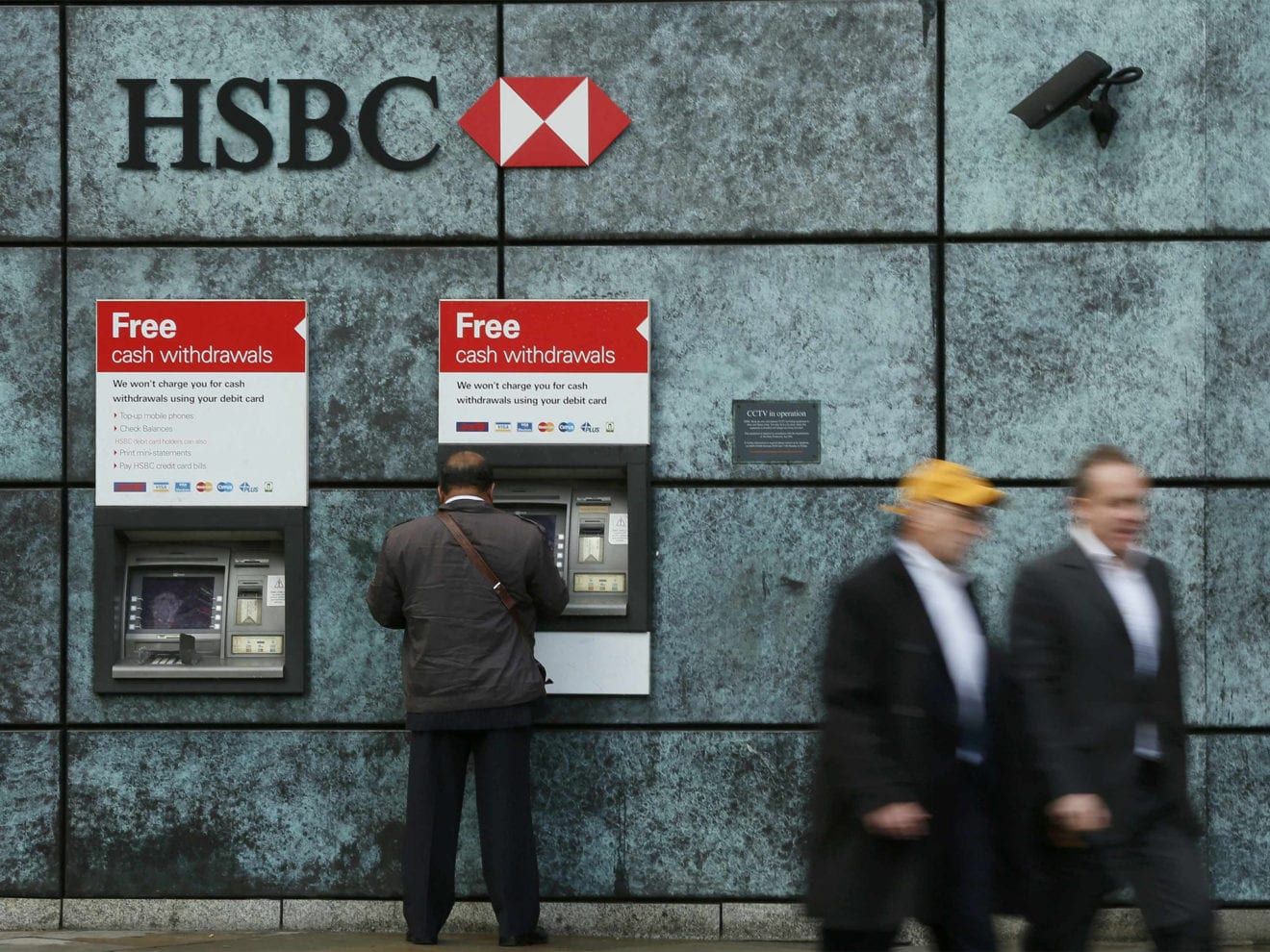
    HSBC Private Bank, the private banking division of HSBC, has recently announced several significant leadership appointments across its Asian operations, with a particular focus on the India and China markets.

    Focus on India

    The global India team has welcomed Phaneendar Bhavaraju and Rangan Krishnan as senior relationship managers. Both report to Manoj Ramarao, who is the Senior Desk Head for global India, Singapore, and Hong Kong.

    Bhavaraju brings to the table more than 28 years of experience across several financial sectors, including foreign exchange, rates, derivatives, precious metals, private banking, and structured finance. He previously held the role of Chief Investment Officer at various asset management companies in the Dubai International Financial Centre. Bhavaraju’s past experience also includes nine years of serving in private banking roles at both RBS and Credit Suisse.

    Krishnan, on the other hand, has over 31 years of wealth management experience. He was previously at the Bank of Singapore where he spent nine years leading a team that managed ultra-high net worth clients, family offices, and institutional portfolios. His resume also includes roles at ANZ, Credit Suisse, ABN AMRO Bank, and DSP BlackRock Mutual Fund.

    China & Other Markets

    In China, Alex Liu has been appointed as the Market Head of Offshore China. His coverage now extends from Hong Kong to Singapore. Liu reports to Kanas Chan, the head of North Asia and Hong Kong.

    In addition to the appointments in India and China, Dawn Fung has assumed the role of Head of Wealth Planning for Southeast Asia. With over 25 years of experience in banking and trust, Fung reports to Ann Ling, the Regional Head of Wealth Planning and Advisory for Asia Pacific, and Tommy Leung, the Head of Private Bank for South Asia.

    Onshore Thailand

    In Thailand, William Fok has been named the Country Head of Private Bank. Fok, who is based in Bangkok, reports to Benjamin Wang, the Desk Head for Thailand and Vietnam. Fok has more than 20 years of experience in structured products and investment advisory. Before taking on this role, he was a Senior Investment Counsellor at LGT. Fok is returning to HSBC Private Bank after having worked there for almost five years earlier in his career. His past employers also include Julius Baer and Morgan Stanley.

    Questions & Answers

    Who are the new senior relationship managers for HSBC Private Bank’s global India team?
    Phaneendar Bhavaraju and Rangan Krishnan have been appointed as the senior relationship managers for the global India team at HSBC Private Bank.

    Who has been appointed as the Market Head of Offshore China for HSBC Private Bank?
    Alex Liu has been appointed as the Market Head of Offshore China, expanding his coverage from Hong Kong to Singapore.

    Who is the new Country Head of Private Bank for HSBC in Thailand?
    William Fok has been named the Country Head of Private Bank for HSBC in Thailand.

  • Vietnam’s E-commerce Boom: Daily Online Shopping Hits $44M in 2025, Up 34.8% YoY

    Vietnam’s E-commerce Boom: Daily Online Shopping Hits $44M in 2025, Up 34.8% YoY

    In 2025, Vietnamese consumers significantly increased their online spending, with daily expenditures reaching over VND1.17 trillion (US$44.5 million). This figure represents the aggregated sales of the country’s four dominant e-commerce platforms: Shopee, TikTok Shop, Lazada, and Tiki. These platforms collectively generated a whopping VND429 trillion for the year, indicating an impressive growth of nearly 34.8% from the previous year.

    Surging Sales and Popular Product Categories

    The year 2025 saw a surge in sales on e-commerce platforms, with more than 3.9 million items sold, marking an increase of 15.2% from the preceding year. Products priced in the range of VND100,000-200,000 emerged as the most popular category, making up 25% of the total sales value.

    Beauty, home and living, and women’s fashion stood out as the top-selling categories. Beauty products alone generated over VND74.4 trillion, accounting for 29.5% of the total sales. They were followed by home and living products, and women’s fashion items, which raked in VND56.7 trillion and VND54.5 trillion, respectively.

    Health, children’s fashion, and stationery were identified as the fastest-growing categories, experiencing skyrocketing growth rates of up to 80%.

    Trends in Seller Activity

    The number of active shops on these four platforms was reported as 601,800, a decrease of 7.4% from the end of 2024. However, this represented a recovery from late September 2025, when the number of active sellers fell to just 537,900.

    Interestingly, the rise in revenue coincided with a decline in sellers. This suggests that less competitive sellers were phased out, leaving behind a more streamlined and robust online marketplace.

    Market Dominance

    Shopee and TikTok Shop maintained their stronghold on Vietnam’s e-commerce market, capturing market shares of 56% and 41.3%, respectively. In comparison, Lazada and Tiki held a mere 3% share between them, a decrease from 6% in the previous year.

    A significant portion of the e-commerce revenue, approximately 83%, was concentrated in Ho Chi Minh City and Hanoi.

    Questions & Answers

    What was the daily online spending by Vietnamese consumers in 2025?
    In 2025, Vietnamese consumers spent over VND1.17 trillion (US$44.5 million) per day on online shopping.

    Which product categories were most popular on Vietnamese e-commerce platforms in 2025?
    In 2025, the most popular product categories on Vietnamese e-commerce platforms were beauty products, home and living items, and women’s fashion.

    Which companies dominated the Vietnamese e-commerce market in 2025?
    In 2025, Shopee and TikTok Shop dominated the Vietnamese e-commerce market, with market shares of 56% and 41.3%, respectively.

  • Shimmering New Tiffany & Co. Store: A Jewel-Inspired Architectural Masterpiece in Beijing

    Shimmering New Tiffany & Co. Store: A Jewel-Inspired Architectural Masterpiece in Beijing

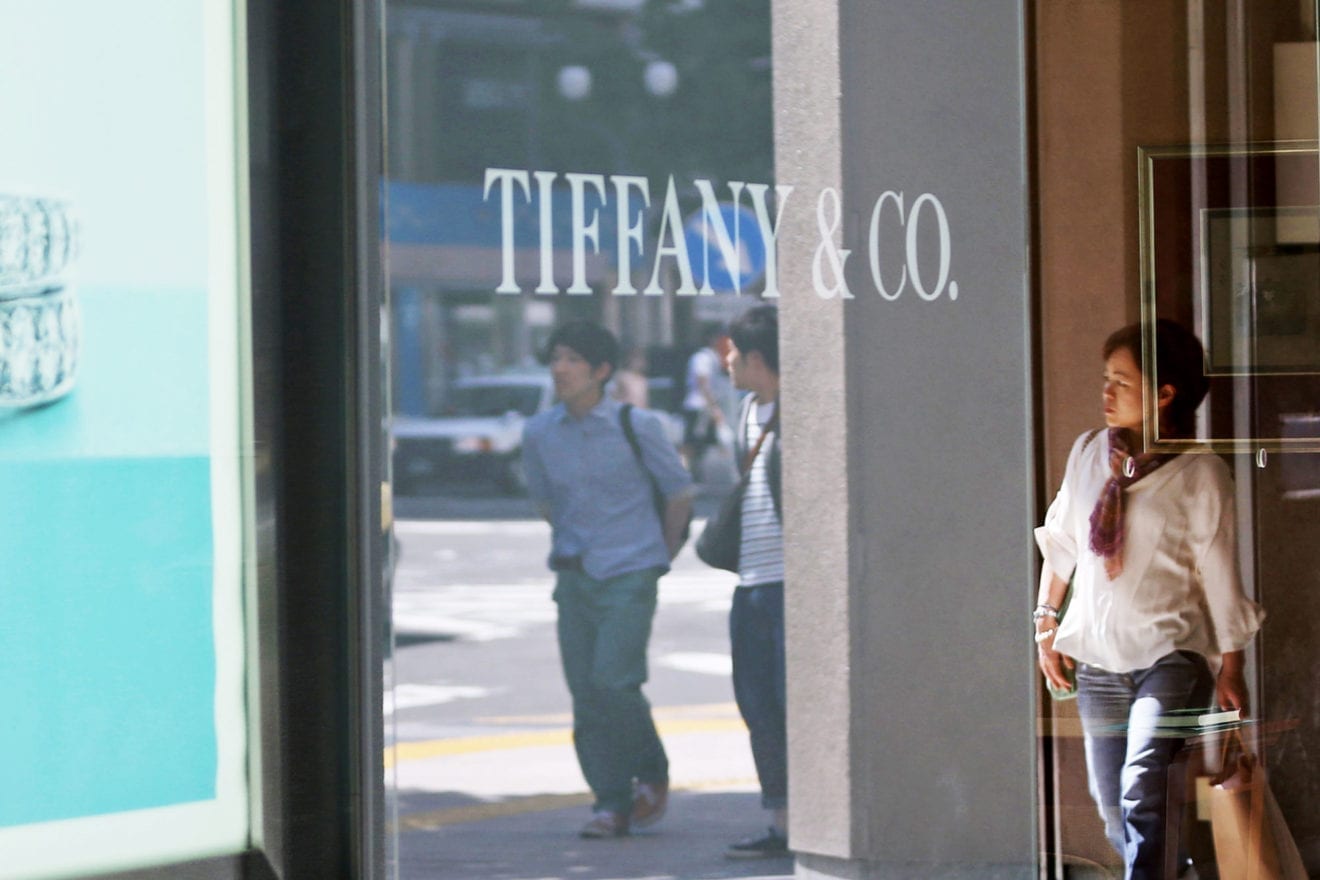
    Tiffany & Co, the renowned jewelry company, recently unveiled its newest flagship store in the Taikoo Li Sanlitun district of Beijing. The store’s unique facade, designed to imitate a piece of jewelry, is the handiwork of MVRDV, a noted architecture firm.

    A Jewel of a Store

    Boasting a floor area of 1,000 square meters spread across four levels, the boutique features a 20-meter curved exterior composed of frosted, translucent glass fins. These fins are tinted in Tiffany’s iconic icy blue shade, further enhancing the store’s visual appeal.

    The creators at MVRDV have shared that the innovative design of the store was conceptualized to interact with the changing daylight, thereby endowing the building with a surreal, ethereal presence. The key visual reference for this pioneering concept is Tiffany’s signature Bone Cuff.

    Jacob van Rijs, a founding director at MVRDV, explained, “The dense glass fins, when viewed from an angle, amplify the light’s effects, accentuating the shape of the facade. As you approach the building, you can catch glimpses of the jewelry inside through the spaces between the fins. The light filtering through and reflecting off the translucent glass creates a delicate, ever-changing interplay.”

    An Opulent Interior

    Inside the store, visitors are welcomed into a luxurious space adorned with a champagne-gold leaf ceiling and crystal chandeliers. The walls feature handcrafted, gilded treatments that add intricate texture and detail throughout the store.

    Moreover, the design of the store was crafted with an emphasis on sustainability. The glass used in the construction is made from recycled materials. Furthermore, the store is fully demountable, which means its fins and brackets can be removed and reused once their life cycle has ended.

    Questions & Answers

    What was the inspiration behind the design of Tiffany & Co’s new store in Beijing?
    The store’s design was inspired by Tiffany’s signature Bone Cuff, and it is intended to interact with changing daylight, giving the building an ethereal presence.

    What materials were used to construct the store’s unique facade?
    The facade of the store was constructed using translucent, frosted glass fins that were tinted with the brand’s iconic icy blue shade.

    How does the store contribute to sustainability?
    The store’s design focuses on sustainability by using glass made from recycled materials. Additionally, the store is fully demountable, which allows its components to be repurposed at the end of their lifespan.

  • Andrea Rigoglioso Climbs Corporate Ladder to CEO at Denim Giant Diesel, Marking Dynamic Leadership Shift

    Andrea Rigoglioso Climbs Corporate Ladder to CEO at Denim Giant Diesel, Marking Dynamic Leadership Shift

    Diesel, a denim brand owned by the OTB Group, has recently made strategic changes in its executive leadership, welcoming Andrea Rigogliosi as its new CEO. The move is part of the brand’s well-defined development strategy.

    New Leadership

    Rigogliosi will be reporting directly to Ubaldo Minelli, the CEO of the OTB Group. His appointment has been met with enthusiasm by the organization, with the founder of Diesel and chairman of the OTB Group, Renzo Rosso, extending a warm welcome to the new executive.

    Rosso expressed confidence in Rigogliosi’s abilities and stated, “Rigogliosi is joining Diesel at a critical juncture in the brand’s evolution. I am confident that, in collaboration with our team, he will significantly amplify Diesel’s potential.”

    Impressive Track Record

    Rigoglioso brings a wealth of leadership experience from the luxury, fashion, and retail sectors. His former role was global head of retail and commercial at Miu Miu, a part of the Prada Group. During this tenure, he successfully directed global business growth and boosted distribution expansion.

    His impressive career also includes top leadership roles within the LVMH Group. He served as the president of Europe at Fendi, and the General Manager at Christian Dior Couture for France & Monaco, as well as Italy. Further, his experience also includes managerial stints at Poltrona Frau Group and L’Oréal Luxury Products.

    A New Chapter for Diesel

    Rigoglioso’s appointment as CEO of Diesel fills a leadership void that was created in 2023, following Poletto’s departure. This change also followed Massimo Piombini’s three-year stint as CEO from 2020 to 2023.

    Questions & Answers

    Who has been appointed as the new CEO of Diesel?
    Andrea Rigogliosi has been appointed as the new CEO of Diesel.

    Who will Andrea Rigoglioso report to in his new role?
    Andrea Rigoglioso will report directly to Ubaldo Minelli, the CEO of the parent company, OTB Group.

    What does Andrea Rigoglioso bring to Diesel?
    Andrea Rigoglioso brings extensive leadership experience from the luxury, fashion, and retail sectors. He has previously held senior leadership positions at global brands like Miu Miu – Prada Group, LVMH Group, Poltrona Frau Group, and L’Oréal Luxury Products.

  • CapitaLand Strikes $332M Deal: Iconic Singapore Mall Finds New Ownership

    CapitaLand Strikes $332M Deal: Iconic Singapore Mall Finds New Ownership

    CapitaLand Integrated Commercial Trust (CICT) has successfully concluded the sale of Bukit Panjang Plaza, a prominent shopping mall in Singapore. The sale, which fetched a sum of US$332 million (S$428 million), is part of a larger strategy to optimize the organization’s portfolio.

    The Sale of Bukit Panjang Plaza

    Bukit Panjang Plaza, which encompasses 11,500 square meters and houses 122 retail spaces, had been on the market since early 2024. The identity of the buyer for this prime real estate was not divulged by CICT. However, it’s known that the investor is a well-established, US-based development firm.

    Speaking on the successful transaction, Tan Choon Siang, CEO and Executive Director of CICT, explained that the sale was in line with the company’s ongoing portfolio reconstitution strategy. He further noted that this move will not only enhance CICT’s financial agility but also generate substantial value for all stakeholders involved.

    CICT’s Global Presence and Financial Performance

    CICT’s global footprint extends to 45 countries, reinforcing its status as a leading player in the international real estate market. The sale of Bukit Panjang Plaza underscores the company’s commitment to continual growth and expansion.

    Financially, CICT has been performing remarkably. In 2024, the company reported a considerable increase in profits, from S$192 million in 2023 to S$890 million. This significant surge in profit underscores the robustness of the company’s business model and its effective strategic decisions.

    Questions & Answers

    What is the significance of the sale of Bukit Panjang Plaza for CICT?
    The sale of Bukit Panjang Plaza is a strategic move for CICT as it aligns with their portfolio reconstitution strategy. This transaction not only strengthens CICT’s financial flexibility but also creates value for its stakeholders.

    Who is the buyer of Bukit Panjang Plaza?
    The exact identity of the buyer was not revealed by CICT. However, it’s known that the purchaser is a major US-based property development firm.

    How has CICT’s financial performance been in recent years?
    CICT has shown impressive financial performance, with a significant surge in profits reported in 2024. The company’s profits increased from S$192 million in 2023 to S$890 million in 2024.

  • Alibaba’s Qwen AI App Unleashes Food Ordering and Travel Booking Features: A Quantum Leap in Consumer-Facing AI Services

    Alibaba’s Qwen AI App Unleashes Food Ordering and Travel Booking Features: A Quantum Leap in Consumer-Facing AI Services

    Alibaba Group recently unveiled significant enhancements to its Qwen artificial intelligence (AI) app. The updated capabilities allow users to carry out tasks such as ordering food delivery and making travel reservations directly through the AI chat interface, eliminating the need to alternate between different applications.

    Strategic Shift to Consumer-Facing AI

    These new features, currently undergoing public testing in China, represent a strategic shift by Alibaba towards consumer-facing AI. The company has traditionally focused on providing enterprise AI services through its cloud business, but is now emerging as a strong contender in the consumer AI space against domestic competitors like ByteDance and Tencent.

    Wu Jia, Vice President of Alibaba Group, commented on the recent developments. “The innovations we are introducing today reflect our transition from AI models that comprehend to systems that perform actions, closely tied to real-world services.”

    Rise in AI Agents Popularity

    AI agents are seeing a surge in global popularity as more businesses recognize their potential in facilitating real-world tasks. This trend is evident in recent industry movements, such as Meta Platforms acquiring start-up Manus to enhance its AI systems capable of handling multi-step tasks, and OpenAI launching its ‘Operator’ agent that can make restaurant reservations and fill out forms for users.

    Integration of Core Alibaba Ecosystem Services

    The Qwen app’s upgrade integrates key services from the Alibaba ecosystem into a unified AI interface. These services include the e-commerce platform Taobao, instant commerce, the payment system Alipay, travel service Fliggy, and the mapping platform Amap.

    For example, the integration of Alipay with the Qwen app allows users to authorize and complete transactions without exiting the chat. According to Alibaba, the AI payment feature currently supports instant commerce orders and will extend to more services in the future.

    Task Assistant Feature

    In addition to the integrations, Alibaba introduced a ‘Task Assistant’ feature in an invite-only beta version. This assistant can make actual phone calls to restaurants, process up to 100 documents simultaneously, and plan multi-stop travel itineraries.

    Since its public beta release on November 17, the Qwen app has attracted over 100 million monthly active users in just two months. The app’s growth, powered by Alibaba’s Qwen3 foundation model, is indicative of the intensifying competition in China’s AI sector as companies race to convert advanced language models into practical consumer applications.

    Questions & Answers

    What new features does the upgraded Qwen AI app offer?
    The enhanced Qwen AI app allows users to perform tasks such as ordering food and making travel bookings directly within the AI chat interface.

    What does the upgrade mean for Alibaba’s strategic direction?
    The upgrade signifies Alibaba’s strategic shift towards consumer-facing AI, marking its transition from AI models that comprehend to systems that perform actions.

    What services does the ‘Task Assistant’ feature provide?
    The ‘Task Assistant’ feature can make real phone calls to restaurants, process up to 100 documents at once, and plan multi-stop travel itineraries.

  • Amazon Seeks to Lower Vendor Costs as Chinese Tariff Rates Drop: A Strategic Move in eCommerce Landscape

    Amazon Seeks to Lower Vendor Costs as Chinese Tariff Rates Drop: A Strategic Move in eCommerce Landscape

    E-commerce behemoth Amazon has confirmed that it is in conversations with several vendors to revise costs in response to the decrease in tariff rates imposed on imports from China. The company aims to reduce the amount it pays suppliers for goods sold through its digital platform, marking an attempt to roll back concessions made to cushion the impact of tariffs introduced by former US President, Donald Trump.

    According to an Amazon spokesperson, the company is consistently working with its diverse and valued selling partners to assist them in adjusting to the shifting landscape while maintaining a wide assortment of products and competitive prices for consumers.

    In the latter part of October the previous year, an agreement was reached between Trump and Chinese President Xi Jinping to reduce tariffs on Chinese imports. This was in return for Beijing tackling the illegal fentanyl trade, reinstating US soybean purchases, and ensuring the continuous flow of rare earth exports.

    As a result of the agreement, the average tariffs on Chinese imports to the US have been cut from 57% to approximately 47%.

    In related news, the US Supreme Court announced last week that it will deliver its next decisions on January 14, with several major cases still pending. These include the legal examination of Trump’s comprehensive global tariffs.

    Should the court rule that the extensive duties imposed by Trump under the International Emergency Economic Powers Act are unlawful, the administration could face the prospect of reimbursing nearly $150 billion in tariffs to importers.

    Questions & Answers

    What are the discussions between Amazon and vendors about?
    Amazon is in talks with several vendors about adjusting costs in response to a decrease in tariff rates on Chinese imports.

    What was the agreement between Trump and Xi Jinping?
    Trump and Xi Jinping agreed to reduce tariffs on Chinese imports. In return, Beijing would tackle the illegal fentanyl trade, reinstate US soybean purchases, and ensure the continuous flow of rare earth exports.

    What could be the implications of the US Supreme Court’s decision on Trump’s global tariffs?
    If the court declares the extensive duties imposed under the International Emergency Economic Powers Act as unlawful, the administration may have to refund nearly $150 billion in tariffs to importers.