Author: Mei Ling Tan

  • Youtube Sensation Mrbeast Burger Makes Singapore Debut In Partnership With Dignity Kitchen

    MrBeast Burger, a unique restaurant brand that operates solely through delivery services and was born out of a YouTube sensation, has made its debut in Singapore.

    The Debut

    The restaurant’s inaugural virtual spot in Singapore is launched in collaboration with Dignity Kitchen, a well-regarded food court renowned for its commitment to supporting and employing individuals with disabilities. The menu on offer includes their well-loved signature crinkle-cut fries along with various types of smashed burgers, all of which are available for island-wide delivery through platforms like Foodpanda, Grab, and the MrBeast Burger’s own website.

    Speaking about the partnership, Koh Seng Choon, founder and executive director of Dignity Kitchen, expressed pride in being the first to introduce MrBeast Burger in Singapore. Seng Choon also praised the brand’s unique blending of entertainment and social responsibility.

    The Partnership

    The restaurant’s successful entry into the Singaporean market was facilitated by its collaboration with Xolutions, a business that specializes in fostering connections within the food industry by aiding market entry and franchise development.

    Nichol Ng, CEO of Xolutions, spoke highly of the brand, stating that it represents more than just a burger joint. Ng described it as a smart, scalable opportunity for local kitchens to expand their operations while simultaneously delivering delicious, highly-desirable food to a younger demographic of food enthusiasts.

    The Origin

    MrBeast Burger was first introduced in 2020 by renowned American YouTuber Jimmy Donaldson, also known by his online alias MrBeast. His initiative, in conjunction with Virtual Dining Concepts (VDC), has successfully expanded to over 300 locations throughout the United States.

    In light of its successful launch, the brand has plans to establish more virtual restaurants in Singapore, with the aim of achieving this goal by the fourth quarter of this year.

    Questions & Answers

    What is MrBeast Burger?
    MrBeast Burger is a delivery-only restaurant brand that was created by popular YouTuber Jimmy Donaldson, also known as MrBeast.

    Where is MrBeast Burger’s first location in Singapore?
    The first virtual location for MrBeast Burger in Singapore is launched in association with Dignity Kitchen, a food court known for employing and supporting individuals with disabilities.

    What are MrBeast Burger’s future plans in Singapore?
    Following its successful launch, MrBeast Burger plans to continue its expansion in Singapore by opening more virtual restaurants across the country by the end of this year.
  • Coca-cola Unveils Ai-powered Vending Machine For Enhanced, Personalized Consumer Experience

    Coca-cola Unveils Ai-powered Vending Machine For Enhanced, Personalized Consumer Experience

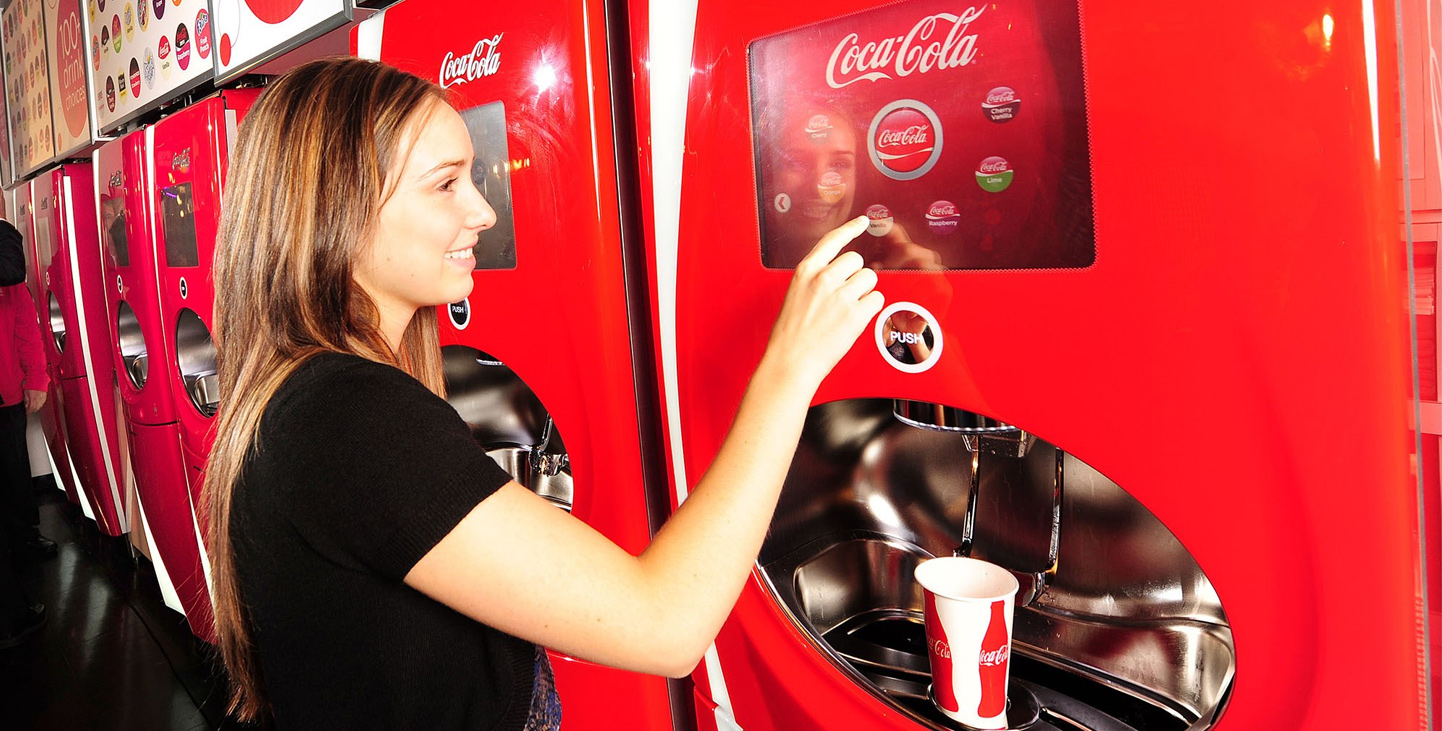
    Coca-Cola has debuted its most recent innovation in the form of a Coke&Go cooler vending machine. This cutting-edge machine is powered by artificial intelligence (AI) and computer vision, creating an upgraded, efficient, and personalized vending experience for consumers.

    Enhanced Consumer Experience

    The Coke&Go cooler vending machine allows consumers to gain access via their smartphones. This can be done by either scanning a QR code or by inputting credit card information, providing a seamless and technologically advanced method of interaction. What sets this vending machine apart is its ability to identify products using a product recognition technology. This means that customers can confirm and complete their purchases through the payment options that they have linked with the system.

    Terry Burbidge, GM of vending at Coca-Cola Europacific Partners New Zealand, underlined that this move aims to align their products more closely with the modern lifestyle of their consumers. He stated, “It’s about making refreshment more intuitive, more accessible, and more aligned with how Kiwis live today.”

    Smart Inventory Tracking

    The latest version of this vending machine also comes equipped with smart inventory tracking. This feature ensures that the cooler vending machines are restocked with the correct beverages at the right time. In doing so, not only does it enhance efficiency, but it also significantly reduces the likelihood of items being out of stock.

    The soft drink behemoth has plans to expand the presence of this innovative vending machine following a successful trial at the Sydney Airport during the previous year. Over the course of the next two years, hundreds of these advanced cooler vending machines will be installed across Australia and New Zealand.

    Questions & Answers

    What is the Coke&Go cooler vending machine?
    The Coke&Go cooler vending machine is a new type of vending machine by Coca-Cola that uses artificial intelligence and computer vision to provide an efficient and personalized experience.

    How do consumers interact with the Coke&Go cooler vending machine?
    Consumers can interact with the machine using their smartphones, either by scanning a QR code or entering their credit card information.

    What are the benefits of the vending machine’s smart inventory tracking feature?
    The smart inventory tracking ensures that the vending machines are consistently stocked with the right beverages, which improves efficiency and reduces the chance of items being out of stock.

  • Skittles Introduces ‘swicy’ Gummies Fuego To The Us Market: A Sweet And Spicy Revolution

    Skittles Introduces ‘swicy’ Gummies Fuego To The Us Market: A Sweet And Spicy Revolution

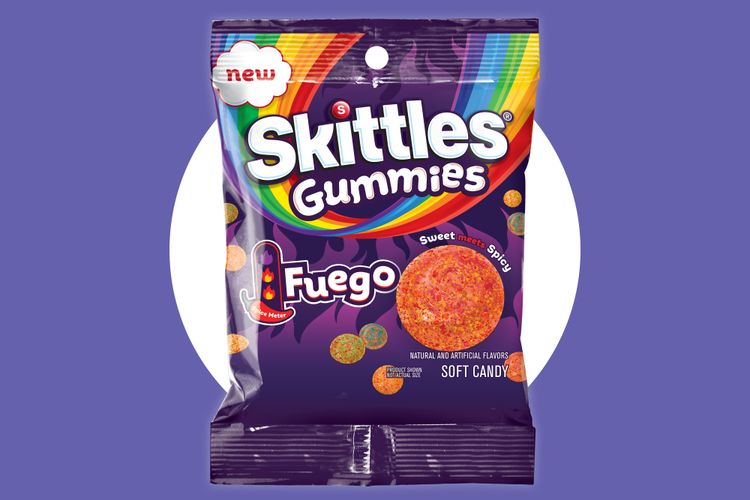
    Skittles, a popular brand operated by Mars Wrigley, has recently introduced a novel gummy flavor to the US market. The new offering, called Gummies Fuego, presents a unique blend of sweet and spicy flavors that is sure to intrigue the palates of consumers.

    Innovation in Line with Tradition

    The new spicy gummy variant adds to the innovative line of products the brand has been developing, including Skittles Pop’d, Littles, and Gummies. These creations aim to cater to the preferences of fans who appreciate a fusion of sweet and spicy, or ‘swicy’, tastes.

    Ro Cheng, the Vice President of Marketing at Mars Wrigley North America, commented, “With Skittles Gummies Fuego, we’re enhancing a sweet, original fan favourite by introducing a daring flavor experience that we believe our ‘swicy’ fans will appreciate.”

    A Unique Flavor Experience

    The Skittles Gummies Fuego offers a flavorful combination of five fruity tastes: mango, watermelon, strawberry, raspberry, and lemon. Adding an interesting twist, these gummies come coated with a zesty chili layer that delivers a tangy punch.

    Availability and Distribution

    The Fuego gummies are currently available in packs of 5.8 ounces, or 164 grams. At present, these can be procured exclusively from the TikTok shop. However, the company plans to expand its distribution network across the US in the coming year.

    Last year, Skittles ventured to offer consumers a different texture experience with the launch of Squishy Cloudz.

    Questions & Answers

    What is the new flavor introduced by Skittles?
    Skittles has introduced a new flavor called Gummies Fuego, which offers a blend of sweet and spicy tastes.

    What are the fruit flavors incorporated in Gummies Fuego?
    Gummies Fuego incorporates a mix of five fruit flavors: mango, watermelon, strawberry, raspberry, and lemon.

    Where can consumers currently purchase Gummies Fuego?
    At present, Gummies Fuego can be purchased exclusively from the TikTok shop. However, broader distribution across the US is planned for the next year.

  • Black Swan Rides Ranch Trend With New Dip Launch In Australian Market

    Black Swan Rides Ranch Trend With New Dip Launch In Australian Market

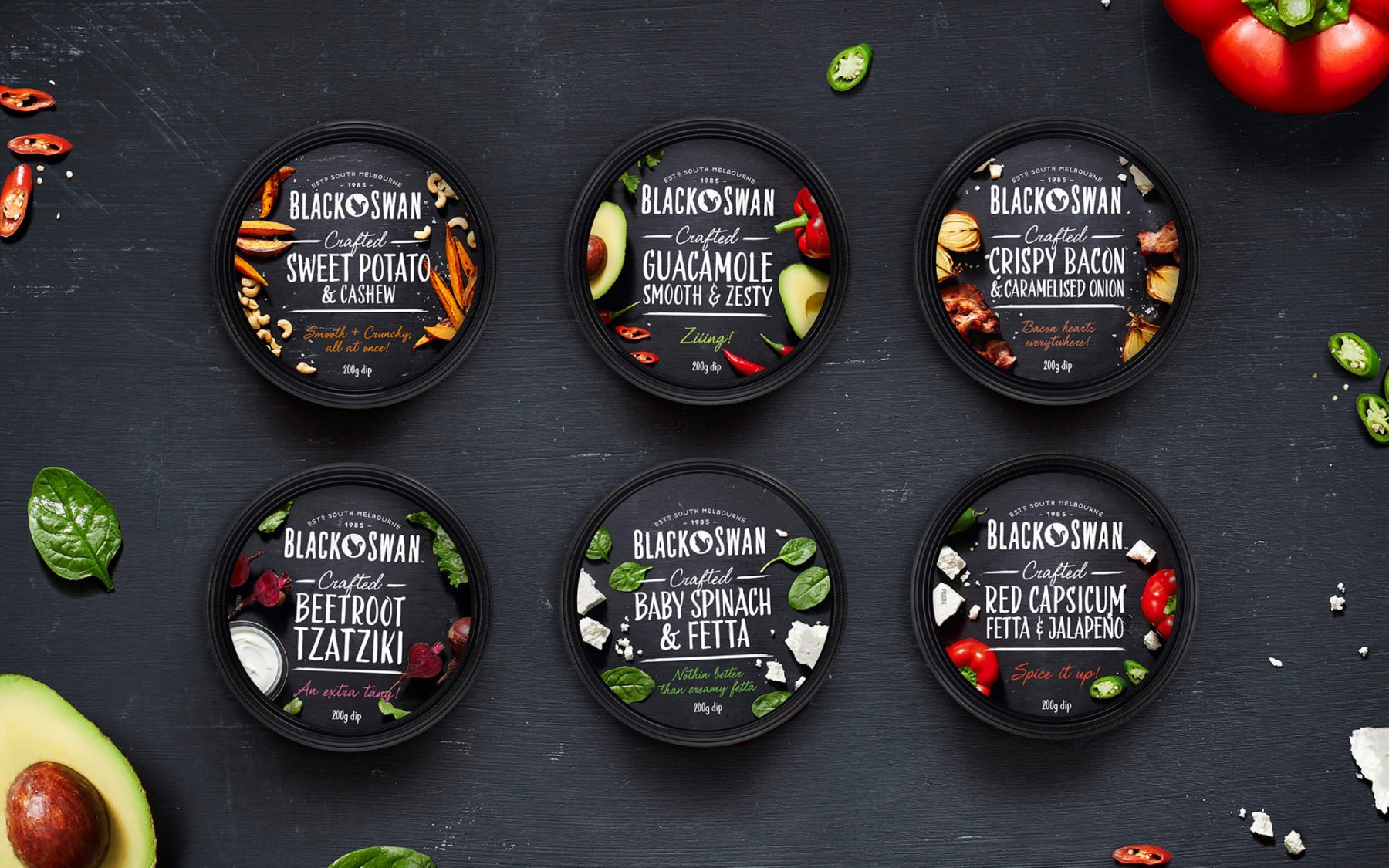
    Black Swan, an Australian brand, has recently launched two new ranch-style dips. This move is in response to the increasing popularity of ranch flavours in both domestic and international markets.

    New Range of Dips

    The latest additions to Black Swan’s product lineup are a Creamy Ranch Dip and a Buffalo Ranch Dip. The Creamy Ranch Dip is a delightful blend of yoghurt, garlic, and various herbs. The Buffalo Ranch Dip, on the other hand, is a hot and spicy concoction, which combines hot sauce with a traditional ranch base. This product is a result of a collaboration with Frank’s RedHot.

    Australian Made and Widely Available

    The entire range of Black Swan’s products, including these new dips, are proudly Australian made. They can be purchased across the country at Coles supermarkets and select independent retailers. The dips are priced reasonably at $4.50, making them an accessible option for consumers nationwide.

    Riding the Ranch Wave

    The decision to launch these new products aligns with the increasing consumer interest in ranch-style condiments. This growing trend is driven in large part by social media. The hashtag #ranch, for instance, has been used over 590,000 times on the popular platform, TikTok, indicating the flavour’s surging popularity among younger demographics.

    These dips are versatile and can be used in a variety of ways. They serve as excellent accompaniments for sandwiches, wings, fries, and wraps, providing a burst of flavour to these popular dishes.

    Questions & Answers

    What are the new products introduced by Black Swan?
    Black Swan has introduced two new ranch-style dips: a Creamy Ranch Dip and a Buffalo Ranch Dip.

    Where can these new dips be purchased?
    These new dips are available nationwide at Coles supermarkets and selected independent retailers.

    Why have these new ranch-style dips been launched?
    The launch is in response to the increasing consumer interest in ranch-style condiments, a trend largely driven by social media.

  • Coconut Oil Prices Skyrocket In Asia: Exploring The Causes And Impact On Global Market

    Coconut Oil Prices Skyrocket In Asia: Exploring The Causes And Impact On Global Market

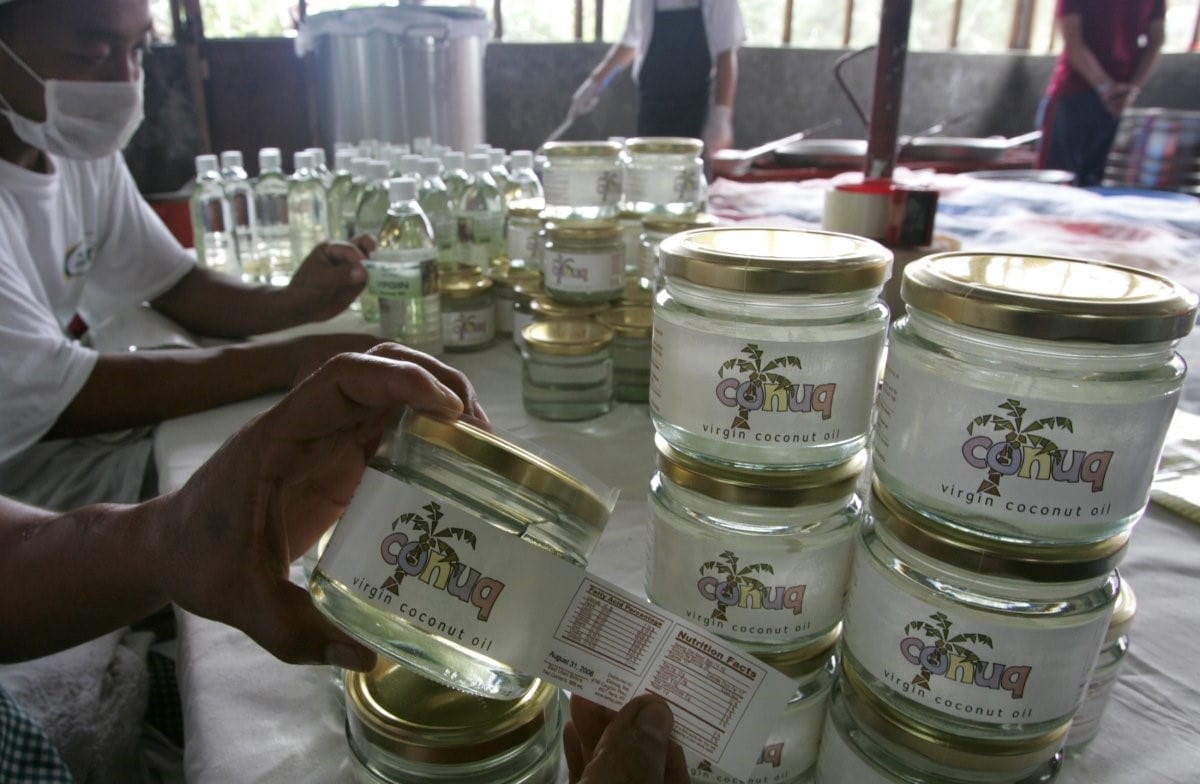
    Coconut oil prices are soaring in Asia, spearheaded by India—the largest consumer of the product—which has witnessed a tripling in prices within two years. This is attributable to a combination of supply shortages and burgeoning demand for the nutrient-filled water found within the coconut, elevating this common kitchen ingredient to a luxury commodity.

    Consumer Adjustments

    The escalating prices have put coconut oil beyond the reach of many budget-conscious consumers. As such, those who were once fond of its unique flavor, deeply entrenched in regional cuisines, are now exploring alternatives. For instance, Leelamma Cherian, a resident of Kerala in southern India, has stated intentions to switch to the more affordable refined sunflower oil for day-to-day cooking, reserving coconut oil for dishes where its flavor is critical.

    Price Surge Contributions

    The price increase, which began in the second half of 2024, was further propelled by production interruptions across many of the main producer nations, from India to Southeast Asia. These interruptions were due to seasons marked by decreased rainfall, extended heat, and increased damage from pests and diseases. Prices in India have nearly tripled in less than two years, reaching a record high of 423,000 rupees (US $4840) per metric ton, while global prices have swelled to an unprecedented $2990 per ton over the same period.

    Predictions by the International Coconut Community

    The International Coconut Community (ICC), a consortium of producer nations, predicts that the increasing demand amid production restrictions will maintain second-half global prices within the US $2500 to $2700 range, far exceeding the 2023 figure of approximately $1000.

    Effects of Price Surge

    This price surge is also impacting green coconuts harvested for their electrolyte-rich water, and other products such as copra, milk, and powder. It is putting pressure on manufacturers of shampoo and skincare items, who value the oil for its high lauric acid content.

    Challenges to Coconut Oil Production

    Worldwide, coconut oil production is declining as trees age, replanting efforts fall short, and plantations struggle with a scarcity of superior seed varieties. Weather conditions veering from hot, dry spells to sudden heavy rainfall are also disrupting coconut production. Additionally, the neglect of plantations and unfavorable weather in recent years are likely to hinder a broader production recovery, especially when supplies of other similar lauric oils are limited.

    Global Demand

    While coconut oil is a favorite among Asian consumers, other coconut products such as copra, coconut cream, and milk, are in high demand in Britain, China, Europe, Malaysia, the United States, and the United Arab Emirates. To seize the opportunity presented by this burgeoning demand, Indonesian farmers are increasingly exporting whole coconuts instead of processing them for their oil.

    Questions & Answers

    What has been the impact of the coconut oil price surge?
    The price surge has affected a range of related products, including green coconuts harvested for water, copra, milk, and powder. It has also put pressure on manufacturers of hair and skincare products, who value the oil for its high lauric acid content.

    Why is coconut oil popular in the market?
    Coconut oil is popular for its unique flavor, deeply embedded in regional cuisines, and its high content of lauric acid, which is prized by the hair and skincare industry.

    What measures are being taken to stabilize the price of coconut oil?
    To stabilize prices, the Association in Indonesia has urged for a suspension of coconut exports for six to 12 months. In India, the Solvent Extractors’ Association has appealed to New Delhi to permit imports of coconut oil and copra.

  • Maison Francis Kurkdjian Expands Hong Kong Presence With New Flagship Store In Harbour City

    Maison Francis Kurkdjian Expands Hong Kong Presence With New Flagship Store In Harbour City

    Luxury perfume brand Maison Francis Kurkdjian, a part of the LVMH group, has recently expanded its retail presence in Hong Kong by inaugurating a new boutique in Harbour City. This store stands as a regional flagship for the brand, supplementing its existing retail outlet located at K11 Musea.

    Boutique Design Inspired by Paris Flagship

    The design of the new Hong Kong outlet echoes the aesthetic of the brand’s principal store at 24, Rue Francois 1er in Paris. A key feature of the Parisian boutique – a private room dedicated to providing premium client experiences – has been incorporated into the design. Furthermore, the Hong Kong store includes unique aspects tailored for the local market, including a hand experience that is exclusive to this location.

    The interior of the store showcases a balanced blend of materials, incorporating Lutetian limestone, marble, patterned concrete, and warm wood tones. In keeping with the brand’s identity, the design includes subtle details like recurring K-shaped motifs and a stone engraving that marks the brand’s establishment in 2009.

    Full Product Range and Customisation

    The Harbour City boutique stocks the complete range of Maison Francis Kurkdjian’s fragrance and body care products. A unique feature of the store is its provision of an engraving service, allowing customers to customise their purchases.

    To celebrate the boutique’s opening, the brand has reintroduced four previously discontinued fragrances under the ‘My Very Intimate Perfumes’ collection. These exclusive scents are available only at the Harbour City store and through the brand’s online platform.

    Increasing Global Presence

    This latest opening, managed directly by the brand, takes the total number of Maison Francis Kurkdjian boutiques around the world to 22. The move is part of a wider strategy to bolster the brand’s international footprint.

    Questions & Answers

    What unique features does the new Maison Francis Kurkdjian store in Hong Kong offer?
    The store offers a unique hand experience and an engraving service for product customisation. These features are specific to the brand’s new Harbour City location.

    What design elements does the Hong Kong store share with the Paris flagship?
    The design of the Hong Kong store is inspired by the brand’s Paris flagship, incorporating a blend of materials such as Lutetian limestone, marble, patterned concrete, and warm wood tones. Recurring K-shaped motifs and a stone engraving marking the brand’s founding in 2009 are also part of the design.

    What products are available in the new store?
    The Harbour City boutique houses the complete range of Maison Francis Kurkdjian’s fragrance and body care products and has reintroduced four previously discontinued fragrances from the ‘My Very Intimate Perfumes’ collection.

  • Over Half Of South Korean Consumers Foret Refunds For Counterfeit Online Purchases, Cites Complex Procedures

    Over Half Of South Korean Consumers Foret Refunds For Counterfeit Online Purchases, Cites Complex Procedures

    Over half of South Korean consumers who inadvertently buy counterfeit products online do not pursue refunds, according to a recent survey by the Korea Consumer Agency. The respondents pointed to complex refund procedures and nominal sums involved as the main reasons for not seeking recompense.

    Consumer Responses and Counterfeit Products

    The survey, which included 1,000 consumers using eight leading online platforms, revealed that 58.6% of those who unintentionally bought counterfeit goods did not request a refund. Reasons given were that the refund process was too intricate or time-consuming (60.4%), or that the purchased items were of low value or indistinguishable from genuine products.

    The most frequently bought counterfeit items were bags, with 38.8% of consumers knowingly purchasing them. Shoes, however, were the most common accidental purchase, with 43.8% of consumers having inadvertently bought counterfeit footwear.

    Interestingly, many of the consumers who intentionally bought counterfeit products showed a lack of awareness about intellectual property rights. Almost half of them stated that they were unaware of, or unconcerned about, any possible issues.

    Responsibility and Complaints

    When asked who should bear the responsibility for counterfeit goods, 45.4% of the respondents blamed the sellers. Online platforms came second at 37.3%, while 17.3% of consumers held themselves accountable.

    The Korea Consumer Agency also examined 1,572 consumer complaints lodged between 2022 and February 2025. Handbags were the most frequently reported counterfeit items (21%), followed by shoes, cosmetics, audio devices, and clothing. The majority of complaints involved luxury brands, along with specific products such as Dyson hair dryers and Apple earphones.

    Price Comparisons and Seller Practices

    An analysis of price comparisons revealed further risks. On platforms like AliExpress and Temu, 72.5% of examined products were listed for less than 20% of their official market prices. Instagram and Naver Band also displayed similar steep discounts for over half of their items, with descriptors such as “mirror-grade leather” or “authentic-level” being used. Many sellers used private or external channels, which complicates monitoring efforts.

    Several platforms, including Naver Band, AliExpress, Coupang, and Temu, were criticised by the agency for their lack of clear instructions on how to report counterfeit items. Instead, they necessitated individual inquiries for each case.

    Call to Action

    The agency recommended that authorities and businesses augment their efforts to curb the sale of counterfeit goods. This includes limiting the use of misleading language on social media and enhancing transparency in reporting procedures.

    Questions & Answers

    What is the most common counterfeit item purchased intentionally in South Korea?
    Bags were the most common counterfeit items purchased on purpose, according to the survey.

    Who do consumers believe is most responsible for the sale of counterfeit goods?
    45.4% of respondents believe that sellers are the most responsible for counterfeit items.

    What measures has the Korea Consumer Agency suggested to combat counterfeit sales?
    The agency has suggested strengthening actions against counterfeit sales, restricting the use of deceptive terms on social media, and enhancing the transparency of reporting procedures.

  • Chapanda Prepares To Launch First U.s. Store In NYC, Aiming To Reach Larger Demographic

    Chapanda Prepares To Launch First U.s. Store In NYC, Aiming To Reach Larger Demographic

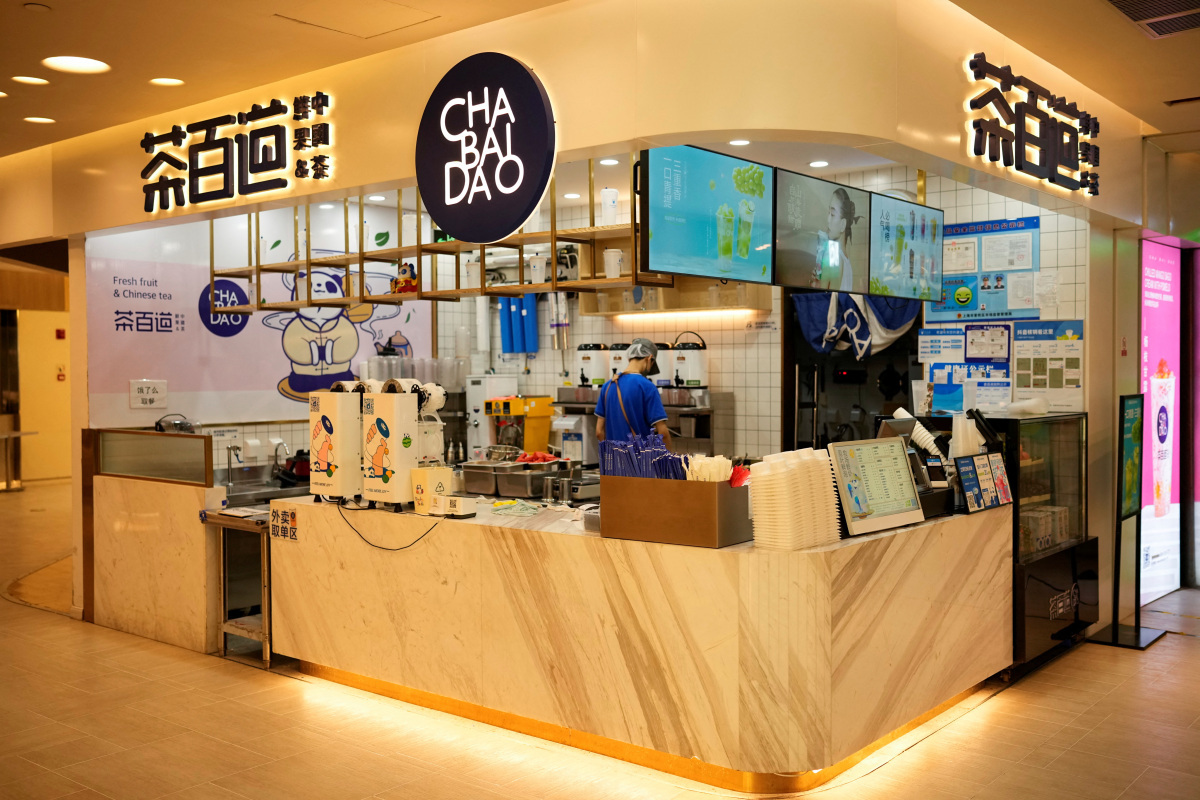
    Chinese tea retail chain Cha Bai Dao, widely known as ChaPanda, is preparing to launch its inaugural US-based store in Flushing, a neighborhood in Queens, New York City.

    Main Street Debut

    The new store is slated to open on Main Street, an area identified by the company as the bustling commercial heart of Flushing and a locale with one of America’s largest Chinese populations.

    Wang Huan, the Overseas CEO of ChaPanda, explained that the expansion intends to introduce the brand to a much larger demographic. “ChaPanda is committed to providing an unrivaled selection of products and a superior service experience for American consumers. Through our standardized operating systems and extensive global supply chain network, we ensure that our products and services remain consistent across all our international stores,” Huan elaborated.

    Spreading its Wings

    This development comes in the wake of numerous global inaugurations throughout the current year. In May, ChaPanda opened its premier European store in Paris, and just last month, it made its debut in Singapore with two new outlets.

    Notable market analysts from Galaxy Securities and Huaxin Securities have pointed out the effectiveness of ChaPanda’s unique “one location, one strategy” model in yielding positive outcomes in foreign markets. They anticipate that, with the acceleration of its international expansion, the firm is well-positioned to capitalize on a dual growth strategy encompassing both domestic and international markets.

    Questions & Answers

    What is ChaPanda’s expansion strategy?
    ChaPanda’s expansion strategy involves a unique “one location, one strategy” model, which allows the company to customize its approach for each specific market it enters.

    Where is ChaPanda’s first US store going to be located?
    ChaPanda’s inaugural US store will be located on Main Street in Flushing, Queens, New York City, an area known for being a bustling commercial hub and having one of the largest Chinese populations in America.

    What does Wang Huan, Overseas CEO of ChaPanda, say about the company’s approach to maintaining quality and consistency?
    Wang Huan stated that through standardized operating systems and a comprehensive global supply chain network, ChaPanda ensures the consistency of its products and services across all its global stores.

  • Shein Group Considers China Relocation For Favorable IPO Conditions In Hong Kong

    Shein Group Considers China Relocation For Favorable IPO Conditions In Hong Kong

    Fast-fashion retailer Shein Group is reportedly mulling over the idea of relocating its headquarters to China. This move is supposedly aimed at gaining approval from Beijing authorities for its proposed Initial Public Offering (IPO) in Hong Kong.

    Relocation for IPO Approval

    Shein Group, which currently has its headquarters in Singapore, is said to be in preliminary discussions with legal advisors about the possibility of setting up a parent company in mainland China. This information, however, has not been confirmed, as the discussions are still in the early stages. There is also no certainty as to whether Shein will proceed with this move.

    Previous Attempts at Listing

    Originally founded in China, Shein Group has spent a considerable amount of time trying to list, first in New York, then in London. The company, however, has met with resistance from politicians in both the US and the UK. These difficulties have been compounded by the inability to secure approval from China’s securities regulator for an offshore IPO, amidst rising tensions between China and the US.

    At present, Shein Group is focusing on getting listed on the Hong Kong stock exchange.

    Questions & Answers

    Where is Shein Group’s current headquarters?
    Shein Group’s headquarters is currently located in Singapore.

    Where is Shein Group planning to list its IPO?
    Shein Group is planning to list its IPO in Hong Kong.

    What challenges has Shein Group faced in its previous attempts at listing?
    Shein Group has faced criticism from politicians in the US and UK during its previous attempts at listing in New York and London, respectively. The company has also struggled to get approval from China’s securities regulator for an offshore IPO.

  • China’s Credit and Charge Payments Market Expected to Expand 2.4% by 2025, Says GlobalData

    China’s Credit and Charge Payments Market Expected to Expand 2.4% by 2025, Says GlobalData

    China’s credit and charge card payments market is gearing up for a rebound, with a projected growth of 2.4%, potentially reaching an impressive CNY38.4 trillion (approximately $5.3 trillion) by 2025. This forecast comes from GlobalData, a leading data and analytics firm, and indicates a promising recovery after a challenging couple of years due to various economic pressures.

    Consumer Trends Driving Change

    The anticipated growth is largely attributed to a rise in consumer spending and an accelerating shift towards cashless transactions. As more Chinese consumers embrace the convenience of digital payments, the market is poised for an upward trajectory. Enhanced value-added incentives such as cashback rewards, flexible repayment options, and attractive instalment plans are sweetening the deal for consumers.

    Challenges and Recovery

    While optimism is returning, it’s important to note that the credit and charge card payment market in China faced a setback in 2024, with a 7.7% decline in transaction value. Factors such as high inflation, geopolitical tensions, and the trade dispute with the United States played a significant role in this dip. Yet, the resilience of the market and the growing inclination towards credit cards remain evident.

    Rising Popularity of Credit Cards

    Kartik Challa, Senior Banking and Payments Analyst at GlobalData, noted that despite still lagging behind debit cards in terms of penetration, credit and charge cards are increasingly favored for payments. In 2025, the payment frequency for these cards is expected to reach 55.3 transactions per year—significantly outpacing debit card usage. Challa further predicts this frequency will skyrocket to 79 transactions per card by 2029.

    As China’s middle class expands and incomes rise, awareness of the benefits of credit cards—bolstered by aggressive promotions from banks—is driving adoption and usage. It seems that credit cards may soon rival their debit counterparts, dominating the financial landscape in unforeseen ways.

    Questions & Answers

    What factors are driving the expected growth in China’s credit card market?
    The growth is primarily driven by rising consumer spending and a shift towards cashless transactions, along with attractive incentives such as cashback offers and flexible repayment options.

    How did the credit card market perform in 2024?
    In 2024, the market experienced a decline of 7.7% in transaction value, influenced by high inflation, geopolitical uncertainties, and the ongoing trade dispute with the US.

    What does the future look like for payment frequency on credit cards?
    Payment frequency for credit and charge cards is projected to increase from 55.3 transactions per year in 2025 to 79 by 2029, reflecting a growing preference for credit cards among consumers.

  • Asia’s Retail Revolution: The Rise Of Omnichannel Shopping And Its Impact On Consumer Expectations

    Asia’s Retail Revolution: The Rise Of Omnichannel Shopping And Its Impact On Consumer Expectations

    The Asian retail landscape is witnessing a paradigm shift, thanks to the intriguing rise of omnichannel retailing. Retailers across the region are scrambling to cater to the modern consumer, who seamlessly blends online shopping with in-store experiences. This shift isn’t just noteworthy; it’s transforming how brands engage with their audiences, creating a shopping experience that is both personalized and convenient.

    The Omnichannel Revolution and Consumer Expectations

    With online shopping no longer a secondary option, shoppers now expect a fluid transition between digital interfaces and physical stores. According to a recent report, 70% of consumers prefer a brand that offers a consistent shopping experience across platforms. This demand is prompting retailers to invest heavily in technology that enhances customer interactions, whether browsing their favorite clothes on a mobile app or engaging with staff in a local boutique.

    Even in a world of increasing automation, the human element is proving harder to replace than anticipated. A clever team of retail innovators might say that blending the digital and physical shopping worlds is akin to mixing tradition with a dash of technology – and just like a well-crafted cocktail, the right shake can produce unexpected delight.

    Challenges Within Transformation

    Despite the opportunities, the journey to omnichannel excellence is fraught with challenges. Retailers face hurdles such as inconsistent inventory management and fragmented customer data, which can thwart integration efforts. To overcome these obstacles, smart retailers are turning towards data analytics tools that help capture customer preferences and habits. The end goal? Tailoring their offerings to meet the precise needs of consumers.

    Moreover, training employees to navigate this hybrid shopping environment is crucial. They need to act as brand ambassadors who can provide knowledgeable assistance, whether in-store or virtually. It’s a delicate balancing act, ensuring staff are equipped to deliver a unified experience that keeps customers returning.

    Technology’s Role in Enhancing Retail Experience

    Tech giants like Alibaba and Tencent are already leading the charge, leveraging artificial intelligence and data science to predict shopping trends and personalize customer experiences. However, smaller retailers are equally thriving by adopting user-friendly technology solutions that can elevate their game without breaking the bank. Implementing chatbots, enhancing mobile app capacities, and utilizing customer relationship management tools are just a few strategies gaining momentum in this new retail era.

    As brands continue to innovate, Asia’s retail sector is set to redefine what consumers can expect from their shopping journeys, lighting the path towards a more interconnected future.

    Questions & Answers

    How are retailers responding to the shift towards omnichannel shopping?
    Retailers are investing in technology to improve customer interactions across online and offline platforms, ensuring a seamless shopping experience.

    What major challenges do retailers face in the transition to omnichannel?
    Challenges include inconsistent inventory management and fragmented customer data, which complicate integration efforts.

    Which technologies are emerging as pivotal for enhancing retail experiences?
    Artificial intelligence, data analytics, and user-friendly technology solutions are key players, enabling brands to predict trends and better cater to consumer preferences.

  • Familymart Targets Asia: Ambitious Expansion Plans Aim To Transform Retail Landscape

    Familymart Targets Asia: Ambitious Expansion Plans Aim To Transform Retail Landscape

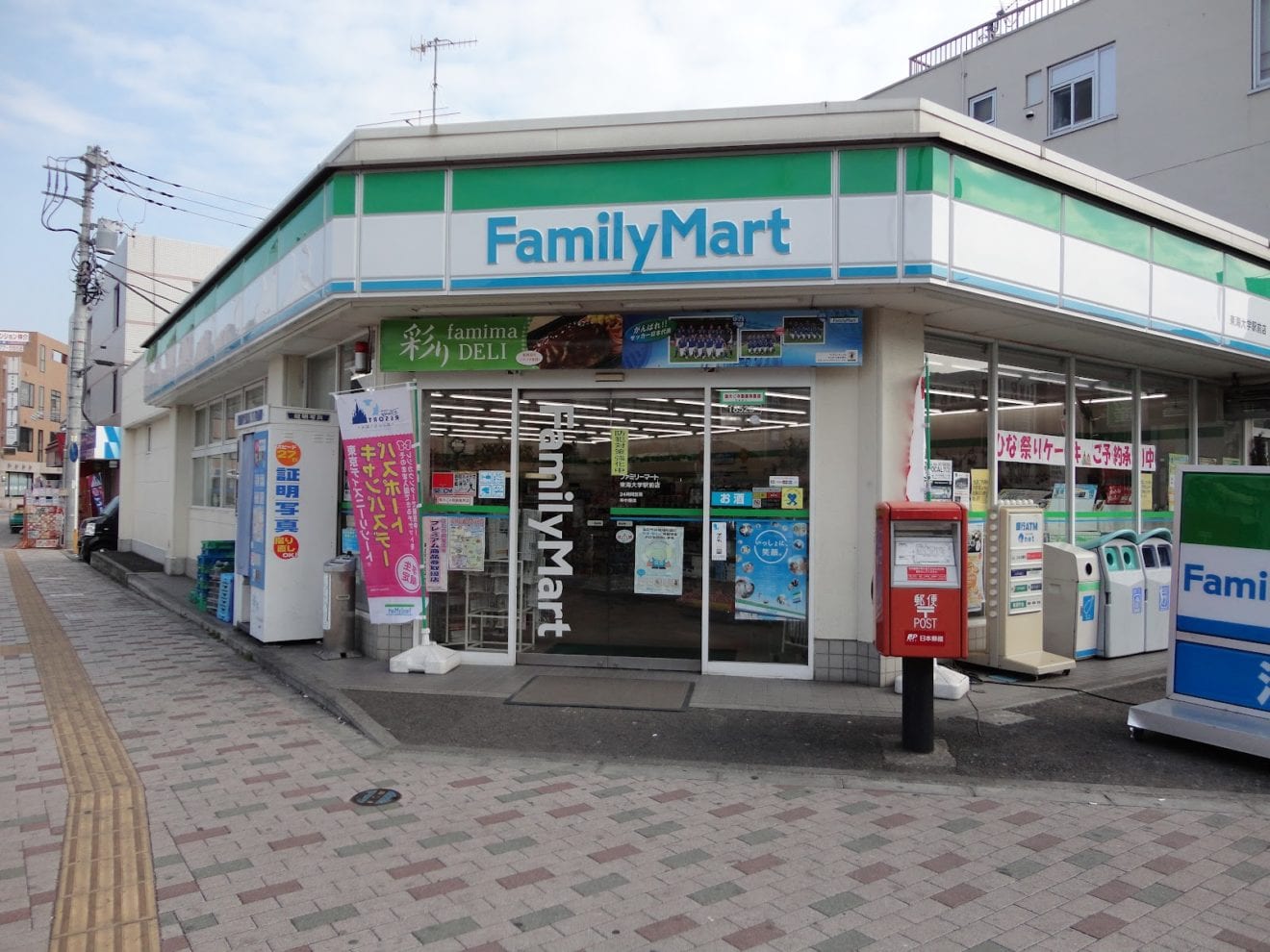
    In a remarkable twist for the retail landscape, Japan’s convenience store giant FamilyMart is making waves with its ambitious expansion plans across Asia. Aiming to capture the growing consumer market in the region, the company has set its sights on a significant increase in its store count in China and other key markets.

    FamilyMart Expands Its Footprint

    This year, FamilyMart aims to open approximately 1,000 new stores in China alone, underscoring its commitment to penetrating the world’s second-largest economy. The company is not just restocking shelves; it’s reimagining the convenience store experience by integrating local tastes and preferences into its product offerings. With trend-driven items such as ready-to-eat meals and fresh produce, FamilyMart is on a mission to cater to the increasingly diverse palate of Chinese consumers.

    The Race for Convenience

    The competition is steep, with rivals like 7-Eleven and Lawson continuously enhancing their services and product ranges. However, FamilyMart thrives on its ability to innovate swiftly. Their latest strategy? Expanding into niche markets such as specialty beverages and gourmet snacks, which are tailor-made for urban dwellers eager for quality convenience. You could even say they’re attempting to make fast food gourmet—proof that in retail, there’s always room for a delicious twist!

    Feedback-Driven Innovation

    FamilyMart also places a strong emphasis on customer feedback, pivoting quickly in response to what shoppers are asking for. This agility gives them a unique edge in an ever-evolving retail environment. According to company spokespersons, the store designs and product choices are now more reflective of community preferences, making each outlet feel personalized and relevant.

    Future Plans on the Horizon

    Looking ahead, FamilyMart is determined to bolster its existing presence in Southeast Asia, with expansion plans across markets like Vietnam and Thailand. This initiative is fueled by a demographic trend of increasing urbanization and consumer spending power in these regions. By establishing a strong retail presence, FamilyMart aims not only to thrive but to set benchmarks in convenience retail across Asia.

    Questions & Answers

    How many new stores does FamilyMart plan to open in China?
    FamilyMart aims to open approximately 1,000 new stores in China this year.

    What unique strategies is FamilyMart employing to cater to local tastes?
    FamilyMart is integrating local preferences into its product offerings, including ready-to-eat meals and specialty beverages to appeal to diverse consumer palates.

    Which markets is FamilyMart looking to expand into next?
    FamilyMart plans to strengthen its presence in Southeast Asia, particularly in countries like Vietnam and Thailand, where urbanization and consumer spending are on the rise.

  • South Korea’s Payment Card Market Set to Hit $1 Trillion by 2025: A Game Changer for Retail!

    South Korea’s Payment Card Market Set to Hit $1 Trillion by 2025: A Game Changer for Retail!

    In a remarkable shift towards digital finance, South Korea’s payment card market—encompassing both point-of-sale (POS) payments and ATM withdrawals—is projected to grow by 3.8%, reaching an impressive $1 trillion (KRW1.4 quadrillion) by 2025, as revealed in a recent report by GlobalData. This growth is largely fueled by a burgeoning preference for digital payment solutions among consumers.

    Between 2020 and 2024, card payments in South Korea are anticipated to experience a robust compound annual growth rate (CAGR) of 7.8%, spiking to about $972.4 billion (KRW1.3 quadrillion) by 2024. In stark contrast, cash withdrawals from ATMs are expected to grow only marginally at 0.9%, as more consumers opt for card-based transactions over traditional cash withdrawals.

    “South Korea’s cards and payments industry is well-developed, with each individual estimated to hold more than six cards as of July 2025,” noted Shivani Gupta, a banking and payments analyst at GlobalData. Gupta also highlighted that the frequency of card usage is on the rise, increasing from an average of 86.2 transactions per card in 2021 to a projected 97.8 transactions per card by 2025.

    By 2025, POS transactions are expected to dominate the landscape, accounting for a striking 96.1% of all card payments, leaving a minuscule share for cash withdrawals. The total number of card payment transactions is forecasted to increase from 24.2 billion in 2021 to 30.7 billion by 2025, achieving a CAGR of 6.2%, and advancing further to 35.9 billion by 2029.

    Efforts to enhance card usage are evident in recent industry initiatives. In January 2025, payment company NHN KCP partnered with Verifone to launch the all-in-one POS terminal “KCP Terminal The Black,” specifically designed to assist small and medium-sized businesses. Additionally, a collaborative agreement signed in July on Jeju Island between six organizations, including the Korea Payment Service Promotion Agency, aims to broaden the use of contactless cards on local bus services. Who knew public transport could be this tech-savvy?

    Looking ahead, the payment cards market is expected to continue its upward trajectory, forecasted to grow at a CAGR of 3.6% from 2025 to 2029, ultimately reaching KRW1.6 quadrillion ($1.2 trillion) by 2029, according to Gupta.

    Questions & Answers

    What is driving the growth of the South Korean payment card market?
    The growth is largely attributed to a rising preference for digital payments among consumers, significantly influencing both POS payments and ATM withdrawals.

    How many cards does the average South Korean hold?
    As of July 2025, it is estimated that each individual in South Korea will hold more than six payment cards, reflecting the market’s robust development.

    What innovations are being introduced to enhance card usage?
    Recent innovations include the launch of the all-in-one POS terminal “KCP Terminal The Black” by NHN KCP and Verifone, aimed at supporting small and medium-sized businesses, as well as initiatives to expand contactless card use in public transport on Jeju Island.

  • Qantas Airways Hit with Historic $58M Fine Over Controversial Pandemic Layoffs

    Qantas Airways Hit with Historic $58M Fine Over Controversial Pandemic Layoffs

    In a landmark ruling, Australia’s Federal Court has imposed a staggering penalty on Qantas Airways, marking the largest fine ever levied on a company under the nation’s labor laws. Judge Michael Lee expressed his discontent with the airline’s litigation tactics and questioned whether its recent expressions of remorse were sincere or merely strategic maneuvers to mitigate damage.

    Qantas’ Controversial Layoffs Under Scrutiny

    While Qantas has made changes to its leadership team in light of the judgment, Judge Lee remarked that the company’s apologies appeared more focused on its own reputation rather than the genuine hurt caused to its workforce. “I accept Qantas is sorry, but I am unconvinced that this measure of regret is not, at least in significant measure … the wrong kind of sorry,” he stated.

    A Record-Breaking Fine

    The fine, which amounts to 75% of the maximum the court could enforce, aims to ensure it is seen not as a mere cost of doing business. A total of A$50 million will be directed to the Transport Workers’ Union (TWU), which spearheaded the case against the airline. TWU’s national secretary, Michael Kaine, provided a triumphant reflection post-verdict: “Against all the odds, we took on a behemoth … that had shown itself to be ruthless, and we won.”

    Compensation and Layoff Fallout

    This judicial decision follows a December agreement that set up a A$120 million compensation fund for the airline’s dismissed employees. The controversy began during the pandemic in 2020, when Qantas management opted to lay off 1,820 ground staff in favor of outsourcing their roles to contractors. Although the airline presented the layoffs as a commercial strategy, the court determined they represented “adverse action,” infringing on workers’ rights under Australia’s Fair Work Act.

    Cultural Critique and Legal Defenses

    Judge Lee highlighted concerns regarding Qantas’ corporate culture and its approach to public relations and litigation, labeling its strategy as reactive and dismissive. The judge referred to the airline’s swift announcement of its intent to appeal the 2021 ruling without allowing sufficient time to digest the 431-paragraph judgment.

    When its initial appeal failed, Qantas’ response was seen as an attempt to spin the narrative, neglecting the court findings that highlighted unlawful conduct. Lee also chastised the airline for its choice to keep its CEO, Vanessa Hudson, from taking the stand. “It is one thing for the ‘Qantas News Room’ to issue press releases by a CEO saying sorry; it is quite another for written assertions of contrition, recognition of wrong and cultural change to be tested in a courtroom,” he remarked.

    Implications for Labor Practices

    The penalty is not only a personal setback for the airline but also serves as a stark reminder to employers about the legal ramifications of disregarding labor rights. “This record-breaking penalty reflects the monumental scale of Qantas’ wrongdoing,” noted Josh Bornstein, a principal at Maurice Blackburn Lawyers, the firm representing TWU. Labor law expert Shae McCrystal from the University of Sydney added that such adverse action cases send a crucial message to employers that unlawful practices will not go unnoticed.

    In response to the court’s ruling, Qantas has stated its commitment to paying the fine as ordered and expressed remorse for the situation. “We sincerely apologize to each and every one of the 1,820 ground handling employees and to their families,” Chief Executive Vanessa Hudson conveyed in her statement. As markets reacted, Qantas shares dipped 0.4% to A$11.58 in early trading, a slice of the turbulence that now surrounds the airline’s future.

    Questions & Answers

    What was the ruling against Qantas about?
    The Federal Court ruled against Qantas for laying off 1,820 ground staff and outsourcing their work, determining it constituted “adverse action” against workers’ rights under Australia’s Fair Work Act.

    How much is the penalty imposed on Qantas?
    The penalty is A$50 million paid to the Transport Workers’ Union, marking the largest fine in Australia’s labor law history, which Judge Lee stated is significant enough to deter similar future violations.

    What steps has Qantas taken following the ruling?
    In the wake of the decision, Qantas has made changes to its management and reiterated its commitment to pay the imposed fine, while expressing apologies to the affected employees and their families.

  • IKEA Expands Boldly in India with Diverse Store Formats and Enhanced Supply Chain Strategy

    IKEA Expands Boldly in India with Diverse Store Formats and Enhanced Supply Chain Strategy

    In a bold leap towards modernization and urban adaptation, Swedish home furnishings behemoth IKEA is expanding its footprint across India. The retailer is introducing a fresh approach that encompasses compact city storefronts, expansive mixed-use developments, and an enhanced online shopping experience. As part of this transformation, IKEA is also weaving India more tightly into its global supply chain, aiming to meet domestic demand while diversifying its production capabilities.

    Gone are the days when Indian shoppers had to navigate massive warehouse-style locations. Instead, IKEA’s new city-friendly outlets are tailored for bustling, high-density areas, making accessibility a priority for urban residents. It’s a clever twist that invites customers to experience IKEA without the trek across town.

    This strategic shift comes at a time when India’s retail market is increasingly vibrant, characterized by rapid urbanization and a growing middle class hungry for innovative and affordable home solutions. In 2024, the Indian retail market is estimated to reach nearly $1 trillion, providing a conducive environment for IKEA’s expansion.

    To accommodate this dynamic landscape, IKEA plans to launch not just stores but also mixed-use developments that incorporate residential and commercial elements, reimagining the shopping experience. The idea is to create vibrant community hubs where shopping, dining, and living intertwine seamlessly—because who wouldn’t want a cozy cup of coffee after an afternoon of furniture browsing?

    Simultaneously, IKEA is bolstering its online presence, a move essential in an era where e-commerce continues to rise. With a robust digital strategy in place, the retailer is targeting younger consumers who prioritize convenience and innovation in their shopping experiences. It’s a blend that captures the essence of modern retail, bringing the entire IKEA ecosystem closer to the consumer.

    Questions & Answers

    How is IKEA adapting its store formats for the Indian market?
    IKEA is transitioning from large warehouse-style stores to more compact city-friendly outlets, designed for high-density urban areas to enhance accessibility for city dwellers.

    What additional developments is IKEA pursuing in India?
    In addition to launching new stores, IKEA is investing in mixed-use developments that blend shopping with residential and commercial spaces, creating vibrant community hubs.

    Why is strengthening its online presence crucial for IKEA?
    A robust online strategy is essential as e-commerce continues to surge, helping IKEA connect with younger consumers who seek convenience and innovative shopping experiences.