Author: Mei Ling Tan

  • Coopers Brewery Taps Into ‘nolo’ Trend With Full-flavoured Non-alcoholic Beer Launch

    Coopers Brewery Taps Into ‘nolo’ Trend With Full-flavoured Non-alcoholic Beer Launch

    Coopers Brewery, a family-owned Australian enterprise, has expanded its product offerings to include a non-alcohol beer. The move is in response to increasing consumer demand for beverages commonly referred to as ‘Nolo’, shorthand for ‘no or low alcohol’ beers.

    With an alcohol by volume (ABV) content of less than 0.5 percent, Coopers Zero delivers the robust flavor of a full-strength beer. This new product aligns with the results of the company’s research on evolving lifestyle trends. It was found that young Australians are twice as likely to opt for Nolo beverages.

    A Full-Flavoured Non-Alcoholic Brew

    According to Michael Shearer, Managing Director of Coopers, the new product was specifically developed for those aiming to reduce their alcohol consumption or diversify their drinking habits. “We aimed to create an exceptional, full-flavoured beer to accommodate Australians looking to moderate their alcohol intake or vary their drinking preferences,” he stated.

    Coopers’ healthier alternative is brewed from pale and crystal malts, as well as malted wheat. Each 375ml can contains 49 calories. The beer, characterized by its subtle aroma and moderate bitterness, will be available across Australia starting this month.

    Only last month, the brewery launched a fresh edition of its Vintage Ale.

    Questions & Answers

    What is the alcohol content of Coopers Zero?
    Coopers Zero has an alcohol by volume (ABV) content of less than 0.5 percent.

    What is the calorie content of Coopers Zero?
    Each 375ml can of Coopers Zero contains 49 calories.

    What are the primary ingredients used in the brewing process of Coopers Zero?
    Coopers Zero is brewed from pale and crystal malts, as well as malted wheat.

  • The A2 Milk Company Reports Robust Financial Growth Amid Challenges; Declares First Dividends

    The A2 Milk Company Reports Robust Financial Growth Amid Challenges; Declares First Dividends

    The A2 Milk Company has reported a significant increase in its revenue for the current financial year. The group’s revenue rose by 13.5 per cent, reaching $1.9 billion, a notable increase from last year’s $1.67 billion.

    Financial Growth and Profit

    This upward trend can also be seen in the company’s EBITDA, which increased by 17.1 per cent to $274.3 million. Furthermore, the company’s net profit after tax saw an impressive boost of 21.1 per cent, reaching $202.9 million.

    In China, a key market for the company, revenue grew by 18.9 per cent, totalling $1.3 billion. The company’s EBITDA also saw substantial growth, increasing by 14.6 per cent to $332.4 million. This growth has solidified the company’s position as a top-four brand in China’s infant formula market.

    Segment Performance

    The A2 Milk Company’s infant formula business reported a 10 per cent growth overall, largely propelled by its English label business that saw an increase of 17 per cent.

    However, the company’s Australia and New Zealand (ANZ) segment experienced a slight dip, with revenue declining by 0.4 per cent to $316 million. The ANZ segment’s EBITDA also fell, decreasing by 8.7 per cent to $57.5 million.

    In contrast to the ANZ segment, the company saw significant growth in the US, with revenue increasing by 22.5 per cent to $139.3 million. Despite this, the company did report losses in its EBITDA, though these were reduced to $9.3 million, down from the previous financial year’s $15.5 million.

    Company Milestones and Acquisitions

    “I’m proud of what our team has achieved this year, reporting record sales of $1.9 billion and double-digit earnings growth in our 25th year since The A2 Milk Company was formed,” said CEO David Bortolussi.

    The company has achieved a significant milestone this year, declaring its first-ever dividends with a 71 per cent payout ratio. This marks a significant moment for the company’s shareholders.

    In addition, the company has acquired Yashili New Zealand’s fully integrated nutritional manufacturing facility located in Pokeno, New Zealand. The facility comes with two existing China Label product registrations. Bortolussi described the acquisition as a pivotal moment for the company and a crucial part of their supply chain transformation strategy.

    Future Outlook

    Looking ahead, the company expects single-digit revenue growth in the next financial year. The company also anticipates an EBIDTA margin between 15 and 16 per cent and a similar net profit after tax as the current financial year.

    Questions & Answers

    What was the percentage increase in the company’s group revenue?
    The A2 Milk Company’s group revenue increased by 13.5 per cent.

    What was the growth rate of the company’s infant formula business?
    The company’s infant formula business saw a growth rate of 10 per cent.

    What does the company expect for the next financial year?
    In the next financial year, the company anticipates single-digit revenue growth, an EBITDA margin between 15 and 16 per cent, and a similar net profit after tax as the current financial year.

  • Birkenstock Reports Strong Q3 Growth, Boosted By Rising Demand Across All Primary Markets

    Birkenstock Reports Strong Q3 Growth, Boosted By Rising Demand Across All Primary Markets

    Birkenstock, a well-known footwear brand, has announced strong financial figures for its third fiscal quarter, which ended on June 30. This growth was propelled by increased demand in all primary markets.

    Revenue and Net Income

    Birkenstock’s total revenue for the quarter reached an impressive €635 million, which is equivalent to approximately US$699 million. This represents a 16% increase in constant currency terms, compared to the same timeframe in the previous year. The reported revenue also experienced a 12% uplift, although this was somewhat influenced by currency fluctuations.

    The company also enjoyed a significant increase in its net income, which rocketed to approximately €129 million, or $142 million. This shows a substantial 73% increase compared to the previous year.

    Regional Contributions

    Every major region contributed to this growth. The Asia-Pacific region led the surge with a 24% increase in constant-currency revenue. This was followed by the Americas and the EMEA regions, which saw increases of 16% and 13% respectively.

    Company Performance

    Oliver Reichert, CEO of Birkenstock, stated that the company’s underlying demand remains robust and they are on track to achieve their targeted constant currency growth at the high end of the 15-17% range they anticipated at the start of the year.

    The CEO also mentioned that they saw significant margin improvement in the quarter, fueled by net sales price adjustments after inflation and better absorption. He believes they are well-positioned to handle the impact of the ongoing 15% US/EU tariff agreement through pricing adjustment, cost discipline, and efficient inventory management. This is all in an effort to protect the long-term health and profitability of the Birkenstock brand.

    Sales and Expansion

    The sales momentum for this quarter was widespread, with wholesale revenue growing 18% on a constant currency basis and direct-to-consumer sales increasing by 12%.

    During the quarter, Birkenstock opened 13 new stores, bringing its total number of owned retail locations to 90 globally.

    The company is actively growing its direct-to-consumer footprint in conjunction with its sustained revenue growth. They are also investing to expand production capacity to meet the rising demand.

    Questions & Answers

    What is the total revenue for Birkenstock’s third fiscal quarter?
    The total revenue for Birkenstock’s third fiscal quarter is approximately €635 million, or US$699 million.

    Which region led in terms of revenue growth for Birkenstock?
    The Asia-Pacific region led the way for Birkenstock with a 24% increase in constant-currency revenue.

    What strategies is Birkenstock implementing to manage the impact of the 15% US/EU tariff agreement?
    Birkenstock is managing the impact of the 15% US/EU tariff agreement through pricing adjustment, cost discipline, and efficient inventory management.

  • Asics Unveils Flagship Store In India: A Strategic Move In Expanding Market Presence

    Asics Unveils Flagship Store In India: A Strategic Move In Expanding Market Presence

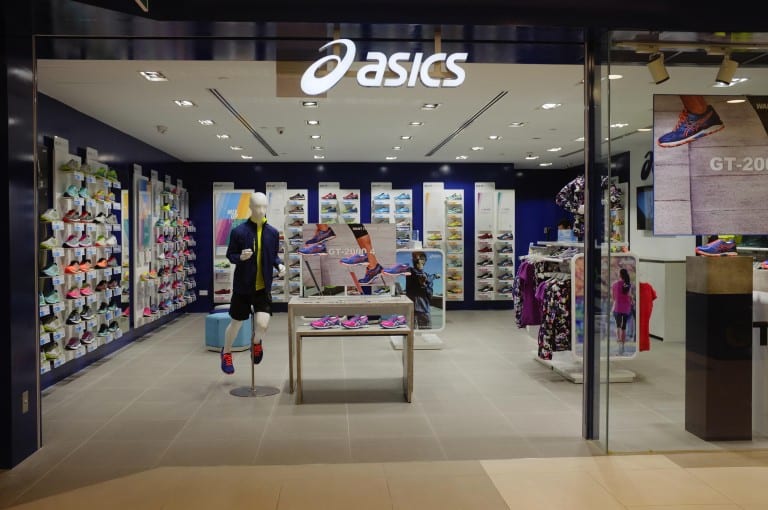
    Global athletic apparel titan Asics has recently unveiled its flagship store in India, occupying a prime location in the heart of New Delhi’s bustling Connaught Place. As the brand’s largest retail space in the country, this new outlet represents a significant strategic move aimed at expanding Asics’ presence in the Indian domestic market.

    The Flagship Store

    Sprawling over an expansive 2800 square feet, the flagship store is a comprehensive showcase of Asics’ diverse product lines. In addition to its highly regarded performance running gear, the store offers a broad range of core performance sports items, SportStyle products, and apparel ranges.

    Asics has designed this extensive retail space to cater to a wide spectrum of consumers. Beyond its core performance offerings, the brand aims to appeal to casual wearers and leisure-focused customers by integrating SportStyle and athleisure into their product repertoire. The store is thus positioned to attract everyone from elite athletes to lifestyle-focused and fitness-conscious consumers.

    Store Design and Layout

    The store layout features numerous wall displays and category zones, reflecting Asics’ commitment to innovation and product discovery. These strategic elements of the store’s design facilitate seamless navigation for customers and ensure that the full range of Asics’ products are effectively showcased.

    Brand Expansion and Growth

    The launch of this flagship store underscores Asics’ ongoing investment in strategic store zoning, comprehensive product assortments, and experiential sales formats. Furthermore, it serves as a clear signal of the brand’s expansion objectives, with plans to establish a network of 200 stores across the country by the forthcoming year. This ambitious expansion includes the launch of the brand’s first company-owned outlet later this year.

    Asics’ decision to strengthen its physical retail footprint in India is a testament to the country’s robust footwear market, which is projected to grow at a compound annual growth rate (CAGR) of 12.2 per cent.

    Manufacturing Plans

    In response to India’s stringent import regulations, Asics announced in June its plan to increase domestic manufacturing to 40 per cent over the coming years, thereby ensuring a consistent product supply.

    Questions & Answers

    What is the significance of Asics’ new flagship store in India?

    The new flagship store represents Asics’ strategic move to expand its market presence in India and cater to a broader range of consumers, from elite athletes to lifestyle-focused and fitness-conscious individuals.

    What is Asics’ expansion plan in India?

    Asics plans to extend its network to 200 locations across India by next year, including the launch of its first company-owned outlet.

    How does Asics plan to maintain a steady supply of products in India?

    To ensure a consistent supply chain, Asics intends to increase its domestic manufacturing in India to 40 per cent over the coming years, in response to the country’s strict import regulations.

  • Pandora’s Q2 Report Shows Robust Growth Driven By U.s. Demand And Global Expansion

    Pandora’s Q2 Report Shows Robust Growth Driven By U.s. Demand And Global Expansion

    In the second quarter of this year, Danish jewelry powerhouse Pandora reported strong financial outcomes, bolstered by substantial demand in the United States and continued international expansion.

    Financial Health

    Pandora’s organic revenue experienced an 8% increase year-on-year, driven by a 3% growth in like-for-like (LFL) sales and a 5% contribution from network expansion. The company’s net income experienced a minor rise, amounting to DKK 803 million (approximately US$125 million), a slight increase from DKK 799 million (US$124 million) during the same quarter last year.

    Regional Performance

    Geographically, the United States remained Pandora’s primary growth driver, with an 8% LFL sales boost in Q2. Other regions showed promising results as well: the rest of the world reported a 6% LFL growth, while Europe exhibited a modest 1% growth. Nonetheless, several key European countries such as Spain, Portugal, the Netherlands, and Poland, demonstrated impressive double-digit gains.

    Strategic Growth and Expansion

    In the second quarter of 2025, Pandora expanded its retail footprint, launching a net of 17 concept stores and adding eight Pandora-operated shop-in-shops. This brings the total to 93 concept stores and 87 shop-in-shops globally over the past year.

    Physical retail remains a significant part of Pandora’s strategic focus, although the company is refining its market approach. Between 2024 and 2026, Pandora plans to open 400 to 500 net concept stores. However, the full-year 2025 target has been revised down to 25–50 net openings from the initial forecast of 50–75. This adjustment reflects intensified optimization initiatives in China, where up to 100 store closures are now anticipated, doubling the previous minimum estimate of 50.

    Despite these expected store closures in China, Pandora projects to maintain 3% network-driven organic growth for the year. The company’s plan to inaugurate approximately 25 new Pandora-operated shop-in-shops this year remains unchanged.

    Enhancing Customer Experience and Brand Identity

    One significant highlight of the quarter was the opening of Pandora’s second global flagship store on the Las Vegas Strip. With a target of transforming up to 1425 stores by the end of 2026, Pandora aims to enhance both customer experience and brand visual identity significantly.

    Later this year, Pandora plans to launch two new charm collections, Pandora Talisman and Minis, targeting younger, value-conscious shoppers. Additionally, the company aims to sustain momentum around its ‘Be Love’ campaign, emphasizing localized storytelling and influencer activations in crucial markets.

    Addressing Challenges

    Pandora also recognizes the increasing cost pressures related to tariffs, particularly in the United States. Import duties on goods from Thailand, China, Vietnam, and India are expected to cost the company DKK 200 million (US$31 million) in FY25, potentially rising to as much as DKK 450 million (US$70 million) annually by FY26.

    Questions & Answers

    What drove Pandora’s growth in the second quarter?
    Pandora’s growth in the second quarter was driven by robust demand in the United States and continued international expansion.

    What are Pandora’s plans for physical retail expansion?
    Pandora plans to open 400 to 500 net concept stores between 2024 and 2026. However, due to optimization efforts in China, the company has revised down its full-year 2025 target to 25–50 net openings.

    What are some of the challenges Pandora currently faces?
    Pandora is facing increasing tariff-related cost pressures, particularly in the United States, where import duties on goods from several countries are projected to cost the company up to DKK 450 million (US$70 million) annually by FY26.


  • Misto Holdings Reports Robust Q2 Performance: Fila And Acushnet Divisions Drive Revenue Growth

    Misto Holdings Reports Robust Q2 Performance: Fila And Acushnet Divisions Drive Revenue Growth

    Misto Holdings, the parent company of Fila, has announced robust performance for its second quarter, with its consolidated revenue showcasing a 4.5 percent leap from the previous year to reach 1.23 trillion won ($888.8 million).

    The growth in operating profit was particularly noteworthy, surging by 29.8 percent to 181.9 billion won ($131 million). This uptick was powered by strong results from both the Misto and Acushnet business divisions.

    Misto Segment’s Performance

    The Misto segment reported revenues of 216.3 billion won ($156.3 million), maintaining the promising trend initiated by Fila’s Echappe franchise. The segment introduced new product lines, Peito and Panthera, generating notable momentum.

    The establishment of the Fila 1911 Myeong-dong concept store, which opened its doors in Seoul in April, bolstered the brand’s prominence in Korea. Simultaneously, the company has been widening its presence in Greater China, with the first Marithe Francois Girbaud store launching in the Xintiandi district of Shanghai.

    Acushnet’s Contribution

    Misto’s golf equipment subsidiary, Acushnet, also made significant contributions, with a year-over-year revenue increase of 7.9 percent, amounting to 1.01 trillion won. This boost was spearheaded by the enduring demand for Pro V1 and Pro V1x golf balls, GT Series clubs, and Scotty Cameron putters. Acushnet achieved steady growth in the US, Europe, and key Asian markets.

    “Even with external policy uncertainties and adjustments in certain operating areas, our strong brand competitiveness, particularly with Acushnet, and the restructure of certain overseas operations, have positively influenced the overall performance of the company,” stated Ho Yeon (Aaron) Lee, CFO of Misto Holdings.

    Lee added, “The Misto segment is also committed to enhancing product competitiveness and streamlining distribution efficiency as part of its mid- to long-term strategy, while also continuing to support balanced growth throughout our brand portfolio.”

    Rebranding to Misto Holdings

    Earlier in the year, Fila Holdings underwent a rebranding exercise to become Misto Holdings. This change was made to better represent the company’s diverse brand portfolio and its global aspirations.

    Questions & Answers

    What were the key drivers of Misto Holdings’ profit growth in Q2?
    The robust performances of both the Misto and Acushnet segments contributed to the rise in profits. The Misto segment benefited from the successful launch of new product lines and the Acushnet segment reported significant growth due to sustained demand for its golf equipment.

    How is Misto Holdings expanding its footprint in Asia?
    Misto Holdings is increasing its presence in Asia through the opening of new stores, such as the Fila 1911 Myeong-dong concept store in Seoul and the first Marithe Francois Girbaud store in Shanghai.

    Why did Fila Holdings rebrand to Misto Holdings?
    Fila Holdings rebranded as Misto Holdings to more accurately reflect the diversified nature of its brand portfolio and to affirm its global ambitions.

  • Homeplus Announces Closure Of 15 Outlets Amid Growing Financial Crisis And Rehabilitation Efforts

    Homeplus Announces Closure Of 15 Outlets Amid Growing Financial Crisis And Rehabilitation Efforts

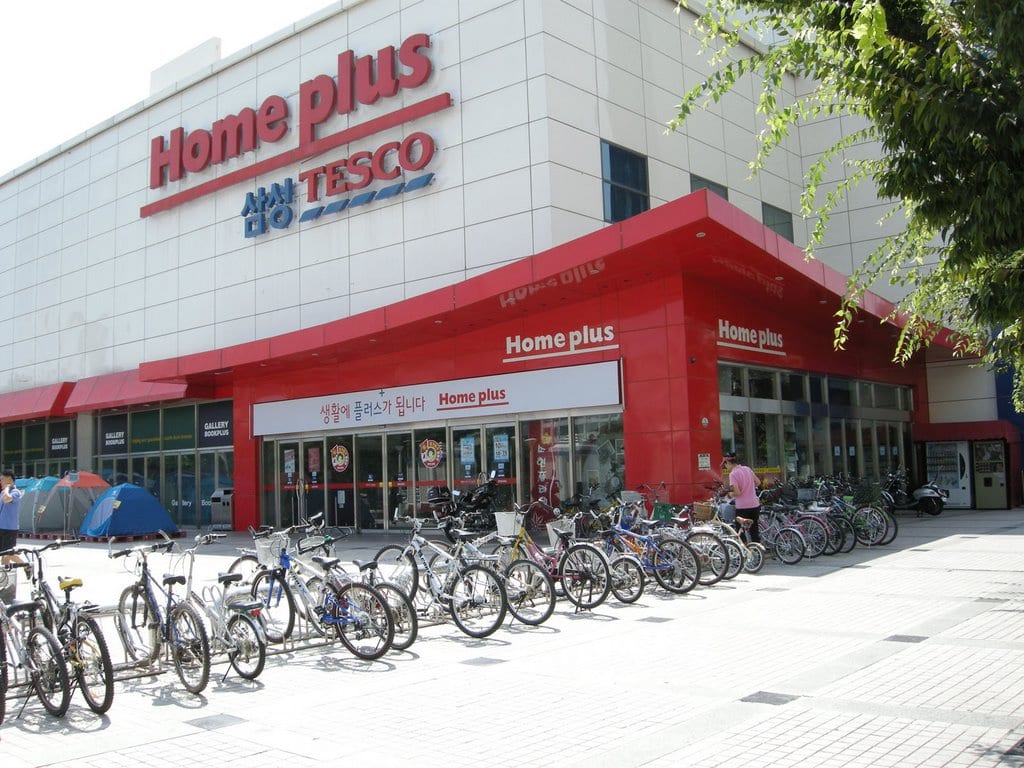
    Homeplus Co, a discount store chain experiencing financial troubles, disclosed on Wednesday its plans to shut down 15 outlets due to increasing operational challenges in the business environment.

    Undergoing a court-led rehabilitation process since March this year, Homeplus has been grappling with its dipping financial health. The company’s corporate bonds value was adjusted from A3 to A3- by two local credit rating agencies, given its unsatisfactory financial state. The organization is expected to present its rehabilitation strategy to the Seoul Bankruptcy Court by the 10th of September.

    Samil PricewaterhouseCoopers, the court-assigned accounting firm, suggested conducting a merger and acquisition (M&A) auction before the court endorses the plan, as the liquidation value of Homeplus surpasses its ongoing concern value. The court has given its consent to this recommendation.

    In recent times, the company has witnessed a slump in sales due to plummeting consumer confidence, decreased transactions with suppliers and the latter’s insistence for upfront payments, thereby instigating a prospective liquidity crisis.

    Joh Joo-yun, the co-CEO, expressed his concerns in a message to the employees stating that if this situation prolongs, the company’s revival through an M&A prior to the court’s approval of the rehabilitation plan might be jeopardized.

    Joh further emphasized that the company has resorted to emergency management actions to avert the crisis. He highlighted that the issue transcends beyond a mere management problem to one that impacts the broader economy and the job security of 22,000 workers employed with Homeplus and its subcontractors.

    Joh, along with Kim Kwang-il, the vice-chairman of MBK Partners, are the two court-appointed managers. MBK Partners took over a 100 percent stake in Homeplus from the British retailer Tesco Plc in 2015, amounting to 7.2 trillion won (US$5.2 billion).

    As of Wednesday, Homeplus operates 125 outlets.

    Questions & Answers

    What is the financial state of Homeplus Co?
    The discount store chain is currently under a court-led rehabilitation program due to its poor financial health.

    What was the recommendation of Samil PricewaterhouseCoopers regarding the company’s current situation?
    The court-appointed accounting firm suggested a merger and acquisition auction before the court approves the rehabilitation plan, as the company’s liquidation value is higher than its going concern value.

    What is the impact of Homeplus’ financial troubles on its employees?
    The co-CEO, Joh Joo-yun, expressed concerns that the ongoing situation could affect the broader economy and the job security of 22,000 workers at Homeplus and its subcontractors.

  • Vietnam’s Sky Wars Heat Up as New Airline Takes Flight

    Vietnam’s Sky Wars Heat Up as New Airline Takes Flight

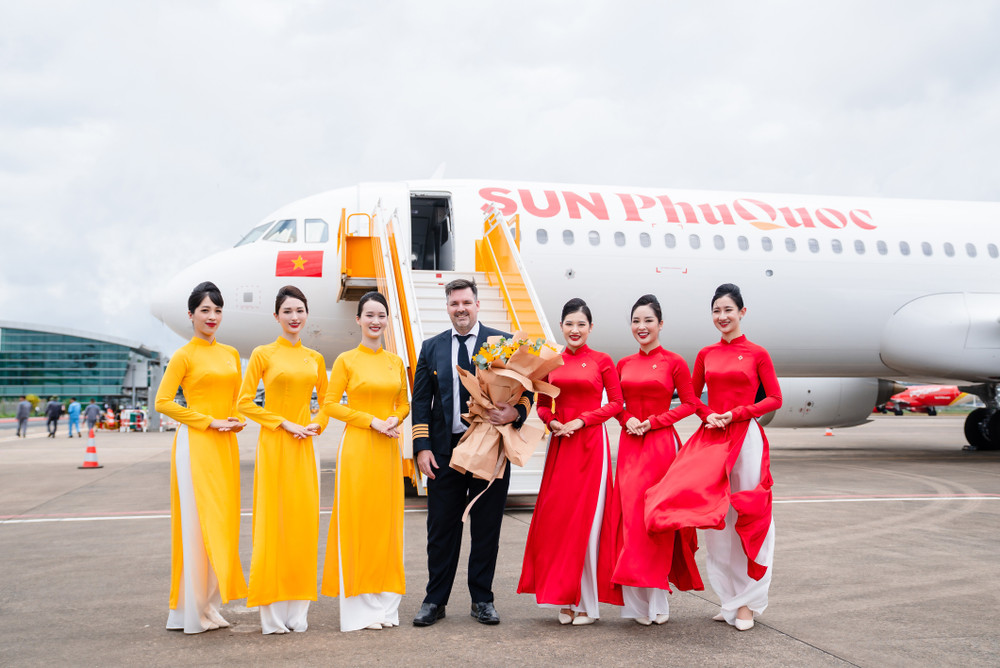
    The first Airbus A321 for Sun PhuQuoc Airways has officially landed in Vietnam, marking a significant leap forward for the airline just weeks after receiving its operating license. The initiative from the Sun Group, a major player in tourism, aims to launch ticket sales by October and commence flights in December, adhering to an ambitious timeline that reflects its commitment to growth.

    Setting the Bar High in Vietnamese Aviation

    With aspirations as lofty as the planes it operates, Sun PhuQuoc Airways plans to have eight A321 aircraft at its disposal by the end of the year. The airline is ramping up its recruitment efforts, securing pilots and cabin crew while lining up a credit facility with Vietcombank for the purchase of up to ten aircraft. Sun Group’s vision for the airline goes beyond mere transportation; it seeks to offer premium tourism experiences, with future destinations planned for China, Japan, and South Korea.

    Vietravel Airlines Springs Back to Life

    Adding to the excitement in Vietnam’s aviation landscape is the resurgence of Vietravel Airlines. After grappling with aircraft shortages and financial hurdles, the company has received a shot in the arm from T&T Group’s backing. Since late June, it has welcomed two new aircraft into its fleet and is on track to acquire more, aiming for a total of at least ten by year-end. This move aligns with a strategic pivot towards ownership rather than leasing. On top of this, Vietravel Airlines is also setting its sights on launching a dedicated cargo fleet as it ramps up its domestic services, contributing to a rejuvenated tourism and aviation market in the post-Covid era.

    The Roaring Comeback of Tourism

    Vietnam’s tourism scene is on fire, with international arrivals surpassing 12.2 million in just the first seven months of 2025—a remarkable 23% increase year-on-year and a staggering 25% above pre-pandemic levels in 2019. This growth is bolstered by the government’s recent decision to waive visas for visitors from 12 European countries, an invite that has opened the gates of opportunity.

    Major upgrades in aviation infrastructure, including the construction of the Long Thanh International Airport and the expansion of Phu Quoc International Airport, only add to the momentum. These developments are creating a fertile environment for new carriers while benefiting established ones.

    Established Airlines are Thriving, Too

    The resurgence isn’t just limited to newcomers. Vietnam Airlines reported record profits exceeding VND6.68 trillion (US$254 million) for the first half of 2025, more than doubling its annual figures from the last three years prior to the pandemic. Budget airline Vietjet also soared, achieving a 65% profit increase to VND1.6 trillion—the highest since the pandemic began. Meanwhile, Bamboo Airways, which began operating in 2019, has wrestled with post-restructuring challenges but has made notable strides to curb losses, although it now finds itself on a leaner footing with fewer aircraft and reduced routes.

    In a surprising twist of fate, rapidly evolving competition in the domestic market is forcing Bamboo Airways to rethink its strategies as new entrants like Sun PhuQuoc Airways and Vietravel Airlines loom over its previous market share.

    Challenges and Future Outlook

    Despite these promising developments, challenges persist. Nguyen Trung Khanh, director general of the Vietnam National Tourism Administration, highlighted the pressing issue of rising airfares, which have surged by 45% on many routes during peak travel seasons. The Bamboo Airways management is acutely aware of the risks posed by resurgent competitors and is calling for measures to enhance service quality and flight safety, all while focusing on financial health and investor attraction.

    Amidst the competitive landscape, Vietnam Airlines remains optimistic. Chairman Dang Ngoc Hoa acknowledged the inevitability of competition in an increasingly integrated market, viewing the influx of new airlines as an opportunity to innovate and solidify its status as the national carrier. Plans for investments in technology, personnel, and international partnerships are on the horizon to better meet the evolving expectations of travelers.

    Questions & Answers

    What is the main goal of Sun PhuQuoc Airways?
    The airline, operated by Sun Group, aims to launch ticket sales by October 2025 and begin flights in December, focusing on premium tourism experiences and expanding to markets in China, Japan, and South Korea.

    How is Vietravel Airlines attempting to recover from its challenges?
    Vietravel Airlines is bouncing back with support from T&T Group, targeting a fleet of at least ten aircraft by year-end and diversifying its offerings to include a dedicated cargo service.

    What are the current challenges facing the Vietnamese tourism and aviation sectors?
    Despite the impressive recovery in tourist arrivals, high airfares, especially during peak seasons, continue to pose a challenge, drawing attention from industry leaders who are advocating for strategies to enhance competitiveness.

  • Vietnam Rice Prices Plummet as Philippines Suspends Imports: What’s Next for the Market?

    Vietnam Rice Prices Plummet as Philippines Suspends Imports: What’s Next for the Market?

    In Vietnam’s Mekong Delta, often dubbed the nation’s “rice bowl,” traders are becoming increasingly cautious in their purchasing decisions. This hesitation stems mainly from uncertainties regarding rice exports to the Philippines, a key market. “I am only buying cautiously to sell domestically, as export shipments are on hold, awaiting new signals from buyers,” said Huyen, a seasoned trader from An Giang Province.

    Prioritizing Existing Contracts Amid Export Challenges

    Meanwhile, in Dong Thap Province, rice mills are working diligently to fulfill existing contracts with the Philippines, focusing on old agreements as new orders have noticeably dwindled. Recent market shifts have seen prices for popular varieties like Dai Thom 8 and OM18 rice decrease by 4%, landing at VND11,000 (US$0.42) per kilogram.

    An anonymous rice export company in Dong Thap voiced concerns over the impact of the Philippines’ two-month import suspension, a significant disruption for a market that represents almost 45% of Vietnam’s rice export revenue. “The business plans have been thrown into disarray,” the company representative lamented.

    Seasonal Struggles and Rising Costs

    The timing couldn’t be worse, coinciding with peak harvest season. The slowdown in contracts has caused inventory levels to swell while storage expenses have surged. Nguyen Chi Thanh, the rice division director of agriculture exporter Angimex, remarked that prices for the summer-autumn and autumn-winter seasons are likely to decline drastically, making the struggle to find new markets even more daunting. “Other importing countries might seize this opportunity to negotiate lower prices,” he warned.

    Additionally, exporters have faced long-standing challenges in obtaining phytosanitary certificates required by the Philippines, a lengthy process that has complicated the establishment of long-term contracts since 2019. While online licensing began on July 7 of this year, the extensive paperwork and rising costs continue to put pressure on profit margins.

    Impact on Farmers and Future Strategies

    The ripple effects of the Philippines’ import suspension are widespread. According to Do Ha Nam, chairman of the Vietnam Food Association, halted contracts have led to mounting inventories and intensified downward pressure on domestic rice prices. The Ministry of Industry and Trade highlighted that these developments have depressed export prices and narrowed profit margins, severely impacting farmers’ incomes. It urged businesses to maintain reserves and avoid panic selling while fostering collaboration among agencies to explore new markets, particularly in the Middle East, Africa, and Northeast Asia.

    The Philippines justified its decision by aiming to protect its domestic market amid plummeting local rice prices. In response, the Vietnam Food Association has called on the trade ministry to engage in dialogue with the Philippines to clarify which rice types are affected and to resolve procedural hurdles to sustain trade, minimize losses, and safeguard farmers’ interests.

    Seeking Support and New Opportunities

    Both nations are implementing a memorandum on rice trade cooperation that was signed on January 30 last year and remains valid until the end of 2028. The Vietnamese rice sector now seeks assistance from various ministries to ensure seamless production and exports amidst market volatility. The trade ministry has appealed to Prime Minister Pham Minh Chinh to direct financial measures, including expediting value-added tax refunds for exporters, and to plan national rice reserve purchases to mitigate unfavorable market fluctuations.

    Remarkably, in the first seven months of this year, rice exports to the Philippines saw a decline of 13.5% year-on-year, while other markets flourished, including Ghana (53.5%), Ivory Coast (96.6%), and an astonishing increase in exports to Bangladesh by 188 times.

    Questions & Answers

    How has the rice export market been affected by the Philippines’ import suspension?
    The suspension has disrupted contracts, increased inventories, and pressured domestic prices, with exports to the Philippines dropping by 13.5% in the first half of the year.

    What are the primary concerns for Vietnamese rice exporters?
    Concerns center around rising storage costs, reduced profit margins due to decreased prices, and challenges in obtaining necessary export certifications.

    What steps is the Vietnamese government taking to address these market challenges?
    The government is urging companies to maintain reserves while exploring new markets and has called for expedited financial measures to support rice exporters facing losses.

  • Dollar Gains Ground Against Dong on Black Market: What This Means for Retail

    Dollar Gains Ground Against Dong on Black Market: What This Means for Retail

    Unofficial exchange points reported the greenback trading at VND26,505, marking a slight increase of 0.02%. Meanwhile, Vietcombank held its rate steady at VND26,450. The State Bank of Vietnam’s reference rate remained unchanged as well, fixed at VND25,249.

    A Global Perspective on the Dollar’s Movement

    Across the globe, the dollar faced a decline on Friday, capping off a data-rich week and maintaining the narrative around a potential interest rate cut by the Federal Reserve in September. Traders are eagerly keeping tabs on a pivotal meeting in Alaska between U.S. President Donald Trump and Russian President Vladimir Putin focused on the Ukraine situation, as reported by Reuters.

    Market Reactions and Predictions

    Despite a significant surge on Thursday triggered by higher-than-expected U.S. producer prices in July, the dollar surrendered most of its gains by Friday, setting up for an overall dip of 0.4% against a spectrum of currencies for the week. Analysts anticipate that the euro stands to gain should a ceasefire be reached in Ukraine, with the euro rising 0.5% to $1.1702 against the dollar.

    It’s worth noting that currencies, much like fashion trends, can shift with surprising speed — will the euro soon become the new black in Forex, or is the dollar’s charm set to endure? Only time will tell.

    Questions & Answers

    What was the exchange rate of the U.S. dollar against the Vietnamese dong on the black market?
    The U.S. dollar was trading at VND26,505 on the black market, reflecting a 0.02% increase.

    How did the U.S. dollar perform globally last week?
    The dollar ended the week 0.4% lower against a basket of currencies, following setbacks after a strong surge earlier in the week due to rising producer prices.

    What impact could a ceasefire in Ukraine have on the euro?
    Analysts believe the euro would likely benefit significantly from any ceasefire agreement in Ukraine, as the currency gained 0.5% against the dollar recently.

  • Australia’s Bold Move: Aiming to Eliminate Card Surcharges for Shoppers Everywhere

    Australia’s Bold Move: Aiming to Eliminate Card Surcharges for Shoppers Everywhere

    Australia is currently in the throes of a significant debate regarding a proposal to ban surcharges on credit and debit card transactions. If enacted, this move could potentially save consumers a staggering 1.2 billion Australian dollars (approximately $781 million) each year. Given that cashless payments currently represent 76% of all retail transactions in the country, the stakes in this discussion are high.

    Retail and Banking Communities Rally Against Proposal

    Both the retail and banking sectors are pushing back against the central bank’s suggestion to eliminate these surcharges. Retailers argue that these fees often help them offset the costly processing fees imposed by banks and card companies. They fear that removing this revenue stream could dampen their profit margins, particularly in a recovering market still grappling with the aftereffects of the pandemic. As one retailer noted, it’s somewhat like asking a chef to cook a meal without ever buying groceries: the ingredients (or financial stability) simply aren’t there.

    The Central Bank’s Perspective

    The Reserve Bank of Australia contends that eliminating card transaction fees would enhance competition and potentially lead to lower prices for consumers. Advocates of the ban argue that it would foster a more equitable marketplace where businesses can’t pass unnecessary costs onto consumers. However, this perspective has not resonated universally, as evidenced by the spirited discussions unfolding in stores and boardrooms alike.

    Consumer Impact and Future Considerations

    For the average consumer, the potential ban could translate into significant savings. However, the complexities associated with transaction fees go beyond mere dollars and cents. As Australia adjusts to an increasingly digital economy, the ongoing dialogue underscores the delicate balance between consumer protection and the financial health of retail businesses and banks alike. With the potential for dramatic shifts in the economic landscape, the outcome of this legislative pursuit could very well reshape the way Australians handle their cashless transactions.

    Questions & Answers

    What are the potential savings for consumers if transaction fees are eliminated?
    Consumers could save up to 1.2 billion Australian dollars ($781 million) each year if surcharges on debit and credit card transactions are banned.

    Why are retailers opposed to the ban on transaction surcharges?
    Retailers argue that these fees help cover the processing costs imposed by banks and card companies, and removing this revenue stream may hinder their profit margins in a competitive market.

    What stance does the Reserve Bank of Australia take on this issue?
    The Reserve Bank believes that banning surcharges would boost competition and potentially lead to lower prices for consumers, fostering a more equitable retail environment.

  • Bruno Fine Foods Expands Portfolio With Exclusive San Marzano Tomatoes Through Casa Marrazzo Alliance

    Bruno Fine Foods Expands Portfolio With Exclusive San Marzano Tomatoes Through Casa Marrazzo Alliance

    Bruno Fine Foods, a leading gourmet food provider, has expanded its premium product line through an alliance with Italian producer Casa Marrazzo, introducing San Marzano tomatoes to its portfolio.

    Certified Quality

    The newly added San Marzano tomatoes hold the prestigious DOP (Denominazione d’ Origine Protetta) certification, signifying their origin from a specific region and adherence to meticulous quality standards. These particular tomatoes are exclusively cultivated in a 3-square kilometer stretch in the Agro Nocerino-Sarnese region. Their limited production area elevates their exclusivity, making them a premium, albeit costly, product.

    Shared Vision

    The alliance between Bruno Fine Foods and Casa Marrazzo took shape following a meeting in 2023, where the teams discovered their shared commitment to high quality and sustainable land use. The two brands recognized a mutual vision for excellence that goes hand in hand with their respect for the environment.

    Australian Launch

    As part of its launch strategy, Bruno Fine Foods intends to introduce Casa Marrazo to the Australian market with a creative campaign that incorporates warehouse altars and field-side installations. This approach aims to encapsulate the essence of Casa Marrazzo’s tradition and creativity, bridging the gap between the old and the new.

    As of now, Casa Marrazzo’s hand-picked produce is readily accessible to Australian retailers, chefs, and hospitality venues, bolstering the local gastronomy scene.

    Questions & Answers

    What does the DOP certification signify?
    The DOP (Denominazione d’ Origine Protetta) certification is an Italian agricultural designation indicating that a product is grown and produced in a specific geographical region and adheres to strict quality standards.

    What makes the San Marzano tomatoes rare and expensive?
    San Marzano tomatoes are exclusively grown in a 3-square kilometer region in Agro Nocerino-Sarnese, Italy. The limited cultivation area, along with the stringent quality standards they adhere to, contribute to their rarity and higher price point.

    Where can Casa Marrazzo’s hand-picked produce be purchased in Australia?
    Casa Marrazzo’s hand-picked produce, introduced by Bruno Fine Foods, is now available to Australian retailers, chefs, and hospitality venues.

  • Starbucks Korea Eliminates Printers and Desktops as Café Workspaces Gain Popularity Among Customers

    Starbucks Korea Eliminates Printers and Desktops as Café Workspaces Gain Popularity Among Customers

    In a strategic move to enhance customer satisfaction, Starbucks has implemented a new policy across all its locations in South Korea, urging patrons to leave behind bulky devices when they step away from their tables. Announced Thursday, every store has displayed notices banning large equipment, including power strips and extensive cubicle-style dividers.

    These signs serve a dual purpose: they remind customers to take their belongings if they plan to leave for an extended period and encourage the efficient use of shared tables. A representative from Starbucks elucidated that this policy aims to maintain a comfortable environment for all guests. “While laptops and smaller personal devices are welcome, customers are asked to refrain from bringing desktop computers, printers, or other bulky items that may limit seating and impact the shared space,” the spokesperson explained to Business Insider. Importantly, these guidelines do not impose time restrictions on those who choose to dine in.

    Starbucks boasts over 2,000 outlets in South Korea, making it the company’s third-largest market after the United States and China. This recent policy aligns with a rapidly burgeoning trend in the country known as “cagongjok,” which describes individuals who occupy coffee shops for long hours to work or study.

    While the majority of these patrons use laptops, the trend has also seen some customers bringing in considerably larger equipment such as monitors and printers, as well as—wait for it—partition panels. A social media post illustrating a customer in South Korea with a three-sided partition and a computer exemplifies this phenomenon, showcasing just how far some have taken the concept of a “mobile office.”

    The rise of this trend is rooted in South Korea’s changing labor landscape and the widespread shift toward remote work. Post-pandemic, many employees adjusted to working from home, and as they gradually returned to their offices, skyrocketing rents and limited redevelopment opportunities in Seoul restricted available commercial space. In a city where businesses fiercely compete for every square foot, cafés have flourished as makeshift workspaces.

    Jo Elfving-Hwang, an associate professor of Korean society and culture at Australia’s Curtin University, noted that businesses have adapted by turning to co-working spaces or allowing employees to work remotely. “People just started working from home more, and [businesses] discovered that they didn’t necessarily need a space in the same way,” she shared with Fortune.

    However, not everyone is pleased with the emergence of “cagongjok.” Some café owners voice frustration, labeling these long-term patrons as “electricity thieves” who commandeer tables for hours while purchasing just a single beverage, thereby limiting availability for other guests. As such, it seems only natural for cafés to strive to reclaim their identity as spaces for leisure and relaxation rather than simply functioning as remote work hubs, according to Elfving-Hwang.

    Questions & Answers

    What prompted Starbucks to implement this new policy in South Korea?
    The new policy was introduced to enhance customer experience by preventing the overcrowding of space caused by bulky devices like desktop computers and printers.

    What does the term “cagongjok” refer to in the context of South Korea’s café culture?
    “Cagongjok” describes individuals who occupy coffee shops for extended periods to work or study, often occupying tables for hours with minimal purchases.

    How is the rise of remote work influencing café dynamics in South Korea?
    As more employees work from home and the demand for physical office space decreases, many have turned to cafés as alternative workspaces, leading to a shift in how these establishments are utilized.

  • JD.com Reports Sharp Q2 Profit Drop as China’s Food Delivery War Intensifies

    JD.com Reports Sharp Q2 Profit Drop as China’s Food Delivery War Intensifies

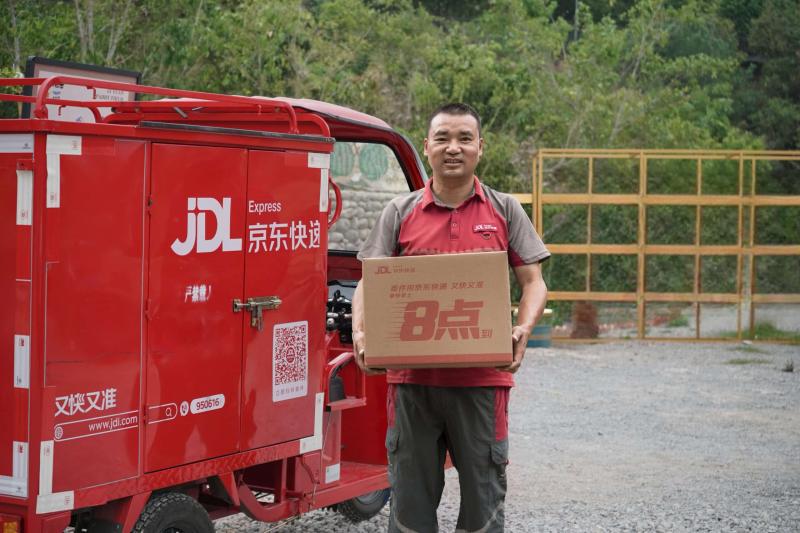
    JD.com reported a staggering 51% decline in net profit during the April-June quarter, totaling 6.2 billion yuan ($864 million). This sharp drop can be attributed to significant subsidies directed toward its food delivery service as the company grapples with fierce competition from Meituan and Alibaba in the rapidly evolving market.

    Continued Subsidy Wars in China

    In a landscape where hefty discounts and incentives have become the bread and butter of attracting users, JD.com’s commitment to subsidizing its food delivery operations shows no signs of waning. As the price wars intensify, JD.com is betting big on capturing market share, even as the financial toll becomes evident.

    Financial Strain Amid Competitive Pressure

    The current state of play in the food delivery sector indicates that the battle lines are drawn and heavily fortified, with JD.com facing off against formidable rivals. Analysts are closely watching how these subsidy investments will impact the company’s long-term viability and overall profitability. It seems that in this culinary conquest, JD.com might be cooking its own financial goose.

    Looking Ahead: What’s Next for JD.com?

    As the third quarter approaches, all eyes will be on JD.com to see if it maintains its aggressive subsidy strategy or recalibrates in response to the intense market pressures. Investors and consumers alike are wondering how this will shape the future of food delivery in China, a sector that is as unpredictable as an unpopped popcorn kernel at the bottom of a bag.

    Questions & Answers

    What caused JD.com’s drastic drop in profits this quarter?
    JD.com’s net profit fell 51% due to substantial subsidies it invested in its food delivery service, as it competes against Meituan and Alibaba.

    How is the food delivery market in China currently performing?
    The market is characterized by aggressive price wars, with JD.com, Meituan, and Alibaba vying for dominance through significant discount offers and incentives to attract users.

    What might be JD.com’s strategy moving into the third quarter?
    Observers expect JD.com to either continue its subsidy-driven approach to gain market share or possibly adjust its strategy in response to the financial impact of these investments.

  • Singapore F1 Mogul Ong Beng Seng Fined $23,400, Walks Away Without Jail Time

    Singapore F1 Mogul Ong Beng Seng Fined $23,400, Walks Away Without Jail Time

    Malaysian entrepreneur Ong Beng Seng has been fined S$30,000 (approximately US$23,400) for his role in obstructing justice, offering a hefty reminder of the thin line between the glamorous world of Formula One and serious legal scrutiny.

    Ong Beng Seng’s Legal Woes

    The 79-year-old tycoon, who played a pivotal role in bringing Formula One racing to Singapore, pleaded guilty to the charges out of court almost two weeks prior. His fine comes in the wake of a scandal involving former Singapore transport minister S. Iswaran, who is currently serving time for accepting bribes and obstructing justice.

    A Race Against Time

    Ong, who is battling incurable cancer, was implicated in a case stemming from accusations that he helped Iswaran conceal evidence during an investigation by Singapore’s anti-corruption bureau. While the court spared him a prison sentence, Principal District Judge Lee Lit Cheng emphasized the need for compassion given Ong’s health challenges. “A sentence of imprisonment would carry a high and increased risk of endangering his life,” she remarked, supporting the decision to exercise judicial mercy.

    A Legacy on the Fast Track

    Ong is known as the driving force behind Singapore’s vibrant Grand Prix, having secured the rights to the Formula One race that has thrilled fans since its debut on the streets in 2008. As the owner of Hotel Properties Limited, he has blended the realms of luxury and motorsport seamlessly — though it now seems even VIPs can find themselves in legal hot water. Iswaran’s case was the first political graft trial in Singapore in nearly fifty years, indicating that integrity is being rigorously enforced in the city-state.

    The Aftermath

    Ong’s associate, Iswaran, was sentenced last year after admitting to accepting gifts exceeding S$400,000 (about US$310,000). He completed his term on June 6, leaving the former high-flying politician grappling with the consequences of his actions.

    Questions & Answers

    What was Ong Beng Seng fined for?
    Ong Beng Seng was fined S$30,000 for his role in obstructing justice related to a corruption investigation involving former transport minister S. Iswaran.

    Why was Ong spared a jail sentence?
    Judge Lee Lit Cheng considered Ong’s terminal health condition, stating that imprisonment could significantly endanger his life, which warranted a merciful approach in passing the sentence.

    What is Ong’s connection to Formula One?
    Ong is credited with bringing Formula One racing to Singapore, owning the rights to the Singapore Grand Prix and playing a critical role in establishing the iconic street circuit that has been a fixture since 2008.